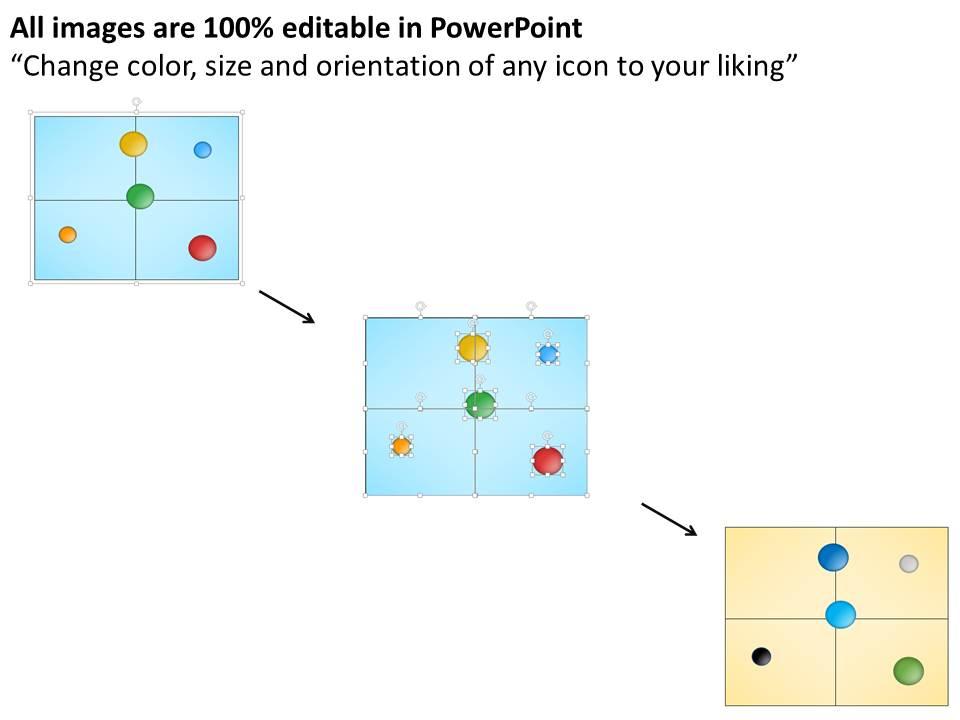
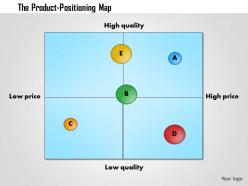
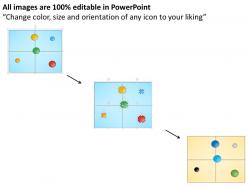
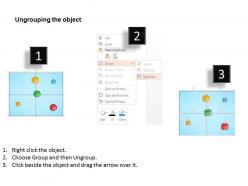
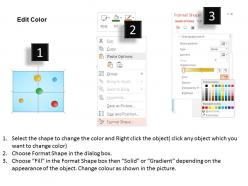
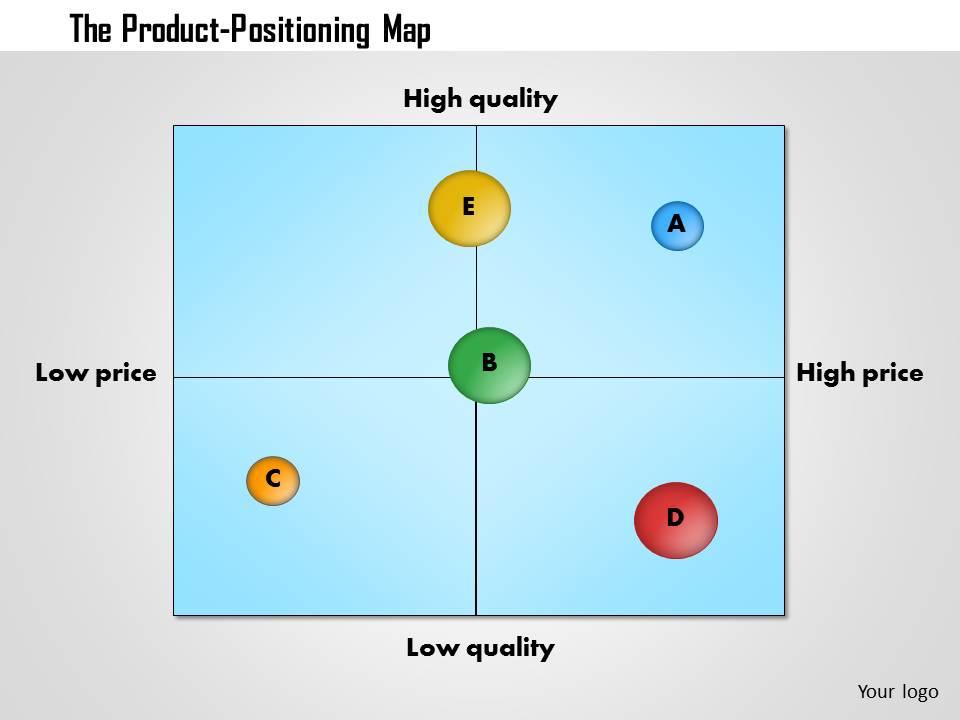
0514 product positioning map template powerpoint presentation
Try Before you Buy Download Free Sample Product
Audience
Editable
of Time
Gain competitive advantage with our 0514 product positioning map template Powerpoint Presentation. You will find them a great choice.
People who downloaded this PowerPoint presentation also viewed the following :
0514 product positioning map template powerpoint presentation with all 5 slides:
Go for broke with our 0514 product positioning map template Powerpoint Presentation. The gamble will certainly pay off.
FAQs for 0514 product positioning map
Key components of an effective product positioning map include competitor analysis, target audience segments, value propositions, market gaps, and differentiation factors. These elements work together by identifying strategic opportunities, clarifying competitive advantages, and revealing underserved market spaces, with many organizations finding that comprehensive positioning maps ultimately streamline product development and enhance market penetration strategies.
A product positioning map helps businesses identify their target market by visualizing customer segments, competitor gaps, market opportunities, and unmet needs across key attributes like price and quality. Through strategic mapping, companies can pinpoint underserved segments, differentiate their offerings, and align product features with specific customer preferences, ultimately delivering more targeted marketing strategies and competitive positioning advantages.
Product positioning maps typically use dimensions like price versus quality, performance versus ease of use, premium versus value, features versus simplicity, and innovation versus reliability. These strategic combinations enable businesses to identify market gaps, differentiate from competitors, and optimize their positioning across various industries, with many companies finding that the right dimensional approach ultimately delivers clearer brand identity and competitive advantage.
Determining the best attributes for positioning maps involves analyzing customer priorities, competitive differentiation factors, and business objectives through market research, surveys, and competitor analysis. These attributes should be measurable, meaningful to your target audience, and showcase clear differentiation, with many companies finding that price-quality, convenience-premium, or innovation-tradition axes effectively reveal strategic positioning opportunities.
Competitor analysis provides critical benchmarking data for positioning maps by revealing market gaps, pricing strategies, feature differentiations, and target audience overlaps. Through comprehensive competitive research, businesses can identify underserved segments, avoid direct confrontations with established players, and strategically position their products where competitors are weakest, ultimately delivering sustainable competitive advantages and clearer market differentiation.
Visual elements enhance product positioning maps by using color coding, distinct shapes, clustering techniques, axis labels, and interactive features to clarify competitive relationships and market gaps. Through strategic design choices, organizations streamline complex positioning data into immediately actionable insights, with many finding that well-designed visual maps accelerate strategic decision-making and improve stakeholder alignment across departments.
**INPUT**: What tools or software are recommended for creating professional product positioning maps? **OUTPUT**: Recommended tools include PowerPoint, Canva, Lucidchart, Miro, and specialized templates from SlideTeam, each offering varying levels of customization and collaboration features. These platforms streamline positioning analysis by enabling real-time team input, visual clarity, and seamless integration with strategic planning processes, with many organizations finding that professional templates significantly accelerate competitive analysis and strategic decision-making.
Market trends significantly influence product positioning by shifting consumer preferences, competitive landscapes, and value perceptions, requiring companies to adjust their placement along key dimensions like price, quality, and innovation. As trends evolve, businesses must reposition offerings to maintain competitive advantage, with many retail and technology companies finding that early adaptation to emerging trends enables enhanced market share and customer relevance.
Apple, Tesla, and Southwest Airlines exemplify successful positioning map implementation, with Apple positioning premium innovation against simplicity, Tesla combining luxury with sustainability, and Southwest balancing low cost with reliable service. These brands leveraged strategic positioning to differentiate from competitors, create clear market spaces, and communicate unique value propositions, ultimately delivering stronger customer loyalty and sustained competitive advantages across their respective industries.
Common pitfalls include oversimplifying competitor analysis, using irrelevant or outdated market dimensions, clustering too many products in similar positions, and neglecting customer perception data. These mapping errors can mislead strategic decisions by creating false competitive landscapes, with many retail and technology companies finding that inaccurate positioning maps result in misaligned marketing strategies and missed market opportunities.
Product positioning maps should be updated quarterly or bi-annually, depending on market dynamics, competitive changes, and product evolution cycles. Many organizations find that regular updates during product launches, competitive shifts, or strategic reviews help maintain accurate market perspectives, enabling teams to identify positioning gaps, track competitive movements, and adjust messaging strategies for sustained market advantage.
A product positioning map analyzes competitive landscape and market gaps to guide strategic positioning decisions, while a perceptual map visualizes how consumers actually perceive brands based on specific attributes like quality or price. Product positioning maps focus on strategic planning and competitive analysis, whereas perceptual maps capture customer attitudes and brand associations, with many marketers finding that combining both approaches delivers comprehensive market insights and more effective positioning strategies.
Customer perceptions significantly influence positioning map accuracy by determining where products actually sit in consumers' minds versus where companies intend them to be positioned. Through surveys, focus groups, and market research, businesses can identify perception gaps, misaligned messaging, and competitive blind spots, ultimately enabling more strategic repositioning efforts that resonate with target audiences.
A positioning map facilitates strategic decision-making by revealing market gaps, identifying competitive threats, and highlighting differentiation opportunities through visual competitor analysis. This strategic tool enables organizations to assess brand repositioning needs, evaluate new product launch potential, and optimize resource allocation, with many companies finding that clear positioning insights drive more targeted marketing strategies and sustainable competitive advantages.
Product positioning maps guide marketing campaigns by identifying competitive gaps, targeting underserved segments, informing messaging strategies, and optimizing product launches. Through strategic positioning analysis, companies like Apple differentiate premium offerings, while retailers like Target position against both discount and luxury competitors, ultimately delivering clearer brand identity and enhanced market penetration across diverse consumer segments.
-
Great product with highly impressive and engaging designs.
-
Awesome presentation, really professional and easy to edit.