0814 islets of langerhans and diabetes mellitus type 1 medical images for powerpoint

Rating:
90%
0814 islets of langerhans and diabetes mellitus type 1 medical images for powerpoint
Slide 1 of 9
Favourites Favourites

Try Before you Buy Download Free Sample Product

Audience Impress Your
Audience
Editable 100%
Editable
Time Save Hours
of Time
The Biggest Sale is ending soon in
0
0
:
0
0
:
0
0
Rating:
90%
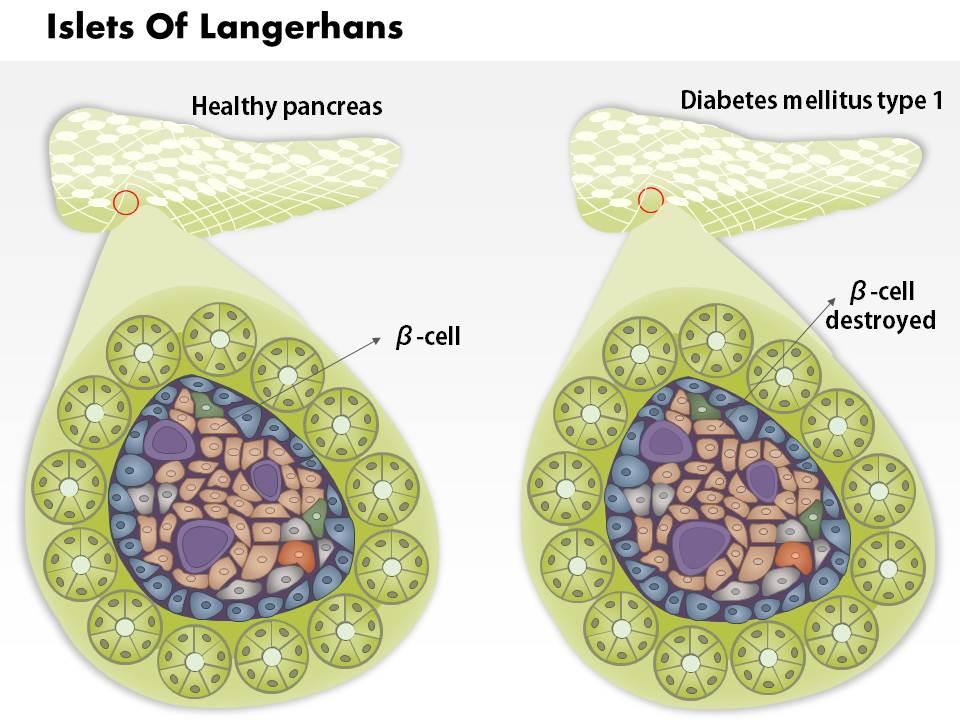
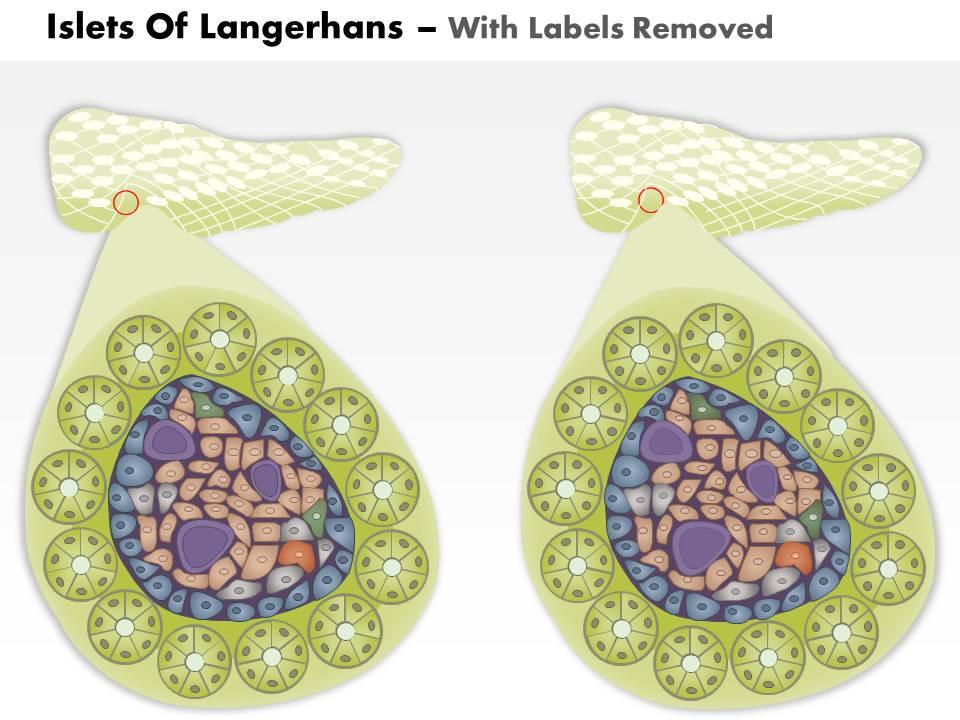
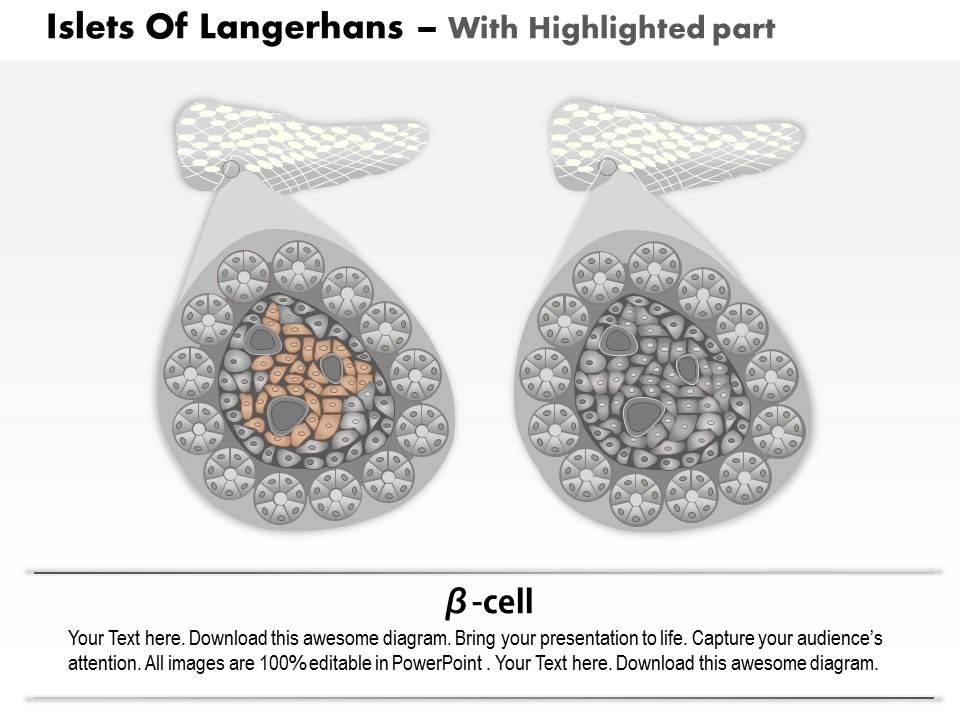
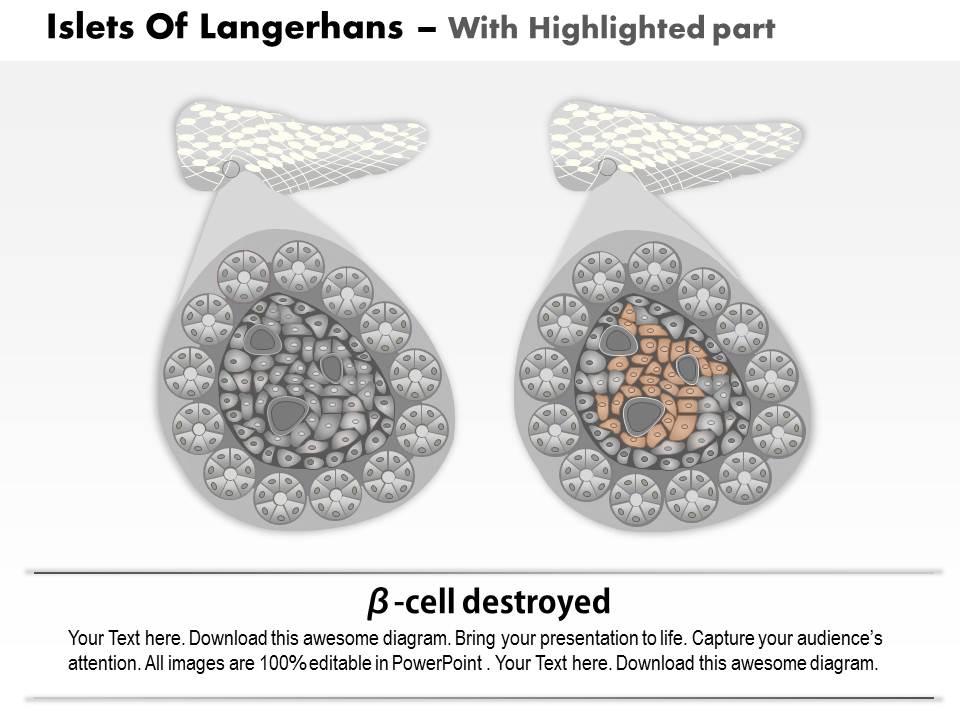
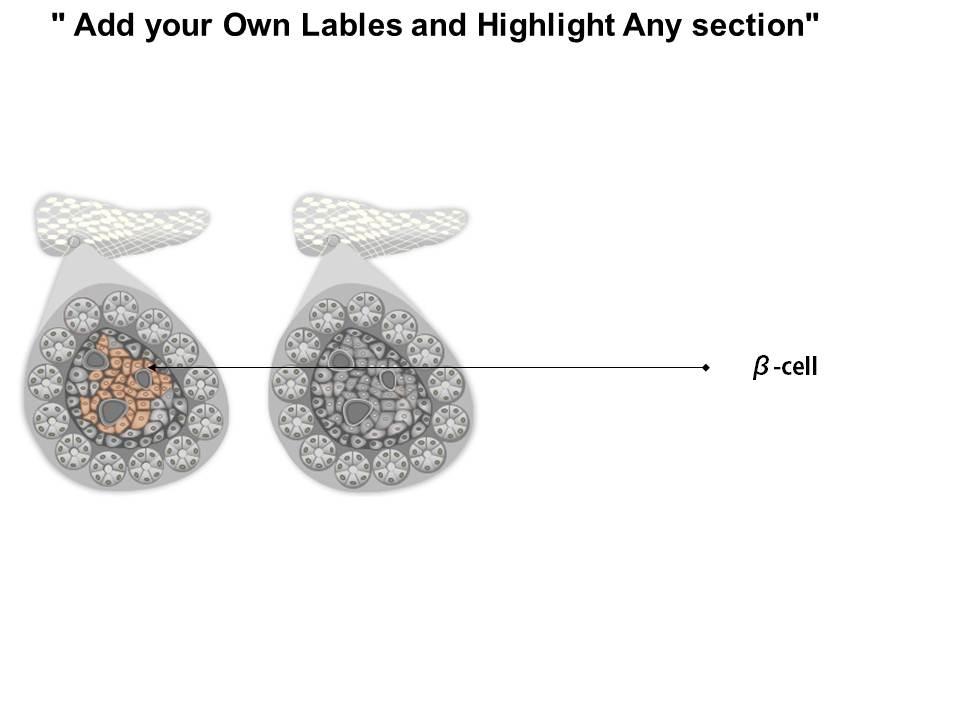
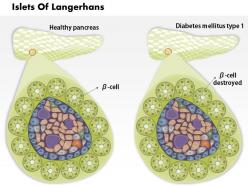
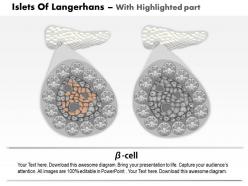
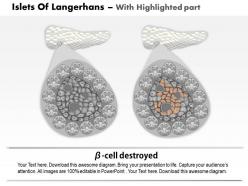
We are proud to present our 0814 islets of langerhans and diabetes mellitus type 1 medical images for powerpoint. This medical image has been developed to show the Islets Of Langerhans And Diabetes Mellitus Type 1. To display this disease, we have used graphic of healthy pancreas and one affected with type-1 diabetes. This image also displays the condition of ? cells in both healthy and diabetic conditions. Use this image to display this type 1 diabetes condition in any medical presentation.

People who downloaded this PowerPoint presentation also viewed the following :

FAQs for 0814 islets of langerhans and diabetes mellitus type 1 medical

The Islets of Langerhans contain five main cell types: alpha cells secreting glucagon, beta cells producing insulin, delta cells releasing somatostatin, PP cells generating pancreatic polypeptide, and epsilon cells secreting ghrelin. These specialized cells work together to regulate blood glucose levels, digestive processes, and metabolic functions, with beta cells comprising approximately 65-80% of islet cells and playing the most critical role in glucose homeostasis.

The Islets of Langerhans maintain glucose homeostasis by producing insulin from beta cells to lower blood sugar, glucagon from alpha cells to raise glucose levels, and somatostatin from delta cells to regulate hormone release. These specialized pancreatic cell clusters enable seamless glucose regulation through coordinated hormone secretion, ultimately delivering metabolic balance and preventing dangerous blood sugar fluctuations.

The Islets of Langerhans play central roles in both diabetes types through beta cell dysfunction, with type 1 involving autoimmune destruction of insulin-producing cells and type 2 featuring insulin resistance and gradual beta cell deterioration. These pancreatic cell clusters become compromised through different mechanisms, ultimately disrupting glucose regulation, reducing insulin production, and creating the metabolic imbalances characteristic of diabetic conditions.

Islets of Langerhans receive exceptionally rich blood supply through dense capillary networks that facilitate rapid hormone distribution, with specialized fenestrated endothelium enabling efficient glucose sensing and insulin secretion. This extensive vascularization proves critical for diabetes management and pancreatic function, as enhanced blood flow allows immediate hormonal responses to glucose fluctuations, ultimately delivering precise metabolic control and supporting therapeutic interventions in diabetic patients.

Diet and exercise significantly influence Islets of Langerhans health by affecting insulin sensitivity, glucose metabolism, and cellular inflammation levels. Regular physical activity enhances insulin receptor function and glucose uptake, while balanced nutrition reduces oxidative stress on pancreatic beta cells, ultimately supporting optimal blood sugar regulation and preventing islet dysfunction that leads to metabolic disorders.

Recent stem cell research shows promising advances in beta cell regeneration, induced pluripotent stem cell differentiation, and pancreatic organoid development for islet repair. These approaches enable glucose-responsive insulin production, enhanced transplantation outcomes, and reduced autoimmune responses, with clinical trials increasingly demonstrating improved glycemic control and potentially reducing long-term diabetes complications.

In autoimmune diseases like type 1 diabetes, the immune system mistakenly attacks and destroys insulin-producing beta cells within the Islets of Langerhans, treating them as foreign invaders. This autoimmune response involves T-cells infiltrating pancreatic tissue, progressively eliminating beta cell function through inflammatory processes, ultimately leading to insulin deficiency and requiring lifelong insulin replacement therapy for glucose regulation.

Innovative approaches for islet transplantation include encapsulation technologies to prevent immune rejection, stem cell-derived beta cells, xenotransplantation using genetically modified pig islets, and improved isolation techniques. These advances enhance transplant success by reducing immunosuppression requirements, increasing donor availability, and improving long-term insulin independence, with many medical centers finding that combined approaches ultimately deliver better patient outcomes and sustained glycemic control.

Understanding Islets of Langerhans signaling pathways enables researchers to develop targeted diabetes treatments by identifying specific molecular mechanisms controlling insulin production, glucose sensing, and beta cell survival. These insights facilitate precision medicine approaches, regenerative therapies, and pharmaceutical interventions that enhance beta cell function, ultimately delivering more effective glucose management and improved patient outcomes across diverse diabetic populations.

Chronic inflammation significantly impairs Islets of Langerhans functionality by reducing insulin production, increasing beta-cell death, and disrupting glucose regulation mechanisms. This inflammatory process, commonly seen in Type 2 diabetes and obesity-related conditions, ultimately leads to decreased pancreatic efficiency, compromised metabolic control, and progressive deterioration of blood sugar management capabilities.

Genetic factors predispose individuals to Islets of Langerhans dysfunction through inherited mutations affecting beta cell development, insulin production pathways, and autoimmune responses targeting pancreatic tissues. These genetic variations, particularly in genes like HLA, PTPN22, and INS, ultimately compromise glucose regulation by reducing insulin secretion capacity, increasing susceptibility to autoimmune destruction, and impairing cellular repair mechanisms within pancreatic islets.

Research techniques for studying Islets of Langerhans include immunohistochemistry, electron microscopy, calcium imaging, patch-clamp electrophysiology, and glucose-stimulated insulin secretion assays. These methodologies enhance understanding by measuring hormone secretion dynamics, cellular structure analysis, and electrical activity patterns, with many diabetes research institutions finding that combining multiple approaches delivers comprehensive insights into pancreatic function and disease mechanisms.

The Islets of Langerhans coordinate with the liver, muscle tissues, and adipose tissues through hormonal signaling, primarily insulin and glucagon secretion. These pancreatic cell clusters work alongside the adrenal glands, thyroid, and hypothalamus to maintain glucose homeostasis, with insulin facilitating cellular glucose uptake while glucagon stimulates hepatic glucose release, ultimately delivering systemic metabolic regulation.

Beta-cell regeneration presents transformative implications for diabetes management, potentially enabling restoration of natural insulin production, reduced dependence on external insulin therapy, and prevention of long-term complications. This approach could revolutionize treatment paradigms by addressing the root cause rather than symptoms, with regenerative medicine companies and pharmaceutical researchers increasingly finding that successful beta-cell restoration delivers improved glycemic control and enhanced quality of life for patients.

Lifestyle modifications preserve Islets of Langerhans function through regular exercise, balanced nutrition, stress management, adequate sleep, and maintaining healthy weight. These approaches enhance insulin sensitivity, reduce inflammatory markers, and minimize metabolic stress on pancreatic beta cells, with many healthcare providers finding that comprehensive lifestyle interventions significantly slow islet deterioration and maintain glucose regulation capacity.

Ratings and Reviews

90% of 100
Write a review
Most Relevant Reviews
  1. 80%

    by Claud Hughes

    Use of different colors is good. It's simple and attractive.
  2. 100%

    by Dewitt Soto

    Design layout is very impressive.

2 Item(s)

per page: