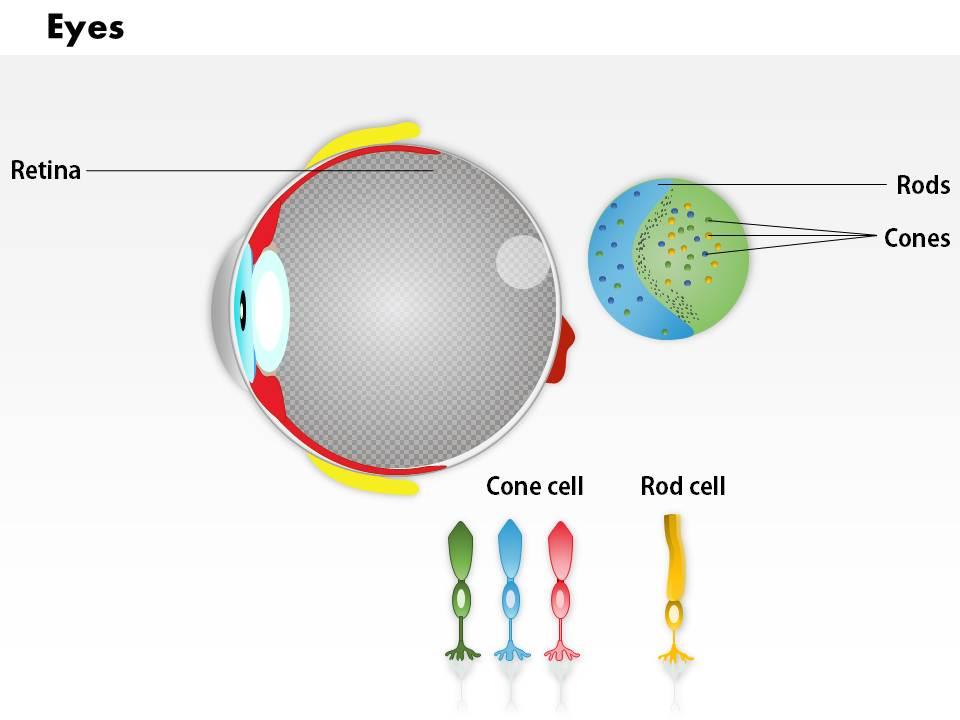
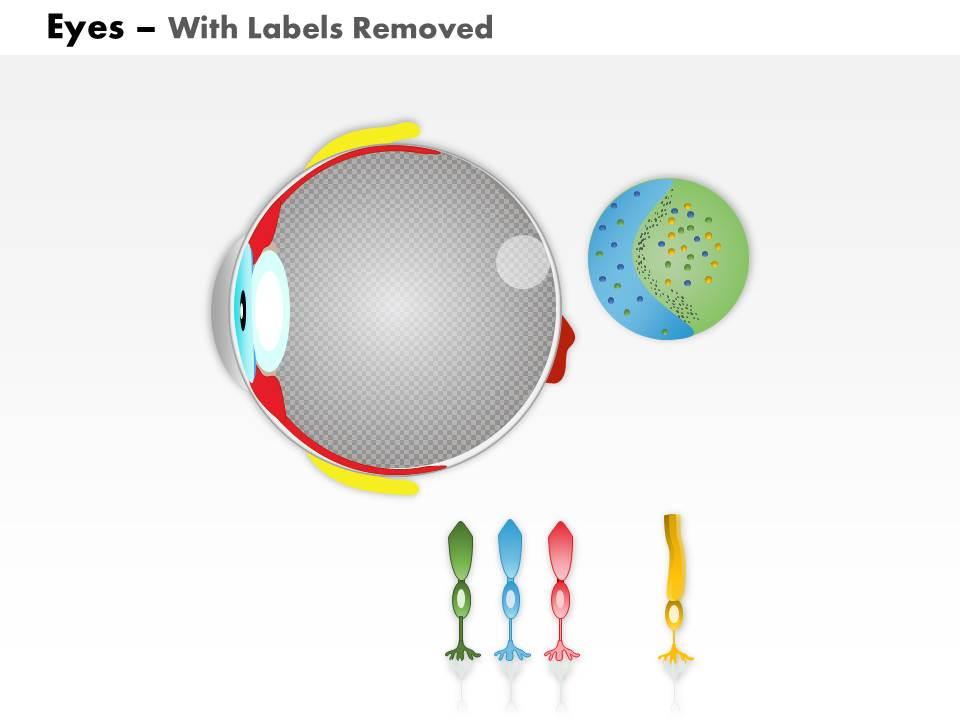
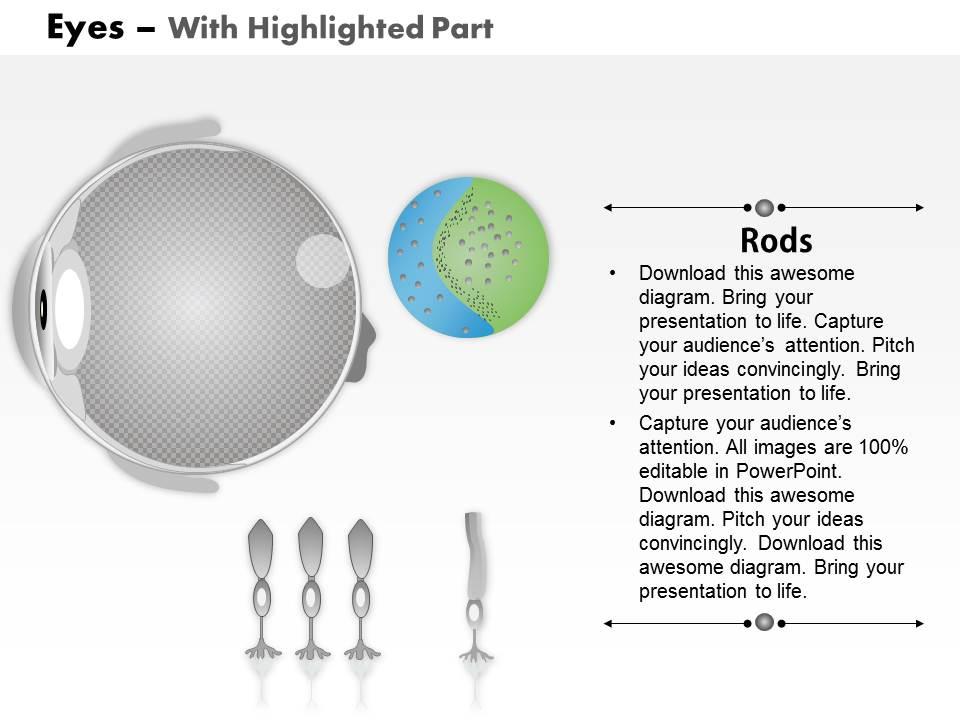
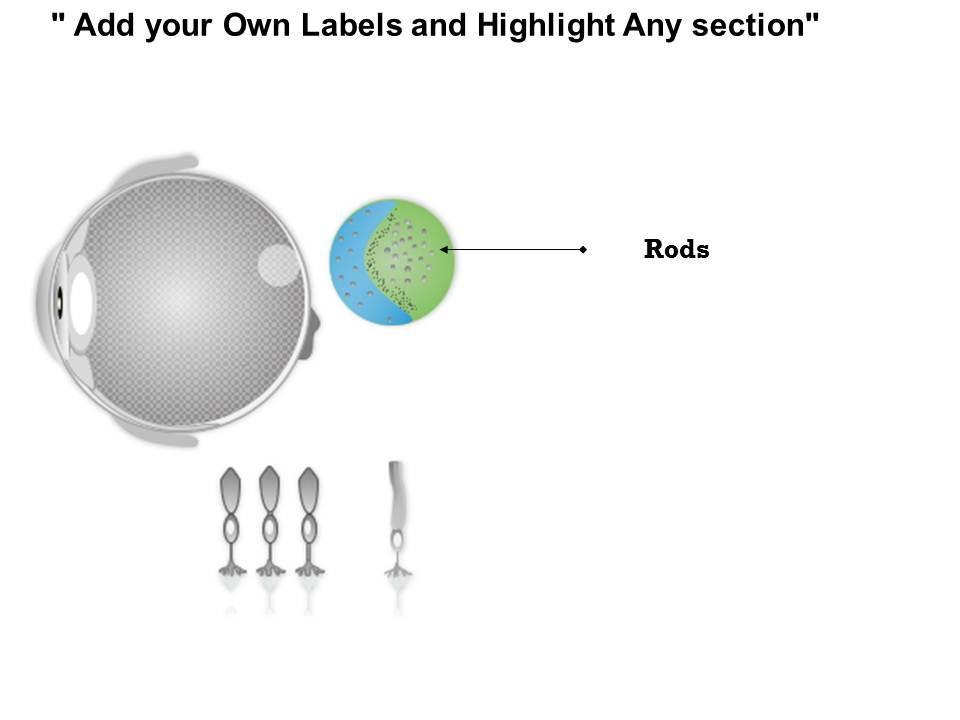
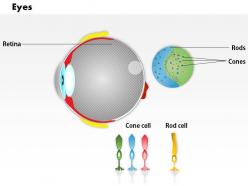
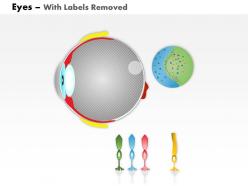
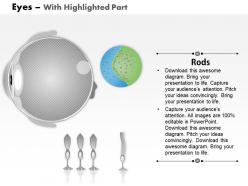
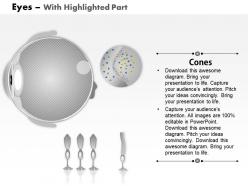
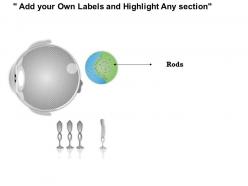
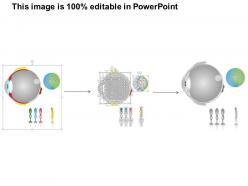
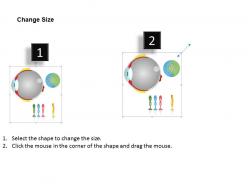
0914 schematic structure of the retina rod cells and cone cells medical images for powerpoint
Try Before you Buy Download Free Sample Product
Audience
Editable
of Time
Our 0914 Schematic Structure Of The Retina Rod Cells And Cone Cells Medical Images For PowerPoint are decoratively designed. Your thoughts will exist in elegance.
People who downloaded this PowerPoint presentation also viewed the following :
0914 schematic structure of the retina rod cells and cone cells medical images for powerpoint with all 9 slides:
Really important presentations happen every day. Luckily our 0914 Schematic Structure Of The Retina Rod Cells And Cone Cells Medical Images For PowerPoint are on hand 24/7 to make each presentation looks its best.
FAQs for 0914 schematic structure of the retina rod cells and cone cells medical
The retina contains ten distinct layers, including the photoreceptor layer with rods and cones for light detection, the ganglion cell layer for signal processing, and the retinal pigment epithelium for metabolic support. These layers work together by capturing light, converting it to electrical signals, and processing visual information before transmission to the brain, ultimately delivering comprehensive vision through coordinated cellular functions.
Photoreceptors convert light into neural signals through phototransduction, where light activates rhodopsin proteins in rod and cone cells, triggering biochemical cascades that change membrane potential. These electrical changes transmit to bipolar cells, then ganglion cells, ultimately creating action potentials that travel via the optic nerve to visual processing centers, enabling sight.
Ganglion cells serve as the retina's output neurons, collecting processed visual information from bipolar and amacrine cells and transmitting it to the brain via their axons, which form the optic nerve. These specialized cells perform crucial functions including contrast detection, motion sensing, and light adaptation, with different ganglion cell types optimized for specific visual tasks like detecting edges, movement patterns, and brightness changes, ultimately enabling comprehensive visual perception.
The retinal pigment epithelium supports photoreceptor health by recycling visual pigments, phagocytosing shed outer segments, and maintaining the blood-retinal barrier through tight cellular junctions. This specialized tissue layer delivers essential nutrients, removes metabolic waste, and regulates ion transport, with ophthalmologists finding that RPE dysfunction significantly impacts visual acuity and retinal degeneration progression.
Rods and cones differ in light sensitivity, color detection, distribution, and function within retinal structure. Rods excel in low-light conditions and peripheral vision but detect only grayscale, while cones require brighter light, enable color vision, and concentrate in the central fovea for sharp detail recognition, with these complementary photoreceptors ultimately delivering comprehensive visual processing capabilities.
The macula contains densely packed cone cells and multiple ganglion cell layers, while peripheral retina has predominantly rod cells and fewer neural layers. This structural difference enables the macula to deliver sharp central vision and color discrimination, while peripheral retina facilitates motion detection and low-light vision, with both regions working together to provide comprehensive visual processing.
Diabetic retinopathy causes blood vessel damage, swelling, and abnormal vessel growth, while age-related macular degeneration leads to drusen deposits, pigment changes, and potential retinal detachment in the macula. These structural changes progressively compromise photoreceptor function, disrupt neural transmission, and ultimately impair central or peripheral vision, with early detection enabling more effective treatment outcomes.
The fovea's unique structure maximizes visual acuity through densely packed cone photoreceptors, displaced inner retinal layers, and direct ganglion cell connections. This specialized architecture eliminates light-scattering obstacles and enhances photon capture efficiency, enabling precise color discrimination and fine detail detection that proves essential for tasks requiring visual precision, from medical diagnostics to quality control in manufacturing processes.
Human retinas feature a central fovea with densely packed cones for sharp color vision, while many species lack this specialized region entirely. Nocturnal animals like cats have more rods and a reflective tapetum lucidum for enhanced night vision, whereas diurnal primates prioritize cone-rich areas, with birds often having multiple foveas and tetrachromatic vision, ultimately delivering species-specific visual advantages.
Retinal neuronal networks process visual stimuli through specialized layers of photoreceptors, bipolar cells, horizontal cells, amygdala cells, and ganglion cells that filter, integrate, and transmit visual information. These interconnected networks enhance contrast detection, motion sensitivity, and edge recognition by performing preliminary processing before signals reach the brain, ultimately delivering more refined visual data and reducing computational load on higher visual centers.
The optic disc serves as the retina's blind spot where the optic nerve exits the eye, containing no photoreceptors but featuring crucial structural elements including nerve fiber convergence, blood vessel entry points, and supporting tissue organization. Located nasally from the macula in each eye's posterior retina, this area enables seamless visual processing through strategic positioning, with many vision specialists finding that understanding optic disc health delivers enhanced diagnostic capabilities and improved patient outcomes.
**INPUT**: What advancements in imaging techniques have enhanced our understanding of retinal structure? **OUTPUT**: Imaging advancements include optical coherence tomography, adaptive optics, fluorescein angiography, fundus photography, and ultra-widefield imaging systems. These technologies enhance diagnostic capabilities by providing detailed cross-sectional views, real-time vascular mapping, and comprehensive retinal assessment, with many ophthalmology practices finding that early detection and treatment planning deliver significantly improved patient outcomes.
The aging retina undergoes several structural changes including thinning of the retinal pigment epithelium, accumulation of lipofuscin deposits, decreased photoreceptor density, and thickening of Bruch's membrane. These changes can compromise visual function by reducing light sensitivity and processing efficiency, though many individuals maintain functional vision through adaptive mechanisms and increasingly advanced diagnostic technologies that enable early detection and management strategies.
The blood-retinal barrier regulates molecular transport between blood circulation and retinal tissues, preventing harmful substances from entering while allowing essential nutrients through selective permeability. This protective mechanism maintains optimal retinal function by controlling inflammation, preserving neural tissue integrity, and enabling precise visual processing, with ophthalmologists finding that barrier dysfunction often precedes major retinal diseases like diabetic retinopathy.
Common laboratory methods for studying retinal structure include histological sectioning, electron microscopy, immunohistochemistry, optical coherence tomography, and confocal imaging. These techniques enable researchers to examine cellular organization, protein distribution, and tissue architecture at multiple scales, with many ophthalmology labs finding that combining imaging approaches delivers comprehensive structural analysis and accelerates therapeutic research.
-
Topic best represented with attractive design.
-
Very unique and reliable designs.