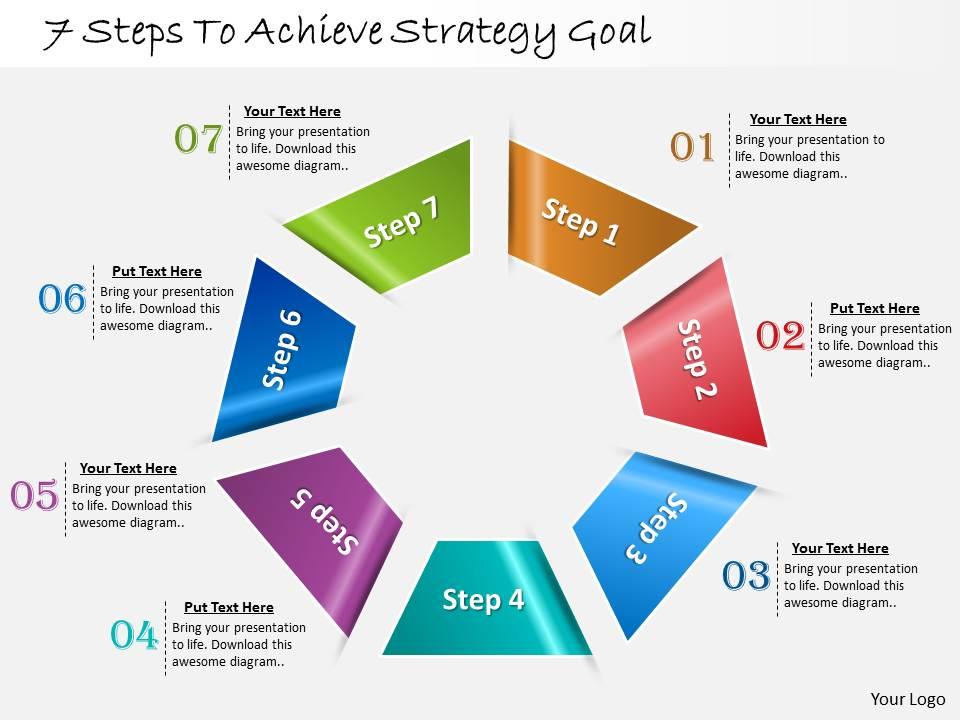
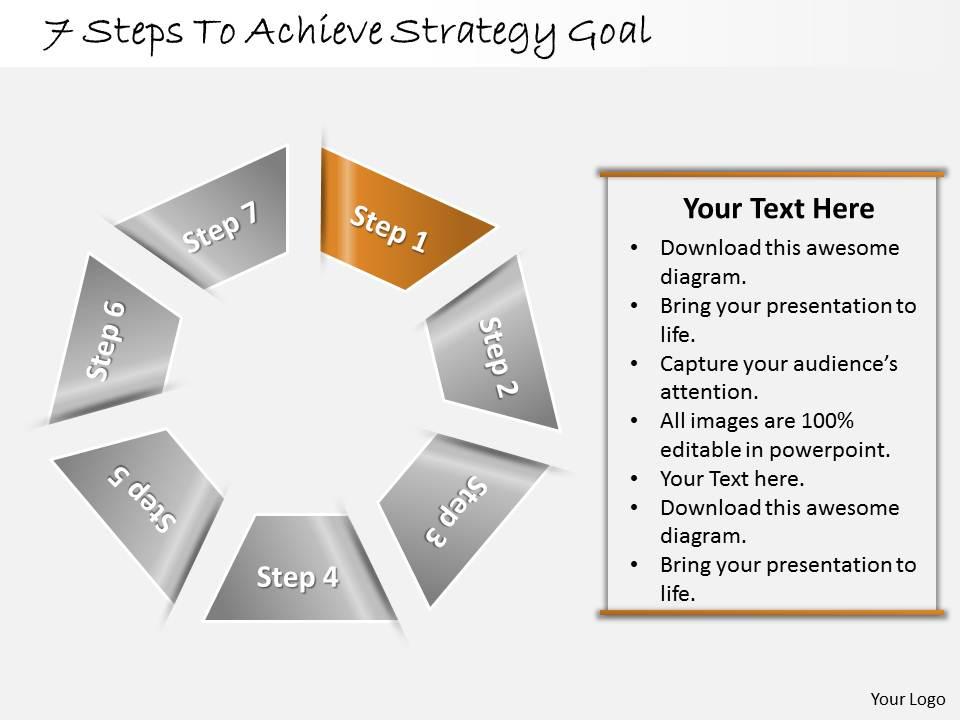
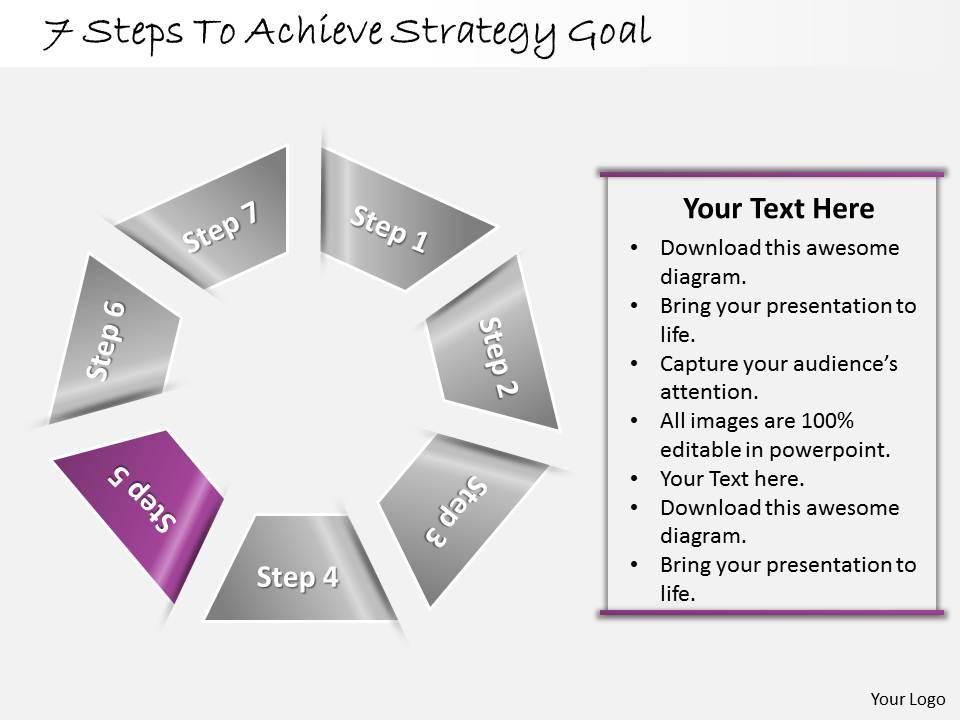
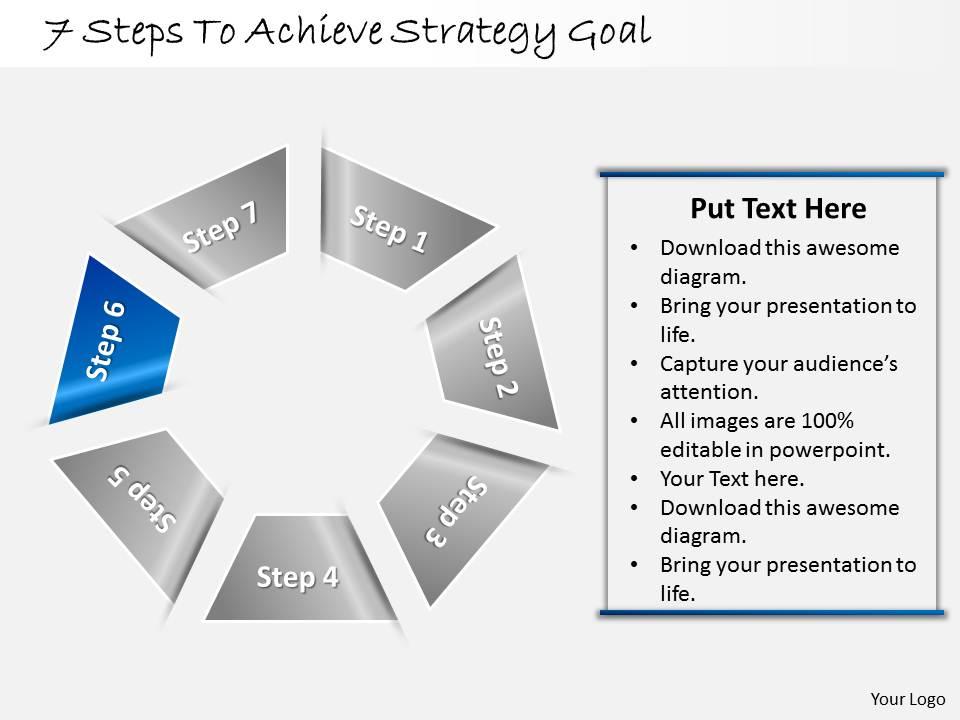
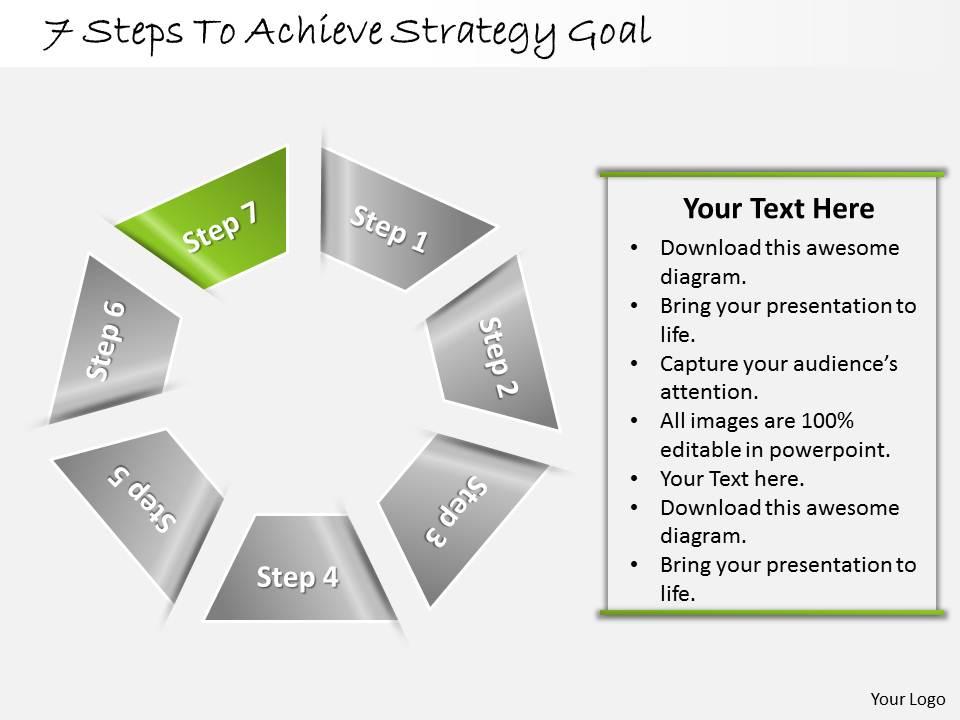
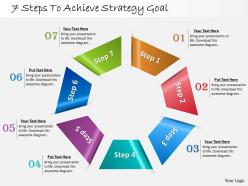
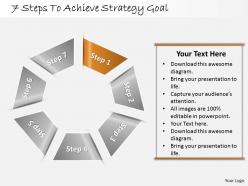
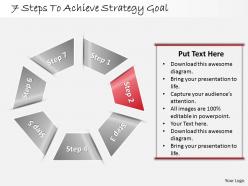
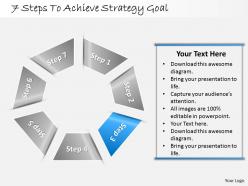
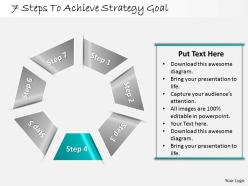
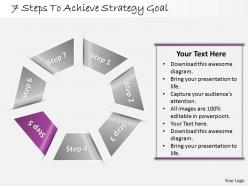
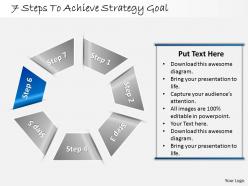
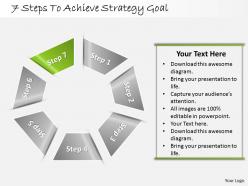
1013 business ppt diagram 7 steps to achieve strategy goal powerpoint template
Try Before you Buy Download Free Sample Product
Audience
Editable
of Time
Strut your stuff with our 1013 Business Ppt diagram 7 Steps To Achieve Strategy Goal Powerpoint Template. It will make for an engaging display.
People who downloaded this PowerPoint presentation also viewed the following :
1013 business ppt diagram 7 steps to achieve strategy goal powerpoint template with all 12 slides:
You may be a good communicator but can what are your presentations saying? When you come to us we use our 1013 Business Ppt diagram 7 Steps To Achieve Strategy Goal Powerpoint Template to ensure you are giving a clear message in a structured manner.
FAQs for 1013 business ppt diagram 7 steps to achieve strategy
Key components of an effective business strategy include clear vision and mission statements, comprehensive market analysis, competitive positioning, resource allocation plans, and measurable performance metrics. These elements work together by aligning organizational goals with market opportunities, optimizing operational efficiency, and enabling strategic decision-making, with many companies finding that integrated approaches deliver sustained competitive advantage and scalable growth.
Businesses can align short-term actions with long-term goals by establishing clear strategic roadmaps, implementing quarterly milestone reviews, integrating goal-based performance metrics, and maintaining consistent communication across departments. Through strategic planning frameworks, organizations streamline decision-making processes, enhance resource allocation, and ensure operational activities directly support future objectives, ultimately delivering sustainable growth and competitive advantage.
Market research provides critical insights into customer needs, competitive landscapes, industry trends, and market opportunities that inform strategic decision-making. Through comprehensive data analysis, businesses can identify untapped segments, validate product concepts, and optimize resource allocation, with many organizations finding that research-driven strategies deliver higher success rates, reduced risks, and sustainable competitive advantages in increasingly dynamic markets.
Businesses can leverage technology to enhance strategic planning through predictive analytics, real-time data dashboards, scenario modeling tools, collaborative planning platforms, and automated reporting systems. These technologies streamline decision-making by providing deeper market insights, enabling faster strategy adjustments, and facilitating cross-departmental alignment, with many organizations finding that data-driven planning delivers significantly improved competitive positioning and operational efficiency.
Common pitfalls include inadequate market research, unrealistic goal setting, insufficient competitive analysis, poor resource allocation, and lack of stakeholder alignment. These strategic missteps often derail organizations by creating disconnected initiatives, missed opportunities, and operational inefficiencies, with many companies finding that thorough planning and regular strategy reviews ultimately deliver sustainable competitive advantage.
Competitive analysis and industry trends influence strategic decisions by revealing market opportunities, identifying competitor weaknesses, and highlighting emerging technologies or consumer preferences. Through systematic competitor monitoring and trend analysis, organizations can pivot their product development, adjust pricing strategies, and reallocate resources more effectively, ultimately delivering enhanced market positioning and sustainable competitive advantage.
Businesses should track financial metrics like revenue growth and profit margins, operational metrics including customer acquisition costs and retention rates, and strategic indicators such as market share and employee engagement scores. These comprehensive measurements enable organizations to assess performance across multiple dimensions, identify areas requiring adjustment, and ultimately ensure their strategic initiatives deliver sustainable competitive advantage and long-term value creation.
Companies can ensure team alignment and engagement with business strategy through clear communication, regular strategy updates, employee involvement in planning processes, and connecting individual roles to strategic objectives. By implementing transparent goal-setting frameworks, providing consistent training on strategic priorities, and creating feedback mechanisms, organizations enable better understanding and ownership, ultimately delivering improved execution and competitive advantage across all levels.
Startups can compete through agile innovation, niche market focus, superior customer experience, strategic partnerships, and disruptive pricing models. By leveraging faster decision-making and lean operations, many startups in sectors like fintech and e-commerce successfully challenge incumbents, ultimately delivering more personalized services and competitive solutions.
Adaptability is crucial in volatile markets, enabling businesses to pivot operations, reallocate resources, and capitalize on emerging opportunities while minimizing risks from unexpected disruptions. Companies with flexible strategies, particularly in sectors like retail, technology, and financial services, demonstrate greater resilience during market shifts, ultimately maintaining competitive advantage and sustainable growth trajectories.
Best practices for communicating business strategy include creating clear, consistent messaging, using multiple communication channels, engaging leadership at all levels, providing regular updates, and ensuring two-way feedback mechanisms. These approaches streamline organizational alignment by fostering transparency, enhancing employee engagement, and minimizing confusion, with many companies finding that consistent strategic communication ultimately delivers improved execution and competitive advantage.
Companies incorporate sustainability by integrating environmental and social considerations into core operations, supply chain management, product development, stakeholder engagement, and long-term planning processes. This strategic approach enables organizations to reduce operational costs, enhance brand reputation, and attract conscious consumers, while many businesses finding that sustainable practices ultimately deliver competitive advantage and improved financial performance.
Customer feedback serves as a critical foundation for strategic development, providing insights into market demands, service gaps, competitive positioning, and emerging opportunities that drive business growth. Through systematic feedback collection and analysis, organizations refine their value propositions, optimize product offerings, and enhance customer experiences, with many companies finding that customer-driven strategies deliver significantly higher retention rates and competitive advantage.
Mergers and acquisitions serve as strategic tools for accelerating growth, expanding market reach, acquiring new capabilities, and achieving economies of scale within comprehensive business strategies. Through strategic M&A activities, organizations streamline operations, access innovative technologies, and eliminate competition, while diversifying revenue streams and enhancing competitive positioning, ultimately delivering faster market expansion than organic growth alone.
Business strategy visualization tools include strategy maps, balanced scorecards, SWOT analysis matrices, business model canvases, and roadmap templates. These frameworks streamline complex strategic concepts by presenting clear visual narratives, enabling stakeholders to understand objectives and dependencies, with many organizations finding that visual presentations enhance alignment and accelerate decision-making processes.
-
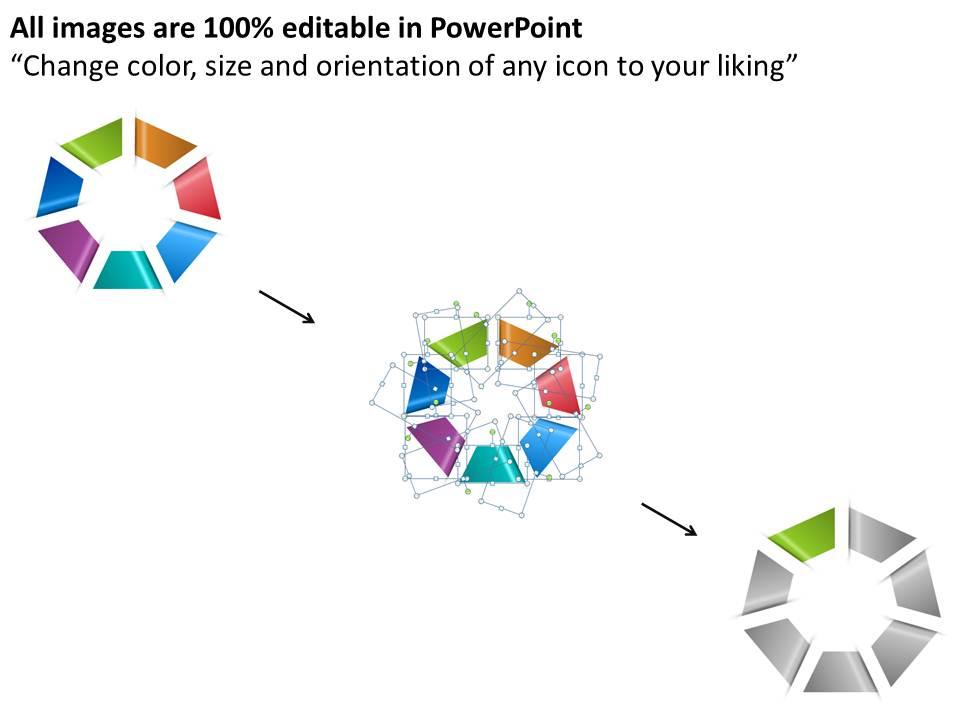
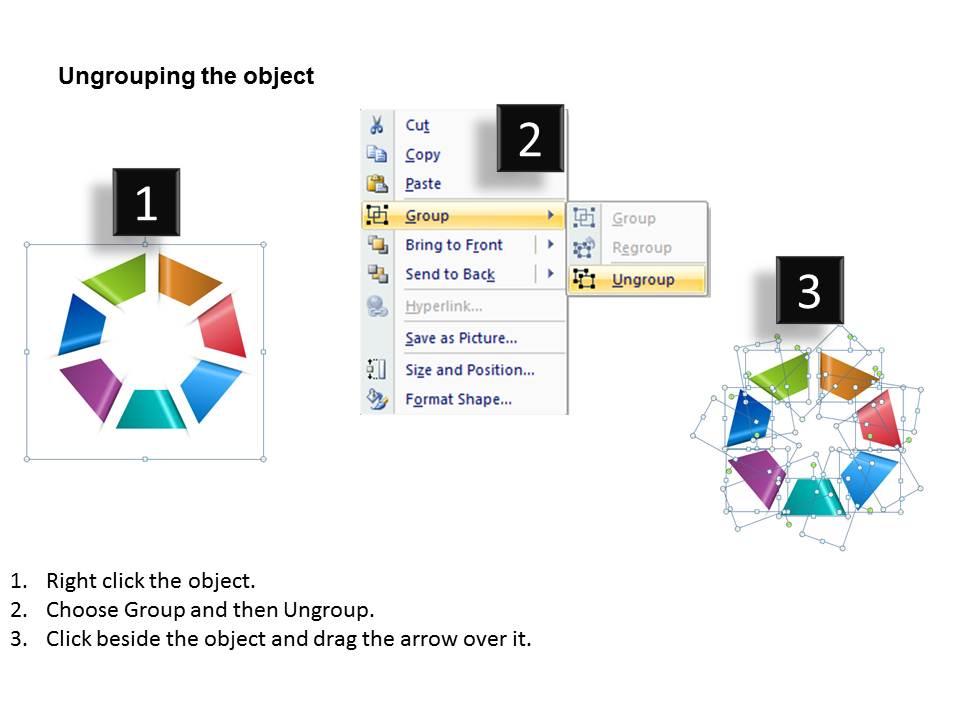
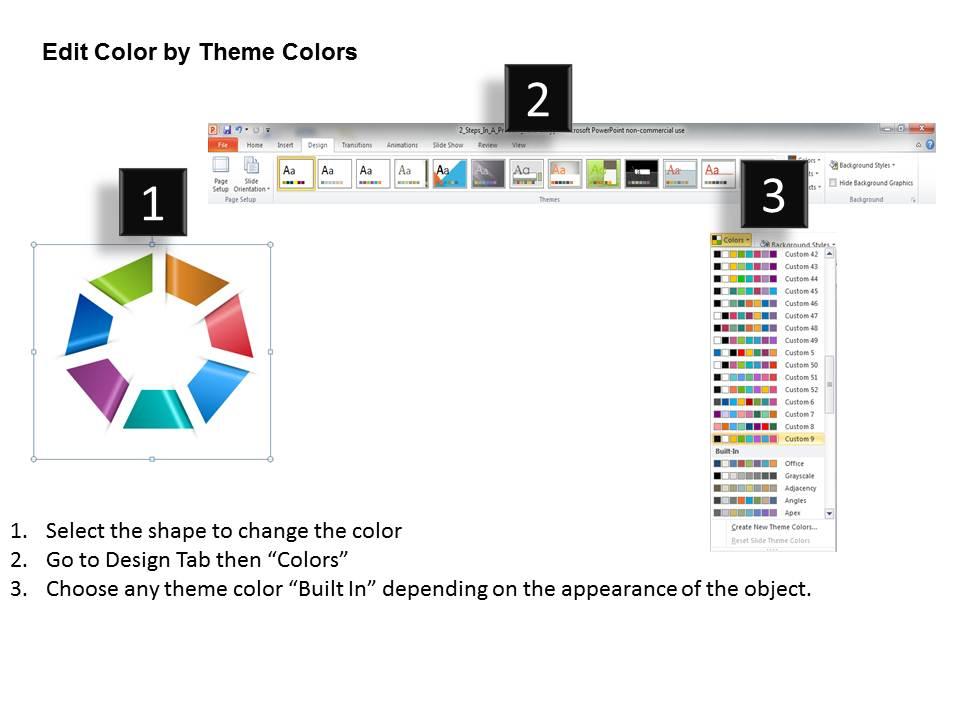
Great designs, Easily Editable.
-
Informative design.