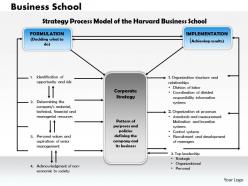
1103 business school powerpoint presentation

Rating:
80%
1103 business school powerpoint presentation
Slide 1 of 5
Favourites Favourites

Try Before you Buy Download Free Sample Product

Audience Impress Your
Audience
Editable 100%
Editable
Time Save Hours
of Time
The Biggest Sale is ending soon in
0
0
:
0
0
:
0
0
Rating:
80%
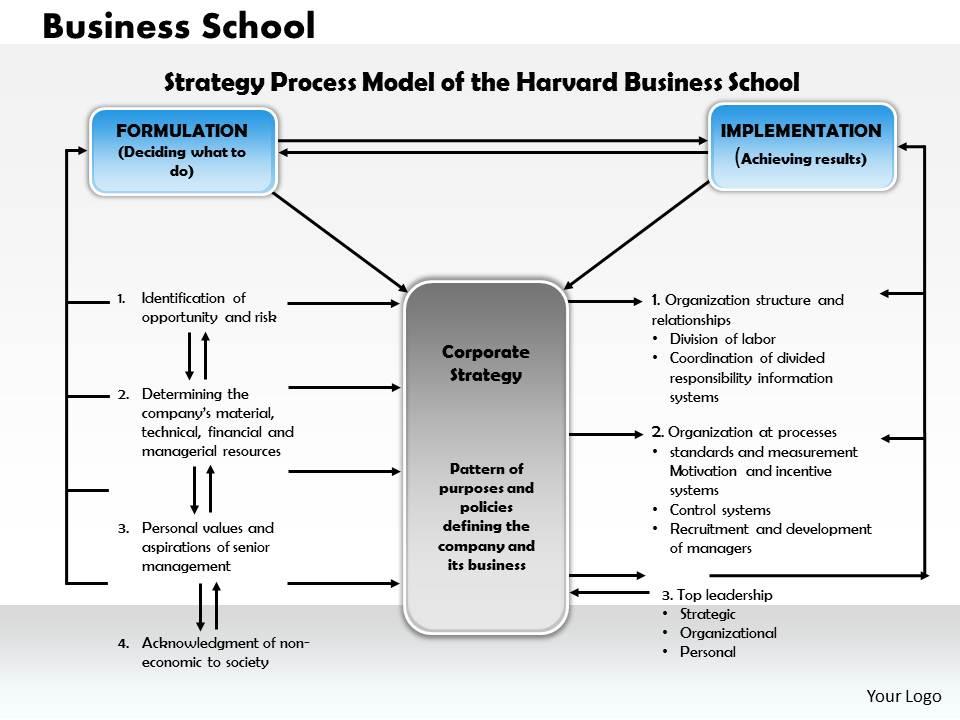
We are proud to present our 1103 business school powerpoint presentation. Our Business School Powerpoint Presentation Powerpoint Templates come in all colours shades and hues. They help highlight every nuance of your views. Our shapes Powerpoint Templates will fulfill your every need. Use them and effectively satisfy the desires of your audience.

People who downloaded this PowerPoint presentation also viewed the following :

FAQs for 1103 business

Key components of an effective business school presentation include a compelling executive summary, clear problem identification, comprehensive market analysis, strategic solution framework, and measurable outcomes with implementation timelines. These elements work together by establishing credibility through data-driven insights, demonstrating analytical thinking, and showcasing practical business acumen, with many professors finding that students who integrate real-world case studies and quantifiable results consistently deliver more impactful, memorable presentations.

Visual aids enhance business school presentations by improving information retention, clarifying complex concepts, maintaining audience engagement, and creating memorable experiences through data visualization and storytelling elements. These tools streamline communication by transforming abstract business theories into concrete examples, enabling students to demonstrate analytical thinking while delivering compelling arguments that resonate with professors and peers, ultimately building stronger presentation skills essential for corporate success.

Storytelling transforms business presentations by creating emotional connections, simplifying complex concepts, and making data memorable through narrative frameworks. Through strategic storytelling, presenters enhance audience engagement, demonstrate real-world applications of business strategies, and deliver persuasive arguments that resonate with stakeholders, ultimately enabling more effective communication and stronger buy-in for strategic initiatives.

Presenters can effectively engage their audience through interactive elements like polls and Q&A sessions, compelling storytelling with real business cases, clear visual aids, and maintaining consistent eye contact while varying their vocal tone. Business schools increasingly find that incorporating group discussions, relevant industry examples from sectors like consulting or finance, and encouraging peer feedback creates dynamic learning environments that enhance comprehension and retention.

**INPUT**: What strategies can be employed to manage presentation anxiety? **OUTPUT**: Effective presentation anxiety management strategies include thorough preparation, visualization techniques, controlled breathing exercises, progressive muscle relaxation, and structured practice sessions with feedback. These approaches work by building confidence through repetition, reducing physical stress responses, and creating mental frameworks for success, with many business professionals finding that combining preparation with mindfulness techniques ultimately delivers improved performance and enhanced executive presence. [Word count: 58 words]

Structure is crucial for conveying complex business ideas, as it enables audiences to follow logical progressions, retain key information, and understand interconnected concepts effectively. Well-organized presentations help business school students and professionals break down intricate strategies, financial models, and market analyses into digestible segments, ultimately delivering clearer communication and stronger stakeholder buy-in.

PowerPoint, Prezi, Keynote, Canva, and Google Slides are commonly recommended for business school presentations, each offering distinct advantages for academic and professional contexts. These platforms streamline presentation development through customizable templates, collaborative features, and multimedia integration, with many business students finding that mastering multiple tools enhances their strategic communication capabilities and competitive advantage.

Professional slide design best practices include consistent typography, strategic white space usage, high-contrast color schemes, minimal text per slide, and high-quality visuals. These design principles enhance audience engagement by improving readability, reducing cognitive load, and maintaining visual hierarchy, with many business schools finding that well-designed presentations significantly improve student comprehension and professional credibility.

Presenters can tailor content by adjusting complexity levels, industry examples, and communication styles to match audience backgrounds, experience levels, and career interests. Business schools typically include diverse demographics like MBA students, executives, and undergraduates, with presenters finding that customizing case studies, terminology, and interactive elements to specific cohorts significantly enhances engagement and learning outcomes.

Presentation success metrics include audience engagement levels, comprehension assessment scores, feedback quality ratings, behavioral change indicators, and knowledge retention measurements. These evaluation methods enable presenters to gauge impact through post-presentation surveys, Q&A participation rates, and follow-up implementation actions, with many business schools finding that comprehensive metric tracking ultimately delivers improved presentation effectiveness and enhanced learning outcomes.

Presenters can effectively cite sources by incorporating author names, publication years, and credible institutions directly into their narrative flow, using footnotes or slide citations for detailed references, and highlighting data methodology when presenting statistics. Business students should emphasize recent academic research, industry reports, and case studies from reputable sources like Harvard Business Review or McKinsey, while clearly distinguishing between primary data and secondary analysis to maintain academic integrity and credibility.

Common mistakes include inadequate preparation, overloading slides with text, lacking clear structure, failing to engage the audience, and exceeding time limits. These pitfalls undermine presentations by reducing clarity, diminishing audience attention, and creating poor impressions, with many business students finding that practicing delivery, streamlining content, and maintaining eye contact ultimately delivers stronger academic performance and enhanced professional credibility.

Time management for timed business presentations requires strategic preparation involving content prioritization, rehearsal scheduling, and buffer planning. Successful presenters allocate roughly 60% of prep time to core content development, 30% to practice sessions with timing checks, and 10% to contingency planning, with many business schools finding that multiple timed run-throughs significantly enhance delivery confidence and audience engagement.

Effective techniques include structured storytelling with data-driven evidence, strategic use of visual aids, confident body language, and addressing counterarguments proactively. These approaches enhance credibility by combining logical reasoning with emotional engagement, helping business students deliver compelling narratives that resonate with professors and peers, ultimately strengthening their analytical presentation skills and professional communication abilities.

Peer feedback enhances business school presentations by identifying blind spots, refining messaging clarity, and improving delivery techniques through diverse perspectives. Through structured peer reviews, students receive insights on logical flow, visual effectiveness, and audience engagement strategies, while gaining exposure to different presentation approaches, ultimately delivering more polished, persuasive presentations that better prepare them for professional environments.

Ratings and Reviews

80% of 100
Write a review
Most Relevant Reviews
  1. 80%

    by O'Neill Reyes

    Innovative and attractive designs.
  2. 80%

    by Donnie Knight

    Easily Understandable slides.

2 Item(s)

per page: