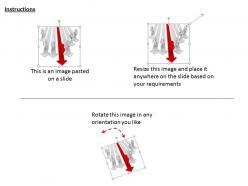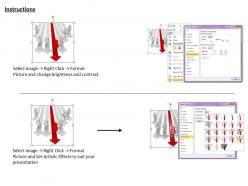
1113 3d people running in race ppt graphics icons powerpoint

Rating:
90%
1113 3d people running in race ppt graphics icons powerpoint
Slide 1 of 4
Favourites Favourites

Try Before you Buy Download Free Sample Product

Audience Impress Your
Audience
Editable 100%
Editable
Time Save Hours
of Time
The Biggest Sale is ending soon in
0
0
:
0
0
:
0
0
Rating:
90%
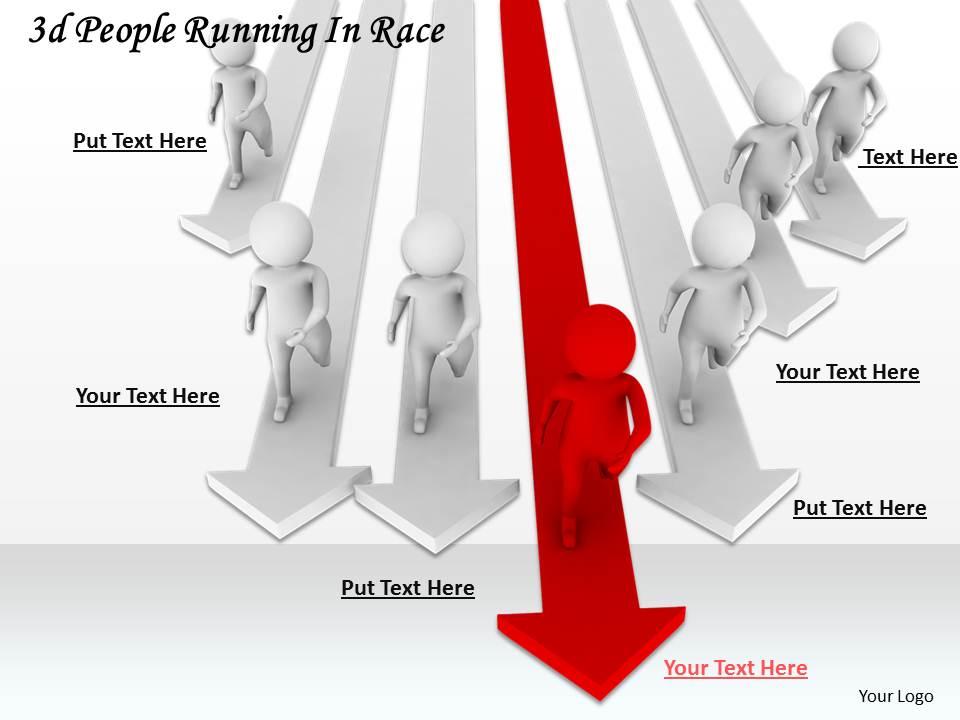
We are proud to present our 1113 3d people running in race ppt graphics icons powerpoint. Our 3d People Running In Race Ppt Graphics Icons Powerpoint are designed to help you succeed. They have all the ingredients you need.

People who downloaded this PowerPoint presentation also viewed the following :

FAQs for 1113 3d people running in race ppt

Key design elements include anatomical proportions, dynamic pose positioning, facial expressions, clothing details, and surface texturing for realism. These components work together by conveying motion through forward-leaning postures, muscle definition, and appropriate athletic wear, with many presentation designers finding that vibrant colors, clear facial features, and strategic lighting enhance audience engagement and effectively communicate competitive spirit.

Color psychology enhances speed and energy perception through strategic use of warm colors like red, orange, and yellow for the runners themselves, while cooler blues and greens create contrast in backgrounds. These color combinations trigger psychological responses that amplify motion perception, with many presenters finding that gradient transitions from cool to warm colors across the race sequence ultimately delivers heightened audience engagement and dynamic visual storytelling.

Leading animation software for 3D race scenarios includes Maya, Blender, 3ds Max, Cinema 4D, and MotionBuilder, each offering specialized crowd simulation and character animation capabilities. These tools streamline complex race animations through motion capture integration, procedural crowd systems, and realistic physics engines, with many animation studios finding that combining multiple platforms delivers more dynamic sporting sequences and competitive advantages in entertainment production timelines.

Various running styles significantly impact 3D character portrayal by influencing body mechanics, stride patterns, arm positioning, facial expressions, and overall movement dynamics in race scenarios. Different styles, from sprinting techniques to endurance running forms, enable animators to convey character personality, fitness levels, and competitive strategies, while enhancing visual storytelling through distinct biomechanical signatures that audiences can instantly recognize and connect with emotionally.

Lighting in 3D runner presentations creates depth, emphasizes motion dynamics, and guides audience attention through strategic shadows, highlights, and directional illumination that accentuate movement trajectories. These lighting techniques enhance visual storytelling by creating dramatic contrast, improving spatial perception, and reinforcing competitive themes, with many presenters finding that proper illumination transforms static concepts into compelling narratives that resonate with audiences.

Backgrounds for 3D running scenes should incorporate motion blur, depth-of-field effects, dynamic lighting, environmental storytelling elements, and strategic color contrasts to enhance the sense of speed and urgency. Through carefully designed urban landscapes, stadium environments, or natural terrain, presentations can convey competitive intensity, progress toward goals, and forward momentum, while supporting visual hierarchy ensures runners remain the focal point, ultimately delivering compelling narratives about performance and achievement.

**INPUT**: What specific anatomical details should be accurate in a 3D model of a runner for realism? **OUTPUT**: Accurate 3D runner models require proper muscle definition showing engaged quadriceps and calves, realistic joint articulation at knees and ankles, natural arm swing mechanics, and authentic facial expressions reflecting exertion. These anatomical elements enhance viewer engagement by creating believable motion dynamics, proper weight distribution, and physiological accuracy, ultimately delivering more impactful presentations for sports marketing, training applications, and fitness industry communications. [Word count: 58 words]

Motion blur in 3D runners is achieved through graduated transparency effects, strategic particle trails, directional streaking, and dynamic pose positioning that suggests forward momentum. These visual techniques enhance static presentations by creating kinetic energy, emphasizing competitive dynamics, and drawing viewer attention to key performance metrics, ultimately delivering more engaging stakeholder communications.

Common pitfalls include unrealistic proportions, stiff animation cycles, inadequate facial expressions, poor texture resolution, and insufficient attention to clothing physics during motion. These issues can significantly impact viewer engagement by creating unconvincing characters, with many presentation designers finding that balanced proportions, fluid movement transitions, and detailed expressions ultimately deliver more compelling race narratives and stronger audience connection.

Interactive 3D running experiences enhance user engagement by creating immersive visual narratives, gamifying competition concepts, and enabling dynamic storytelling that captures audience attention immediately. These presentations allow viewers to experience progress tracking, performance comparisons, and goal achievement scenarios firsthand, with many organizations finding that interactive 3D elements increase retention rates and presentation memorability significantly.

Cultural factors include accurate representation of traditional athletic wear, respectful portrayal of diverse body types and running styles, appropriate skin tones and facial features, and culturally sensitive gestures or expressions. These considerations enhance authenticity by avoiding stereotypes, promoting inclusivity across global audiences, and ensuring respectful diversity, ultimately delivering more engaging presentations that resonate with multicultural stakeholders and broader market appeal.

Storytelling elements can be woven through character development showing each runner's unique journey, conflict by highlighting competitive challenges and obstacles, and resolution by revealing the race outcome and lessons learned. This narrative approach transforms static racing visuals into compelling business metaphors, with many presenters finding that audiences connect more deeply when 3D runners represent team dynamics, market competition, or project milestones, ultimately delivering memorable and impactful presentations.

Camera angles significantly impact 3D running animation perception by influencing viewer engagement, spatial understanding, and emotional connection through low angles for heroism, side views for clear movement analysis, and overhead perspectives for strategic race positioning. These varying viewpoints enhance storytelling dynamics by controlling pacing, emphasizing competition intensity, and directing audience focus, with many animation studios finding that strategic angle changes ultimately deliver more immersive experiences and stronger viewer investment.

Sound design enhances 3D racing presentations through ambient crowd noise, realistic footstep patterns, breathing rhythms, and environmental audio cues that create immersive experiences. These audio elements work together to amplify visual storytelling, with many presenters finding that strategic sound integration increases audience engagement, emotional connection, and message retention significantly.

Emerging 3D animation trends for athletic competitions include real-time rendering, advanced motion capture, procedural crowd generation, volumetric lighting, and physics-based cloth simulation. These technologies enhance sports visualization by delivering more realistic athlete movements, dynamic crowd reactions, and immersive stadium environments, with broadcasting companies and sports organizations finding that enhanced 3D presentations significantly increase viewer engagement and commercial value.

Ratings and Reviews

90% of 100
Write a review
Most Relevant Reviews
  1. 100%

    by Eddie Sandoval

    Nice and innovative design.
  2. 80%

    by Cole Butler

    Very well designed and informative templates.

2 Item(s)

per page: