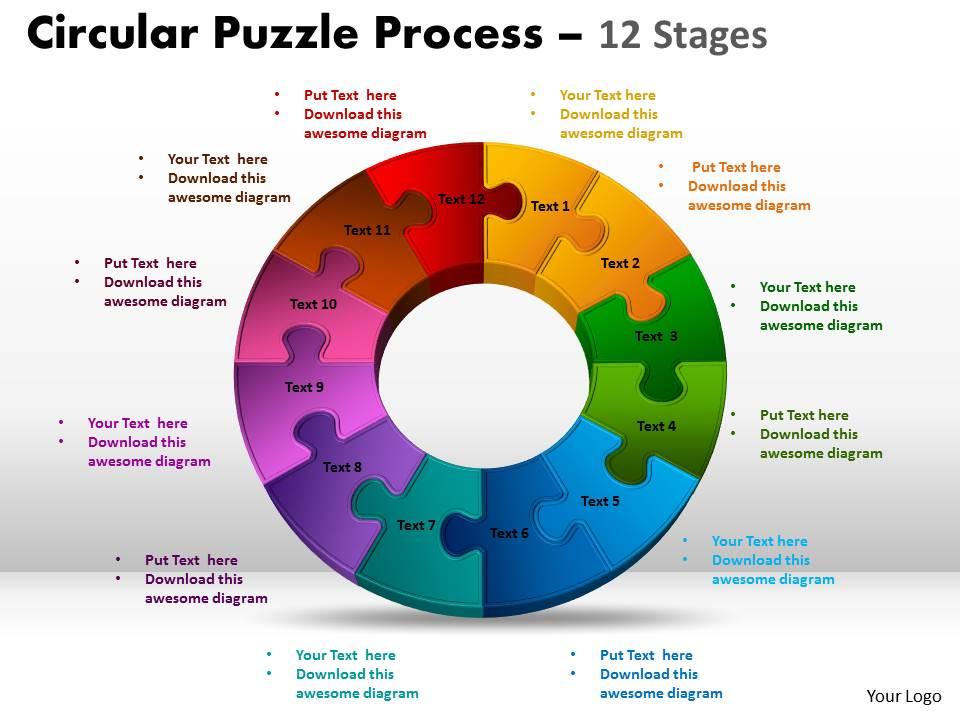
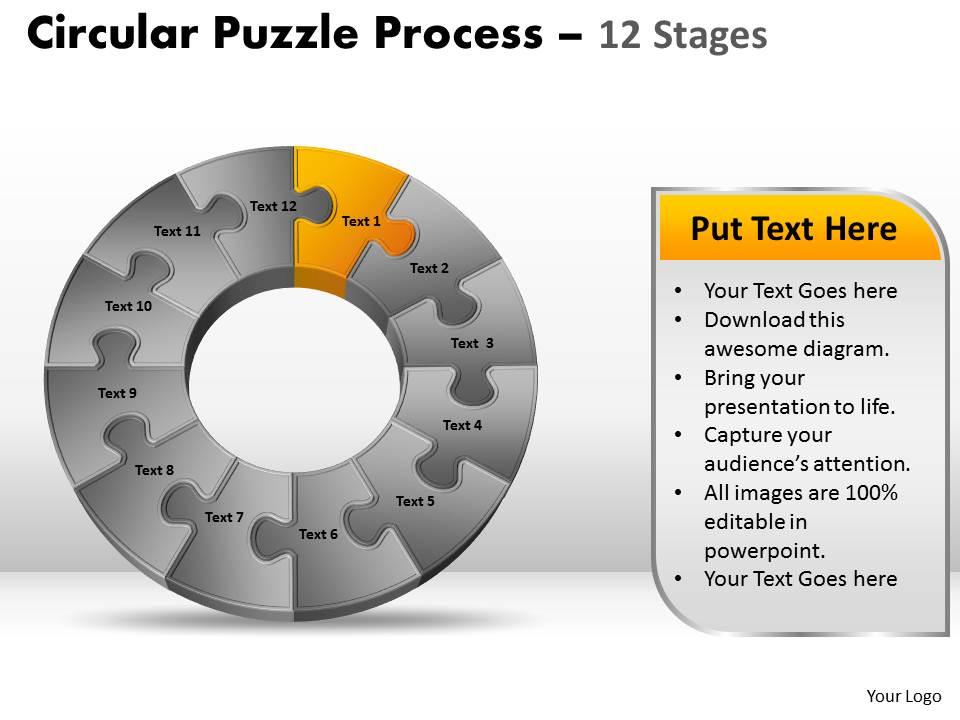
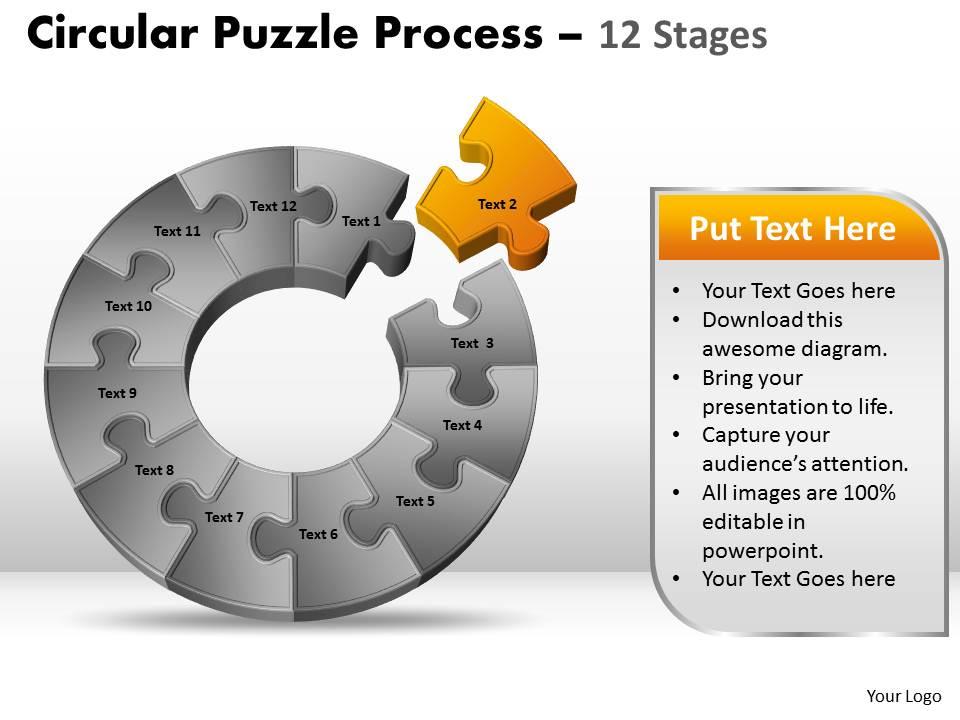
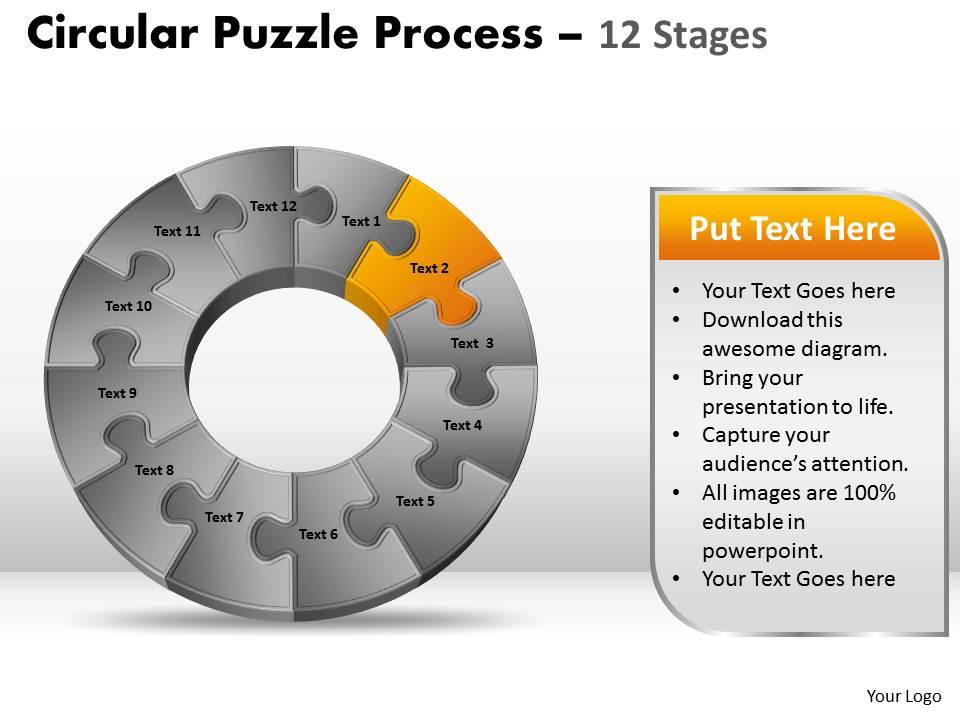
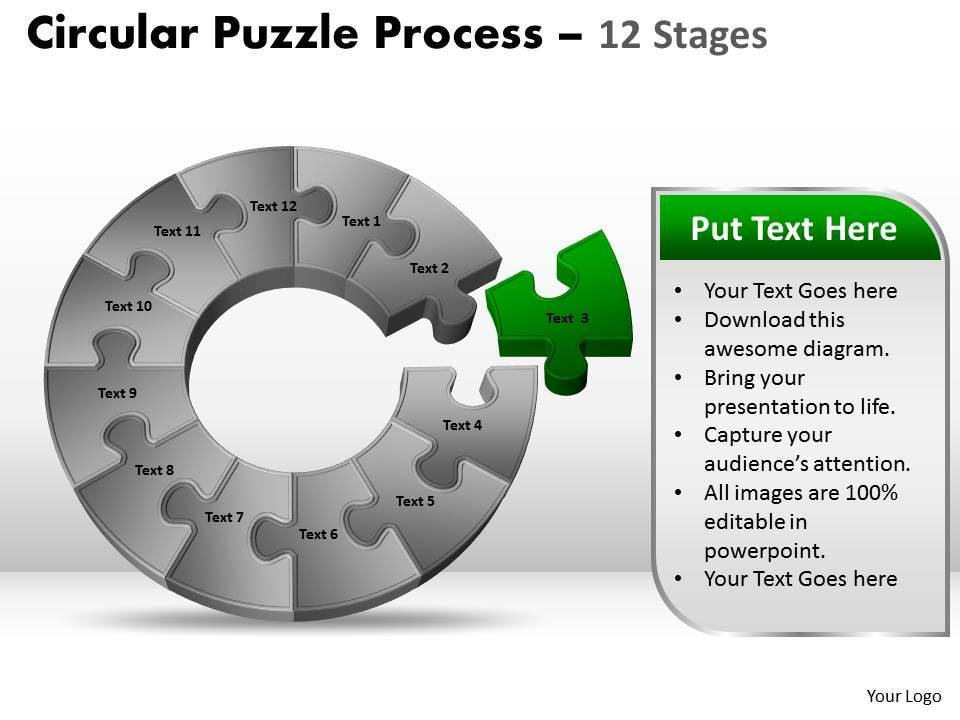
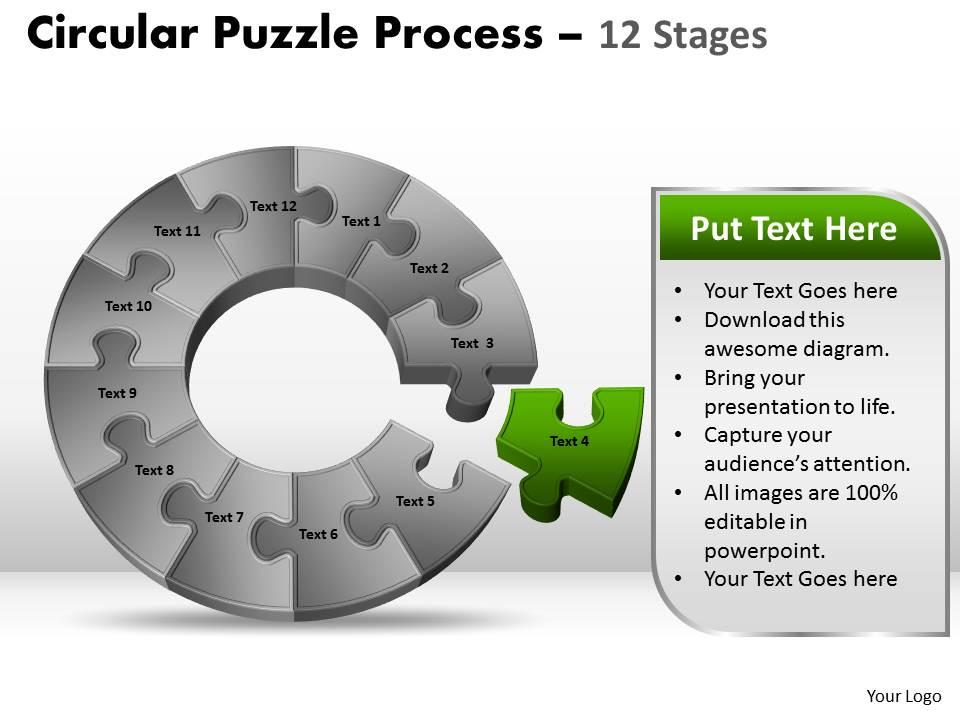
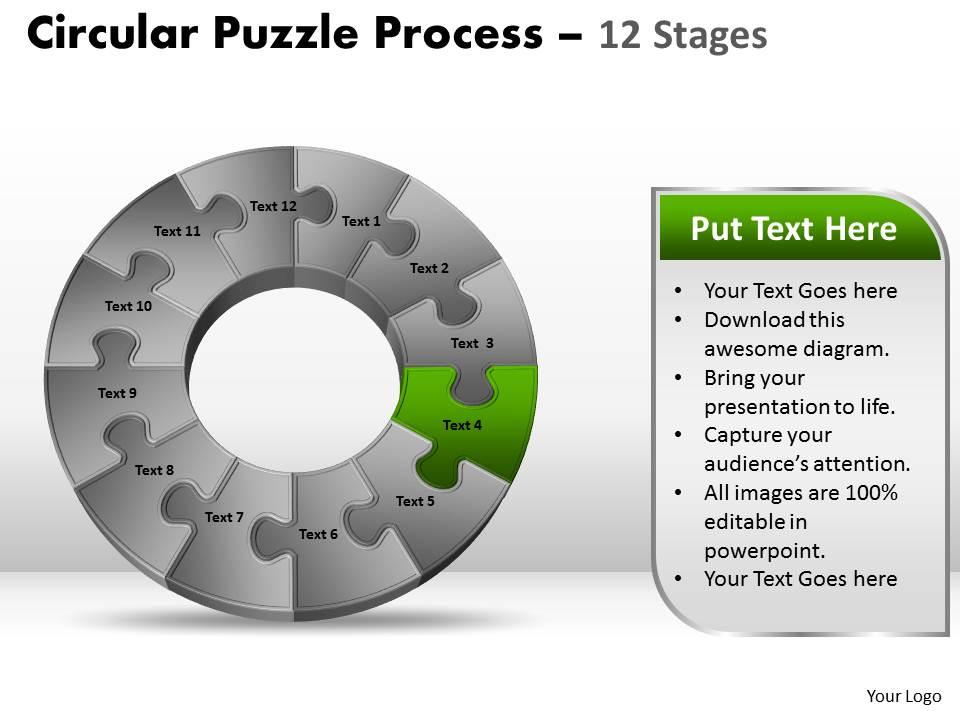
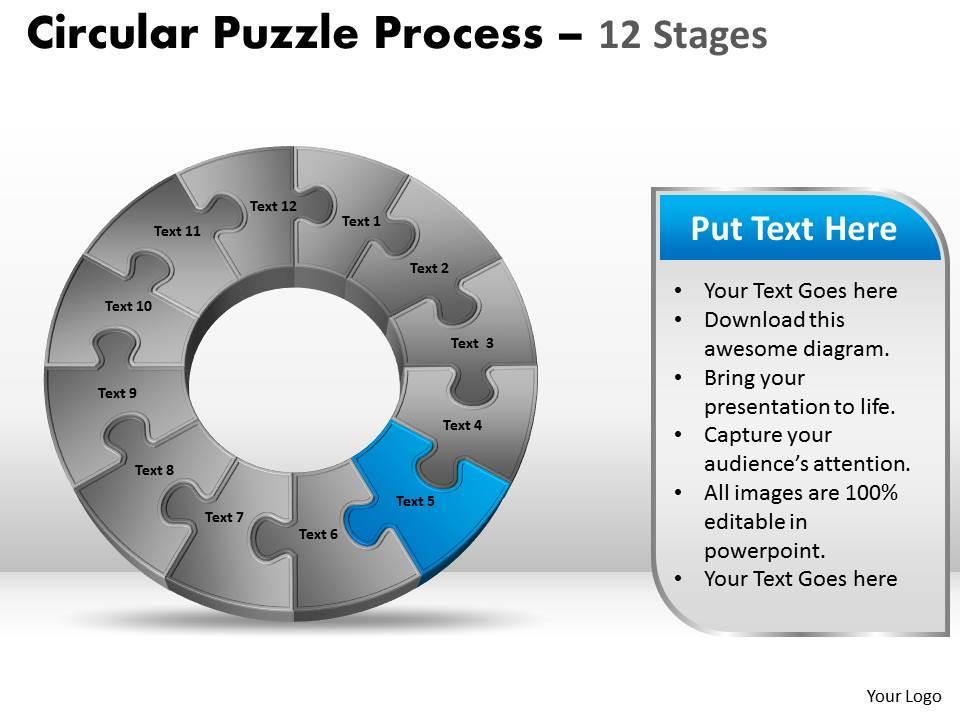
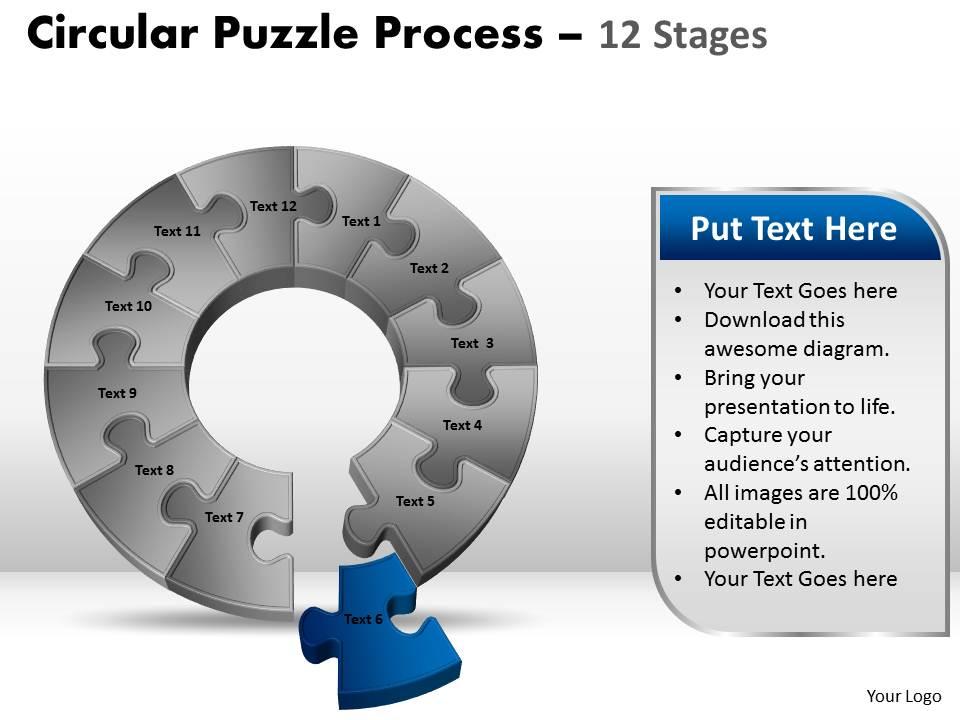
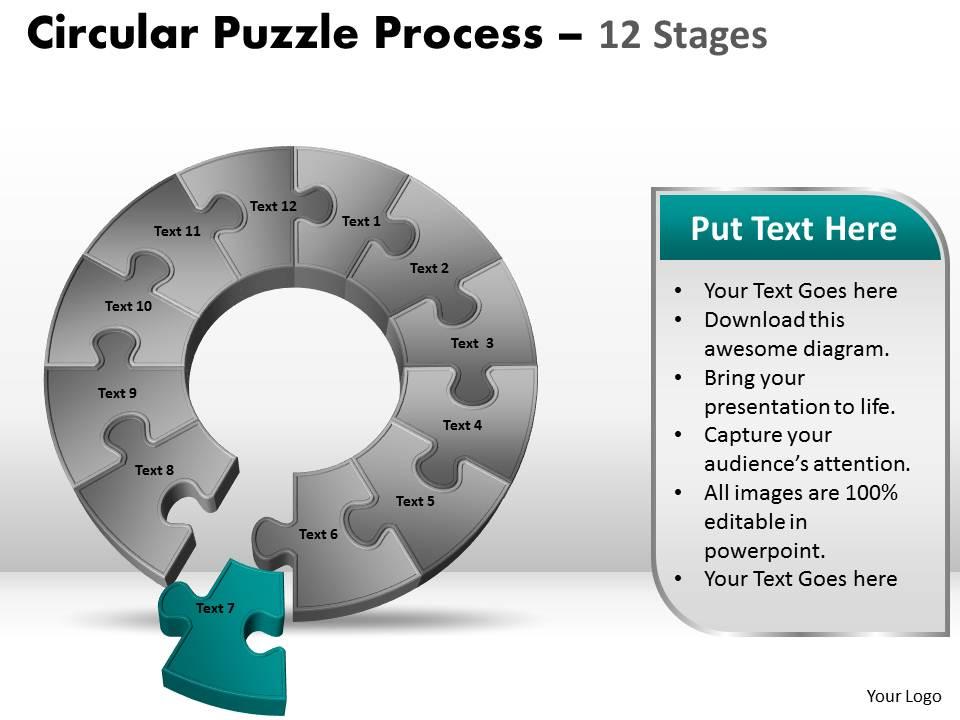
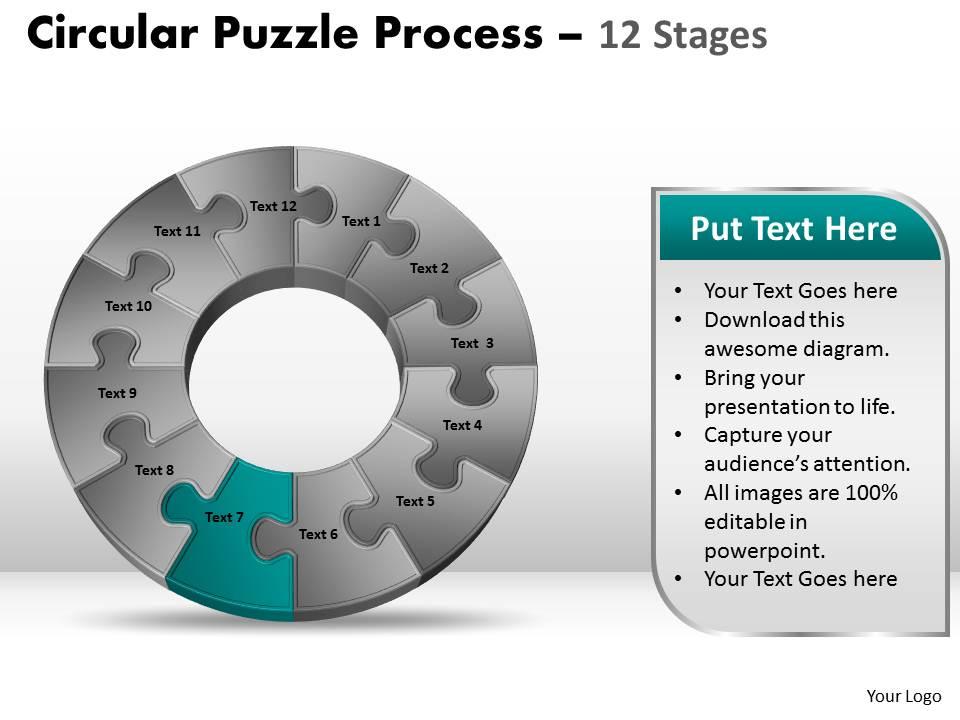
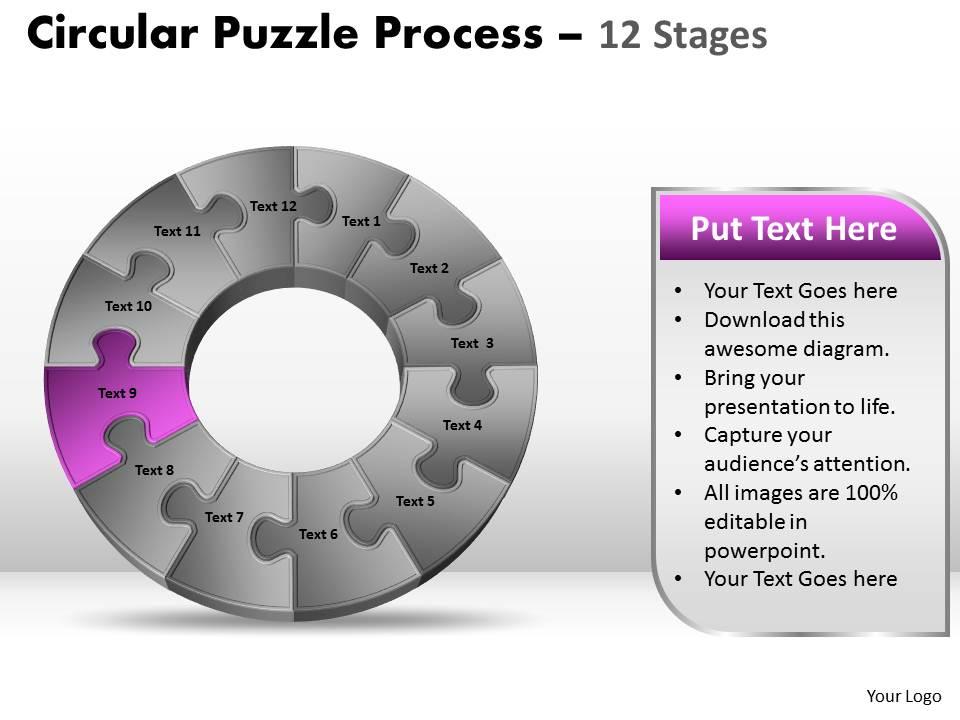
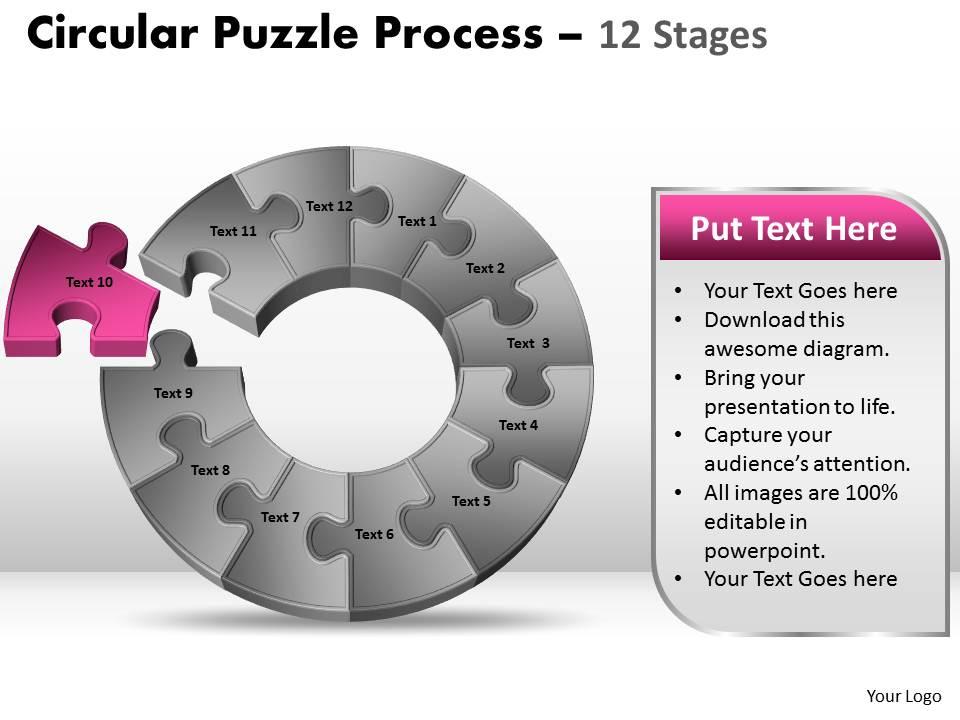
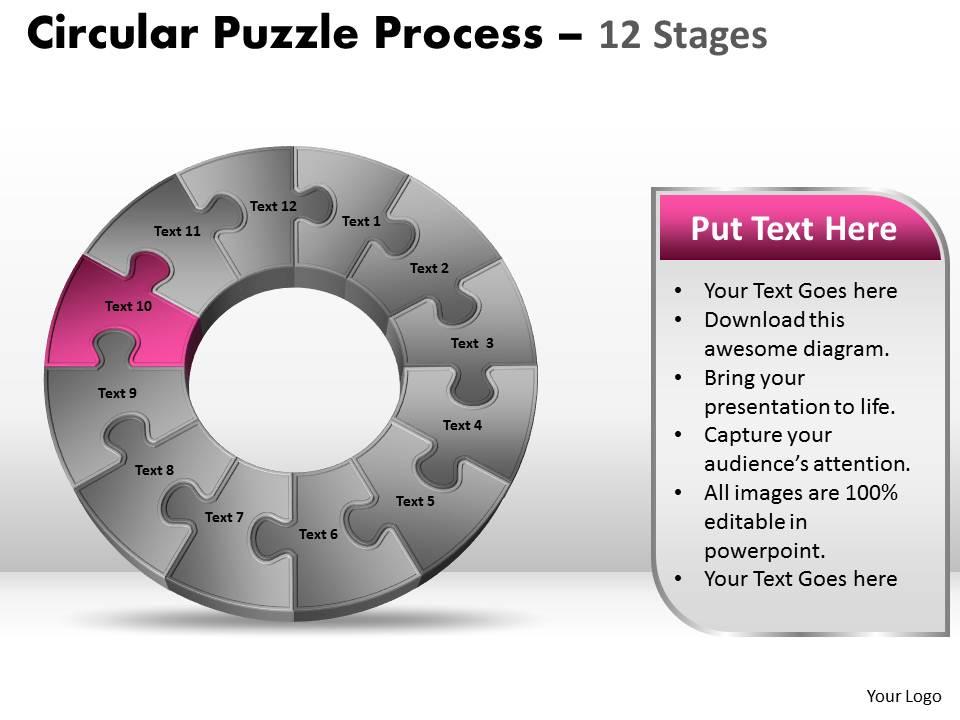
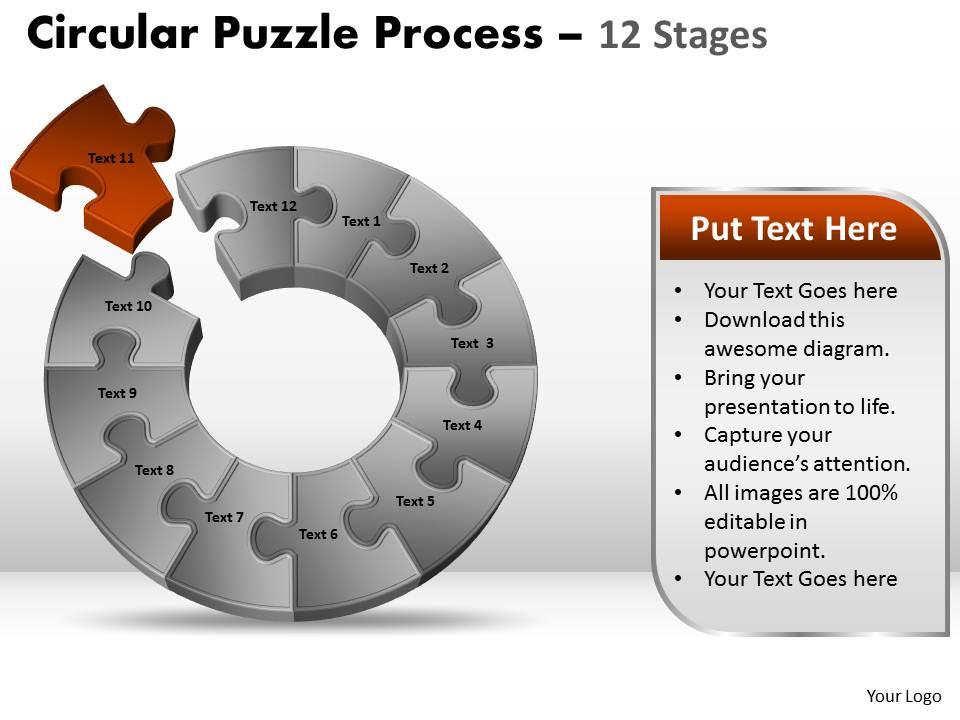
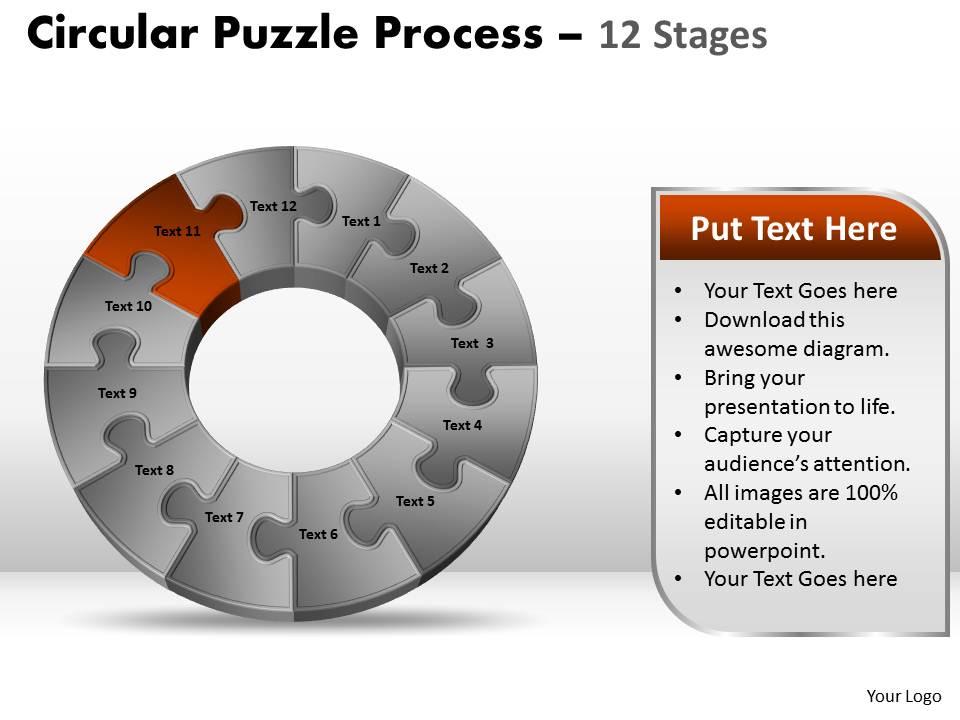
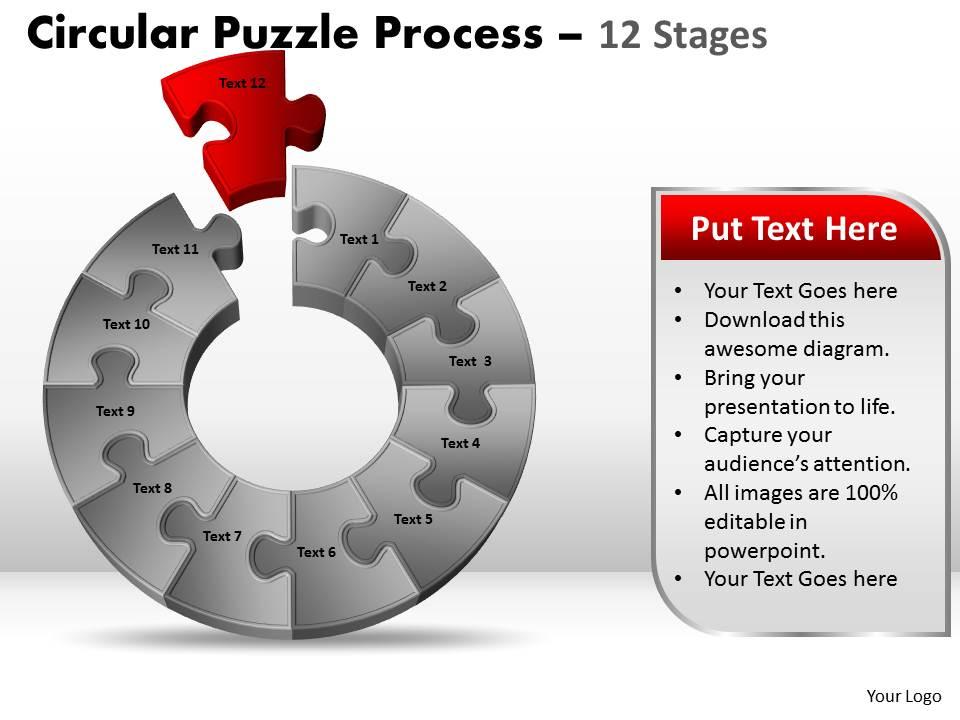
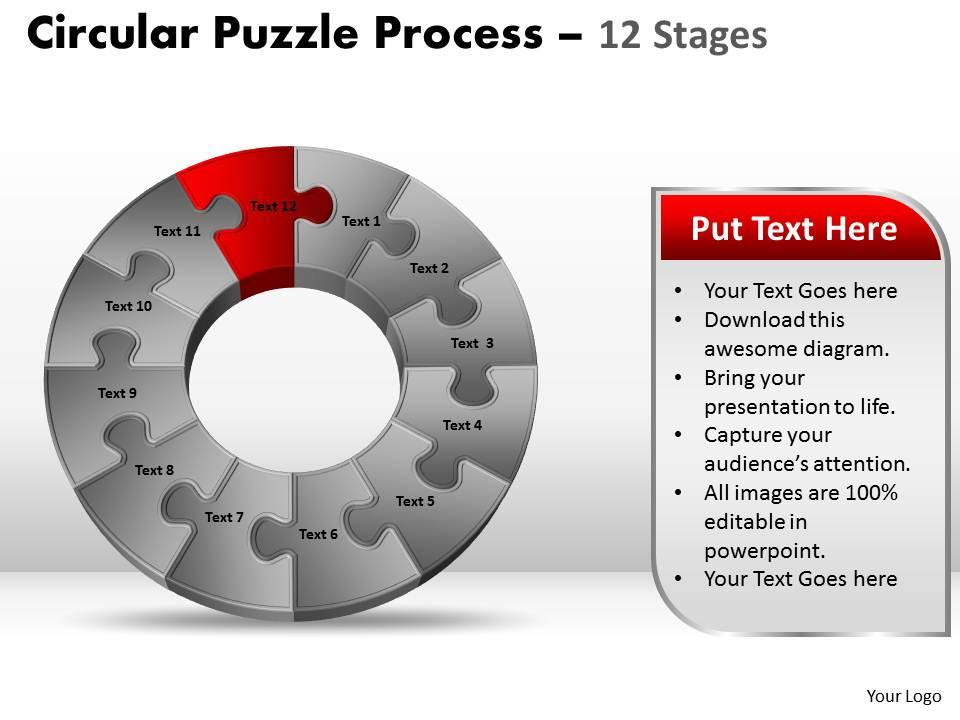
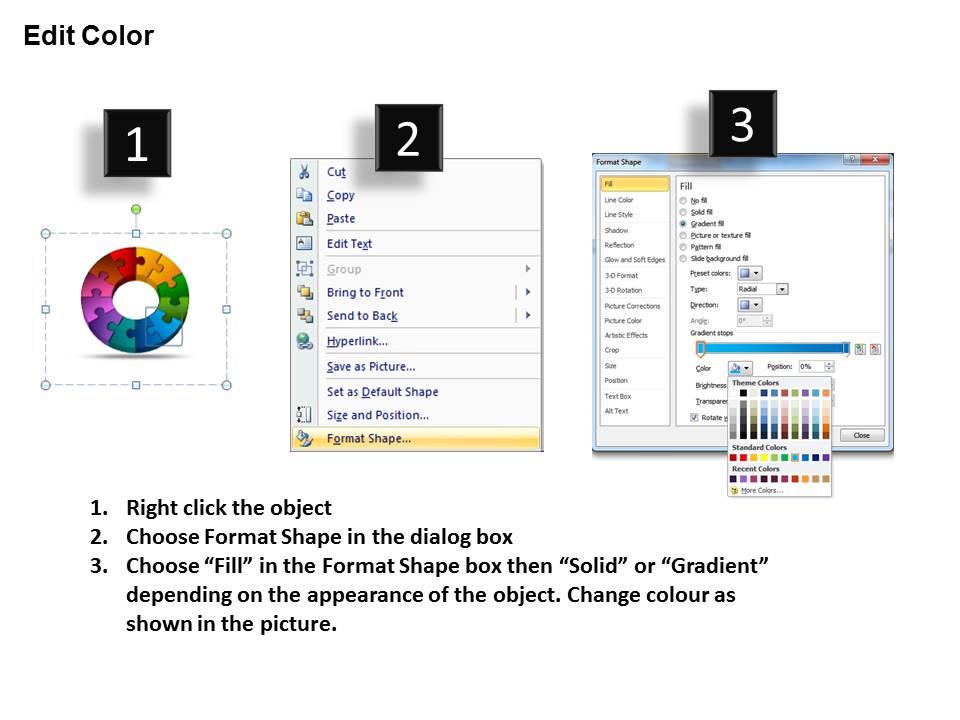
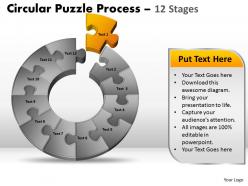
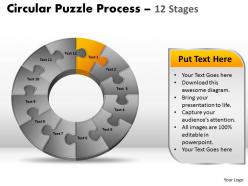
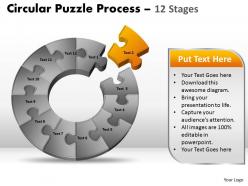
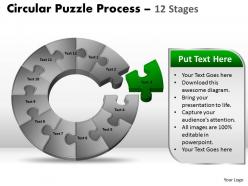
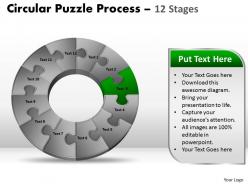
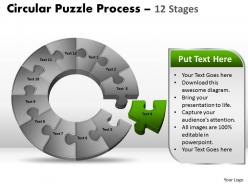
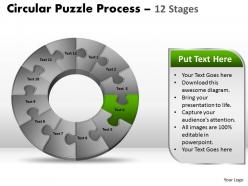
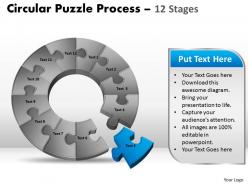
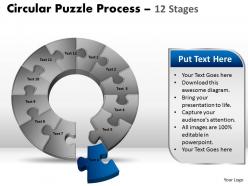
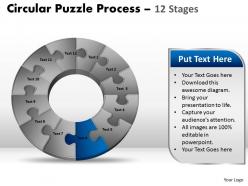
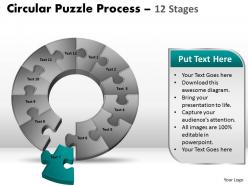
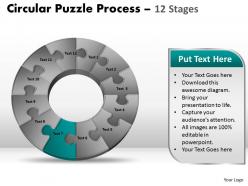
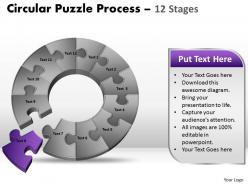
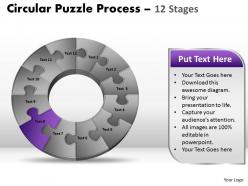
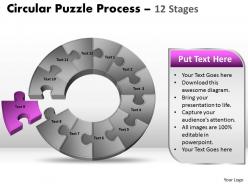
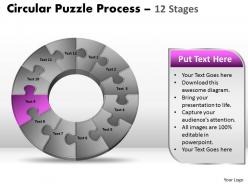
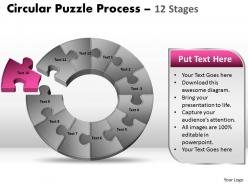
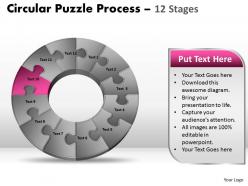
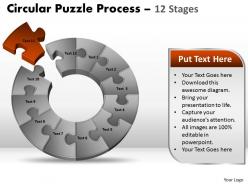
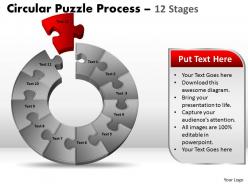
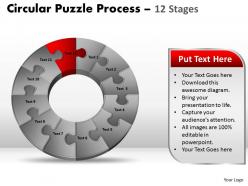
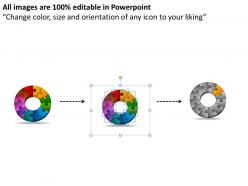
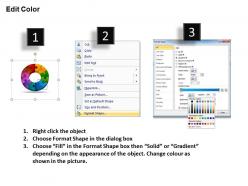
12 components flow circular puzzle process 6
Try Before you Buy Download Free Sample Product
Audience
Editable
of Time
It is not very easy to organise thoughts and present ideas in a consistent way that tells and interesting story. However, with the use of the best available 12 Components flow Circular Puzzle Process 6, this becomes really easy to achieve.
People who downloaded this PowerPoint presentation also viewed the following :
12 components flow circular puzzle process 6 with all 28 slides:
Rough design can kill even the best planned presentation. Our 12 Components flow Circular Puzzle Process 6 will lend your projects world class design.
FAQs for 12 components flow circular
The key components of the circular puzzle process include interconnected stages, feedback loops, continuous iteration cycles, stakeholder integration points, and adaptive decision-making mechanisms. These elements work together by enabling organizations to refine strategies systematically, incorporate real-time insights, and maintain operational flexibility, with many businesses finding that this approach ultimately delivers enhanced problem-solving capabilities and sustainable competitive advantage.
The circular puzzle process enhances team problem-solving by encouraging iterative thinking, collaborative analysis, and systematic exploration of interconnected solutions. This approach enables teams to examine challenges from multiple perspectives, identify previously overlooked connections, and build upon each member's insights, ultimately delivering more comprehensive solutions and stronger team cohesion.
The circular puzzle process can be visualized through flowcharts with curved arrows, interactive wheel diagrams, layered circular infographics, animated step-by-step presentations, and interconnected node maps. These visualization methods enhance comprehension by clearly showing cyclical relationships, dependencies, and feedback loops, with many organizations finding that visual representations streamline training processes and improve stakeholder engagement across complex operational workflows.
Common challenges include stakeholder resistance to change, resource allocation constraints, complex integration requirements, inadequate training programs, and measurement difficulties in tracking circular outcomes. While these obstacles can initially slow implementation, organizations in manufacturing, retail, and logistics find that systematic planning, phased rollouts, and clear communication strategies effectively address these concerns, ultimately delivering improved operational efficiency and sustainable competitive advantage.
The circular puzzle process integrates into project management through iterative planning, continuous stakeholder feedback, adaptive resource allocation, and real-time risk assessment cycles. This approach enhances traditional methodologies like Agile and Scrum by creating interconnected workflow loops, with many organizations finding that circular integration delivers improved project visibility, faster problem resolution, and ultimately stronger team collaboration across complex initiatives.
Feedback serves as the critical mechanism that enables continuous improvement and adaptation within the circular puzzle process, allowing organizations to identify gaps, refine strategies, and optimize outcomes at each stage. Through systematic feedback loops, companies in sectors like manufacturing and healthcare can streamline operations, enhance decision-making processes, and ultimately deliver superior performance while maintaining strategic agility in an increasingly competitive business environment.
The circular puzzle process emphasizes iterative refinement and continuous feedback loops, unlike linear approaches that follow sequential, one-directional steps from problem identification to solution implementation. This cyclical methodology enables teams to revisit earlier stages with new insights, adapt strategies based on emerging data, and incorporate stakeholder feedback throughout the process, ultimately delivering more robust solutions and faster organizational learning compared to traditional waterfall methods.
Industries with complex, interconnected operations benefit most from circular puzzle processes, including manufacturing, healthcare, financial services, supply chain management, and project management sectors. These industries leverage circular frameworks to streamline workflows, enhance collaboration between departments, and optimize resource allocation, with many organizations finding that visual process mapping ultimately delivers improved operational efficiency and strategic decision-making capabilities.
Technology enhances circular puzzle processes by automating data analysis, enabling real-time collaboration, and providing visualization tools that streamline complex problem-solving workflows. Through cloud-based platforms and AI-driven analytics, organizations can accelerate decision-making cycles, improve resource allocation, and maintain continuous feedback loops, ultimately delivering faster solutions and competitive advantage.
Adapting circular puzzle processes for diverse teams involves tailoring communication styles, establishing flexible participation methods, incorporating cultural considerations, and creating inclusive feedback mechanisms. Organizations can implement rotating leadership roles, multiple input channels, and culturally-sensitive facilitation approaches, with many global companies finding that diverse perspectives ultimately enhance problem-solving effectiveness and deliver stronger strategic outcomes.
Facilitators effectively guide circular puzzle processes by establishing clear objectives, managing time allocation strategically, and encouraging collaborative problem-solving among participants. Through structured facilitation techniques, teams navigate complex challenges systematically, maintain engagement across all stages, and reach consensus more efficiently, with many organizations finding that skilled facilitation accelerates breakthrough solutions and enhances group dynamics.
Successful circular puzzle process applications include supply chain optimization in manufacturing, patient care coordination in hospitals, product development cycles in tech companies, and strategic planning in financial services. These implementations streamline workflows by connecting interdependent phases, eliminating bottlenecks, and ensuring continuous feedback loops, with many organizations finding that this approach reduces project timelines while enhancing cross-departmental collaboration and overall operational efficiency.
The circular puzzle process fosters creativity and innovation by encouraging iterative thinking, collaborative problem-solving, and flexible adaptation of ideas through continuous feedback loops. This approach enables teams across sectors like product development, marketing, and strategic planning to explore multiple solutions simultaneously, refine concepts dynamically, and ultimately deliver breakthrough innovations through sustained creative momentum.
Effectiveness metrics for circular puzzle processes include completion time, accuracy rates, collaboration frequency, feedback quality, and iteration cycles. These measurements enable organizations to streamline problem-solving workflows, enhance team coordination, and accelerate decision-making processes, with many businesses finding that tracking these indicators ultimately delivers improved operational efficiency and competitive advantage.
Circular puzzle process principles enhance agile methodologies by promoting iterative problem-solving, continuous feedback loops, and adaptive planning that mirrors agile's sprint-based approach. These principles enable development teams to break complex projects into interconnected pieces, streamline collaboration through visual workflows, and deliver incremental value, with many software organizations finding that this integration accelerates delivery cycles while maintaining quality standards.
-
Great designs, Easily Editable.
-
Unique and attractive product design.