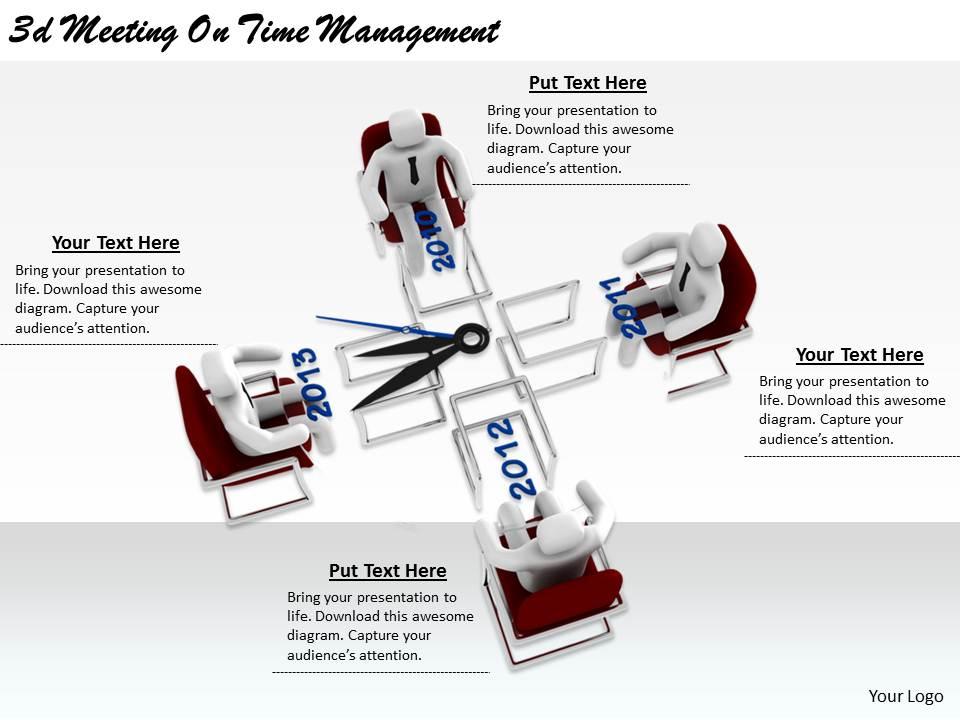
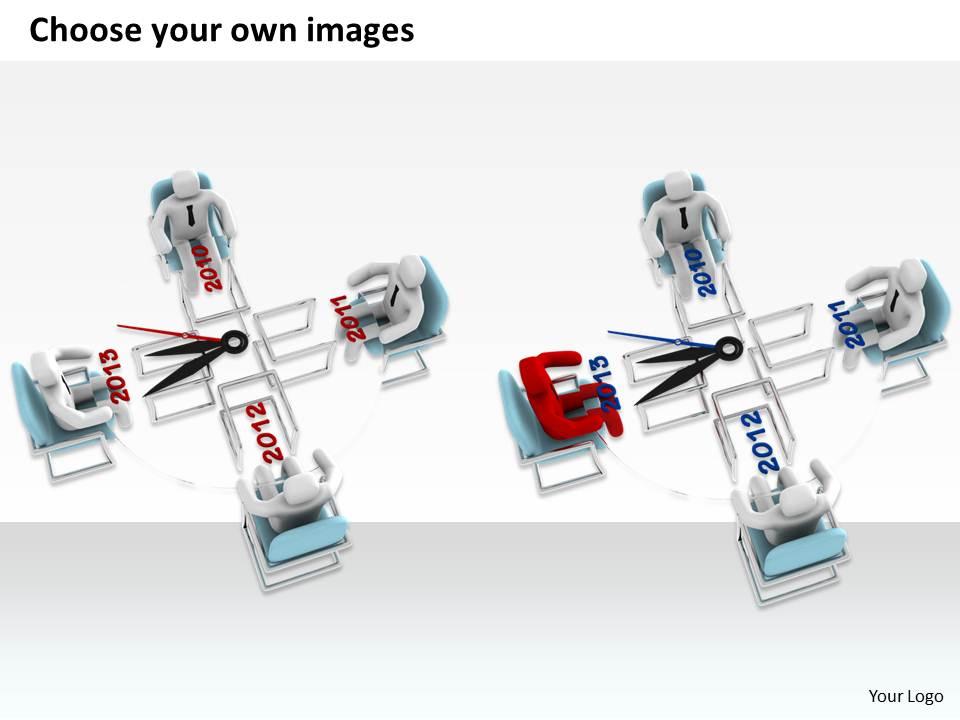
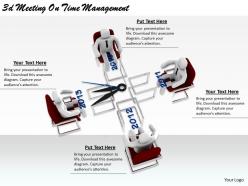
2513 3d meeting on time management ppt graphics icons powerpoint

Rating:
100%
2513 3d meeting on time management ppt graphics icons powerpoint
Slide 1 of 4
Favourites Favourites

Try Before you Buy Download Free Sample Product

Audience Impress Your
Audience
Editable 100%
Editable
Time Save Hours
of Time
The Biggest Sale is ending soon in
0
0
:
0
0
:
0
0
Rating:
100%
We are proud to present our 2513 3d meeting on time management ppt graphics icons powerpoint. Use Our 2513 3d Meeting On Time Management Ppt Graphics Icons Powerpoint And Feel The Difference. Right Off They Generate A Surge Of Interest.

People who downloaded this PowerPoint presentation also viewed the following :

FAQs for 2513 3d meeting on time management ppt

The most effective prioritization techniques include the Eisenhower Matrix, ABC ranking, time-blocking, the 80/20 rule, and deadline-driven scheduling. These methods streamline daily workflows by categorizing urgent versus important tasks, allocating focused time periods, and identifying high-impact activities, with many professionals finding that strategic prioritization ultimately delivers enhanced productivity and reduced stress.

The Pomodoro Technique enhances productivity by breaking work into focused 25-minute intervals followed by short breaks, reducing mental fatigue and maintaining concentration levels throughout the day. This structured approach enables professionals to tackle complex projects more systematically, minimize distractions, and deliver higher-quality outputs, with many organizations finding that employees accomplish significantly more while experiencing less burnout.

Digital technology serves as the backbone of modern time management through automation tools, AI-powered scheduling, cloud-based collaboration platforms, mobile productivity apps, and real-time analytics dashboards. These solutions streamline workflow optimization, eliminate manual scheduling conflicts, and enhance cross-team coordination, with many organizations finding that integrated digital ecosystems ultimately deliver significant productivity gains and competitive operational efficiency.

Time blocking helps individuals maximize efficiency by dedicating specific time slots to particular tasks, eliminating decision fatigue, and preventing multitasking distractions. This structured approach enables professionals to maintain focused work periods, reduce context switching, and allocate appropriate time for priorities, with many organizations finding that employees using time blocking complete projects faster and experience less stress.

Common multitasking misconceptions include believing it saves time, increases productivity, demonstrates efficiency, shows superior capability, and enables better task completion. Research consistently shows multitasking actually reduces focus, increases error rates, and extends completion times, with many organizations finding that single-tasking approaches deliver faster results and higher-quality outcomes.

Setting SMART goals enhances time management by creating clear, measurable objectives with defined timelines, eliminating ambiguity and enabling focused resource allocation. This structured approach streamlines decision-making processes, reduces time spent on non-essential activities, and provides accountability mechanisms, with many organizations finding that employees achieve targets 30% faster while maintaining better work-life balance.

Popular time-tracking tools include Toggl, RescueTime, Clockify, Forest, and Notion, each offering different approaches to monitoring productivity patterns and task allocation. These applications streamline workflow optimization by providing detailed analytics, automated tracking, and goal-setting features, with many professionals finding that consistent usage ultimately delivers improved focus and enhanced operational efficiency.

Delegating tasks effectively improves team time management by redistributing workloads, leveraging individual strengths, and enabling parallel processing of multiple projects. Through strategic delegation, managers streamline operations while team members develop specialized skills, ultimately reducing bottlenecks and accelerating project completion, with many organizations finding that proper delegation increases overall productivity by 25-30%.

Effective distraction-minimization strategies include time-blocking techniques, designated quiet zones, technology controls, structured communication protocols, and environmental optimization. These approaches streamline focus by eliminating digital interruptions, scheduling specific collaboration periods, and creating dedicated workspaces, with many organizations finding that implementing comprehensive distraction management ultimately delivers improved productivity and enhanced employee satisfaction across teams.

Mindfulness practices enhance time management by improving focus and concentration, reducing decision fatigue, increasing awareness of time-wasting habits, and enabling better prioritization of tasks. These techniques help professionals stay present during work sessions, minimize multitasking inefficiencies, and make more intentional choices about resource allocation, ultimately delivering greater productivity and reduced stress levels.

Procrastination significantly undermines time management by creating deadline pressure, reducing work quality, and causing stress that hampers productivity across projects. Through structured scheduling, task breakdown, and accountability systems, professionals can overcome procrastination while building momentum, with many organizations finding that time-blocking techniques and priority matrices ultimately deliver enhanced focus and competitive operational efficiency.

Regular time audits deliver improved productivity awareness, elimination of time-wasting activities, better task prioritization, enhanced focus allocation, and clearer understanding of peak performance periods. Through systematic tracking, professionals streamline their workflows, identify inefficient processes, and optimize their schedules, with many organizations finding that employees increase output by 20-30% while reducing stress levels.

Integrating time management skills into project management frameworks involves establishing clear task prioritization, realistic deadline setting, resource allocation optimization, and regular progress monitoring checkpoints. Through strategic scheduling tools and milestone tracking, project managers streamline workflow efficiency, minimize bottlenecks, and enhance team productivity, with many organizations finding that this combination ultimately delivers faster project completion and improved stakeholder satisfaction.

Effective burnout prevention methods include strategic task prioritization, scheduled regular breaks, delegation of non-essential responsibilities, clear boundary setting between work and personal time, and realistic goal establishment. These approaches streamline workload management by reducing overwhelming commitments, enhancing productivity focus, and maintaining sustainable energy levels, with many organizations finding that structured time allocation ultimately delivers improved employee wellbeing and long-term performance consistency.

Reflecting on past time management experiences enables strategic improvement by identifying patterns, understanding personal productivity rhythms, and recognizing which techniques consistently deliver results. Through systematic analysis of successful approaches and failed strategies, professionals can optimize their workflows, eliminate recurring time drains, and develop personalized systems that enhance efficiency, ultimately creating sustainable productivity habits that scale with increasing responsibilities.

Ratings and Reviews

100% of 100
Write a review
Most Relevant Reviews
  1. 100%

    by Ethan Sanchez

    Easily Editable.
  2. 100%

    by Cliff Jimenez

    Designs have enough space to add content.

2 Item(s)

per page: