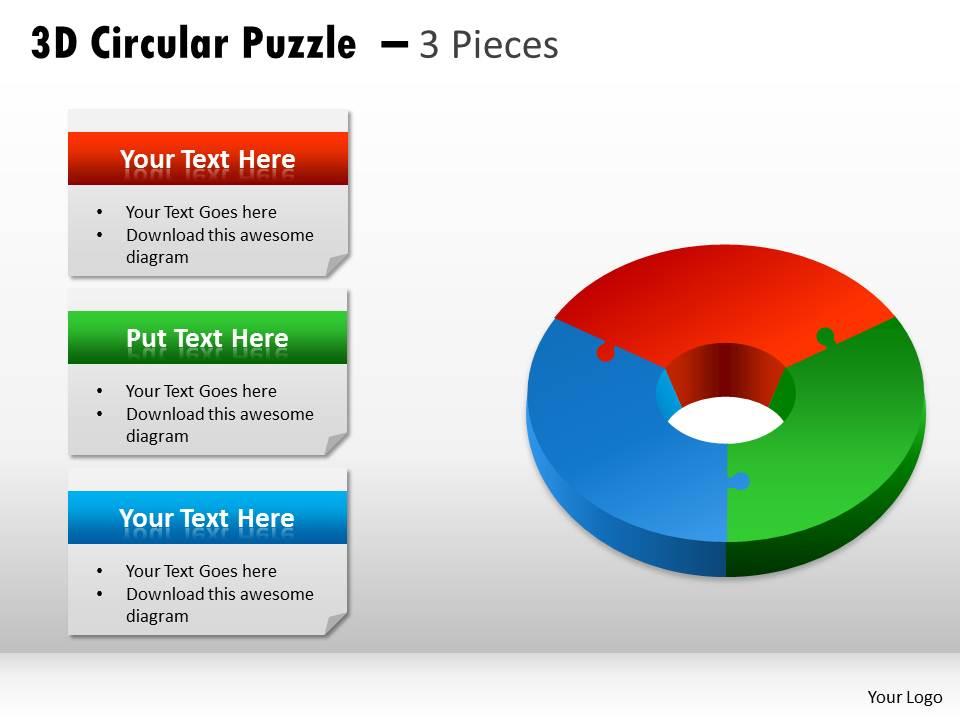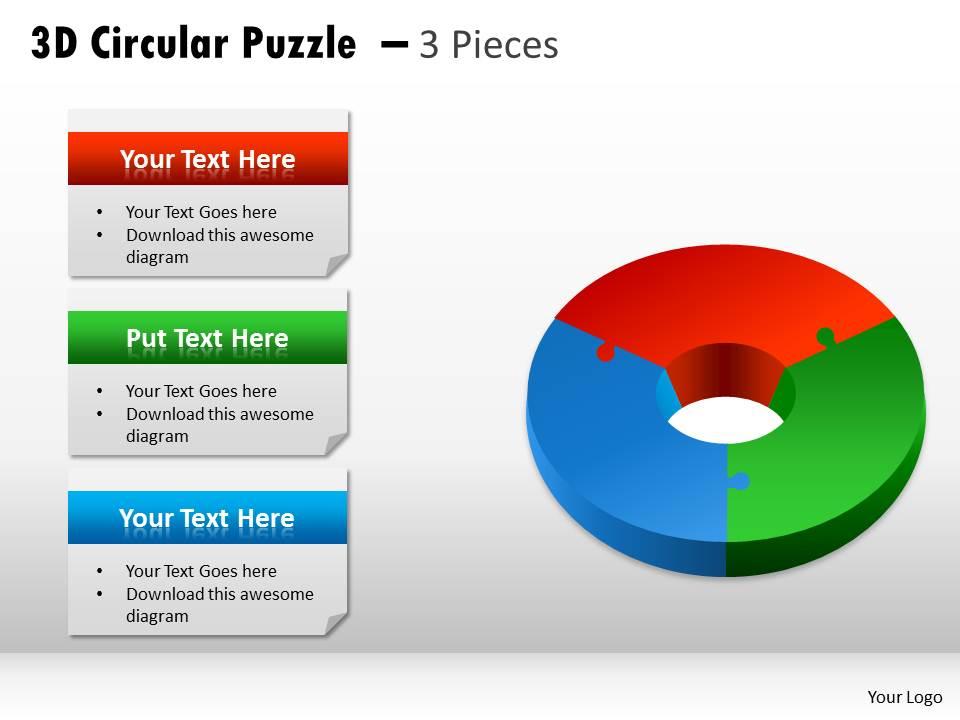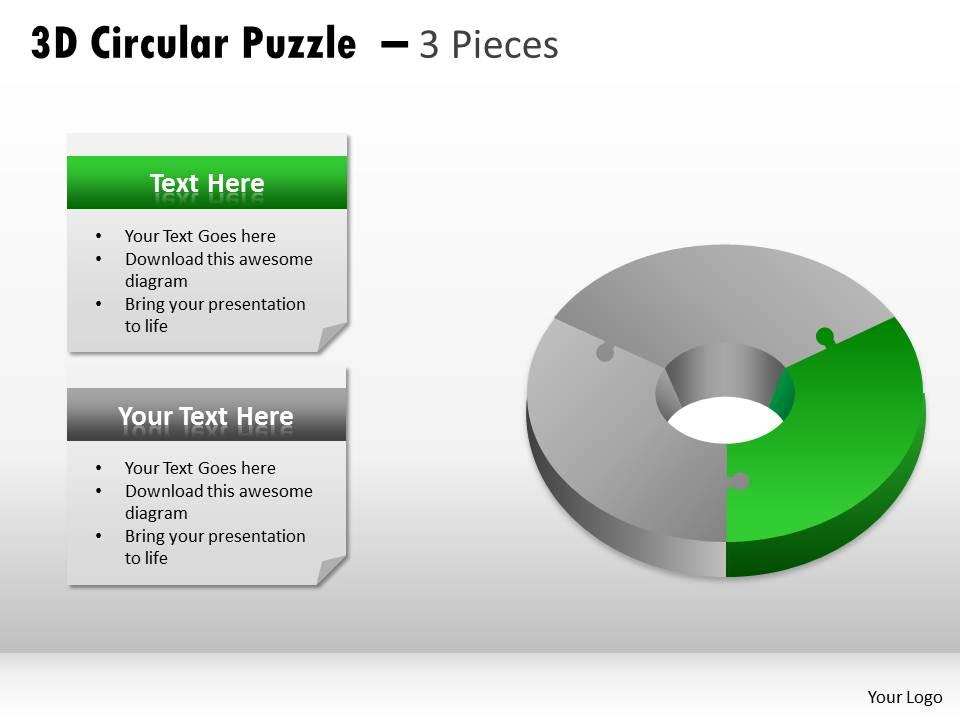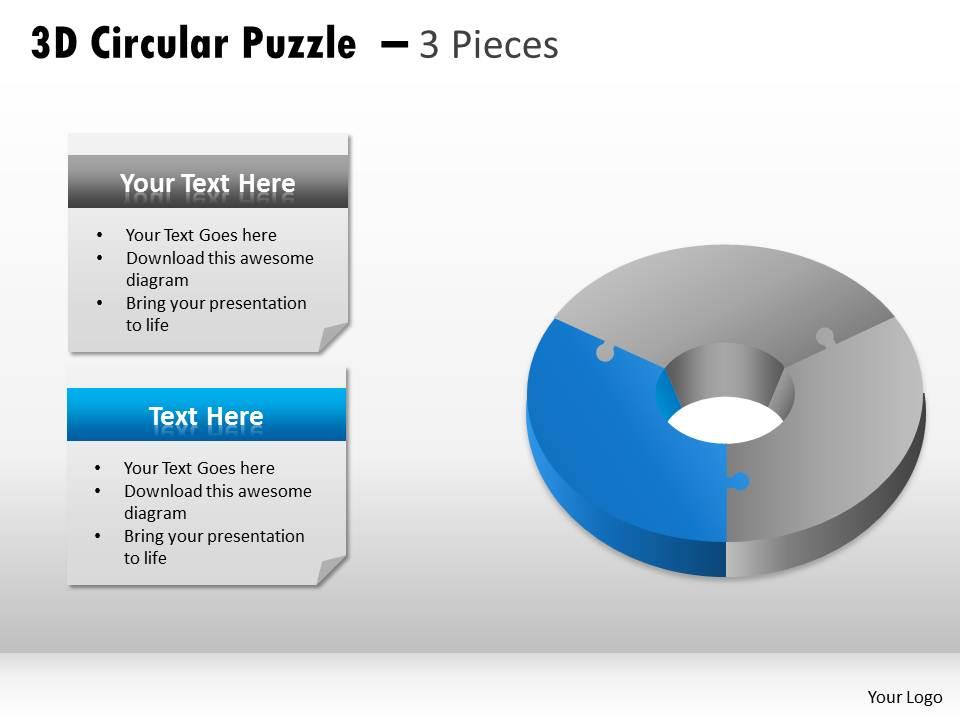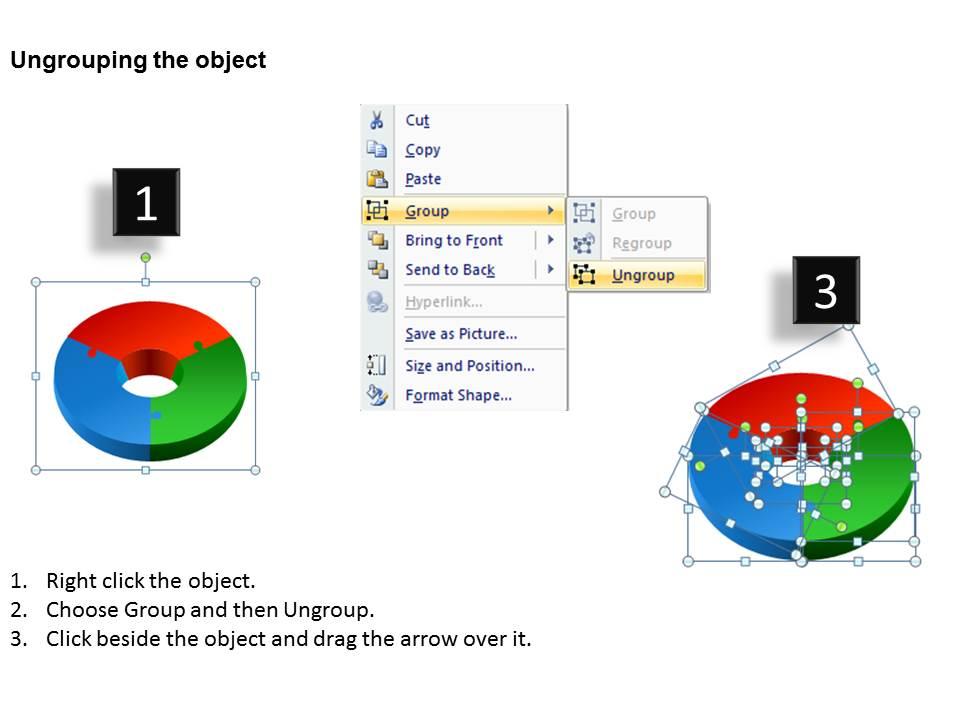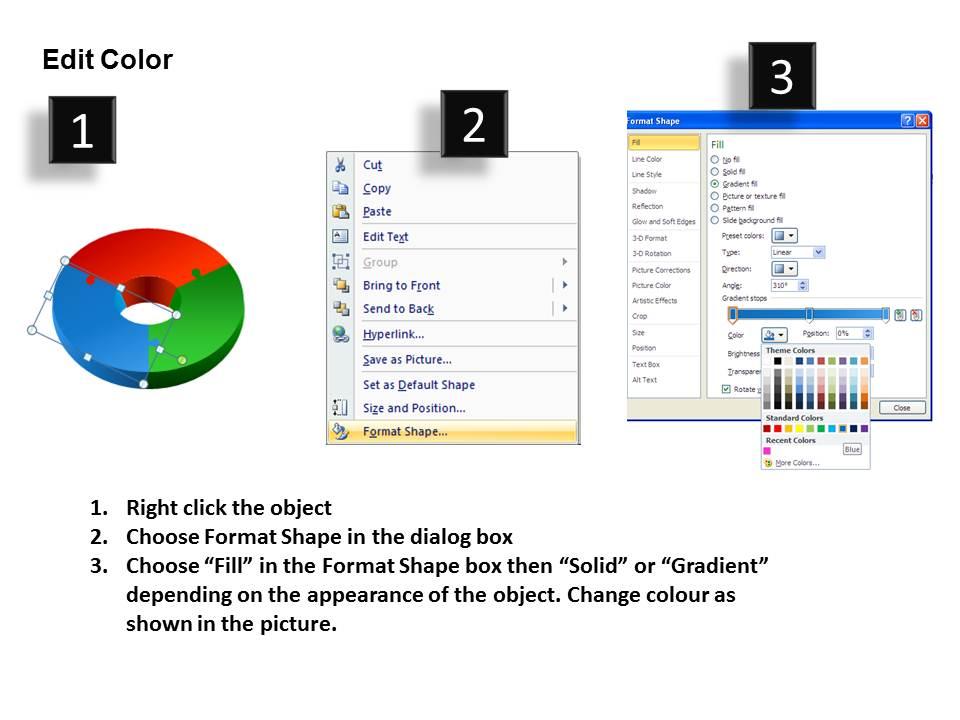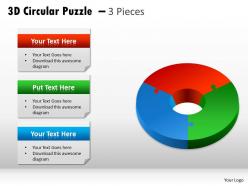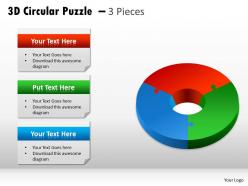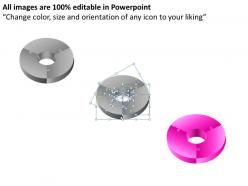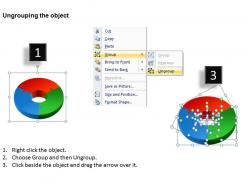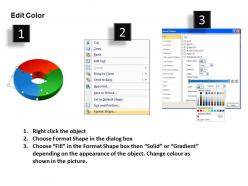
3d circular puzzle 3 pieces

Rating:
80%
3d circular puzzle 3 pieces
Slide 1 of 8
Favourites Favourites

Try Before you Buy Download Free Sample Product

Audience Impress Your
Audience
Editable 100%
Editable
Time Save Hours
of Time
The Biggest Sale is ending soon in
0
0
:
0
0
:
0
0
Rating:
80%
This template is skillfully designed and is completely editable to suit all the needs and requirements of the user. The color of the font, its size, style, and all other elements can be customized according to the user's desire The text in the PPT placeholder can be replaced with the desired information making this template highly flexible and adaptable as well. This template is also compatible with various Microsoft versions and formats like Google Slides, JPG, PDF, etc so the user will face no issue in saving it in the format of his choice.

People who downloaded this PowerPoint presentation also viewed the following :

FAQs for 3d circular

3D circular puzzles offer enhanced spatial reasoning development, improved problem-solving skills, increased engagement through tactile learning, strengthened memory retention, and collaborative teamwork opportunities. These educational tools streamline complex concept visualization by combining hands-on manipulation with visual learning, ultimately delivering better student outcomes and enhanced classroom experiences, with many educators finding that students retain information more effectively through this interactive approach.

3D circular puzzles enhance cognitive development by improving spatial reasoning, problem-solving abilities, hand-eye coordination, and critical thinking skills through hands-on manipulation and visualization challenges. Educational institutions and therapy centers increasingly incorporate these tools into learning programs, with many finding that children develop stronger mathematical concepts, enhanced memory retention, and improved focus while building confidence through tactile engagement, ultimately delivering measurable cognitive advancement.

**INPUT**: What materials are commonly used to create 3D circular puzzles, and how do they impact durability and aesthetics? **OUTPUT**: 3D circular puzzles commonly utilize high-grade cardboard, precision-cut wood, durable plastics, metal components, and foam backing materials. These materials enhance puzzle longevity through reinforced interlocking mechanisms, vibrant color retention, and structural integrity, while enabling manufacturers across gaming, educational, and promotional sectors to deliver premium experiences that withstand repeated assembly and disassembly, ultimately providing lasting value. *[Word count: 60]*

**INPUT**: How does the design of a 3D circular puzzle influence user engagement and problem-solving strategies? **OUTPUT**: 3D circular puzzle design significantly influences engagement through spatial complexity, rotational mechanics, and multi-dimensional visualization challenges that require enhanced cognitive mapping and sequential reasoning strategies. These design elements encourage users to develop systematic approaches, pattern recognition skills, and persistence, with educational institutions and corporate training programs finding that circular formats improve spatial intelligence and collaborative problem-solving capabilities. **Word count: 56 words**

3D puzzles enhance spatial reasoning, depth perception, and cognitive flexibility more significantly than 2D puzzles, while also improving problem-solving persistence and mental rotation abilities. These multidimensional challenges engage both hemispheres of the brain simultaneously, with many educators and therapists finding that 3D puzzle-solving delivers superior cognitive development and stress reduction benefits compared to traditional flat puzzles.

3D circular puzzles enhance corporate team-building by requiring collaborative problem-solving, strategic planning, and effective communication to complete complex geometric challenges. Organizations in consulting, healthcare, and financial services find these exercises particularly valuable for developing cross-functional cooperation, with teams learning to delegate tasks, share perspectives, and work toward unified goals while building trust and improving workplace dynamics.

Technology can be incorporated into 3D circular puzzles through augmented reality guidance, smart sensors for piece recognition, LED lighting systems, mobile app integration, and interactive digital overlays. These technological enhancements streamline the solving experience by providing real-time hints, tracking progress automatically, and creating immersive gameplay, with many educational institutions finding that tech-enabled puzzles significantly enhance spatial reasoning development and user engagement.

3D circular puzzles show strong appeal across multiple demographics, with children aged 8-14 embracing the spatial challenge, adults 25-45 seeking stress relief and cognitive stimulation, and seniors 65+ valuing the memory and dexterity benefits. Educational institutions, therapy centers, and family entertainment venues increasingly incorporate these puzzles into their programs, finding that the unique circular format delivers enhanced problem-solving skills, improved focus, and cross-generational bonding opportunities.

3D circular puzzles offer heightened spatial complexity compared to traditional flat puzzles, requiring multi-dimensional thinking, rotational reasoning, and advanced problem-solving skills that linear puzzles cannot match. These puzzles enhance cognitive development through improved spatial intelligence, pattern recognition, and strategic planning, with educators and therapists finding that circular formats deliver superior learning outcomes in geometry, engineering concepts, and critical thinking skills.

Spatial awareness enables puzzle solvers to visualize piece relationships, understand rotational mechanics, and mentally map three-dimensional connections across curved surfaces. This cognitive skill streamlines the solving process by enhancing pattern recognition, reducing trial-and-error attempts, and accelerating completion times, with many enthusiasts finding that improved spatial thinking ultimately delivers stronger problem-solving abilities and enhanced mental agility.

3D circular puzzles can be customized through thematic imagery, subject-specific content integration, color-coded sections, interactive elements, and scalable complexity levels tailored to learning objectives. Educational institutions increasingly leverage these customizable tools across subjects like geography, anatomy, and history, with many finding that themed puzzle designs enhance student engagement, improve knowledge retention, and deliver more effective hands-on learning experiences.

Environmental considerations in 3D circular puzzle production include sustainable material sourcing, eco-friendly manufacturing processes, packaging waste reduction, energy-efficient production methods, and end-of-life recyclability planning. These approaches streamline environmental impact by minimizing plastic usage, utilizing biodegradable materials, and implementing circular economy principles, with many toy manufacturers finding that sustainable practices ultimately deliver cost savings and enhanced brand reputation.

Cultural differences significantly influence 3D circular puzzle design through color symbolism, geometric preferences, complexity expectations, and thematic imagery that resonates with local traditions and values. These cultural adaptations enhance market acceptance and user engagement, with many manufacturers finding that region-specific designs, incorporating familiar architectural elements or traditional patterns, ultimately deliver stronger sales performance and customer satisfaction across diverse global markets.

Manufacturers face challenges including precise component alignment, ensuring consistent piece durability across curved surfaces, managing complex injection molding processes, maintaining color accuracy throughout production runs, and balancing material costs with quality standards. These manufacturing complexities require specialized tooling, rigorous quality control systems, and strategic supplier partnerships, with many puzzle companies finding that investing in advanced production technologies ultimately delivers superior product consistency and competitive market positioning.

Marketing strategies for 3D circular puzzles can be tailored through targeted social media campaigns on puzzle communities, partnerships with educational institutions and therapy centers, and influencer collaborations with brain-training advocates. These approaches leverage the unique therapeutic benefits and cognitive enhancement aspects, with many specialty toy retailers and wellness brands finding that emphasizing problem-solving skills and stress relief resonates strongly with niche audiences.

Ratings and Reviews

80% of 100
Write a review
Most Relevant Reviews
  1. 80%

    by Jacob Brown

    Appreciate the research and its presentable format.
  2. 80%

    by Christopher Wood

    Topic best represented with attractive design.

2 Item(s)

per page: