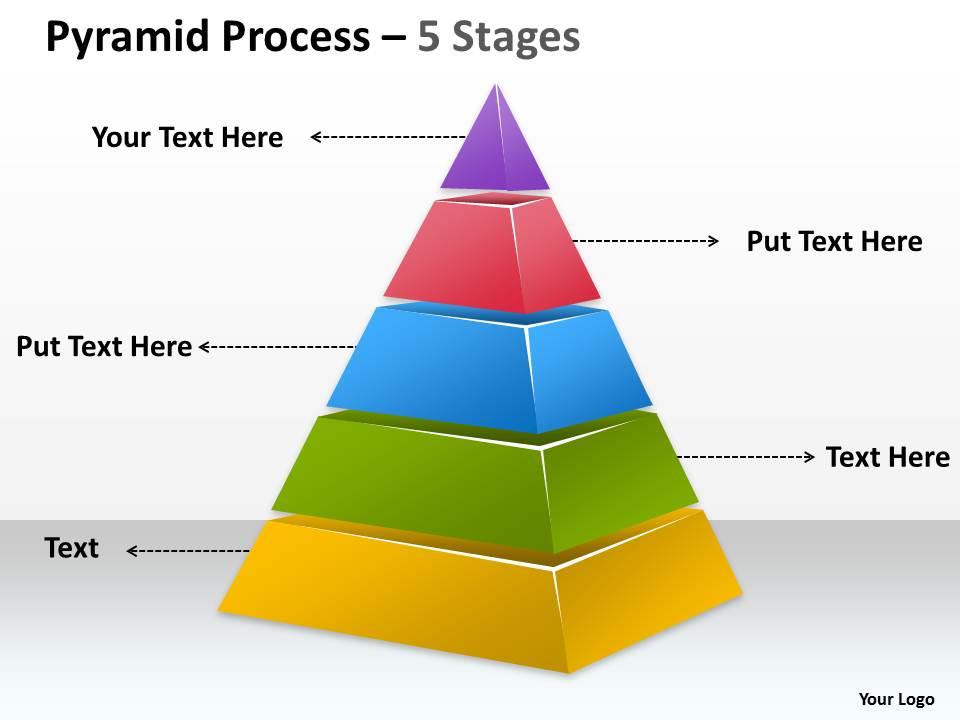
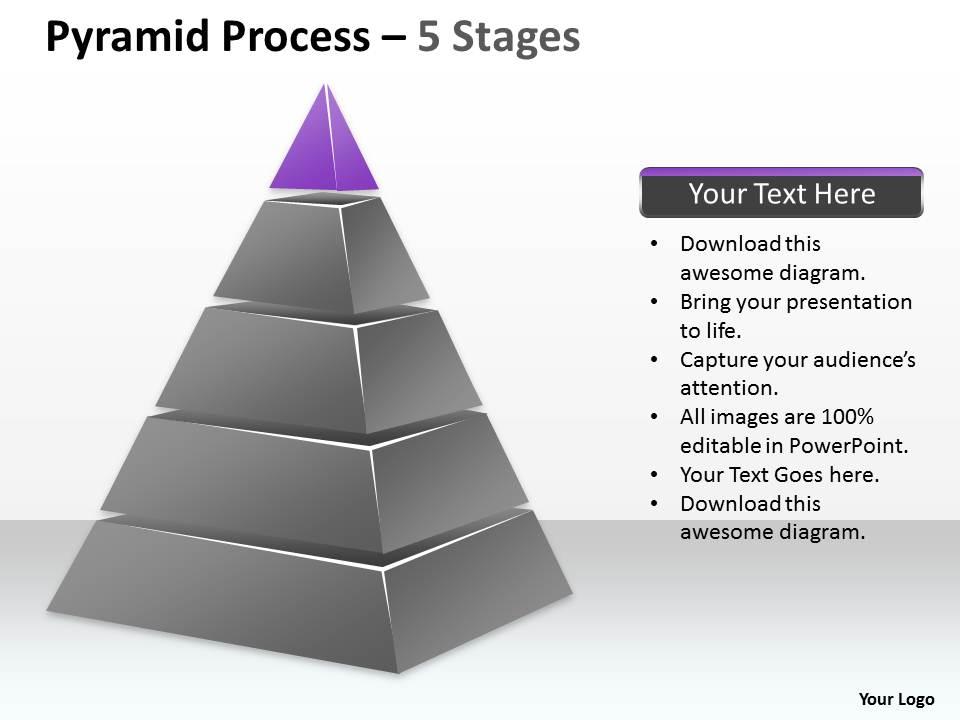
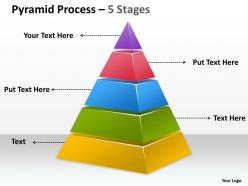
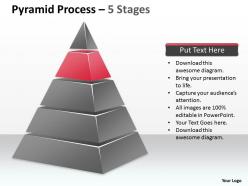
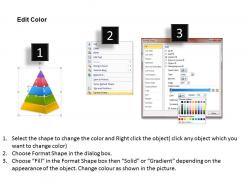
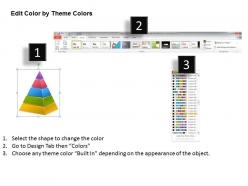
5 staged triangle design for sales strategy

Rating:
90%
5 staged triangle design for sales strategy
Slide 1 of 10
Favourites Favourites

Try Before you Buy Download Free Sample Product

Audience Impress Your
Audience
Editable 100%
Editable
Time Save Hours
of Time
The Biggest Sale is ending soon in
0
0
:
0
0
:
0
0
Rating:
90%
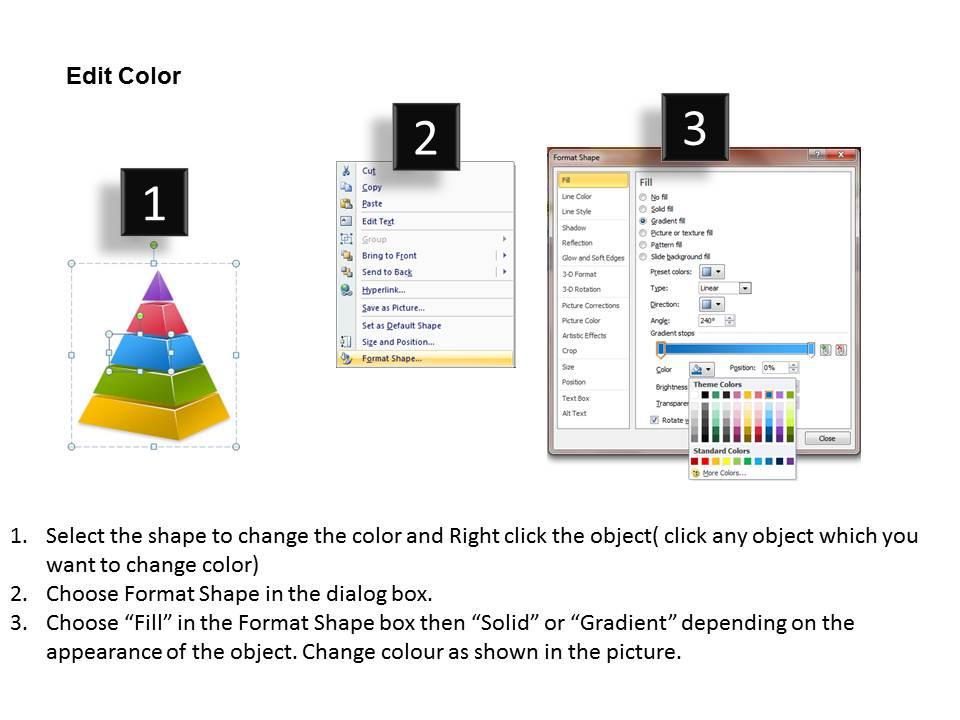
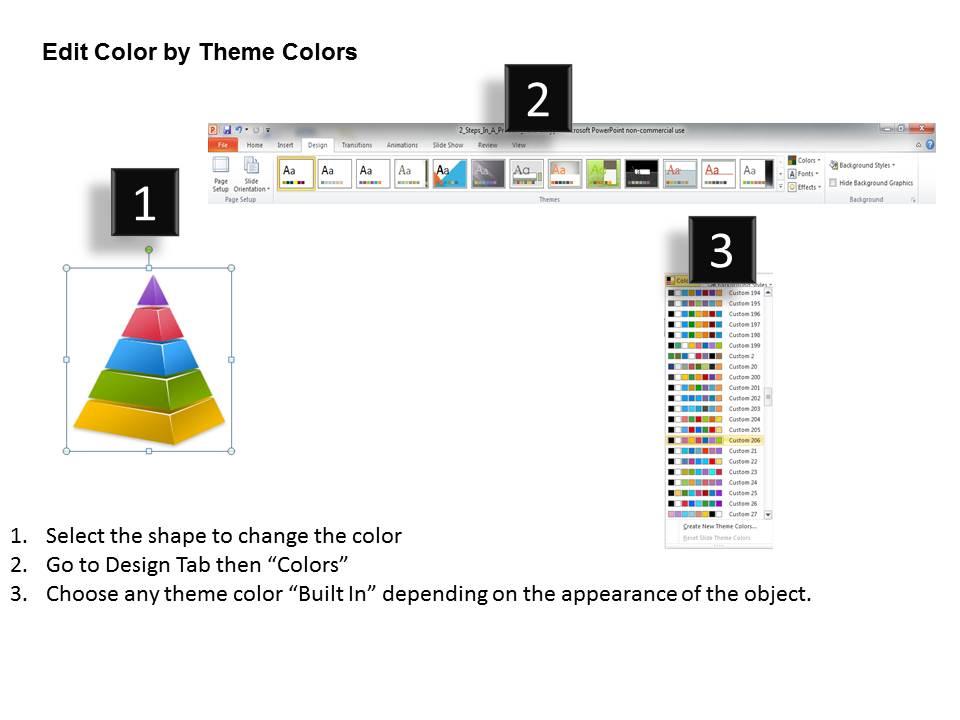
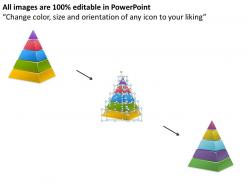
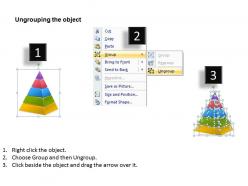
This template is skillfully designed and is completely editable to suit all the needs and requirements of the user. The color of the font, its size, style, and all other elements can be customized according to the user's desire The text in the PPT placeholder can be replaced with the desired information making this template highly flexible and adaptable as well. This template is also compatible with various Microsoft versions and formats like Google Slides, JPG, PDF, etc so the user will face no issue in saving it in the format of his choice.

People who downloaded this PowerPoint presentation also viewed the following :

FAQs for 5 staged triangle design

The three key components of the Sales Strategy Triangle include market segmentation, value proposition development, and sales process optimization. These strategic elements work together by targeting the right customers, communicating compelling benefits, and streamlining engagement workflows, with many organizations finding that this integrated approach delivers higher conversion rates, shorter sales cycles, and ultimately sustainable revenue growth in increasingly competitive markets.

Aligning marketing with sales enhances strategy effectiveness by creating unified messaging, streamlining lead qualification, and accelerating conversion rates through coordinated touchpoints. This strategic combination enables organizations to deliver consistent customer experiences, reduce acquisition costs, and maximize revenue potential, with many companies finding that integrated teams achieve significantly higher close rates and shorter sales cycles.

Customer insights significantly influence each corner of the Sales Strategy Triangle by informing target market selection, refining value propositions, and optimizing sales process execution. Through detailed customer analysis, organizations enhance market segmentation precision, tailor messaging to specific pain points, and streamline sales methodologies, with many companies finding that data-driven insights ultimately deliver higher conversion rates and stronger competitive positioning.

Technology serves as the backbone for integrating sales strategies by enabling data synchronization, automating workflows, and providing real-time analytics across all customer touchpoints. Through CRM systems, AI-powered insights, and marketing automation platforms, organizations streamline lead management, enhance customer experiences, and optimize resource allocation, ultimately delivering faster sales cycles and improved conversion rates across integrated channels.

Organizations measure Sales Strategy Triangle success by tracking customer acquisition costs and conversion rates for market targeting, monitoring sales cycle length and win rates for process efficiency, and evaluating team productivity and skill development for capability building. Through integrated dashboards and regular performance reviews, companies can identify optimization opportunities across all three dimensions, ultimately delivering improved revenue growth and sustainable competitive advantage.

Common pitfalls include misaligning the three core elements, failing to integrate customer insights with sales processes, neglecting team training on strategic positioning, and inadequate measurement systems. While many organizations focus heavily on one component over others, successful implementation requires balanced attention to strategy, structure, and skills, with companies finding that regular assessment and adjustment ultimately delivers sustained competitive advantage.

Companies can ensure effective sales team training within the triangle's framework by implementing comprehensive role-based training programs, establishing clear performance metrics aligned with customer needs, product knowledge, and sales processes, and conducting regular coaching sessions. Through structured workshops and hands-on practice, sales teams develop strategic selling skills, enhance customer relationship management, and ultimately deliver improved conversion rates and customer satisfaction across all framework components.

Corporate culture significantly impacts Sales Strategy Triangle execution by influencing team collaboration, customer relationship approaches, and strategic implementation consistency across all three components. A strong, customer-centric culture enhances alignment between people, process, and technology, with organizations like Salesforce and HubSpot finding that cultural values directly translate into sales performance, ultimately delivering sustained revenue growth and competitive market positioning.

Businesses can adapt their Sales Strategy Triangle by regularly reassessing customer needs, competitive positioning, and internal capabilities, then realigning their sales processes, messaging, and resource allocation accordingly. Through continuous market monitoring and agile strategy pivots, organizations streamline their approach to changing buyer behaviors, emerging competitors, and evolving market conditions, ultimately maintaining competitive advantage while delivering enhanced customer experiences.

Customer behavior analytics, market segmentation data, competitor performance metrics, sales conversion rates, and revenue attribution insights are most valuable for informing strategy decisions. These data types enable organizations to optimize their product positioning, refine target audience approaches, and enhance sales processes, with many companies finding that integrated data analysis across all triangle components delivers significantly improved strategic outcomes and competitive advantage.

Different industries customize the Sales Strategy Triangle by adapting each component—target market segmentation, value proposition development, and sales process optimization—to their specific operational requirements, customer behaviors, and competitive landscapes. Financial services emphasize compliance-driven processes and relationship building, while manufacturing focuses on technical specifications and long sales cycles, with retail prioritizing rapid customer acquisition and seasonal adaptability, ultimately delivering industry-specific competitive advantages.

Companies can foster collaboration by implementing shared CRM systems, establishing unified customer journey mapping, creating cross-functional team meetings, developing joint KPIs and compensation structures, and facilitating regular communication channels between departments. These strategies streamline operations by aligning goals, improving data transparency, and enhancing customer handoffs, with many organizations finding that integrated teams deliver faster response times, higher conversion rates, and ultimately stronger customer retention across their entire sales ecosystem.

Customer experience forms a critical connecting element across all three components of the Sales Strategy Triangle, influencing market positioning through brand perception, sales process design through touchpoint optimization, and resource allocation toward customer-centric initiatives. Through seamless integration of experience mapping, organizations enhance conversion rates, accelerate sales cycles, and build competitive differentiation, with many companies finding that superior customer experiences directly translate into higher revenue growth and market share expansion.

Companies like Salesforce utilize comprehensive CRM integration, targeted lead qualification, and systematic follow-up processes to align their sales funnel with customer needs. Through strategic combination of technology-driven prospecting, consultative selling approaches, and data-driven performance metrics, organizations in financial services, healthcare, and retail streamline their sales operations, ultimately delivering higher conversion rates and enhanced customer experiences.

Small businesses can leverage the Sales Strategy Triangle by aligning their limited resources across customer segmentation, value proposition development, and sales process optimization to compete more effectively with larger competitors. By focusing on niche markets where they can deliver personalized experiences, streamlining their sales workflows, and clearly articulating unique value, small businesses often achieve higher conversion rates and customer loyalty than larger organizations.

Ratings and Reviews

90% of 100
Write a review
Most Relevant Reviews
  1. 80%

    by Rhys Moore

    Great quality slides in rapid time.
  2. 100%

    by Clint Perry

    Editable templates with innovative design and color combination.

2 Item(s)

per page: