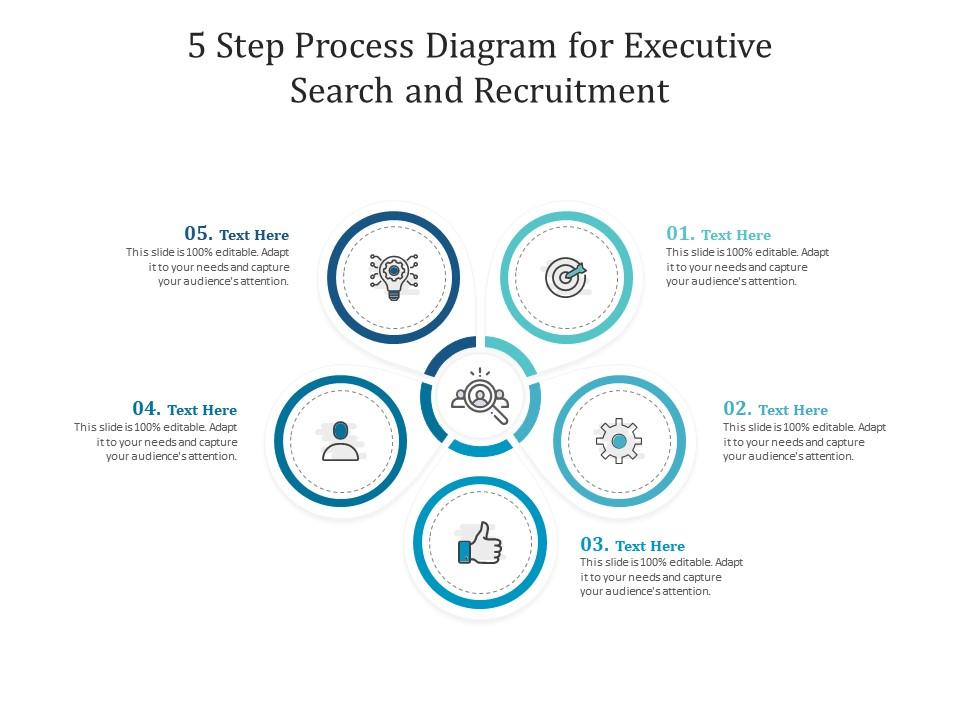
5 step process diagram for executive search and recruitment infographic template

Rating:
90%
5 step process diagram for executive search and recruitment infographic template
Slide 1 of 2

or

Favourites Favourites

Try Before you Buy Download Free Sample Product

Audience Impress Your
Audience
Editable 100%
Editable
Time Save Hours
of Time
The Biggest Sale is ending soon in
0
0
:
0
0
:
0
0
Rating:
90%
This is our 5 Step Process Diagram For Executive Search And Recruitment Infographic Template designed in PowerPoint, however, you can also access it in Google Slides. It comes in two aspect ratios standard and widescreen, with fully editable visual content.

FAQs for 5 step process diagram for executive search and

So basically you've got five main steps: client consultation to nail down what they want, sourcing candidates (this is honestly where most people screw up), screening interviews, presenting your top picks, then handling the final offers and negotiations. Building solid research skills is huge - that's what separates good recruiters from mediocre ones. Timeline-wise, expect 8-12 weeks depending on how specialized the role is. Some clients are super decisive, others... not so much lol. One thing I'd definitely do upfront is set clear deadlines with clients. Keeps everyone from dragging their feet.

Honestly, I focus on behavioral questions that actually show how someone works - not just their rehearsed answers. Ask about communication style, conflict handling, what work environment gets them excited. The real gold is in specific examples though. Like "tell me about disagreeing with your boss" - their stories tell you everything you need to know. Watch how they interact throughout the whole process too, especially with different people. Oh and here's the thing most people miss - you're matching against the client's real culture, not whatever they put on their website. That aspirational stuff is usually BS anyway.

So market mapping is just doing your homework before you dive in. You're basically creating a visual map of all the companies, competitors, and talent in whatever space you're targeting. I always start with maybe 10-15 companies that seem promising, then branch out. It's like checking out a neighborhood before house hunting, you know? Shows you where the good people actually work and how companies are structured. Honestly saves you tons of time later because you'll spot talent clusters and won't miss those random amazing candidates hiding at smaller firms.

Good firms will make you sign NDAs with both sides and use weird code names for projects internally. They won't put your company name in emails - just "that role we talked about" or whatever. Only key people get access to your info. Initial calls happen away from your workplace, interviews get scheduled super discreetly. Honestly, the sketchy firms are pretty obvious about cutting corners on this stuff. Before you work with anyone, ask them straight up about their confidentiality process and check if they've actually kept other searches quiet.

Honestly, I'd break it down into three things: strategic fit, leadership chops, and whether they'll mesh with your culture. Their track record in similar situations matters way more than perfect industry experience - sometimes an outsider's fresh take is exactly what you need. Can they actually build teams and get people to follow them? That's huge. The culture thing gets overlooked but it's critical. I'd make a simple scoring system and get a few different people to evaluate them so you're not just going with gut instinct. Oh, and see how they handle uncertainty - that tells you everything.

Make your employer brand super clear right from the start - job descriptions, executive meetings, every single touchpoint with candidates. Don't just say generic stuff like "we're innovative" (ugh, everyone says that). Get your current executives to tell real stories about why they actually joined and stayed. Your search firm needs to really understand your brand too, so they're not butchering your message. Honestly, consistency is everything here. Whether candidates talk to HR, the hiring manager, or headhunter, they should hear the same compelling story. Be authentic about your culture and what actually makes working there great.

Honestly, talent scarcity is brutal - especially for those weird niche roles nobody talks about. Clients want these perfect unicorn candidates that just don't exist, and candidates? They're super picky about everything from timing to salary. Decision-making drags on FOREVER too. I've seen boards take literal months to get their act together. Plus you can't even fully explain opportunities because of confidentiality stuff. My take: nail down timelines from day one and educate clients about what's actually out there. Trust me, it saves everyone's sanity later.

Dude, the whole executive search game has changed so much lately. AI can rip through thousands of LinkedIn profiles in like 10 minutes now. Video interviews mean you're talking to people across the globe without leaving your office. Predictive analytics actually help spot those passive candidates who might jump ship - pretty wild stuff. That old-school rolodex method? Yeah, it's basically dead. But here's the thing - candidates expect you to have your tech game together now. Don't go overboard though. Tools are great, but you still gotta build real relationships. That part hasn't changed.

Don't wait around for passive candidates to find you - that's backwards. Build real relationships on LinkedIn first. Comment on their posts, share stuff they'd actually care about. Network referrals work crazy well too since people trust their colleagues way more than random recruiters. Industry events are perfect for casual conversations that don't feel salesy. Honestly? Your best hires might be sitting at competitor companies right now. The whole thing's about patience though - keep nurturing these connections so when you finally have the perfect role, they'll already know and trust you.

Look, diversity in exec search isn't optional anymore - it's straight up business critical. Companies with diverse leadership just perform better, period. Your clients are expecting it now too. Build it into your process from the start rather than slapping it on at the end (which honestly never works anyway). Expand who you're sourcing from - partner with diverse professional orgs, cast a wider net. Make sure your candidate slates actually reflect different backgrounds and perspectives. If you're not doing this, you're basically leaving money on the table for your clients. It's that simple.

Track time-to-fill first - that's the obvious one. But quality metrics matter way more honestly. How long do these execs actually stick around? Are they crushing their goals after 6 months? Client satisfaction scores tell you a lot too. I'd definitely measure your pipeline strength - like how many solid candidates you're presenting per search. Oh, and performance ratings are huge after they've been in role for a bit. You want fast fills AND people who don't flame out, so measure both ends. The retention piece is probably most telling though.

Only do executive searches when you actually need to fill a role or know someone's leaving in the next few months. These aren't like yearly performance reviews - they're expensive and honestly, way too much work to do randomly. Smart move though? Keep relationships with search firms warm and track good candidates even when you're not hiring. I'd focus more on succession planning instead - that way if someone bails unexpectedly, you're not scrambling. Plus it's way less stressful than constantly searching.

Honestly, candidate experience is everything in exec search. Treat people badly and you're screwed. The top executives all know each other - they literally talk about which recruiters are worth their time and which ones are a mess. Clear communication matters. So do realistic timelines and actual feedback instead of radio silence. When you nail this stuff, quality candidates want to work with you. Screw it up? Good luck getting anyone decent to return your calls. I've seen searches fail just because the process was so painful that perfect candidates walked away. Your reputation follows you everywhere in this business.

So executive search firms basically start with who they already know - past clients, industry contacts, people they've placed before. They're constantly asking "who else should I be talking to?" The good headhunters have spent years building these relationships, so they can text a CEO and be like "remember that VP you used to work with?" LinkedIn's huge for them too, obviously. They hit up every industry conference and networking thing (which honestly sounds exhausting but whatever). Most C-level jobs get filled through these warm intros anyway, not Monster or whatever. Your network's probably more valuable than your resume at that level.

Look, you really need that job description nailed down before you start. Otherwise you'll get a pile of "eh, maybe?" candidates that waste everyone's time. I learned this the hard way once - ended up interviewing like 8 people who were all wrong for different reasons. Get specific about what they actually need to DO day-to-day, not just buzzwords. Your search firm can't read your mind. Also figure out your deal-breakers versus wishlist items upfront. Trust me, it makes comparing candidates way easier when you've got 3-4 finalists and they're all decent on paper.

Ratings and Reviews

90% of 100
Review Form
Write a review
Most Relevant Reviews
  1. 80%

    by James Lee

    The Designed Graphic are very professional and classic.
  2. 100%

    by Cristopher Cole

    Colors used are bright and distinctive.

2 Item(s)

per page: