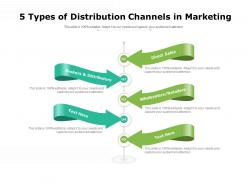
5 types of distribution channels in marketing
Try Before you Buy Download Free Sample Product
Audience
Editable
of Time
Identify economic challenges with our 5 Types Of Distribution Channels In Marketing. Display a high degree of financial acumen.
People who downloaded this PowerPoint presentation also viewed the following :
5 types of distribution channels in marketing with all 2 slides:
Display a high degree of financial acumen with our 5 Types Of Distribution Channels In Marketing. Be able to identify economic challenges.
FAQs for 5 types of distribution
So you've got a few ways to get your stuff out there. Your own website is pretty much essential these days - plus pop-ups or selling direct from wherever you're based. Retail's still big too, whether that's actual stores or online like Amazon. Wholesale distributors work well if you want to hit multiple retailers, but yeah, your margins take a hit. Honestly, most companies I know mix it up - maybe direct sales plus some retail partnerships. The trick is figuring out where your people actually buy stuff and what won't break your budget.
First thing - figure out where your customers actually shop and how they like to buy stuff. Check what your competitors are doing too. Are they killing it online, through stores, or selling direct? Honestly, there's so many options it gets crazy overwhelming fast. My advice? Start small with just a couple channels that match your customer data. Test those, track your ROI and what it costs to get new customers. Then go hard on whatever's actually working. Don't try to be everywhere at once - you'll just burn yourself out for nothing.
Okay so digital transformation basically changed everything about distribution. Instead of going through traditional middlemen, you can reach customers directly now - e-commerce, mobile apps, social commerce, all that stuff. The data part is honestly the coolest thing though. You'll see customer behavior happening in real-time and can adjust your strategy immediately. I know it sounds overwhelming but just start by figuring out where your customers are actually hanging out online first. Then focus there. The whole omnichannel thing with automated logistics just kind of happens once you get the basics down. It's pretty crazy how fast this shift happened.
Your distribution channels basically control how customers experience your brand - mess this up and you're screwed. Wrong channels mean angry customers dealing with stockouts, late deliveries, or crappy service. But get it right? You'll give people options for how they actually want to shop. Honestly, omnichannel is where it's at these days. Some people browse online then grab stuff in-store. Others want everything delivered to their door. The trick is figuring out what your customers prefer instead of just picking whatever's easier for you to handle.
Ugh, channel conflict is the worst - your sales team ends up fighting with retail partners over the same customers. Honestly, I've watched companies totally mess this up. You'll also hate losing control over pricing and how partners actually present your stuff. Managing different partners means juggling their weird systems and inconsistent performance too. Oh, and customer experience gets all over the place when everyone's doing their own thing. Set super clear agreements about who sells where and what pricing looks like from day one. Then you gotta actually check what's happening regularly or it falls apart.
Honestly, tech can totally transform how you handle distribution. Start with inventory management systems and automated logistics - they're game changers. AI predicts demand pretty well so you won't get stuck with tons of unsold stuff (trust me on that one). Mobile apps let your partners check orders and inventory instantly, which is super convenient. The trick? Make sure everything actually connects instead of just adding more complicated systems. I'd map out your current setup first, then figure out where things get stuck the most. That's where you'll see the biggest improvement for your money.
Hey! So when you're comparing channels, definitely look at the obvious costs first - commissions, shipping, warehousing fees, all that stuff. But honestly, the hidden costs are what'll kill you. Things like customer service time, dealing with returns, managing inventory across multiple places (such a headache). Oh, and don't just go for the cheapest option if it's bringing in crappy customers. Calculate your cost per customer and what they're actually worth over time. I'd run numbers for like 12-18 months since some channels start slow but pay off better later.
Dude, cultural stuff totally changes how you distribute products globally. Japan's all about those complex networks with tons of middlemen - relationship building is everything there. Germany? They want direct, no-nonsense channels. Shopping habits are crazy different too. Some places still love their tiny local shops, others are 100% online now. Oh, and don't even get me started on packaging - gift customs can make or break you seasonally. Honestly, the research phase is make-or-break. What kills it in your home market might completely flop elsewhere, so don't just copy-paste your strategy.
So basically, direct vs indirect is all about trade-offs. Going direct means you keep more profit and control the whole customer experience - but then you're stuck dealing with shipping, returns, all that fun stuff. Indirect (think retailers, distributors) gets you way more reach since they handle logistics, but you lose margin and can't really control how they sell your stuff. Honestly, I'd figure out where your customers are already shopping first. Like, are they browsing online or do they prefer picking things up in stores? Start there and work backwards.
Look, data analytics basically cuts through all the BS when you're trying to figure out which channels actually work. Track your ROI and customer lifetime value first - that's your starting point. Then dig into customer behavior, where demand's coming from geographically, how competitors are doing. Honestly, those fancy dashboards everyone raves about are whatever, but spotting patterns you wouldn't see otherwise? That's gold. You can even predict which channels will crush it for specific products before throwing money at them. Just focus on cost-per-acquisition across different channels and let the numbers tell you where to double down.
Honestly, social commerce is where it's at right now - Instagram and TikTok aren't just for scrolling anymore, people actually buy stuff there. D2C brands are smart for ditching the middleman too, those margins add up fast. Your customers probably expect to order online then grab it in-store, or return things however they want. Oh, and subscription boxes are still killing it (my sister has like five different ones, it's ridiculous). Micro-fulfillment centers are becoming huge too. I'd just figure out where your people actually hang out and start there.
Honestly, working with the right partners is a game changer for distribution. Instead of building everything yourself, you tap into their networks and relationships they've already built. Plus you get their local market knowledge, which is huge. I'd start by figuring out where your distribution sucks right now - maybe it's geographic coverage or customer connections. Then find partners who are strong in those exact areas. They handle the stuff they're good at while you focus on your core business. Saves you so much time and cash. Just make sure their strengths actually fill your gaps, not overlap with what you're already doing well.
Antitrust stuff is the big one - price fixing and exclusive deals can really screw you over legally. Your contracts need solid termination clauses and clear liability limits, trust me on that. International distribution gets complicated quick since every country has different rules. IP protection matters too, obviously. Oh, and don't forget industry-specific regulations depending on what you're selling. Honestly, just get a lawyer involved early and make a checklist before signing anything. Way easier than dealing with lawsuits later.
So your customers basically control how you distribute stuff - adapt or die, you know? People want convenience now, so brands go direct-to-consumer with same-day shipping. Experience matters more? Then you'll see flagship stores and omnichannel approaches. That whole showrooming mess (browsing in-store, buying online for less) totally wrecked traditional retail. Social commerce blew up because everyone discovers products through TikTok and Instagram now. Honestly, the best thing you can do is watch how your customers actually shop and be ready to switch up your strategy when they do.
Honestly, start with the basics - revenue per channel and customer acquisition costs. Those'll tell you the most. Conversion rates are obvious but super important. Then watch how fast deals actually move through each channel, because slow = bad news usually. Don't ignore your partner satisfaction scores either. Unhappy partners tank performance every time. Market penetration and geographic stuff shows where you're actually winning vs just spinning wheels. Set up some kind of dashboard that updates automatically - manually pulling reports every month is soul-crushing. Add fancier metrics later once you've got these down.
No Reviews