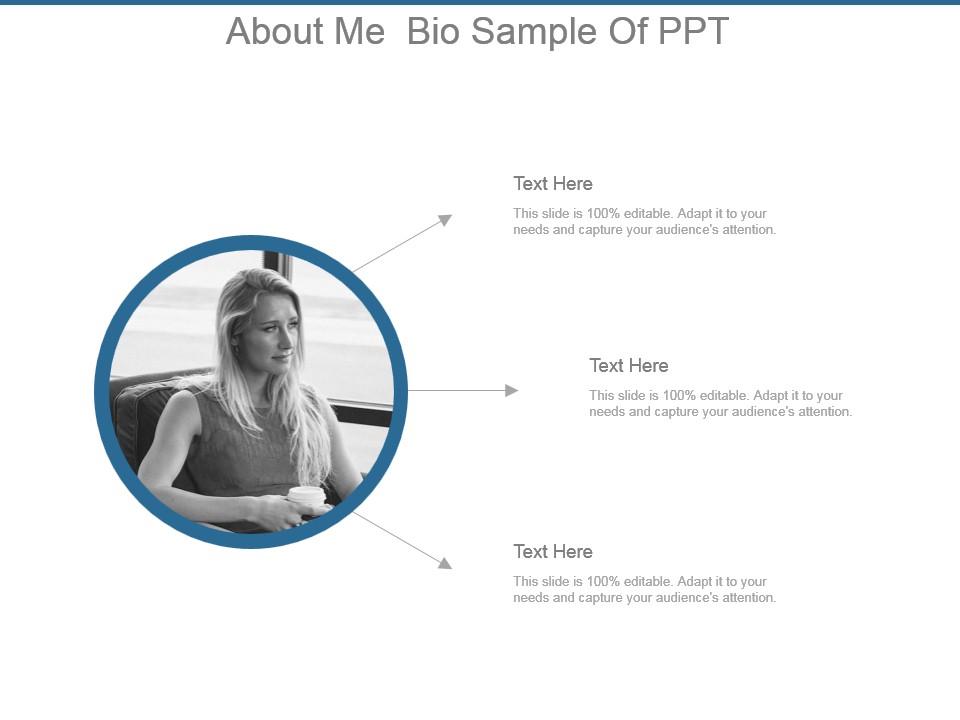
About me bio sample of ppt

Rating:
90%
About me bio sample of ppt
Slide 1 of 5
Favourites Favourites

Try Before you Buy Download Free Sample Product

Audience Impress Your
Audience
Editable 100%
Editable
Time Save Hours
of Time
The Biggest Sale is ending soon in
0
0
:
0
0
:
0
0
Rating:
90%
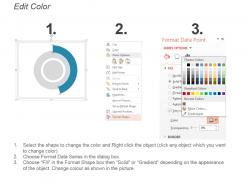
Presenting about me bio sample of ppt. This is a about me bio sample of ppt. This is a three stage process. The stages in this process are arrow, circle, people, company, present.

FAQs for About me bio

Okay so start with something unexpected about yourself - breaks the ice way better than diving straight into work stuff. Then hit your background, biggest wins (like 2-3 max), and current role. Don't just rattle off job titles though, nobody cares about those. I'd throw in something personal too - hobbies or whatever values matter to you. Makes you seem actually human, you know? Keep it chronological but only mention what's relevant to why you're there. Oh and end with what you're working on now or excited about next - gives people an easy way to start chatting with you afterward.

Okay so basically lead with your name and current job, then throw in whatever got you here - maybe a pivotal moment or something you're passionate about. Honestly, those super stiff introductions make me cringe too, but you still want to be clear about who you are. Drop in one memorable detail that'll stick with people. Could be a weird hobby, career change, or just something you're genuinely pumped about. Keep it conversational and real - none of that corporate speak BS. Oh, and definitely practice out loud a few times so you don't sound like a robot when you're actually presenting it.

White space is your best friend - don't cram everything together. Stick to 2-3 colors and ONE readable font (Comic Sans is still banned, obviously). Make your text huge so people in the back can actually see it. Blurry photos will tank your credibility instantly, so use high-quality shots of yourself and key moments. Timeline layouts are perfect for showing career progression. I always tell people to end each section with what you learned from that experience - it ties everything together nicely. Trust me, less is more with slides.

Honestly, treat your bio like you're telling a story over coffee. Hook people with something unexpected that happened to you - a challenge or weird moment that changed everything. Then walk through your journey, but skip the boring resume stuff. Focus on the messy parts where you struggled and had breakthroughs. Nobody wants to read a dry timeline of jobs, trust me. Get specific about those pivotal moments and don't be afraid to show emotion. Connect each experience to who you became because of it. Oh, and end with what's next - people love cheering for someone's future goals.

Look, you gotta connect with people or you'll just sound like you're reading your LinkedIn profile out loud. Make eye contact, throw in some rhetorical questions. Find 2-3 things in your story they'll actually relate to - everyone's dealt with failure or taking risks, right? Use pauses when you want to emphasize something big. Don't be afraid to get a little vulnerable or crack a joke. Watch their faces too - if people start checking their phones, you've lost them. The whole point is making your story feel relevant to their lives, not just rattling off accomplishments.

Honestly, skip the boring list of awards and titles - people's eyes glaze over. Instead, pick like 2-3 moments that actually shaped your career. Tell the real story behind each win. What challenges did you face? How'd you figure it out? Numbers are great when you have them, but don't forget the human stuff. Actually, some of my best interview stories involve epic fails that turned into breakthroughs later. Keep it conversational and tie everything back to what you want now. You want them invested in your journey, not just impressed by your resume.

I'd go with like 70% work stuff, 30% personal - that ratio usually works well. You need the professional bits to show you know what you're talking about (big wins, current job, relevant background), but honestly? The personal touches are what people actually remember. Nobody wants to hear someone rattle off their LinkedIn profile! Throw in 2-3 personal things that either connect to your work story or just show who you are - maybe a hobby, volunteer thing, or where you grew up if it matters. Just make sure those details actually add something instead of being random filler. Lead with your strongest professional point, then mix the personal stuff in naturally.

Honestly, photos and videos make such a huge difference in biographies. People connect way better when they can actually see your story instead of just reading about it. Like, show a pic from your childhood or throw in a quick video clip from that big project you're always talking about. Our brains are wired to remember visual stuff anyway. But don't go crazy with it - I'd stick to maybe 3-5 really good pieces that actually add something. You don't want people getting distracted scrolling through a million random photos, you know?

Honestly? Don't just rattle off your resume - that's boring as hell. Pick maybe 2-3 moments that actually changed your career path and tell those stories instead. People want to connect with you, not hear a list of achievements. Skip the super personal stuff (save therapy stories for therapy) but definitely let your personality show through. Practice your transitions so you're not awkwardly jumping between topics. And for the love of god, don't read straight from your slides. I've sat through way too many of those painful presentations. Think of it more like you're chatting with colleagues over coffee.

Honestly, anecdotes are what make people actually remember you instead of zoning out during presentations. Everyone forgets the "boosted revenue by 30%" stuff, but they'll totally remember that time you pitched to the wrong company and somehow landed your biggest client. Those stories show who you really are, not just what you've done. Plus they're way more fun to tell than rattling off achievements. Pick maybe 2-3 moments that actually changed how you work or think. Weave those into your main points and watch people lean in instead of checking their phones.

Here's the thing - you can't just tweak a few words and call it good. Each audience literally cares about different stuff. When I'm talking to professionals, I focus on work wins and skills. But with friends? I'm sharing what I'm actually into, my values, random life stories that might click with them. Academic crowds want the education background and research stuff. Do some quick homework on who you're talking to first. What keeps them up at night? Then restructure your whole story around that. I learned this the hard way - it makes a huge difference. Ask yourself: what does this specific group need to hear to "get" me?

Honestly, the best humor comes from real stuff that actually happened to you - those cringe moments or weird coincidences that make good stories. Don't try to force jokes in there. Self-deprecating stuff usually works because people relate to feeling awkward, and it shows you're not pretentious. But timing matters a ton, so practice telling it and watch how people react. Skip anything too edgy or mean. I'd start small with maybe one funny story, see how it goes. Oh, and definitely test your best material on friends first - they'll tell you if it's actually funny or just funny to you.

Okay so definitely practice in front of your mirror - I know it feels weird but it works. Time yourself and focus on the best parts instead of telling your whole life story chronologically. Record it on your phone to catch when you say "um" a million times (we all do it). When you're actually presenting, slow down because nerves make everyone talk super fast. Make eye contact and honestly, people are rooting for you - they want to hear your story. Have a backup ready if you get choked up or blank out. Oh and end with what motivates you now, that's what sticks with people afterward.

Oh totally depends on who you're talking to! Like with Japanese audiences, you'd want to highlight your education and mentors - they're big on hierarchy. Western crowds? They want to hear about what YOU accomplished specifically. Family background matters way more in some cultures than others (which honestly makes total sense). Your whole tone needs to shift too. Some places expect you to be super modest and indirect, while others want you bragging about yourself. I'd definitely look up their cultural norms first. Makes such a difference in how you tell your story.

Honestly, everything should scream "you" - your story, your slides, all of it. Figure out what makes you different and run with that theme. Problem-solver? Creative rebel? The reliable one who gets shit done? Whatever it is, make it obvious in how you talk about your past work. Your slides need to match too - if you're all about strategy, go clean and minimal. Creative type? Bold colors work. Don't just rattle off job titles and wins. Tell a story that actually shows who you are as a professional. Pick maybe 2-3 traits and hammer them home consistently throughout.

Ratings and Reviews

90% of 100
Review Form
Write a review
Most Relevant Reviews
  1. 80%

    by Dewitt Soto

    Easy to edit slides with easy to understand instructions.
  2. 100%

    by Claud Hughes

    Visually stunning presentation, love the content.

2 Item(s)

per page: