Action and result growth template powerpoint topics

Rating:
90%
Action and result growth template powerpoint topics
Slide 1 of 5
Favourites Favourites

Try Before you Buy Download Free Sample Product

Audience Impress Your
Audience
Editable 100%
Editable
Time Save Hours
of Time
The Biggest Sale is ending soon in
0
0
:
0
0
:
0
0
Rating:
90%
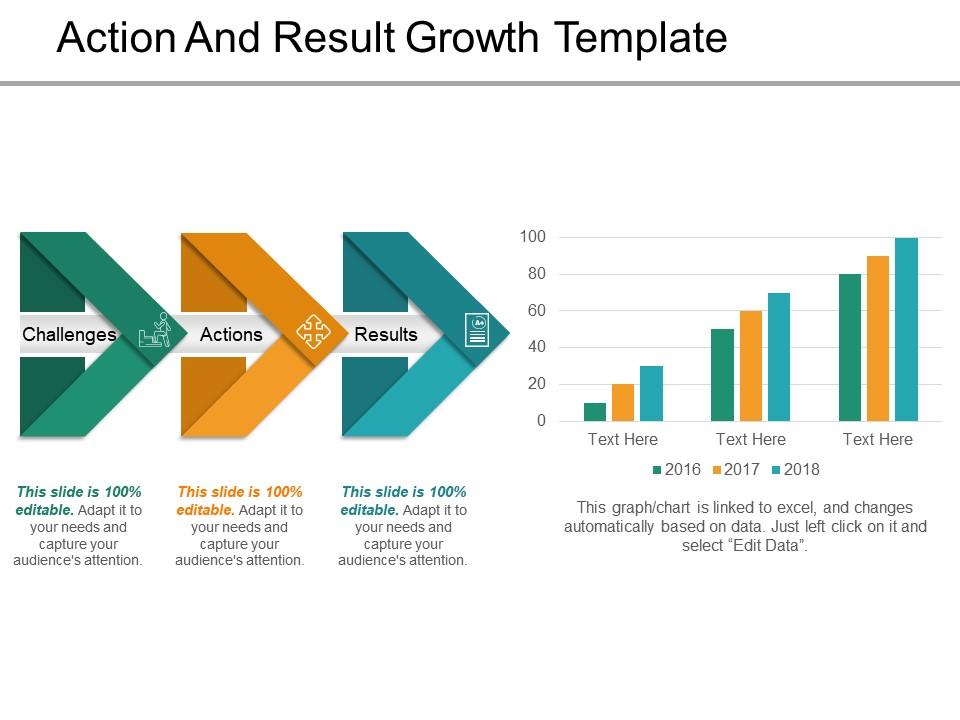
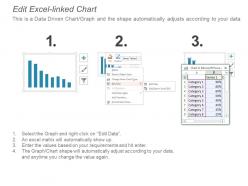
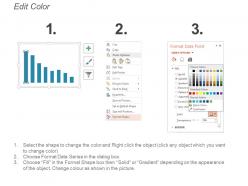
Presenting Action And Result Growth Template PowerPoint Topics. You can customize colors, choose font styles and sizes. The PPT slide is compatible with Google Slides and can be fetched at once. You can avail this slide in standard screen size and widescreen size. The template works completely on your command. Change anything in the slide and match it to your presentation theme. Convert and save it in JPG, PDF, JPEG and PNG formats.

People who downloaded this PowerPoint presentation also viewed the following :

FAQs for Action and result growth

So this Action-Result Growth thing is pretty straightforward - you write down what you actually did, then track what happened because of it. After that, figure out how to improve next time. Way better than those vague "developed leadership skills" bullet points we all hate writing, honestly. Each experience builds on the previous one, which creates this feedback loop that's actually helpful. Short sentences work. Longer ones help you see patterns you might've missed otherwise. I'd definitely try it on some recent projects - you'll probably be shocked how much clearer your development path gets when you're connecting real actions to actual outcomes instead of just... winging it.

Here's what's worked for me: break your presentation into three parts - what you actually did, the results you got, and where you can grow from here. Like if you launched a new onboarding process, show that 15% churn reduction, then talk about expanding to enterprise clients. One slide per section keeps people awake (trust me on this). Most presentations just dump random numbers everywhere without connecting them to actual actions. That's honestly pretty annoying to sit through. The three-part structure tells a real story that makes sense to whoever's listening.

So there are three main parts: Action, Result, and Growth. Pretty basic stuff. Action is what YOU did specifically - not your whole team. Result shows the actual impact with real numbers if you can. Growth is honestly my favorite part because it's where you talk about what you learned or what you'd do differently. That last bit really makes you stand out since it shows you actually think about your work. Make sure it all connects smoothly and try to get specific metrics in there. Maybe start with that recent project you mentioned? See how it goes.

Honestly, people just love a good story arc - that's why the Action-Result Growth thing works so well. You show what you did, reveal the outcome, then share what you learned. Way more engaging than throwing random stats at them (learned that the hard way lol). Your audience actually stays tuned in because they're curious about the result and the lesson. Short sentences keep things punchy. When you get to the growth part, they feel like they're getting real insights they can actually use. Next time you're presenting, try this format - I swear people pay way more attention when there's an actual narrative to follow.

Just swap out the metrics for whatever matters in your field. Healthcare? Focus on patient outcomes instead of sales numbers. Manufacturing teams usually care more about quality control and efficiency. Tech companies - they're all about user engagement and product cycles. The template's pretty flexible honestly. I've watched teams get weird with industry jargon that actually works better for their people. Keep the basic structure but change up the content parts. Start with your top 3-5 performance indicators, then build your action stuff around those. Way easier than starting from scratch.

Honestly, the worst thing you can do is be super vague - like saying "I worked hard" or whatever. Be specific! What exactly did you DO? Also don't forget the learning part. So many people nail the action and result but then just randomly throw in some boring lesson at the end. It should flow naturally from what actually happened, you know? Oh and don't make your results sound fake or steal credit from your team. That's just awkward. Keep examples recent and actually relevant to what they're asking about.

Honestly, it's like creating a personal playbook of what actually works for you. You document what you did and track the real results - not just the stuff that *felt* productive but didn't move anything forward (been there too many times). Looking back at patterns becomes super useful because you can spot which strategies actually made a difference versus the ones that were basically busywork. The reflection part helps you figure out why something worked. Eventually you'll have your own database of proven tactics instead of just winging it or copying what worked for someone else's totally different situation.

Look at Netflix - they went from mailing DVDs to streaming everything. Amazon started with just books, now they sell literally anything you can think of. Tesla began with those crazy expensive luxury cars before hitting the mass market. What's cool is they all did the same thing: tried one focused move, watched what actually worked, then used that info for their next step. Airbnb's story is wild too - air mattresses in someone's apartment to taking over cities one by one. You don't need to be some tech billionaire though. Pick one thing to test in your business, see what happens, then make your next call based on real results instead of just guessing.

Dude, this template is basically a storytelling hack for business stuff. You're not just throwing random wins at people anymore - there's actual flow. Action, result, growth impact. Makes everything way more memorable. I've used it for quarterly reviews, investor pitches, all that. Keeps people engaged instead of zoning out during your presentation. Complex organizational changes suddenly make sense to everyone in the room. But here's the thing - you gotta be specific with each part. Vague actions or wishy-washy results? Total impact killer. Be concrete about what you actually did and what happened because of it.

Honestly, just use whatever you already have - PowerPoint, Google Slides, Keynote, even Canva works fine. I've seen people crush this template with boring old PowerPoint just as much as the fancy design tools. The template's really about structure anyway, not crazy graphics or anything. Google Slides is solid if you need to work with other people on it. Basic text boxes and formatting are all you need. Don't overthink the tool choice - I'd probably stick with what you know first, then maybe switch later if you want something prettier. Your content matters way more than which software you pick.

So basically, this Action-Result Growth thing helps teams actually talk about what happened instead of doing those useless "we'll try harder" meetings. You write down what you did, what the results were, and what you learned. Pretty straightforward stuff. When your team reviews these during retrospectives, you start seeing patterns instead of just complaining about the same problems over and over. The growth part matters most though - you're not just documenting for the sake of it, you're figuring out what to do differently. Honestly, most teams skip this step and wonder why nothing changes. Try it next meeting.

Pick metrics that directly tie your actions to actual results. Start with baseline numbers, then show what happened after you implemented changes - percentage improvements make it super clear. Revenue, conversion rates, engagement, cost savings... whatever matches your goal. Honestly, less is more here. Too many numbers just muddy the water. Stick to 3-4 key metrics that actually matter for what you were trying to accomplish. Always include timeframes so leadership sees how fast you got results. That's really what they care about - proof that your work moved the business forward in a measurable way.

Honestly, it's brilliant how this template just forces you to get to the point. You literally can't ramble about background stuff because the structure won't let you - you have to say what you did, then what happened. No hiding behind vague language either. The action and outcome sections demand you be specific, which is annoying but works. Your readers know exactly what they're getting and can scan for what they need. Seriously, try it on your next update email. I was skeptical at first but the difference is crazy - way clearer and like half the length.

Start with SMART goals training - that template thing you mentioned builds off it. Also look into basic project retrospectives, though honestly the hardest part is just being real with yourself about what went wrong. "Growth Through Reflection" is a decent online course, or just YouTube "action-result templates" if you're broke like me lol. Try it on small stuff first. Don't overthink it! Pick one format and use it for at least a month before you start changing things around. Consistency beats being perfect every time.

So for virtual presentations, definitely lean into visuals and interaction way more. Create slides showing your actual actions, then use screenshots or real data for the results part. The growth section? That's where you really need to grab attention since everyone's multitasking on video calls anyway. Polls work great for keeping people engaged during the lessons learned bit. Break longer examples into smaller pieces and actually pause between sections - gives people a second to process. I always forget this part but it makes such a difference. Your main thing is hitting all three components while keeping everyone awake and focused.

Ratings and Reviews

90% of 100
Write a review
Most Relevant Reviews
  1. 100%

    by Chi Ward

    Easily Understandable slides.
  2. 80%

    by Clair Gray

    Thanks for all your great templates they have saved me lots of time and accelerate my presentations. Great product, keep them up!

2 Item(s)

per page: