


Analyzing current situation and implementing strategies to avoid bankruptcy powerpoint presentation slides
Our Analyzing Current Situation And Implementing Strategies To Avoid Bankruptcy Powerpoint Presentation Slides are topically designed to provide an attractive backdrop to any subject. Use them to look like a presentation pro.
Our Analyzing Current Situation And Implementing Strategies To Avoid Bankruptcy Powerpoint Presentation Slides are topicall..







-

- Google Slides is a new FREE Presentation software from Google.
- All our content is 100% compatible with Google Slides.
- Just download our designs, and upload them to Google Slides and they will work automatically.
- Amaze your audience with SlideTeam and Google Slides.
-

Want Changes to This PPT Slide? Check out our Presentation Design Services
-

- WideScreen Aspect ratio is becoming a very popular format. When you download this product, the downloaded ZIP will contain this product in both standard and widescreen format.
-
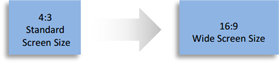
- Some older products that we have may only be in standard format, but they can easily be converted to widescreen.
- To do this, please open the SlideTeam product in Powerpoint, and go to
- Design ( On the top bar) -> Page Setup -> and select "On-screen Show (16:9)” in the drop down for "Slides Sized for".
- The slide or theme will change to widescreen, and all graphics will adjust automatically. You can similarly convert our content to any other desired screen aspect ratio.
Compatible With Google Slides

Get This In WideScreen
You must be logged in to download this presentation.


Do you want to remove this product from your favourites?
PowerPoint presentation slides
It has PPT slides covering wide range of topics showcasing all the core areas of your business needs. This complete deck focuses on Analyzing Current Situation And Implementing Strategies To Avoid Bankruptcy Powerpoint Presentation Slides and consists of professionally designed templates with suitable graphics and appropriate content. This deck has total of fourty five slides. Our designers have created customizable templates for your convenience. You can make the required changes in the templates like colour, text and font size. Other than this, content can be added or deleted from the slide as per the requirement. Get access to this professionally designed complete deck PPT presentation by clicking the download button below.

People who downloaded this PowerPoint presentation also viewed the following :
Content of this Powerpoint Presentation
Slide 1: This slide introduces Analyzing Current Situation and Implementing Strategies to Avoid Bankruptcy. State Your Company name and begin.
Slide 2: This slide displays Agenda of Bankruptcy.
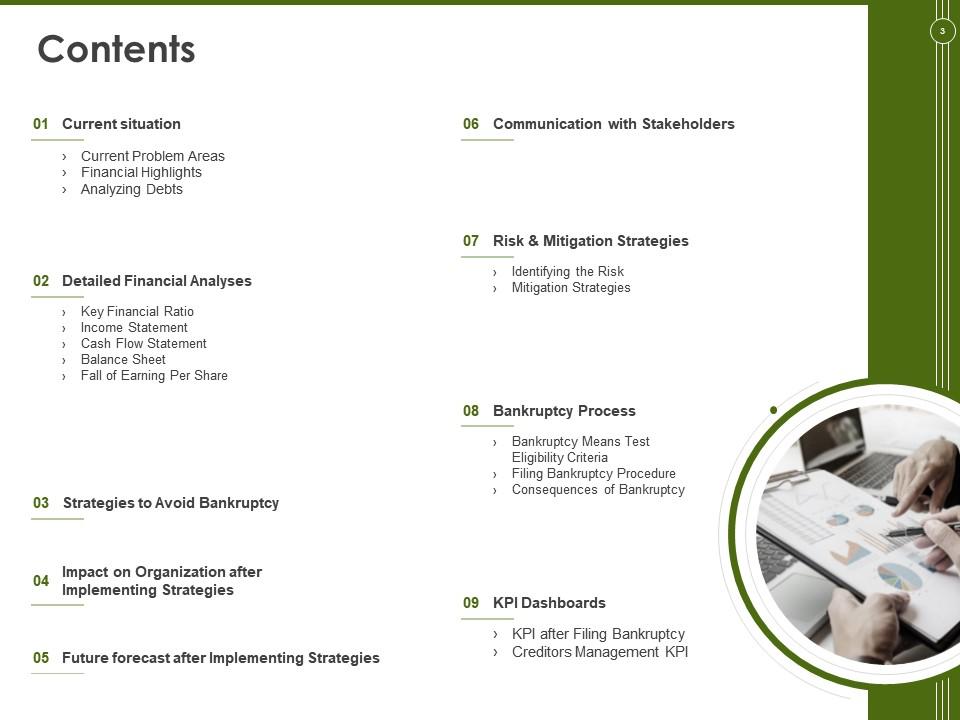
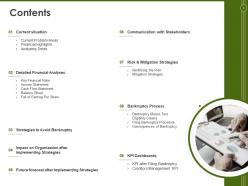
Slide 3: This slide shows Contents.
Slide 4: This slide displays Contents.
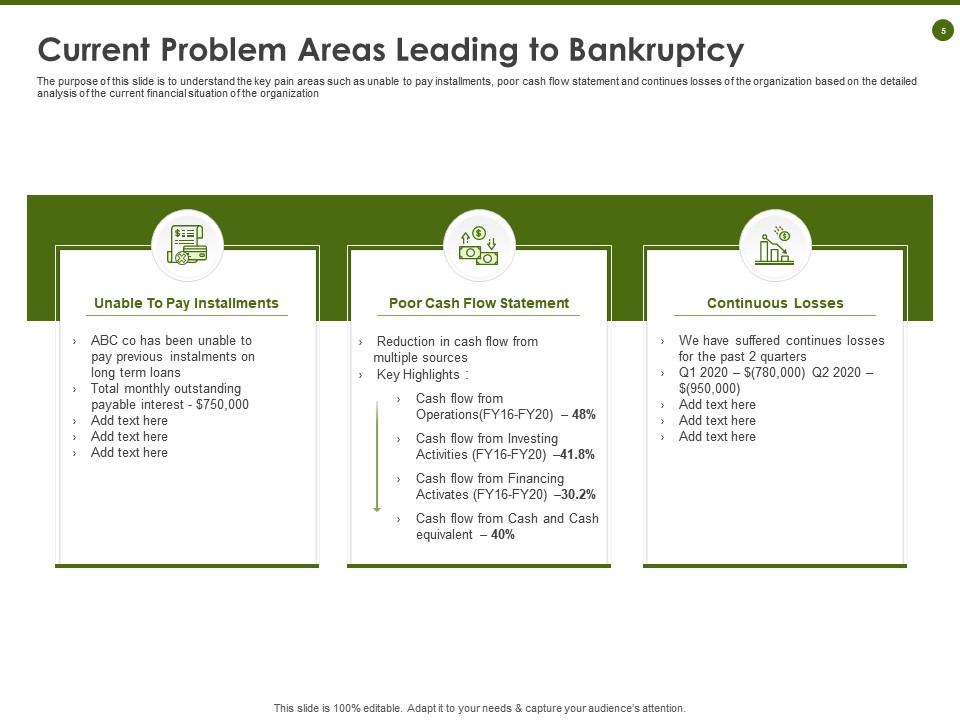
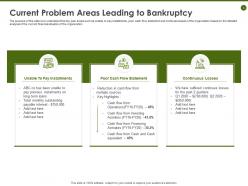
Slide 5: The purpose of this slide is to understand the key pain areas such as unable to pay installments, poor cash flow statement and continues losses of the organization based on the detailed analysis of the current financial situation of the organization
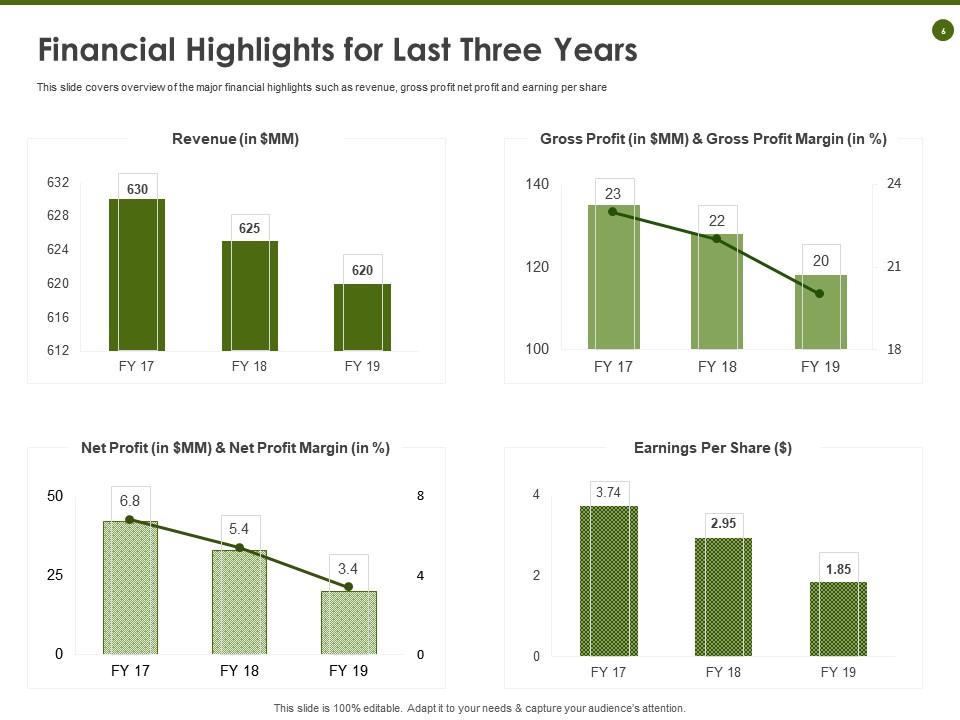
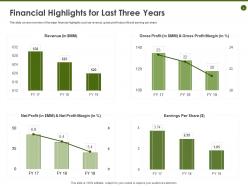
Slide 6: This slide covers overview of the major financial highlights such as revenue, gross profit net profit and earning per share
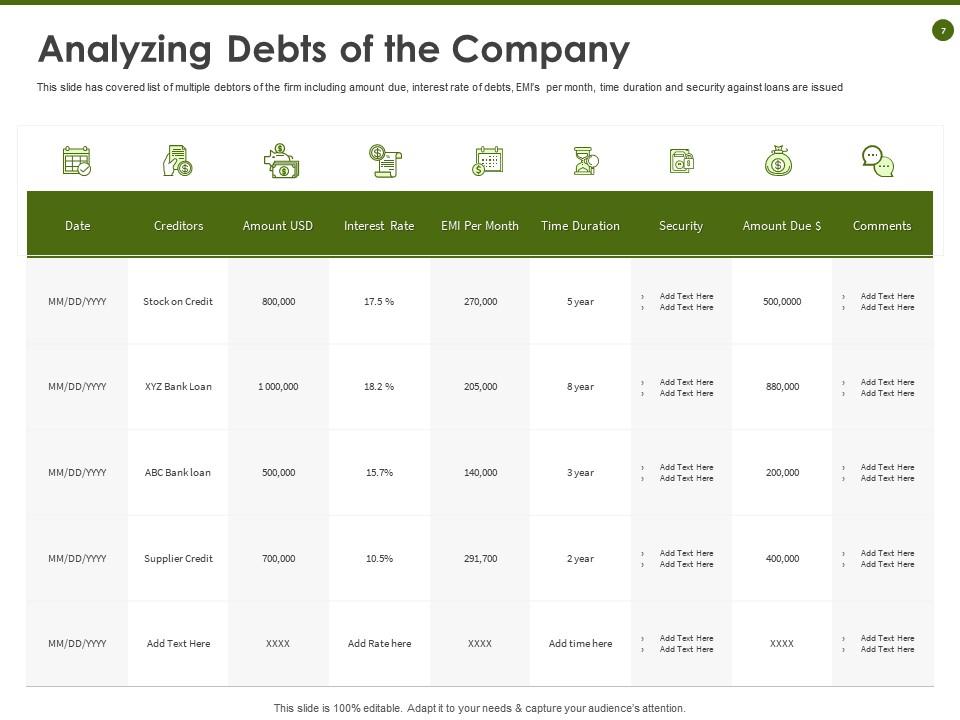
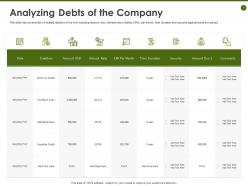
Slide 7: This slide has covered list of multiple debtors of the firm including amount due, interest rate of debts, EMI’s per month, time duration and security against loans are issued
Slide 8: This slide displays Contents.
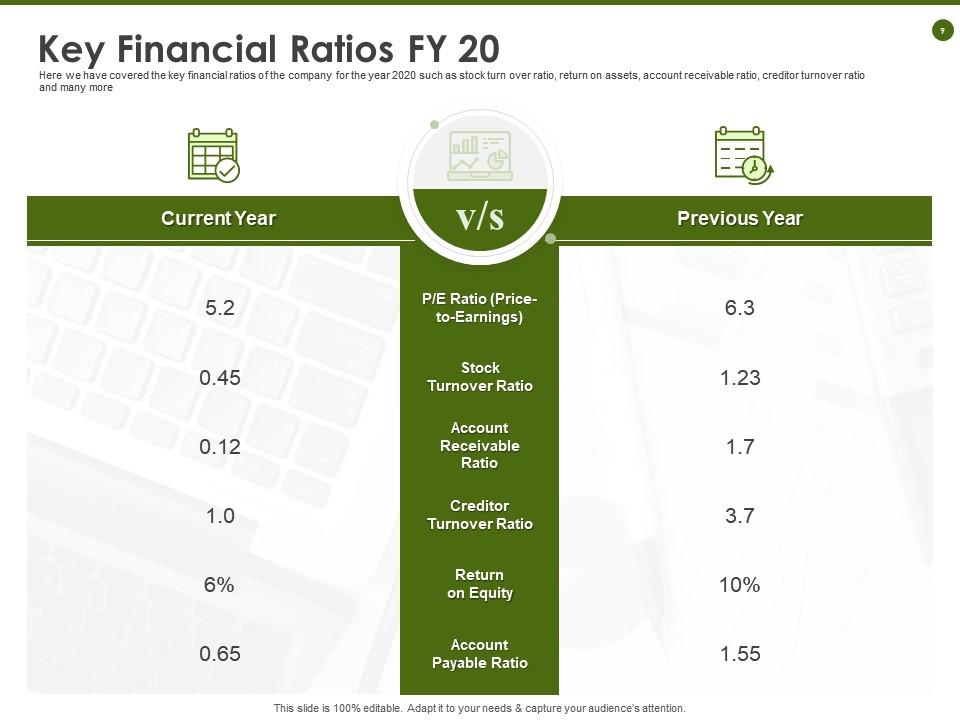
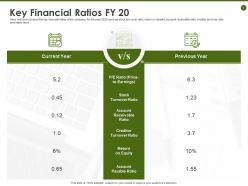
Slide 9: This slide highlights Key Financial Ratios FY 20.
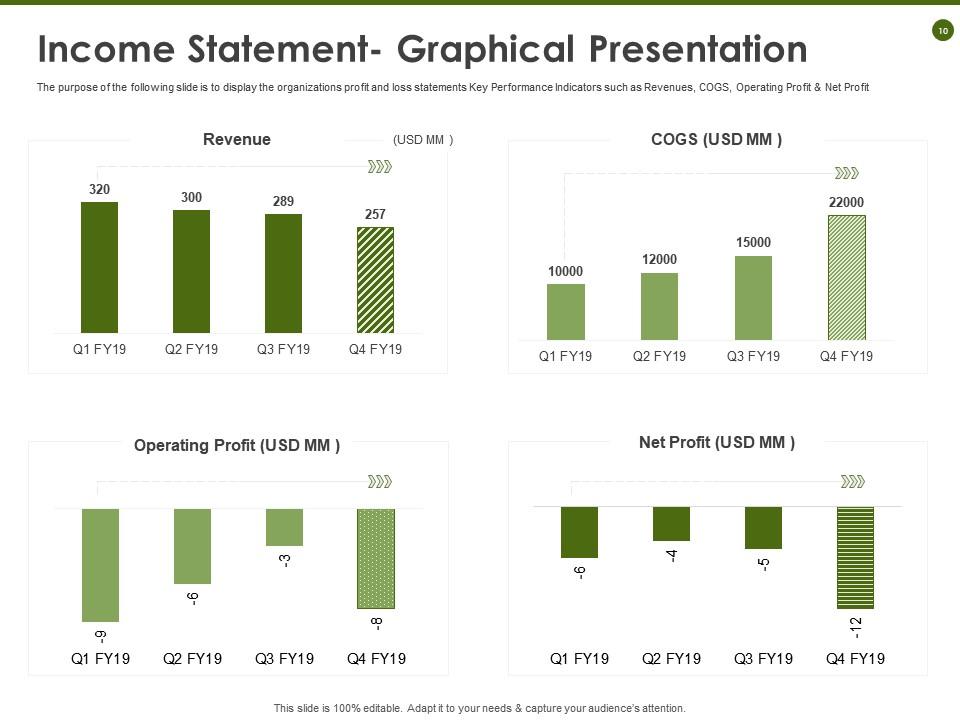
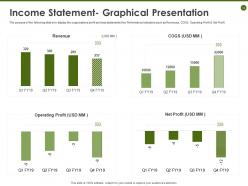
Slide 10: The purpose of the following slide is to display the organizations profit and loss statements Key Performance Indicators such as Revenues, COGS, Operating Profit & Net Profit
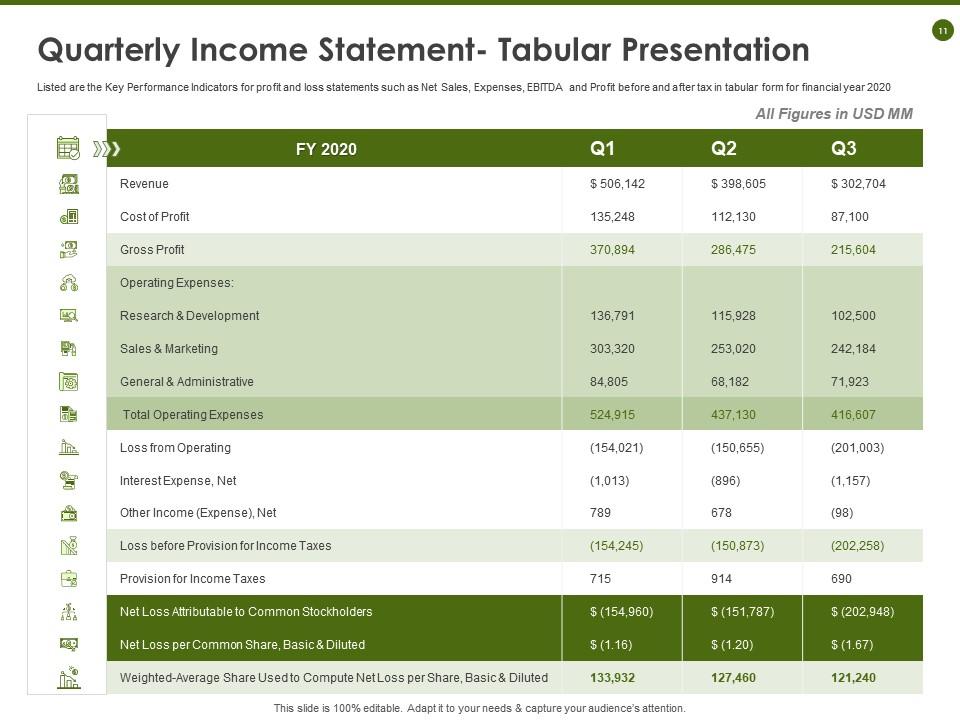
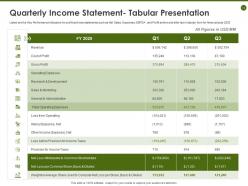
Slide 11: This slide lists Key Performance Indicators for profit and loss statements such as Net Sales, Expenses, EBITDA and Profit before and after tax in tabular form for financial year 2020
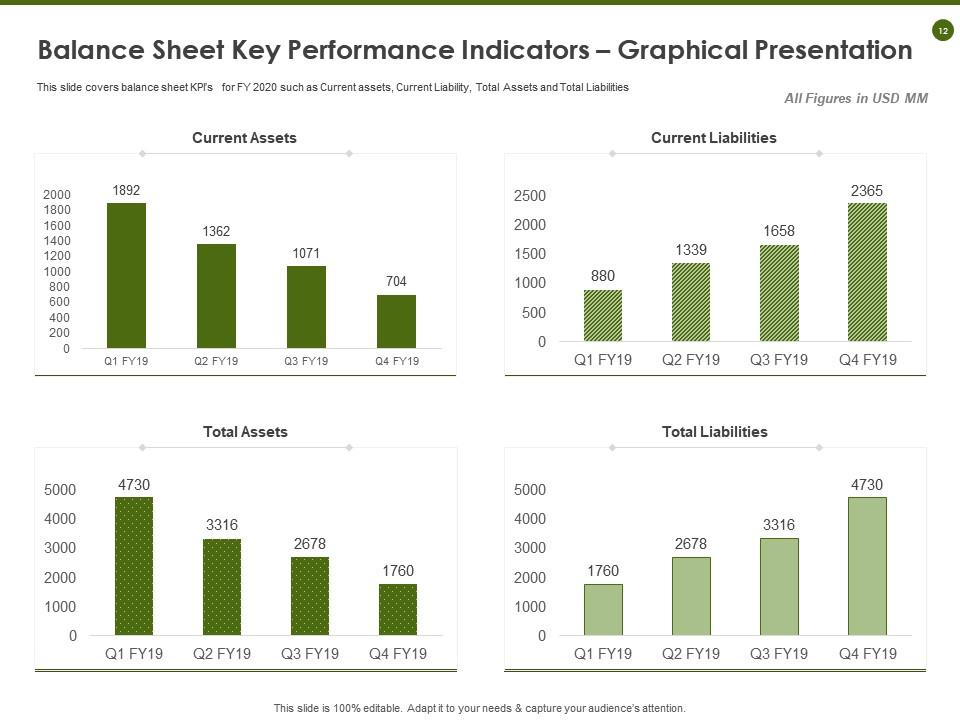
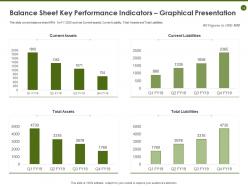
Slide 12: This slide covers balance sheet KPI’s for FY 2020 such as Current assets, Current Liability, Total Assets and Total Liabilities
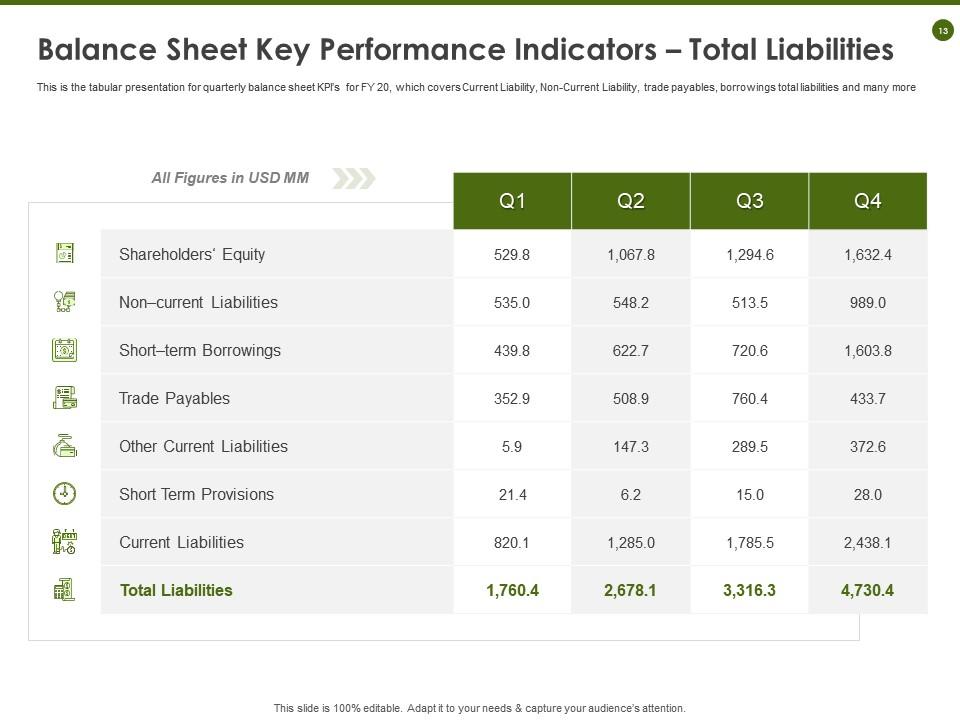
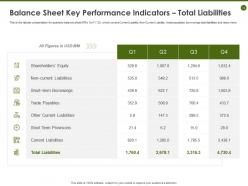
Slide 13: This is the tabular presentation for quarterly balance sheet KPI’s for FY 20, which covers Current Liability, Non-Current Liability, trade payables, borrowings total liabilities and many more
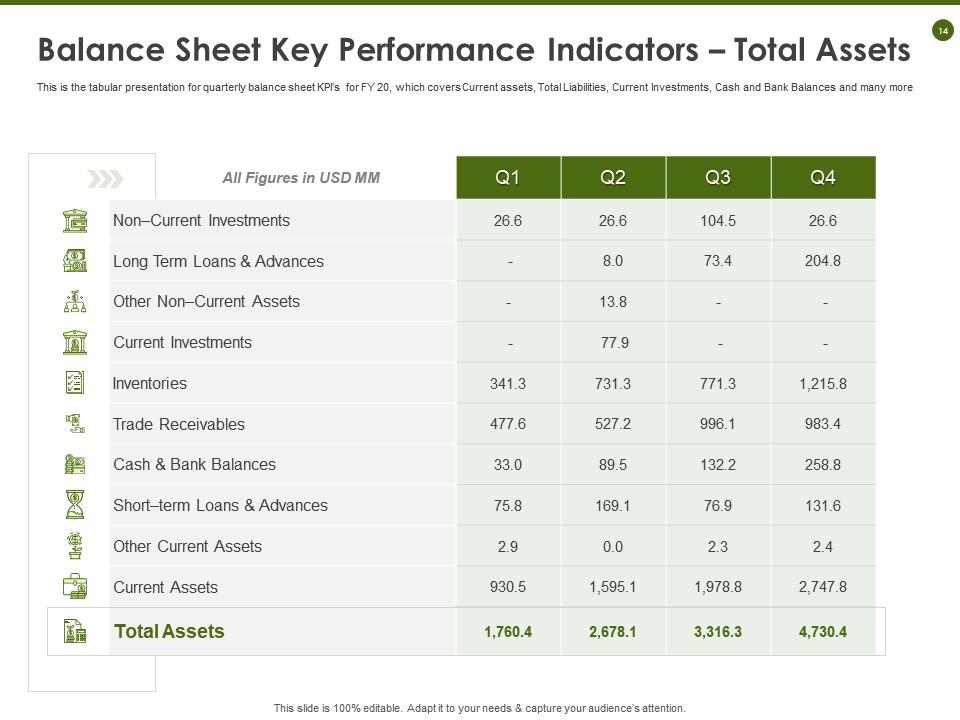
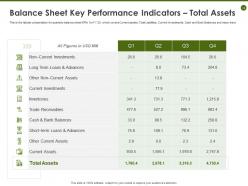
Slide 14: This slide shows is the tabular presentation for quarterly balance sheet KPI’s for FY 20, which covers Current assets, Total Liabilities, Current Investments, Cash and Bank Balances and many more
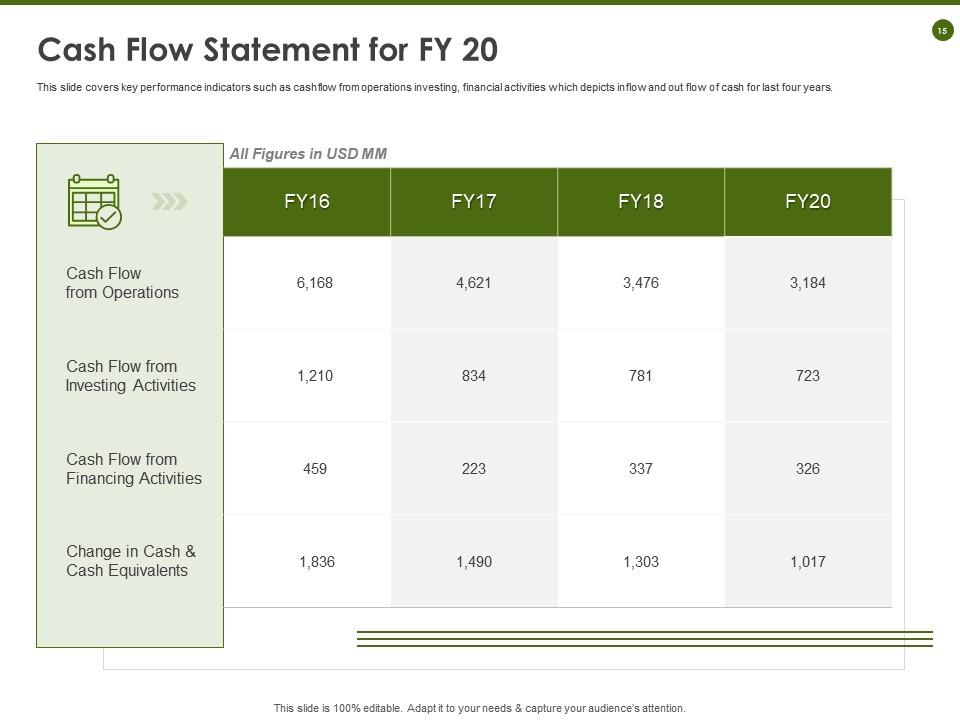
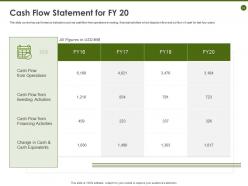
Slide 15: This slide covers key performance indicators such as cashflow from operations investing, financial activities which depicts inflow and out flow of cash for last four years.
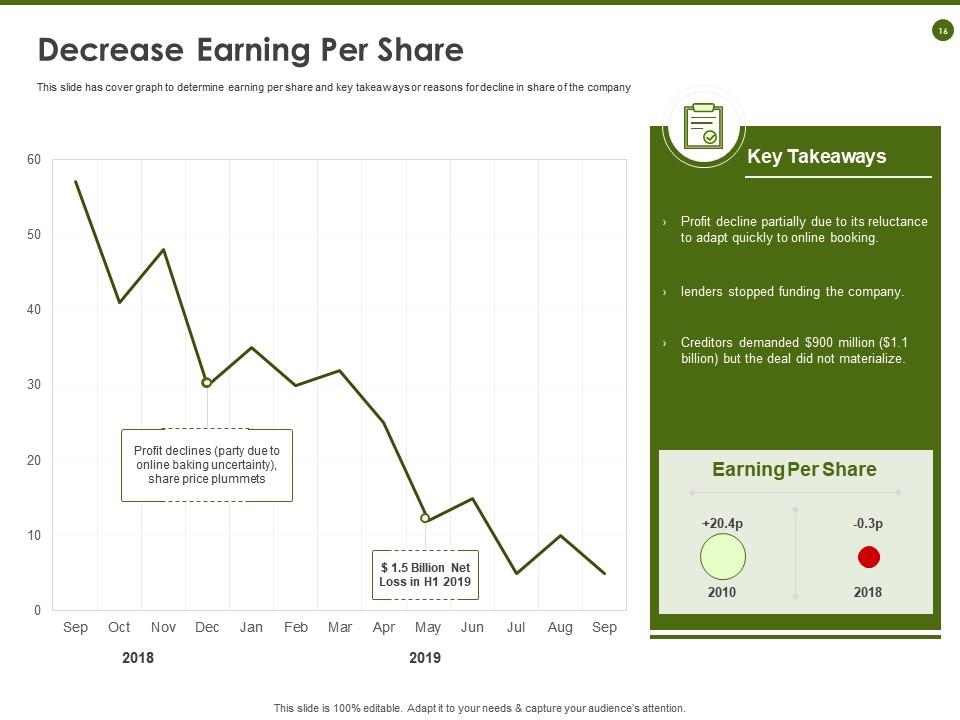
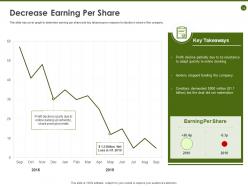
Slide 16: This slide has cover graph to determine earning per share and key takeaways or reasons for decline in share of the company
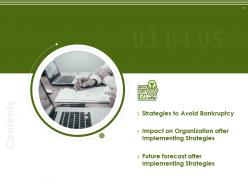
Slide 17: This slide shows Contents
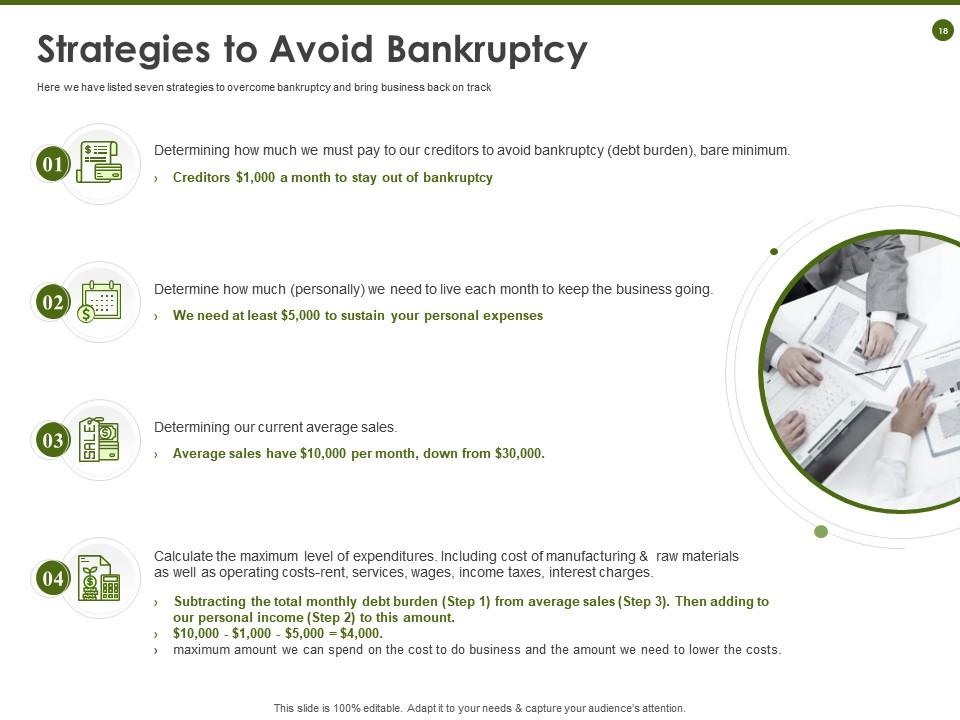
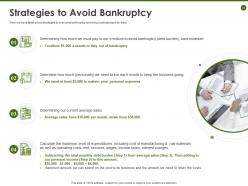
Slide 18: In this slide we have listed seven strategies to overcome bankruptcy and bring business back on track.
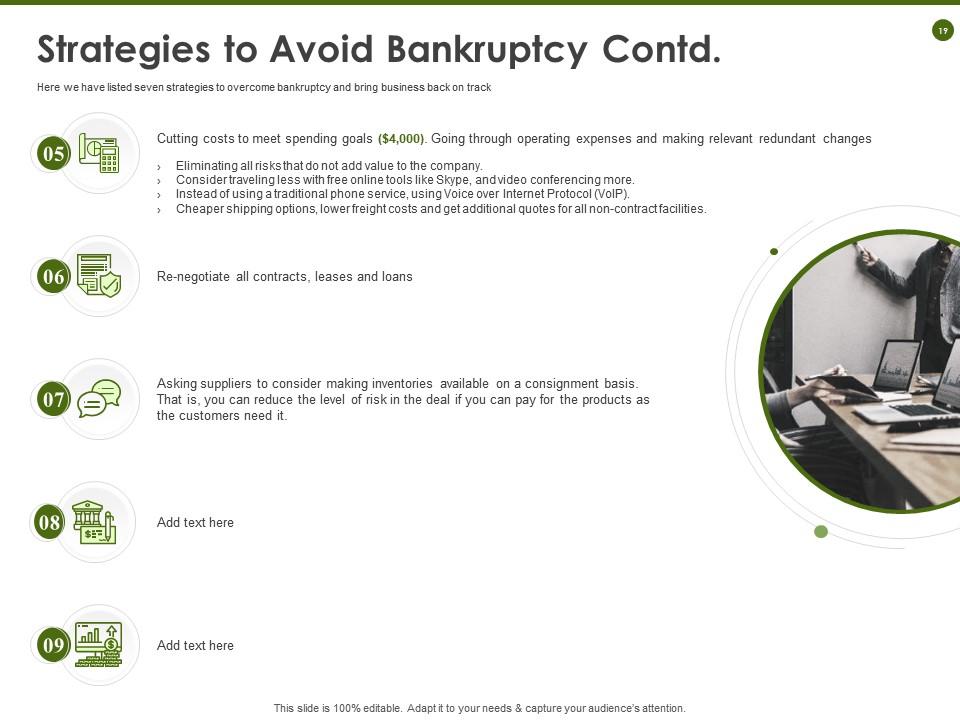
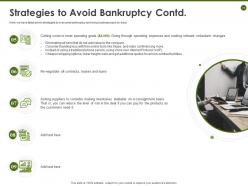
Slide 19: In this slide we have listed seven strategies to overcome bankruptcy and bring business back on track
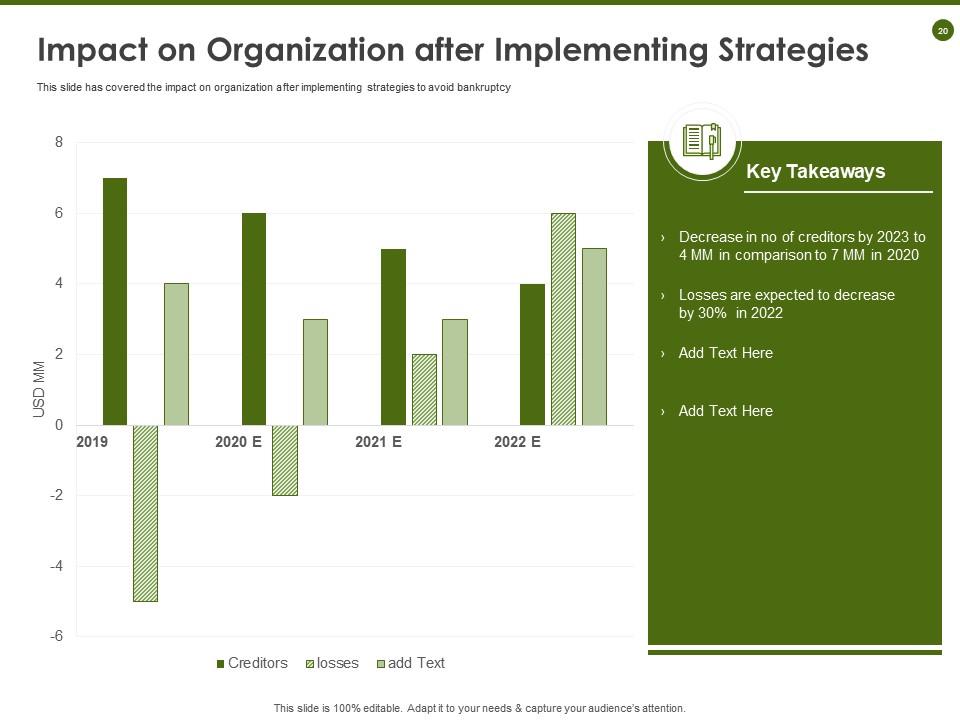
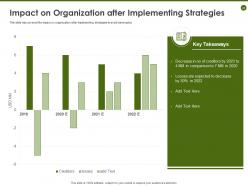
Slide 20: This slide has covered the impact on organization after implementing strategies to avoid bankruptcy
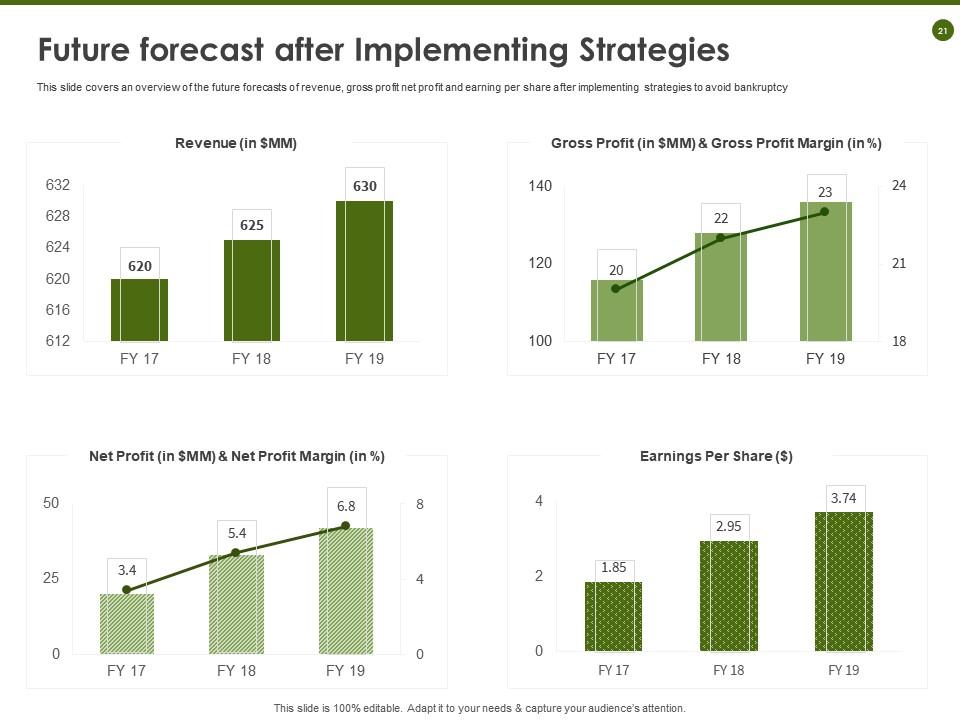
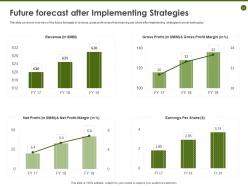
Slide 21: This slide covers an overview of the future forecasts of revenue, gross profit net profit and earning per share after implementing strategies to avoid bankruptcy
Slide 22: This slide shows Contents
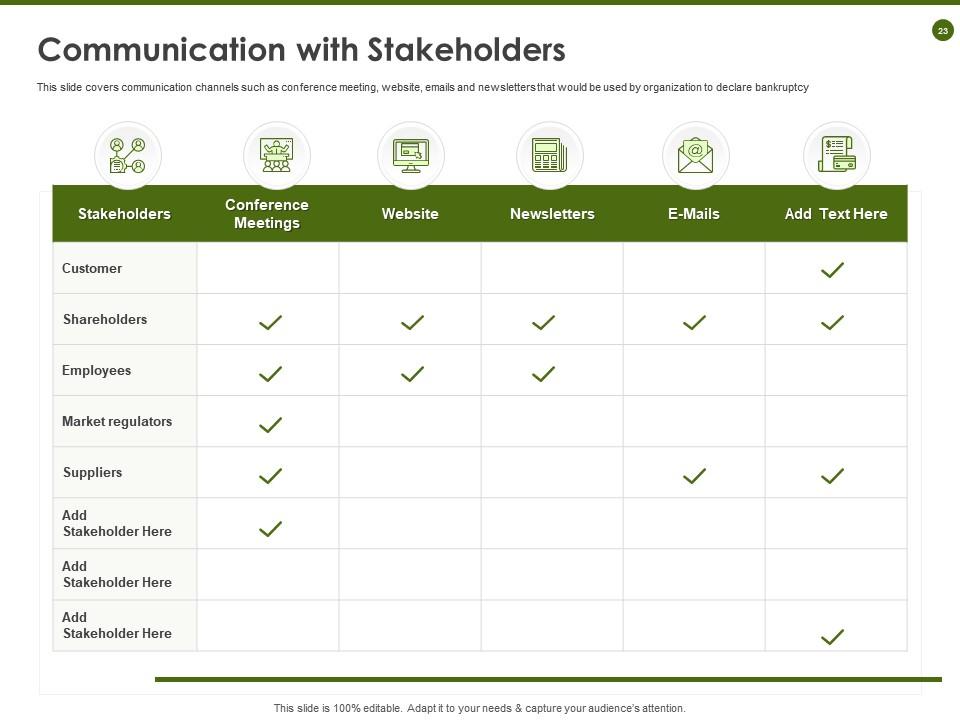
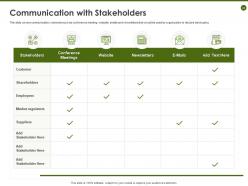
Slide 23: This slide covers communication channels such as conference meeting, website, emails and newsletters that would be used by organization to declare bankruptcy
Slide 24: This slide displays Contents
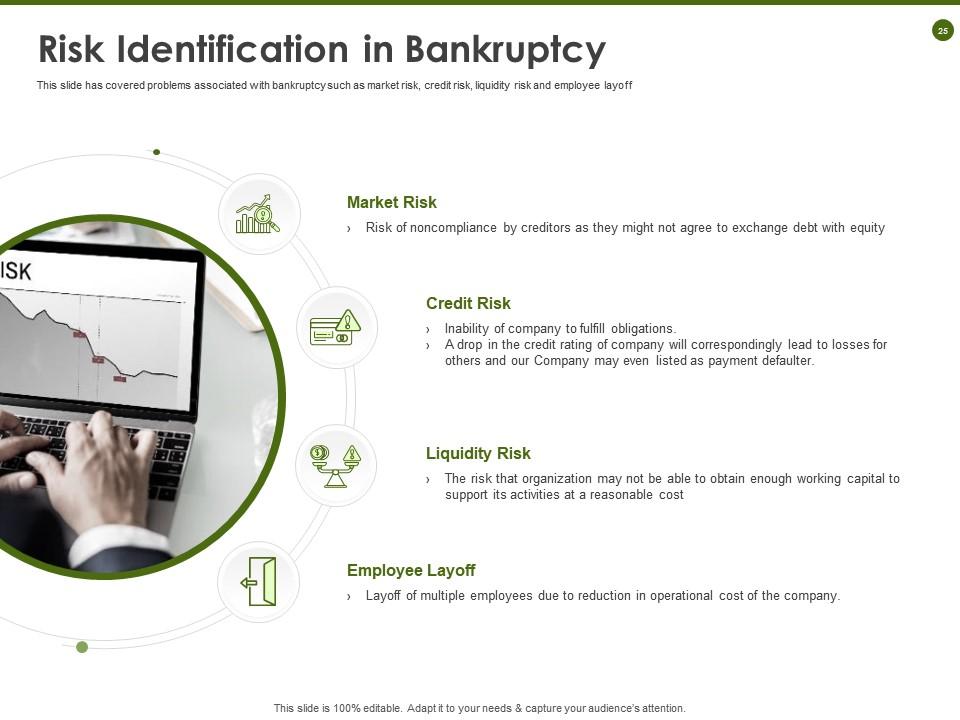
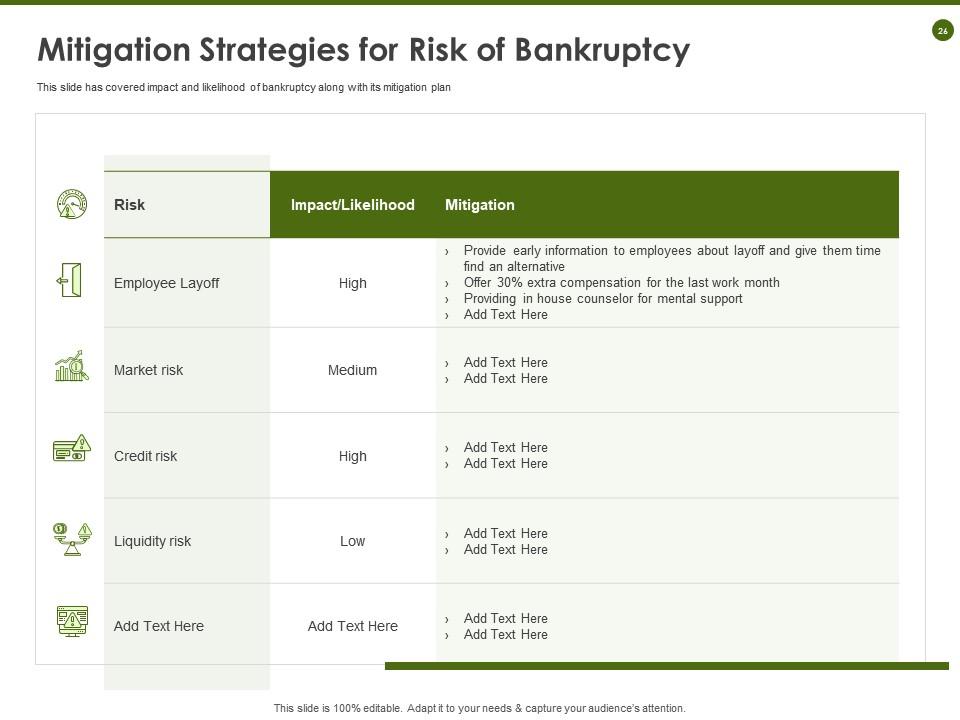
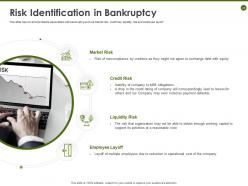
Slide 25: This slide has covered problems associated with bankruptcy such as market risk, credit risk, liquidity risk and employee layoff
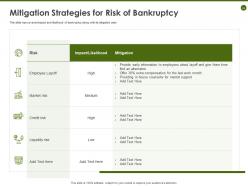
Slide 26: This slide has covered impact and likelihood of bankruptcy along with its mitigation plan
Slide 27: This slide displays Contents
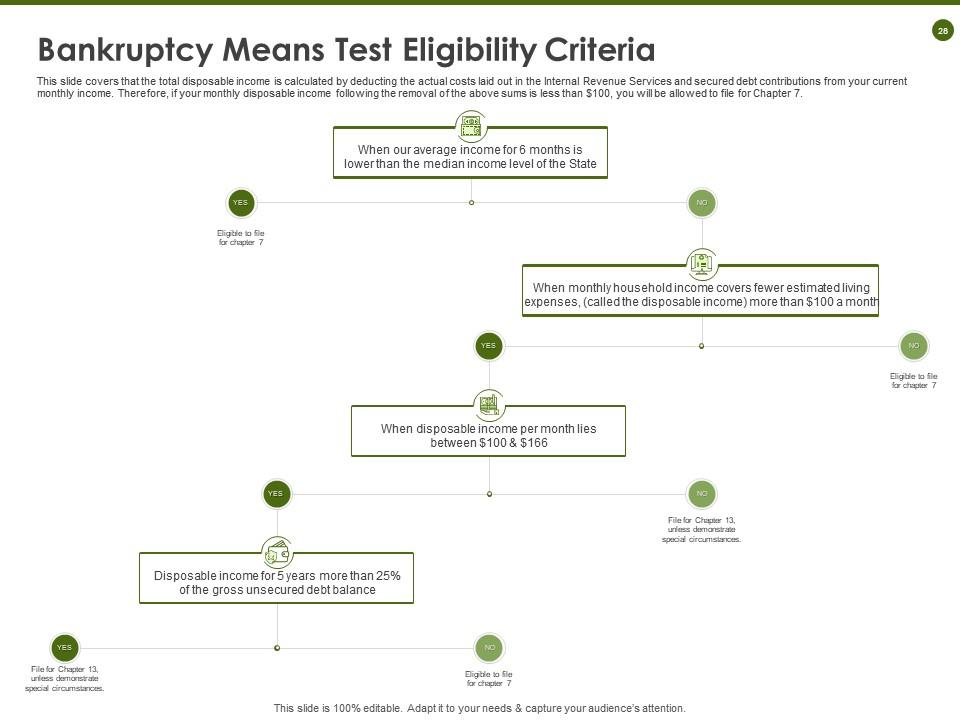
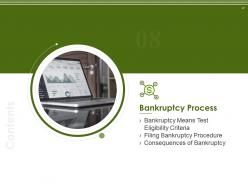
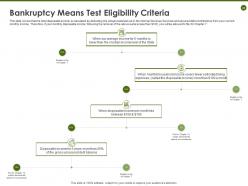
Slide 28: This slide covers that the total disposable income is calculated by deducting the actual costs laid out in the Internal Revenue Services and secured debt contributions from your current monthly income. Therefore, if your monthly disposable income following the removal of the above sums is less than $100, you will be allowed to file for Chapter 7.
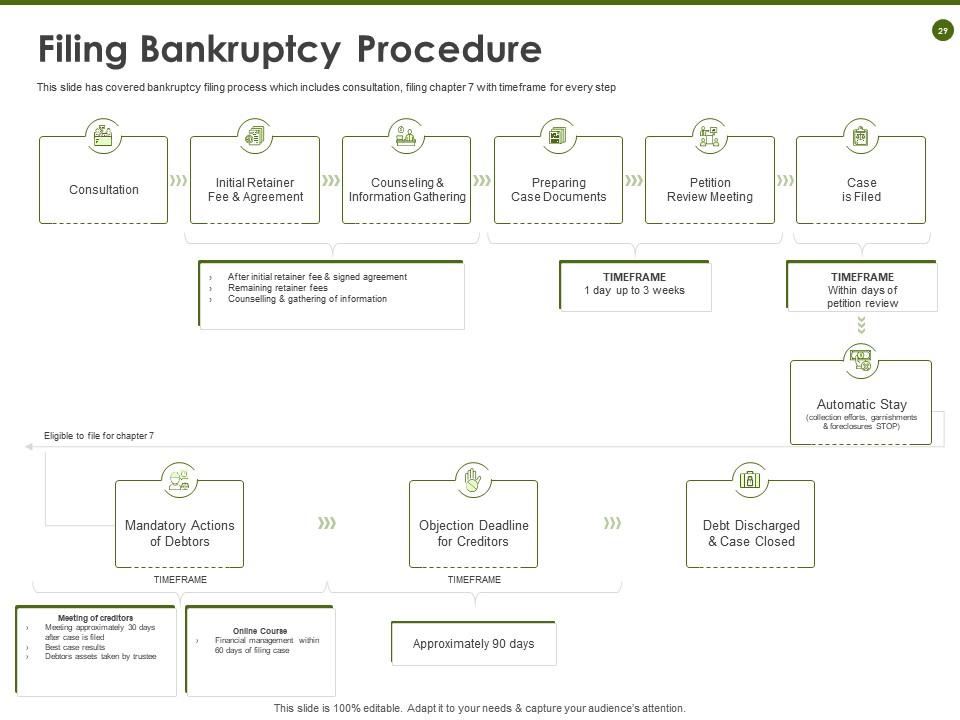
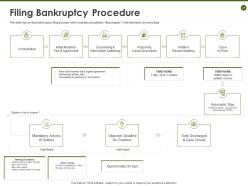
Slide 29: This slide has covered bankruptcy filing process which includes consultation, filing chapter 7 with timeframe for every step.
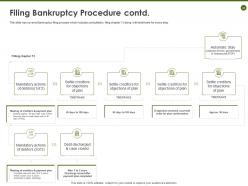
Slide 30: This slide is continued with Filing Bankruptcy Procedure.
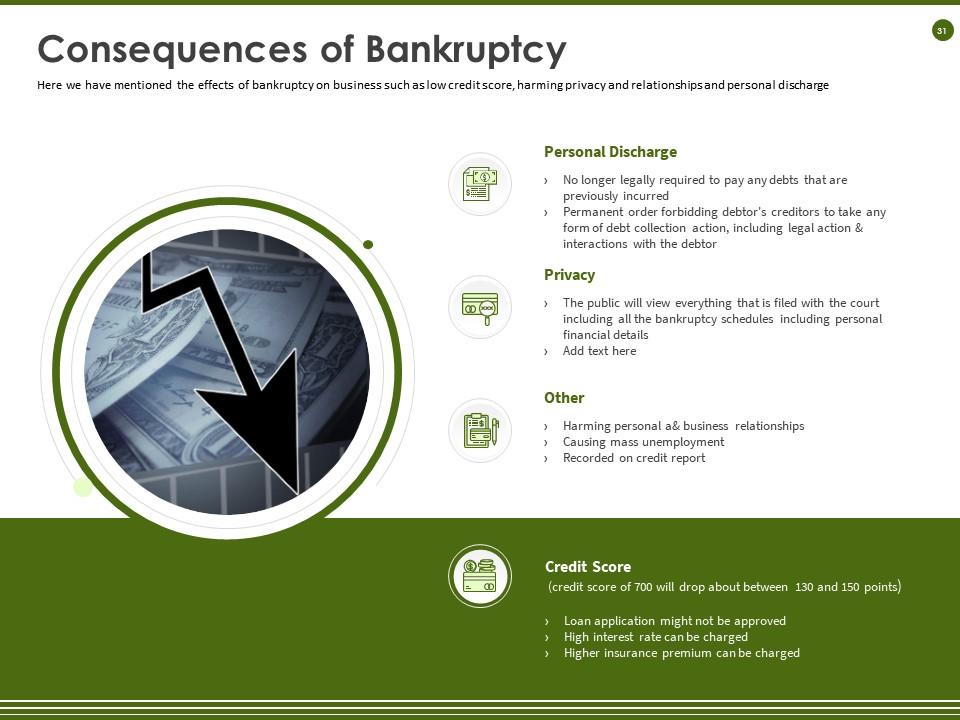
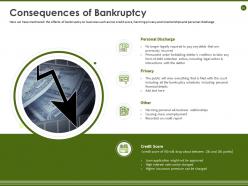
Slide 31: In this slide, we have mentioned the effects of bankruptcy on business such as low credit score, harming privacy and relationships and personal discharge
Slide 32: This slide displays Contents.
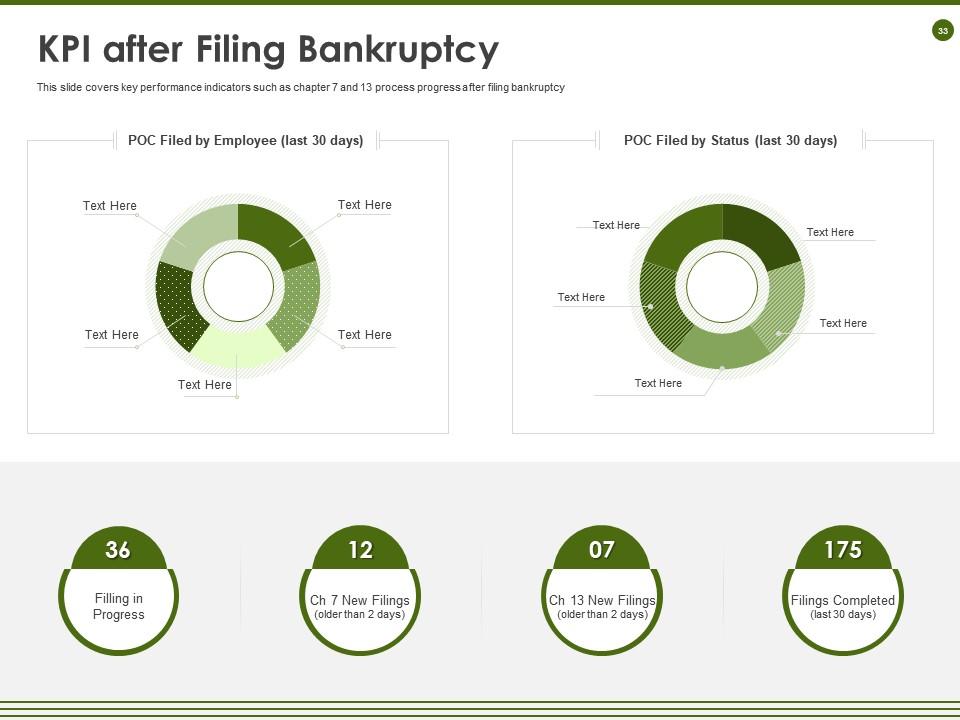
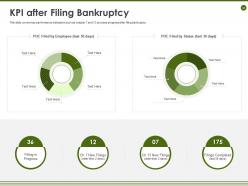
Slide 33: This slide covers key performance indicators such as chapter 7 and 13 process progress after filing bankruptcy
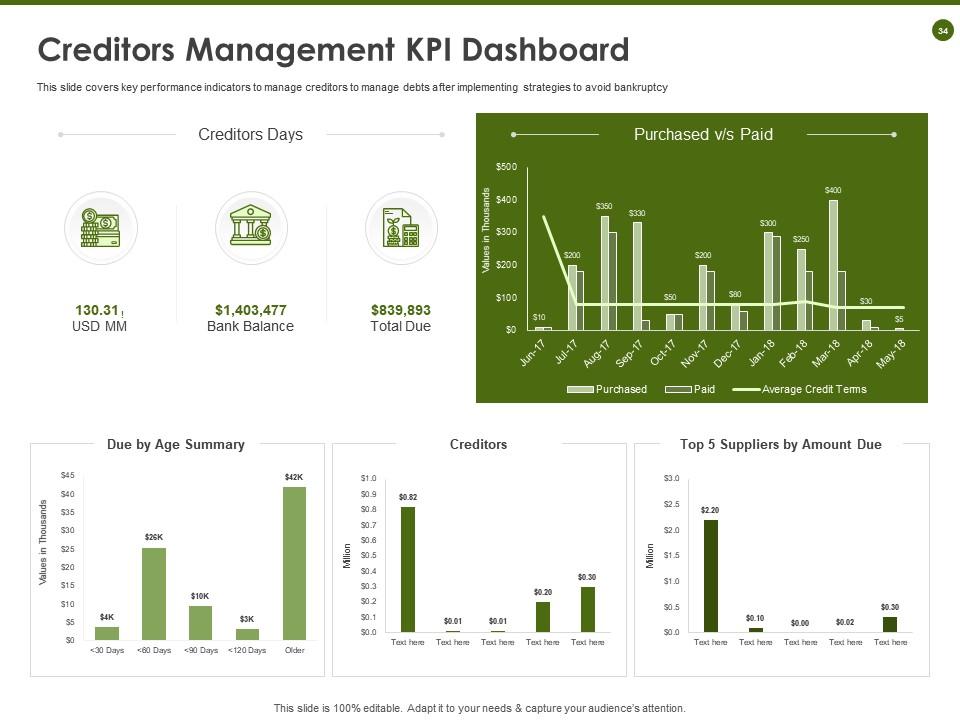
Slide 34: This slide covers key performance indicators to manage creditors to manage debts after implementing strategies to avoid bankruptcy
Slide 35: This is Icons Slide for Analyzing Current Situation And Implementing Strategies To Avoid Bankruptcy
Slide 36: This slide is titled as Additional Slides for moving forward.
Slide 37: This is About Us slide to showcase Company specifications.
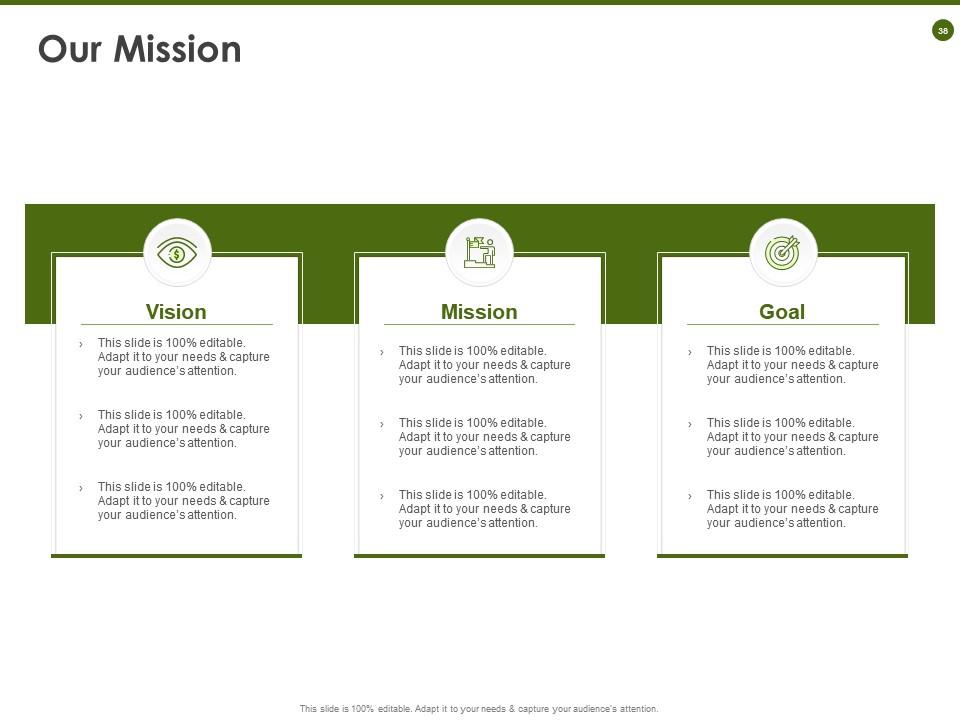
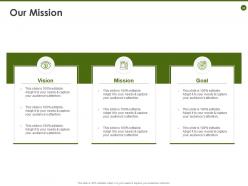
Slide 38: This slide displays Our Mission, Vision and Goal.
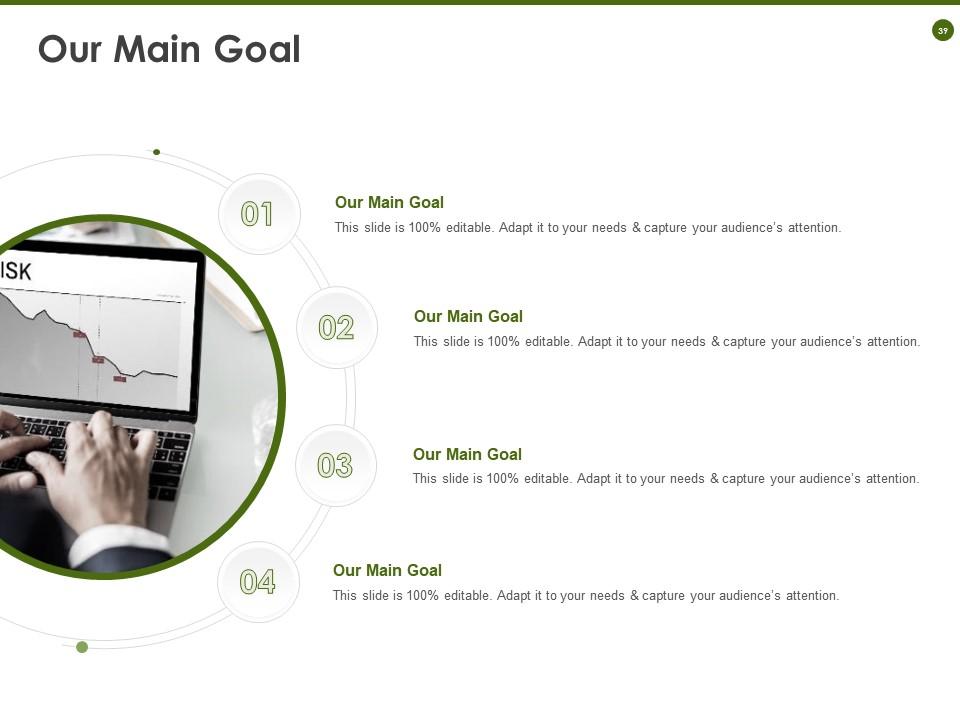
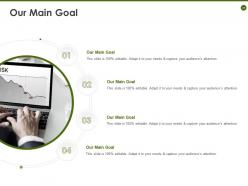
Slide 39: This slide shows Main Goal of the Company.
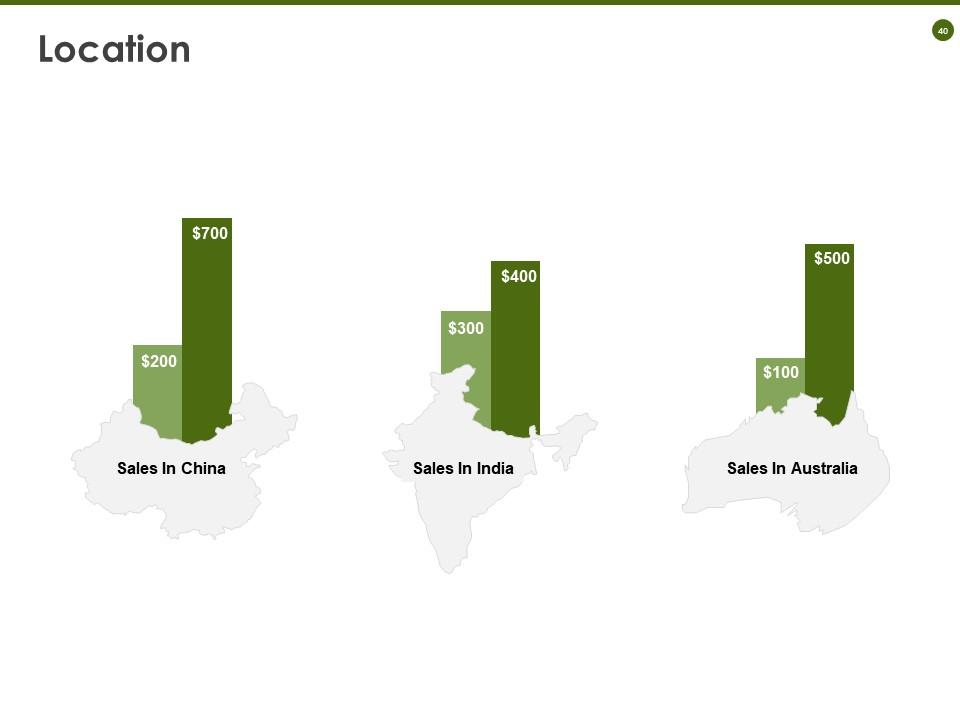
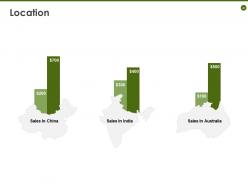
Slide 40: This slide depicts Location.
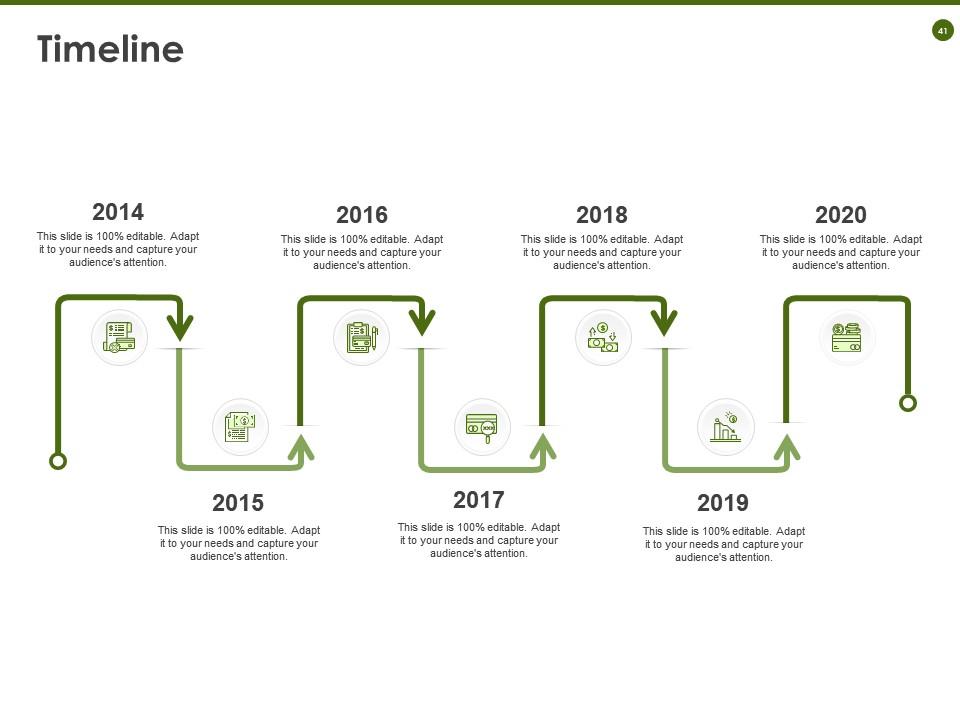
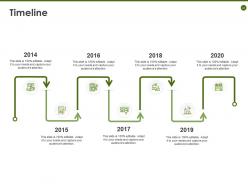
Slide 41: This slide shows Timeline.
Slide 42: This slide is titled as Post It Notes. Post your important notes.
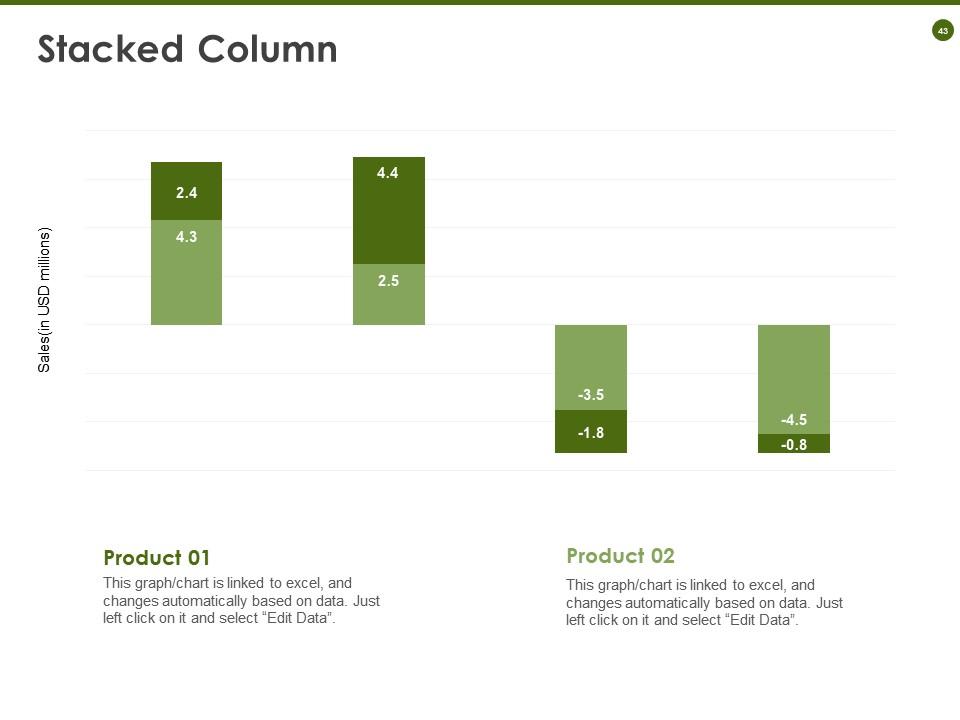
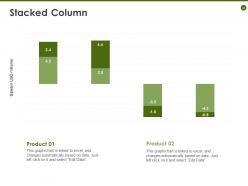
Slide 43: This slide displays Stacked Column chart for Comparison of products.
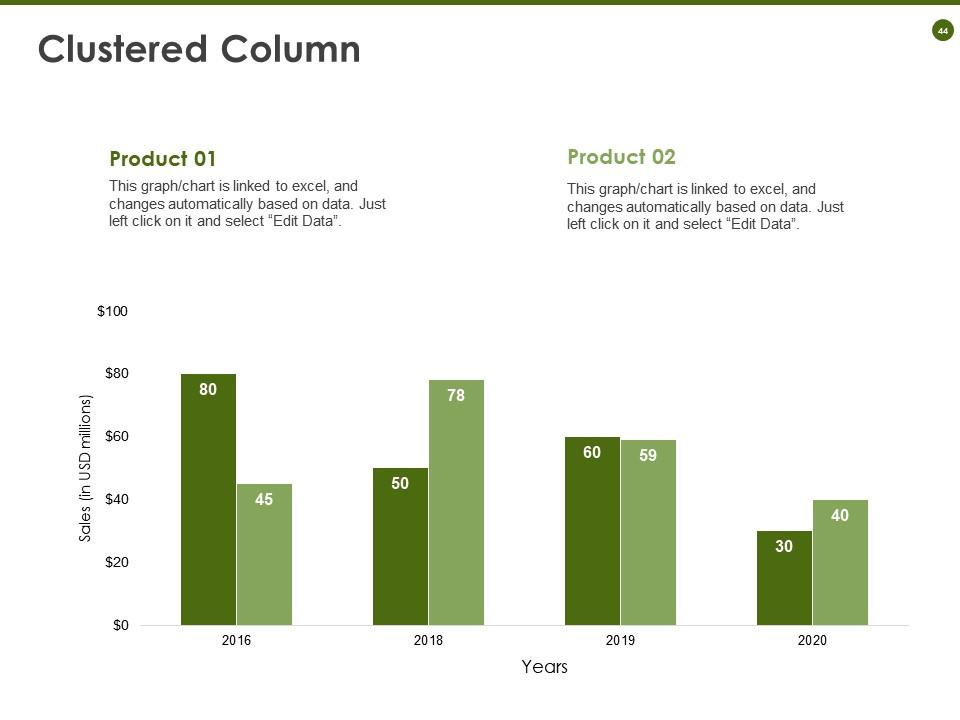
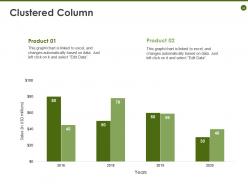
Slide 44: This slide shows Clustered Column with product comparison.
Slide 45: This is Thank You slide with Email address, Contact number.
Analyzing current situation and implementing strategies to avoid bankruptcy powerpoint presentation slides with all 45 slides:
Use our Analyzing Current Situation And Implementing Strategies To Avoid Bankruptcy Powerpoint Presentation Slides to effectively help you save your valuable time. They are readymade to fit into any presentation structure.
-
Excellent design and quick turnaround.
