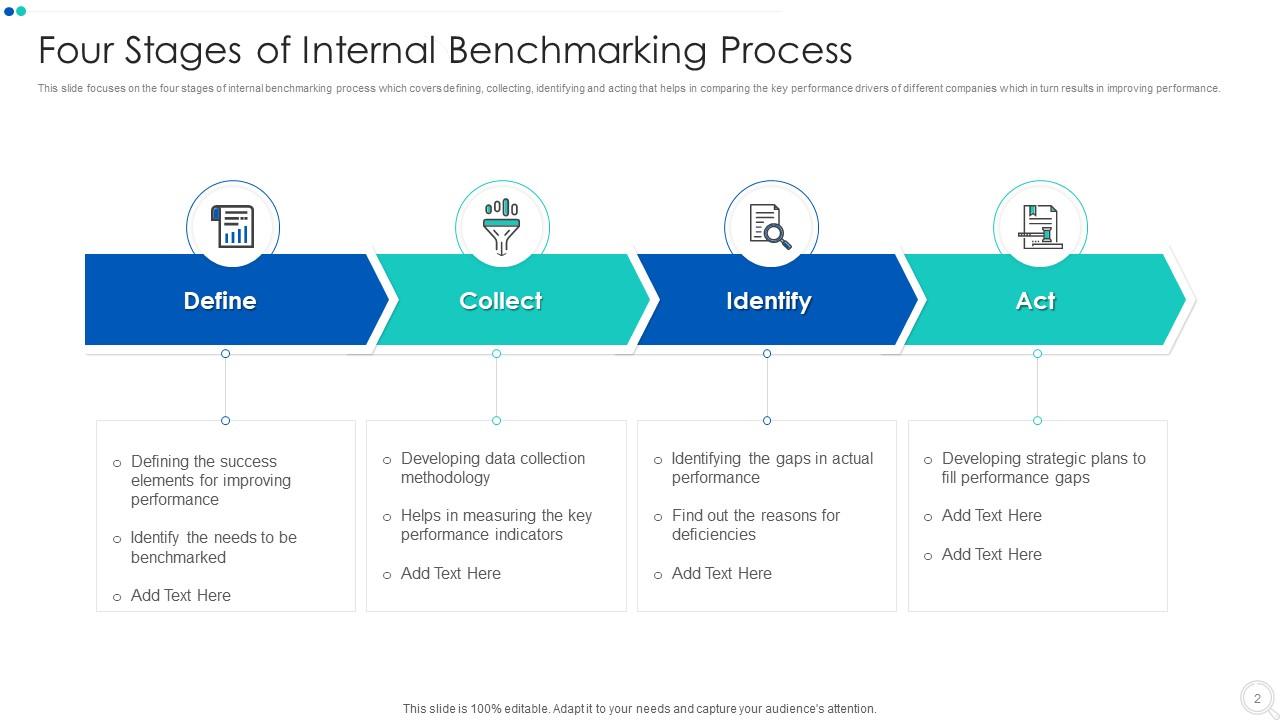
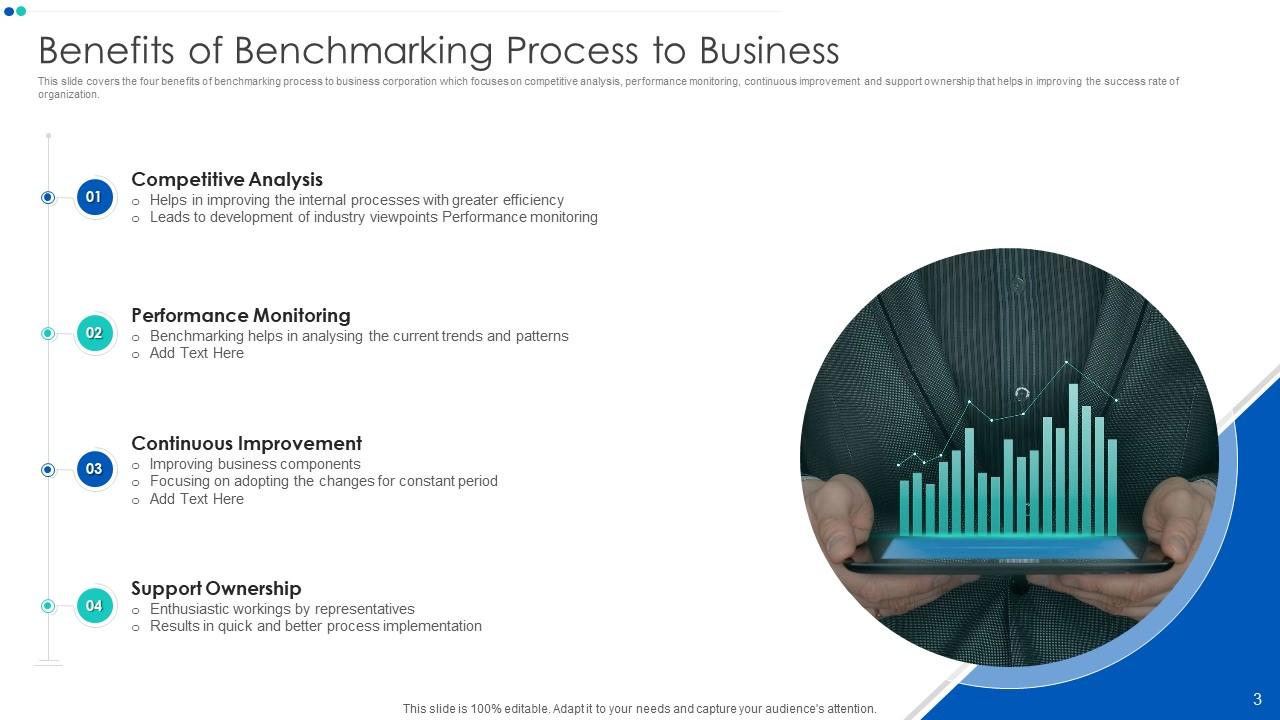
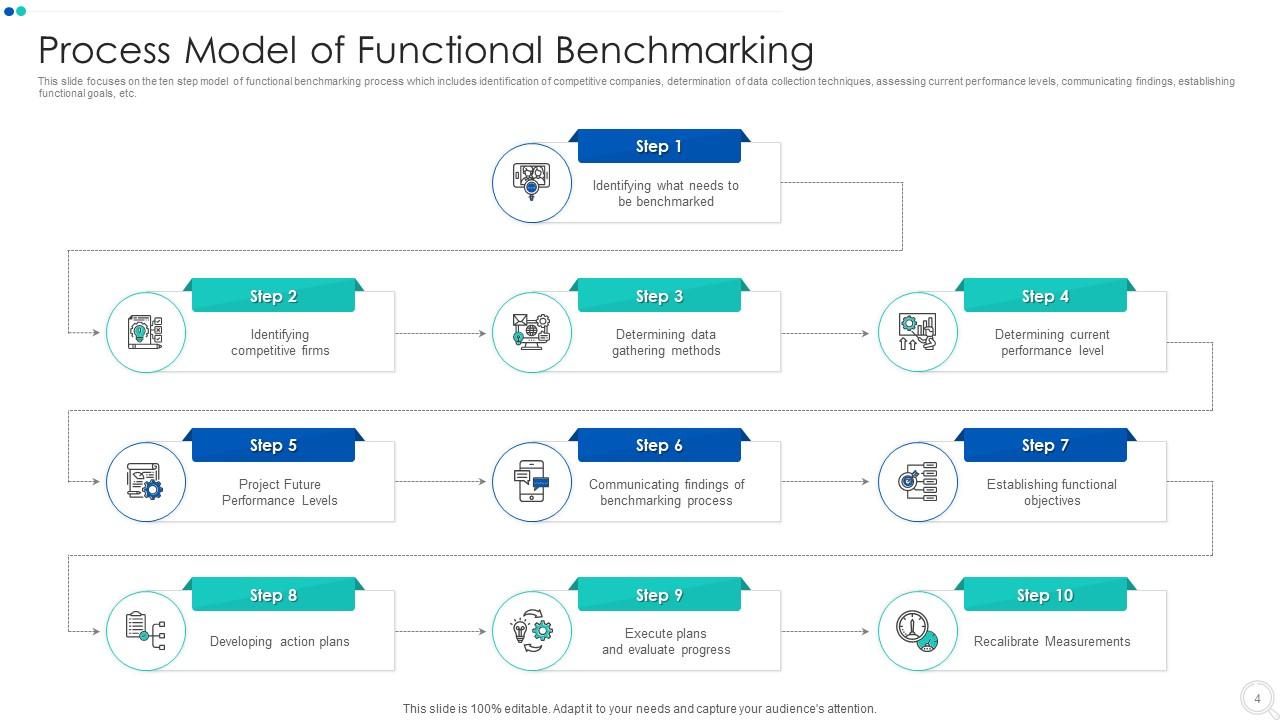
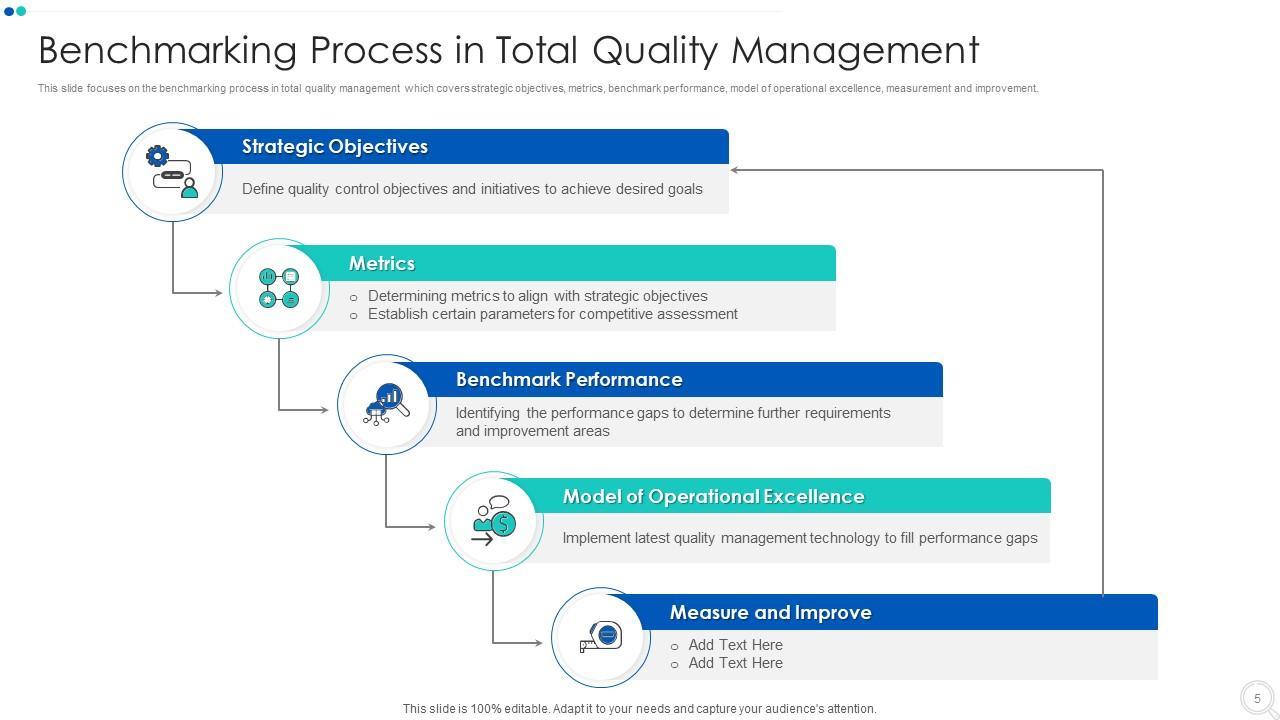
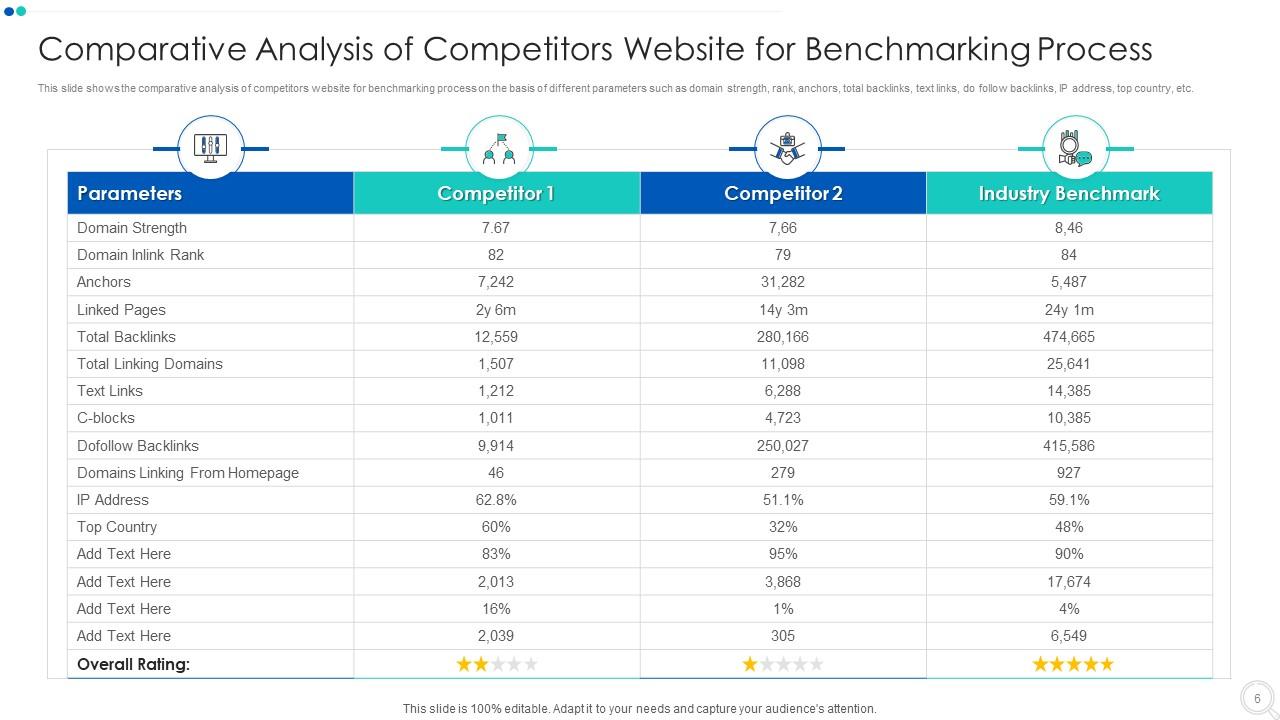
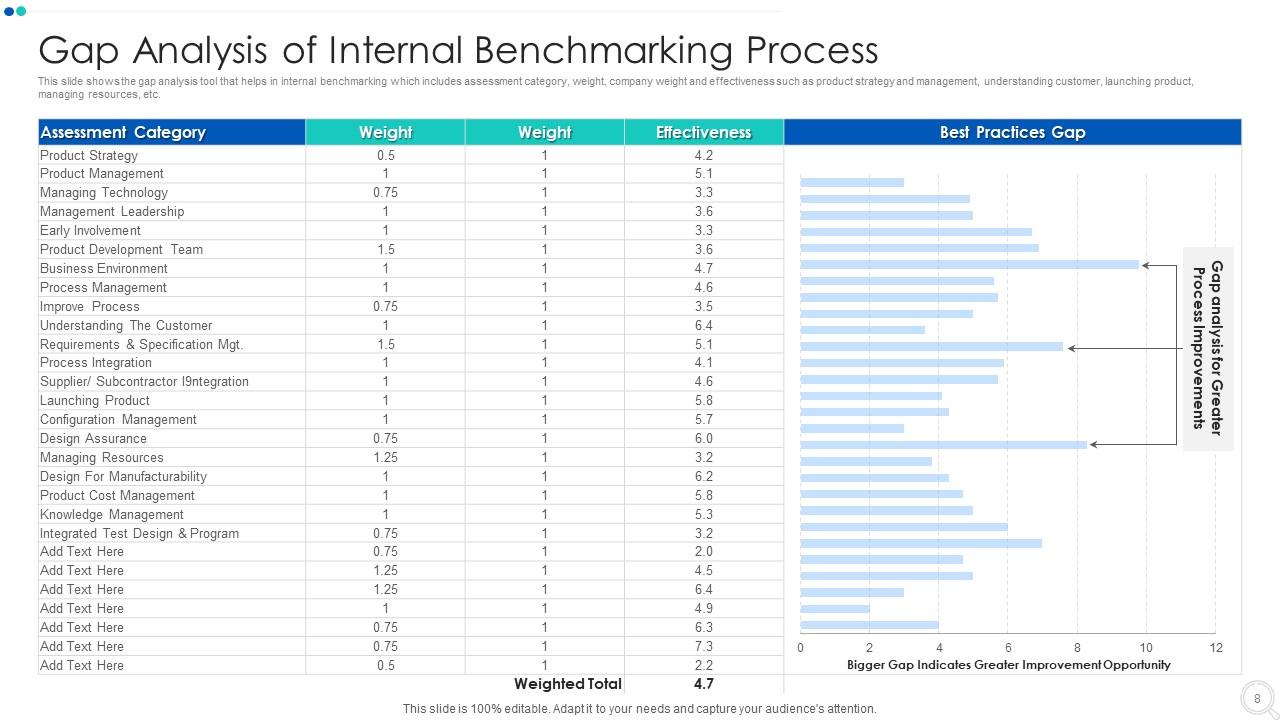
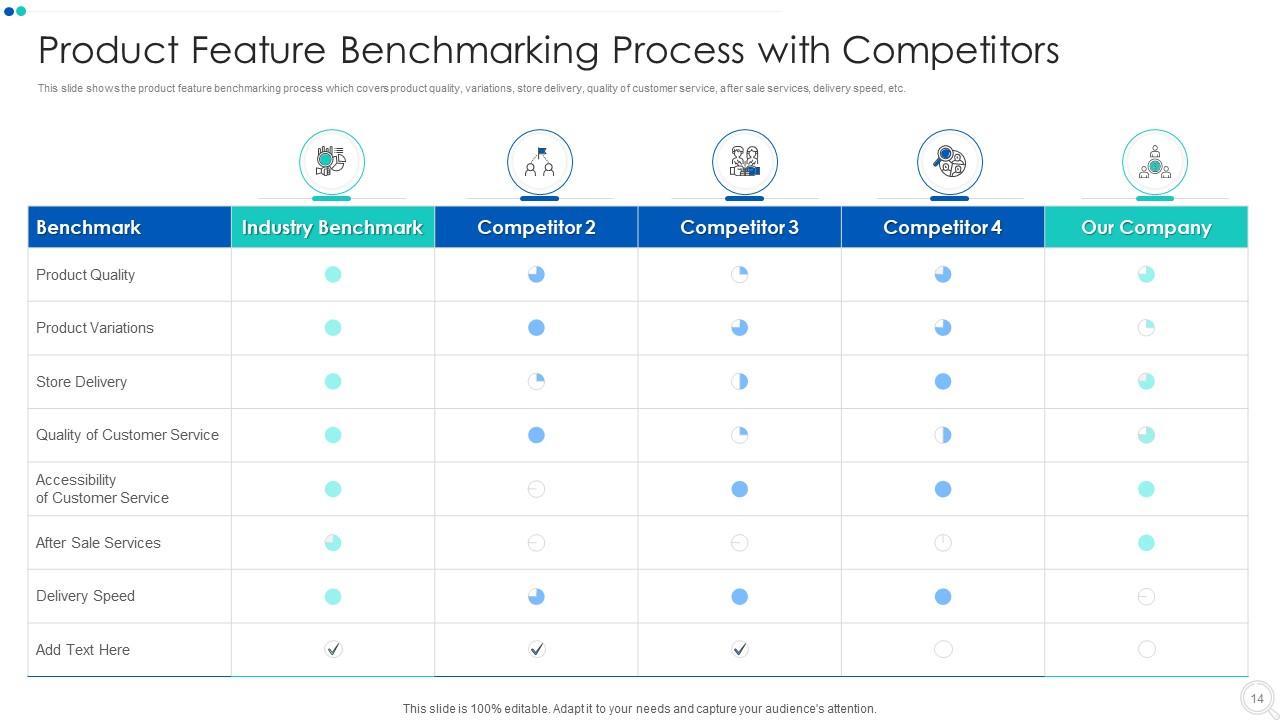
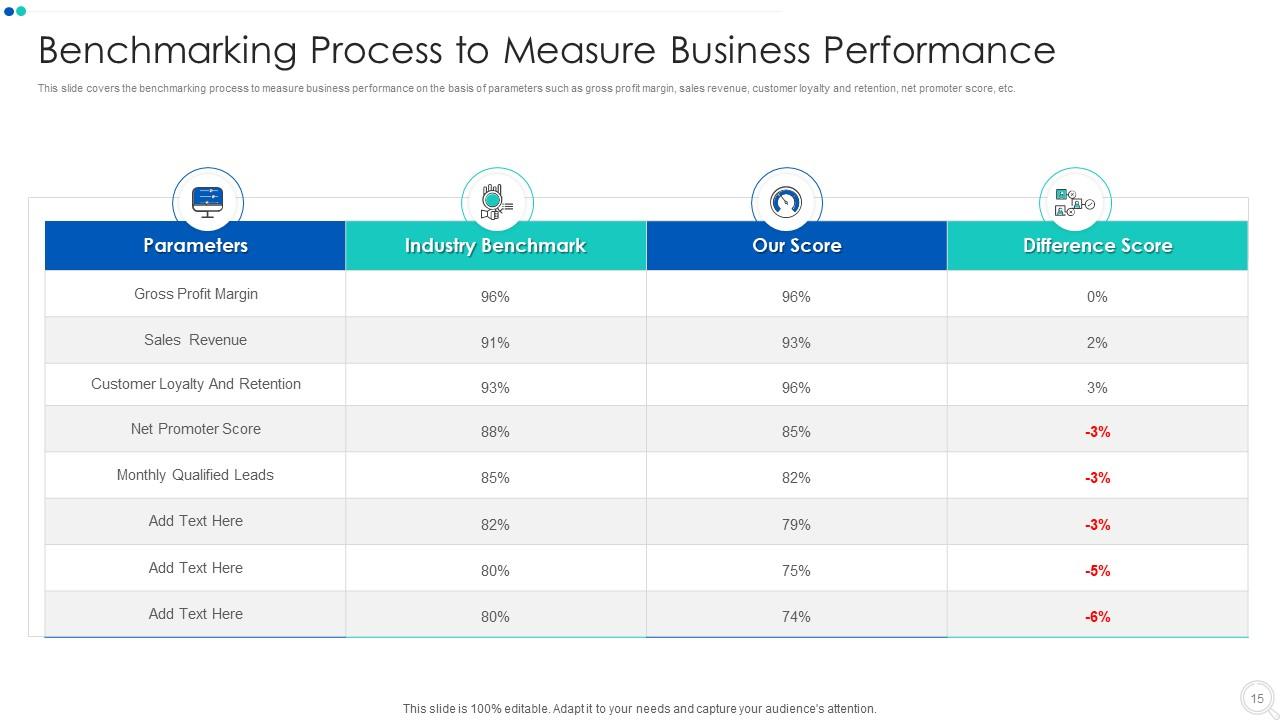
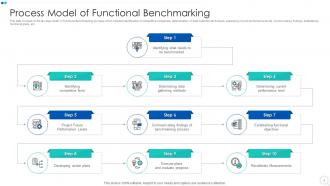
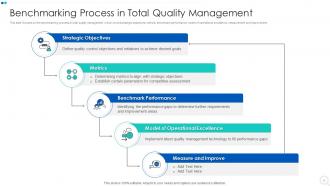
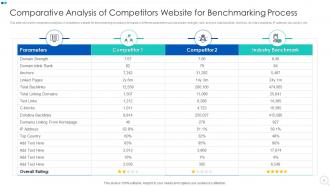
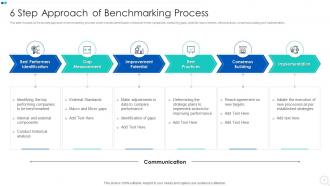
Benchmarking Process Powerpoint Ppt Template Bundles
Try Before you Buy Download Free Sample Product
Audience
Editable
of Time
Our Benchmarking Process Powerpoint Ppt Template Bundles are topically designed to provide an attractive backdrop to any subject. Use them to look like a presentation pro.
People who downloaded this PowerPoint presentation also viewed the following :
Benchmarking Process Powerpoint Ppt Template Bundles with all 24 slides:
Use our Benchmarking Process Powerpoint Ppt Template Bundles to effectively help you save your valuable time. They are readymade to fit into any presentation structure.
FAQs for Benchmarking Process Powerpoint
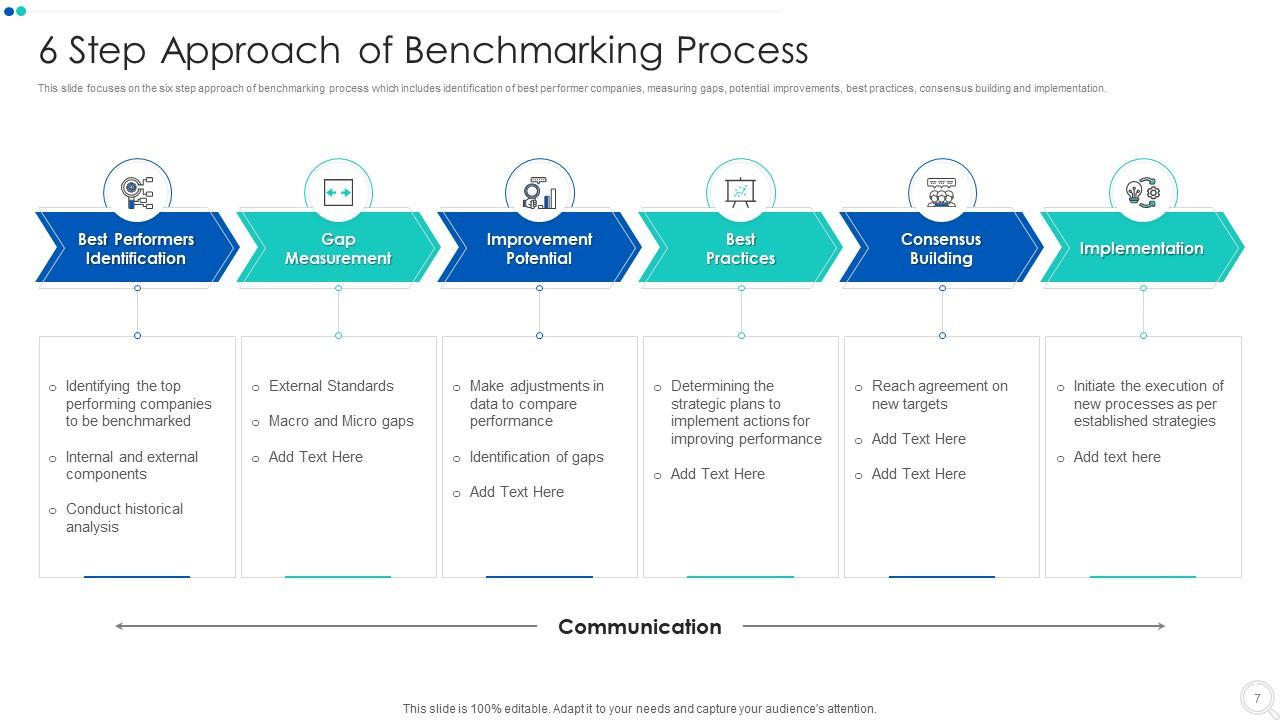
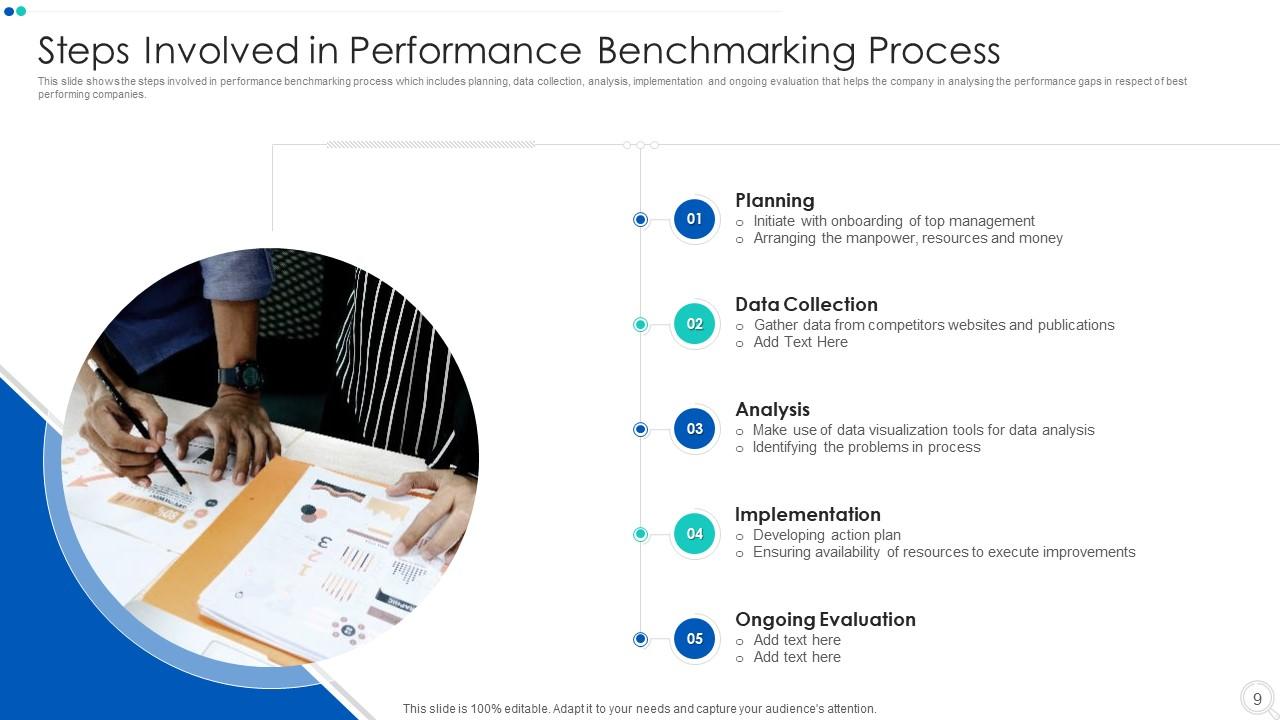
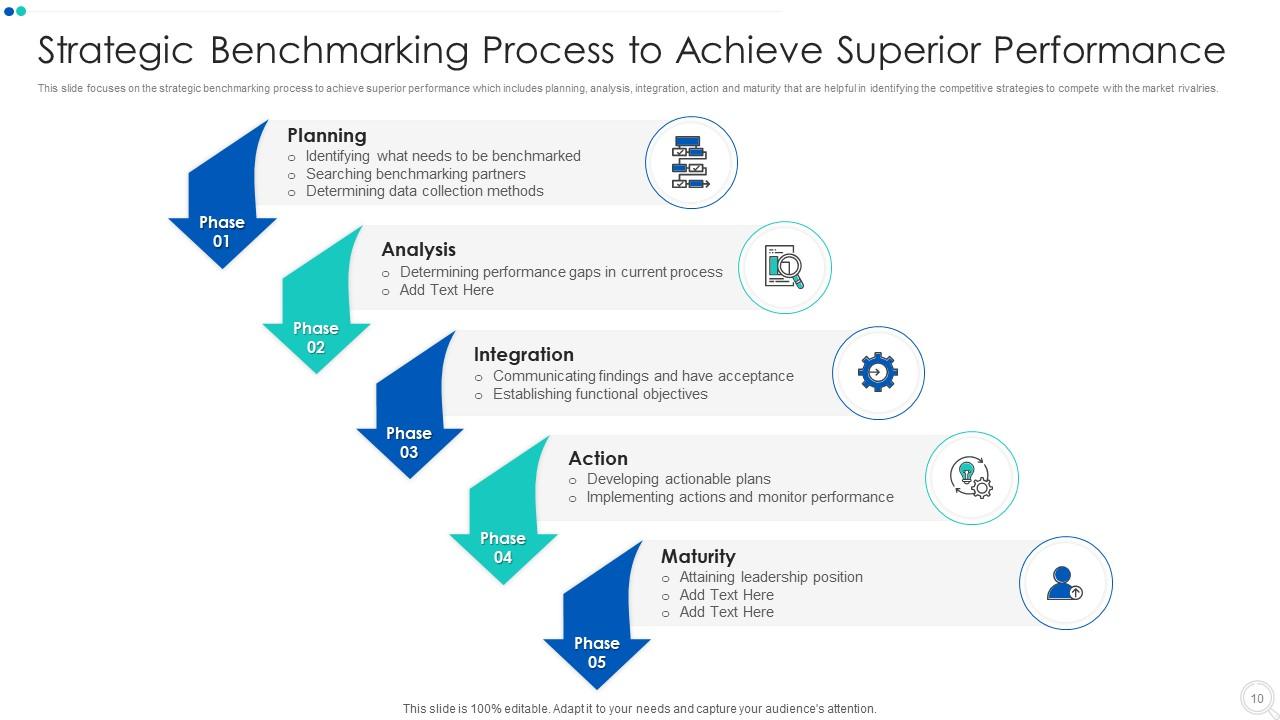
Okay so benchmarking breaks down into five steps basically. Start by figuring out what exactly you want to compare and why. Finding the right companies to measure against is honestly the hardest part - you need similar processes, not just any competitor. Once you've got your data, analyze where the gaps are. From there, make action plans based on what you found. Then actually implement stuff and track how it's going. Don't try to benchmark everything at once though, that's a mess waiting to happen. Pick one process first and get good at the whole cycle before expanding.
So for benchmarking targets, I'd go with three types: direct competitors (obviously), industry leaders who crush it at whatever process you're studying, and honestly? Companies totally outside your space that are just known for being amazing at that specific thing. Start with maybe 2-3 competitors since their data is way easier to find. Then grab 1-2 industry leaders as your "reach" goals. The outside industry thing might sound weird but I've seen some crazy good insights come from totally random sectors. List out 5-7 possibilities first, then cut it down based on what data you can actually get your hands on.
Honestly, it totally depends on what industry you're in. Manufacturing companies obsess over things like cycle time and defect rates - basically how fast and clean their operations run. Retail is all about sales per square foot and inventory turnover. Tech companies? They track everything - user engagement, retention, development speed. Sometimes I think they go overboard with the data. Financial services focus on cost ratios and loan defaults since they're so regulated. My advice? Figure out what actually moves the needle in your sector, then pick like 3-5 metrics that directly hit your profits. Don't overcomplicate it.
Okay so basically qualitative data tells you WHY your numbers suck. Like, your customer satisfaction might be tanking, but you won't know it's because of your terrible checkout process until you actually ask people. The metrics just show what's broken - interviews and surveys show you how to fix it. I swear, half the teams I know waste months optimizing the wrong stuff because they never bothered with this step. Just find your worst performing benchmarks first, then go dig into customer feedback or watch how people actually use your product. That's where the real answers are.
Honestly, benchmarking is like a wake-up call for your whole team. You see how other companies tackle the exact same problems and suddenly realize you've been stuck in "we've always done it this way" mode. The coolest part? Finding those performance gaps between you and the top players actually gets people fired up to brainstorm creative fixes. It's way more useful than regular competitive analysis - though I'd definitely look outside your industry too. That's where the really wild ideas come from that you can steal and adapt.
Honestly, just start with what you probably already have - Excel is still amazing for basic comparisons. SEMrush or Ahrefs are solid if you're doing competitive/digital stuff. Tableau and Power BI handle data visualization really well. For operational benchmarking, ProcessGene or ARIS work great for mapping processes (though they can be overkill sometimes). Qualtrics is your go-to for survey-based research. The real trick? Don't overthink it. Match your tool to what you're actually trying to measure instead of buying fancy software that'll just sit there. I've seen people waste so much money on tools they never use. Start simple, then upgrade when you hit real limitations.
Dude, you gotta build refresh cycles into your calendar or you'll forget. Check your data sources every quarter - trust me on this one. Key metrics need updating twice yearly minimum. Outdated benchmarks are honestly worse than having none at all. Also watch when comparison companies switch up their methodologies because that'll mess with your results big time. Don't wait until someone calls out bad data to fix it. Start by auditing what you've got now and toss anything over 12 months old. Make these reviews recurring calendar events, not someday tasks.
Don't compare yourself to random companies that aren't actually similar to yours. Pick 2-3 competitors max and focus on stuff that affects your revenue - not vanity metrics. Teams waste forever collecting "just one more data point" instead of taking action. I've watched projects die this way, honestly. Also super common mistake? Looking at numbers without context. Like why are you comparing response times to a company serving totally different customers? Set a deadline for when you'll actually do something with the data. Otherwise you're just procrastinating with fancy spreadsheets.
Look, small businesses need to keep benchmarking dead simple while big companies can go all out with fancy studies. Just pick 2-3 metrics that actually matter to your bottom line and compare against your direct competitors - Google Analytics is free, so use it. Big corporations? They've got budgets for paid services and whole teams dedicated to this stuff. I swear I've watched so many small business owners try to benchmark like they're Amazon or something. Total waste of time and money. Stick to what moves the needle, check in quarterly, and skip those elaborate dashboards you'll never look at anyway. Trust me on this one.
Look, your team knows the work better than anyone - they'll spot when benchmarks are totally unrealistic or when you're comparing things that don't actually match up. Getting their input upfront saves you from those "yeah, that'll never work here" moments later. Short version: people support what they help create. If they identify the performance gaps themselves, they're way more invested in fixing them. I learned this the hard way once. Skip their feedback and you're missing the real story behind why numbers look the way they do.
So you know how most companies just copy their direct competitors? That's kinda limiting. Cross-industry benchmarking is way cooler - you look at totally different sectors for ideas. Hospitals actually learned patient flow from airlines, which is wild when you think about it. Maybe some retailer's inventory tricks could fix your supply chain mess, or you could steal employee engagement ideas from tech companies. The trick is finding businesses that deal with similar problems, even if they're selling completely different stuff. Map out what you're trying to improve, then hunt for whoever does that thing best.
Just be straight up about why you're reaching out - nobody likes getting played. Honestly, being sneaky about benchmarking usually bites you in the ass anyway. Make sure you're not breaking any NDAs or sharing stuff you shouldn't be. The whole thing works better when everyone's getting something out of it, not just you grabbing data and running. I'd set up clear rules from the start about what info can be shared and how it'll be used. Keep everything locked down security-wise too. Really, mutual benefit is key here - treat it like a fair trade, not a data heist.
Honestly, the trick is matching your message to who you're talking to. Executives just want the big picture stuff and what it means strategically. Your ops teams? They need the nitty-gritty action steps. Skip the dense reports - nobody reads those anyway. Make charts or dashboards instead. Don't just dump data on people either. Tell them what it actually means for their work and what they should do about it. Oh, and don't make it a one-and-done presentation. Set up follow-ups to talk through how you'll actually implement this stuff.
Dude, check out Toyota - they basically created lean manufacturing by studying competitors and ended up changing the whole car industry. Xerox did something super weird but genius: they looked at L.L. Bean's warehouse setup (I know, random) and boosted their logistics by 10%. Southwest Airlines? They studied buses instead of other airlines, which is honestly brilliant when you think about it. That's how they nailed the low-cost thing. Here's what's cool though - the best ideas usually come from totally different industries, not just your obvious competitors.
I'd say every 6-9 months, but definitely once a year minimum. Fast-moving industries like tech? Yeah, you'll want to check more often since everything's constantly shifting. New competitors pop up, markets change, and suddenly last year's benchmarks are useless. Really depends on your industry though. If you're noticing your metrics are way off or there's major disruption happening, don't wait for your scheduled review – just do it. I learned this the hard way when we stuck to our annual schedule while our whole sector was getting turned upside down. Set those calendar reminders and treat it like any other must-do business check-in.
-
Loved the fact that SlideTeam provides clean, high-definition, and professional PowerPoint products.Â
-
Stunning collection! With a wide variety of options available, I was able to find a perfect slide for my presentation. Thank you, SlideTeam!