Big Data Healthcare Powerpoint Ppt Template Bundles
Try Before you Buy Download Free Sample Product
Audience
Editable
of Time
Our Big Data Healthcare Powerpoint Ppt Template Bundles are topically designed to provide an attractive backdrop to any subject. Use them to look like a presentation pro.
People who downloaded this PowerPoint presentation also viewed the following :
Big Data Healthcare Powerpoint Ppt Template Bundles with all 17 slides:
Use our Big Data Healthcare Powerpoint Ppt Template Bundles to effectively help you save your valuable time. They are readymade to fit into any presentation structure.
FAQs for Big Data Healthcare Powerpoint
Key challenges include data privacy regulations, system integration complexities, staff training requirements, infrastructure costs, and ensuring data quality across diverse sources. Healthcare organizations often struggle with legacy system compatibility and regulatory compliance, while also needing specialized analytics expertise, ultimately requiring strategic investment in both technology and workforce development to deliver improved patient outcomes.
Big data improves patient outcomes by analyzing vast medical records, identifying disease patterns, and predicting health risks through advanced analytics and machine learning algorithms. Through personalized treatment protocols, healthcare providers deliver targeted therapies, reduce adverse drug reactions, and optimize care plans, with hospitals and medical centers finding significantly improved recovery rates and enhanced patient experiences.
Big data enables predictive analytics for disease outbreaks by analyzing vast datasets from healthcare records, social media, environmental sensors, and travel patterns to identify early warning signals. Through machine learning algorithms, public health organizations can detect emerging threats weeks before traditional surveillance methods, track transmission patterns across populations, and optimize resource allocation, ultimately delivering faster containment strategies and significantly reducing outbreak severity.
Healthcare institutions ensure data privacy and security through robust encryption, access controls, anonymization techniques, compliance frameworks like HIPAA, and blockchain technology for audit trails. These technologies streamline patient data protection by minimizing breach risks, enhancing regulatory compliance, and enabling secure data sharing, with many hospitals finding that strategic privacy investments ultimately deliver improved patient trust and operational efficiency.
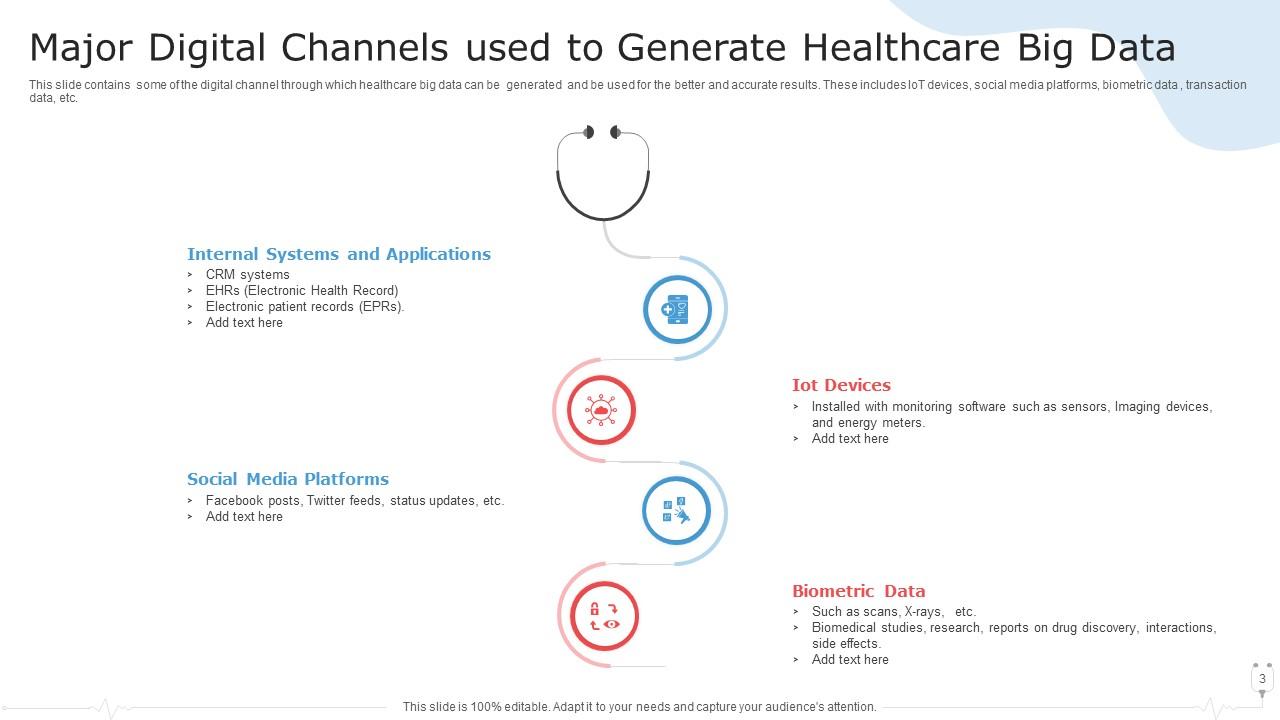
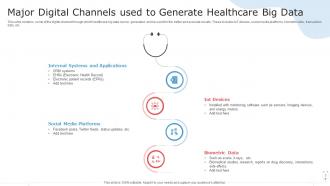
Healthcare big data sources include electronic health records, medical imaging systems, wearable devices, genomic sequencing, clinical trials, and insurance claims databases. These technologies streamline patient care by enabling predictive analytics, personalized treatments, and operational efficiency, with hospitals and research institutions finding that integrated data ultimately delivers faster diagnoses and improved patient outcomes.
Big data enhances hospital and clinic operations by streamlining patient flow, optimizing staff scheduling, reducing wait times, and improving resource allocation across departments. Through predictive analytics and real-time monitoring, healthcare facilities can anticipate demand patterns, minimize equipment downtime, and accelerate treatment processes, ultimately delivering faster patient services and significantly reduced operational costs.
Essential technologies for managing and analyzing big data in healthcare include cloud computing platforms, machine learning algorithms, data lakes, real-time analytics engines, and blockchain for security. These technologies streamline operations by enabling predictive diagnostics, personalized treatment plans, and automated patient monitoring, with many hospitals finding that integrated systems ultimately deliver faster care decisions and improved patient outcomes.
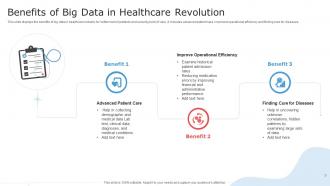
Big data reduces healthcare costs by enabling predictive analytics for early intervention, optimizing resource allocation, and streamlining administrative processes through automated workflows. Through advanced data analysis, hospitals and clinics can minimize unnecessary procedures, reduce readmission rates, and enhance operational efficiency, ultimately delivering lower costs for both providers and patients while improving care quality.
Big data facilitates better healthcare decision-making by providing predictive analytics for patient outcomes, real-time monitoring capabilities, comprehensive patient history analysis, and population health insights. Through advanced data processing, healthcare professionals can identify treatment patterns, predict disease outbreaks, and personalize care protocols, ultimately delivering faster diagnoses and more effective treatments while reducing costs.
**INPUT**: What ethical considerations arise when using big data in healthcare research? **OUTPUT**: Ethical considerations include patient consent complexities, data privacy protection, algorithmic bias prevention, transparent research practices, and equitable access to benefits. While these challenges require careful navigation, healthcare institutions increasingly find that robust ethical frameworks enable breakthrough medical discoveries, personalized treatment advances, and improved patient outcomes while maintaining public trust and regulatory compliance. [Word count: 53 words]
Machine learning intersects with big data by analyzing vast healthcare datasets to identify patterns, predict health risks, and personalize treatment protocols. Through advanced algorithms, hospitals and healthcare systems can enhance diagnostic accuracy, streamline resource allocation, and accelerate patient outcomes, while reducing operational costs, ultimately delivering more precise care and competitive advantage in an increasingly data-driven medical landscape.
Big data has revolutionized clinical trials and drug development by enabling faster patient recruitment, improved trial design, and accelerated regulatory approvals through predictive analytics and real-world evidence. Pharmaceutical companies now streamline drug discovery timelines, enhance safety monitoring, and reduce development costs significantly, with many organizations finding that data-driven approaches deliver more targeted therapies and ultimately faster market entry for life-saving treatments.
Big data analytics assists chronic disease management by identifying at-risk patients through predictive modeling, personalizing treatment plans based on patient history, and monitoring health trends in real-time. Healthcare providers leverage these insights to reduce hospital readmissions, optimize medication regimens, and enable proactive interventions, ultimately delivering better patient outcomes while significantly lowering long-term care costs.
Future trends in big data healthcare include AI-powered diagnostics, real-time patient monitoring, genomic medicine, predictive analytics for disease prevention, and personalized treatment protocols. These technologies streamline clinical workflows, enhance diagnostic accuracy, and reduce operational costs, with many hospitals and healthcare systems finding that predictive models ultimately deliver faster patient outcomes and significant competitive advantages.
Interoperability and standardization enable seamless data sharing across healthcare systems, Electronic Health Records, medical devices, and research platforms by establishing common formats, protocols, and integration standards. Through standardized frameworks like HL7 and FHIR, hospitals and clinics can aggregate patient data more effectively, accelerate research initiatives, and deliver coordinated care, ultimately enhancing diagnostic accuracy and population health outcomes.
-
SlideTeam never fails to surprise me with its amazing PPT designs. Thanks team for providing me with your constant support!
-
The designs are very attractive and easy to edit. Looking forward to downloading more of your PowerPoint Presentations.