



 0 Comment
 Customer Reviews

Ever wondered why some IT projects cruise along smoothly while others descend into chaos? This even as they face near-identical threats, constraints, and Information Technology Risk Analysis requirements.
The difference in outcomes isn’t attributable to luck. It is discipline, specifically, whether the project had a well-structured Information Technology Risk Analysis and IT risk assessment backing it up. At SlideTeam, we cover your back with frameworks and templates that create such an analysis plan for you. This is because a thoughtful risk analysis means a calm CTO, while projects without one create a head who is fire-fighting every day. This CTO spends nights reacting to breaches, compliance surprises, and systems suddenly going offline.
Industry studies in recent years have shown that a large share of major data breaches trace back to weak or inconsistent risk management. The average incident often runs into millions of dollars in damages and recovery costs. Those aren’t just scary numbers on a slide; they’re the kind of hits that can stall growth or even threaten the business.
The irony is that many IT teams are still winging it with scattered spreadsheets and outdated checklists. They have no shared framework for looking at threats, vulnerabilities, and impact. That’s exactly where SlideTeam’s Information Technology Risk Analysis templates earn their place. These templates aren’t just good-looking decks; they’re practical, ready-to-use structures you can plug into real projects to map assets, score risks, run structured vulnerability analysis, and prioritize what needs fixing before it blows up.
Want to expand beyond just IT and see how broader business and project risks are visualized? Explore SlideTeam's top 10 risk analysis templates to deepen your risk storytelling and reporting.
Getting your IT Defenses Right
Think of Information Technology Risk Analysis as the mix between a security guard and a bouncer for your digital world, always watching, always checking who and what gets through. And the stakes have never been higher: Cybersecurity threats like ransomware keep climbing, regulations keep tightening, and a single overlooked misconfiguration can bring critical operations to a halt. Using well-designed SlideTeam templates means you don’t have to invent the process from scratch. Instead, your team gets a clear, shared playbook for identifying threats, rating their seriousness, and planning how to respond.
If you’re also designing the bigger governance picture around these slides, you’ll find SlideTeam’s IT risk management framework templates to be a powerful companion to structure your end-to-end risk program.
Template 1. Information Technology Risk Analysis Introduction PPT Template
This Information Technology Risk Analysis introduction template from SlideTeam cuts straight to what needs to happen. Your organization has four essential moves: find vulnerabilities in your systems before attackers do, understand what breaks if someone exploits those gaps, deploy real defenses that address what you found, and establish monitoring so you know your protections are working. The numbered layout in this SlideTeam slide walks your audience through each stage methodically. They stop thinking of this as a one-time security project and start seeing it as the backbone of how you protect operations week-on-week.

Template 2. Understanding IT Risk Management Framework PPT Template
This SlideTeam framework template breaks down the Information Technology Risk Analysis and management cycle into six phases. You identify what could go wrong, then figure out the worst that could happen. You then plan your fixes, put those fixes in place, keep watching to make sure they're working, and step back to reassess. The circular design matters because it reminds you this isn't a one-time thing, it is continuous. Consequently, threats change, your environment changes, so you are always updated about the stage of the cycle your risk analysis is in.

Template 3. Key Components of Risk Analysis PowerPoint Template
Use this PowerPoint template by SlideTeam to show why a one-time project approach to risk management doesn't work. It is built on two layers that reinforce each other. The core work sits on top: you find the risks, figure out what they mean, decide how to handle them, and make sure your fixes are working. However, underneath, there's a continuous cycle that keeps everything moving forward. Move your stakeholders away from the mindset of "we're doing a risk assessment" to a shared and mutual understanding that this is how we are protecting the organization.

Template 4. Identifying Information Assets and Threats PPT Template
You've got to know what data you have, who's accessing it, and where your weak spots are. This SlideTeam slide gets to these real fundamentals. The smart two-panel layout forces you to separate concerns. One side is your assets and users, the other side is about vulnerabilities. It's also a checklist approach, which sounds simple but it works, so nobody forgets to ask the important questions when it's laid out in front of them. Organizations that take time here end up spending their security budget smarter because they know where the real risks hide.

Template 5. Vulnerability Assessment Techniques PPT Template
Most security teams run vulnerability scans because compliance demands it, not because they fully understand the payoff. This SlideTeam vulnerability assessment template reframes that entire conversation and embeds vulnerability analysis into your broader Information Technology Risk Analysis process. It walks through four concrete techniques your team probably uses every day. But here's what makes this template work: it connects those techniques to real business value. Finding weaknesses before attackers do is proactive defense instead of reactive firefighting. Knowing which vulnerabilities to fix first based on actual risk means you're spending security money strategically, not guessing.
Template 6. Risk Analysis Methodologies Overview PowerPoint Template
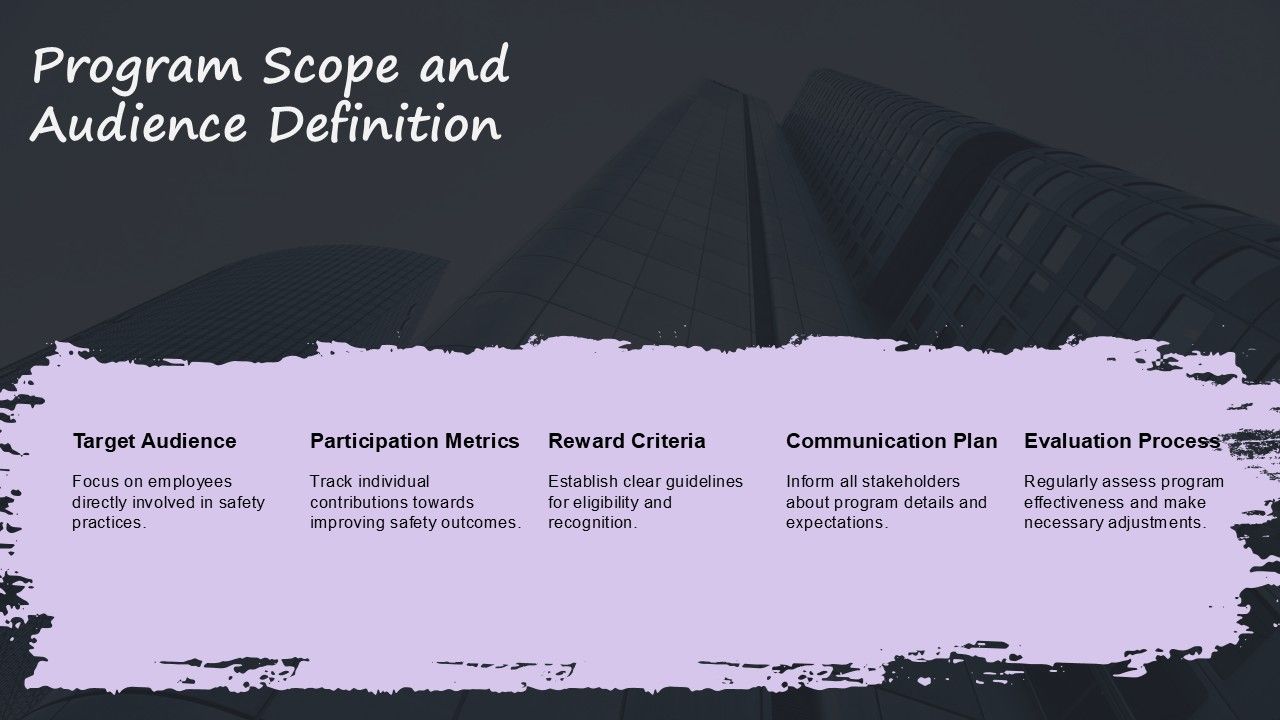
This SlideTeam risk analysis template lays out three ways of looking at risk assessment. The qualitative method is faster; you're leveraging what your experts already know and you can prioritize risks. Then you've got quantitative, which is more work but gives you numbers based on historical data. But here's the thing, the hybrid approach is super. You get the speed of qualitative assessment combined with the credibility of quantitative analysis. The analytics visuals reinforce that good decision-making comes from combining what you know with what the data shows.
Template 7. Risk Prioritization and Categorization PPT Template
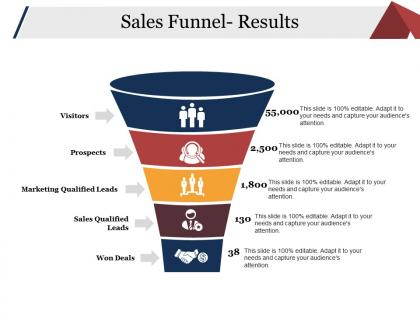
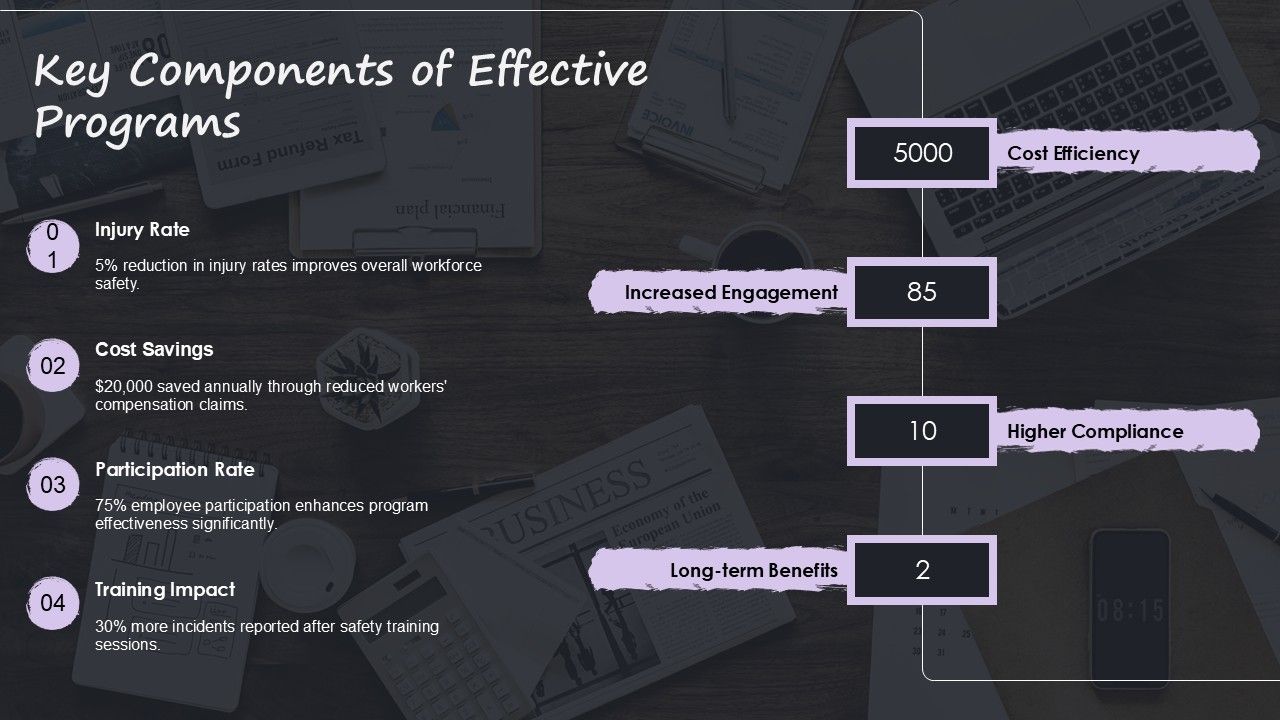
Not sure which threats demand action today and which you can afford to monitor over time? This SlideTeam risk prioritization template shows exactly how to decide. Start by listing what could hurt you, the genuine threats in your industry and environment. Then ask the hard question: do we have the weakness that this threat could exploit? Finally, you rank everything based on the combination of threat, weakness, and impact. The funnel shape is purposeful. It showcases how you go from a broad view of everything that could go wrong down to a focused list of what needs action.

Template 8. Compliance and Regulatory Requirements PPT Template
Most organizations realize too late that skipping a solid compliance framework can cost them big, with fines and disrupted operations. This SlideTeam compliance template splits compliance into two boxes so you can see what you're managing. The left side is the day-to-day stuff, getting your employees trained properly and making sure your data protection controls are working. The right side is about staying on top of what regulators are doing and making sure you're keeping pace with evolving regulatory compliance demands.

Template 9. Impact Assessment of Potential Risks PowerPoint Template
Risk doesn't exist in a vacuum. This SlideTeam SWOT template helps you see the complete picture at once as part of your Information Technology Risk Analysis. You map out what you're good at, solid infrastructure, experienced people, proven processes, right alongside where you're vulnerable. Then you look at what's coming, including new cloud technologies, evolving cyberattacks, and tightening regulations. When you lay all this on one slide, your audience gets context that most risk presentations miss. The result is smarter decisions about where to invest and what deserves attention.
Template 10. Risk Mitigation Strategies and Plans PPT Template
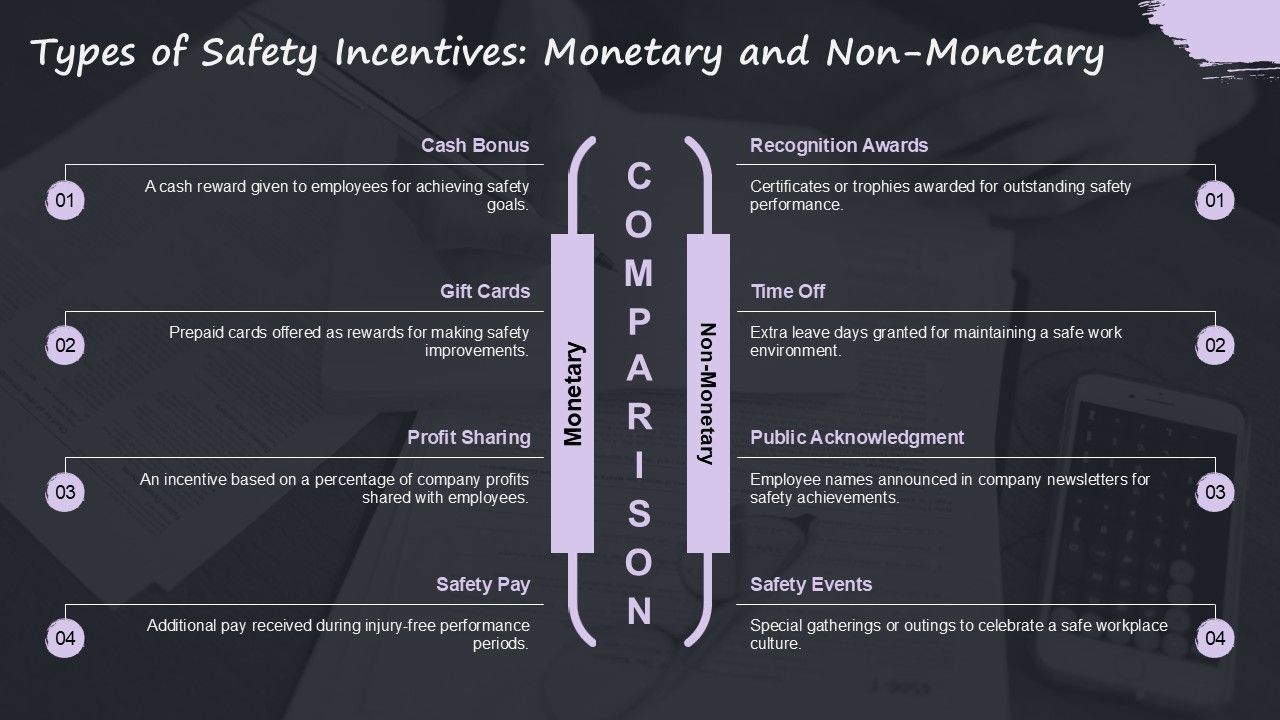
This SlideTeam risk mitigation template lays out four things that work and turns theory into actionable risk mitigation strategies. Run regular audits so you catch problems before someone with bad intentions does. You train your people because honestly, employees are your best defense if they know what to look for. You need an incident response plan and business continuity planning ready to go so when something happens, you're not starting from scratch. And backups, those are non-negotiable because losing all your data is a nightmare scenario.

Fortify Your IT Infrastructure Today
If you want your organization to survive what's coming, you need a solid Information Technology Risk Analysis framework in place. It's not optional anymore. When you get this right, you're protecting way more than just systems; you're safeguarding your reputation and your ability to sleep knowing things are under control.
SlideTeam's IT Risk Analysis Templates are worth your time. They're built to help you and your team spot the weak spots, understand what could hurt you, and put together real plans that work. What makes these SlideTeam templates stand out is how they get everyone aligned. Your stakeholders understand the risks. Your team knows what they're looking for. And suddenly you've got a real system that does it work.
The real win here is time. Instead of building a framework from scratch, you've got a solid SlideTeam structure ready to go. Your team can focus on doing thorough assessments instead of wasting energy figuring out the process.
Stop putting risk analysis on the back burner. Grab SlideTeam's templates, get your team coordinated on what matters, and start building defenses that hold up when tested.
If you’re specifically focused on tightening security controls and audit readiness, don’t miss SlideTeam’s must-have information security risk assessment templates. They take your IT risk analysis deeper into control-by-control evaluation and strengthen your overall Information Technology Risk Analysis posture.
FAQs on Information Technology Risk Analysis
What are the main goals of performing an IT risk analysis?
IT risk analysis is about understanding what truly matters in the business environment, where it is exposed, and how bad the damage could be if something goes wrong. It helps teams rank risks, focus budget and effort on what counts, meet compliance expectations, and stay prepared. The purpose is to ensure that operations, reputation, and stakeholder trust are protected.
What parts of your IT setup actually need to be looked at during a risk review?
Anything that handles important or sensitive data should be in scope. That includes core servers, databases, business and SaaS applications, laptops, mobiles, on-premise and cloud environments, networks, backups, and security tools like firewalls. Key third parties and integrations also belong in the assessment, because their weaknesses can quickly become the organization’s problems.
What kinds of threats and scenarios should be considered when looking at IT risk?
Risk analysis needs to consider both intentional and accidental events. Cyberattacks such as phishing, ransomware, and DDoS sit alongside insider misuse, misconfigurations, and accidental data loss. Add to that power failures, hardware crashes, natural disasters, supplier or cloud outages, and compliance breaches, all of which can undermine the confidentiality, integrity, or availability of critical systems and data.