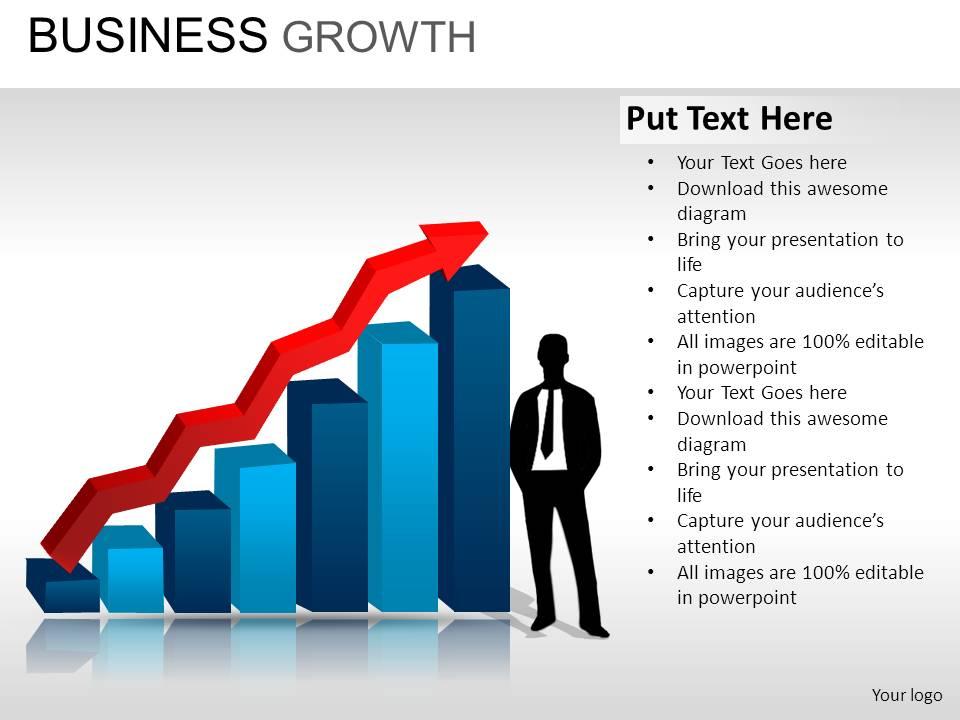
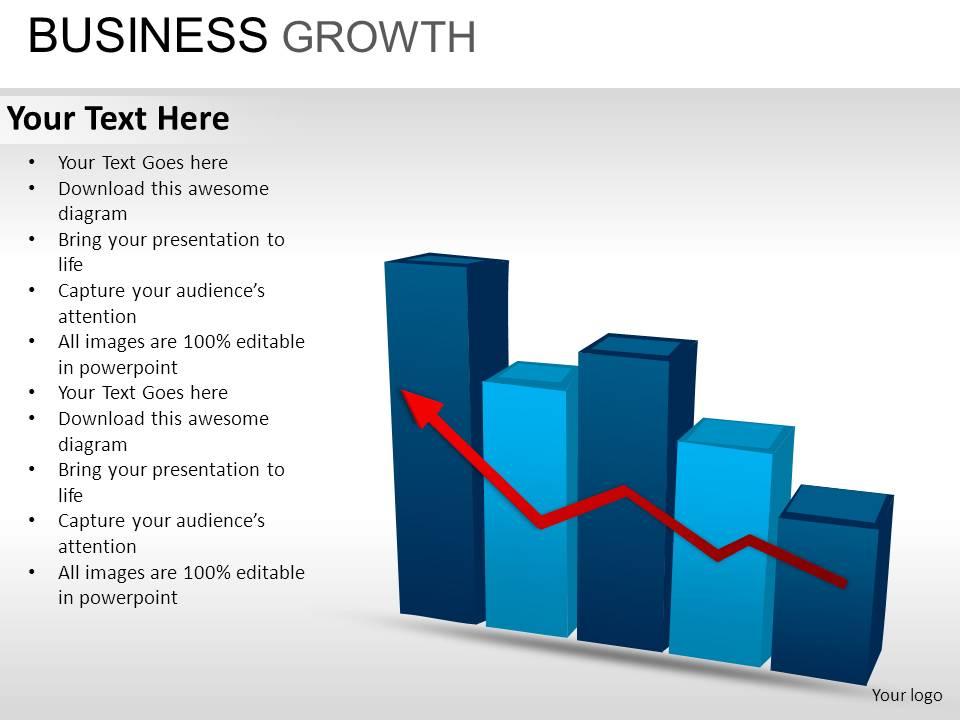
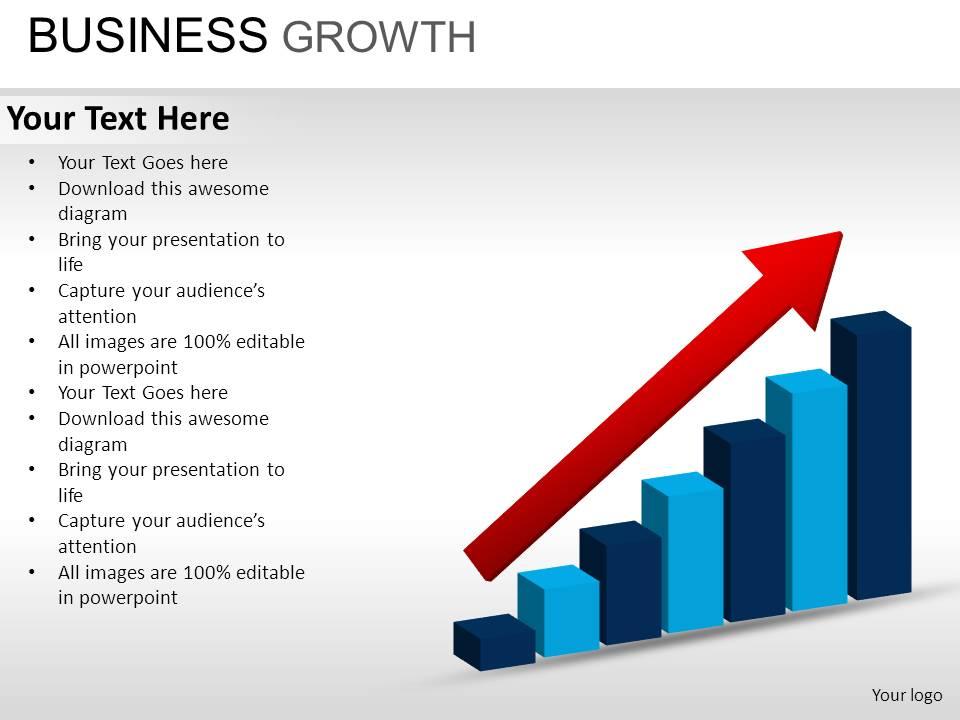
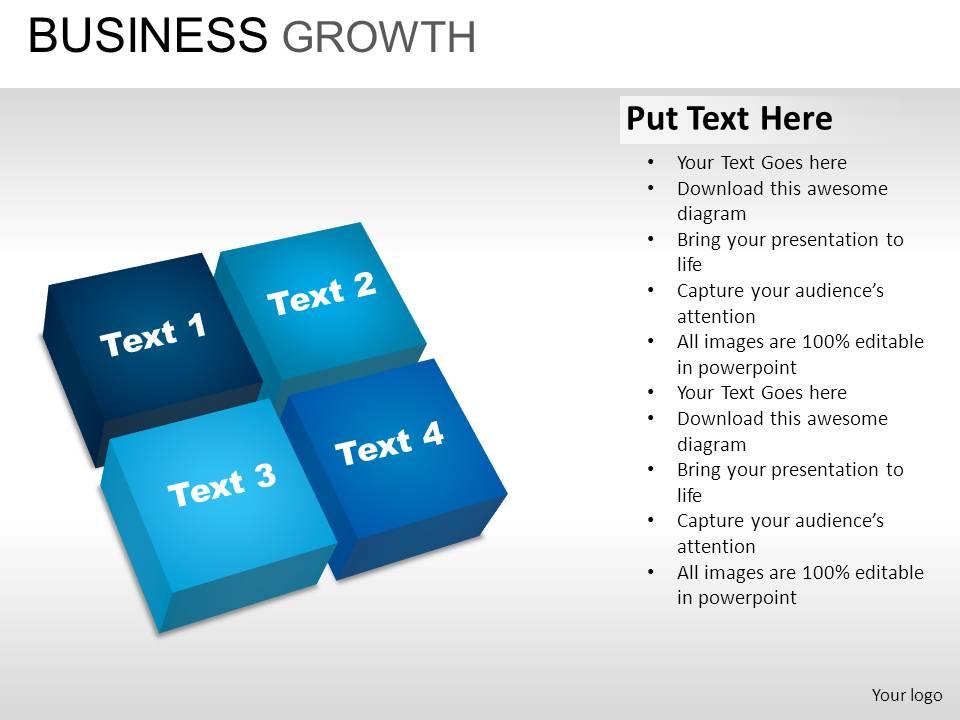
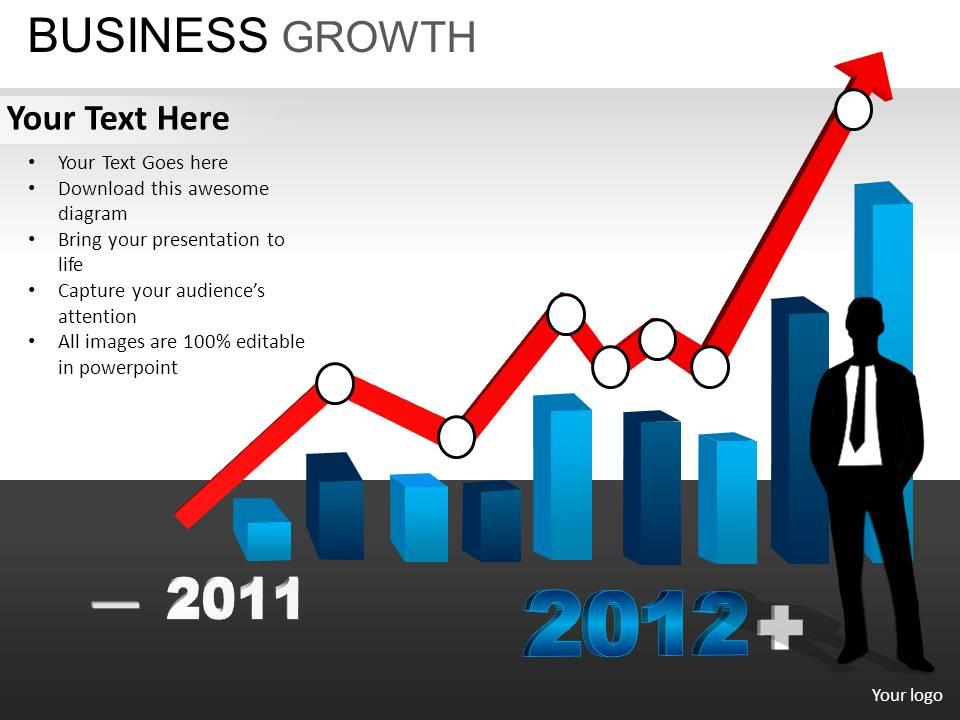
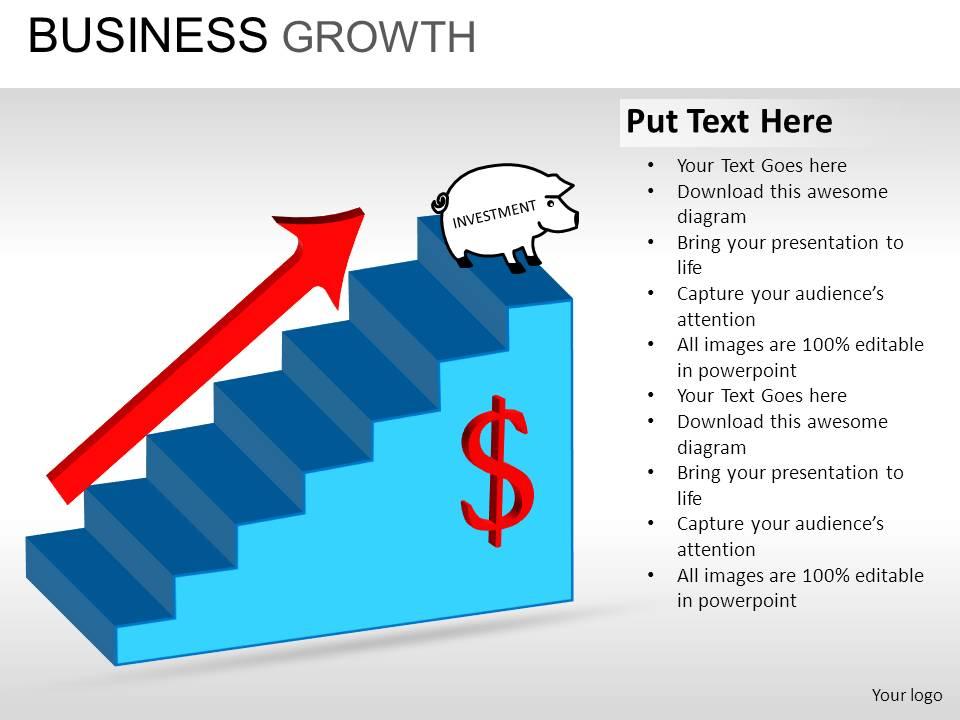
Business growth powerpoint presentation slides

Rating:
100%
Business growth powerpoint presentation slides
Slide 1 of 41
Favourites Favourites

Try Before you Buy Download Free Sample Product

Audience Impress Your
Audience
Editable 100%
Editable
Time Save Hours
of Time
The Biggest Sale is ending soon in
0
0
:
0
0
:
0
0
Rating:
100%
These high quality, editable pre-designed powerpoint slides have been carefully created by our professional team to help you impress your audience. Each graphic in every slide is vector based and is 100% editable in powerpoint. Each and every property of any slide - color, size, shading etc can be modified to build an effective powerpoint presentation. Use these slides to convey complex business concepts in a simplified manner. Any text can be entered at any point in the powerpoint slide. Simply DOWNLOAD, TYPE and PRESENT!
People who downloaded this PowerPoint presentation also viewed the following :

FAQs for Business growth

So for metrics, definitely track your revenue growth and customer acquisition costs first. CLV matters too if you can calculate it properly. Monthly recurring revenue is huge for SaaS obviously. Honestly though, profit margins are what I'd watch most closely - I've seen too many startups with great revenue numbers who were basically just burning cash. Customer retention and market share are solid secondary metrics. Don't try tracking everything at once, you'll go crazy. Pick maybe 3-4 that actually match where your business is right now, then set up some basic dashboards to check weekly.

Honestly, figure out your values now before you get bigger - like actually write down what they mean day-to-day. How do you treat customers when they're pissed? What's your hiring bar? Build this stuff into your processes early. I've watched so many companies hit 50 people and suddenly nobody knows what the hell they stand for anymore. Your leadership team has to be on the same page first though, because they're gonna set the tone whether they realize it or not. Don't be one of those "we'll deal with culture later" startups. Document your non-negotiables today.

Your customers literally hand you the blueprint for what to fix and what to build next. I can't tell you how many startups I know that spent forever creating features nobody asked for - total waste. Listen to what people actually complain about, and you'll spot problems your team would never catch. Plus they'll straight up tell you what new stuff they want. It's wild how much faster you can grow when you're solving real problems instead of guessing. Just start small - quick survey after they buy something, or maybe grab coffee with your best customers once a month. Works every time.

Honestly, just go where your customers are already hanging out online. Social media's obvious - but pick the right platforms, don't just spam everywhere. SEO takes forever but it's worth it once people start finding you naturally. Email marketing still crushes it (I know, sounds ancient but trust me). Google and Facebook ads work great if you've got some organic momentum first. Here's the thing though - start with maybe two channels max. I've seen too many people spread themselves way too thin and burn out. Test stuff, see what clicks with your audience, then pour more energy into whatever's actually working.

Honestly? Don't scale faster than your systems can handle - I've seen so many companies turn into complete chaos that way. Cash flow gets brutal because you're dumping money upfront while waiting forever for revenue. Also, hiring a bunch of people at once without proper training just makes everything worse, trust me. Your company culture goes out the window, customer service becomes a disaster when you can't keep up with demand. Oh and quality always suffers. Build your infrastructure first, then grow into it. Way less stressful than constantly scrambling to catch up.

Start writing down what makes your company special right now - like, literally today. When you're hiring, culture fit matters just as much as technical skills. I can't tell you how many startups I've watched mess this up and pay for it later. Your leadership team needs to actually live the values, especially when everyone's stressed during crazy growth spurts. Build some regular stuff that reinforces who you are - could be weekly meetings, mentorship things, or just how you celebrate when someone crushes it. Oh, and make sure your onboarding process protects what you've built instead of accidentally diluting it.

Honestly, you can't survive without innovation these days. Markets change so fast, and if you're not adapting, you'll get left behind. Think about it - when's the last time customers were happy with "good enough"? They want better stuff constantly. The trick is being smart about it though. Don't just throw ideas at the wall randomly. Budget some time and money for experimenting, even knowing half your ideas will probably suck. That's just how it works. Pick one thing you could improve right now and start there. New products, better processes, whatever - just don't stay stuck doing the same thing forever.

Honestly, just become obsessed with watching your industry - I spend way too much time scrolling LinkedIn discussions and reading trade stuff, but it pays off. Google Alerts are your friend here. Social listening tools help you catch what people are actually saying before everyone else notices. Most companies are terrible at spotting obvious changes happening right under their nose. When you find something interesting, test it small first. Get quick feedback from customers, then go bigger if it's working. Don't sit there analyzing forever though. I dedicate like 30 minutes weekly to this trend hunting - totally worth it.

Honestly depends on where you're at right now. Reinvesting your own profits keeps you in total control - that's my go-to if cash flow allows it. Lines of credit are clutch for seasonal stuff or when you need inventory fast. SBA loans? Good rates but man, the paperwork will make you want to cry. Equipment financing is pretty straightforward for big purchases. Revenue-based financing could work if you're growing quickly since payments adjust with your income. Figure out exactly what you need first and when you need it by. Then just pick whatever timeline matches up best.

Think of it this way - collaborations are like borrowing someone else's superpowers without paying full price. You get their customer base, they get yours. Both sides win. Smart partners can help split marketing costs too, which honestly adds up fast. The trick? Don't pick competitors - find businesses that fill your weak spots. I'd start by writing down what you suck at or need most, then hunt for companies that already crush those areas. It's way cheaper than building everything from scratch, and sometimes you'll stumble into opportunities you never saw coming.

Honestly, speed is your biggest weapon here. Big companies get stuck in endless meetings while you're already pivoting. Find those niche markets they think are "too small" - that's where you win. Your customer service will always beat theirs because you actually know your customers' names, not just ticket numbers. Community connections matter too (something corporate chains totally suck at). I'd focus on the stuff where being small actually rocks: quick decisions, personal relationships, that whole authentic vibe people crave. Don't try to out-Amazon Amazon - play a completely different game instead.

Honestly, good leadership and tight team dynamics are like rocket fuel for growth. Quick decision-making plus teams that actually talk to each other? You'll execute way faster. The retention piece is massive too - constantly hiring new people just tanks your momentum. I've watched companies with okay products absolutely destroy their competition because their teams clicked. Oh, and here's the thing - psychological safety has to come first. When people aren't scared to flag problems or throw out wild ideas, growth becomes so much more predictable. It's weird how much this stuff matters.

Your value prop is basically what separates you from every other business out there. Think of it as your "why should I care" statement that customers actually remember. Without one, you're just burning money on ads that don't convert - and trust me, that gets expensive fast. It drives everything: how you build products, what your sales team says on calls, even your social media posts. Good sales reps can close deals way faster when they know exactly what makes you different. Honestly, most companies skip this step and wonder why their marketing feels scattered. Just write down the one problem you solve better than anyone else.

Look at what your current customers need beyond what you're already selling them - that's usually your best bet. Maybe bundle some services together or create different price tiers of your main thing. Honestly, I've watched so many businesses chase shiny objects in totally unrelated markets and just crash and burn. Stay close to what you're good at but think sideways, you know? Like if you do marketing, maybe add web design or something adjacent. Test it small first though - don't blow your whole budget on some wild pivot. Start with a pilot and see what happens.

Look, technology is basically a growth hack for your business. It cuts out all the tedious stuff so your team can focus on work that actually moves the needle. Automate the boring tasks, use data analytics for real-time insights, streamline customer service - you name it. I've literally watched companies double their output just by getting the right CRM setup (though honestly, some of them probably should've done it years earlier). Map out where your team wastes the most time on manual crap, then find tech to handle it. Start with your biggest time-sucks first.

Ratings and Reviews

100% of 100
Write a review
Most Relevant Reviews
  1. 100%

    by Cristopher Cole

    Very unique and reliable designs.
  2. 100%

    by Cory Reynolds

    Much better than the original! Thanks for the quick turnaround.

2 Item(s)

per page: