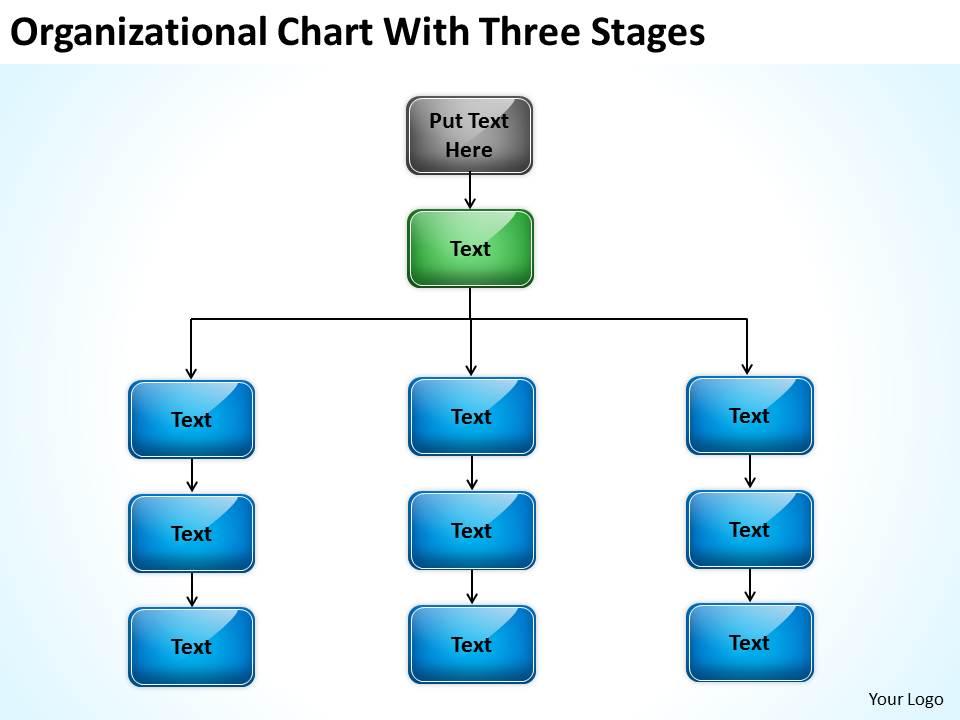
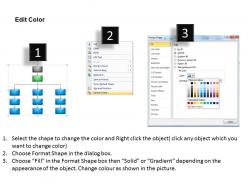
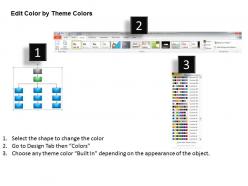
Business management structure diagram three stages powerpoint templates ppt backgrounds for slides

Rating:
90%
Business management structure diagram three stages powerpoint templates ppt backgrounds for slides
Slide 1 of 5
Favourites Favourites

Try Before you Buy Download Free Sample Product

Audience Impress Your
Audience
Editable 100%
Editable
Time Save Hours
of Time
The Biggest Sale is ending soon in
0
0
:
0
0
:
0
0
Rating:
90%
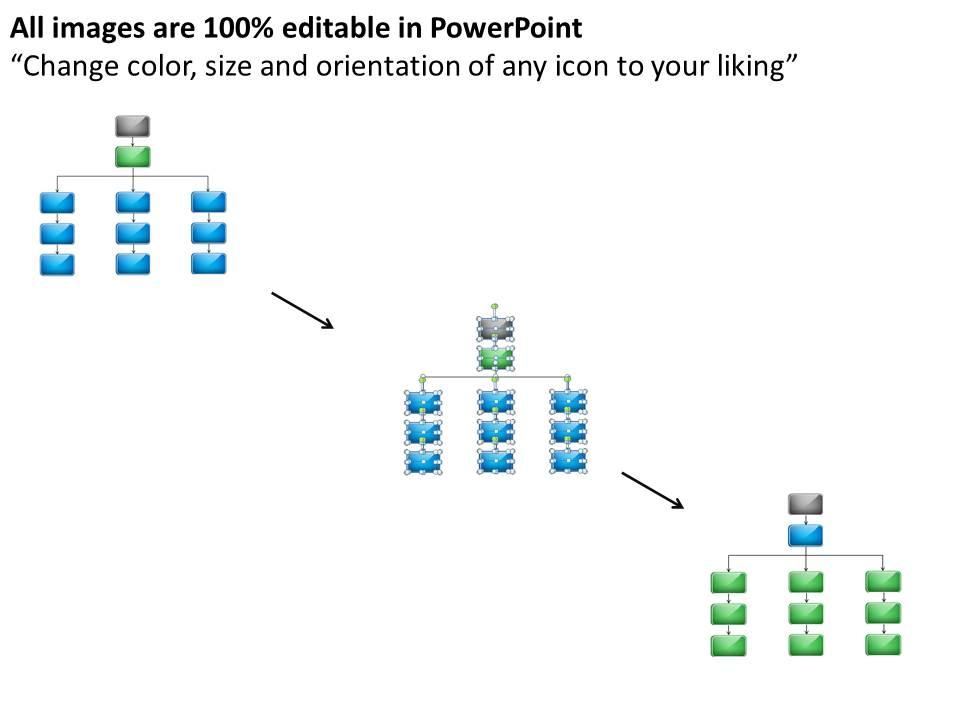
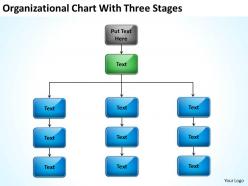
We are proud to present our business management structure diagram three stages powerpoint templates ppt backgrounds for slides. Business hierarchey diagram for business process flow.Use this Power Point template is can be used for different business process.

People who downloaded this PowerPoint presentation also viewed the following :

FAQs for Business management structure diagram three stages powerpoint templates ppt

Key components of a business management structure diagram include organizational hierarchy, reporting relationships, departmental divisions, role definitions, and communication channels. These elements work together by clarifying responsibilities, streamlining decision-making processes, and enhancing operational efficiency, with many organizations finding that well-defined structures ultimately deliver improved accountability and competitive advantage.

A business management structure diagram improves organizational effectiveness by clarifying reporting relationships, eliminating role confusion, and streamlining decision-making processes across all departments. Through visual hierarchy mapping, organizations enhance communication flow, accelerate project execution, and minimize operational bottlenecks, with many companies finding that clear structural transparency ultimately delivers faster response times and improved accountability.

Hierarchical structures feature multiple management layers with clear vertical reporting lines, while flat structures minimize levels between executives and frontline employees, emphasizing horizontal collaboration and faster decision-making. These organizational approaches deliver different advantages, with hierarchical models providing clear authority chains and specialized roles, while flat structures enable greater agility, employee empowerment, and streamlined communication across departments.

A business management structure diagram facilitates communication by clearly defining reporting relationships, decision-making pathways, and information flow channels throughout the organization. These visual frameworks streamline coordination between departments, reduce confusion about responsibilities, and enable faster problem resolution, with many companies finding that structured communication hierarchies ultimately deliver improved operational efficiency and enhanced collaboration across all organizational levels.

Structure diagrams help identify workflow bottlenecks by visualizing process flows, decision points, resource allocation patterns, and interdependencies between departments or systems. Through clear mapping of these elements, organizations can pinpoint where delays occur, resources become constrained, or approval processes stall, with many companies finding that visual analysis reveals inefficiencies in manufacturing, customer service, and financial approval workflows, ultimately enabling faster process optimization.

Different industries adapt their organizational structure diagrams by emphasizing sector-specific functions, regulatory requirements, and operational workflows unique to their markets. Healthcare organizations prioritize patient care hierarchies and compliance chains, while manufacturing companies focus on production line management and quality control divisions, and financial services emphasize risk management and customer-facing departments, ultimately delivering streamlined operations tailored to industry demands.

**INPUT**: What software tools are most effective for creating business management structure diagrams? **OUTPUT**: Effective tools for creating business management structure diagrams include Microsoft Visio, Lucidchart, Draw.io, OmniGraffle, and specialized presentation platforms like SlideTeam. These solutions streamline organizational visualization by offering pre-built templates, collaborative editing capabilities, and seamless integration with business systems, with many organizations finding that professional diagram tools enhance communication clarity and accelerate strategic planning processes. **Word count: 60 words**

Team roles and responsibilities can be clearly defined through hierarchical charts, role matrices, RACI diagrams, functional breakdowns, and responsibility mapping within structure diagrams. These visual frameworks streamline accountability by establishing clear reporting lines, decision-making authority, and task ownership, with many organizations finding that well-defined structural diagrams enhance operational efficiency and reduce role confusion across departments.

Common mistakes include unclear hierarchy lines, overcomplicated layouts, missing key roles, inconsistent formatting, and failing to update organizational changes regularly. Many organizations find that cluttered diagrams with too much detail, vague job titles, and poor visual flow create confusion rather than clarity, ultimately undermining effective communication and strategic decision-making across teams.

Business management structure diagrams should be updated quarterly or during major organizational changes, mergers, role transitions, and strategic pivots. Regular updates ensure accurate reporting relationships, streamline decision-making processes, and maintain operational efficiency, with many organizations finding that current diagrams reduce confusion, enhance accountability, and ultimately deliver better resource allocation across departments.

Cultural context significantly influences management structure design through communication patterns, hierarchy preferences, decision-making styles, and authority relationships within organizations. Companies operating globally must adapt their structural diagrams to reflect local cultural norms, with many multinational corporations finding that flexible, culturally-sensitive management frameworks enhance employee engagement, operational efficiency, and ultimately deliver better business outcomes across diverse markets.

Visual elements enhance business management structure diagrams by incorporating color coding, consistent iconography, clear hierarchy indicators, standardized fonts, and intuitive spacing between components. These design principles streamline comprehension across organizations, with many financial services and healthcare institutions finding that well-designed structural visuals reduce onboarding time, improve cross-departmental communication, and ultimately deliver faster decision-making processes.

Technology revolutionizes modern business management structure diagrams by enabling real-time updates, interactive visualizations, automated org chart generation, and seamless integration with HR systems. Through cloud-based platforms and AI-powered tools, organizations streamline hierarchy mapping, enhance cross-departmental transparency, and facilitate rapid structural adaptations, ultimately delivering more agile management frameworks and improved organizational efficiency.

Management structure diagrams support strategic planning by clearly mapping reporting relationships, decision pathways, and accountability hierarchies, enabling leaders to identify bottlenecks and optimize resource allocation. These visual tools streamline communication flows and clarify roles during strategic initiatives, with many organizations finding that well-defined structures accelerate implementation timelines and enhance cross-departmental collaboration, ultimately delivering more agile decision-making processes.

A collaborative approach to create business management structure diagrams delivers enhanced accuracy, broader stakeholder buy-in, reduced implementation resistance, and comprehensive perspective integration from multiple departments. Through cross-functional input, organizations streamline communication pathways, identify potential operational gaps, and ensure structural alignment with actual workflows, with many companies finding that collaborative design ultimately accelerates organizational efficiency and strategic execution.

Ratings and Reviews

90% of 100
Write a review
Most Relevant Reviews
  1. 100%

    by Jones Adams

    Awesomely designed templates, Easy to understand.
  2. 80%

    by Darwin Mendez

    Best way of representation of the topic.

2 Item(s)

per page: