Business model development powerpoint presentation slides

Rating:
90%
Business model development powerpoint presentation slides
Slide 1 of 28
Favourites Favourites

Try Before you Buy Download Free Sample Product

Audience Impress Your
Audience
Editable 100%
Editable
Time Save Hours
of Time
The Biggest Sale is ending soon in
0
0
:
0
0
:
0
0
Rating:
90%
Presenting Business Model Development Powerpoint Presentation Slides. You can download this presentation easily and present it in standard screen(14:6) and widescreen (16:9) ratios. The font style, font color, and other components are completely editable. It is fully compatible with Google slides. Download this presentation into numerous documents or image formats like PDF or JPEG.

Content of this Powerpoint Presentation


Slide 1: This slide introduces Business Model Development. State your Company name.
Slide 2: This slide describes How do you acquire customers? This slide will be helpful in making the investor understand about how your company works, generates revenue and structure of your business model.
Slide 3: This slide showcases the examples of Business Model.
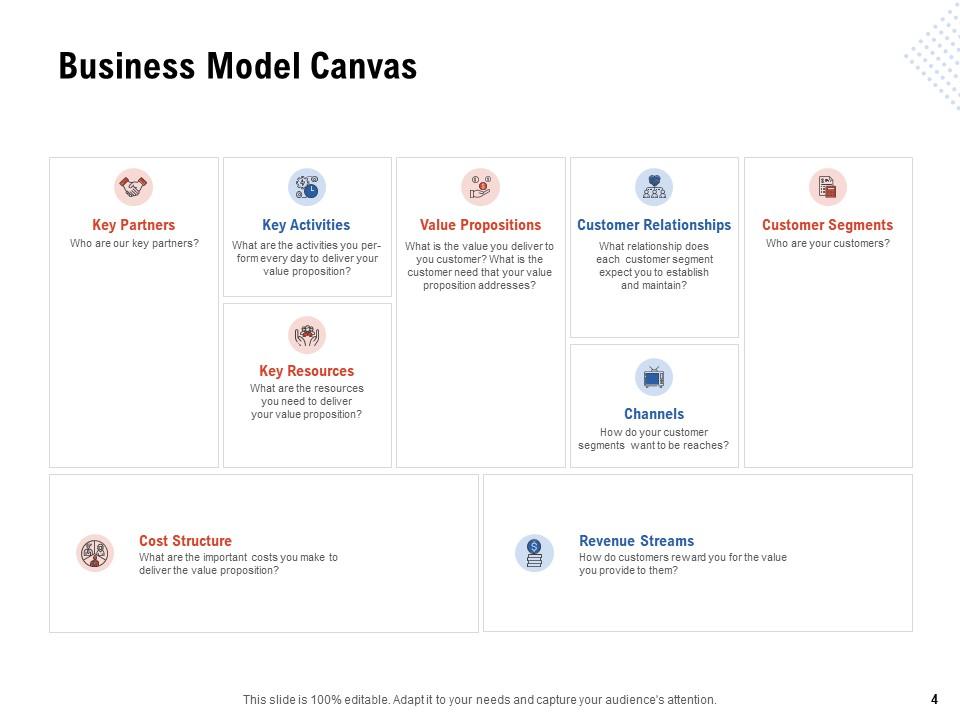
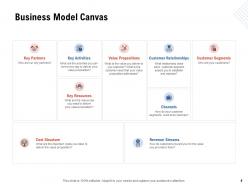
Slide 4: This slide depicts Business Model Canvas with- Key Partners, Key Activities, Value Propositions, Customer Relationships, Customer Segments, Key Resources.
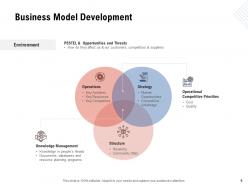
Slide 5: This slide showcases Business Model Development containing- Environment, PESTEL & Opportunities and Threats, Operations, Key Resources, Key Competitors, Strategy, Market Opportunities, Competitive Advantage.
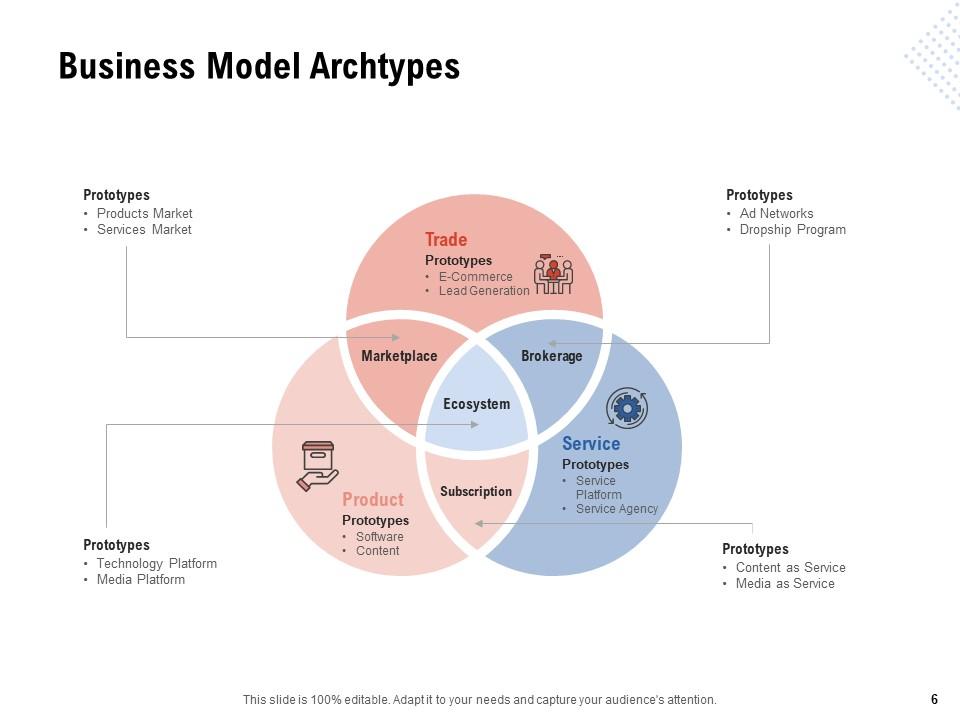
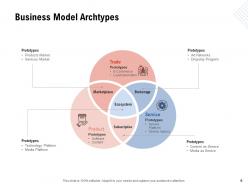
Slide 6: This slide showcases Business Model Archtypes.
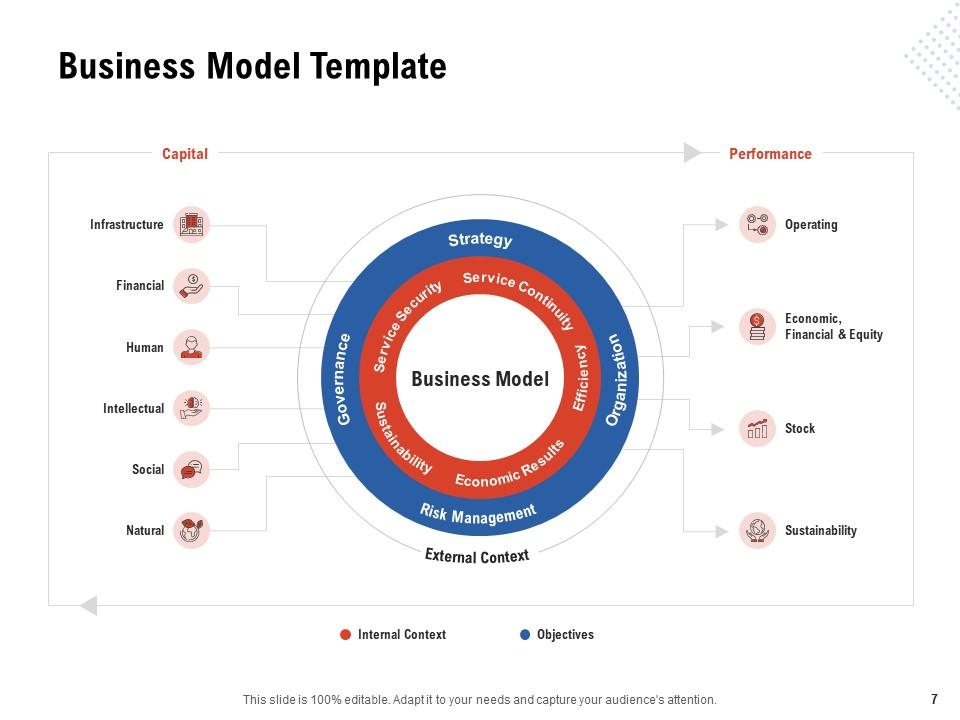
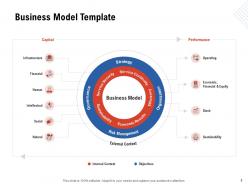
Slide 7: This slide depicts Business Model Template describing- Capital and Performance.
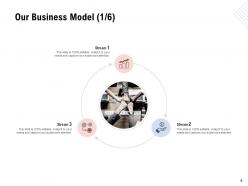
Slide 8: This slide depicts Our Business Model with related imagery to showcase information. .
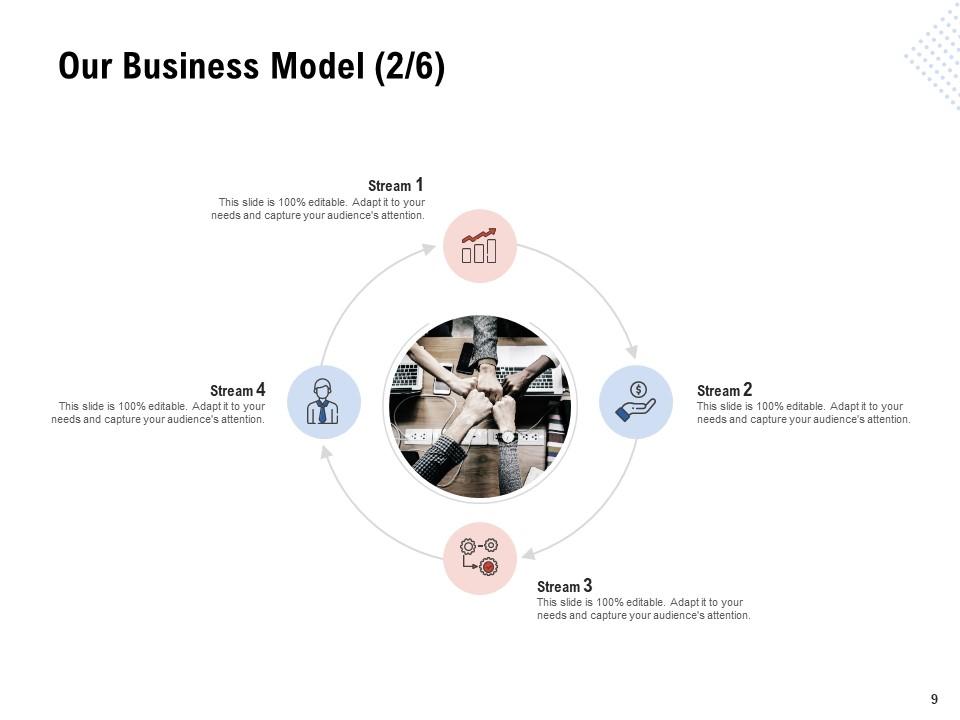
Slide 9: This slide displays Our Business Model with icons and text boxes to showcase information.
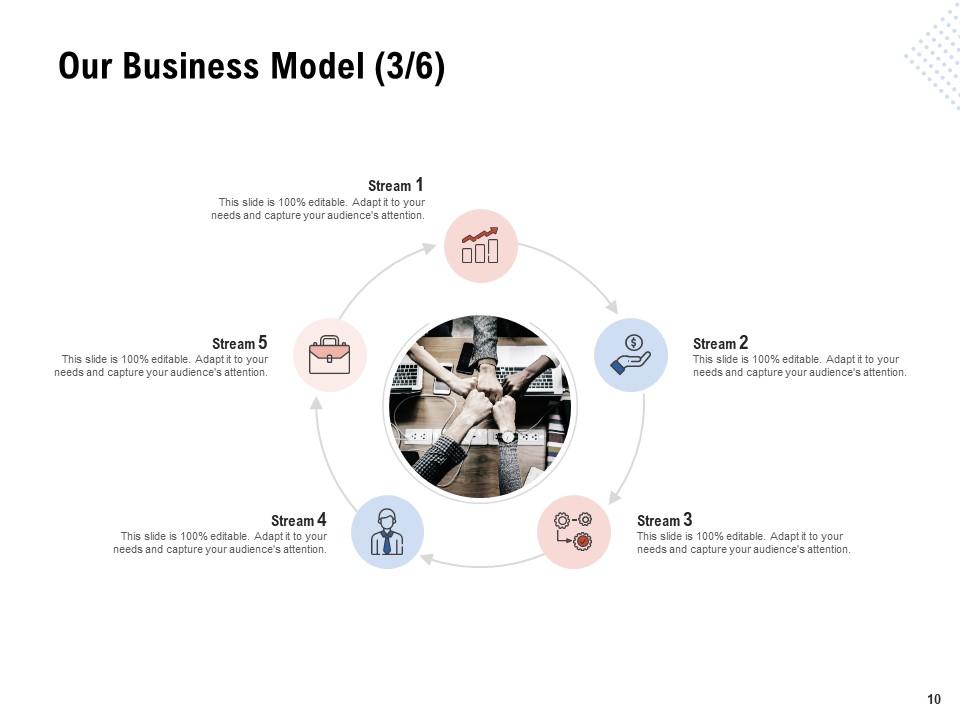
Slide 10: This slide displays Our Business Model with icons and text boxes to showcase information.
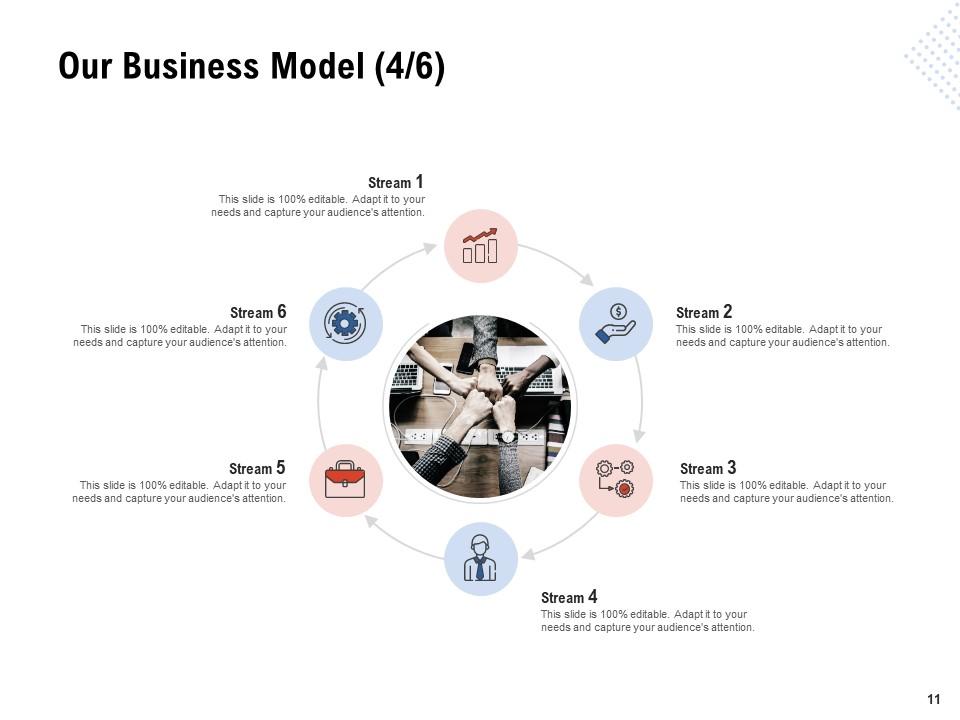
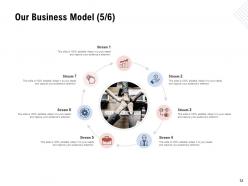
Slide 11: This slide displays Our Business Model with icons and text boxes to showcase information.
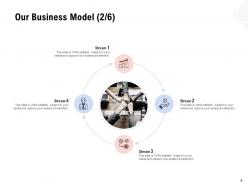
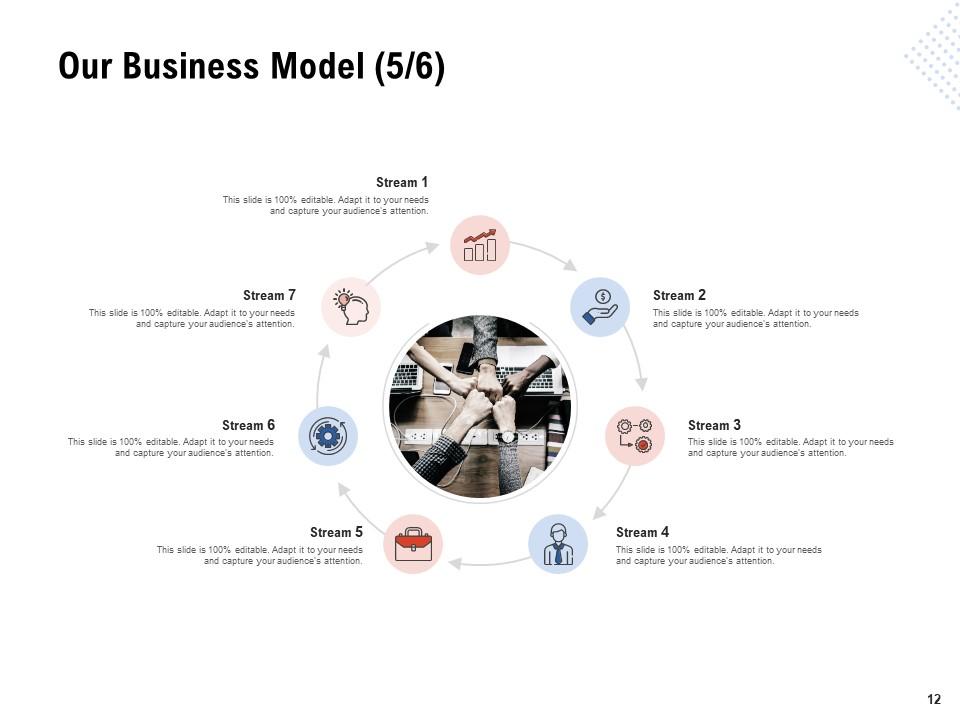
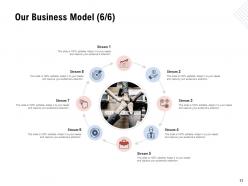
Slide 12: This slide also showcases Our Business Model with related imagery to showcase information.
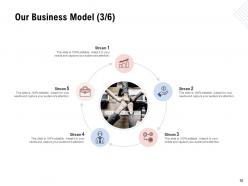
Slide 13: This is Our Business Model slide with icons and text boxes.
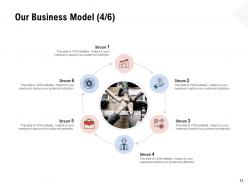
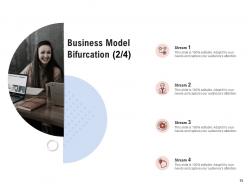
Slide 14: This slide showcases Business Model Bifurcation with streams.
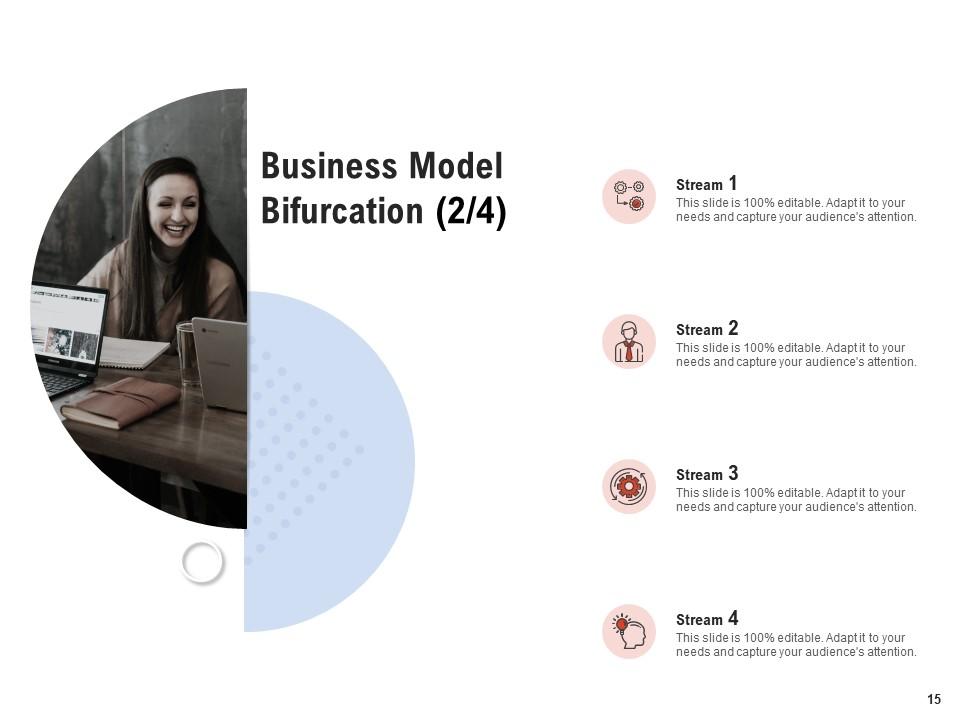
Slide 15: This slide showcases Business Model Bifurcation with related imagery and streams.
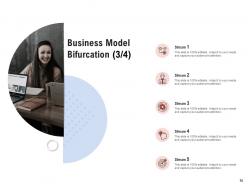
Slide 16: This slide also depicts Business Model Bifurcation.
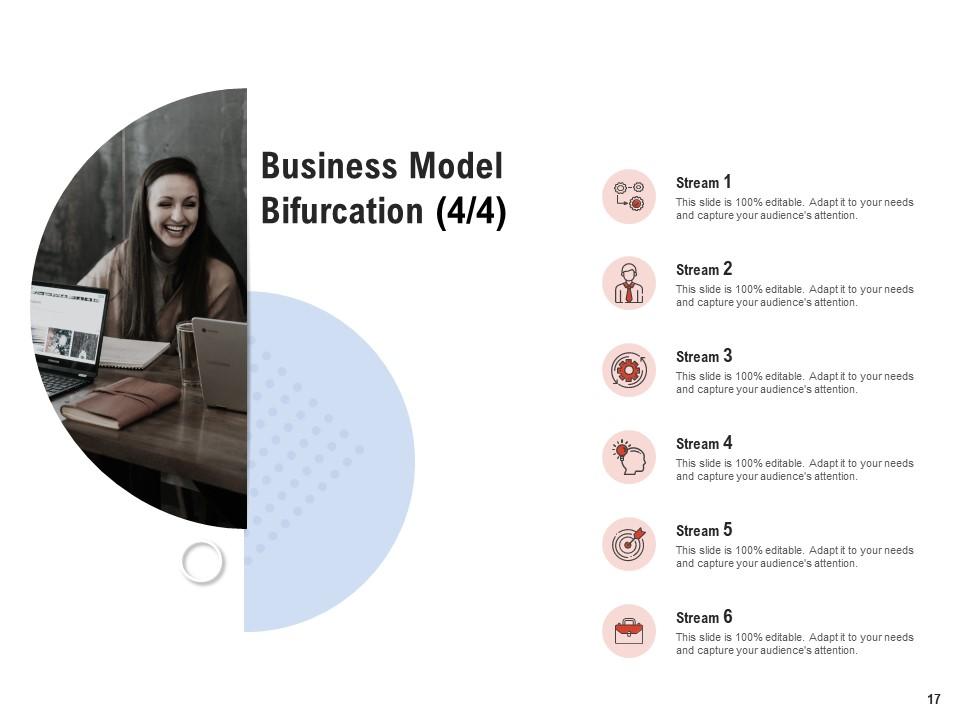
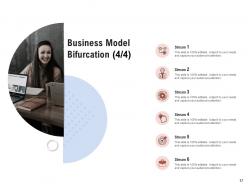
Slide 17: This slide showcases Business Model Bifurcation with related streams and icons.
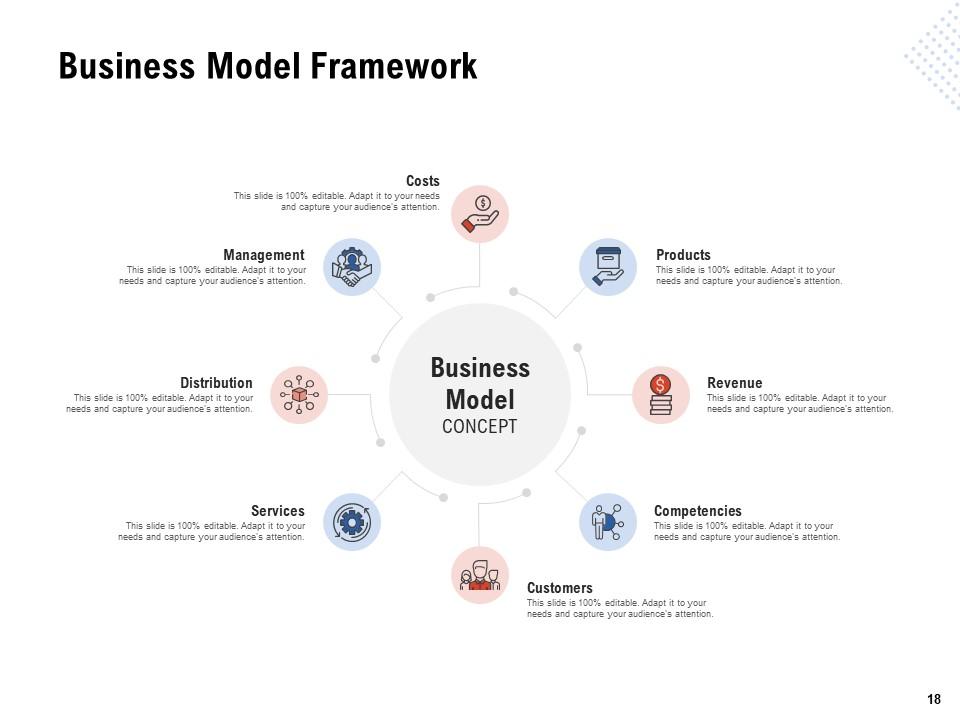
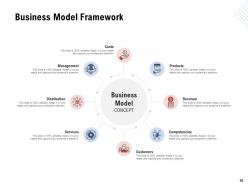
Slide 18: This slide showcases Business Model Framework with- Costs, Customers, Business Model Concept, Revenue, Services, Management, Distribution, Competencies.
Slide 19: This is Business Model Development Icons Slide.
Slide 20: This slide is titled as Additional Slides for moving forward.
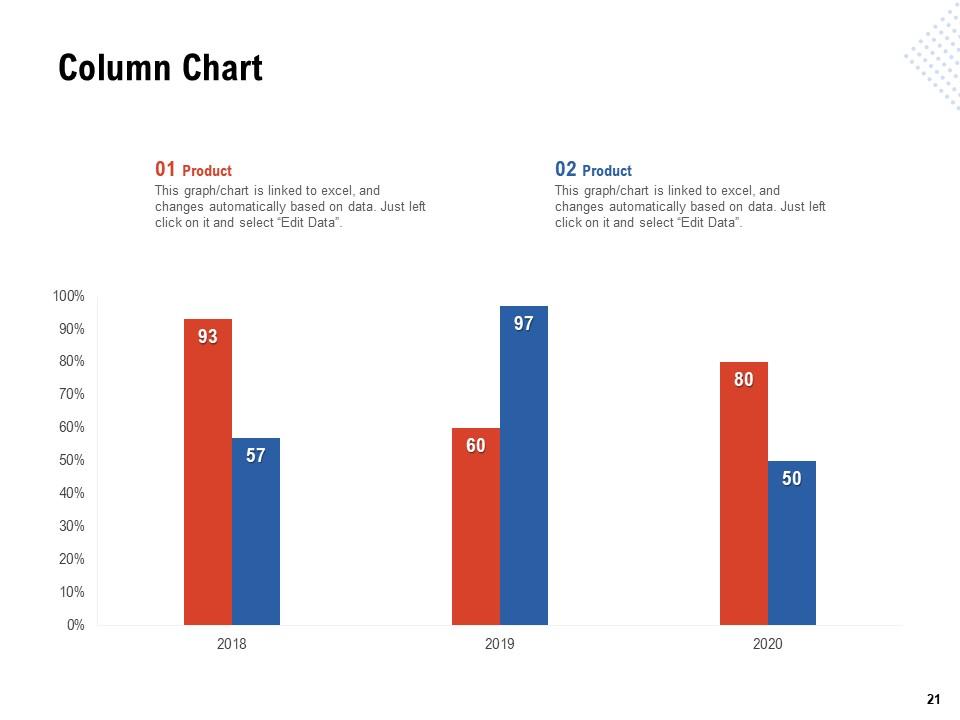
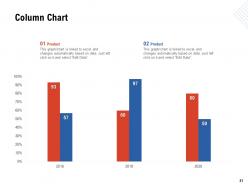
Slide 21: This slide showcases Column Chart with product comparison.
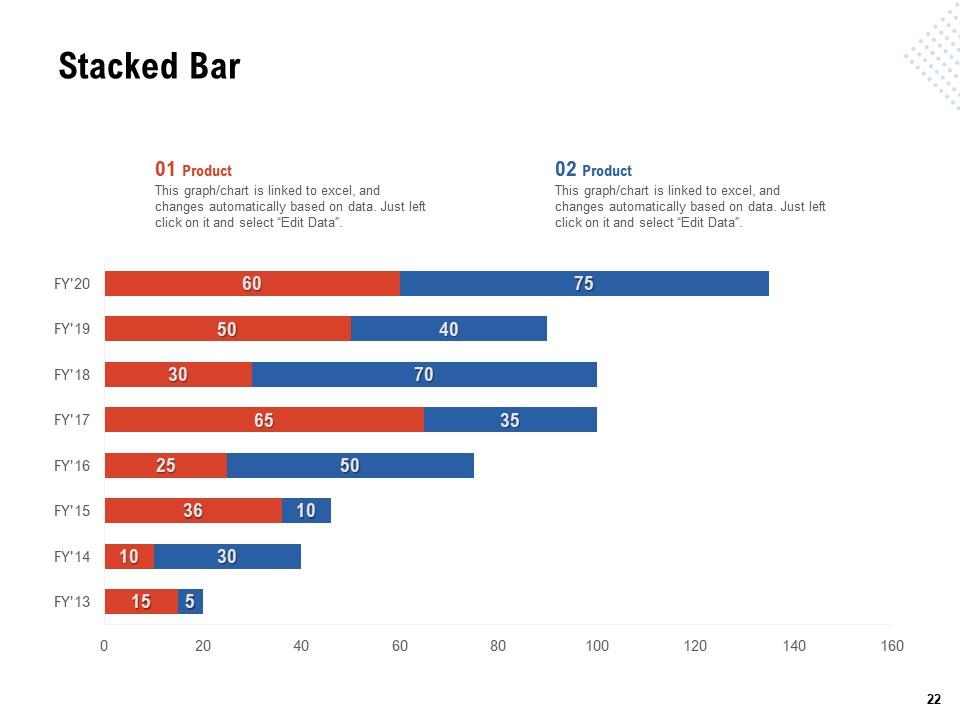
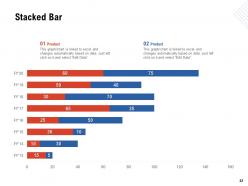
Slide 22: This slide showcases Stacked Bar chart with product comparison.
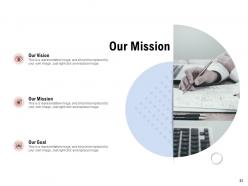
Slide 23: This is Our Mission slide with Vision, Mission and Goal.
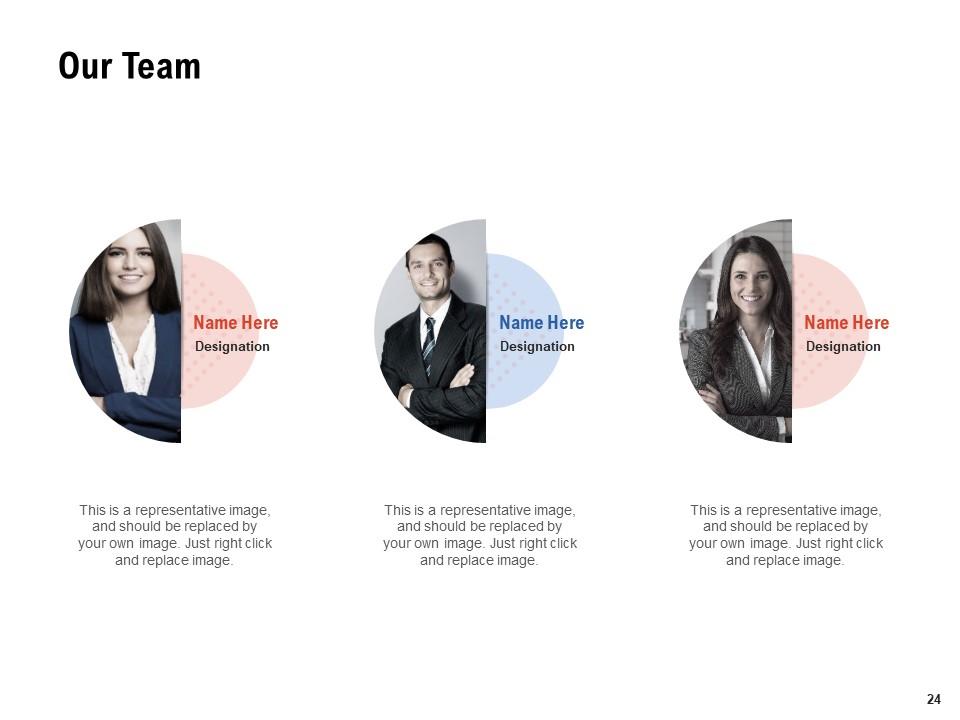
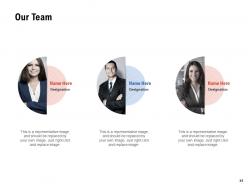
Slide 24: This is Our Team slide with names and designations.
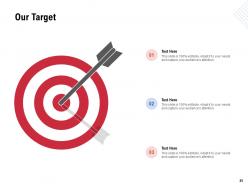
Slide 25: This is Our Target slide to showcase company targets.
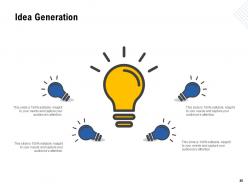
Slide 26: This is Idea Generation slide to highlight information, facts etc.
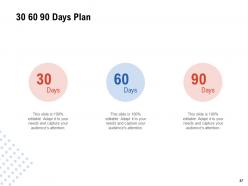
Slide 27: This is 30 60 90 Days Plan slide.
Slide 28: This is Thank You slide with address, contact number and email address.

FAQs for Business model development

So you've got four main things to focus on: your value proposition, who your customers actually are, how you'll make money, and what it'll cost you. Don't forget about your key resources and partnerships too - oh, and how you're gonna get your product out there. Honestly? Most people get way too in the weeds with this at the start. It's really just figuring out how you create value, deliver it, and actually make money from it. I'd start with nailing down exactly who you're helping and what problem you're solving - once you've got that clear, the rest kinda falls into place.

Honestly, customer segmentation is where everything starts. You figure out who actually wants your stuff and what they'll pay for it, then build your whole business around that. Skip this part and you'll be another startup wondering why nobody cares about your "revolutionary" product (seen it happen way too many times). Once you nail down their pain points and buying habits, your pricing strategy basically writes itself. Distribution channels, partnerships, revenue streams - they all flow from knowing your customers inside and out. Sounds boring but it's literally the foundation of making money.

Yeah, the Business Model Canvas is probably your best bet to start with - it's that 9-box thing you see everywhere. Covers your whole business on one page, from value props to how you actually make money. There's also the Lean Canvas, which is more startup-focused and swaps out some sections for problem/solution stuff. Oh, and the Value Proposition Canvas if you want to really drill down on customer needs. Honestly though, I'd just go with the classic Business Model Canvas first since it's the most complete. You can always switch it up later depending on where you're at. They're all pretty similar anyway.

Honestly, tech just flips everything upside down when it comes to making money. Look at Netflix - they didn't just rent movies better, they completely killed the whole "drive to Blockbuster" thing. Same with Uber and taxis. What you want to do is find the stuff that really pisses people off in your industry and figure out how to make it disappear. AI and automation help you scale way faster and get super personal with customers. Sometimes you can even cut out the annoying middlemen (which I love, personally). Don't just slap some digital paint on what you're already doing - start over and think totally different.

So your value prop is literally the foundation everything else builds on. It's what problem you're fixing and why people should pick you instead of the competition. I've watched way too many startups mess this up by jumping straight to revenue models without nailing this first. Big mistake. Get this one sentence crystal clear, then figure out your pricing, target customers, and operations around it. Otherwise you're just guessing at what people actually want. Start simple - write it in one sentence that your mom would understand.

Honestly, competitive analysis is like free market research if you do it right. Check out what your competitors are charging, how they make money, and who they're targeting. I totally screwed this up once - we were still doing one-time sales while literally everyone else had moved to subscriptions. Look at their partnerships and how they distribute stuff too. The goal isn't to copy them but find where they're weak or missing something obvious. Pick 3-5 competitors this week and just map out how their business works. You'll probably spot gaps pretty quick.

The predictable revenue from subscriptions is honestly a game-changer for cash flow planning. Your customers stick around longer since they're already locked into monthly payments and switching providers is such a pain. But here's the thing - you're basically re-earning your revenue every month instead of getting those sweet upfront payments. Losing subscribers stings way more than losing a one-time buyer too. Oh, and onboarding is make-or-break for subscription businesses. Get that right and you'll retain customers. Mess it up and they'll churn before you know it. Really comes down to nailing customer success from day one.

Dude, test everything before you blow money on building stuff. Talk to like 20-30 people who'd actually use this - find out if they really have the problem you think they do. I totally screwed this up with my first company lol. Make a super basic version or even just a landing page first. Run some cheap Facebook ads and see if anyone actually clicks. During those interviews, straight up ask "would you pay $50 for this?" or whatever. The tricky part is proving people both have the problem AND want to pay you specifically to solve it. Way too many founders skip this step.

Dude, partnerships can totally change your game. You'll get access to their customers, which is huge. Plus you can use their tech or expertise instead of building everything yourself - honestly saves so much time and money. Risk gets split between you too, which is nice. The trick is finding someone whose strengths fill your weak spots, not someone who does exactly what you do. I'd start by writing down what you're missing vs what you bring to the table. Oh, and new revenue opportunities usually pop up when you work together too.

When the market goes sideways on you, there are three moves that actually work. Start by figuring out what your customers need now - not what they needed six months ago. Then look at new ways to make money or deliver your stuff. Restaurants doing delivery during COVID is the obvious example but hey, it saved a lot of businesses. Also check if you're targeting the right people anymore. Market shifts usually create totally different buyer types. Move quickly but don't blow up your whole operation at once. Test small changes first, see what sticks, then double down on what's working while keeping your best assets.

Pricing is honestly the foundation of everything else in your business. Get it wrong and you're screwed - too high and customers bail, too low and you can't make money (learned this the hard way). You need to hit that spot where people feel like they're getting good value but you're still profitable. Don't just wing it though. Test a few different price points with smaller groups first. Way smarter than picking a number and hoping for the best. Once you see what actually works, then you can roll it out bigger. It's all about finding what your customers will pay while keeping your business alive.

Focus on three main buckets: money stuff (revenue growth, profit margins, cash flow), customer metrics (acquisition cost, lifetime value, retention), and how smoothly things run (conversion rates, time to market). Honestly, customer metrics matter most - you can have great financials short-term but if people aren't sticking around, you're screwed. Don't track everything though, that's a nightmare. Pick maybe 5-7 metrics that actually connect to what makes your business special and check them regularly. I made the mistake of tracking like 20 things once and couldn't see the forest for the trees.

Look for ways your product actually solves environmental problems first - that's where the money is. Then audit your supply chain and operations for waste you can cut (saves cash too). Honestly, people will pay more for sustainable stuff now, which is wild but true. Track specific metrics though, not just vague "we're going green" nonsense. Oh, and don't forget revenue streams - subscription models work great for circular economy approaches. The whole thing doesn't have to be a massive overhaul right away.

Dude, the operational stuff will kill you first. What works for 100 customers completely falls apart at 1,000 - I've seen it happen so many times. Cash flow becomes this weird juggling act because you're spending money way before you see any back. Most founders think they get it, but honestly? Each growth stage feels like running a totally different company. Your team needs change, tech breaks down, even how you handle customers shifts. Oh and build systems for 10x what you need now, not later when you're scrambling.

Yeah, definitely think about scale from the start. I've watched so many companies hit this brutal wall where their scrappy setup becomes the thing killing their growth - honestly painful to see. Map out what breaks first if you doubled overnight. Your ops, tech stack, team structure... can they handle 10x? Don't overdo the engineering early on, but design your revenue model and core processes knowing they'll need to stretch. The "we'll figure it out later" approach usually bites you hard when customers start flooding in and everything's held together with duct tape.

Ratings and Reviews

90% of 100
Review Form
Write a review
Most Relevant Reviews
  1. 80%

    by Donovan Cunningham

    Innovative and Colorful designs.
  2. 100%

    by Dannie Washington

    Informative presentations that are easily editable.

2 Item(s)

per page: