


Business plan venture capital funding powerpoint presentation slides
Showcasing the appropriate capital funding PowerPoint presentation is tedious work. To assist you out in building your next business plan venture capital funding PPT presentation, we have come up with our pre-made venture capital funding PowerPoint presentation Slides deck. This PPT deck will help you in highlighting fundraising with the help of slides such as market gap opportunity, value proposition, go to market plan, channel strategy, cost projection graph, and many more. For start-ups, small and mid-sized companies, this PPT deck will help achieve the target funding from potential investors and venture capitalists. Besides this, you can also download this business plan venture capital funding PPT sample deck file having 60 pre-made slides to showcase multiple objectives like channel strategy, market segmentation, marketing game plan, competitive analysis, and showcasing team. In addition, PowerPoint presentation slides included in this visually engaging deck helps to brief investors about over all company and its capabilities. Hence making decision easy for the investors to provide funds. Segregated PPT slide designs like swim lanes, silhouettes, matrix, timeline, dashboard and agenda etc. turn this vivid PPT into an amazing readymade deck. In short, we have just the right PPT deck example to raise funds and get future investors. So, click download this business plan venture capital funding presentation and enjoy the fruitful results of this professional PowerPoint deck. Our Business Plan Venture Capital Funding Powerpoint Presentation Slides team are a crafty lot. They have worked out ways to get you ahead.



































-

- Google Slides is a new FREE Presentation software from Google.
- All our content is 100% compatible with Google Slides.
- Just download our designs, and upload them to Google Slides and they will work automatically.
- Amaze your audience with SlideTeam and Google Slides.
-

Want Changes to This PPT Slide? Check out our Presentation Design Services
-

- WideScreen Aspect ratio is becoming a very popular format. When you download this product, the downloaded ZIP will contain this product in both standard and widescreen format.
-

- Some older products that we have may only be in standard format, but they can easily be converted to widescreen.
- To do this, please open the SlideTeam product in Powerpoint, and go to
- Design ( On the top bar) -> Page Setup -> and select "On-screen Show (16:9)” in the drop down for "Slides Sized for".
- The slide or theme will change to widescreen, and all graphics will adjust automatically. You can similarly convert our content to any other desired screen aspect ratio.
Compatible With Google Slides

Get This In WideScreen
You must be logged in to download this presentation.


Do you want to remove this product from your favourites?
PowerPoint presentation slides
Presenting Business Plan Venture Capital Funding PowerPoint Presentation Slides. Download our professional Plan Venture Capital Funding PPT comprising extensively researched content and professional design layouts. Don’t waste hours fiddling with PowerPoint toolbars and finding professional PowerPoint templates. This complete presentation saves hours of your time. Comprising a total of 60 slides, the PowerPoint presentation is a visual masterpiece with professional PPT templates, data-driven graphs, charts and tables, a beautiful theme, impressive slide designs, icons, imagery and more. It is fully editable so that you can make changes to colors, data and fonts if you need to. Just enter your text in the placeholders provided and rock the meeting or conference you are presenting at.

People who downloaded this PowerPoint presentation also viewed the following :
Content of this Powerpoint Presentation
Slide 1: This slide introduces Business Plan Venture Capital Funding. State Your Company Name and get started
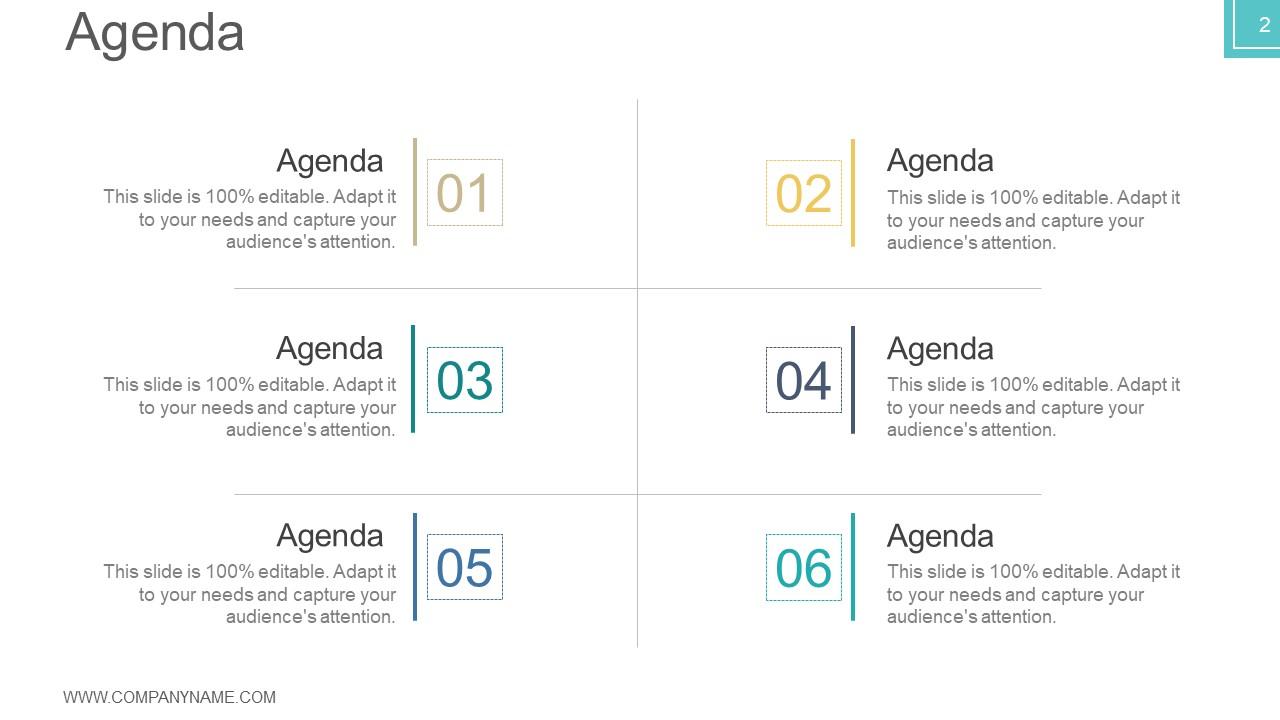
Slide 2: This slide showcases Agenda. Use it for the company agenda.
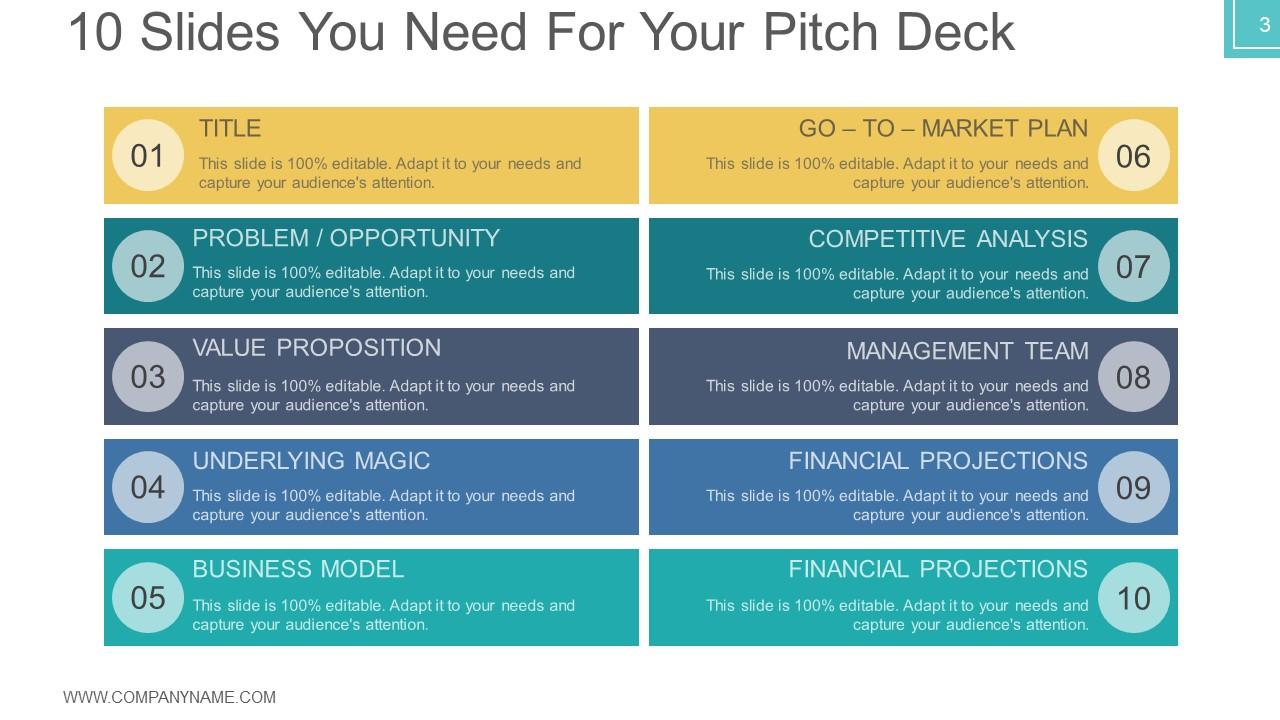
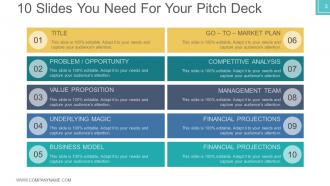
Slide 3: This slide presents 10 Slides You Need For Your Pitch Deck with these of the categories- Title, Problem/opportunity, Value proposition, Underlying magic, Business model, Go to market plan, Competitive analysis, Financial projections.
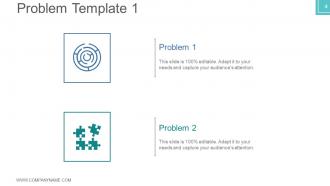
Slide 4: This slide showcases Problem Template 1. You can add the two problem in the respective fields.
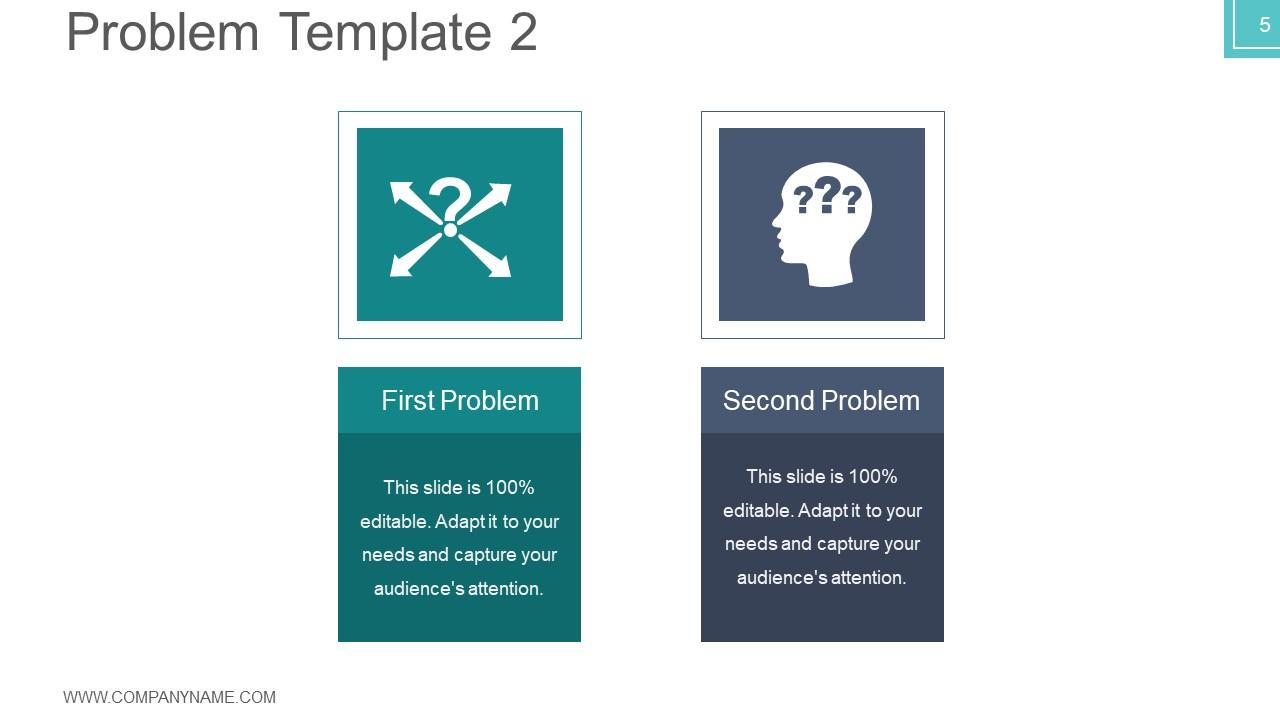
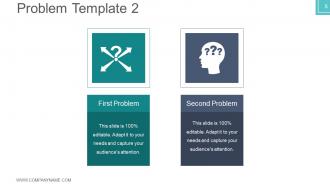
Slide 5: This slide presents Problem Template 2 which shows to state the two problems- Second Problem, First Problem.
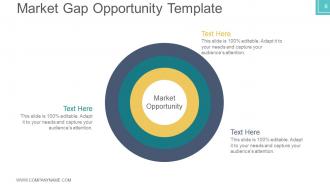
Slide 6: This slide shows Market Gap Opportunity Template which further showcases Market Opportunity.
Slide 7: This slide presents Market Gap Opportunity Template.
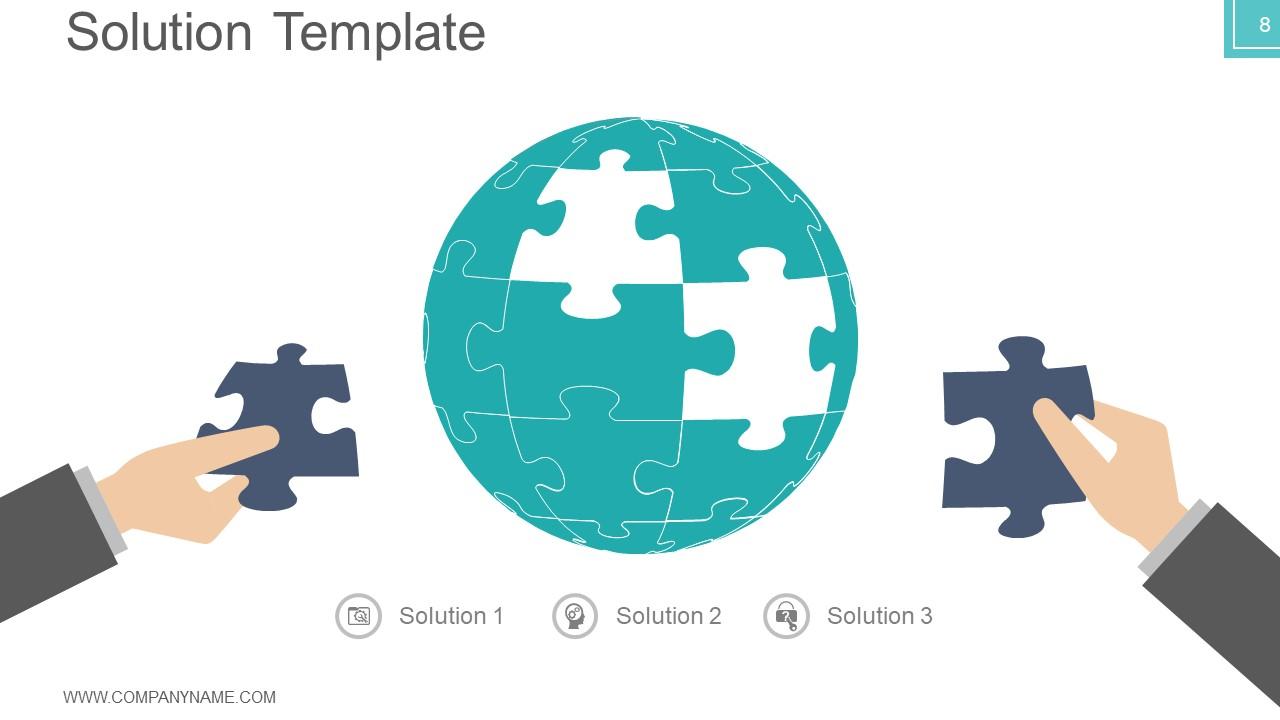
Slide 8: This slide showcases Solution Template.
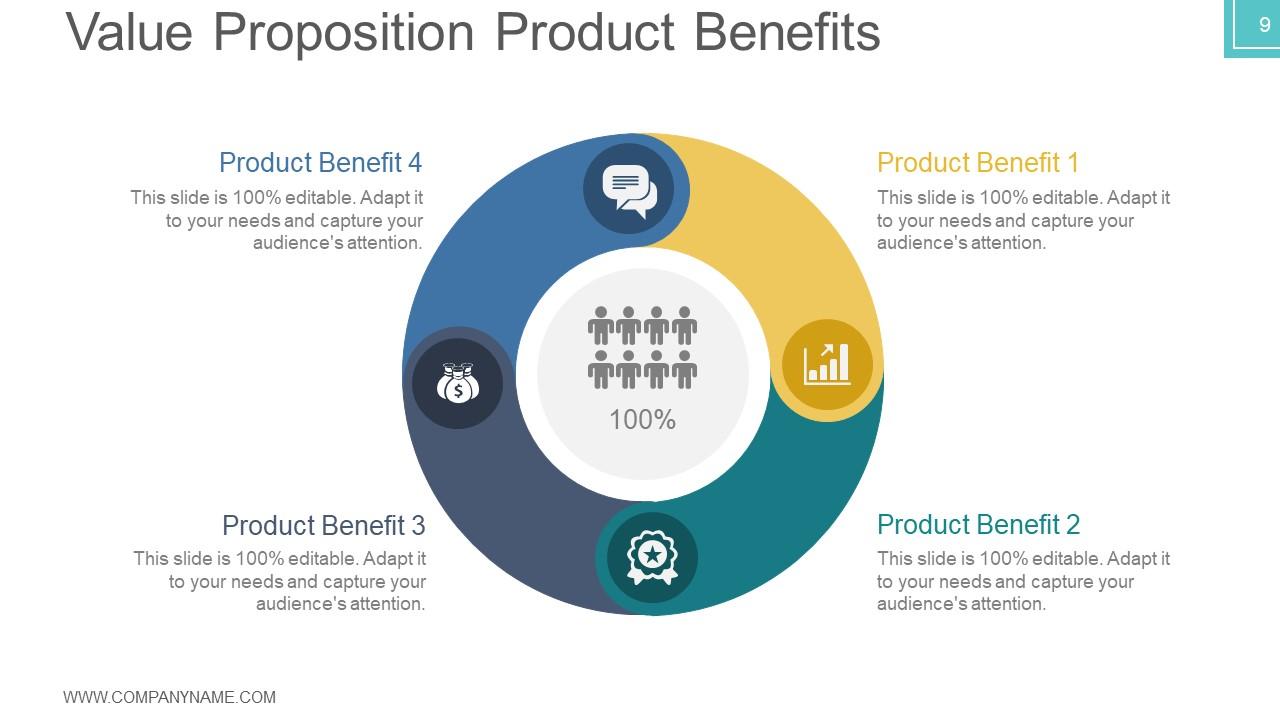
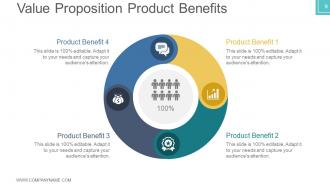
Slide 9: This slide shows Value Proposition Product Benefits.
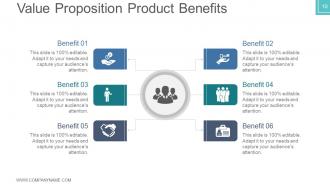
Slide 10: This slide presents Value Proposition Product Benefits.
Slide 11: This slide showcases Underlying Magic. Add your data and information and use it.
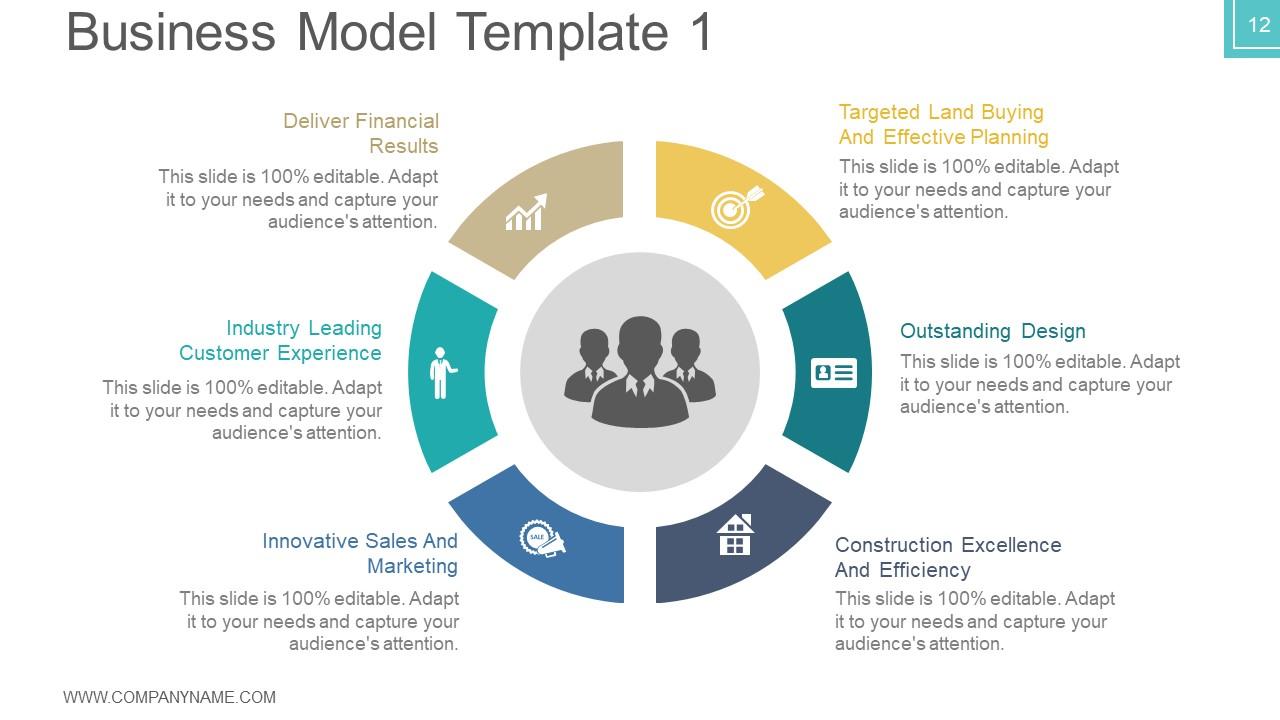
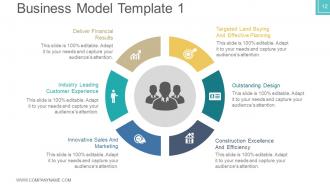
Slide 12: This slide presents Business Model Template 1 with six of the steps- Construction Excellence And Efficiency, Outstanding Design, Targeted Land Buying And Effective Planning, Innovative Sales And Marketing, Industry Leading Customer Experience, Deliver Financial Results.
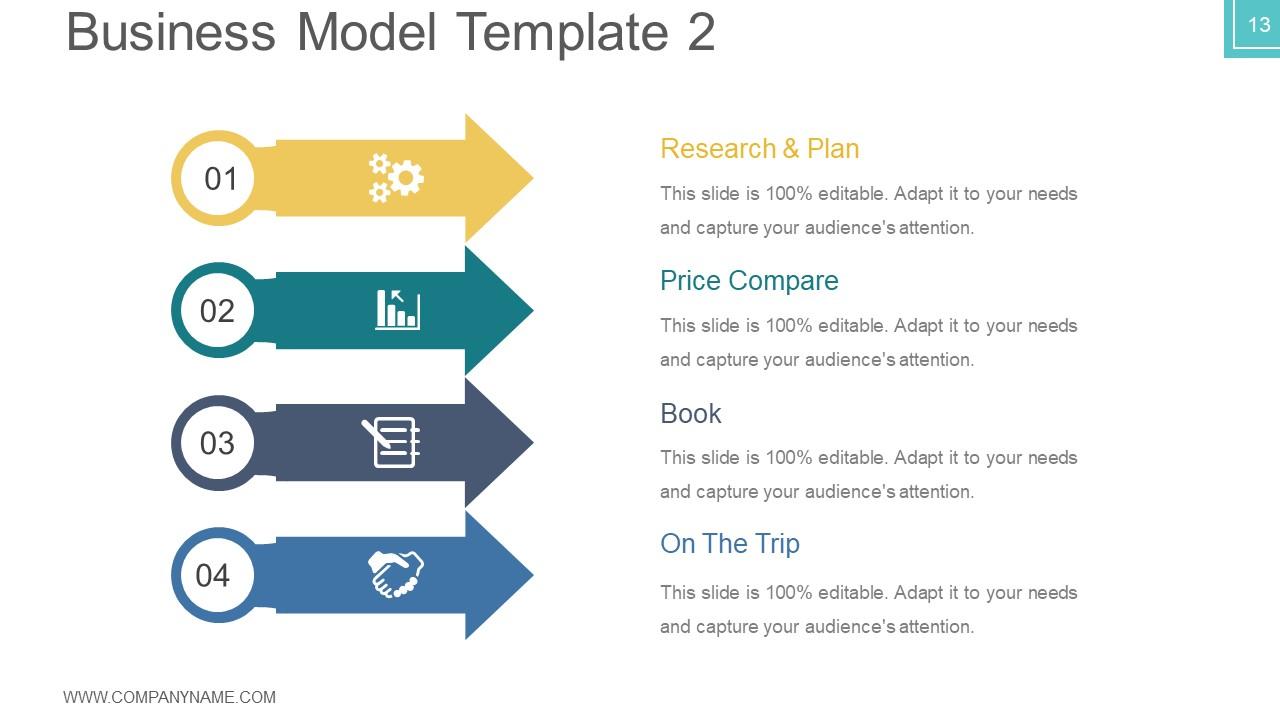
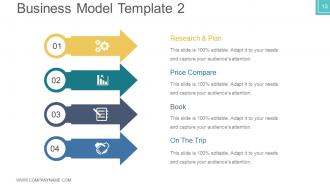
Slide 13: This slide showcases Business Model Template 2 with four of the main stages- Research & Plan, Price Compare, On The Trip, Book.
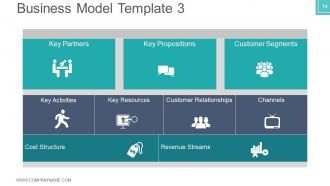
Slide 14: This slide presents Business Model Template 3.
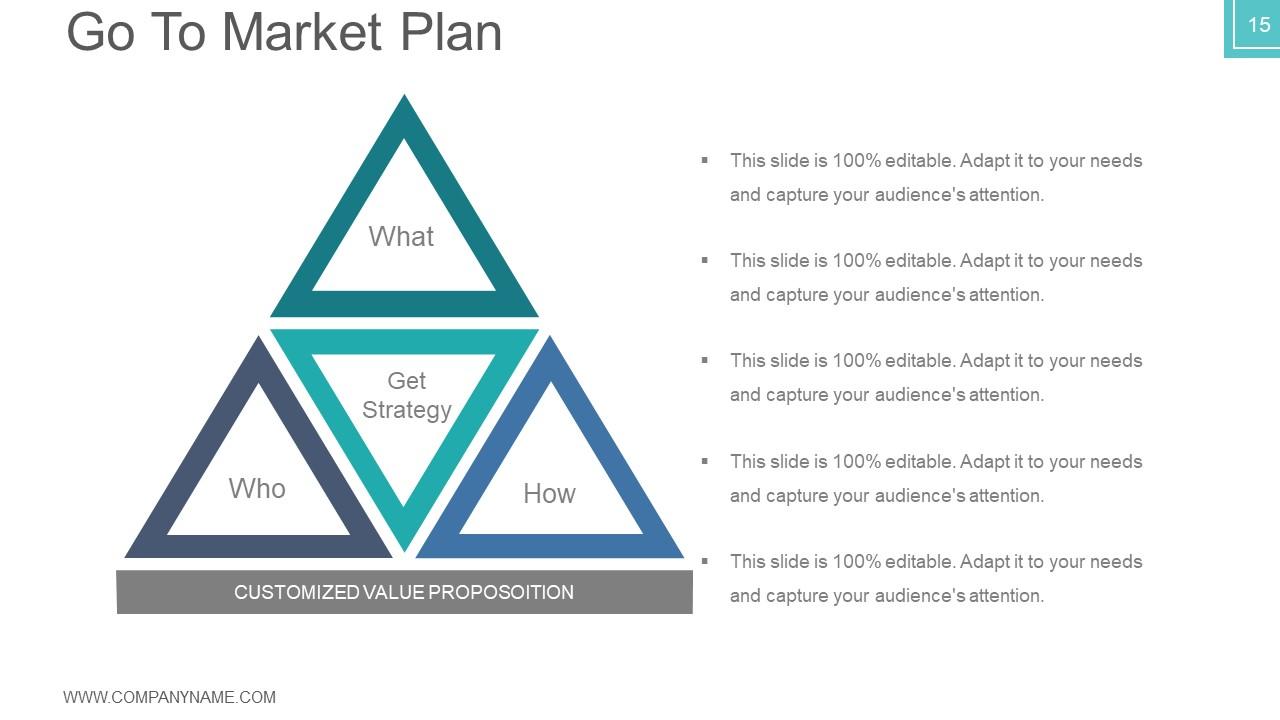
Slide 15: This slide showcases Go To Market Plan with these of the four characteristics- What, Get Strategy, How, Who.
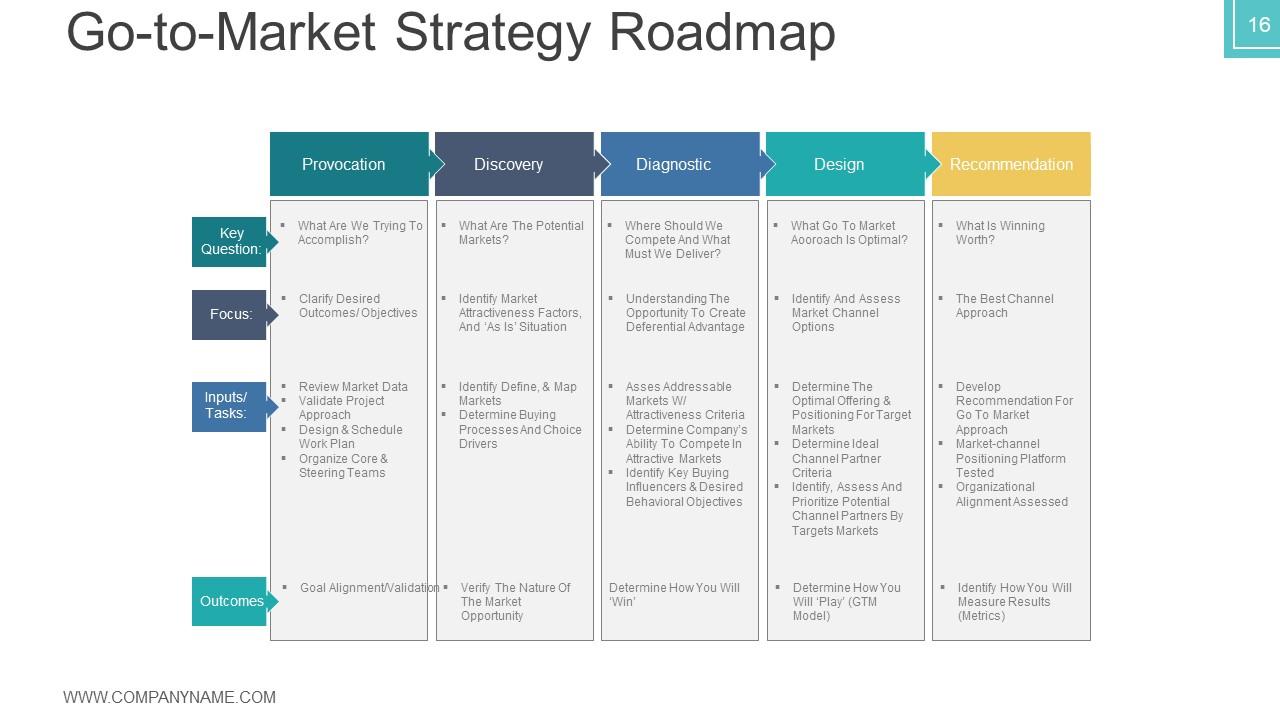
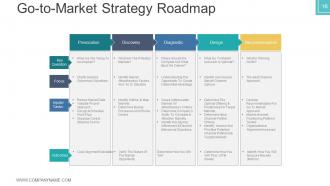
Slide 16: This slide presents Go-to-Market Strategy Roadmap with these five of the stages- Outcomes, Provocation, Discovery, Diagnostic, Design, Recommendation.
Slide 17: This slide presents Go-To-Market Strategy Roadmap.
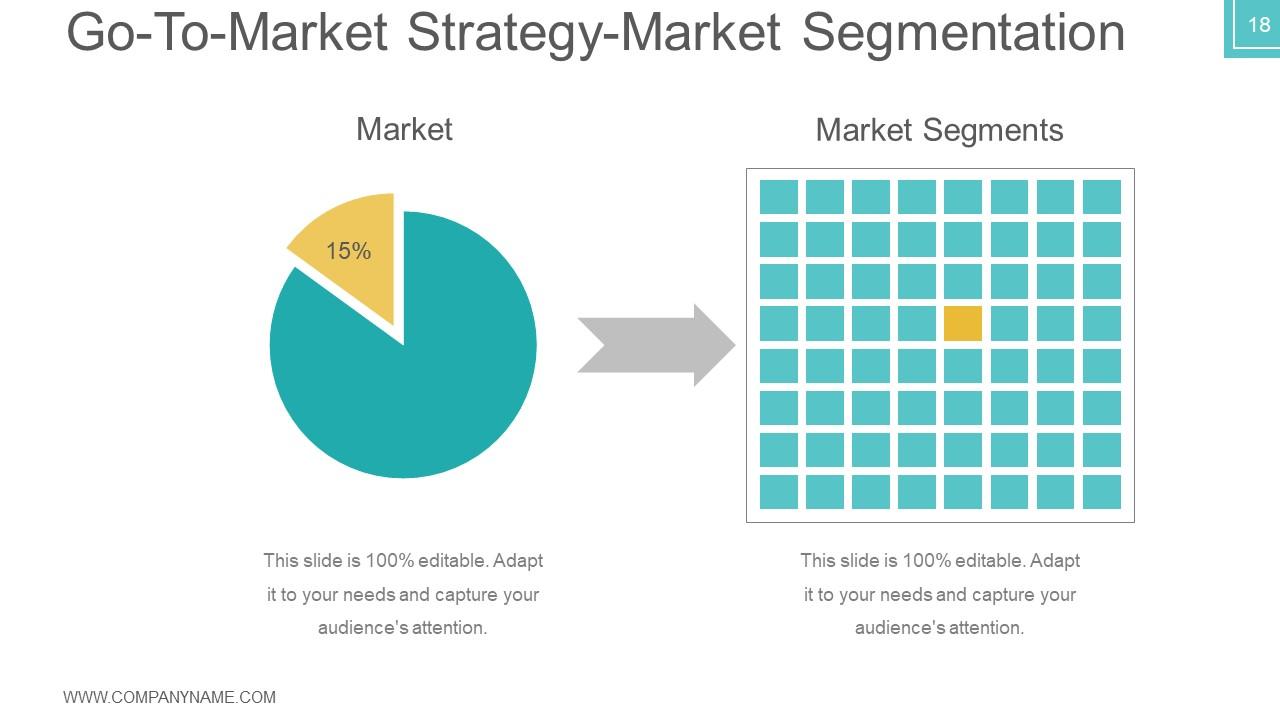
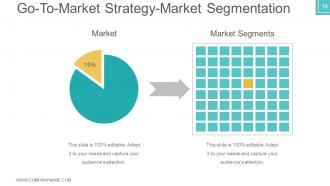
Slide 18: This slide showcases Go-To-Market Strategy-Market Segmentation with these two of the sections- Market, Market Segments.
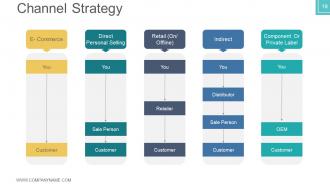
Slide 19: This slide presents Channel Strategy with these points to consider E- Commerce, Direct Personal Selling, Retail (On/ Offline), Indirect, Component Or Private Label.
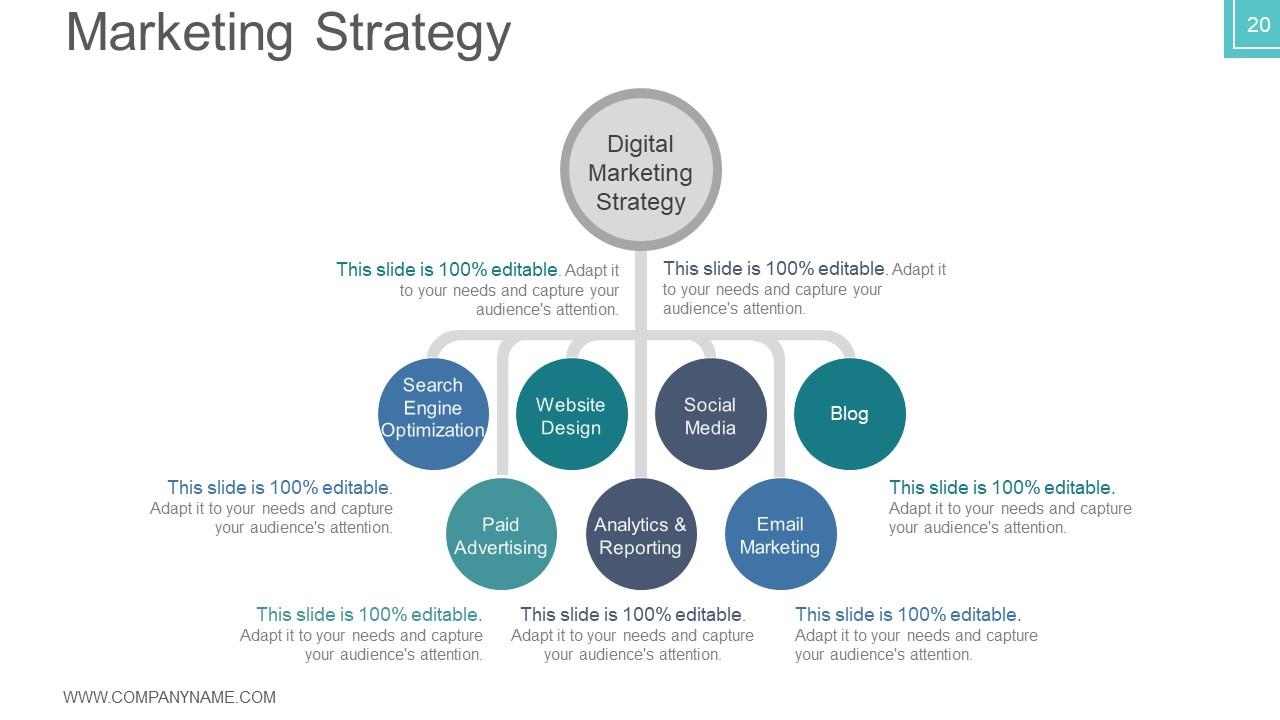
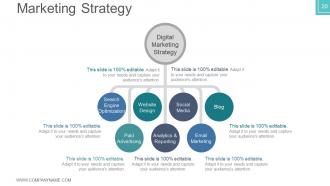
Slide 20: This slide showcases Marketing Strategy with these of the parameters- Digital Marketing Strategy, Search Engine Optimization, Website Design, Social Media, Blog, Paid Advertising, Email Marketing, Analytics & Reporting.
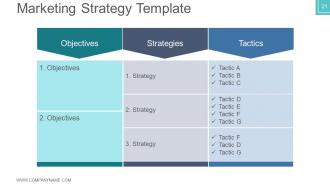
Slide 21: This slide shows Marketing Strategy Template with three of the factors- Objectives, Strategies, Tactics.
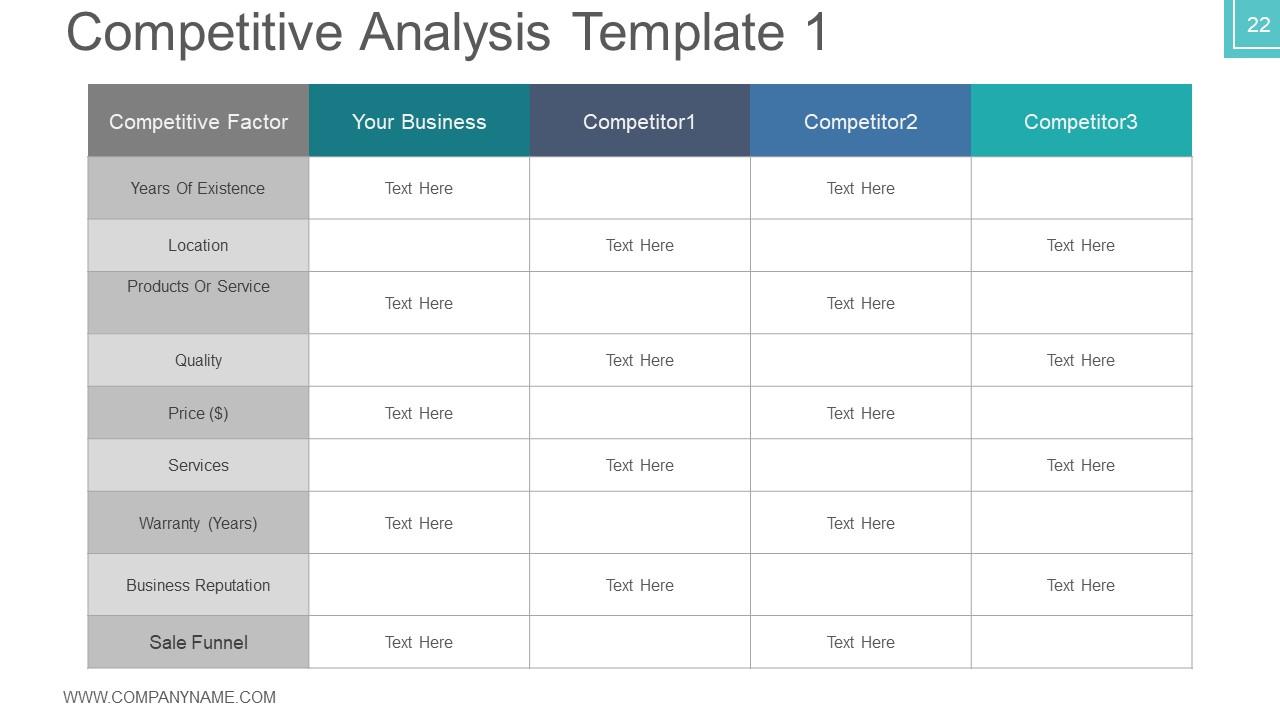
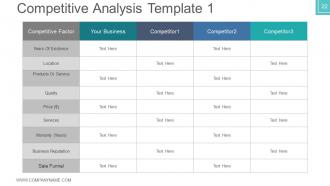
Slide 22: This slide presents Competitive Analysis Template 1.
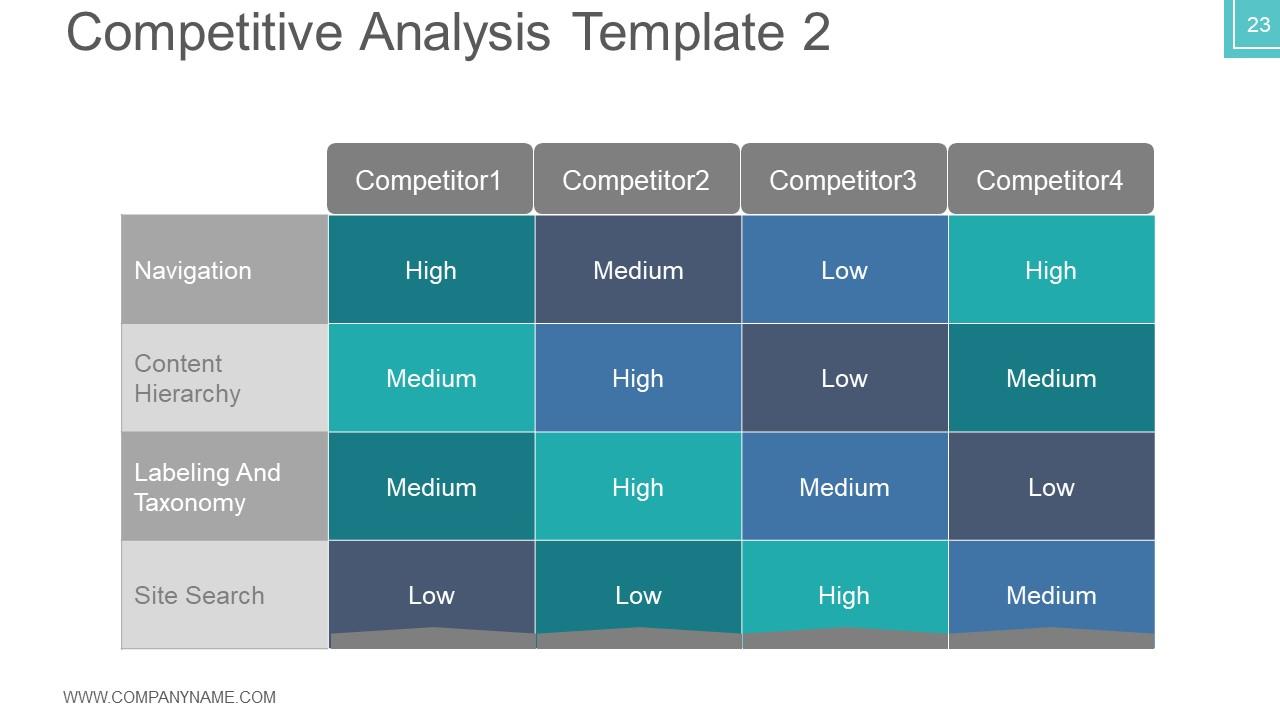
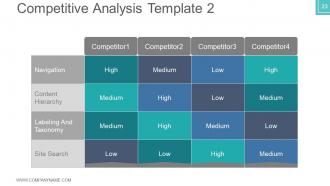
Slide 23: This slide showcases Competitive Analysis Template 2.
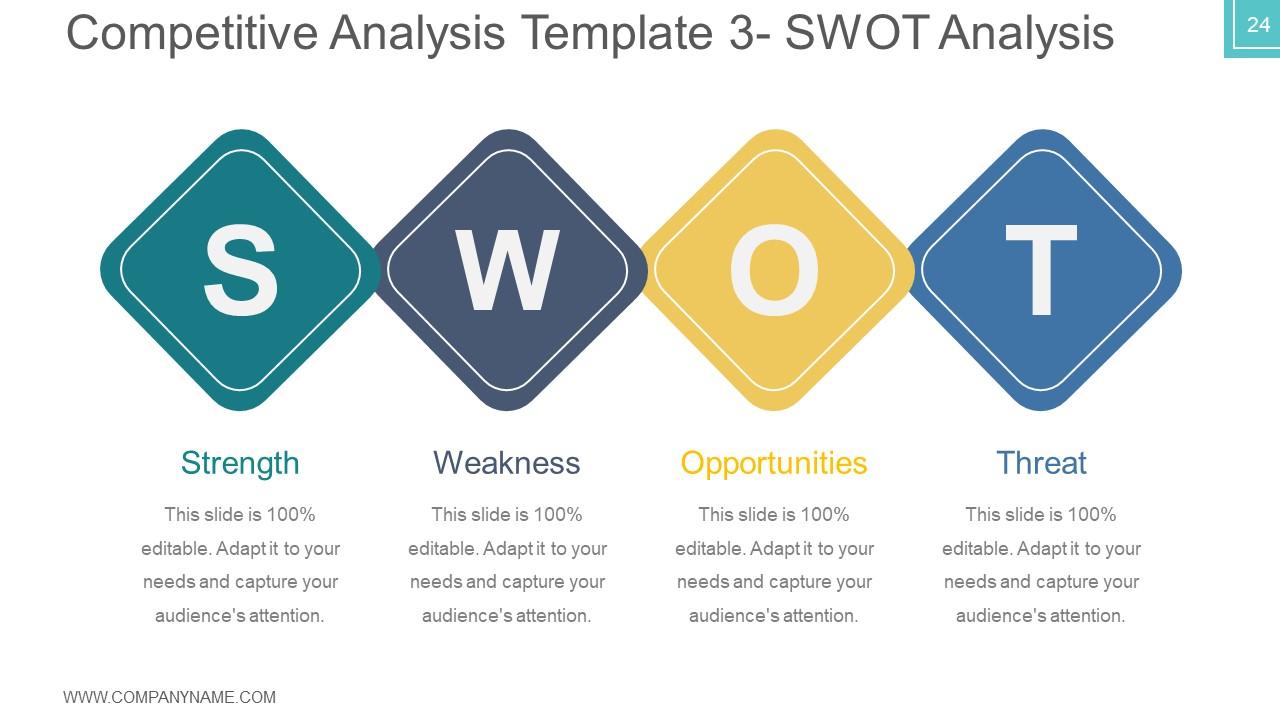
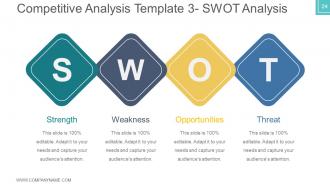
Slide 24: This slide presents Competitive Analysis Template 3- SWOT Analysis with these of the four factors- Threat, Opportunities, Weakness, Strength.
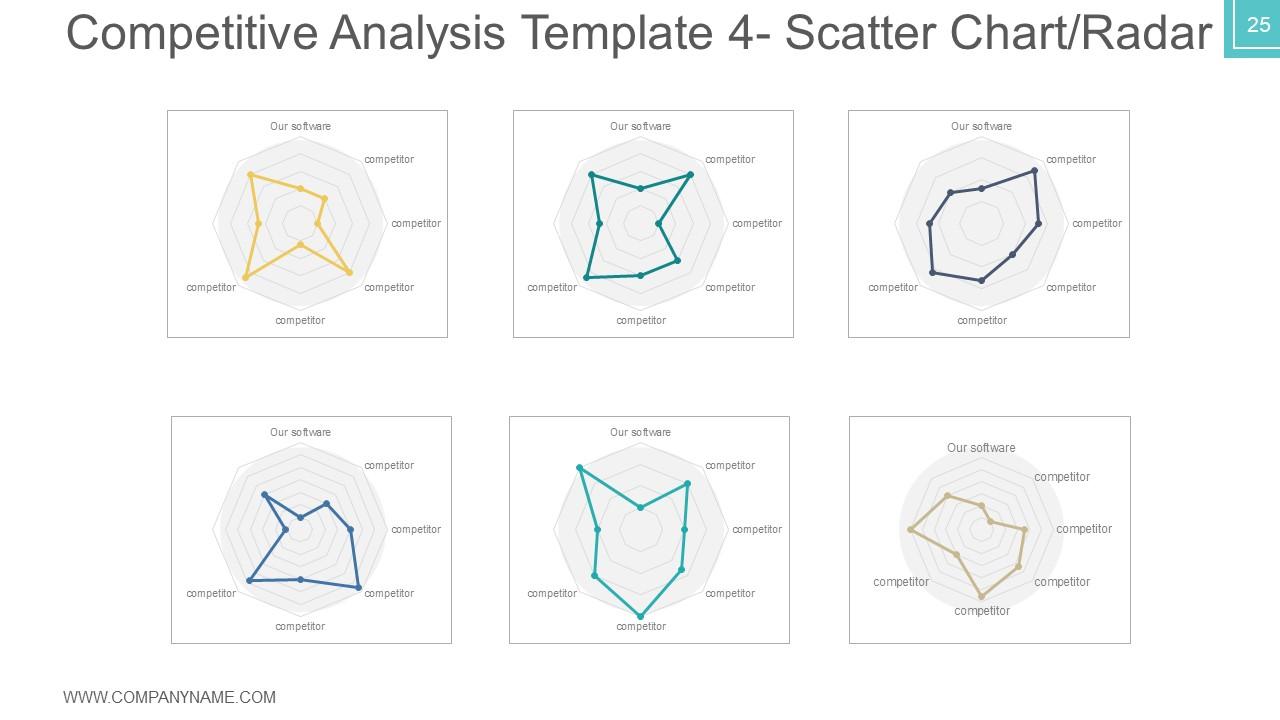
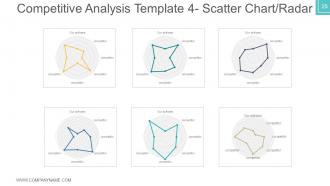
Slide 25: This slide Competitive Analysis Template 4- Scatter Chart/Radar
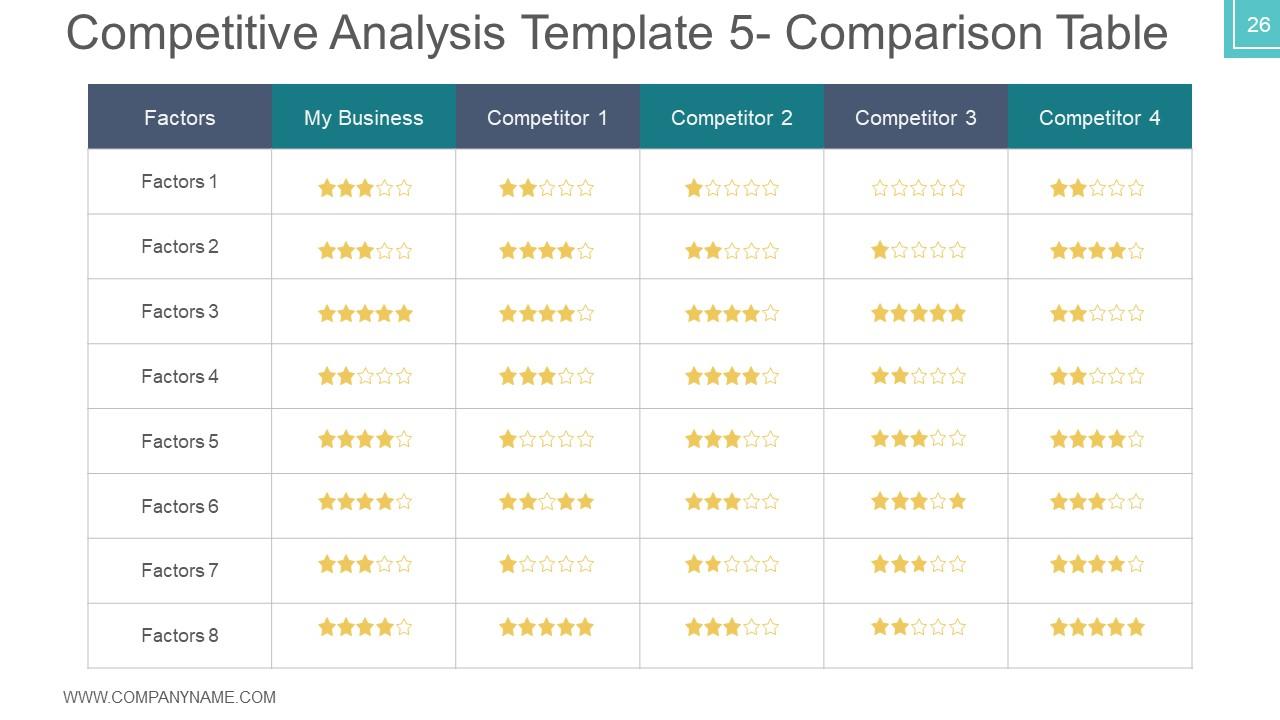
Slide 26: This slide showcases Competitive Analysis Template 5- Comparison Table.
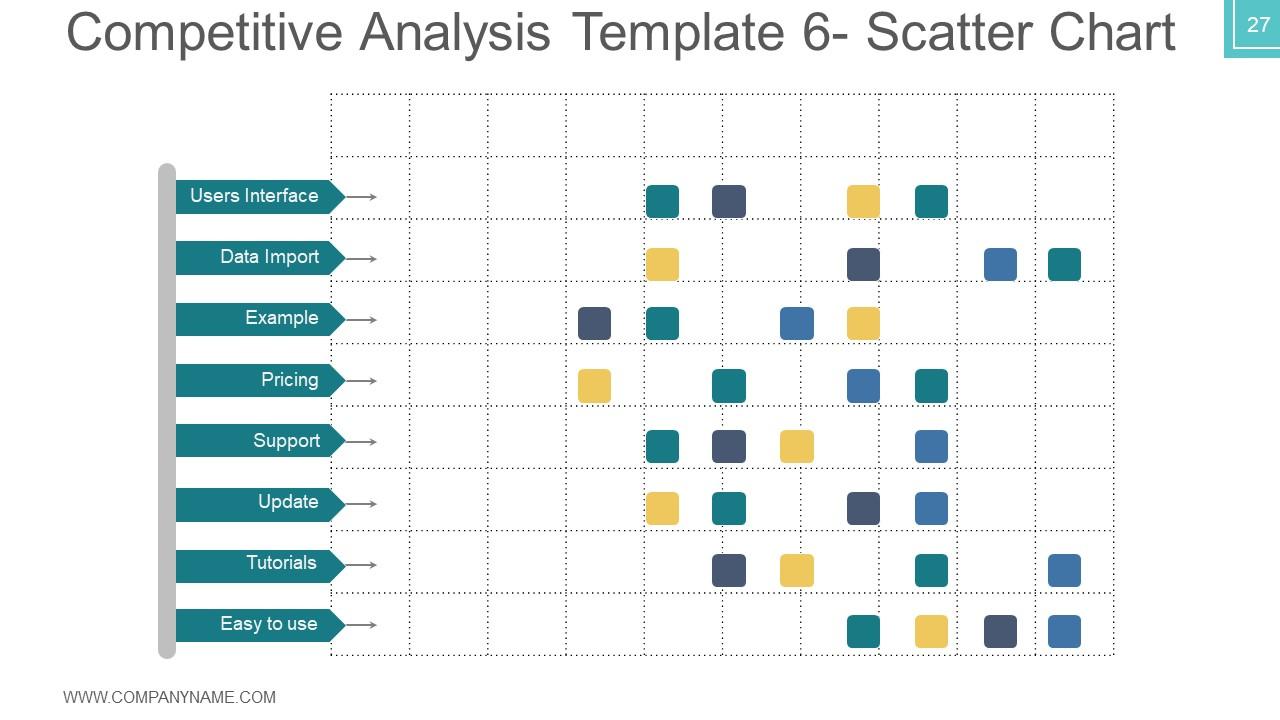
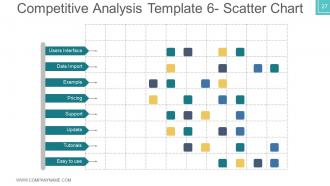
Slide 27: This slide presents Competitive Analysis Template 6- Scatter Chart with these of the main parameters- Users Interface, Data Import, Example, Pricing, Support, Update, Tutorials, Easy to use.
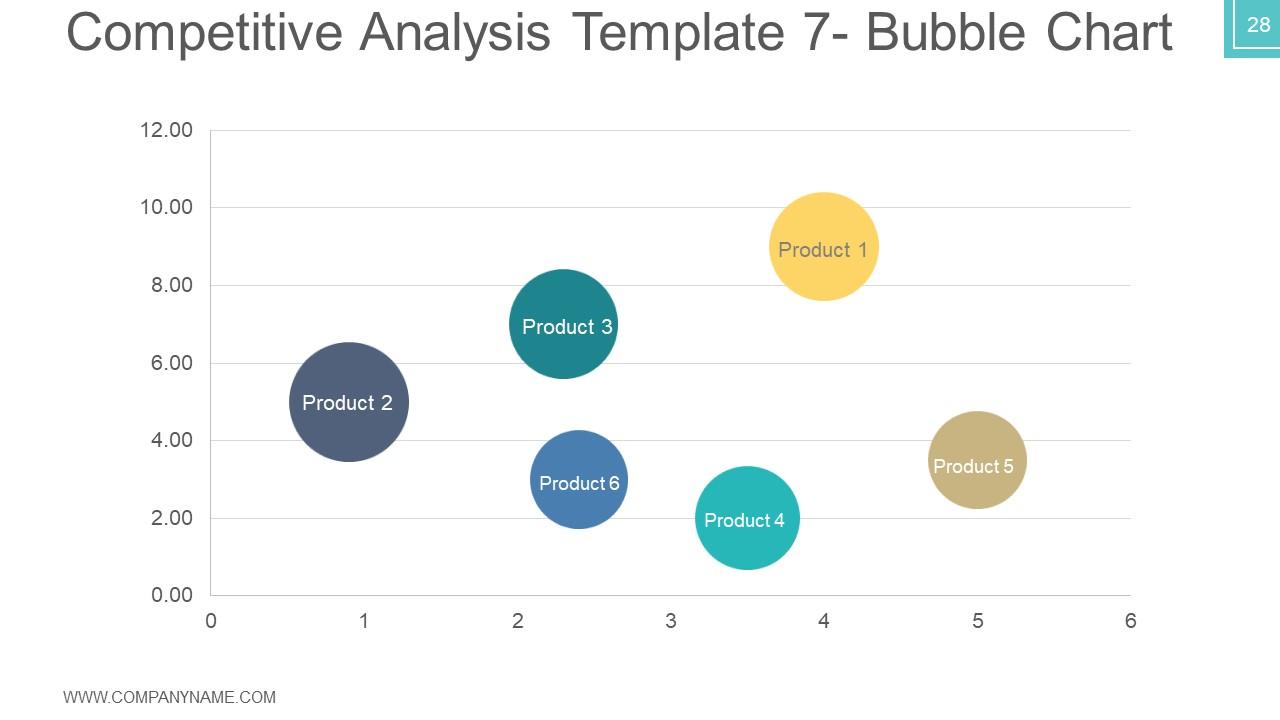
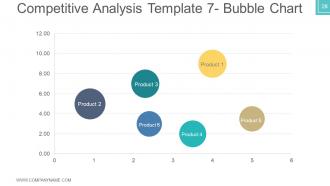
Slide 28: This slide presents Competitive Analysis Template 7- Bubble Chart. You can use it to show the product comparison.
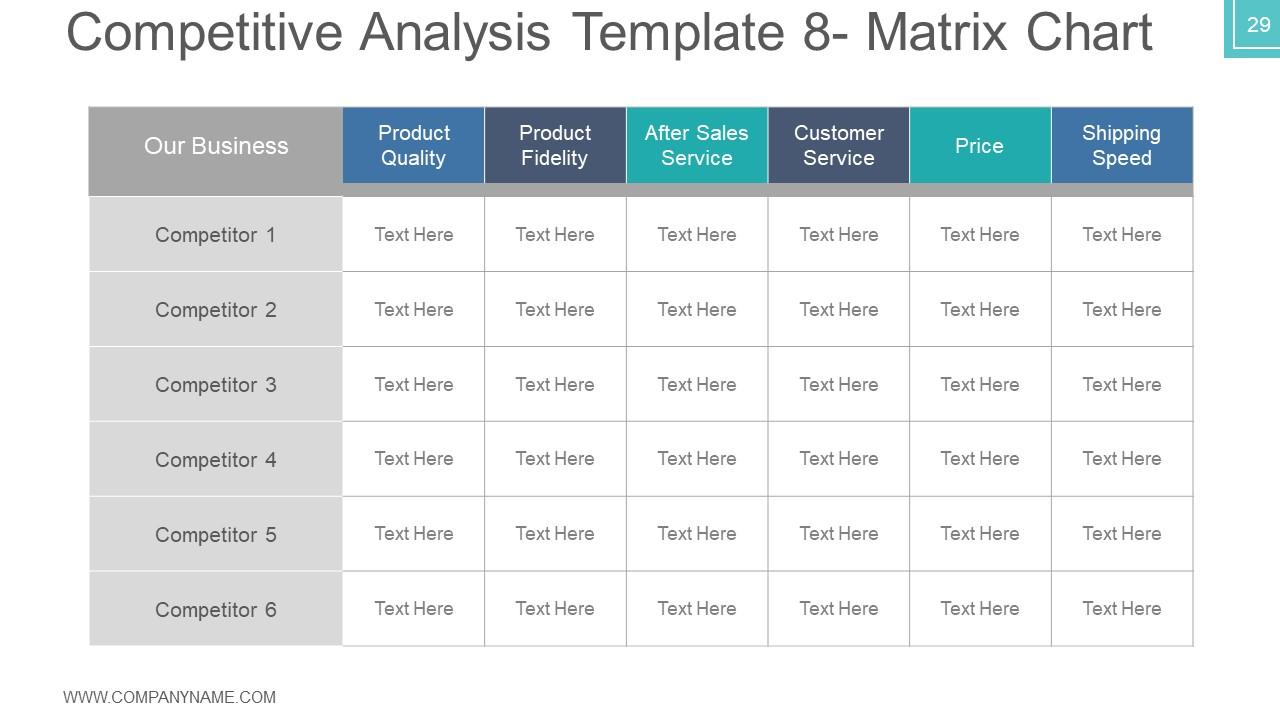
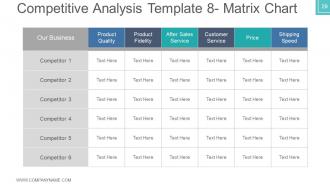
Slide 29: This slide shows Competitive Analysis Template 8- Matrix Chart.
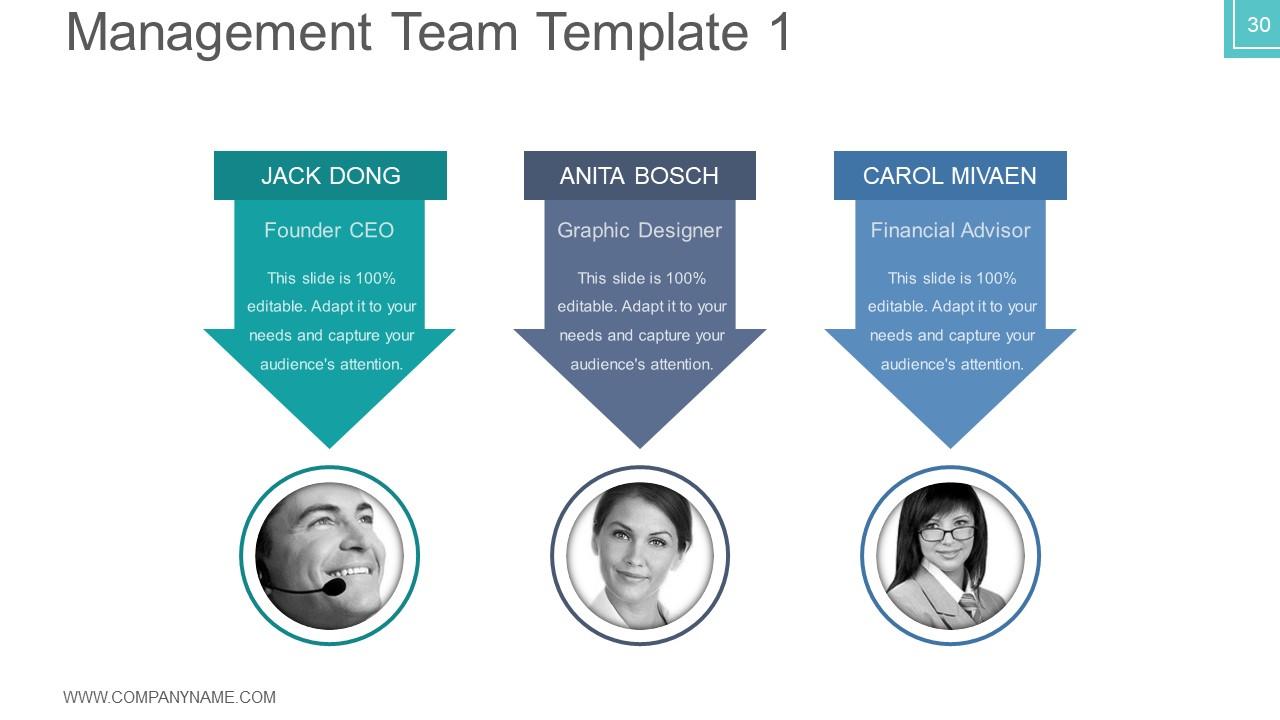
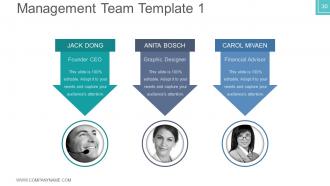
Slide 30: This slide showcases Management Team Template 1. You can add the team name and use it.
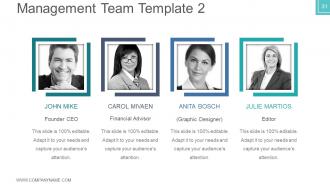
Slide 31: This slide presents Management Team Template 2.
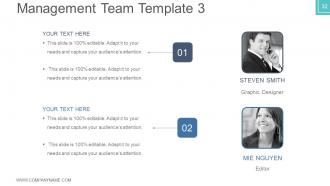
Slide 32: This slide shows Management Team Template 3. Add the four team members name and use it as per your need.
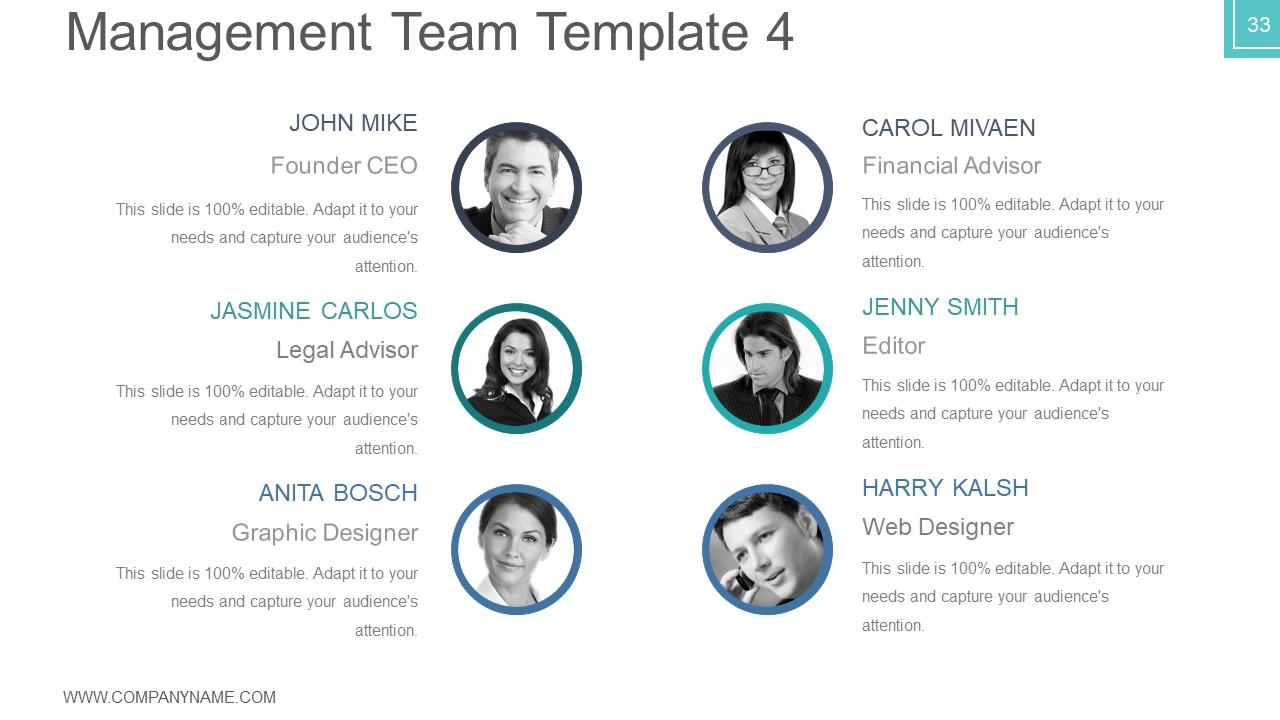
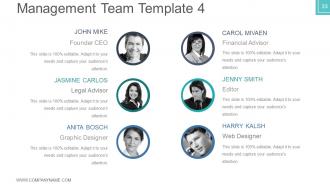
Slide 33: This slide shows Management Team Template 4.
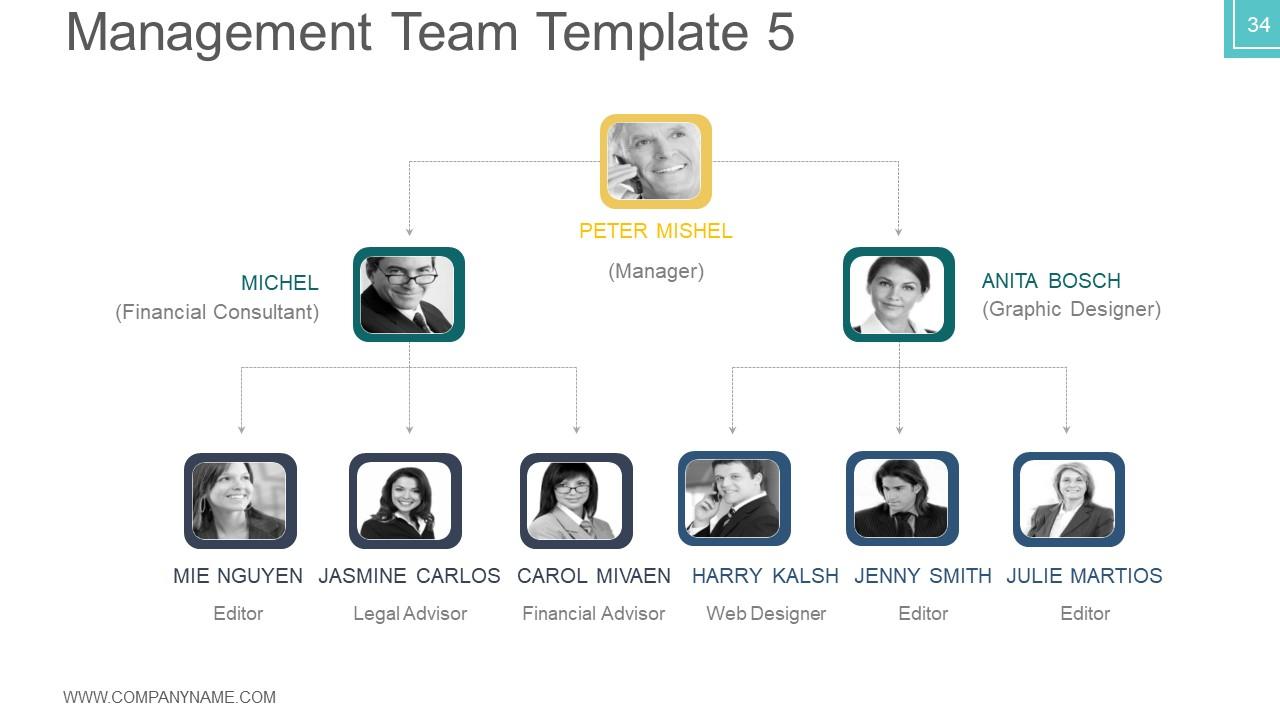
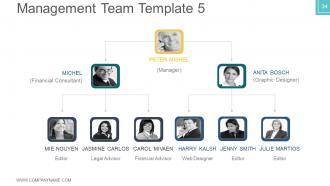
Slide 34: This slide presents Management Team Template 5. Add the team members details and use as per your need.
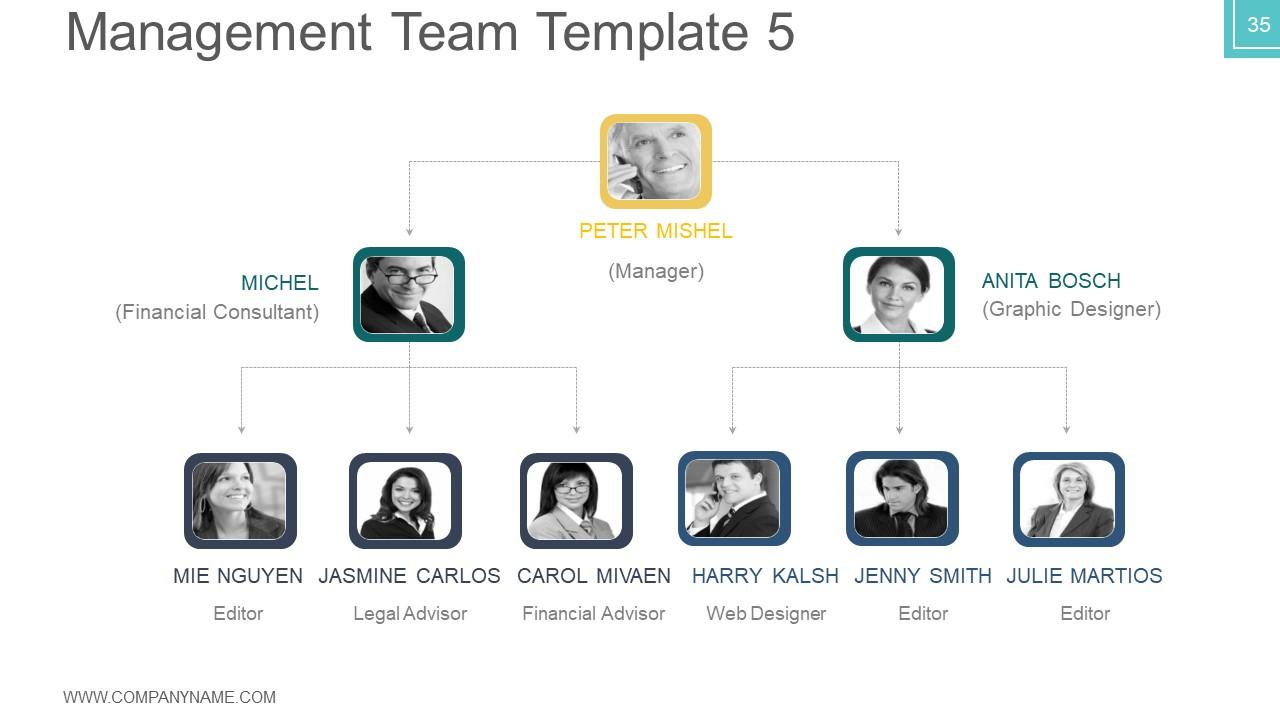
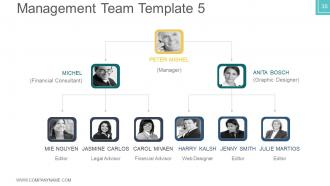
Slide 35: This slide showcases Management Team Template 5.
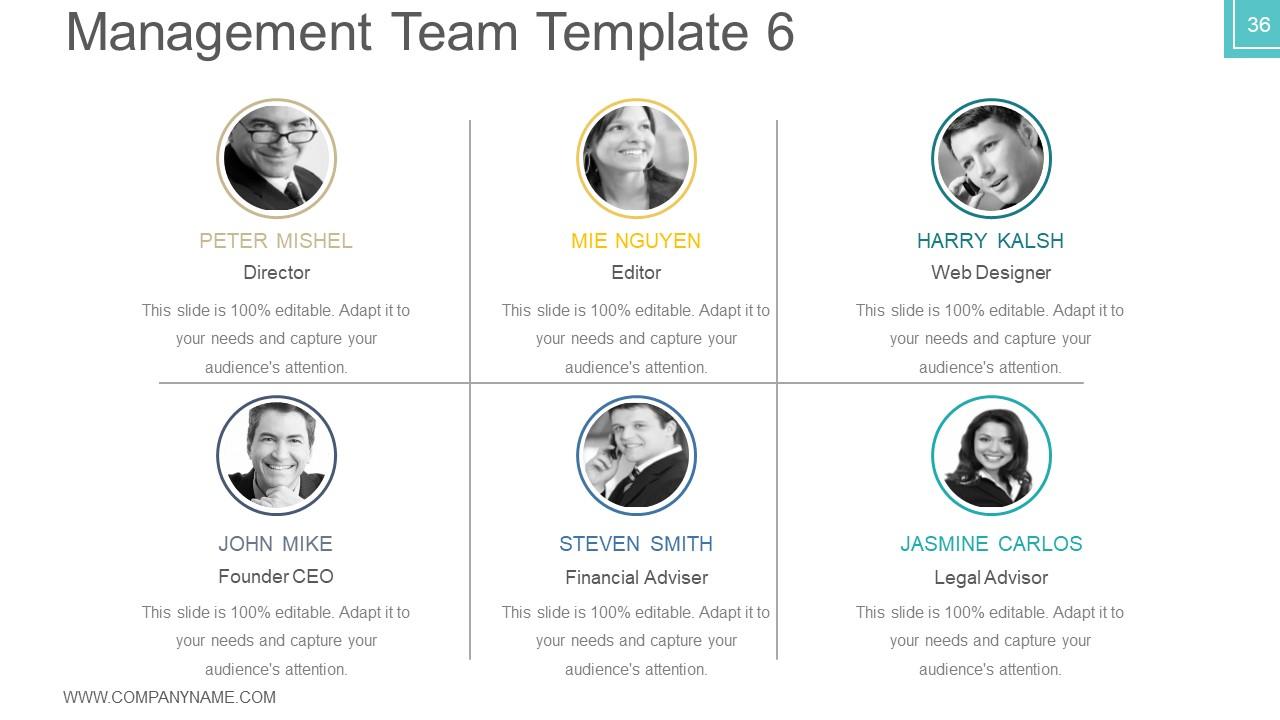
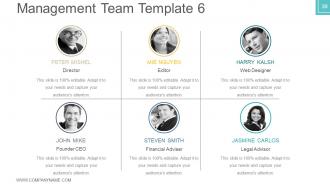
Slide 36: This slide shows Management Team Template 6
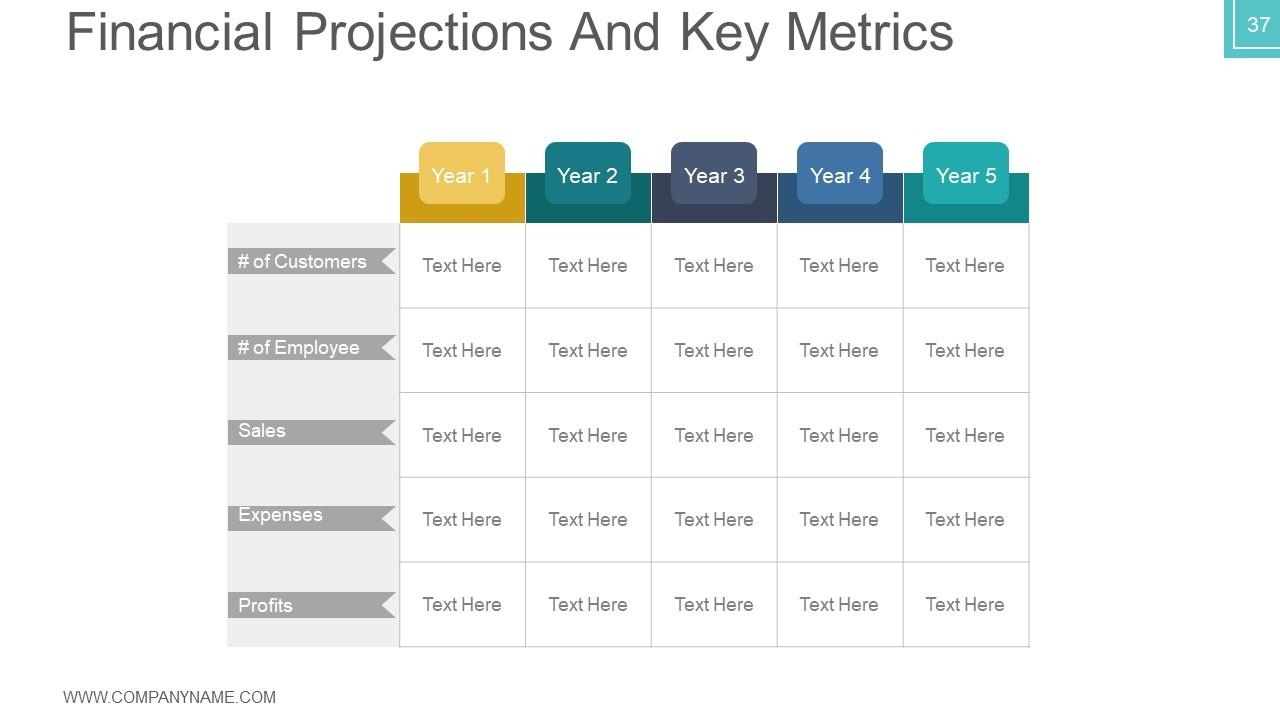
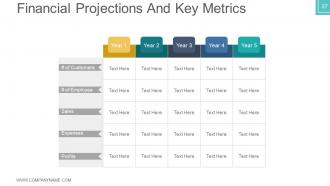
Slide 37: This slide presents Financial Projections And Key Metrics.
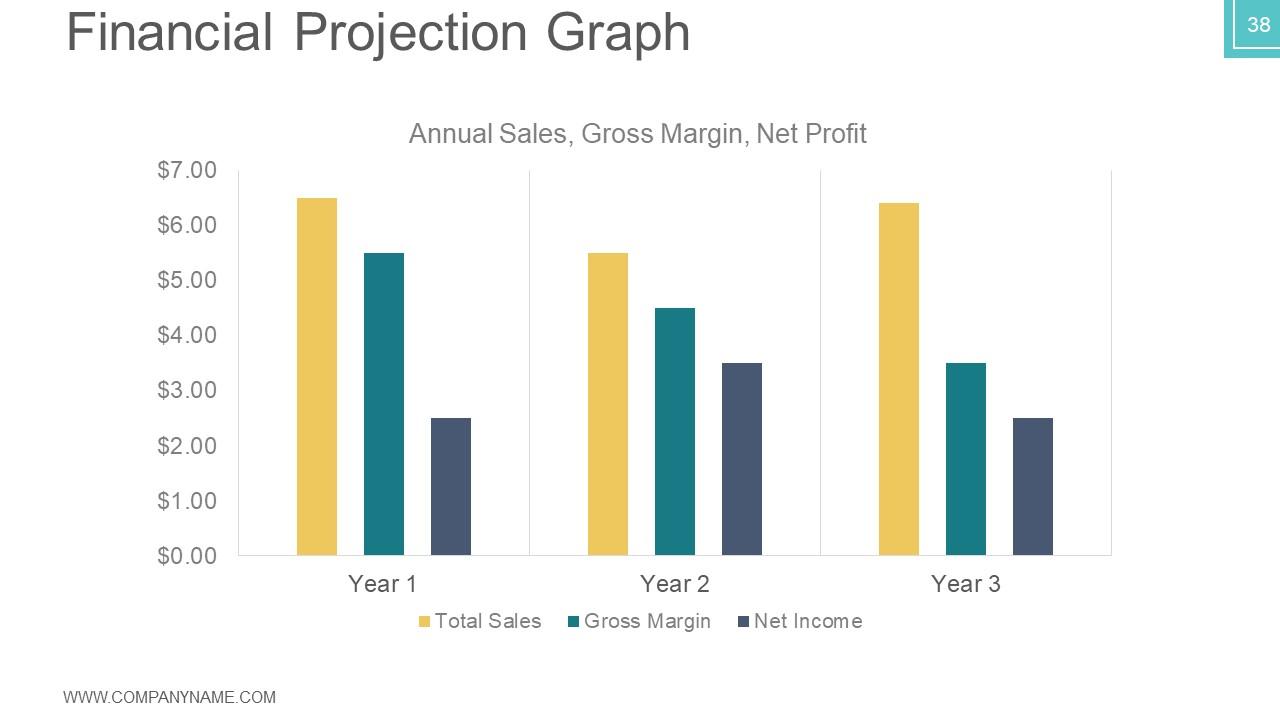
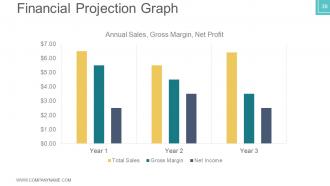
Slide 38: This slide showcases Financial Projection Graph.
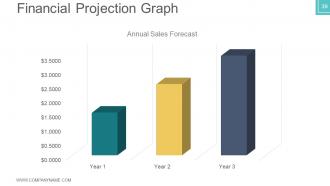
Slide 39: This slide shows Financial Projection Graph.
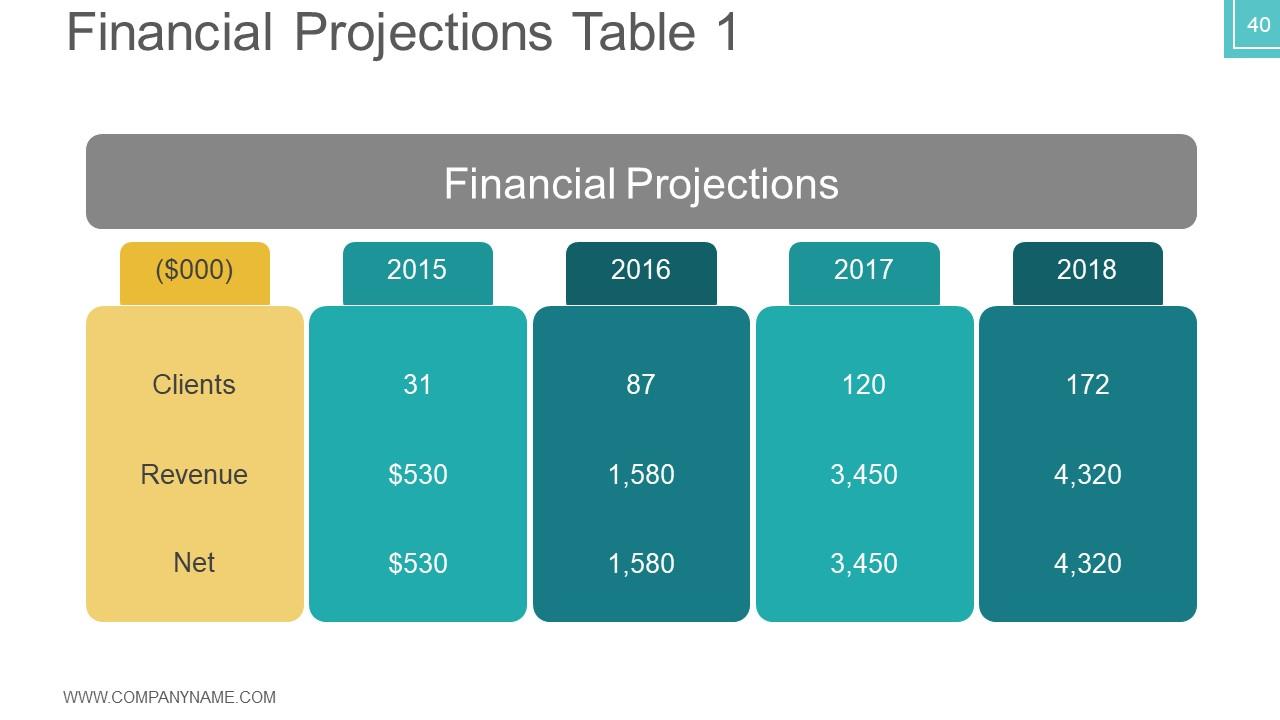
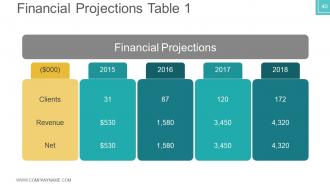
Slide 40: This slide presents Financial Projections Table 1.
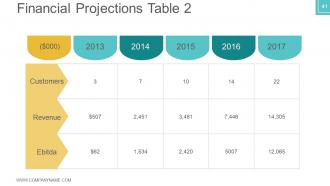
Slide 41: This slide showcases Financial Projections Table 2 with these three paraemeters- Customers, Ebitda, Revenue.
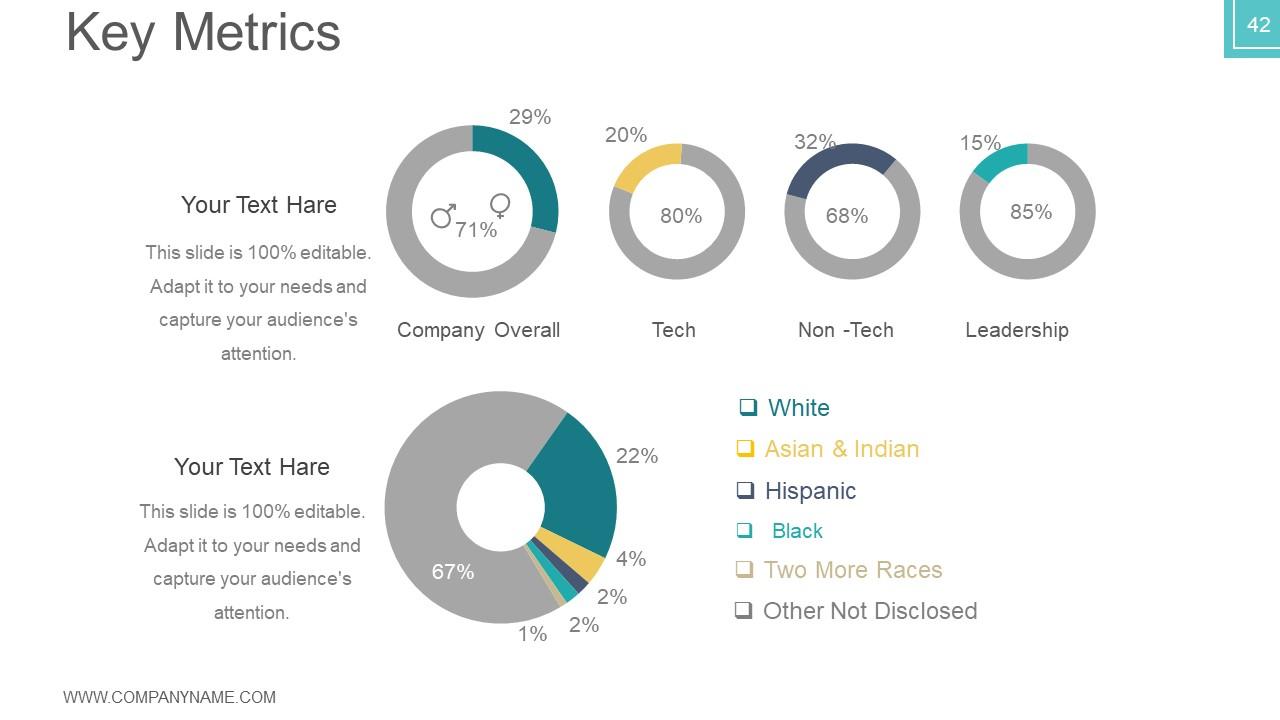
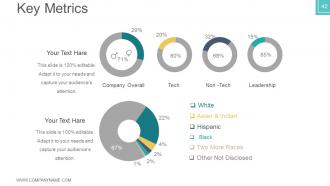
Slide 42: This slide shows Key Metrics with these of the pie chart with percentage with four of the different variation- Company Overall, Tech, Non -Tech, Leadership, White, Asian & Indian, Hispanic, Black, Two More Races, Other Not Disclosed.
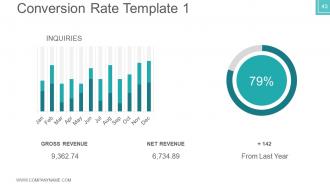
Slide 43: This slide showcases Conversion Rate Template 1.
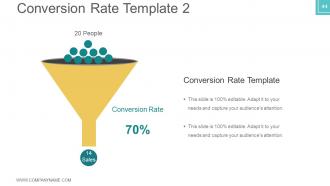
Slide 44: This slide presents Conversion Rate Template 2. You can add the information as you want.
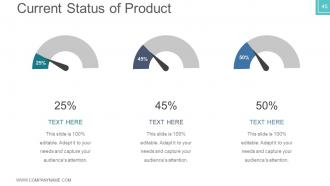
Slide 45: This slide shows Current Status of Product.
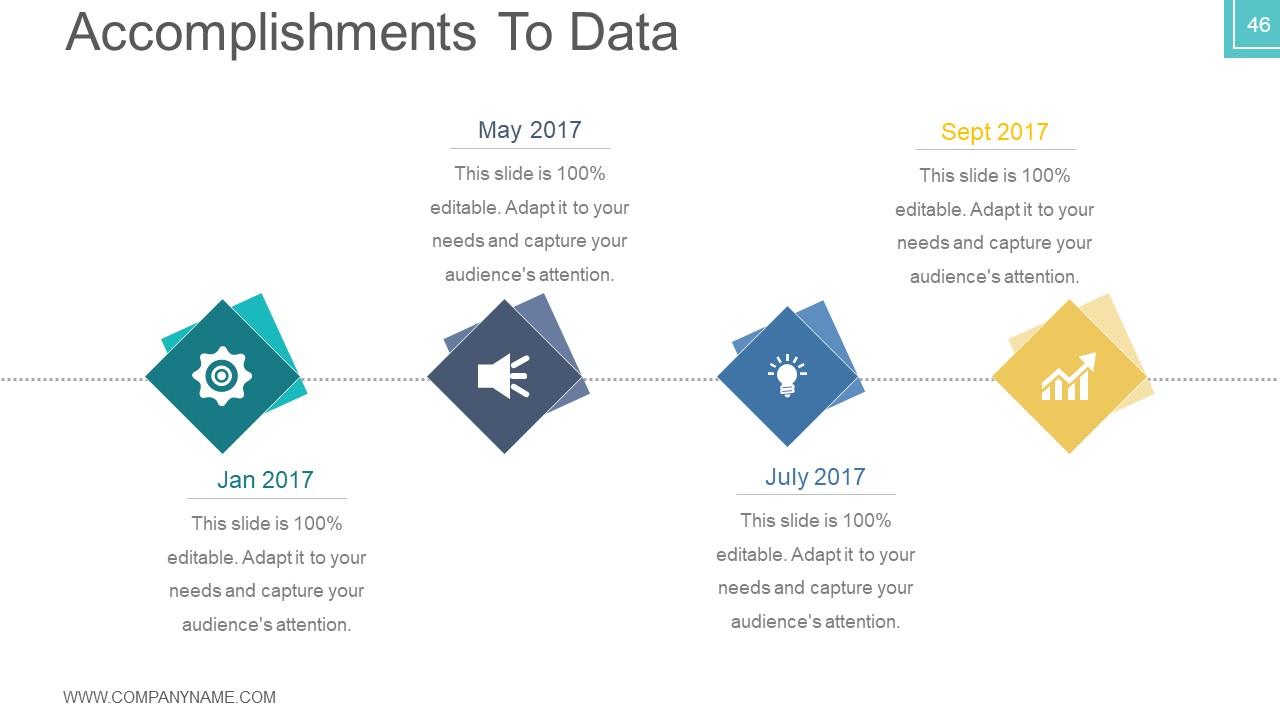
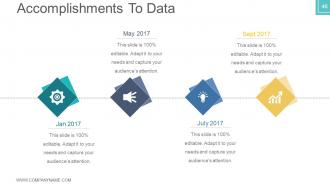
Slide 46: This slide presents Accomplishments To Data with a timeline for four different months.
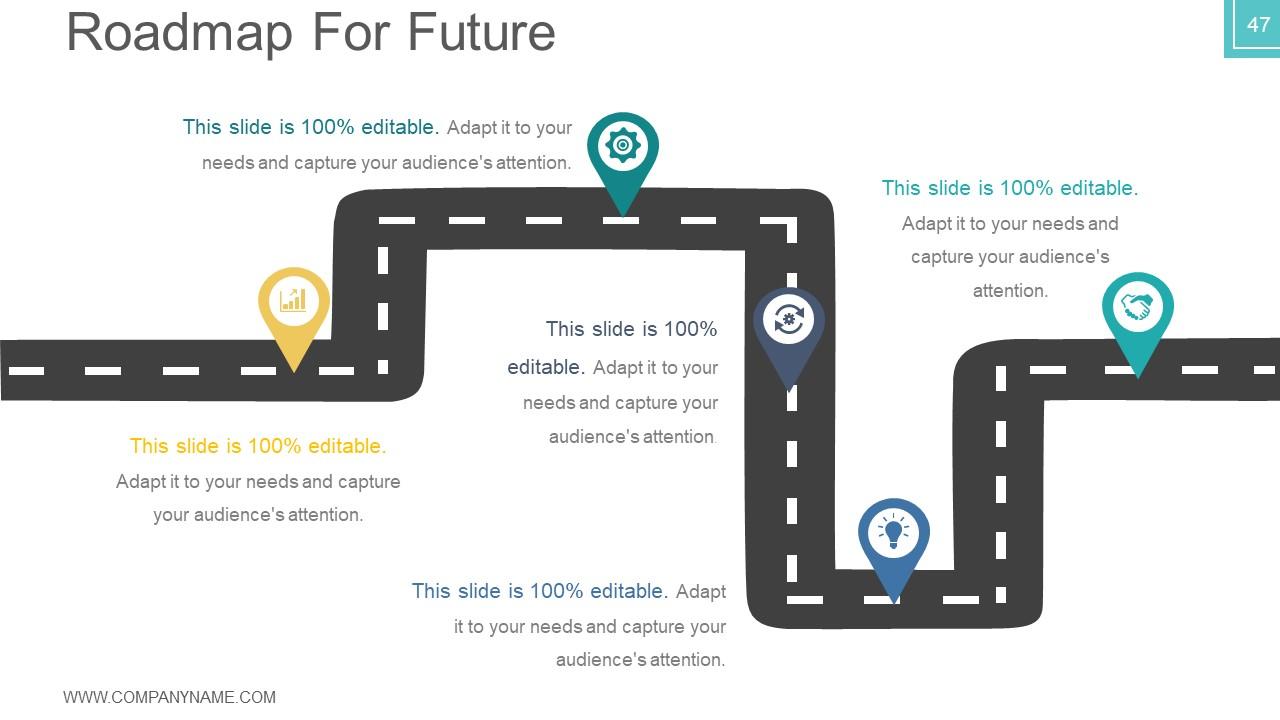
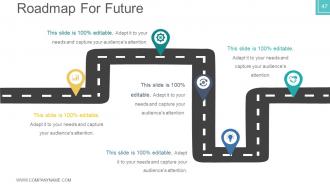
Slide 47: This slide showcases Roadmap For Future.
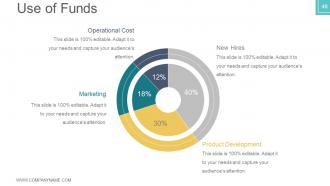
Slide 48: This slide shows Use of Funds with these four of the use- New Hires, Operational Cost, Marketing, Product Development.
Slide 49: This slide is titled Additional slides for moving forward.
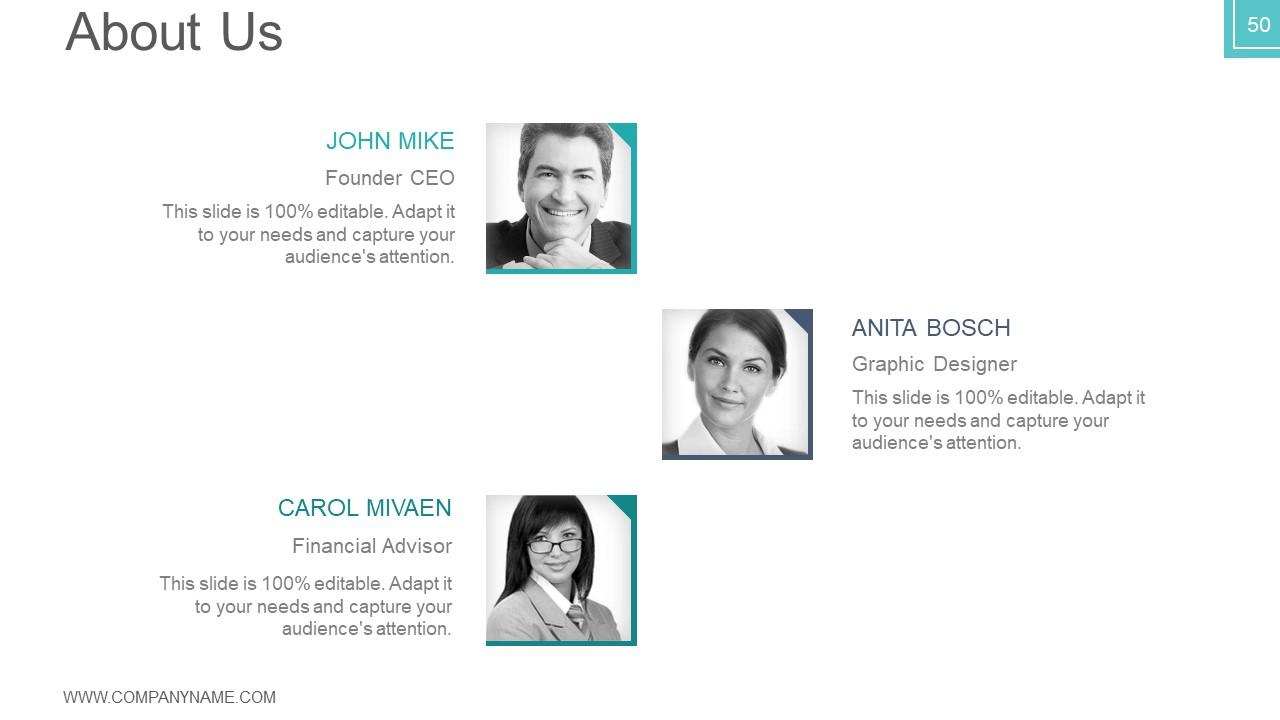
Slide 50: This is an About us slide to state company specifications etc.
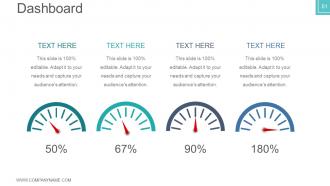
Slide 51: This is a Dashboard slide displaying- Revenue, Purchase Value, Units Sold.
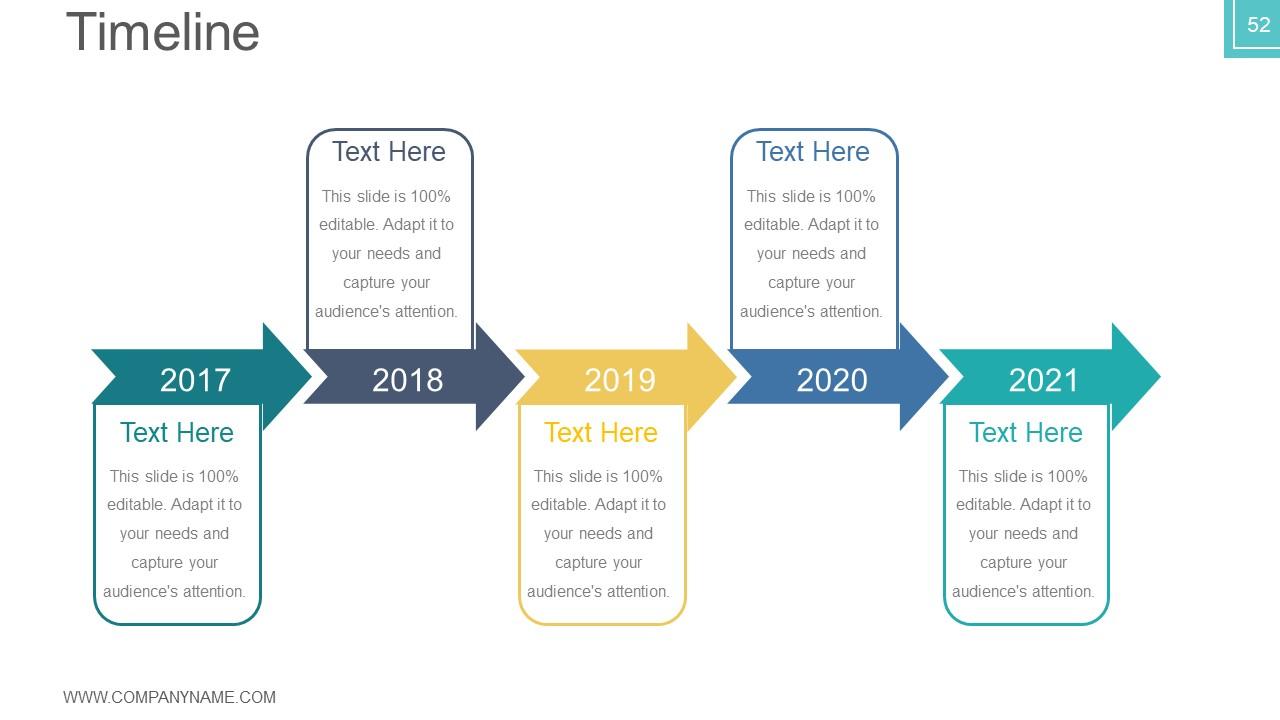
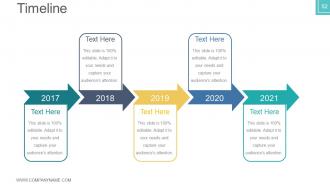
Slide 52: This slide shows Project Events Timeline with icons and text boxes.
Slide 53: This is a Newspaper slide to highlight something or add memeorabilia.
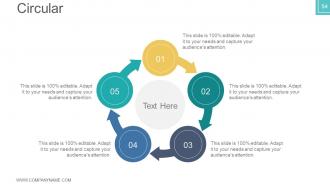
Slide 54: This is a Circular slide to show information, specification etc
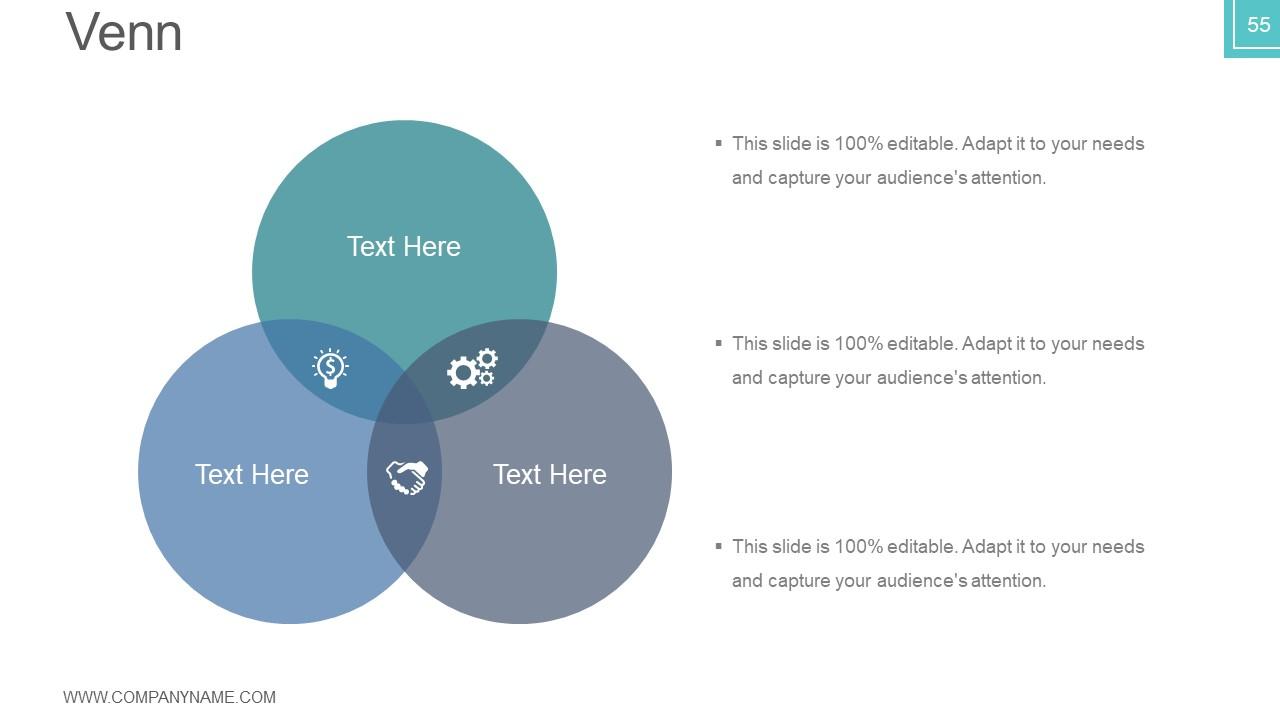
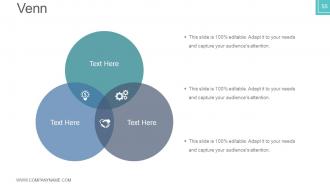
Slide 55: This is a Venn diagram image slide to show information, specifications etc.
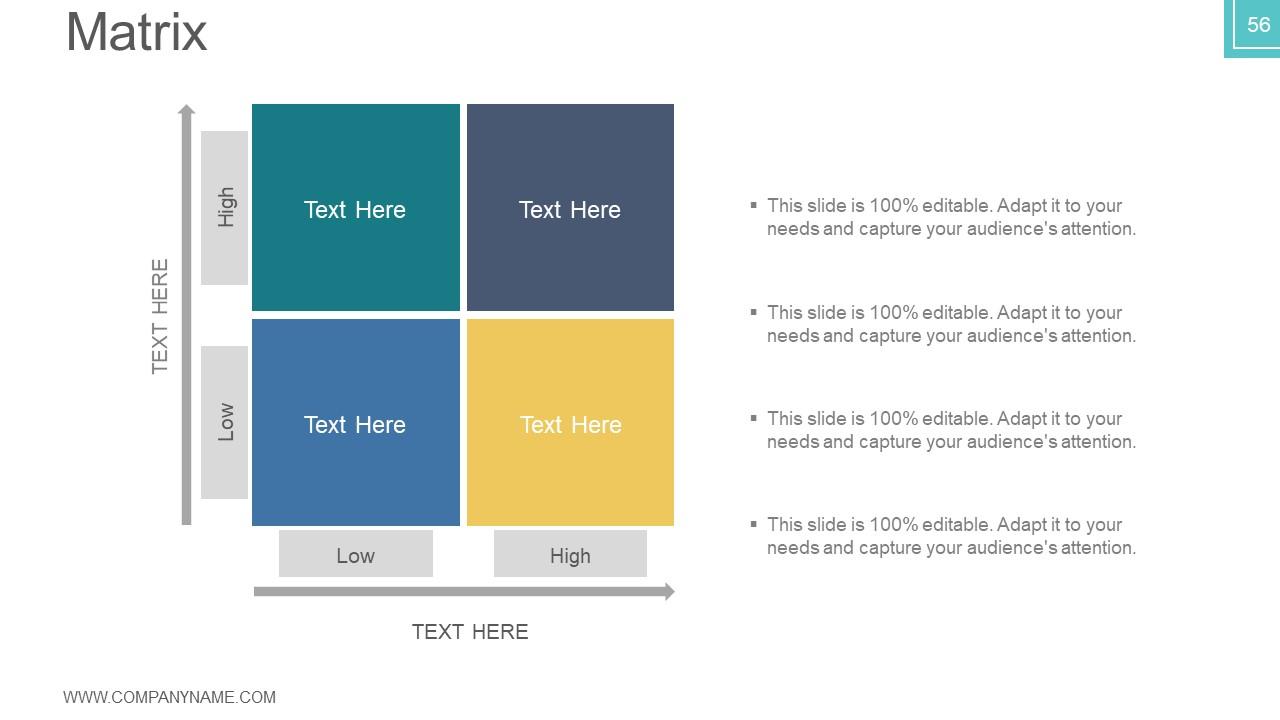
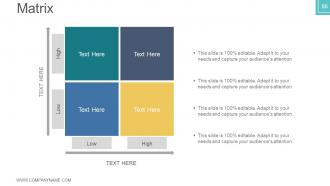
Slide 56: This slide showcases a Matrix with the following content- Development Clients, Dilemna Clients, Star Clients, High Value Clients.
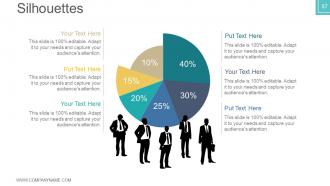
Slide 57: This is a Silhouettes image slide with the subheadings- INVENTORY, PAYMENT, CASH, CREDITCARD, CHECKOUT.
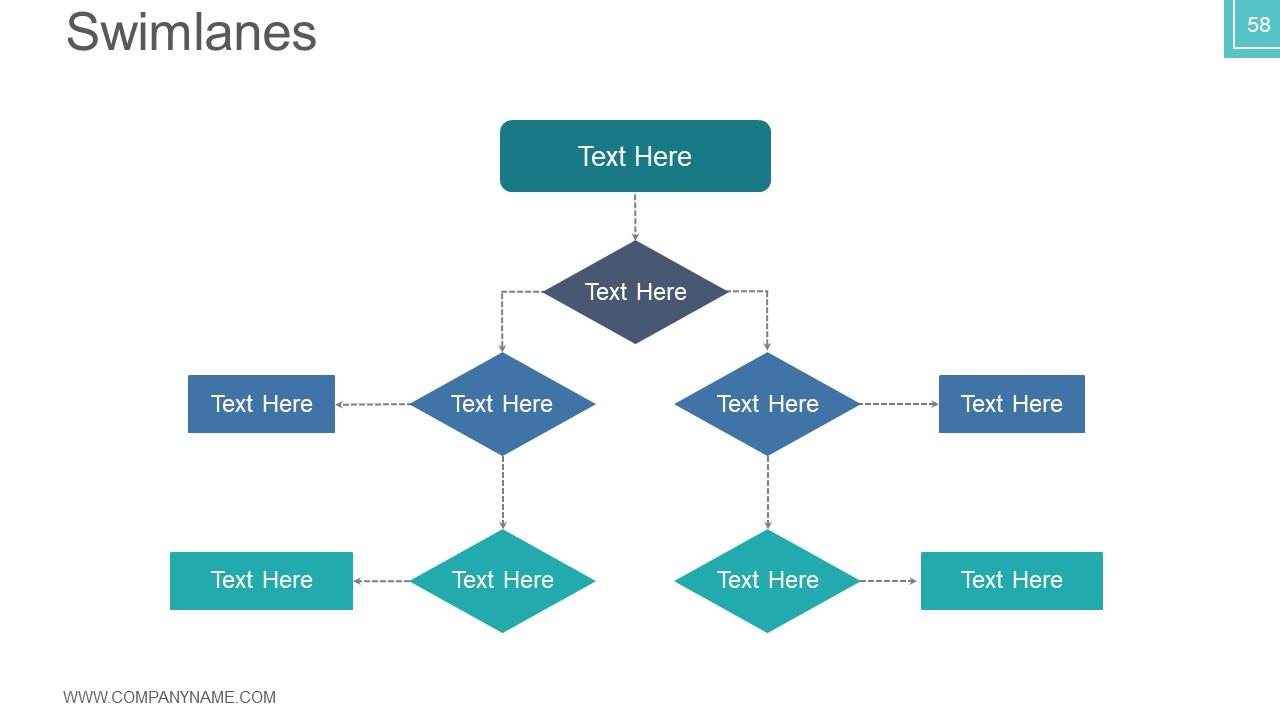
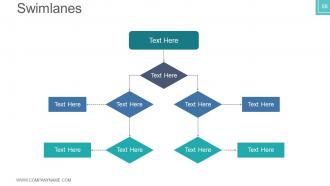
Slide 58: This slide presents a Swim lane to show a process etc.
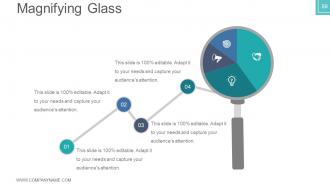
Slide 59: This slide displays a Magnifying Glass with icon imagery.
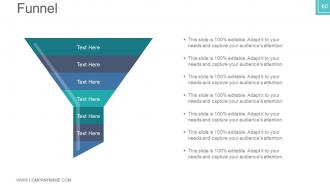
Slide 60: This slide showcases a Funnel with text boxes. State information, process in funnel form here.
Slide 61: This is a Thank You slide with Address# street number, city, state, Contact Numbers, Email Address.
Business plan venture capital funding powerpoint presentation slides with all 61 slides:
You don't have to be a natural communicator to create an impression with your presentations. Let our Business Plan Venture Capital Funding Powerpoint Presentation Slides do the hard work for you. Don't be surprised at the many feedbacks you receive after the presentation.
-
Enough space for editing and adding your own content.
-
Informative presentations that are easily editable.
