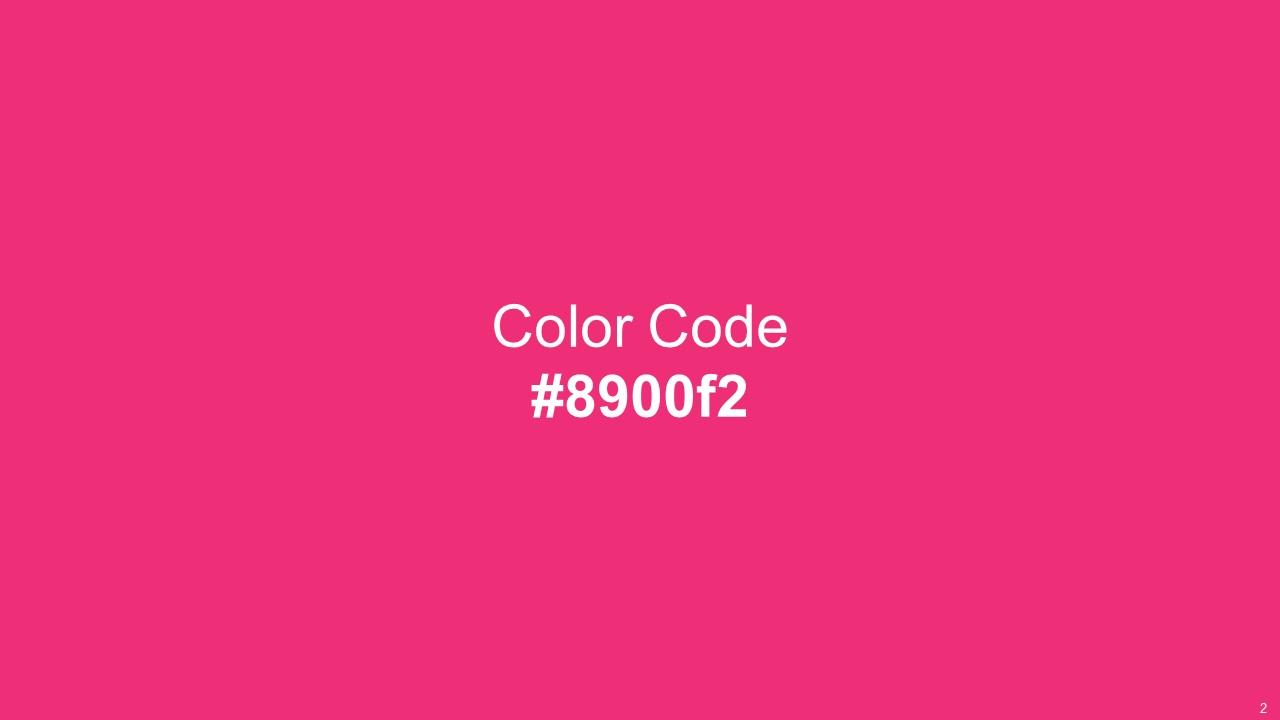
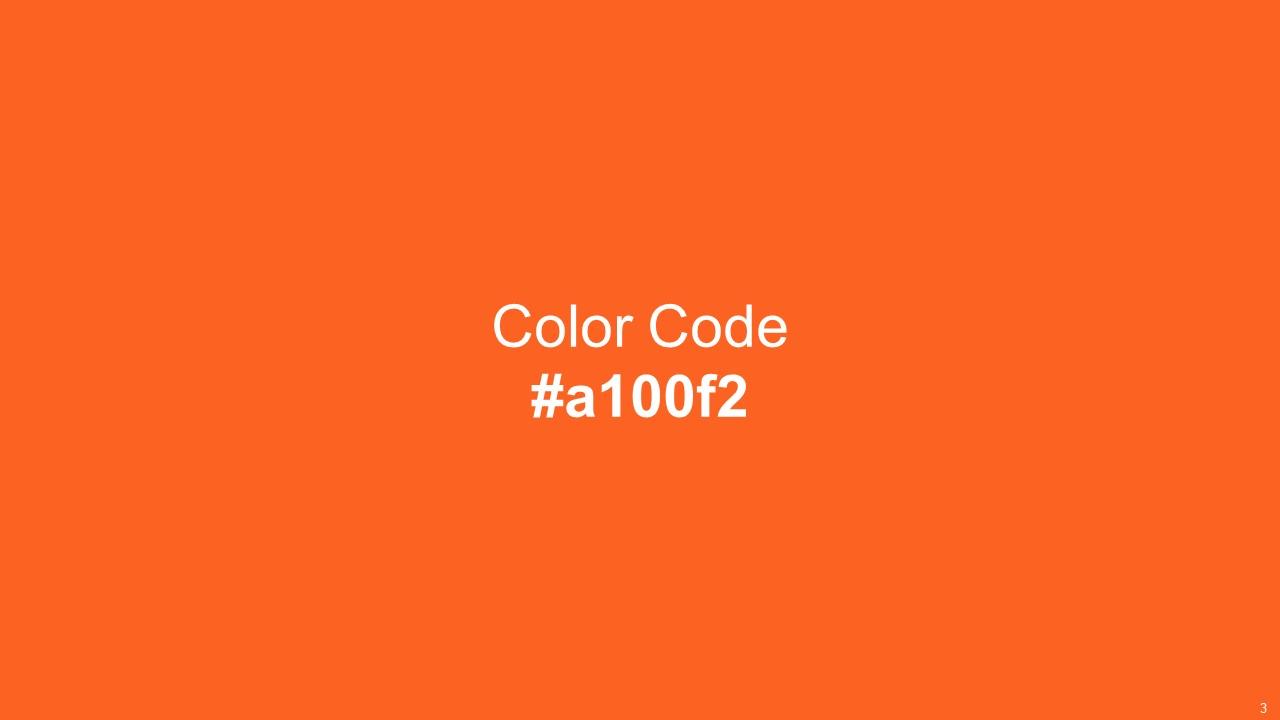
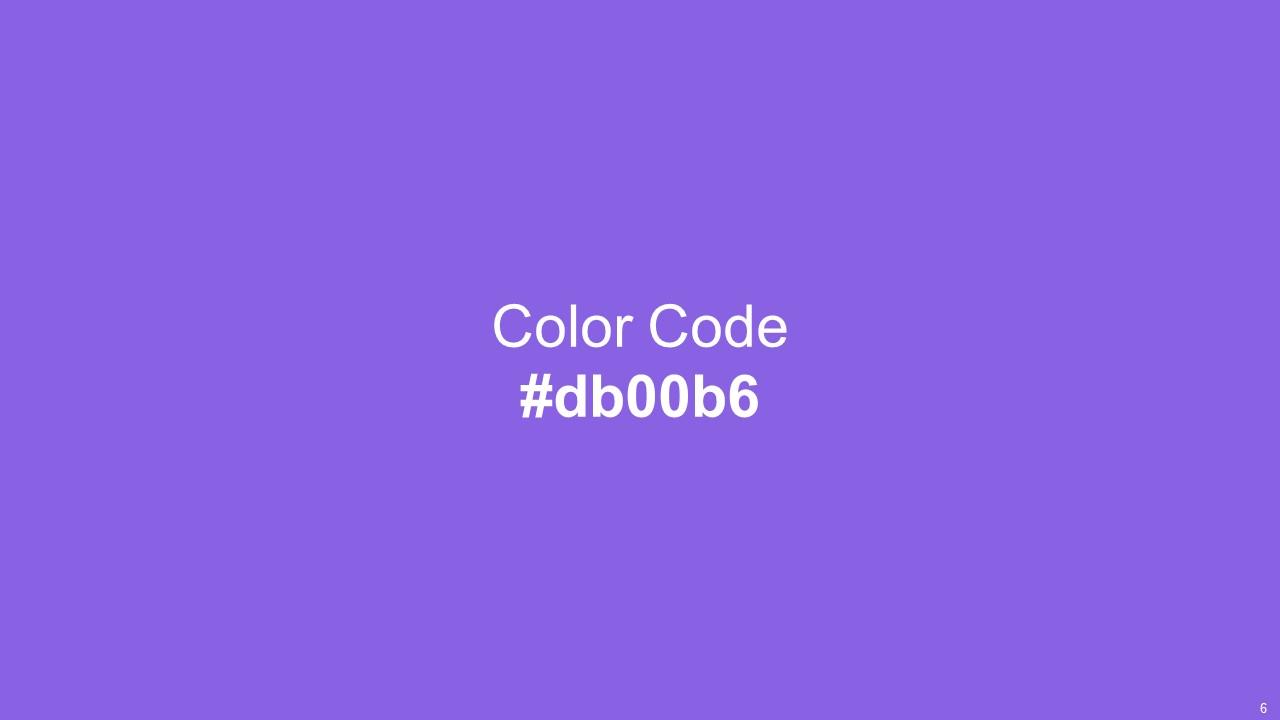
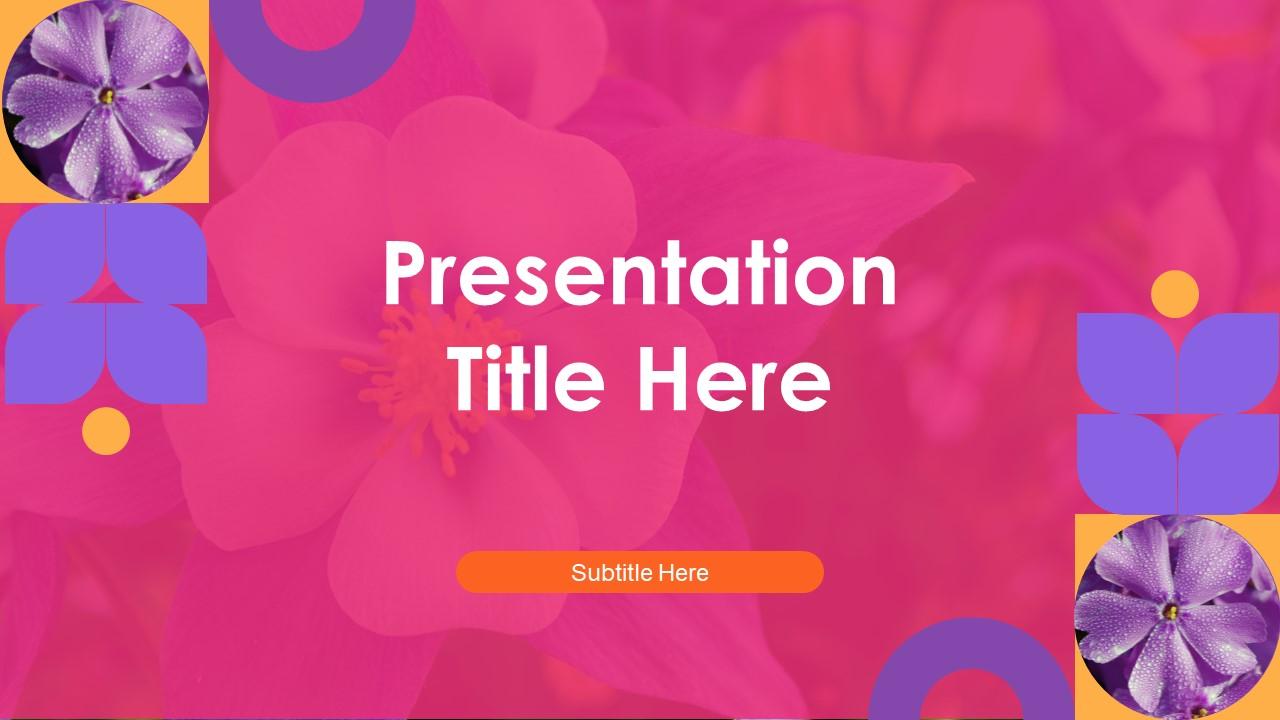
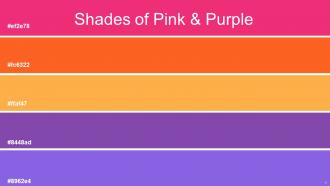
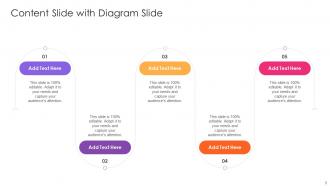
Color Palette With Five Shade Medium Purple Studio Yellow Orange Orange Violet Red
Try Before you Buy Download Free Sample Product
Audience
Editable
of Time
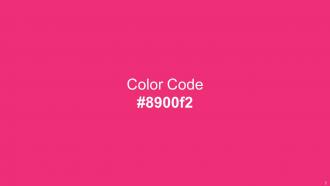
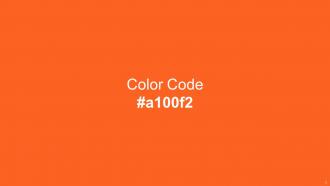
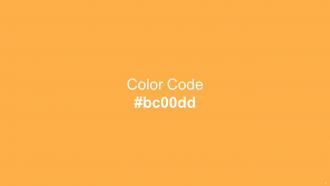
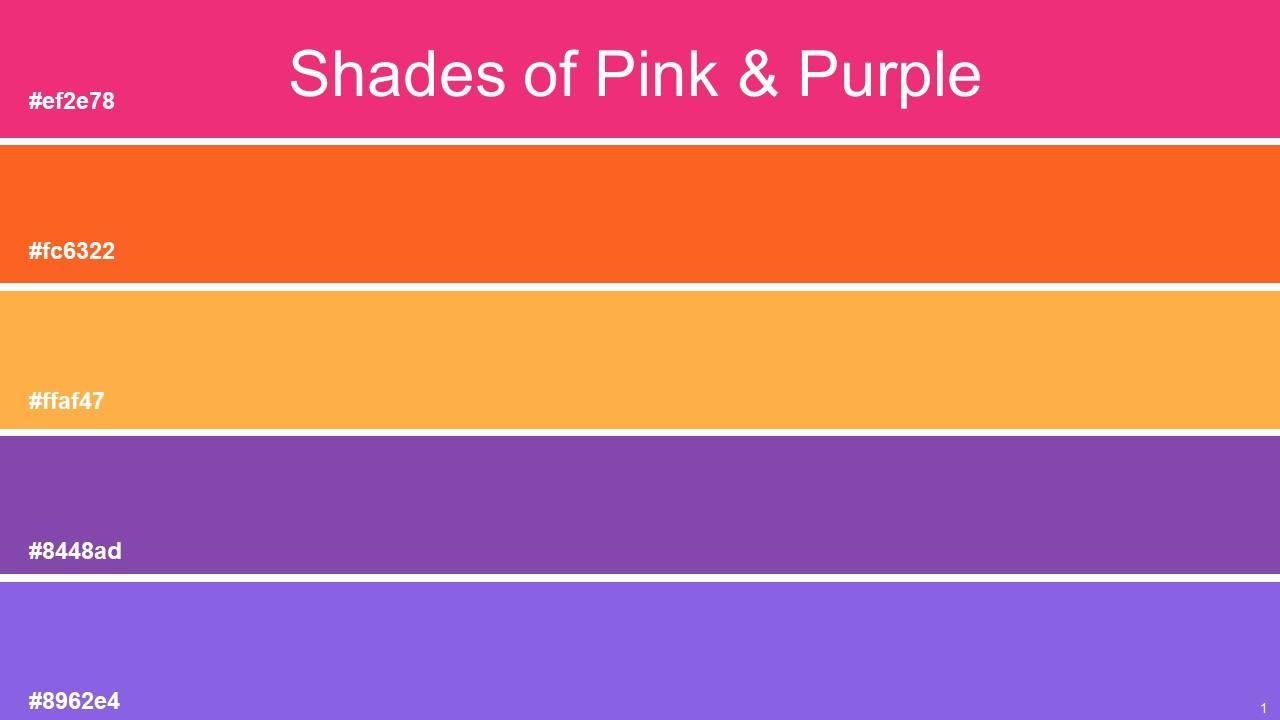
Heres a visually-pleasing color palette with Five Color Shades With Hex Code 8962e4, 8448ad, ffaf47, fc6322, ef2e78. These colors are intuitively picked to ignite the spark of brilliance in your designs and creativity.
People who downloaded this PowerPoint presentation also viewed the following :
Color Palette With Five Shade Medium Purple Studio Yellow Orange Orange Violet Red with all 14 slides:
Use our Color Palette With Five Shade Medium Purple Studio Yellow Orange Orange Violet Red to effectively help you save your valuable time. They are readymade to fit into any presentation structure.
FAQs for Color Palette With Five Shade Medium Purple Studio Yellow Orange
Different colors evoke distinct psychological responses, with blue conveying trust and professionalism, red creating urgency and energy, green suggesting growth and stability, and yellow promoting optimism and creativity. These color associations significantly influence audience perception and engagement, with many presenters in corporate, healthcare, and educational sectors finding that strategic color choices enhance message retention, emotional connection, and overall presentation effectiveness.

Choose a color palette by analyzing your brand's personality, target audience, and industry context, then selecting 2-3 primary colors that reflect these values alongside complementary accent colors. Consider psychological associations—blue conveys trust for financial services, green suggests growth for healthcare, while red creates urgency for retail—ensuring your palette enhances brand recognition and resonates with customers across all touchpoints.
Effective contrasting color practices include using complementary colors strategically, maintaining 70-30-10 ratios, ensuring sufficient contrast for readability, limiting palettes to 3-4 colors maximum, and testing accessibility standards. These approaches enhance audience engagement by improving visual hierarchy, reducing cognitive load, and ensuring message clarity, with many presenters finding that strategic contrast ultimately delivers stronger audience retention and more professional credibility.
Color palettes influence audience engagement by creating emotional connections, improving readability, establishing brand recognition, and guiding visual hierarchy through strategic contrast. Through psychological associations and consistent application, well-chosen palettes enhance comprehension rates, increase presentation memorability, and maintain viewer attention, with many organizations finding that cohesive color strategies deliver stronger audience retention and more impactful communication outcomes.
Color accessibility ensures presentation materials are usable by individuals with visual impairments, color blindness, and varying visual abilities through sufficient contrast ratios, alternative visual cues, and inclusive design principles. This approach enables organizations to reach broader audiences, comply with accessibility standards, and deliver more effective communication, with many companies finding that accessible design ultimately enhances comprehension and engagement for all viewers.
Effectively combining warm and cool colors requires strategic balance through the 60-30-10 rule, using one temperature as dominant and the other as accent, ensuring sufficient contrast for readability, and maintaining brand consistency. This approach works particularly well in financial presentations where warm colors highlight key metrics while cool tones convey stability, ultimately delivering visual harmony and enhanced audience engagement.
**INPUT**: What tools or resources can help me generate a color palette for my presentation? **OUTPUT**: Color palette generation tools include Adobe Color, Coolors, Canva's palette generator, ColorHunt, and Paletton, which streamline design workflows through automated combinations and trend-based suggestions. These platforms enhance presentation consistency by offering brand-aligned palettes, accessibility compliance features, and export capabilities, with many organizations finding that strategic color choices ultimately deliver stronger audience engagement and professional credibility.
Cultural perceptions significantly influence audience interpretation, as colors carry different meanings across societies—red symbolizes luck in China but danger in Western cultures, while white represents purity in America but mourning in some Asian countries. These cultural associations affect emotional responses, brand perception, and message effectiveness, with many global organizations finding that localized color strategies enhance audience engagement and cross-cultural communication success.
Corporate presentation color palettes in 2023 emphasize earth tones, muted greens, warm terracottas, sophisticated navy blues, and minimalist monochromatic schemes with strategic accent colors. These palettes enhance professional credibility while reflecting contemporary design sensibilities, with many organizations finding that warmer, nature-inspired combinations create more engaging stakeholder presentations and ultimately strengthen brand perception in increasingly competitive markets.
Online presentations benefit from higher contrast colors, bolder fonts, and simplified palettes that remain vibrant on various screens and lighting conditions. For in-person settings, you can use more subtle color variations, gradients, and ambient-sensitive hues that work well with projector lighting, with many presenters finding that testing both formats beforehand ensures maximum visual impact and audience engagement across different presentation environments.
Monochromatic color palettes enhance visual storytelling by creating cohesive atmospheres, directing viewer attention, simplifying decision-making, establishing emotional consistency, and reinforcing brand identity. Through strategic use of single-hue variations, designers streamline visual complexity while amplifying narrative focus, with many creative agencies finding that monochromatic approaches deliver stronger audience engagement and memorable brand experiences across presentations and marketing materials.
Maintaining consistency across multiple slide decks requires establishing a standardized color palette with specific hex codes, creating master templates with predefined color schemes, and using brand style guides that document primary and secondary colors. These approaches streamline design workflows by ensuring uniform visual identity, reducing decision fatigue, and enabling seamless collaboration across teams, ultimately delivering professional presentations that reinforce brand recognition.
Avoid high-contrast combinations like bright red with green, neon colors with pastels, or multiple saturated hues competing for attention, as these create visual tension and reduce readability. Strategic color selection enhances audience focus and comprehension, with many presenters finding that limiting palettes to three complementary colors delivers cleaner aesthetics and stronger message retention.
Color creates visual pathways that guide audience attention through your presentation by using consistent hues for similar concepts, transitional shades between sections, and strategic accent colors for key points. Through systematic color progression, presenters enhance comprehension, reduce cognitive load, and maintain engagement, with many finding that audiences follow complex narratives more easily, ultimately delivering clearer communication and stronger message retention.
Infographic color guidelines include maintaining brand consistency, using high contrast ratios for readability, limiting palettes to 3-5 colors, ensuring accessibility compliance, and selecting colors that support data hierarchy. These guidelines enhance visual communication by improving comprehension, reducing cognitive load, and maintaining professional credibility, with many organizations finding that strategic color application ultimately delivers clearer messaging and stronger audience engagement.
-
I’m not a design person, so I couldn’t make a presentation to save my life. Thankfully, they have all kinds of templates that I regularly use for my work.
-
The content is very helpful from business point of view.