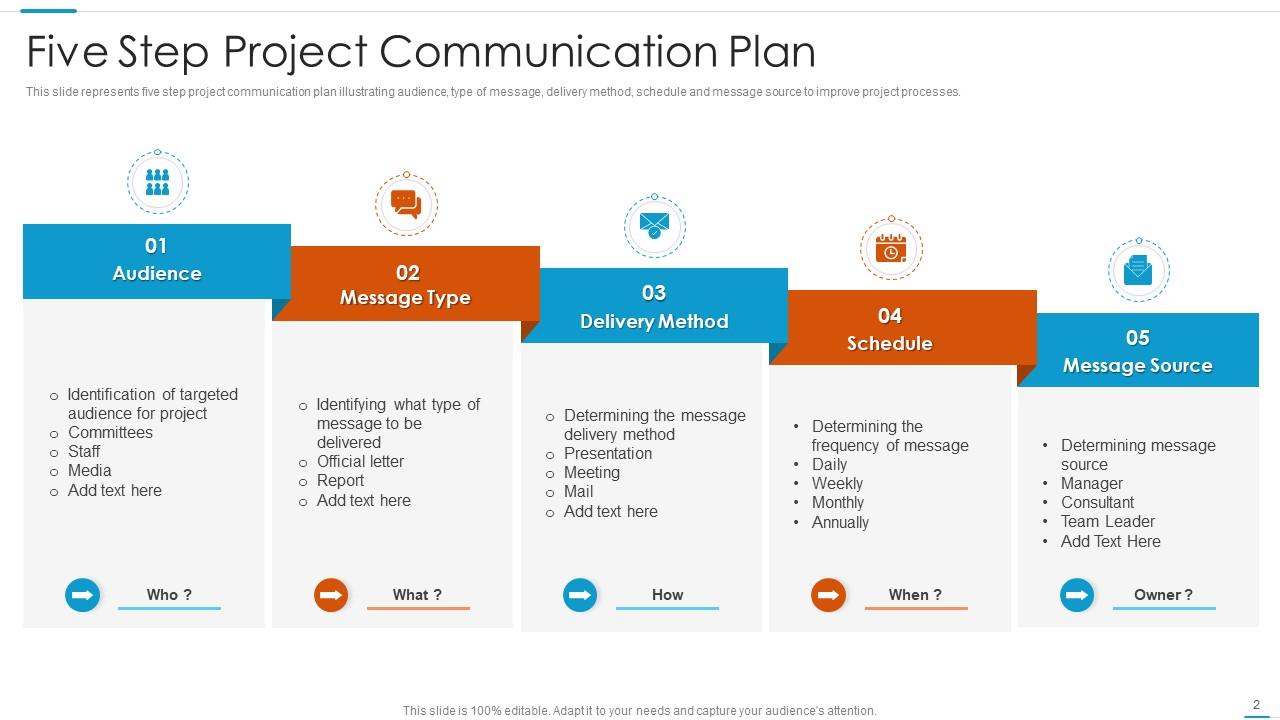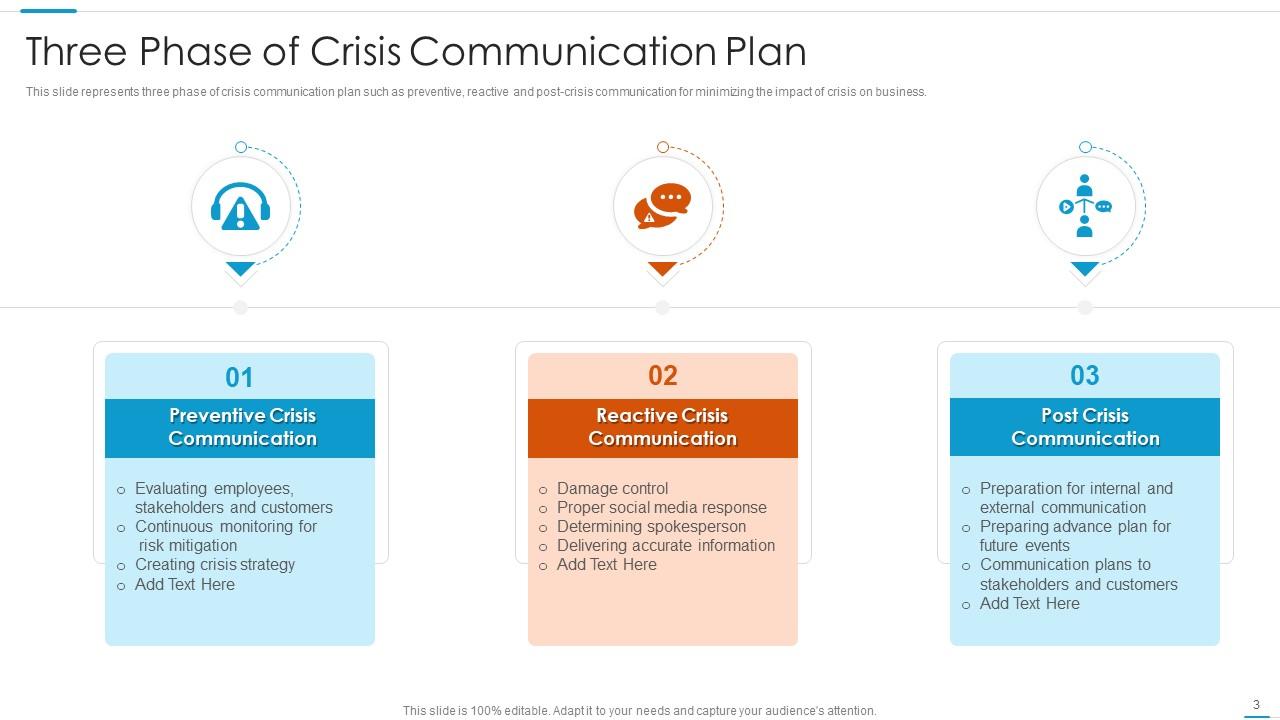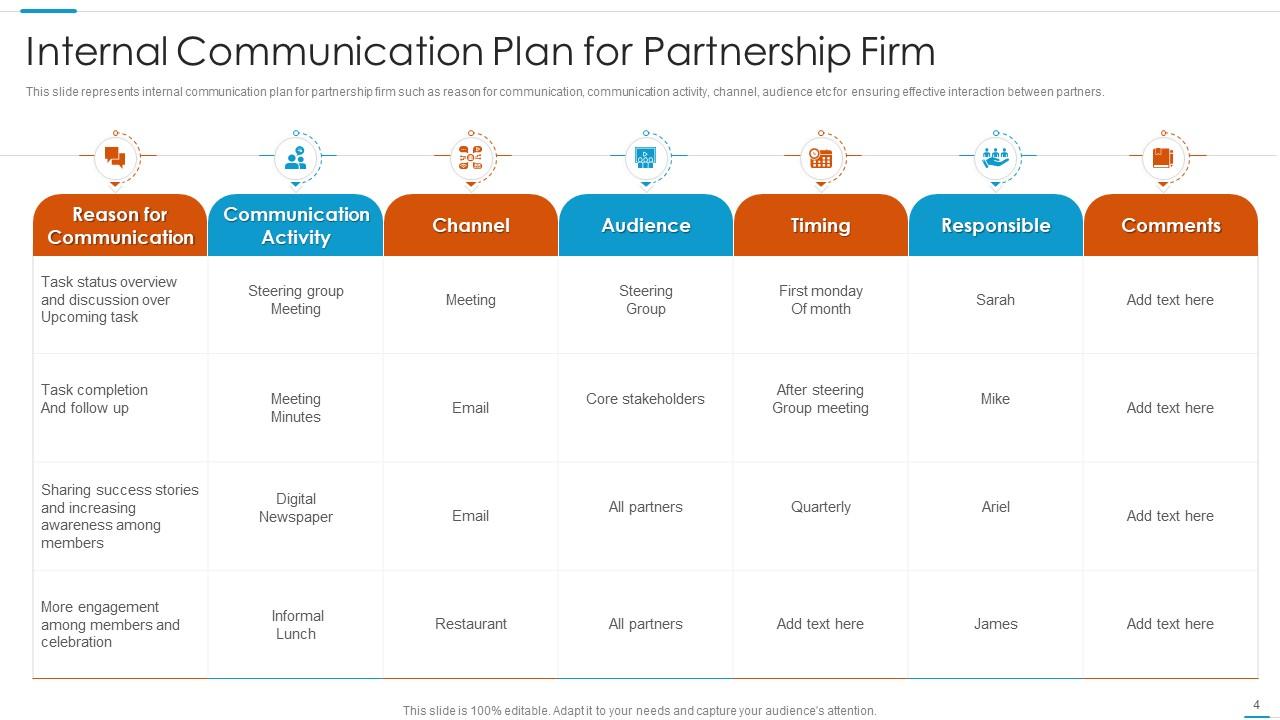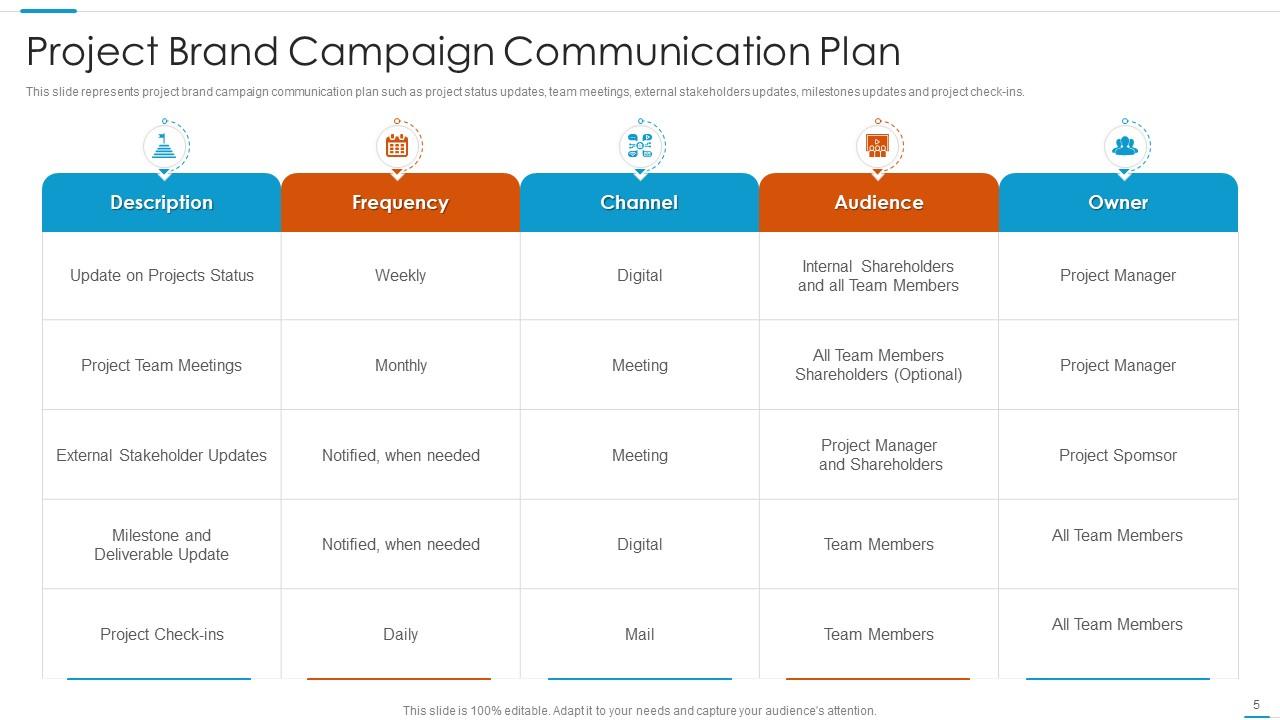
Communication Plan Powerpoint PPT Template Bundles
Try Before you Buy Download Free Sample Product
Audience
Editable
of Time
Our Communication Plan Powerpoint PPT Template Bundles are topically designed to provide an attractive backdrop to any subject. Use them to look like a presentation pro.
People who downloaded this PowerPoint presentation also viewed the following :
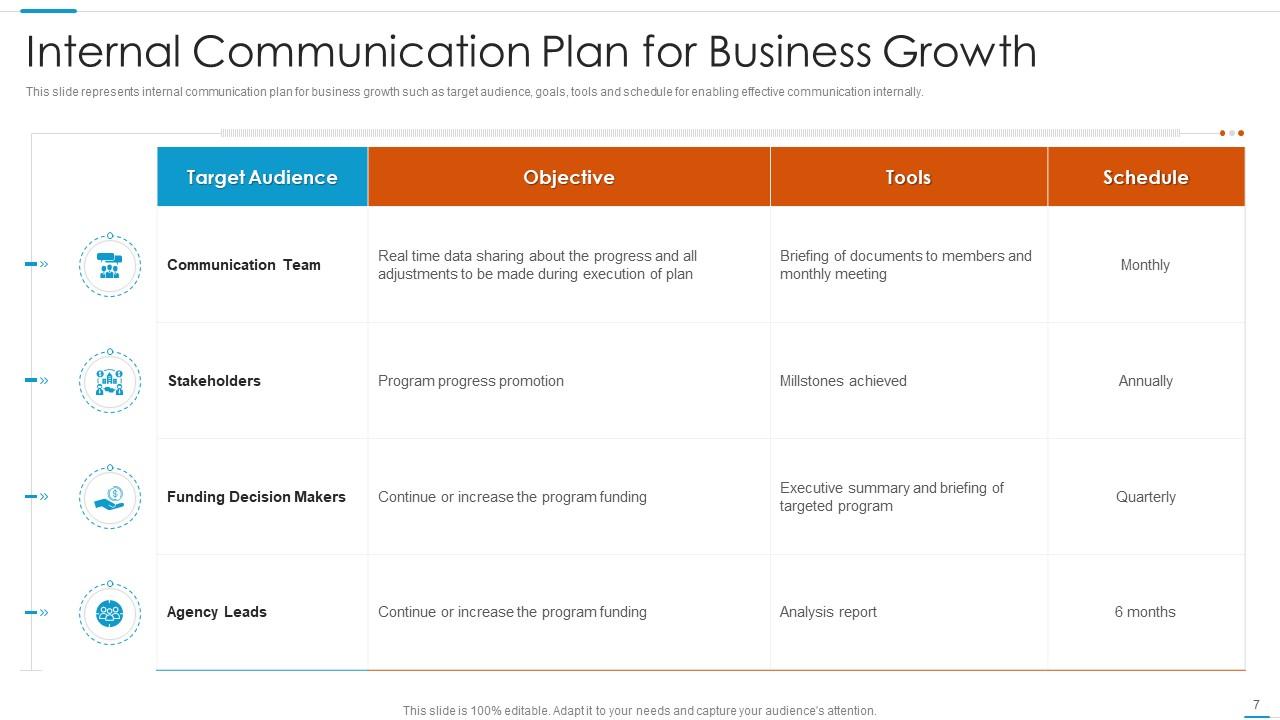
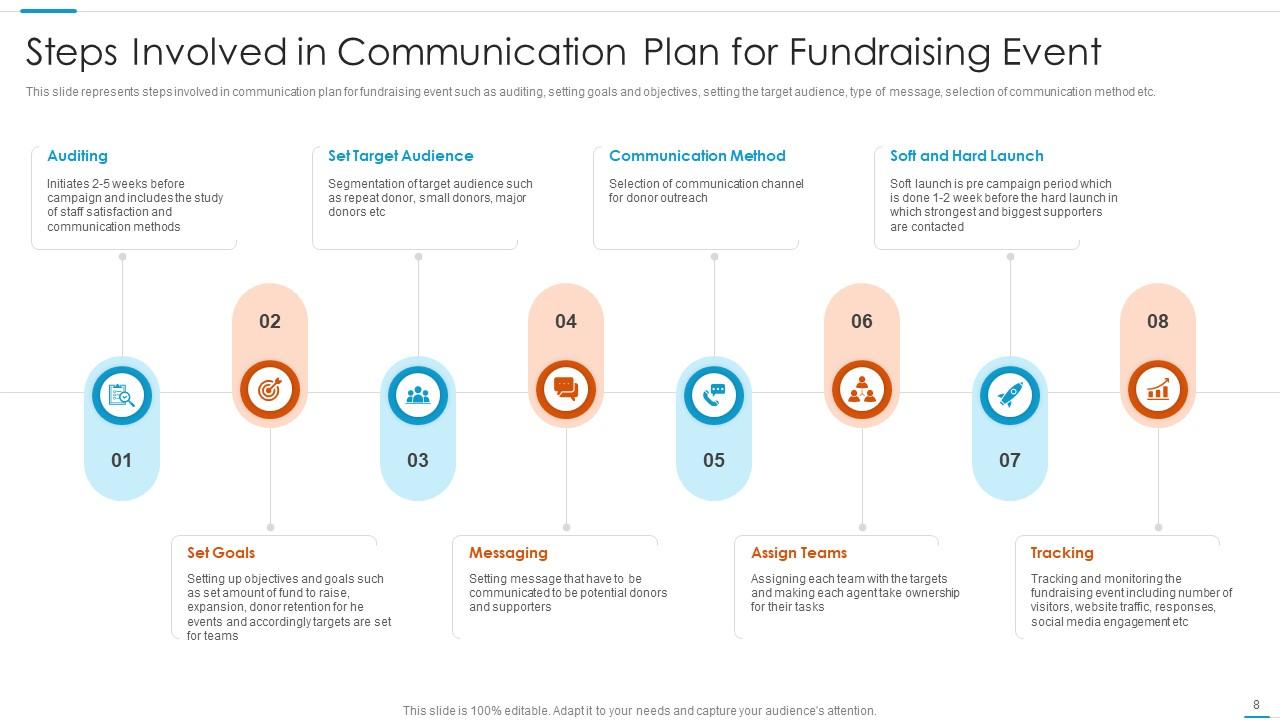
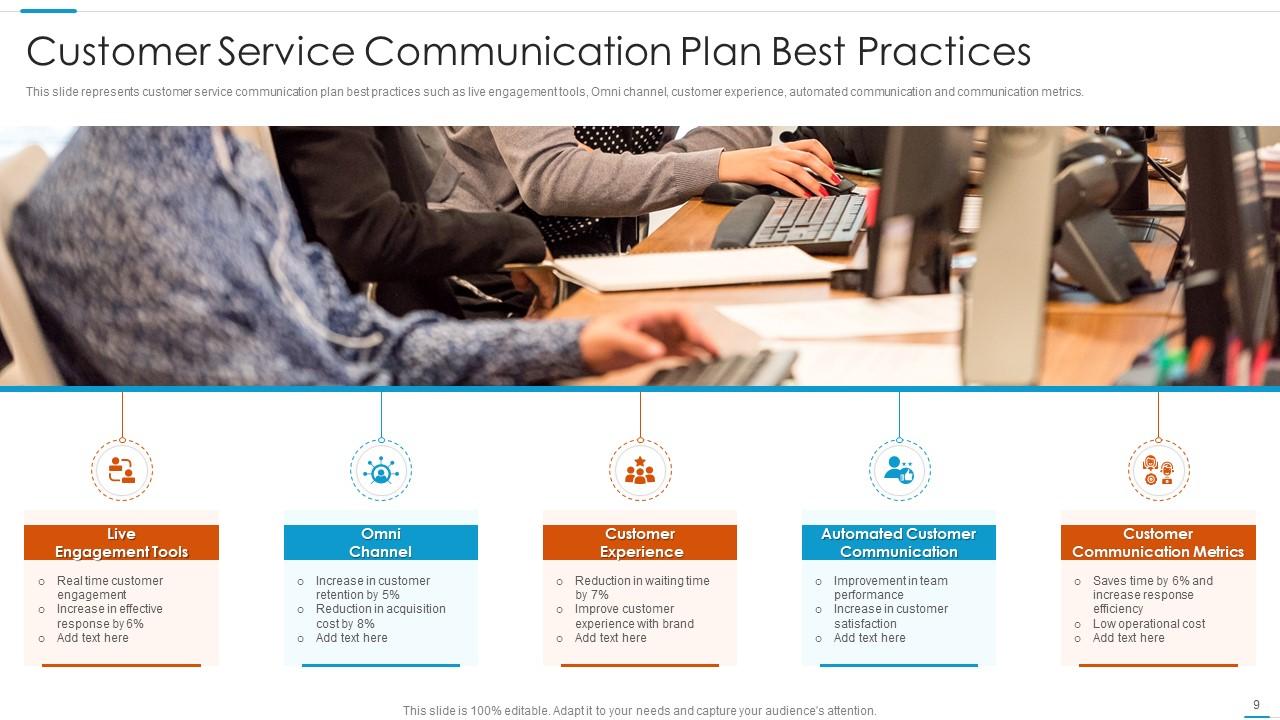
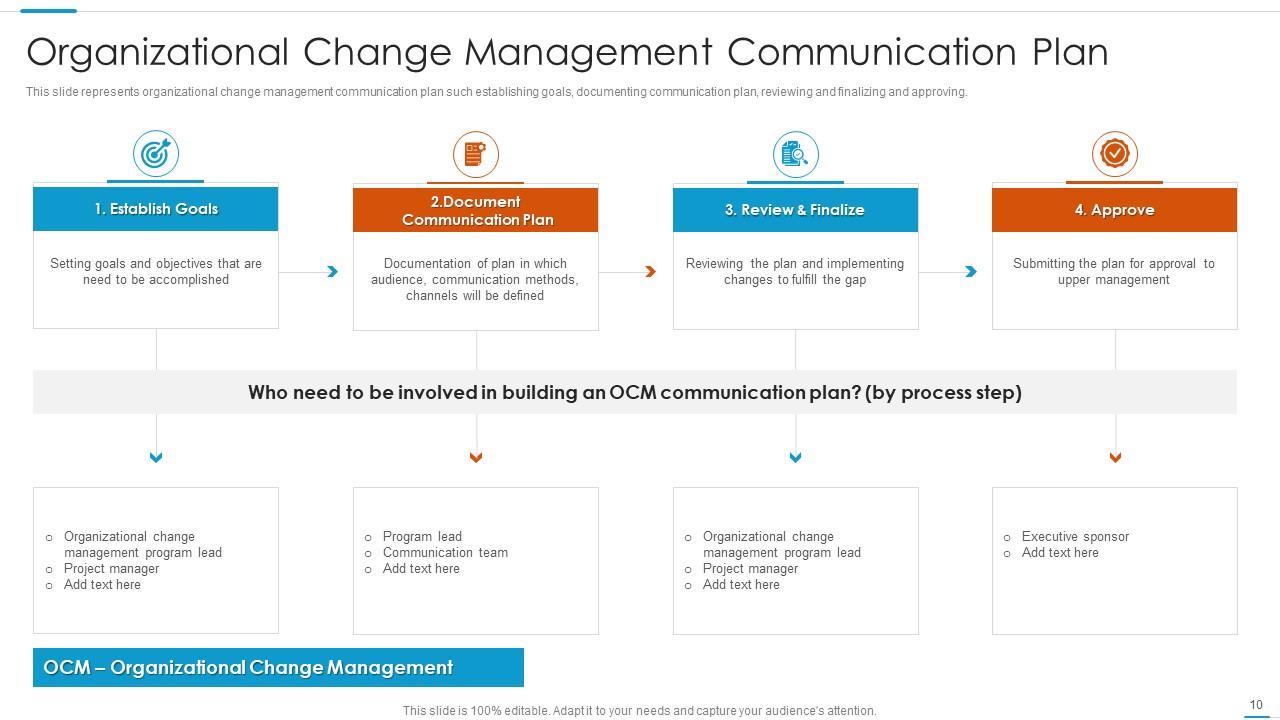
Communication Plan Powerpoint PPT Template Bundles with all 22 slides:
Use our Communication Plan Powerpoint PPT Template Bundles to effectively help you save your valuable time. They are readymade to fit into any presentation structure.
FAQs for Communication Plan Powerpoint
Key elements of an effective communication plan include clear objectives, target audience identification, key messaging frameworks, communication channels selection, and timeline establishment. These components work together by ensuring consistent messaging across stakeholders, optimizing resource allocation, and maintaining strategic alignment, with many organizations finding that structured communication planning significantly enhances project outcomes and stakeholder engagement.
A communication plan template enhances team collaboration by establishing clear channels, defining roles and responsibilities, setting communication frequencies, and creating standardized messaging protocols. Through structured frameworks, teams streamline information sharing, reduce miscommunications, and maintain project alignment across departments, with many organizations finding that consistent communication templates ultimately deliver faster decision-making and improved project outcomes.
Audience analysis serves as the foundation for effective communication plans by identifying stakeholder needs, preferences, communication channels, and decision-making processes. This strategic assessment enables organizations to tailor messaging, select optimal delivery methods, and timing for maximum impact, with many companies finding that targeted approaches significantly improve engagement rates, reduce miscommunication, and ultimately deliver stronger project outcomes and stakeholder buy-in.
Timelines should be integrated through structured scheduling that aligns communication activities with project milestones, stakeholder availability, and business priorities. These timelines enable organizations to coordinate messaging sequences, manage resource allocation, and maintain consistent touchpoints, with many companies finding that strategic timeline integration ultimately delivers improved stakeholder engagement and project outcomes.
**INPUT**: What are the best practices for choosing communication channels in a plan? **OUTPUT**: Best practices for selecting communication channels include analyzing audience preferences, message complexity, urgency requirements, feedback needs, and budget constraints. Organizations increasingly find that combining digital platforms like email and collaboration tools with face-to-face meetings for sensitive topics delivers optimal engagement, while ensuring critical information reaches stakeholders through their preferred channels, ultimately enhancing communication effectiveness and organizational alignment. [Word count: 60 words]
Visual elements in presentation templates enhance communication clarity by organizing information hierarchically, using color coding for categorization, incorporating icons for quick recognition, and employing charts to simplify complex data. Through strategic design choices, presenters streamline message delivery, reduce cognitive load, and increase audience retention, with many organizations finding that well-designed templates accelerate decision-making processes while ensuring consistent, professional communication across teams.
**INPUT**: What strategies can be included to handle potential communication pitfalls? **OUTPUT**: Effective communication pitfall strategies include establishing clear escalation protocols, implementing regular feedback loops, creating backup communication channels, defining response timeframes, and developing conflict resolution procedures. These approaches enable organizations to address misunderstandings quickly, maintain transparency during crises, and ensure consistent messaging across departments, with many companies finding that proactive communication planning significantly reduces project delays and enhances stakeholder trust. [Word count: 60 words]
Feedback mechanisms can be effectively incorporated through regular surveys, focus groups, suggestion boxes, digital feedback platforms, and structured review meetings. These tools enable organizations to gather real-time insights from employees, customers, and stakeholders, while creating continuous improvement cycles that enhance communication effectiveness, strengthen engagement, and ultimately deliver more responsive organizational strategies.
Communication strategy metrics should include engagement rates, message comprehension levels, stakeholder feedback scores, response times, and behavioral change indicators. These measurement tools enable organizations to assess communication effectiveness across departments, track employee understanding of strategic initiatives, and monitor customer satisfaction improvements, ultimately delivering enhanced transparency, stronger stakeholder relationships, and measurable business outcomes.
A communication plan template can be customized by adapting messaging frameworks, stakeholder identification processes, channel selection criteria, compliance requirements, and success metrics to industry-specific needs. For example, healthcare organizations emphasize regulatory compliance and patient privacy, while tech companies focus on rapid iteration cycles and developer communities, ultimately delivering more targeted engagement and measurable outcomes.
Common communication plan challenges include unclear messaging, inadequate stakeholder engagement, poor timing coordination, insufficient feedback mechanisms, and resource allocation issues. These obstacles often arise when organizations lack strategic alignment between departments, with many companies finding that inconsistent communication channels and competing priorities ultimately undermine message effectiveness, requiring streamlined processes and enhanced collaboration.
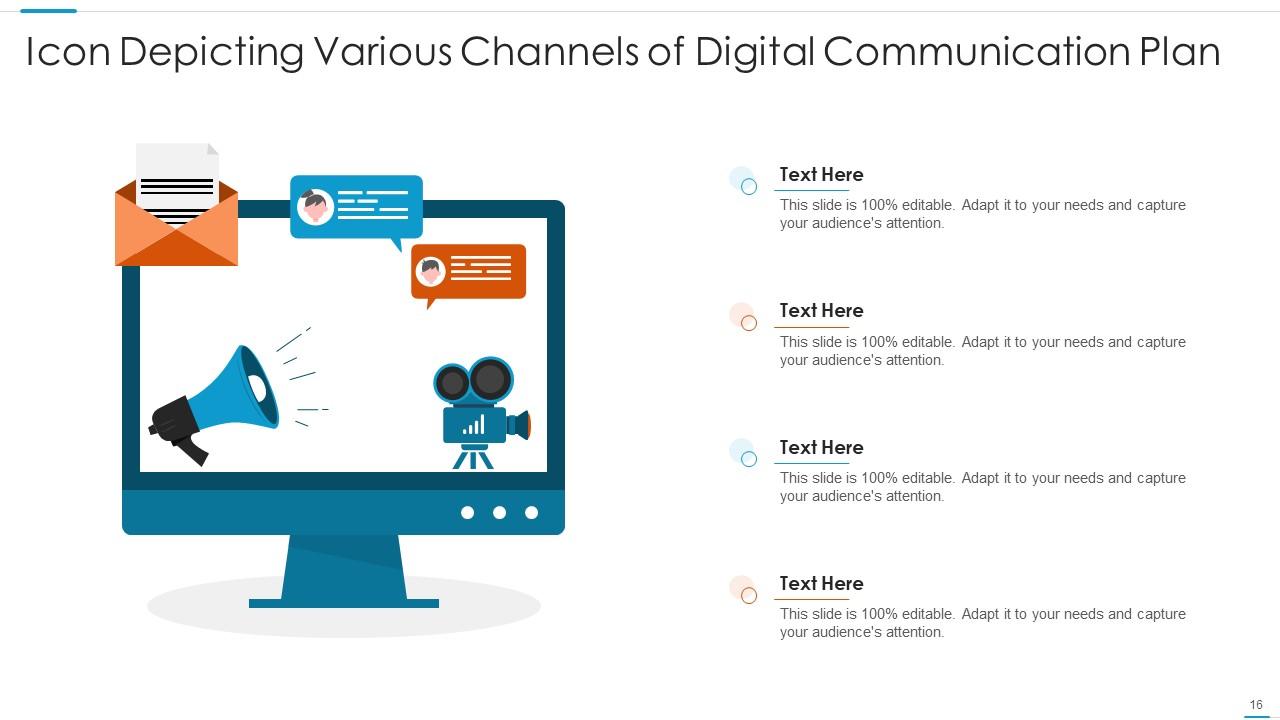
Digital tools and platforms enhance communication plans by streamlining message distribution, enabling real-time collaboration, providing analytics tracking, and automating routine updates across multiple channels simultaneously. Through integrated platforms like Slack, Microsoft Teams, and project management software, organizations deliver faster stakeholder engagement, improved transparency, and measurable communication outcomes, ultimately creating more responsive and efficient organizational communication workflows.
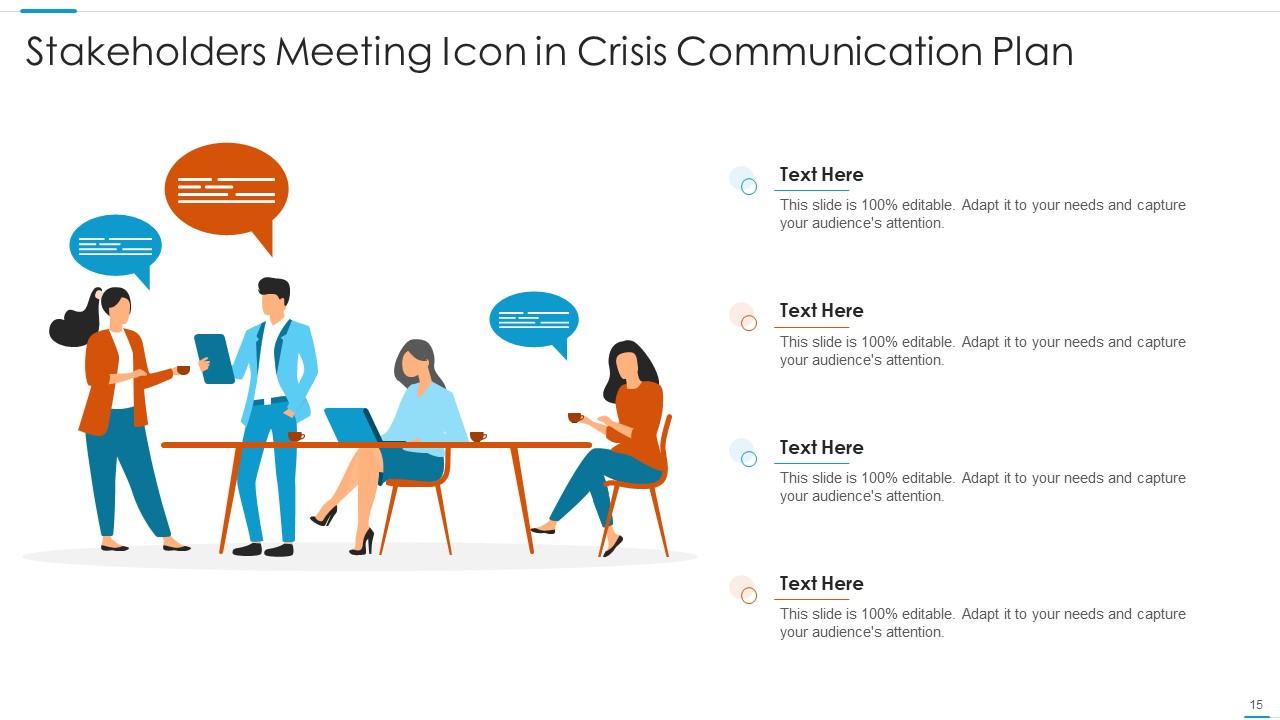
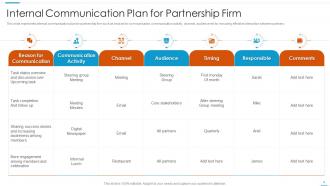
Stakeholder mapping directly shapes communication strategies by identifying each audience's influence level, information needs, preferred channels, and decision-making authority within the organization. Through systematic mapping, teams can customize messaging frequency, formality, and content depth for different groups, while prioritizing high-influence stakeholders and selecting optimal communication methods, ultimately ensuring more targeted outreach and stronger project support.
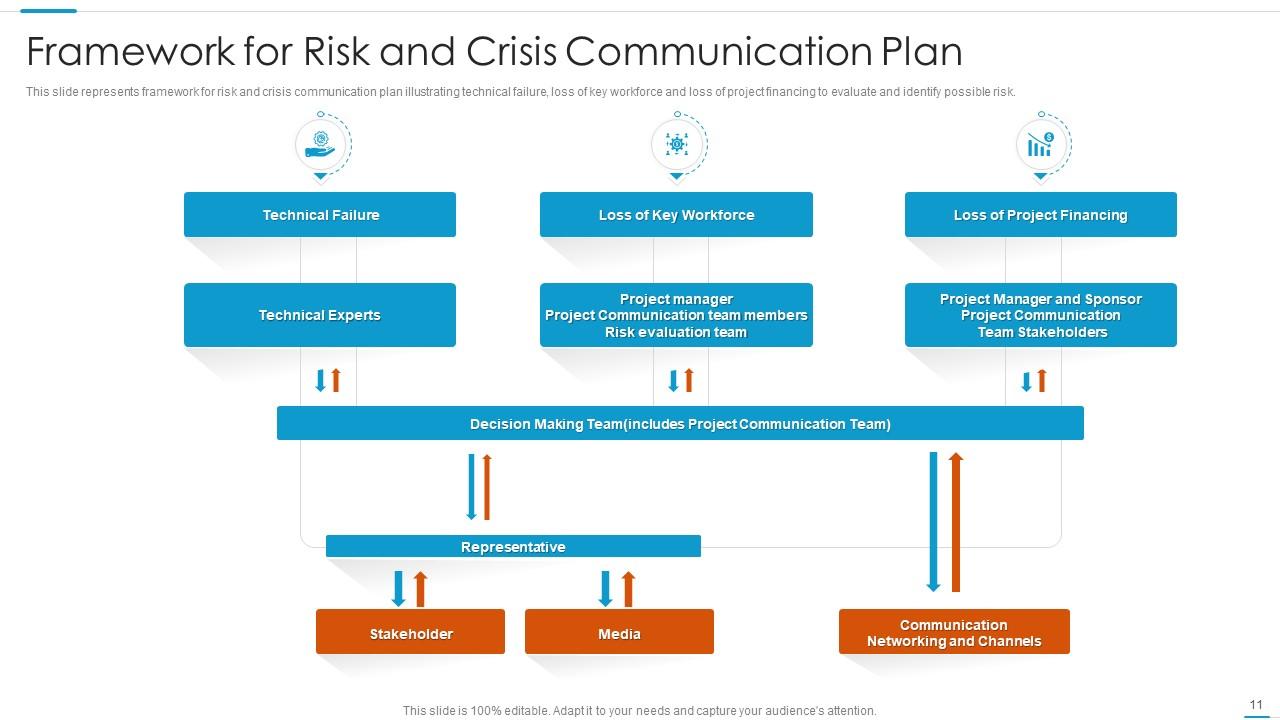
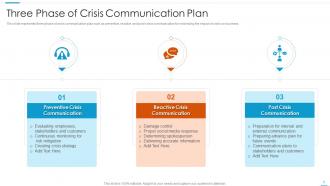
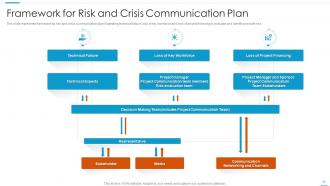
Crisis communication serves as the emergency response framework within broader communication strategies, protecting brand reputation, maintaining stakeholder trust, and ensuring consistent messaging during challenging situations. Through pre-established protocols and rapid response systems, organizations can minimize reputational damage, preserve customer relationships, and demonstrate leadership transparency, with many companies finding that effective crisis communication ultimately strengthens long-term stakeholder confidence and competitive positioning.
Training sessions can be integrated through scheduled workshops, role-specific modules, feedback loops, and progress assessments aligned with communication milestones. These educational components enhance understanding by reinforcing key messages, addressing implementation challenges, and building stakeholder confidence, with many organizations finding that structured training accelerates adoption and ultimately delivers more effective communication outcomes.
-
Thanks for all your great templates they have saved me lots of time and accelerate my presentations. Great product, keep them up!
-
Easily Understandable slides.