Company History And Milestones Powerpoint Ppt Template Bundles

Rating:
90%
Company History And Milestones Powerpoint Ppt Template Bundles
Slide 1 of 20
Favourites Favourites

Try Before you Buy Download Free Sample Product

Audience Impress Your
Audience
Editable 100%
Editable
Time Save Hours
of Time
The Biggest Sale is ending soon in
0
0
:
0
0
:
0
0
Rating:
90%
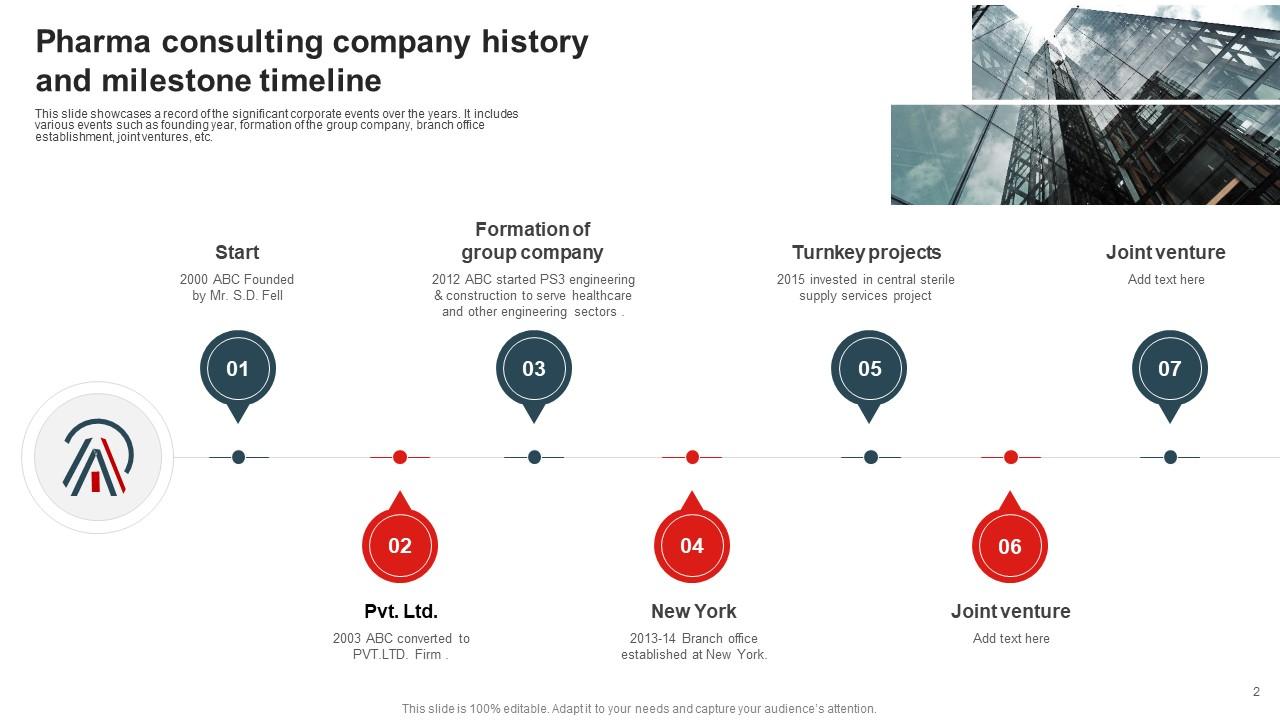
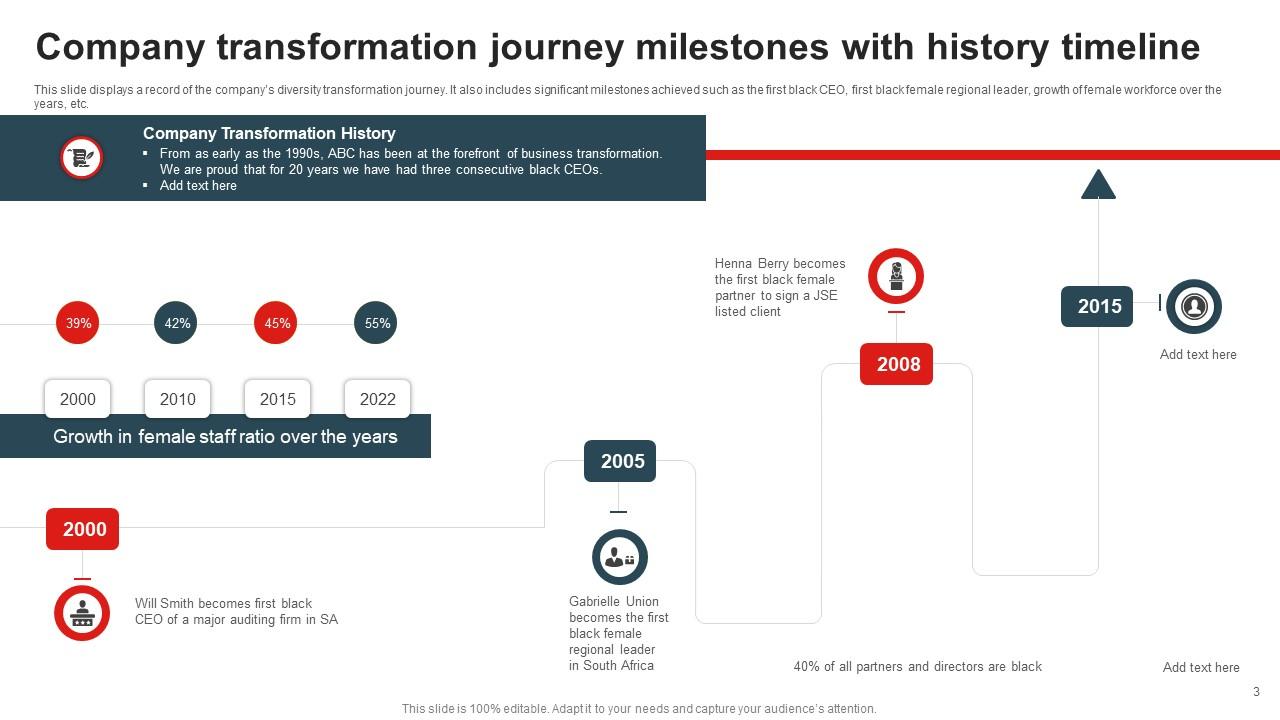
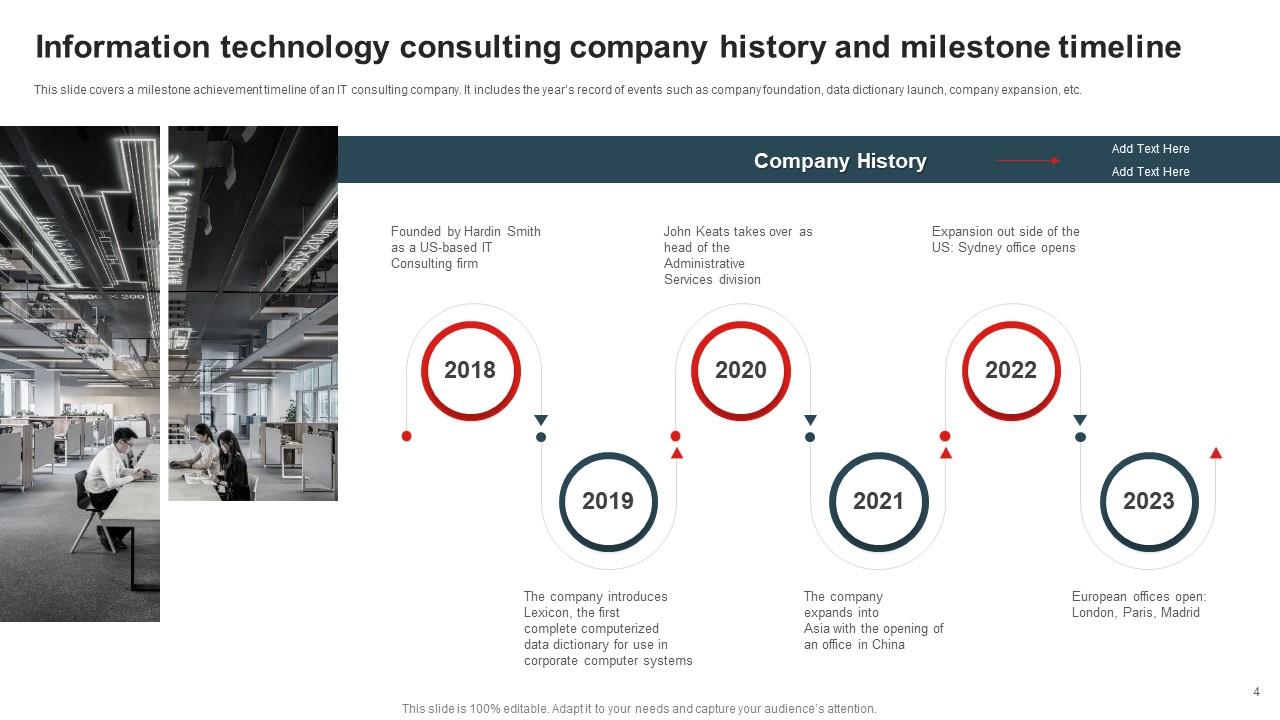
If you require a professional template with great design, then this Company History And Milestones Powerpoint Ppt Template Bundles is an ideal fit for you. Deploy it to enthrall your audience and increase your presentation threshold with the right graphics, images, and structure. Portray your ideas and vision using fifteen slides included in this complete deck. This template is suitable for expert discussion meetings presenting your views on the topic. With a variety of slides having the same thematic representation, this template can be regarded as a complete package. It employs some of the best design practices, so everything is well-structured. Not only this, it responds to all your needs and requirements by quickly adapting itself to the changes you make. This PPT slideshow is available for immediate download in PNG, JPG, and PDF formats, further enhancing its usability. Grab it by clicking the download button.

FAQs for Company History And Milestones Powerpoint

So Sarah Chen and Marcus Rodriguez started this thing back in 2018. They were running a consulting firm and kept getting annoyed with how terrible project management tools were. Sarah handled the tech side, Marcus was the business guy. They ended up coding the first version in Sarah's garage - I know, super stereotypical startup story lol. But honestly? What set them apart was actually fixing workflow issues instead of cramming in random features nobody asked for. Their original manifesto is still on the company blog somewhere if you're into that kind of thing.

Yeah, we totally changed direction over time. Started out super narrow - just one tool, one problem, you know? Classic startup stuff. But then customers kept asking for bigger solutions, so we had to zoom out and think about whole workflows instead. Now our mission's way broader - transforming how teams work together and all that. Honestly, it's been pretty wild watching it evolve. They've got this timeline thing on the About page that shows how we pivoted every couple years. Way more ambitious now than when we first launched.

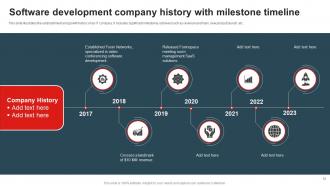
So we basically started in this cramped WeWork with just 3 people back in 2015. Series A happened in 2017 when we hit 10k users - that felt massive at the time. The TechFlow acquisition in 2019 was actually pretty smart, gave us way more capabilities. Going public in 2021 was insane, honestly still can't believe that happened. Hit a million users last year too. It's crazy how different things are now compared to those early startup days when we were just winging everything. Check the internal wiki if you need exact dates and stuff.

So we had to completely reinvent ourselves twice during the digital shift. Around 2015 we moved from old-school manufacturing into tech products - total chaos honestly, but we didn't have a choice. Automation hit next and instead of just firing everyone, we actually invested in retraining people. That was probably our smartest move tbh. The trick was staying flexible with how we did business but not losing who we were at our core. Oh and if you want all the messy details, our quarterly reports from back then tell the whole story.

Dude, innovation is literally what saved our company. While other businesses went under, we kept pivoting and staying relevant. Our biggest wins came from those "failed" experiments - weird how that works, right? Even when money was tight, leadership never cut R&D funding. That gamble paid off massively during our growth phases. Oh, and here's a tip for your project proposal - definitely play up the innovation stuff. Management eats that up since it's so baked into our company culture. Trust me on this one.

Oh man, the funding thing was brutal. We couldn't get investors without revenue, but we needed their money to actually make revenue - total nightmare cycle. Plus hiring was rough since we couldn't pay people what they were worth yet. Had to get super creative with equity deals and basically convince people to believe in what we were building. Actually kind of funny looking back - being broke forced us to be scrappy in ways that still define how we work. Those constraints weren't fun at the time but they shaped our whole culture.

So we kicked off as just a basic project management software company. Pretty simple stuff back then. Around 2018 though, team collaboration became huge so we jumped on that. Mobile apps followed, and now we're doing all this AI automation - which honestly feels a bit crazy sometimes but whatever. The pandemic really changed everything for us. Remote work exploded and we had to pivot fast. Your team probably went from using one of our tools to like three different products now? There's actually a whole timeline thing on the internal wiki that breaks down the evolution if you're curious.

So basically, our Microsoft partnership in 2019 changed everything. That deal got us into enterprise clients we couldn't touch before. Then we grabbed TechFlow Solutions in '21 - that's where all our AI stuff comes from now. Like, half our products run on their tech. Before those moves? We were just another company fighting over who could be cheapest. Now we're actually innovating, which feels way better honestly. Oh, and if you need the actual numbers and timeline, check the company portal under "Strategic Partnerships." Pretty sure it's all there.

Honestly, we're pretty solid when things get rough. Back in '08, leadership froze hiring and slashed unnecessary spending but - and this was smart - no layoffs happened. Most companies were axing people left and right. They actually pumped more money into R&D during the downturn, which paid off huge when the economy recovered. COVID was similar - quick pivot to remote work while competitors were scrambling. We ended up gaining market share somehow. Look, past performance doesn't guarantee future results (sorry, that sounded like a mutual fund disclaimer), but their track record gives me confidence we'll handle whatever comes next.

We've basically gone through three big shifts over the years. Started with old-school print ads and cold calling - ugh, remember those days? Around 2010 we finally jumped on the digital bandwagon (way too late, honestly). Social media became huge for us then. Now it's all about content marketing and getting super targeted with data analytics. Each phase totally matched what tech was available and what customers actually wanted. Our current stuff might look fancy, but it's really just built on years of figuring out what bombs versus what actually works with our people.

Dude, customer feedback basically saved our asses. When everyone kept complaining about our mobile app being trash, we scrapped the whole thing and started over. Some feedback hit hard at first - nobody likes hearing their baby is ugly, you know? But our support team started passing everything to the dev guys, and we ended up building totally new features people actually wanted. Made us decent money too. My advice? Don't just fix what people complain about - figure out why they're pissed. That's where you'll find the real opportunities.

We've gotten some pretty decent recognition over the years. There's this big industry award from 2019 that people won't shut up about in meetings lol. Multiple "Best Places to Work" awards too, which makes sense since nobody really leaves here. Oh and some sustainability stuff that shows we're not total corporate monsters. The awards wall by reception is actually kind of impressive when you see everything lined up together - didn't realize how much we'd collected until I walked by it the other day.

Oh man, we've definitely changed since the early startup days. Back then everyone did everything - decisions happened over pizza, total chaos but kinda fun honestly. These days there's actual structure, better work-life balance, way more focus on professional development. Still pretty collaborative though, which is nice. The innovation and teamwork stuff hasn't really shifted. You should totally talk to Sarah in HR - she's been here since like year two and remembers all the wild transition stories better than I do.

So yeah, leadership changes totally shake things up here. Sarah became CEO in 2019 and we basically ditched being just a services company - suddenly we're building our own products and throwing money at R&D. Mike came in as CTO last year (he's pretty intense btw) and now everything's cloud-first. Each time someone new steps up, our whole roadmap shifts. You'll want to watch those leadership announcements if you're thinking long-term projects, since that's usually your heads up on where things are going strategically.

Dude, honestly? Company history explains literally everything here. Like, the founders almost went broke early on, so now we're crazy conservative with money. That 2018 product recall still haunts our quality team - they check everything three times because of it. We kept the flat management thing from startup days when everyone did like five jobs. I swear, if you want to predict how leadership will react to anything, just figure out what went wrong before. It's weirdly predictable once you know the backstory.

Ratings and Reviews

90% of 100
Review Form
Write a review
Most Relevant Reviews
  1. 100%

    by Denver Fox

    I came across many PowerPoint presentations with excellent creatives and I believe they would be beneficial to my work.
  2. 80%

    by Damian Martin

    SlideTeam provides PPTs on every single topic. Their templates suit my job very well. I am very grateful!

2 Item(s)

per page: