


Complete Guide To Conduct Digital Marketing Audit Powerpoint Presentation Slides
Digital audit is the performance assessment of the website and all the brands social media channels. The audit helps identify areas of development that companies can incorporate to strengthen their online presence. Grab our professionally designed Complete Guide to Conduct Digital Marketing Audit template that will help all those companies facing issues related to low website visits, low conversion rate, and high bounce rate. At first, this module emphasizes organizational digital presence in which we have covered the marketing goals of the company and performance assessment of current social media channels. Next, it focuses on the need for digital audit, highlighting its purpose. Furthermore, this module covers the structure, which includes the audit category with proper procedure and its timeline. It also discusses social media audits with key findings, including engagement rate, audience data, profile information, etc. Our module also gives you access to web analytics audits, including visitors information and conversion metrics identification. This module also suggests some areas of development to improve performance. Lastly, it covers a dashboard highlighting website visitors through bar graphs and pie charts. Download our digital marketing ppt templates now.










































-

- Google Slides is a new FREE Presentation software from Google.
- All our content is 100% compatible with Google Slides.
- Just download our designs, and upload them to Google Slides and they will work automatically.
- Amaze your audience with SlideTeam and Google Slides.
-

Want Changes to This PPT Slide? Check out our Presentation Design Services
-

- WideScreen Aspect ratio is becoming a very popular format. When you download this product, the downloaded ZIP will contain this product in both standard and widescreen format.
-

- Some older products that we have may only be in standard format, but they can easily be converted to widescreen.
- To do this, please open the SlideTeam product in Powerpoint, and go to
- Design ( On the top bar) -> Page Setup -> and select "On-screen Show (16:9)” in the drop down for "Slides Sized for".
- The slide or theme will change to widescreen, and all graphics will adjust automatically. You can similarly convert our content to any other desired screen aspect ratio.
Compatible With Google Slides

Get This In WideScreen
You must be logged in to download this presentation.


Do you want to remove this product from your favourites?
PowerPoint presentation slides
Deliver this complete deck to your team members and other collaborators. Encompassed with stylized slides presenting various concepts, this Complete Guide To Conduct Digital Marketing Audit Powerpoint Presentation Slides is the best tool you can utilize. Personalize its content and graphics to make it unique and thought-provoking. All the sixty six slides are editable and modifiable, so feel free to adjust them to your business setting. The font, color, and other components also come in an editable format making this PPT design the best choice for your next presentation. So, download now.

People who downloaded this PowerPoint presentation also viewed the following :
Content of this Powerpoint Presentation
Slide 1: This slide introduces Complete Guide To Conduct Digital Marketing Audit. State Your Company Name and begin.
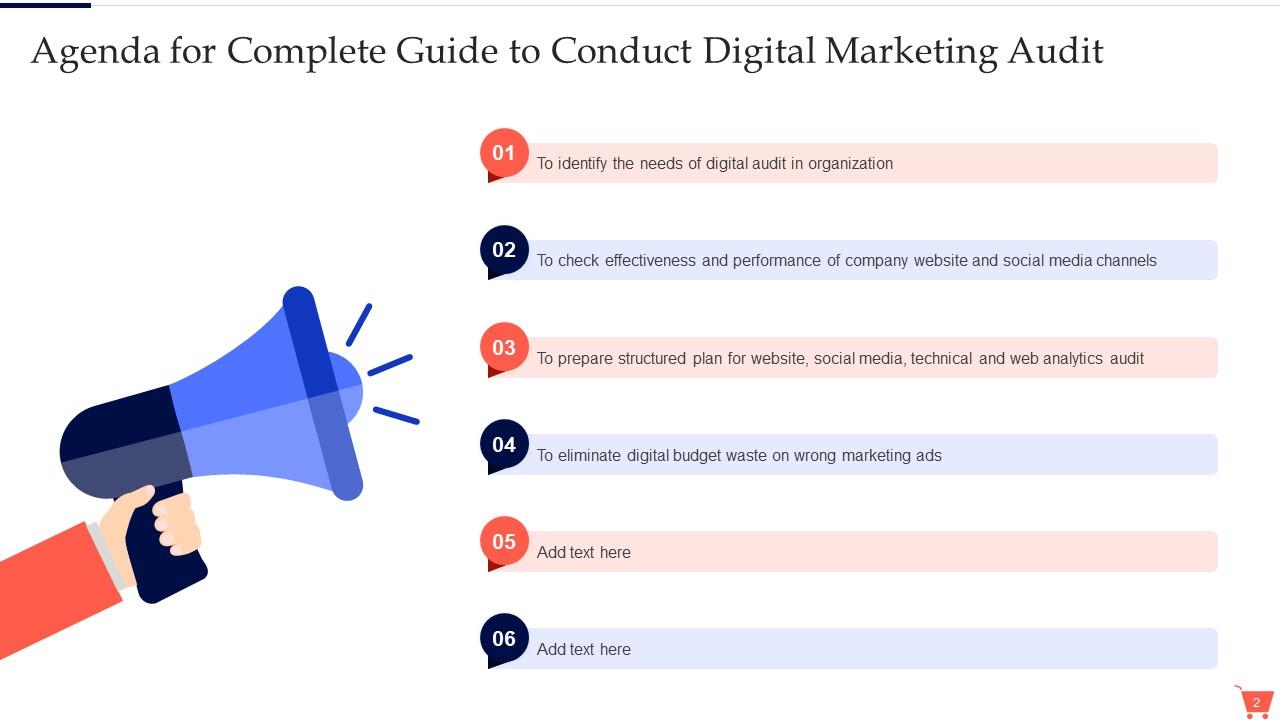
Slide 2: This slide states Agenda of the presentation.
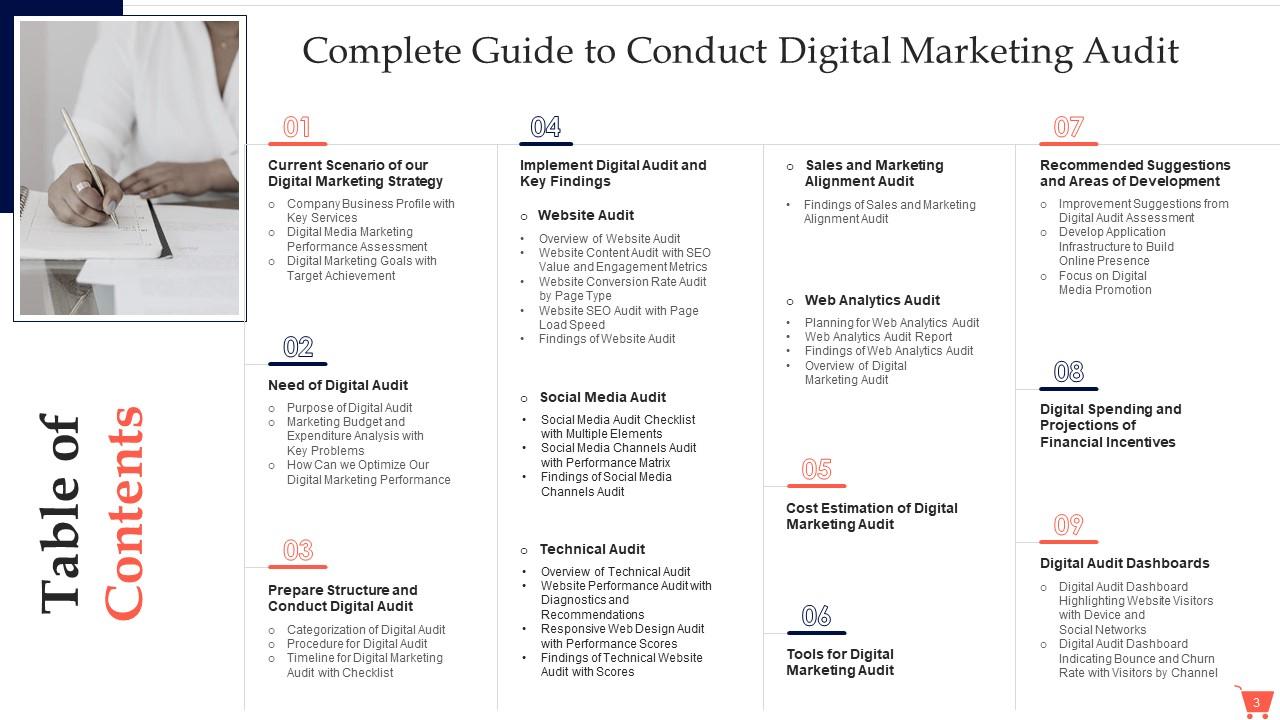
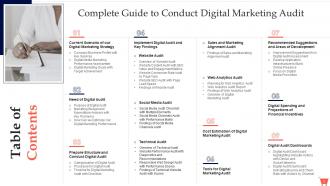
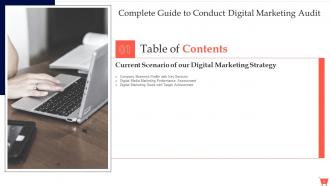
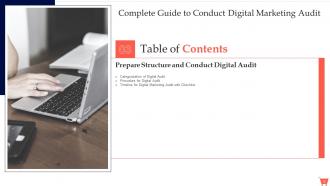
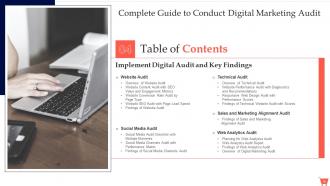
Slide 3: This slide presents Table of Content for the presentation.
Slide 4: This slide depicts title for three topics that are to be covered next in the template.
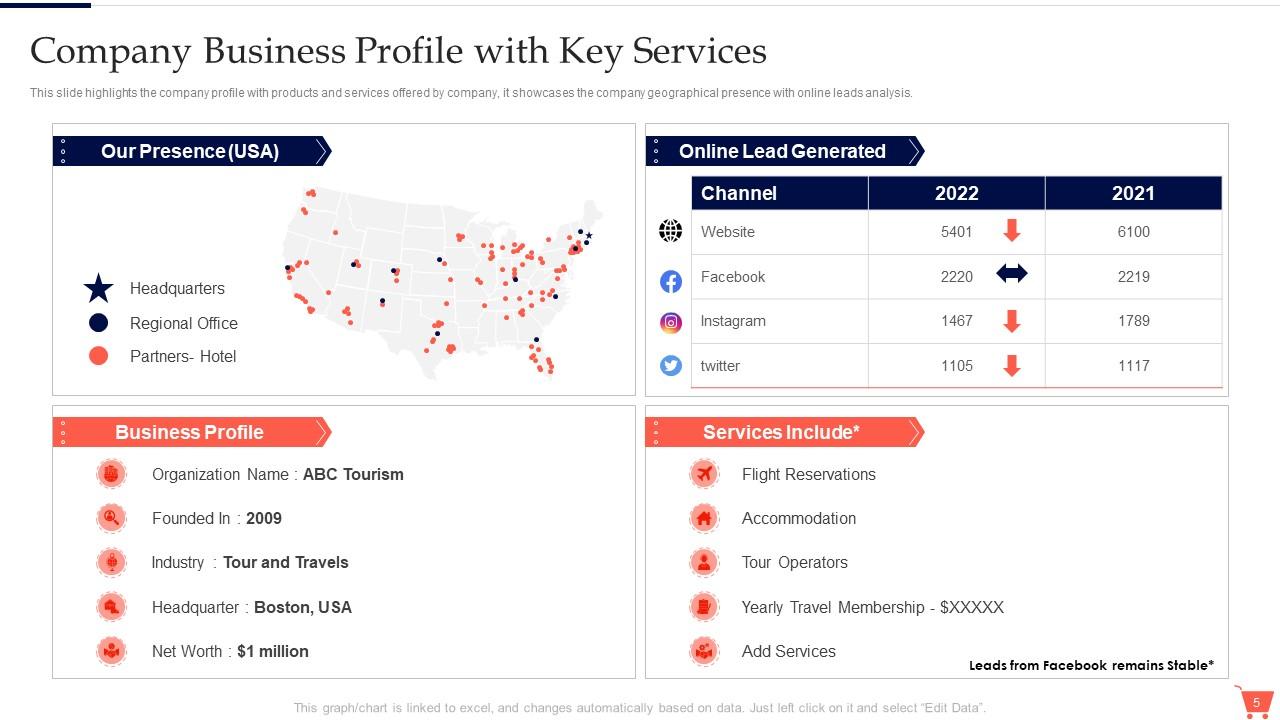
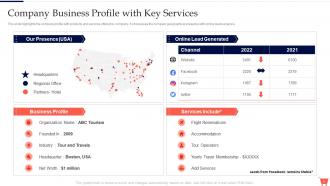
Slide 5: This slide highlights the company profile with products and services offered by company.
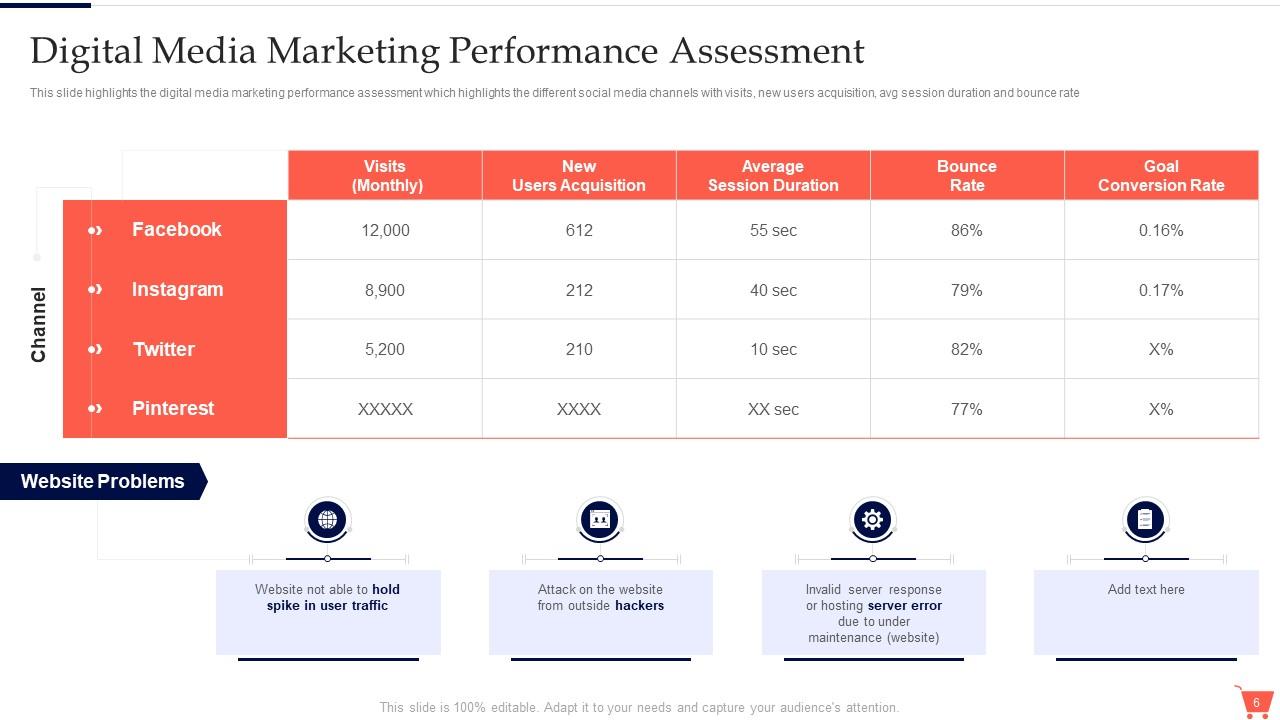
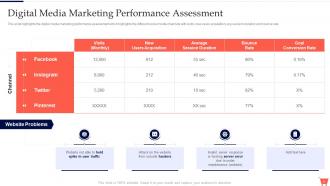
Slide 6: This slide highlights the digital media marketing performance assessment which highlights the different social media channels with visits, etc.
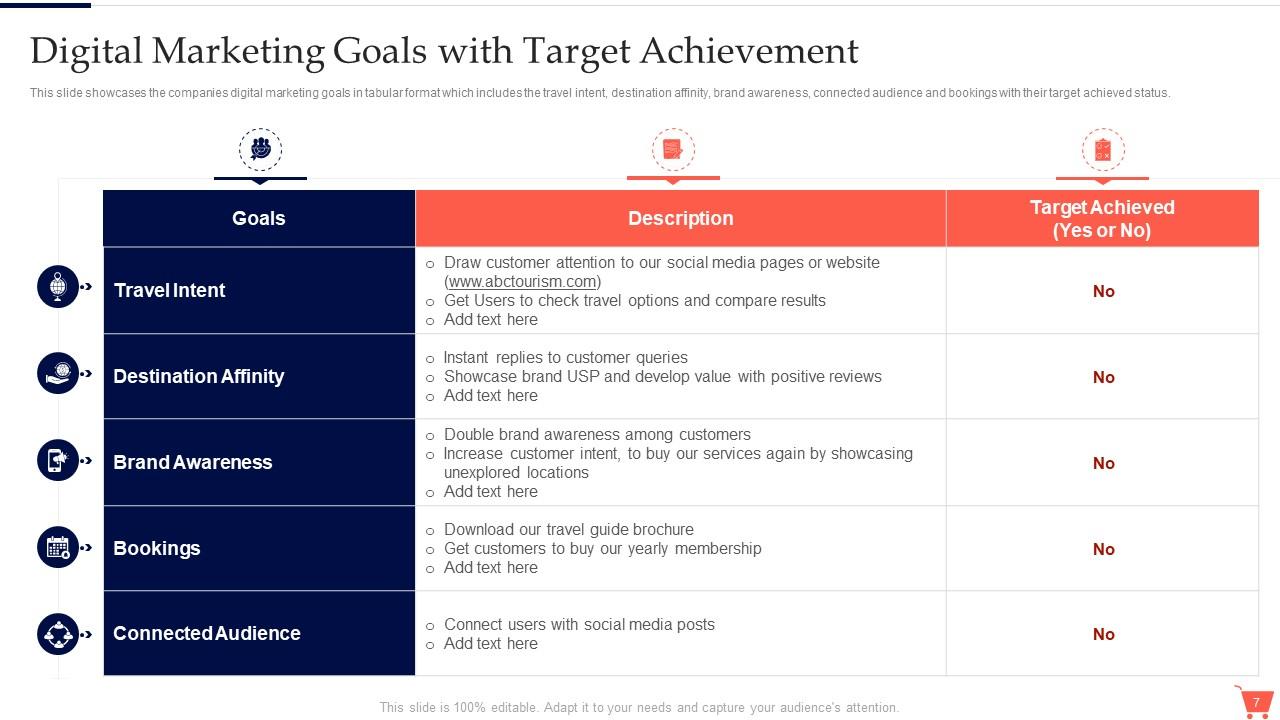
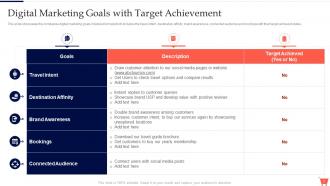
Slide 7: This slide showcases the companies digital marketing goals in tabular format which includes the travel intent, destination affinity, brand awareness, etc.
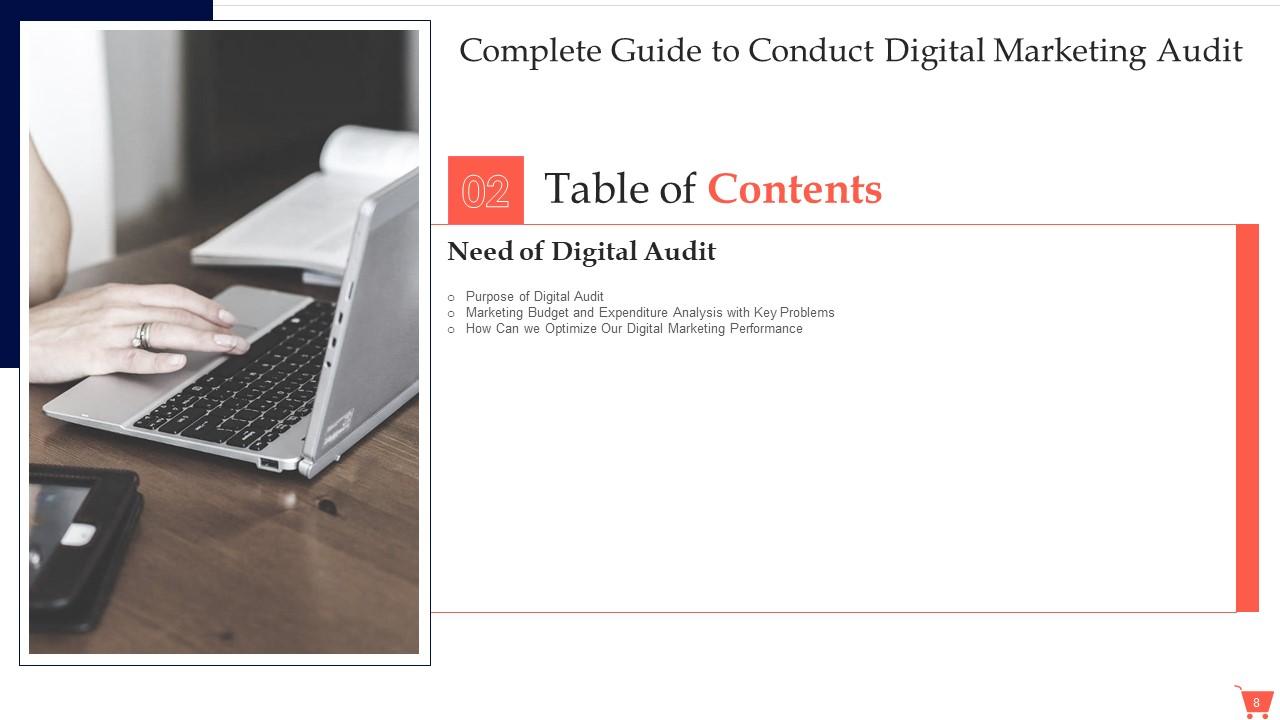
Slide 8: This slide depicts title for three topics that are to be covered next in the template.
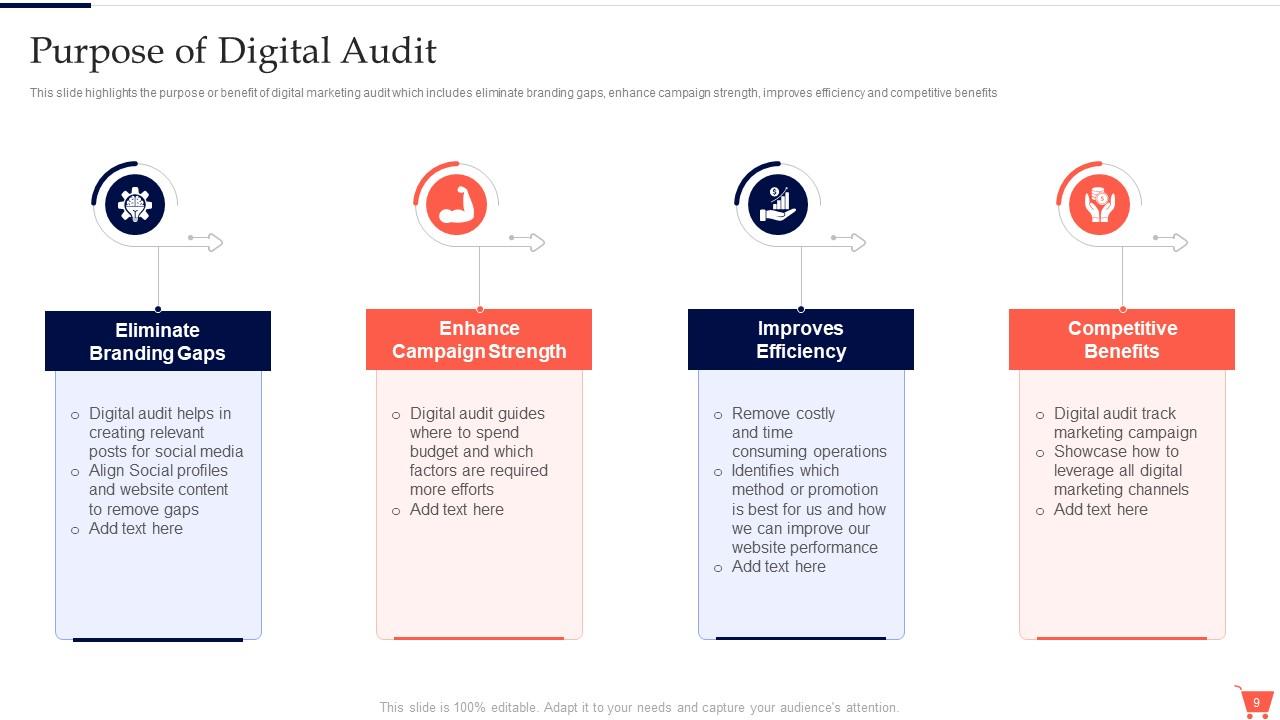
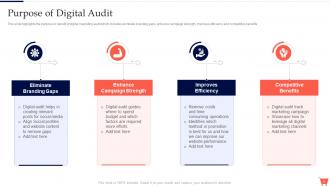
Slide 9: This slide highlights the purpose or benefit of digital marketing audit which includes eliminate branding gaps, enhance campaign strength, etc.
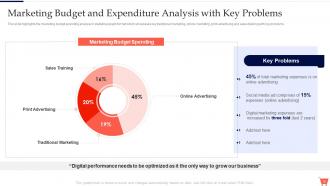
Slide 10: This slide highlights the marketing budget spending analysis in statistical graph format which showcases key traditional marketing, online marketing, etc.
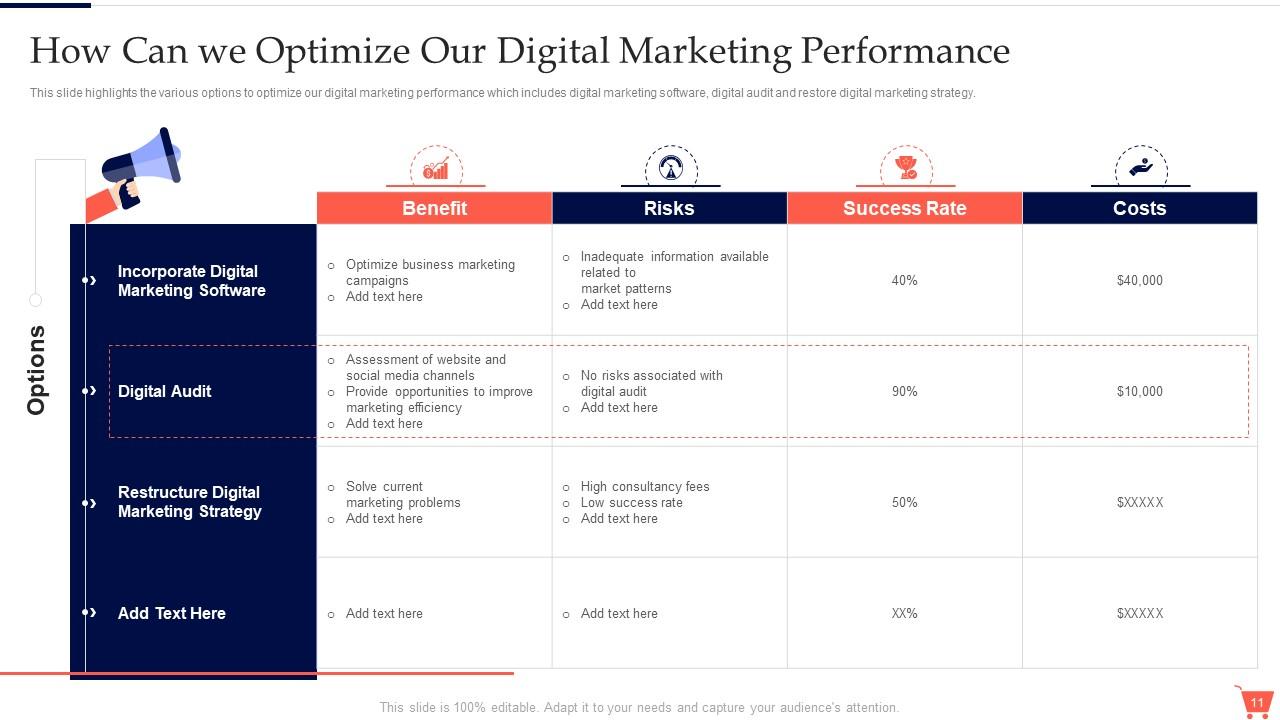
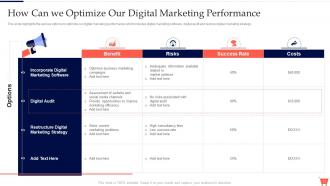
Slide 11: This slide highlights the various options to optimize our digital marketing performance which includes digital marketing software, etc.
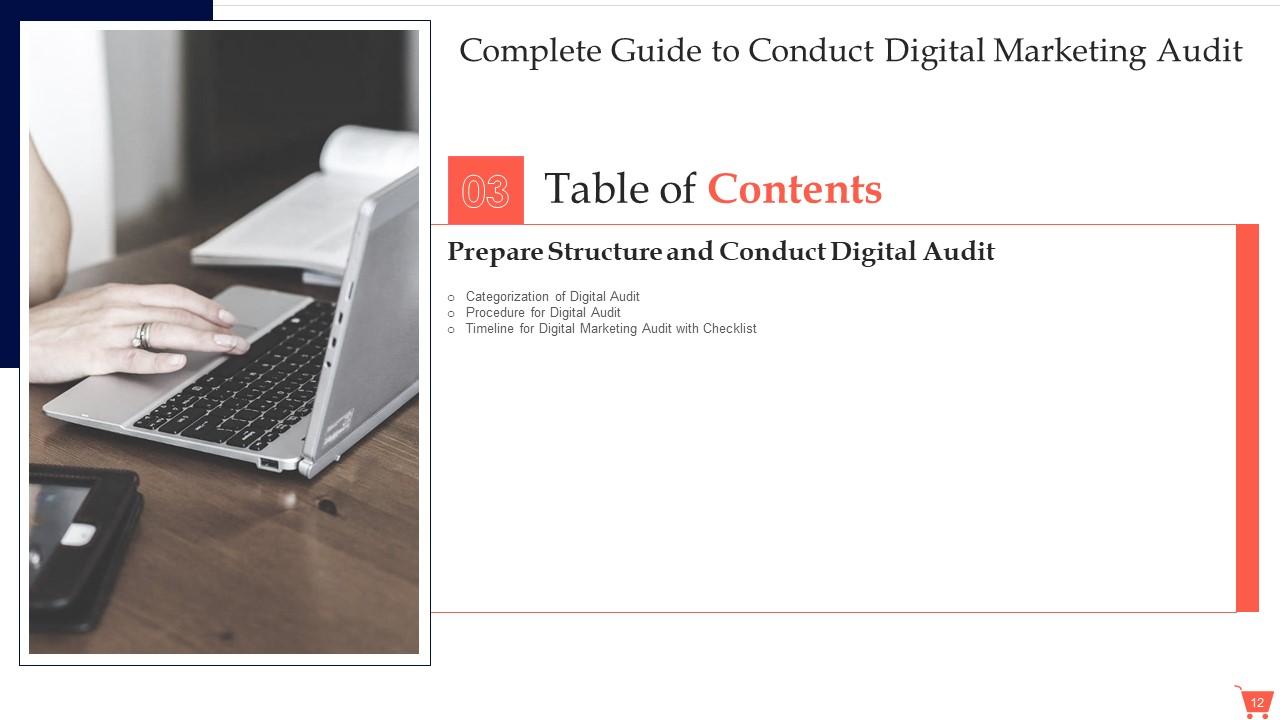
Slide 12: This slide depicts title for three topics that are to be covered next in the template.
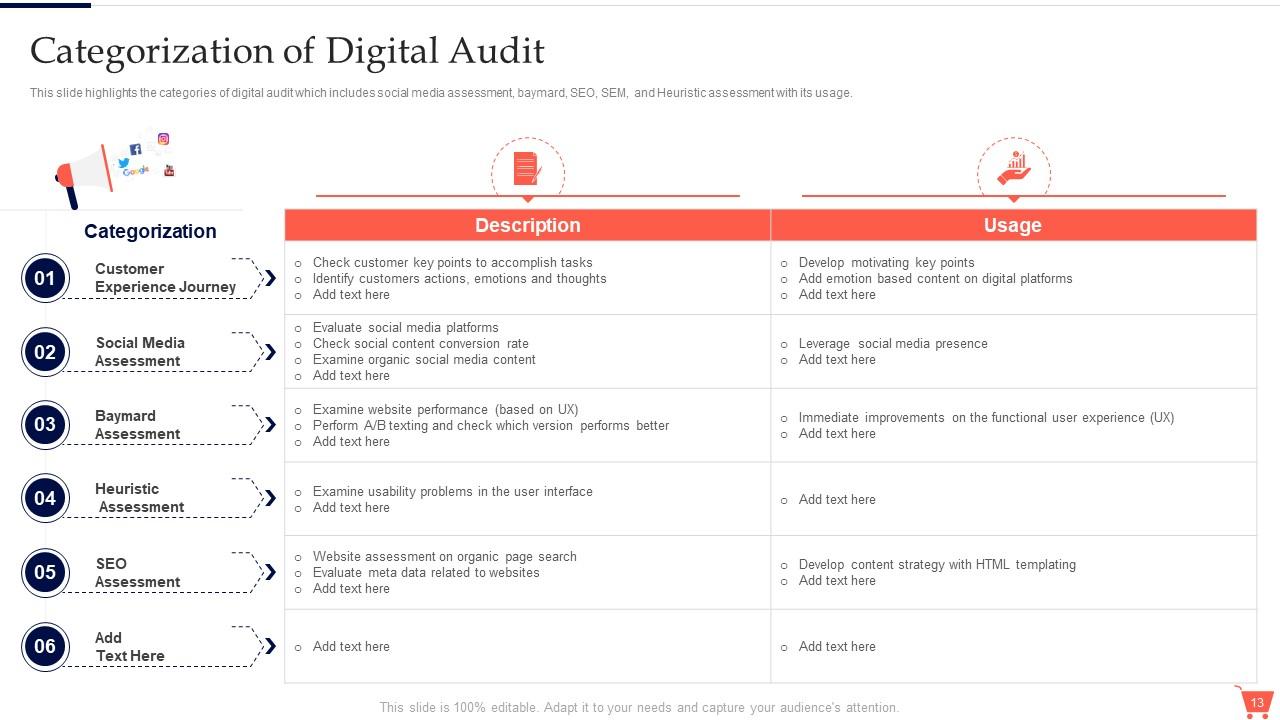
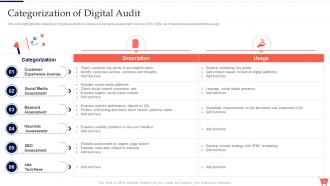
Slide 13: This slide highlights the categories of digital audit which includes social media assessment, baymard, SEO, SEM, and Heuristic assessment with its usage.
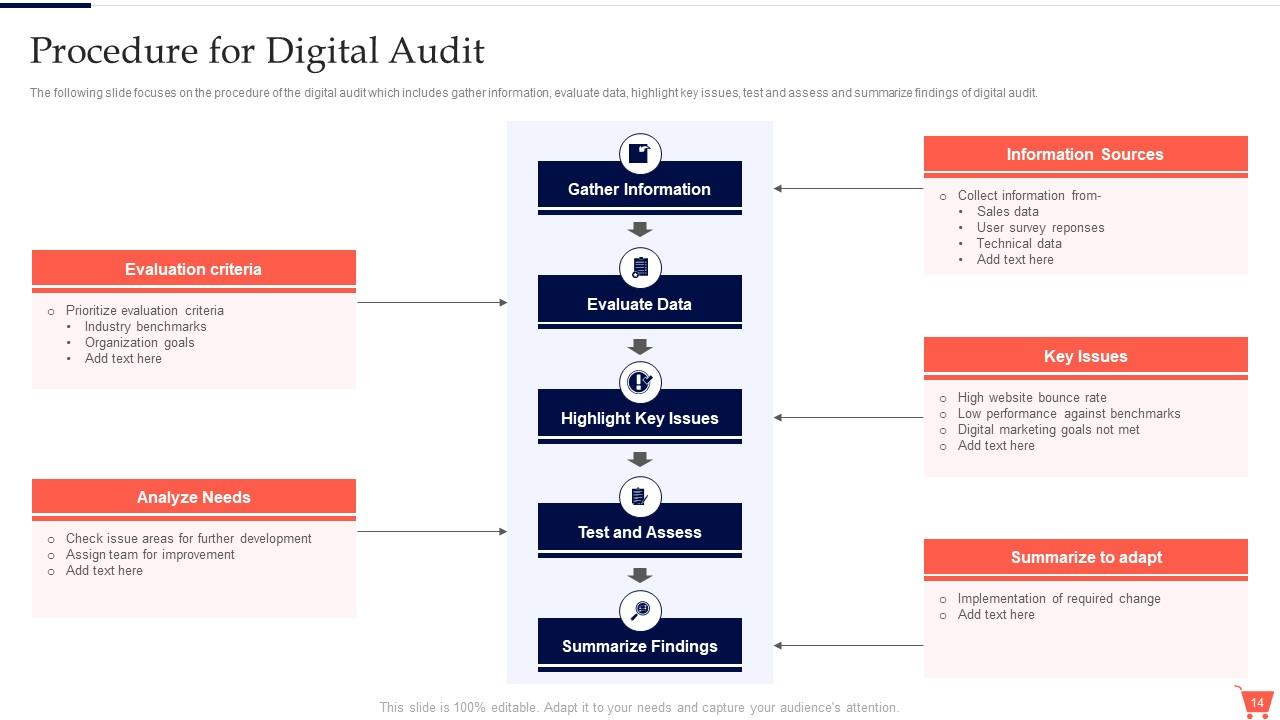
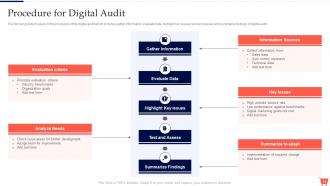
Slide 14: This slide focuses on the procedure of the digital audit which includes gather information, evaluate data, highlight key issues, test.
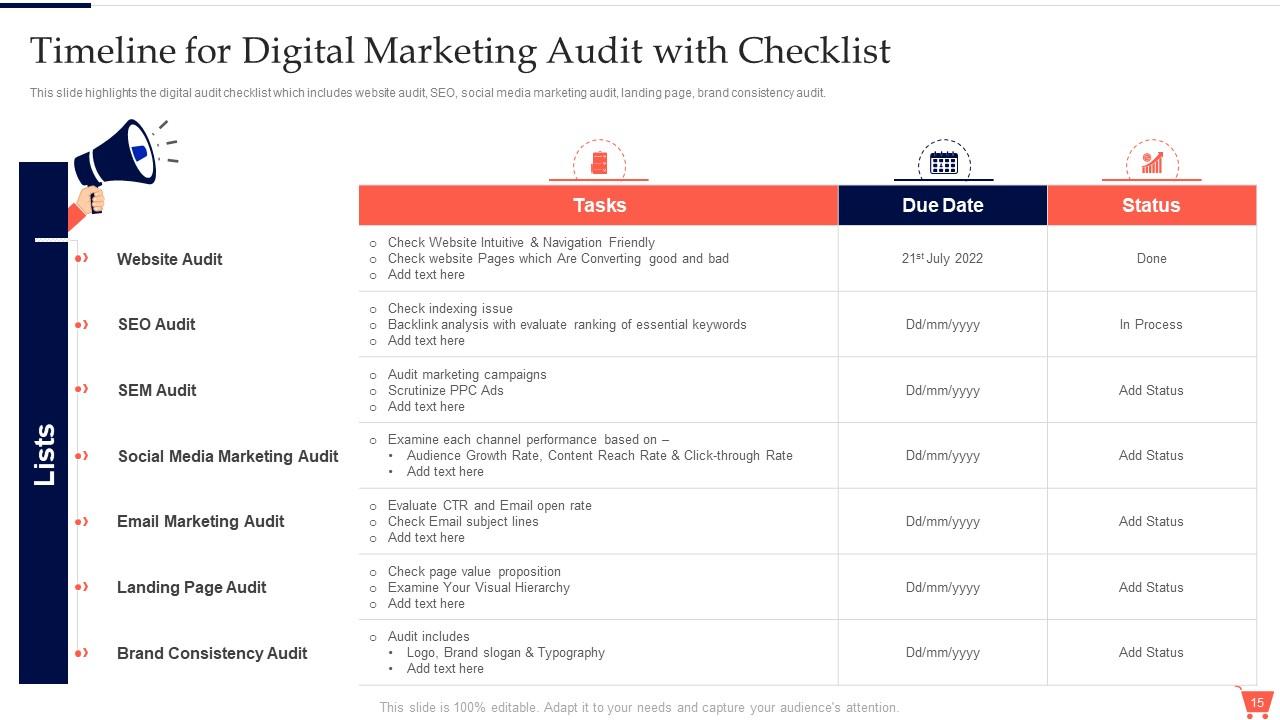
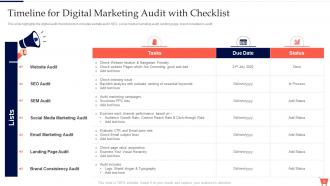
Slide 15: This slide highlights the digital audit checklist which includes website audit, SEO, social media marketing audit, landing page, brand consistency audit.
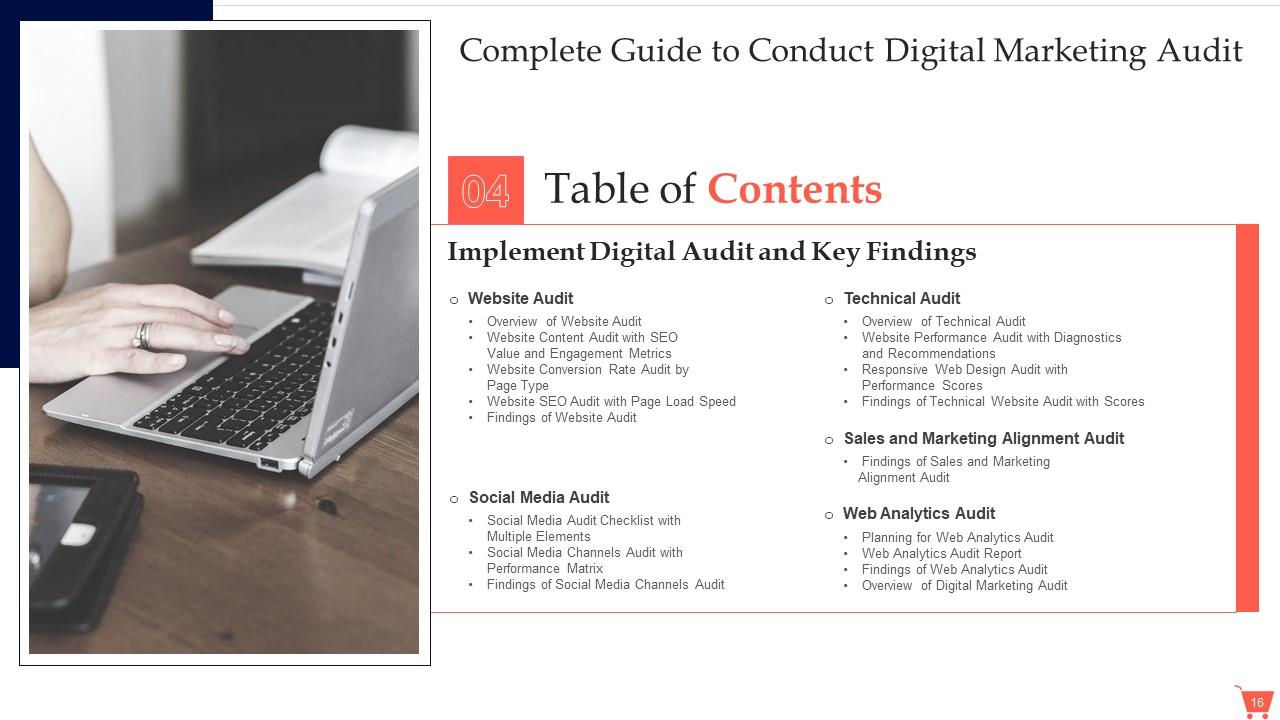
Slide 16: This slide depicts title for five topics that are to be covered next in the template.
Slide 17: This slide displays title for Website Audit.
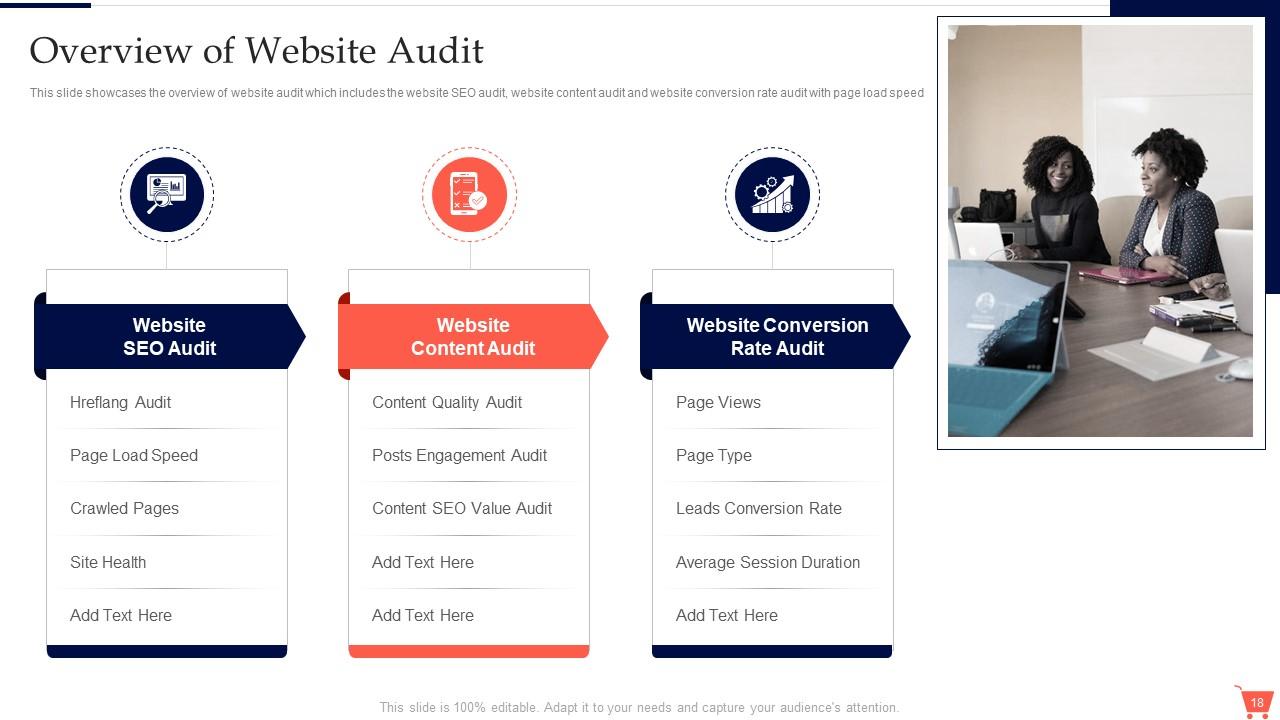
Slide 18: This slide showcases the overview of website audit which includes the website SEO audit, website content audit and website conversion rate audit.
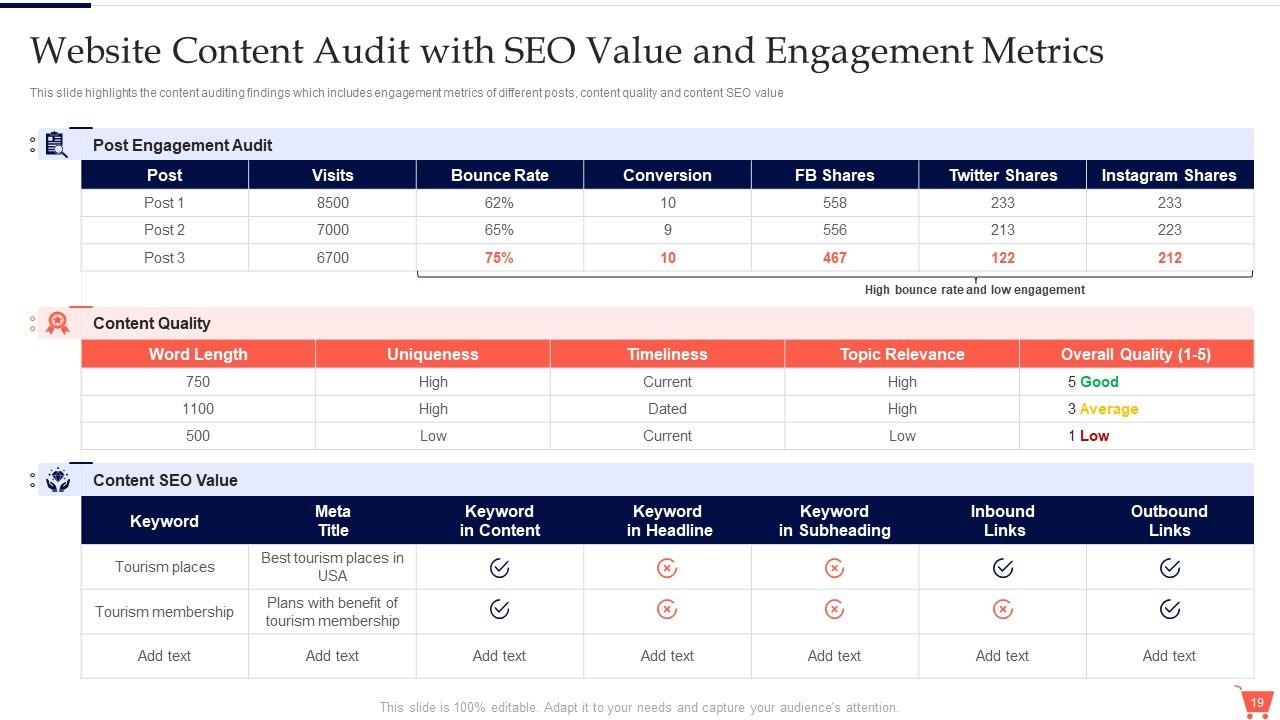
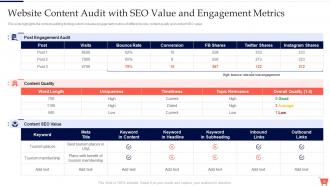
Slide 19: This slide highlights the content auditing findings which includes engagement metrics of different posts, content quality and content SEO value.
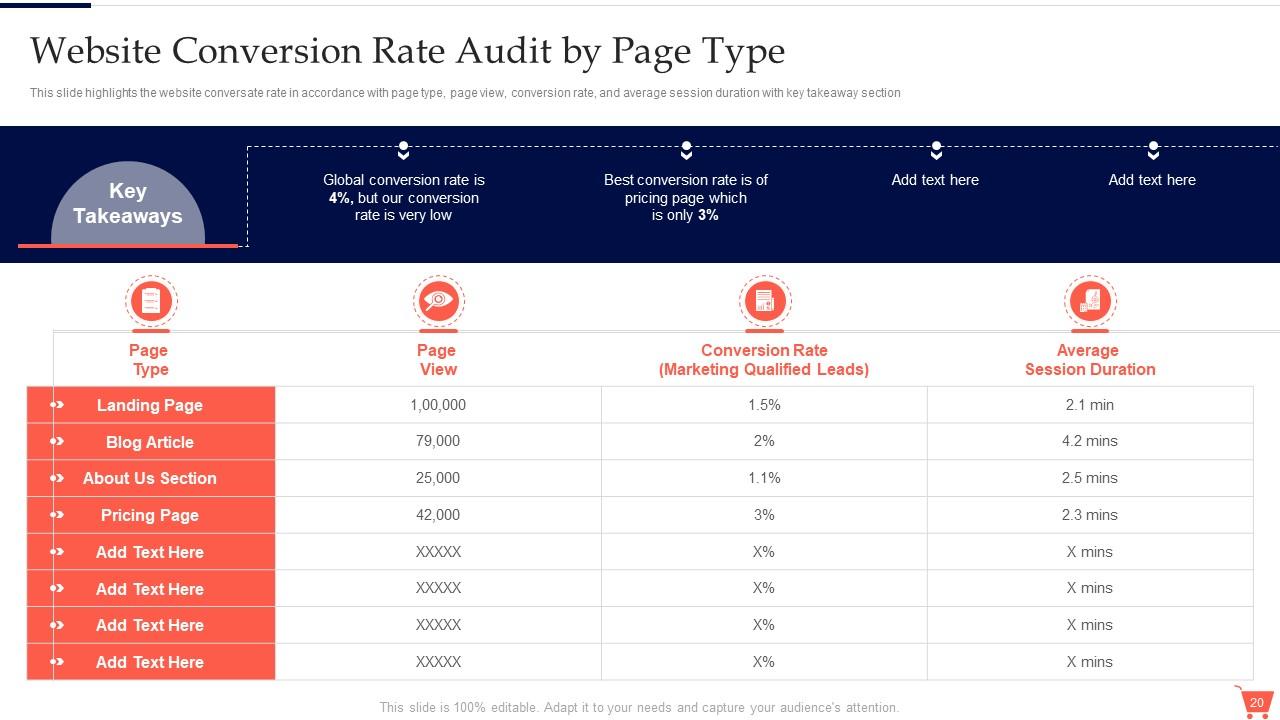
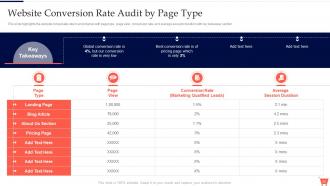
Slide 20: This slide highlights the website conversate rate in accordance with page type, page view, conversion rate, and average session duration.
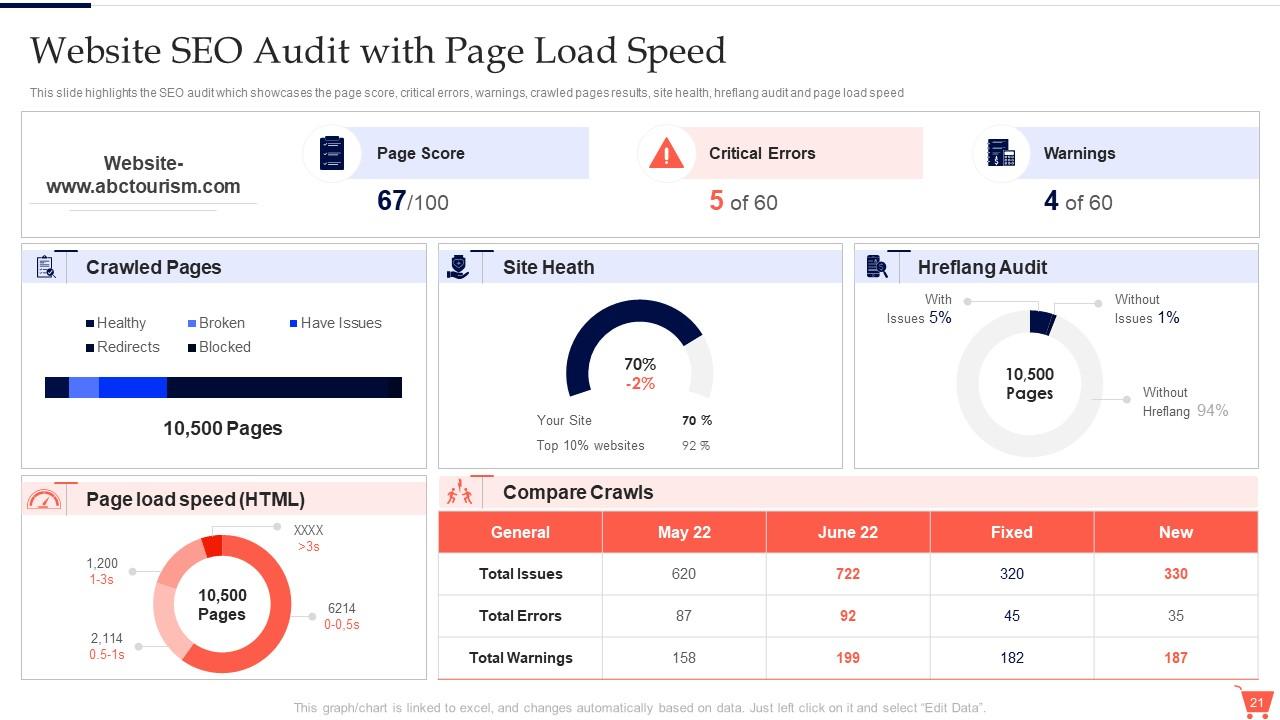
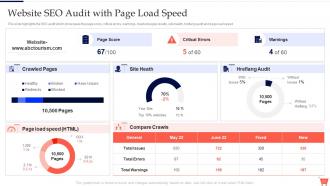
Slide 21: This slide highlights the SEO audit which showcases the page score, critical errors, warnings, crawled pages results, site health, etc.
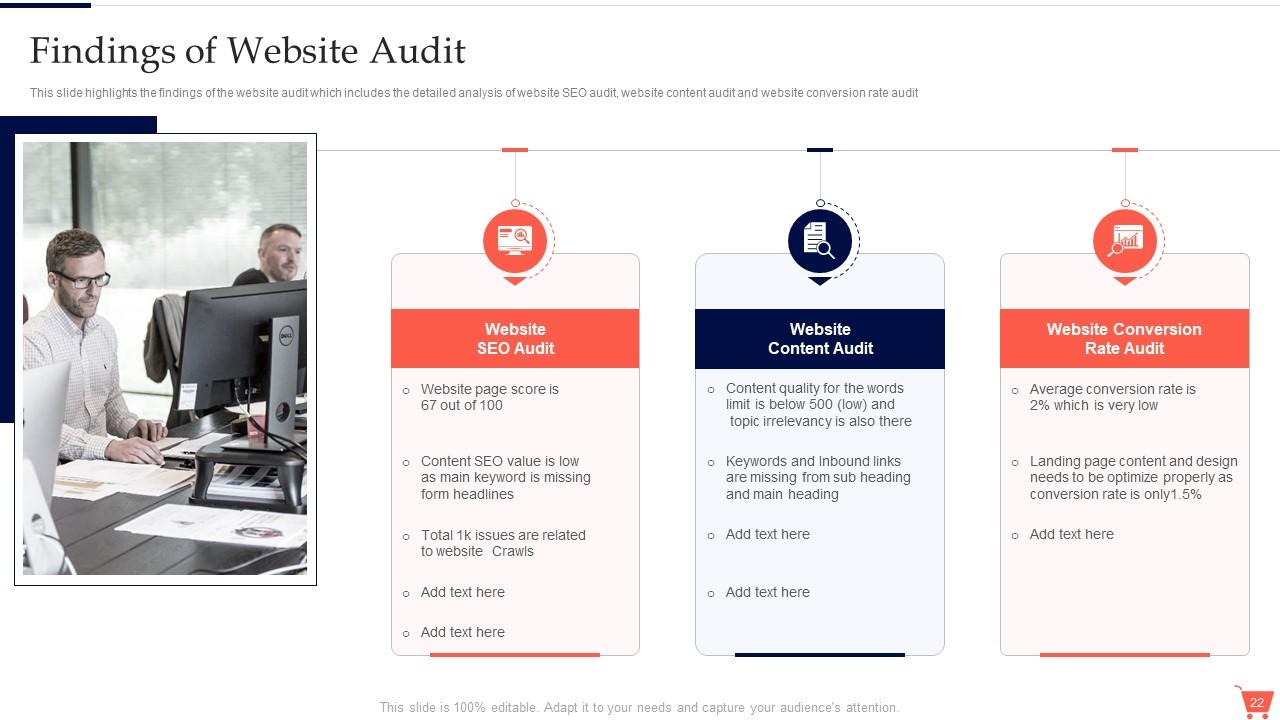
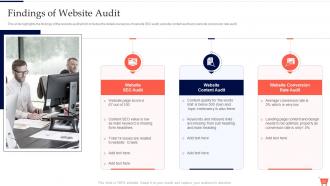
Slide 22: This slide highlights the findings of the website audit which includes the detailed analysis of website SEO audit, website content audit.
Slide 23: This slide displays title for Social Media Audit.
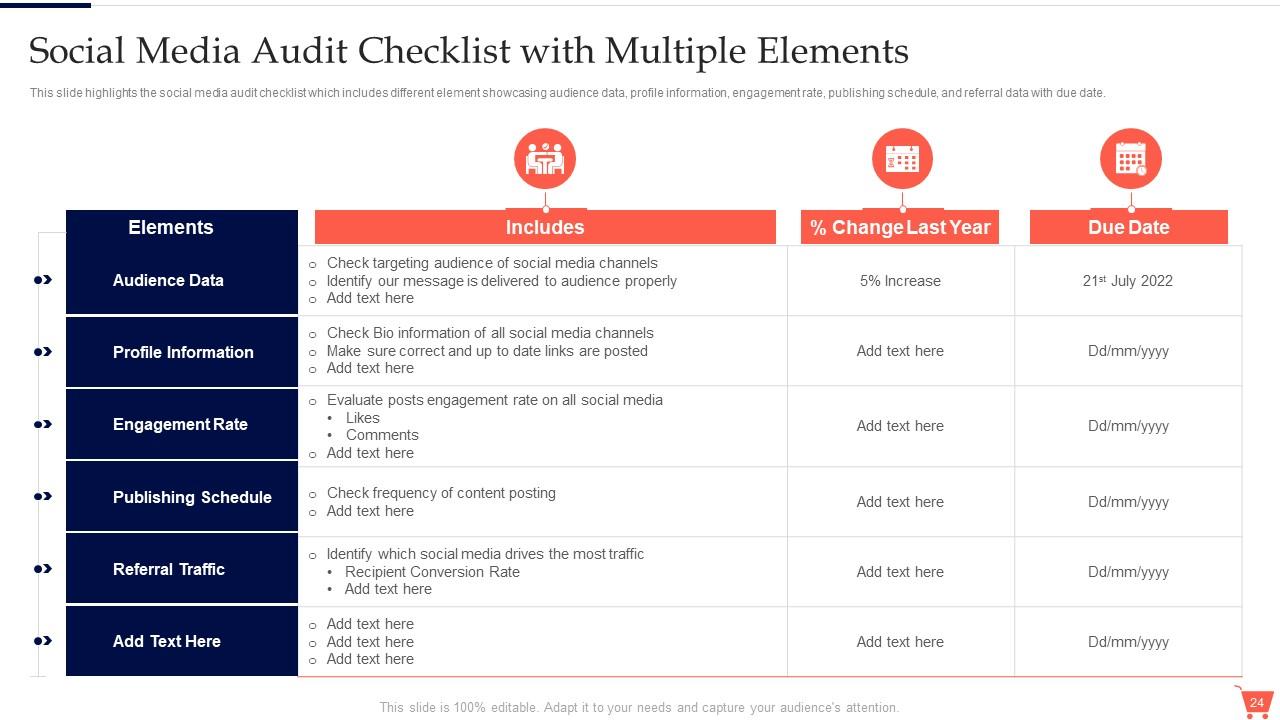
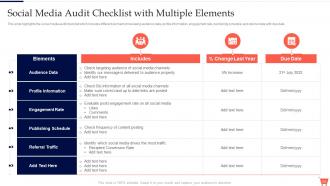
Slide 24: This slide highlights the social media audit checklist which includes different element showcasing audience data, profile information, engagement rate, etc.
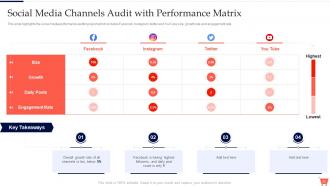
Slide 25: This slide highlights the social media performance auditing report which includes Facebook, Instagram, twitter and YouTube size, growth rate.
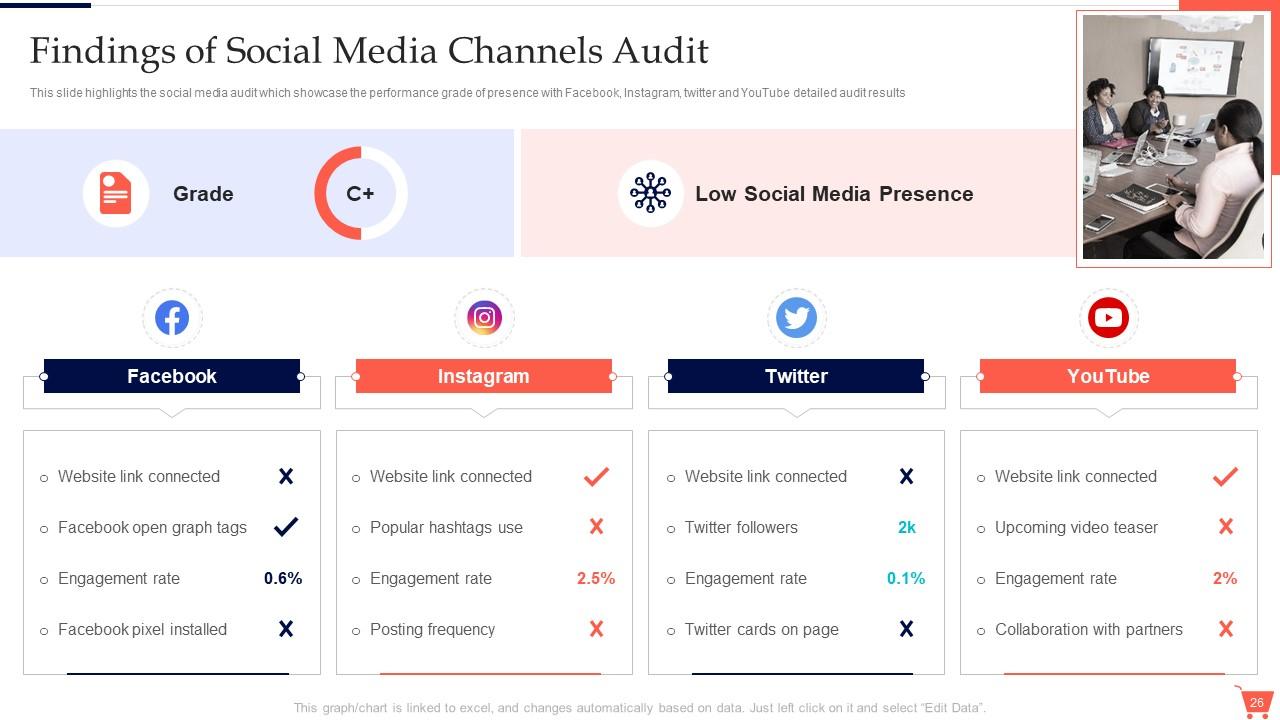
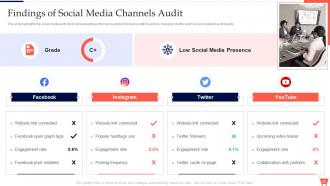
Slide 26: This slide highlights the social media audit which showcase the performance grade of presence with Facebook, Instagram, twitter and YouTube.
Slide 27: This slide displays title for Technical Audit.
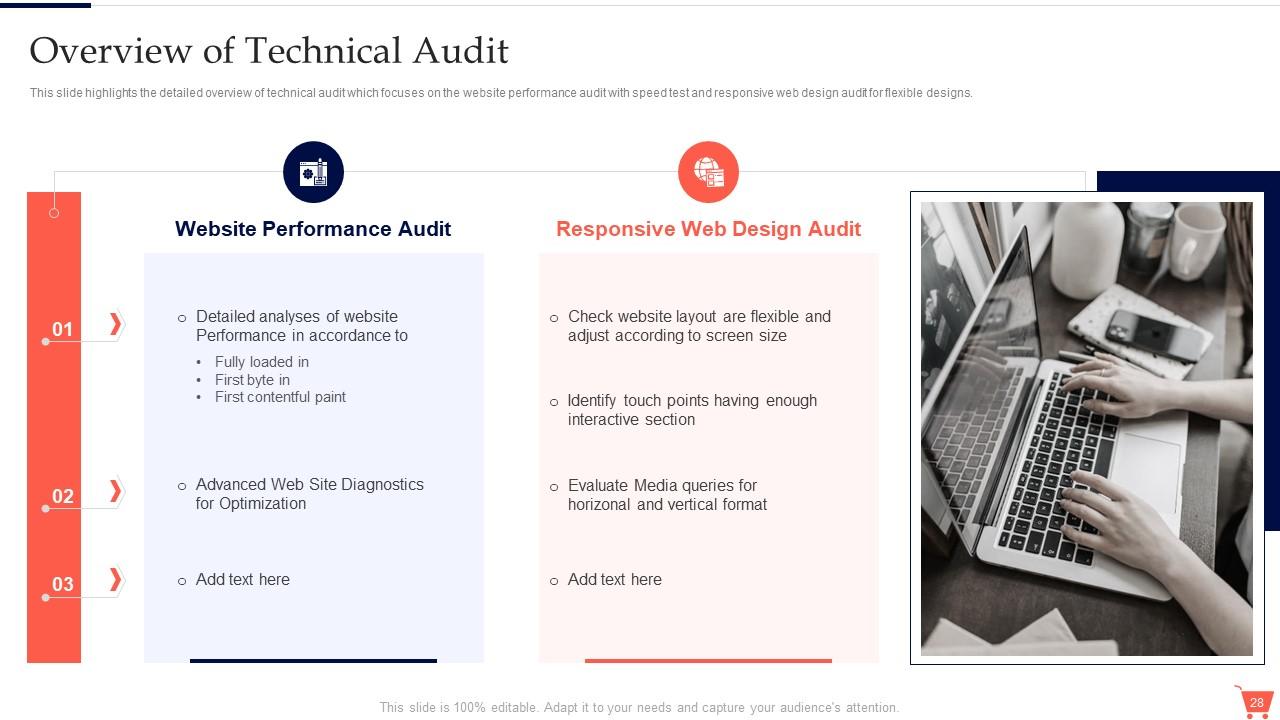
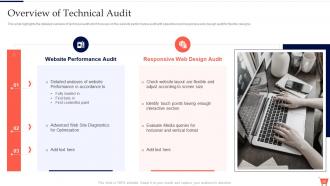
Slide 28: This slide highlights the detailed overview of technical audit which focuses on the website performance audit with speed test and responsive web design audit.
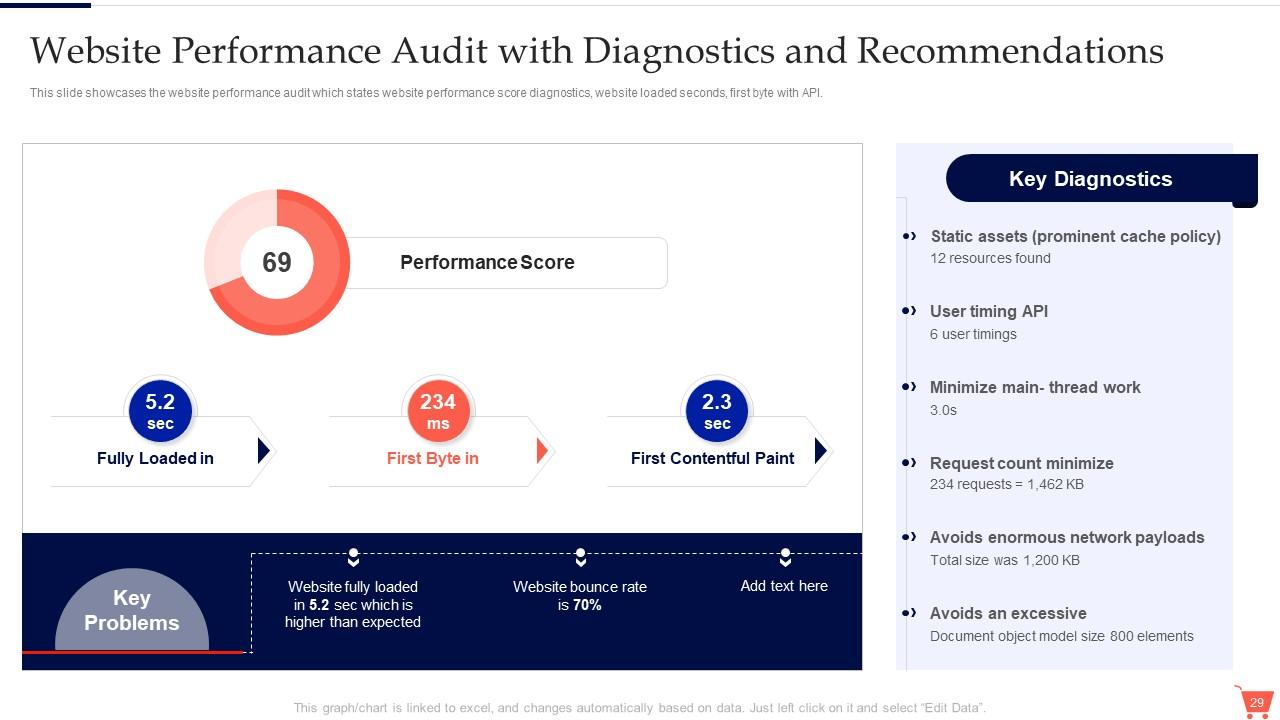
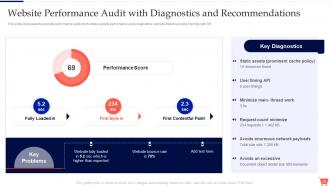
Slide 29: This slide showcases the website performance audit which states website performance score diagnostics, website loaded seconds, first byte with API.
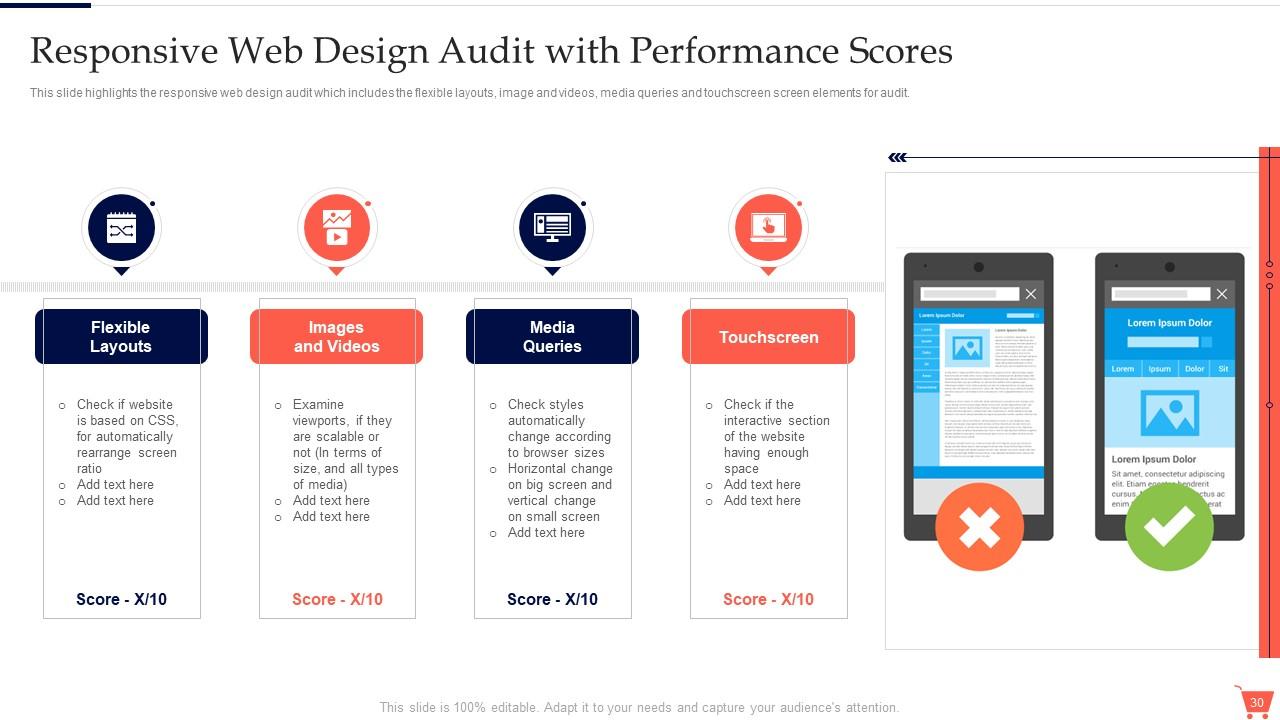
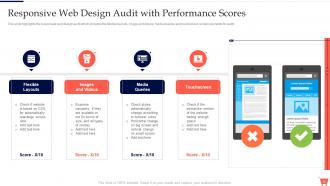
Slide 30: This slide highlights the responsive web design audit which includes the flexible layouts, image and videos, media queries.
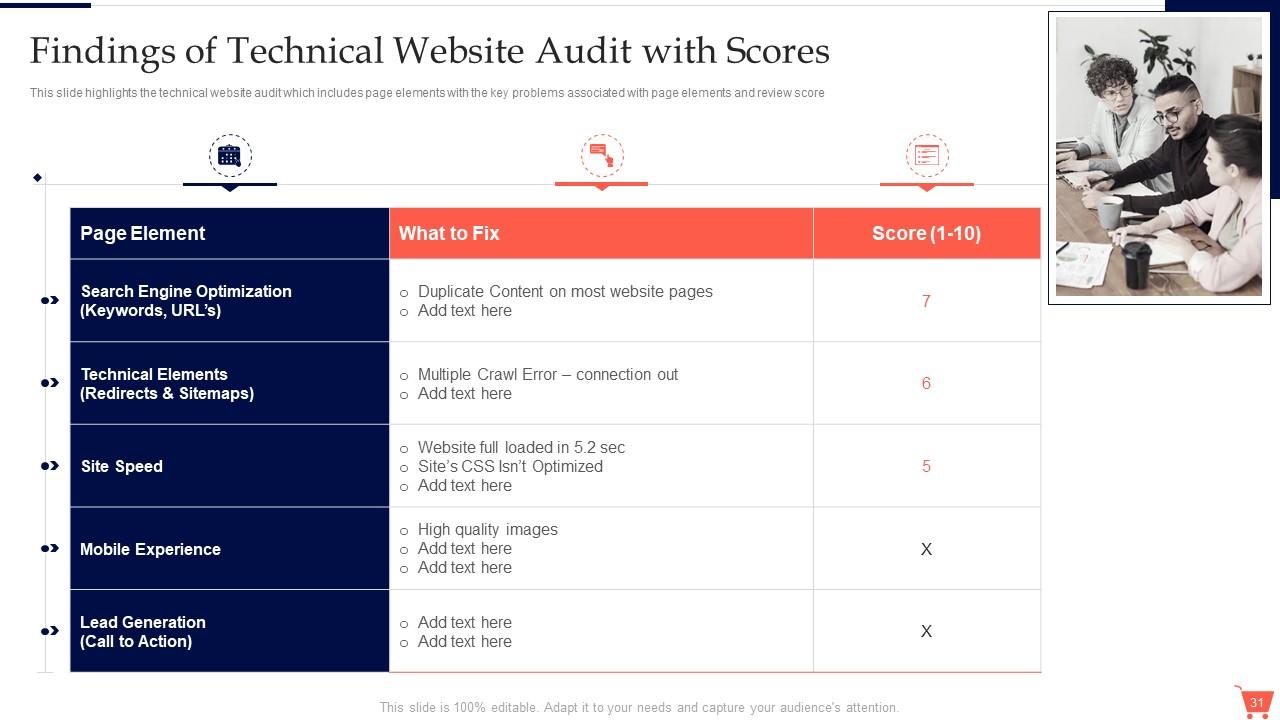
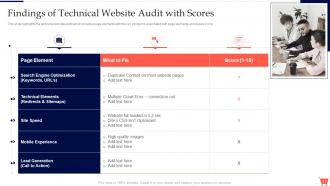
Slide 31: This slide highlights the technical website audit which includes page elements with the key problems associated with page elements and review score.
Slide 32: This slide displays title for Sales and Marketing Alignment Audit.
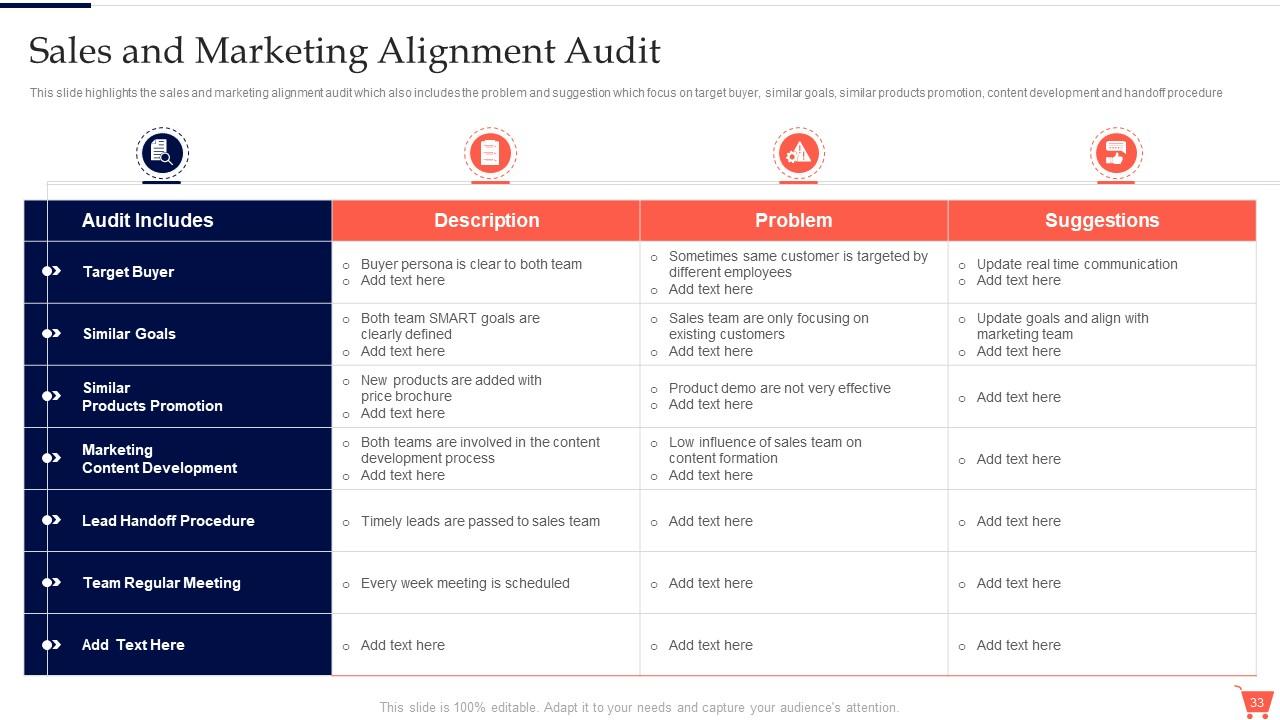
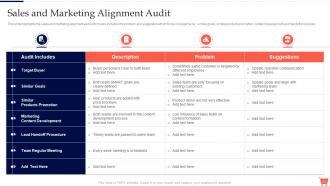
Slide 33: This slide highlights the sales and marketing alignment audit which also includes the problem and suggestion which focus on target buyer, etc.
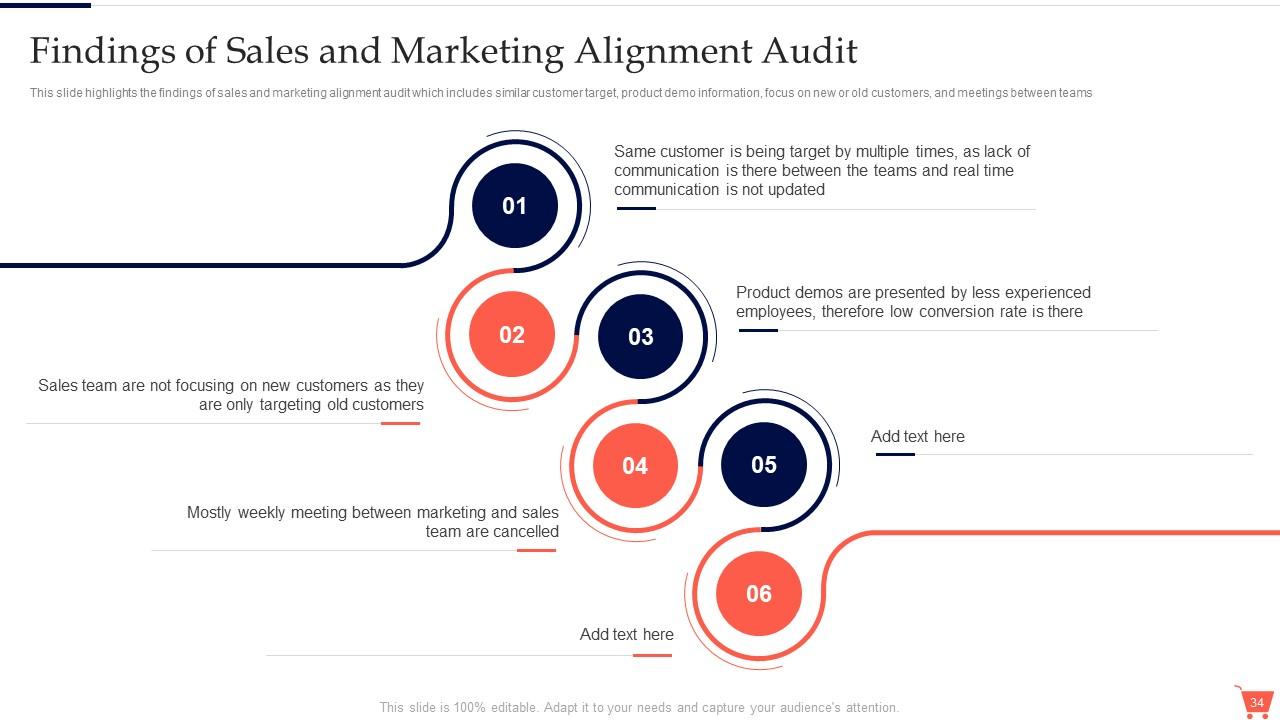
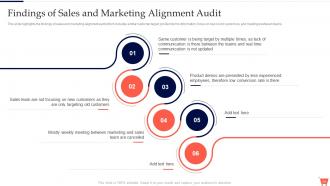
Slide 34: This slide highlights the findings of sales and marketing alignment audit which includes similar customer target, product demo information, etc.
Slide 35: This slide displays title for Web Analytics Audit.
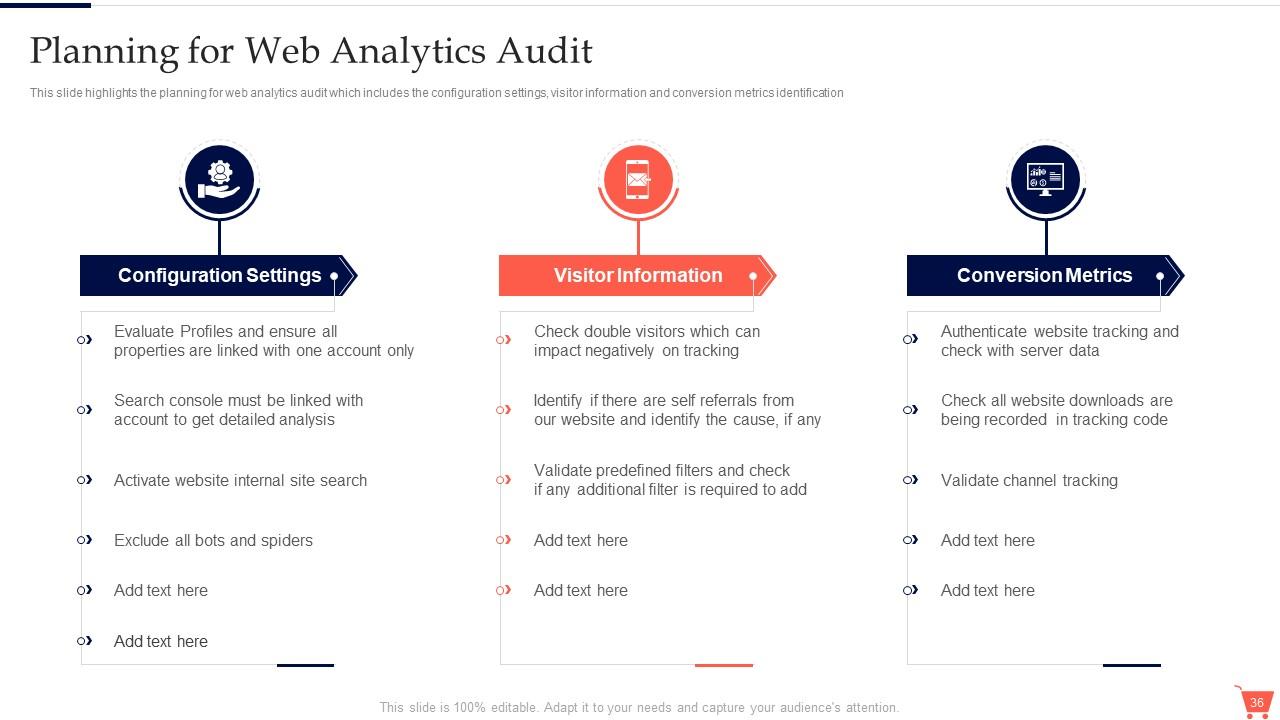
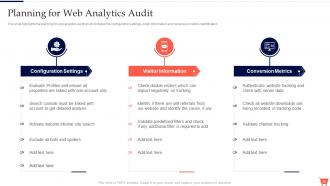
Slide 36: This slide highlights the planning for web analytics audit which includes the configuration settings, visitor information and conversion metrics.
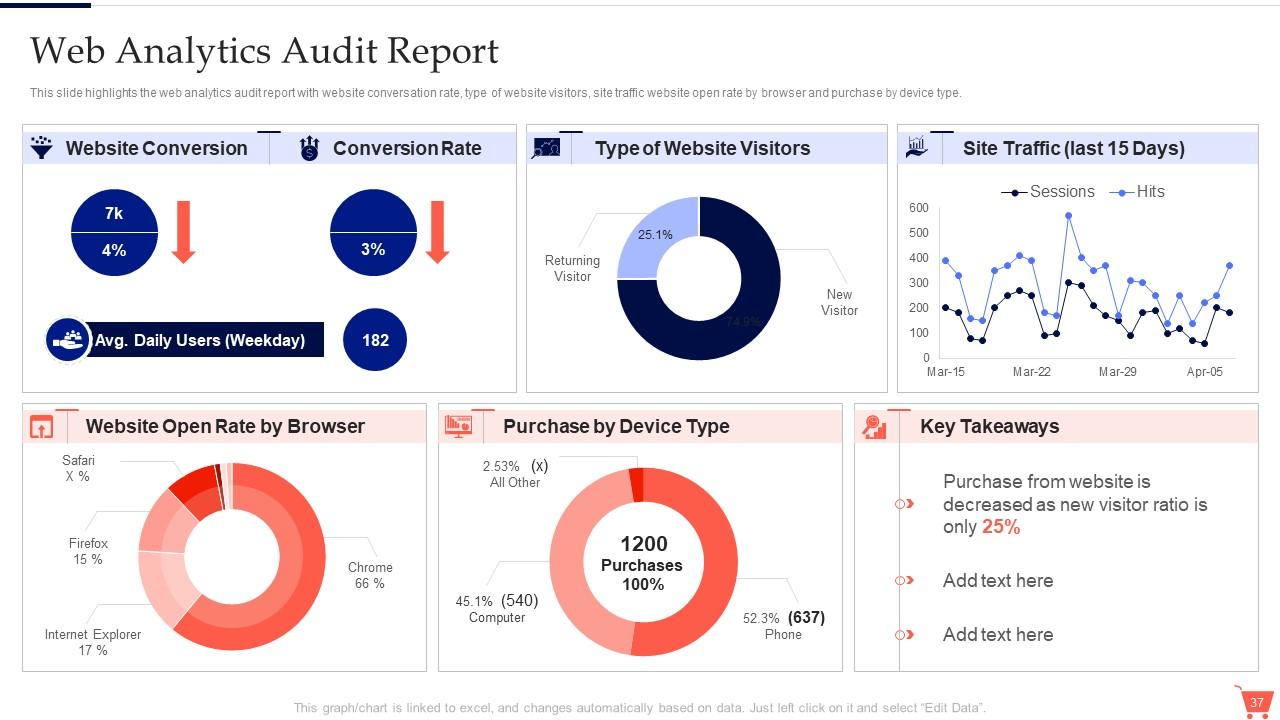
Slide 37: This slide highlights the web analytics audit report with website conversation rate, type of website visitors, site traffic website open rate.
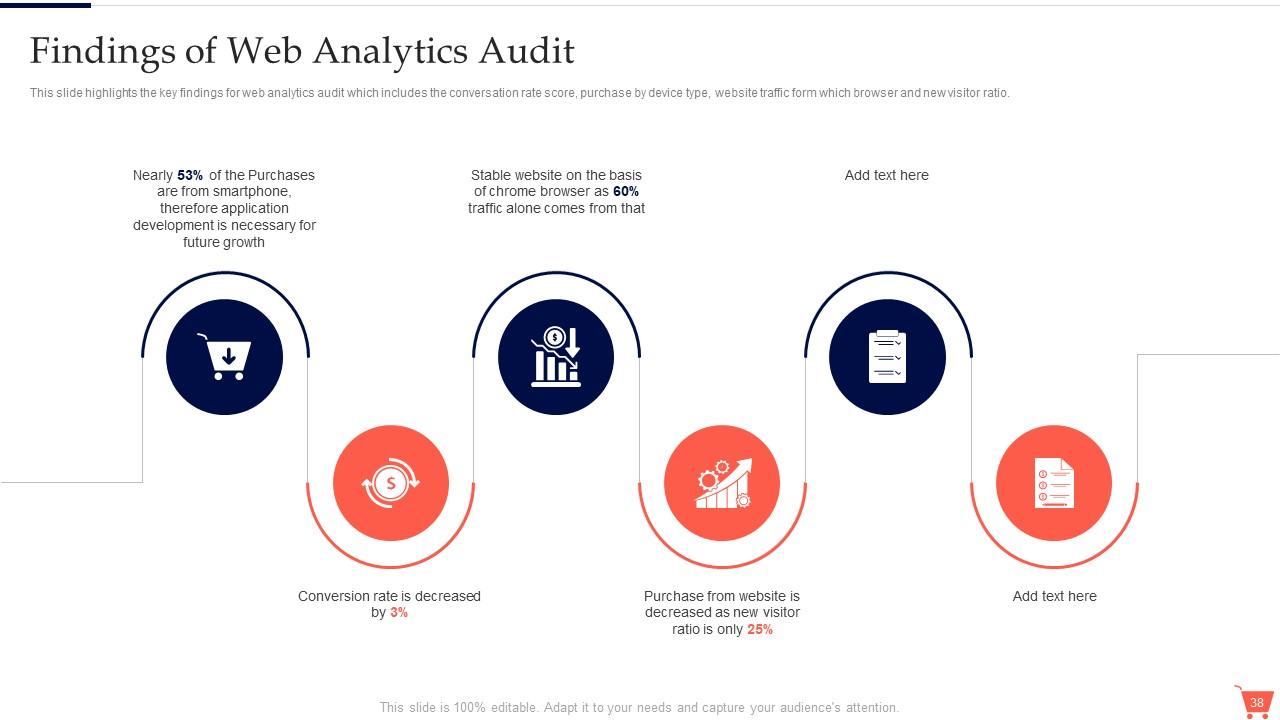
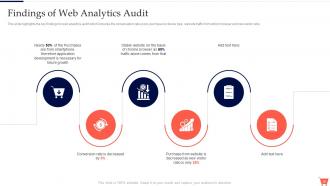
Slide 38: This slide highlights the key findings for web analytics audit which includes the conversation rate score, purchase by device type, etc.
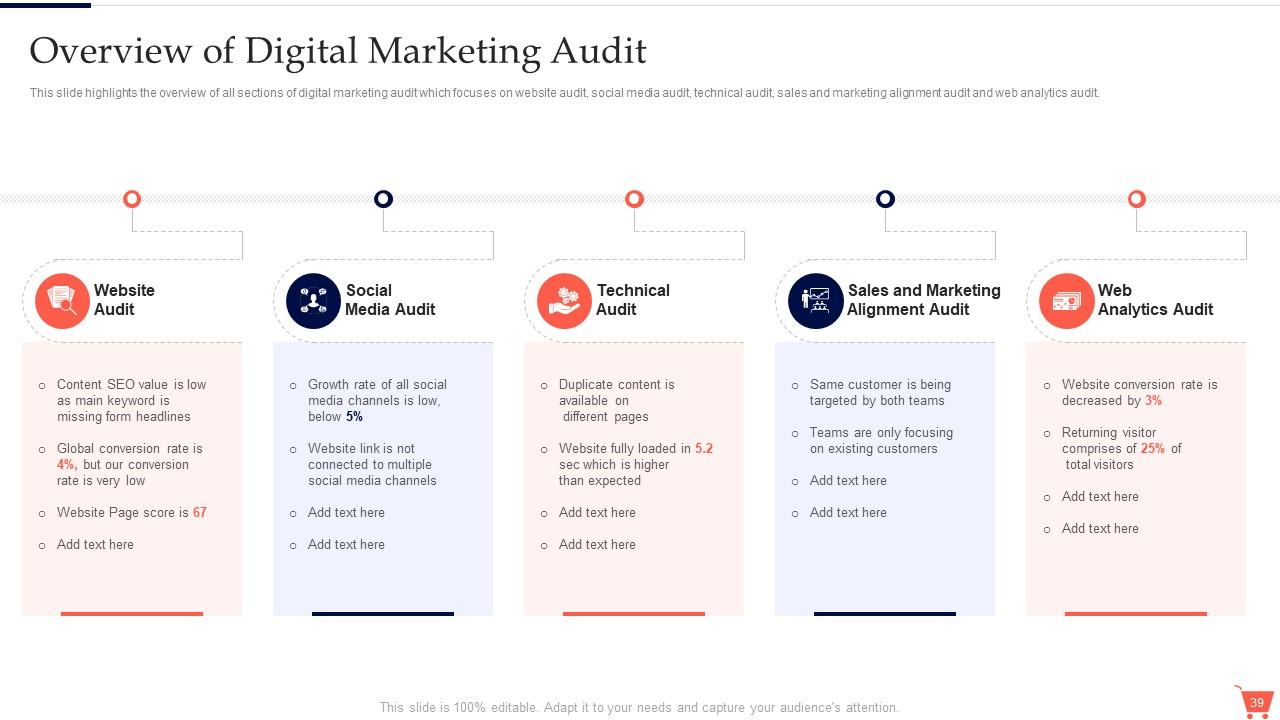
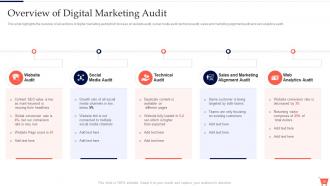
Slide 39: This slide highlights the overview of all sections of digital marketing audit which focuses on website audit, social media audit, technical audit, etc.
Slide 40: This slide depicts title for the topic that are to be covered next in the template.
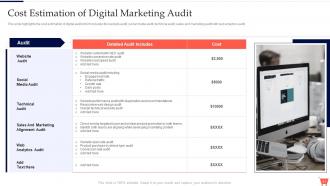
Slide 41: This slide highlights the cost estimation of digital audit which includes the website audit, social media audit, technical audit, sales, etc.
Slide 42: This slide depicts title for the topic that are to be covered next in the template.
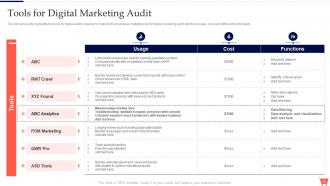
Slide 43: This slide highlights the tools for digital audit in tabular format which showcases multiple tools for digital marketing audit with their usage.
Slide 44: This slide depicts title for three topics that are to be covered next in the template.
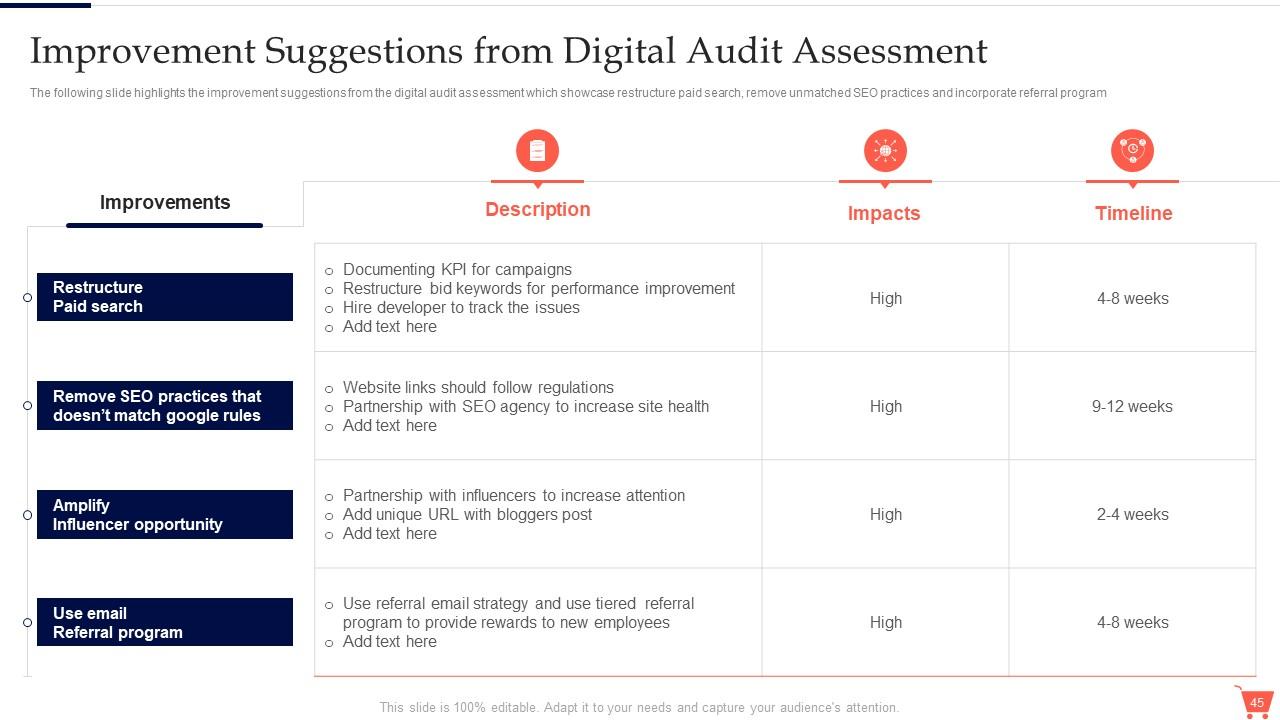
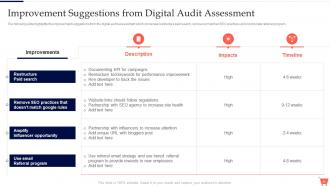
Slide 45: This slide highlights the improvement suggestions from the digital audit assessment which showcase restructure paid search, etc.
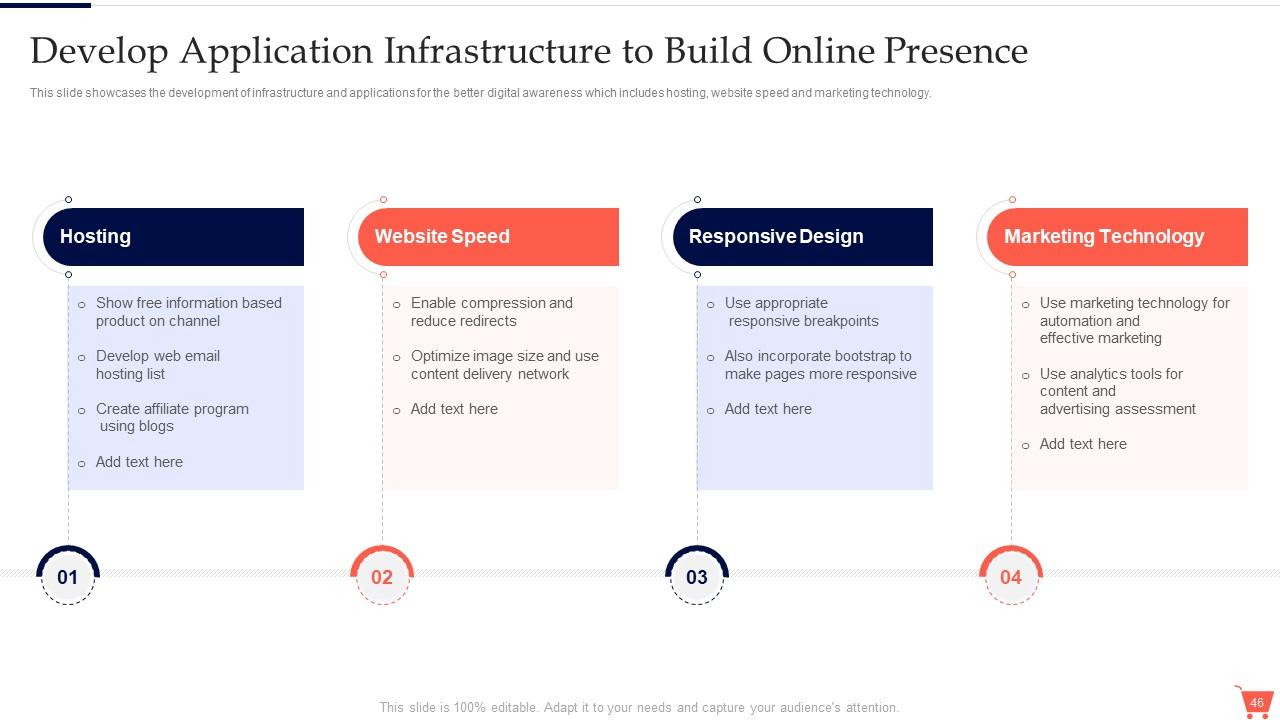
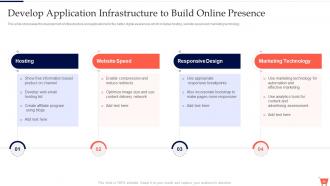
Slide 46: This slide showcases the development of infrastructure and applications for the better digital awareness which includes hosting, website speed, etc.
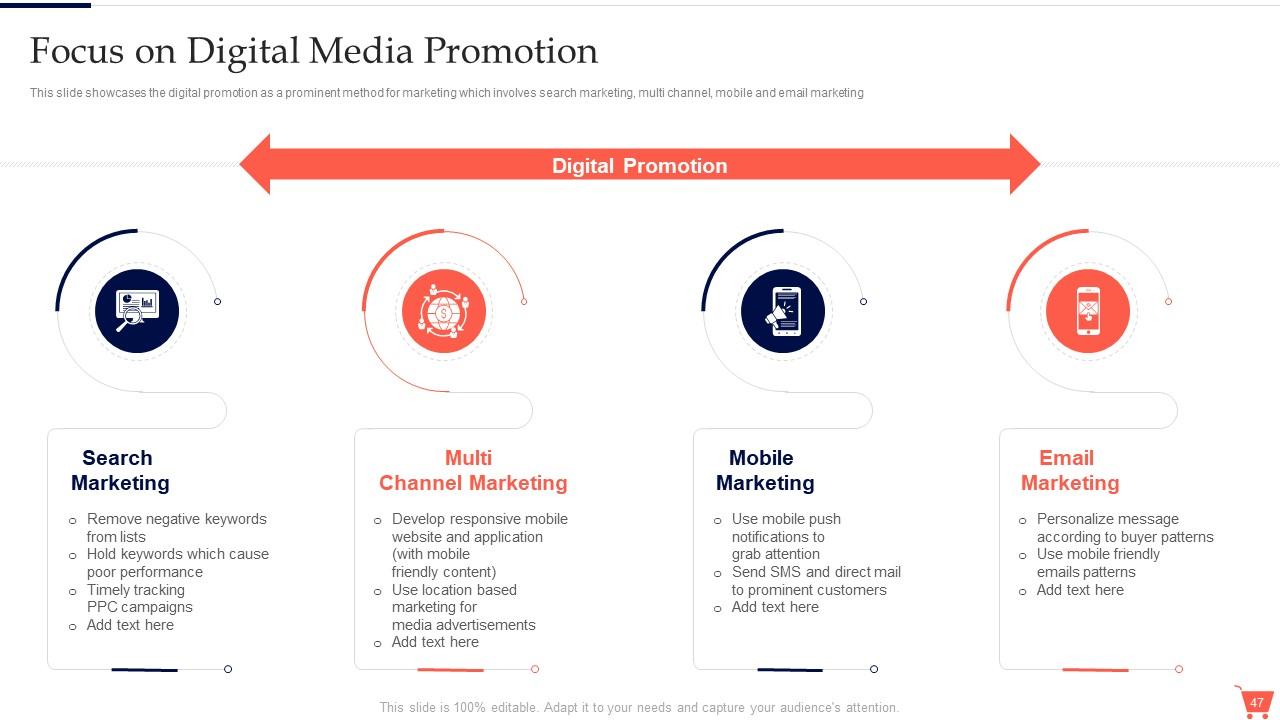
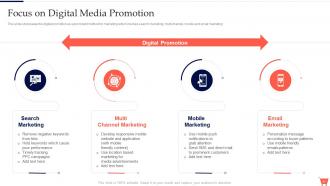
Slide 47: This slide showcases the digital promotion as a prominent method for marketing which involves search marketing, multi channel, mobile and email marketing.
Slide 48: This slide depicts title for the topic that are to be covered next in the template.
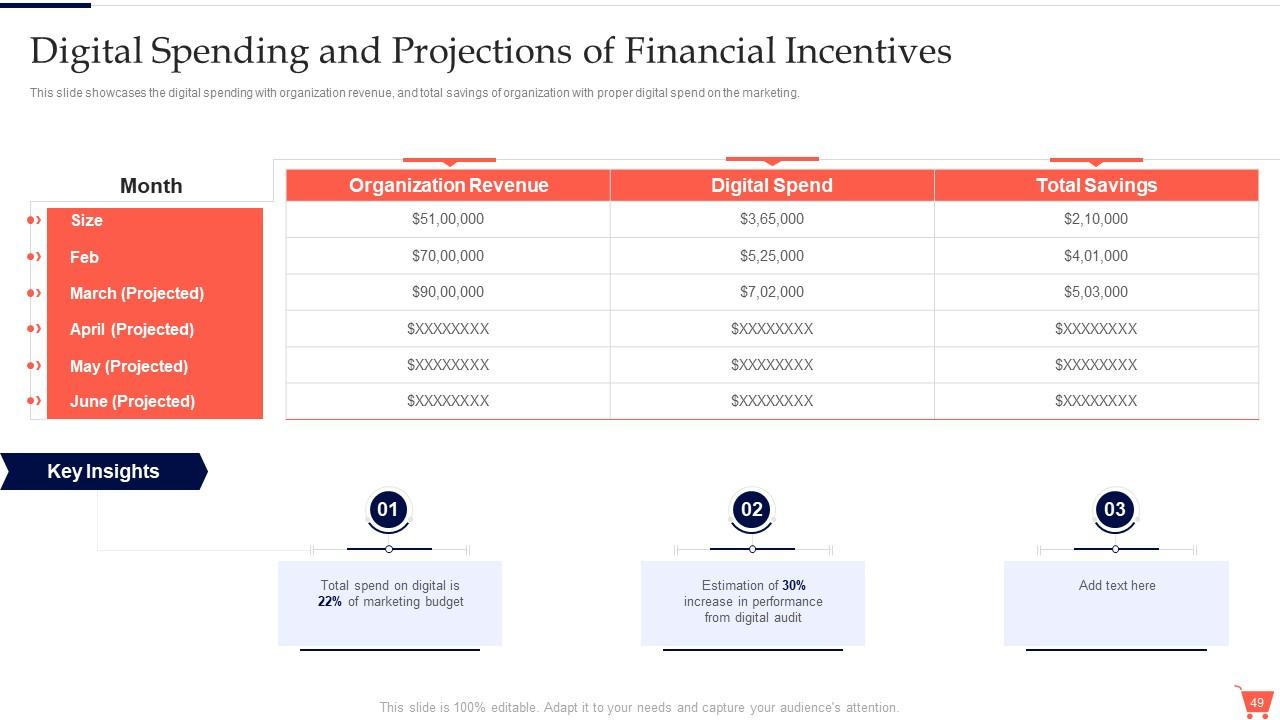
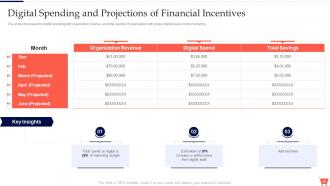
Slide 49: This slide showcases the digital spending with organization revenue, and total savings of organization with proper digital spend on the marketing.
Slide 50: This slide depicts title for two topics that are to be covered next in the template.
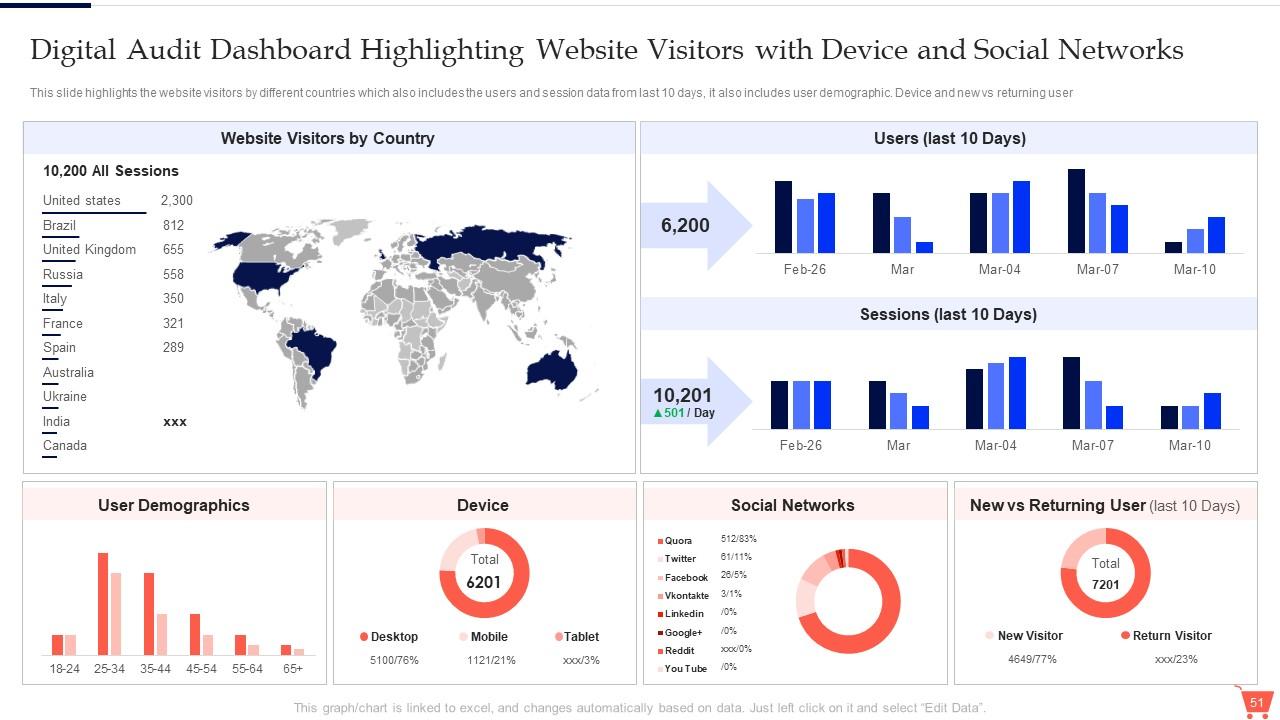
Slide 51: This slide highlights the website visitors by different countries which also includes the users and session data from last 10 days, etc.
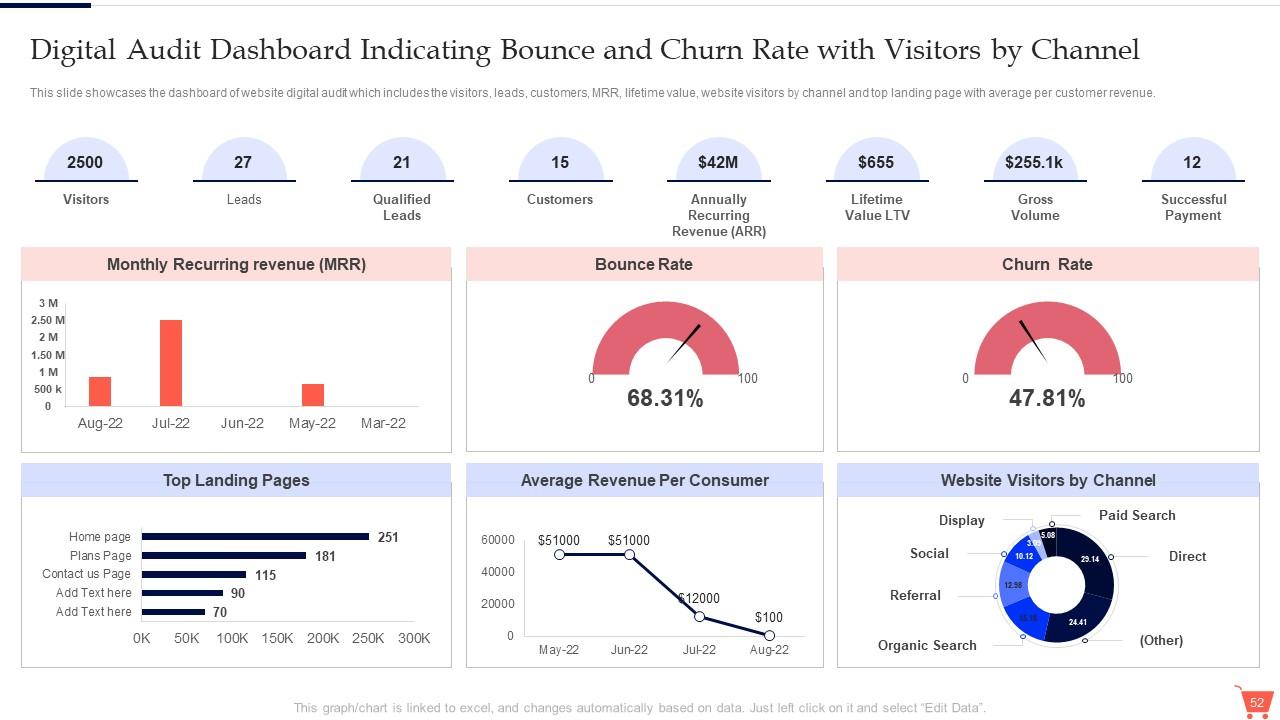
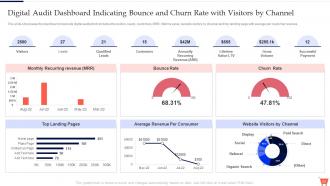
Slide 52: This slide showcases the dashboard of website digital audit which includes the visitors, leads, customers, MRR, lifetime value, etc.
Slide 53: This slide is titled as Additional Slides for moving forward.
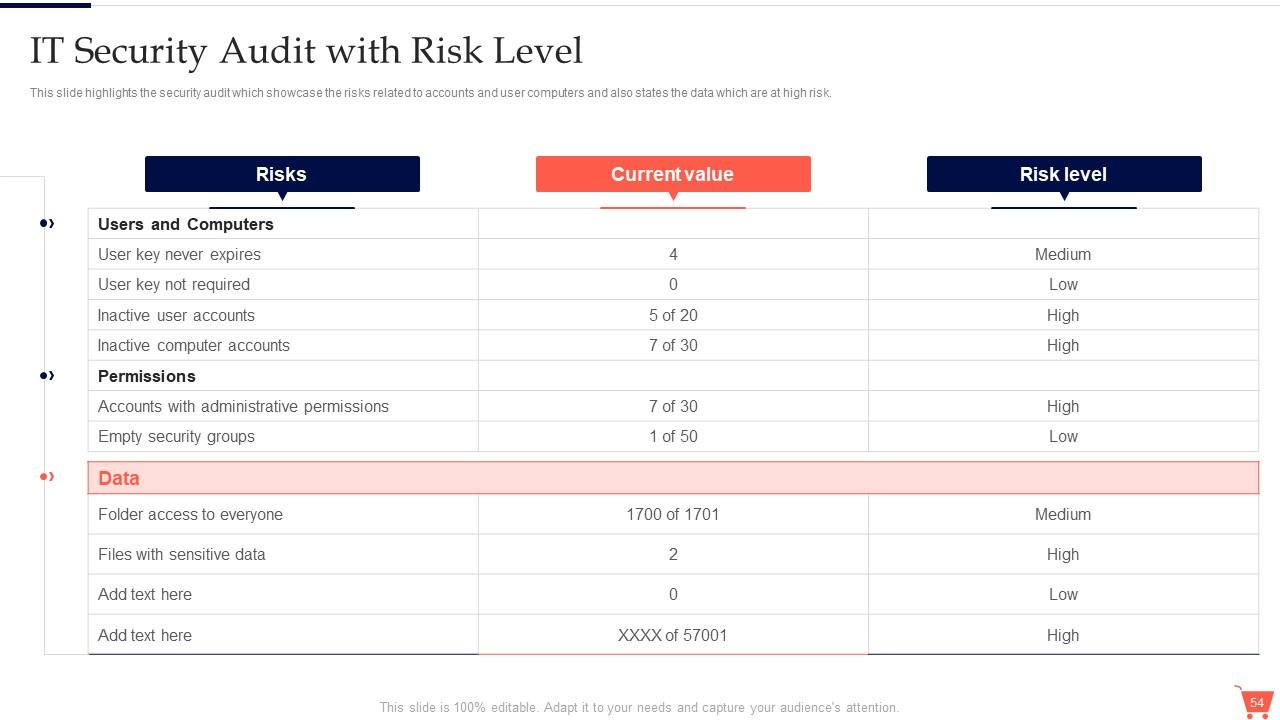
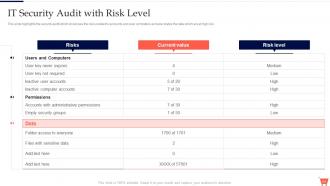
Slide 54: This slide shows IT Security Audit with Risk Level.
Slide 55: This slide displays Icons for Complete Guide to Conduct Digital Marketing Audit.
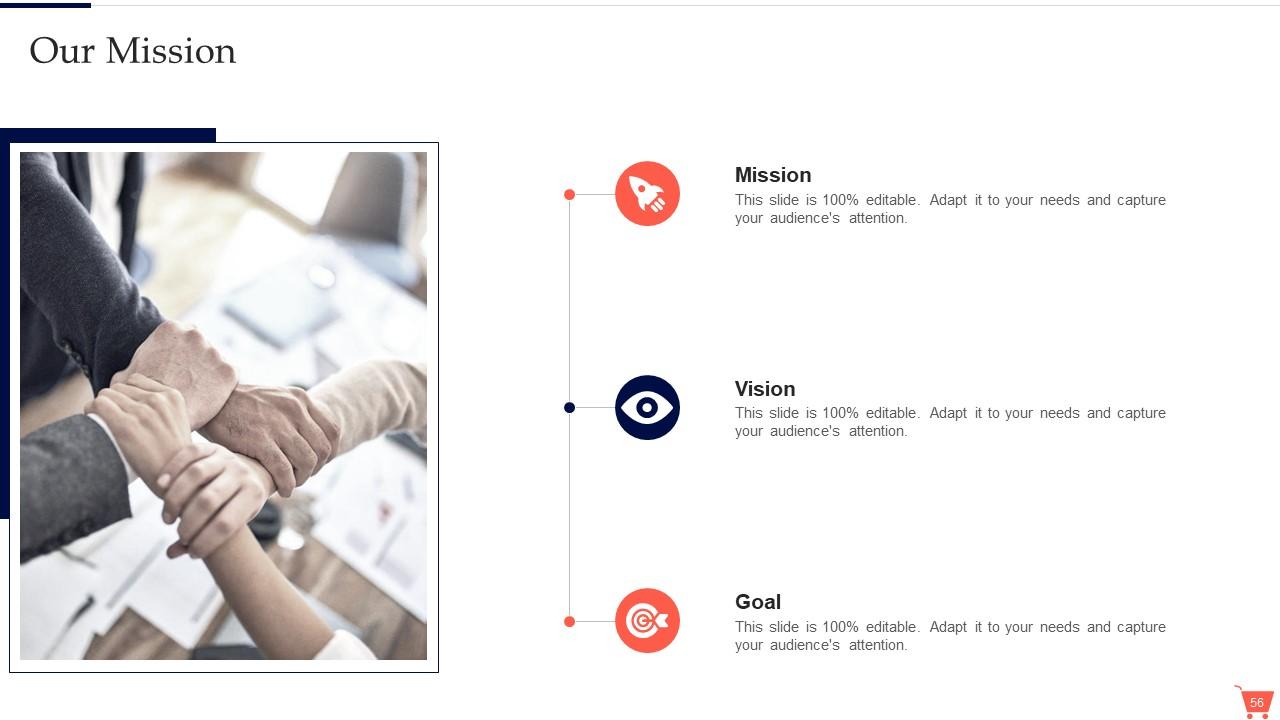
Slide 56: This is Our Mission slide with related imagery and text.
Slide 57: This slide provides 30 60 90 Days Plan with text boxes.
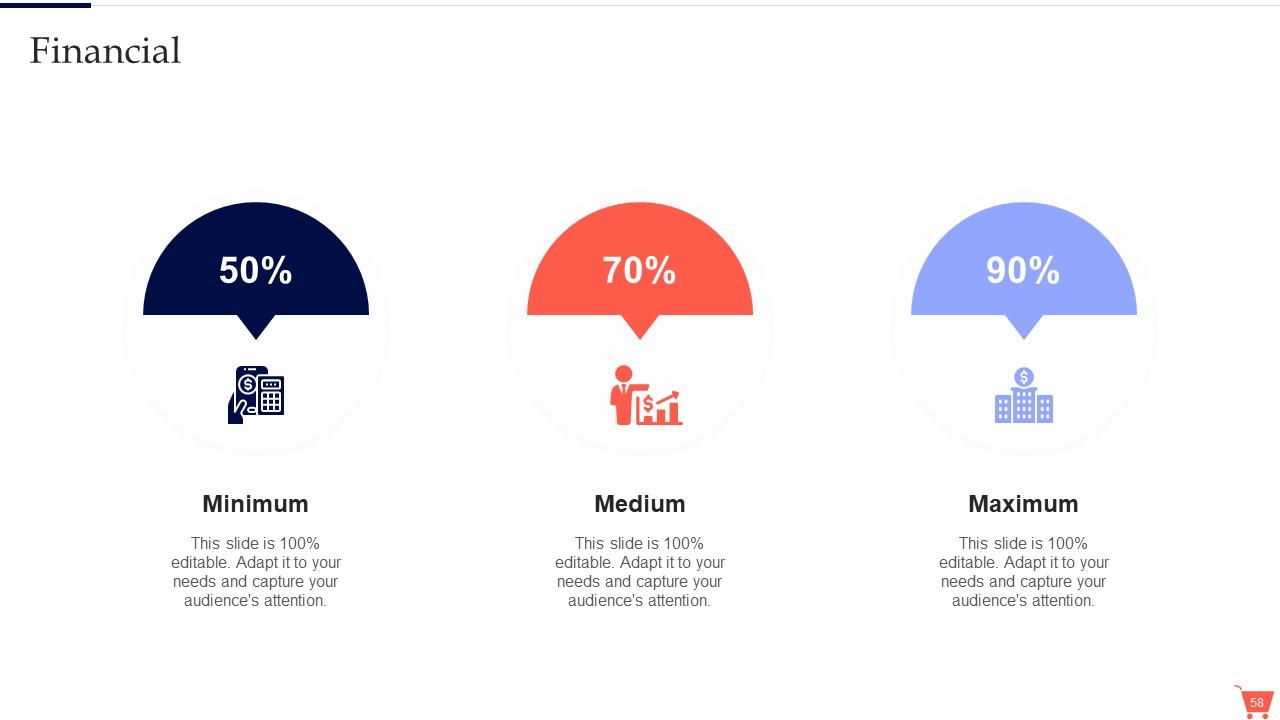
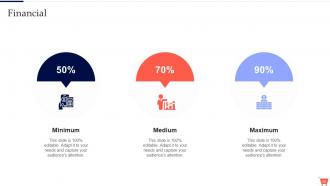
Slide 58: This is a Financial slide. Show your finance related stuff here.
Slide 59: This slide depicts Venn diagram with text boxes.
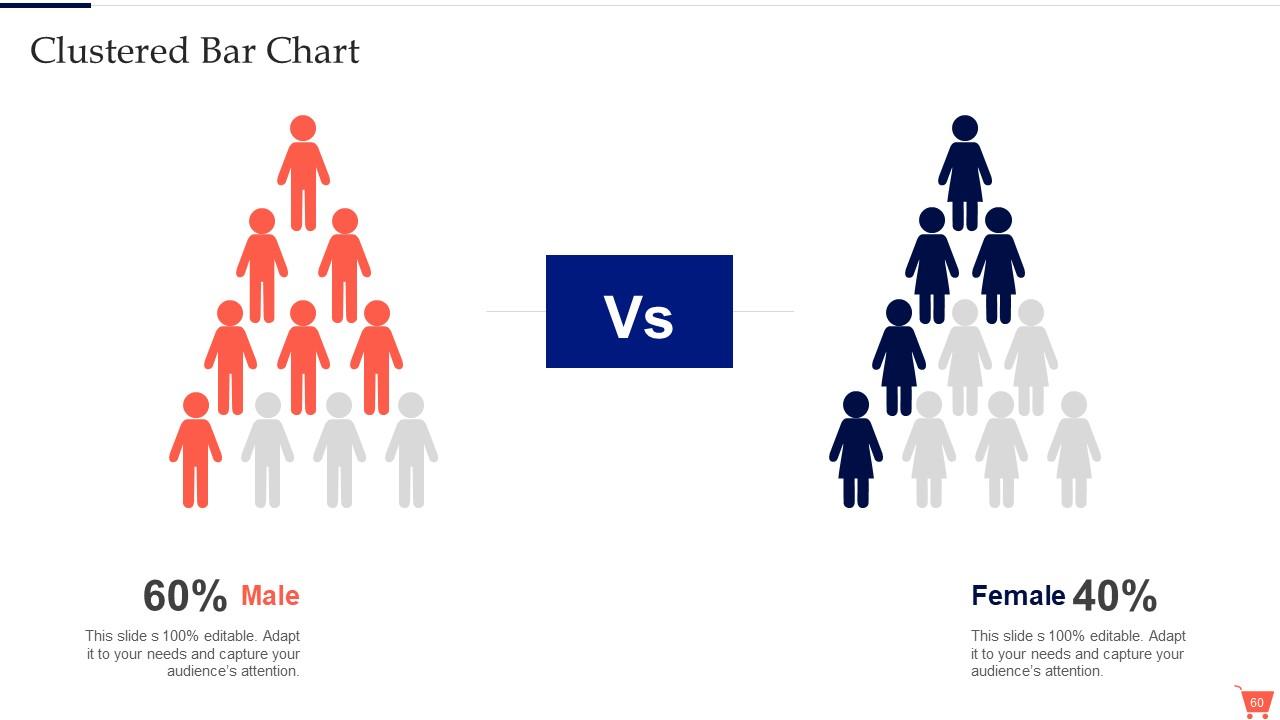
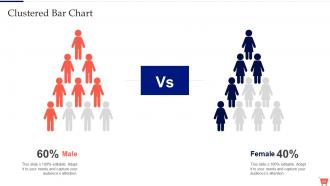
Slide 60: This slide provides Clustered Bar chart with two products comparison.
Slide 61: This slide contains Puzzle with related icons and text.
Slide 62: This slide presents Roadmap with additional textboxes.
Slide 63: This is Our Goal slide. State your firm's goals here.
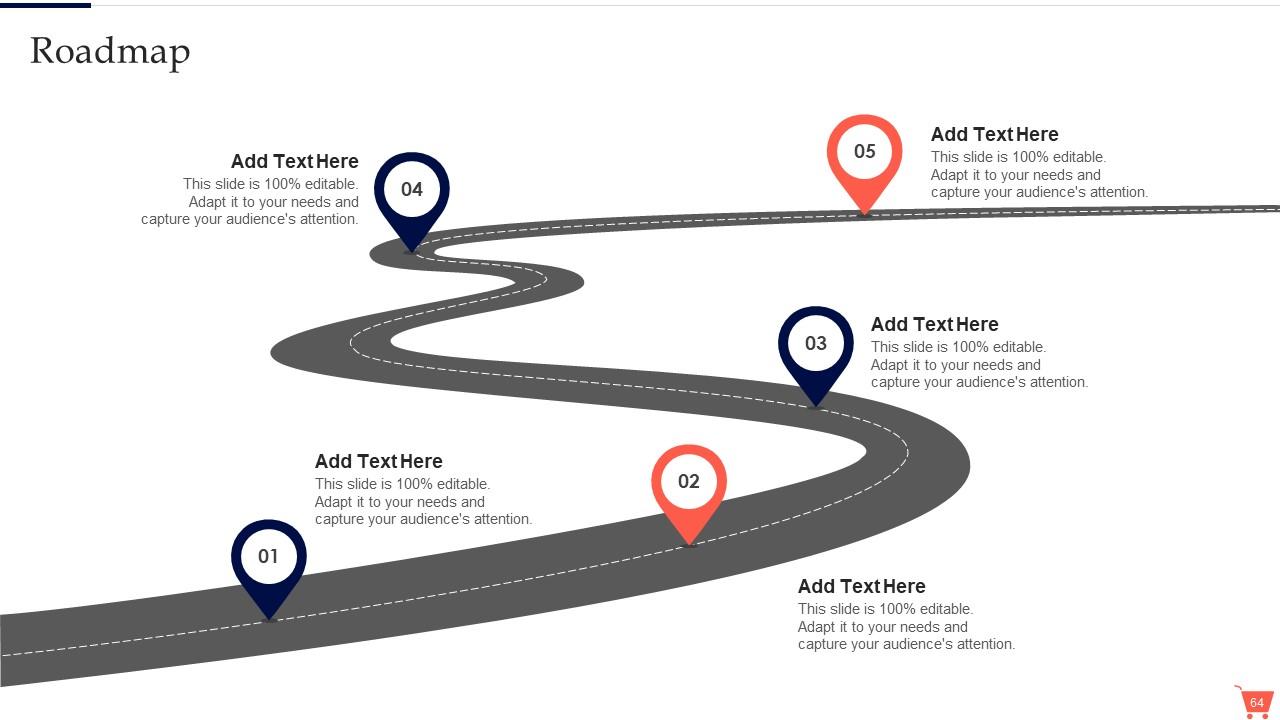
Slide 64: This slide presents Roadmap with additional textboxes.
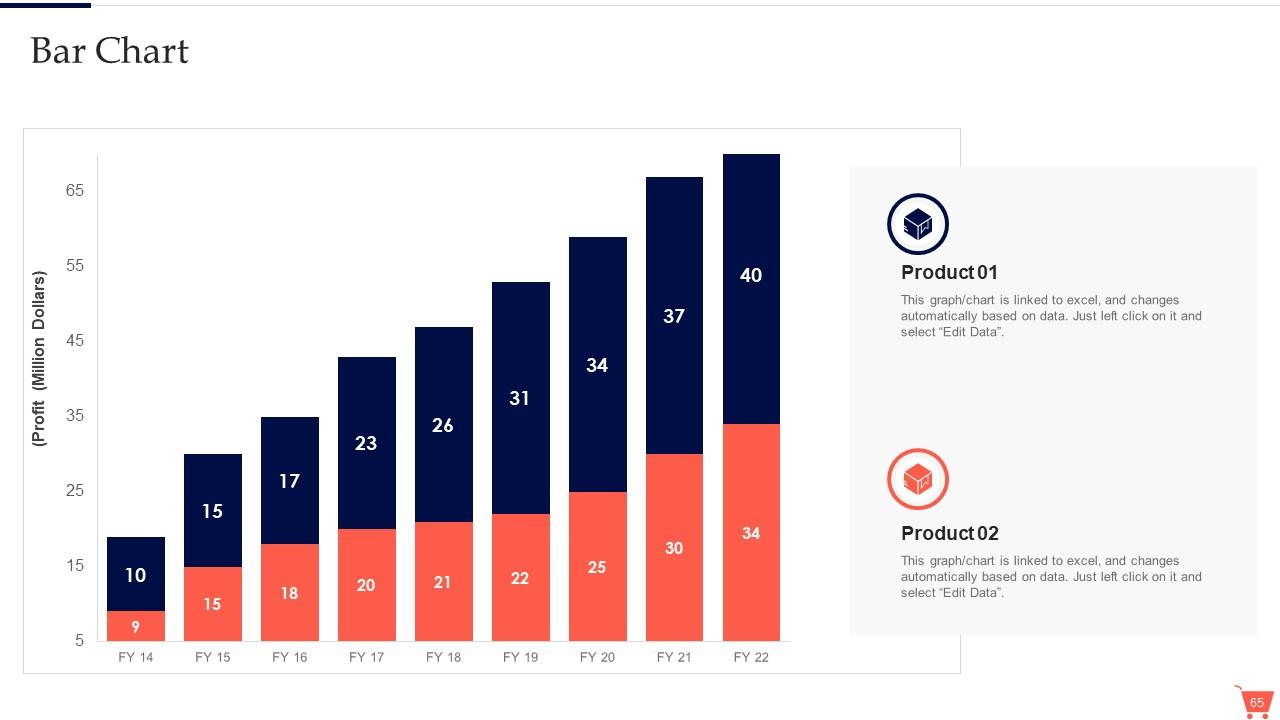
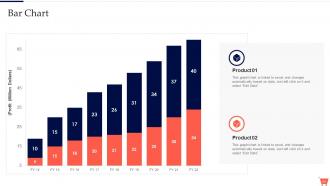
Slide 65: This slide presents Bar chart with two products comparison.
Slide 66: This is a Thank You slide with address, contact numbers and email address.
Complete Guide To Conduct Digital Marketing Audit Powerpoint Presentation Slides with all 71 slides:
Use our Complete Guide To Conduct Digital Marketing Audit Powerpoint Presentation Slides to effectively help you save your valuable time. They are readymade to fit into any presentation structure.
-
Love the template collection they have! I have prepared for my meetings much faster without worrying about designing a whole presentation from scratch.
-
Fantastic collection of visually appealing PowerPoint templates. They certainly uplift the look of the presentation.
