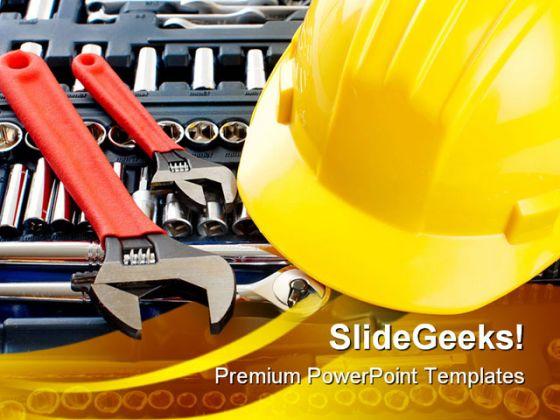
Construction tools business powerpoint templates and powerpoint backgrounds 0711

Rating:
80%
Construction tools business powerpoint templates and powerpoint backgrounds 0711
Slide 1 of 3
Favourites Favourites

Try Before you Buy Download Free Sample Product

Audience Impress Your
Audience
Editable 100%
Editable
Time Save Hours
of Time
The Biggest Sale is ending soon in
0
0
:
0
0
:
0
0
Rating:
80%
Microsoft PowerPoint Template and Background with set of tools in a case industrial helmet

People who downloaded this PowerPoint presentation also viewed the following :

FAQs for Construction tools business powerpoint templates and

Essential construction tools every contractor should have include measuring instruments, power tools, hand tools, safety equipment, and material handling devices. These tools streamline project execution by enabling precise measurements, accelerating construction tasks, and ensuring worker safety, with many contractors finding that strategic tool investments ultimately deliver enhanced operational efficiency and competitive advantage in an increasingly demanding construction landscape.

Technology has revolutionized construction tools through automation, IoT sensors, GPS tracking, advanced materials, and smart connectivity features. These innovations streamline project management, enhance precision, and minimize downtime by enabling real-time monitoring, predictive maintenance, and seamless coordination across job sites, ultimately delivering faster project completion and significantly reduced operational costs.

Current eco-friendly construction trends include solar-powered equipment, recycled steel and concrete, bamboo materials, low-emission machinery, and biodegradable insulation products. These sustainable technologies streamline operations by reducing energy costs, minimizing waste disposal fees, and meeting regulatory requirements, with many construction companies finding that green materials ultimately deliver competitive advantages and enhanced client satisfaction.

Safety regulations significantly influence construction tool design by mandating enhanced protective features, ergonomic improvements, stricter material standards, and comprehensive safety mechanisms to minimize workplace injuries. These requirements drive manufacturers to innovate with better guards, vibration reduction systems, and automated safety shutoffs, while construction companies benefit from reduced liability, lower insurance costs, and improved worker productivity, ultimately delivering safer job sites and competitive operational advantages.

Cordless tools enhance modern construction projects by delivering mobility, efficiency, and flexibility across jobsites without power source constraints. These battery-powered solutions streamline operations in residential framing, commercial installations, and infrastructure projects, enabling faster task completion, reduced setup times, and improved worker productivity, ultimately delivering significant cost savings and competitive project timelines.

Construction businesses can effectively manage tool inventory through digital tracking systems, scheduled maintenance protocols, centralized storage solutions, and automated reordering processes. By implementing asset management software and barcode scanning, companies streamline equipment accountability, reduce downtime, and minimize replacement costs, with many construction firms finding that proactive maintenance scheduling ultimately delivers significant operational savings and enhanced project efficiency.

High-quality construction tools deliver superior durability, enhanced safety features, precise performance, reduced maintenance costs, and long-term reliability compared to budget alternatives. While initial investment is higher, professional contractors and construction companies find that premium tools ultimately streamline operations, minimize project delays, and provide competitive advantage through consistent results and lower replacement frequencies.

Robotics has revolutionized construction tools through automated bricklaying systems, precision welding robots, autonomous excavation equipment, and intelligent material handling machines. These technologies streamline project timelines, enhance workplace safety, and minimize human error, with many construction firms finding that robotic integration delivers significantly faster builds, reduced labor costs, and improved quality control in an increasingly competitive market.

Regional differences significantly impact tool selection through varying building codes, climate conditions, material preferences, and labor practices across markets. Construction companies in earthquake-prone areas prioritize seismic-rated fastening systems, while tropical regions emphasize corrosion-resistant tools, and cold climates require freeze-resistant hydraulics, ultimately enabling contractors to deliver compliant, efficient projects tailored to local requirements.

When selecting tools for specialized construction tasks, consider task-specific requirements, durability standards, safety certifications, compatibility with existing equipment, and long-term cost efficiency. Construction companies across residential, commercial, and infrastructure projects find that investing in purpose-built tools enhances operational efficiency, reduces project timelines, and ultimately delivers superior workmanship while minimizing equipment downtime and replacement costs.

Construction tool manufacturers ensure product durability and reliability through rigorous materials testing, precision engineering standards, field performance validation, quality control protocols, and comprehensive stress testing procedures. These processes enable companies to deliver tools that withstand harsh jobsite conditions, reduce replacement costs, and minimize downtime, with many contractors finding that reliable equipment ultimately enhances project efficiency and profitability.

Common purchasing mistakes include buying cheapest options without considering durability, failing to assess actual project requirements, overlooking maintenance costs, and purchasing incompatible equipment across different manufacturers. Many construction companies find that inadequate research leads to frequent replacements, project delays, and higher long-term costs, while strategic purchasing delivers better ROI, enhanced productivity, and competitive advantage.

Construction professionals can stay updated through industry trade shows, manufacturer websites, construction technology publications, and professional associations like AGC or NECA. Many leverage equipment dealer demonstrations, peer networks, and digital platforms offering product reviews and comparisons, while attending webinars and certification programs that showcase emerging technologies, ultimately ensuring they maintain competitive advantages through informed tool selection and operational efficiency.

Rental services significantly reduce capital expenditure for small construction businesses by eliminating large equipment purchases, improving cash flow management, and providing access to specialized tools otherwise unaffordable. These services enable smaller contractors to compete with larger firms on complex projects, while minimizing maintenance costs and storage requirements, ultimately delivering operational flexibility and enhanced profitability.

Effective tool training programs enhance worker productivity by reducing equipment-related delays, minimizing safety incidents that cause downtime, and ensuring optimal tool utilization across projects. These programs enable construction teams to complete tasks faster and with greater precision, while many contractors find that well-trained workers experience fewer injuries and deliver higher-quality results, ultimately reducing project costs and timelines.

Ratings and Reviews

80% of 100
Write a review
Most Relevant Reviews
  1. 80%

    by Danilo Woods

    Great designs, really helpful.
  2. 80%

    by James Rodriguez

    Nice and innovative design.

2 Item(s)

per page: