Contract management procurement ppt powerpoint presentation pictures mockup cpb

Contract management procurement ppt powerpoint presentation pictures mockup cpb
Slide 1 of 5
Favourites Favourites

Try Before you Buy Download Free Sample Product

Audience Impress Your
Audience
Editable 100%
Editable
Time Save Hours
of Time
The Biggest Sale is ending soon in
0
0
:
0
0
:
0
0
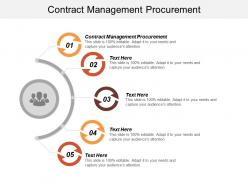
Presenting this set of slides with name - Contract Management Procurement Ppt Powerpoint Presentation Pictures Mockup Cpb. This is an editable three stages graphic that deals with topics like Contract Management Procurement to help convey your message better graphically. This product is a premium product available for immediate download, and is 100 percent editable in Powerpoint. Download this now and use it in your presentations to impress your audience.

People who downloaded this PowerPoint presentation also viewed the following :

FAQs for Contract management procurement ppt powerpoint presentation

Key elements of effective contract management include contract creation and negotiation, approval workflows, performance monitoring, compliance tracking, and renewal management. These components work together by streamlining documentation processes, automating approval cycles, and ensuring regulatory adherence, with many organizations finding that integrated contract management ultimately delivers reduced processing times, enhanced vendor relationships, and improved risk mitigation across their operations.

Organizations can streamline contract lifecycle management by implementing automated workflows, standardized templates, digital approval processes, centralized repositories, and real-time collaboration tools. These technologies enhance efficiency by eliminating manual bottlenecks, accelerating review cycles, and enabling seamless stakeholder coordination, with many enterprises finding that integrated platforms reduce contract processing time by 60-80%.

Technology revolutionizes contract management by automating workflows, enabling digital signatures, providing centralized repositories, and delivering advanced analytics for compliance tracking. Through AI-powered platforms and cloud-based solutions, organizations streamline contract creation, accelerate approval processes, and enhance visibility across their entire contract lifecycle, ultimately reducing administrative costs while minimizing compliance risks.

Businesses ensure contract compliance through automated monitoring systems, legal review protocols, regulatory tracking databases, standardized approval workflows, and regular compliance audits. These technologies streamline obligations management by flagging critical deadlines, ensuring regulatory alignment, and maintaining documentation standards, with many organizations finding that integrated contract platforms significantly reduce compliance risks while enhancing operational efficiency.

Common pitfalls in contract negotiations include unclear terms and deliverables, inadequate risk allocation, insufficient compliance requirements, rushed timeline pressures, and poor stakeholder communication. These challenges can be avoided by establishing detailed scope definitions, conducting thorough legal reviews, implementing structured negotiation processes, and maintaining transparent communication channels, ultimately delivering stronger agreements and reduced disputes across organizations.

Contract management significantly impacts vendor relationships through clear performance expectations, standardized communication protocols, streamlined payment processes, and transparent dispute resolution mechanisms. These structured approaches enhance vendor accountability, reduce misunderstandings, and foster long-term partnerships, with many organizations finding that effective contract oversight ultimately delivers improved service quality, cost predictability, and stronger collaborative outcomes across their supplier networks.

Contract review frequency depends on contract type, industry regulations, and business changes, with most organizations conducting annual comprehensive reviews and quarterly assessments for high-value agreements. Companies in rapidly evolving sectors like technology and healthcare often implement semi-annual reviews, while others trigger updates based on regulatory changes, performance metrics, or market shifts, ultimately ensuring compliance and maximizing contract value.

Contract management success metrics include contract cycle time, compliance rates, cost savings achieved, renewal rates, and risk mitigation effectiveness. These measurements enable organizations to streamline procurement processes, enhance vendor relationships, and optimize resource allocation, with many companies finding that tracking these indicators delivers improved operational efficiency and competitive advantage.

Organizations can better manage contract renewals and expirations through automated tracking systems, centralized databases, advanced analytics, and structured renewal workflows. These technologies streamline processes by providing early alerts, standardizing renewal procedures, and enabling data-driven negotiations, with many companies finding that proactive contract management reduces costs, minimizes risks, and ultimately delivers stronger vendor relationships and improved operational efficiency.

Contract risk mitigation involves establishing clear performance metrics, implementing regular monitoring checkpoints, maintaining detailed documentation protocols, and creating structured communication frameworks between all parties. These approaches streamline accountability by defining specific deliverables, tracking milestone completion, and ensuring transparent reporting, with many organizations finding that proactive oversight ultimately delivers reduced disputes and enhanced contractual compliance.

Contract management integrates with project management through coordinated planning, milestone alignment, resource allocation, and risk oversight throughout project lifecycles. These practices work together by synchronizing deliverable schedules with contractual obligations, ensuring compliance checkpoints match project phases, and enabling seamless communication between legal, procurement, and project teams, ultimately delivering reduced delays and enhanced stakeholder accountability.

Best practices for training employees in contract management include comprehensive legal fundamentals education, hands-on software platform training, risk assessment workshops, compliance procedure development, and ongoing professional development programs. These training approaches enhance organizational efficiency by reducing contract errors, accelerating negotiation timelines, and ensuring regulatory compliance, with many companies finding that well-trained teams deliver faster deal closures and significantly improved vendor relationships.

Data analytics improves contract management decision-making by identifying spending patterns, tracking vendor performance, predicting renewal risks, and highlighting cost-saving opportunities across contract portfolios. Through predictive modeling and performance dashboards, organizations streamline negotiations, minimize compliance risks, and optimize vendor relationships, with many enterprises finding significant cost reductions and enhanced operational efficiency.

Strategies include establishing shared contract repositories, implementing cross-functional approval workflows, creating standardized contract templates, conducting joint training sessions, and utilizing collaborative contract management platforms. These approaches streamline communication by enabling real-time document sharing, reducing approval bottlenecks, and ensuring consistent contract standards, with many organizations finding that integrated teams deliver faster negotiations and better risk management.

Businesses can leverage templates and standard agreements by establishing pre-approved contract frameworks, standardizing terms and conditions, automating clause selection, creating role-based approval workflows, and maintaining centralized template libraries. These approaches streamline contract creation by reducing drafting time, ensuring legal compliance, and minimizing negotiation cycles, with many organizations finding that standardized templates accelerate deal closure while maintaining consistency across departments.

Ratings and Reviews

0% of 100
Write a review
Most Relevant Reviews

No Reviews