


Customer acquisition model powerpoint presentation slides
Crafting an example of great PPT about client acquisition has never been easier. To help you out here we are presenting a pre designed customer acquisition model PowerPoint show. Now, with support of this PPT presentation you can easily share insights about acquisition marketing as well as various customer acquisition techniques. Using this PowerPoint presentation you can also stimulate your sales force to understand the customer psychology for better customer relationship management. Additionally, this slide presentation helps to highlight significant aspects of a customer acquisition model for better management of customer acquisition cost. With this PPT model you can also brief your employees about the various stages of a customer life cycle for better comprehension of their purchasing power. Apart from this, innovative slide templates like demand creation strategy, sales force automation, lead generation strategy, lead conversion, marketing campaigns, client referrals etc. add new dimension to this PPT sample. So, what’s holding you back? Simply click here and download to kick start with your next customer acquisition marketing PPT slide show. Encourage folks to have fun during breaks with our Customer Acquisition Model Powerpoint Presentation Slides. Intervals also can become entertaining.
Crafting an example of great PPT about client acquisition has never been easier. To help you out here we are presenting a ..










-

- Google Slides is a new FREE Presentation software from Google.
- All our content is 100% compatible with Google Slides.
- Just download our designs, and upload them to Google Slides and they will work automatically.
- Amaze your audience with SlideTeam and Google Slides.
-

Want Changes to This PPT Slide? Check out our Presentation Design Services
-

- WideScreen Aspect ratio is becoming a very popular format. When you download this product, the downloaded ZIP will contain this product in both standard and widescreen format.
-
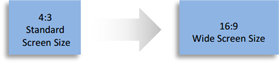
- Some older products that we have may only be in standard format, but they can easily be converted to widescreen.
- To do this, please open the SlideTeam product in Powerpoint, and go to
- Design ( On the top bar) -> Page Setup -> and select "On-screen Show (16:9)” in the drop down for "Slides Sized for".
- The slide or theme will change to widescreen, and all graphics will adjust automatically. You can similarly convert our content to any other desired screen aspect ratio.
Compatible With Google Slides

Get This In WideScreen
You must be logged in to download this presentation.


Do you want to remove this product from your favourites?
PowerPoint presentation slides
Ready to use deck for customer relationship managers, client acquisition consultants and marketing managers. Complete deck having 61 presentation templates. High resolution presentation slides to avoid any pixelate issues. Manual editing option to insert logo, videos and animations. Free from space constraints to add titles and sub titles. Quickly converts to PDF and JPG formats.

People who downloaded this PowerPoint presentation also viewed the following :
Content of this Powerpoint Presentation
Slide 1: This slide introduces Customer Acquisition Model. State your company name and continue.
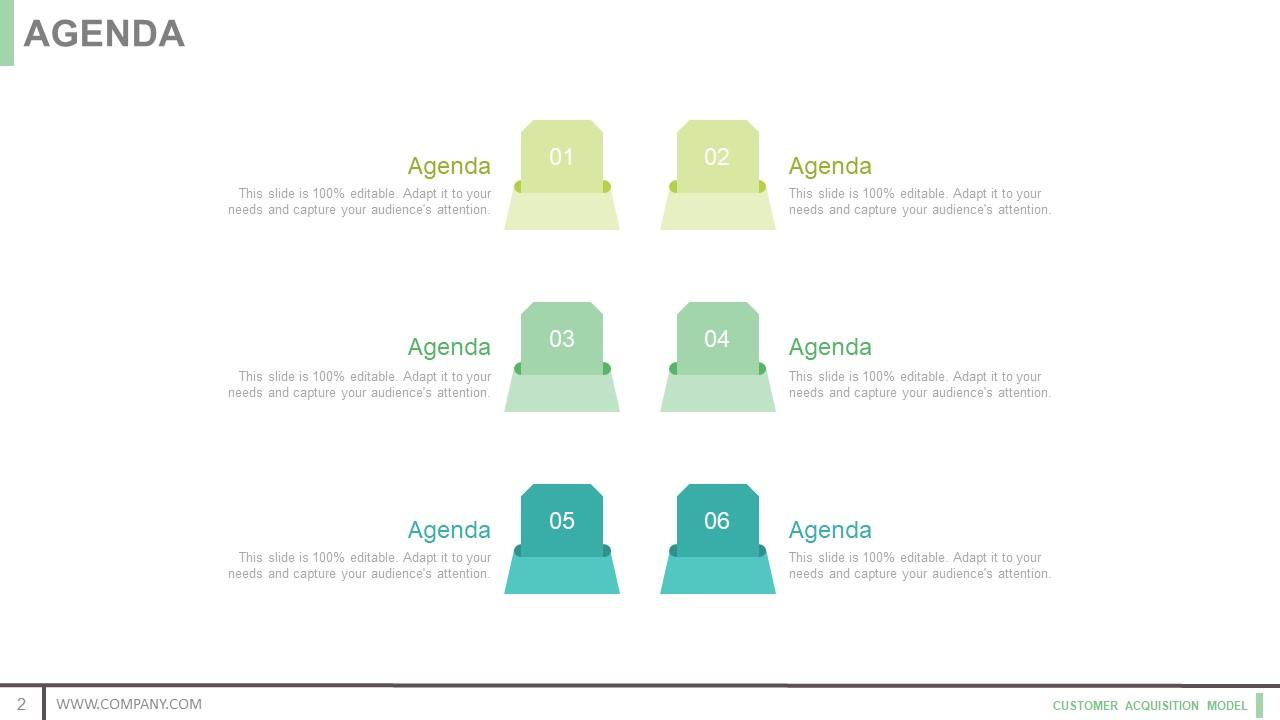
Slide 2: This slide showcases Agenda. You can add your agenda and use as per your requirement.
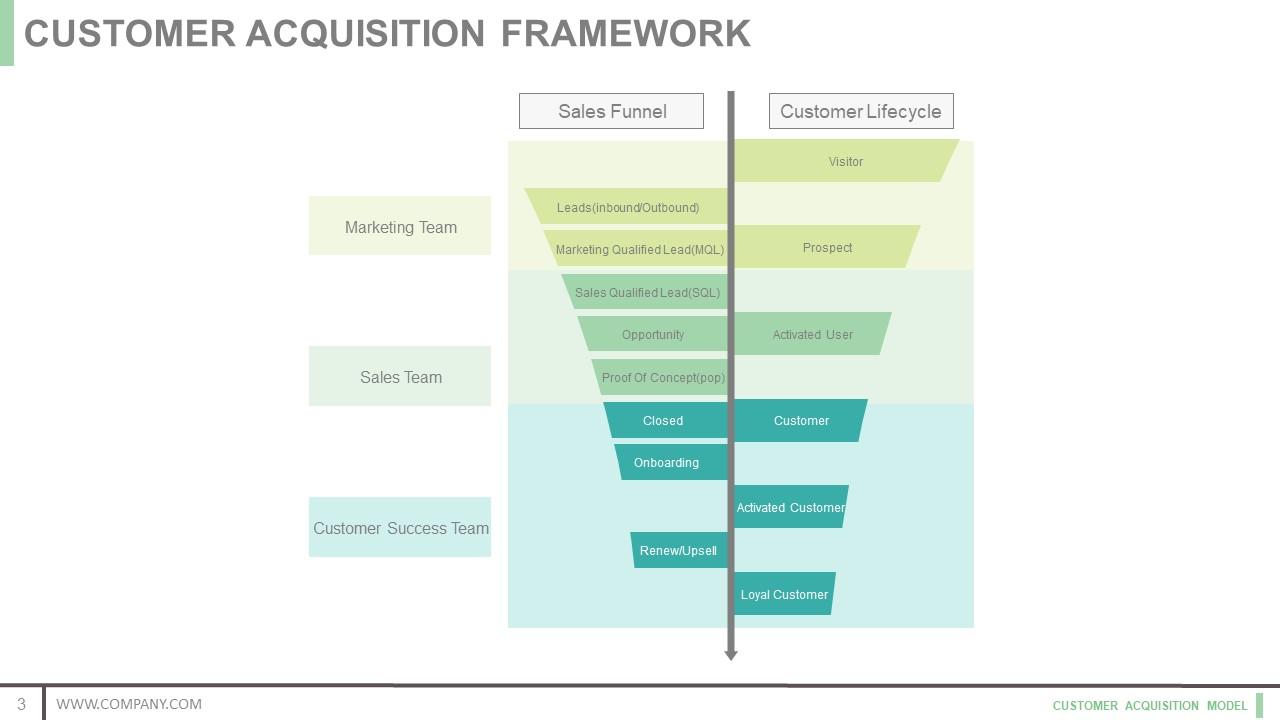
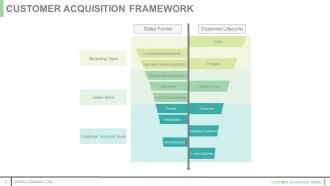
Slide 3: This slide showcases Customer Acquisition Framework displaying- Marketing Team, Sales Team, Customer Success Team, Leads(inbound/Outbound), Visitor, Marketing Qualified Lead(MQL), Prospect, Closed, Onboarding, Renew/Upsell, Customer, Loyal Customer, Activated Customer, Sales Qualified Lead(SQL), Opportunity, Proof Of Concept(POP), Activated User, Customer Lifecycle, Sales Funnel.
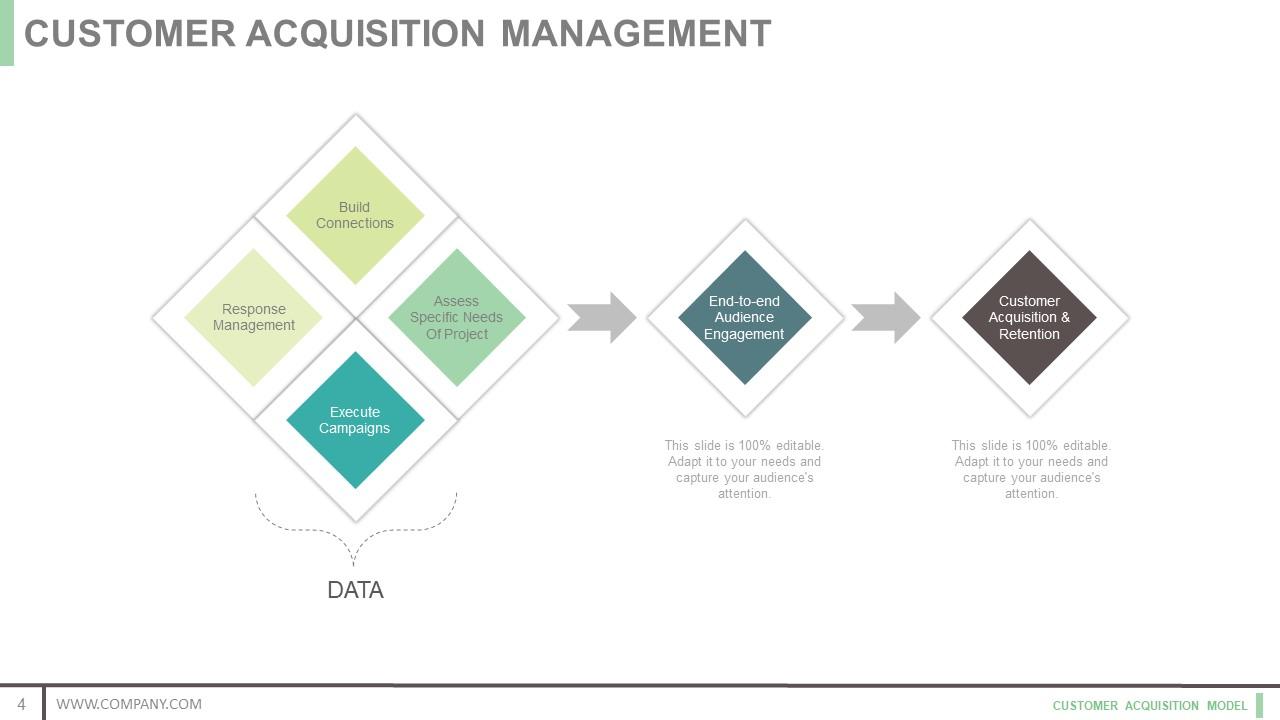
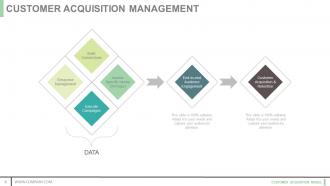
Slide 4: This slide shows Customer Acquisition Management which further shows- Data: Response Management, Build Connections, Assess Specific Needs Of Project, Execute Campaigns. It also shows two other points- End-to-end Audience Engagement and Customer Acquisition & Retention.
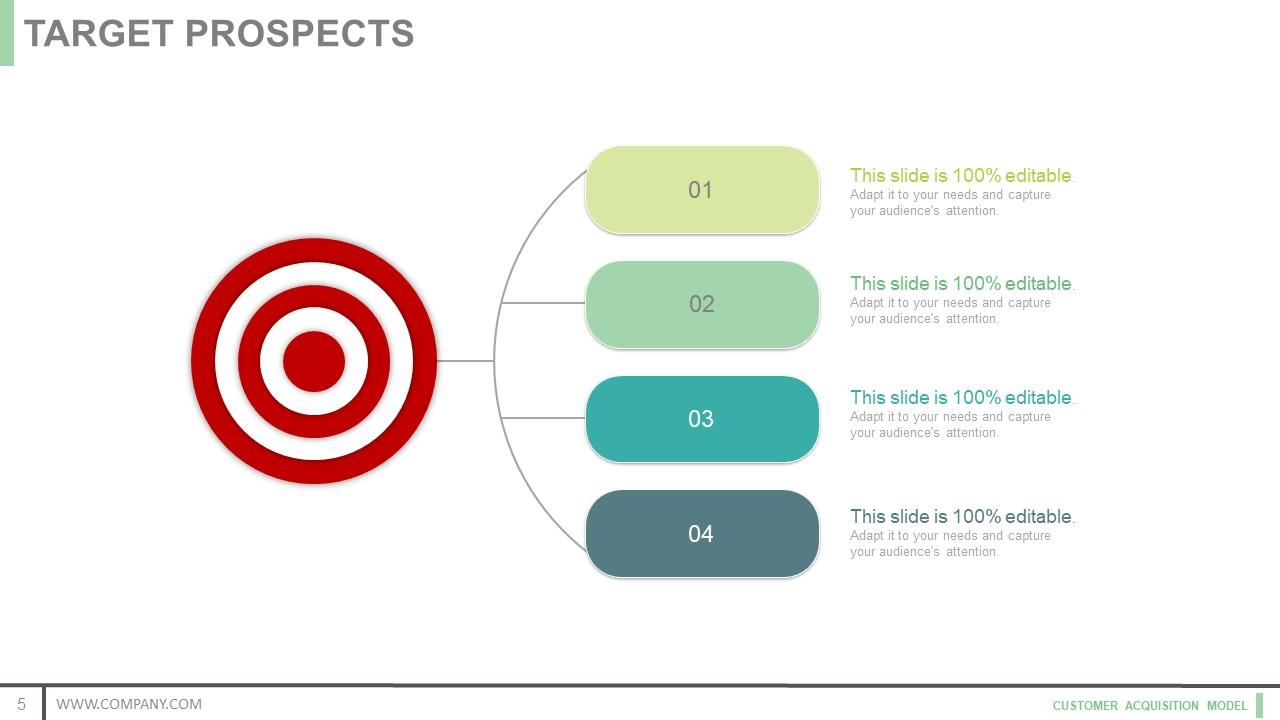
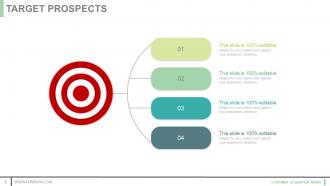
Slide 5: This slide shows Target Prospects with target imagery and text boxes to state your targets etc.
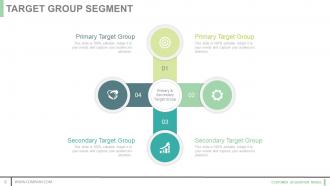
Slide 6: This slide shows Target Group Segment divided into- Primary & Secondary Target Group.
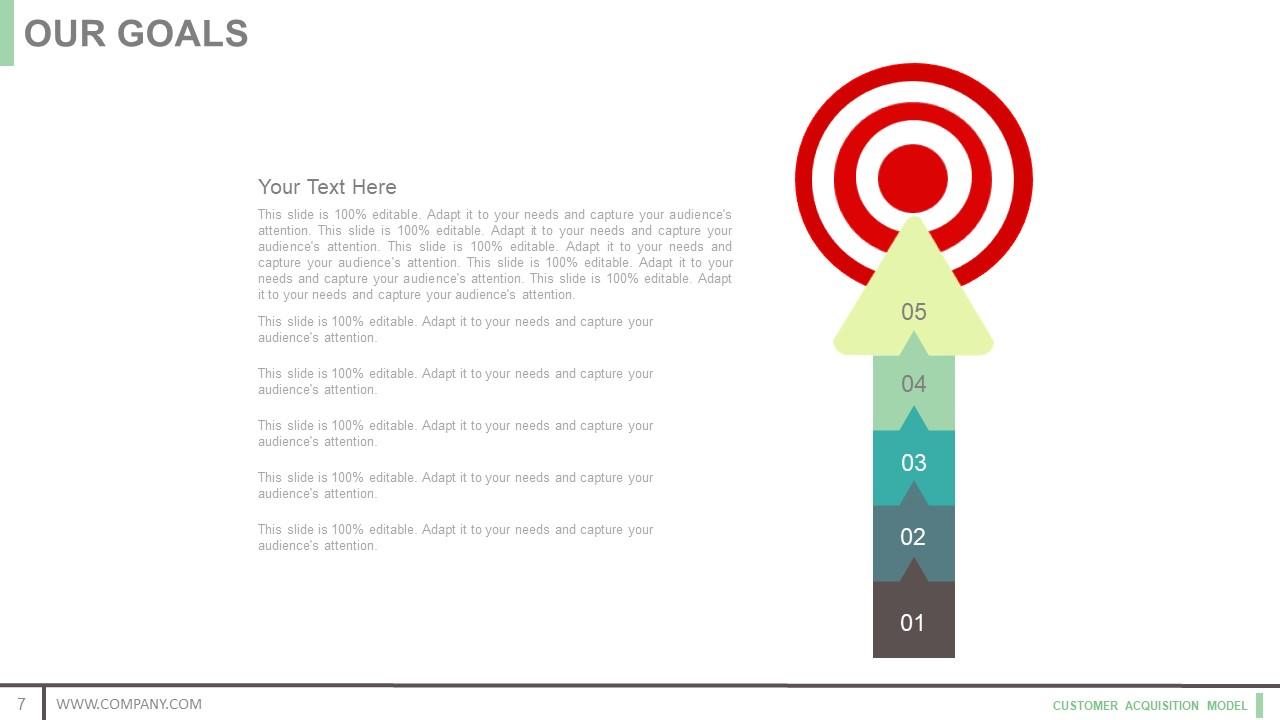
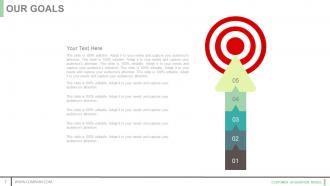
Slide 7: This is Our Goal slide to describe your goals, aspirations etc.
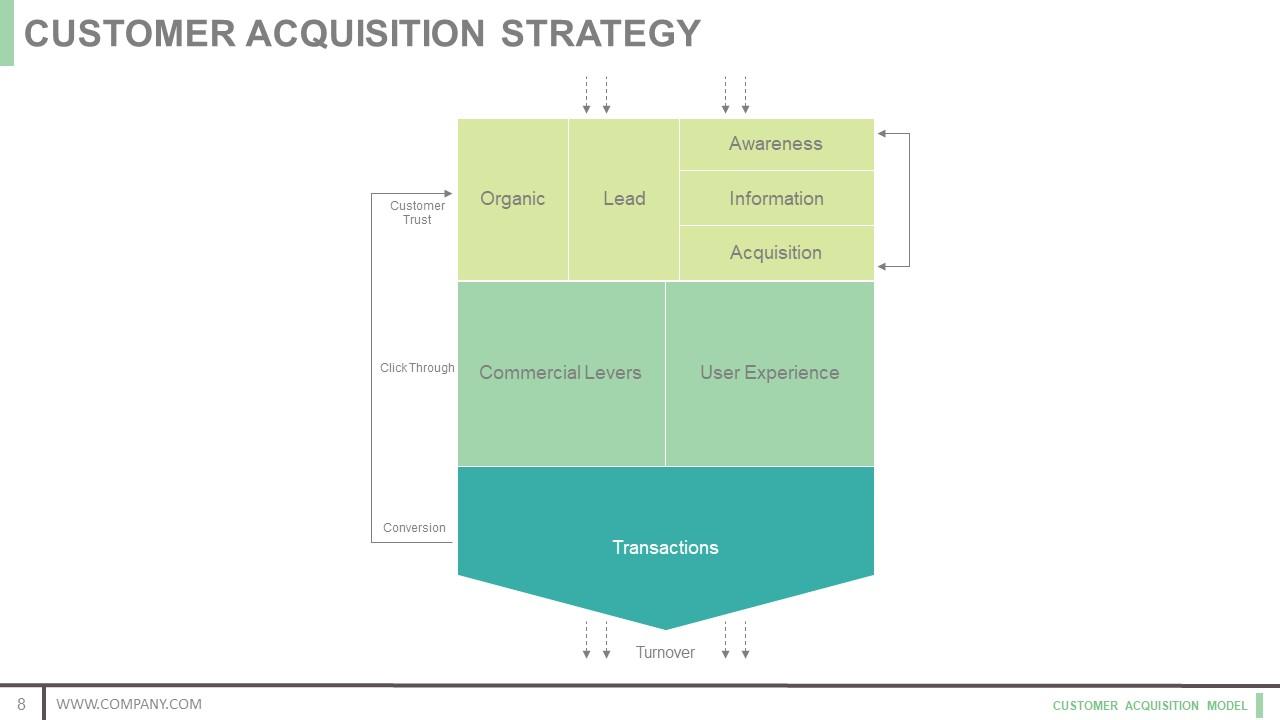
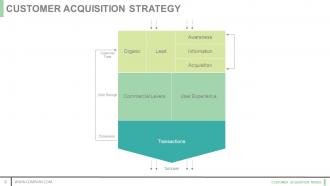
Slide 8: This slide displays Customer Acquisition Strategy funnel showing- Turnover, Commercial Levers, User Experience, Click Through, Transactions, Conversion, Organic, Lead, Awareness, Information, Acquisition, Customer Trust.
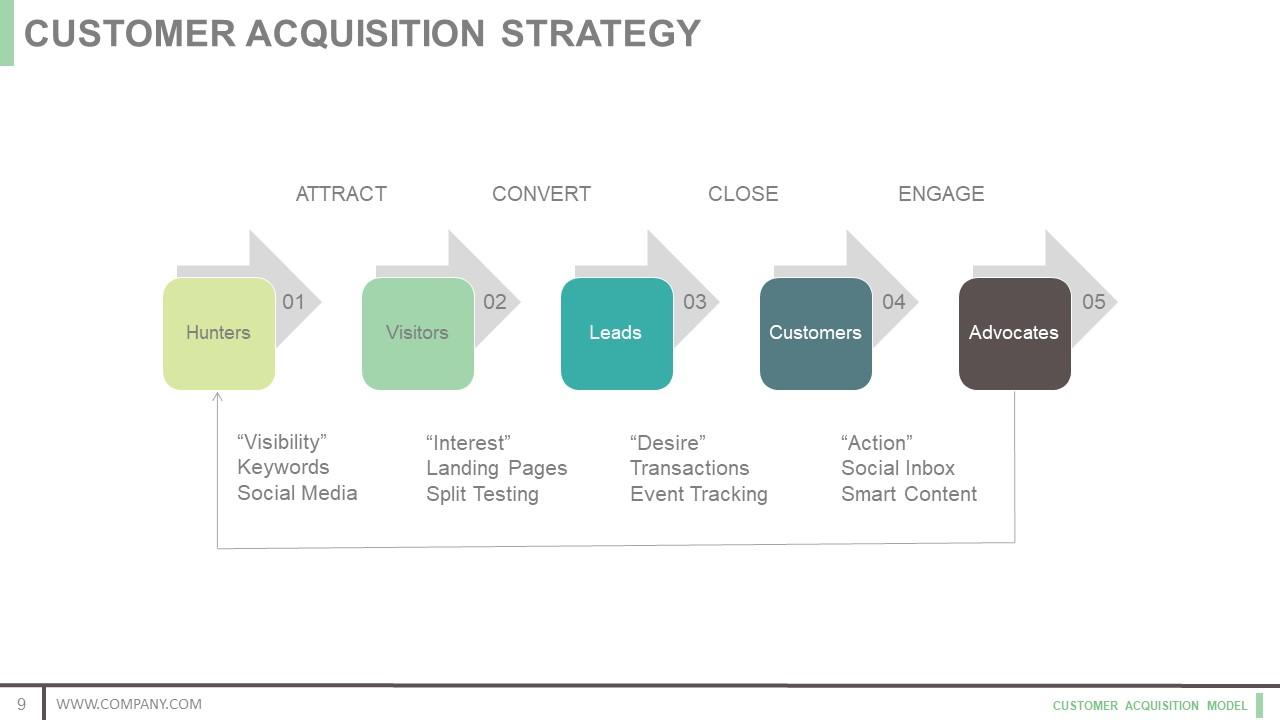
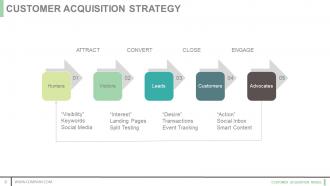
Slide 9: This slide shows Customer Acquisition Strategy with the following subheadings- Attract, Convert, Close, Engage, Hunters, Visitors, Leads, Customers, Advocates.
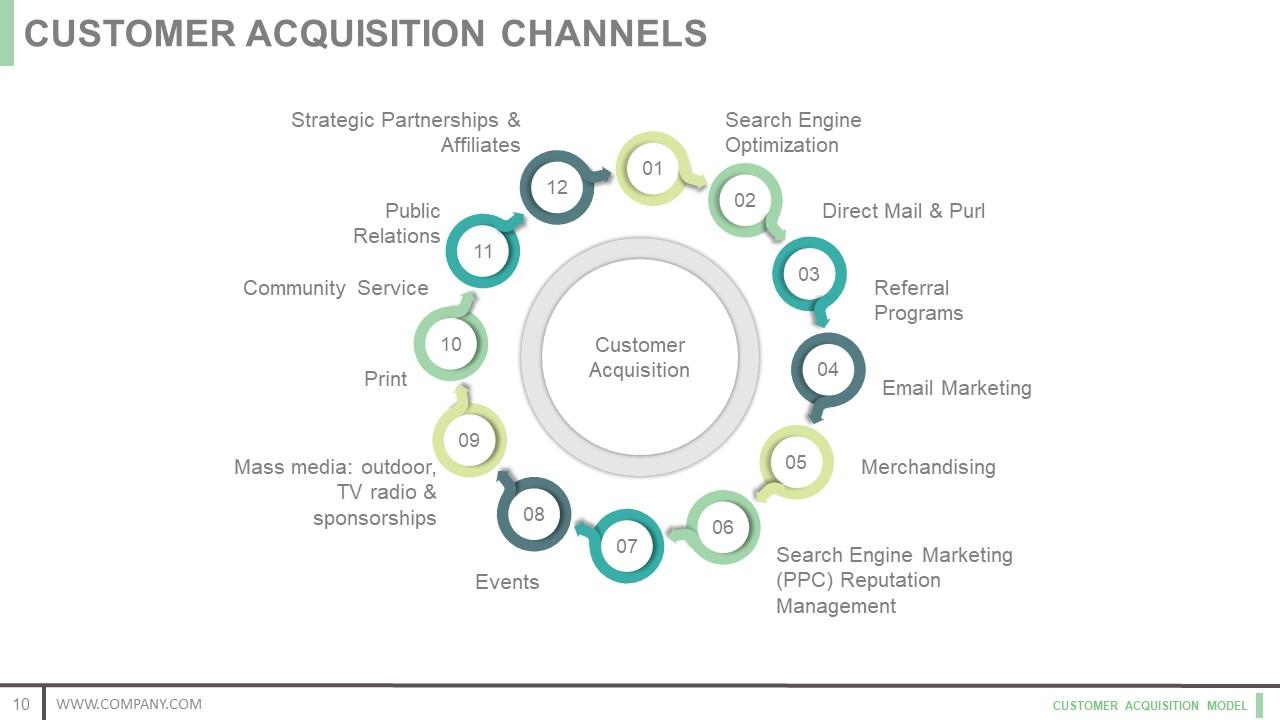
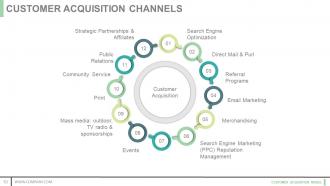
Slide 10: This slide shows Customer Acquisition Channels which include- Strategic Partnerships & Affiliates, Public Relations, Community Service, Print, Mass media: outdoor, TV radio & sponsorships, Events, Search Engine Marketing (PPC) Reputation Management, Merchandising, Email Marketing, Referral Programs, Direct Mail & Purl, Search Engine Optimization.
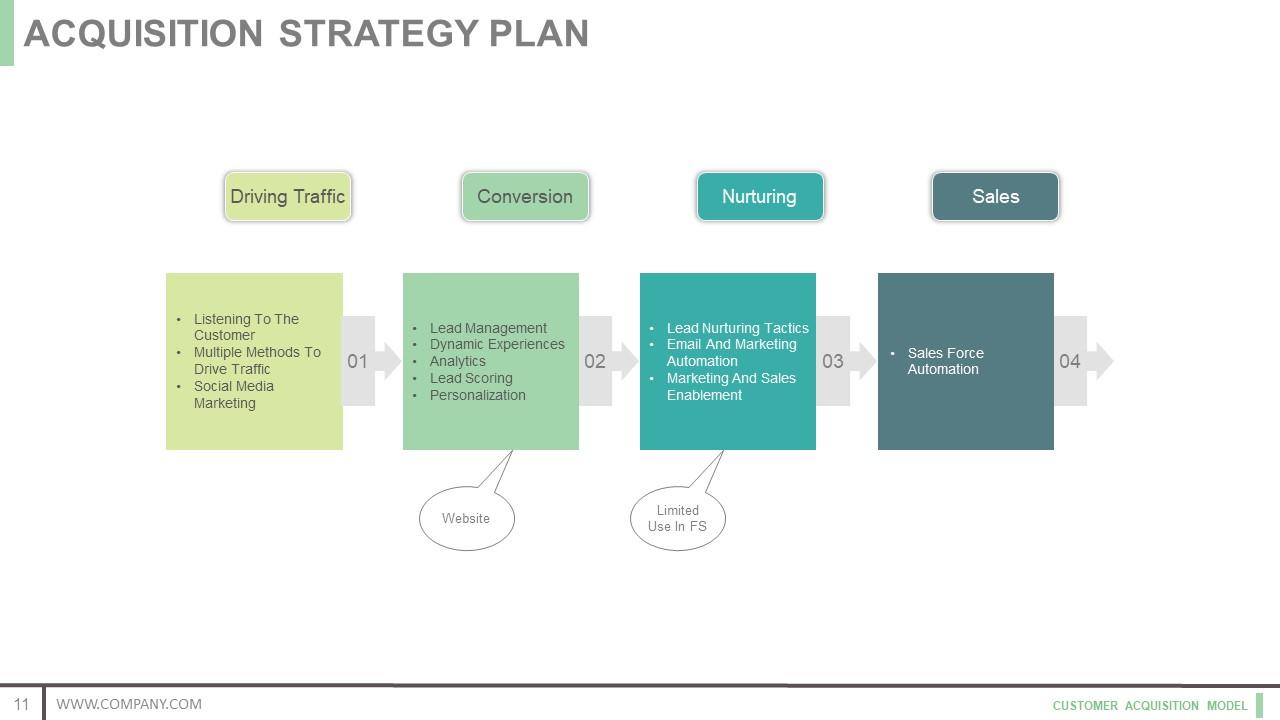
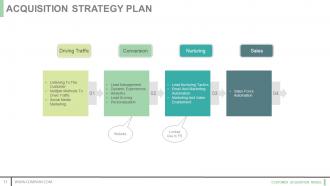
Slide 11: This slide presents Acquisition Strategy Plan with Driving Traffic, Conversion, Nurturing and Sales as its main aspects to be covered.
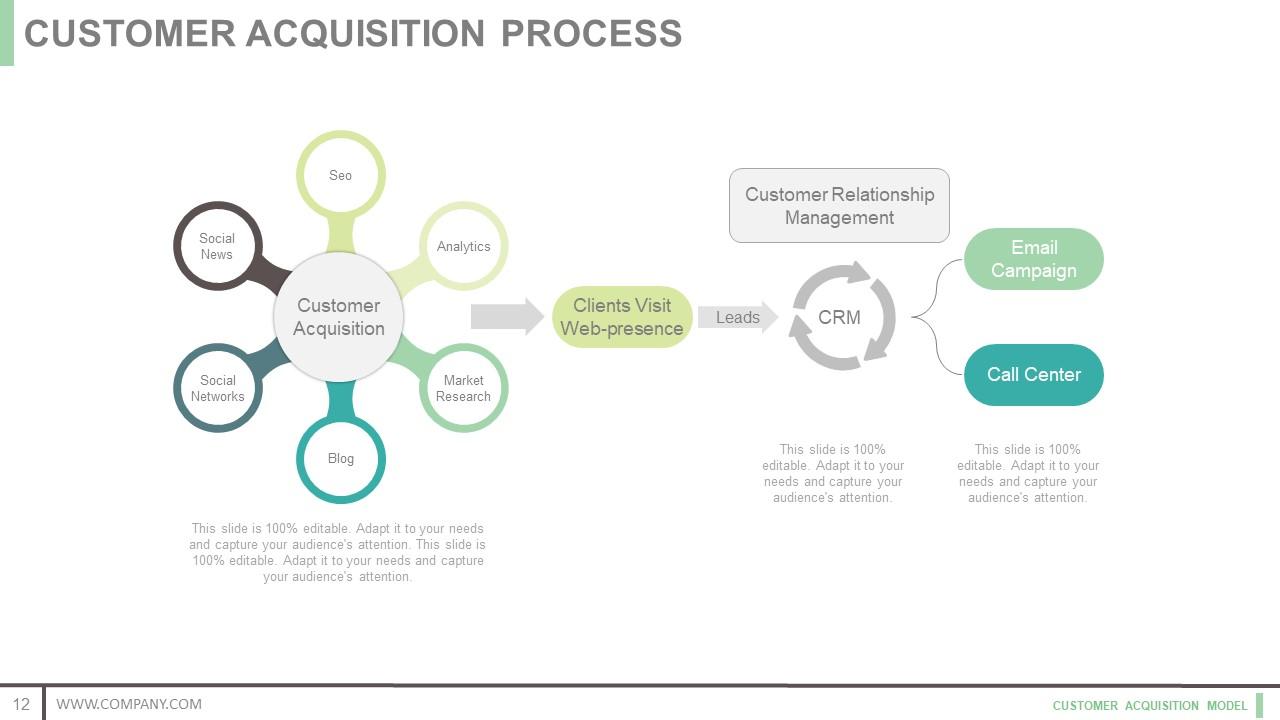
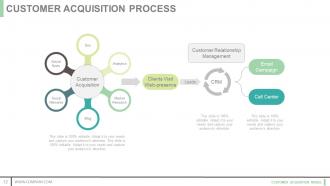
Slide 12: This slide shows Customer Acquisition Process with the following content- Social News, Blog, Social Networks, Analytics, SEO, Market Research, Customer Acquisition, CRM, Leads, Clients Visit Web-presence, Email Campaign, Call Center, Customer Relationship Management.
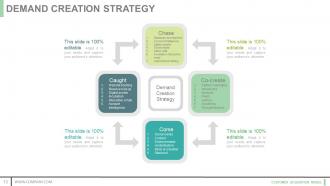
Slide 13: This slide displays Demand Creation strategy. Various ways of Demand Creation have been listed. You can choose the suitable ways as per your requirement.
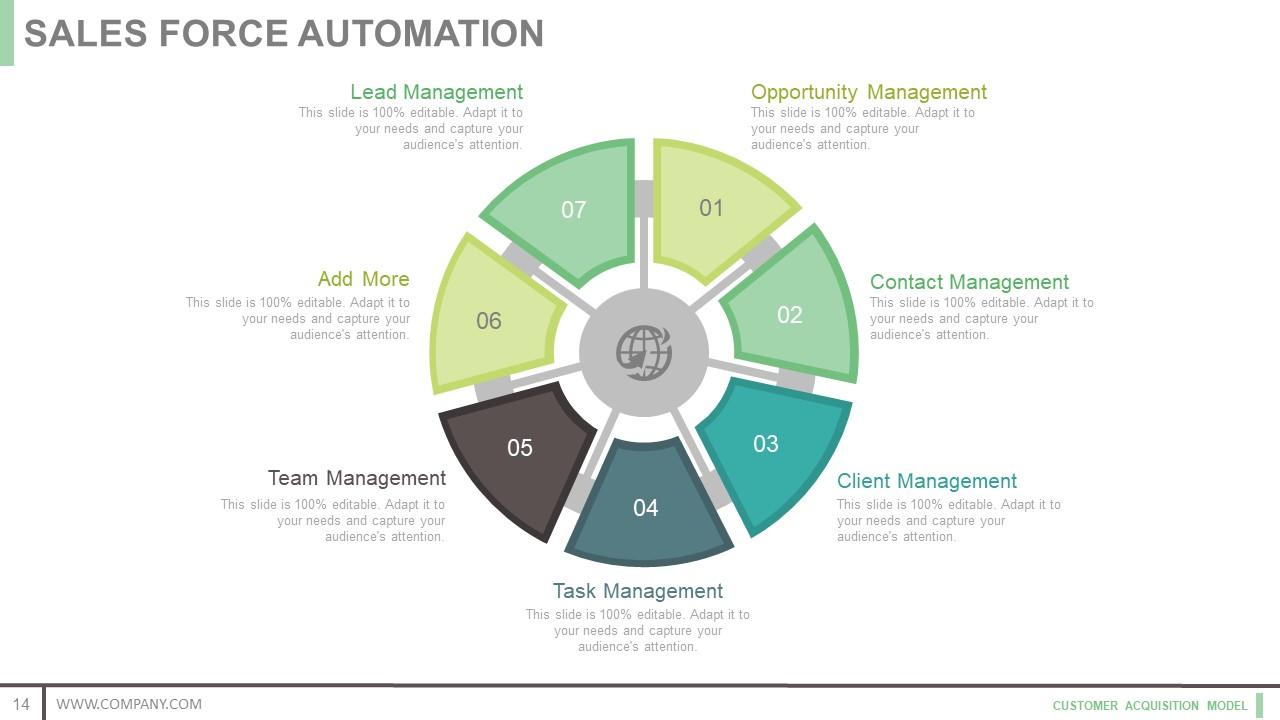
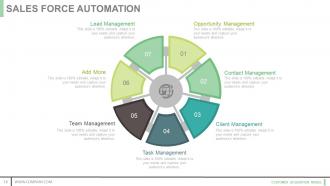
Slide 14: This slide shows Sales Force Automation. Sales Force Automation is a method that automatically handles different sales process. We have listed down various processes that can be managed by this tool which you can alter.
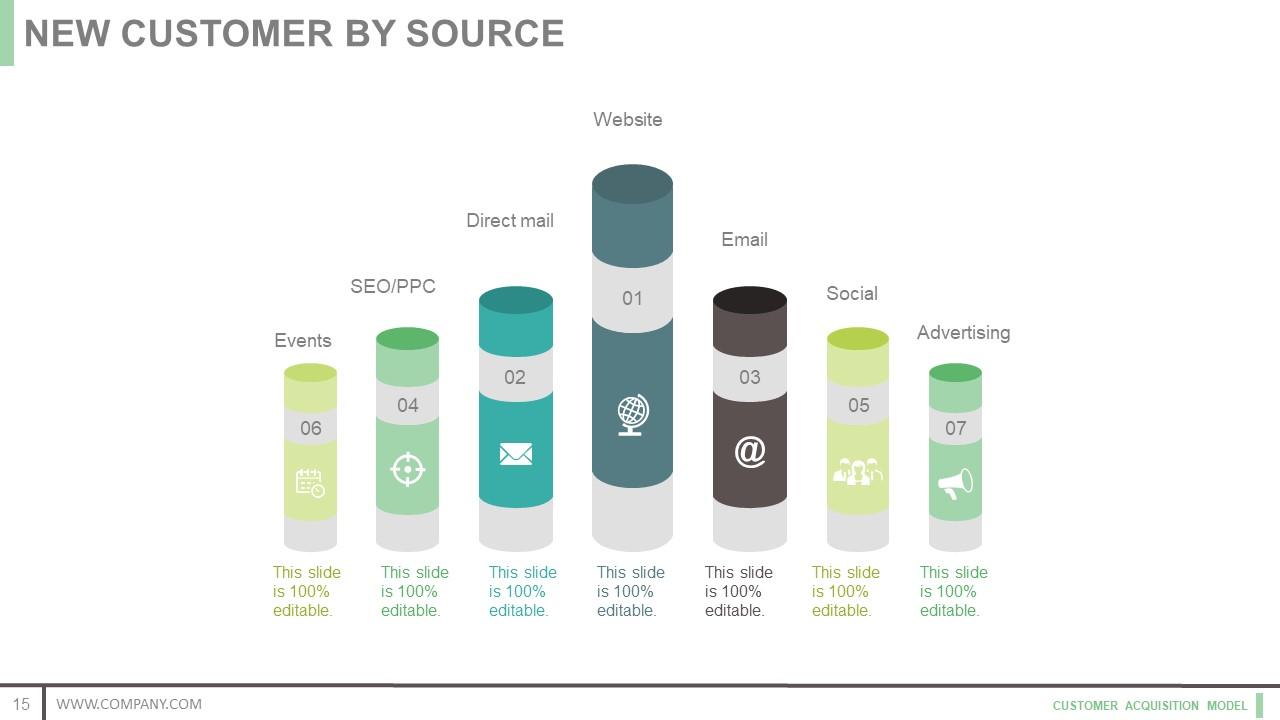
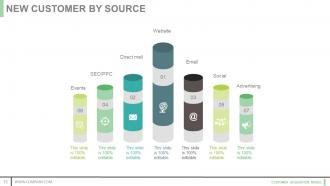
Slide 15: This slide shows New Customer By Source bar graph image with the following points- Events, SEO/PPC, Direct Mail, Website, Email, Social, Advertising.
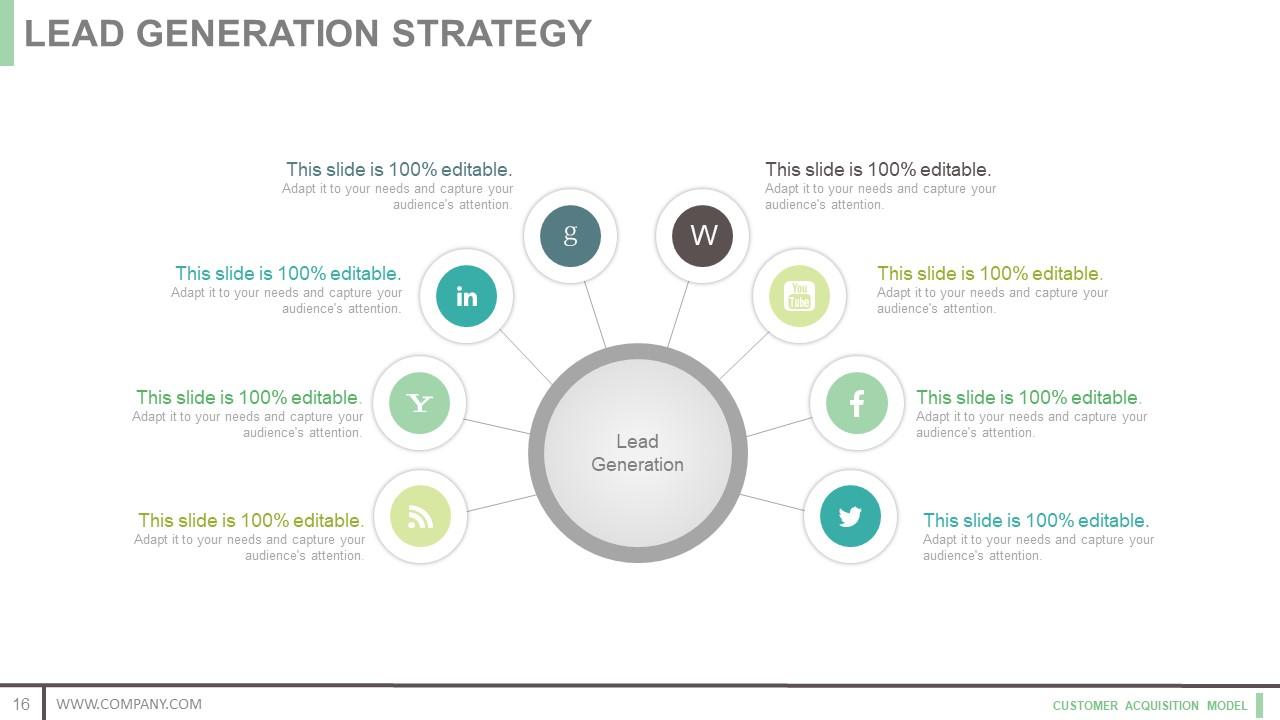
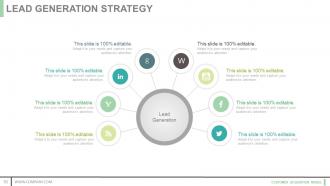
Slide 16: This slide shows Lead Generation Strategy with icon imagery. Add your leads in the given text boxes and use it accordingly.
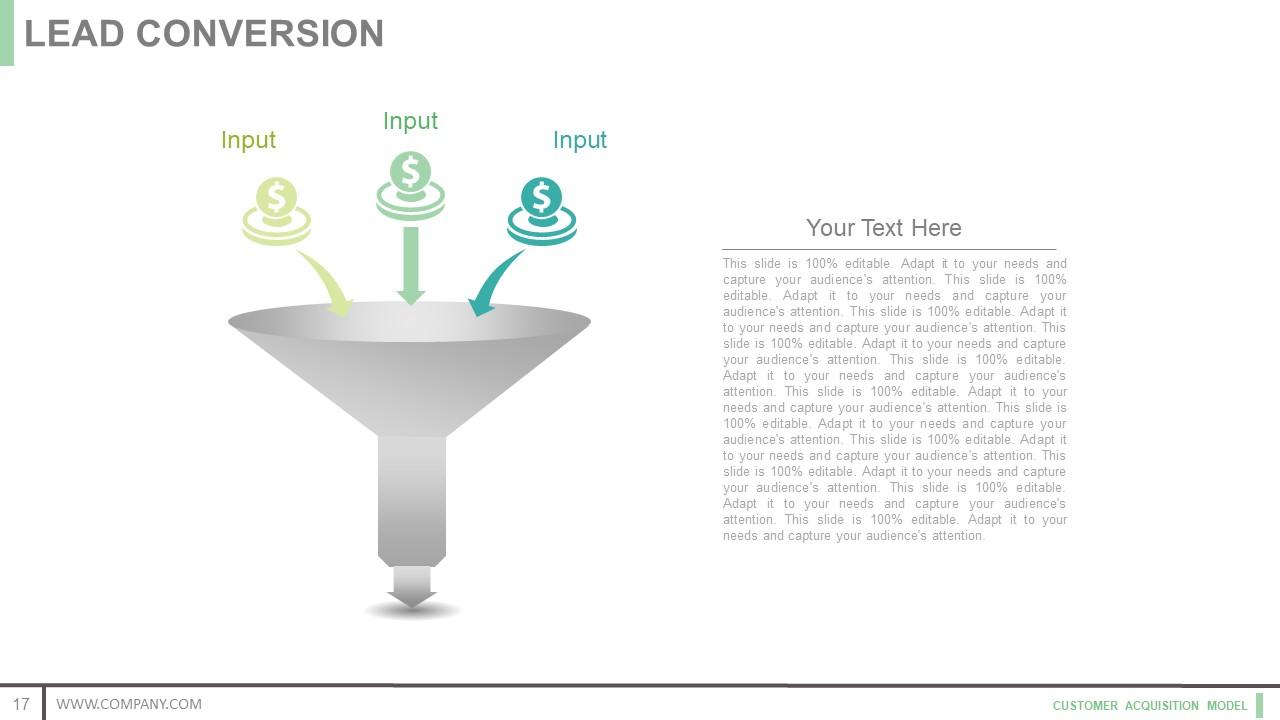
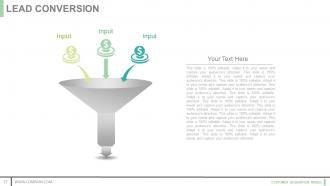
Slide 17: This slide shows Lead Conversion diagram.
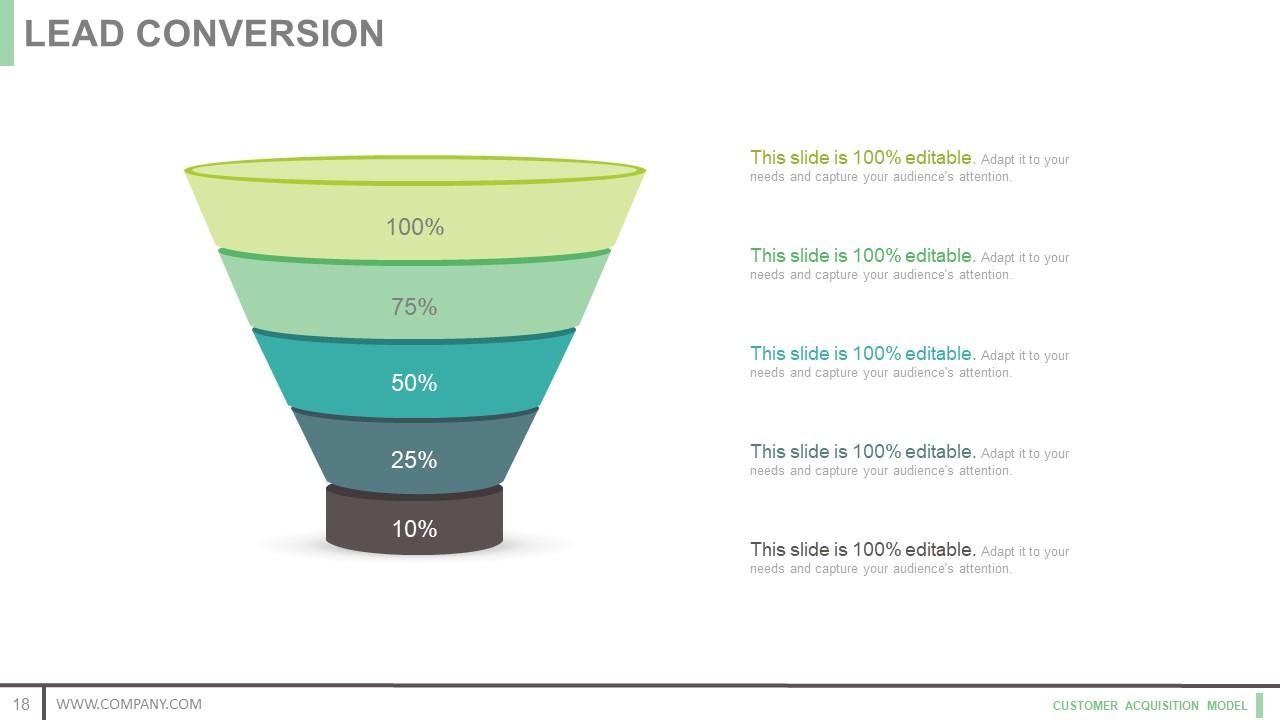
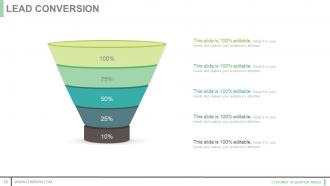
Slide 18: This slide also shows Lead Conversion diagram. We have showcased different levels of percentages which you can alter as per need.
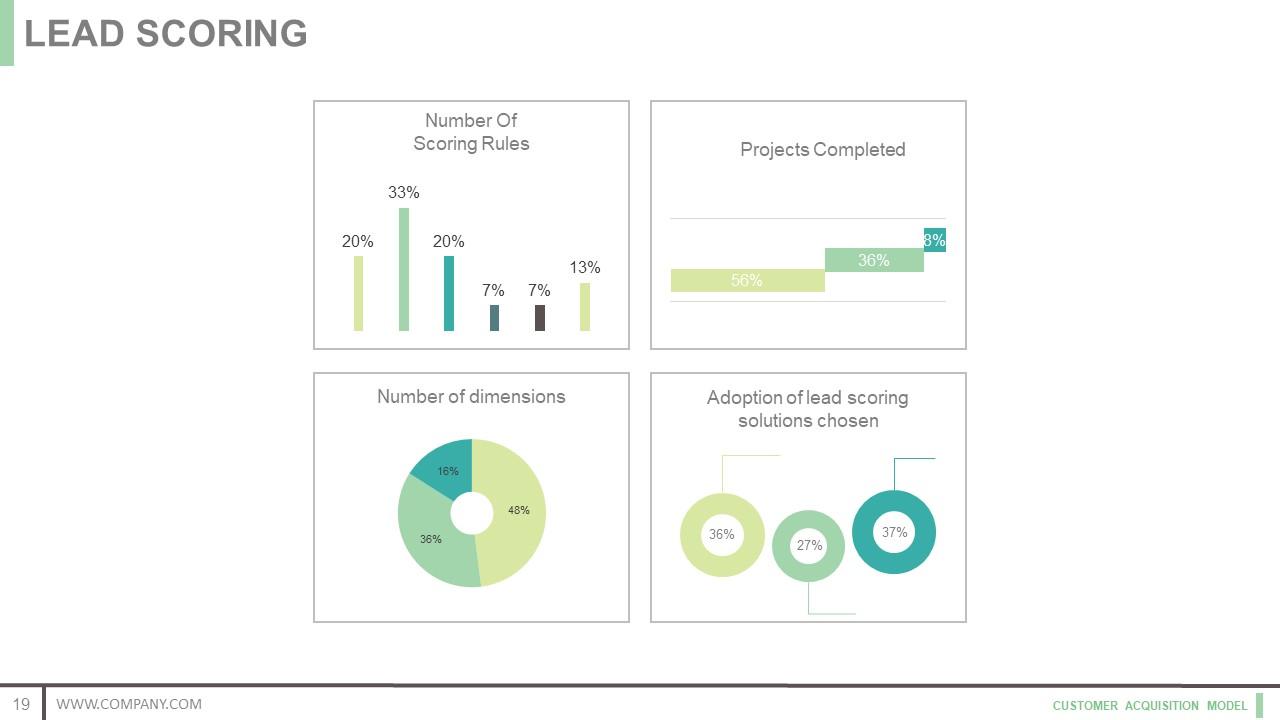
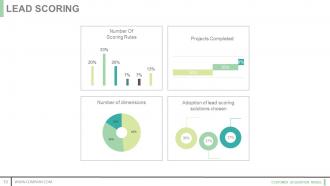
Slide 19: This slide displays Lead Scoring. Use it to rank prospects.
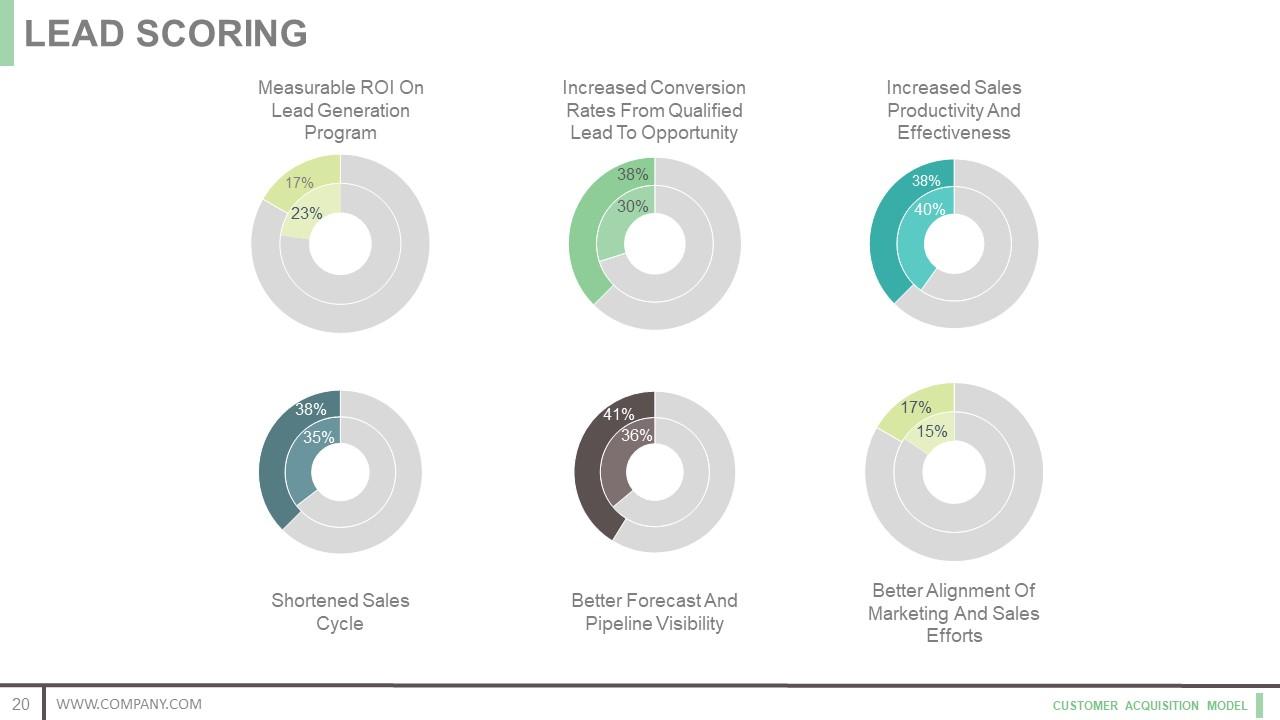
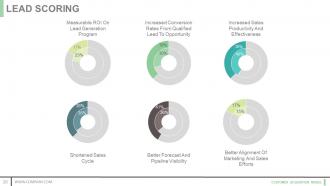
Slide 20: This slide also shows Lead Scoring with the following leads- Measurable ROI On Lead Generation Program, Shortened Sales Cycle, Increased Conversion Rates From Qualified Lead To Opportunity, Better Forecast And Pipeline Visibility, Increased Sales Productivity And Effectiveness, Better Alignment Of Marketing And Sales Efforts.
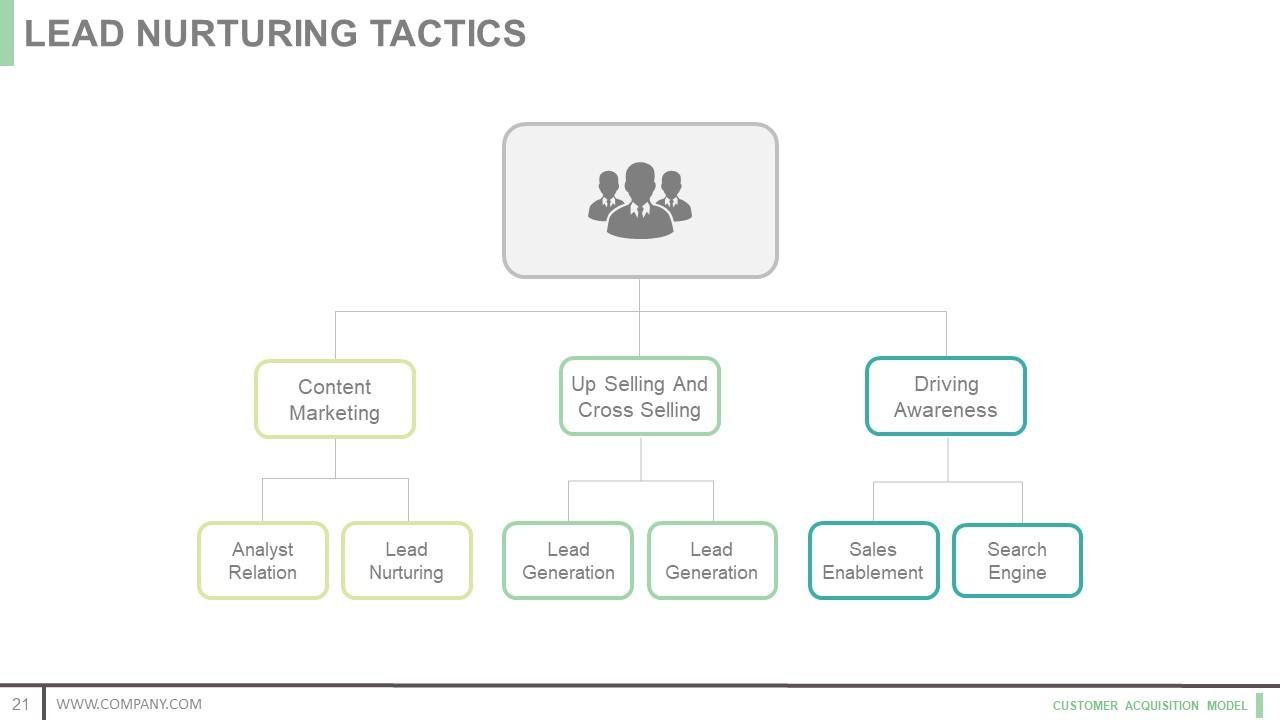
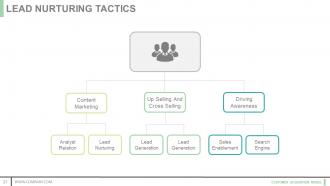
Slide 21: This slide shows Lead Nurturing Tactics flow chart which includes the following- Analyst Relation, Lead Nurturing, Content Marketing, Up Selling And Cross Selling, Lead Generation, Lead Generation, Driving Awareness, Sales Enablement, Search Engine.
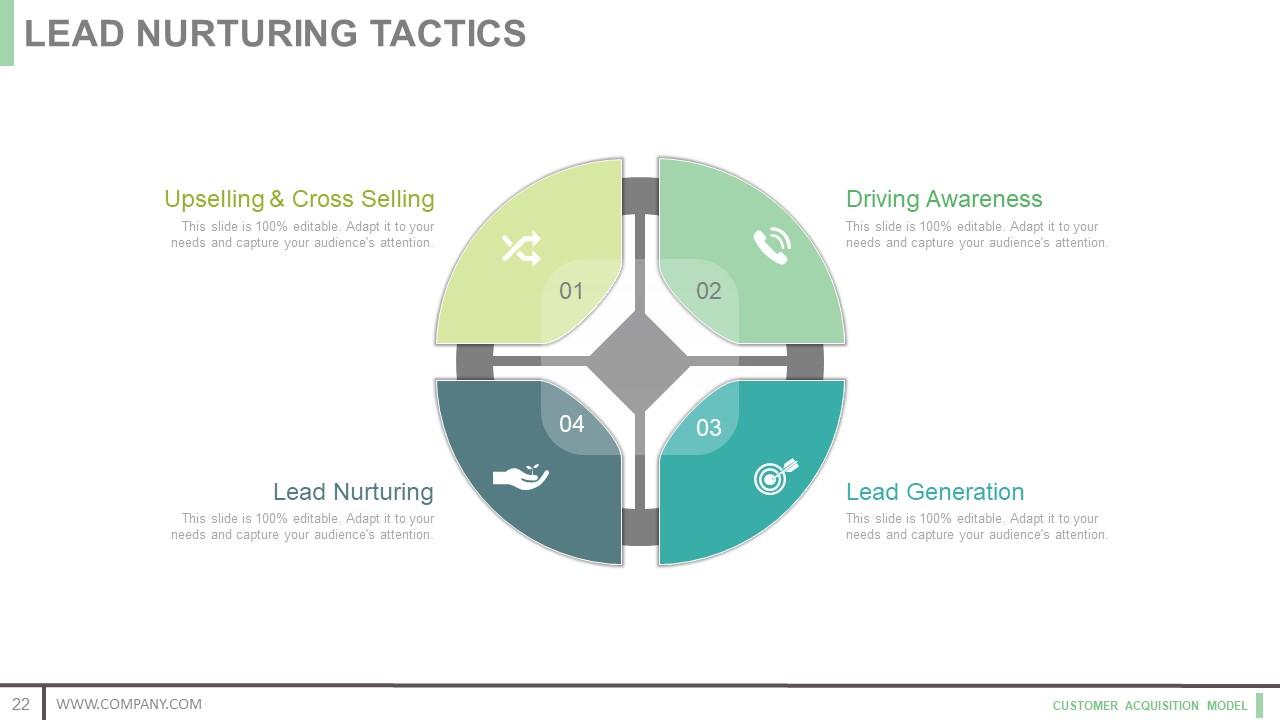
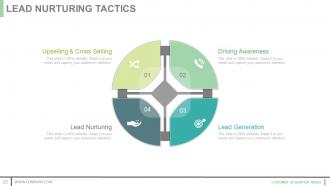
Slide 22: This slide also shows Lead Nurturing Tactics- Upselling & Cross Selling, Driving Awareness, Lead Generation, Lead Nurturing.
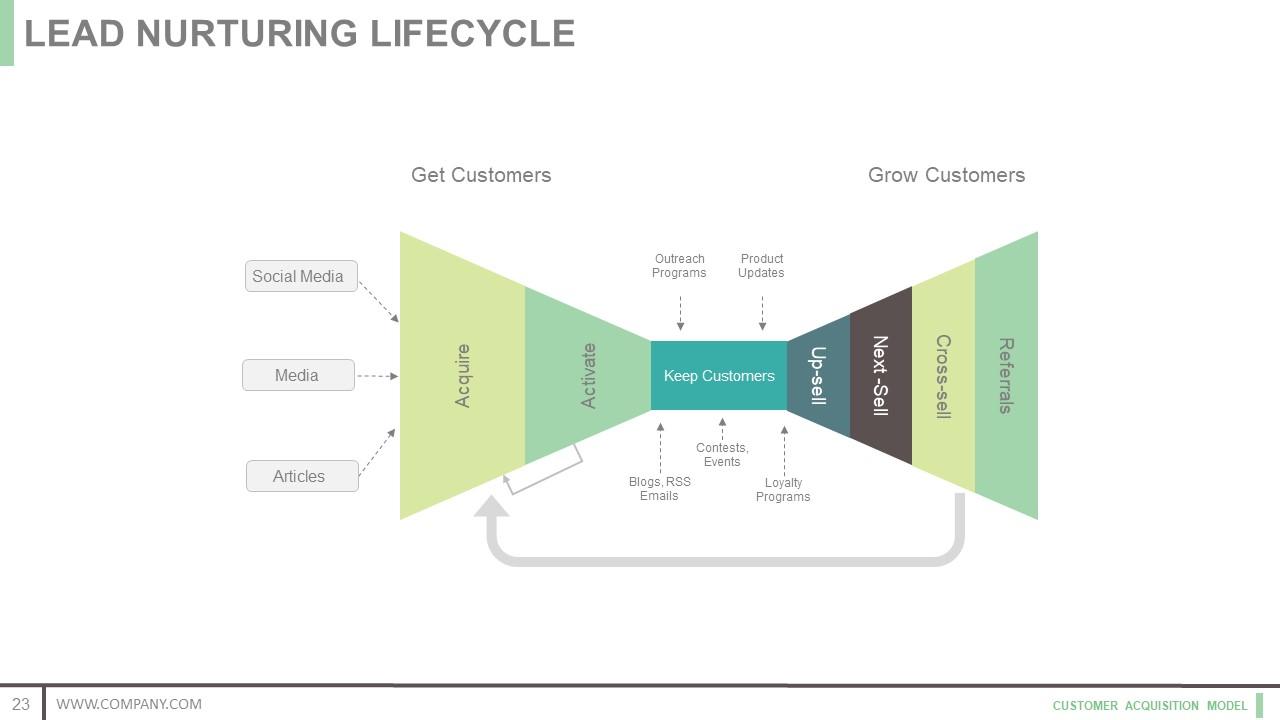
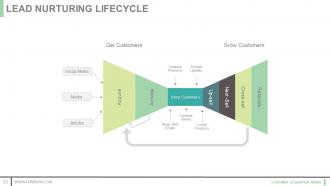
Slide 23: This slide showcases Lead Nurturing Lifecycle. We have mentioned some possible tools at each stage which would be helpful in nurturing customers.
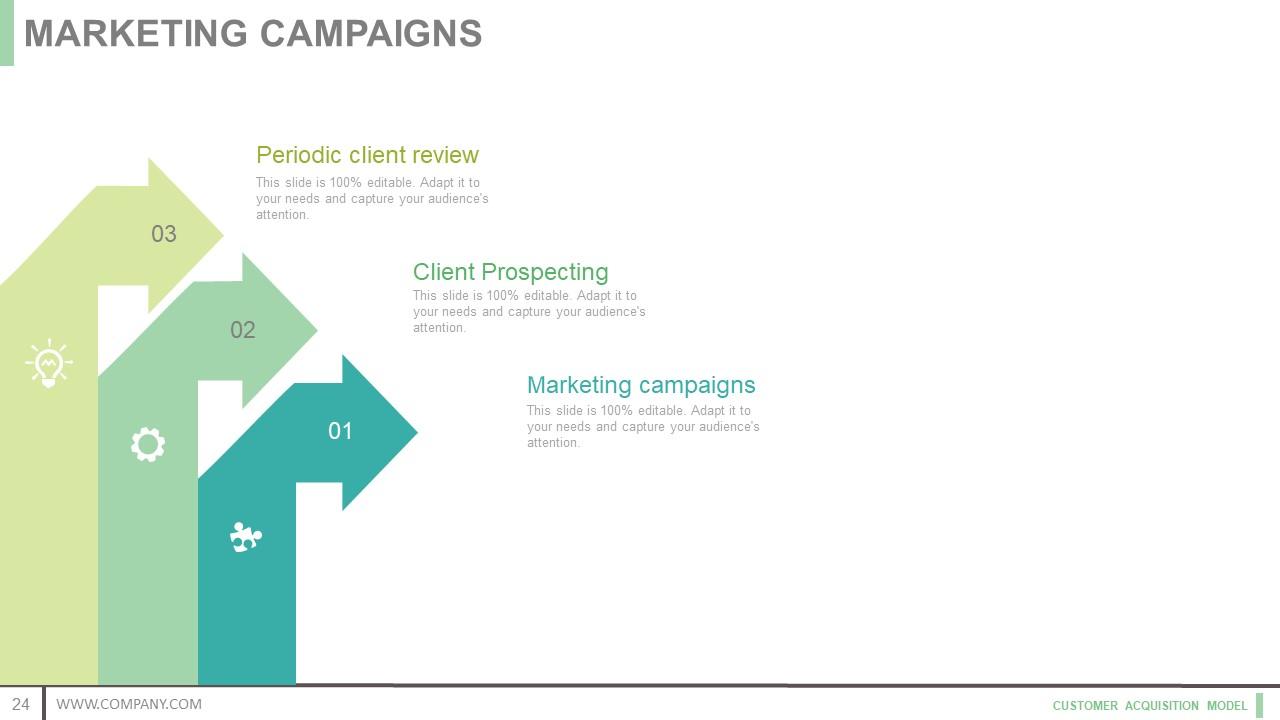
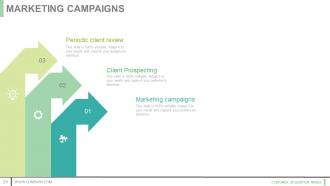
Slide 24: This slide shows Marketing campaigns divided into three broad categories- Client Prospecting, Periodic client review, Marketing campaigns.
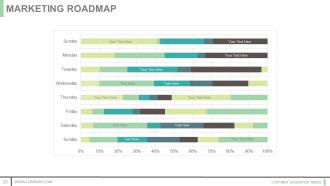
Slide 25: This slide displays Marketing Roadmap. Shows how efficient each medium of marketing has been for you in the last few months.
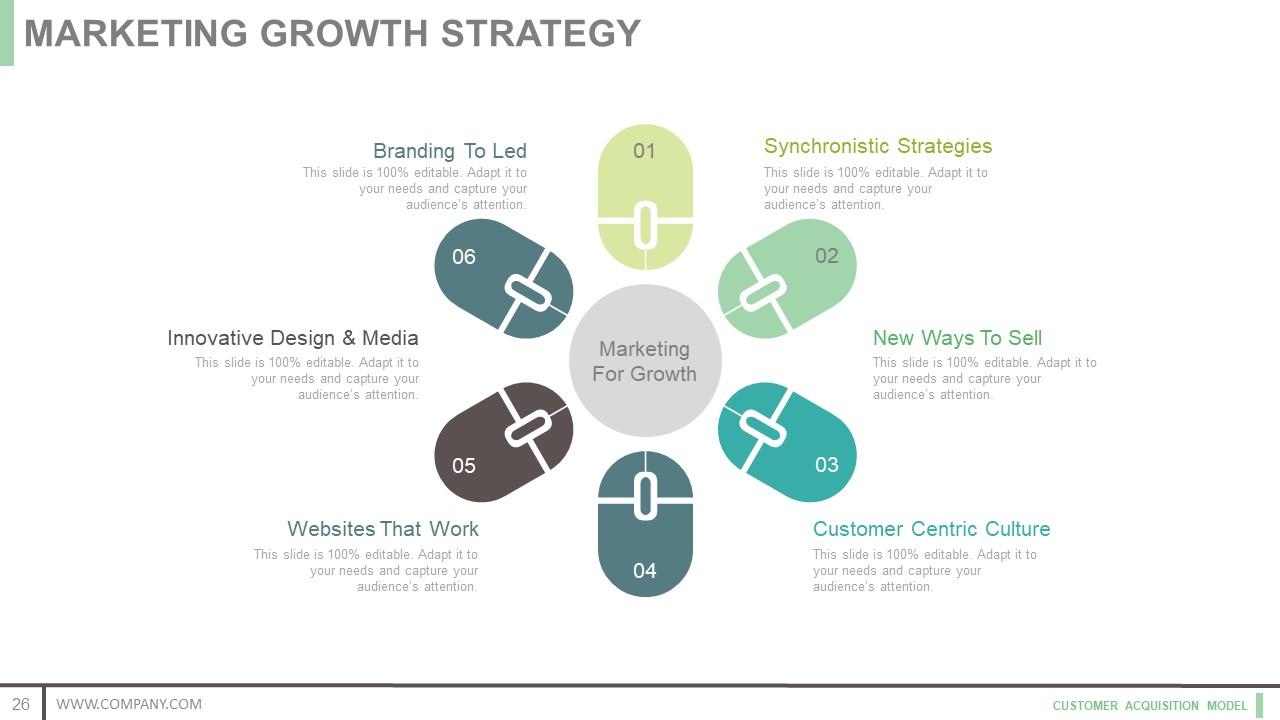
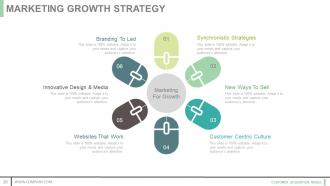
Slide 26: This slide shows the following attributess of Marketing Growth Strategy- Synchronistic Strategies, Branding To Led, New Ways To Sell, Innovative Design & Media, Customer Centric Culture, Websites That Work.
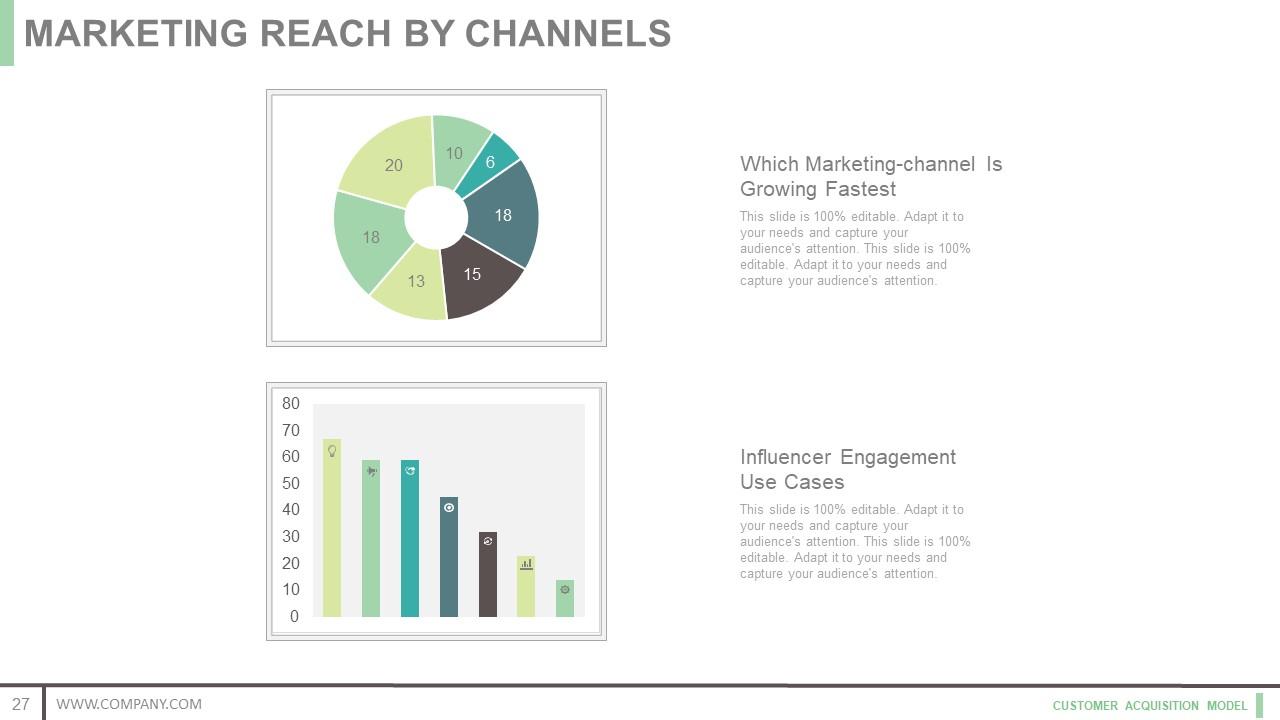
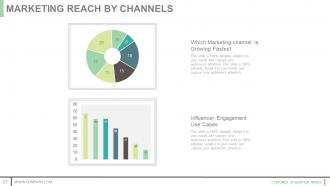
Slide 27: This slide shows Marketing Reach By Channels by the means of a pie chart and a bar graph.
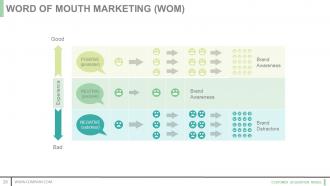
Slide 28: This slide presents Word of Mouth Marketing (Wom). It shows how effectively WOM as a strategy can be used, you can edit the text as per your requirements.
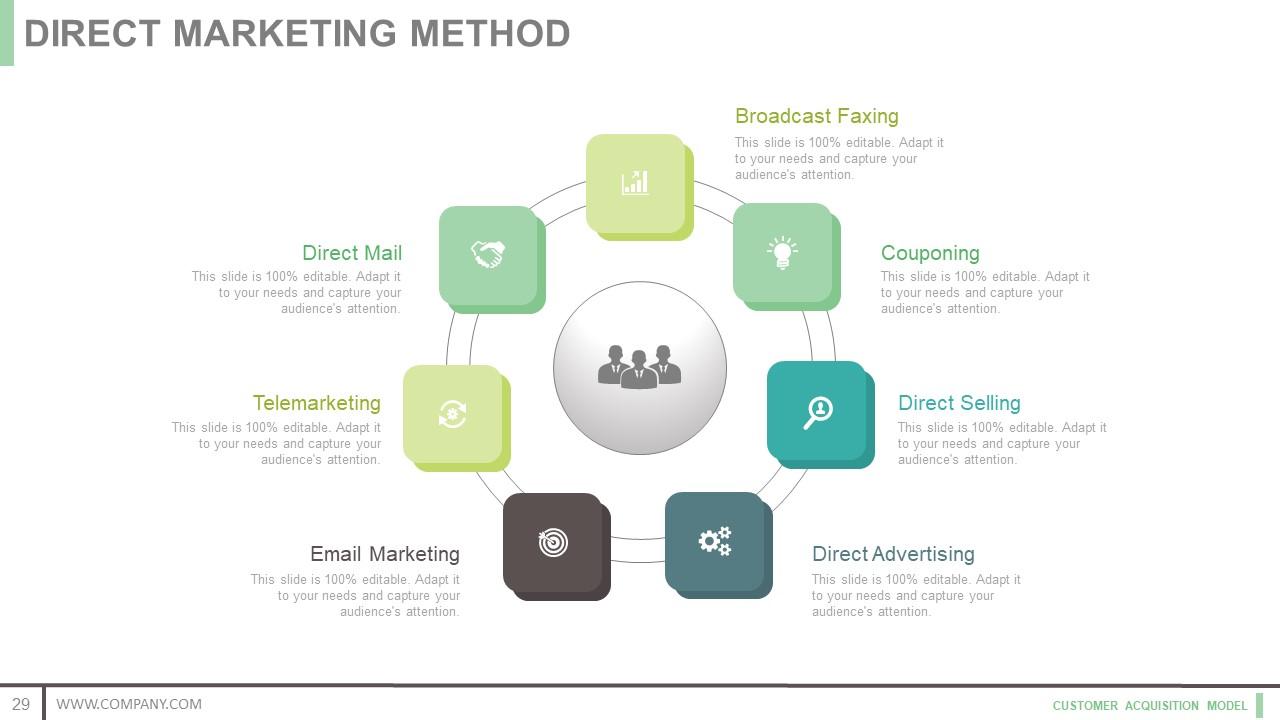
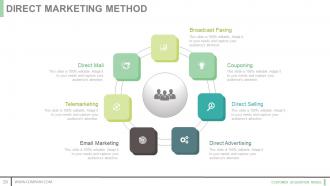
Slide 29: This slide shows Direct Marketing Method which involves- Broadcast Faxing, Direct Mail, Couponing, Telemarketing, Direct Selling, Email Marketing, Direct Advertising.
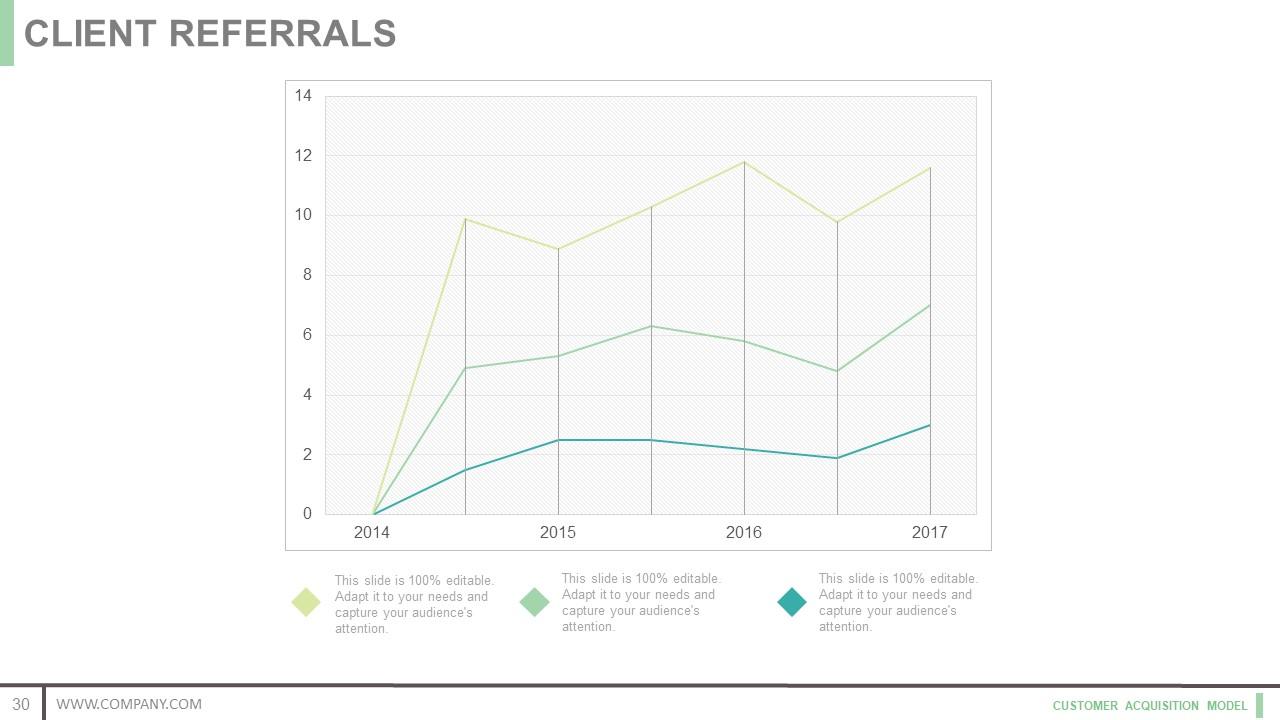
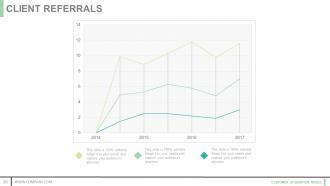
Slide 30: This slide shows Client Referrals graph. This graph represents the business generated through client referrals on yearly basis.
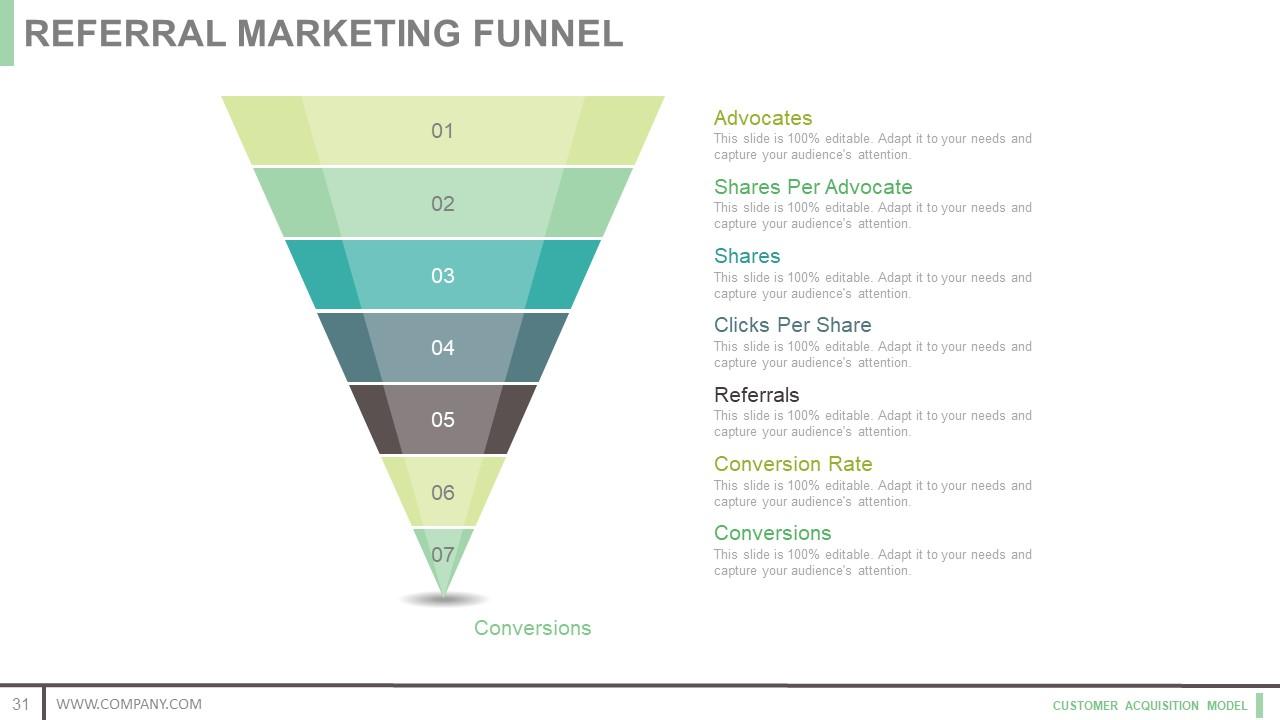
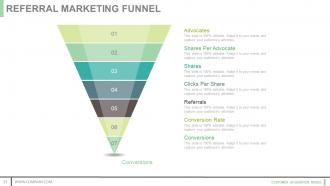
Slide 31: This slide showcases Referral Marketing Funnel with the following levels- Advocates, Shares Per Advocate, Shares, Clicks Per Share, Referrals, Conversion Rate, Conversions.
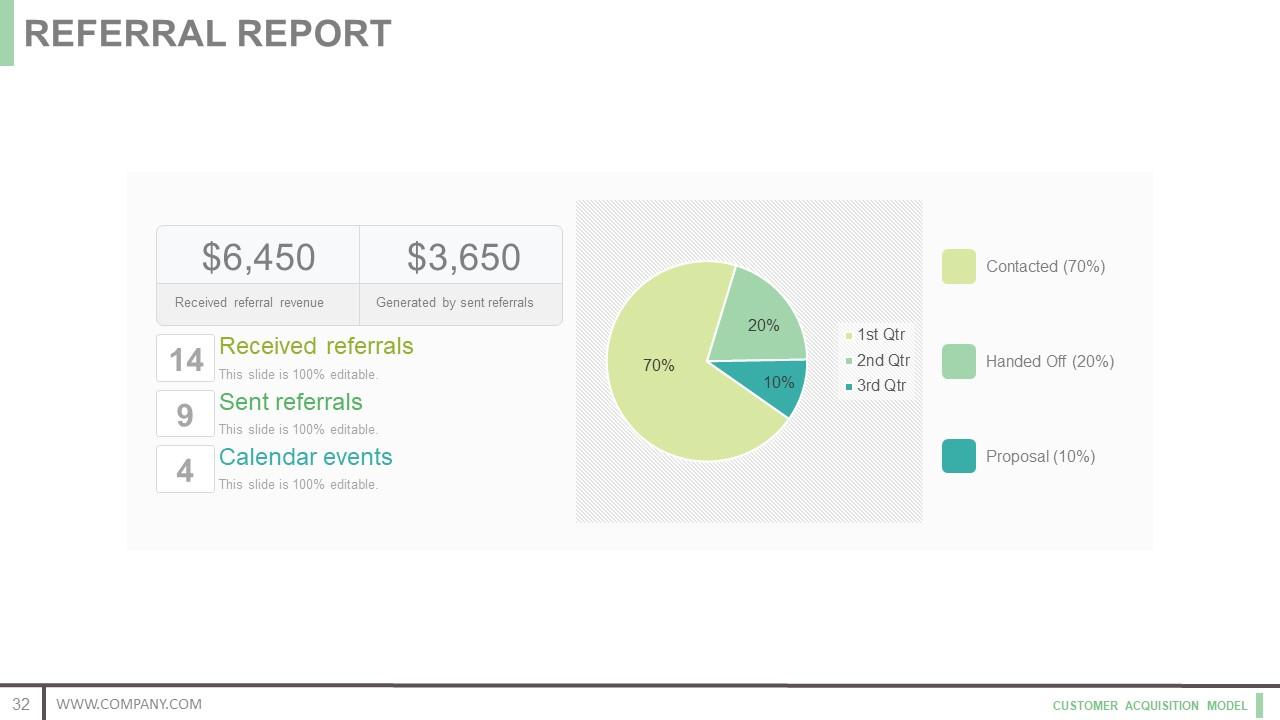
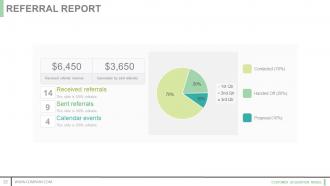
Slide 32: This slide shows a Referral Report. The contents are- Received referrals, Sent referrals, Calendar events, Received referral revenue, Generated by sent referrals, Contacted, Proposal, Handed Off.
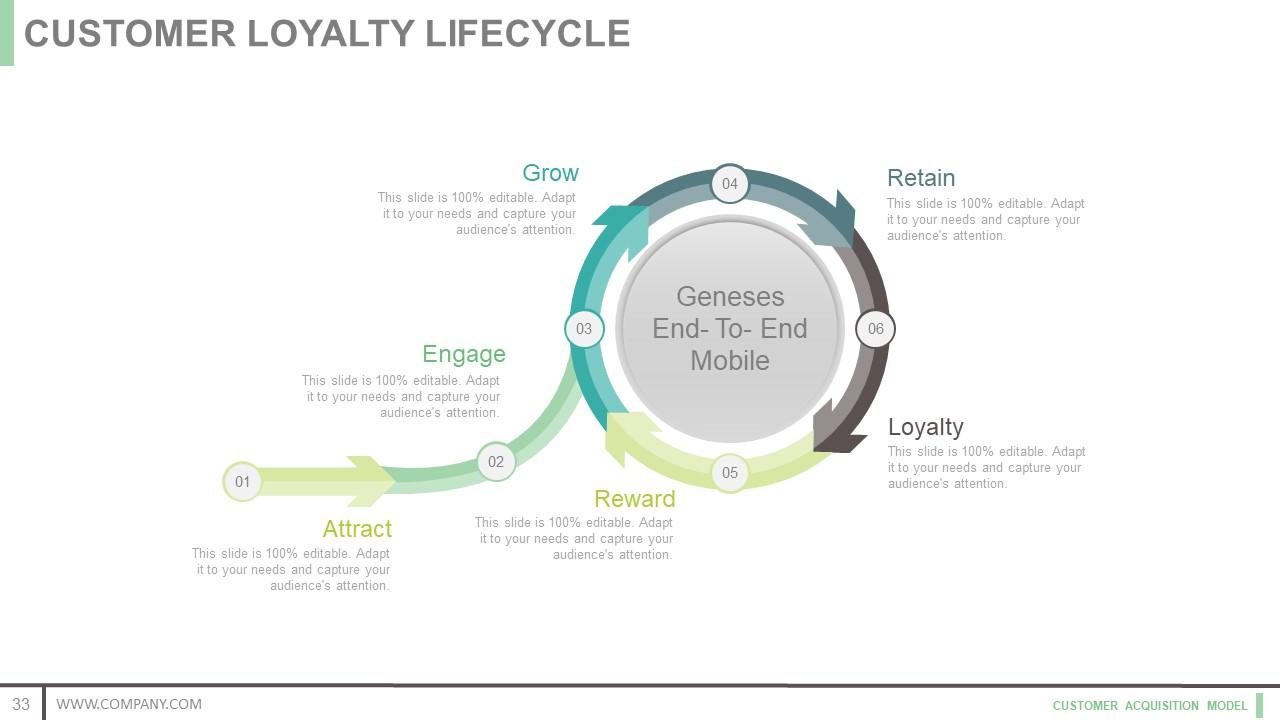
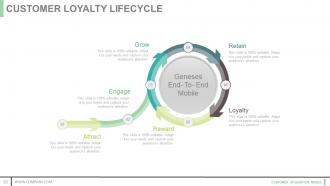
Slide 33: This slide shows Customer Loyalty Lifecycle stages- Retain, Loyalty, Reward, Grow, Engage, Attract.
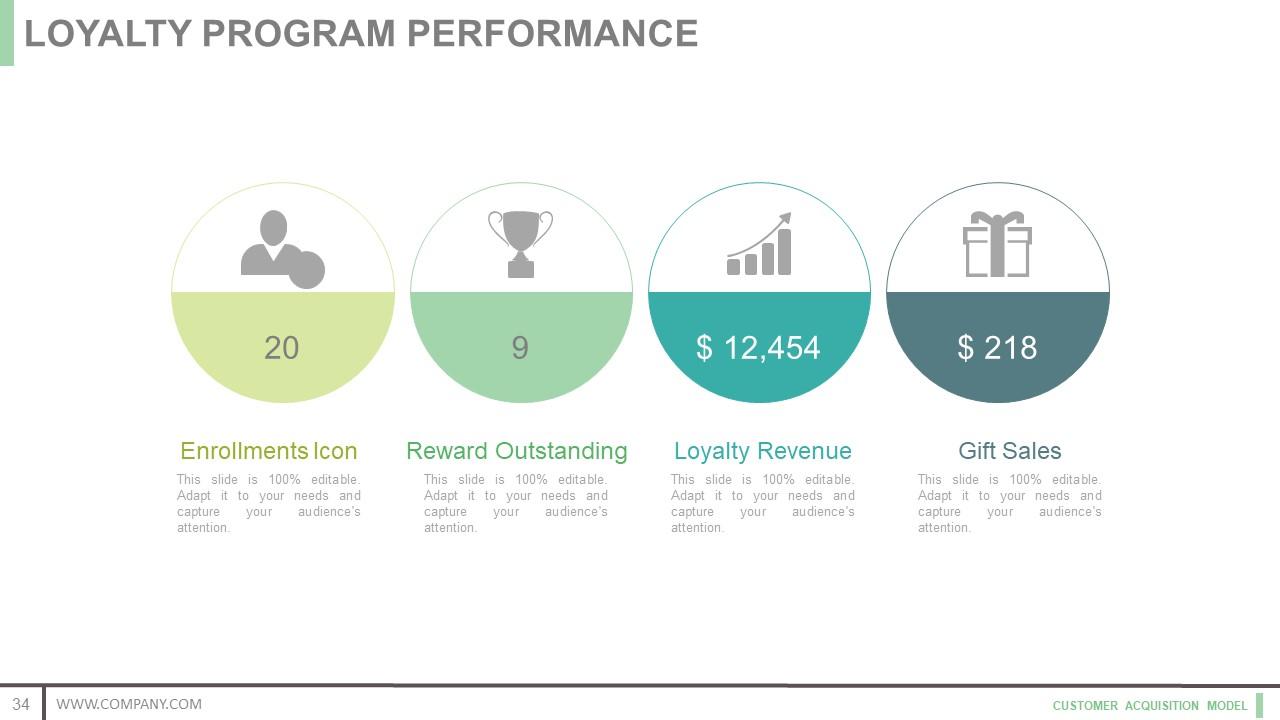
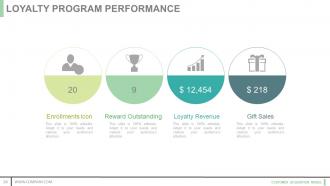
Slide 34: This slide shows Loyalty Program Performance with- Enrollments Icon, Reward Outstanding, Loyalty Revenue, Gift Sales.
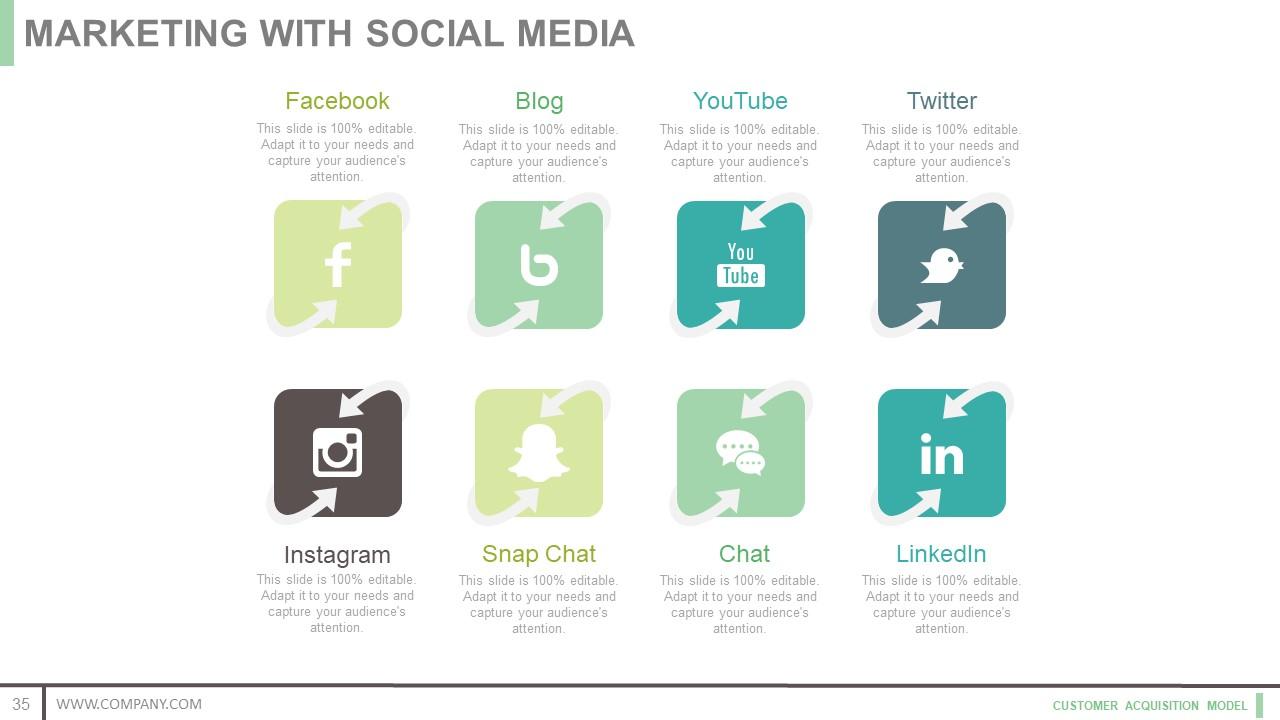
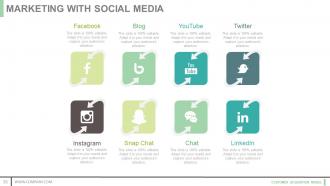
Slide 35: This slide shows Marketing With Social Media. Some of the popular social media sites include- Facebook Instagram YouTube Chat Blog Snap Chat etc.
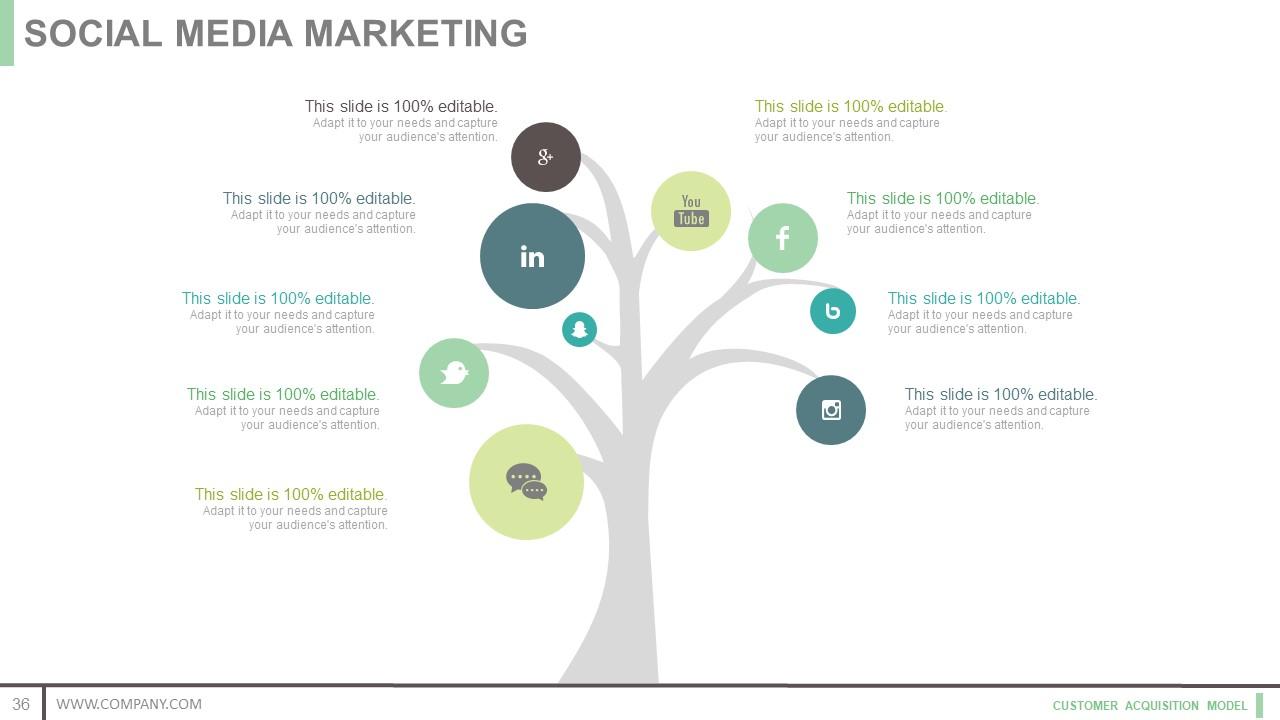
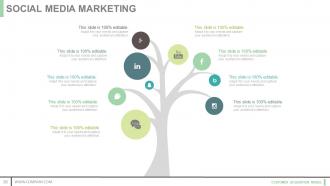
Slide 36: This slide shows Social Media Marketing with creative tree imagery and icons.
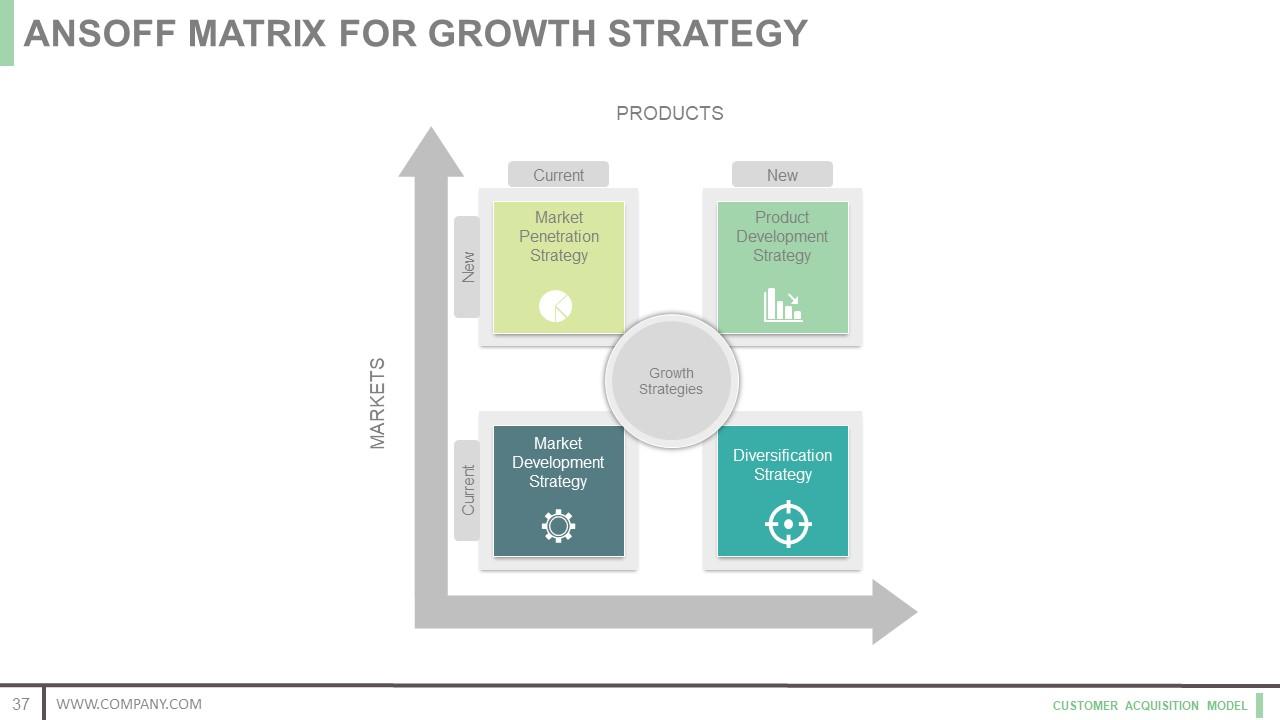
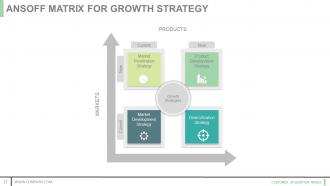
Slide 37: This slide displays an Ansoff Matrix For Growth Strategy.
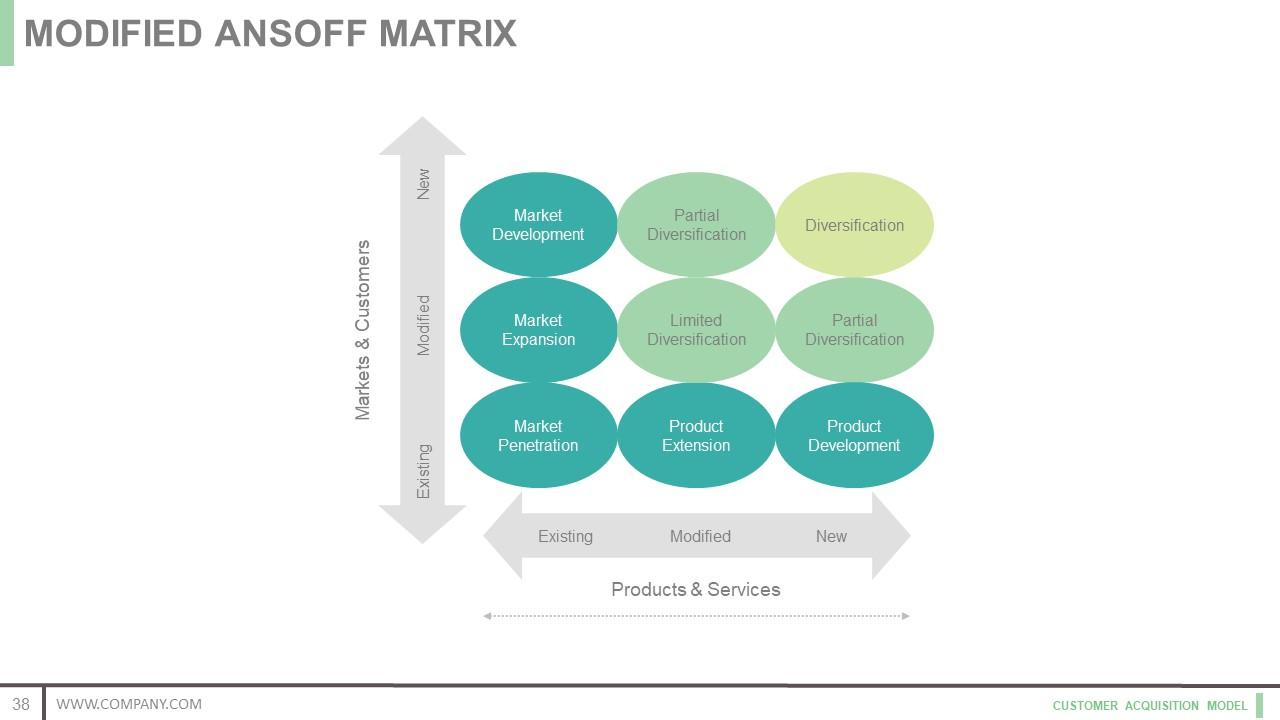
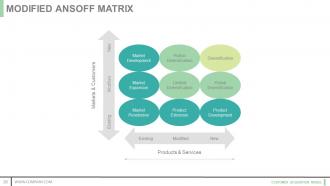
Slide 38: This slide presents Modified Ansoff Matrix with- Market Development, Partial Diversification, Diversification, Partial Diversification, Product Development, Product Extension, Limited Diversification, Market Expansion, Market Penetration, Markets & Customers, Products & Services.
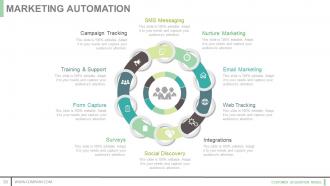
Slide 39: This slide presents Marketing Automation with the following components- - SMS Messaging, Social Discovery, Integrations, Surveys, Web Tracking, Form Capture, Email Marketing, Training & Support, Nurture Marketing, Campaign Tracking.
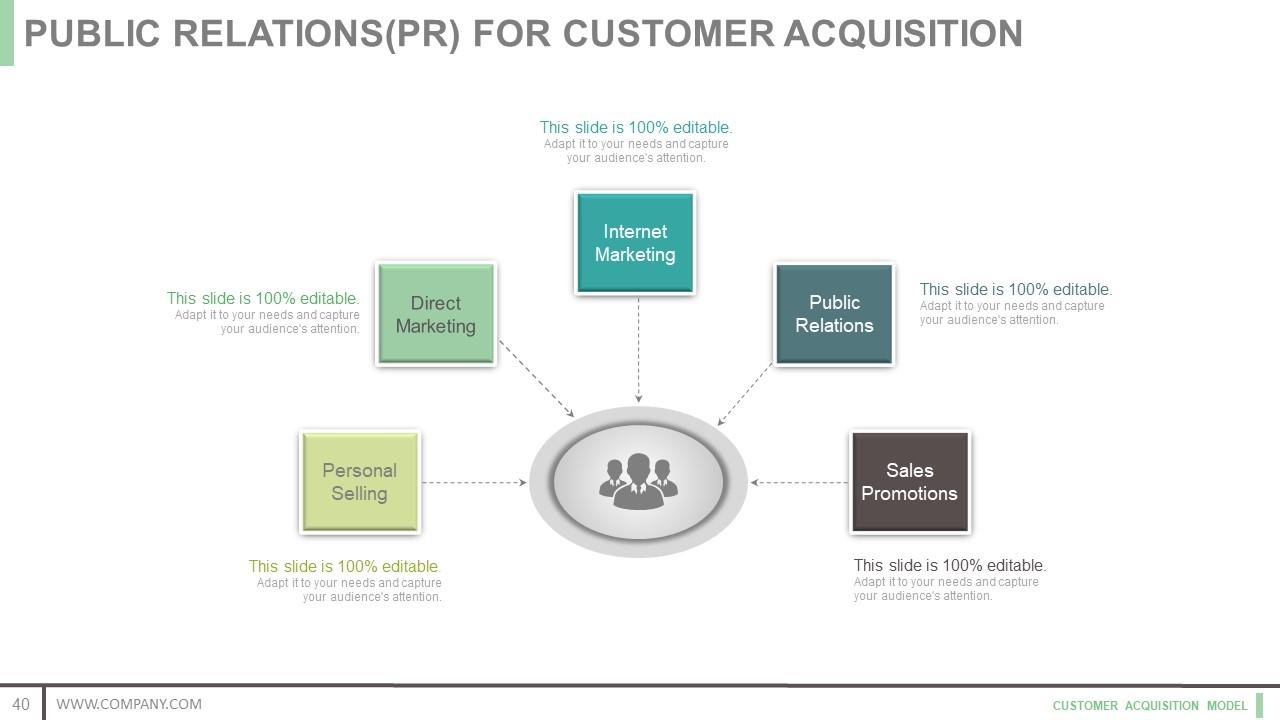
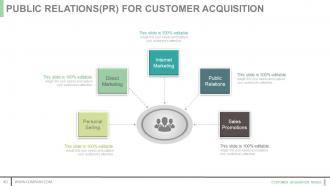
Slide 40: This slide shows five Public Relations(PR) For Customer Acquisition- Internet Marketing, Direct Marketing, Public Relations, Personal Selling, Sales Promotions.
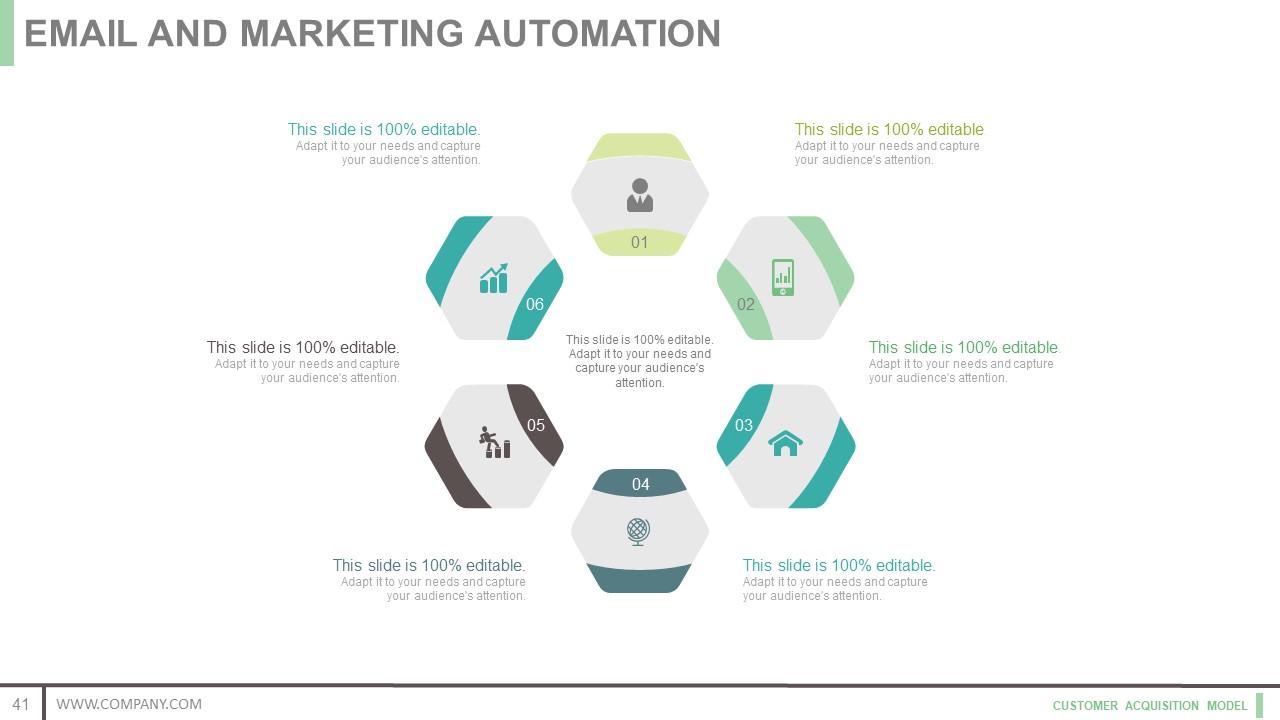
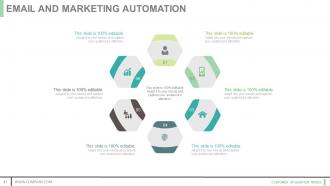
Slide 41: This slide shows Email And Marketing Automation.
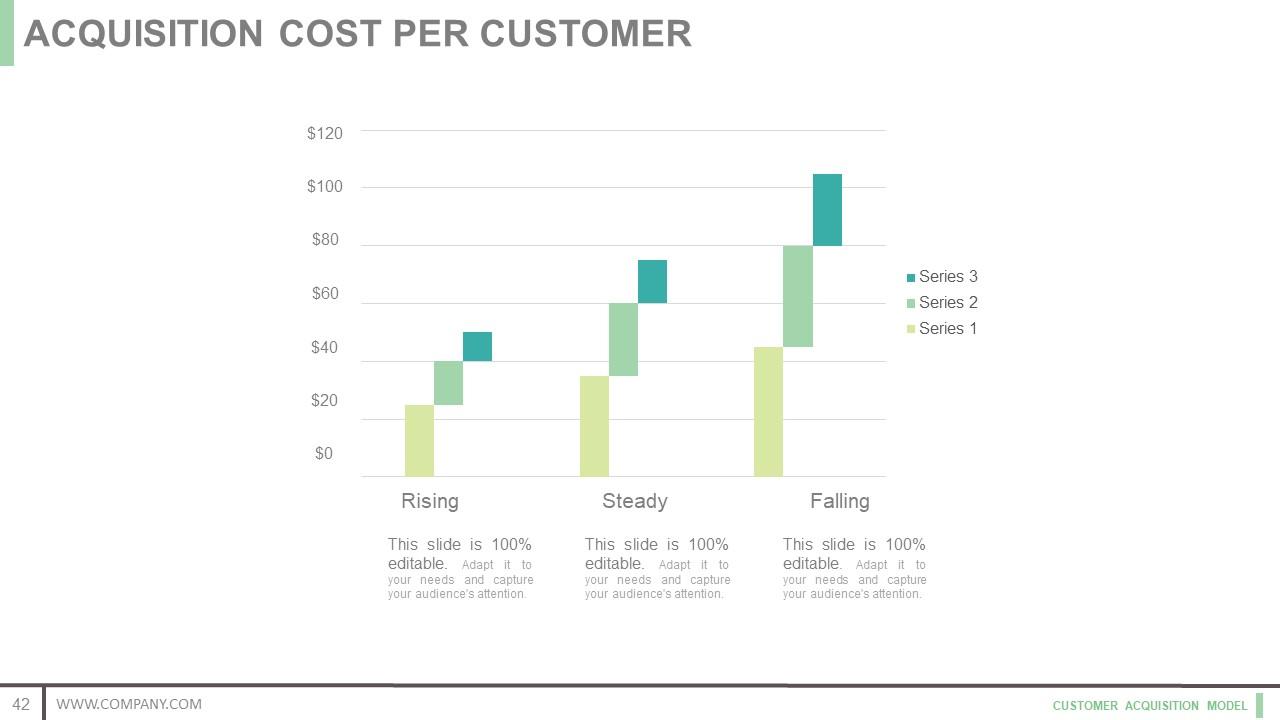
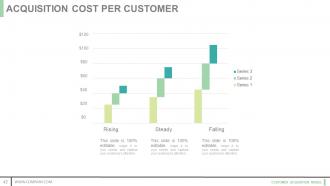
Slide 42: This slide shows Acquisition Cost Per Customer graph indicating- Rising, Steady, Falling aspects.
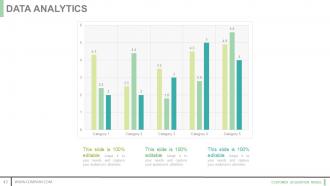
Slide 43: This slide shows Data Analytics graph.
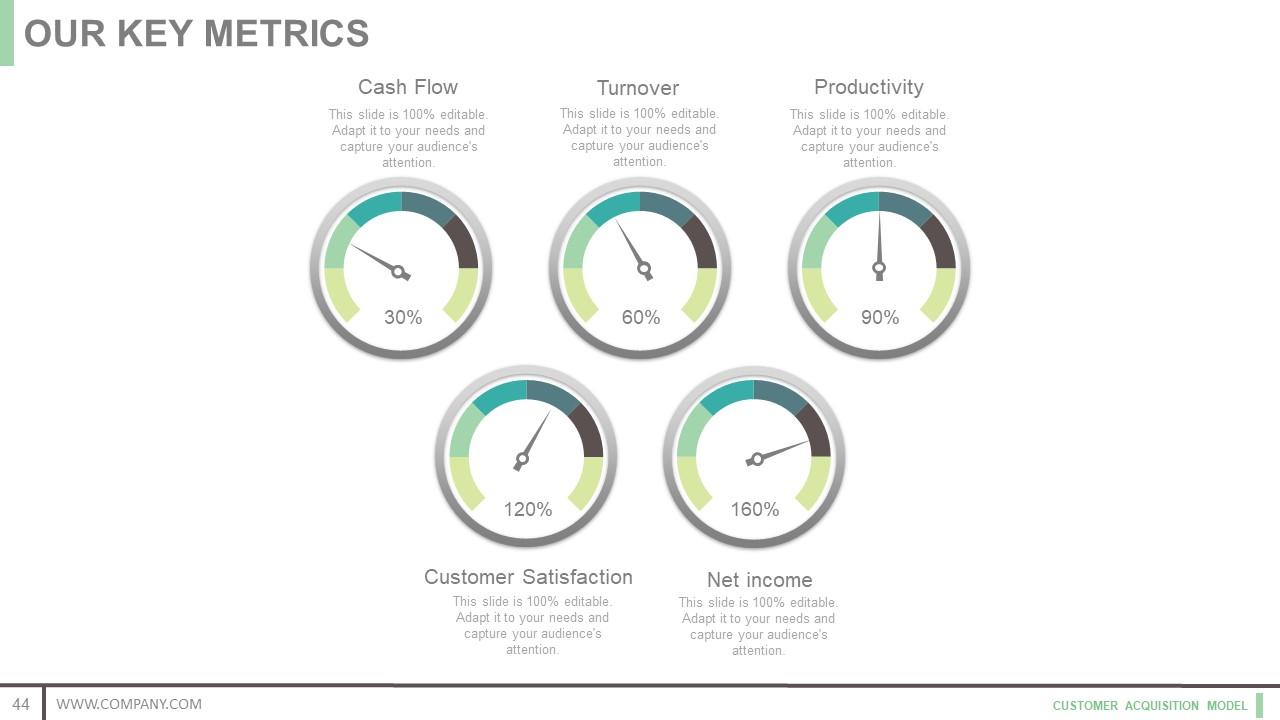
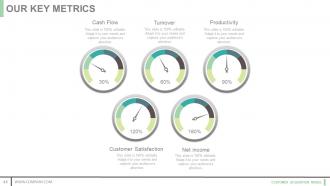
Slide 44: This slide highlights some of OUR KEY METRICS- Cash Flow, Turnover, Productivity, Customer Satisfaction, Net income.
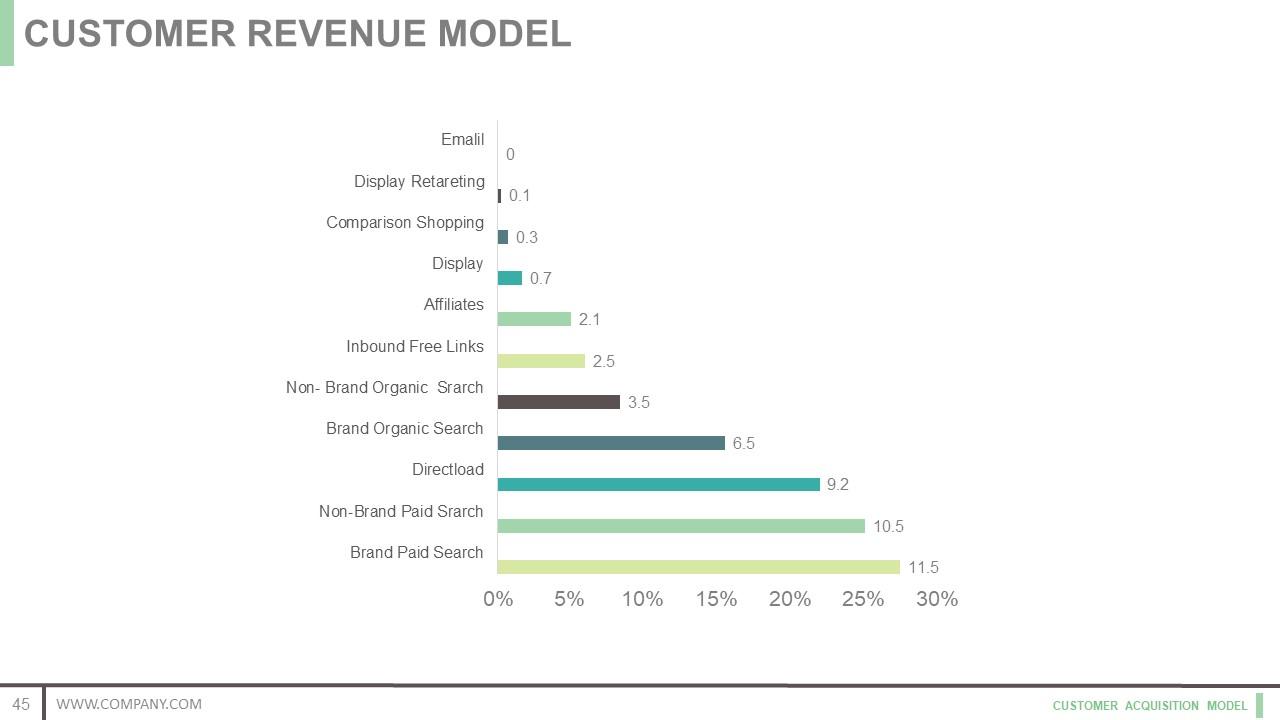
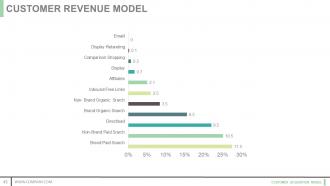
Slide 45: This slide presents Customer Revenue Model in a graphical form.
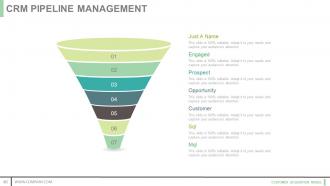
Slide 46: This slide shows CRM Pipeline Management with funnel imagery. We have included seven levels which are- Just A Name Engaged Prospect Opportunity Customer Sql Mql
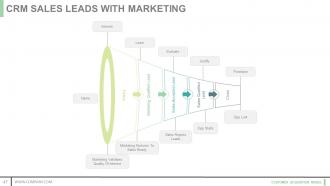
Slide 47: This slide shows CRM Sales Leads With Marketing- Name, Interest, Marketing Validates Quality Of Interest, Learn, Marketing Nurtures To Sales Ready, Purchase, Opp Lost, Justify, Opp Stalls, Evaluate, Sales Rejects Leads, Sales Qualified Lead, Sales Accepted Lead, Marketing Qualified Lead, Inquiry, Close.
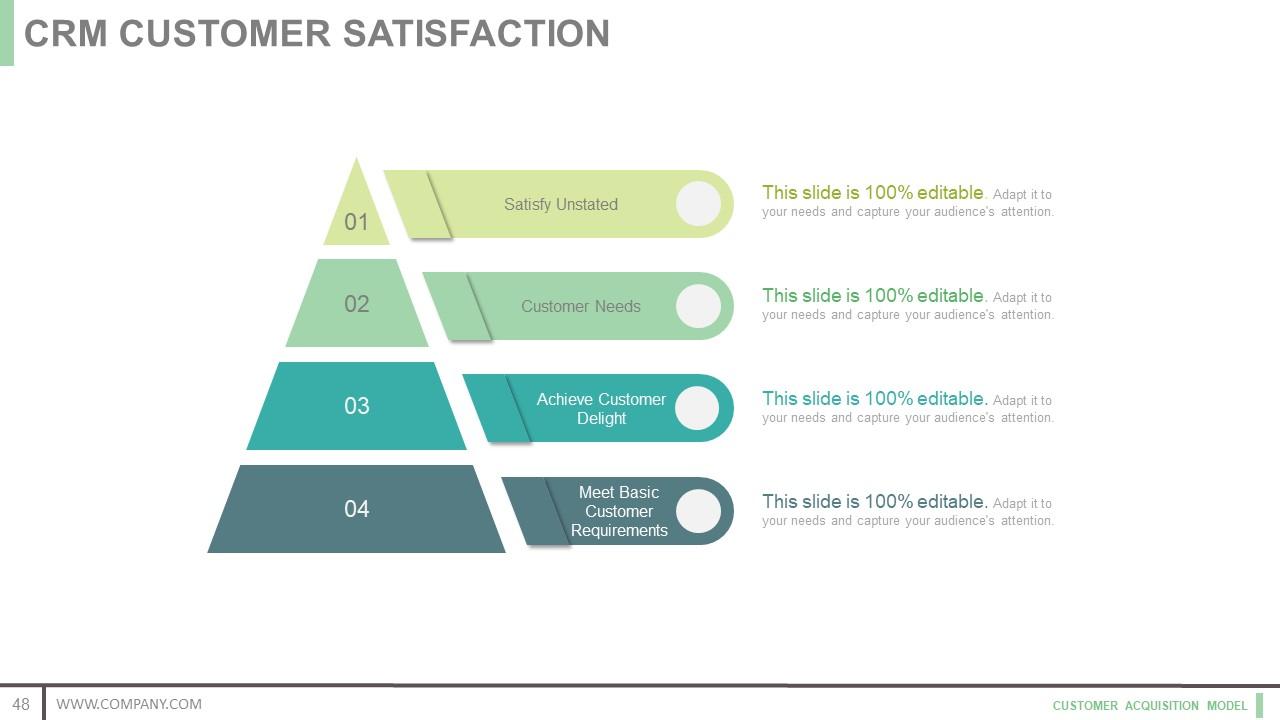
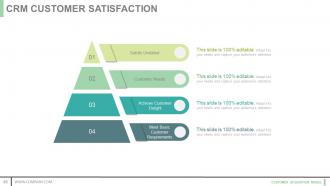
Slide 48: This slide shows CRM Customer Satisfaction with- Meet Basic Customer Requirements, Achieve Customer Delight, Customer Needs, Satisfy Unstated.
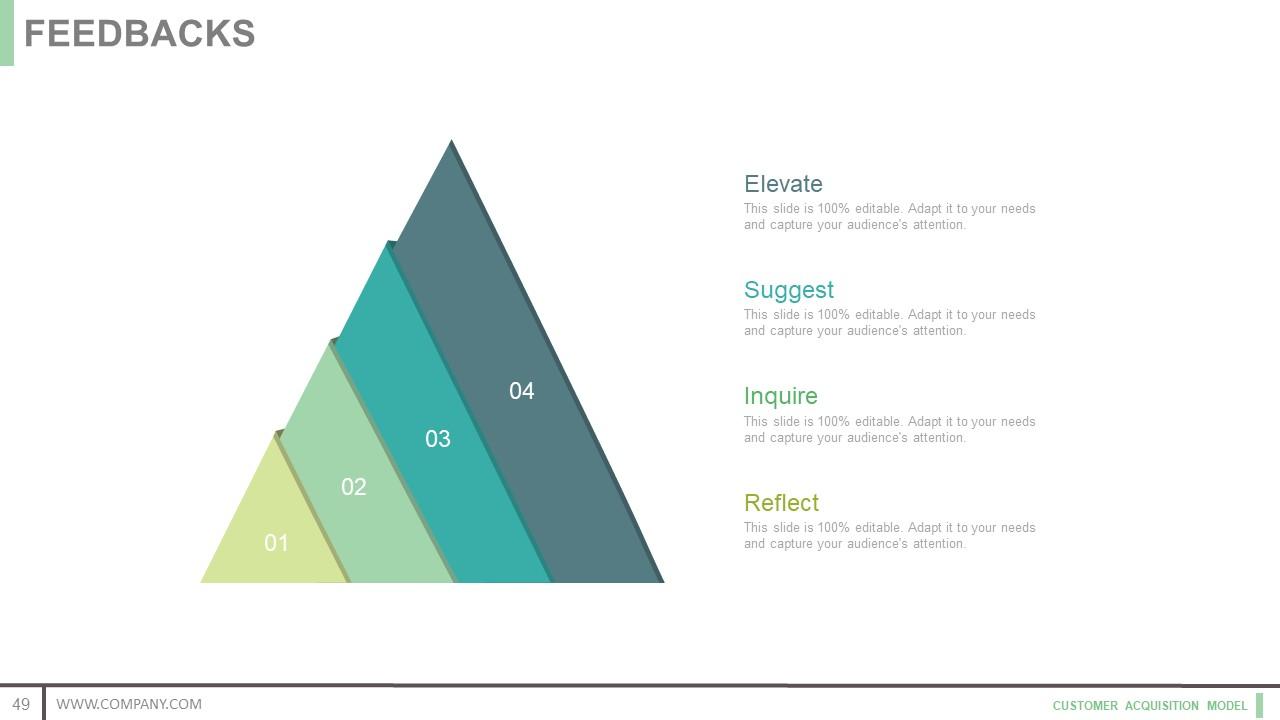
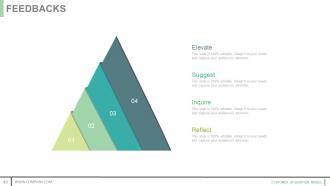
Slide 49: This slide presents Feedbacks with- Elevate, Suggest, Inquire, Reflect.
Slide 50: This is an Additional Slides to proceed further. You may change the slide content as per need.
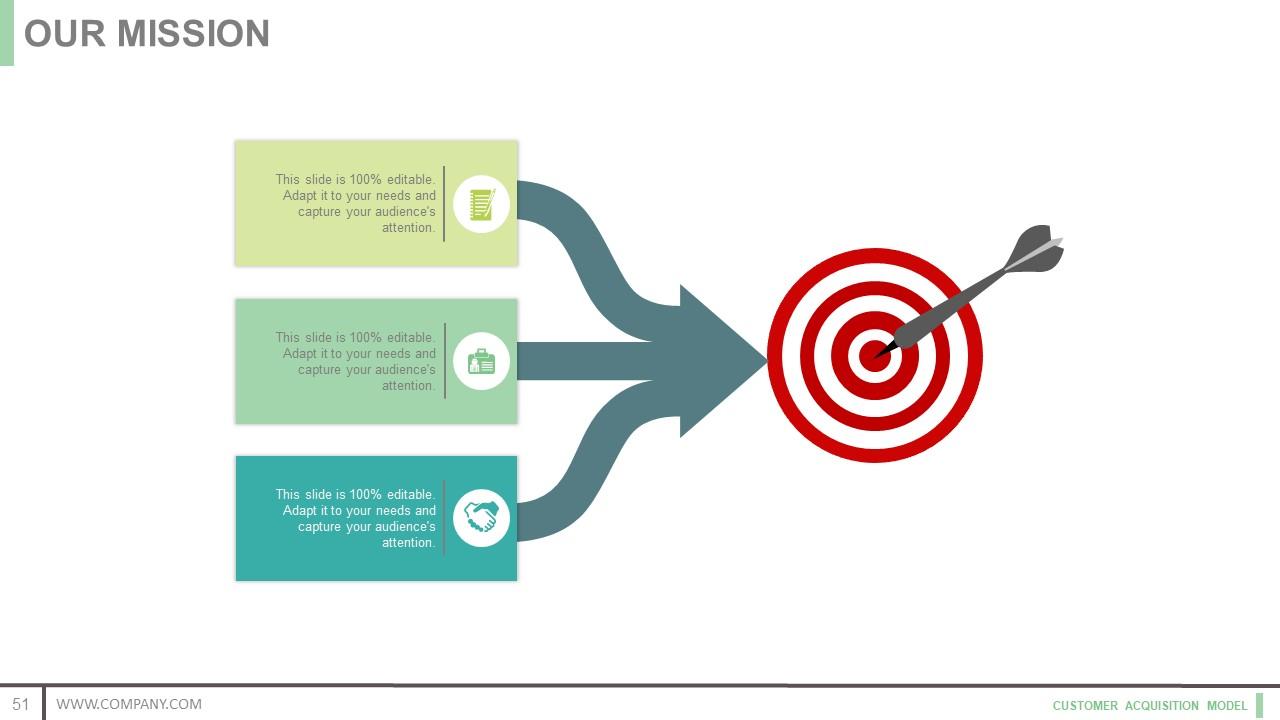
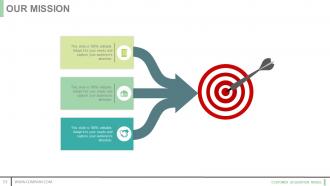
Slide 51: This slide contains Our Mission with target imagery and text boxes.
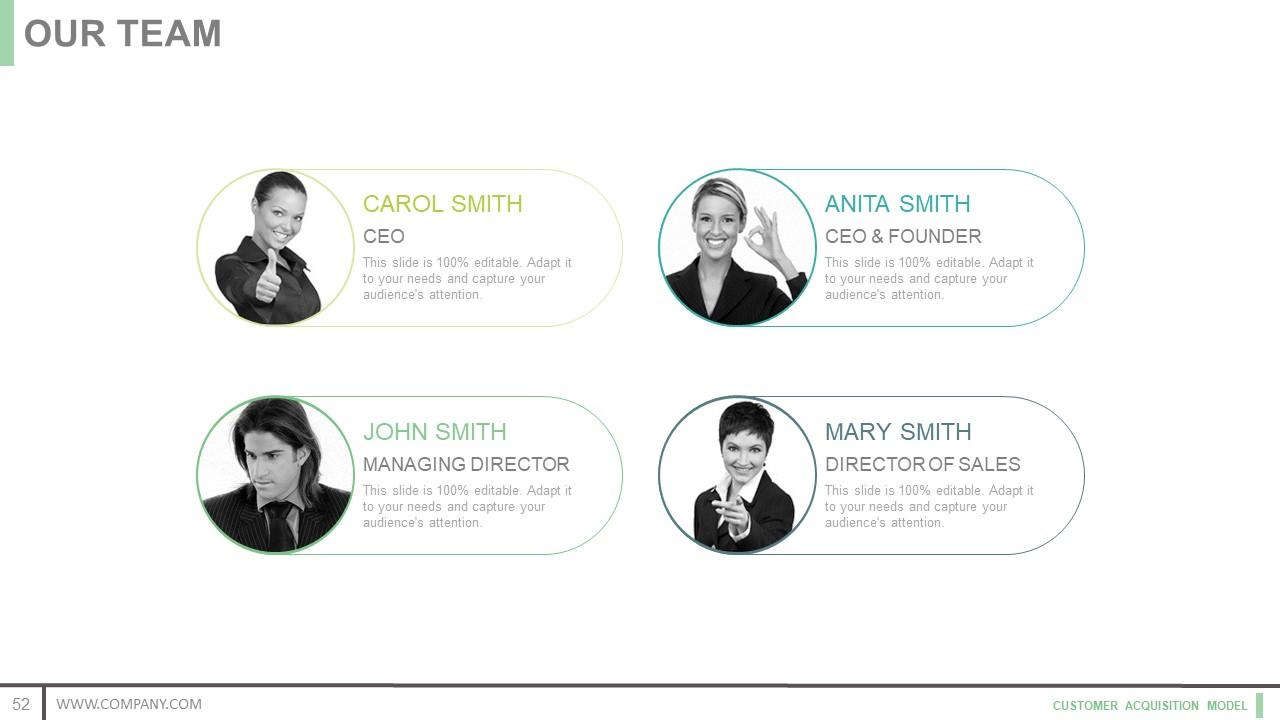
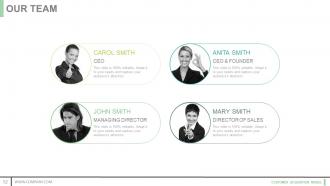
Slide 52: This slide showcases Our Team with Name and Designation to fill.
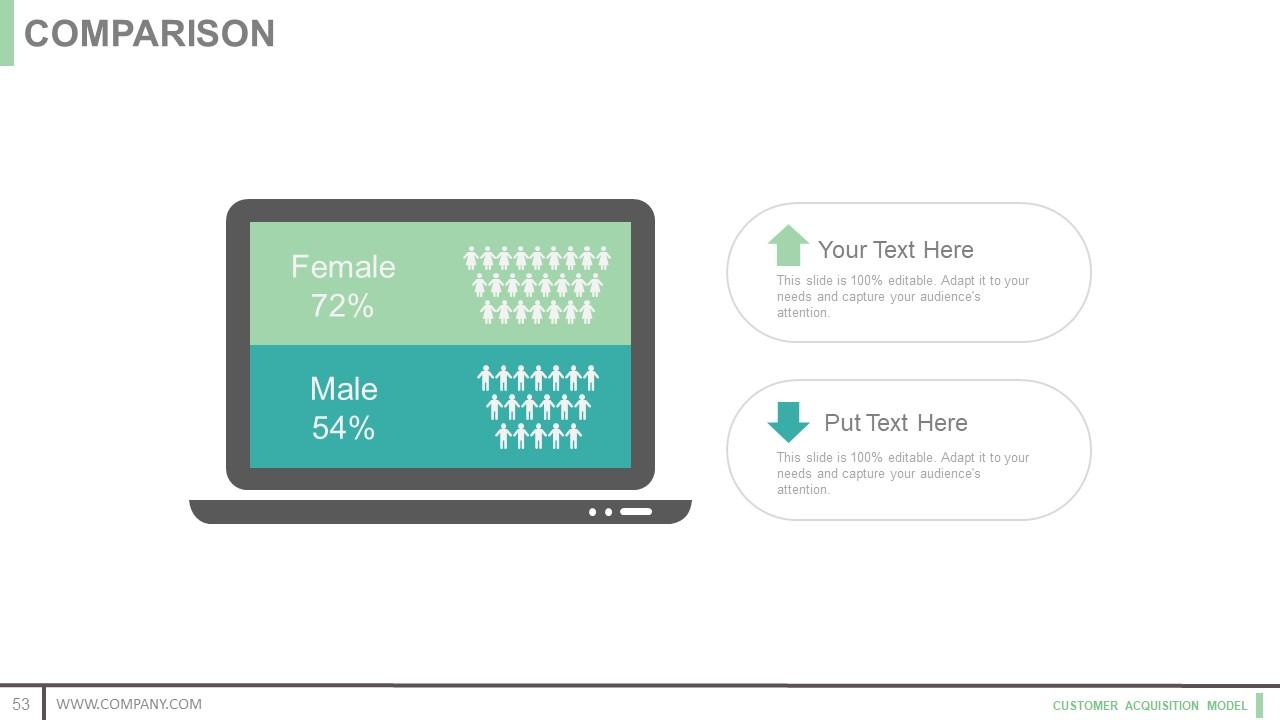
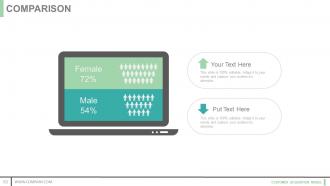
Slide 53: This slide showcases Comparison of two entities in male-female chart imagery form.
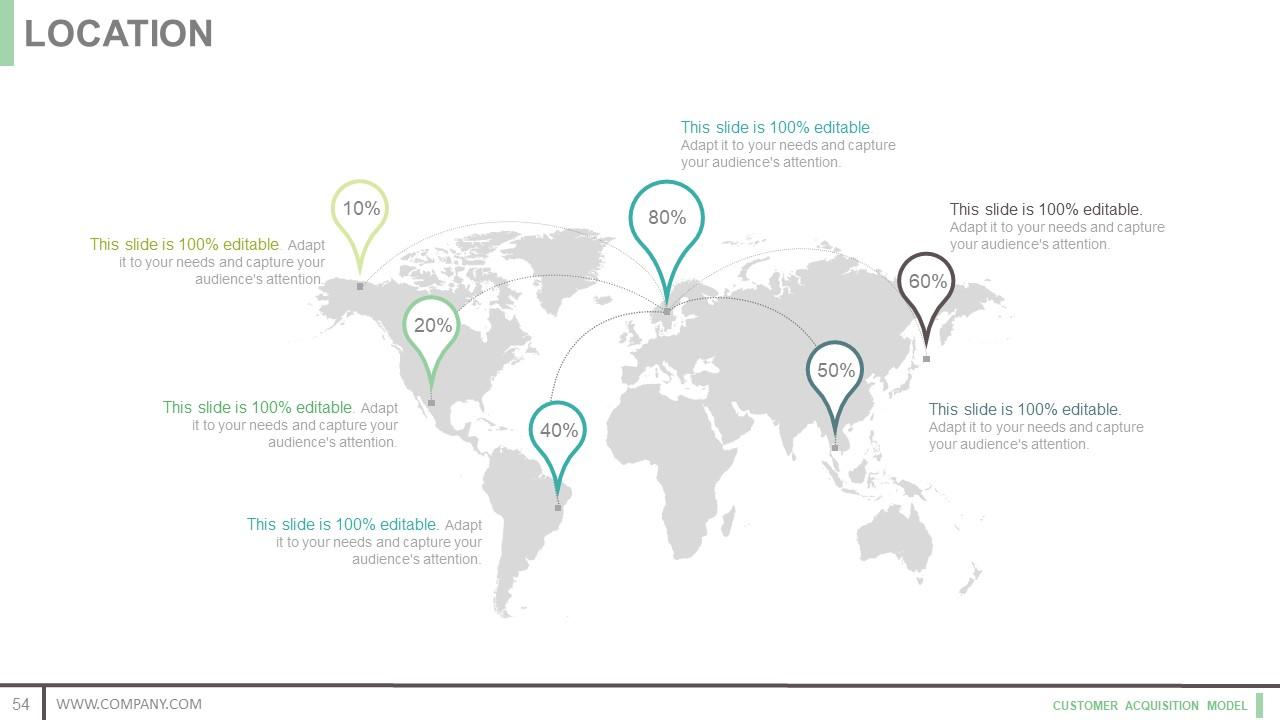
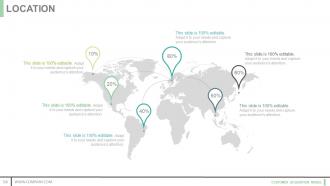
Slide 54: This is a Location slide to show global segregation, presence etc. on a world map image and text boxes to make it explicit.
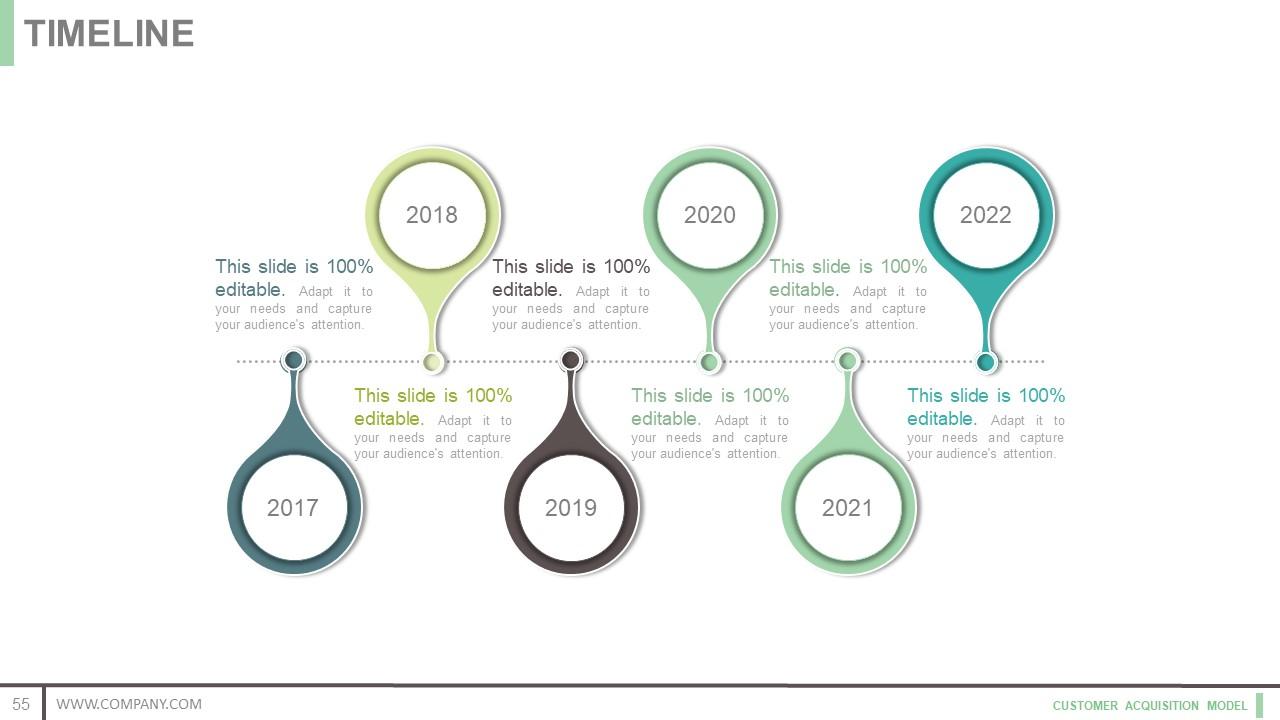
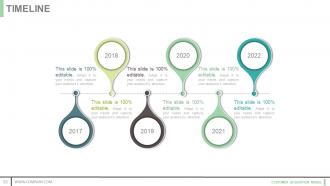
Slide 55: This is a Timeline slide to present important dates, journey, evolution, milestones etc.
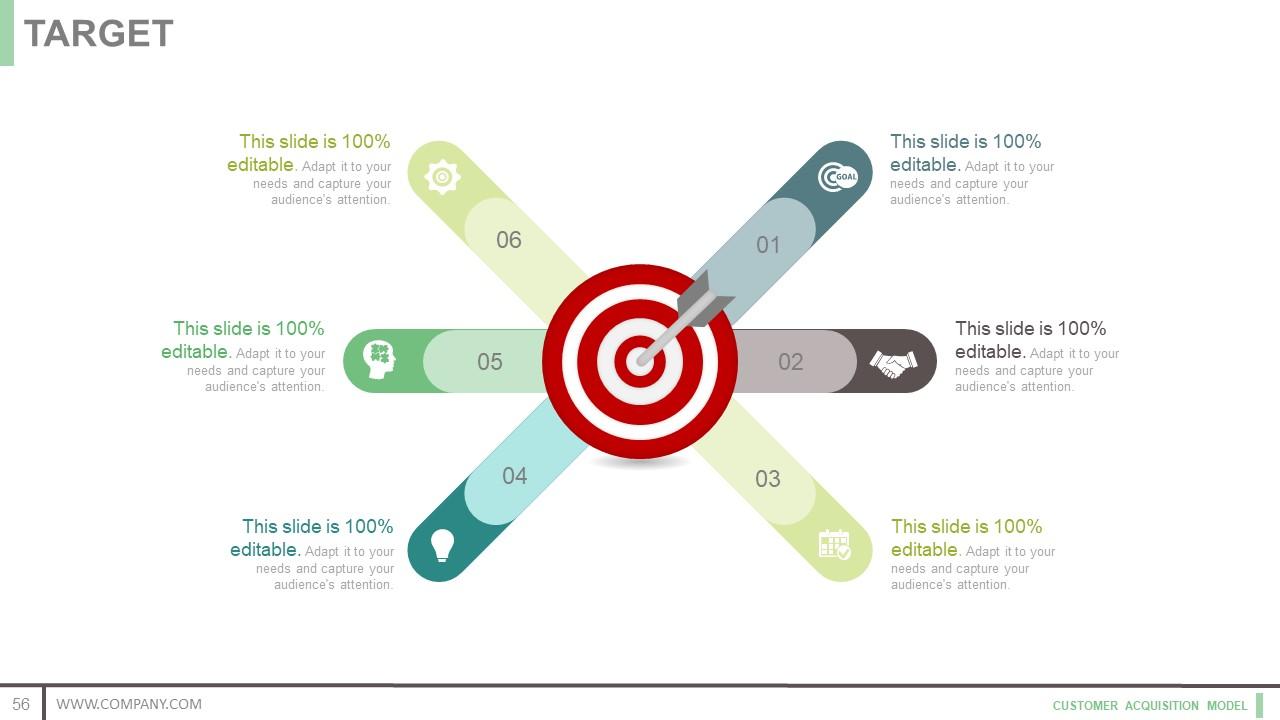
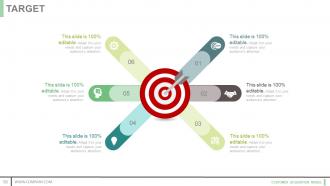
Slide 56: This is a Target image slide. State targets, etc. here.
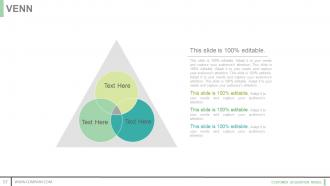
Slide 57: This is a Venn diagram slide to show information, specifications etc.
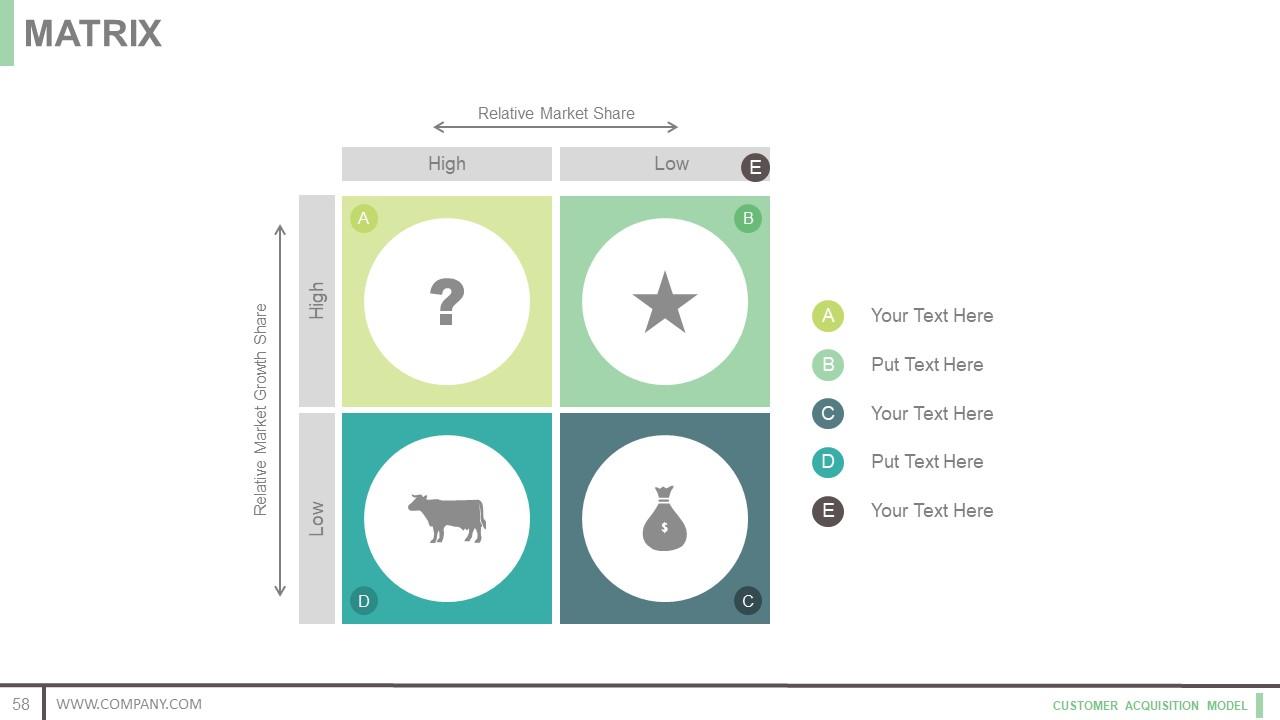
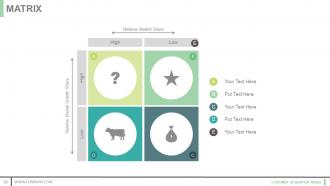
Slide 58: This is a Matrix slide to show information, specifications etc.
Slide 59: This is a Bulb Or Idea image slide to show ideas, innovative information etc.
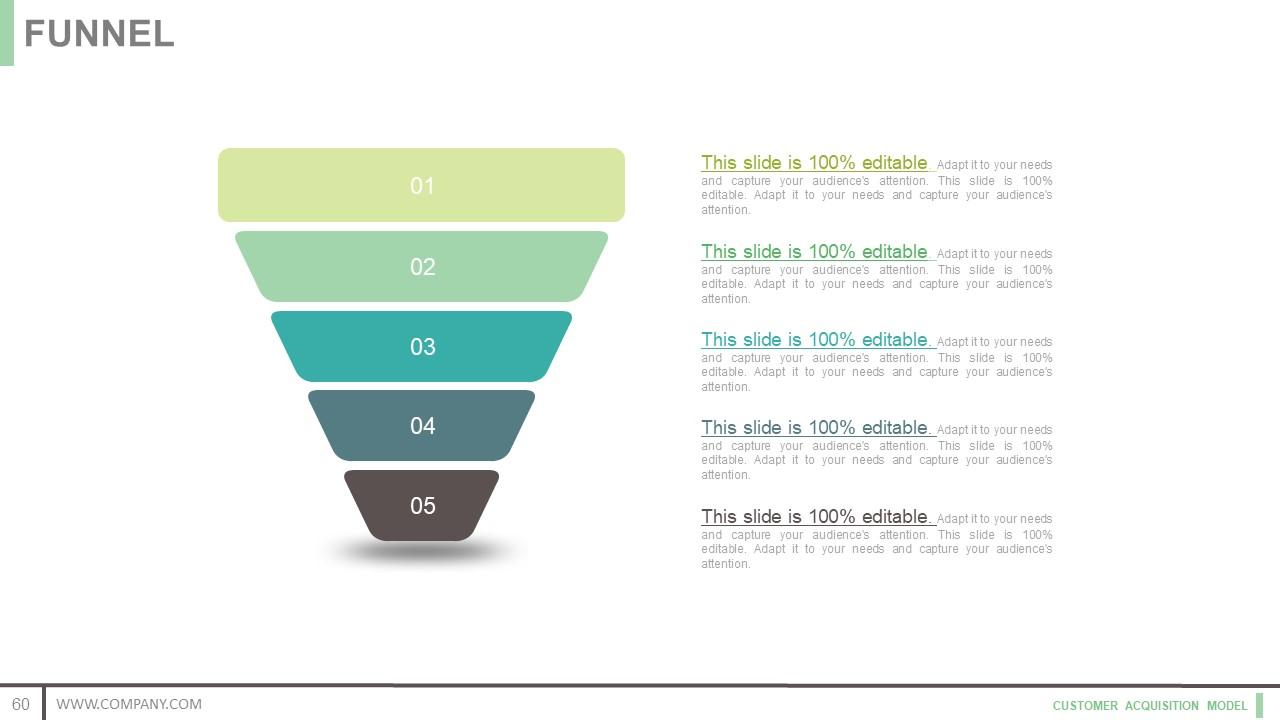
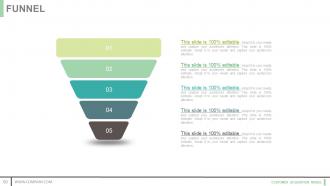
Slide 60: This is a Funnel image slide to show information, funneling aspects, specifications etc.
Slide 61: This is a Thank You slide with Address# street number, city, state, Contact Numbers, Email Address.
Customer acquisition model powerpoint presentation slides with all 61 slides:
Display your handiwork on our Customer Acquisition Model Powerpoint Presentation Slides. You will garner a lot of appreciation.
-
Very unique, user-friendly presentation interface.
-
Awesomely designed templates, Easy to understand.
