


Customer acquisition process steps powerpoint presentation slides go to market
Need a readymade customer acquisition process steps PowerPoint presentation? No problem! Here we have come up with a complete slide presentation of customer acquisition process. Right customer acquisition strategy is an important component to convince customers. Therefore, using these presentation slides you can brief your employees for apt customer acquisition management. Furthermore, this PowerPoint slide show helps to define various customer acquisition techniques and set of methodologies for pinpointing target customers. Apart from this, visual communications about various other closely related concepts like acquisition cost, acquisition marketing, customer relationship marketing, lead management and client retention etc can easily be crafted. Lastly, to make this PPT model more precise we have included exclusive PowerPoint templates like customer acquisition framework, target group segment, demand creation strategy, sales force automation, new customer by source and many more. Not only this, helping to present an example of great PPT, we also offer exclusive customized services. So what are you waiting for? Just click and download to get the right PPT example of a customer acquisition process. Cozy up with our Customer Acquisition Process Steps Complete Powerpoint Deck With Slides. Allow your dreams to develop.
Need a readymade customer acquisition process steps PowerPoint presentation? No problem! Here we have come up with a comple..











-

- Google Slides is a new FREE Presentation software from Google.
- All our content is 100% compatible with Google Slides.
- Just download our designs, and upload them to Google Slides and they will work automatically.
- Amaze your audience with SlideTeam and Google Slides.
-

Want Changes to This PPT Slide? Check out our Presentation Design Services
-

- WideScreen Aspect ratio is becoming a very popular format. When you download this product, the downloaded ZIP will contain this product in both standard and widescreen format.
-

- Some older products that we have may only be in standard format, but they can easily be converted to widescreen.
- To do this, please open the SlideTeam product in Powerpoint, and go to
- Design ( On the top bar) -> Page Setup -> and select "On-screen Show (16:9)” in the drop down for "Slides Sized for".
- The slide or theme will change to widescreen, and all graphics will adjust automatically. You can similarly convert our content to any other desired screen aspect ratio.
Compatible With Google Slides

Get This In WideScreen
You must be logged in to download this presentation.


Do you want to remove this product from your favourites?
PowerPoint presentation slides
Easy customization option to alter PPT background, font, text etc. No pixelate issues even after projection on wide screen. Best pick for marketing, acquisition and customer relationship managers. Complete pre built set of 61 presentation slides thoroughly covering the topic. Easily put text, title, logo, animation or videos as per specific requirement. No compatibility issues with any modern software. Downloading trigger with just a click.

People who downloaded this PowerPoint presentation also viewed the following :
Content of this Powerpoint Presentation
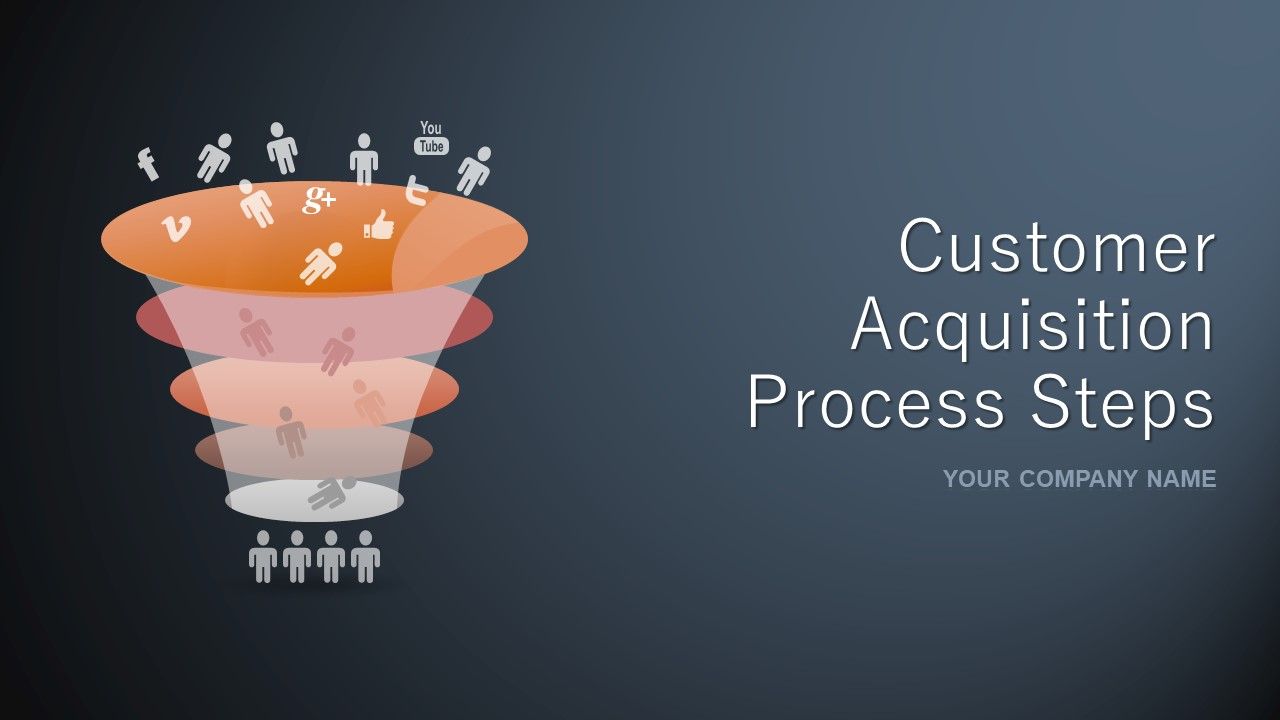
Slide 1: This is an introductory slide for Customer Acquisition Process Steps. State Your Company name and begin.
Slide 2: This is an Agenda slide. Present your agendas here.
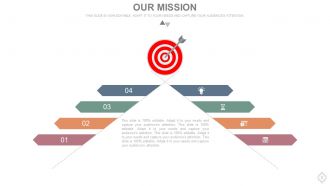
Slide 3: This is Our Mission slide with target icon imagery. State aspirations, targets etc. aspects here.
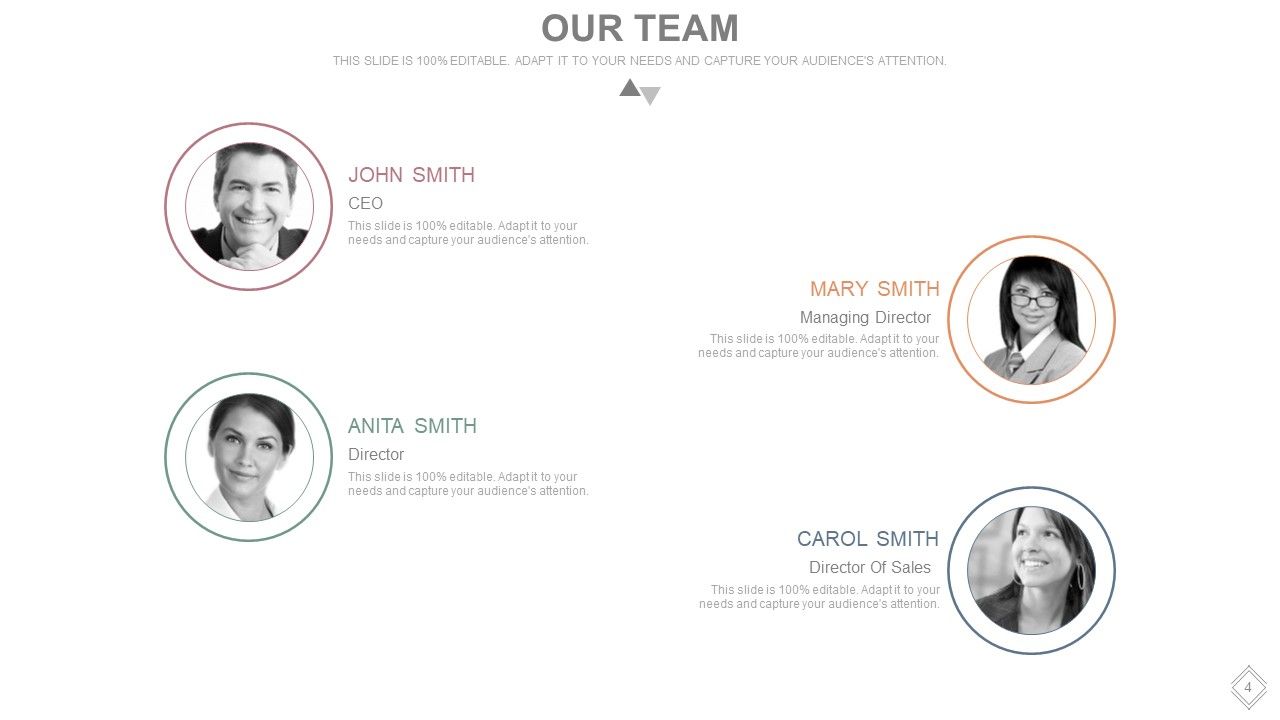
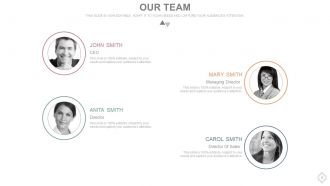
Slide 4: This is Our Team slide with names, designation and text boxes.
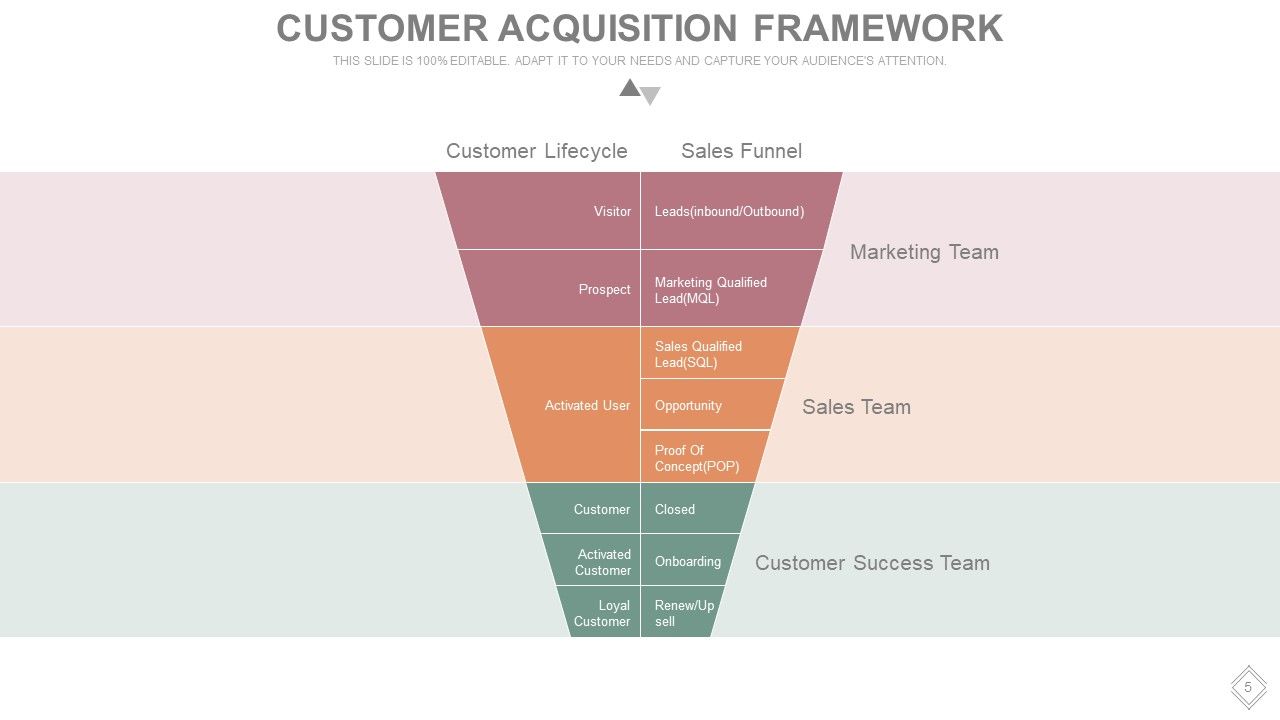
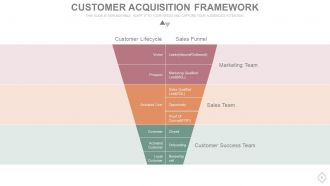
Slide 5: This slide showcases Customer Acquisition Framework displaying- Marketing Team, Sales Team, Customer Success Team, Leads(inbound/Outbound), Visitor, Marketing Qualified Lead(MQL), Prospect, Closed, Onboarding, Renew/Upsell, Customer, Loyal Customer, Activated Customer, Sales Qualified Lead(SQL), Opportunity, Proof Of Concept(POP), Activated User, Customer Lifecycle, Sales Funnel.
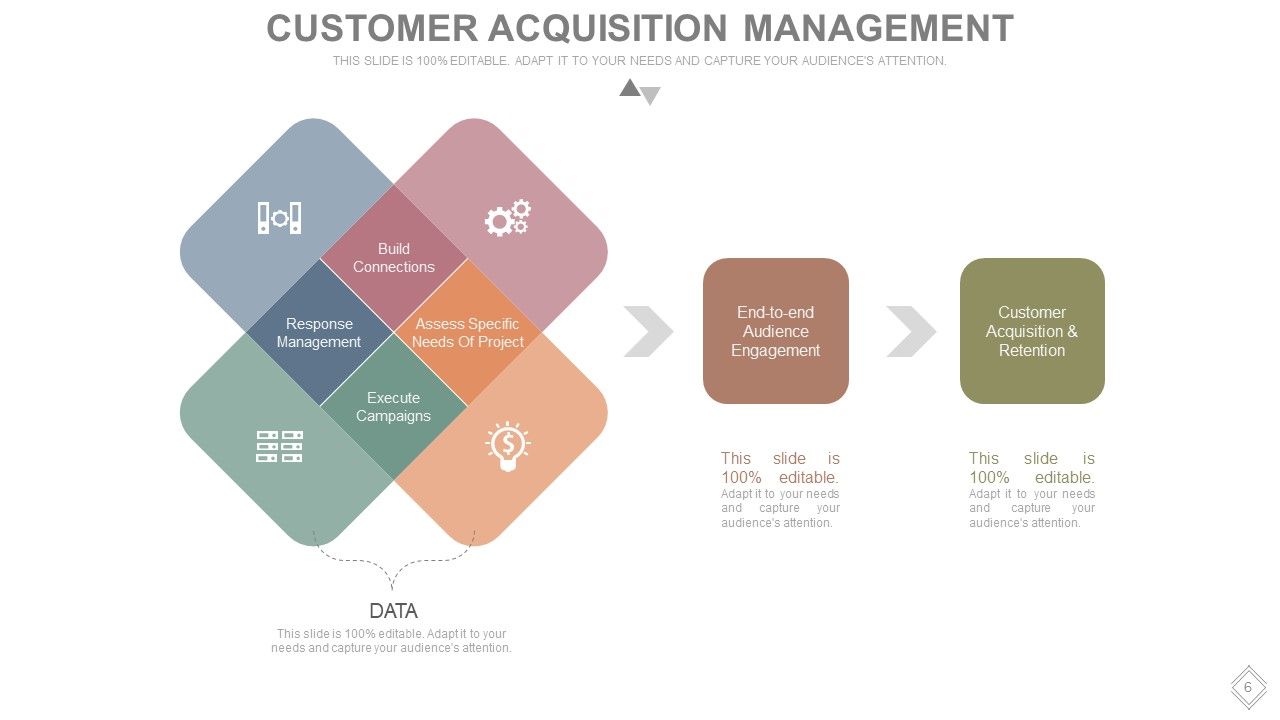
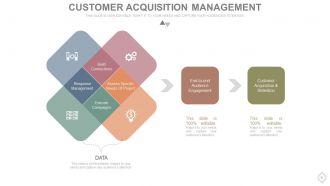
Slide 6: This slide presents Customer Acquisition Management showcasing- Customer Acquisition & Retention, End-to-end Audience Engagement, Response Management, Build Connections, Assess Specific Needs Of Project, Execute Campaigns, Data.
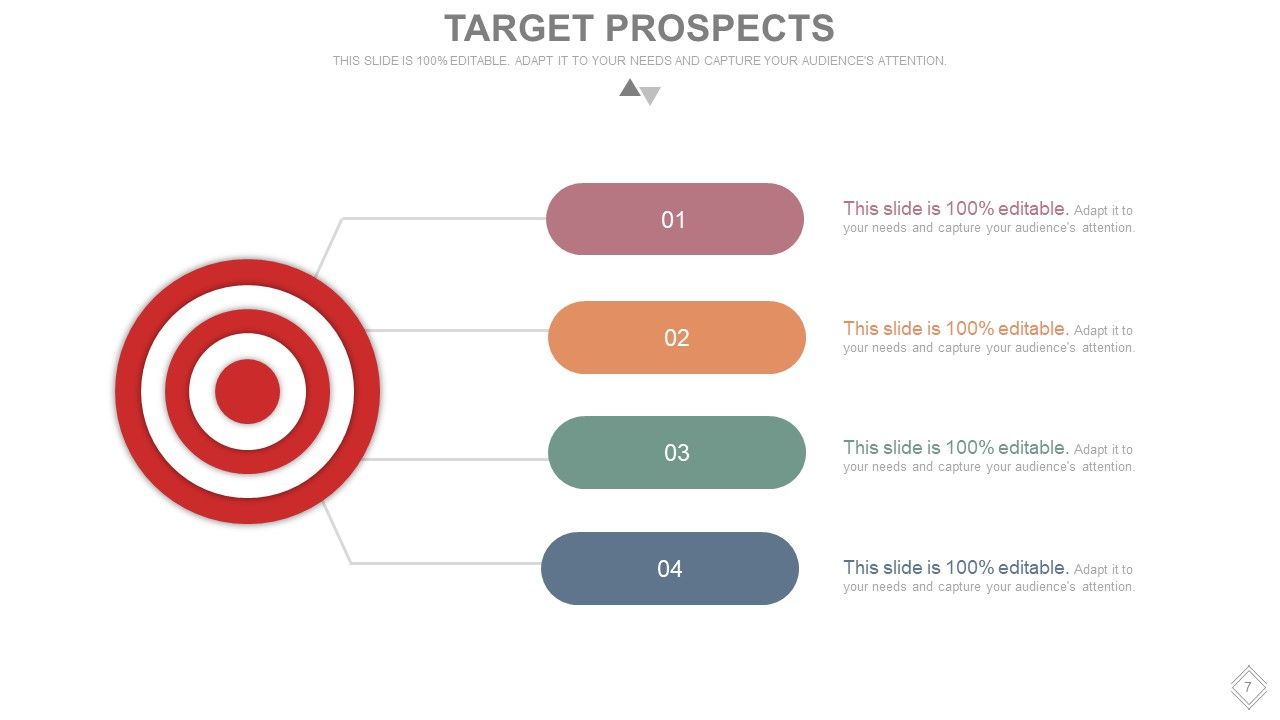
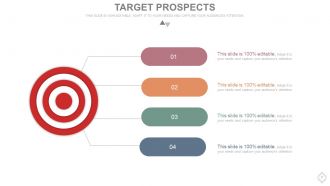
Slide 7: This slide displays Target Prospects. State briefly about them here.
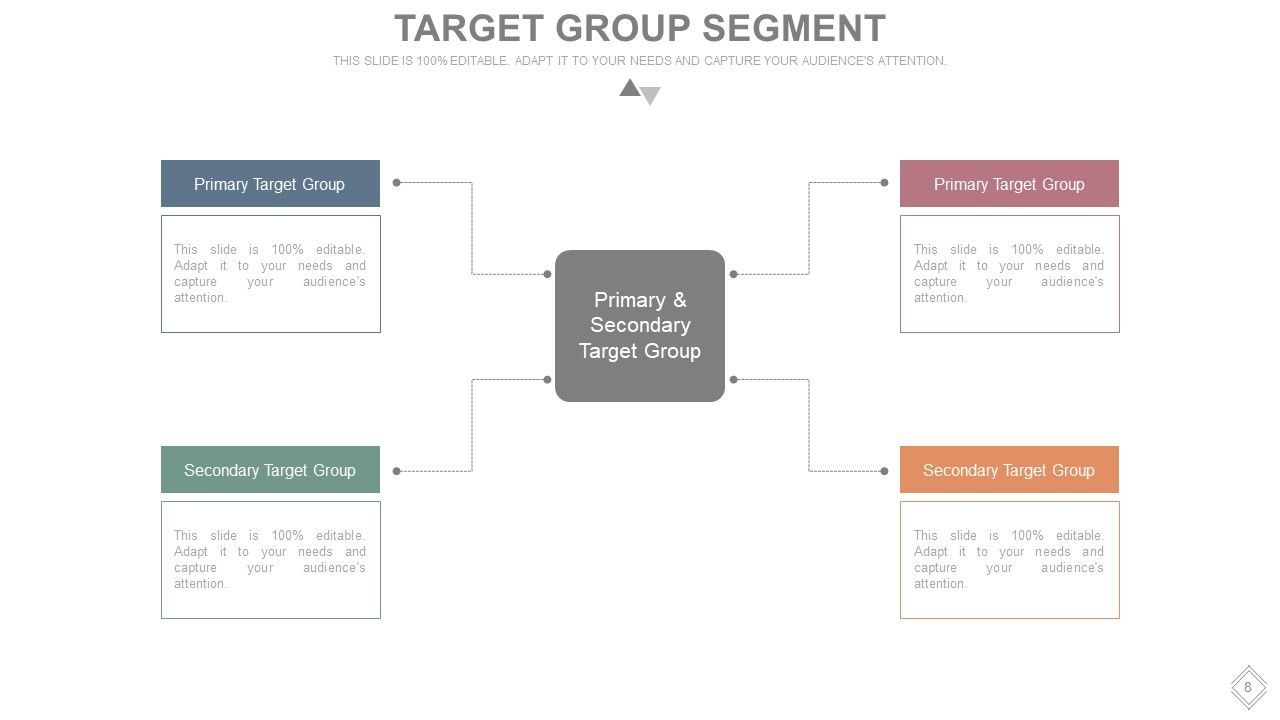
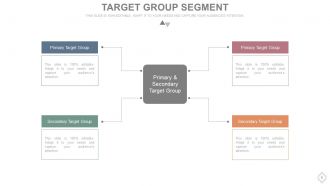
Slide 8: This slide shows Target Group Segment displaying- Primary & Secondary Target Group.
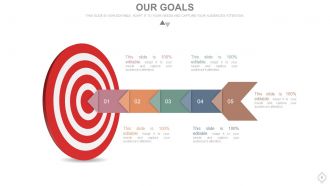
Slide 9: This is Our Goal slide. State your goals, aspirations here.
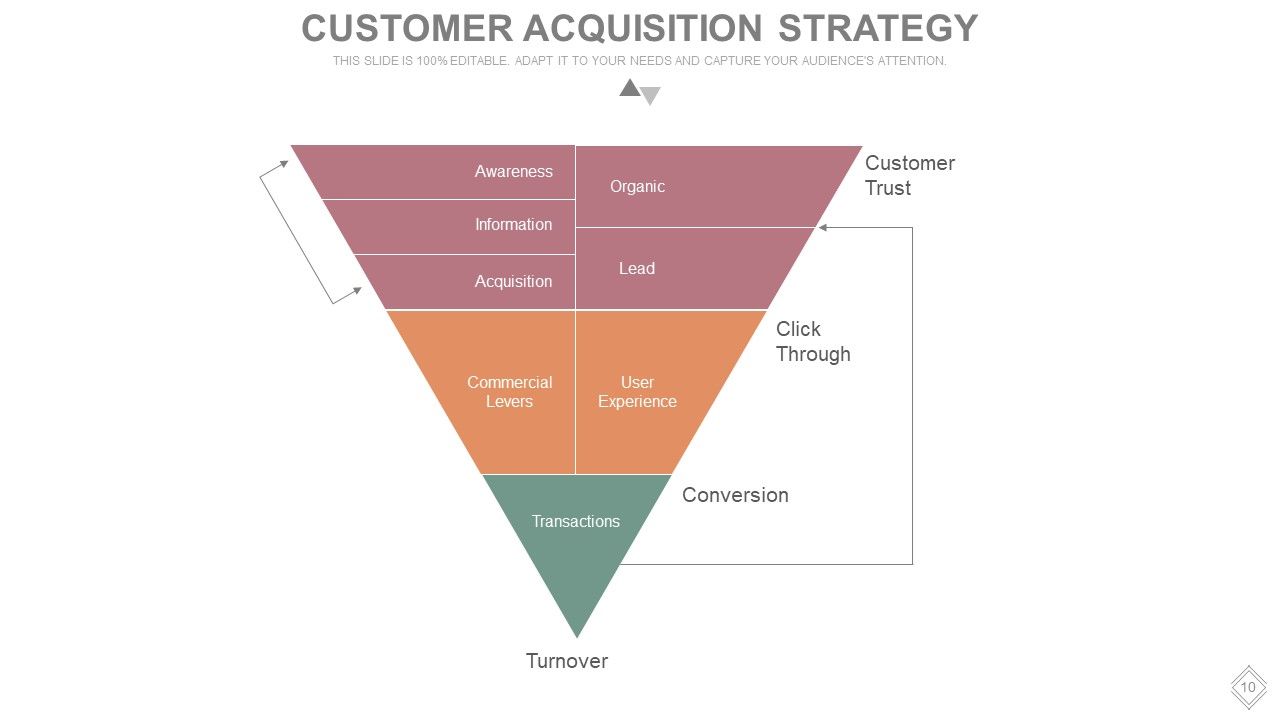
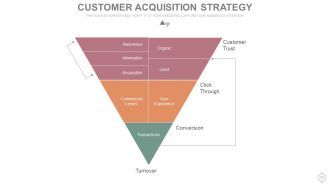
Slide 10: This slide displays Customer Acquisition Strategy showcasing- Customer Trust, Click Through, Turnover, Conversion, Organic, Lead, Awareness, Information, Acquisition, Commercial Levers, Transactions, User Experience.
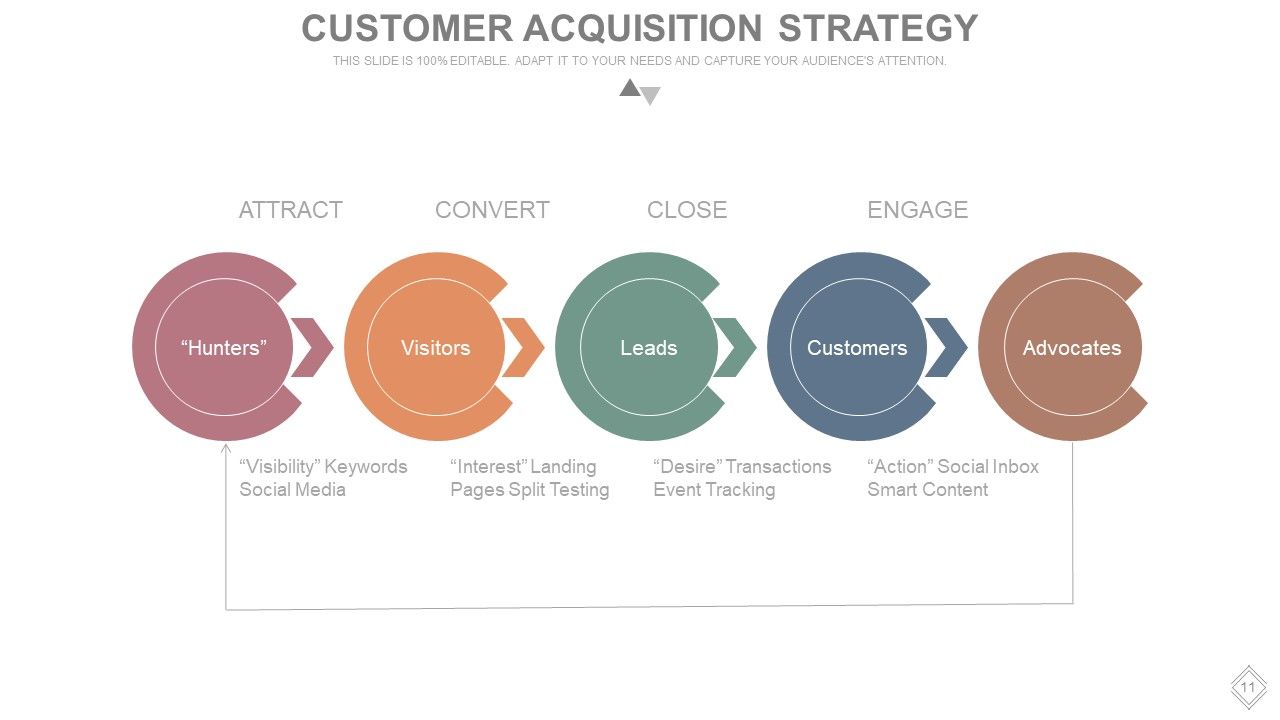
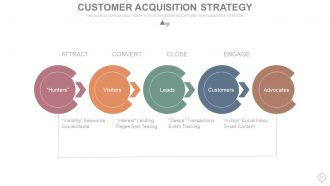
Slide 11: This slide showcases Customer Acquisition Strategy displaying- “Hunters”, Visitors, Leads, Customers, Advocates categorised as- ATTRACT, CONVERT, CLOSE, ENGAGE.
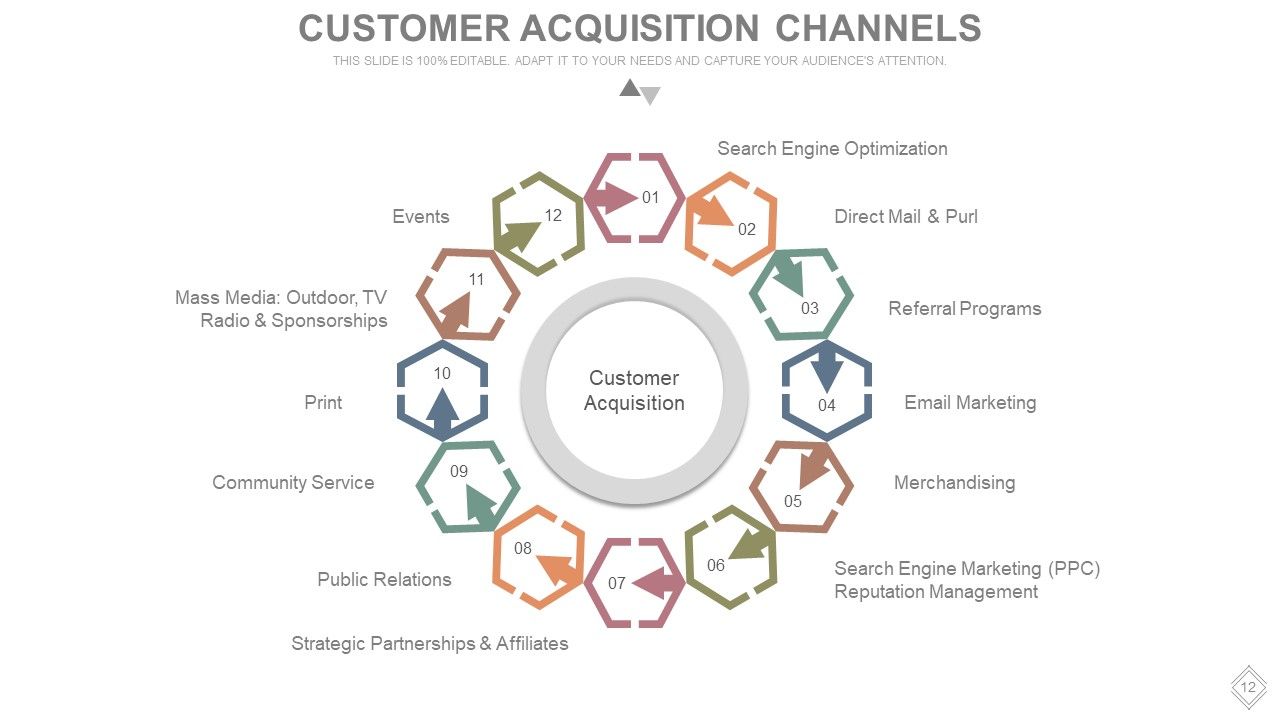
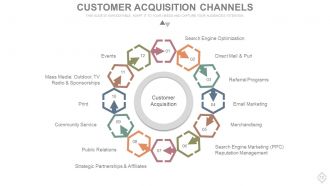
Slide 12: This slide displays Customer Acquisition Channels such as- Community Service, Mass Media: Outdoor, TV Radio & Sponsorships, Print, Public Relations, Events, Strategic Partnerships & Affiliates, Referral Programs, Merchandising, Email Marketing, Direct Mail & Purl, Search Engine Marketing (PPC) Reputation Management, Search Engine Optimization.
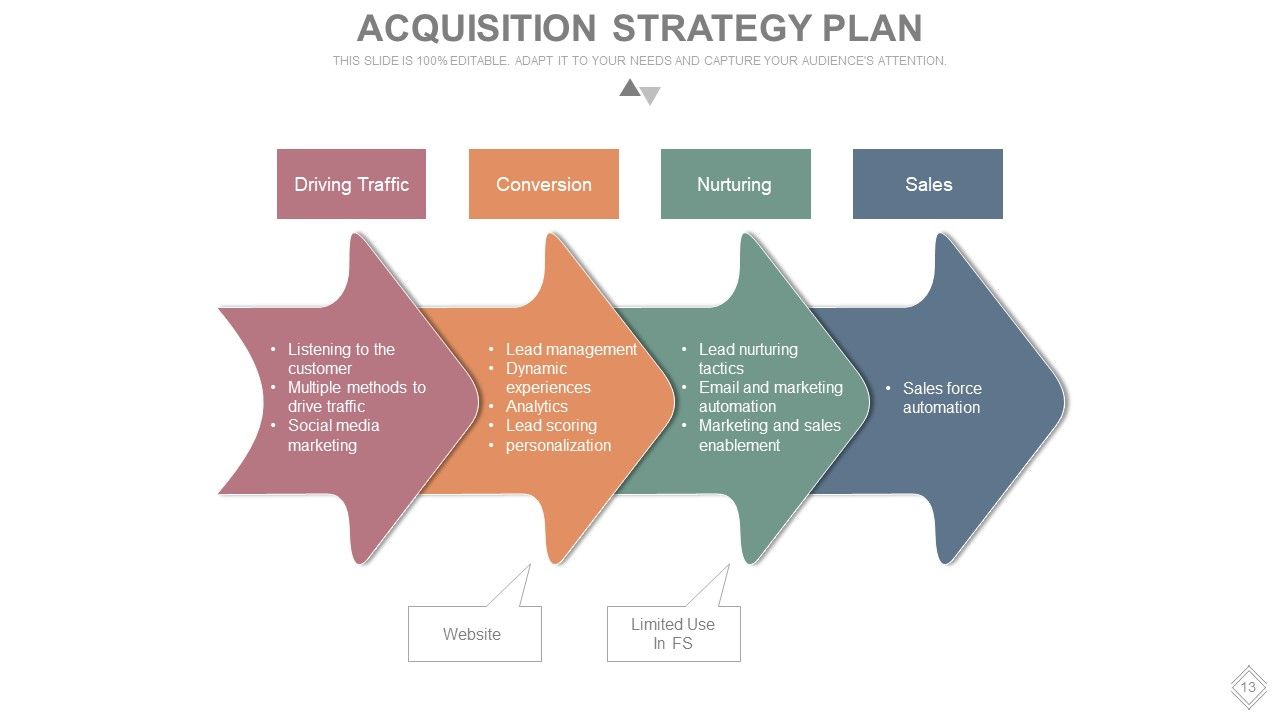
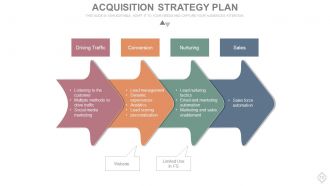
Slide 13: This slide presents Acquisition Strategy Plan displaying- Driving Traffic, Conversion, Nurturing, Sales as main aspects to be covered.
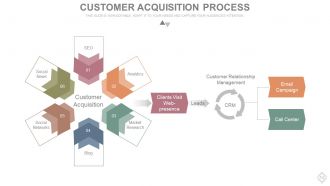
Slide 14: This slide showcases Customer Acquistion Process displaying- Leads, Clients Visit Web-presence, Customer Relationship Management, CRM, Email Campaign, Call Center, Customer Acquisition, Social News, Blog, Social Networks, Analytics, SEO, Market Research.
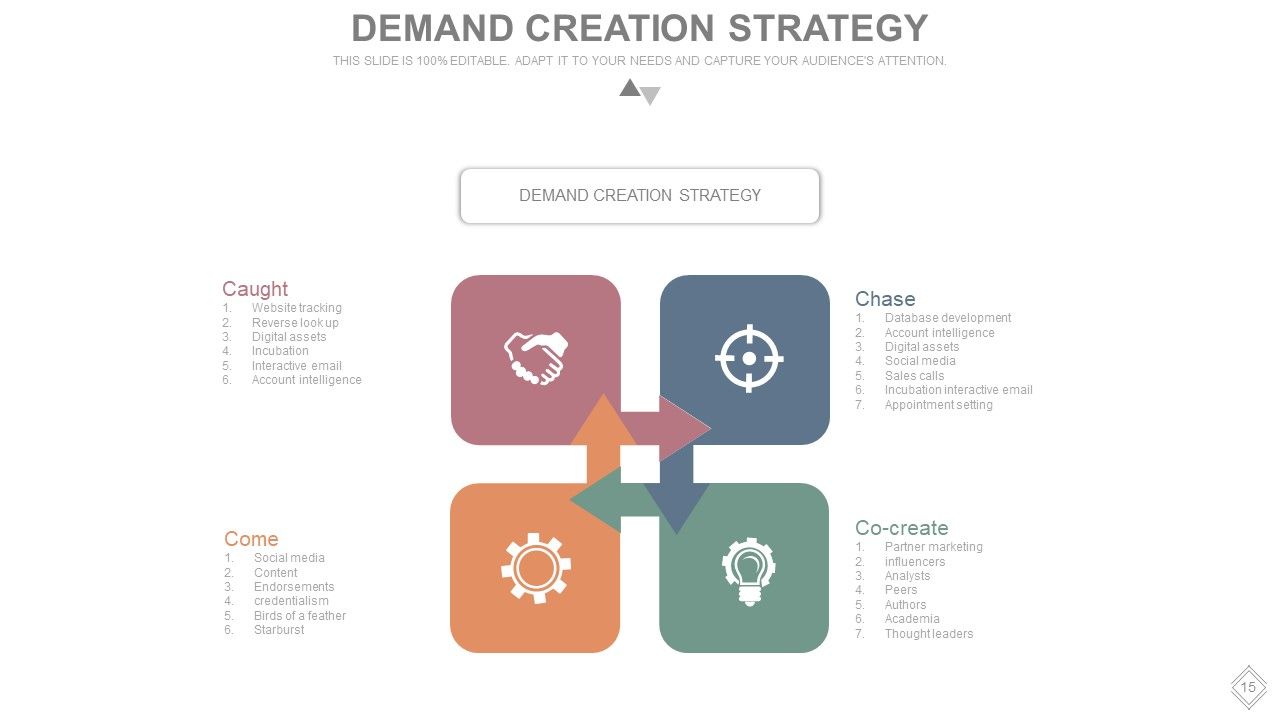
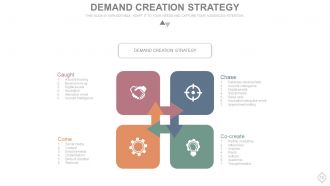
Slide 15: This slide presents Demand Creation Strategy divided into- Chase: Database development, Account intelligence, Digital assets, Social media, Sales calls, Incubation interactive email, Appointment setting. Come: Social media, Content, Endorsements, credentialism, Birds of a feather, Starburst. Co-create: Partner marketing, influencers, Analysts, Peers, Authors, Academia, Thought leaders. Caught: Website tracking, Reverse look up, Digital assets, Incubation, Interactive email, Account intelligence.
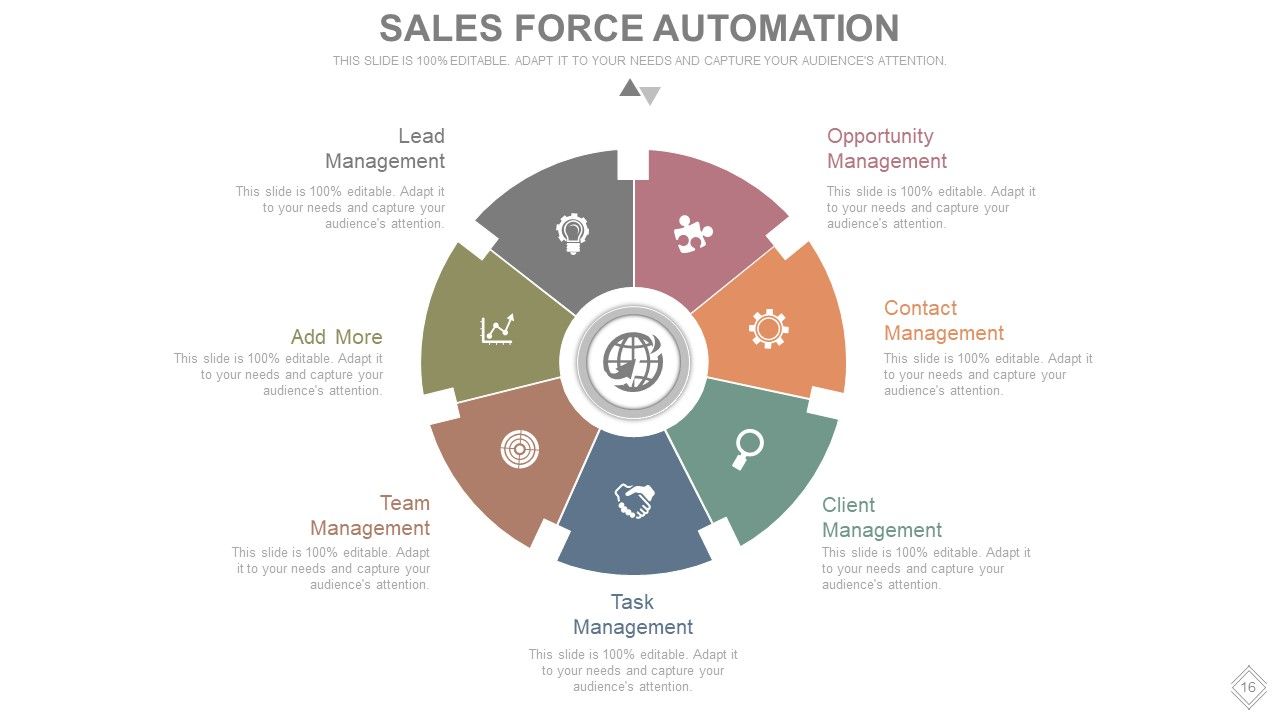
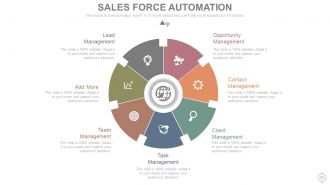
Slide 16: This is Sales Force Automation slide showing- Task Management Client Management Team Management Contact Management Add More Opportunity Management Lead Management
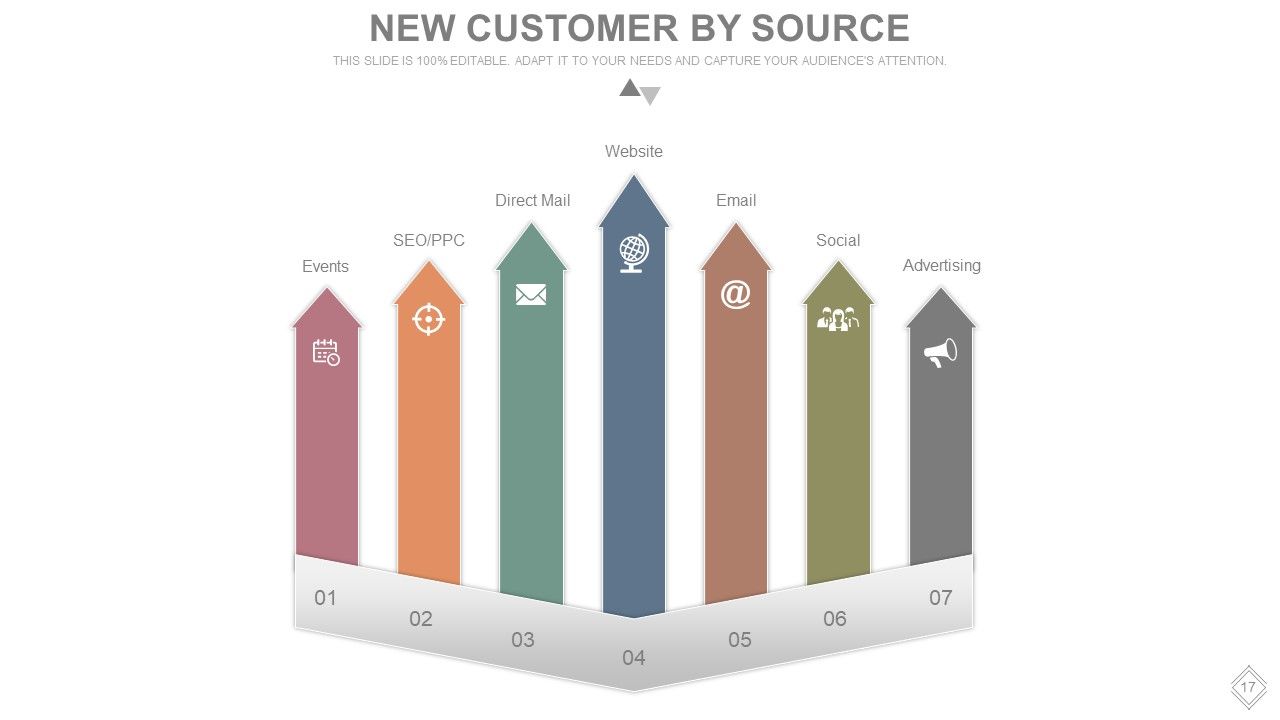
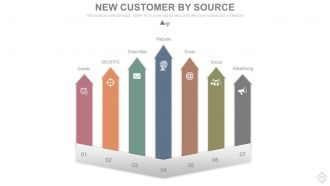
Slide 17: This slide presents New Customer By Source such as- Events, SEO/PPC, Direct Mail, Website, Email, Social, Advertising.
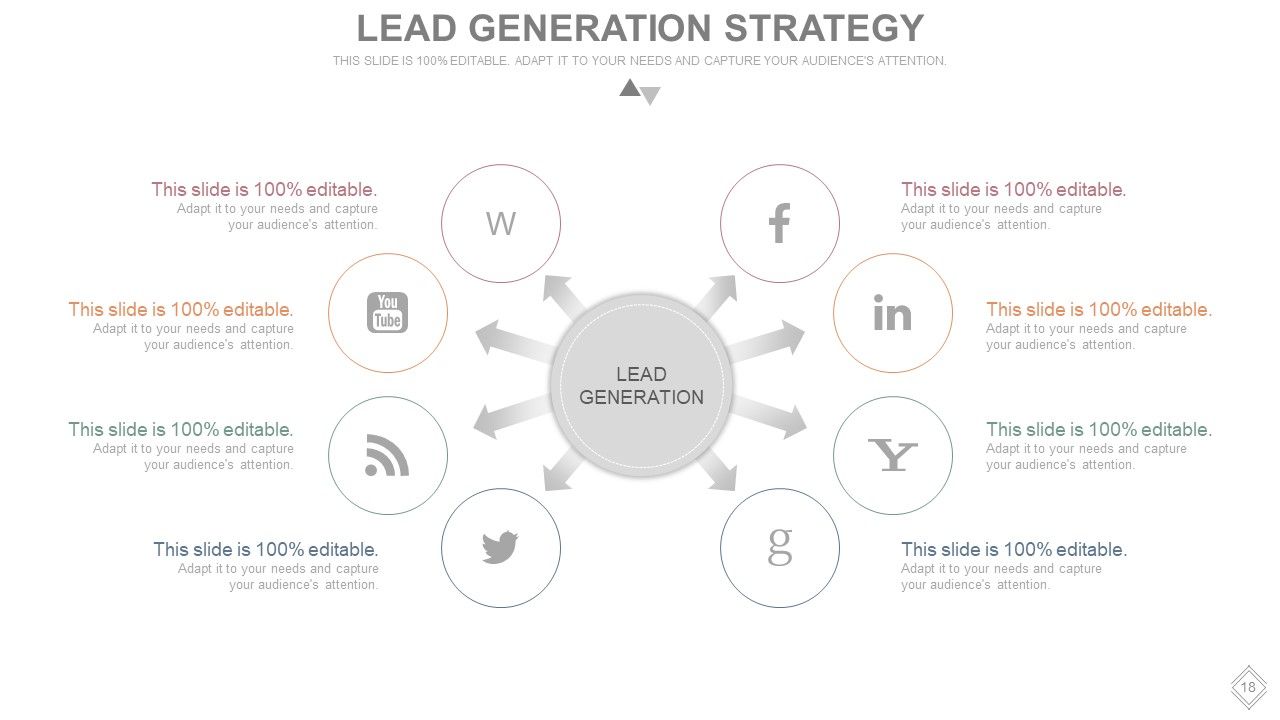
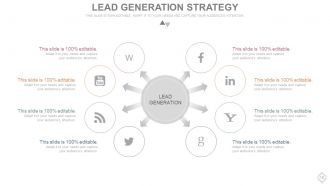
Slide 18: This slide displays a Lead Generation Strategy to be implemented.
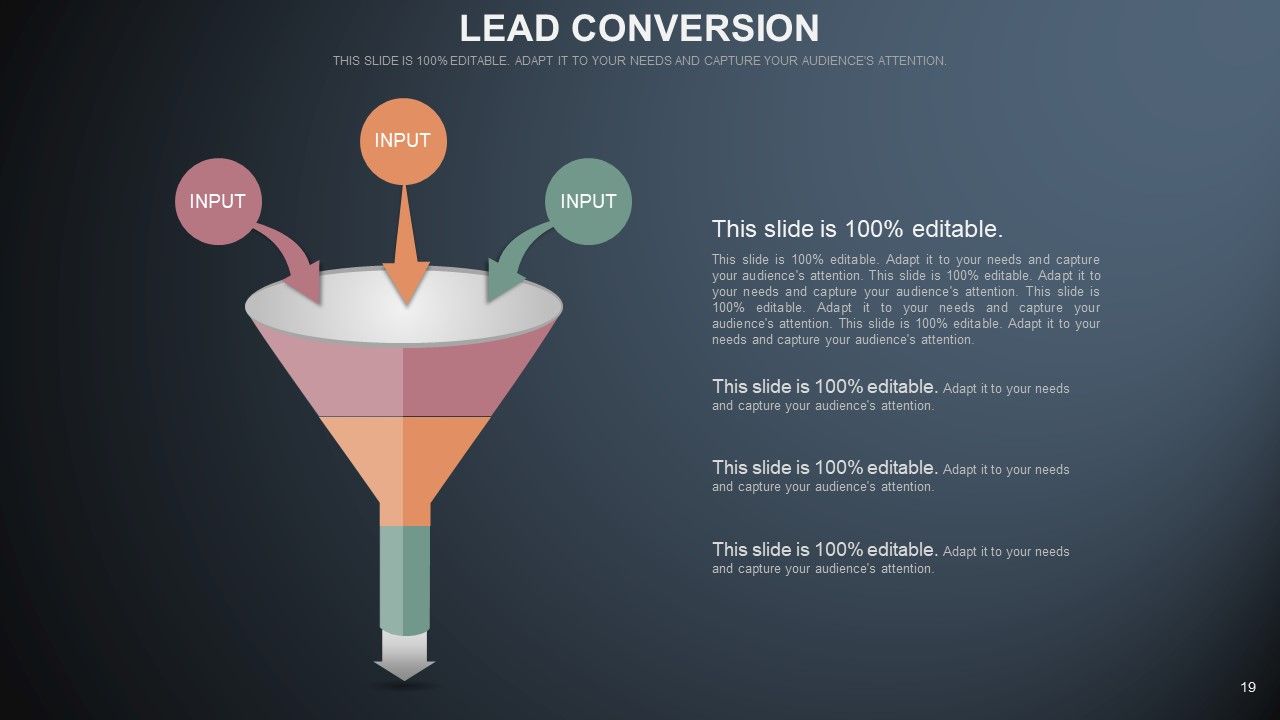
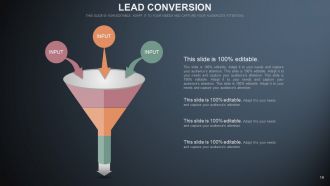
Slide 19: This is a Lead Conversion diagram slide.
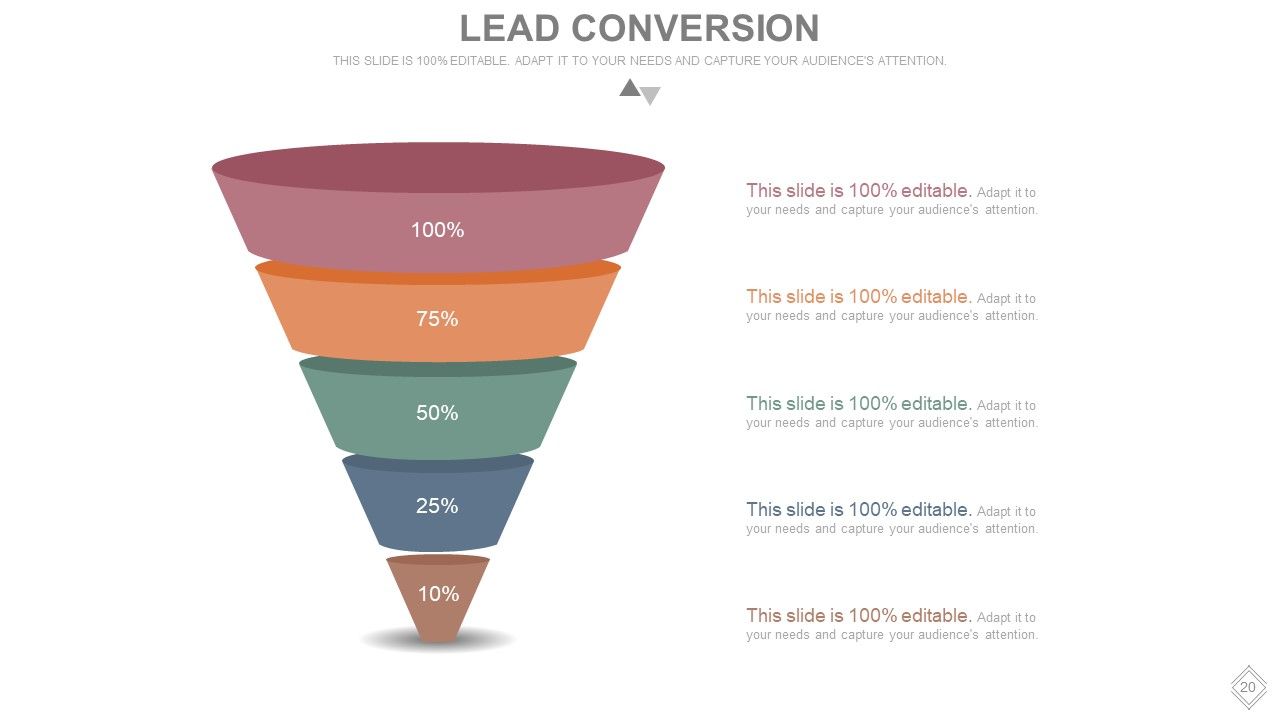
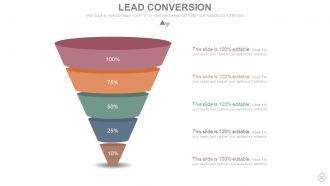
Slide 20: This too is a Lead Conversion diagram slide.
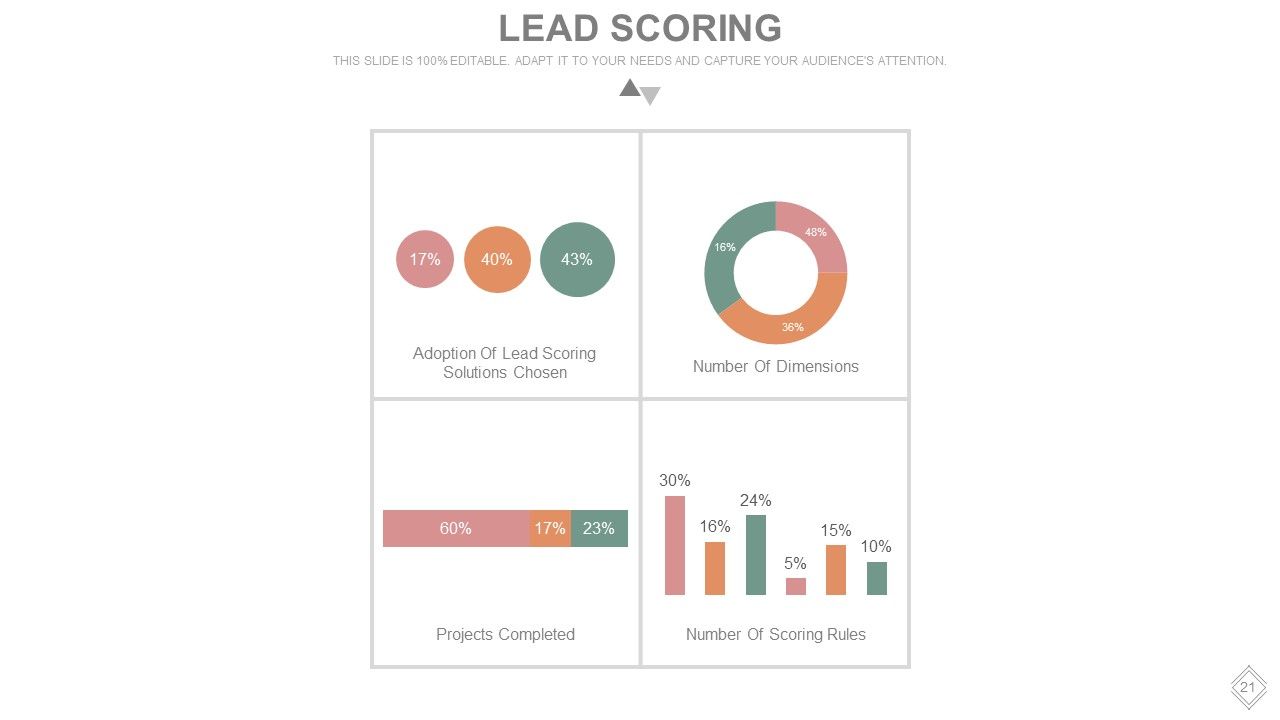
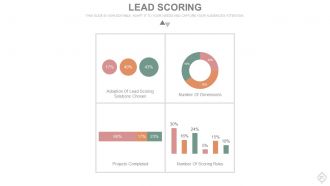
Slide 21: This slide showcases Lead Scoring displaying- Projects Completed, Number Of Scoring Rules, Number Of Dimensions, Adoption Of Lead Scoring Solutions Chosen.
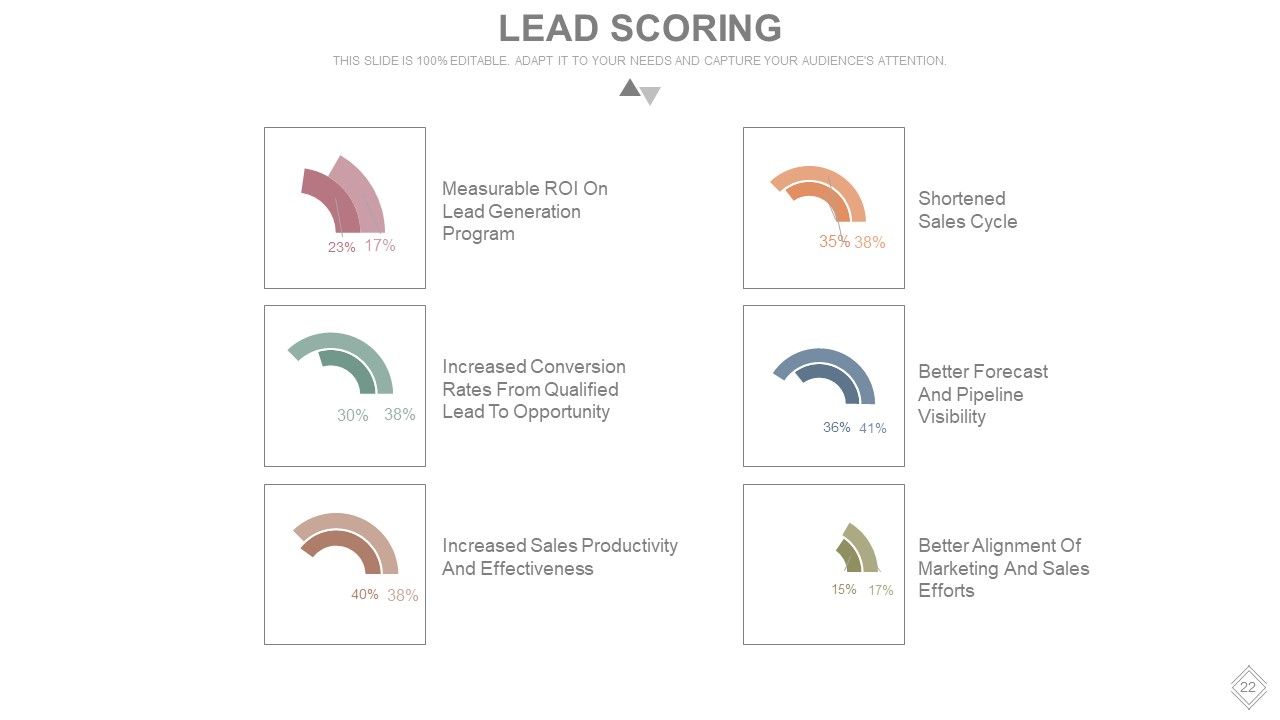
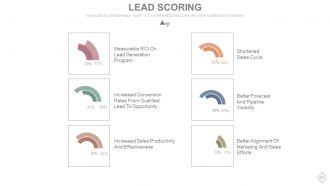
Slide 22: This slide also presents Lead Scoring displaying- Measurable ROI On Lead Generation Program, Increased Conversion Rates From Qualified Lead To Opportunity, Increased Sales Productivity And Effectiveness, Better Forecast And Pipeline Visibility, Shortened Sales Cycle, Better Alignment Of Marketing And Sales Efforts.
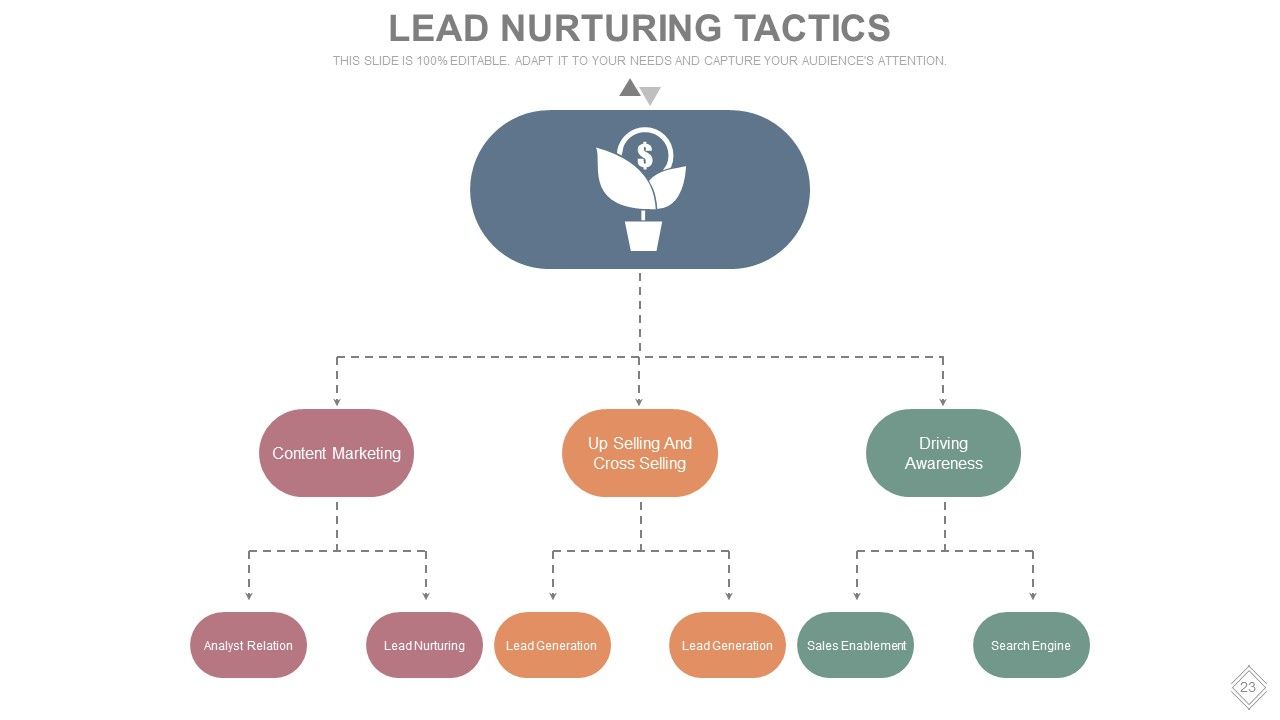
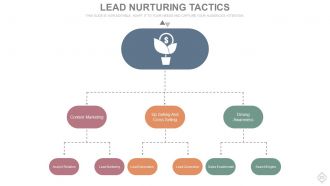
Slide 23: This slide presents Lead Nurturing Tactics through- Up Selling And Cross Selling: Lead Generation. Content Marketing: Analyst Relation, Lead Nurturing. Driving Awareness: Sales Enablement, Search Engine.
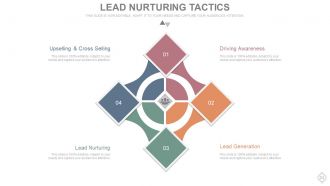
Slide 24: This slide presents Lead Nurturing Tactics through- Driving Awareness, Lead Generation, Upselling & Cross Selling, Lead Nurturing.
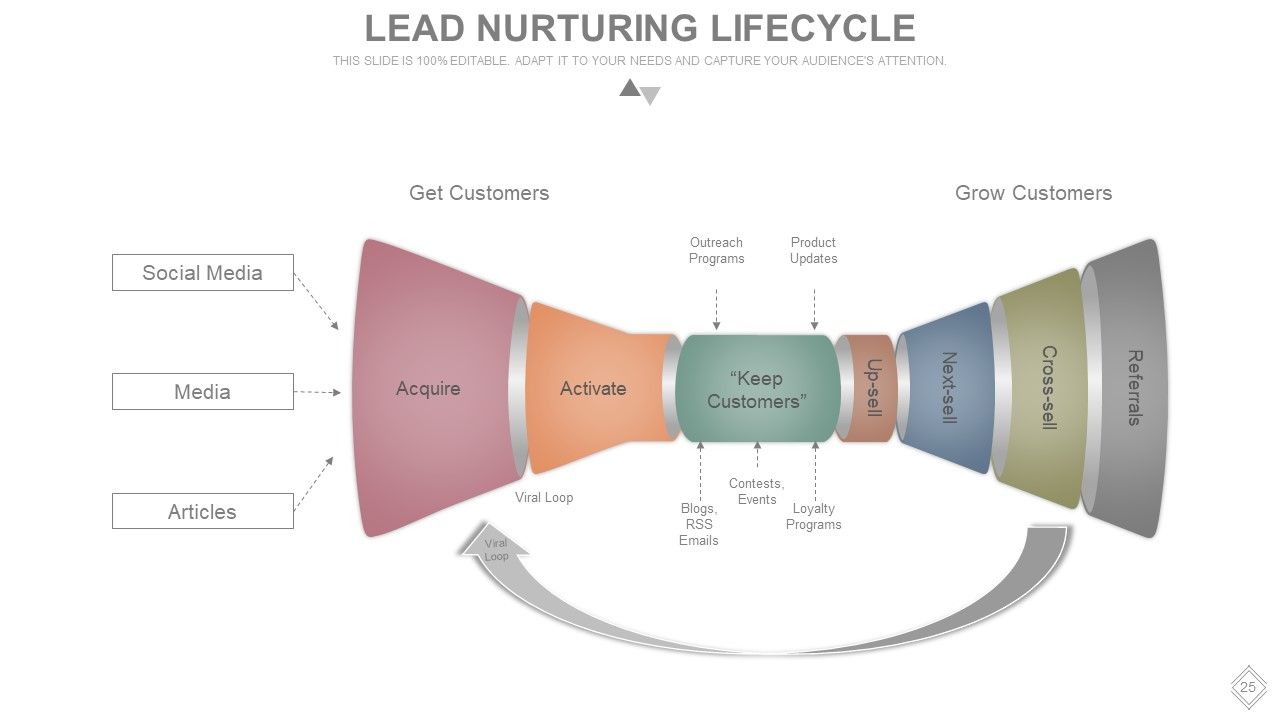
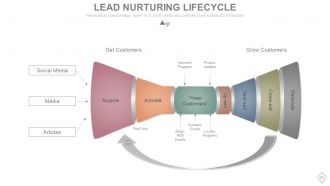
Slide 25: This slide showcases Lead Nurturing Lifecycle showing- Social Media, Media, Articles, Get Customers, Grow Customers, Cross-sell, Acquire, Activate, “Keep Customers”, Up-sell, Next-sell, Referrals, Contests, Events, Loyalty Programs, Blogs, RSS Emails, Outreach Programs, Product Updates, Viral Loop.
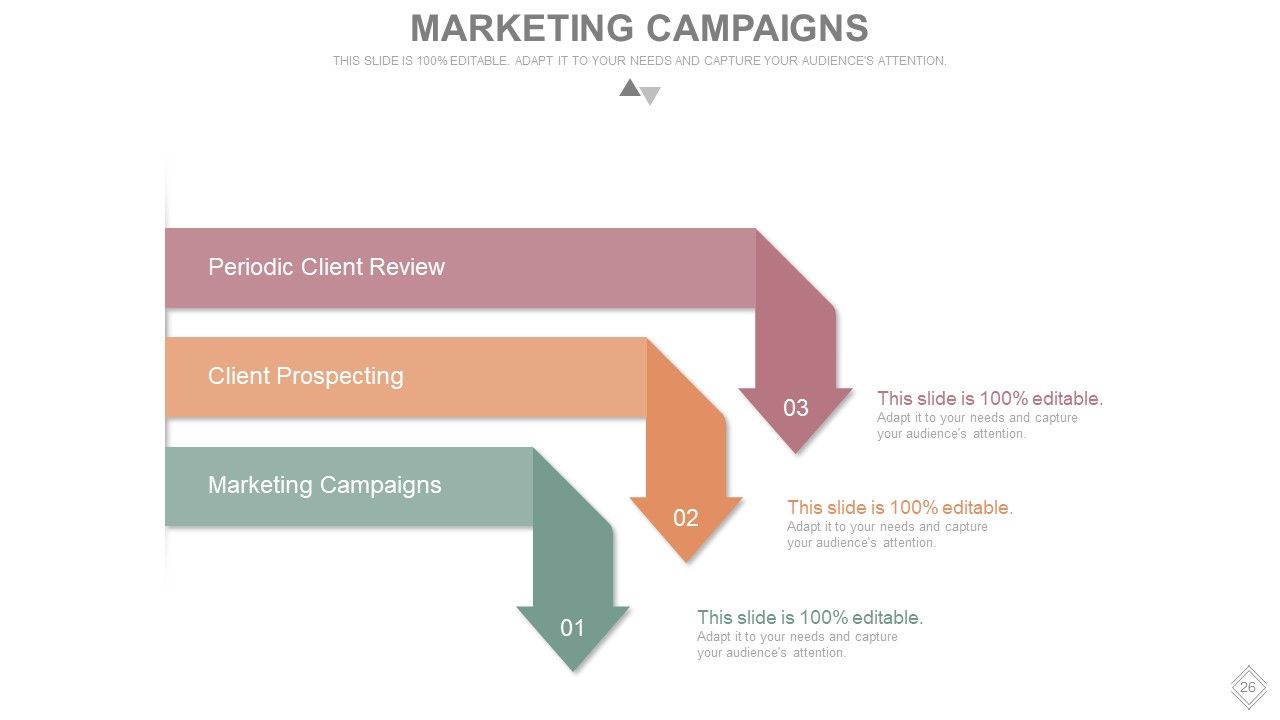
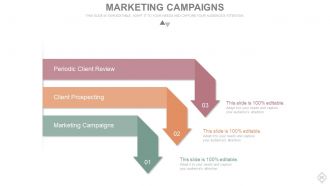
Slide 26: This slide presents Marketing Campaigns with- Periodic Client Review, Client Prospecting.
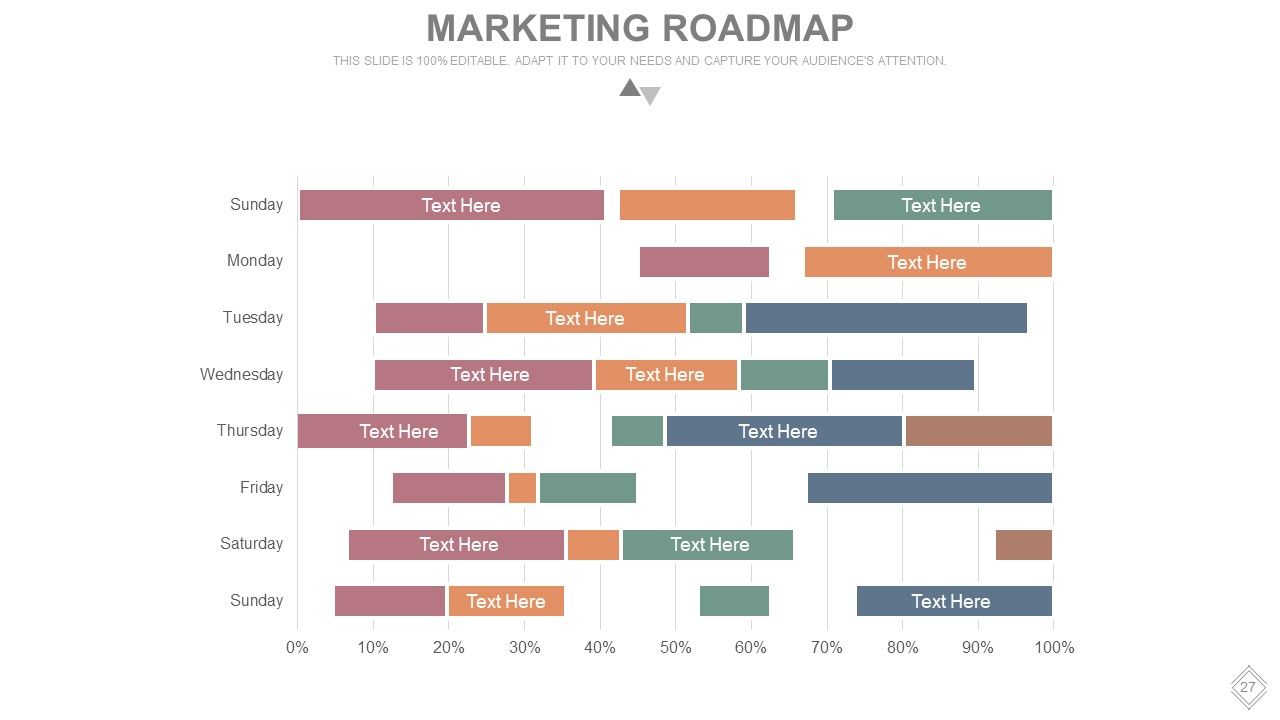
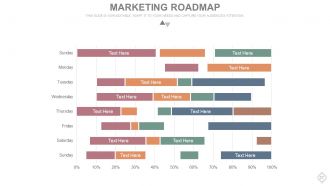
Slide 27: This slide presents a Marketing Roadmap.
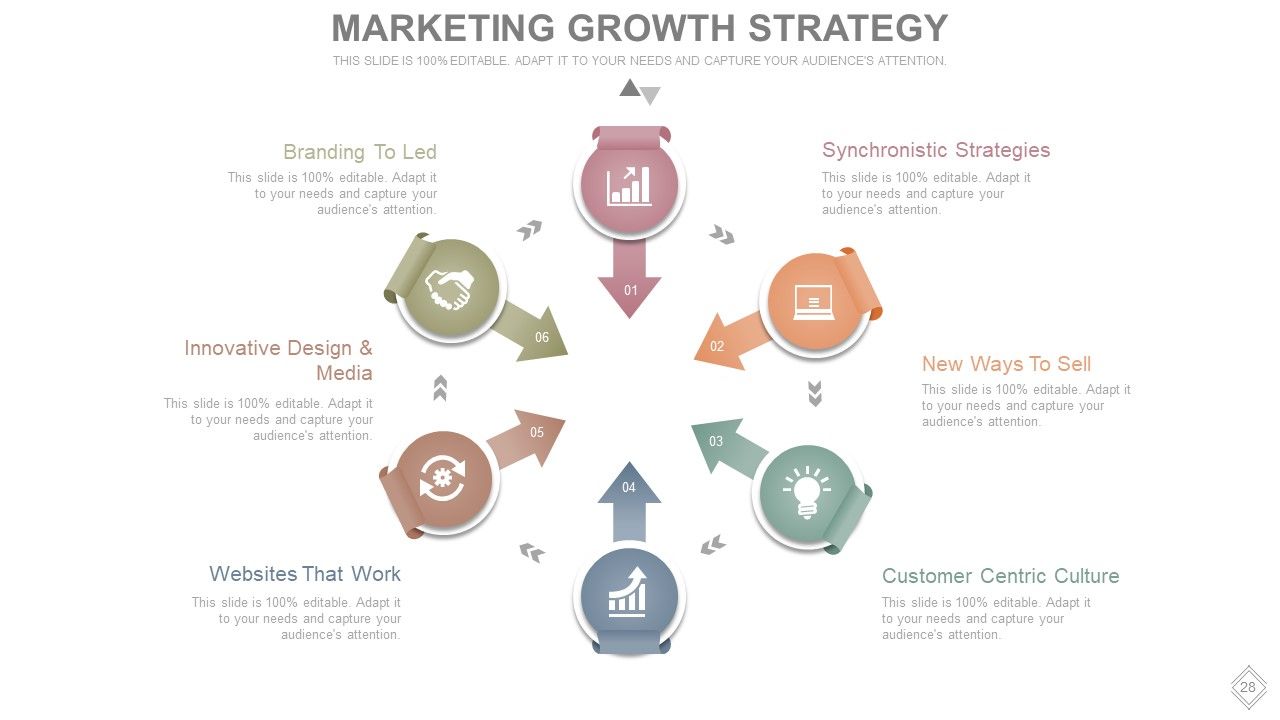
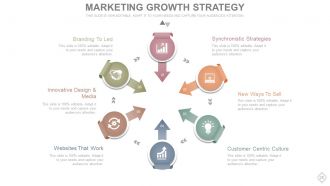
Slide 28: This slide showcases Marketing Growth Strategy displaying- Synchronistic Strategies, New Ways To Sell, Customer Centric Culture, Websites That Work, Innovative Design & Media, Branding To Led.
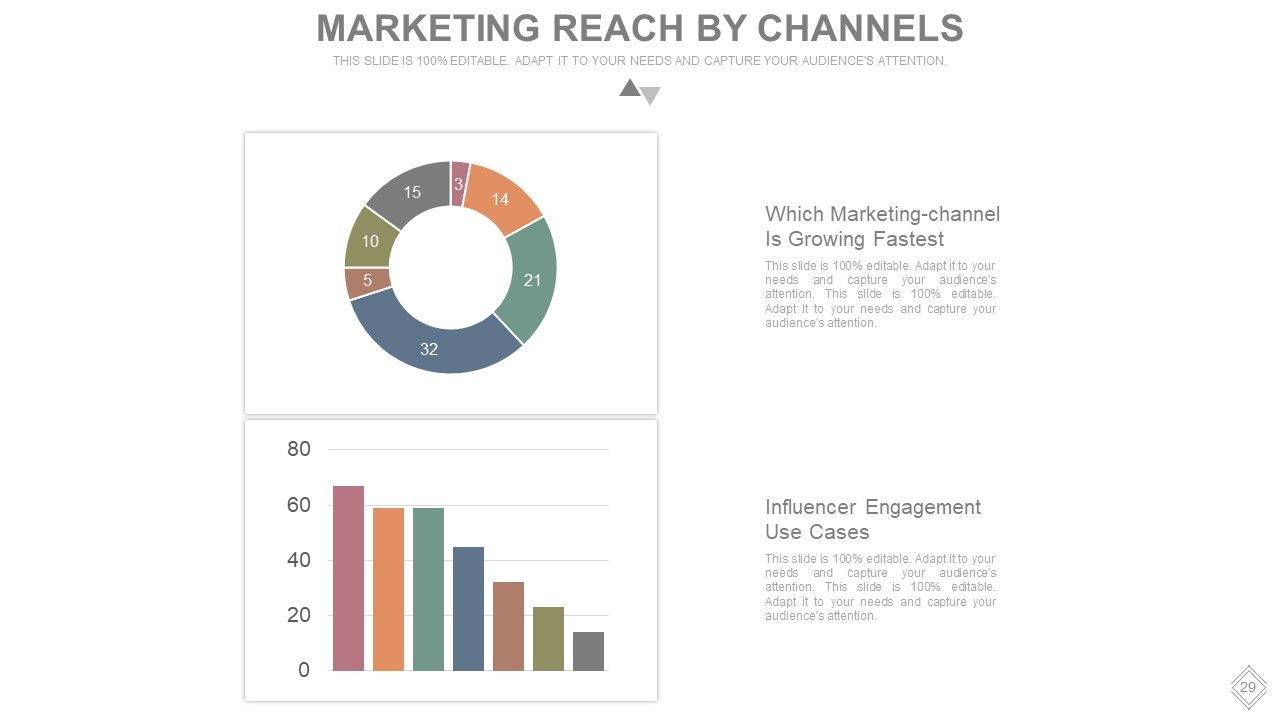
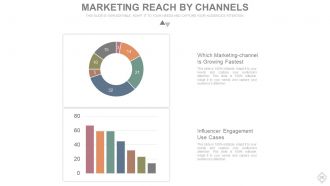
Slide 29: This slide presents Marketing Reach By Channels in graph and pie chart form.
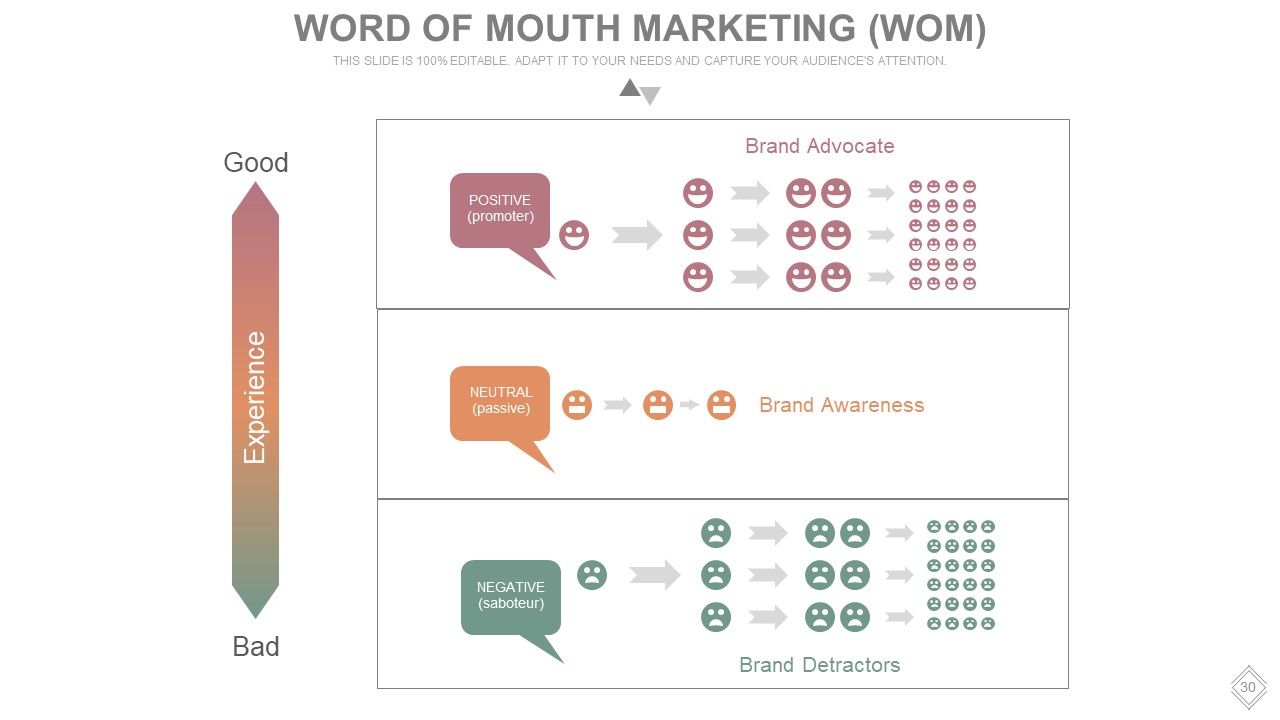
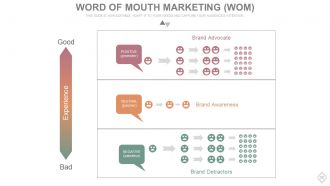
Slide 30: This slide presents Word Of Mouth Marketing factors.
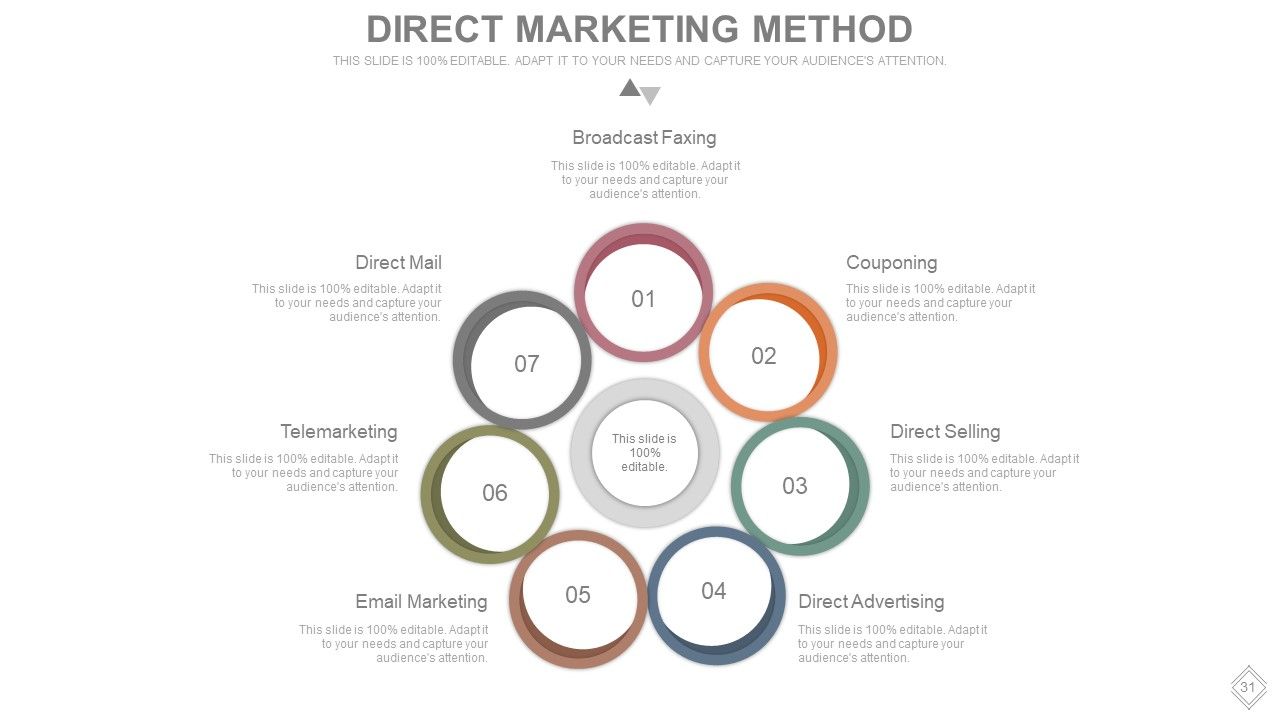
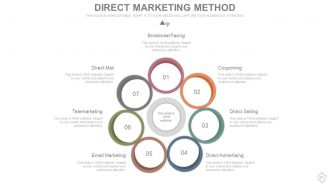
Slide 31: This slide shows Direct Marketing Method such as- Broadcast Faxing, Couponing, Direct Mail, Direct Selling, Telemarketing, Email Marketing, Direct Advertising.
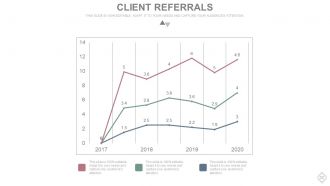
Slide 32: This slide presents Client Referrals in graph form.
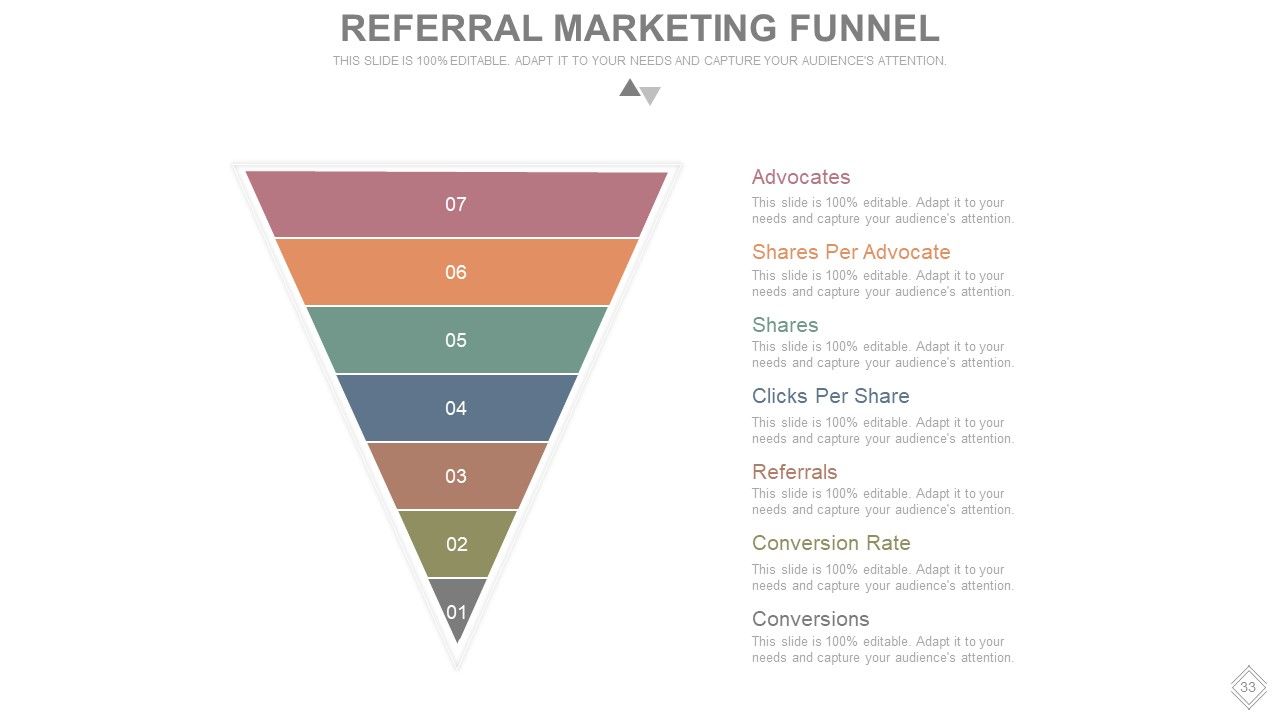
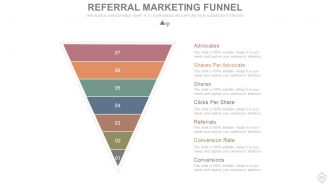
Slide 33: This slide showcases Referral Marketing Funnel displaying- Advocates, Shares Per Advocate, Shares, Clicks Per Share, Referrals, Conversion Rate, Conversions.
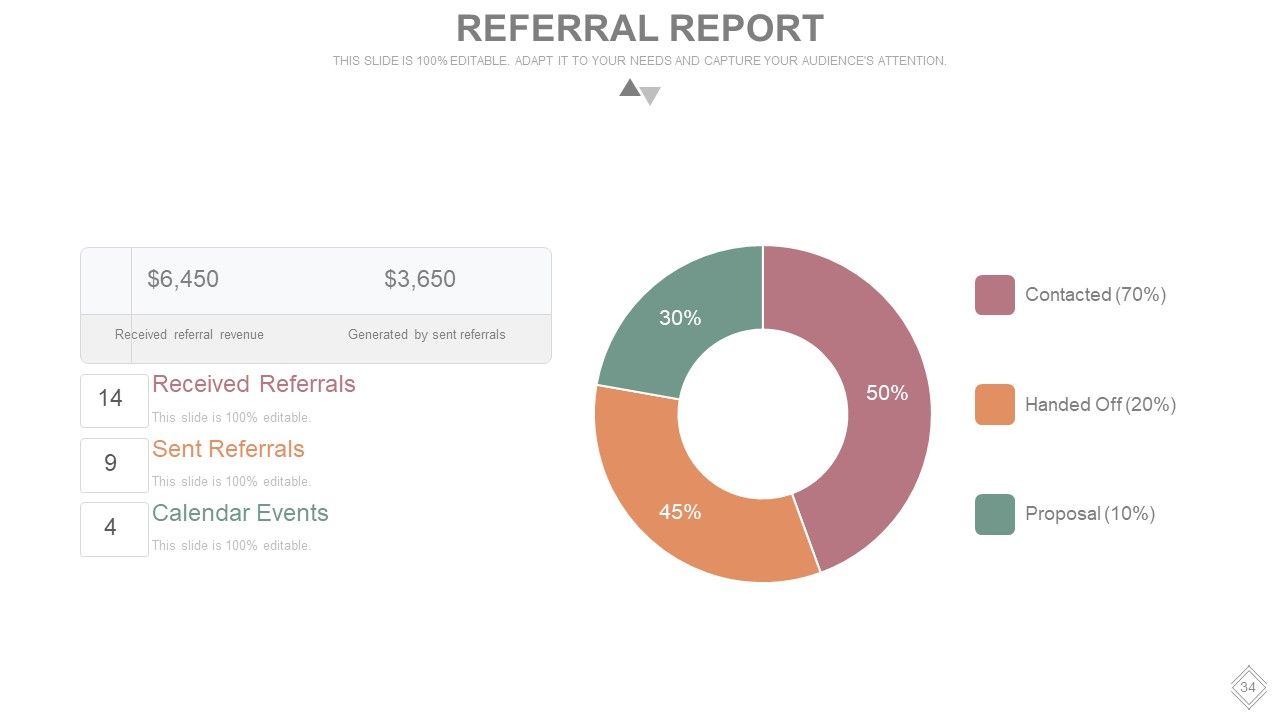
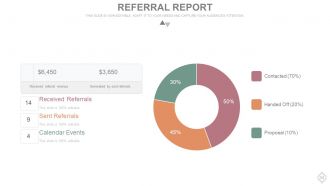
Slide 34: This slide showcases a Referral Report displaying- Received Referrals, Sent Referrals, Calendar Events, Received referral revenue, Generated by sent referrals, Contacted (70%), Proposal (10%), Handed Off (20%).
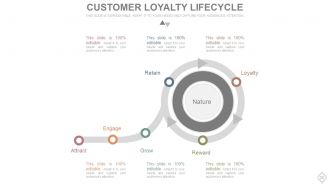
Slide 35: This slide showcases Customer Loyalty Lifecycle with the following subheadings- Nature, Retain, Attract, Engage, Grow, Loyalty, Reward.
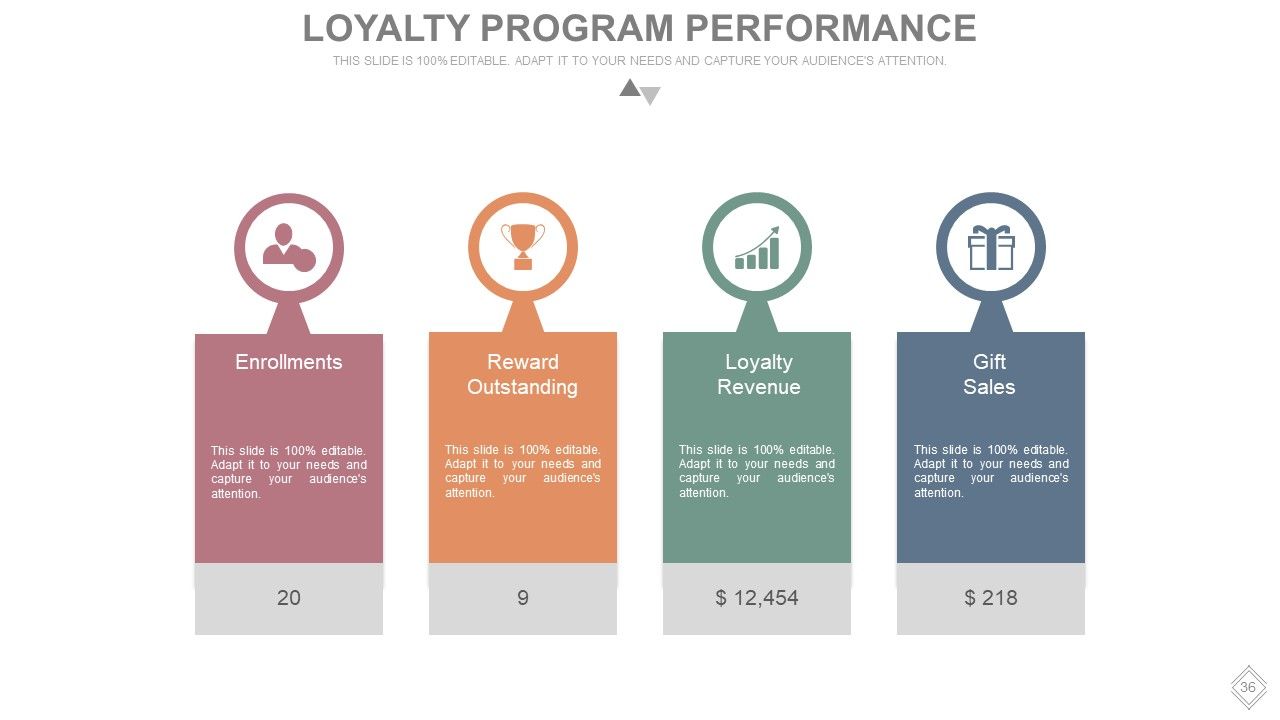
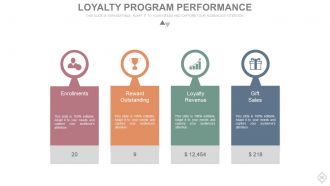
Slide 36: This slide showcases Loyalty Program Performance displaying- Enrollments, Reward Outstanding, Loyalty Revenue, Gift Sales.
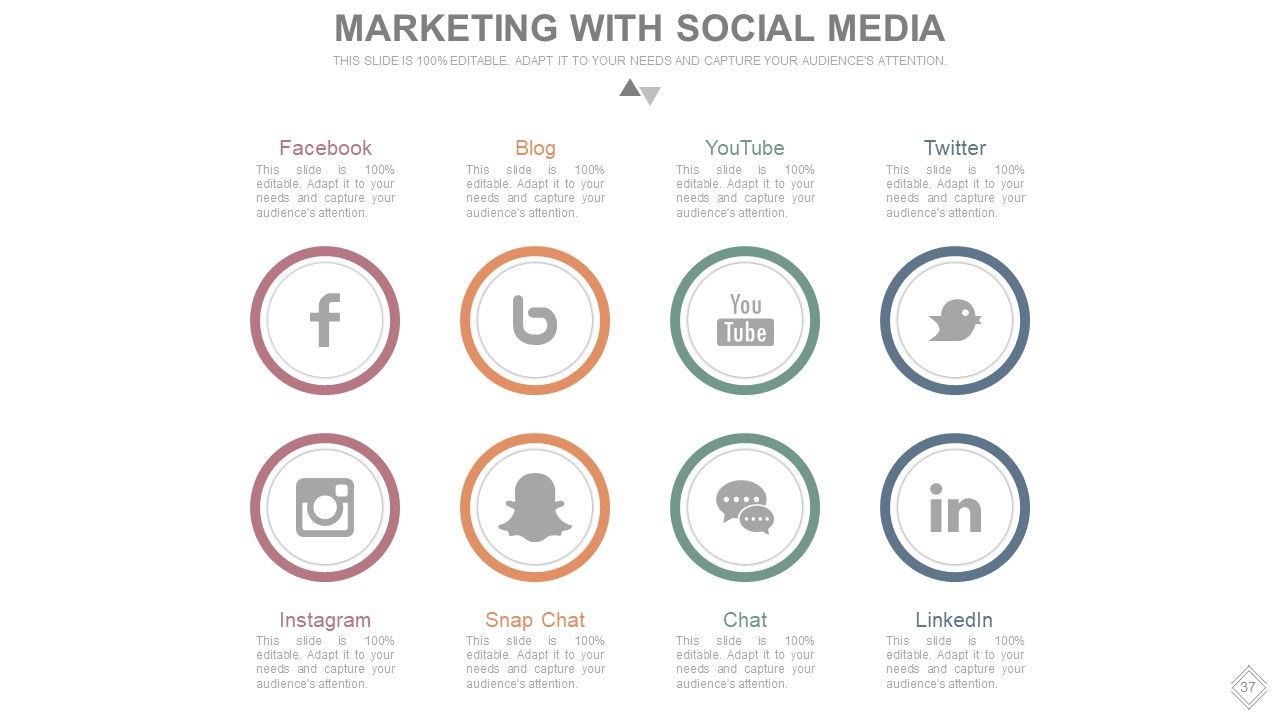
Slide 37: This slide presents Marketing With social Media. Present social media aspects/planning here.
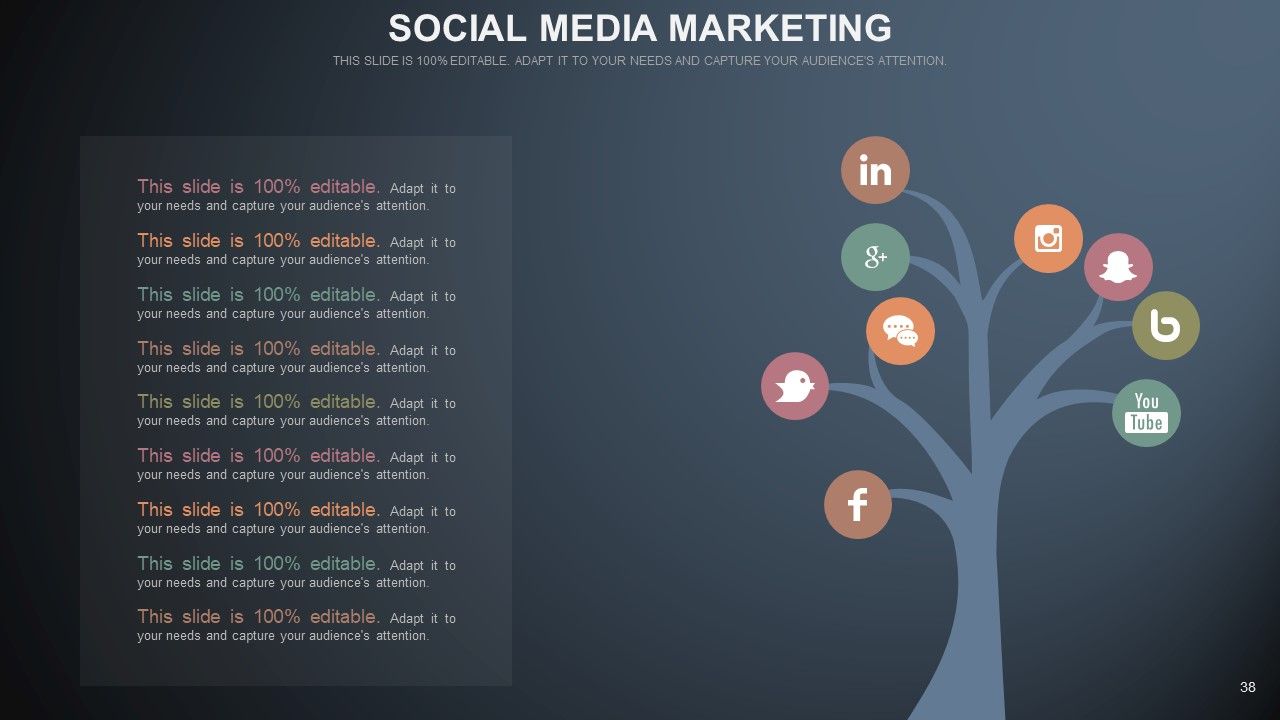
Slide 38: This slide showcases Social Media Marketing with a creative tree imagery.
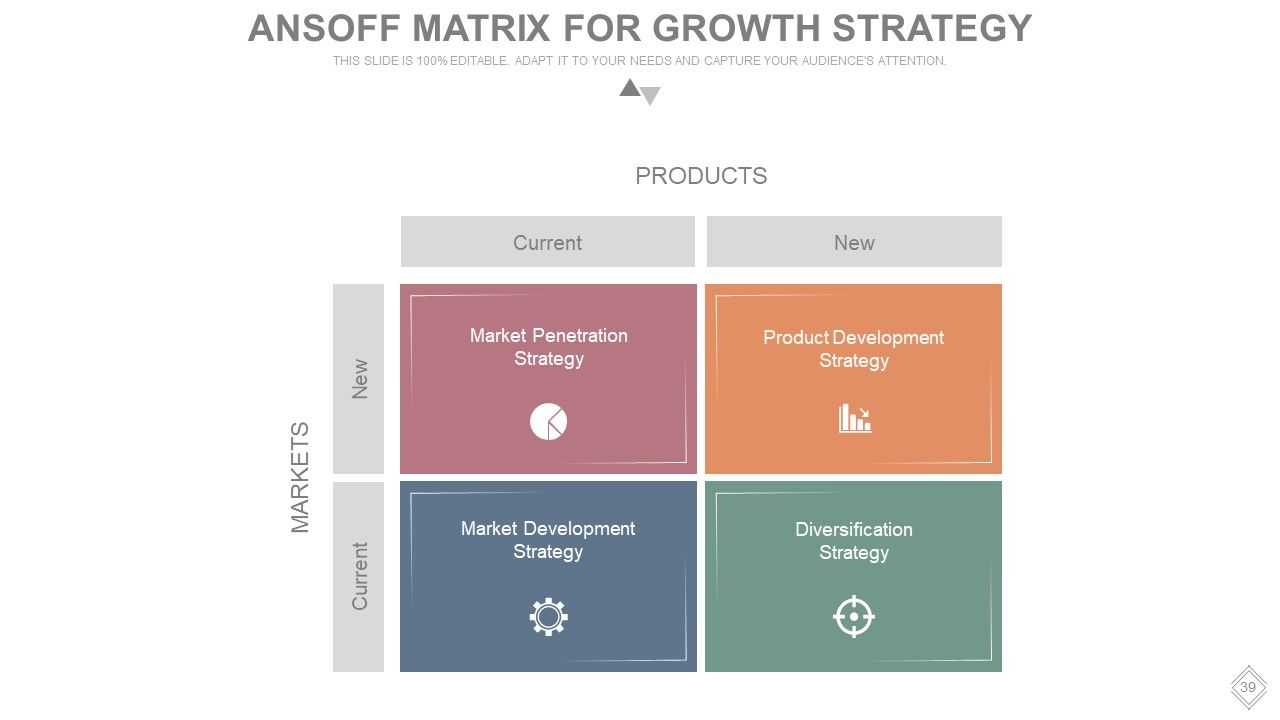
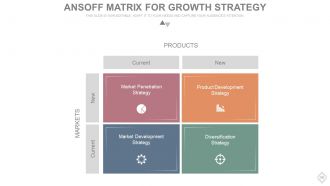
Slide 39: This slide displays an Ansoff Matrix For Growth Strategy.
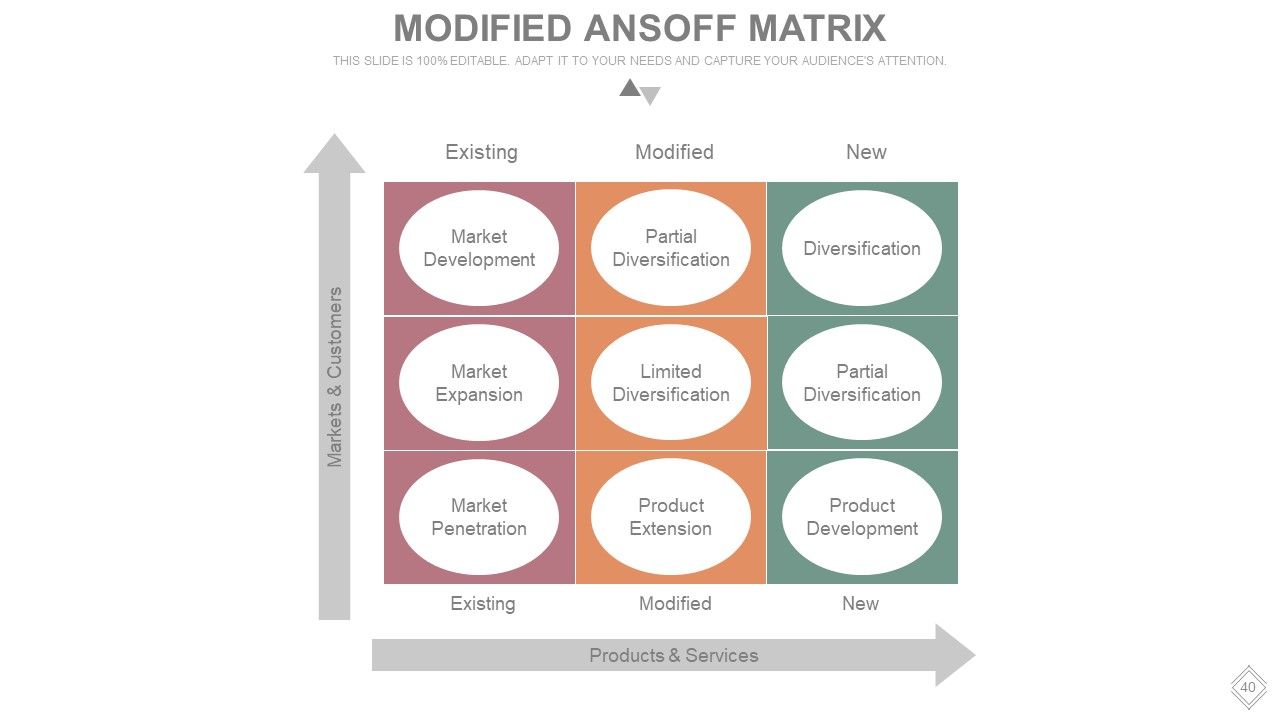
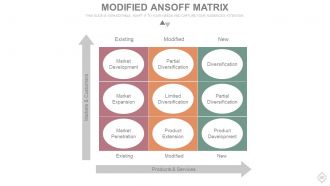
Slide 40: This is a Modified Ansoff Matrix slide displaying- Market Development, Partial Diversification, Diversification, Partial Diversification, Limited Diversification, Market Expansion, Market Penetration, Product Extension, Product Development, Markets & Customers, Products & Services.
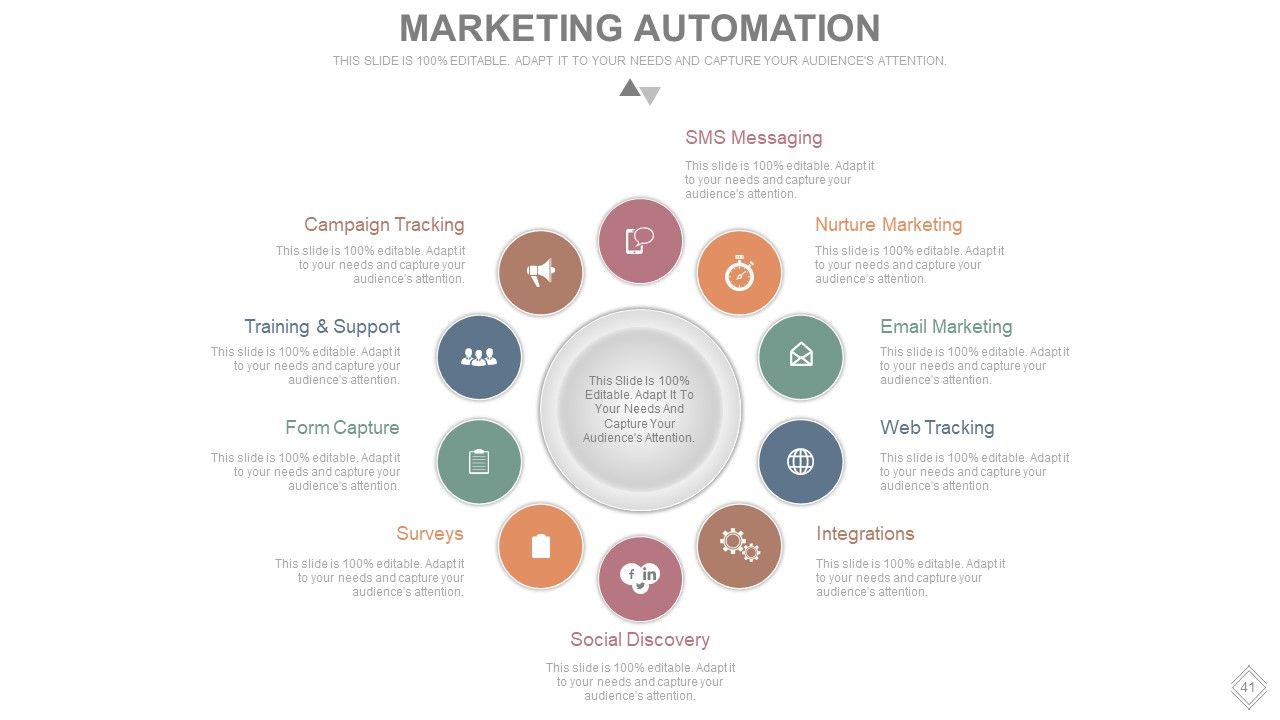
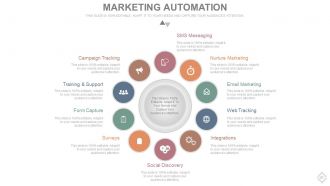
Slide 41: This slide presents Marketing Automation with the following subheadings- SMS Messaging, Social Discovery, Integrations, Surveys, Web Tracking, Form Capture, Email Marketing, Training & Support, Nurture Marketing, Campaign Tracking.
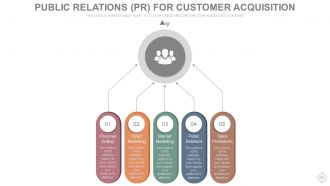
Slide 42: This slide showcases Public Relations (PR) For Customer Acquisition showing- Personal Selling, Direct Marketing, Internet Marketing, Public Relations, Sales Promotions.
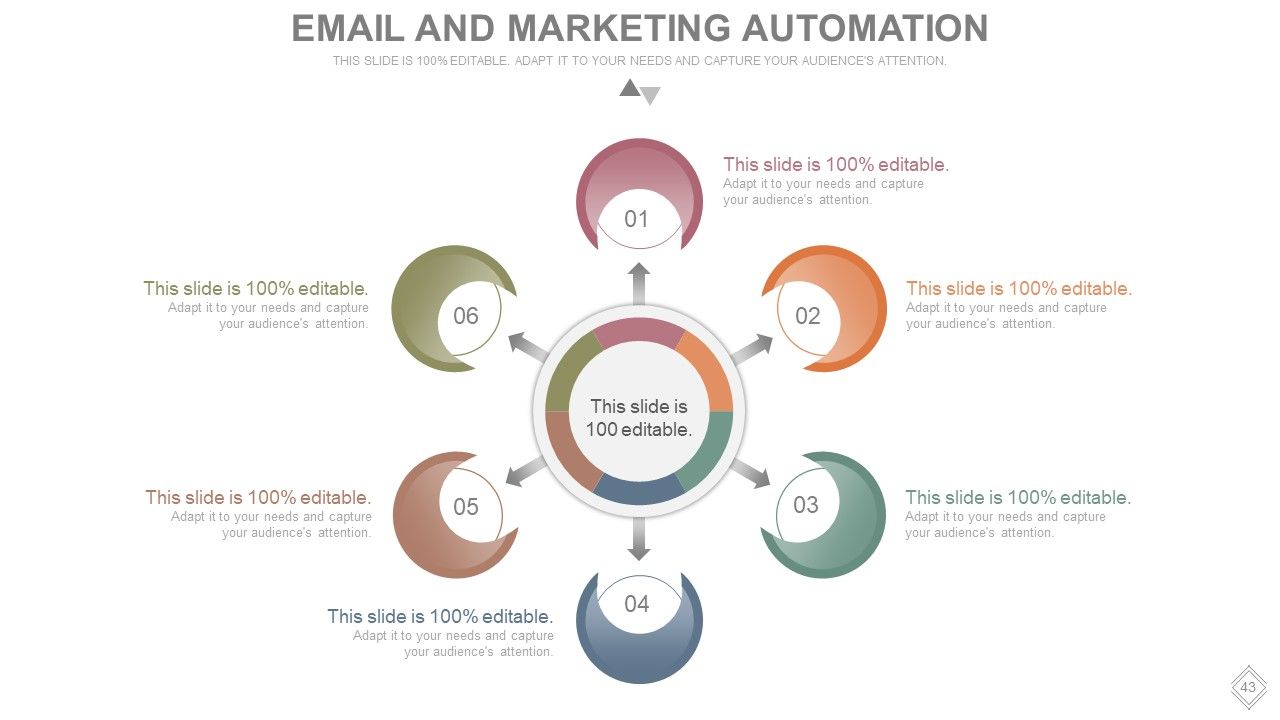
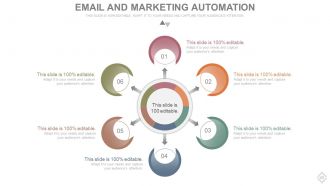
Slide 43: This is an Email and Marketing Automation slide. Present relative aspects here.
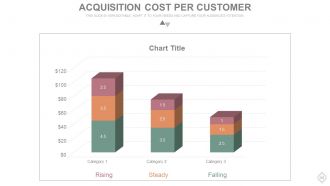
Slide 44: This slide shows Acquisition Cost Per Customer displaying- Rising Steady Falling as parameters.
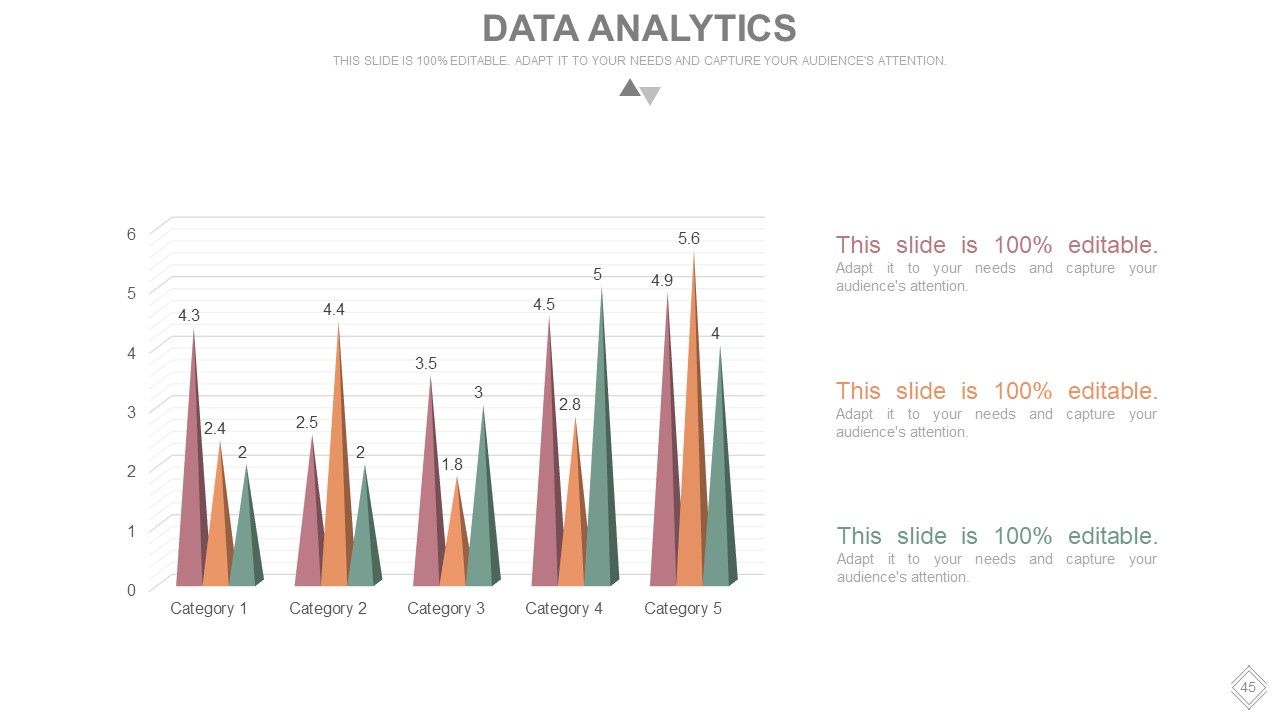
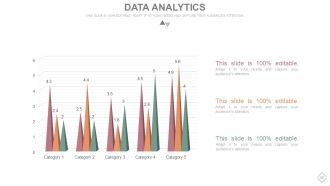
Slide 45: This slide presents Data Analytics in graph form.
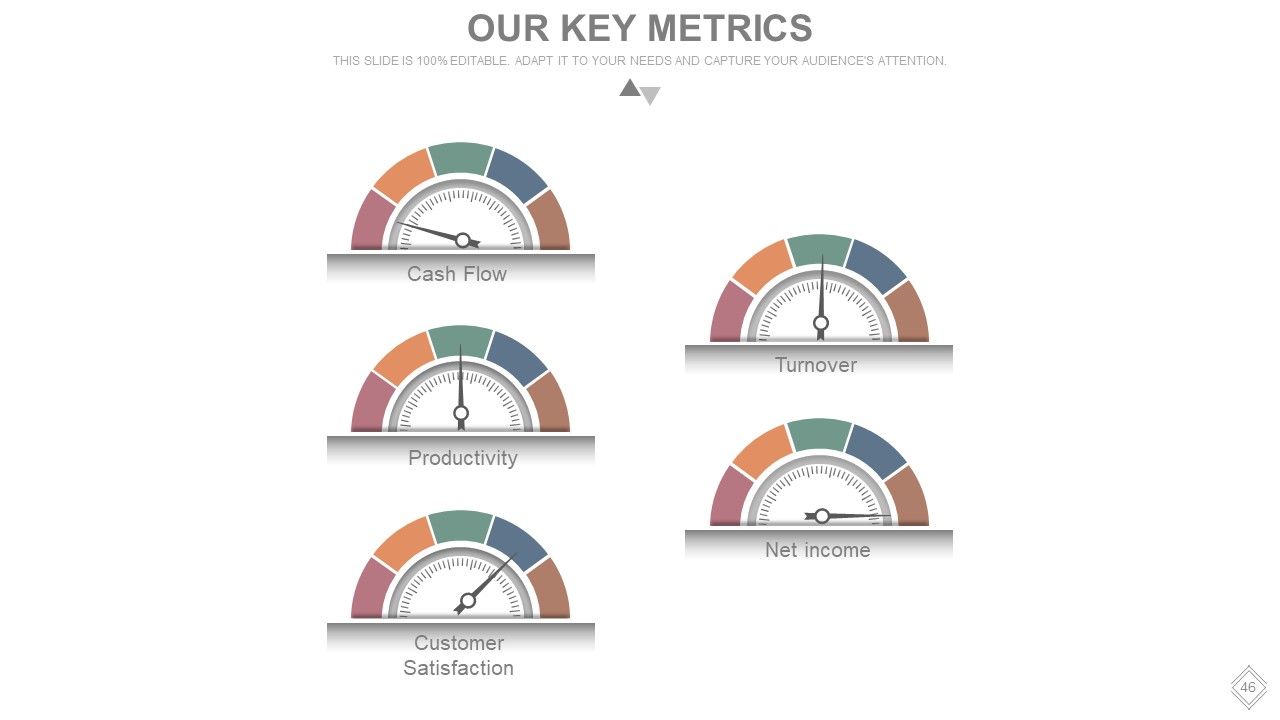
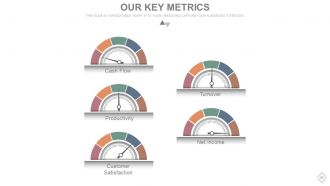
Slide 46: This slide shows Our Key Metrics displaying- Customer Satisfaction, Productivity, Net income, Cash Flow, Turnover.
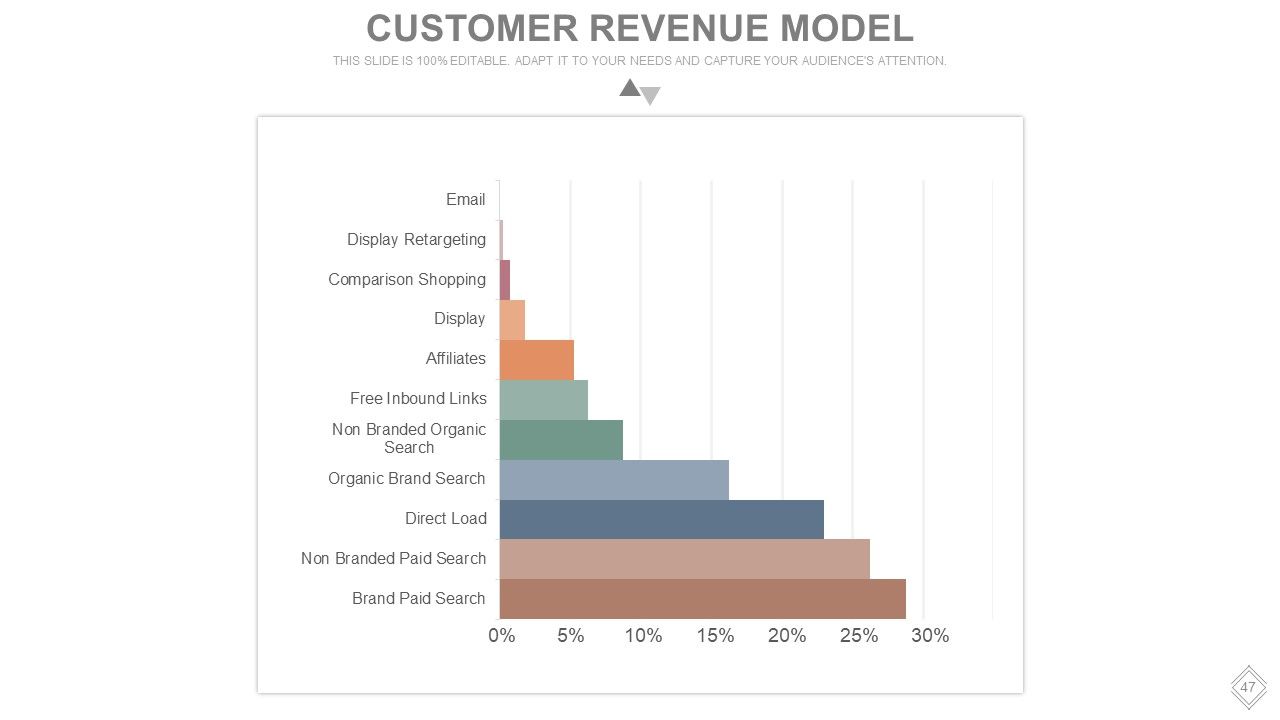
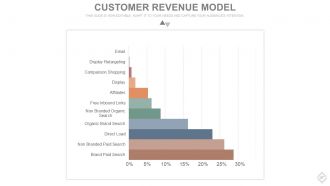
Slide 47: This slide presents Customer Revenue Model in graph form.
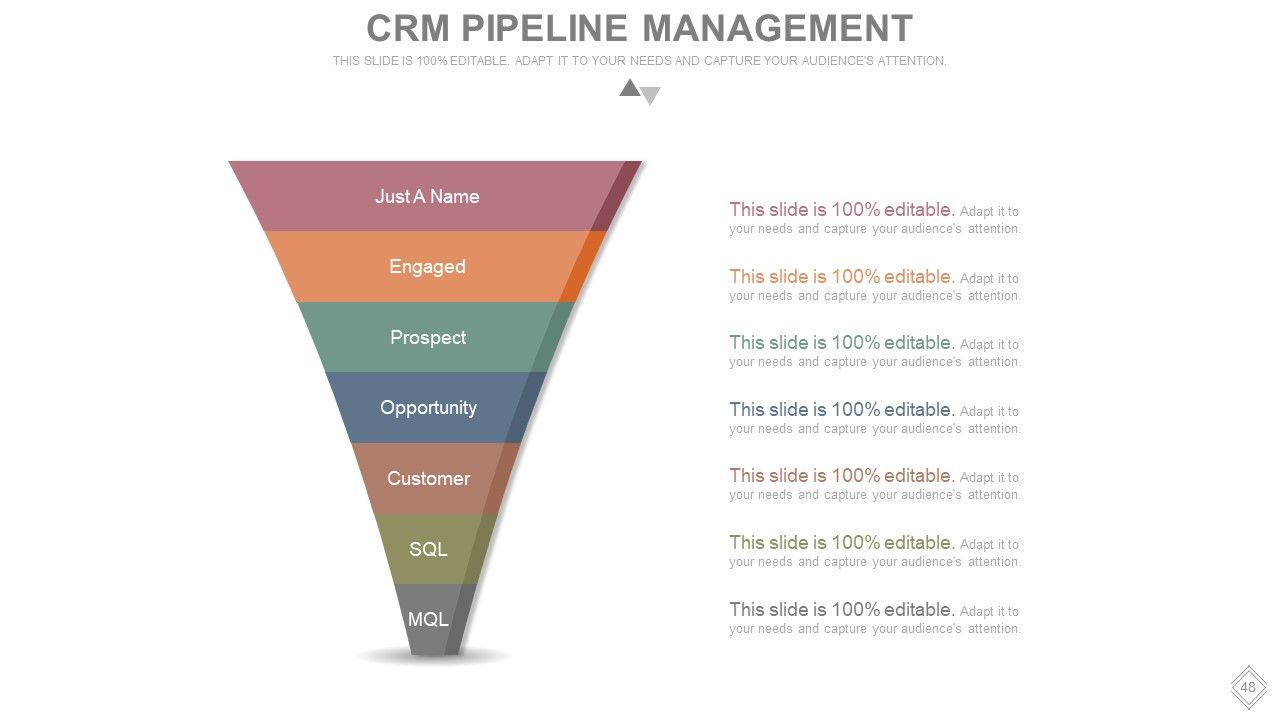
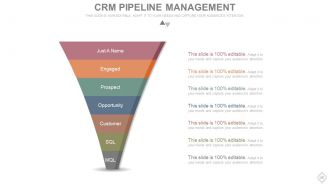
Slide 48: This slide presents CRM Pipeline Management showing- Customer, SQL, MQL, Engaged, Just A Name, Prospect, Opportunity.
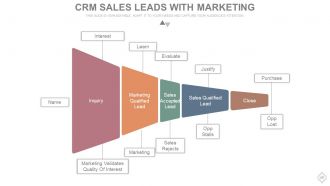
Slide 49: This slide showcases CRM Sales Leads With Marketing displaying- Inquiry, Marketing Qualified Lead, Sales Accepted Lead, Sales Qualified Lead, Close, Interest, Marketing Validates Quality Of Interest, Learn, Marketing, Evaluate, Sales Rejects, Justify, Opp Stalls, Purchase, Opp Lost, Name.
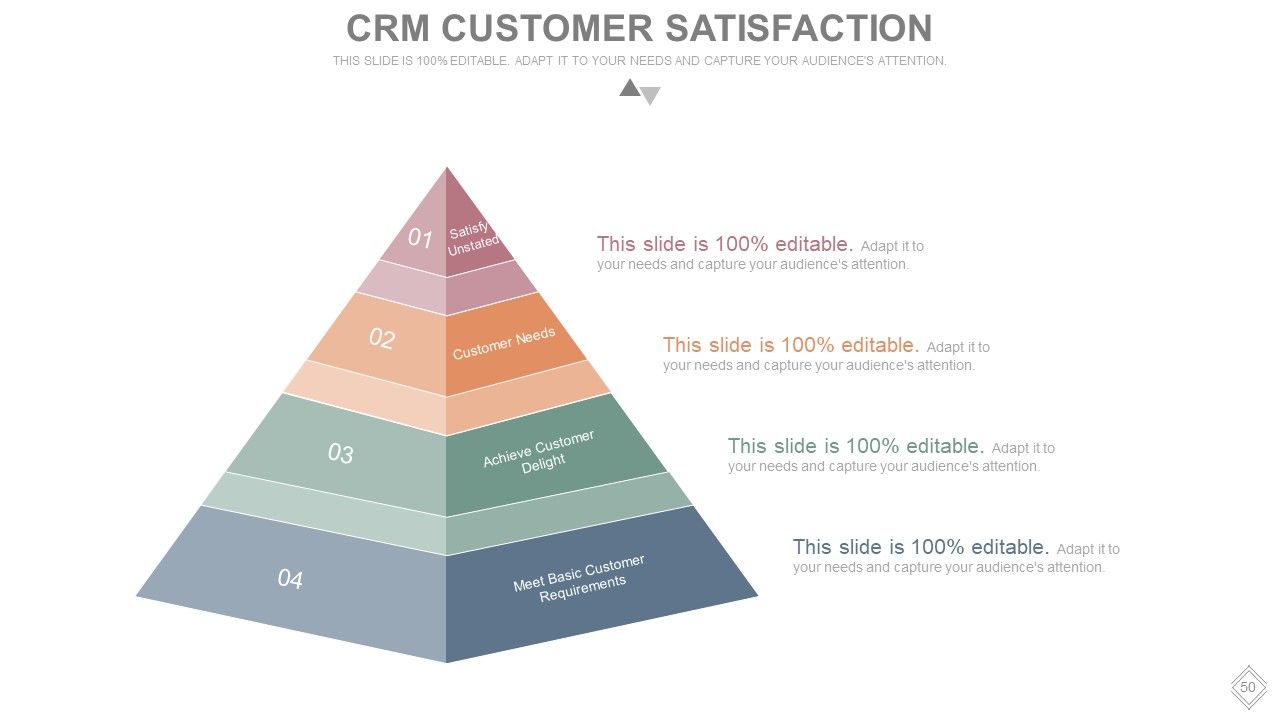
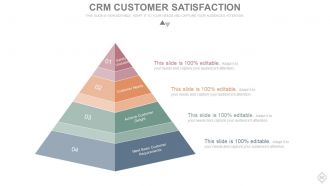
Slide 50: This slide presents CRM Customer Satisfaction in pyramid form displaying- Customer Needs, Achieve Customer Delight, Meet Basic Customer Requirements.
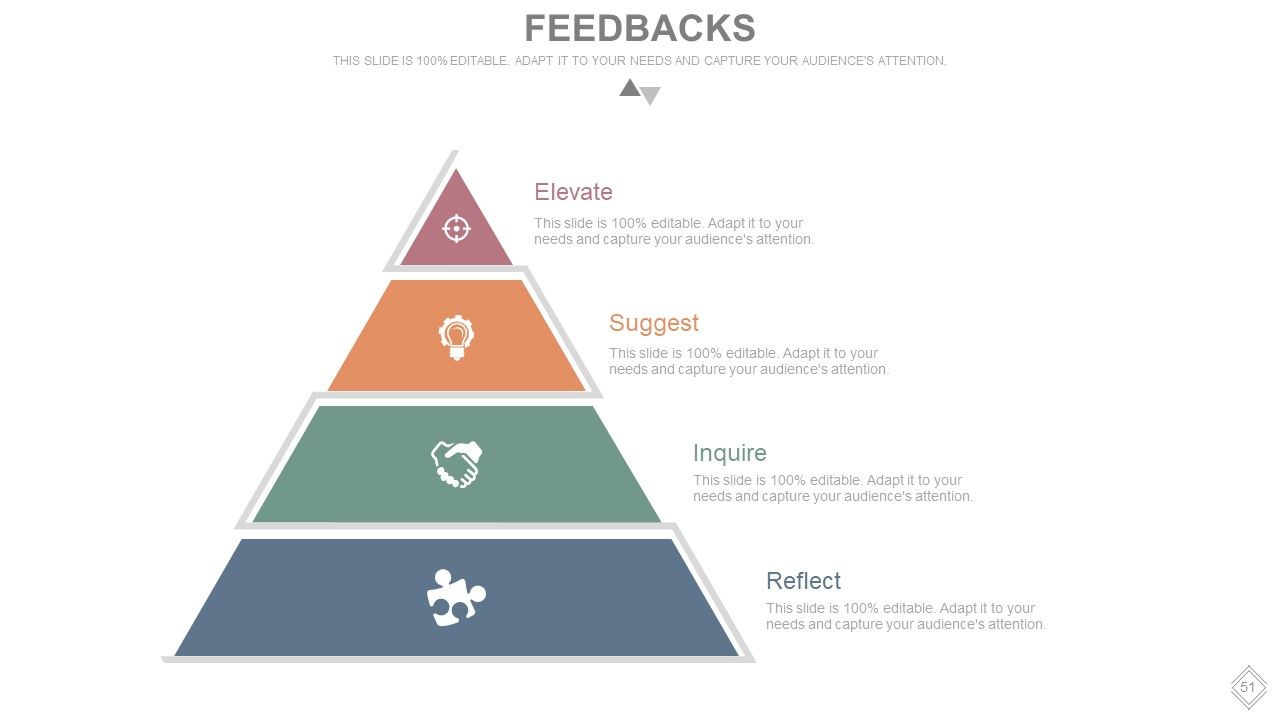
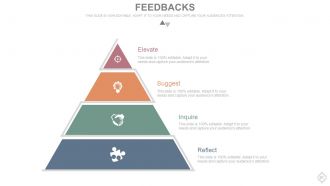
Slide 51: This slide showcases FEEDBACKS with- Elevate, Suggest, Inquire, Reflect.
Slide 52: This slide is titled Additional Slides to move forward. You can change/alter the slide content as per need.
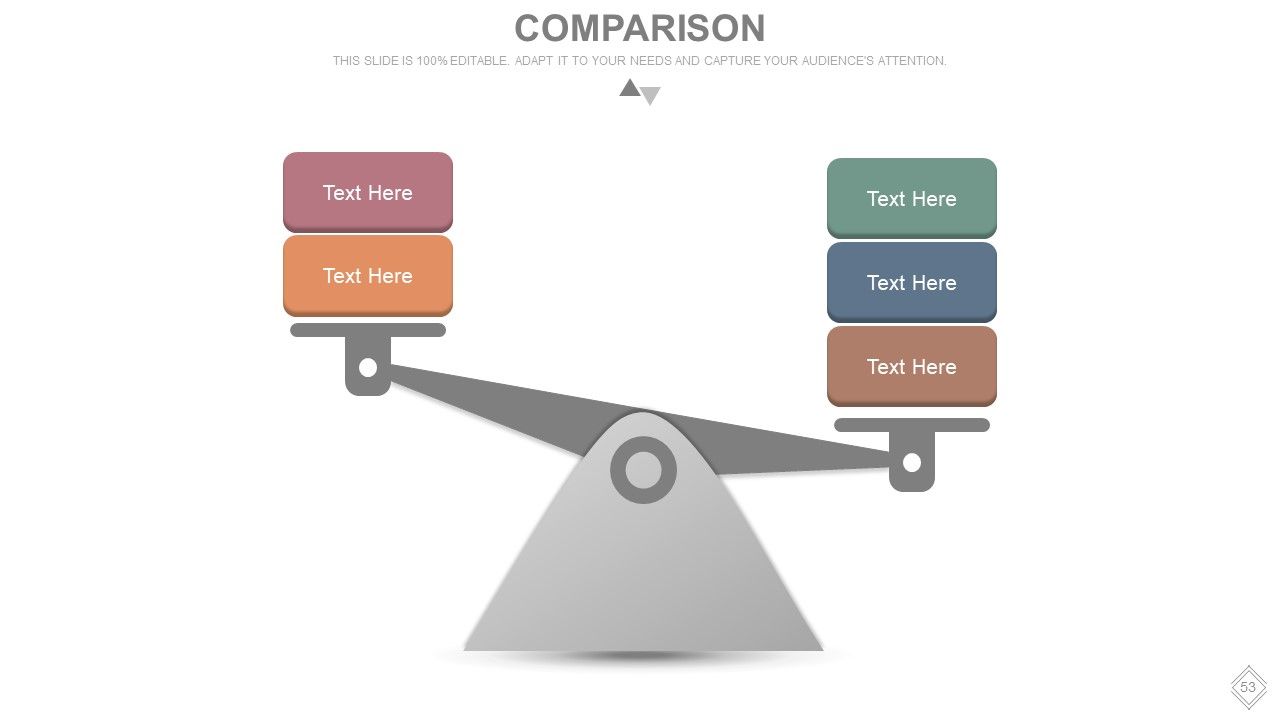
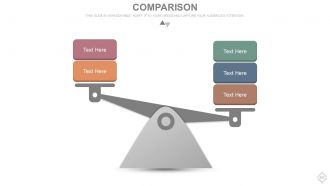
Slide 53: This slide showcases Comparison of two entities in a creative scale form.
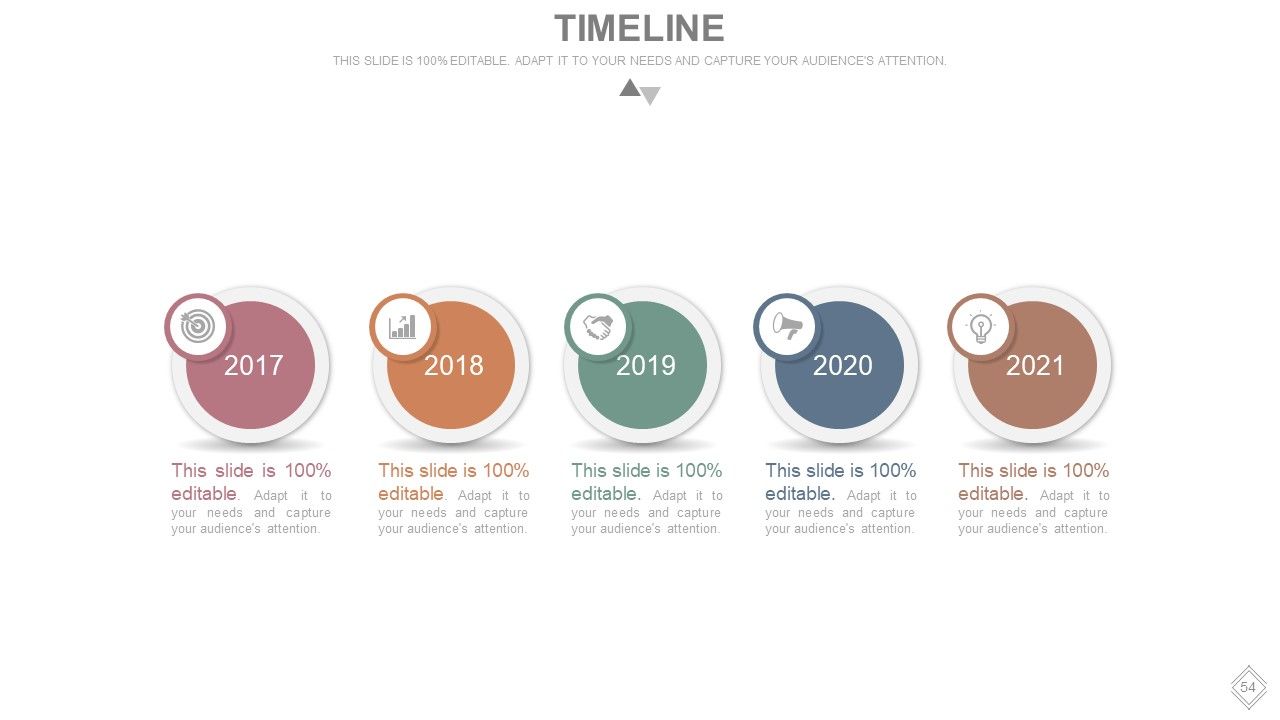
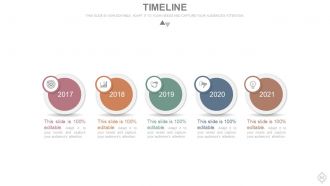
Slide 54: This is a Timeline slide to show company growth, journey, milestones etc.
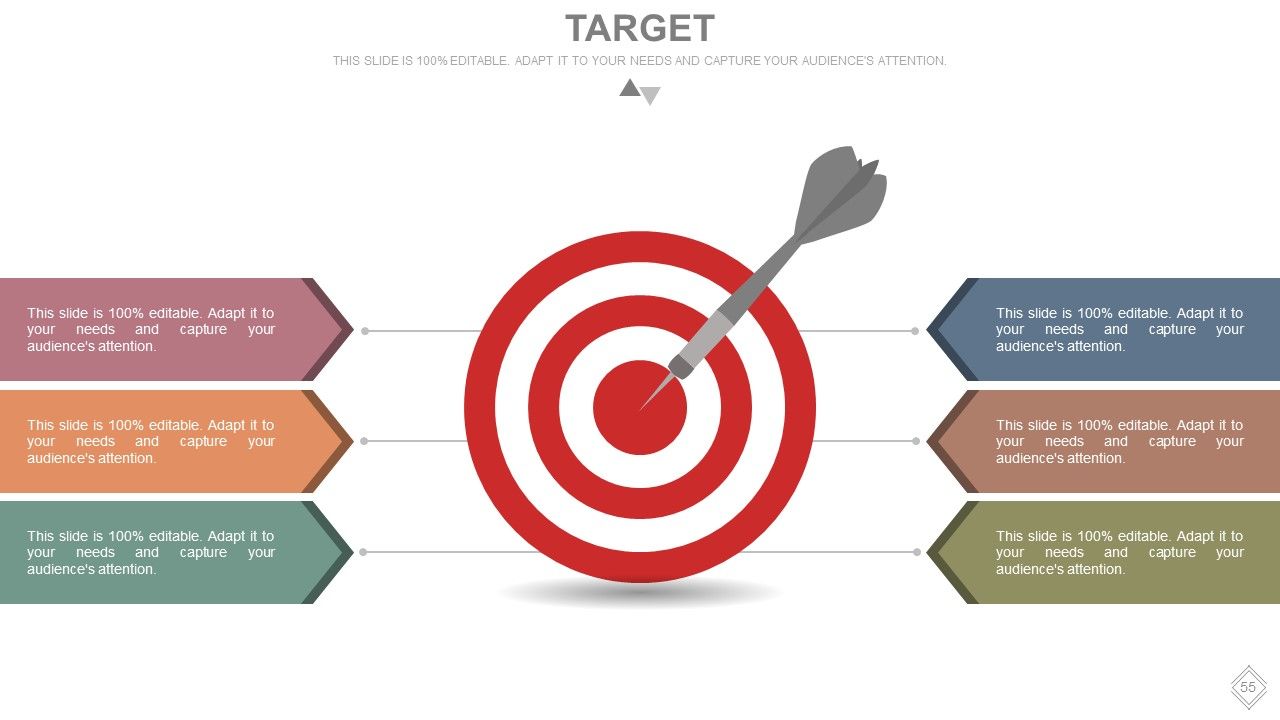
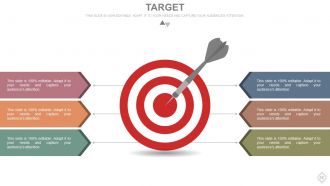
Slide 55: This is a Target slide. State targets, goals etc. here.
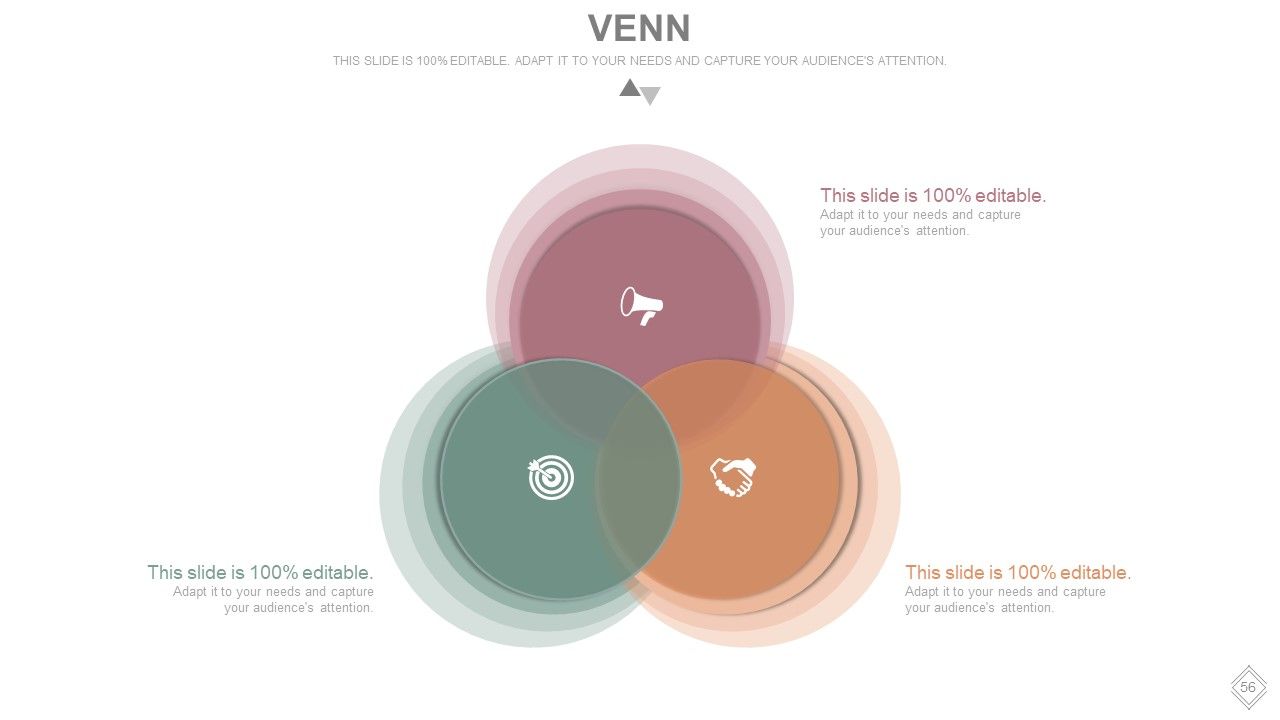
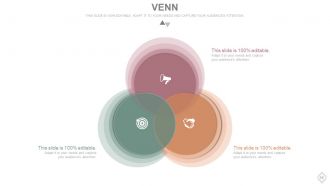
Slide 56: This is a Venn diagram image slide to present information, specifications etc.
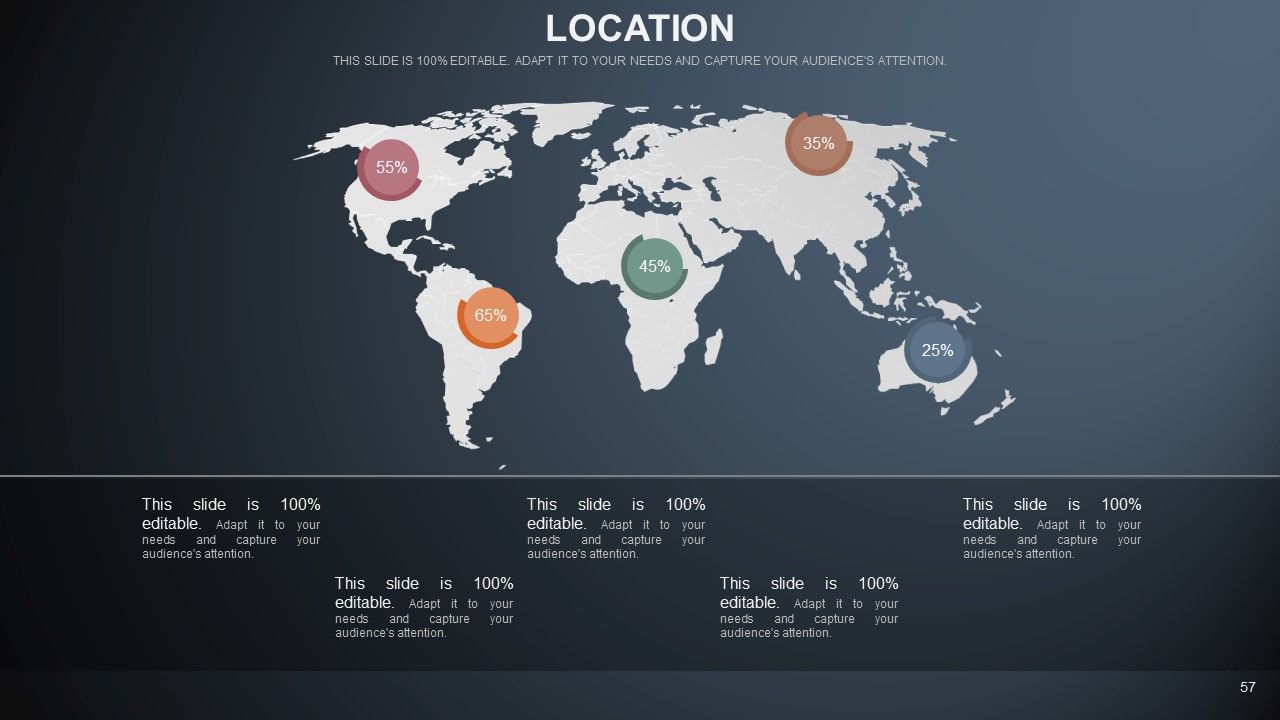
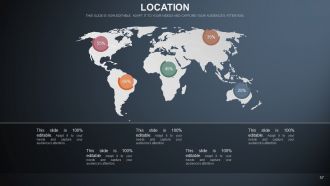
Slide 57: This is a Location slide of world map image to show global growth, presence etc.
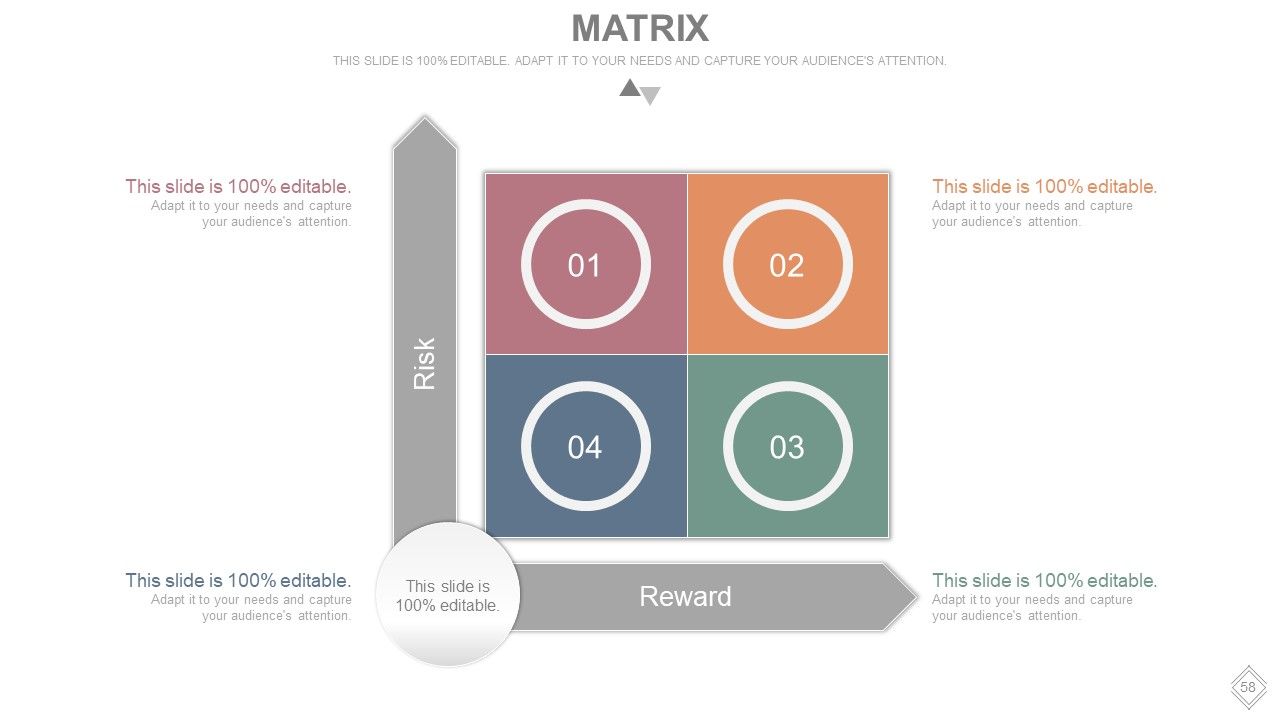
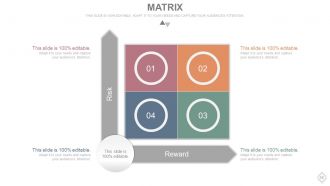
Slide 58: This is a Matrix slide to show segmentation, information, specifications etc.
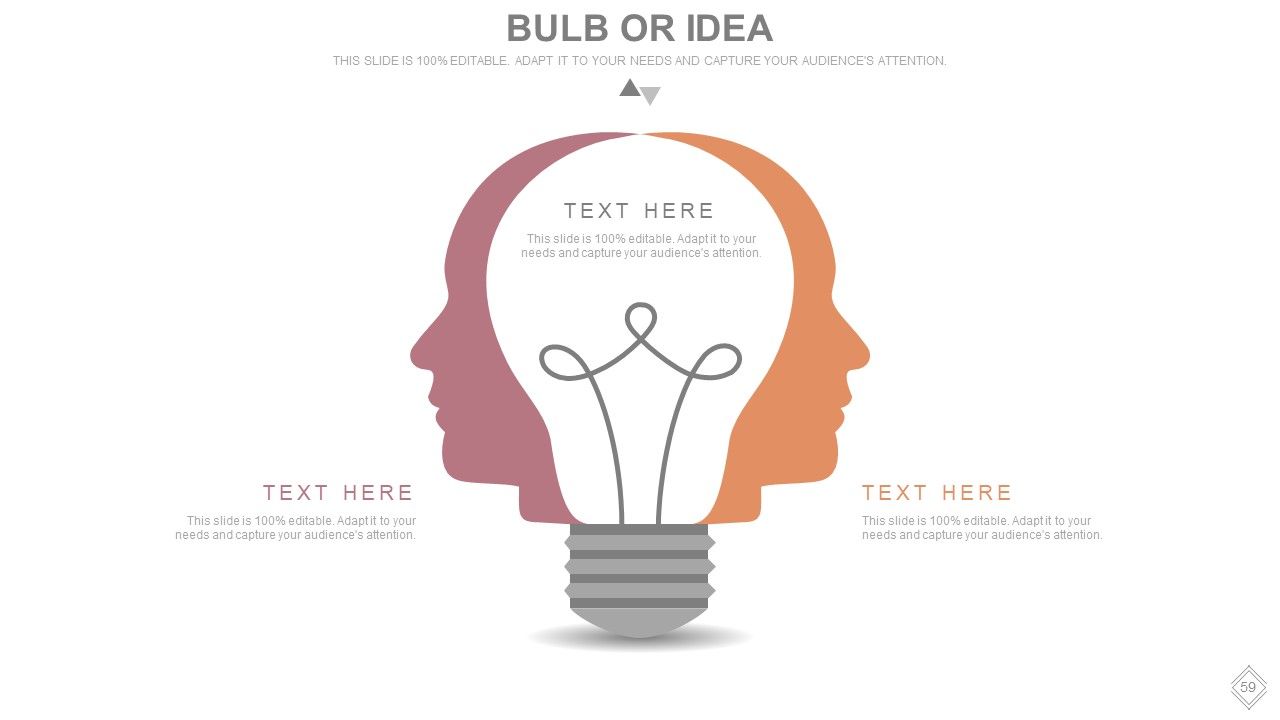
Slide 59: This is a Bulb or Idea slide to showcase innovative aspects, informative ideas etc.
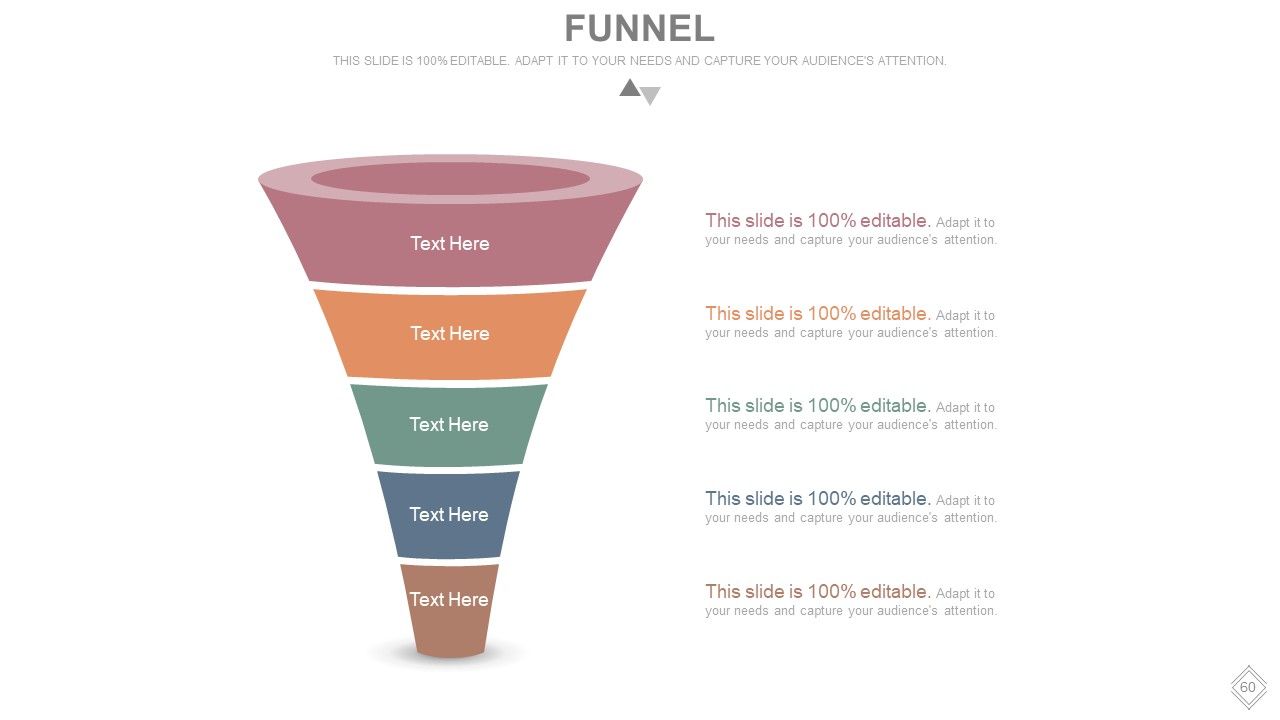
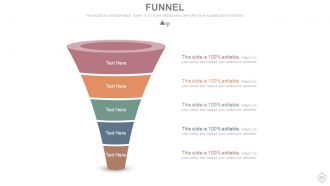
Slide 60: This is a Funnel image slide to show information, specifications etc. in funneling form.
Slide 61: This is a Thank You slide with Address# street number, city, state, Contact Numbers, Email Address.
Customer acquisition process steps powerpoint presentation slides go to market with all 61 slides:
Good ideas go hand in hand with our Customer Acquisition Process Steps Complete Powerpoint Deck With Slides. They create a formidable team.
-
Content of slide is easy to understand and edit.
-
Really like the color and design of the presentation.
