Customer complaint management process powerpoint presentation slides
Try Before you Buy Download Free Sample Product
Audience
Editable
of Time
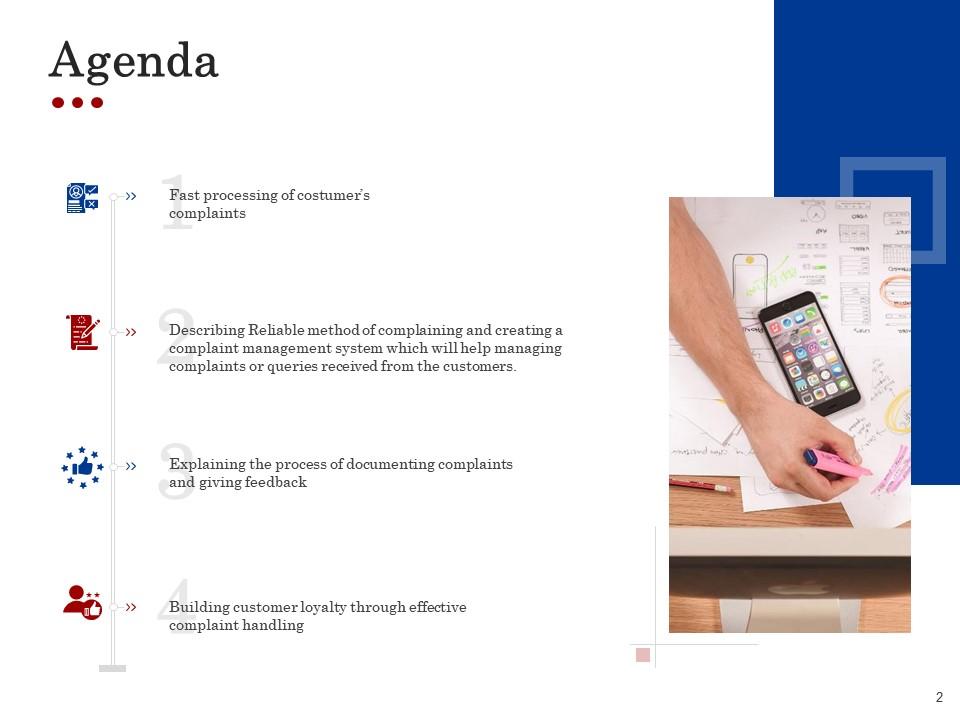
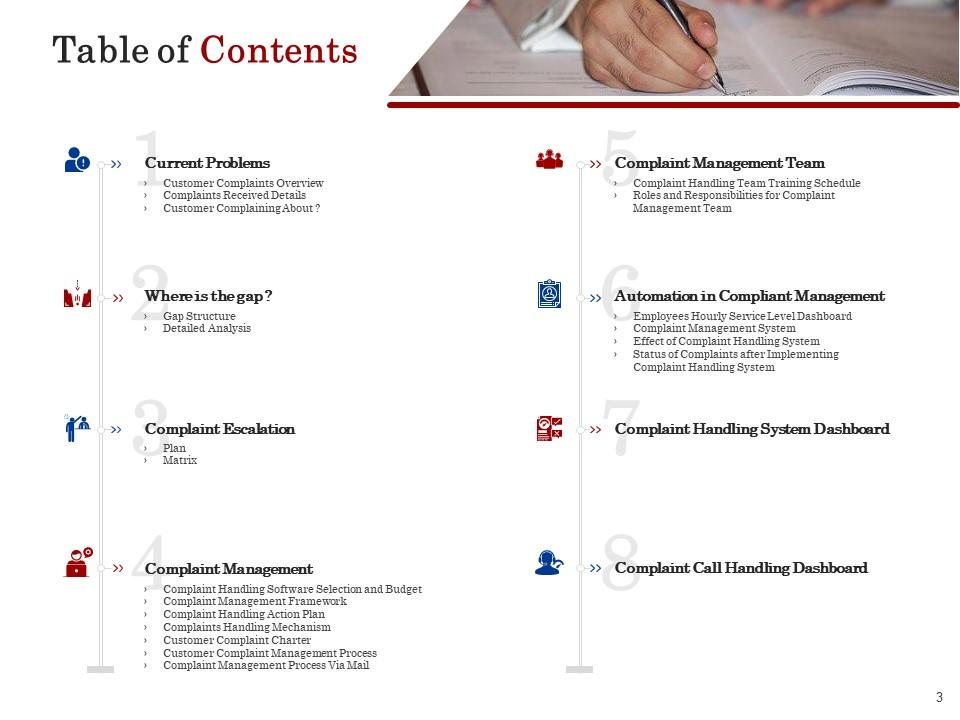
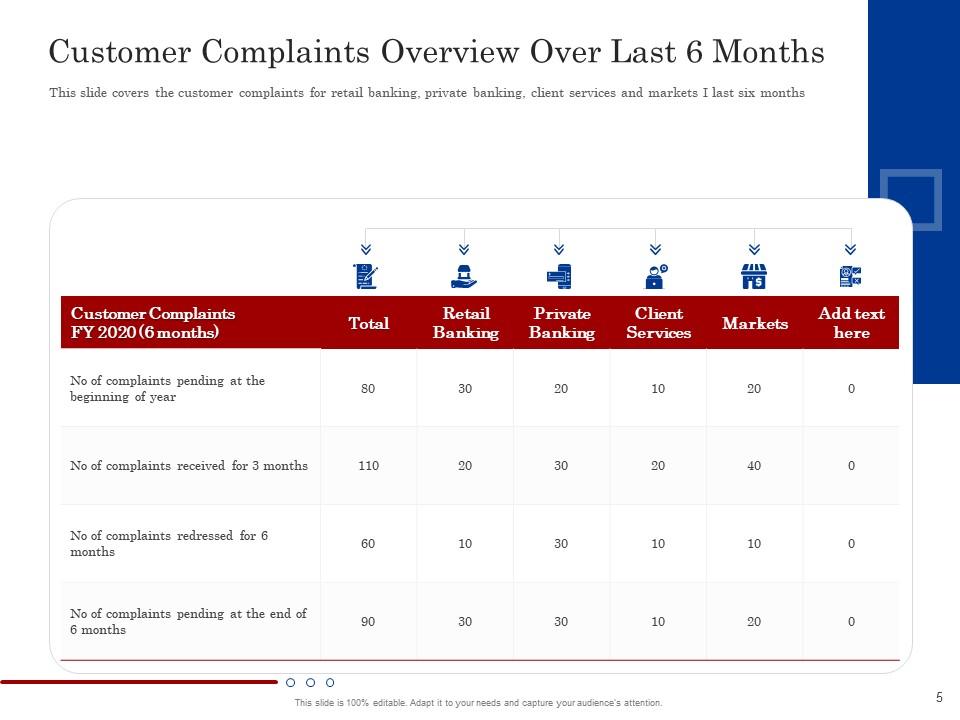
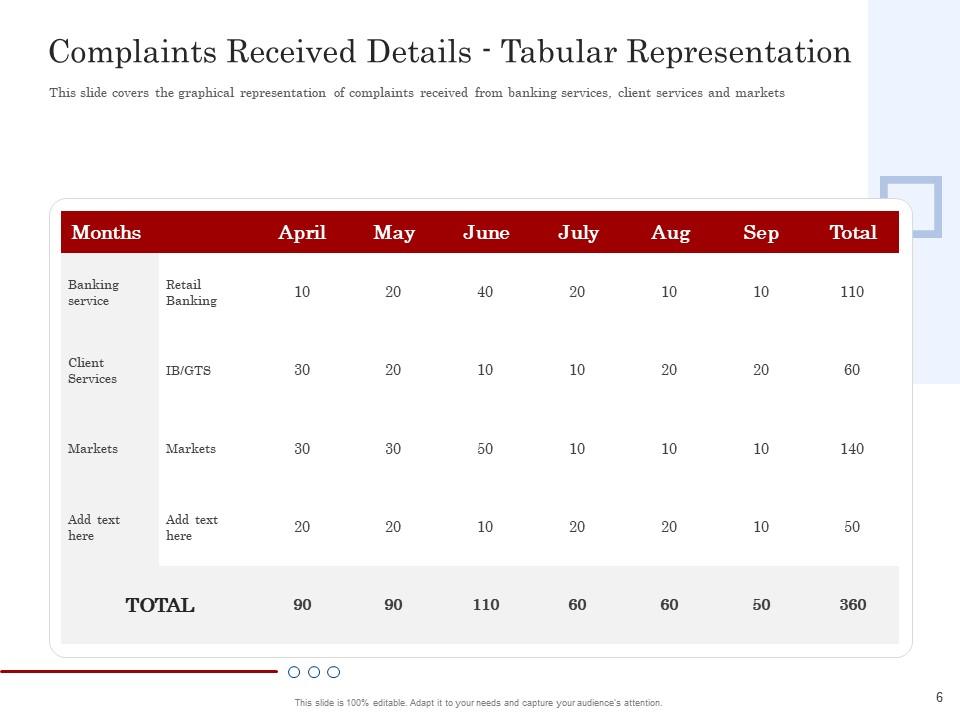
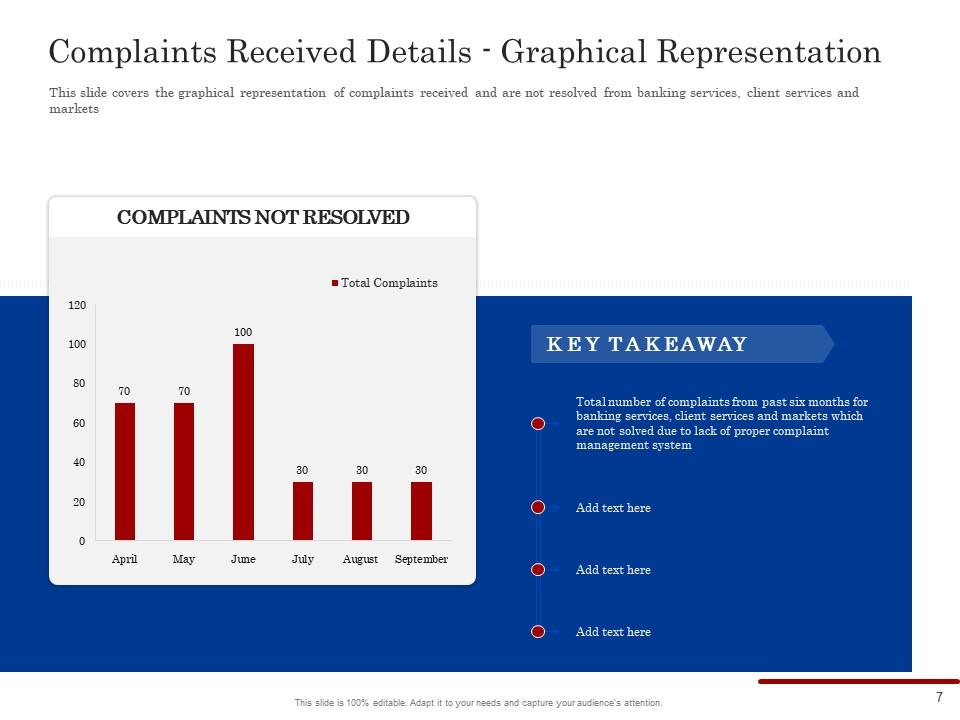
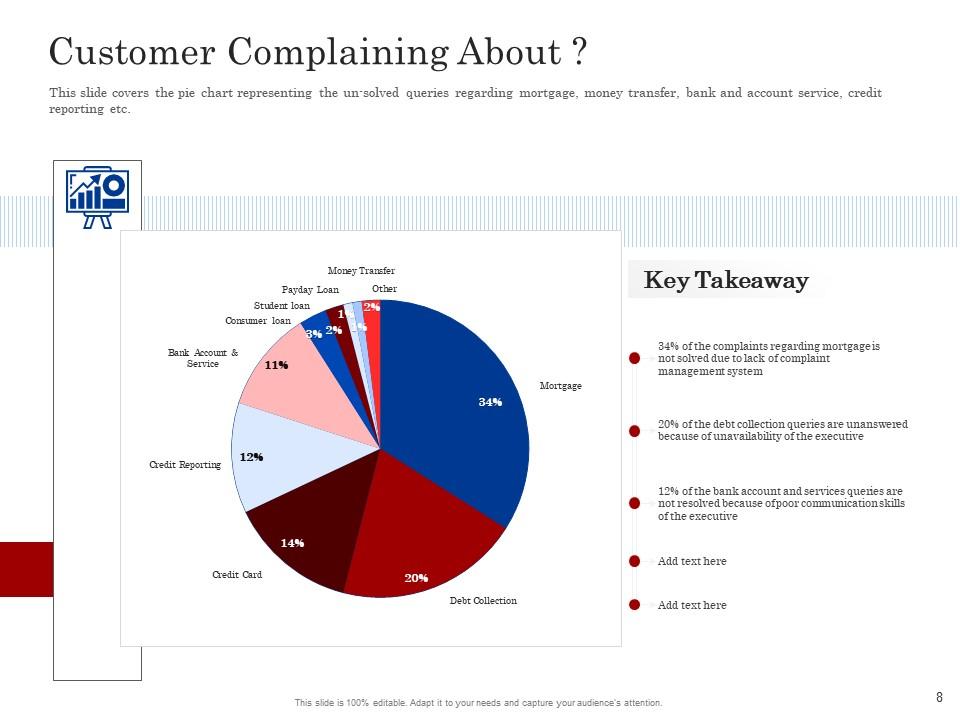
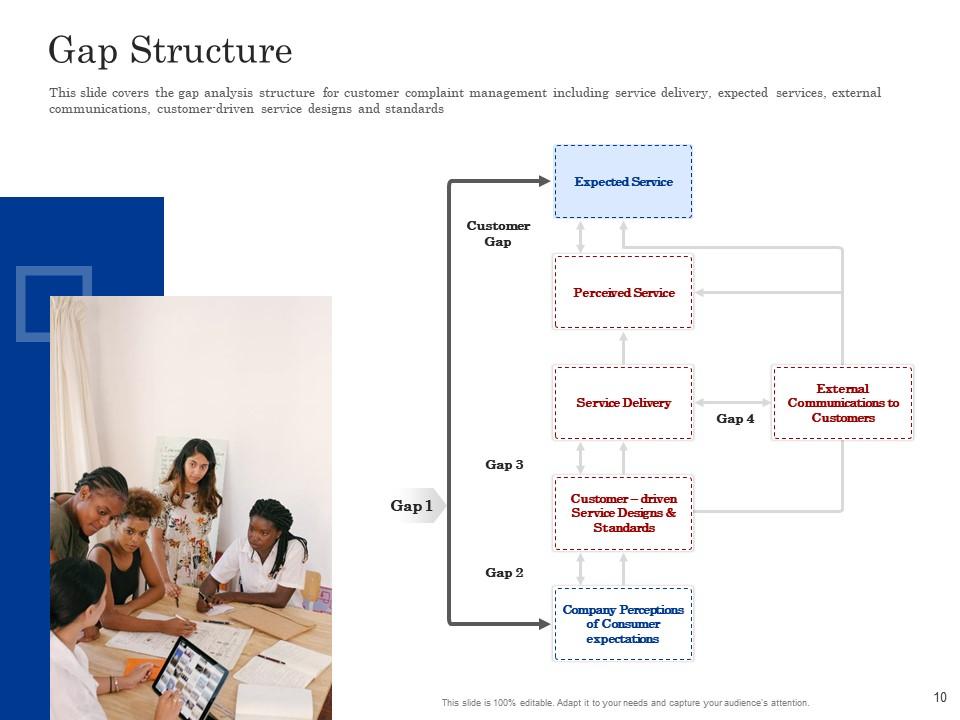
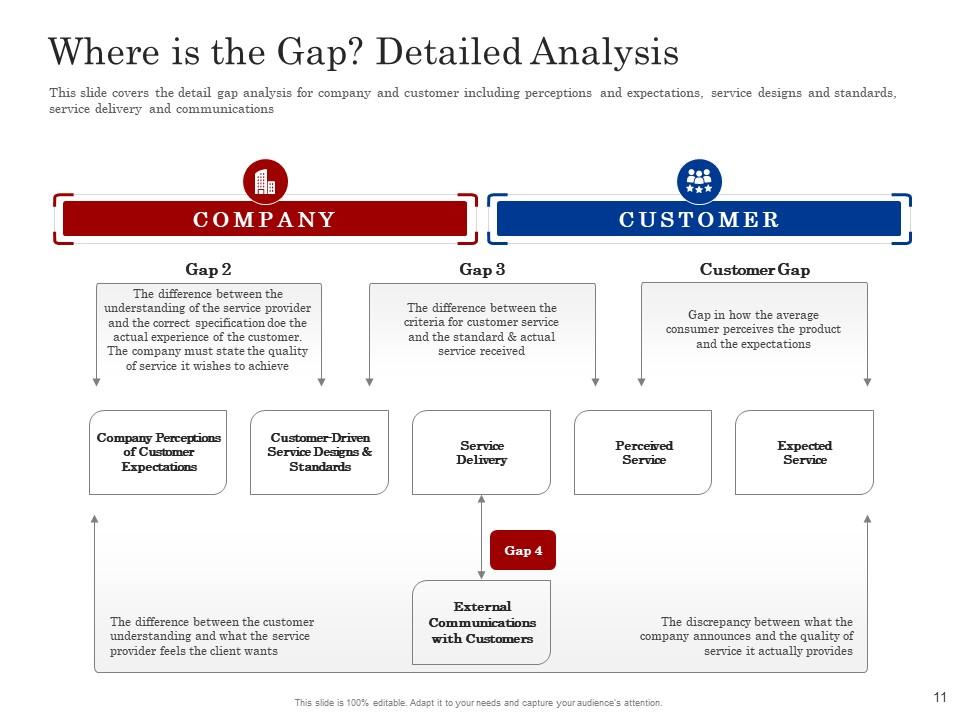
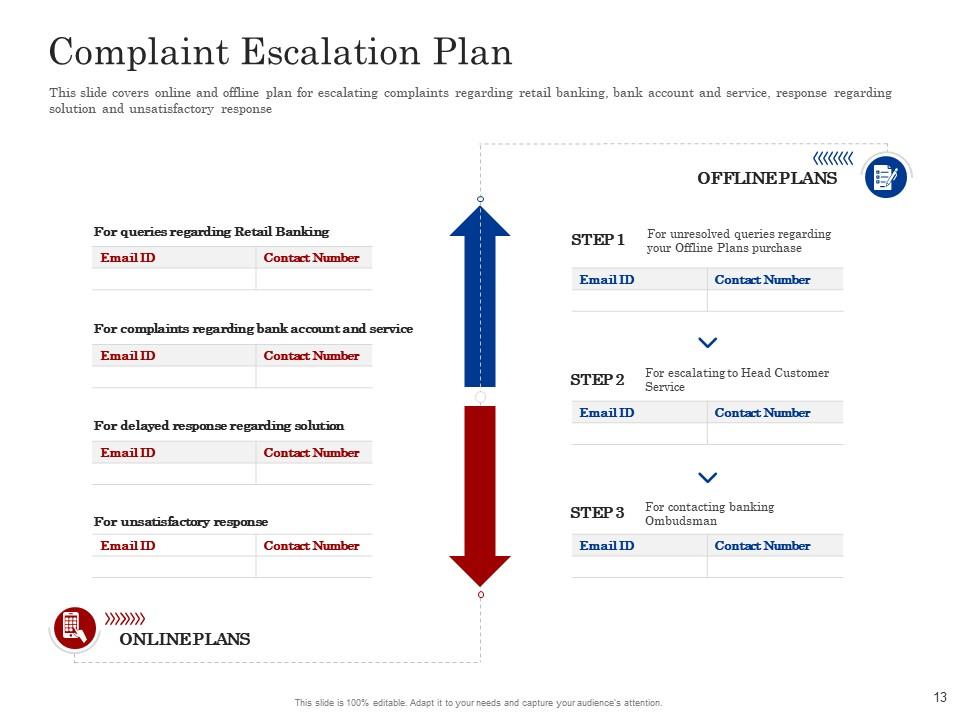
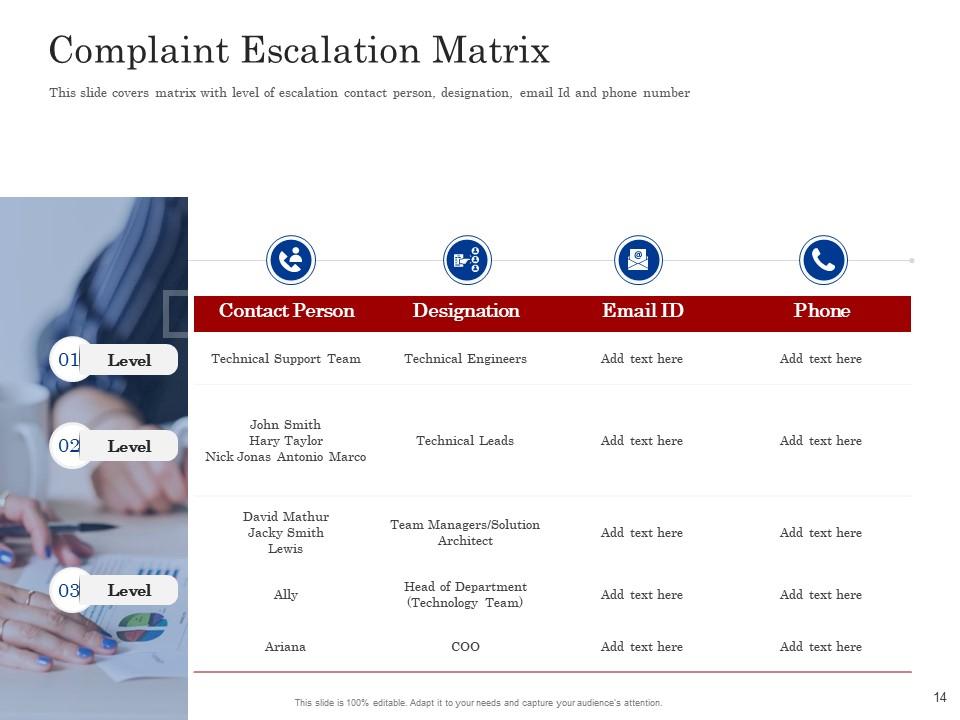
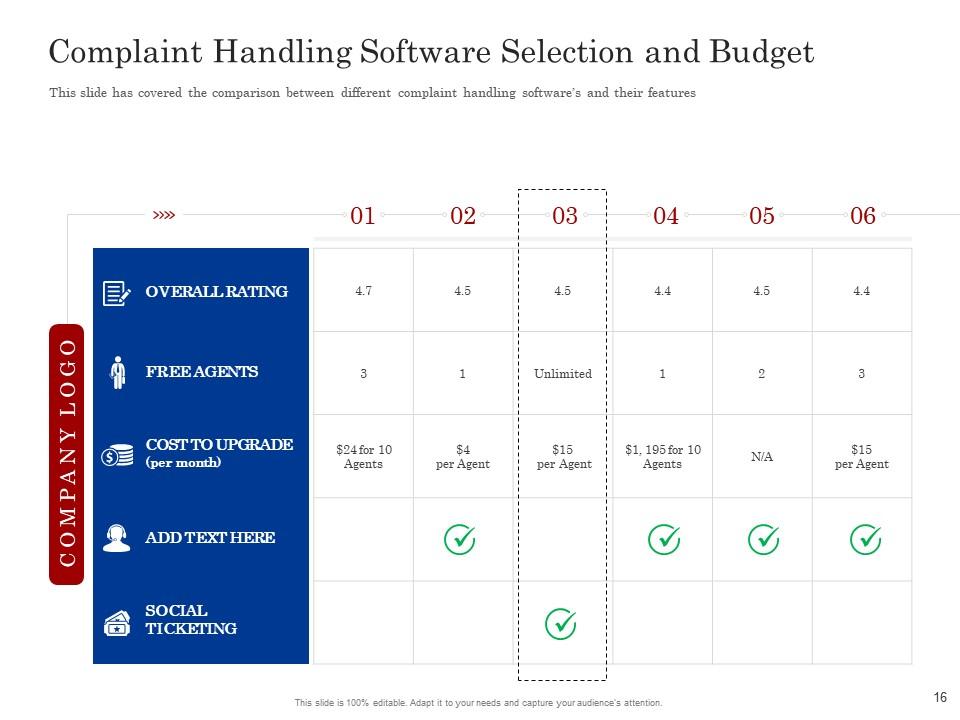
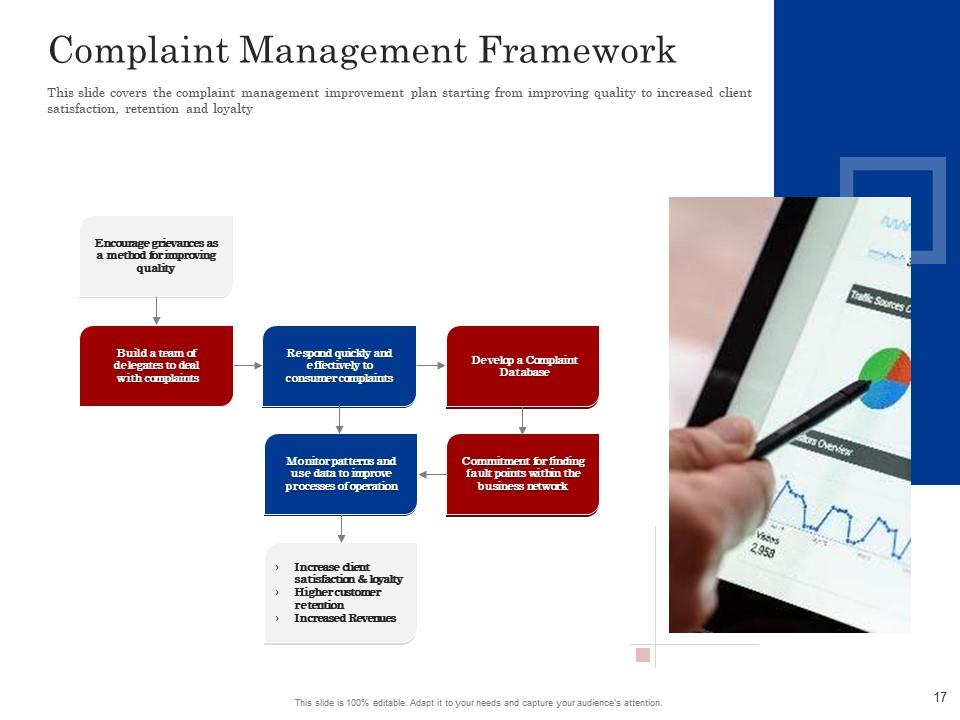
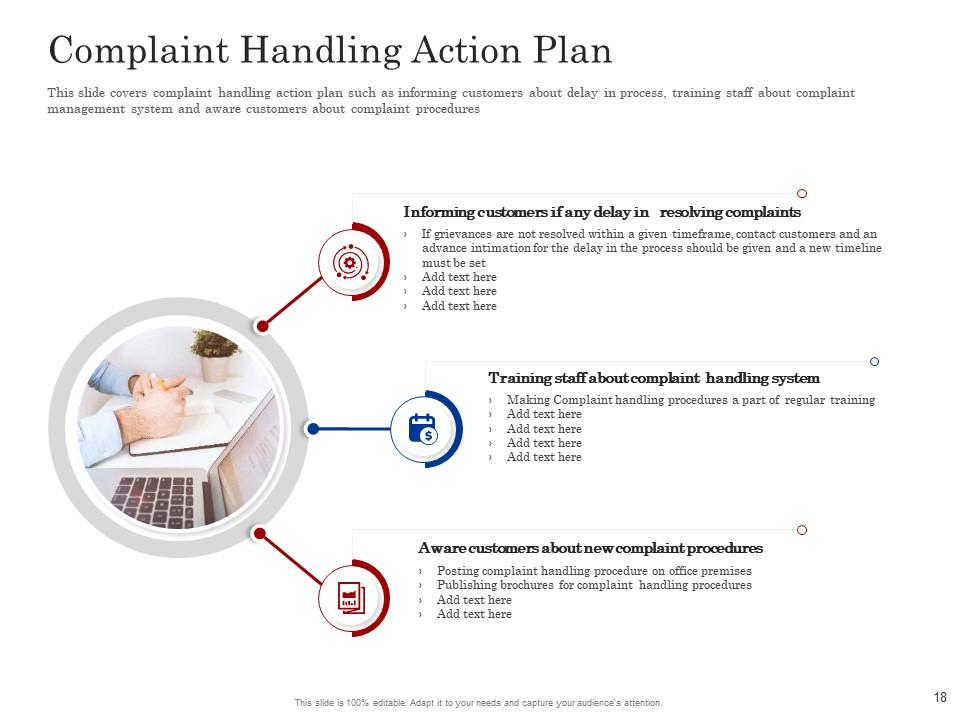
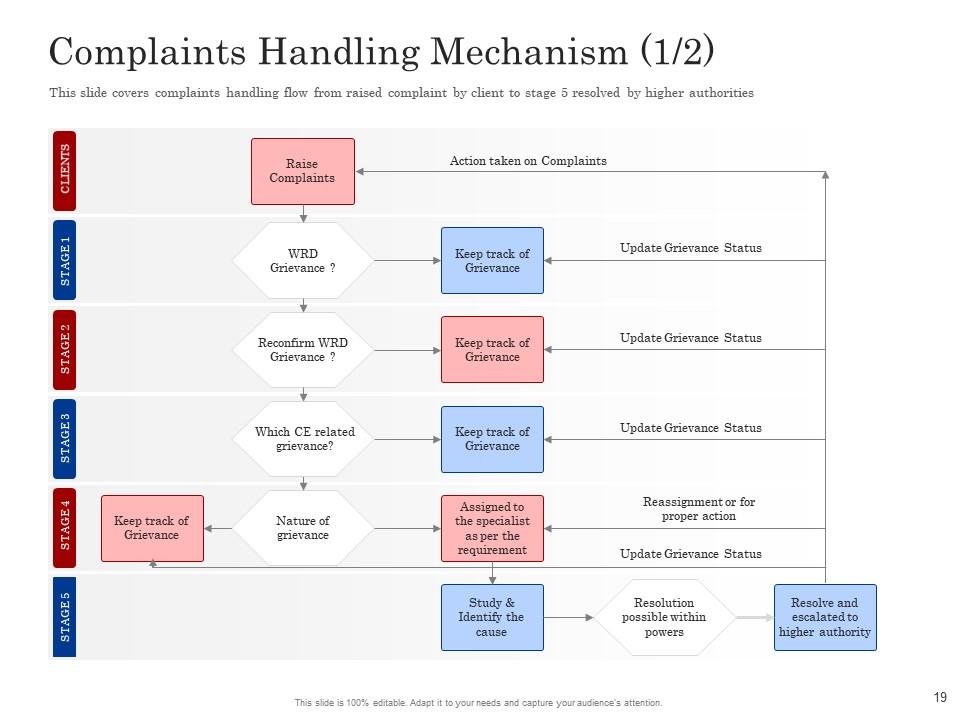
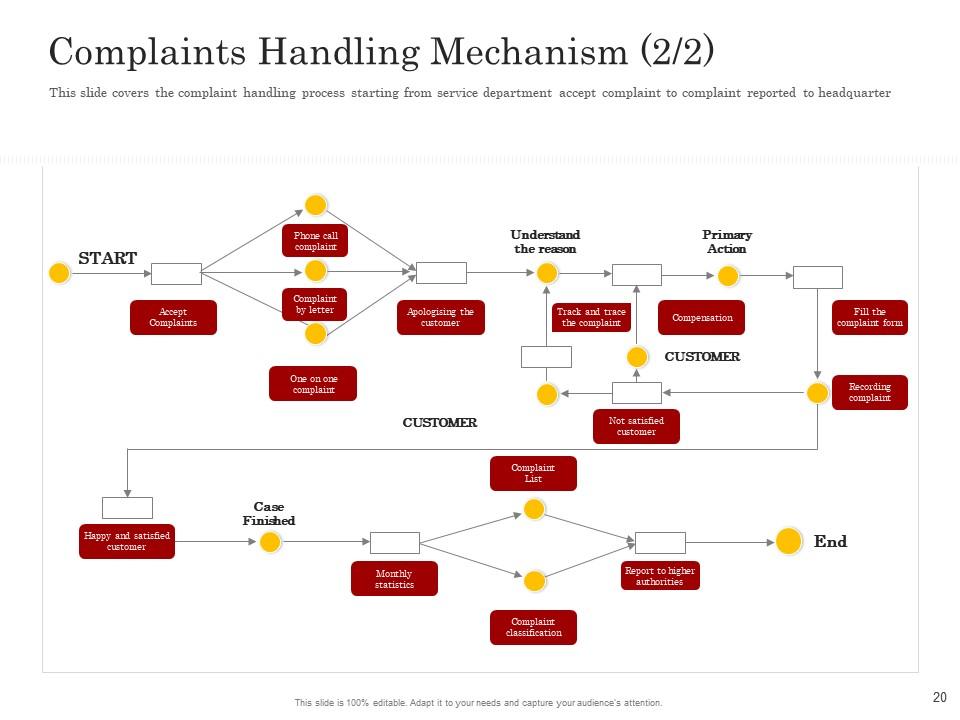
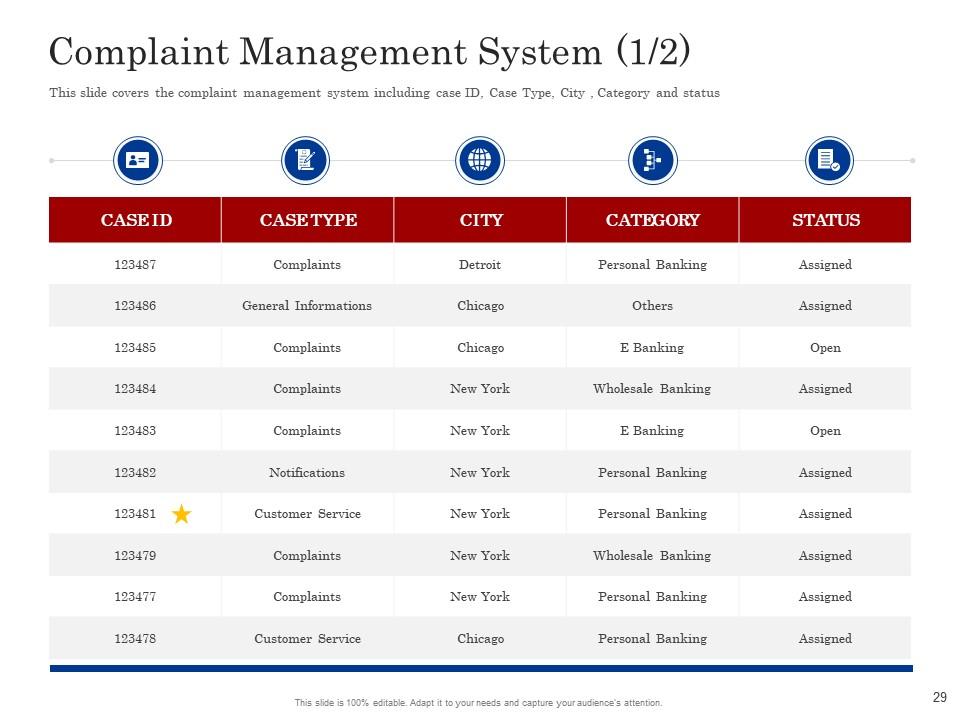
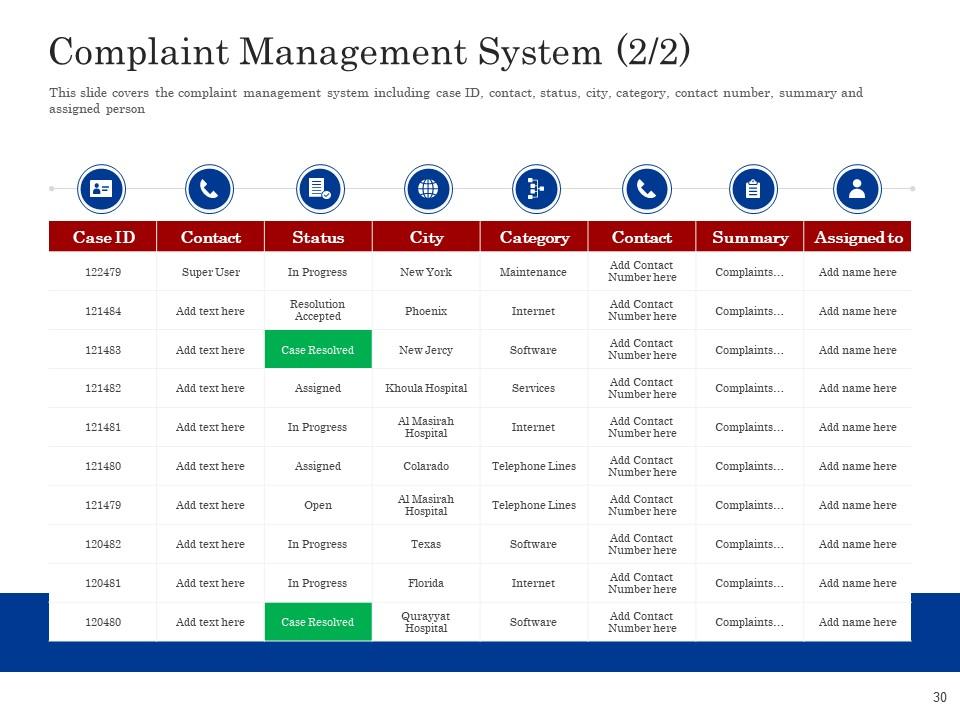
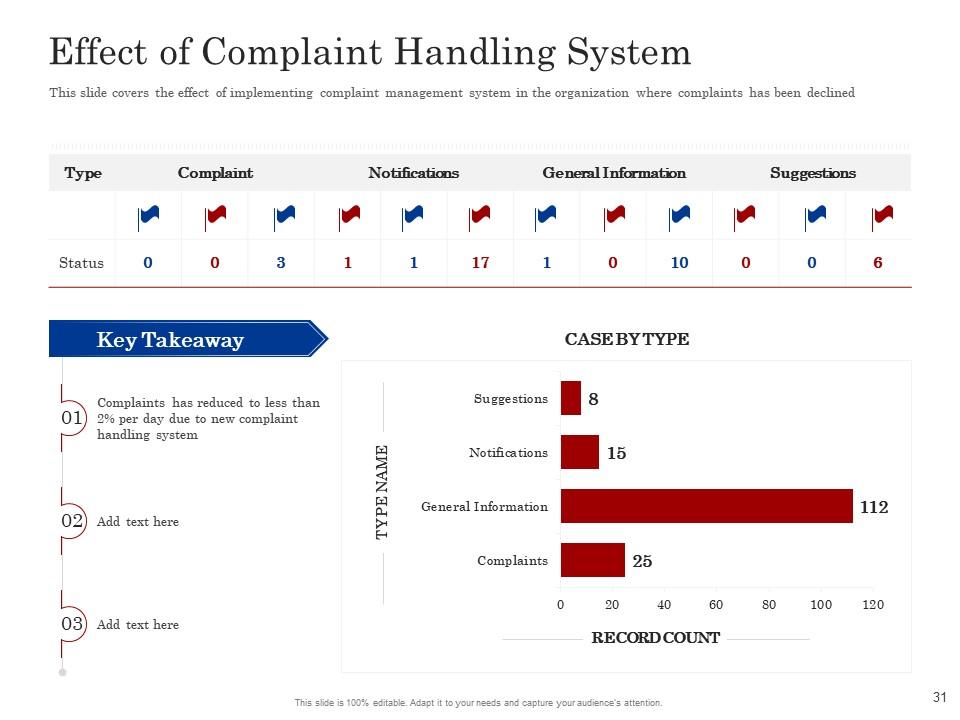
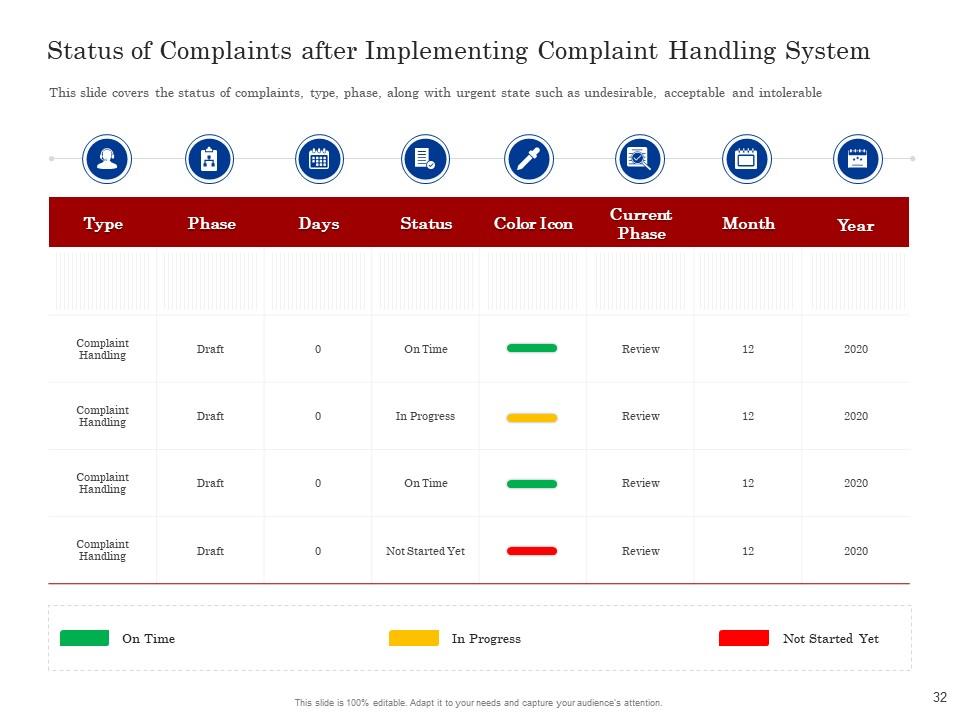
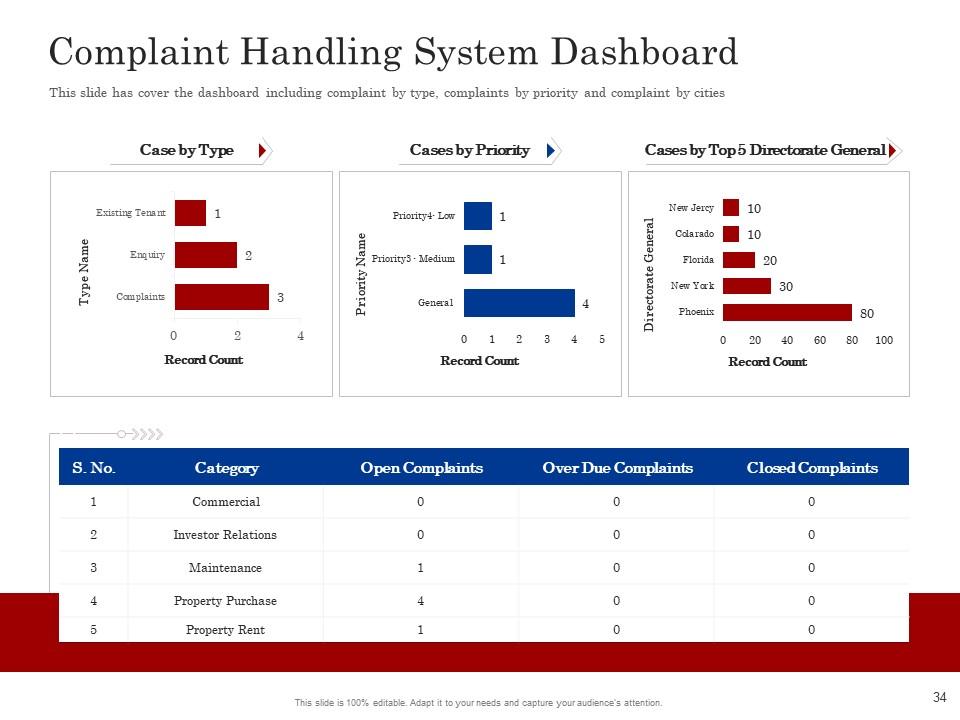
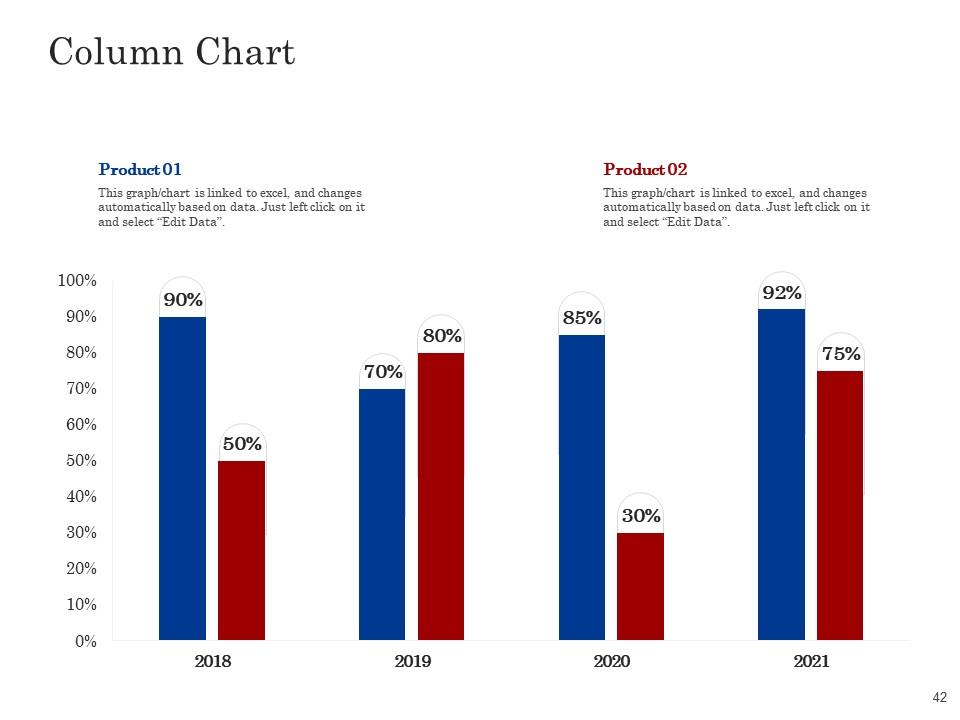
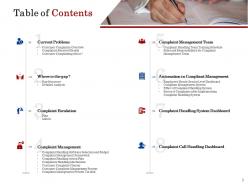
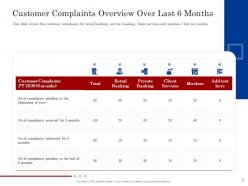
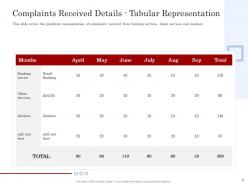
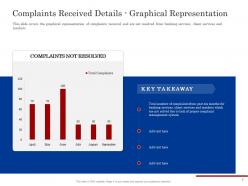
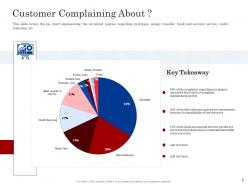
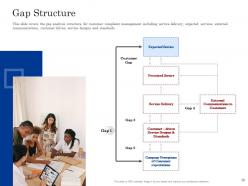
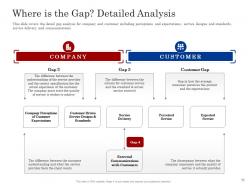
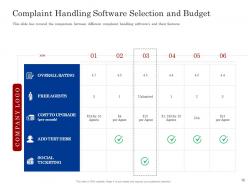
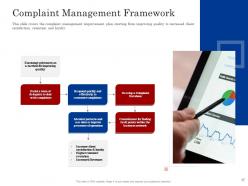
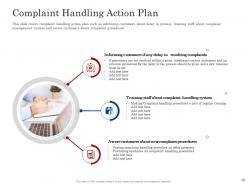
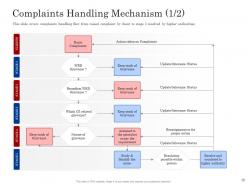
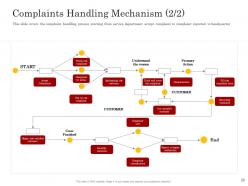
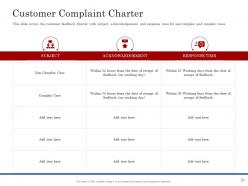
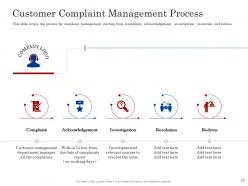
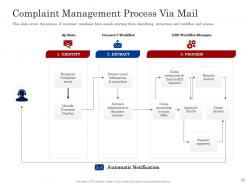
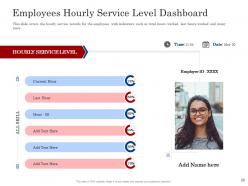
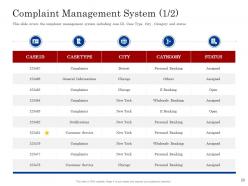
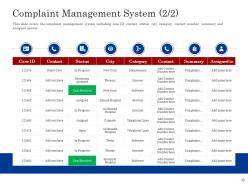
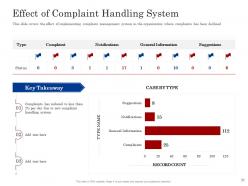
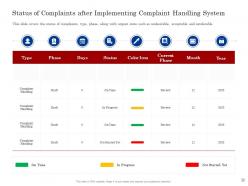
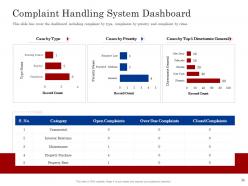
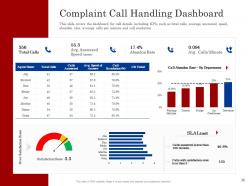
Explain the process of documenting complaints by using Customer Complaint Management Process PowerPoint Presentation Slides. Describe the reliable method of complaining using this content-ready PPT visual. The presentation covers customer complaints, retail banking, private banking, and client services over the last months. Showcase graphical representation of complaints received from the bank’s banking services, client services, and markets. Take the assistance of the complaint management system PPT slideshow to represent unsolved queries of customers regarding mortgage, money transfer, and account services. The presentation will help you to build customer loyalty through effective complaint handling. Showcase gap analysis structure for customer complaints management, including service delivery and expected services. Thus, download our attention-grabbing online customer management system to build customer loyalty through effective complaint handling. Create and manage complaints received from the customers by incorporating complaint handling PPT slide deck.
People who downloaded this PowerPoint presentation also viewed the following :
Customer complaint management process powerpoint presentation slides with all 48 slides:
Use our Customer Complaint Management Process Powerpoint Presentation Slides to effectively help you save your valuable time. They are readymade to fit into any presentation structure.
FAQs for Customer complaint management process
Product quality and bad customer service are the big ones. Billing screwups, delivery delays, and pricing issues (people hate surprise fees). Website crashes drive everyone crazy these days - honestly feels like half the complaints I see now are tech-related. Return policies that suck are another huge one. But here's the thing - most of this traces back to terrible communication. Even when something else breaks first, companies make it worse by not explaining what happened. Just track what you're seeing most in your own business and tackle those first. Way more effective than trying to fix everything at once.
Honestly, good complaint handling is like magic for your business. Customers don't expect perfection - they just want you to actually fix things when stuff goes sideways. Respond fast, show you genuinely care, and solve their problem properly. That's how you flip angry people into your biggest fans. Here's the thing though - complaints are basically free market research. You'll start noticing patterns in what pisses people off, which means you can fix those issues before they become bigger headaches. Don't just think damage control. Each complaint is your chance to totally blow their expectations out of the water.
Training your team is huge for handling complaints well. When people know how to actually listen and show empathy, they can calm situations down fast. I've watched untrained employees make things so much worse by getting defensive - it's painful to see. Role-playing different complaint scenarios really helps though. Your staff gets practice before dealing with the real drama. Plus they'll feel way more confident making decisions and offering solutions on the spot. Honestly, good training is what separates teams that turn angry customers into loyal ones from those who just lose people forever.
Honestly, the right tech can make complaint handling way less of a headache. Start with a CRM to track everything - no more lost complaints falling through cracks. AI chatbots are pretty solid for handling basic questions around the clock, which frees up your team for the messy stuff that actually needs human brains. Those automated ticketing systems? Total lifesaver. They'll route complaints straight to whoever needs to handle them instead of customers getting transferred five times (we've all been there). Analytics help you figure out what keeps going wrong so you're not just constantly firefighting. Don't try to implement everything at once though - pick one thing first.
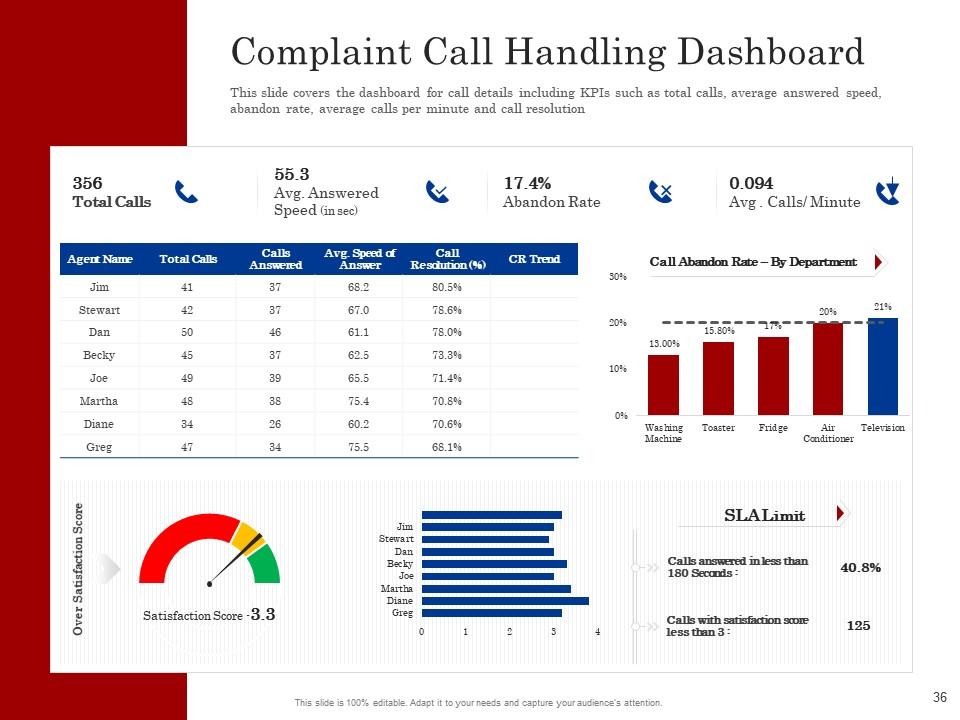
Honestly, I'd focus on four main things. First resolution rate is clutch - basically how often you fix stuff on the first try. Response time too, because people hate being ignored. Track your complaint volume over time so you can catch patterns early (way better than playing whack-a-mole later). And definitely send follow-up surveys to see if customers actually feel heard after you "resolve" things. Oh, and don't overthink it at first - get these basics down solid before adding fancy analytics. You can always build on simple data that's actually useful.
Honestly, you've gotta make this systematic or it'll never work. First, sort complaints into product issues vs service stuff. Then do monthly reports showing the biggest product problems with real examples. Schedule regular meetings between customer service and your product team - don't just wing it and hope someone remembers to bring things up. Most companies totally blow this step, which is why they keep fixing the same bugs over and over. Oh, and set up some kind of shared dashboard so product people can actually see what's happening in real-time instead of hearing about it weeks later.
Look at your complaint patterns first - what keeps coming up? Fix those root issues instead of playing whack-a-mole. Train your front desk people to spot problems early and actually let them solve stuff without calling a manager every time. Give customers easy ways to complain before they're furious - surveys, chat, whatever works. And honestly? Just tell people when things go wrong. Most complaints happen because nobody communicated anything. I'd start with your top 5 complaint types and figure out how to prevent them from happening in the first place.
Dude, you've gotta keep them in the loop constantly. Seriously, silence will piss people off way more than whatever went wrong in the first place. Give them timelines upfront, then actually stick to updating them - even if it's just "hey, still working on this." People don't mind waiting as much when they know you haven't forgotten about them. Be real about what you can fix and what you can't. Honestly, I'd rather get too many updates than sit there wondering if my complaint just disappeared into some black hole. Over-communicate like crazy.
Honestly, bad complaint handling can really mess you up legally. Customers will drag you to court or report you to regulators if they feel ignored. Finance and healthcare companies especially get hit hard with fines for missing response deadlines - I've watched it happen and the penalties are brutal. Also, if you don't document complaints properly, good luck defending yourself later. Look, having a decent process and training your people isn't glamorous work, but it beats paying lawyers and settlement fees. Way less stressful too.
So it really depends on your industry, you know? Retail customers just want fast refunds. Healthcare needs way more empathy since people are dealing with scary stuff. Tech support - ugh, don't make people explain their issue to five different people. That's the worst. Financial companies have all those compliance hoops to jump through too. Look at what pisses off YOUR customers most and build around that. I'd start by checking your complaint patterns - bet you'll see the same annoying issues popping up again and again.
Ugh, customer complaints mess with your head way more than they should. Our brains are wired to remember bad stuff like 5x stronger than good experiences - it's called negativity bias or something. One angry customer can literally erase the memory of 20 happy ones, which is honestly ridiculous when you think about it. But here's what I've learned: how fast you respond matters more than the actual complaint. If your team jumps on it with genuine empathy, you can actually turn that pissed-off customer into your biggest fan. Sounds counterintuitive but it works. Train everyone to think of complaints as chances to prove you care, not just fires to put out.
Honestly, social media complaints aren't as scary as they seem. Start by acknowledging stuff publicly - just a quick "hey, we see this and we're on it" works. Then drag the conversation into DMs where you can actually fix things without everyone watching the messy details. I've noticed customers really appreciate seeing how you handle problems, even the bad ones. Set up alerts for your brand mentions so nothing gets buried in the feed. Oh, and here's something people forget - once you solve it, post a quick follow-up so everyone knows it got handled. Makes you look way more on top of things.
Honestly, you'll want to get organized with this stuff first. Set up templates that capture the basics - date, customer details, what went wrong, how you fixed it. Don't let people just throw notes everywhere because that's a nightmare to sort through later. Get everything in one system where your whole team can jump in and update things. Then monthly, dig into the patterns. What keeps coming up? How fast are you responding? I'd focus more on figuring out why things keep breaking rather than just putting out fires. The documentation part is kinda boring but do that first before getting fancy with reports.
Oh man, this is such a big deal! Different cultures complain in totally different ways. Americans? Super direct - they'll tell you exactly what's wrong. But in places like Japan, customers might just disappear without saying anything, which honestly scares the hell out of me as a business owner. You've got to train your team to pick up on these differences. Some cultures need that relationship-building, face-saving approach. Others just want you to fix it fast and move on. Watch for cultural cues and adjust how you respond accordingly.
Definitely start with role-playing - let them practice on fake angry customers so they can screw up without consequences. Have newbies shadow your best reps first, then ease into real complaints with someone nearby for backup. Active listening training is clutch because honestly, half the time people just want to feel heard. Video modules are whatever for basics, but nothing beats hands-on practice with real feedback. Teach de-escalation right away too - it'll save everyone's mental health. I'd kick off mock scenarios this week. You'll be surprised how fast their confidence shoots up once they've handled a few real ones.
-
The content is very helpful from business point of view.
-
Very unique and reliable designs.
-
Easily Understandable slides.
-
Use of icon with content is very relateable, informative and appealing.
-
Very well designed and informative templates.
-
Best Representation of topics, really appreciable.
-
Easy to edit slides with easy to understand instructions.
-
Excellent design and quick turnaround.