

Customer Experience Strategy Ppt Outline Example Introduction Adapt Strategy






Try Before you Buy Download Free Sample Product
 Impress Your
Audience
 100%
Editable
 Save Hours
of Time


Dreams take form with our Customer Experience Strategy Ppt Outline Example Introduction Adapt Strategy. They give them a definite shape.
People who downloaded this PowerPoint presentation also viewed the following :
Content of this Powerpoint Presentation
Slide 1: This slide introduces Customer Experience Strategy. State Your Company Name and begin.
Slide 2: This slide shows Customer Experience Strategy Person Operating On Tablet.
Slide 3: This slide presents Customer Experience Strategy describing- Build CX Strategy, Integrate Customer Experience With Brand, Adapt Strategy, Apply Global Best Practices, Design a Comprehensive Plan For People & Capability.
Slide 4: This slide displays Customer Experience Strategy Cycle with Investigation, Design, Implement & Sustain.
Slide 5: This slide showcases Customer Experience Strategy Person Pointing At Emoticons.
Slide 6: This slide represents Customer Experience Strategy with points as- Discover, Interest, Conversion, Paying Customer, Trial User, First Contact.
Slide 7: This slide shows Customer Experience Strategy describing- Customer Operations, Marketing, Sales, Website, Branding, Campaigns.
Slide 8: This slide presents Customer Experience Strategy Icon PowerPoint Slide.
Slide 9: This slide displays Customer Experience Strategy Finger On Happy Symbol.
Slide 10: This slide represents Customer Experience Strategy describing- Operations, Value Proposition, Brand Promise, Brand Ambassador, Technology Enables.
Slide 11: This slide showcases Customer Experience Strategy Showing Customers & Organisations.
Slide 12: This slide shows Customer Experience Strategy Hand Rating Five Star.
Slide 13: This slide presents Customer Experience Strategy describing- Analysing The Information Received, Gathering Right Information, Customer Experience Touchpoints.
Slide 14: This slide displays Customer Experience Strategy with customer Feedback Survey.
Slide 15: This is a Thank You slide with address, contact numbers and email address.
Customer Experience Strategy Ppt Outline Example Introduction Adapt Strategy with all 15 slides:
Keep them glued with our Customer Experience Strategy Ppt Outline Example Introduction Adapt Strategy. They may even forget to blink.
-
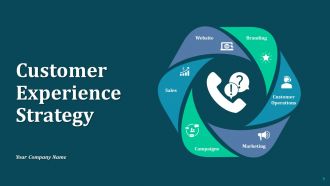
Customer Experience Strategy
-

Customer Experience Strategy Person Operating On Tablet
-

Customer Experience Strategy Build CX Strategy Apply Global Practices
-

Customer Experience Strategy Cycle Investigation Design Implement Sustain
-

Customer Experience Strategy Person Pointing At Emoticons
-

Customer Experience Strategy Discover Interest Conversion Paying Customer
-

Customer Experience Strategy Branding Customer Operations Marketing
-

Customer Experience Strategy Icon PowerPoint Slide
-

Customer Experience Strategy Finger On Happy Symbol
-

Customer Experience Strategy Value Proposition Brand Ambassador Operations
-

Customer Experience Strategy Showing Customers Organisations
-

Customer Experience Strategy Hand Rating Five Star
-

Customer Experience Strategy Touchpoints Gathering Information Analysing
-

Customer Experience Strategy Feedback Survey Customer
-

Customer Experience Strategy Outline Introduction Ad
FAQs for Customer Experience Strategy Ppt Outline Example
Honestly, start with customer journey mapping and build solid personas - that's your foundation. Map out every touchpoint they hit across channels. But here's the thing: actually talk to customers about their pain points instead of guessing, because you'll probably be wrong about half of them. Get your whole team aligned on those insights first. Set up feedback loops and pick metrics you can actually track. Every department needs to know how they impact the customer experience - sales, support, even accounting. I'd tackle one customer segment at a time though. Map their entire journey before moving on to the next group.
Surveys are the obvious choice - NPS, CSAT, all that stuff. But honestly, response rates suck so don't put all your eggs in that basket. I'd watch behavioral stuff too. Like how often people buy again, support tickets (fewer = happier customers, usually), churn rates. Oh and definitely check social media - people complain there way more than they'll fill out your survey. Reviews too obviously. You really need like 2-3 different ways to measure this stuff. Pick what actually makes sense for your business and start there.
Look, customer feedback is literally everything for your CX strategy. Without it, you're just guessing what works. Surveys and ratings give you the numbers, but don't skip the messy stuff - interviews and reviews tell you WHY people are frustrated. I've seen companies build gorgeous customer journeys that customers absolutely hated because they never asked for input. The trick is making feedback ongoing, not just some annual survey nobody cares about. Set up regular check-ins, spot the patterns, then actually do something about it. Oh, and mix your short surveys with deeper conversations - keeps it real.
Honestly, personalization just makes people feel seen instead of like they're talking to a robot. Netflix nails this - their recommendations actually match what I want to watch, you know? Same with Spotify playlists. It's way better than digging through tons of stuff that doesn't apply to you. Your customers will notice when you remember their preferences or buying habits. Even something simple like segmented emails works. I'd start there before getting fancy with homepage customization. Generic messaging feels so lazy compared to tailored content that actually speaks to someone specifically.
Honestly, the hardest part is usually getting different departments to actually talk to each other. Your marketing team will have totally different customer data than support does - it's kinda ridiculous how siloed things get. Executive buy-in is another nightmare, especially since CX improvements don't show up in revenue right away. Takes months to see it in retention numbers. Oh, and good luck measuring ROI on something that indirect. Getting everyone aligned on the same customer vision? That's where the real work starts. I'd map out your current customer journey first though - helps you spot the worst pain points.
So there's actually tons of tech that can help smooth things out for your customers. Chatbots are great for handling the basic stuff 24/7. CRM systems track all their history and preferences - super helpful. Mobile apps let people fix things themselves, which honestly they prefer half the time anyway. You can set up automated follow-ups based on what customers do, and analytics show you where things get messy in their journey. My advice? Map out what's currently broken first, then pick one solution that tackles your worst problem. Don't try to fix everything at once.
Honestly, start with empathy training - get your team to actually listen instead of just reading scripts. Role-playing beats death by PowerPoint every time. Train them on your actual products so they're not constantly running to managers for basic stuff (customers hate that). Oh and give them some real decision-making power within limits. I'd also do regular feedback sessions, but the biggest thing? You gotta model it yourself. When someone goes the extra mile for a customer, make a big deal about it. People notice that stuff.
So basically, figure out your customer segments first. Then customize everything for each group - like millennials want apps and self-service stuff, but older folks usually prefer calling and getting walked through things. It's kinda like speaking different languages honestly. Look at what frustrates each group, how they like to communicate, and how they make decisions. Your channels, messaging, support - all of it should match what they actually want. Oh and start with whichever segment makes you the most money, that way you can test if this whole approach actually works before rolling it out everywhere.
Honestly, just pick 2-3 metrics you'll actually check regularly instead of overwhelming yourself. NPS shows if people would recommend you to others. CSAT measures how happy they are right after talking to you. CES tracks how easy you make their experience - which is huge because nobody wants to jump through hoops. Oh, and definitely look at retention rate and customer lifetime value since those connect directly to your bottom line. I see so many companies get distracted by flashy metrics that look good in meetings but don't actually mean anything for business growth.
So basically you want all your channels talking to each other - website, app, phone support, whatever. That way customers don't have to explain their whole situation again when they switch from chat to email (honestly the worst customer service experience ever). Map out where people are getting stuck between your different platforms first. Then get your team using the same customer data everywhere so someone can pick up exactly where the last person left off. It's all about that shared context - like starting something on Instagram and finishing it over email without missing a beat. Way less frustrating for everyone involved.
Honestly, customer journey mapping is a game-changer - it stops you from just guessing what customers want. You'll see exactly where people get stuck or annoyed with your brand, plus those moments when they're actually happy. Think of it like finally understanding why customers bail at checkout or whatever. Once you map it out, your whole team gets it. They know where to fix the annoying stuff and create those cool surprise moments. I'd start with just one type of customer first though. Way less overwhelming that way.
Think of your customer touchpoints as chapters in their story with your brand. Map out the emotional ups and downs they go through, then design moments that actually feel meaningful - not just transactional BS. Onboarding flows work great for this... instead of boring setup steps, make it feel like a guided adventure. Your support team should ditch the robotic scripts too and respond with real empathy. Customer testimonials become your "hero stories." Oh, and start small - pick one key journey and storyboard it like you're planning a short film. Way less overwhelming that way.
Honestly? Everyone's obsessing over AI personalization and emotional sentiment reading right now. Voice interfaces are getting pretty good too - though most still feel clunky if I'm being real. The seamless omnichannel thing is finally happening, but here's what's actually cool: companies are getting proactive instead of just reactive. Like, fixing problems before customers even notice them. Privacy-first design is becoming huge since regulations keep getting stricter. Oh, and definitely audit your current touchpoints first - see where you can predict issues rather than just scrambling to fix them after the fact.
Look at your customer journey first - figure out where people actually want speed vs. human touch. Boring stuff like order tracking and basic questions? Automate that. People honestly prefer doing it themselves anyway. But complaints, complicated issues, big purchases - that's where you need real humans. I'd say automate all the routine crap so your team can focus on what actually matters. Just make sure customers can bail out to a person easily when the bot isn't helping. Nothing's worse than being trapped in automated hell when you're already frustrated.
Honestly, good CX strategy just pays for itself. Customers hang around longer and spend way more when they don't hate dealing with you. The referral thing is huge too - happy people actually tell their friends instead of just ghosting after one purchase. I read somewhere that loyal customers can be worth like 10x more than one-time buyers, which is nuts when you think about it. Support tickets drop too since people aren't constantly frustrated. Start by figuring out where your customer journey sucks the most right now, then fix those spots first.
No Reviews