


Customer Lead Management Powerpoint Presentation Slides
Jump to sales process operations of capturing leads, tracking activities and behaviour of customers with our customer lead management PowerPoint presentation slides. This PowerPoint template of customer lead management will help you capitalize on customers insights, improve front line efficiency, streamline business processes and improve return on investments. This Customer Lead Management PPT template helps you in project planning, track progress and see real profitability of your organization. This template of lead generation will facilitate your business to design business strategies, customer strategies, customer relationship management and creating brand awareness. The principle of lead management is to help your business to create a structure to manage business enquiries, turning enquiries into lead and create complete sales. This Customer Lead Management presentation slides will help you create effective lead management by creating lead management pipeline, taking customer enquiries, capture leads, grading of leads, lead distribution, sales contact, lead nurturing and last but not the least analysing the sales results. Get access to all the assistance you desire with our Customer Lead Management Powerpoint Presentation Slides. Ensure you are able to help yourself.
Jump to sales process operations of capturing leads, tracking activities and behaviour of customers with our customer lead ..



















-

- Google Slides is a new FREE Presentation software from Google.
- All our content is 100% compatible with Google Slides.
- Just download our designs, and upload them to Google Slides and they will work automatically.
- Amaze your audience with SlideTeam and Google Slides.
-

Want Changes to This PPT Slide? Check out our Presentation Design Services
-

- WideScreen Aspect ratio is becoming a very popular format. When you download this product, the downloaded ZIP will contain this product in both standard and widescreen format.
-
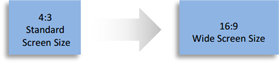
- Some older products that we have may only be in standard format, but they can easily be converted to widescreen.
- To do this, please open the SlideTeam product in Powerpoint, and go to
- Design ( On the top bar) -> Page Setup -> and select "On-screen Show (16:9)” in the drop down for "Slides Sized for".
- The slide or theme will change to widescreen, and all graphics will adjust automatically. You can similarly convert our content to any other desired screen aspect ratio.
Compatible With Google Slides

Get This In WideScreen
You must be logged in to download this presentation.


Do you want to remove this product from your favourites?
PowerPoint presentation slides
Presenting Customer Lead Management PowerPoint Presentation Slides. This PPT slideshow is totally compatible with Google slides. High resolution template, resolution is not affected even when projected on wide screen. Formats can easily be converted into other software like PDF and JPEG. Customization options to edit company logo, brand name or trademark. Perfect design for entrepreneurs, managers, sales and business persons. Enough space available to mention titles and sub titles.

People who downloaded this PowerPoint presentation also viewed the following :
Content of this Powerpoint Presentation
Slide 1: This slide introduces Customer Lead Management. State Your Company Name.
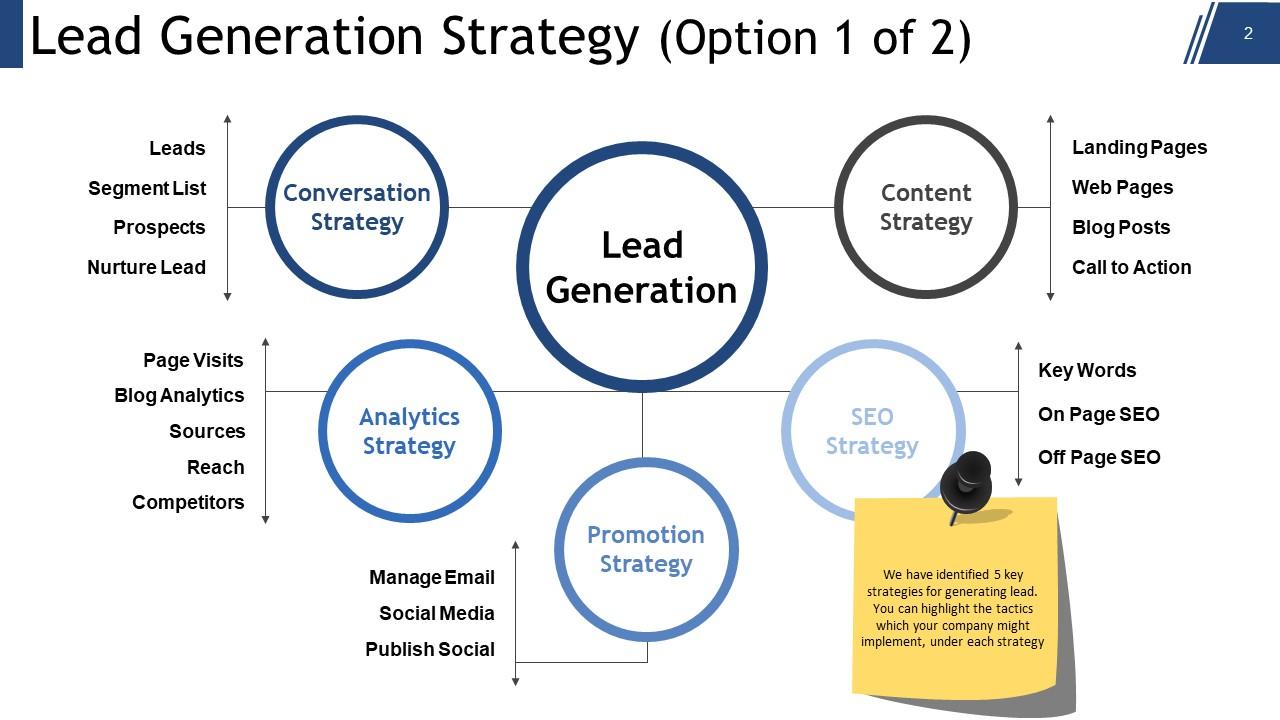
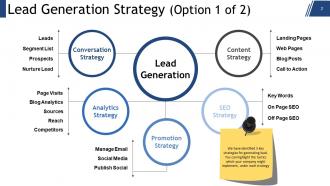
Slide 2: This slide showcases Lead Generation Strategy showcasing- Conversation Strategy, Promotion Strategy, Content Strategy, Analytics Strategy, SEO Strategy divided into- Prospects, Leads, Nurture Lead, Segment List, Sources, Page Visits, Reach, Blog Analytics, Competitors, Publish Social, Manage Email, Social Media, Off Page SEO, Key Words, On Page SEO, Blog Posts, Landing Pages, Call to Action, Web Pages as , Lead Generation. We have identified 5 key strategies for generating lead. You can highlight the tactics which your company might implement, under each strategy.
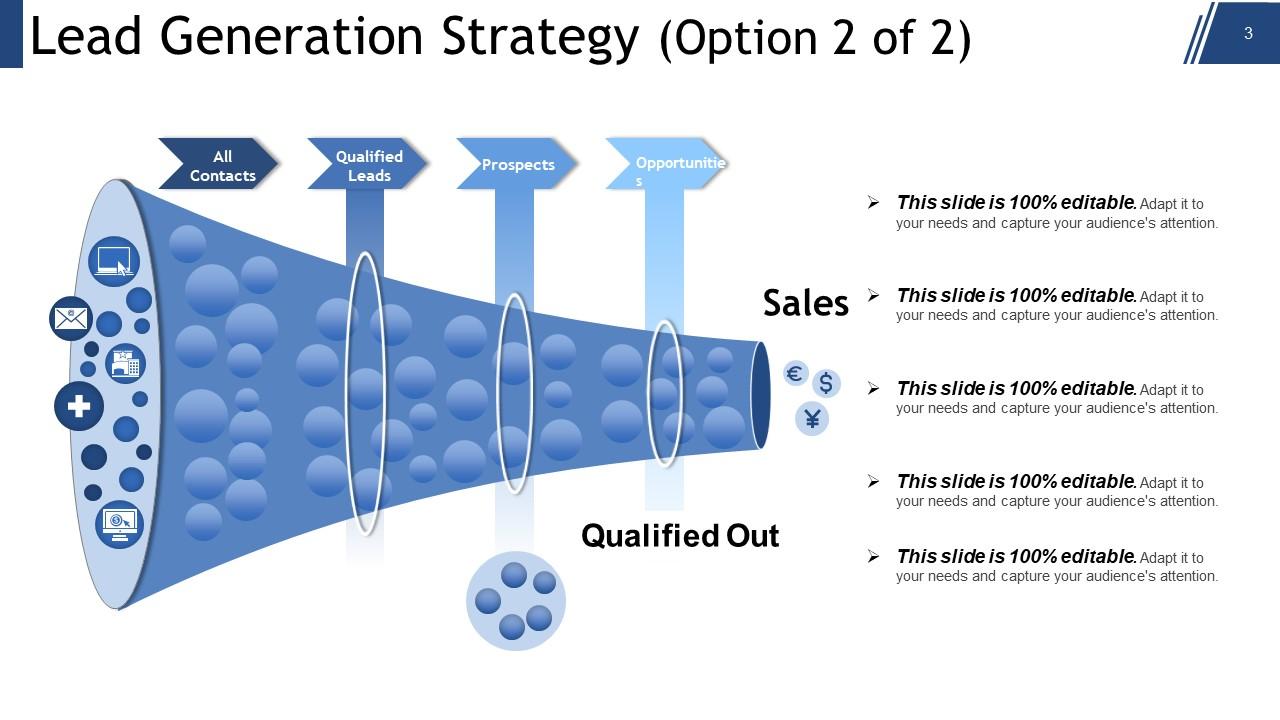
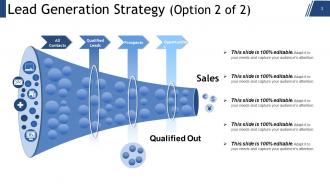
Slide 3: This slide shows Lead Generation Strategy displaying- Opportunities, Prospects, All Contacts, Qualified Leads, Sales, Qualified Out.
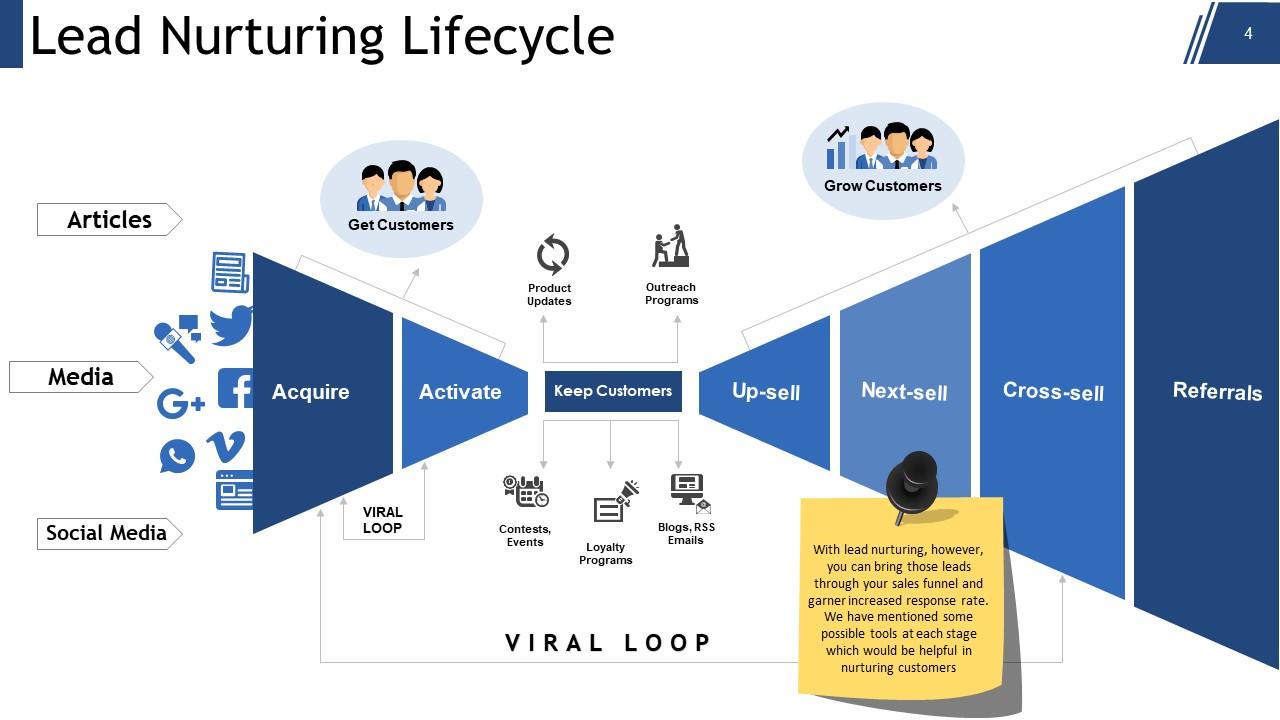
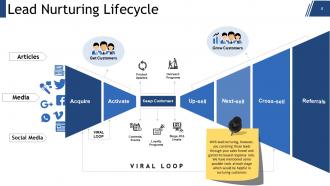
Slide 4: This slide shows a Lead Nurturing Lifecycle with the following points- Acquire, Activate, Keep Customers, Cross-sell, Up-sell, Next-sell, Referrals, Articles, Social Media, Media, Get Customers, Outreach Programs, Product Updates, Loyalty Programs, Contests, Events, Blogs, RSS Emails, Grow Customers, VIRAL LOOP. With lead nurturing, however, you can bring those leads through your sales funnel and garner increased response rate. We have mentioned some possible tools at each stage which would be helpful in nurturing customers.
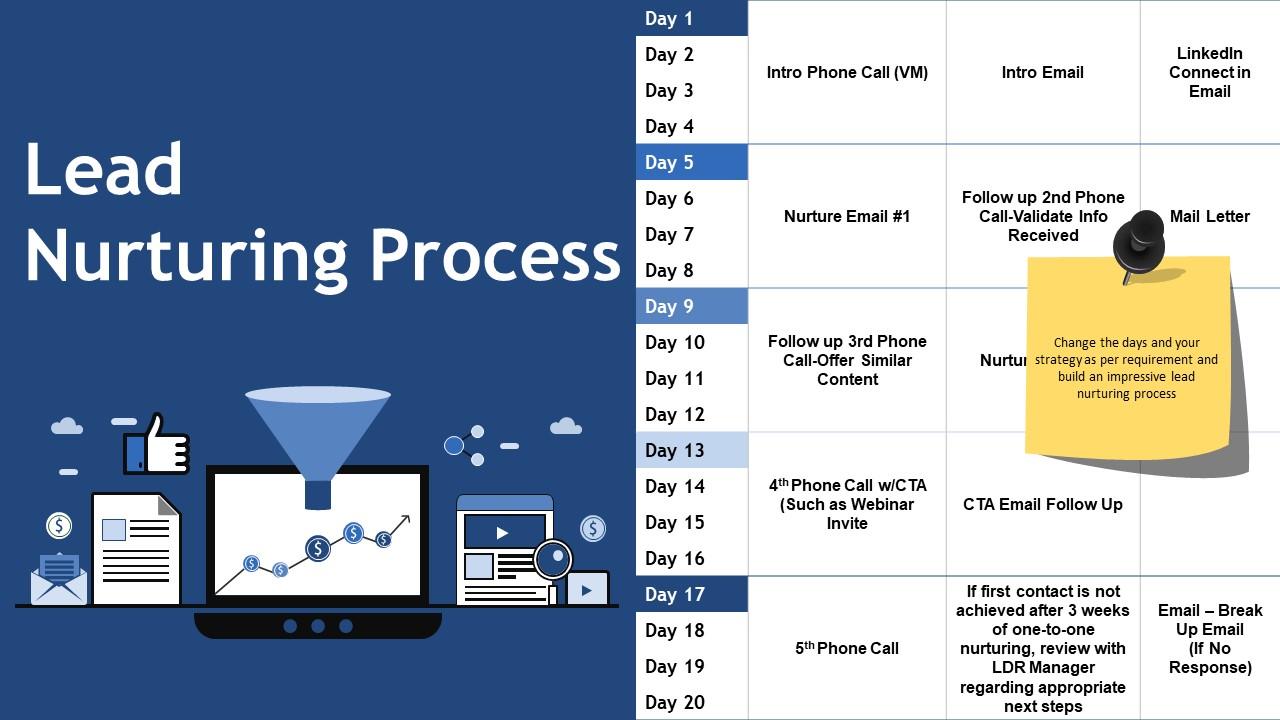
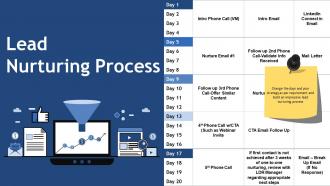
Slide 5: This slide showcases a Lead Nurturing Process.
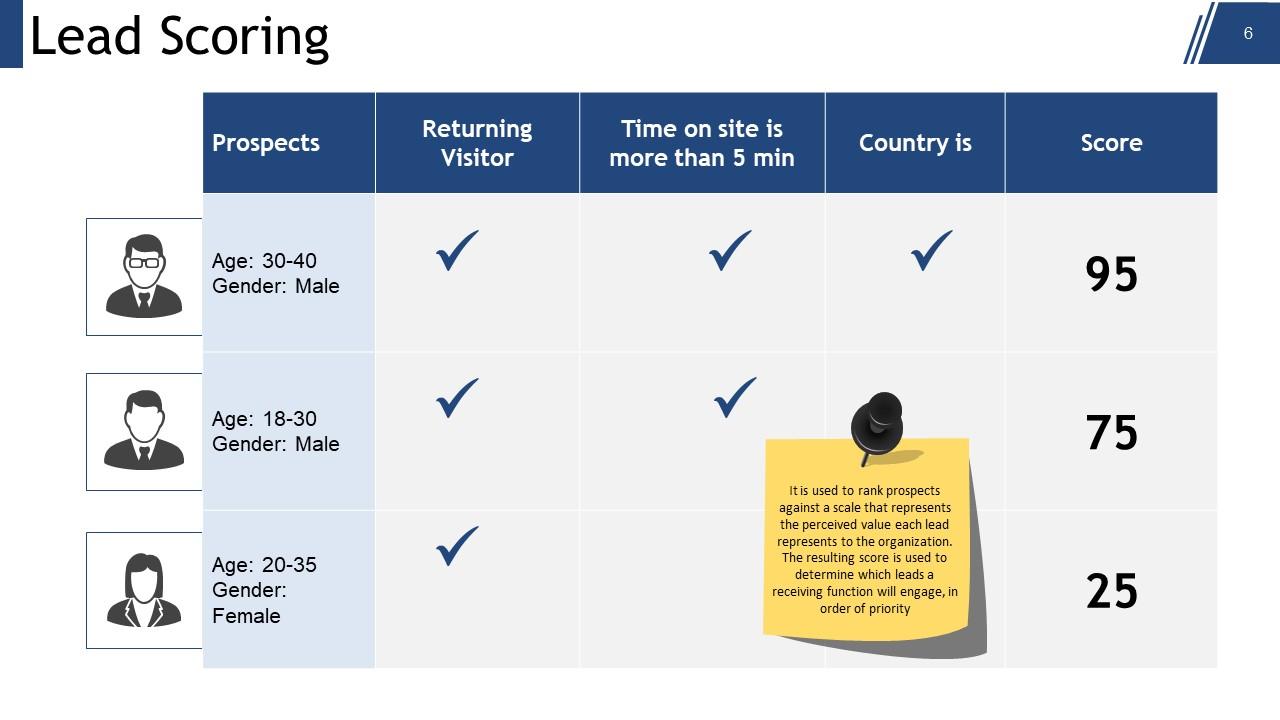
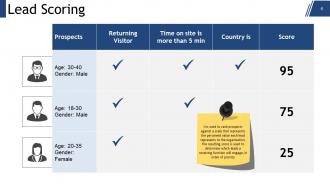
Slide 6: This slide presents Lead Scoring. It is used to rank prospects against a scale that represents the perceived value each lead represents to the organization. The resulting score is used to determine which leads a receiving function will engage, in order of priority.
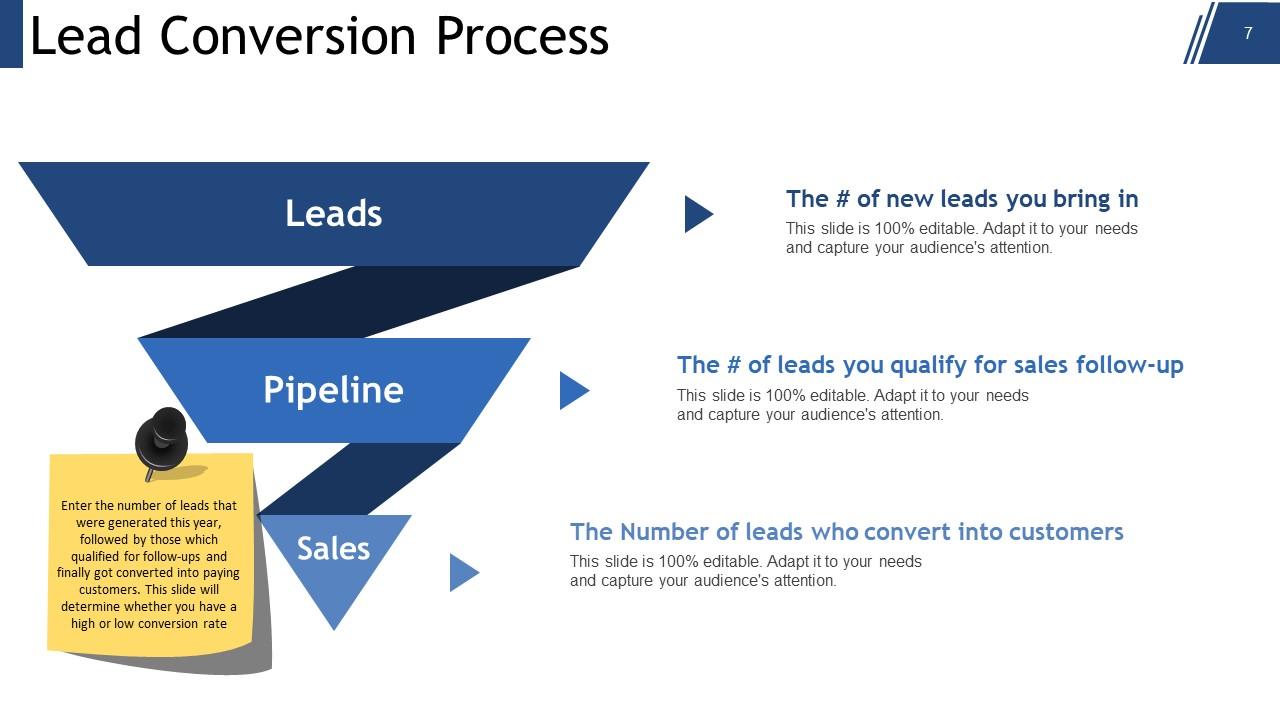
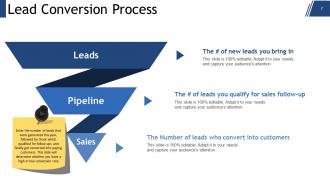
Slide 7: This slide shows Lead Conversion Process displaying- Pipeline, Leads, Sales. Enter the number of leads that were generated this year, followed by those which qualified for follow-ups and finally got converted into paying customers. This slide will determine whether you have a high or low conversion rate.
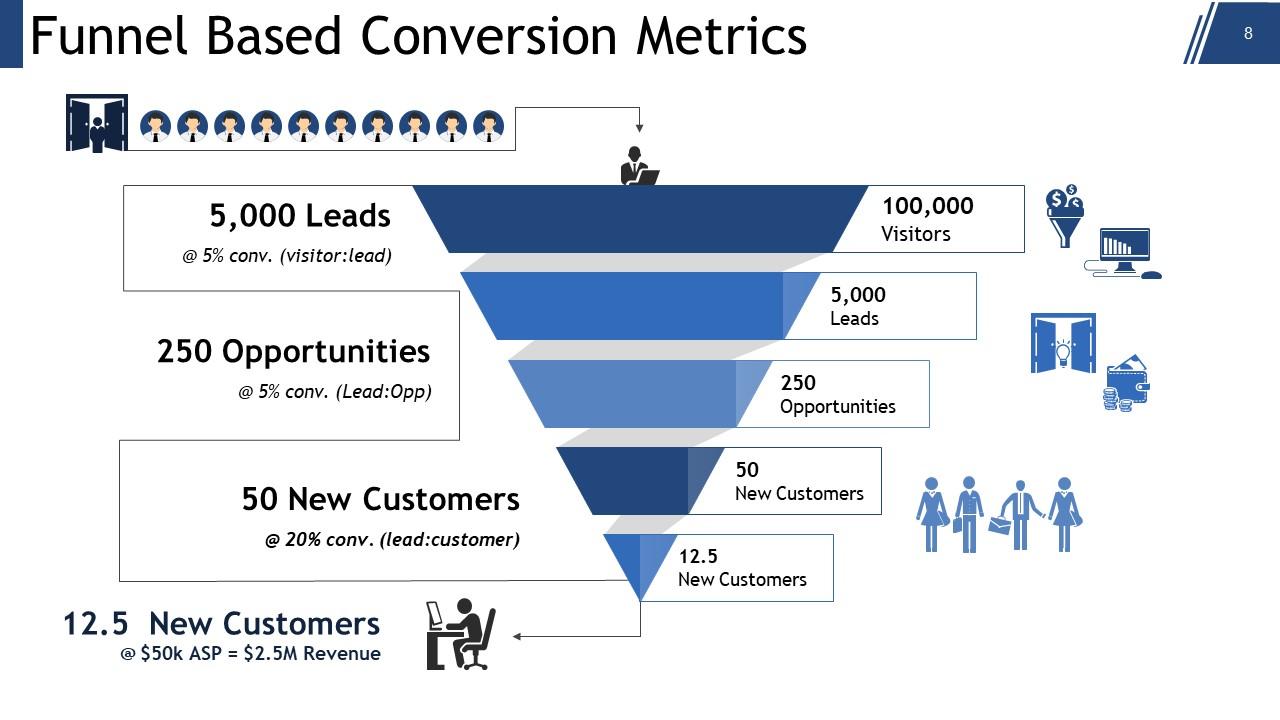
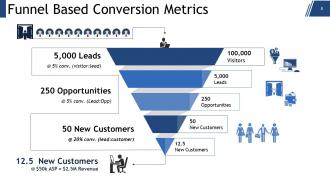
Slide 8: This slide showcases Funnel Based Conversion Metrics Leads, Opportunities, New Customers, New Customers, Visitors.
Slide 9: This slide showcases Coffee Break image. You may change as per your need.
Slide 10: This is titled Charts and Graphs to move forward. Alter/ edit image as per requirement.
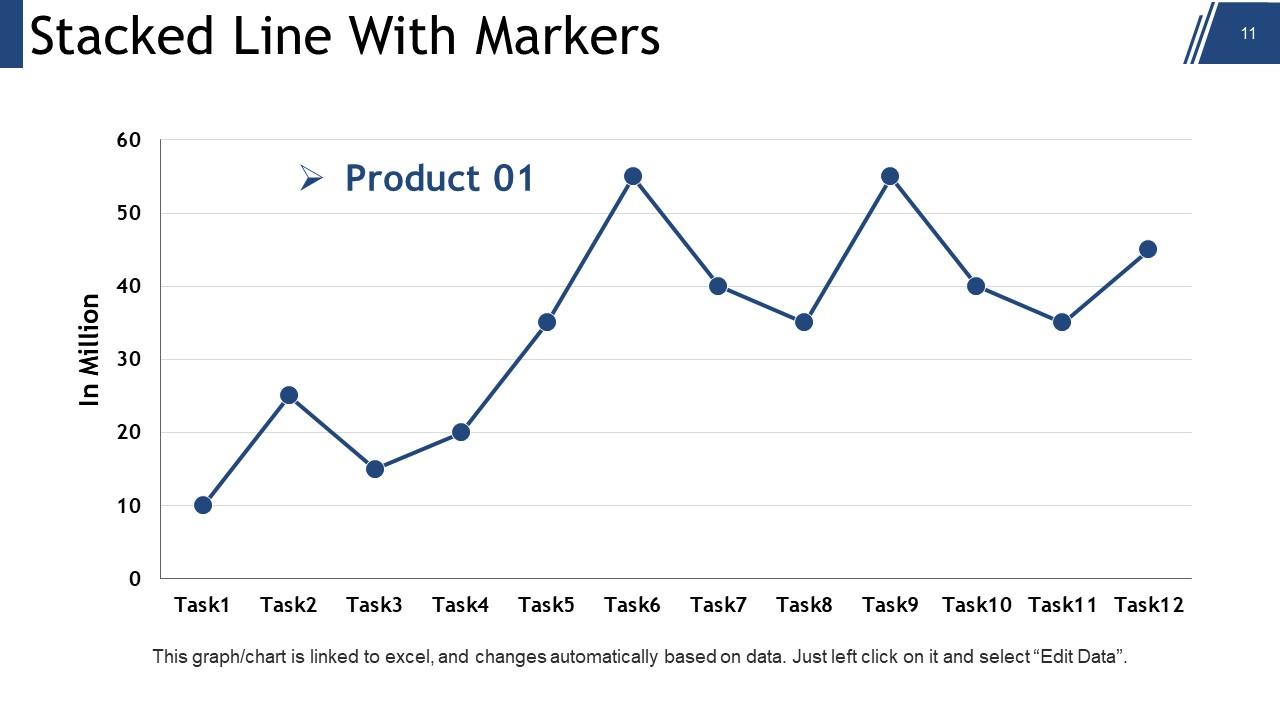
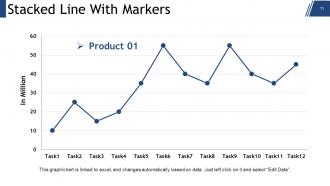
Slide 11: This slide shows a Stacked Line With Markers Graph for two product/entity comparison, information, specifications etc.
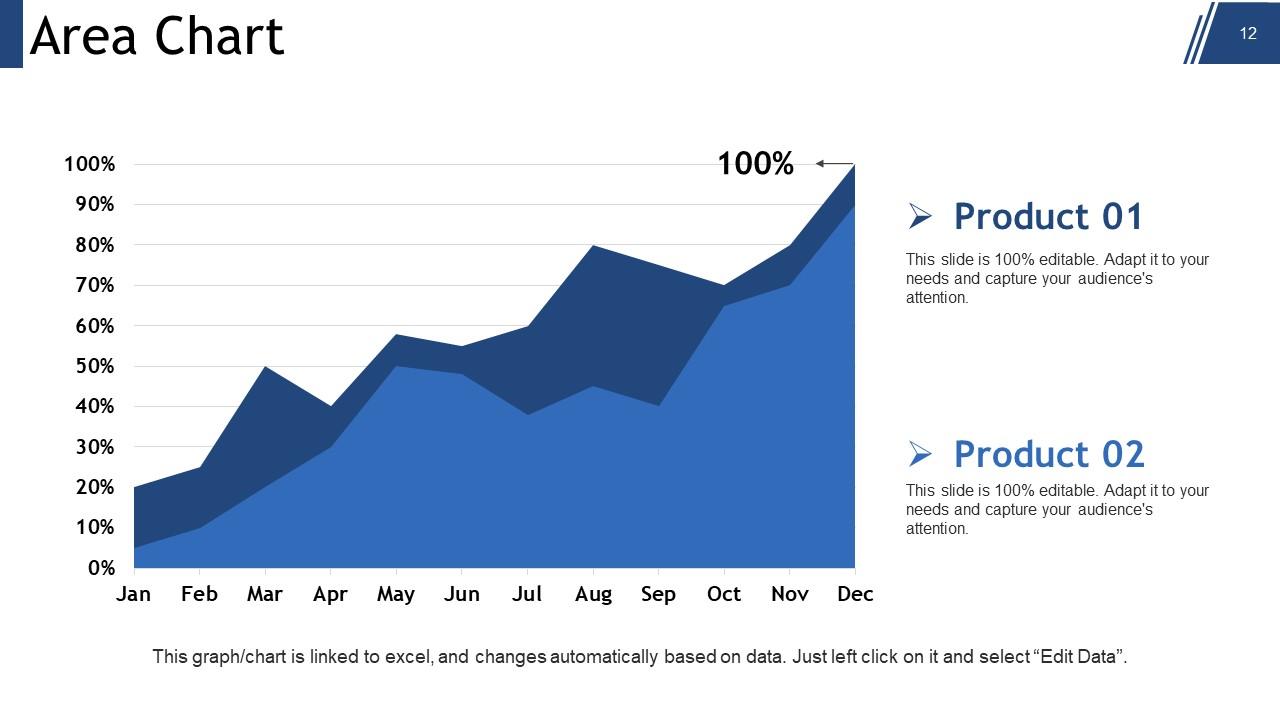
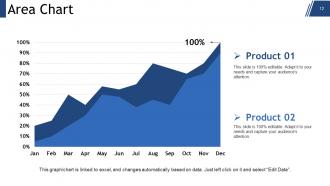
Slide 12: This is an Area Chart slide to show product/entity comparison, specifications etc.
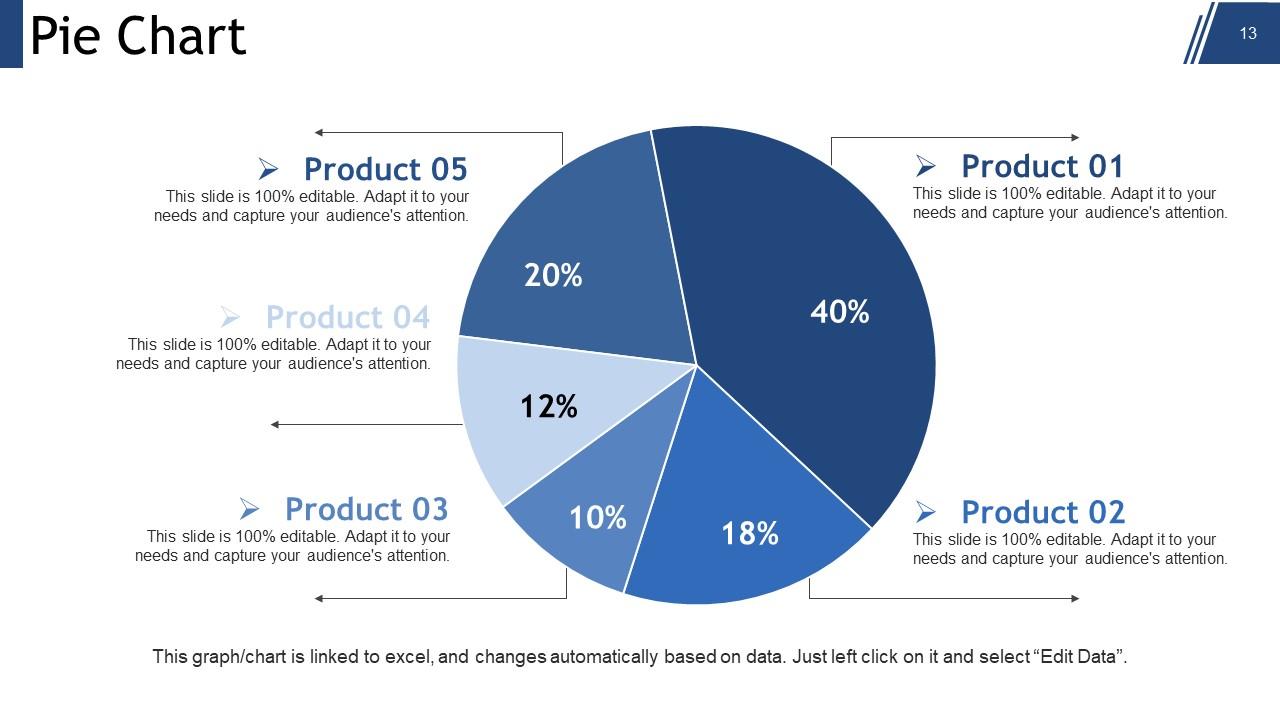
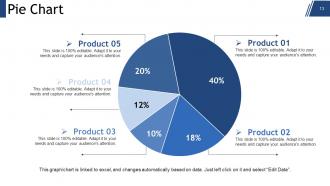
Slide 13: This slide shows a Pie Chart for two product/entity comparison, information, specifications etc.
Slide 14: This slide is titled Additional Slides. You may change content as per your need.
Slide 15: This is Our Mission slide. State it here.
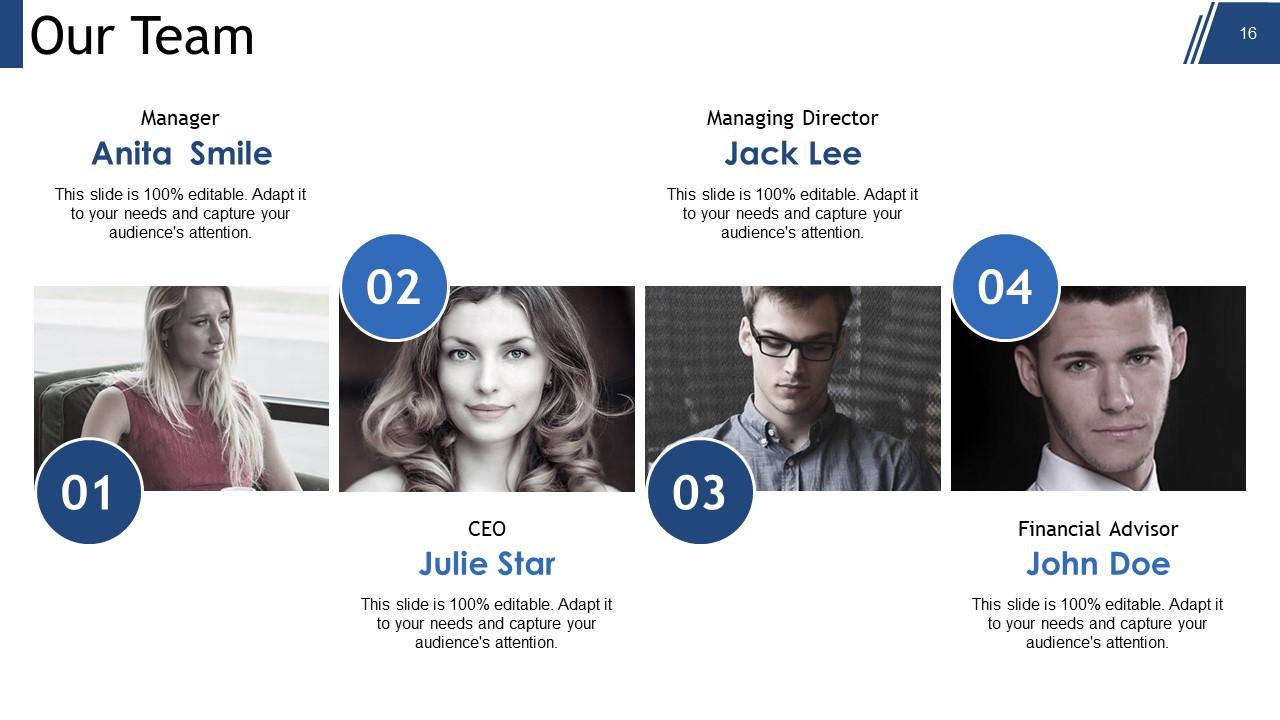
Slide 16: This is Our Team slide with names, designation and image boxes to fill information.
Slide 17: This is an About Us slide. State company/team specifications here.
Slide 18: This is Our Goal slide. State them here.
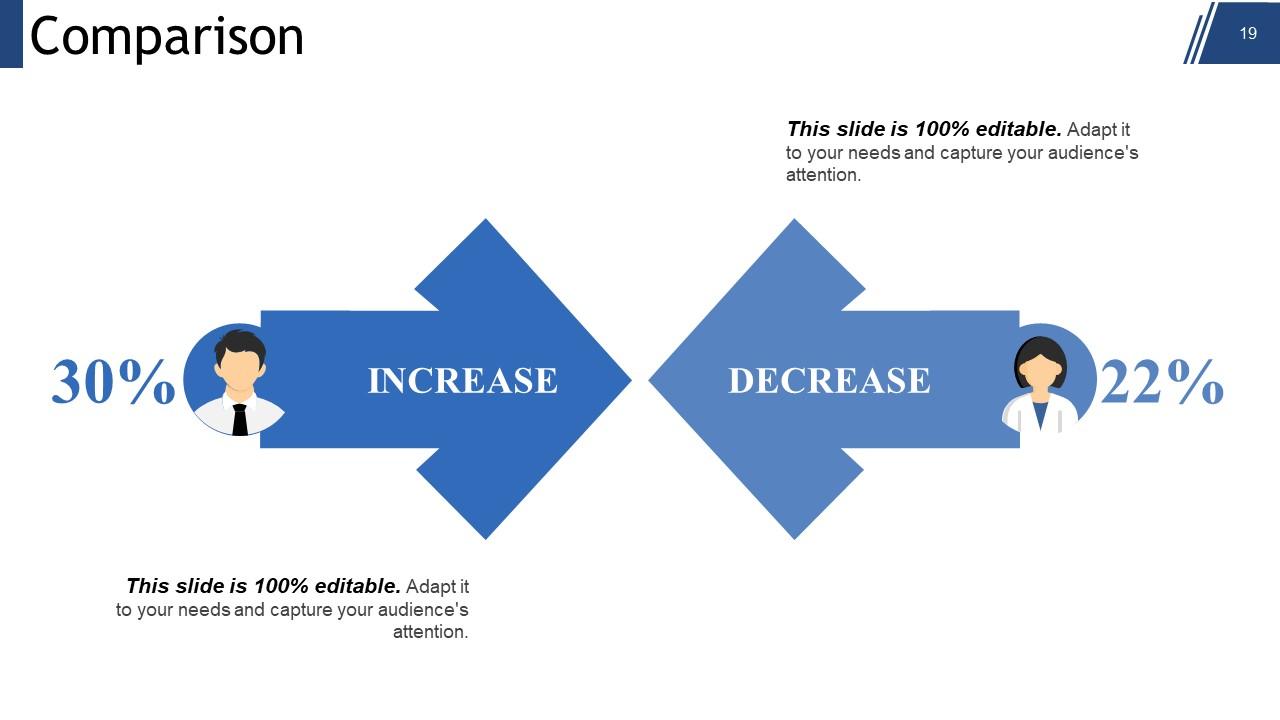
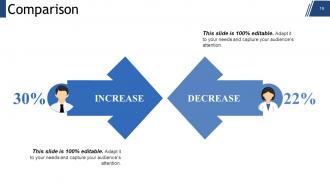
Slide 19: This slide shows Comparison in arrow imagery. State comparison aspects etc. here.
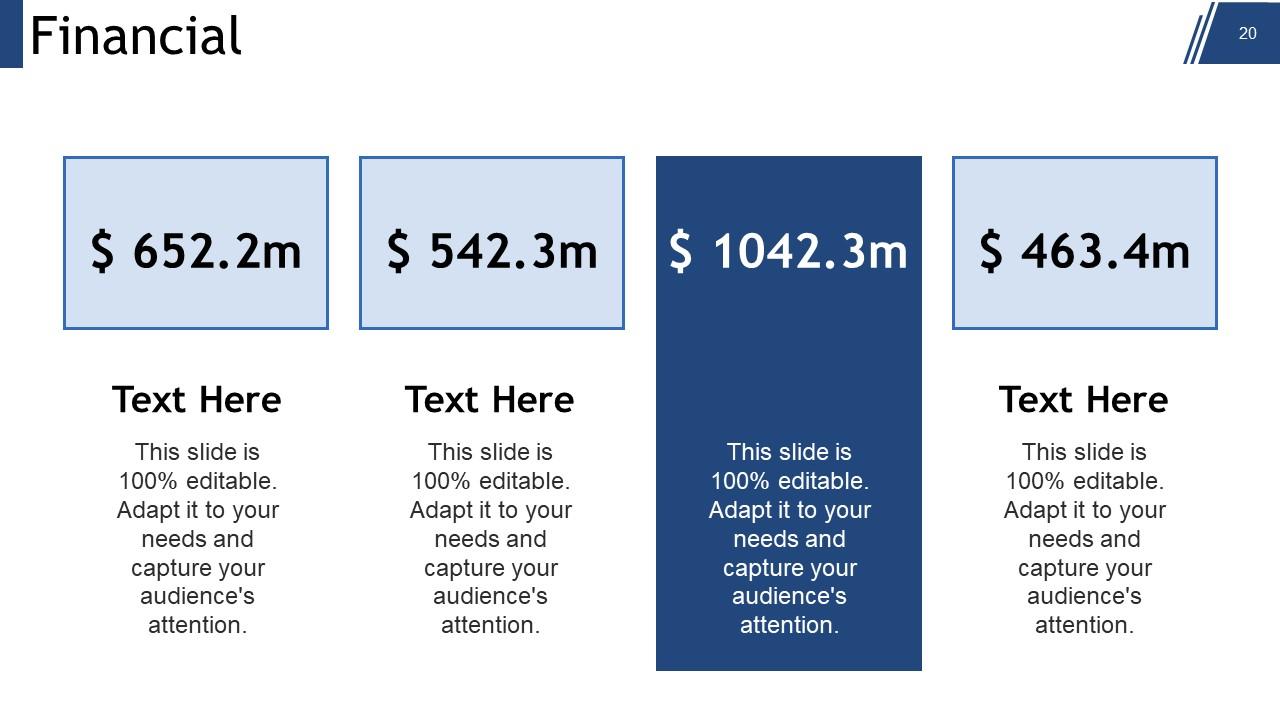
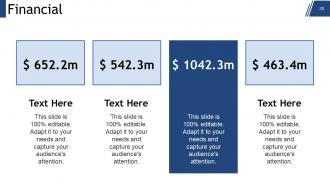
Slide 20: This is a Financial score slide. State financial aspects here.
Slide 21: This slide shows Quotes. Display your message, beliefs etc. here.
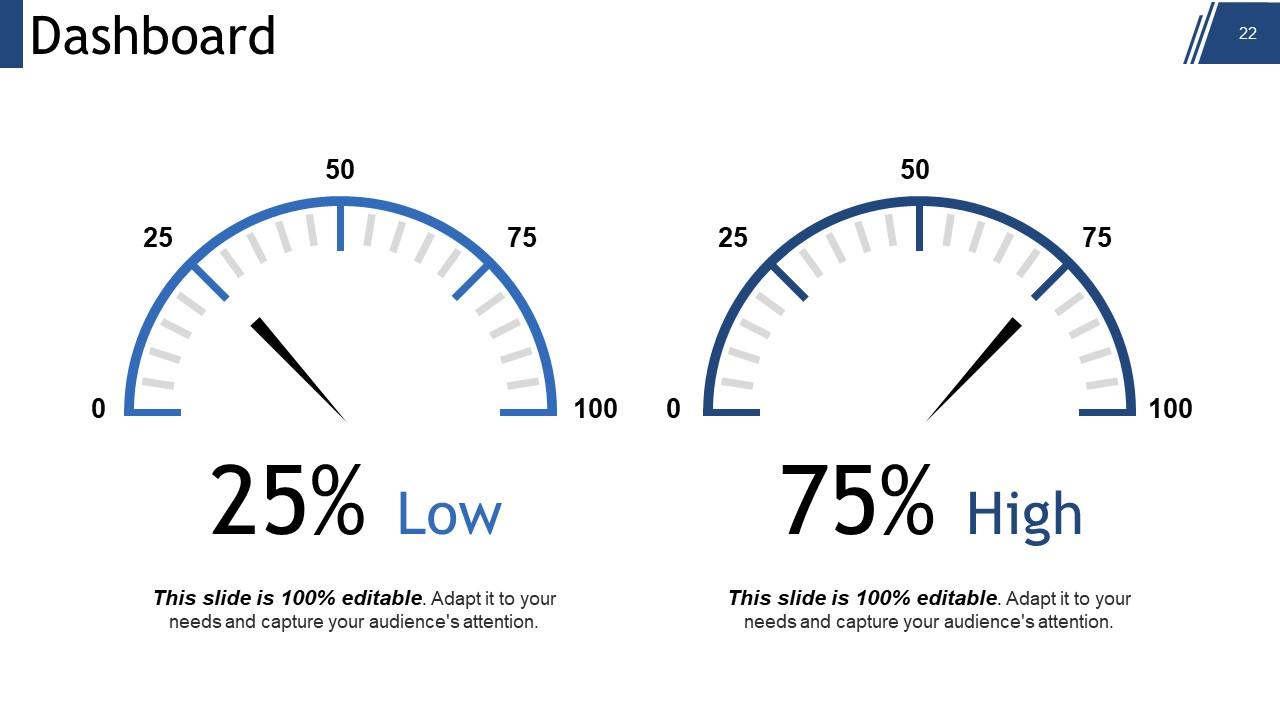
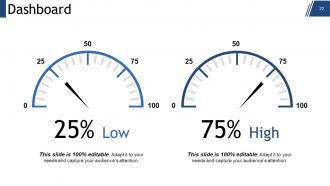
Slide 22: This slide displays Dashboard with imagery and text boxes. Present metrics, kpis etc. here.
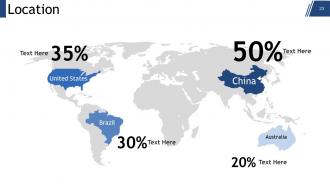
Slide 23: This slide showcases Location in world map image. Show global presence, growth etc. here.
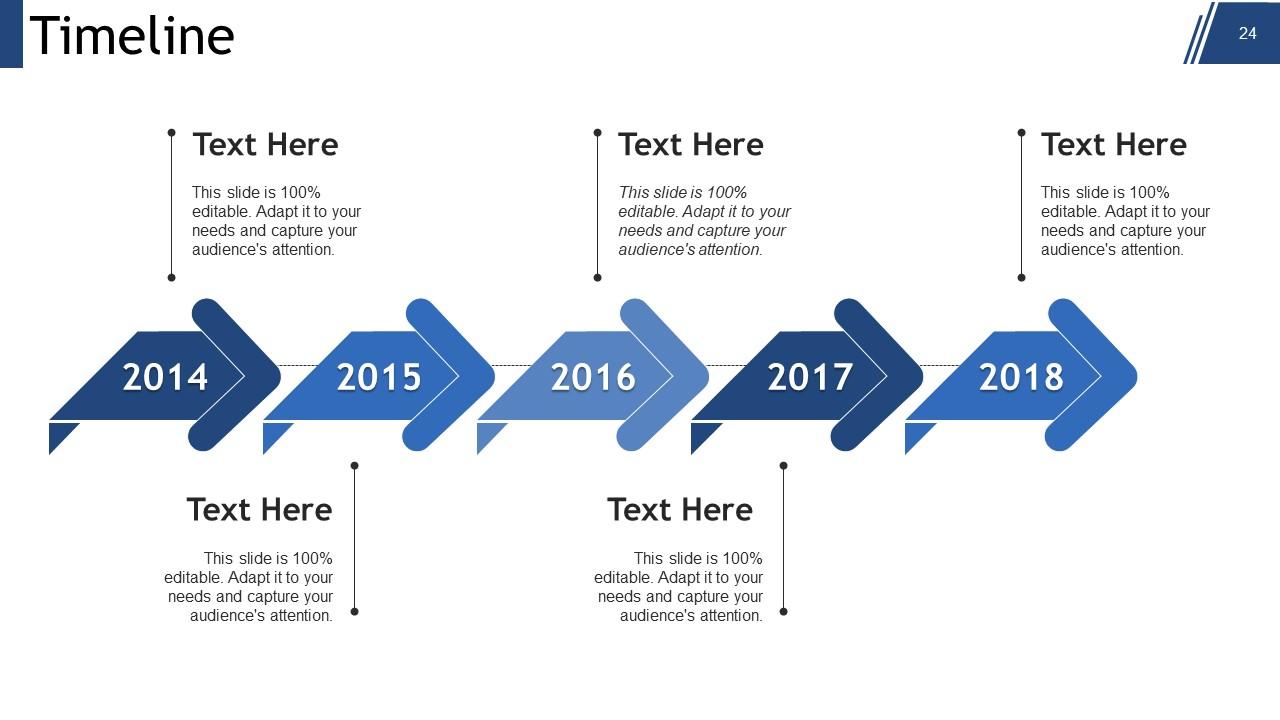
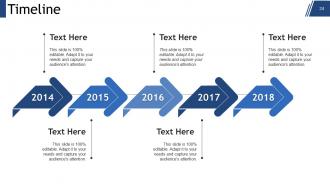
Slide 24: This is a Timeline slide. Show milestones, achievements, growth, journey etc. here.
Slide 25: This is Our Target slide. State them here.
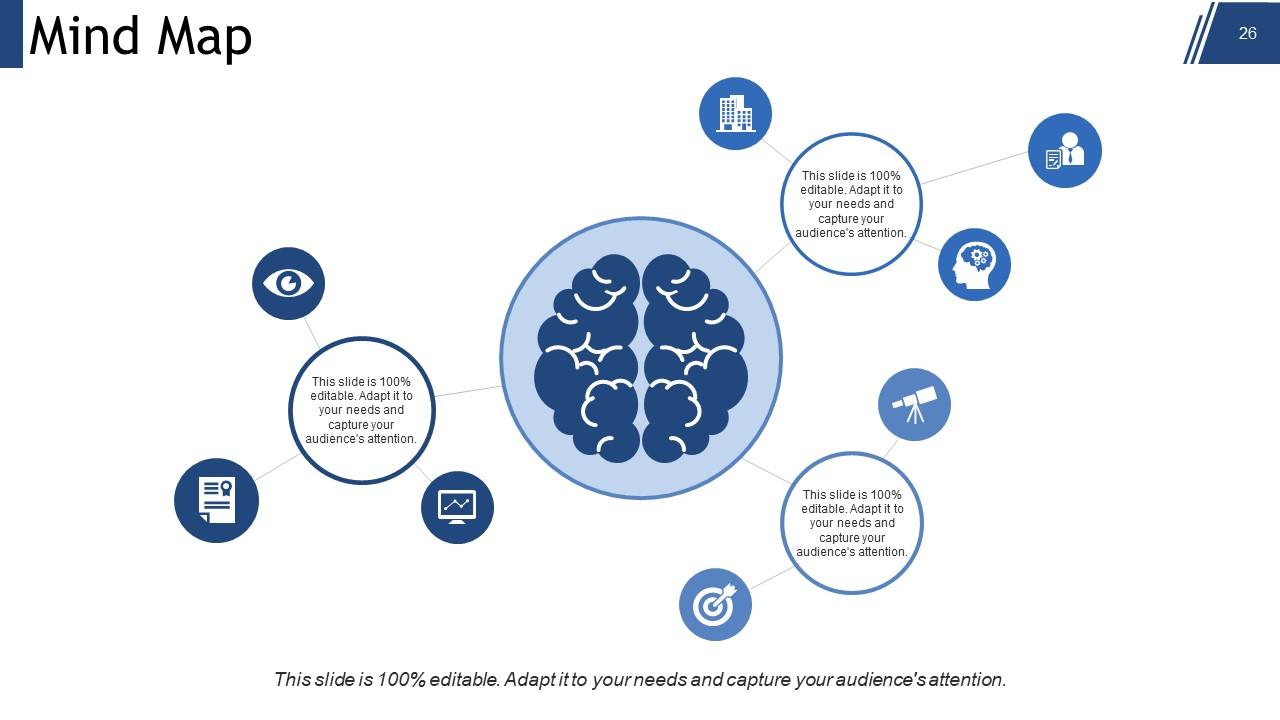
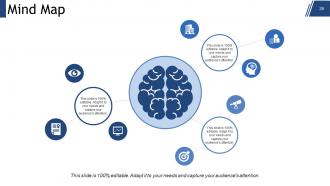
Slide 26: This is a Mind map slide. State information, specification etc. here.
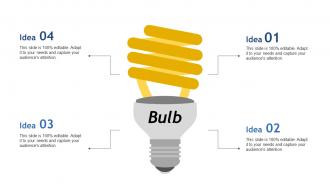
Slide 27: This is Bulb image slide. State information, specification, innovative aspects etc. here.
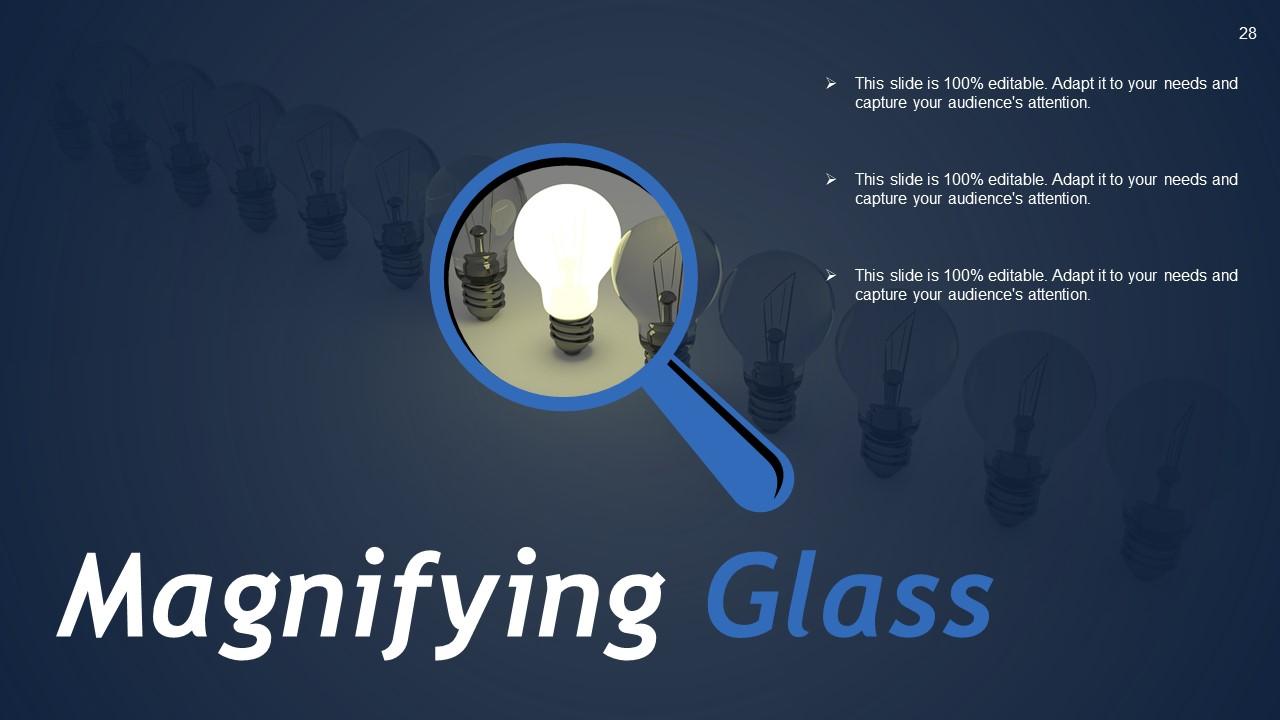
Slide 28: This is a Magnifying glass image slide. State information, specification, scoping aspects etc. here.
Slide 29: This is a Thank You slide with Address# street number, city, state, Contact Numbers, Email Address.
Customer Lead Management Powerpoint Presentation Slides with all 29 slides:
Add to the degree of exuberance existing with our Customer Lead Management Powerpoint Presentation Slides. It will inject a bit of exuberance.
-
Enough space for editing and adding your own content.
-
Excellent Designs.
