Customer relationship management process and dashboard powerpoint presentation slides
Are you dreaming to deliver a stunning Customer Relationship Management PowerPoint Templates? To quickly turn your spark into a flame here we are showcasing a pre built client relationship management Powerpoint presentation. With help of this PPT sample file you can motivate your employees for establishing enduring customer relations to fetch more and more business. Additionally, this Powerpoint show also supports to illustrate a thriving customer acquisition model as well as importance of crm in marketing to support employees for gaining new customers. Apart from this, using this PowerPoint deck to display data analysis you can enhance the comprehension of your sales work force about market position, trade inclination, money flow, customer loyalty, marketing strategy etc. Exclusive presentation slides like customer perceived value, why customers move away, transaction vs relationship marketing, economics of customer retention, crm components, basic crm and enhanced crm etc. are included in this visual communication to make it more precise. All you need to do is to get started with our readymade customer relationship management process and dashborad slide presentation.Our Customer Relationship Management Process And Dashboard Powerpoint Presentation Slides contain excellent graphics. Designed to enhance clarity of communication.
Are you dreaming to deliver a stunning
if(document.querySelectorAll(".pdp-description ").length > 0 ){
document.querySelector(".product-gallery-sub-title").classList.remove("content-trim");
var content = document.querySelector('.original_content').innerHTML;
var showChar = 500;
var ellipsestext = "..";
var moretext = "Read more";
var lesstext = " Read less";
resizePara(content);
window.addEventListener('resize', function() {
resizePara(content);
});
function resizePara(content) {
var windows_width = window.screen.width;
if (windows_width <= 1366 && windows_width > 768) {
showChar = 390;
} else if (windows_width <= 768 && windows_width > 500) {
showChar = 275;
} else if (windows_width <= 500) {
showChar = 125;
} else {
document.querySelector('.product-gallery-sub-title').innerHTML = content;
}
if (content.length > showChar && windows_width<=1366 ) {
var c = content.substr(0, showChar - 1);
var h = content.substr(showChar - 1, content.length - showChar);
var html = c + '' + ellipsestext + ' ' + h + '' + moretext + '';
document.querySelector('.product-gallery-sub-title').innerHTML = html;
document.querySelector('.product-gallery-sub-title.for_mobile').innerHTML = html;
}
};
}
Want Changes to This PPT Slide? Check out our Presentation Design Services
You must be logged in to download this presentation.
Do you want to remove this product from your favourites?
58 presentation slides to utterly make it ready to download. 100% complete for a customer relationship manager, strategic thinker, business manager etc. Presentation templates having adequate space to insert titles, sub titles or logos. Manually customize color, layout or background to perfectly match your style. Easy option to introduce videos and animation. Works well with all modern software’s. Easy option to convert into PDF or JPG formats. People who downloaded this PowerPoint presentation also viewed the following : Slide 1: This is an introductory slide for Customer Relationship Management Process And Dashboard. State Your Company Name to begin. Bring cheer to the heavy hearted with our Customer Relationship Management Process And Dashboard Powerpoint Presentation Slides. Give them a chance to find happiness.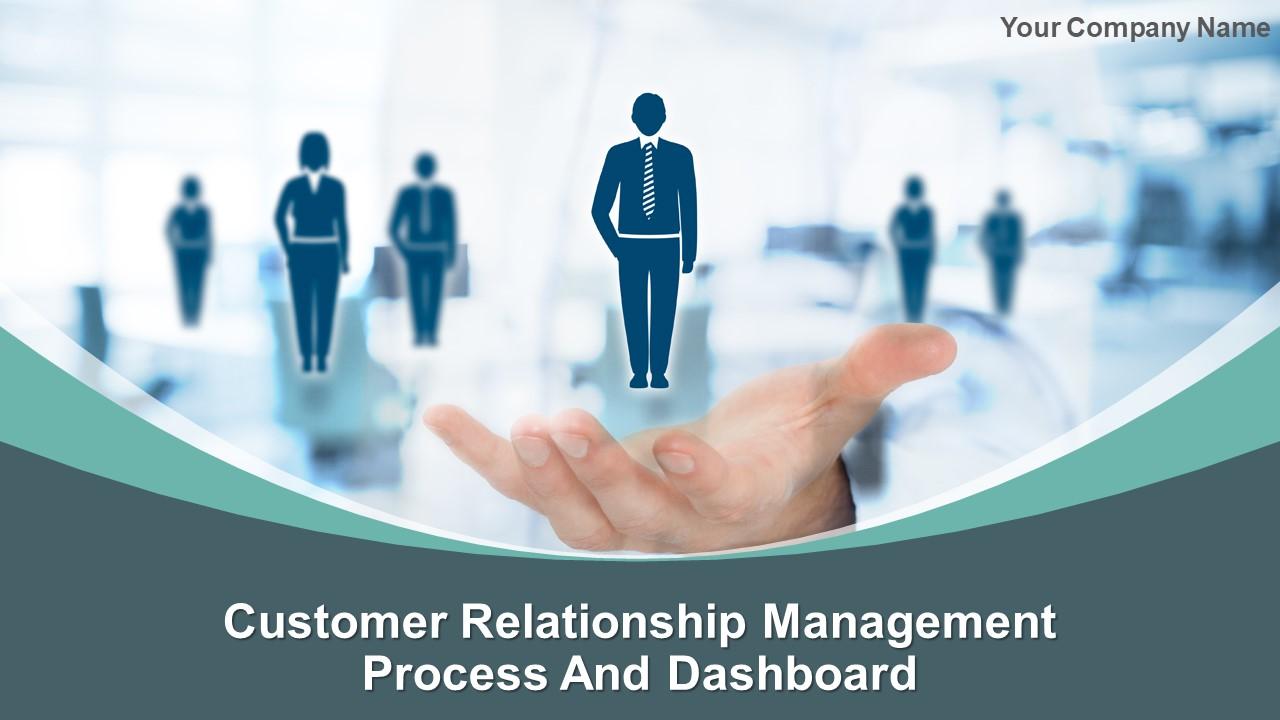





Compatible With Google Slides


Get This In WideScreen



PowerPoint presentation slides
Content of this Powerpoint Presentation
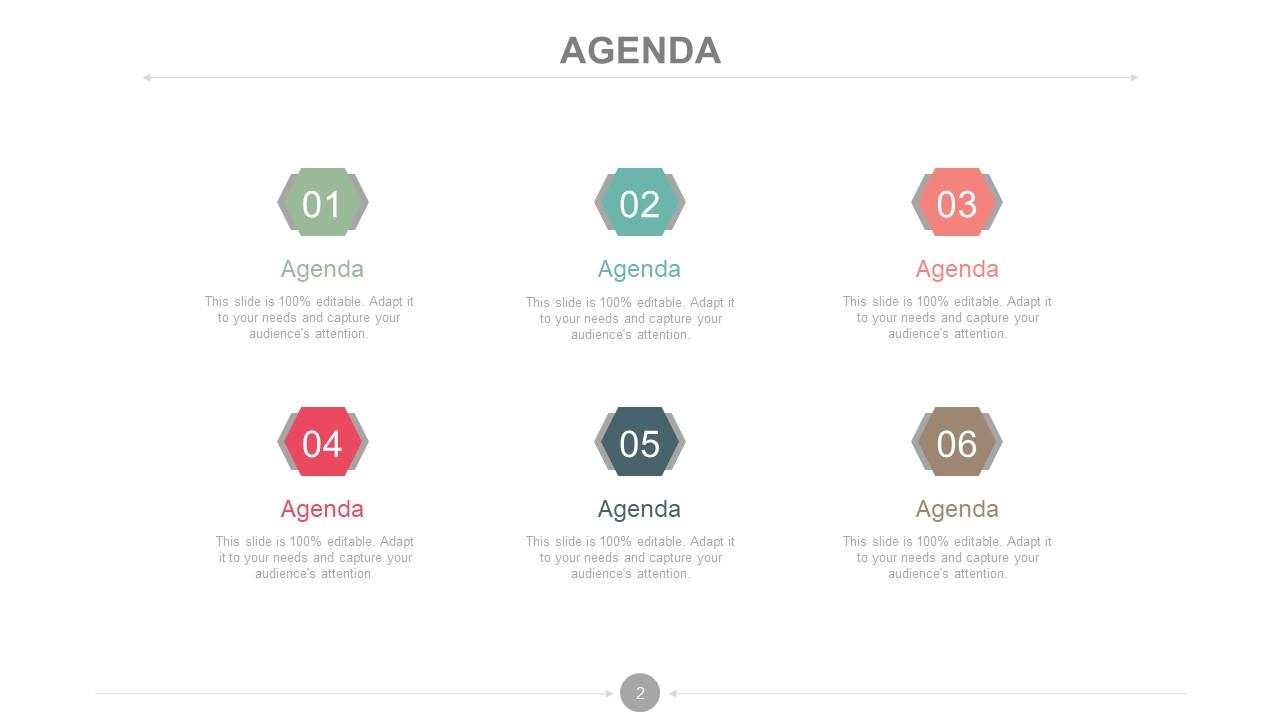
Slide 2: This is an Agenda slide. Showcase your agendas here.
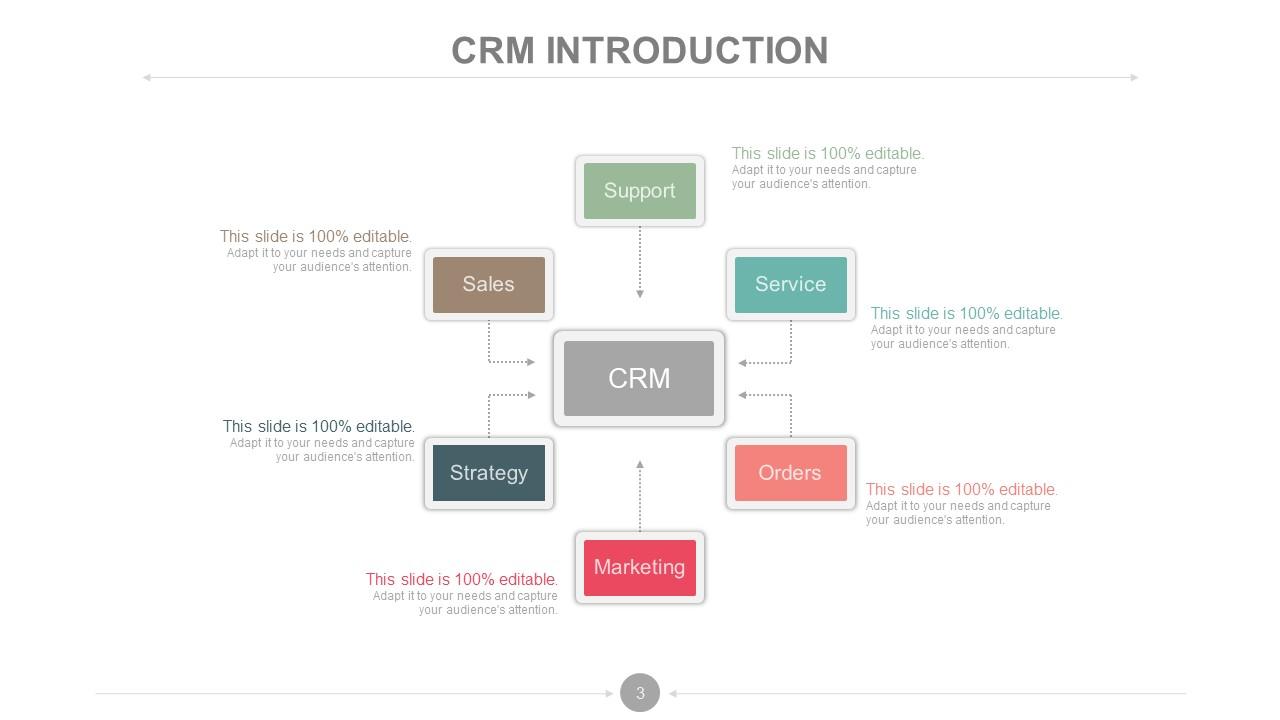
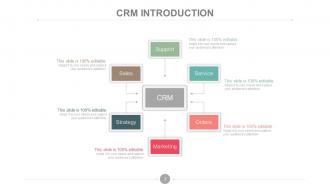
Slide 3: This slide shows CRM INTRODUCTION displaying- Support, Sales, Strategy, Orders, Service, CRM, Marketing.
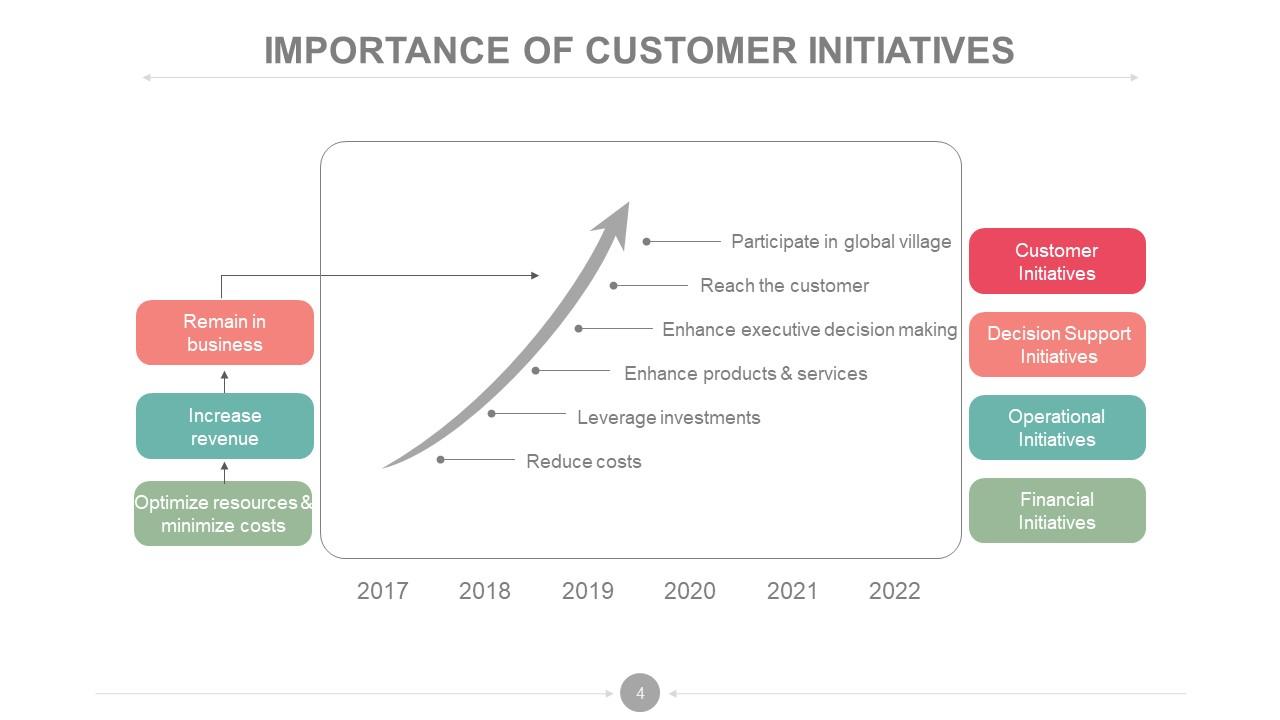
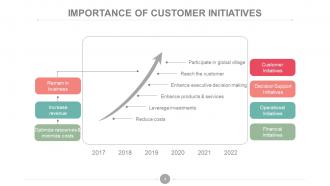
Slide 4: This slide presents Importance of Customer Initiatives displaying- Customer Initiatives, Decision Support Initiatives, Operational, Initiatives, Financial, Initiatives, Remain in business, Increase revenue, Optimize resources & minimize costs, Leverage investments, Reduce costs, Enhance products & services, Enhance executive decision making, Reach the customer, Participate in global village.
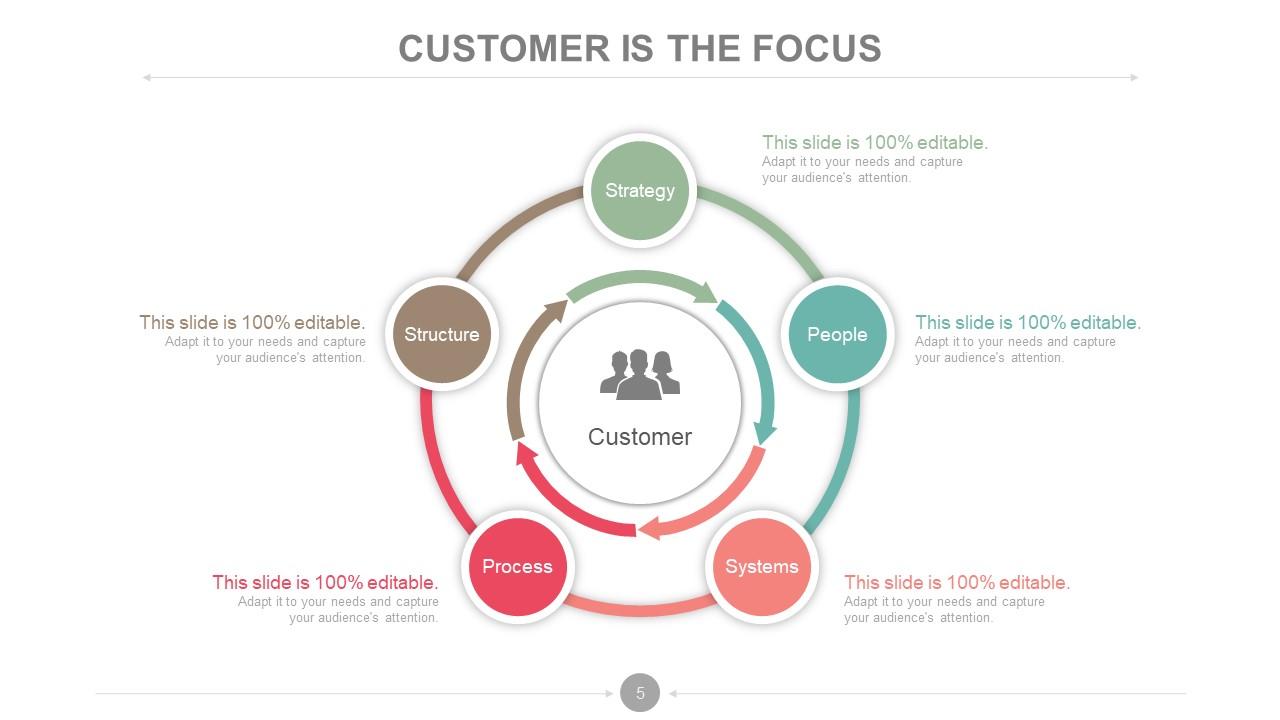
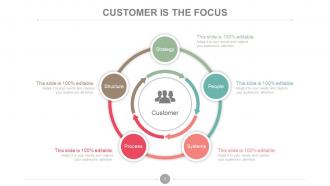
Slide 5: This slide presents Customer Is The Focus stating- Strategy, People, Systems, Process, Structure .
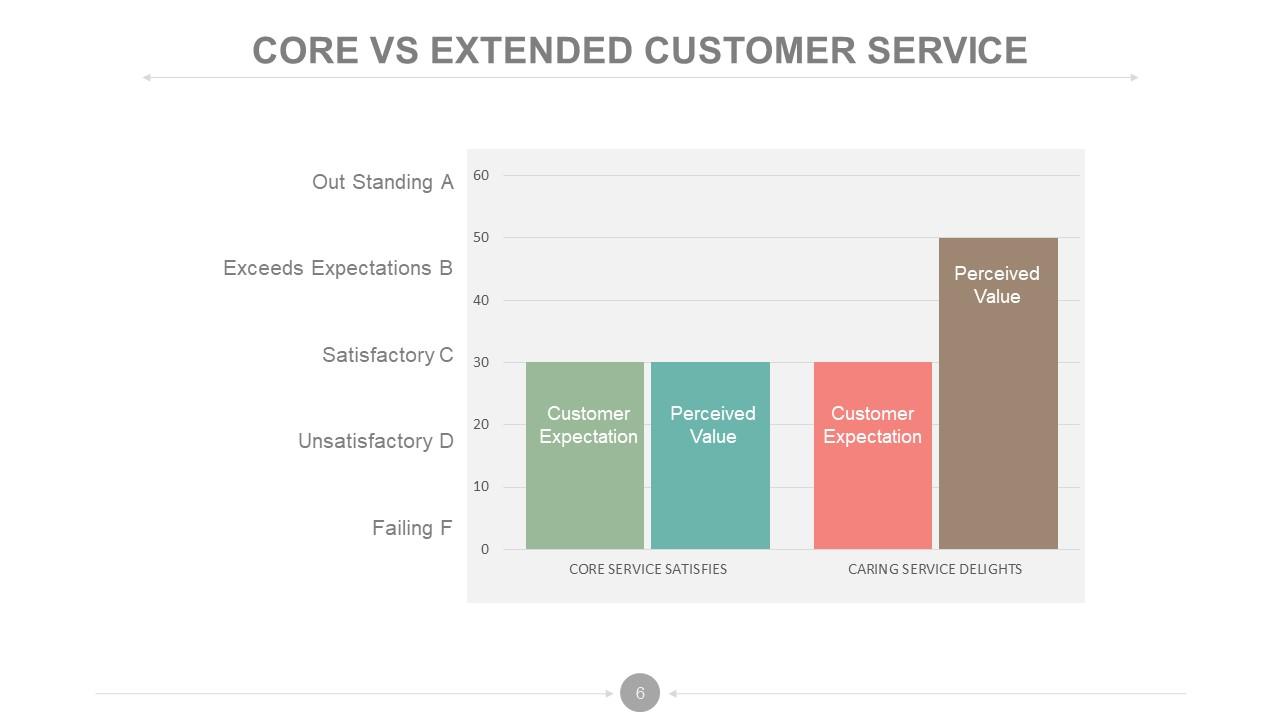
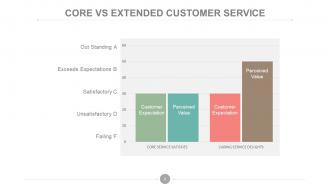
Slide 6: This slide showcases Core Vs Extended Customer Service showing- Out Standing A, Exceeds Expectations B, Satisfactory C, Unsatisfactory D, Failing F, Customer, Expectation, Perceived Value, Customer, Expectation, Perceived Value.
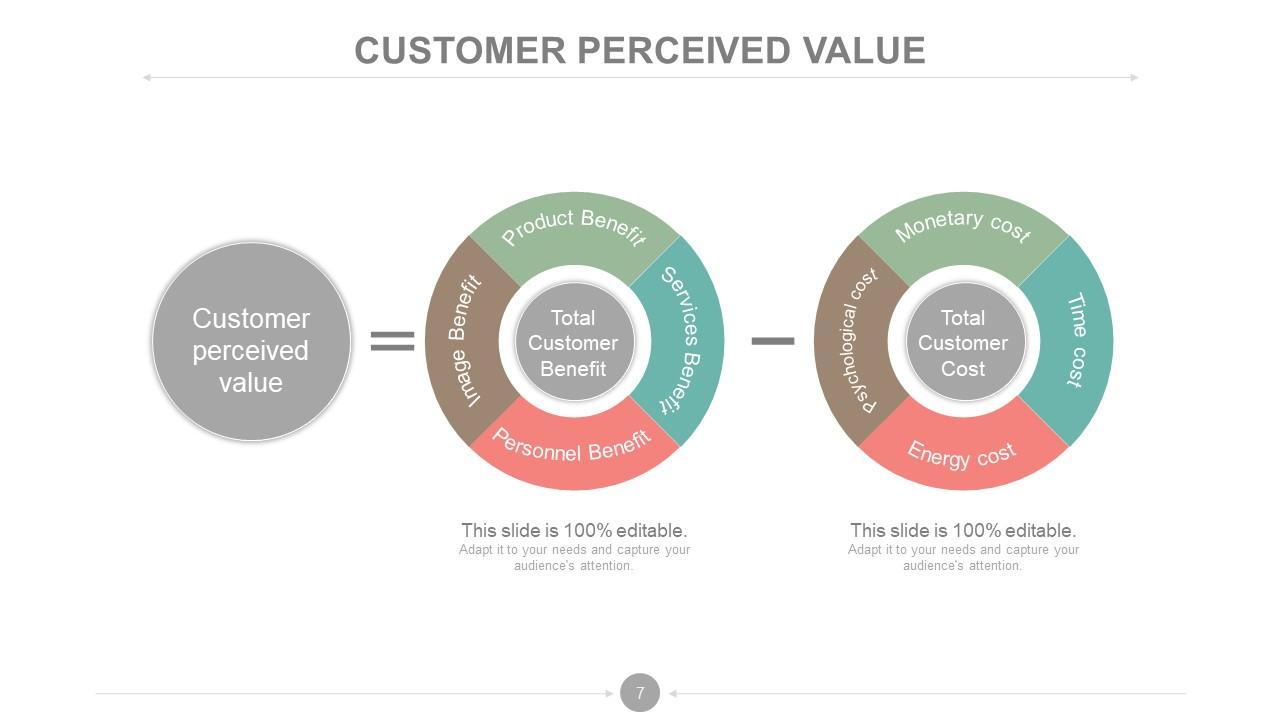
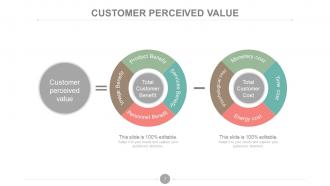
Slide 7: This slide showcases Customer perceived value displaying- Product Benefit, Services Benefit, Personnel Benefit, Image Benefit, Total Customer Benefit, Monetary cost, Time cost, Energy cost, Psychological cost, Total Customer Cost.
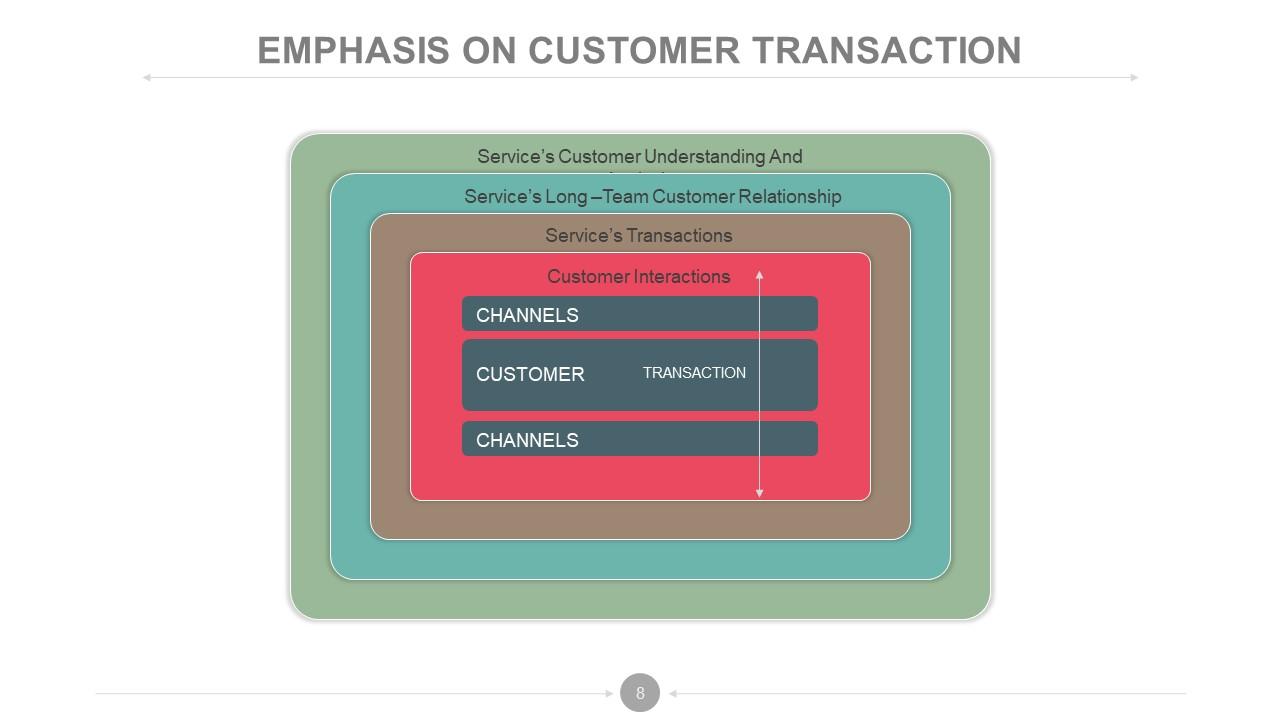
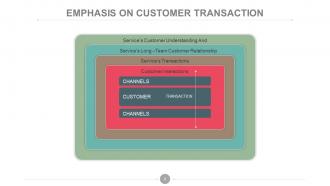
Slide 8: This slide shows Emphasis On Customer Transaction displaying- Service’s Customer Understanding And Analysis, Service’s Long –Team Customer Relationship, Service’s Transactions, Customer Interactions, Channels, Customer, Channels, Transaction.
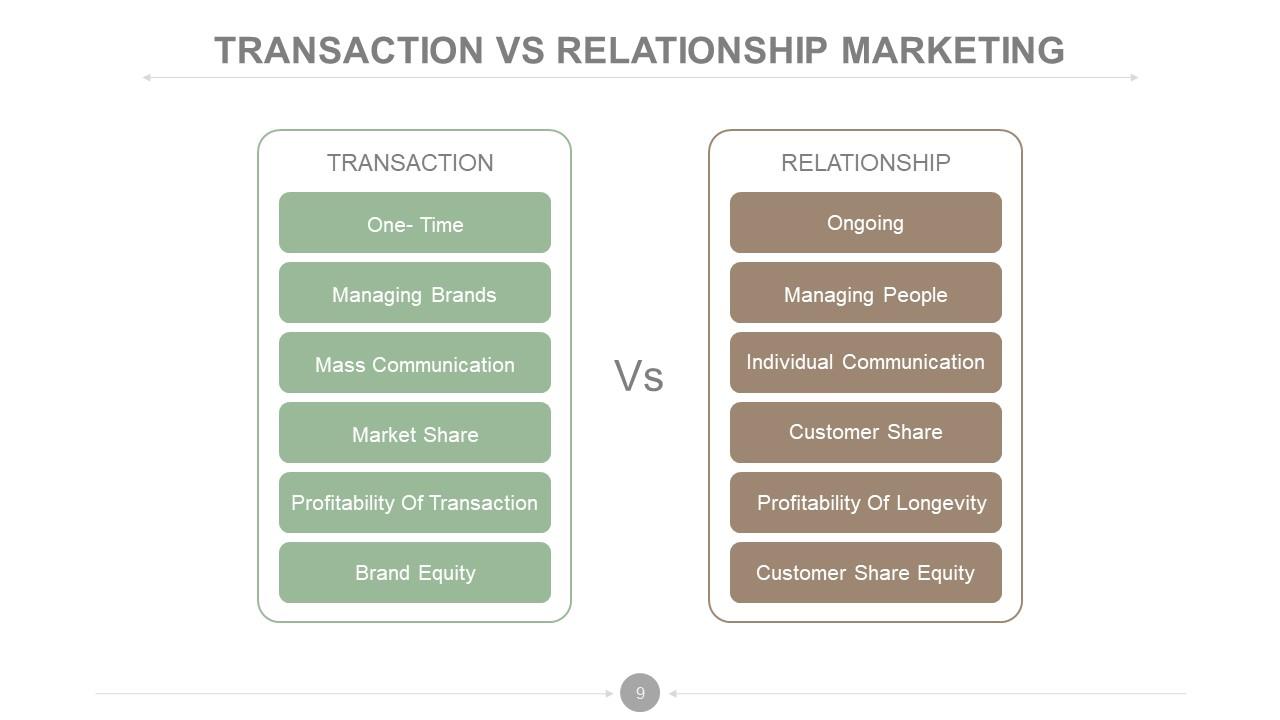
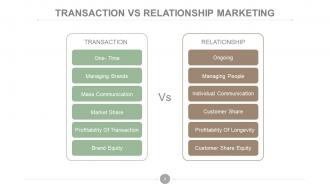
Slide 9: This slide showcases Transaction Vs Relationship Marketing displaying- One- Time, Managing Brands, Mass Communication, Market Share, Profitability Of Transaction, Brand Equity of TRANSACTION Ongoing, Managing People, Individual Communication, Customer Share, Profitability Of Longevity, Customer Share Equity of Relationship.
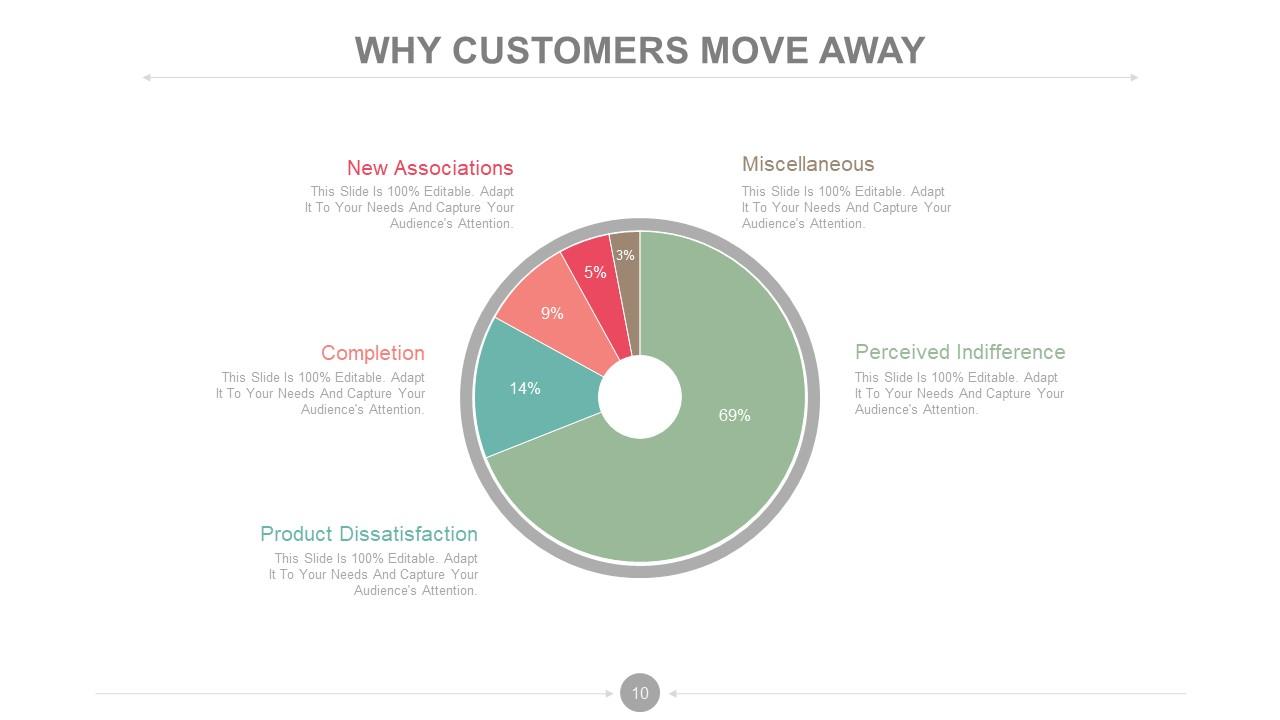
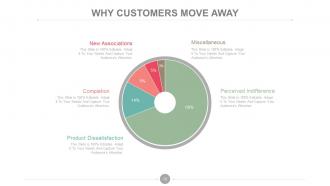
Slide 10: This slide showcases Why Customers Move Away showing- New Associations, Completion, Product Dissatisfaction, Miscellaneous, Perceived Indifference.
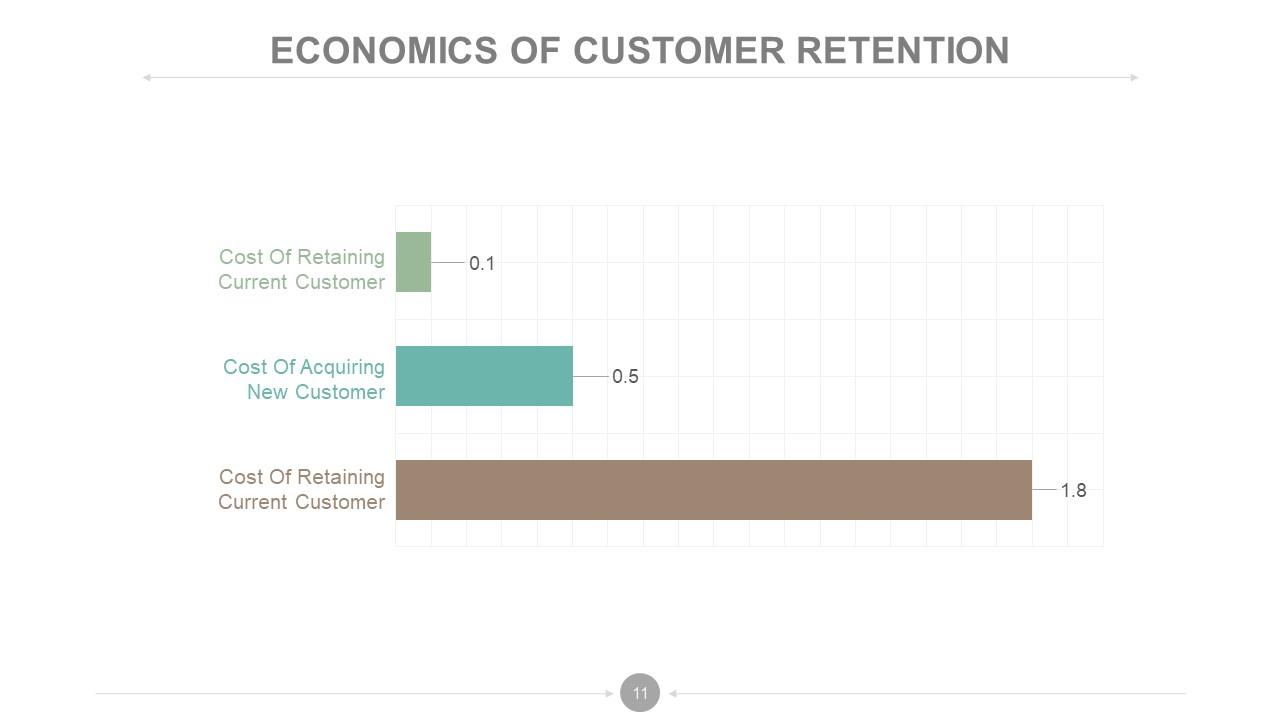
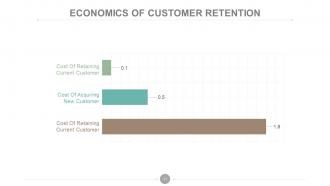
Slide 11: This slide showcases Economics Of Customer Retention showing- Cost Of Retaining Current Customer, Cost Of Acquiring New Customer, Cost Of Retaining Current Customer.
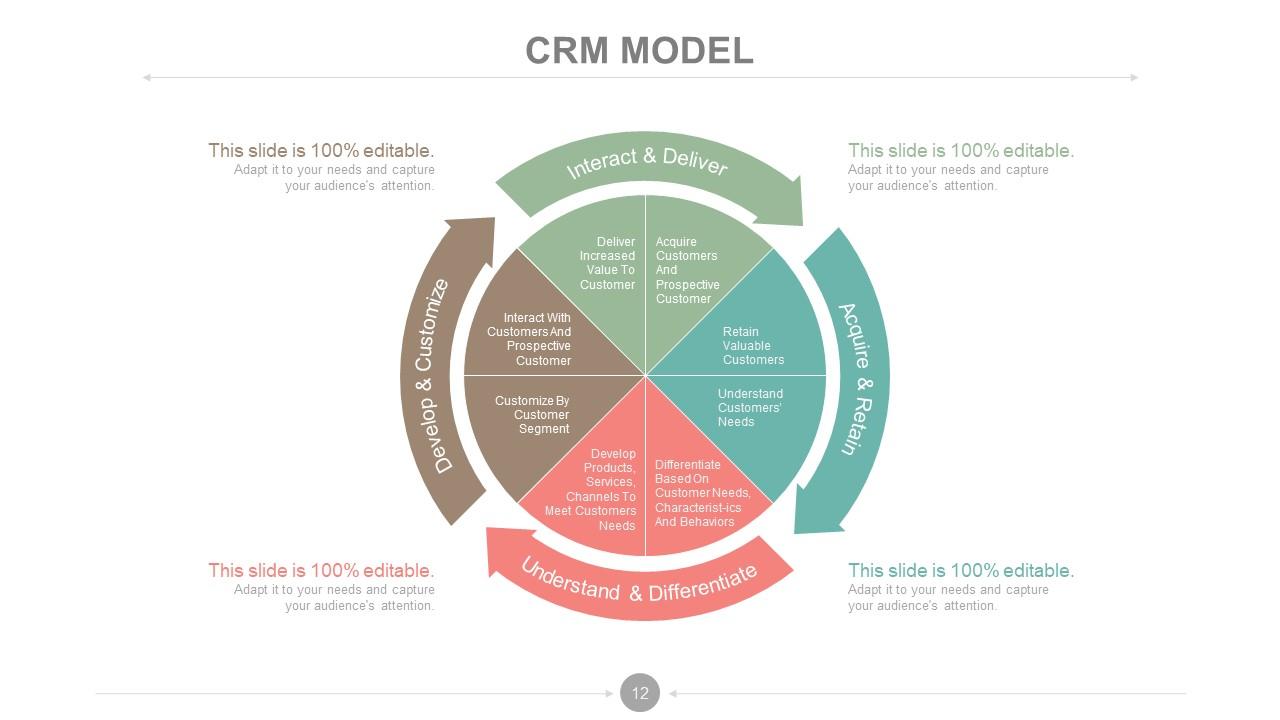
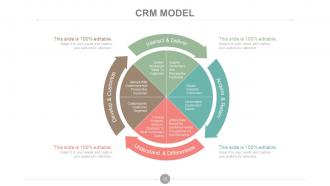
Slide 12: This slide shows CRM Model displaying- Differentiate Based On Customer Needs, Characterist-ics And Behaviors, Develop Products, Services, Channels To Meet Customers Needs, Retain Valuable Customers, Interact With Customers And Prospective, Customer, Understand Customers’ Needs, Customize By Customer Segment, Acquire Customers And Prospective Customer, Deliver Increased Value To Customer, Interact & Deliver, Develop & Customize, Understand & Differentiate, Acquire & Retain.
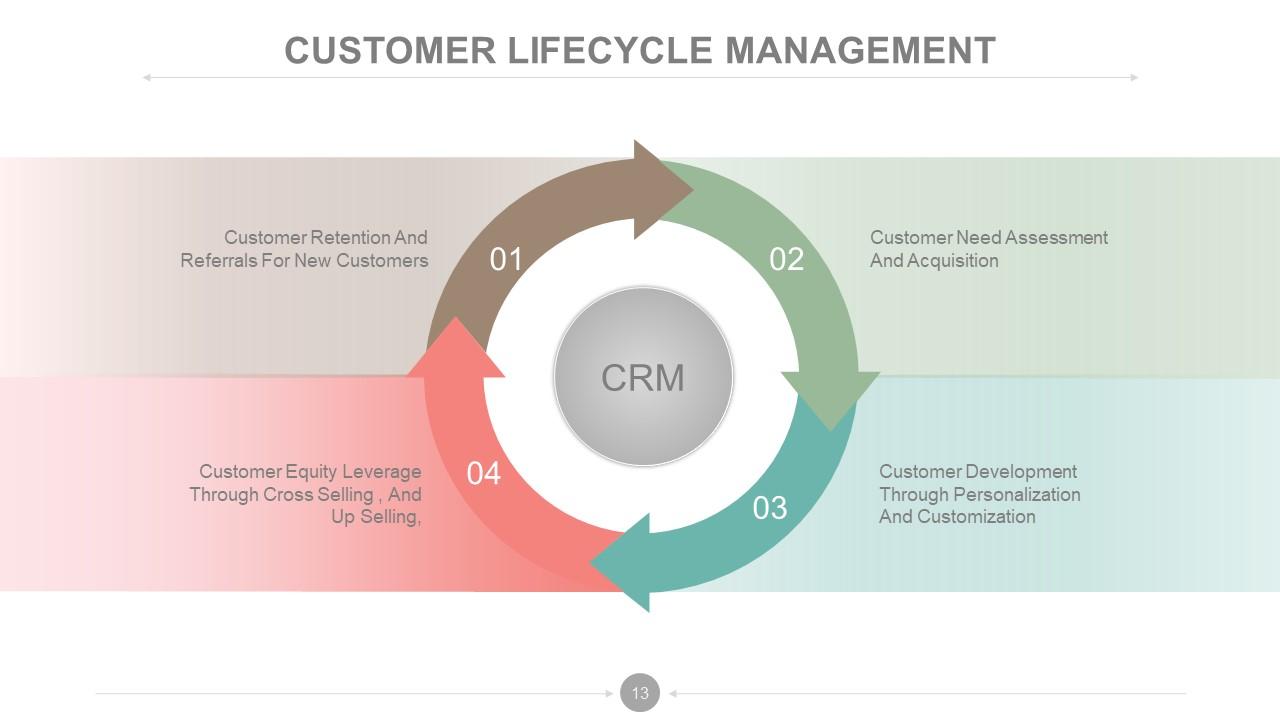
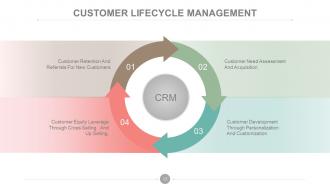
Slide 13: This slide presents Customer Lifecycle Management showing- Customer Development Through Personalization And Customization, Customer Need Assessment And Acquisition, Customer Equity Leverage Through Cross Selling , And Up Selling, Customer Retention And Referrals For New Customers.
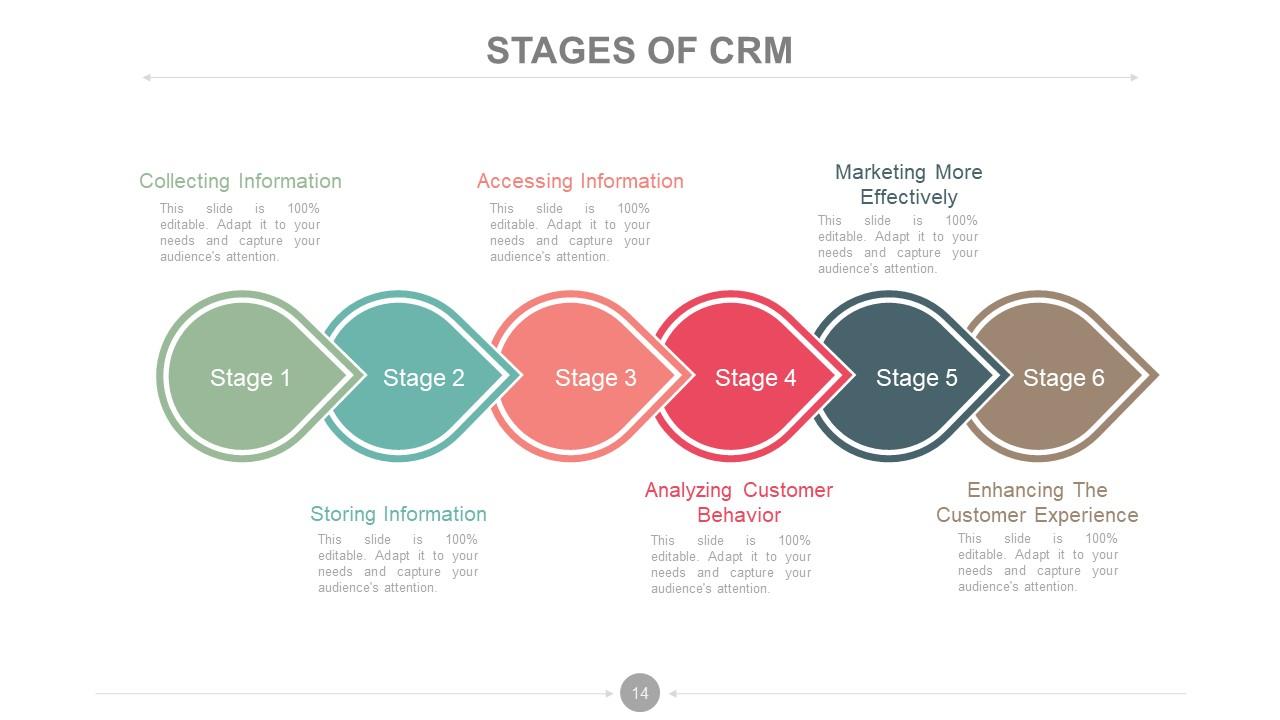
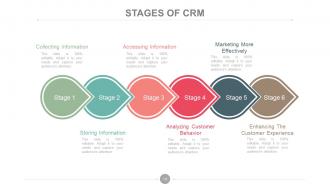
Slide 14: This slide shows Stages Of CRM displaying- Enhancing The Customer Experience, Marketing More Effectively, Analyzing Customer Behavior, Accessing Information, Storing Information, Collecting Information.
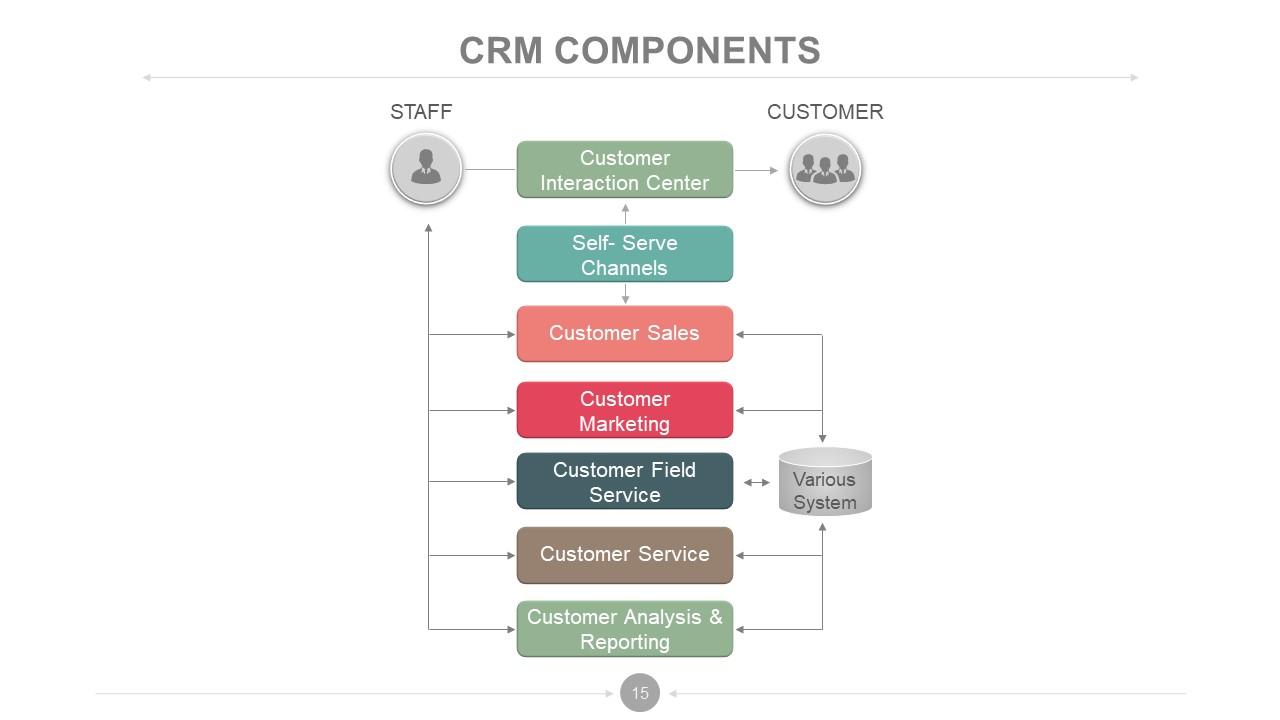
Slide 15: This slide shows CRM Components displaying- Various System, Customer Interaction Center, Customer Sales, Customer Marketing, Customer Field Service, Customer Service, Customer Analysis & Reporting, Self- Serve Channels.
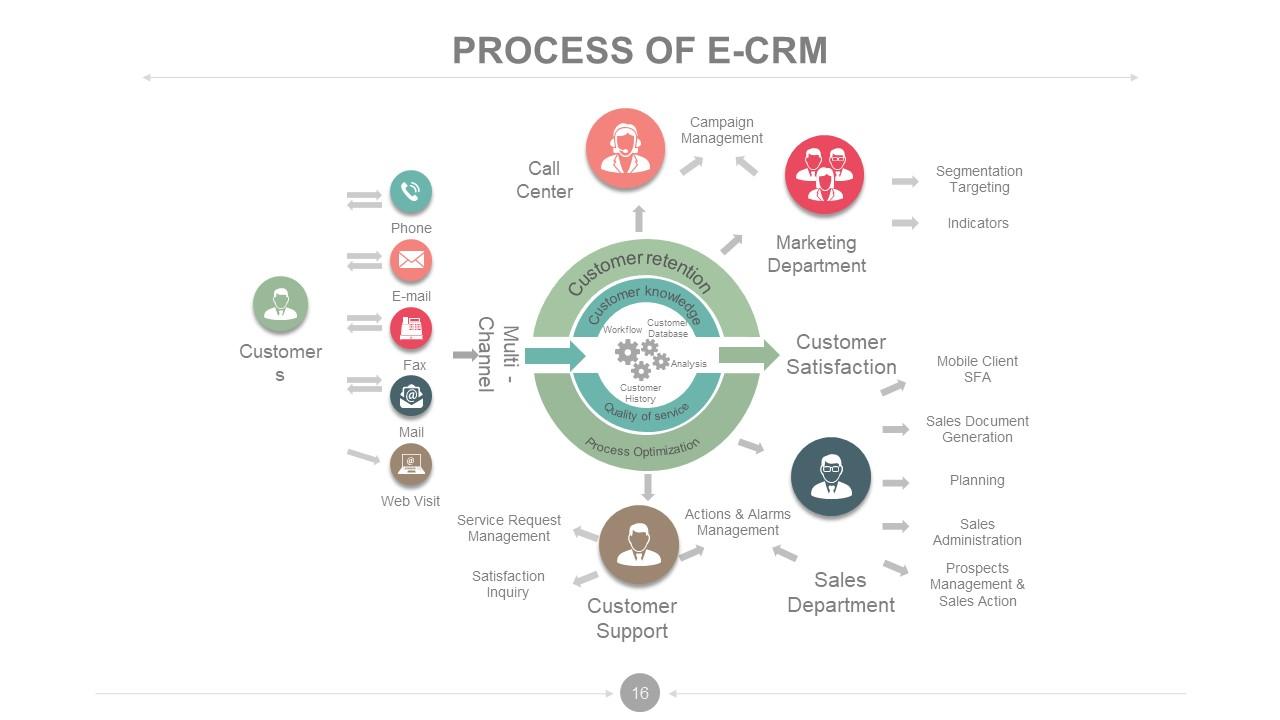
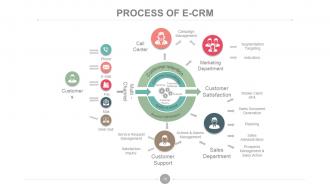
Slide 16: This slide showcases Process Of E-CRM showing- Marketing Department, Indicators, Segmentation Targeting, Campaign Management, Call Center, Service Request Management, Satisfaction Inquiry, Customer Support, Mobile Client SFA, Sales Document Generation, Planning, Prospects Management & Sales Action, Sales Administration, Actions & Alarms Management, Sales Department, Customer Satisfaction, Multi - Channel, Phone, Web Visit, Process Optimization, Customer Retention, Quality Of Service, Customer Knowledge, Customer, Database, Workflow, Analysis, Customer, History, Customer retention, Customer knowledge, Quality of service, Process Optimization, Customers.
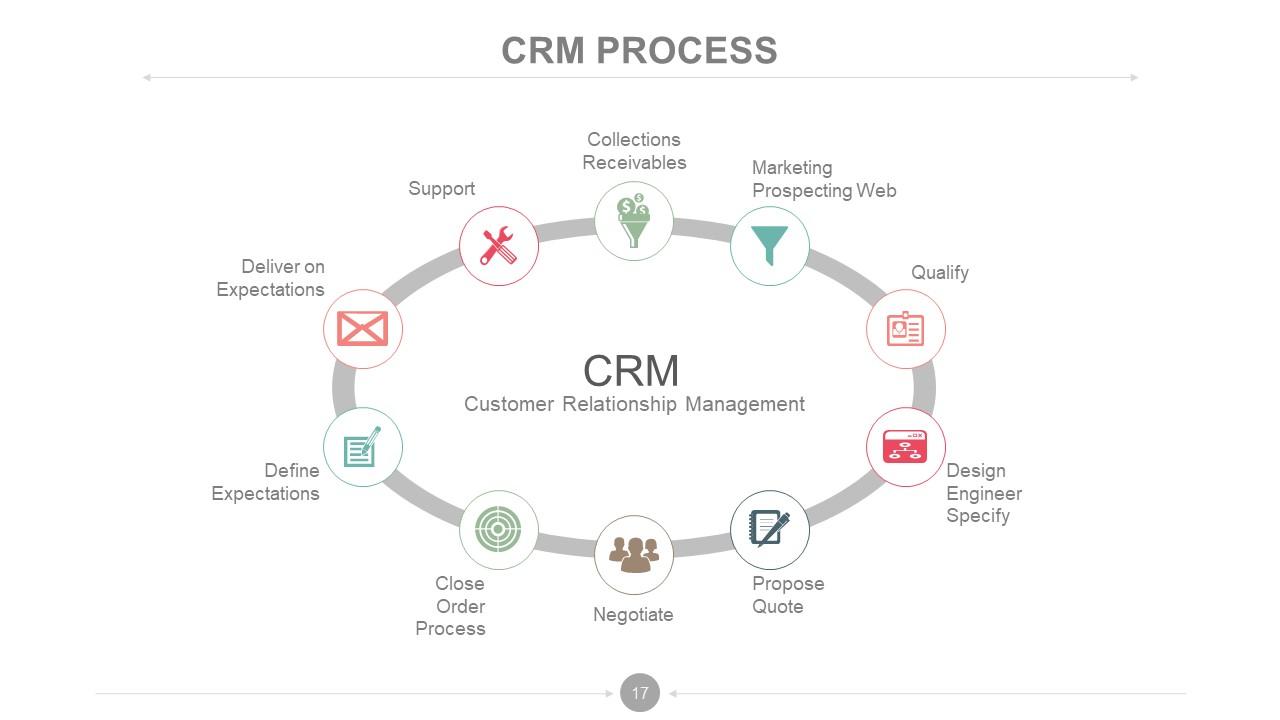
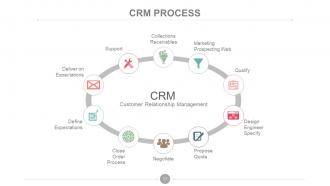
Slide 17: This slide also showcases CRM Process displaying- Deliver on Expectations, Define Expectations, Close Order, Process, Negotiate, Support, Propose, Quote, Collections, Receivables, Marketing, Prospecting Web, Qualify, Design Engineer, Specify.
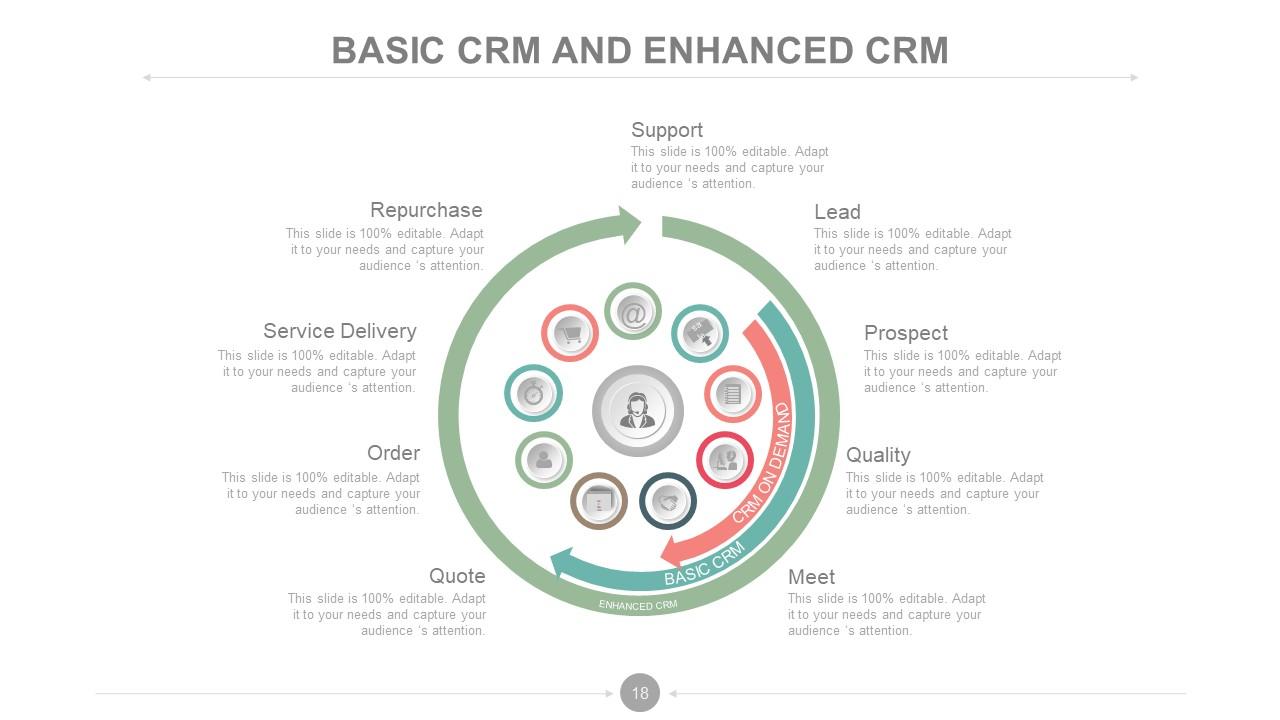
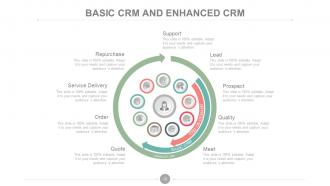
Slide 18: This slide shows Basic CRM And Enhanced CRM showing- Support, Lead, Prospect, Quality, Meet, Repurchase, Service Delivery, Order, Quote.
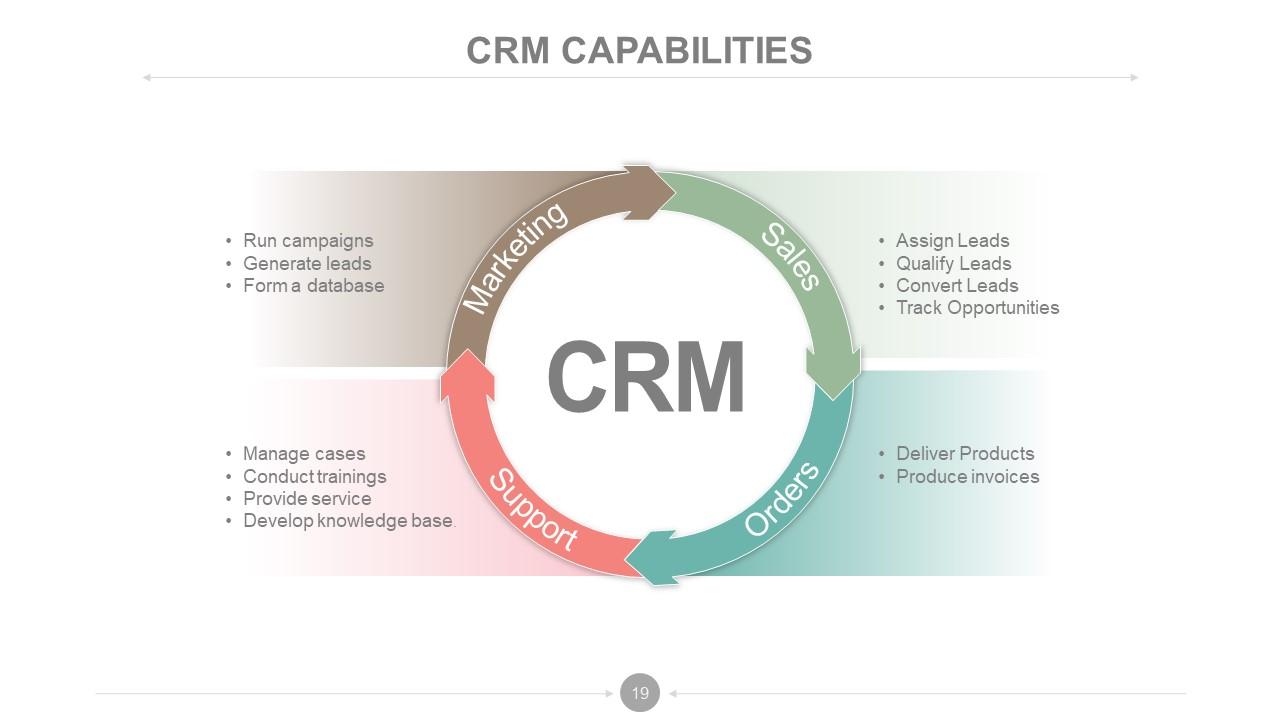
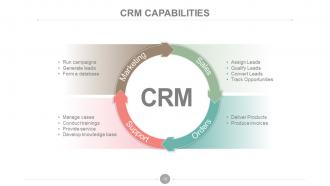
Slide 19: This slide shows CRM Capabilities showing- Manage cases, Conduct trainings, Provide service, Develop knowledge base, Deliver Products, Produce invoices, Run campaigns, Generate leads, Form a database, Assign Leads, Qualify Leads, Convert Leads, Track Opportunities, headed under Support, Orders, Sales, and Marketing.
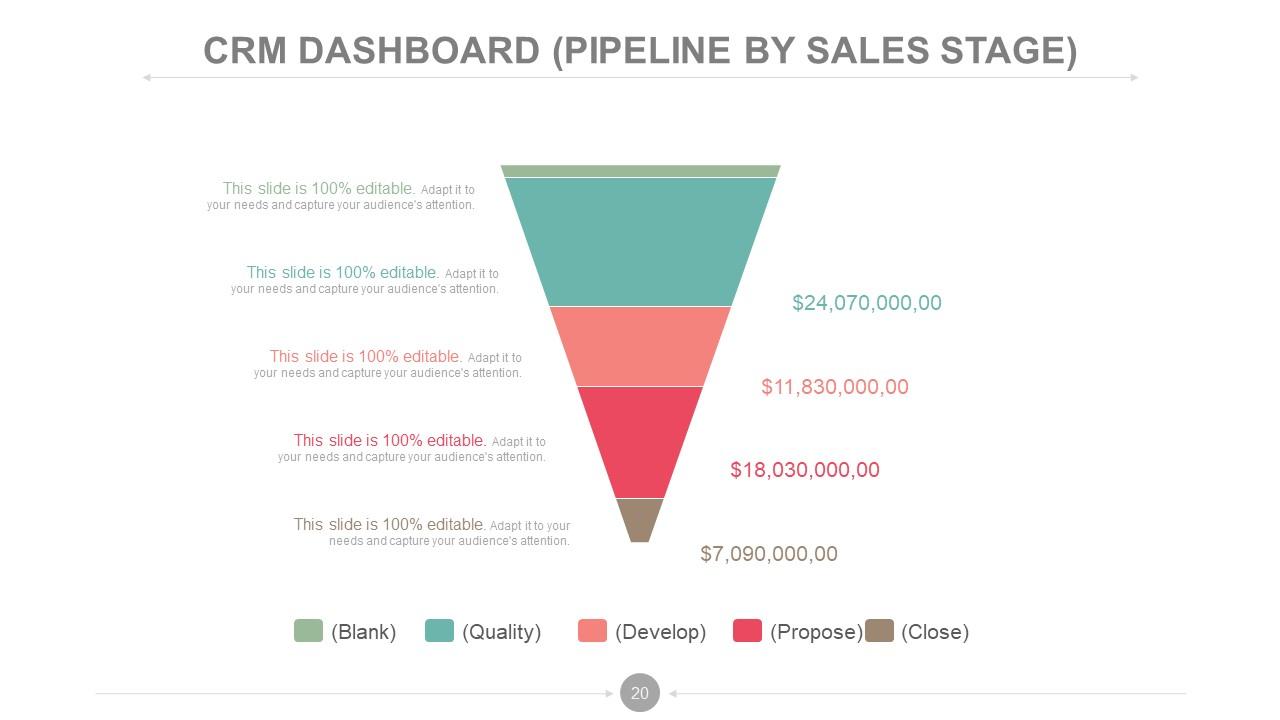
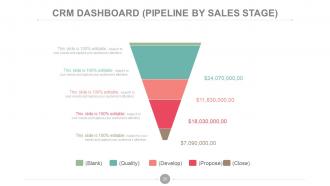
Slide 20: This slide shows CRM Dashboard (Pipeline By Sales Stage) showing- (Blank), (Quality), (Develop), (Propose), (Close).
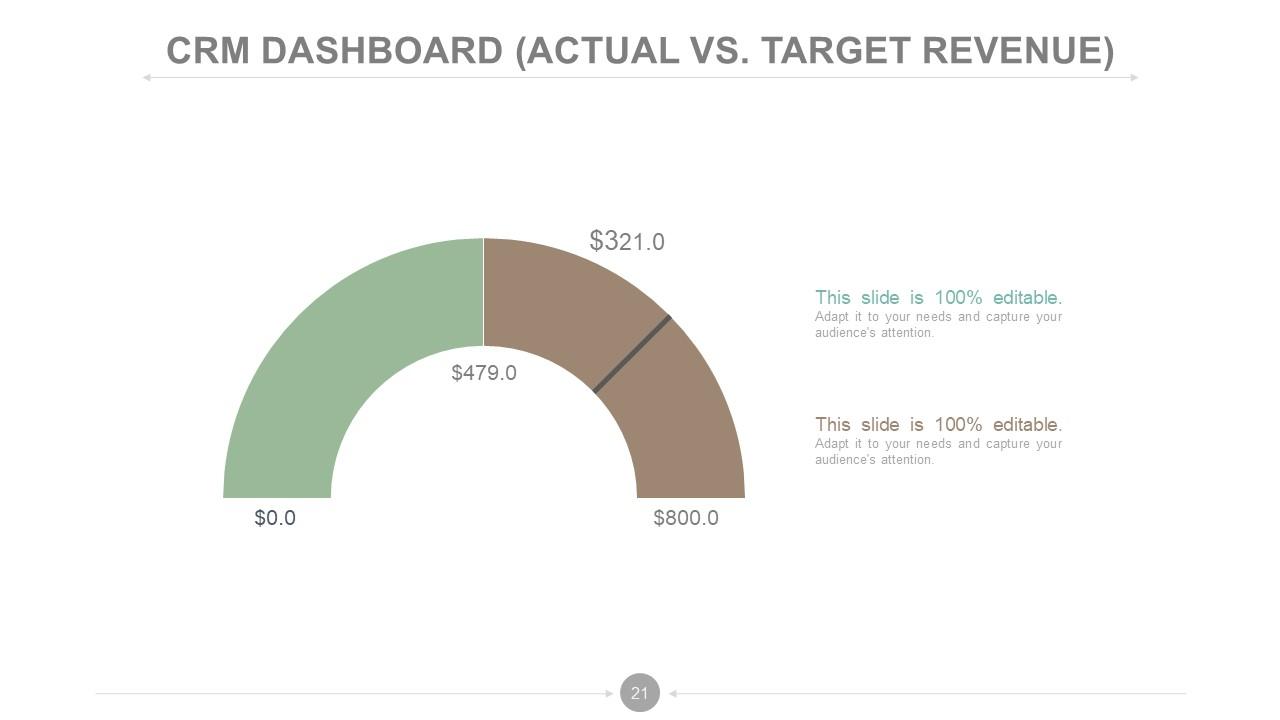
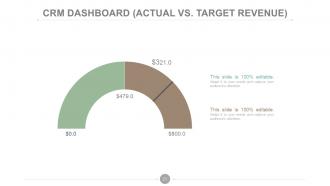
Slide 21: This slide displays CRM Dashboard (Actual Vs Target Revenue) to be presented.
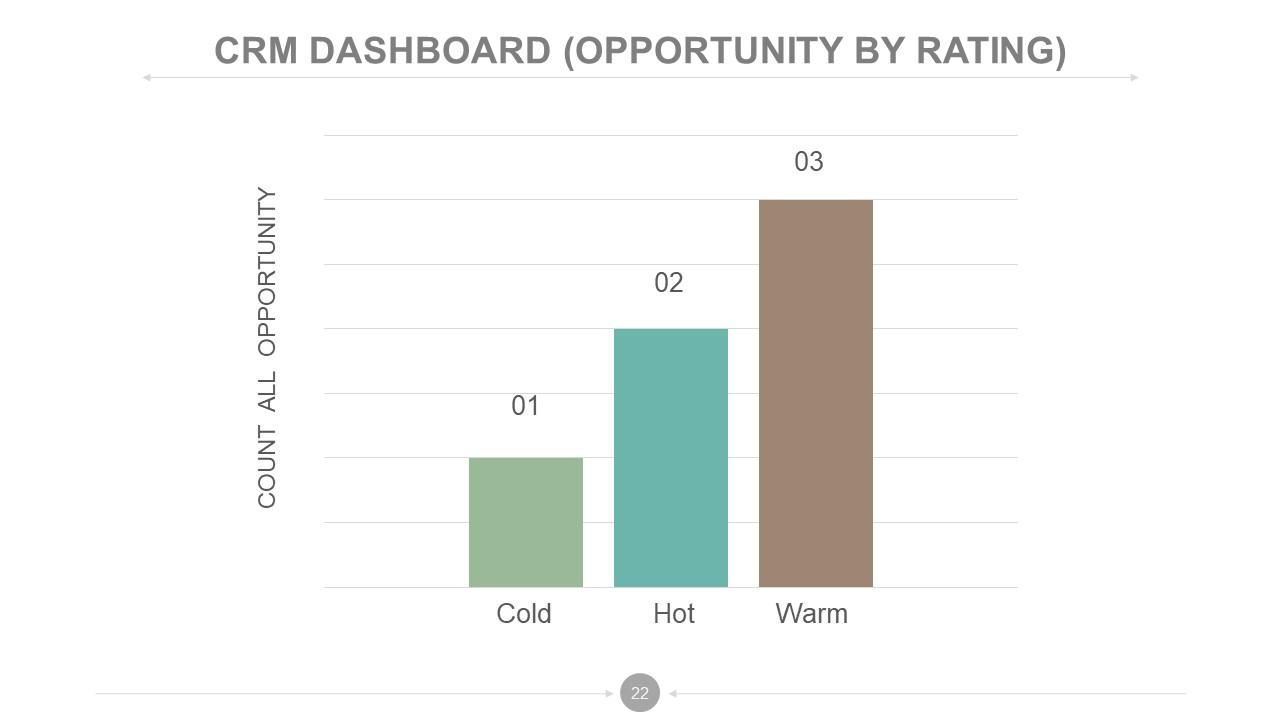
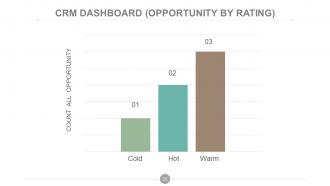
Slide 22: This slide presents CRM DASHBOARD (OPPORTUNITY BY RATING) in graph form.
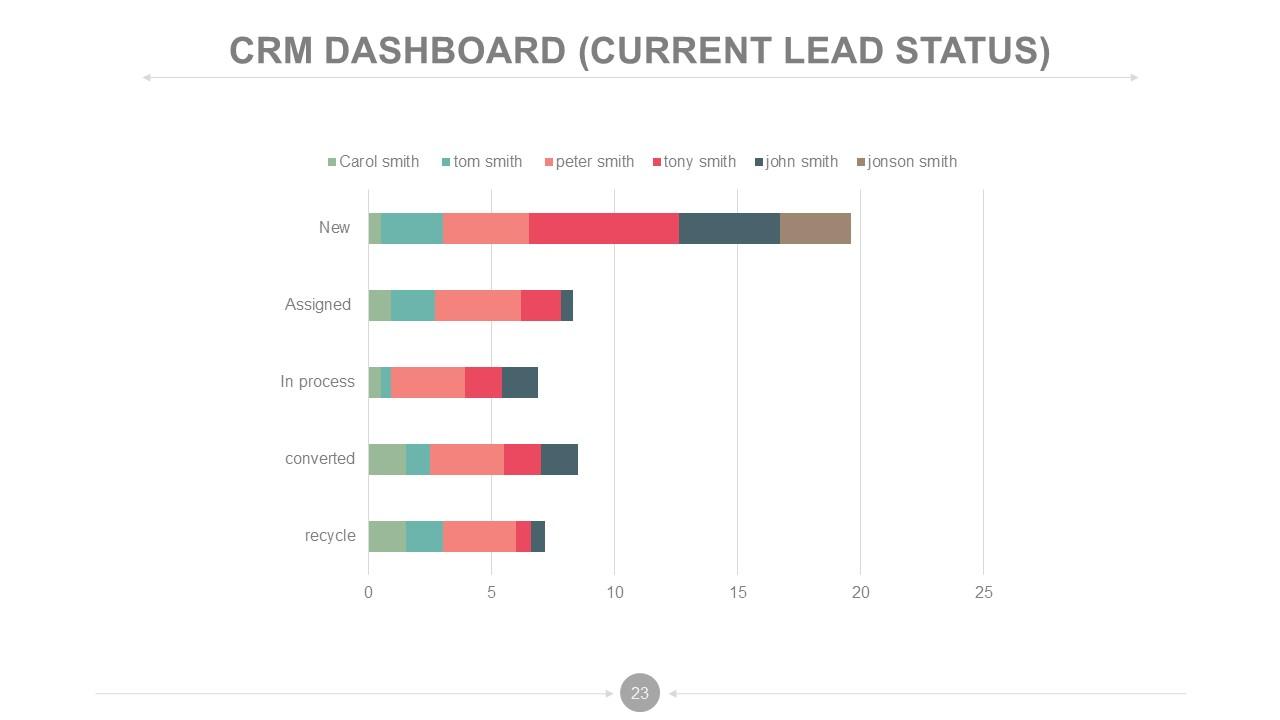
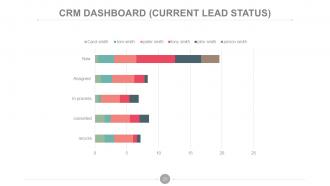
Slide 23: This slide showcases CRM DASHBOARD (CURRENT LEAD STATUS) in graph form.
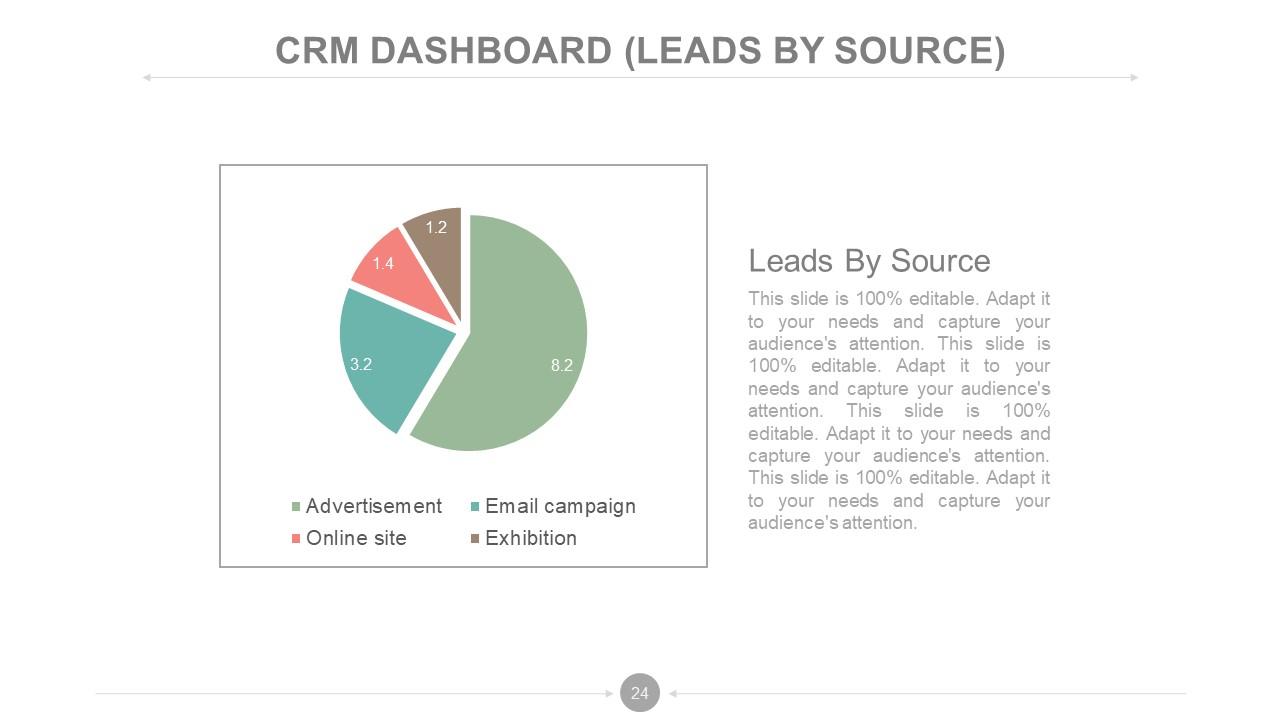
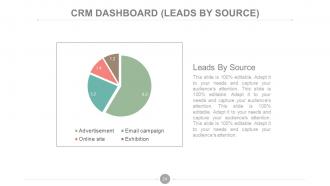
Slide 24: This slide displays CRM DASHBOARD (LEADS BY SOURCE) in graph form.
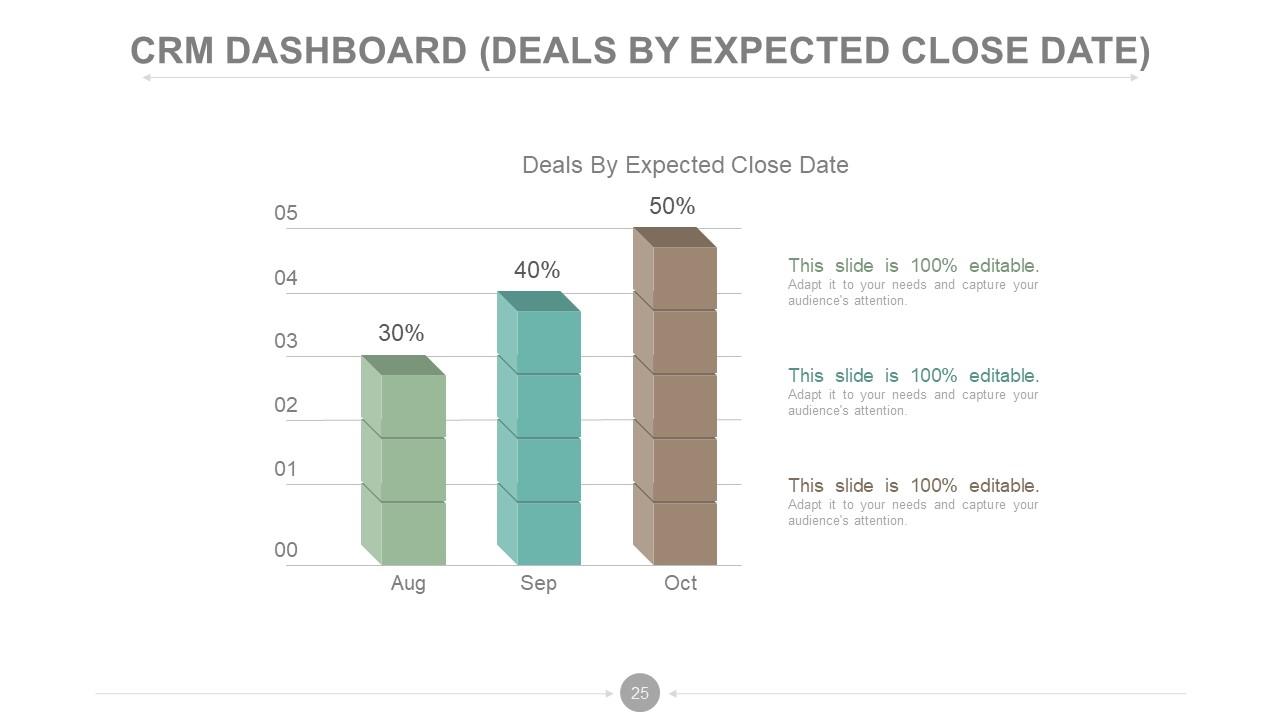
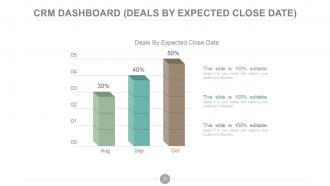
Slide 25: This slide presents CRM DASHBOARD (DEALS BY EXPECTED CLOSE DATE) in graph form.
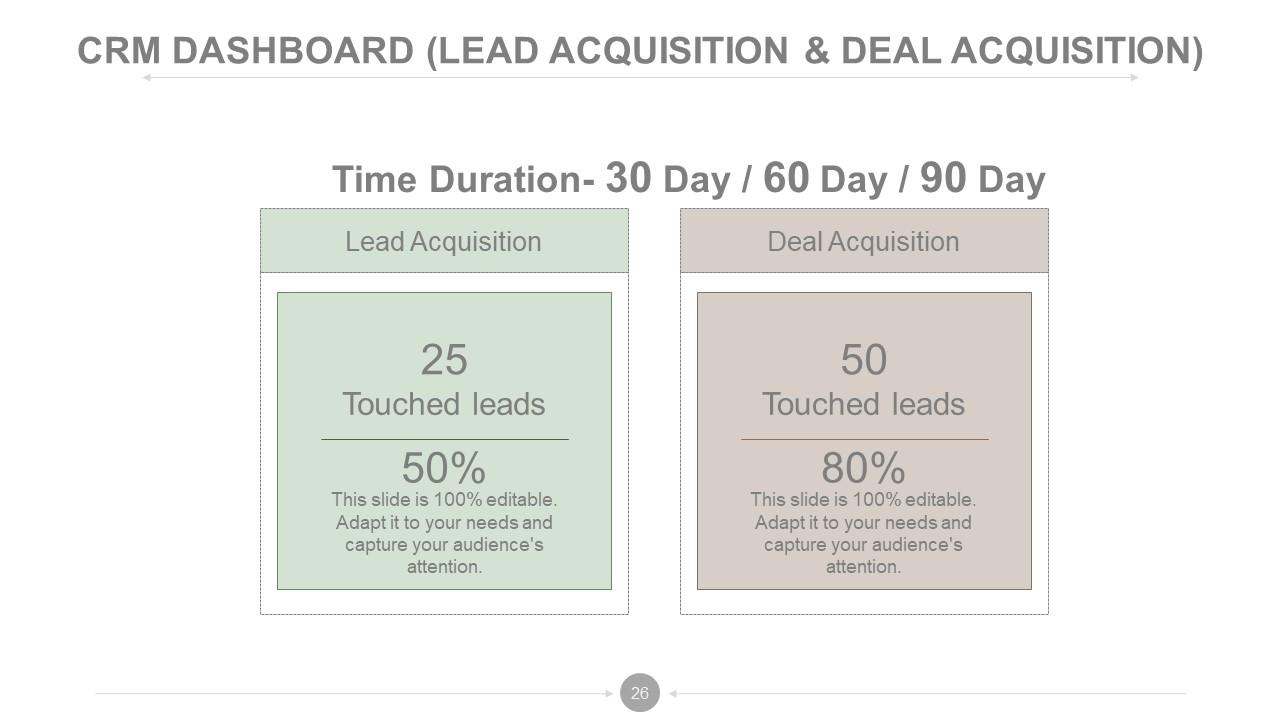
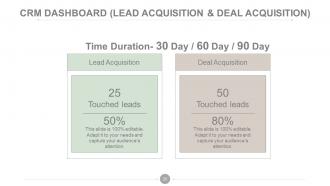
Slide 26: This slide presents CRM DASHBOARD (LEAD ACQUISITION & DEAL ACQUISITION) displaying- Touched leads, Lead Acquisition, Touched leads, Deal Acquisition.
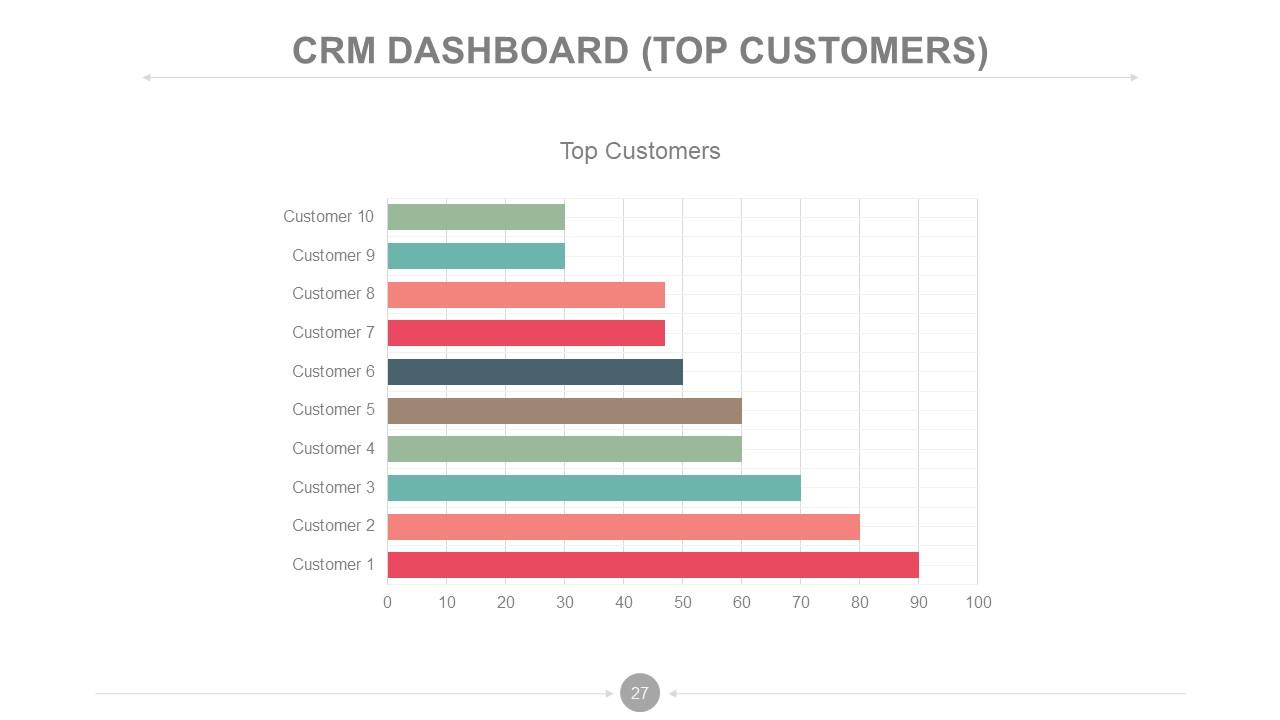
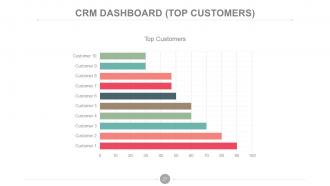
Slide 27: This is a CRM DASHBOARD (TOP CUSTOMERS) presented in graphical form.
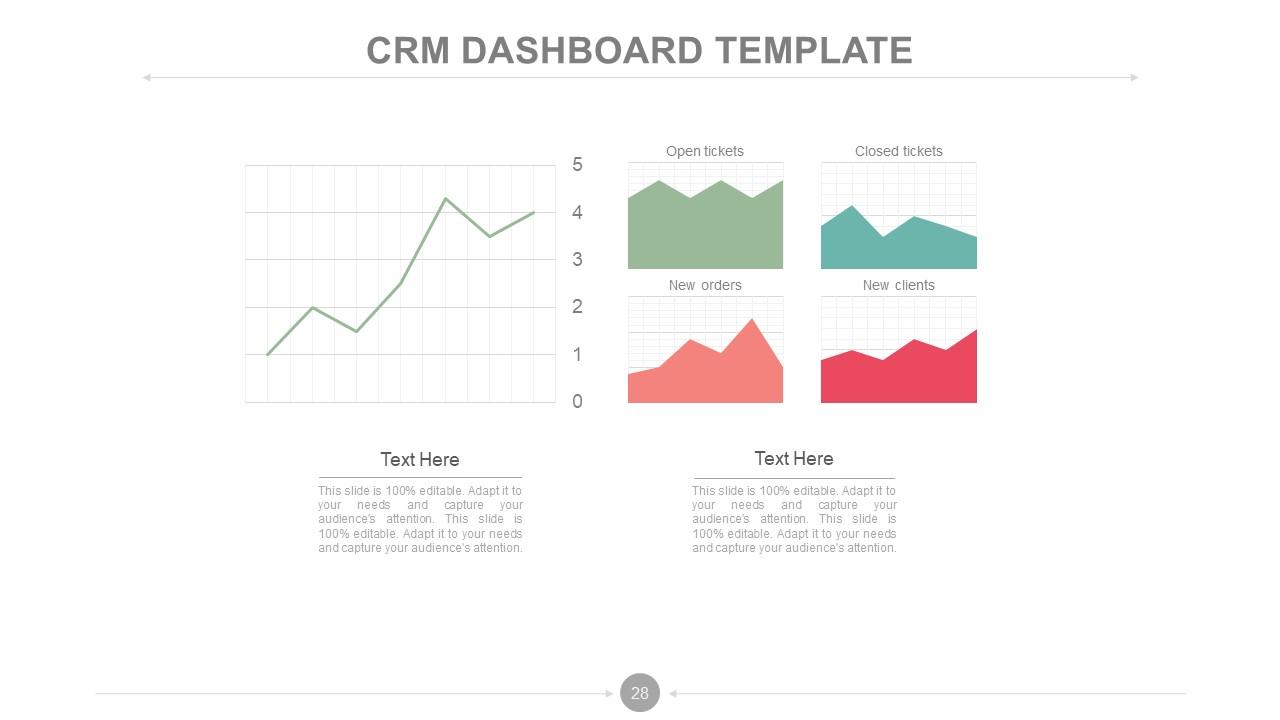
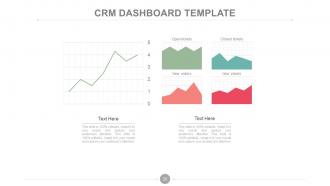
Slide 28: This slide showcases CRM DASHBOARD TEMPLATE displaying- Open tickets, Closed tickets, New orders, New clients.
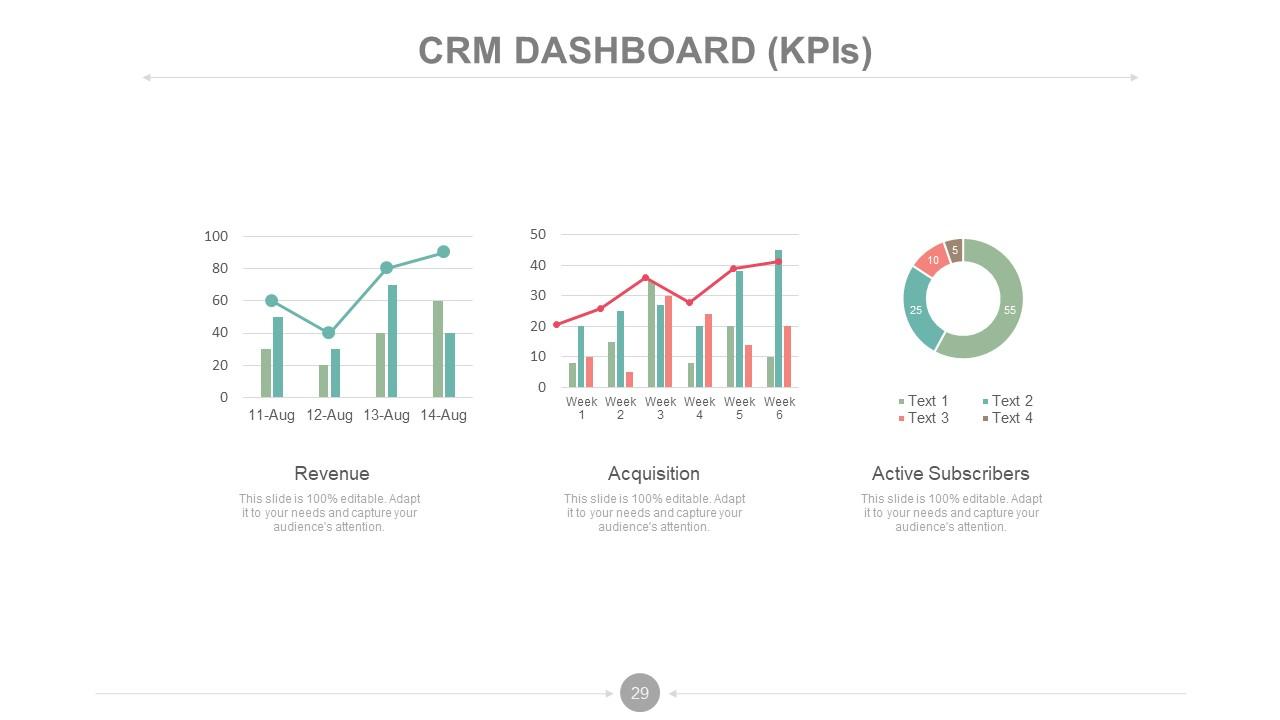
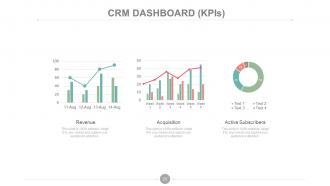
Slide 29: This slide shows CRM DASHBOARD (KPIs) displaying- Revenue, Acquisition, Active Subscribers.
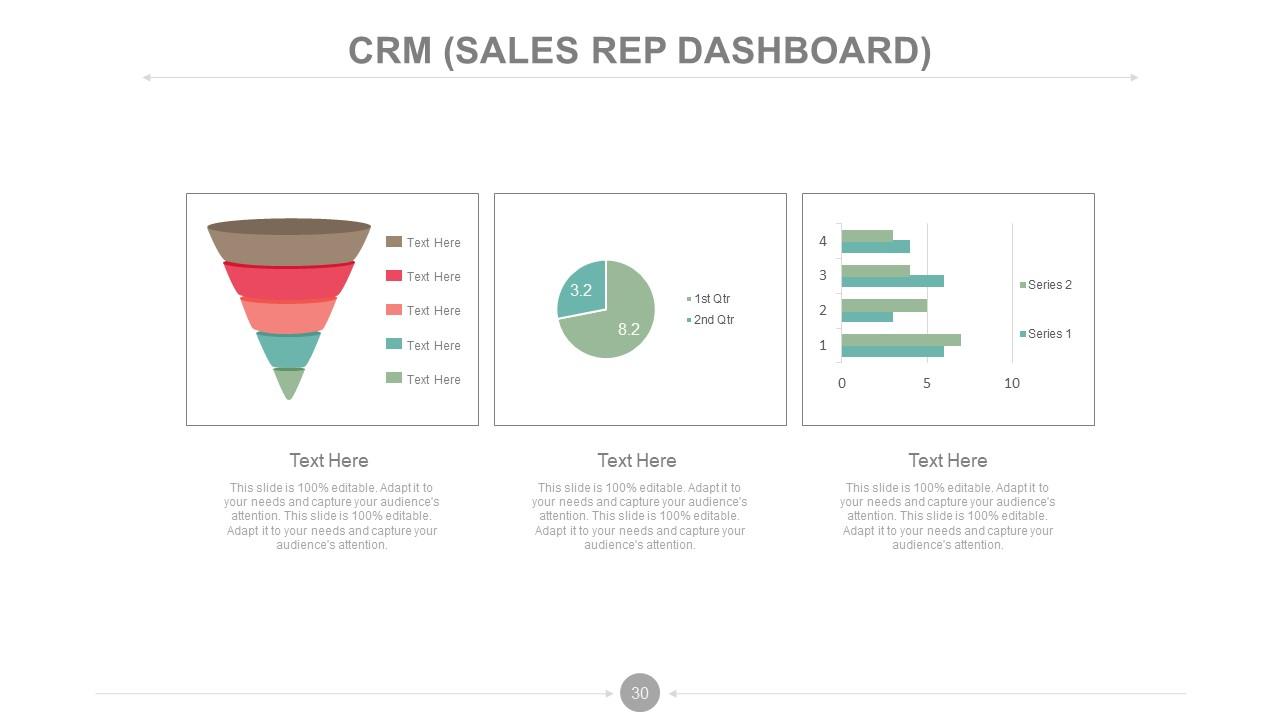
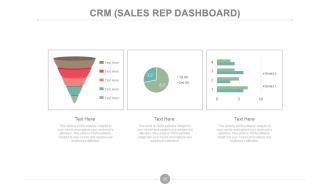
Slide 30: This slide shows CRM (SALES REP DASHBOARD) in funnel and graphical form.
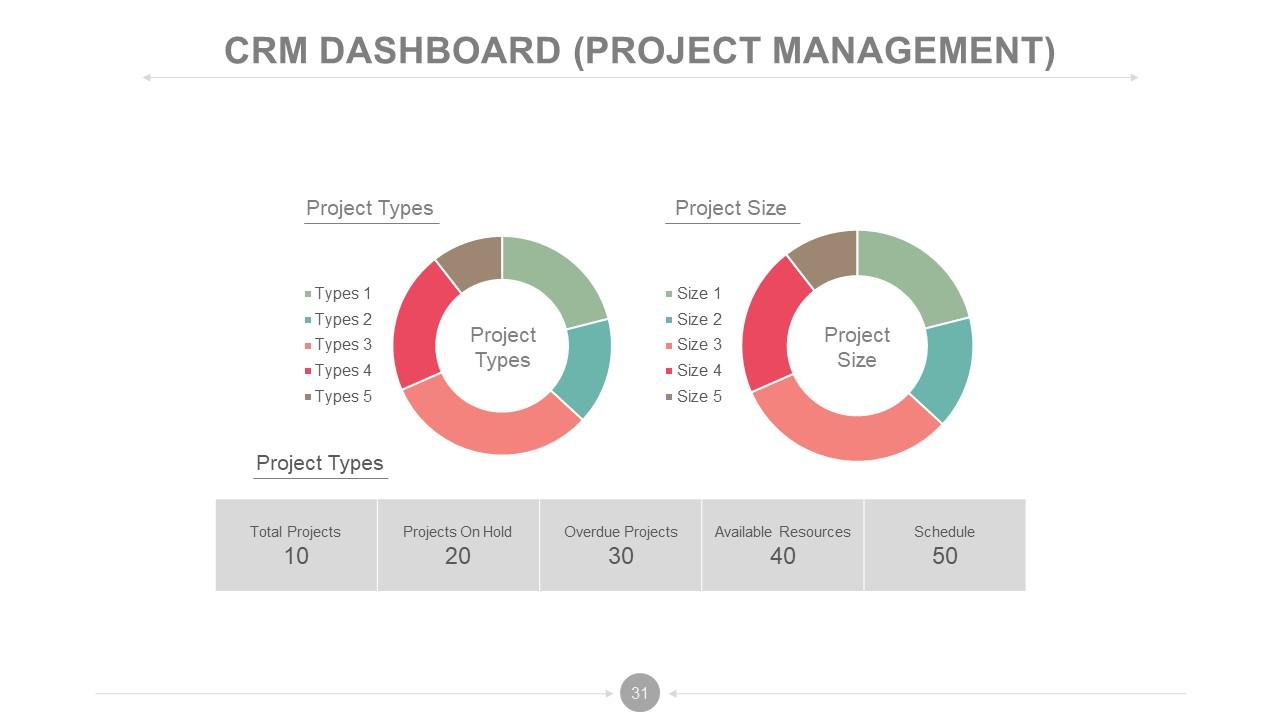
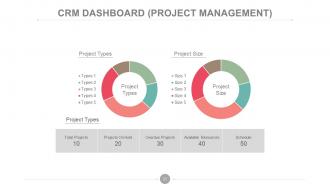
Slide 31: This slide presents CRM DASHBOARD (PROJECT MANAGEMENT) showcasing- Project Types, Project Size.
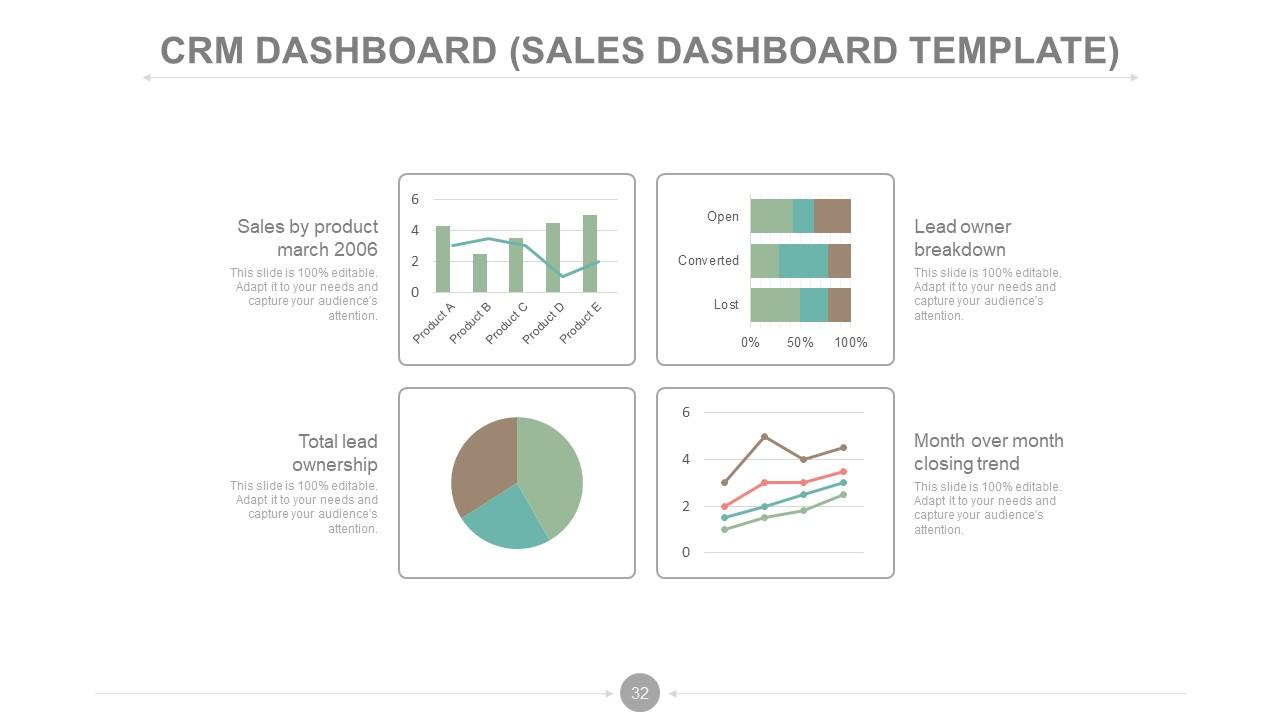
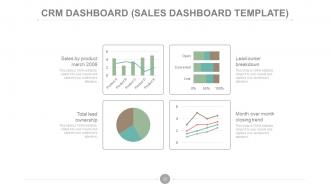
Slide 32: This slide showcases CRM DASHBOARD (SALES DASHBOARD TEMPLATE) displaying- Sales by product march 2006, Total lead ownership, Lead owner breakdown, Month over month closing trend.
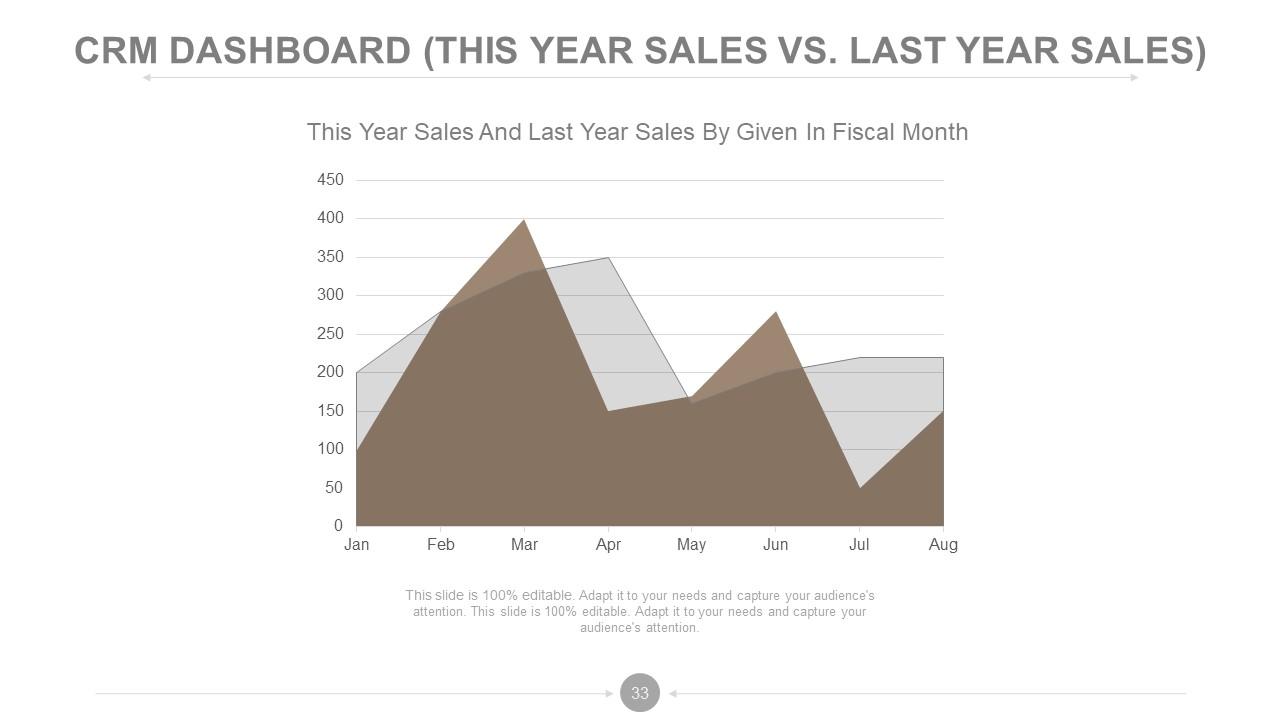
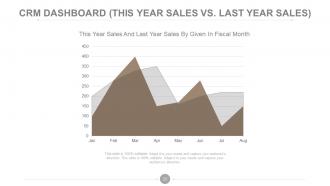
Slide 33: This slide shows CRM DASHBOARD (THIS YEAR SALES VS. LAST YEAR SALES) in graphical form.
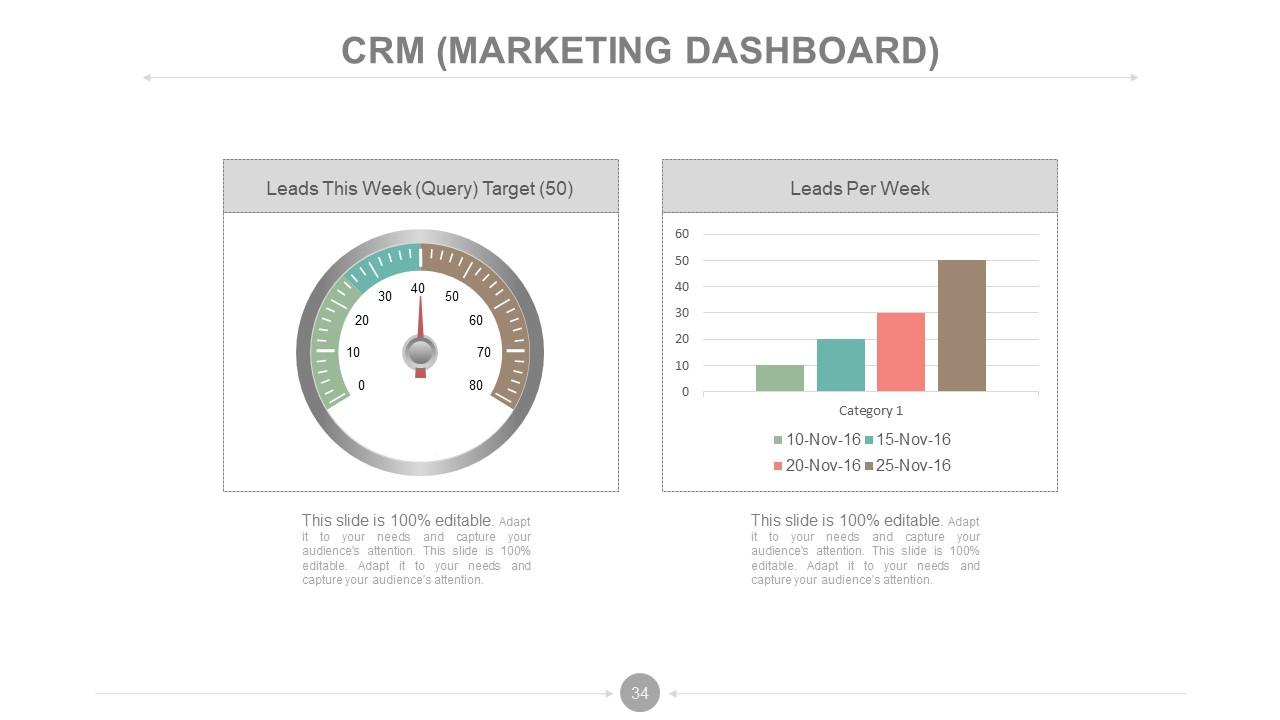
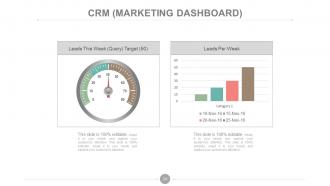
Slide 34: This slide shows CRM (Marketing Dashboard) showing- Leads Per Week, Leads This Week (Query) Target.
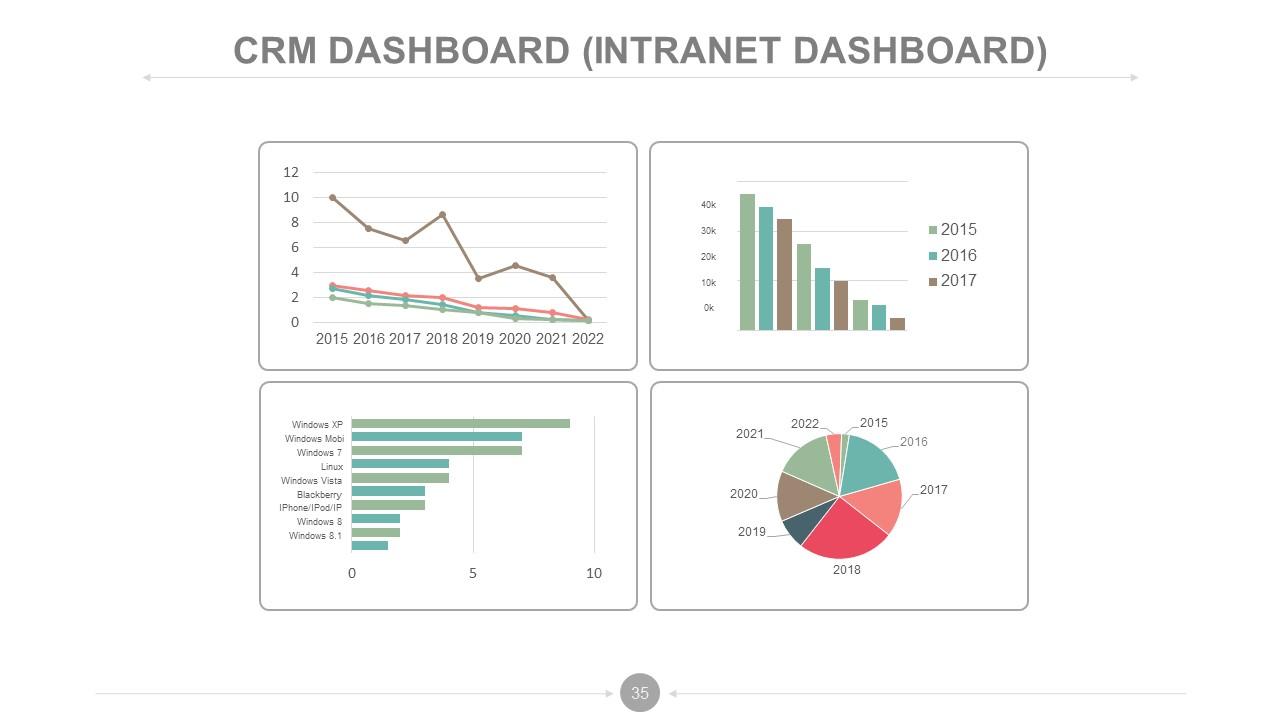
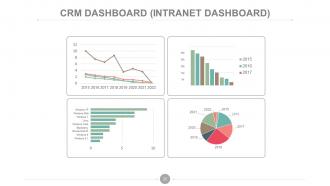
Slide 35: This slide displays CRM DASHBOARD (INTRANET DASHBOARD) in graphical form.
Slide 36: This slide is titled Additional Slides. You may change the slide content as desired.
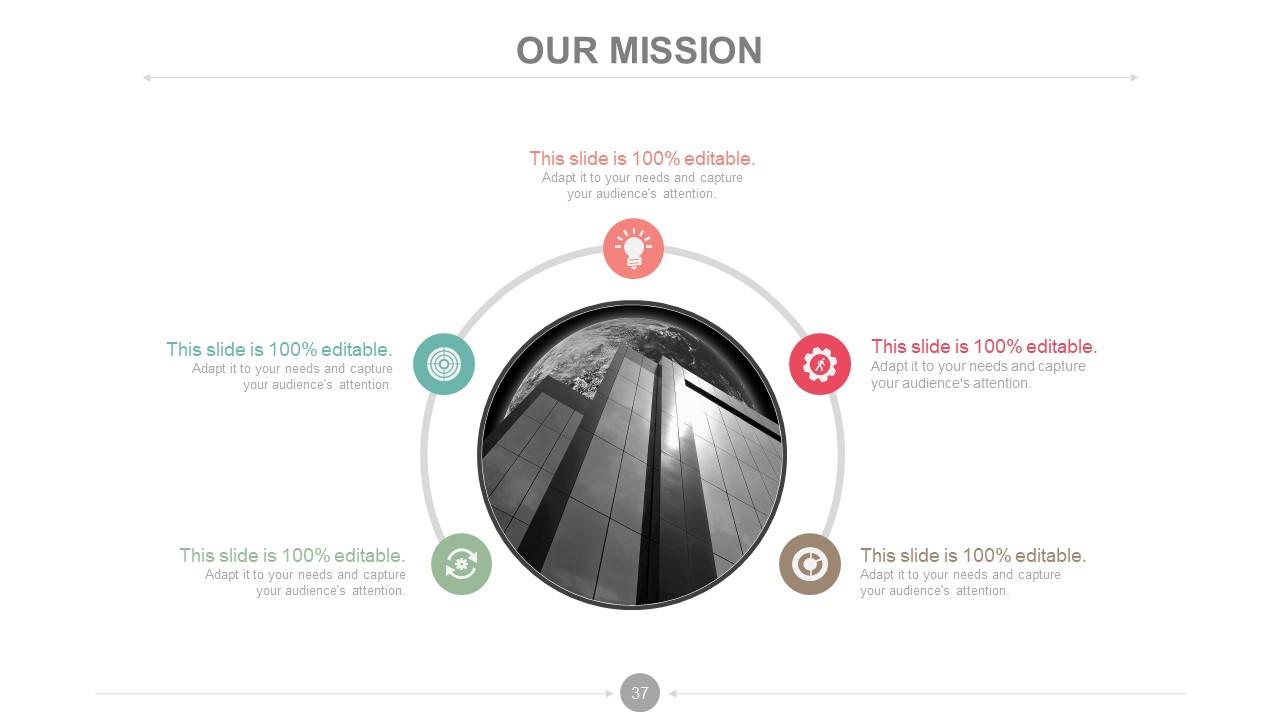
Slide 37: This is an Our Mission slide. State its nuances/ details here.
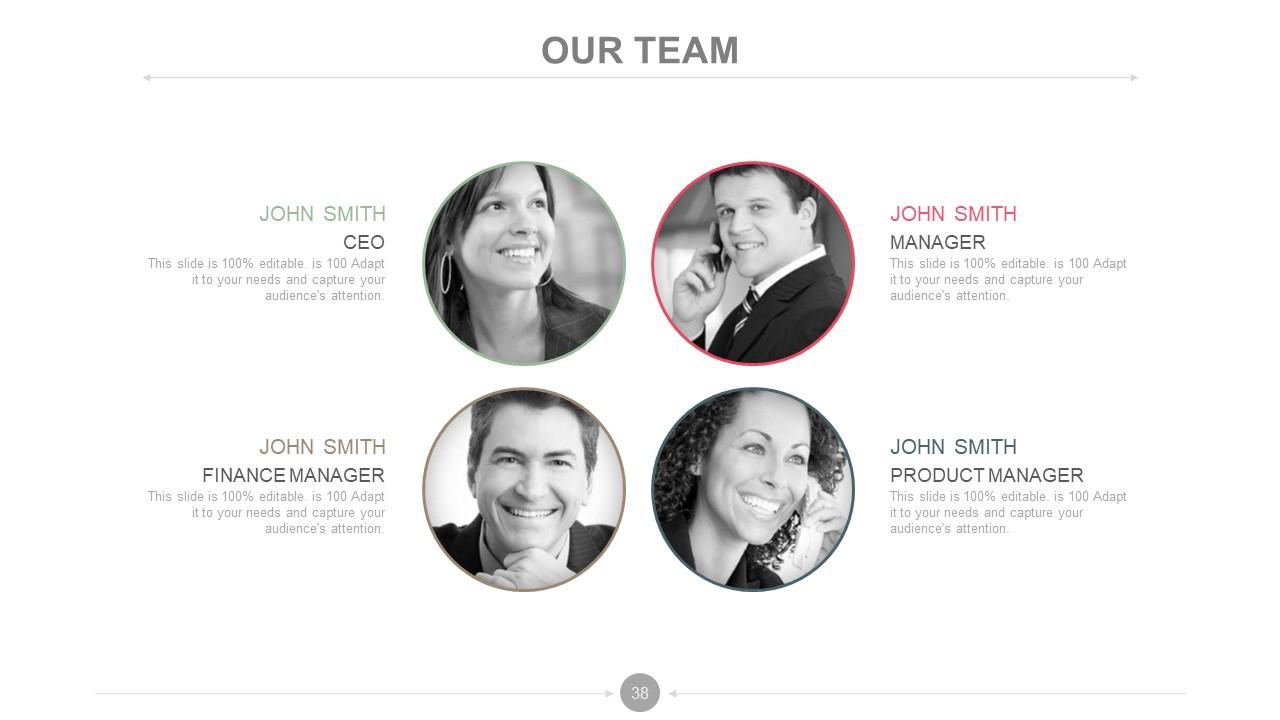
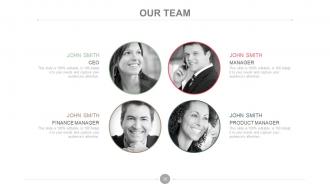
Slide 38: This is Our team slide with name, designation and text boxes to state information.
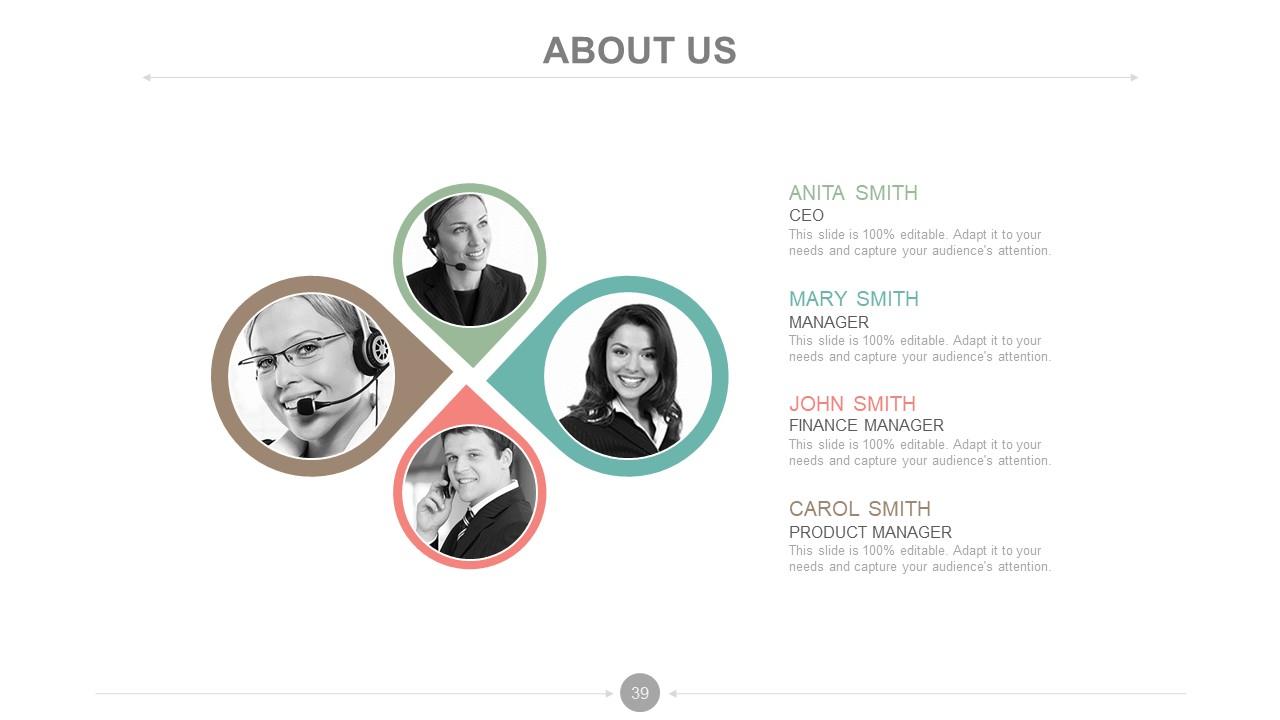
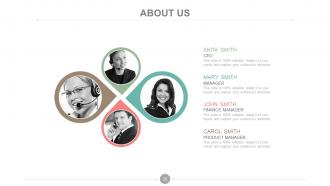
Slide 39: This is an About Us slide. State company/team specifications here.
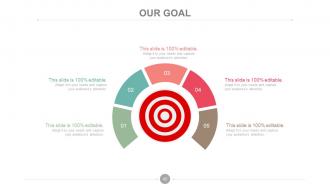
Slide 40: This is Our Goal slide. State targets, goals, aspirations etc. here.
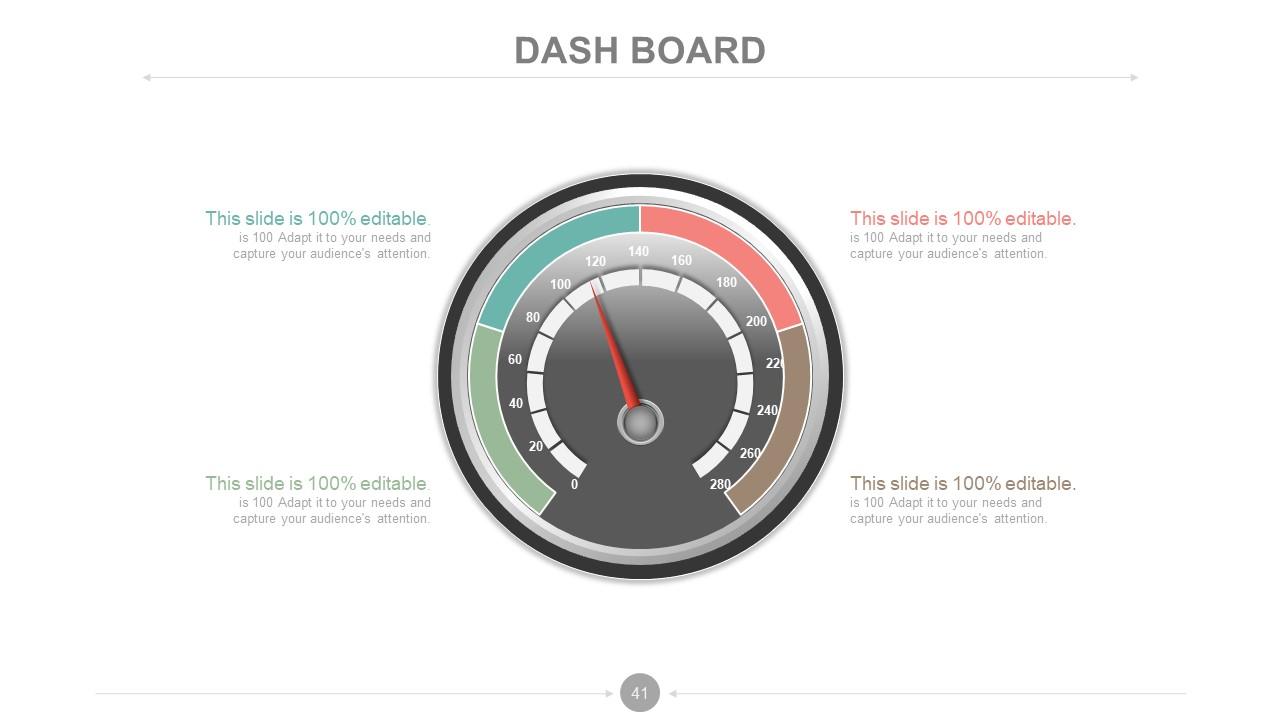
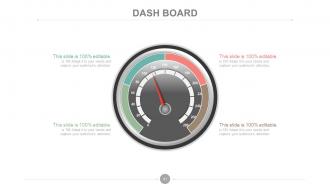
Slide 41: This is a Dashboard slide to state Low, Medium and High aspects, kpis, metrics etc.
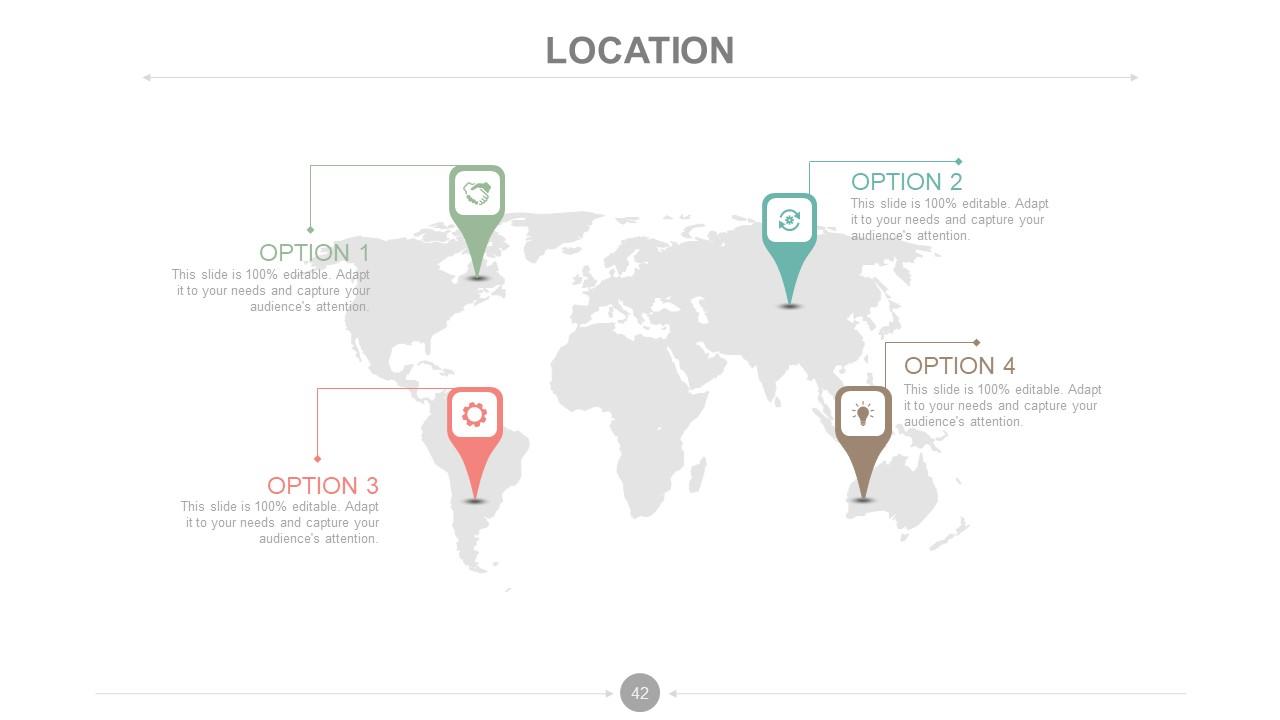
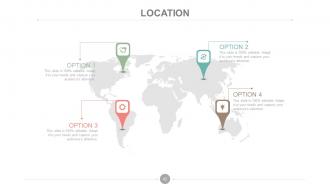
Slide 42: This is a Location slide to show global segragation, presence etc. on a world map and text boxes to make it explicit.
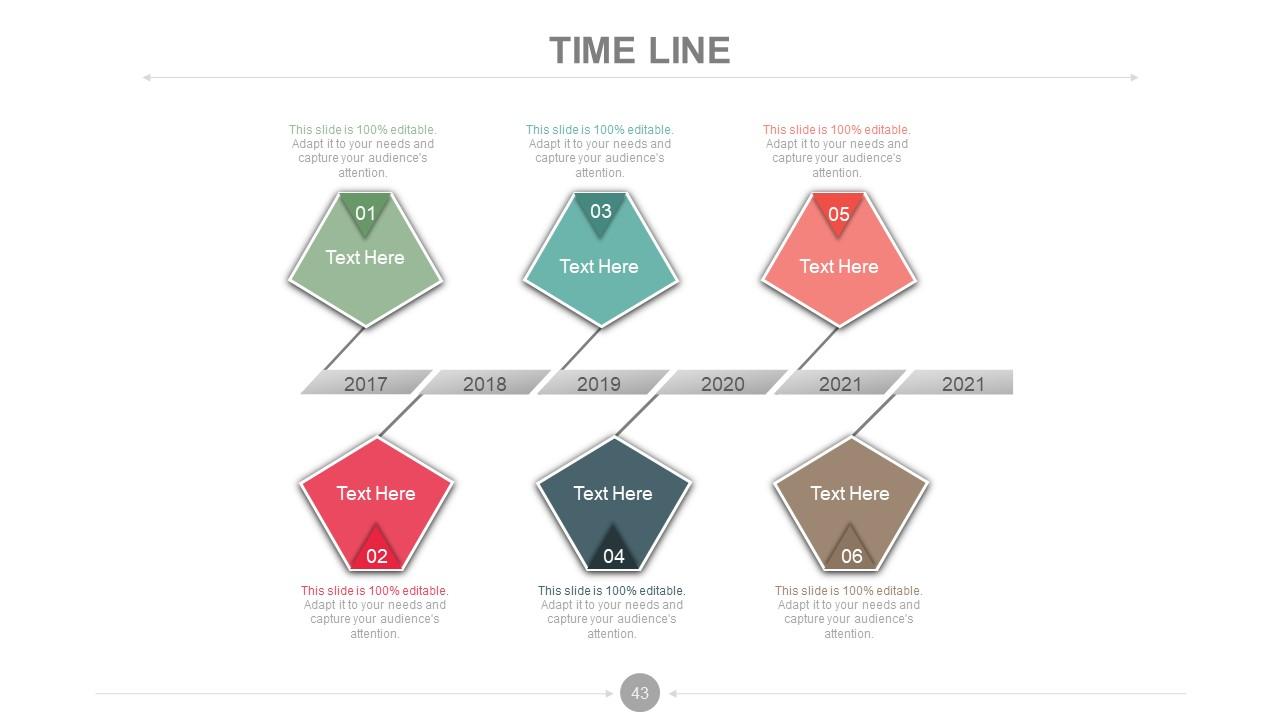
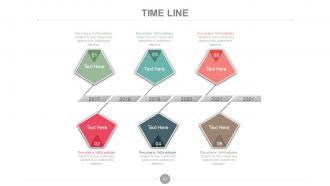
Slide 43: This is a Timeline slide to present important dates, journey, evolution, milestones etc.
Slide 44: This is a Post It slide to mark events, important information etc.
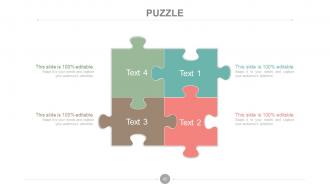
Slide 45: This is a Puzzle pieces image slide to show information, specifications etc.
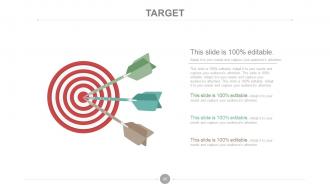
Slide 46: This is a Target image slide. State targets, etc. here.
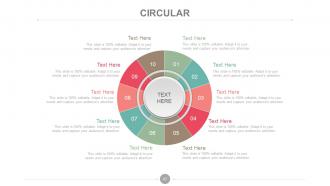
Slide 47: This is a Circular image slide. State specifications, information here.
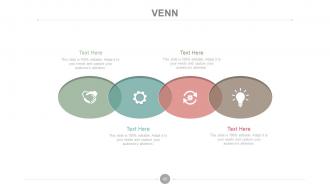
Slide 48: This is a Venn Diagram image slide. State information, specifications etc. here.
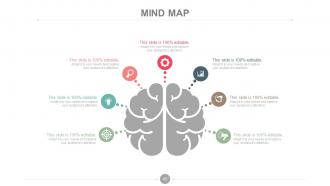
Slide 49: This is a Mind map image slide to show information, behavioral segregation, specifications etc.
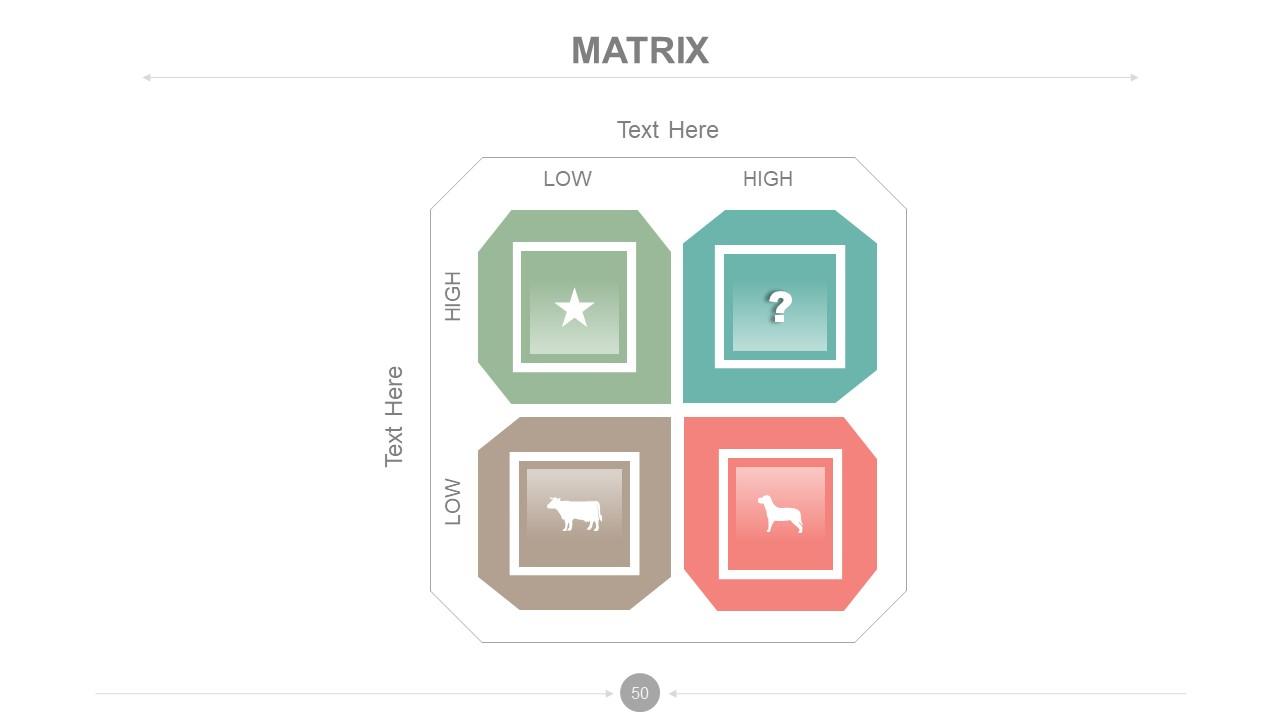
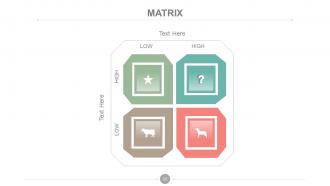
Slide 50: This is a Matrix slide to show information, specifications etc.
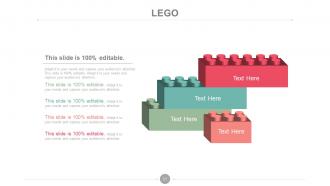
Slide 51: This is a Lego image slide to show information, specifications etc.
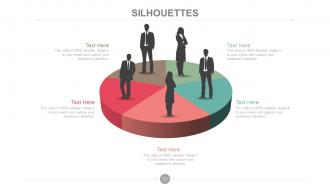
Slide 52: This is a Silhouettes infographic slide to show information, specifications etc.
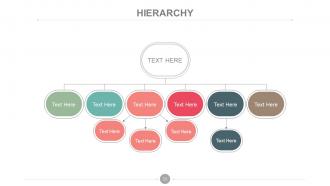
Slide 53: This is a Hierarchy image slide to show information, specifications etc.
Slide 54: This is a Bulb or Idea image slide to show ideas, innovative information etc.
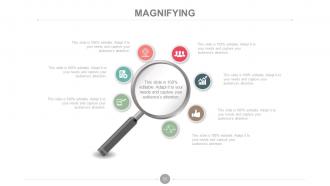
Slide 55: This is a Magnifying Glass image slide to show information, specifications etc.
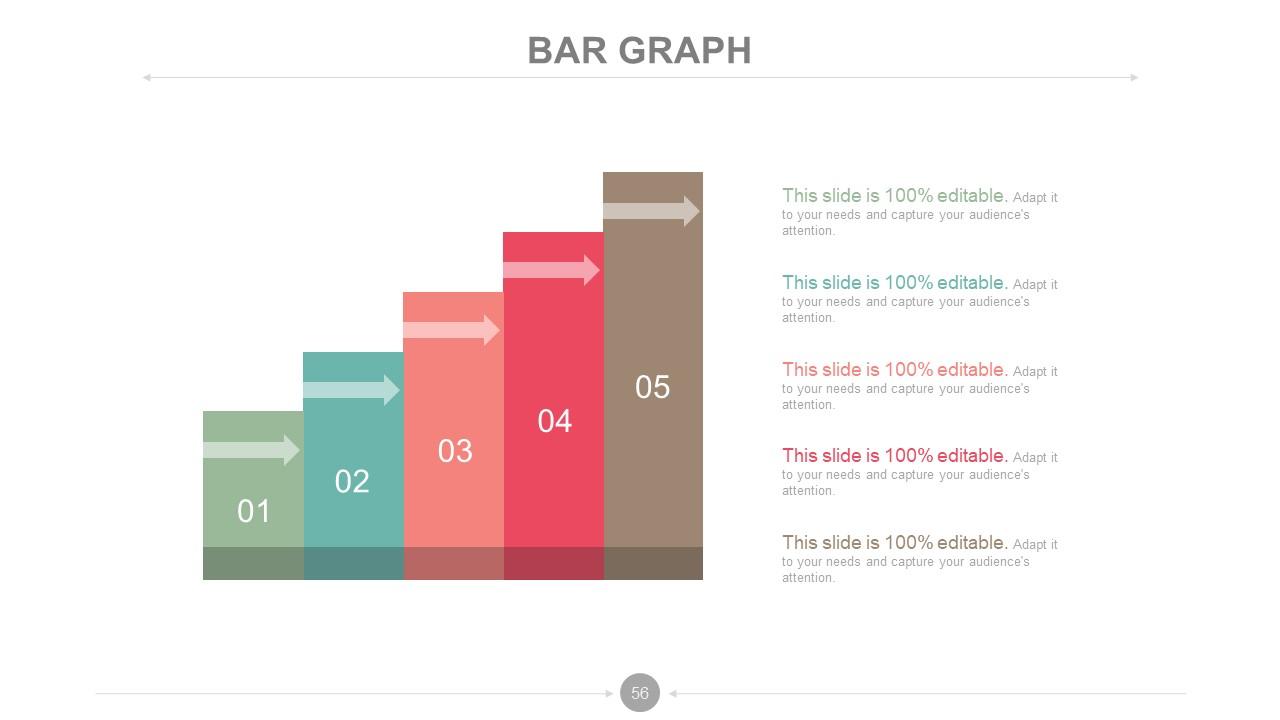
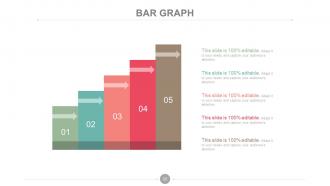
Slide 56: This is a Bar Graph slide to show product/entity comparison, specifications etc.
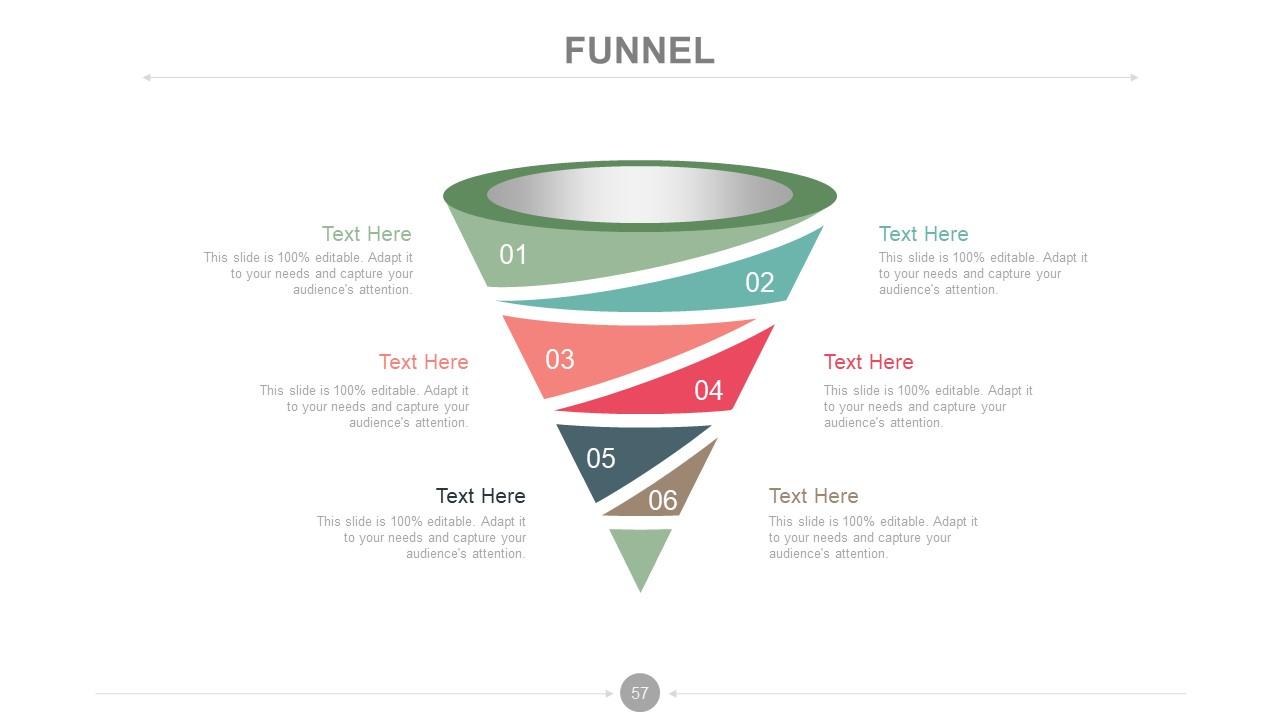
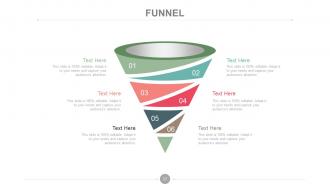
Slide 57: This is a Funnel image slide to show information, funneling aspects, specifications etc.
Slide 58: This is a Thank You slide with Email, Address# street number, city, state, Contact Numbers.Customer relationship management process and dashboard powerpoint presentation slides with all 58 slides: