


Detailed market size analysis powerpoint presentation slides
Download our content ready Detailed Market Size Analysis PowerPoint Presentation Slides to stay ahead of your competitors. Analyse your competitors with this content ready market size estimation PPT slides. The topic-oriented market research PowerPoint complete deck contains ready to use designs such as agenda, company overview, product/ service categorization, industry analysis, new product launch strategy, company SWOT analysis, steps in determining market size, approaches to TAM, bottom-up approach, top-up approach, market segmentation, market trends analysis, buyer persona, competition market share analysis, total addressable market overview and forecasting, conclusion and recommendation etc. Showcase how to target each market segment separately and address their needs. The market size estimation presentation deck is also suitable to present several topics like market segmentation, market potential analysis business & marketing planning and many more. Market size and competitive analysis PowerPoint templates will help you understand how the addressable market size will likely change thus aid you to respond to trends positively. Demonstrate eagerness to accept any challenge with our Detailed Market Size Analysis Powerpoint Presentation Slides. You will display a daring approach.
Download our content ready Detailed Market Size Analysis PowerPoint Presentation Slides to stay ahead of your competitors. ..





















-

- Google Slides is a new FREE Presentation software from Google.
- All our content is 100% compatible with Google Slides.
- Just download our designs, and upload them to Google Slides and they will work automatically.
- Amaze your audience with SlideTeam and Google Slides.
-

Want Changes to This PPT Slide? Check out our Presentation Design Services
-

- WideScreen Aspect ratio is becoming a very popular format. When you download this product, the downloaded ZIP will contain this product in both standard and widescreen format.
-

- Some older products that we have may only be in standard format, but they can easily be converted to widescreen.
- To do this, please open the SlideTeam product in Powerpoint, and go to
- Design ( On the top bar) -> Page Setup -> and select "On-screen Show (16:9)” in the drop down for "Slides Sized for".
- The slide or theme will change to widescreen, and all graphics will adjust automatically. You can similarly convert our content to any other desired screen aspect ratio.
Compatible With Google Slides

Get This In WideScreen
You must be logged in to download this presentation.


Do you want to remove this product from your favourites?
PowerPoint presentation slides
Presenting this set of slides with name - Detailed Market Size Analysis Powerpoint Presentation Slides. This PPT deck displays thirty five slides with in depth research. Our topic oriented Detailed Market Size Analysis Powerpoint Presentation Slides presentation deck is a helpful tool to plan prepare document and analyse the topic with a clear approach. We provide a ready to use deck with all sorts of relevant topics subtopics templates charts and graphs overviews analysis templates. Outline all the important aspects without any hassle. It showcases of all kind of editable templates infographs for an inclusive and comprehensive Detailed Market Size Analysis Powerpoint Presentation Slides presentation. Professionals managers individual and team involved in any company organization from any field can use them as per requirement.

People who downloaded this PowerPoint presentation also viewed the following :
Content of this Powerpoint Presentation
Slide 1: This slide introduces Detailed Market Size Analysis. State Your Company Name and begin.
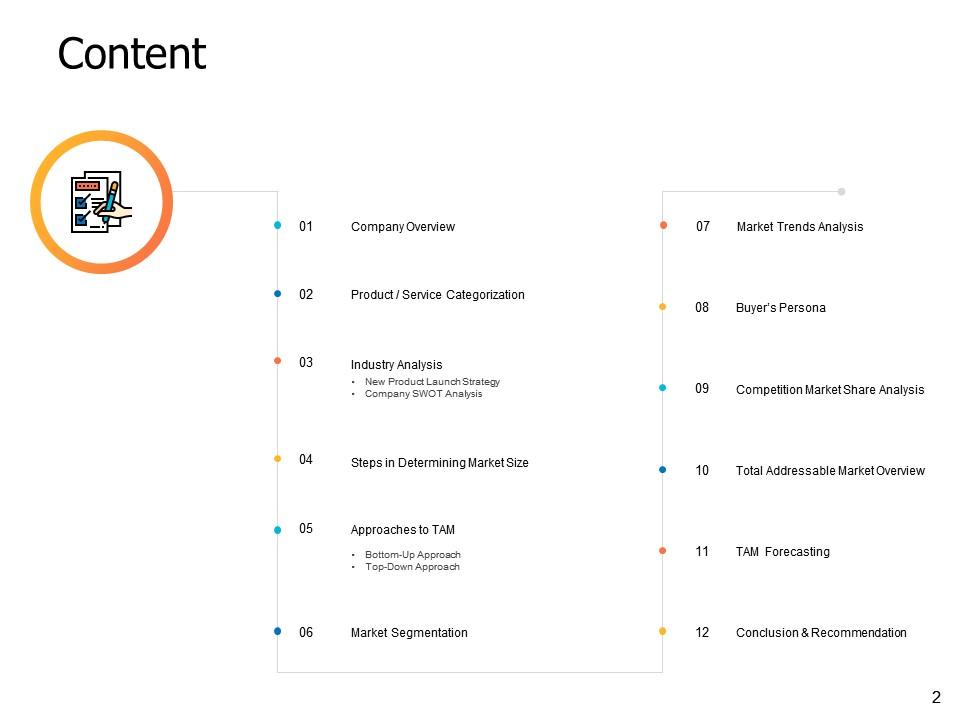
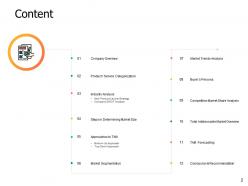
Slide 2: This slide shows Content of the presentation.
Slide 3: This is an Agenda slide. State your agendas here.
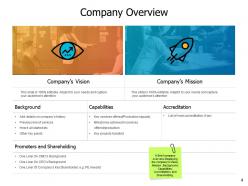
Slide 4: This slide presents Company Overview describing the company’s Vision, Mission ,Background, Capabilities, Accreditation, and Shareholding.
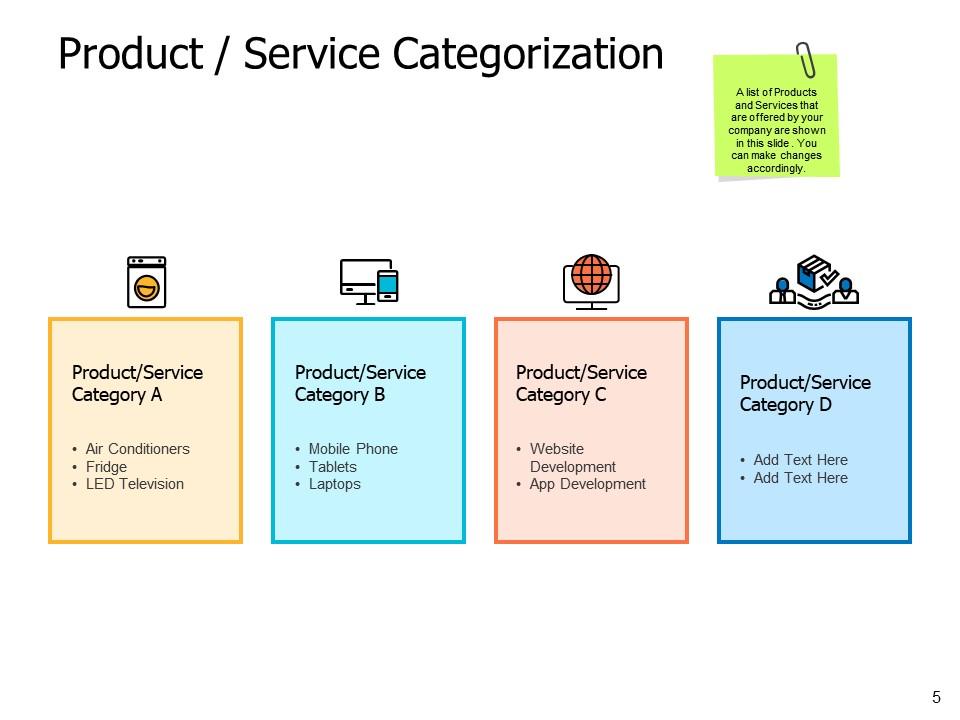
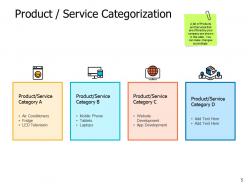
Slide 5: This slide displays Product / Service Categorization with 4 categories to present.
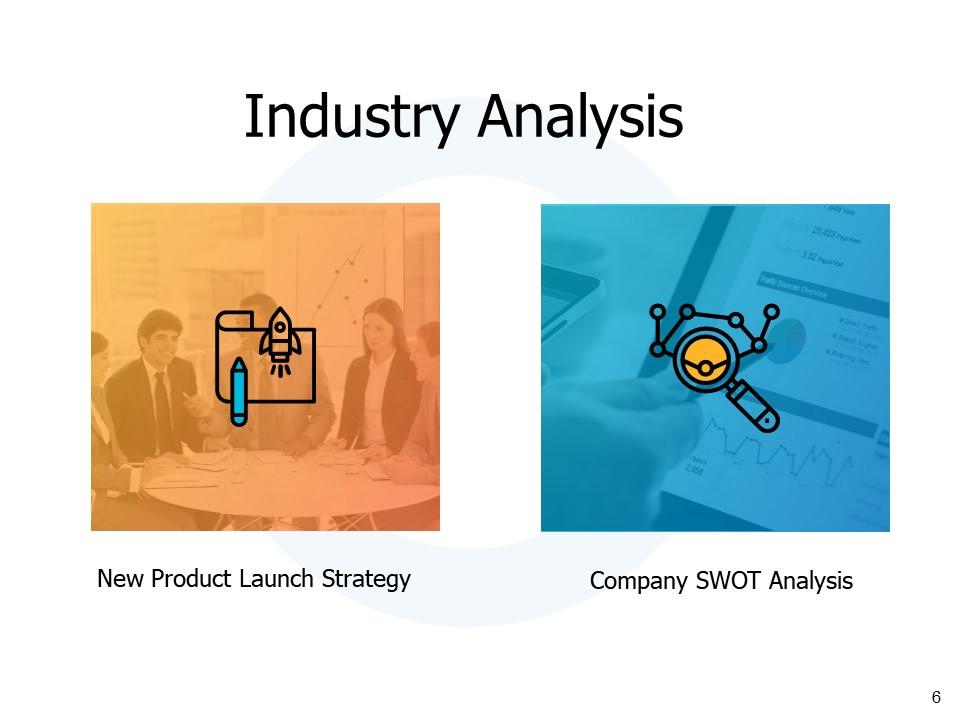
Slide 6: This slide represents Industry Analysis describing- New Product Launch Strategy, Company SWOT Analysis.
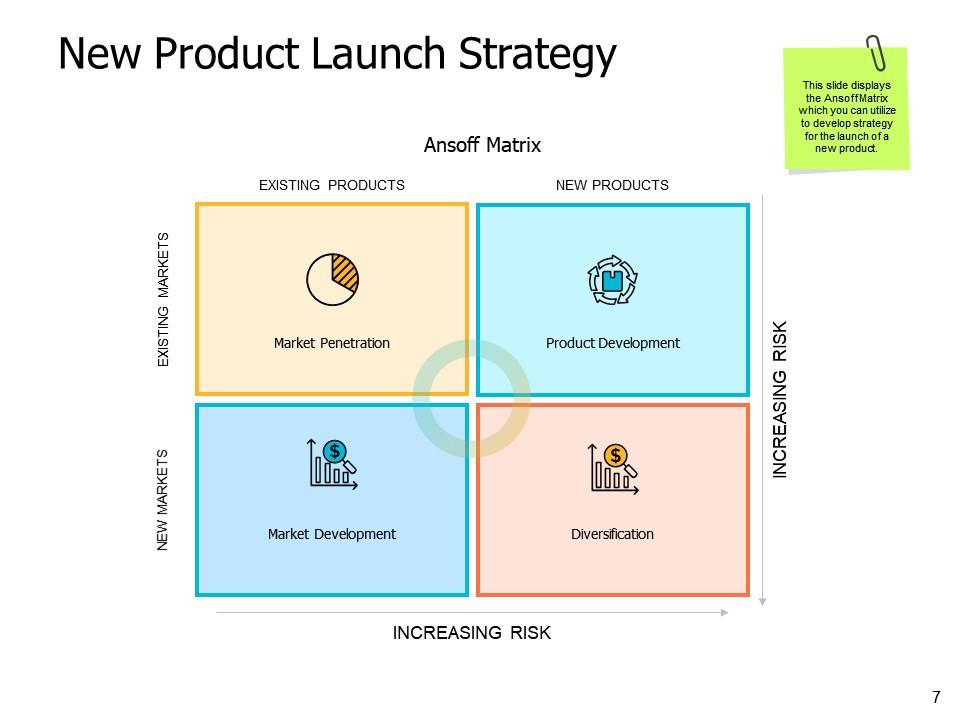
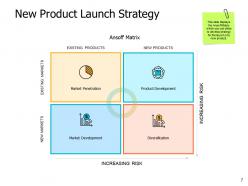
Slide 7: This slide showcases New Product Launch Strategy with the help of Ansoff matrix.
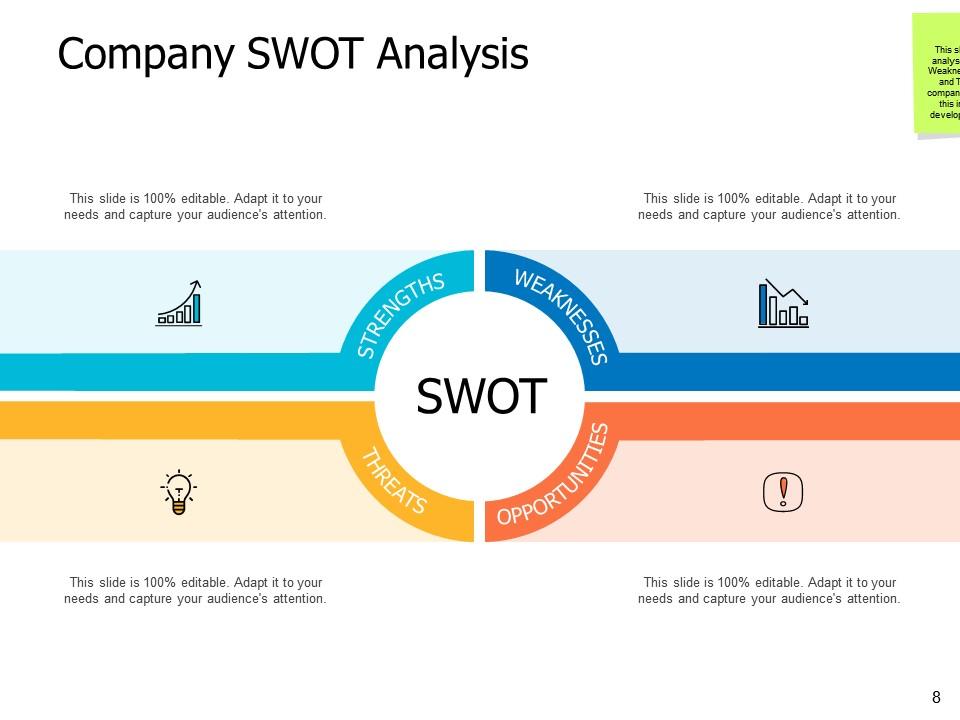
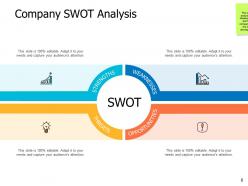
Slide 8: This slide shows Company SWOT Analysis. You can use this information to develop effective plan.
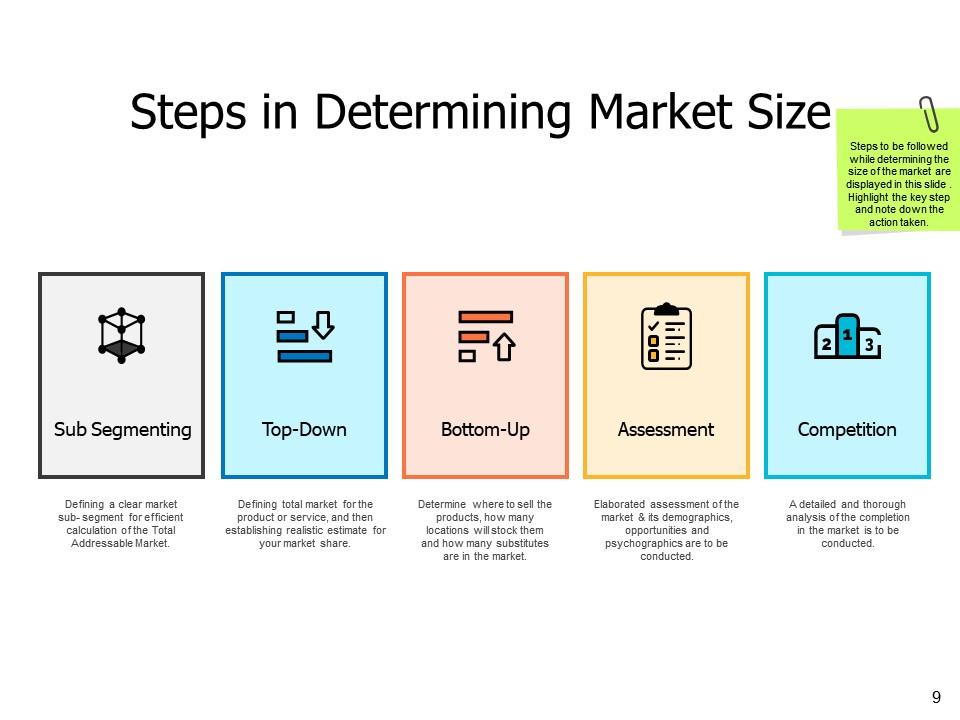
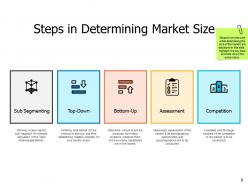
Slide 9: This slide presents Steps in Determining Market Size as- Sub Segmenting, Top-Down, Bottom-Up, Assessment, Competition.
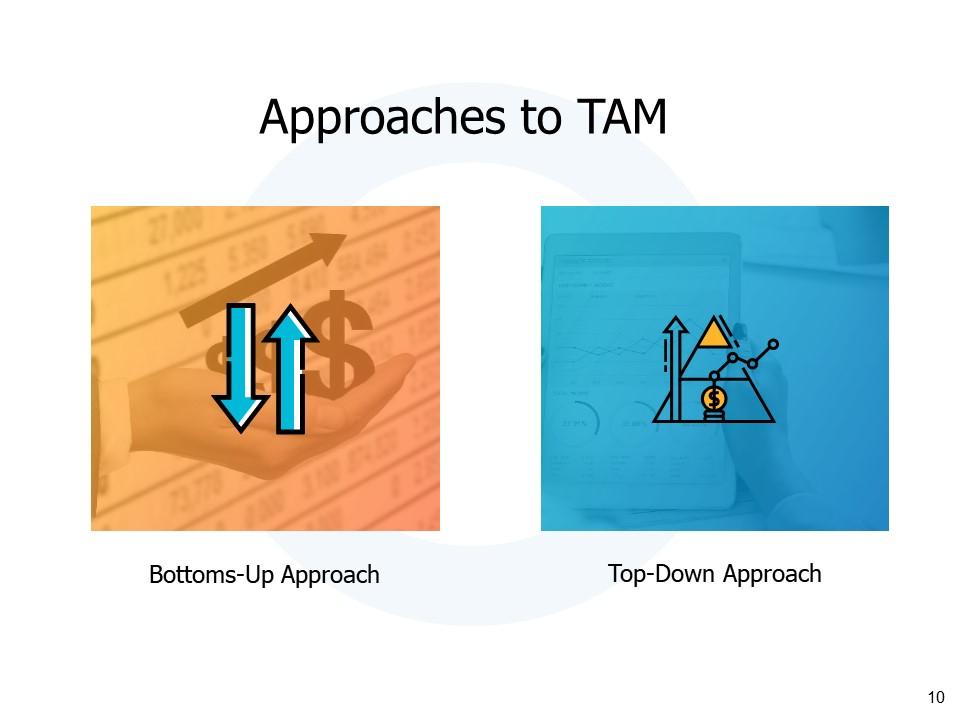
Slide 10: This slide displays Approaches to TAM as- Bottoms-Up Approach and Top-Down Approach.
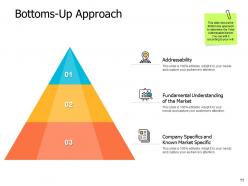
Slide 11: This slide shows the Bottom-top approach to determine the Total Addressable Market. You can edit it as per requirements.
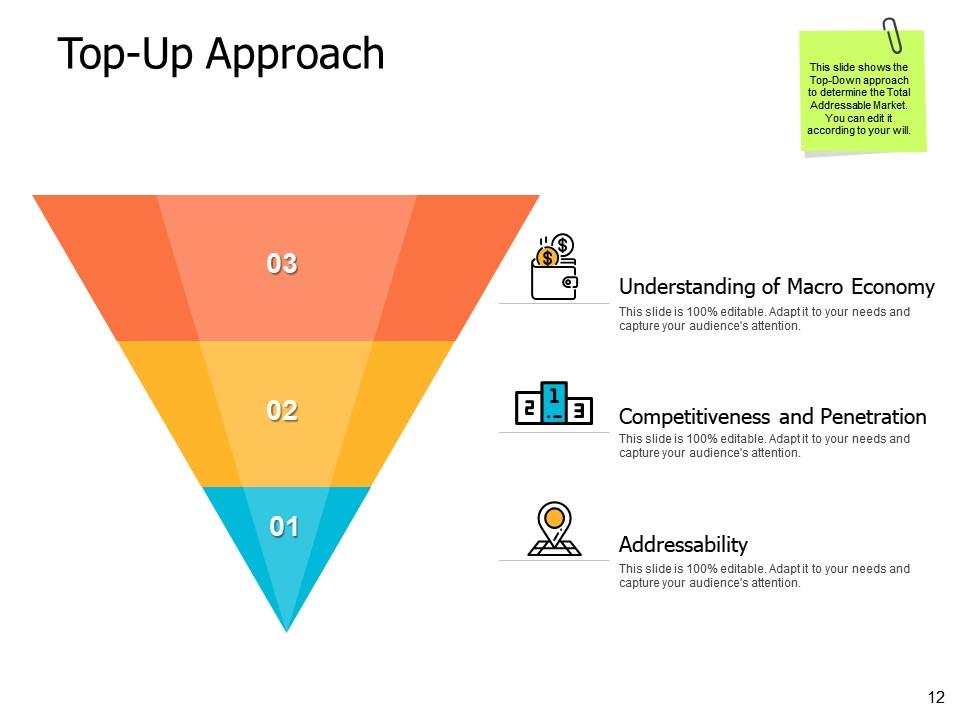
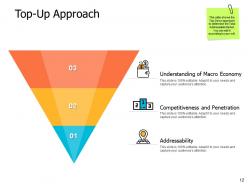
Slide 12: This slide shows the Top-up approach to determine the Total Addressable Market. You can edit it according to your will.
Slide 13: This slide presents Market Segmentation based on factors such as Demographic, geographic, psychographic and behavioral.
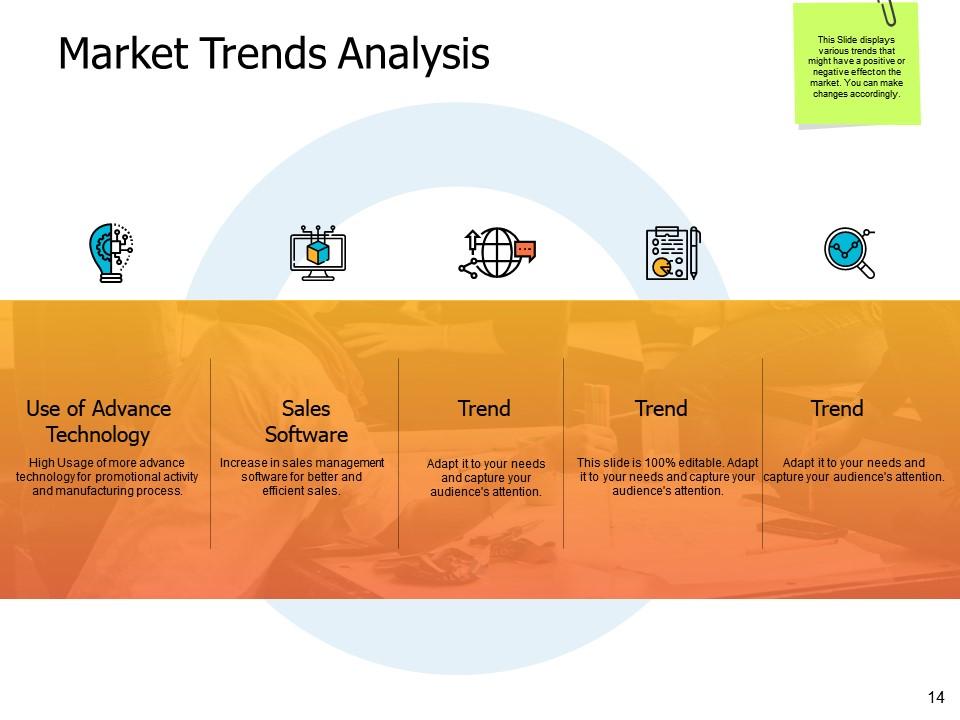
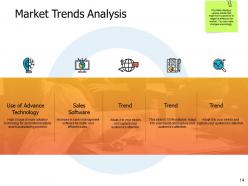
Slide 14: This slide displays Market Trends Analysis describing various trends that might have a positive or negative effect on the market.
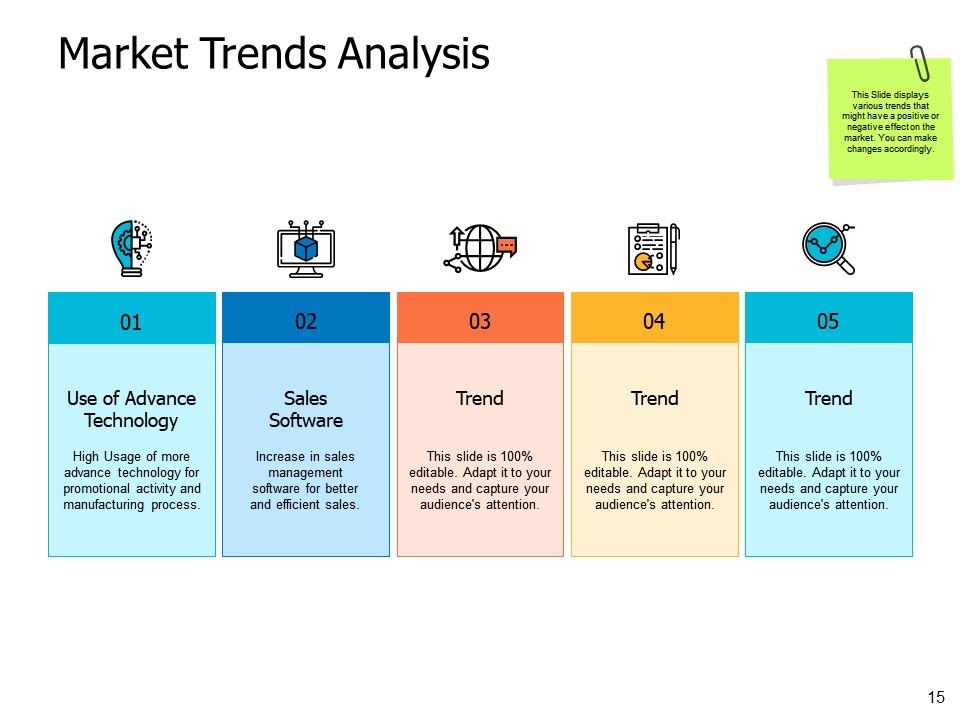
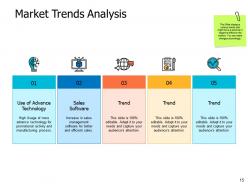
Slide 15: This is an optional slide for Market Trends Analysis.
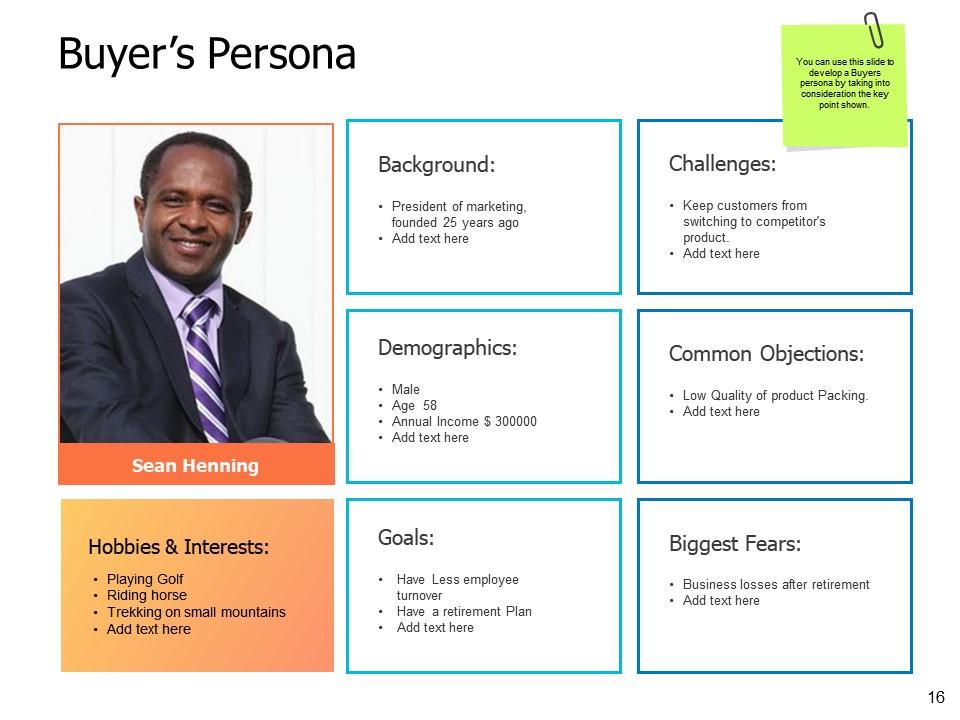
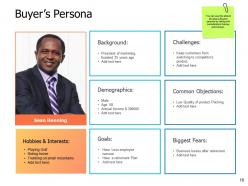
Slide 16: This slide represents Buyer’s Persona with- Hobbies & Interests, Background, Demographics, Goals, Challenges, Common Objections, Biggest Fears.
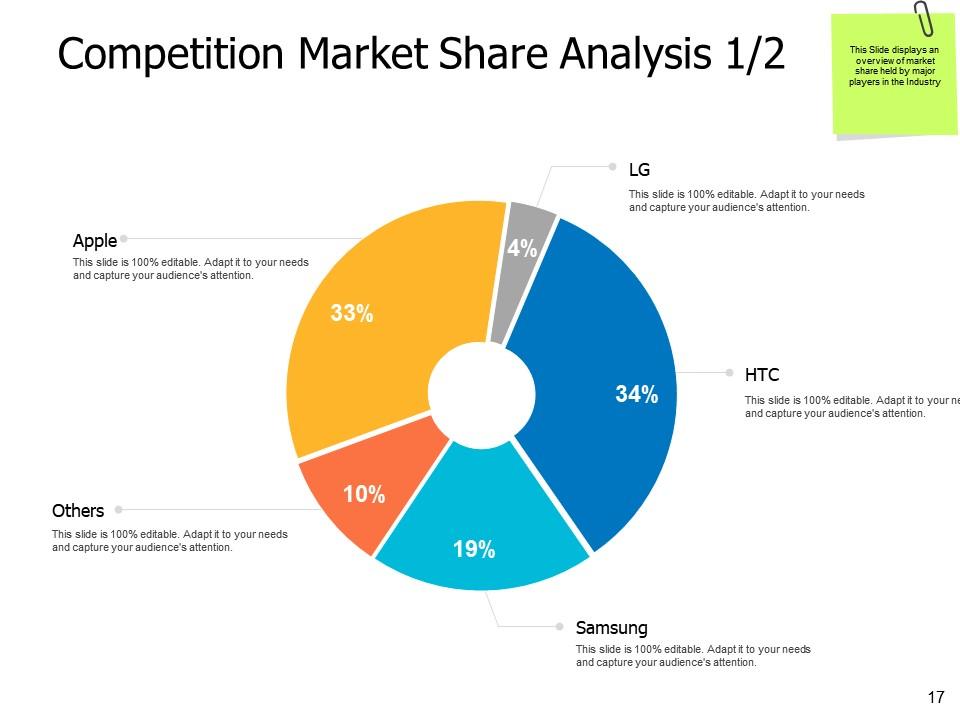
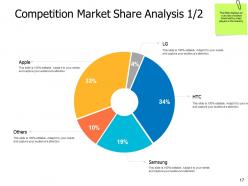
Slide 17: This slide showcases Competition Market Share Analysis with the help of donut pie chart.
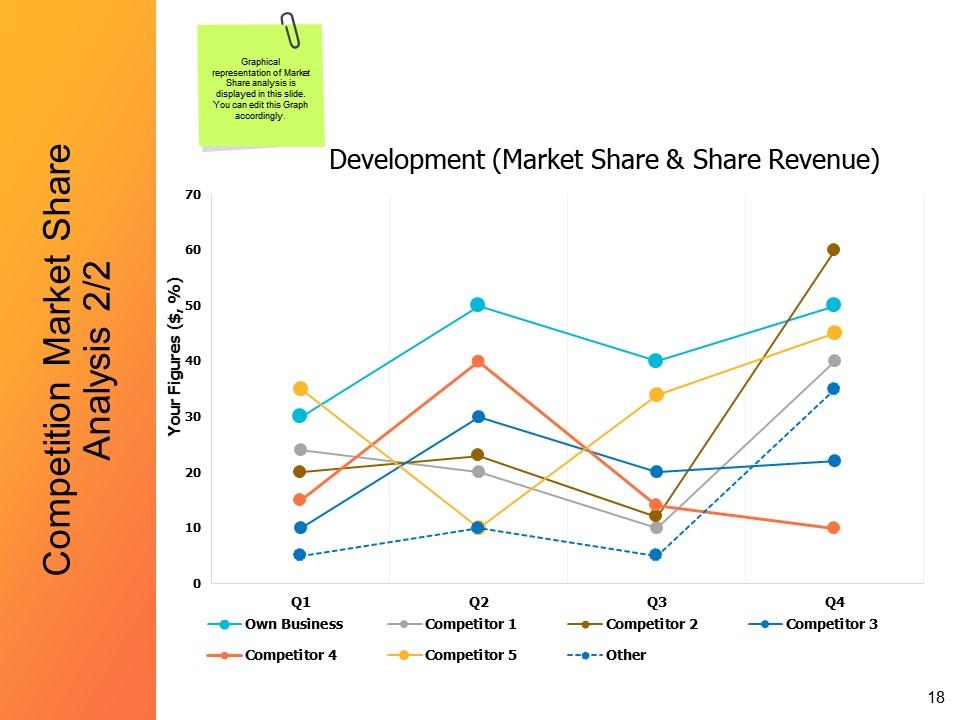
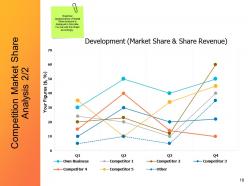
Slide 18: This is another slide showcasing Competition Market Share Analysis with the help of line graph.
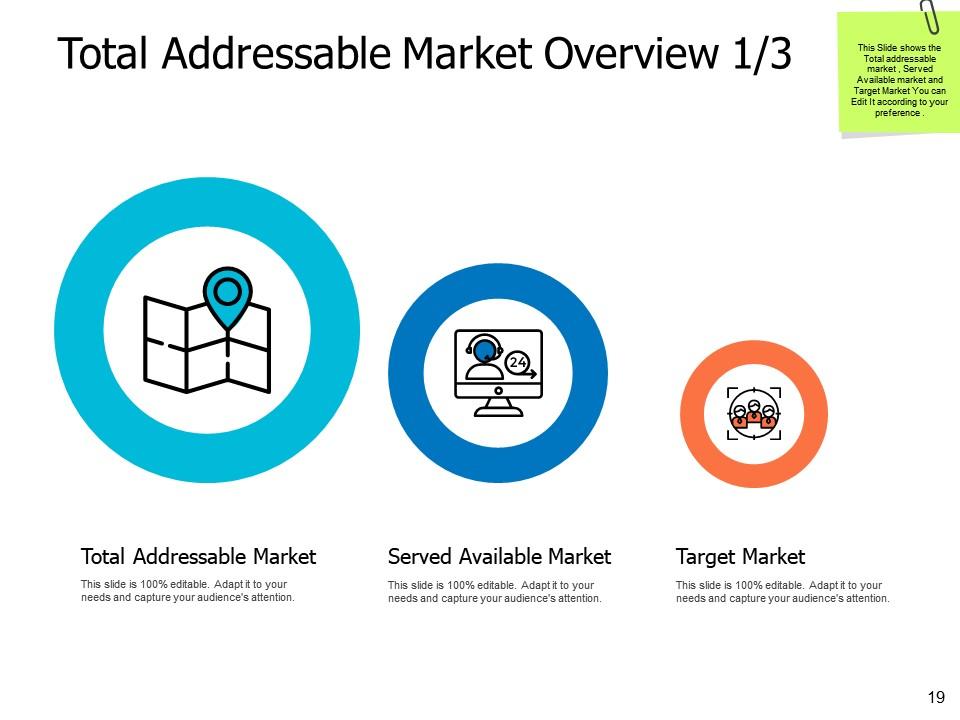
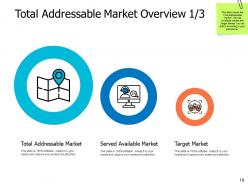
Slide 19: This slide shows Total Addressable Market Overview describing- Served Available Market, Target Market, Total Addressable Market.
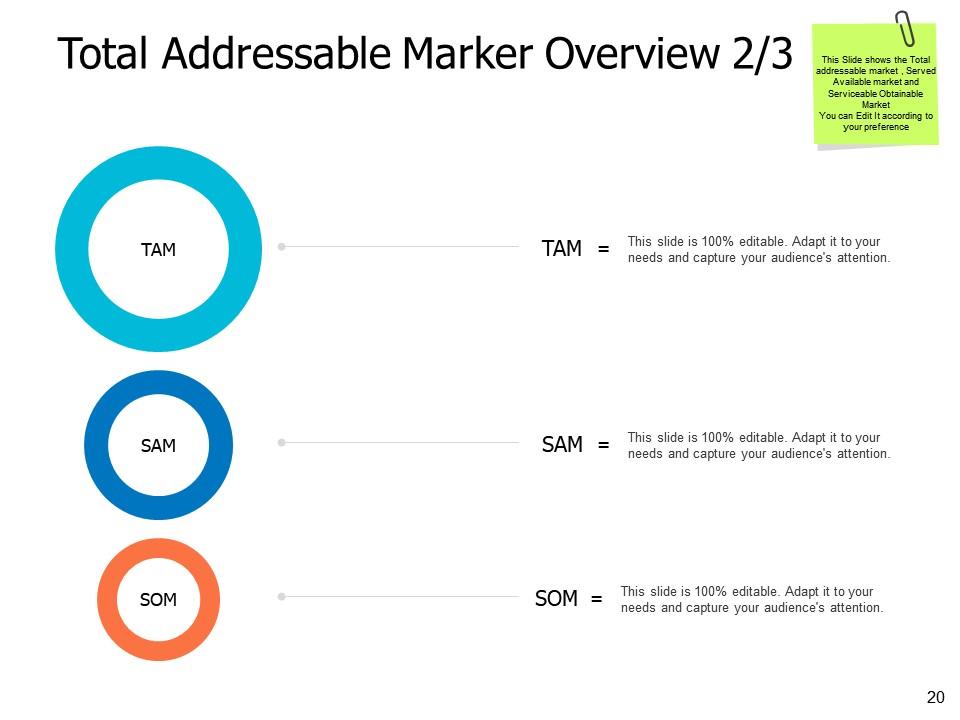
Slide 20: This is another slide presenting Total Addressable Market Overview.
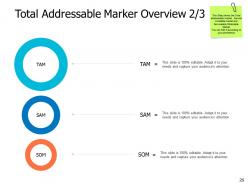
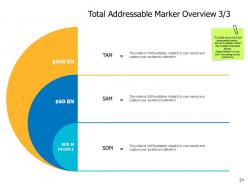
Slide 21: This is another slide with Total Addressable Marker Overview.
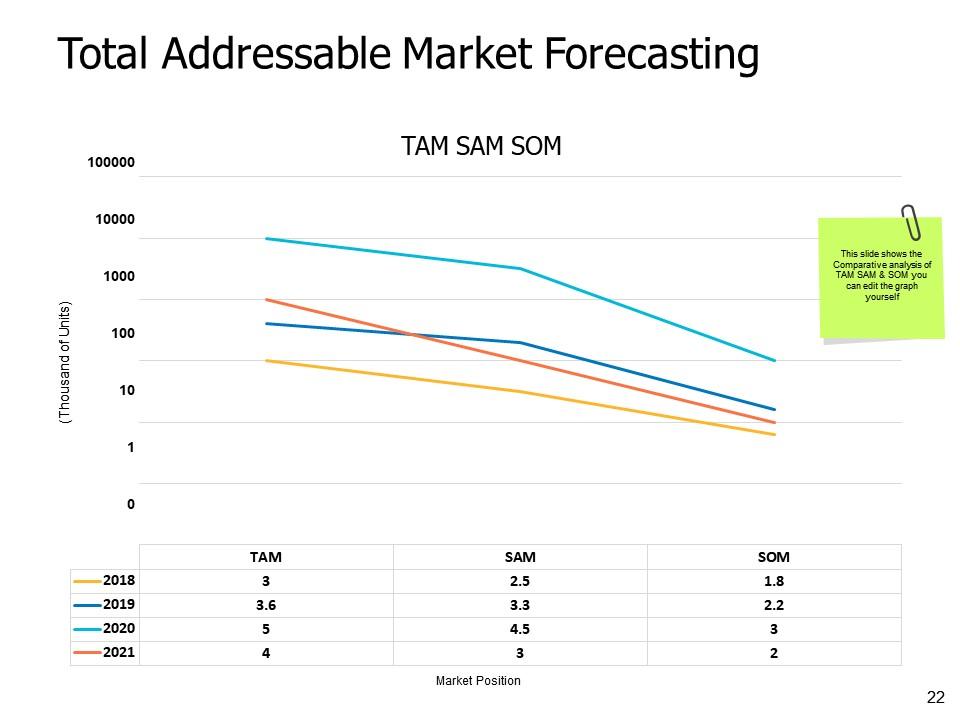
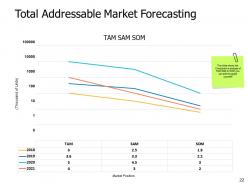
Slide 22: This slide displays Total Addressable Market Forecasting comparing TAM, SAM and SOM.
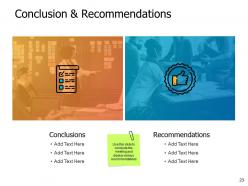
Slide 23: This slide is titled as Conclusion & Recommendations. Use this slide to conclude the meeting and display various recommendations.
Slide 24: This slide showcases Detailed Market Icons.
Slide 25: This slide is titled as Additional Slides for moving forward.
Slide 26: This is Our Mission slide with related imagery and text.
Slide 27: This is Our Team slide with names and designation.
Slide 28: This is Our Goal slide. Show your goals here.
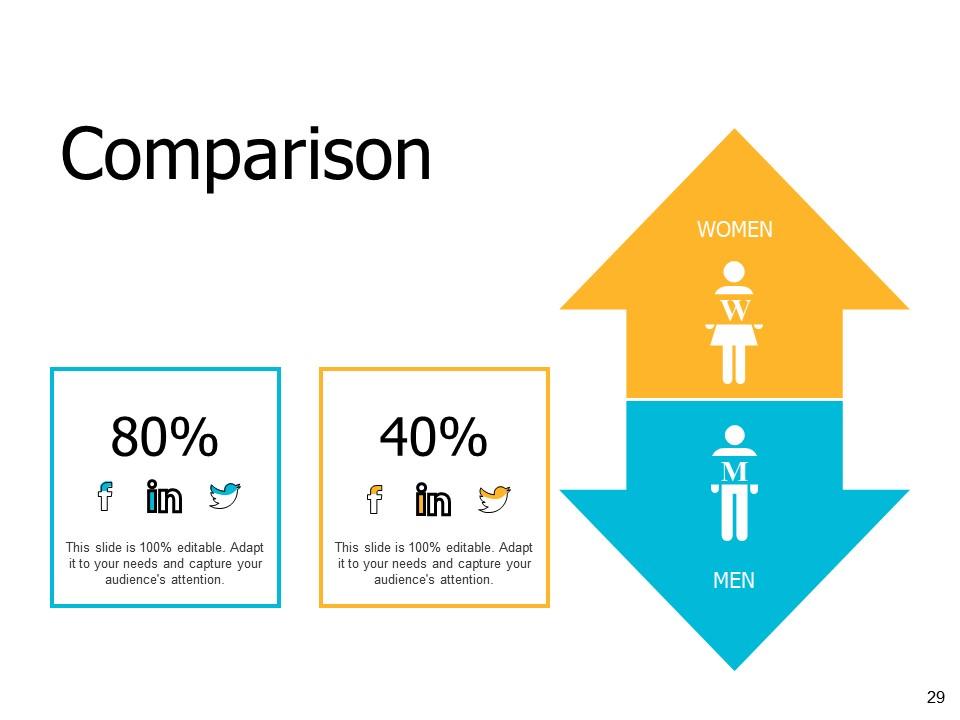
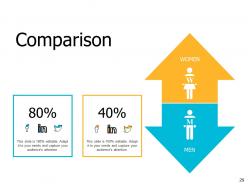
Slide 29: This is a Comparison slide to state comparison between commodities, entities etc.
Slide 30: This is About Our Company slide to show company specifications etc.
Slide 31: This is a Quotes slide to convey message, beliefs etc.
Slide 32: This is an Idea or Bulb slide to state a new idea or highlight information, specifications etc.
Slide 33: This slide is titled as Post It. Post your important notes here.
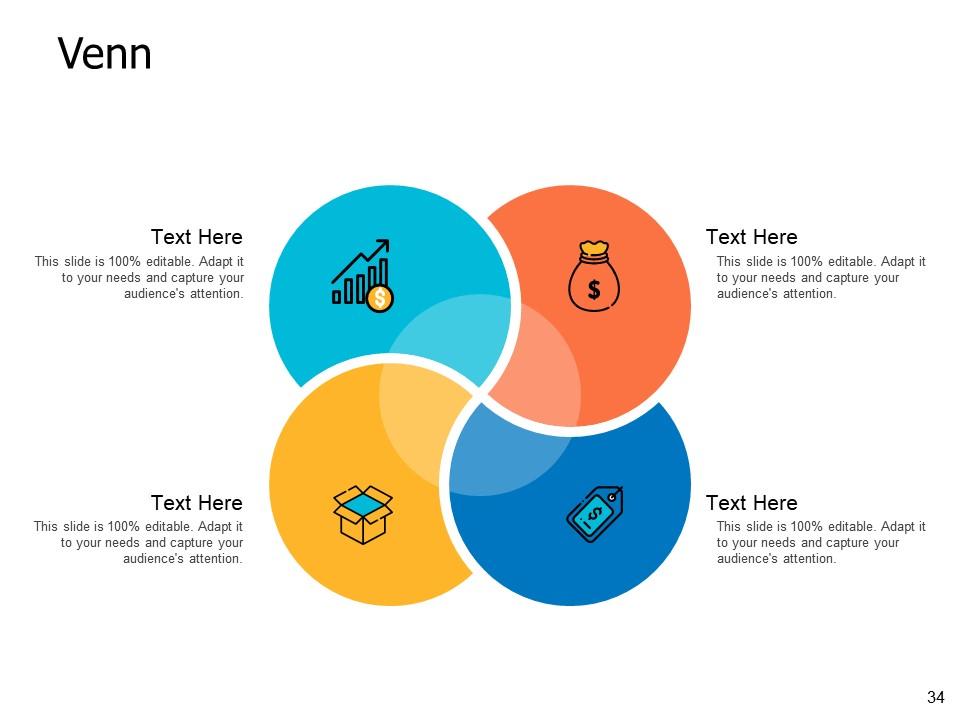
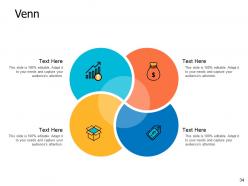
Slide 34: This is a Venn slide with text boxes.
Slide 35: This is a Thank You slide with address, contact numbers and email address.
Detailed market size analysis powerpoint presentation slides with all 35 slides:
Convey difficult decisions with our Detailed Market Size Analysis Powerpoint Presentation Slides. They will go down easier with your team.
No Reviews
