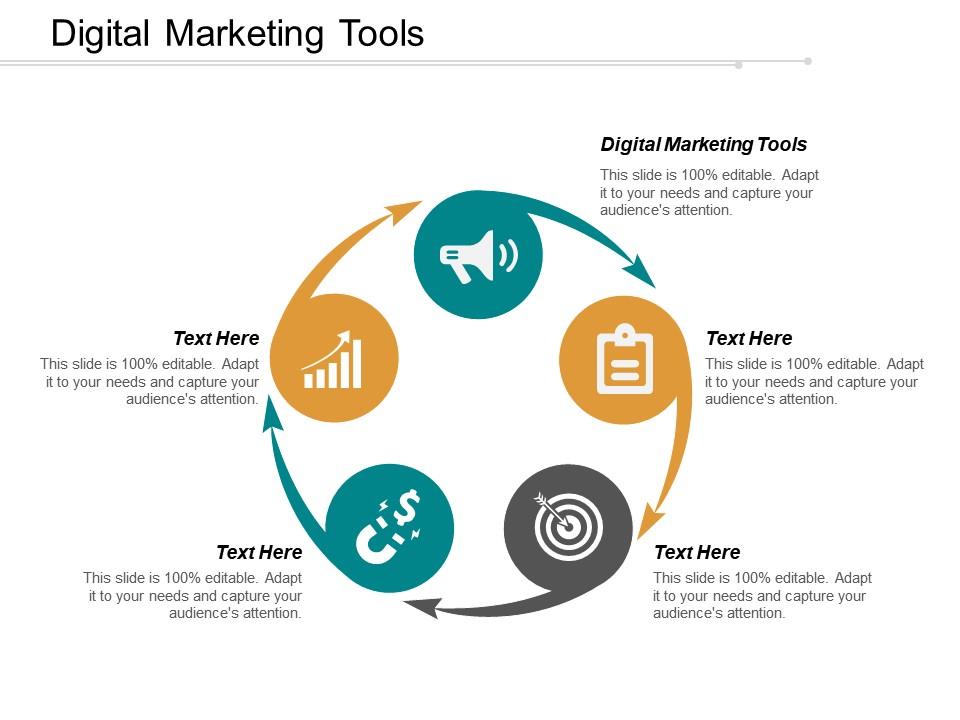
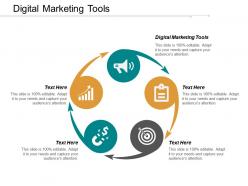
Digital marketing tools ppt powerpoint presentation file good cpb
Try Before you Buy Download Free Sample Product
Audience
Editable
of Time
Our Digital Marketing Tools Ppt Powerpoint Presentation File Good Cpb are truly upmarket. They will take the market up with your ideas.
People who downloaded this PowerPoint presentation also viewed the following :
Digital marketing tools ppt powerpoint presentation file good cpb with all 5 slides:
Our Digital Marketing Tools Ppt Powerpoint Presentation File Good Cpb have a refreshing effect. They will reactivate the energies of your team.
FAQs for Digital marketing tools ppt powerpoint presentation
Okay so definitely start with Google Analytics - it's free and you'd be crazy not to track your website stuff. Buffer's great for scheduling social posts, saves me so much time. Email marketing is where it's at though - Mailchimp if you're just starting out, or ConvertKit if you've got a bit more budget. Oh and Canva! Total game-changer when you need graphics but can't afford a designer yet. Set up Google My Business too if you have any local customers. Honestly, just start with these basics and add more tools later when you figure out what you actually need.
Honestly, these tools are game-changers because you can schedule stuff when your audience is actually online instead of posting into the void. Quick replies to comments keep people engaged too. The consistency thing is huge - algorithms eat that up. Analytics show you what's working so you're not just throwing spaghetti at the wall. And real talk, they'll save you from that Sunday panic when you realize you have zero content ready. I'd say grab Buffer or Hootsuite first. Don't stress about perfect posts - just be consistent. That matters way more than having everything polished.
Automation is huge - you don't want to manually send welcome emails forever. Get something with good segmentation so you're not blasting everyone the same message. The interface actually matters way more than I thought it would since you'll live in there. A/B testing and solid analytics are must-haves. Your emails are useless if they end up in spam, so check deliverability rates. Oh, and make sure it plays nice with whatever CRM you're using. Definitely do a free trial first - their automation builder will tell you everything you need to know about whether it's worth it.
Dude, analytics are a game changer - they turn all your random hunches into actual facts. You'll see real numbers on clicks, conversions, how people behave, ROI stuff. Which campaigns actually work instead of just hoping they do. I'm weirdly obsessed with checking the dashboards now lol. Shows you exactly where to spend money and what content people actually care about. Just make sure you set up tracking right from the start - learned that one the hard way. Don't wait until everything's over to look at the data.
So SEO tools basically give you all the data to rank higher on Google. They track your keywords, spy on competitors, and catch technical problems that hurt your rankings. Honestly, most of them are pretty overwhelming when you first open them up - so many tabs and graphs everywhere. But once you figure it out, you can see exactly which keywords are working and what content needs fixing. Your competitors' strategies become way more obvious too. I'd start simple though - just track like 10-20 main keywords and fix whatever crawl errors pop up first.
Honestly, start with Canva - even if you suck at design like me, it'll make your stuff look decent. BuzzSumo's great for finding what's actually trending instead of just guessing. Grammarly catches all those typos you miss when you're rushing. Loom's perfect for quick videos, and Feedly keeps all your industry reading organized (though I always forget to check it). Buffer or Hootsuite work well for scheduling everything. If you can only grab two tools right now, go Canva and BuzzSumo. Those two will fix your biggest content headaches immediately.
Honestly, CRM tools are a total game-changer for marketing. They show you exactly how each customer behaves and what they actually want. You can create way better audience segments and time your campaigns perfectly instead of just throwing stuff at the wall. The tracking alone is worth it - you'll finally know if that email blast actually did anything. Oh, and the automation is insane for nurturing leads while you work on bigger picture stuff. I'd start simple though - just connect it to your email platform and set up basic lead scoring. You'll see results pretty quick.
Dude, automation tools are total lifesavers for all that boring repetitive stuff - email sequences, social posts, lead follow-ups. You can actually focus on the fun creative work instead. Everything stays consistent since it runs automatically, and you can personalize messages without writing each one by hand (which honestly would drive me insane). The data tracking gets way cleaner too because it all connects. I'd start with basic email workflows or scheduling posts - you'll immediately see how much time you get back. Once you try it, there's no going back!
Honestly, these design tools are game-changers if you don't have the budget for a real designer. Canva's probably your best bet to start - their templates are actually decent and you can drag stuff around without losing your mind. Social media posts, ads, infographics... you can make all that look professional pretty easily. The free version should work fine while you're figuring things out. Adobe's more powerful but way more complicated (and expensive). Once you get the hang of it, try testing different styles to see what your audience likes. Oh, and they help keep everything looking consistent across your channels, which matters more than you'd think.
Start with Google Ads and Facebook Ads Manager - that's where you'll build most campaigns anyway. Google Analytics is a must for tracking conversions on your site. Those three cover probably 80% of what you need, honestly. Want competitor research? SEMrush and SpyFu are solid for seeing what others are doing with keywords. Running stuff across multiple platforms gets messy fast, so tools like Optmyzr help you avoid the constant tab-switching nightmare. My advice? Stick with Google's free tools first, then add more based on what you're actually missing.
Honestly, collaboration tools are lifesavers for marketing teams. Everything lives in one spot - assets, feedback, deadlines - instead of buried in email chains somewhere. You'll actually know who's doing what and when. Real-time updates mean no more "wait, didn't Sarah handle that?" disasters. We use Asana but Monday and Slack work great too (though Slack can get chatty if you're not careful). Pick whatever your team won't hate using. Make it your go-to for everything and you're golden.
So first thing - map out your customer journey, then grab tools that actually play nice together. APIs are clutch here. Way too many teams (mine included lol) just throw random tools together without thinking about how data flows between them. Your CRM, email platform, and analytics should be your starting trio since they're handling all the important customer stuff. You'll want users tracked across every touchpoint without creating those annoying data silos. Automate the syncing where you can, but seriously - have someone check those connections every month. Broken integrations will screw your attribution so fast it's not even funny.
Mobile marketing really changes how people buy stuff. Push notifications work because everyone checks their phone instantly - seriously, it's like a reflex at this point. When you target people based on location, you catch them right when they're walking past your store. Personalized app experiences make customers feel seen, you know? Mobile shoppers are way more impulsive than desktop users, so timing is everything. Focus on those micro-moments when someone's ready to actually do something. It's all about hitting people at exactly the right second.
A/B testing tools let you test different versions of your ads or emails to see what actually works better. You can swap out headlines, images, button text - whatever. Honestly, I used to just wing it and wonder why my campaigns sucked. These tools show you real data instead of guessing what your audience wants. Test one thing at a time though, don't go crazy changing everything at once. Wait until you get enough data to actually mean something, then go with whatever performed better. Way better than throwing money at random stuff and hoping it sticks.
So reputation management tools are basically your early warning system - they scan social media, review sites, forums, news articles, all that stuff for mentions of your brand. When sentiment starts going south, you'll get alerts so you can jump on issues before they blow up. Honestly, I've seen companies get blindsided by bad reviews that could've been handled way better if they'd caught them early. You want to monitor your brand name obviously, but also track your main products and maybe even what people are saying about competitors. Short version: spot problems fast, respond faster.
No Reviews