Ecology graph of growing sustainable environment

Ecology graph of growing sustainable environment
Slide 1 of 2
Favourites Favourites

Try Before you Buy Download Free Sample Product

Audience Impress Your
Audience
Editable 100%
Editable
Time Save Hours
of Time
The Biggest Sale is ending soon in
0
0
:
0
0
:
0
0
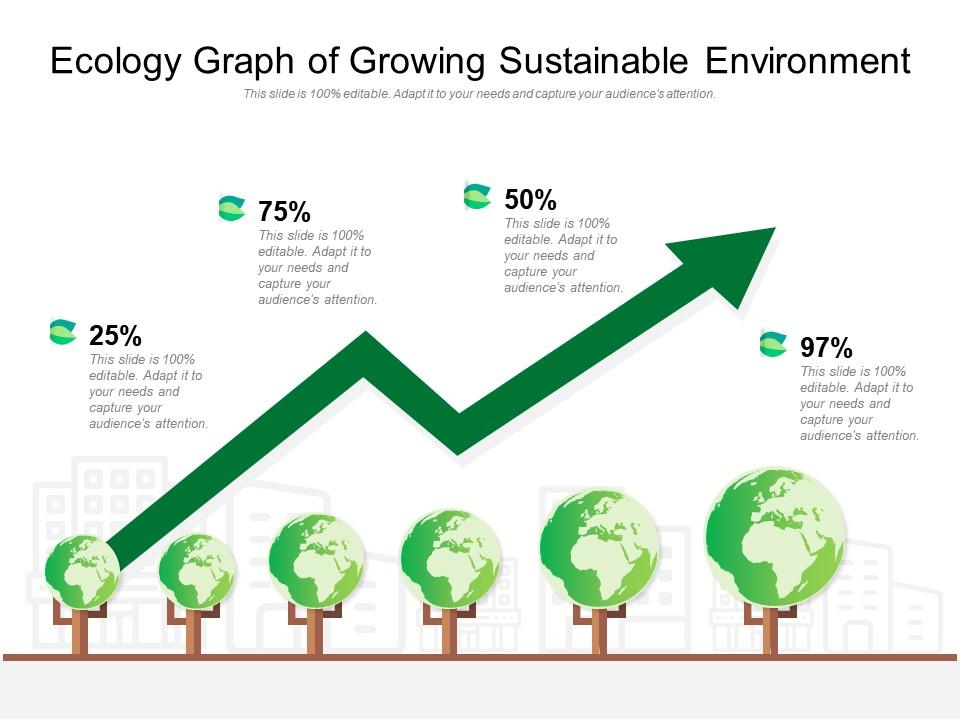
Presenting this set of slides with name Ecology Graph Of Growing Sustainable Environment. This is a four stage process. The stages in this process are Ecology Graph Of Growing Sustainable Environment. This is a completely editable PowerPoint presentation and is available for immediate download. Download now and impress your audience.

People who downloaded this PowerPoint presentation also viewed the following :

FAQs for Ecology graph of

So sustainability is basically don't take more than nature can replace, you know? Keep biodiversity intact and stay within what Earth can actually handle. Conservation has totally shifted because of this - we're doing circular economies now, habitat restoration, renewable energy instead of just mining everything and tossing it. Honestly, the ripple effect is everywhere from carbon credits to those rewilding projects (which are pretty cool btw). Best way to start? Track what you're using and figure out how to make those loops work in your own stuff. Small steps add up.

So green corridors are huge - they let wildlife actually move between parks instead of getting trapped. Native plants beat fancy ornamental ones every time for supporting local critters. Buildings need bird-friendly glass (learned this the hard way after seeing too many window strikes). Water features like bioswales are perfect because they handle stormwater AND create habitat. Mixed-use stuff helps too since it cuts sprawl. Oh, and green roofs obviously. The trick is connecting everything so you don't just have random isolated patches of green scattered around.

Dude, native plants are honestly a game-changer. They're already used to your local weather and soil, so you won't be constantly watering or feeding them expensive fertilizers. Way less maintenance. Local birds and butterflies actually need them too - I learned that ornamental plants from other places are basically useless to wildlife, which is kinda sad when you think about it. Your wallet will thank you, and so will the environment. Oh, and don't go crazy replacing everything at once. Just pick one corner of your yard to start with. Check your extension office's website - they usually have lists of what grows well in your specific area.

So sustainable farming is basically about rebuilding your soil from scratch. Cover crops, crop rotation, reduced tillage - all that stuff helps beneficial microbes and earthworms do their thing. You're building a living ecosystem instead of just dumping chemicals everywhere. Honestly, once you see healthy soil up close, you'll get why people get obsessed with it. These methods create habitats for pollinators and pest predators too, keeping everything balanced. Start with cover crops between growing seasons if you're just beginning - they fix nitrogen and stop erosion while your fields rest.

Honestly, locals are the secret weapon here. They know their area better than any outside expert ever will. Get them involved in restoration projects or monitoring programs - you'll see way better results. Free help doesn't hurt either, let's be real. But here's the thing: people protect what they feel connected to. Don't just tell them what needs fixing. Ask what bugs them about their environment first, then work backwards from there. They'll catch problems early and actually stick with solutions long-term.

Yeah so space and upfront costs are the biggest headaches honestly. Zoning laws can be super annoying too - some cities make you jump through ridiculous hoops. But rooftop solar keeps getting cheaper, and there are community programs where you can split costs with neighbors which is pretty cool. Battery tech has gotten way better lately so you don't have to worry about losing power when it's cloudy. Oh and definitely check what rebates your city offers first - mine had this program that covered like 30% of installation costs. Grid connection used to be a nightmare but most places are streamlining that process now.

Honestly, just start with figuring out where you're bleeding resources - energy bills, water usage, all that waste (seriously, offices are insane with trash). Pick your biggest problem area first. Maybe it's switching to LEDs or getting actual recycling going. Transportation's usually a big one too depending on what you do. Set some real numbers to hit, like cutting energy by 20% or whatever makes sense. You don't have to fix everything overnight - just track what you're doing so you can see if it's actually working.

Honestly, we waste SO much water without even thinking about it. Freshwater isn't unlimited, and ecosystems literally can't function without it. Fix leaks, get efficient fixtures - that stuff actually adds up to protect entire watersheds. Plus conserving water means less energy for treatment plants, which cuts emissions too. Rivers and wetlands stay healthier when we're not over-extracting everything. I know it sounds preachy but like... audit your household use real quick. You'll probably find tons of easy fixes that make a difference.

So climate change basically pushes animals and plants past what they can handle, which screws up entire ecosystems. Species start moving to new areas, but then you get these weird timing problems - like bees showing up when there's no flowers yet. Extinction rates go up too. Here's the thing though: once you lose diversity, ecosystems become super fragile. They can't recover from damage anymore. It's this nasty cycle where climate stress kills off species, making everything even more vulnerable. Oh, and if you're doing conservation work? Focus on connecting habitats so animals can actually move around and adapt.

Honestly, we gotta stop plastic from getting into water in the first place - better waste systems, less single-use stuff. The amount already out there is insane though, so cleanup projects help too. Ghost net removal, microplastic filters, that kind of thing. Push companies to actually deal with their packaging waste instead of just dumping the problem on us (extended producer responsibility laws work). Oh and those local river cleanups? Way more effective than you'd think - catching trash before it hits the ocean is huge.

So basically you're trying to bring back native plants and animals while getting rid of the invasive stuff that's taken over. First step is figuring out what the area looked like originally - which honestly can be pretty tricky. Then you start rebuilding those conditions bit by bit, fixing things like water flow and soil health. I'd definitely start with a small test area first because what works in one spot might totally flop somewhere else. The annoying part? Everything moves at nature's pace, not yours. Think of it like rebuilding a puzzle where most pieces are gone and you're basically growing replacements from scratch.

Oh totally, getting kids into environmental stuff early is game-changing. They actually *get* why it matters instead of just going through the motions. Plus kids are like sponges - way easier to build good habits now than trying to change adults later (trust me on that one lol). The trick is making it real for them, you know? School gardens, recycling challenges, stuff they can actually touch and see results from. Once they connect the dots between what they're learning and their actual lives, they're hooked. It's honestly pretty amazing to watch.

Dude, tech is actually crushing it for the environment right now. IoT sensors can track ecosystems in real-time, while AI predicts environmental shifts before they happen. Satellite imagery catches deforestation as it's happening. The coolest part? Regular people with smartphones are collecting some of the best environmental data through citizen science apps - way more effective than I expected. Blockchain's making supply chains transparent so you know if products are actually sustainable. Oh, and automation cuts tons of manufacturing waste. Pick one environmental issue near you and see what tech solutions already exist. You'll be surprised what's out there.

Look, companies follow money - period. So you need both rewards and punishments. Give tax breaks to businesses with real certification (not that greenwashing BS), but also hit them with penalties for clear-cutting. Set actual harvest quotas and make them replant what they take. The trick is making sustainable logging more profitable than just destroying everything. Oh, and check what certification programs already exist near you - some are pretty solid, others are jokes. Push for better enforcement too, because rules without teeth don't work.

So wildlife corridors are basically safe highways for animals to move between habitat patches without dodging traffic or getting trapped in urban sprawl. They're huge for keeping city biodiversity alive since fragmented ecosystems would just become isolated islands otherwise. Animals can migrate, find mates, access food - keeps populations genetically diverse and healthy. Honestly, even simple stuff like green strips along rivers or plant-covered overpasses makes a difference. They boost pollination networks too, which your local parks really need. I'd start by checking out existing green spaces in your area and figuring out where the gaps are.

Ratings and Reviews

0% of 100
Review Form
Write a review
Most Relevant Reviews

No Reviews