Ecommerce market overview powerpoint presentation slides
Try Before you Buy Download Free Sample Product
Audience
Editable
of Time
Discuss the challenges and solutions of online business with the help of our content ready Ecommerce Market Overview PowerPoint Presentation Slides. Talk about e-commerce features like global reach, personalization, universal standards, etc. Ecommerce industry trends PowerPoint complete deck contains visually appealing PPT slides such as e-commerce industry outline, sales projections worldwide, key growth drivers, e-commerce environment, business model, marketing strategy, participants, features, marketing solutions, challenges, and many more. Talk about e-commerce environment which includes competitors, partners, customers, communities, regulations, technology, economic & workforce, etc. Our templates of this PPT deck are 100 percent editable; this makes it easy for you to prepare quality presentations quickly because half of your work has already been done. Introduction to e-commerce business PowerPoint templates can be also be used to present e-commerce fundamentals & applications. Adapt the business model according to the needs of customers. Download internet business outline presentation deck to create a winning e-commerce business plan. Broaden your consensus with our Ecommerce Market Overview Powerpoint Presentation Slides. They encourage convivial feelings.
People who downloaded this PowerPoint presentation also viewed the following :
Content of this Powerpoint Presentation
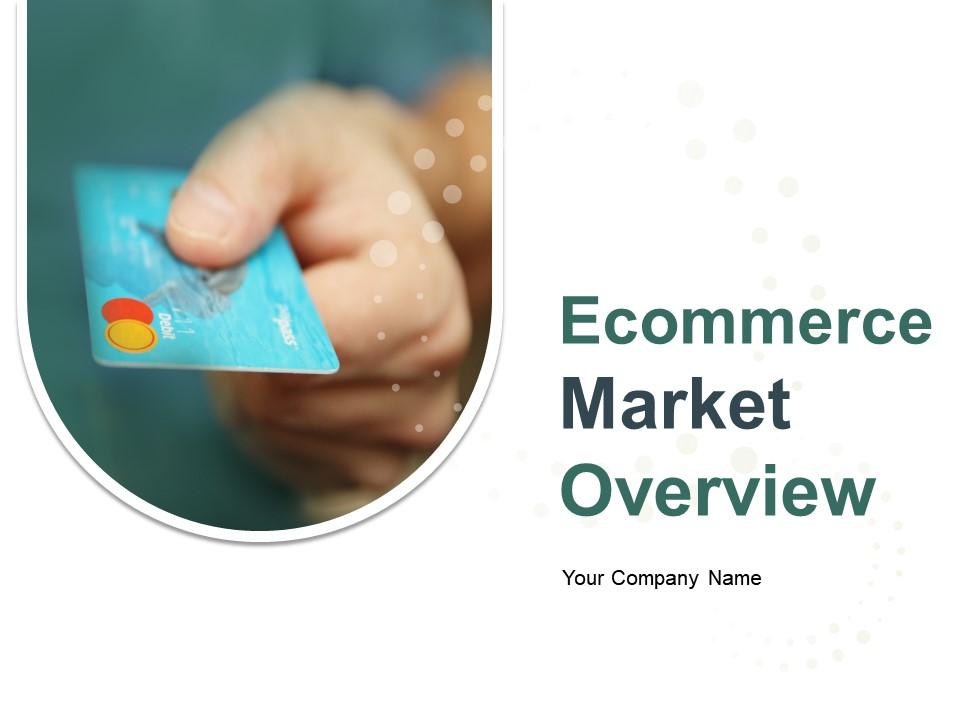
Slide 1: This slide introduces Ecommerce Market Overview. State Your Company Name and begin.
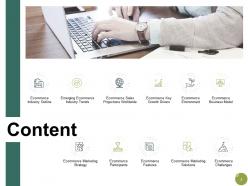
Slide 2: This slide shows Contents of the presentation.
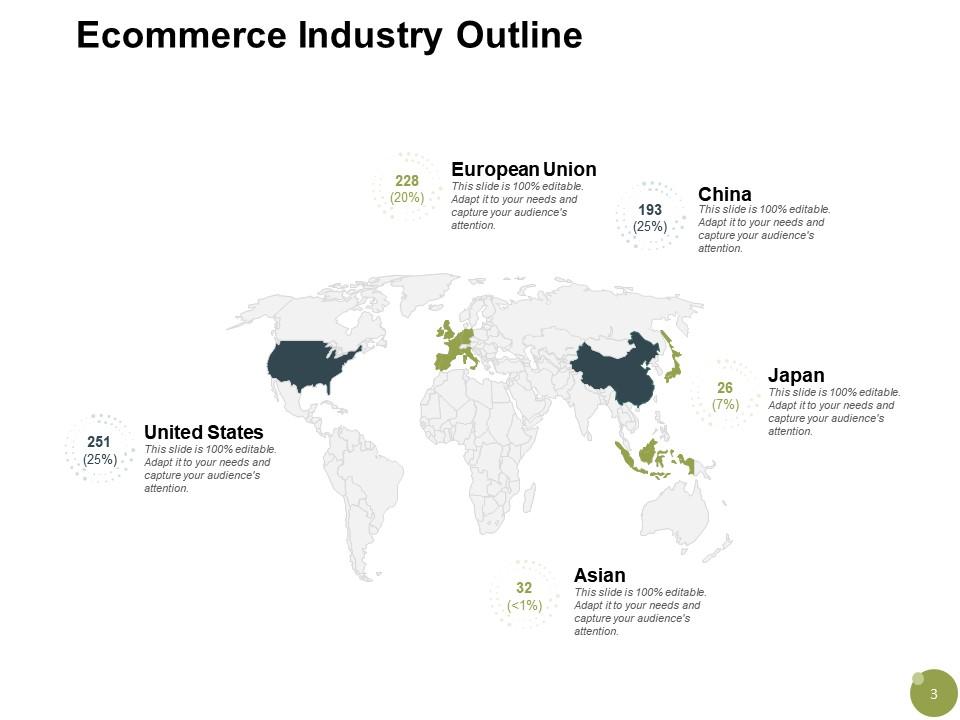
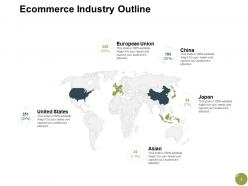
Slide 3: This slide presents Ecommerce Industry Outline to show world wide growth among various global markets.
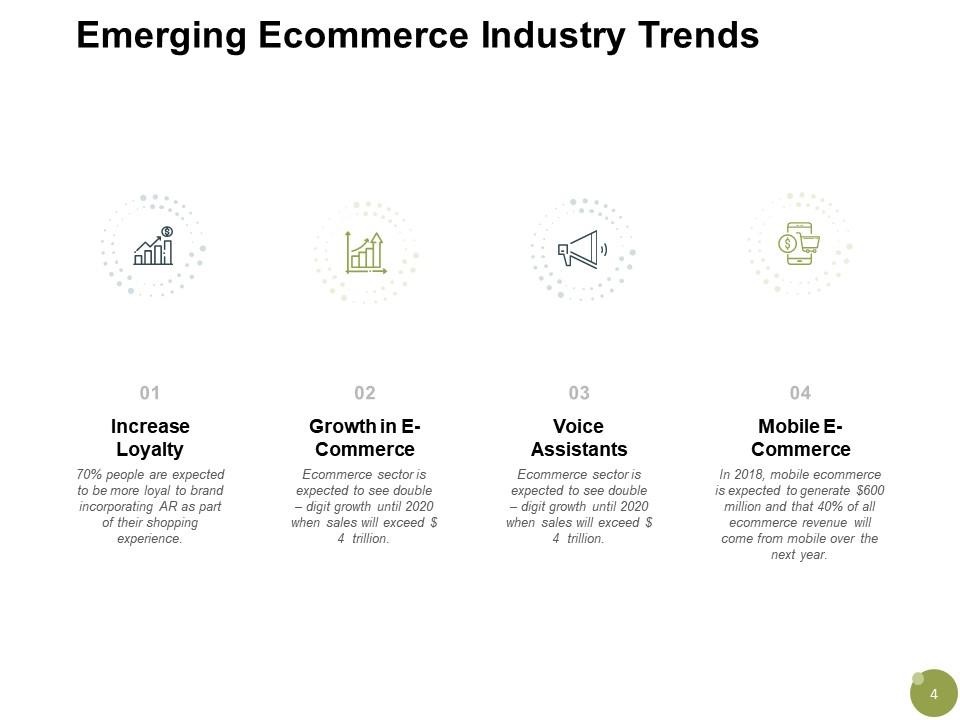
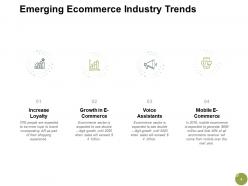
Slide 4: This slide displays Emerging Ecommerce Industry Trends to help in depicting the growing trends of various ecommerce firms.

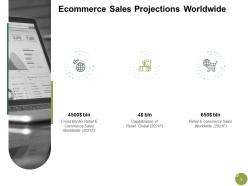
Slide 5: This slide represents Ecommerce Sales Projections Worldwide with sales figures for user’s general insights.
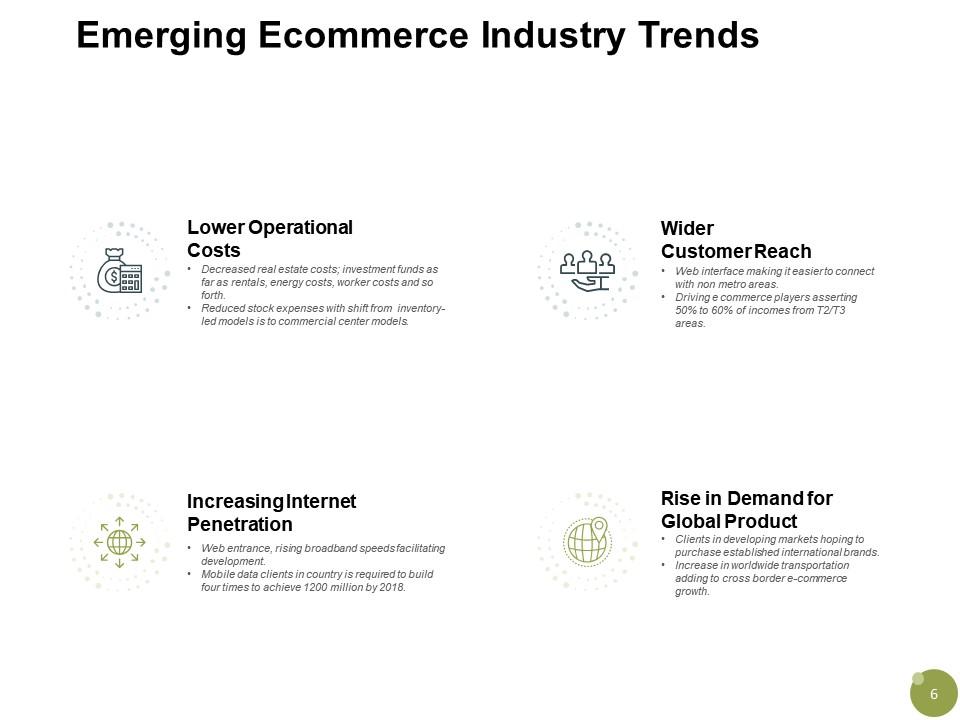
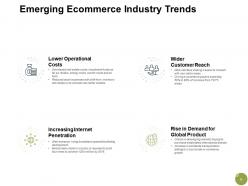
Slide 6: This slide showcases Emerging Ecommerce Industry Trends describing- Lower Operational Costs, Increasing Internet Penetration, Rise in Demand for Global Product, Wider Customer Reach.
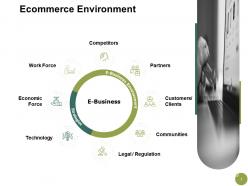
Slide 7: This slide showcases Ecommerce Environment to describe the various factors that impact the functioning of ecommerce industries.
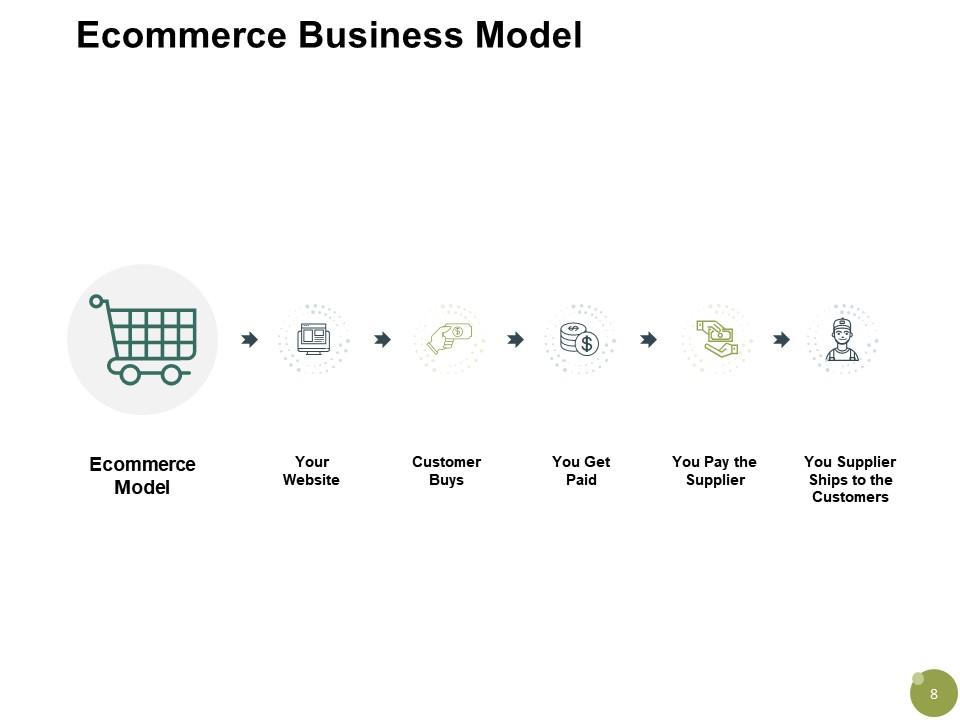
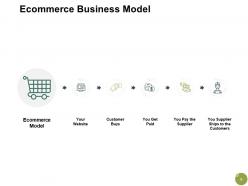
Slide 8: This slide depicts the general E-commerce business model and shows payment transaction process.
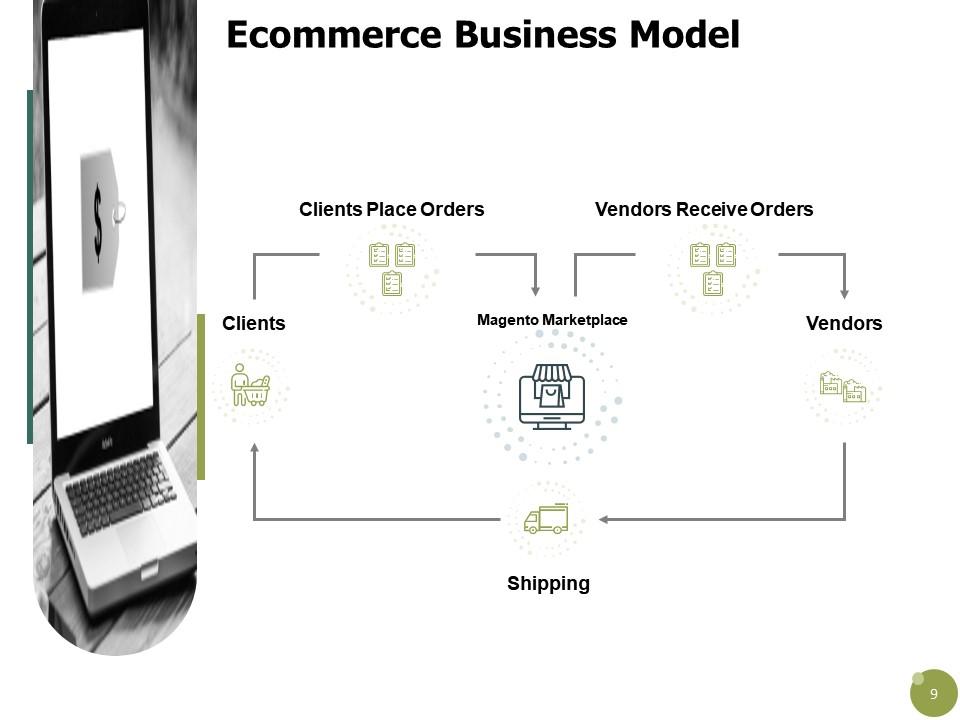
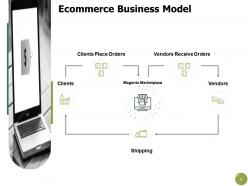
Slide 9: This is an optional slide for Ecommerce Business Model.
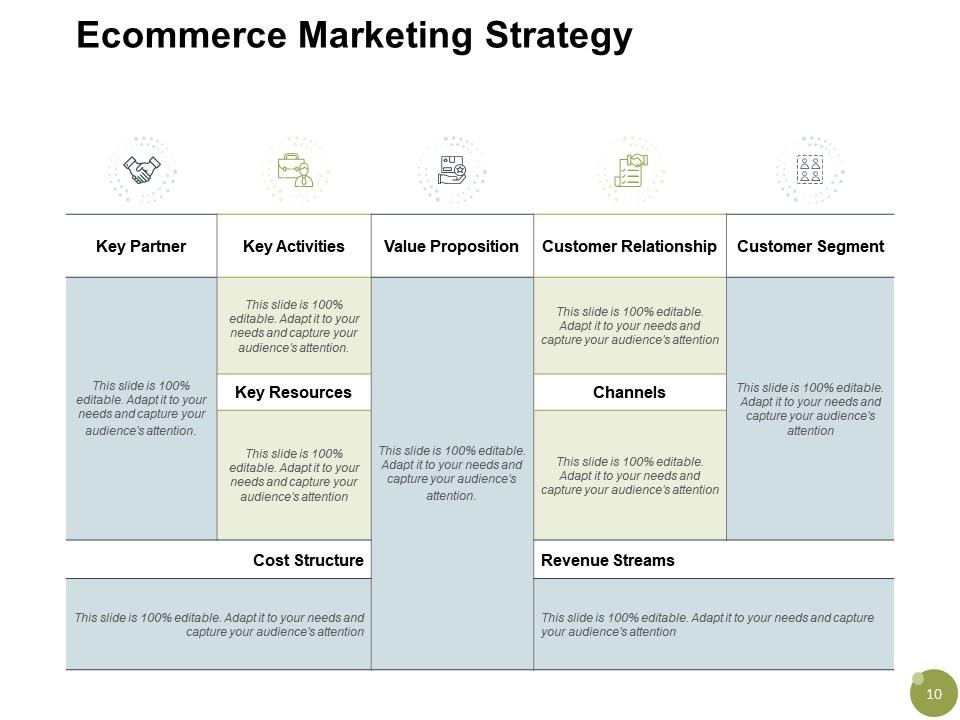
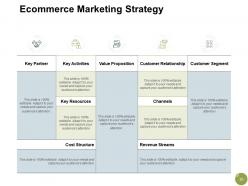
Slide 10: This slide shows the various components/elements/parties involved in an ecommerce marketing strategy for user reference.
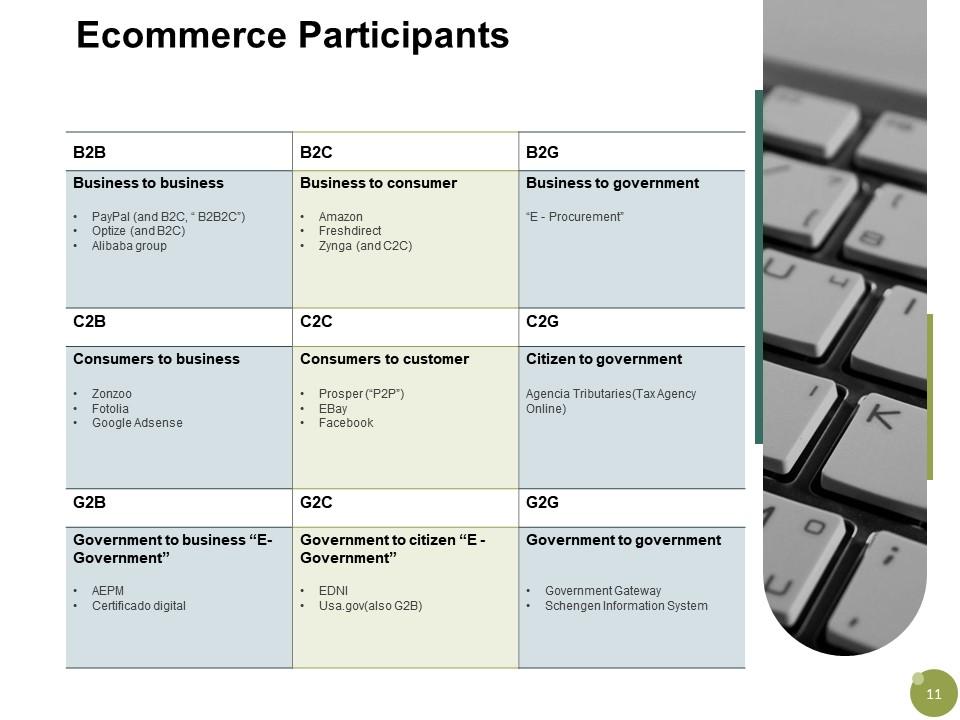
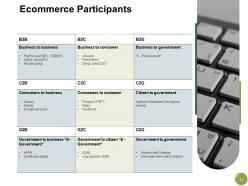
Slide 11: This slide presents the list of multiple ecommerce participants for user reference.
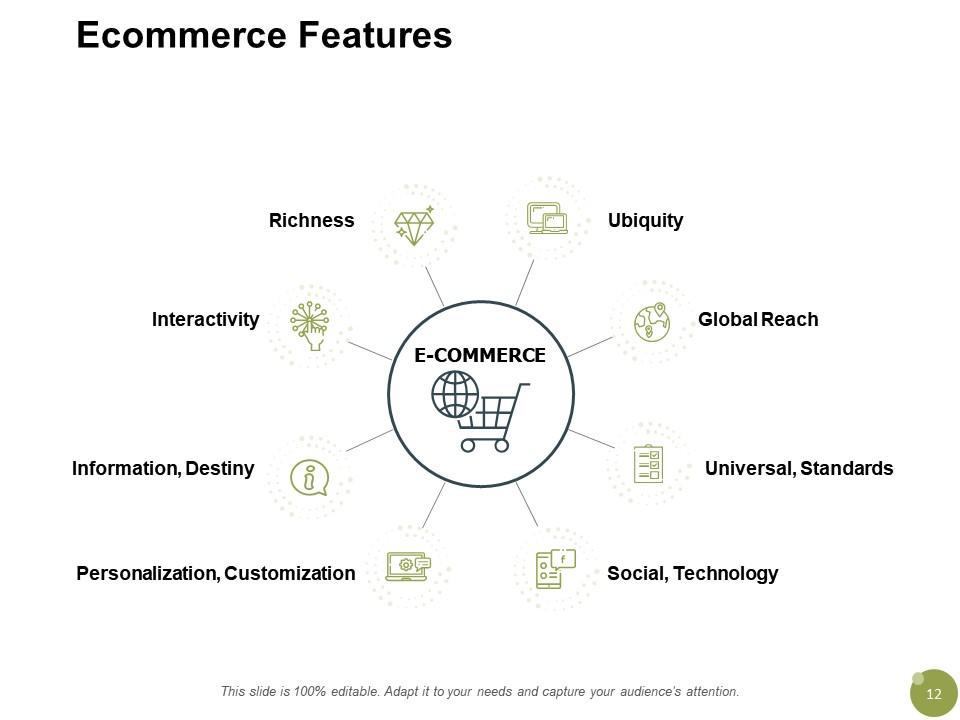
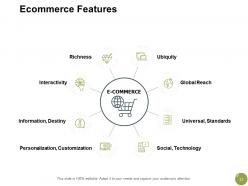
Slide 12: This slide displays Ecommerce Features describing- Richness, Interactivity, Information, Destiny, Personalization, Customization, Ubiquity, Global Reach, Universal, Standards, Social, Technology.
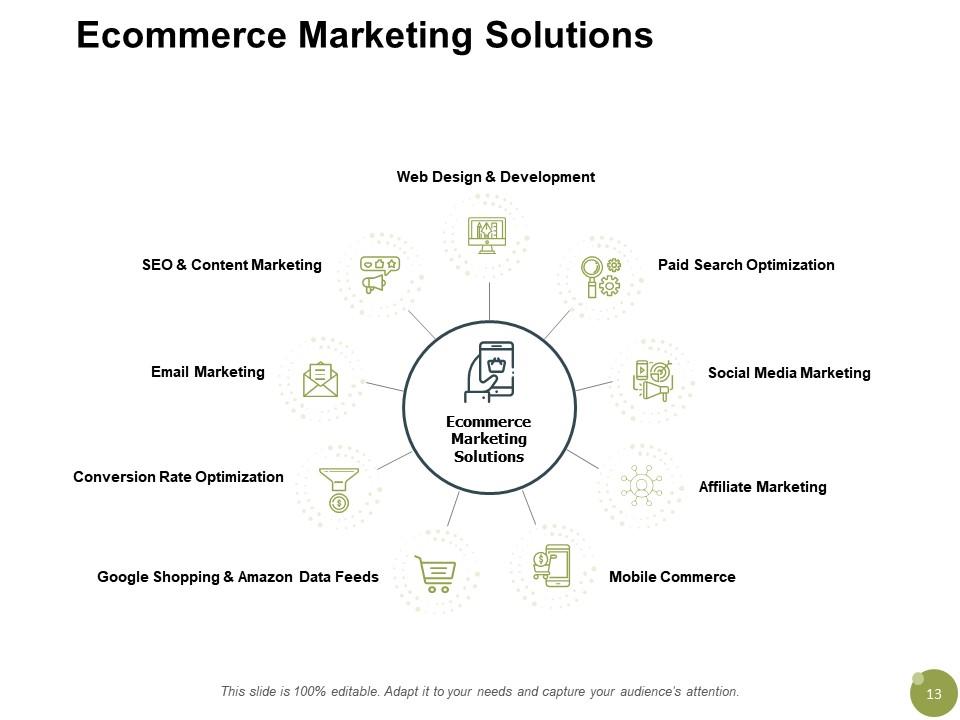
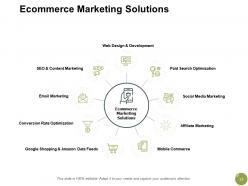
Slide 13: This slide list down the various ecommerce marketing solutions for user in order to drive firm’s sale.
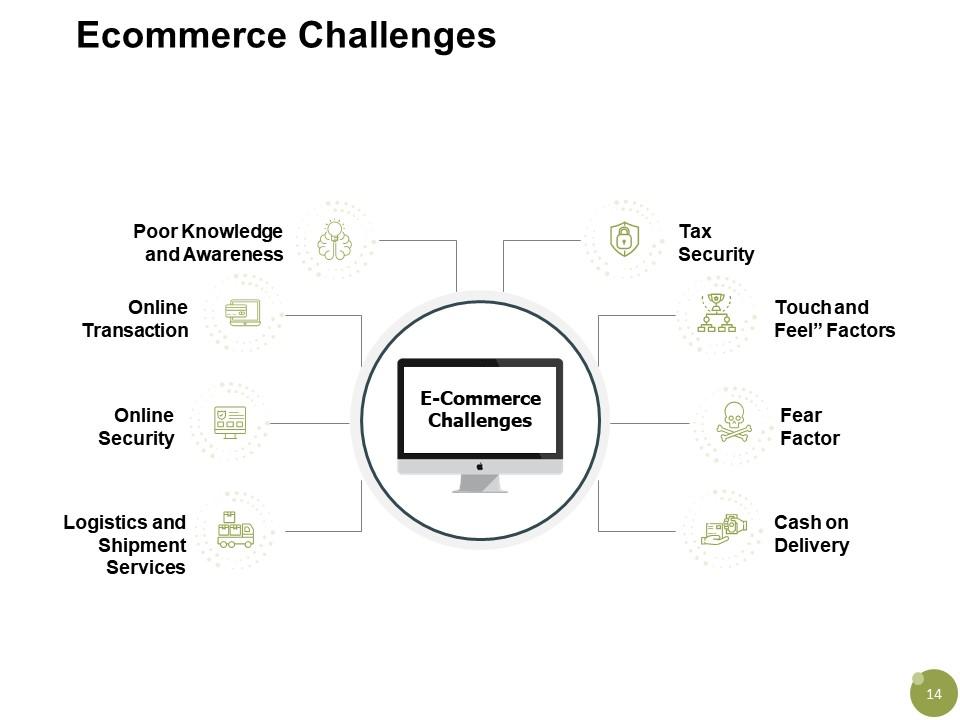
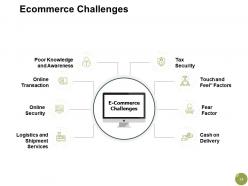
Slide 14: This slide depicts the various challenges that are faced by ecommerce industries worldwide.
Slide 15: This is Our Mission slide with related imagery and text.
Slide 16: This is Our Team slide with names and designation.
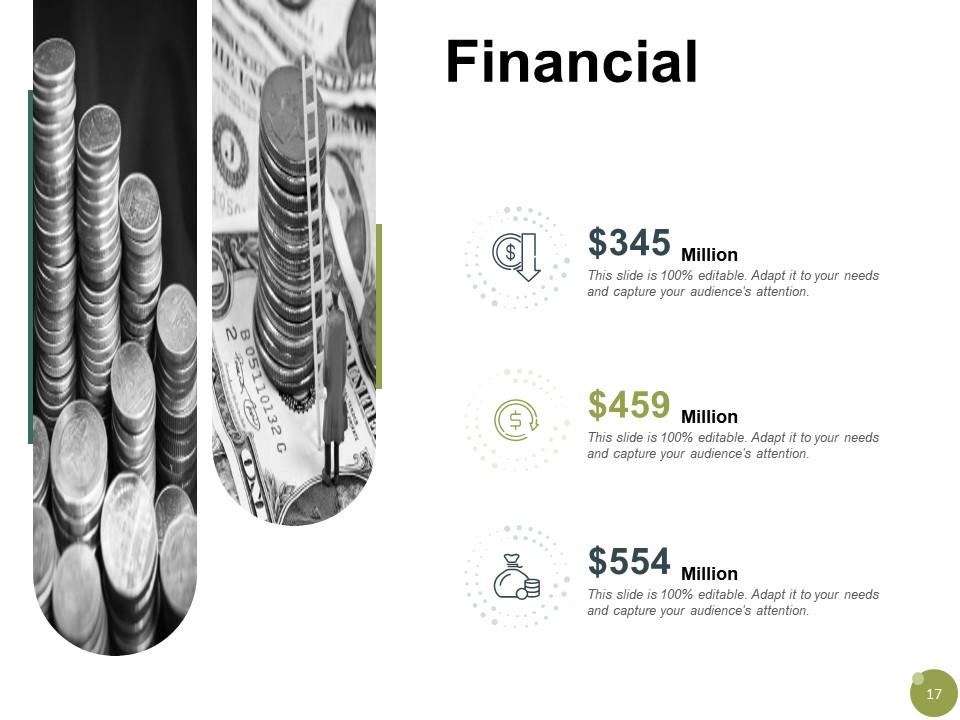
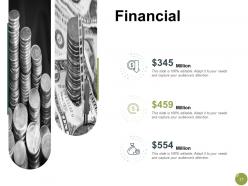
Slide 17: This is a Financial slide. Show your finance related stuff here.
Slide 18: This is a Puzzle slide with text boxes.
Slide 19: This is a Lego slide with text boxes to show information.
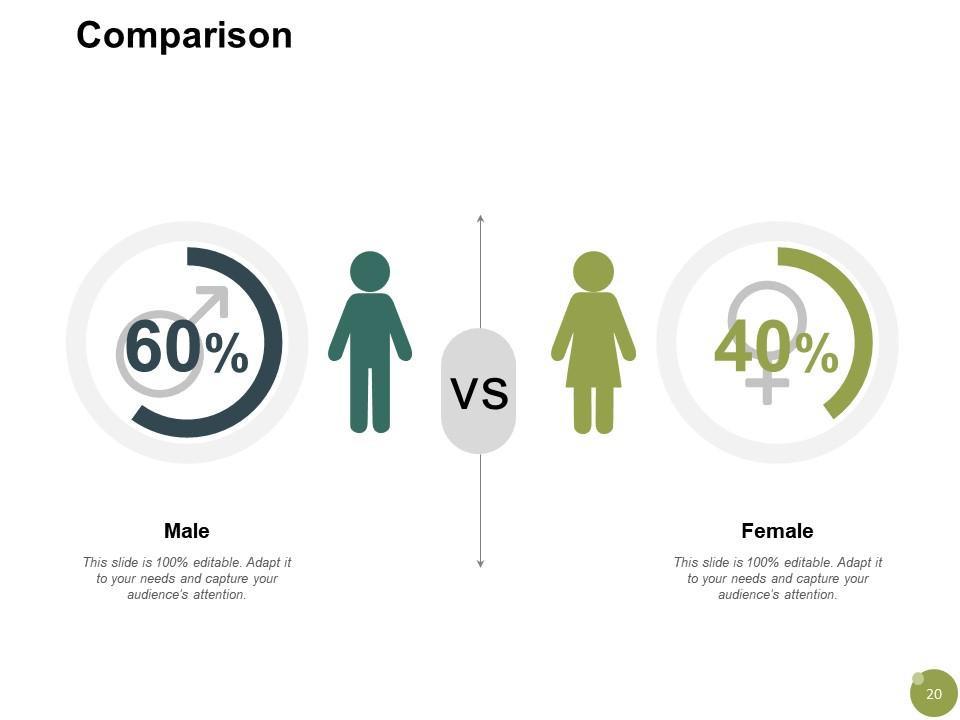
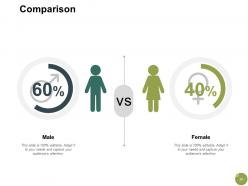
Slide 20: This is a Comparison slide to state comparison between commodities, entities etc.
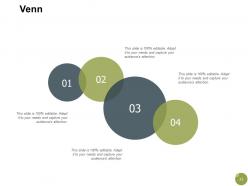
Slide 21: This is a Venn slide with additional text boxes.
Slide 22: This is a Business Target slide. State your targets here.
Slide 23: This is a Thank you slide with address, contact numbers and email address.
Ecommerce market overview powerpoint presentation slides with all 23 slides:
Enhance your existing image with our Ecommerce Market Overview Powerpoint Presentation Slides. It helps identify creative influences.
FAQs for Ecommerce market overview
So mobile shopping is absolutely exploding right now - like, Instagram and TikTok are basically turning into Amazon. Social commerce is where everyone's putting their money. The AI recommendation stuff is getting weirdly accurate too, which honestly freaks me out sometimes but whatever. Same-day delivery isn't special anymore, it's just expected now in big cities. Subscription boxes are killing it, especially for stuff you buy regularly. Even B2B companies finally figured out their websites don't have to suck. If you're doing anything ecommerce-wise, go mobile-first and get on social platforms. That's not optional anymore.
Honestly, people have gotten SO impatient with shopping now. Same-day delivery isn't a nice-to-have anymore - it's expected. One-click buying, smooth mobile checkout, the whole thing. I bet you've done it too - ditched a cart because the site was being weird or slow? Reviews are huge now. Nobody buys without checking what others say first. Your customers will hop between like five different apps comparing prices before they decide. They're totally in control of their shopping journey these days. Personalized suggestions help, but here's the thing - if your experience sucks even a little bit, they'll bail for a competitor instantly. Make everything as frictionless as possible.
Honestly, mobile apps are where it's at for eCommerce right now. Your conversion rates will be way higher compared to mobile websites. Apps give customers that smooth experience they're looking for - push notifications, one-click buying, browsing when they're offline. People impulse buy like crazy on apps too (which obviously helps your sales). The numbers don't lie - app users spend about 3x more than people using mobile websites. I mean, if you're not focusing on your app strategy, you're basically handing money over to your competitors. It's that simple.
Dude, AI and VR are totally changing online shopping right now. Personalized recommendations are getting scary good, and those chatbots actually help instead of being useless. VR lets you virtually place furniture in your room or test drive cars from home - honestly blew my mind the first time I tried it. Behind the scenes, AI's handling inventory and pricing stuff automatically. The really cool part? When they work together it creates these super immersive experiences. Oh, and if you haven't started adding basic AI features to your customer journey yet, you're definitely missing out. Start small though - don't overcomplicate it.
Honestly, customer acquisition costs will probably eat you alive if you're not careful. The market is so saturated right now - feels like literally everyone's starting an online store. Building trust is tough when nobody knows who you are, and don't even get me started on inventory management without going broke upfront. Amazon has everyone expecting 2-day shipping and perfect customer service too. Supply chain issues are still a nightmare depending on what you're selling. My take? Pick something super niche instead of trying to be everything to everyone right away.
Honestly, forget pushing products right away - focus on building real relationships first. Share styling tips, behind-the-scenes stuff, or repost your customers' photos. Instagram and TikTok are amazing for product discovery if you're going after younger people. Though Facebook ads still work really well for targeting (I know, I know, Facebook feels old but the ads actually convert). Pick one platform and crush it before jumping around everywhere. Be consistent and actually respond when people comment or DM you. Trust me, people only buy from brands they actually like. Oh, and create content that's genuinely helpful - not just "buy this now" posts.
COVID basically fast-tracked eCommerce by like 10 years overnight. Everyone went digital during lockdowns - even my grandma started ordering her groceries online, which honestly I never thought I'd see happen. But here's the thing: people didn't go back to their old shopping habits afterward. Now they want everything faster, mobile sites that actually work, and options like curbside pickup. The bar got raised permanently. If your checkout process is still clunky or your site's slow on phones, you're probably bleeding customers without realizing it. Worth doing a quick test run through your own purchase flow.
Dude, personalization makes such a huge difference for online stores. Like 10-30% better conversion rates, which is insane. Think about it - would you rather shop somewhere that actually gets your style or just throws random stuff at you? Exactly. Start simple with personalized product recs and email campaigns that aren't totally generic. Once you've got that down, you can get fancy with dynamic pricing and custom landing pages. Honestly, most people underestimate how much customers notice when you're actually paying attention to what they want versus just blasting the same content to everyone.
Honestly, just go with credit cards and PayPal first - that's what people expect anyway. Apple Pay and Google Pay are solid too. Buy-now-pay-later stuff like Klarna is everywhere now, especially for younger people (seriously, when did that become such a thing?). If you're selling in Europe, bank transfers are still pretty common there. Don't overthink it though. Start with cards and PayPal, then maybe add 2-3 others once you see what your customers are actually trying to use. Check your analytics first.
Honestly, fulfillment can totally make or break your business. Get shipping right and customers love you - mess it up and they'll blast you online. Fast delivery with tracking? People eat that up. But send the wrong stuff or miss deadlines? Good luck dealing with returns and angry reviews. I always tell people to be realistic about shipping times upfront. Better to say 5-7 days and deliver in 4 than promise 2 days and take a week. Your competitors are probably already nailing this stuff, so you can't really afford to slack on it. Set expectations you can actually hit, then try to beat them.
Honestly, the regulatory stuff is getting crazy - data privacy laws are popping up everywhere now. Digital taxes are hitting cross-border sales hard, and they're pushing AI transparency rules for recommendation algorithms too. Payment regs keep changing (feels like weekly updates at this point). Content moderation is getting stricter, plus marketplace liability for third-party sellers is becoming a real headache. You'll want flexible compliance systems since this stuff changes so fast. Oh, and set up Google alerts for regulatory news in your main markets - trust me on this one, you don't want to get blindsided.
Dude, sustainability is making brands completely rethink their game. Companies are switching to eco-friendly packaging, doing carbon-neutral shipping, pushing rental programs - the whole nine yards. Gen Z especially will drop you in a heartbeat if you're not walking the walk. My cousin literally stopped buying from her favorite makeup brand over their plastic waste (dramatic but whatever). You gotta audit what you're doing now and find real improvements. Even cutting down packaging waste can become decent marketing. The green credentials thing isn't going anywhere, so might as well get ahead of it.
Hey! So conversion rate and AOV are total must-haves to track. CAC too - you need to know what you're spending to get people. Cart abandonment will literally make you want to cry though, like people fill their whole cart then just disappear into thin air. Customer lifetime value matters way more than most people think, plus return visitor rates since getting existing customers back is so much easier. Oh and website speed! Mobile performance too. Nothing kills a sale faster than a site that takes forever to load. Start there, then you can get fancy with cohort analysis later once you've got the basics down.
Dude, you can't mess around with cybersecurity if you're doing eCommerce. Seriously - one data breach and you're toast. Customers will literally never trust you again, plus you'll get hit with massive GDPR fines that'll make your head spin. People are way more paranoid about security now too, so if your checkout page looks even slightly sus, they're bouncing. SSL certificates are non-negotiable obviously. Get a solid payment gateway and do security audits regularly - I know it sounds boring but it's worth it. Start there and add more protection as you grow.
Honestly, start with your checkout flow - that's where you'll see the biggest difference. Cut down the steps and let people checkout as guests. Nobody wants to create an account just to buy something. Show shipping costs upfront too because surprise fees at the end are such a buzzkill. Send abandoned cart emails - I'm literally that person who buys stuff because an email reminded me it was sitting there. Make sure everything loads fast on mobile since everyone shops on their phones now. The checkout thing though? That should be your first move.
No Reviews