


Effective Production Planning And Control Management System MKT CD
Streamlined production planning and control are essential for manufacturing industries across the globe to maintain an edge over competitors. Production management explains two significant manufacturing components production planning and production control. The predominant objective of our Effective Production Planning and Control Management System PowerPoint presentation is maintaining a continuous production flow by eliminating manufacturing wastage and other bottlenecks. It focuses on planning for staffing, materials, manufacturing techniques, and other resources required to complete the manufacturing process and avoid misuse. Also, it will help strengthen the manufacturing approach and prevent production schedule miscommunication. Moreover, this deck covers routing specifying the most effective sequence of manufacturing operations and determines the required resources used in each production phase. Additionally, this PPC Manufacturing System module covers slides about developing a routing sheet and selecting an apt production scheduling software to enhance the manufacturing process further. The deck also incorporates slides for ideal workload allocation and production implementation plans. It inculcates slides about improving the production process through critical inspection plans and audits to ensure productivity enhancement. At last, slides about production tracking solutions, impact assessment with the decrease in production downtime, and a dashboard related to tracking the cost of work orders, overall equipment efficiency, and production wastage are highlighted. Get access now.






























-

- Google Slides is a new FREE Presentation software from Google.
- All our content is 100% compatible with Google Slides.
- Just download our designs, and upload them to Google Slides and they will work automatically.
- Amaze your audience with SlideTeam and Google Slides.
-

Want Changes to This PPT Slide? Check out our Presentation Design Services
-

- WideScreen Aspect ratio is becoming a very popular format. When you download this product, the downloaded ZIP will contain this product in both standard and widescreen format.
-

- Some older products that we have may only be in standard format, but they can easily be converted to widescreen.
- To do this, please open the SlideTeam product in Powerpoint, and go to
- Design ( On the top bar) -> Page Setup -> and select "On-screen Show (16:9)” in the drop down for "Slides Sized for".
- The slide or theme will change to widescreen, and all graphics will adjust automatically. You can similarly convert our content to any other desired screen aspect ratio.
Compatible With Google Slides

Get This In WideScreen
You must be logged in to download this presentation.


Do you want to remove this product from your favourites?
PowerPoint presentation slides
This complete deck covers various topics and highlights important concepts. It has PPT slides which cater to your business needs. This complete deck presentation emphasizes Effective Production Planning And Control Management System MKT CD and has templates with professional background images and relevant content. This deck consists of total of fifty five slides. Our designers have created customizable templates, keeping your convenience in mind. You can edit the color, text and font size with ease. Not just this, you can also add or delete the content if needed. Get access to this fully editable complete presentation by clicking the download button below.

People who downloaded this PowerPoint presentation also viewed the following :
Content of this Powerpoint Presentation
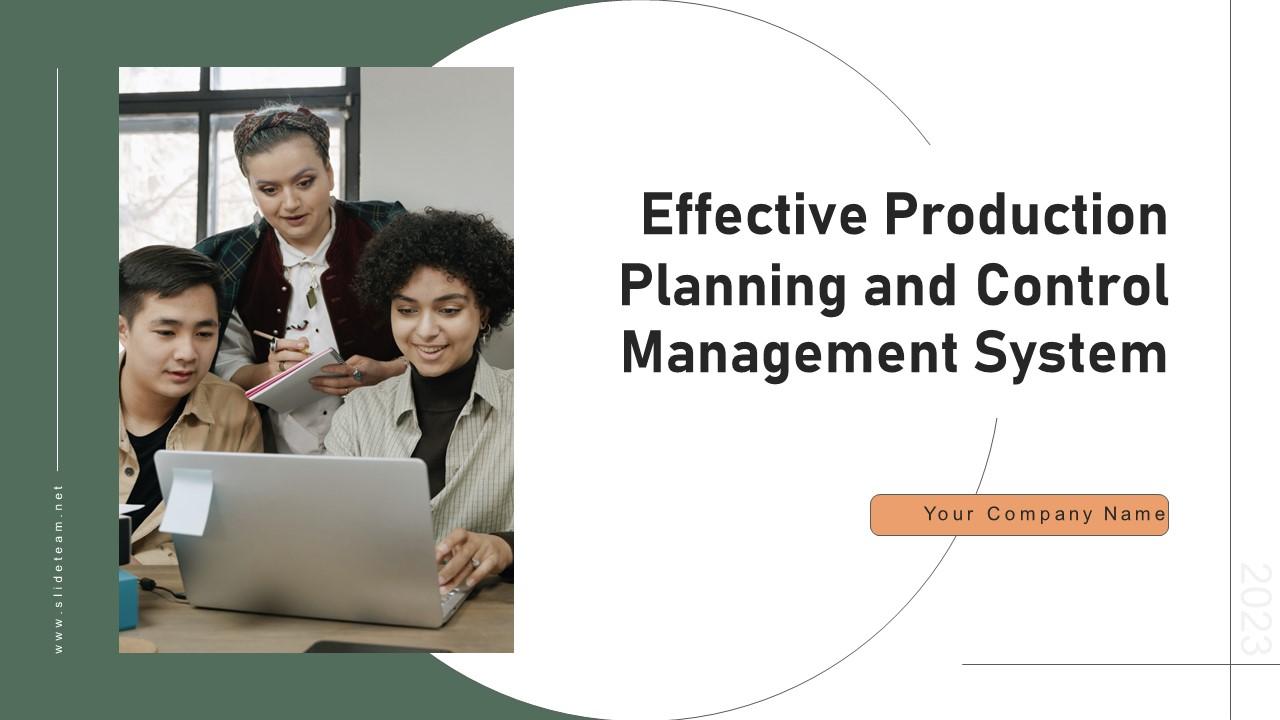
Slide 1: This slide introduces the Effective Production Planning and Control Management System. State Your Company Name and get started.
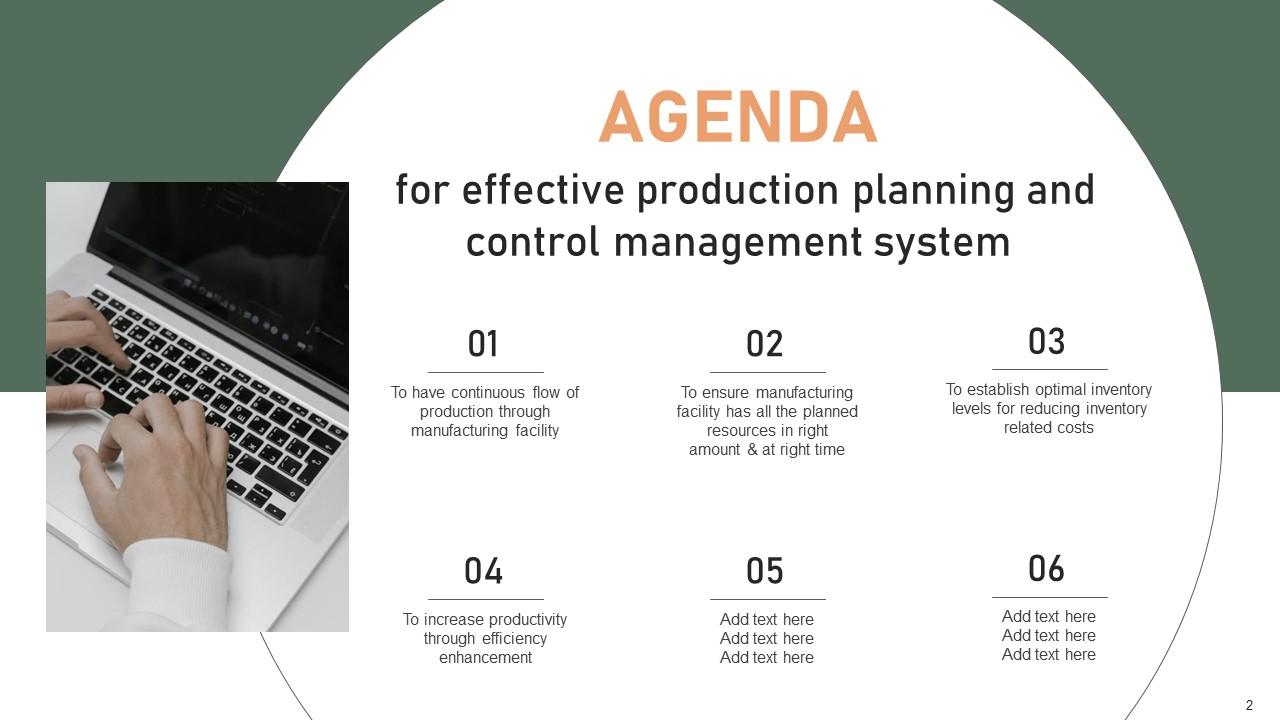
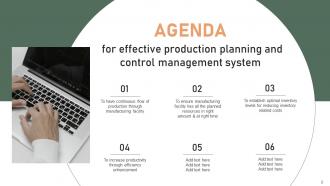
Slide 2: This slide depicts the Agenda of the presentation.
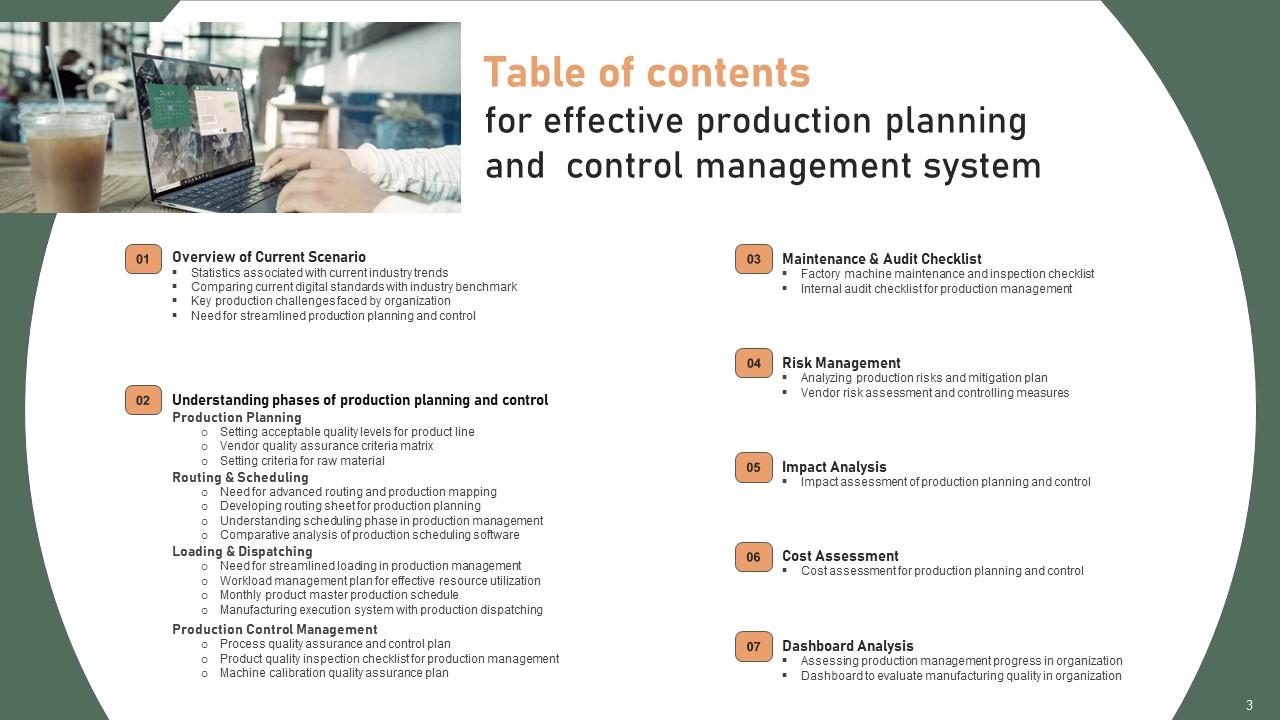
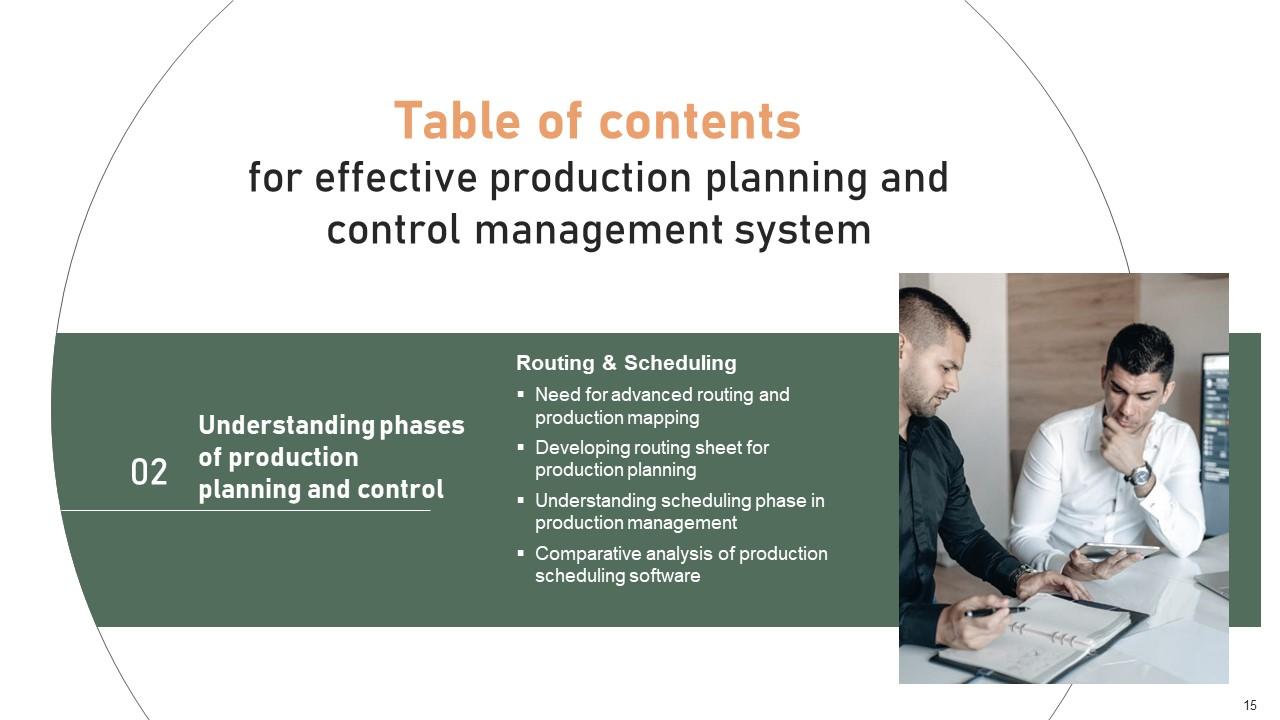
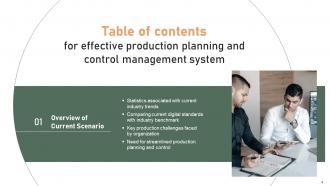
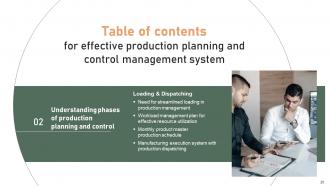
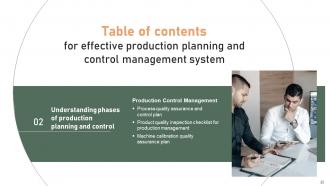
Slide 3: This slide includes the Table of contents.
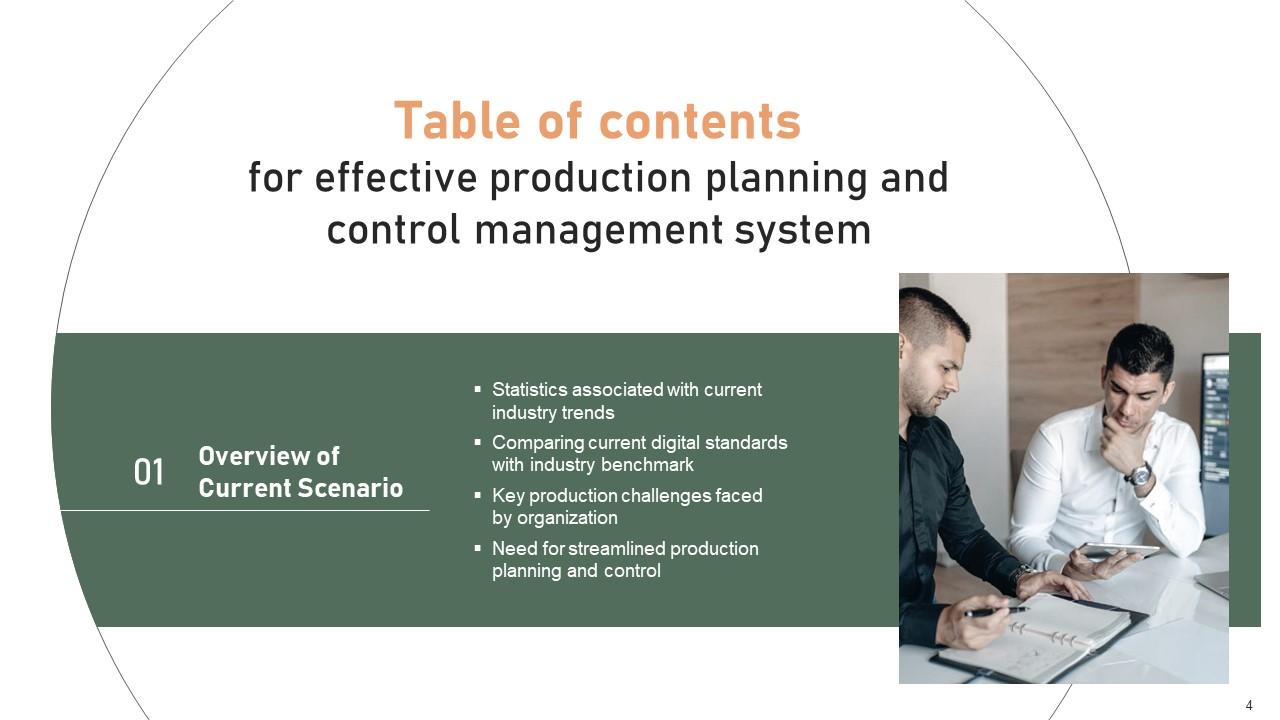
Slide 4: This is yet another slide continuing the Table of contents.
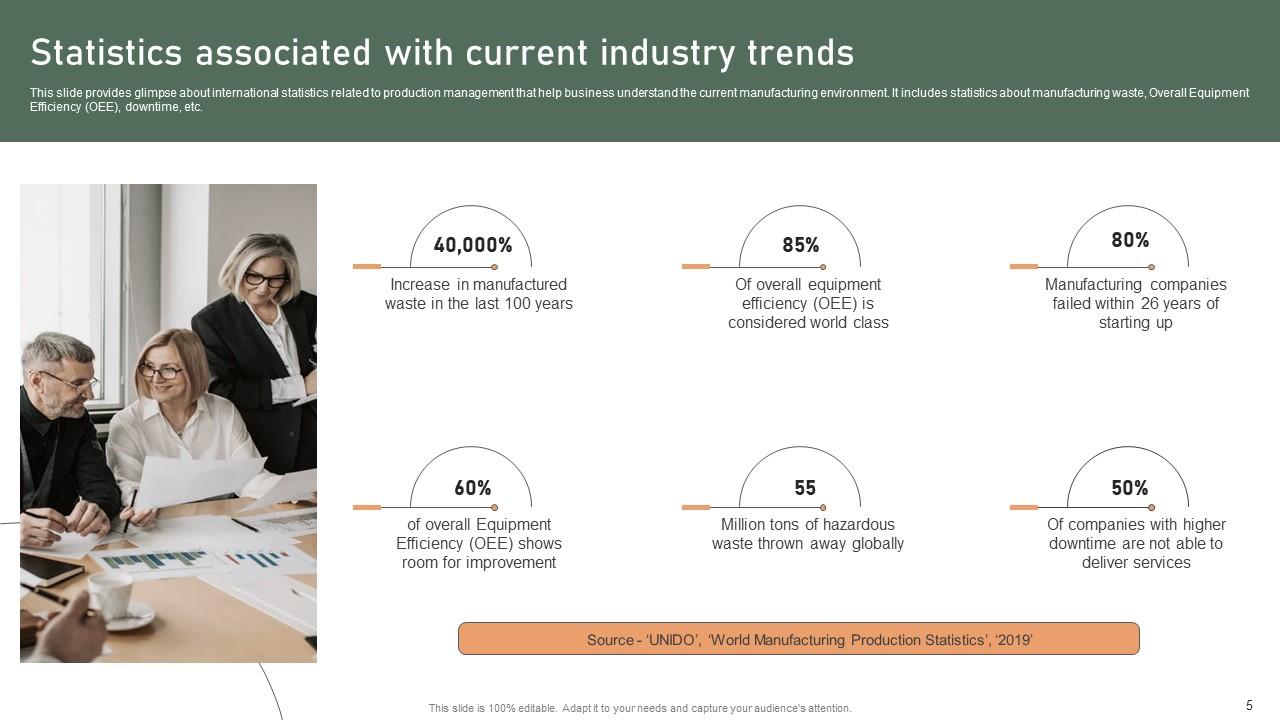
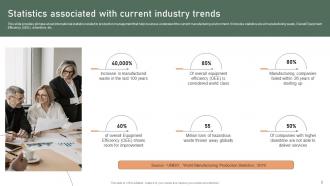
Slide 5: This slide reveals the Statistics associated with current industry trends.
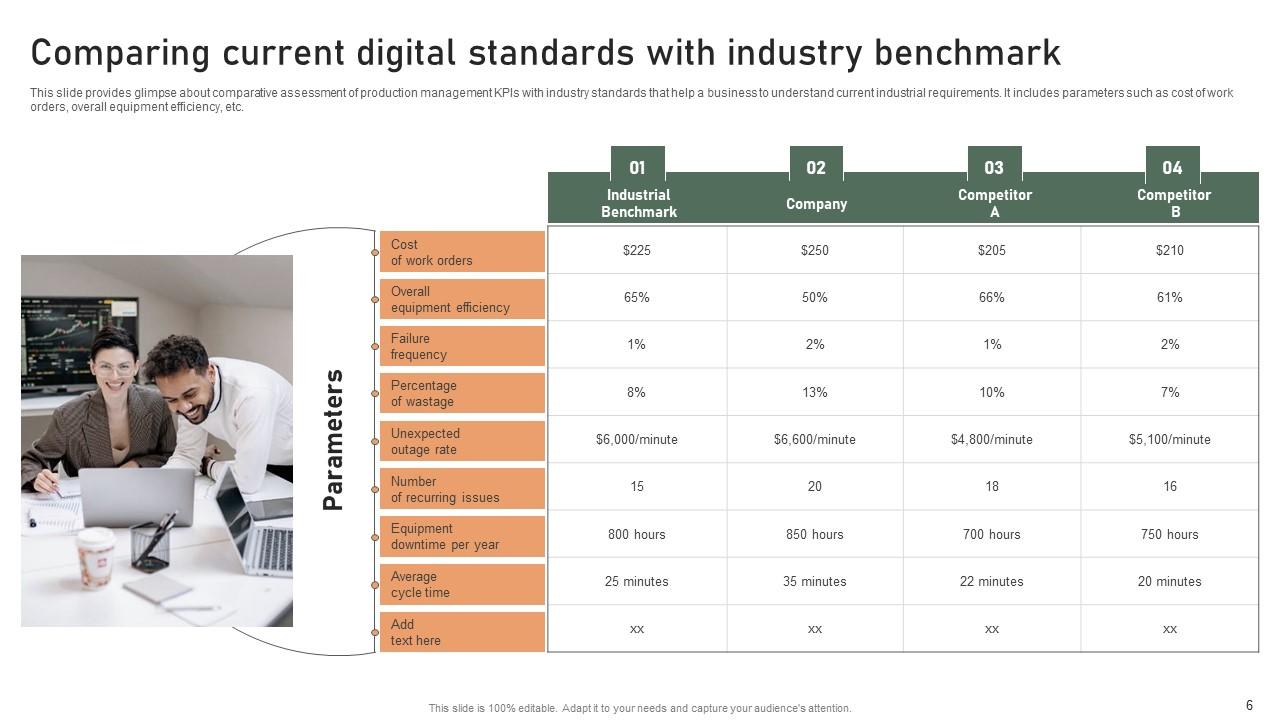
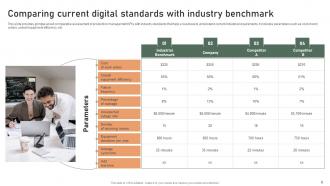
Slide 6: This slide showcases the different parameters for Comparing current digital standards with industry benchmark.
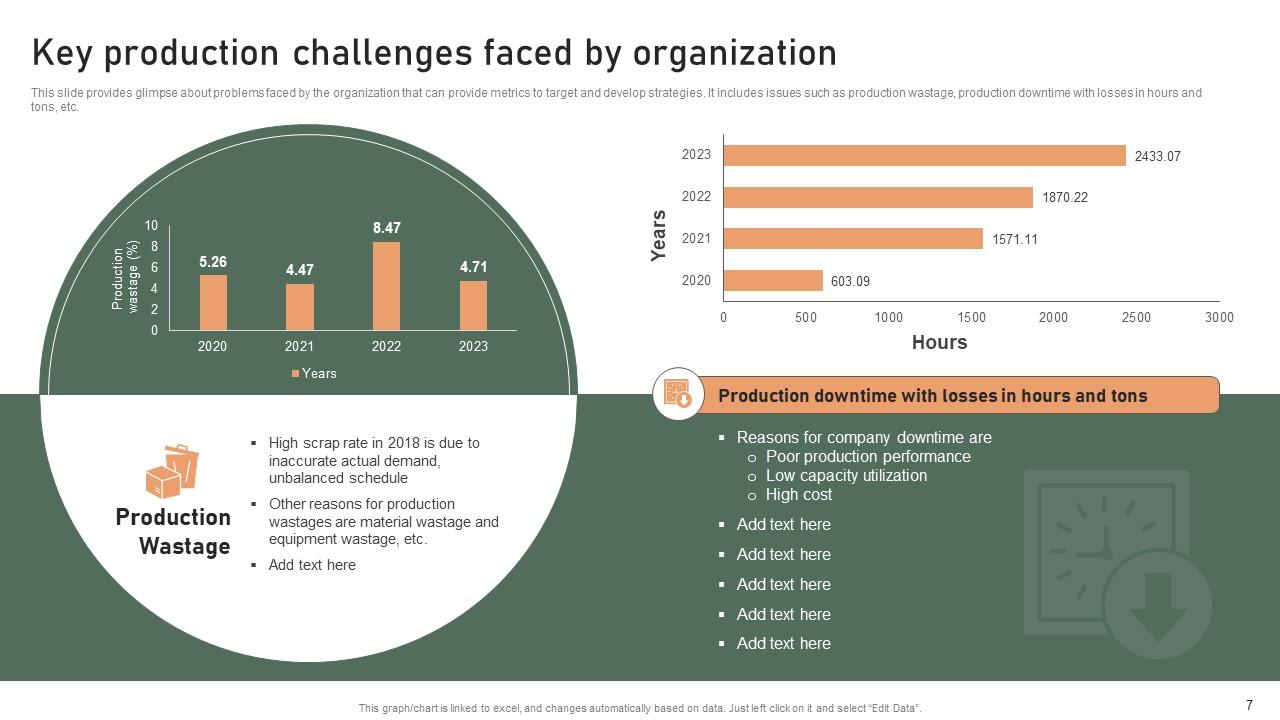
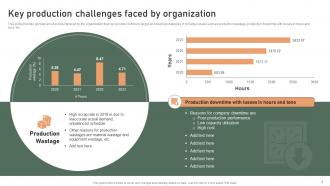
Slide 7: This slide represents the Key production challenges faced by organization.
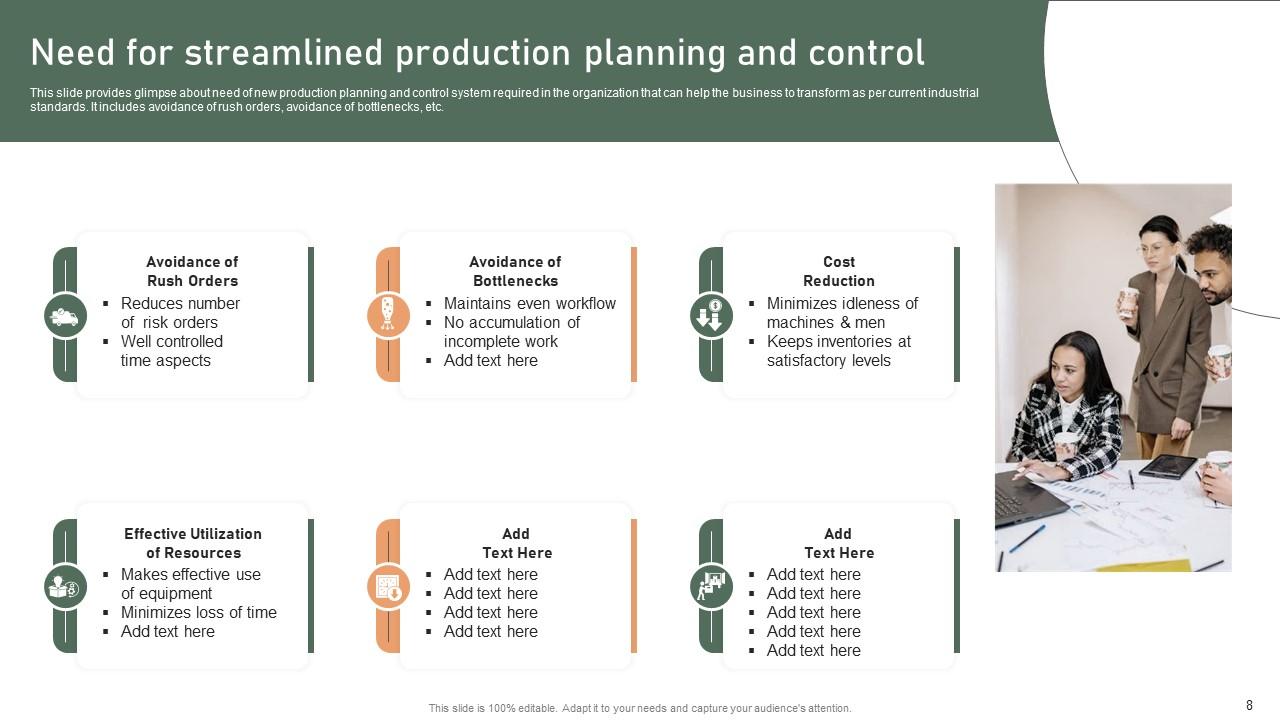
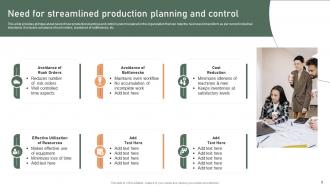
Slide 8: This slide incorporates the Need for streamlined production planning and control.
Slide 9: This slide reveals the Title for the Topics to be covered in the following template.
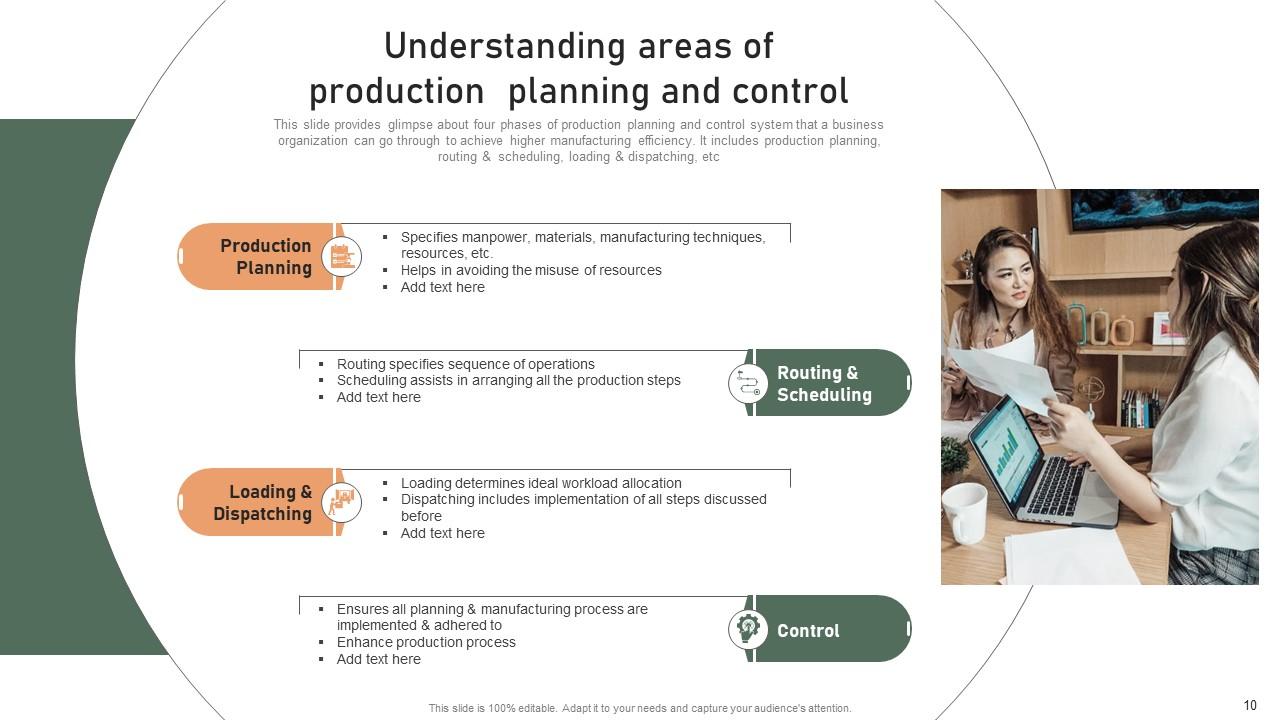
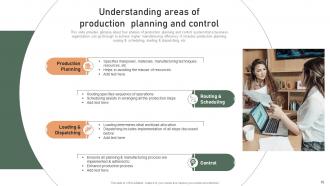
Slide 10: This slide depicts the Understanding areas of production, planning and control.
Slide 11: This slide includes the Heading for the Content to be discussed in the forth-coming slide.
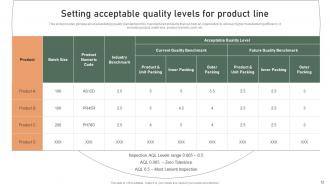
Slide 12: This slide provides a glimpse about Setting acceptable quality levels for product line.
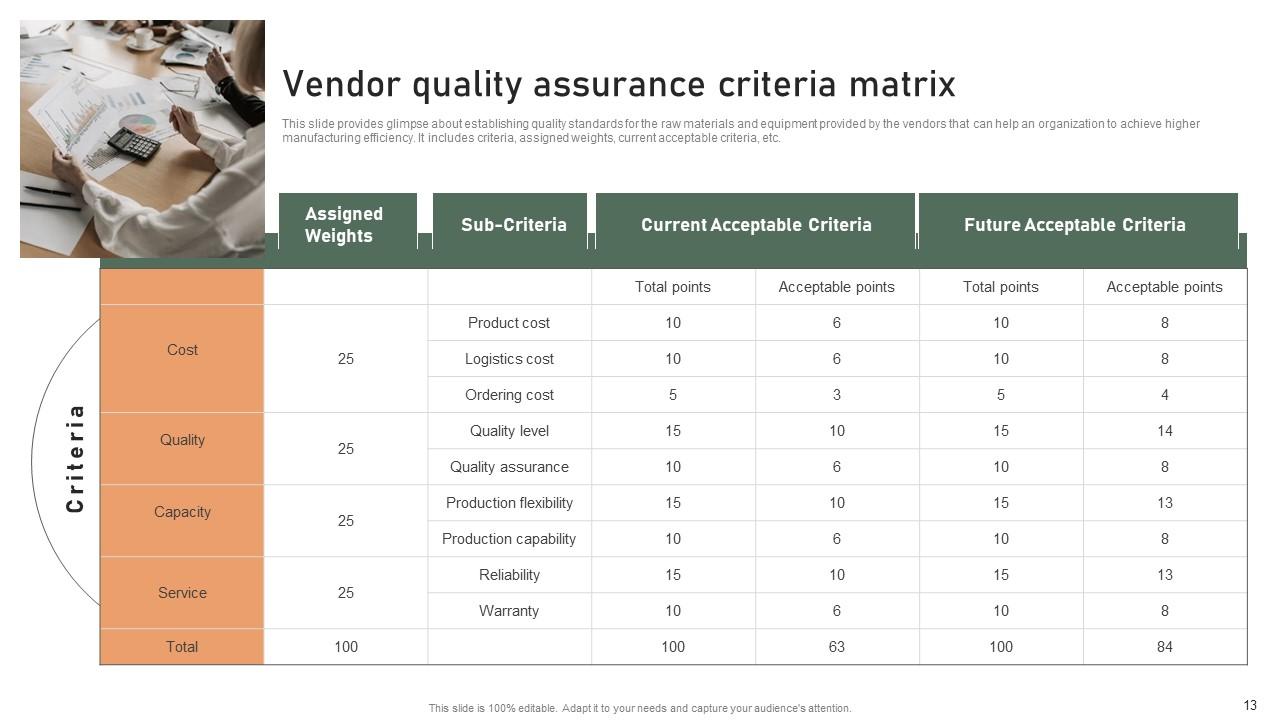
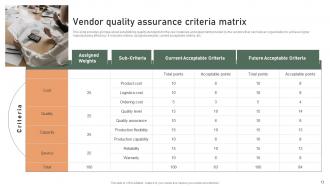
Slide 13: This slide shows the Vendor quality assurance criteria matrix.
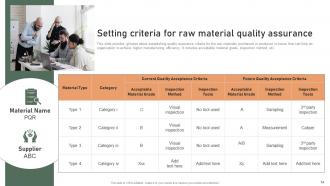
Slide 14: This slide adressses the Criteria Setting for raw material quality assurance.
Slide 15: This slide includes the Heading for the Ideas to be discussed in the next template.
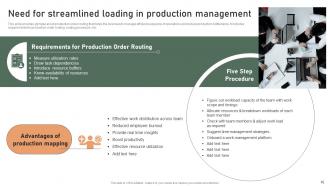
Slide 16: This slide presents the Need for streamlined loading in production management.
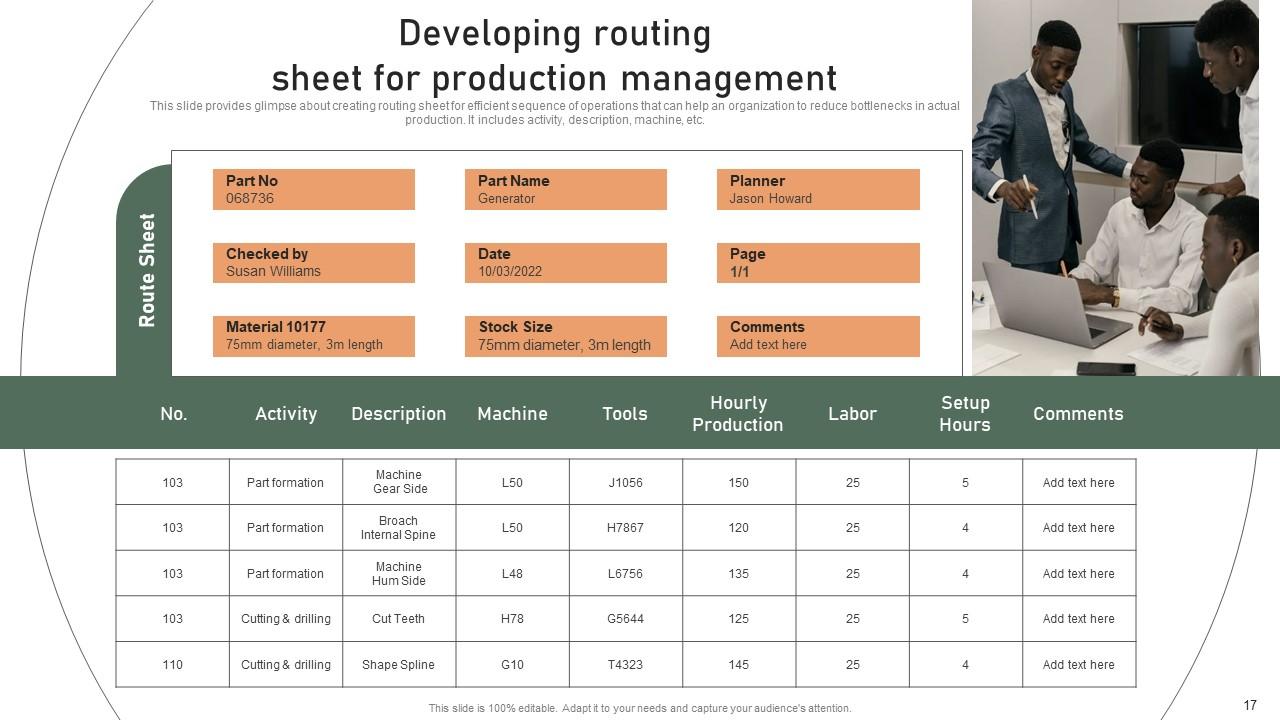
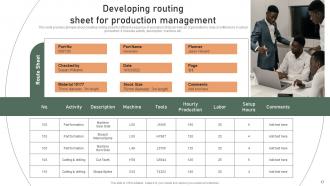
Slide 17: This slide showcases the Developing routing sheet for production management.
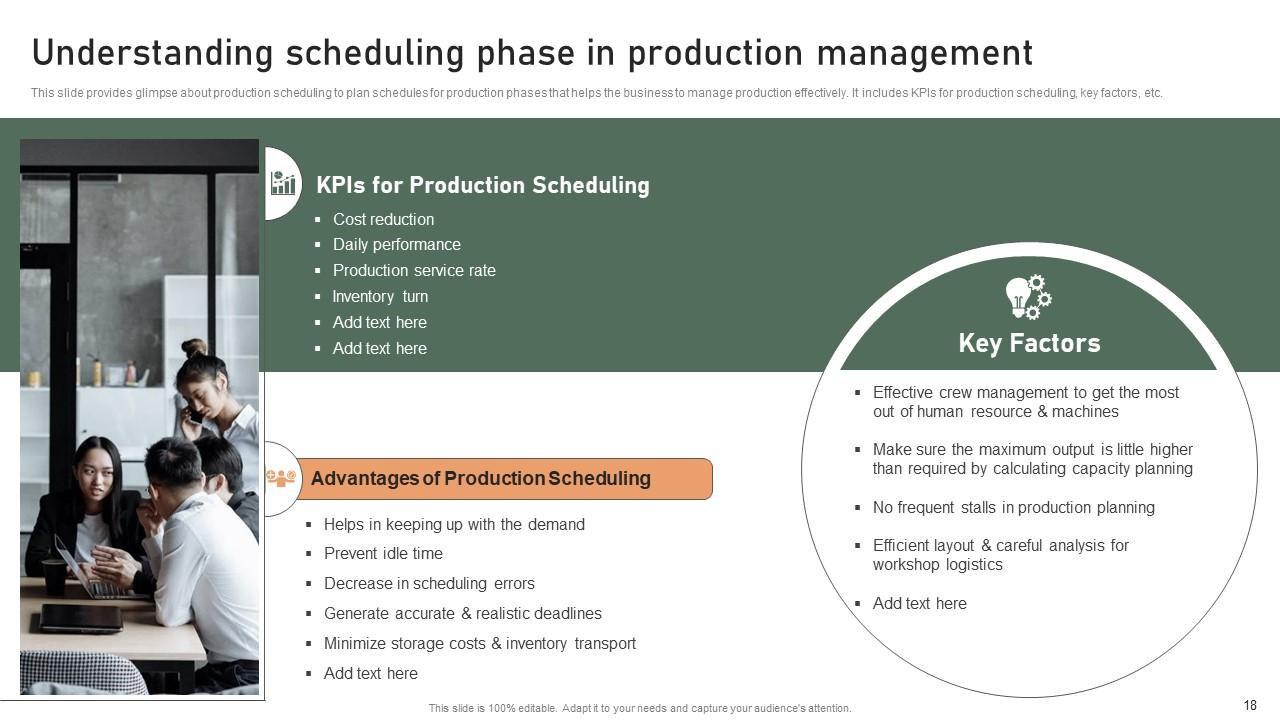
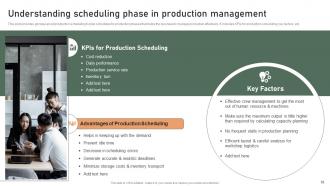
Slide 18: This slide reveals the topic of Understanding scheduling phase in production management.
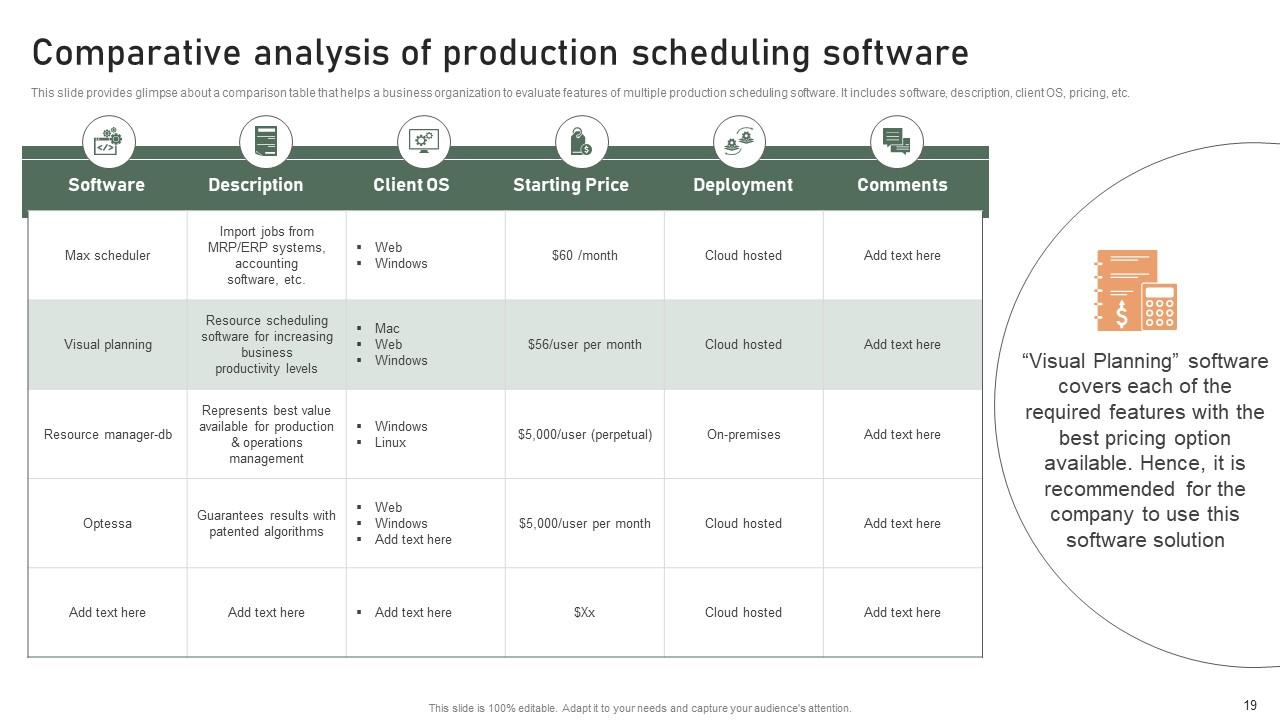
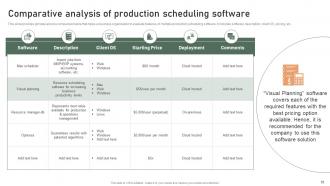
Slide 19: This slide shows a Comparative analysis of production scheduling software.
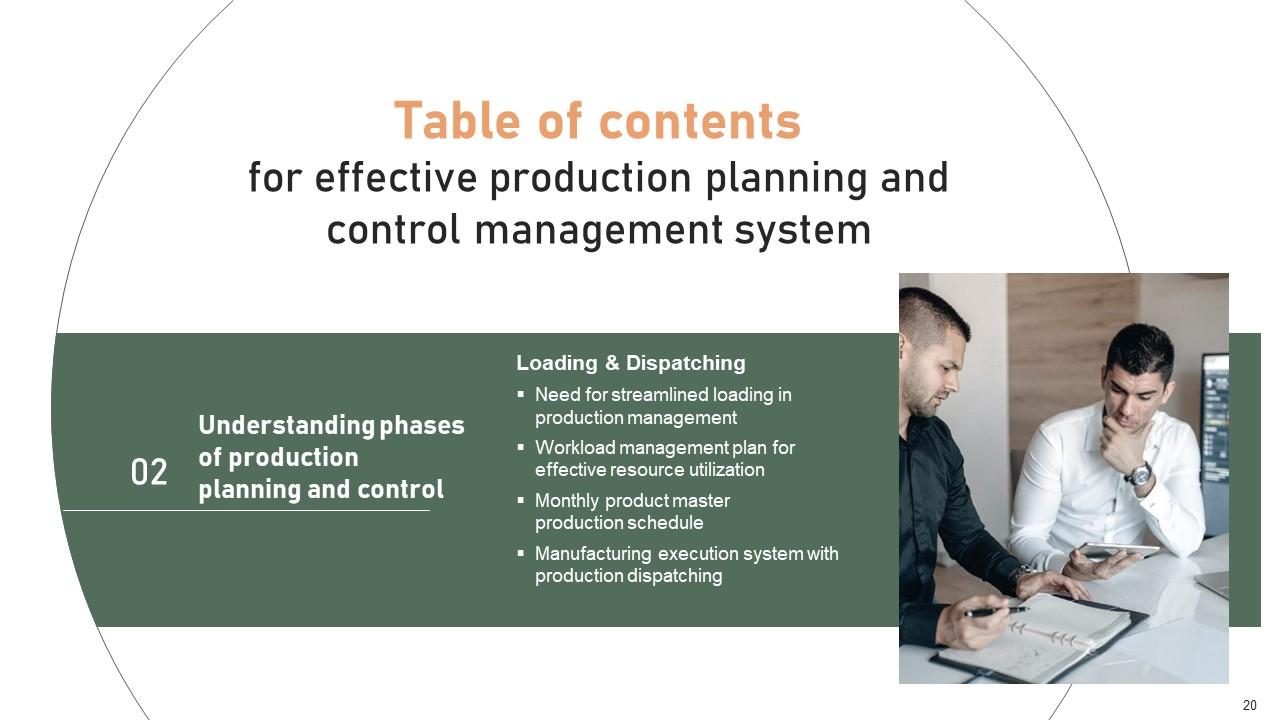
Slide 20: This slide elucidates the Title for the Content to be discussed in the following template.
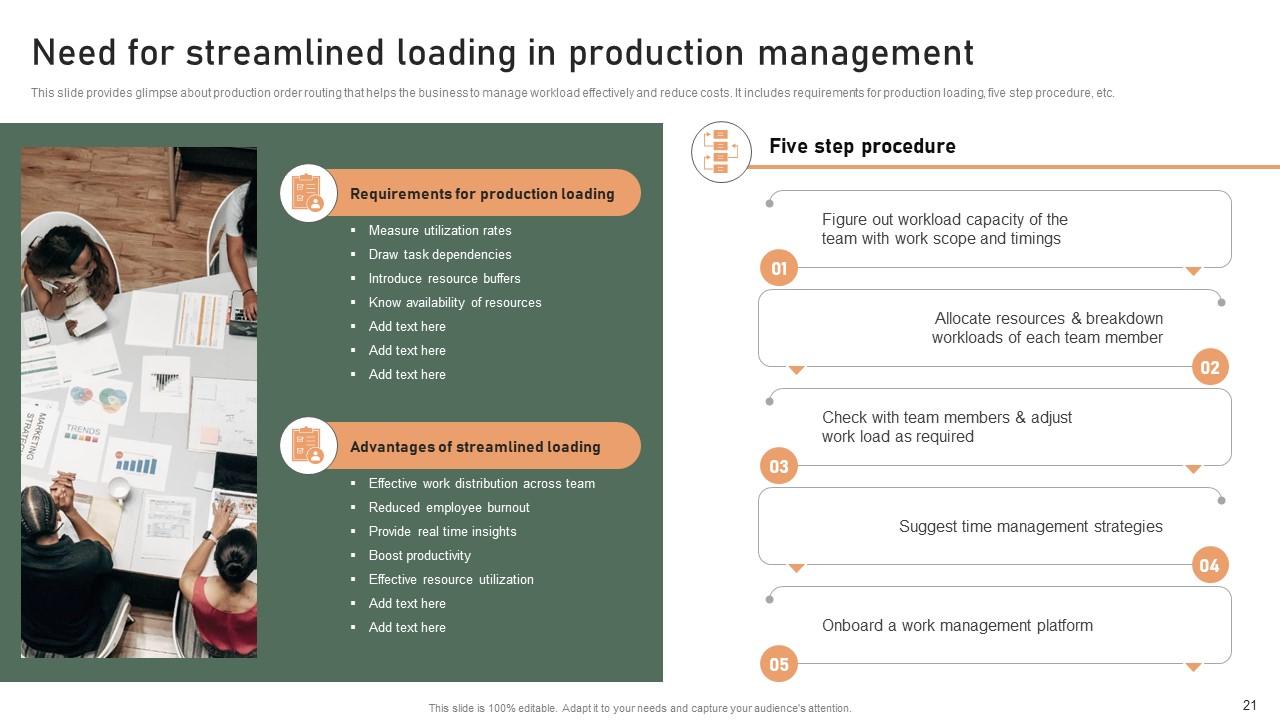
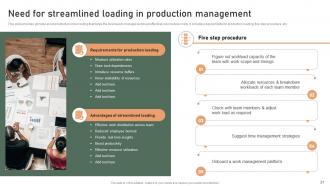
Slide 21: This slide addresses the Need for streamlined loading in production management.
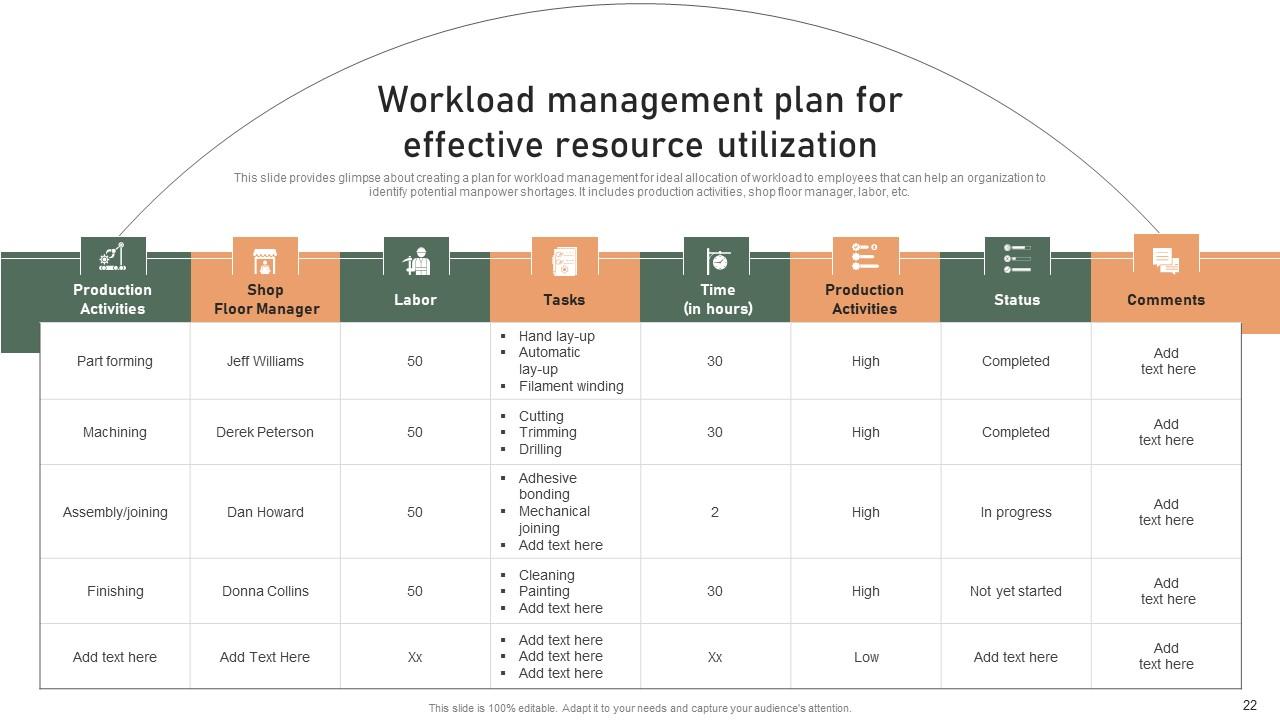
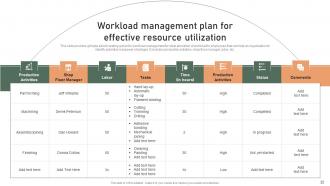
Slide 22: This slide potrays the Workload management plan for effective resource utilization.
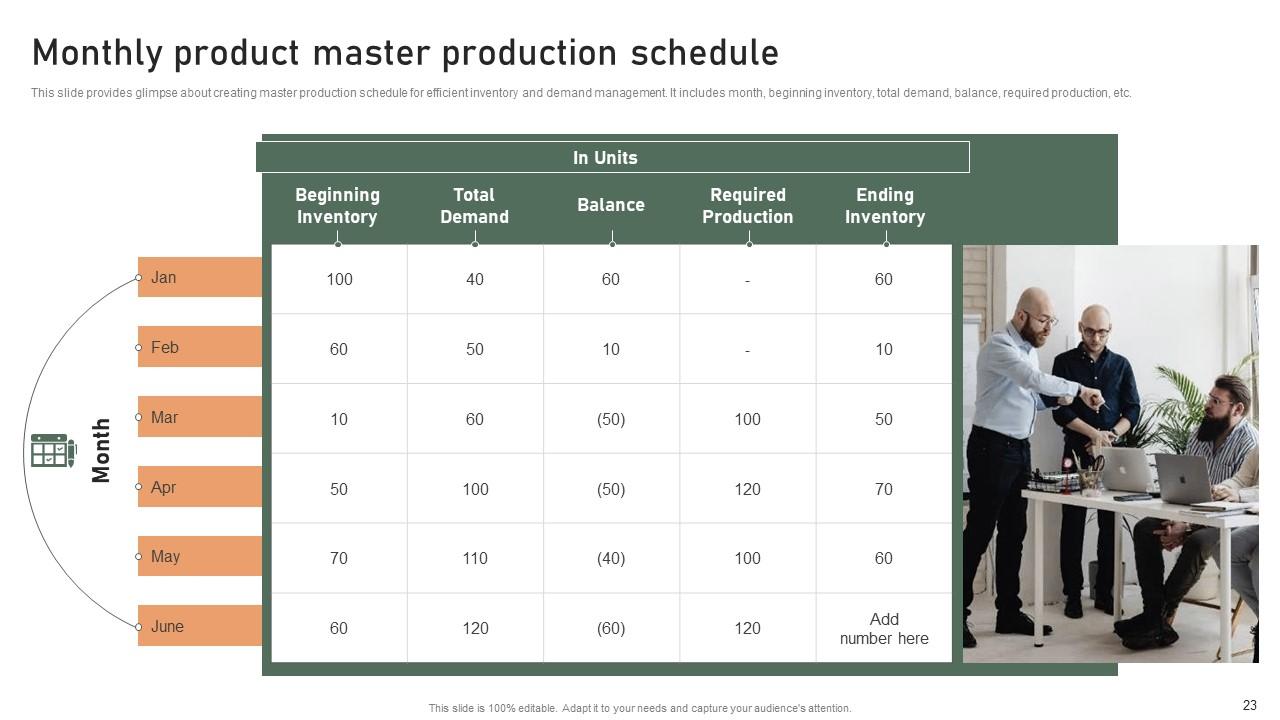
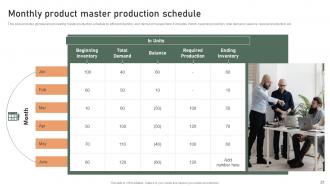
Slide 23: This slide provides a glimpse about the Monthly product master production schedule.
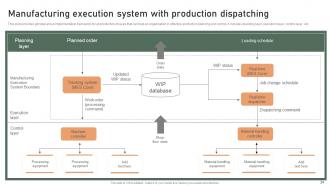
Slide 24: This slide elucidates the Manufacturing execution system with production dispatching.
Slide 25: This slide covers the Title for the Topics to be discussed in the upcoming template.
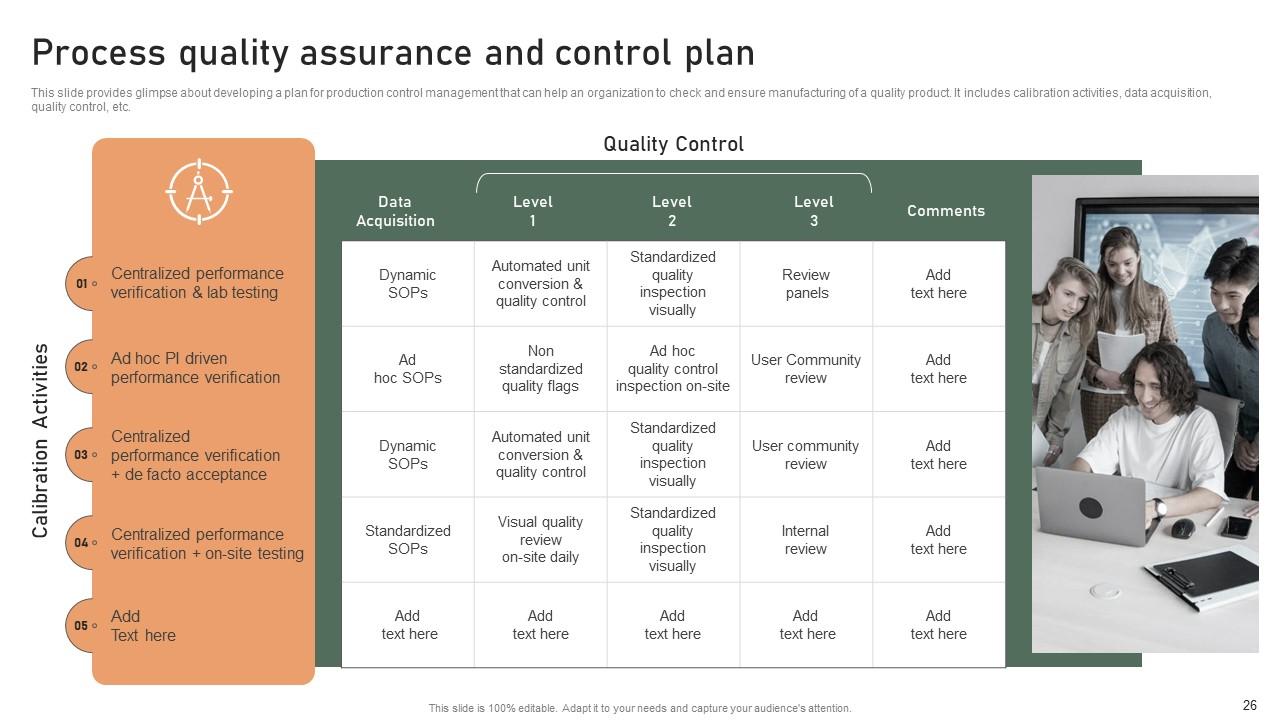
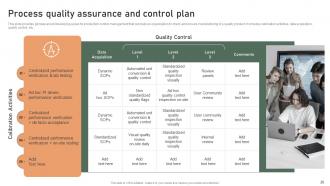
Slide 26: This slide displays the Process quality assurance and control plan.
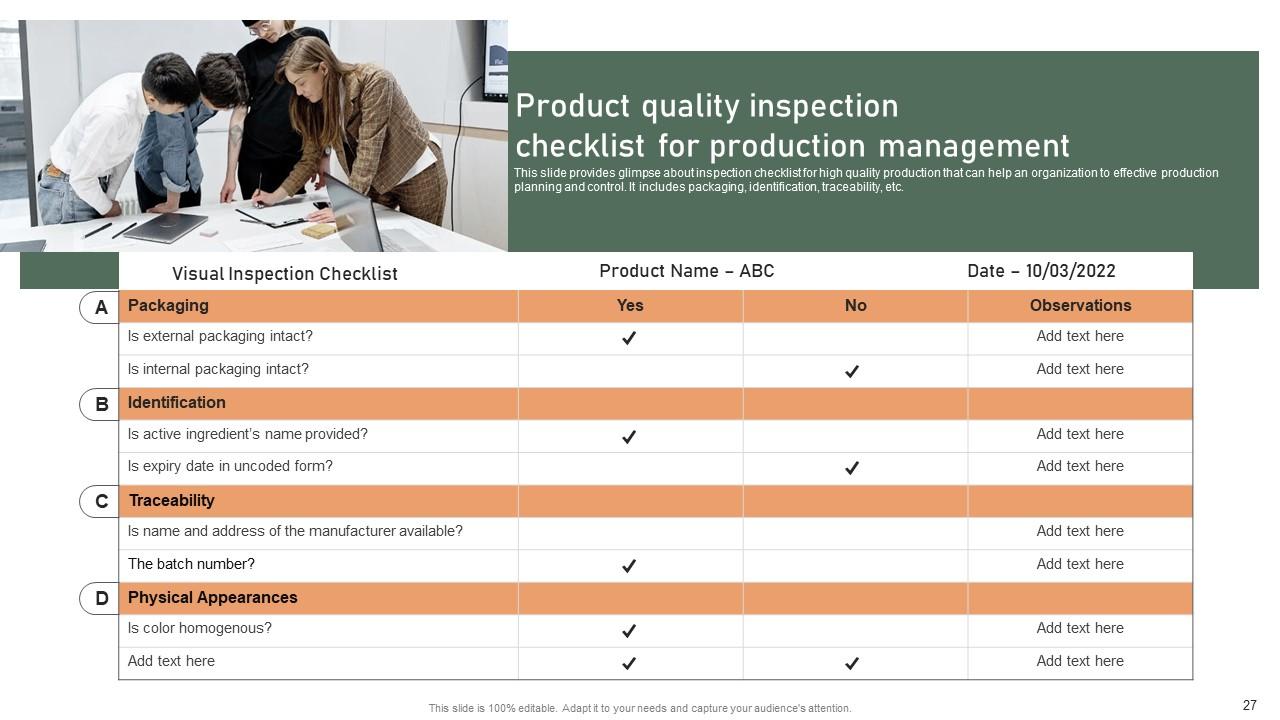
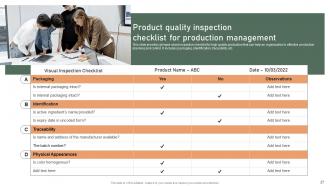
Slide 27: This slide showcases the Product quality inspection checklist for production management.
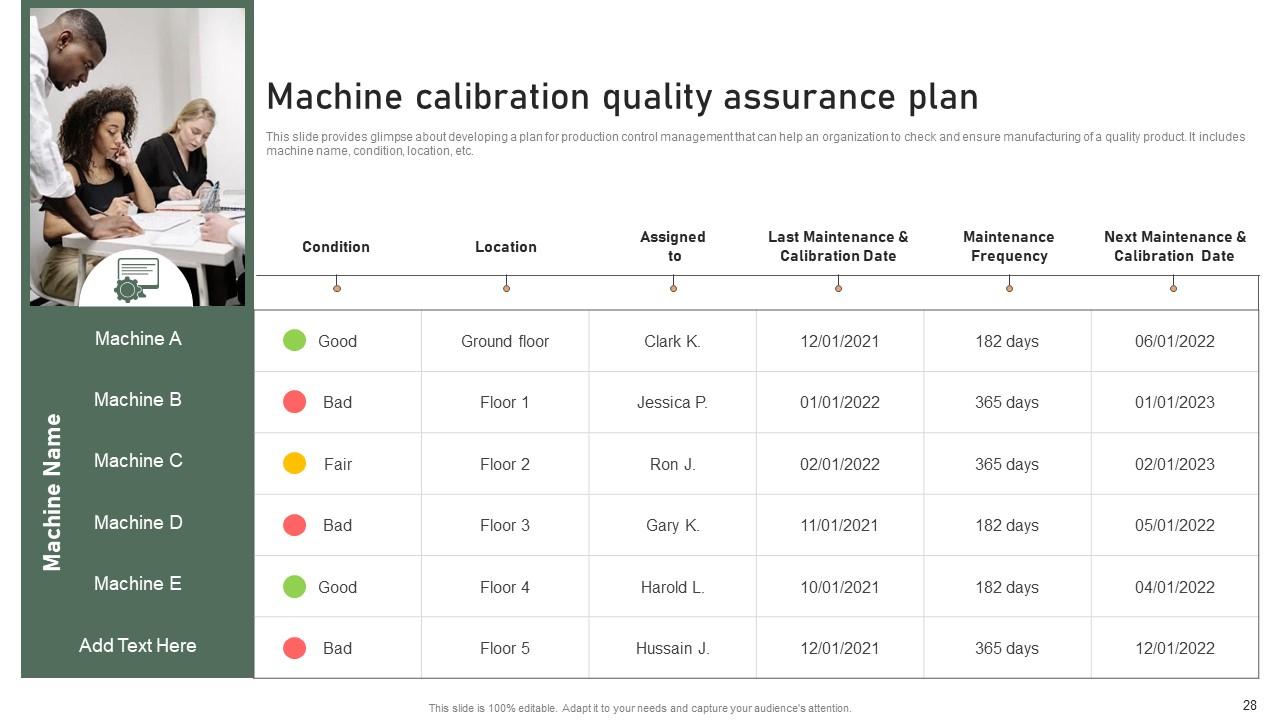
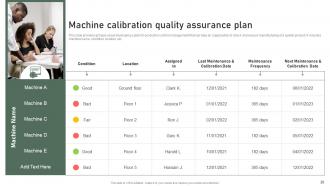
Slide 28: This slide reveals information about the Machine calibration quality assurance plan.
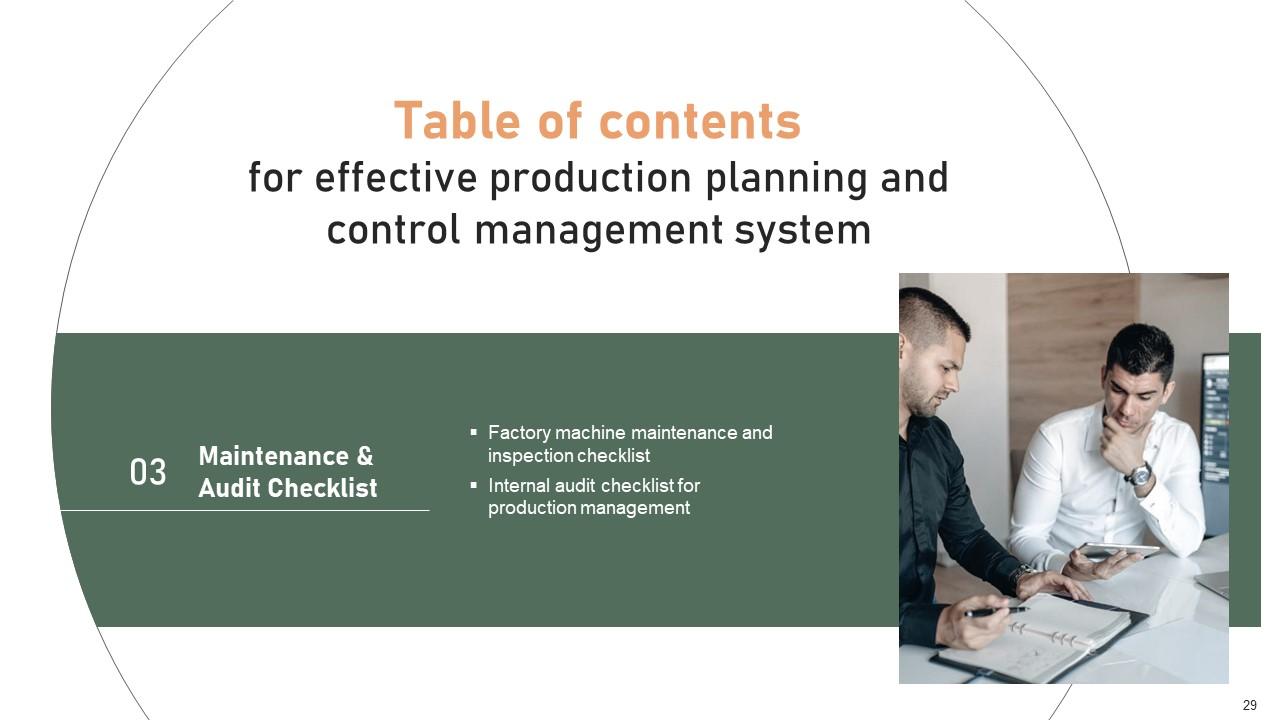
Slide 29: This slide provides information about the Heading for the ideas to be discussed in the next slide.
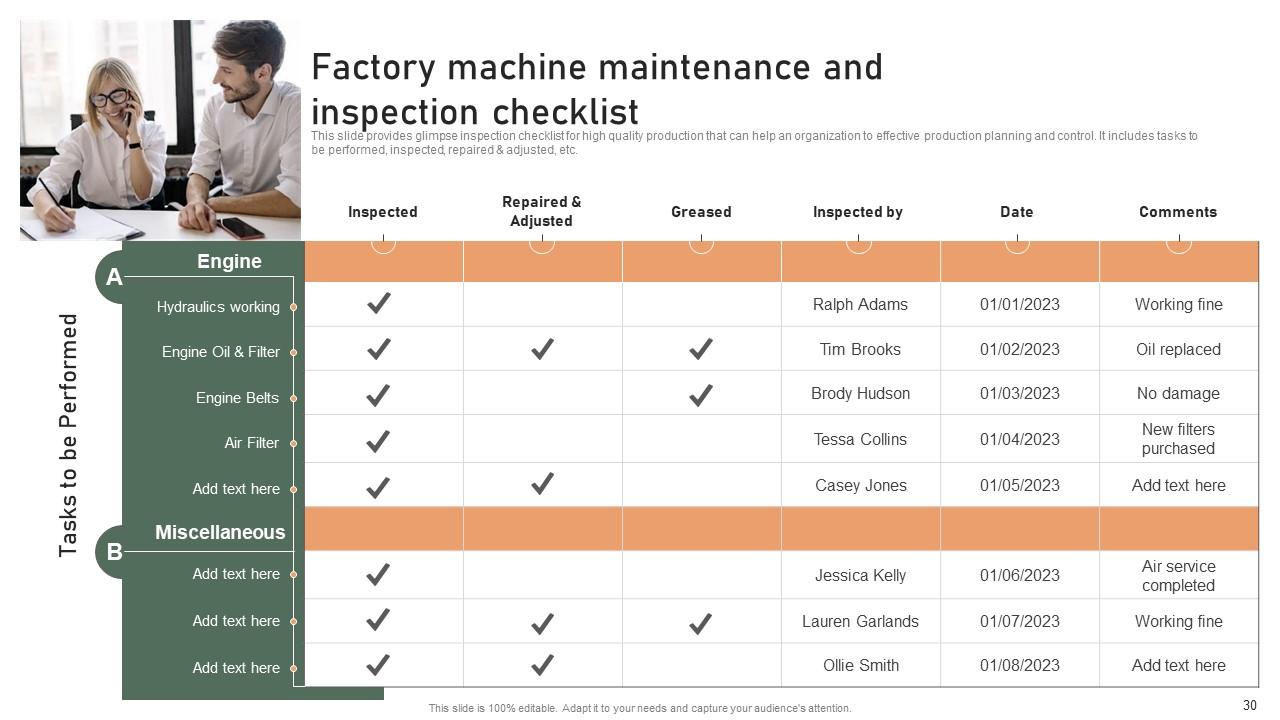
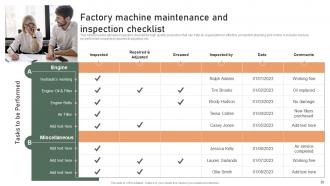
Slide 30: This slide represents the Factory machine maintenance and inspection checklist.
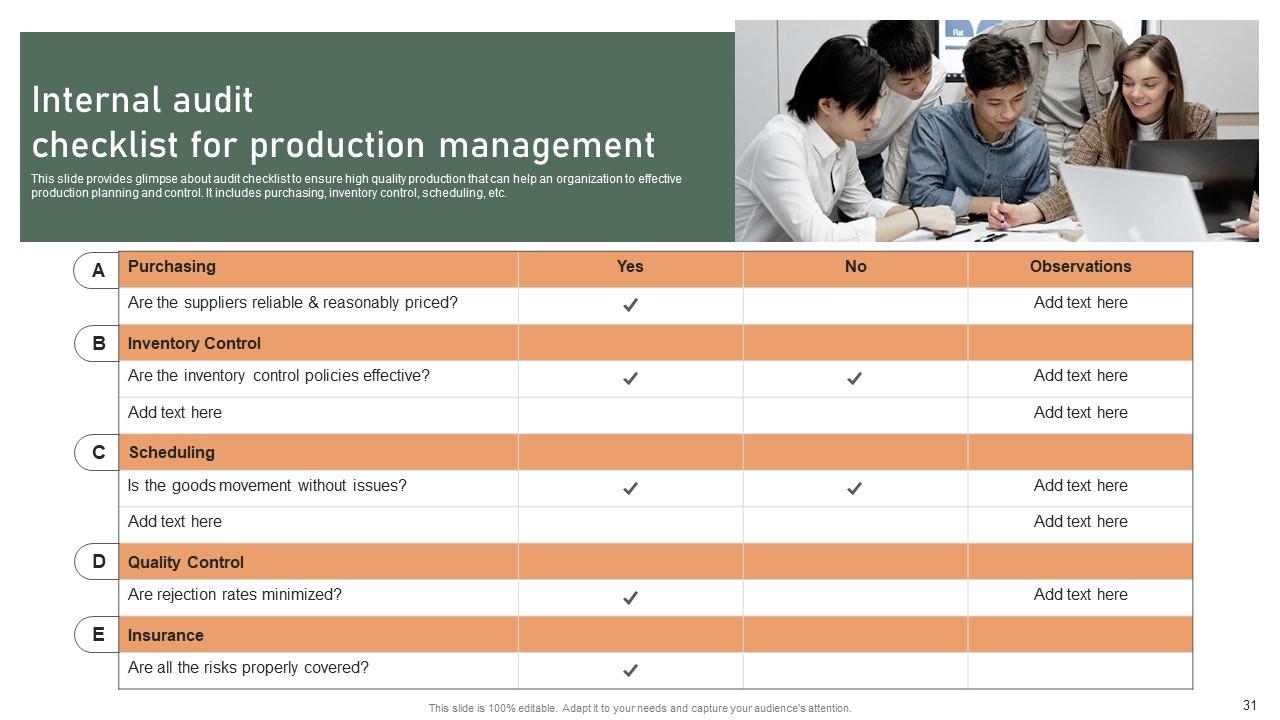
Slide 31: This slide incorporates the Internal audit checklist for production management.
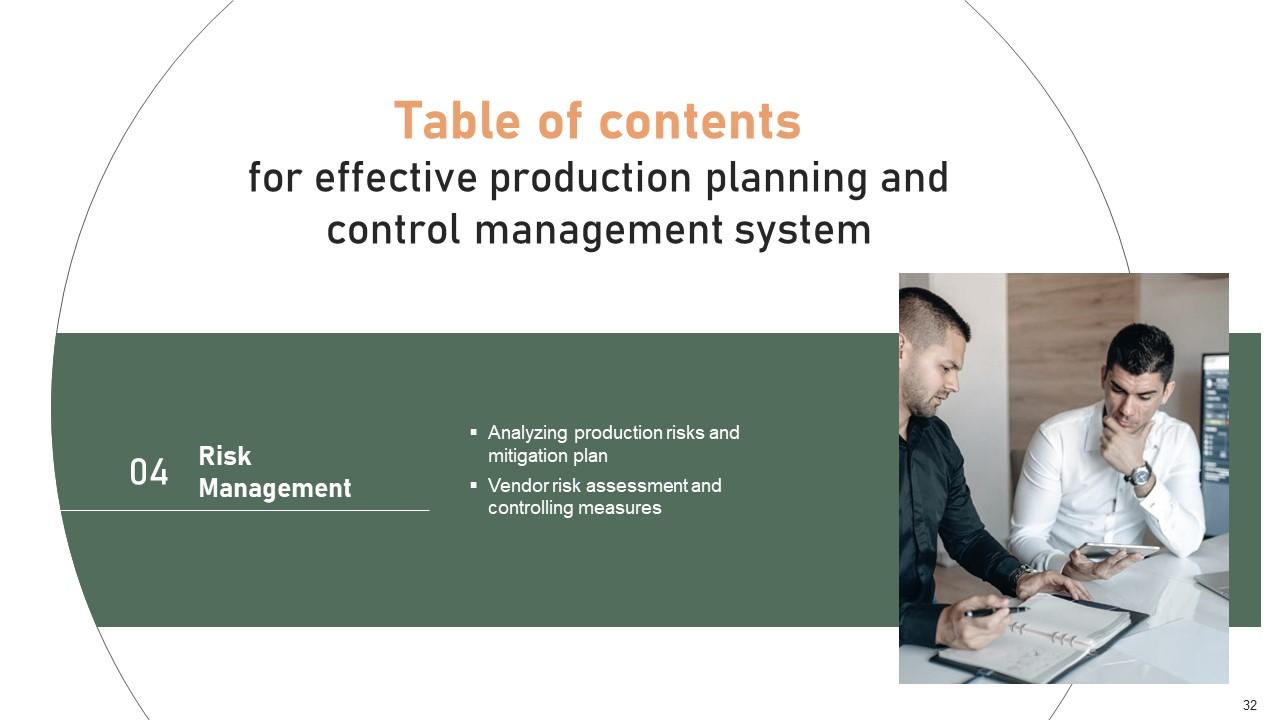
Slide 32: This slide includes the Heading for the Topics to be discussed in the next slide.
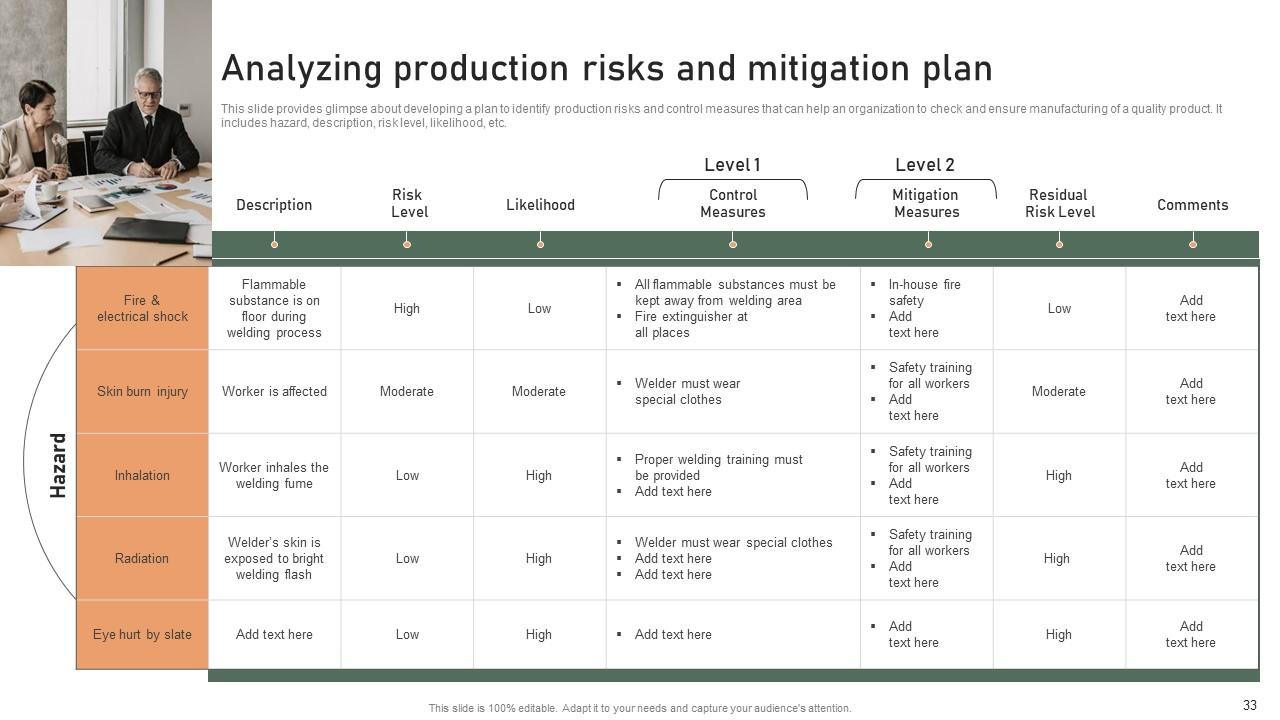
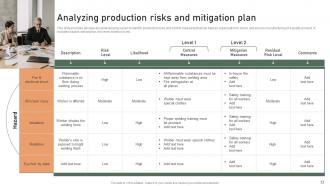
Slide 33: This slide exhibits the Analysis of production risks and mitigation plan in a tabular form.
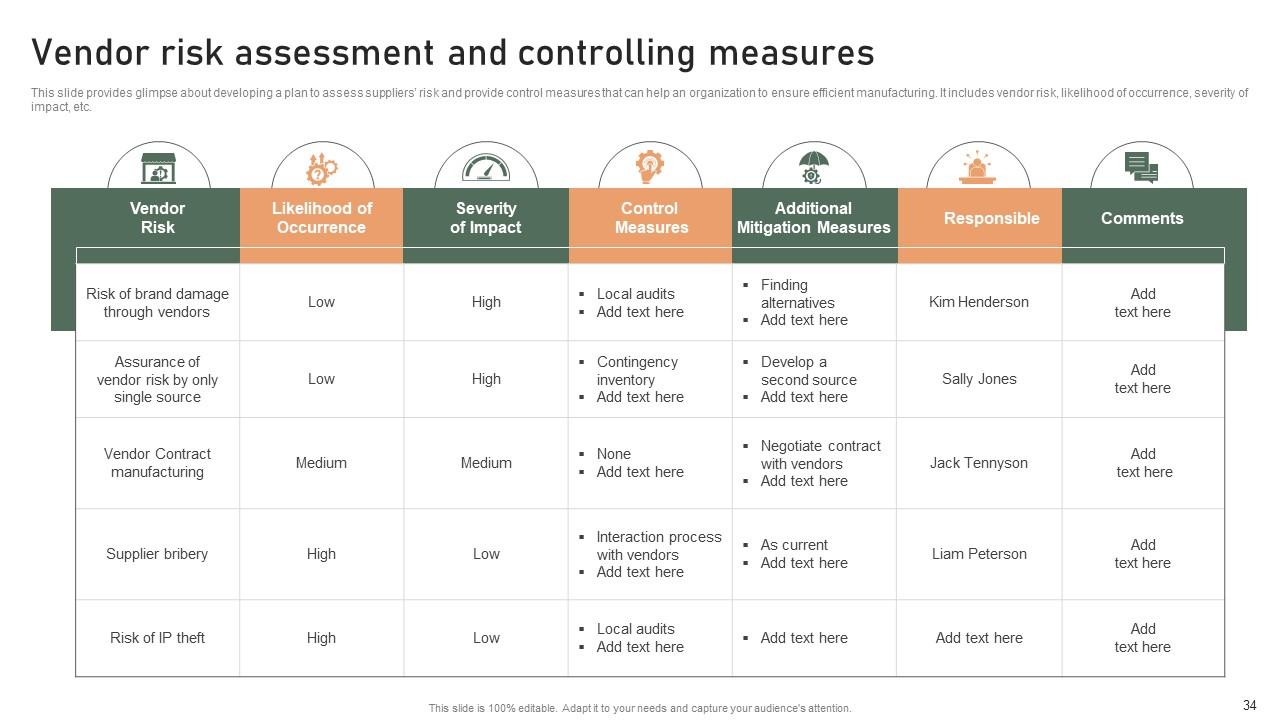
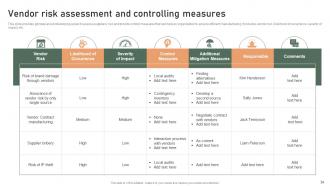
Slide 34: This slide shows the Vendor risk assessment and controlling measures.
Slide 35: This slide depicts the Title for the ideas to be covered in the next template.
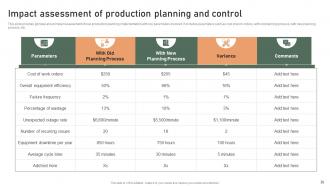
Slide 36: This slide deals with the Impact assessment of production planning and control.
Slide 37: This slide includes the Title for the Topics to be covered in the forth-coming template.
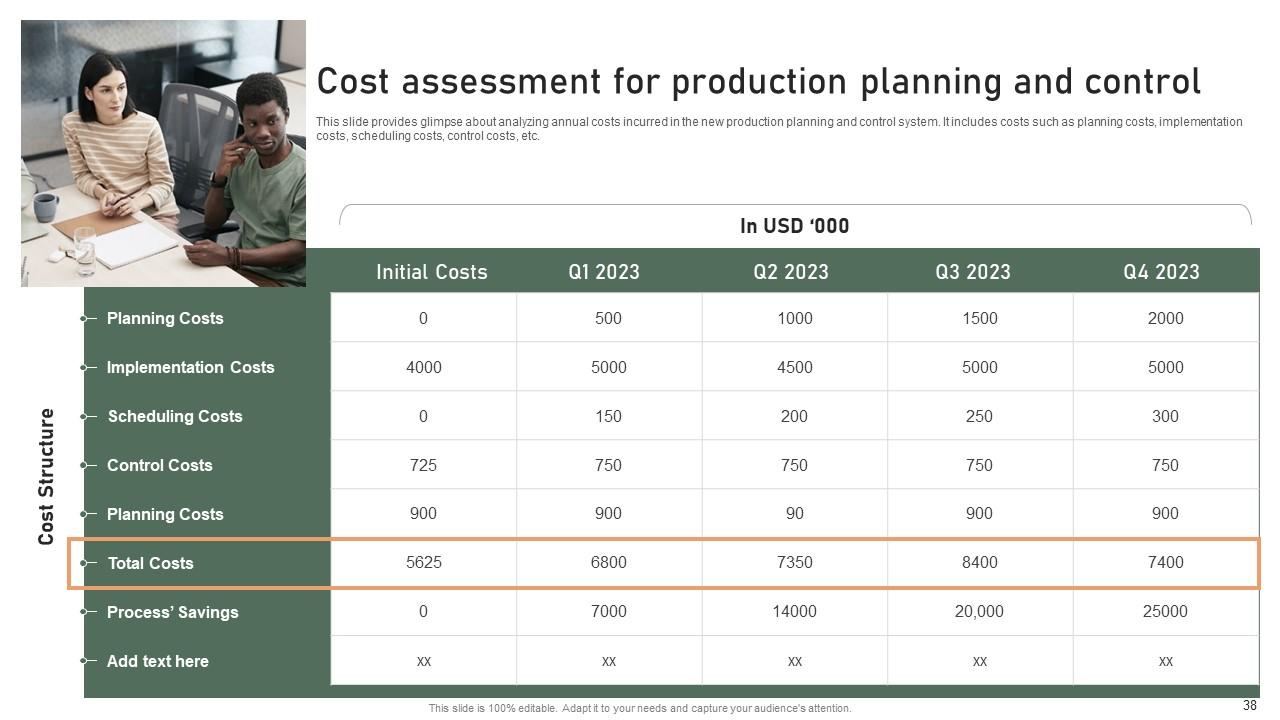
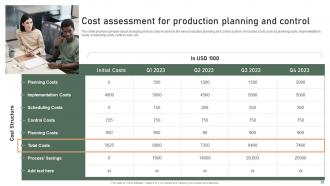
Slide 38: This slide addresses the Cost assessment for production planning and control.
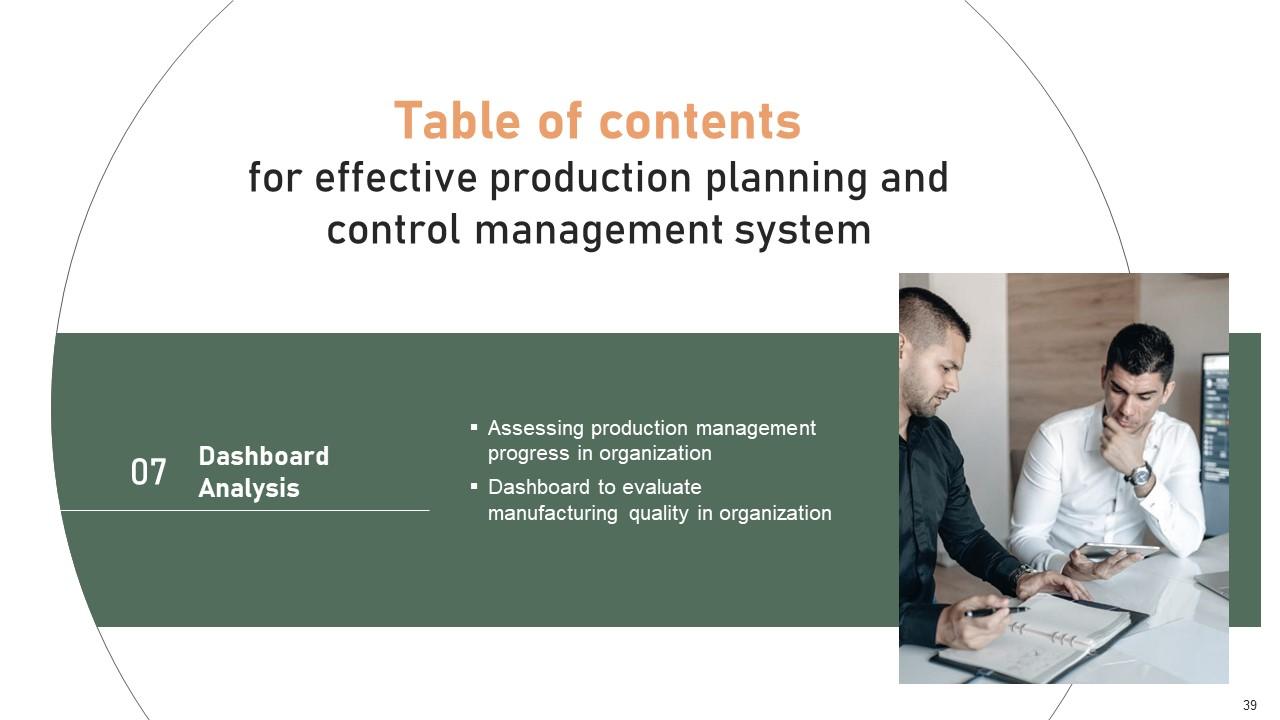
Slide 39: This slide showcases the Heading for the ideas to be discussed in the upcoming slide.
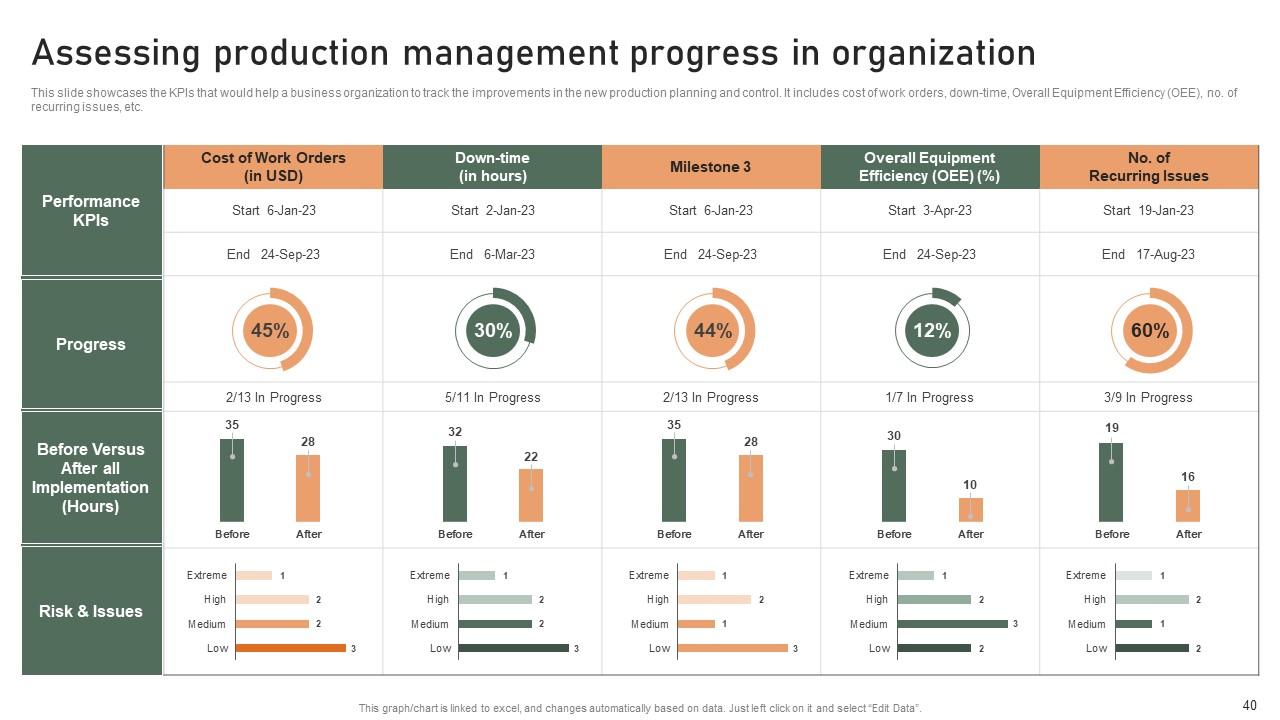
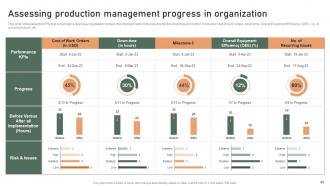
Slide 40: This slide elucidates the Assessment of the production management progress in organization.
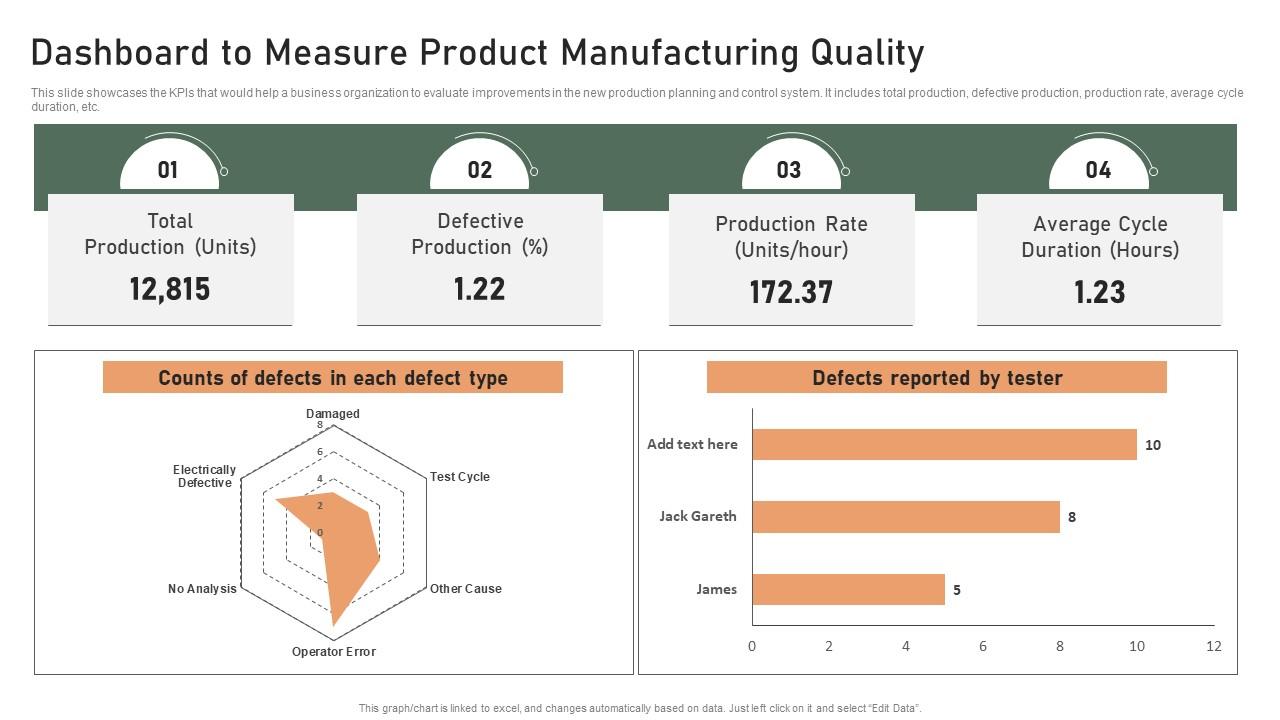
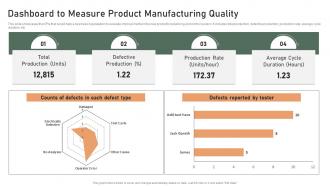
Slide 41: This slide contains the information related to the Dashboard to Measure Product Manufacturing Quality.
Slide 42: This is the Icons slide containing all the Icons used in the plan.
Slide 43: This slide is titled as the Additional slides for providing some additional Company information.
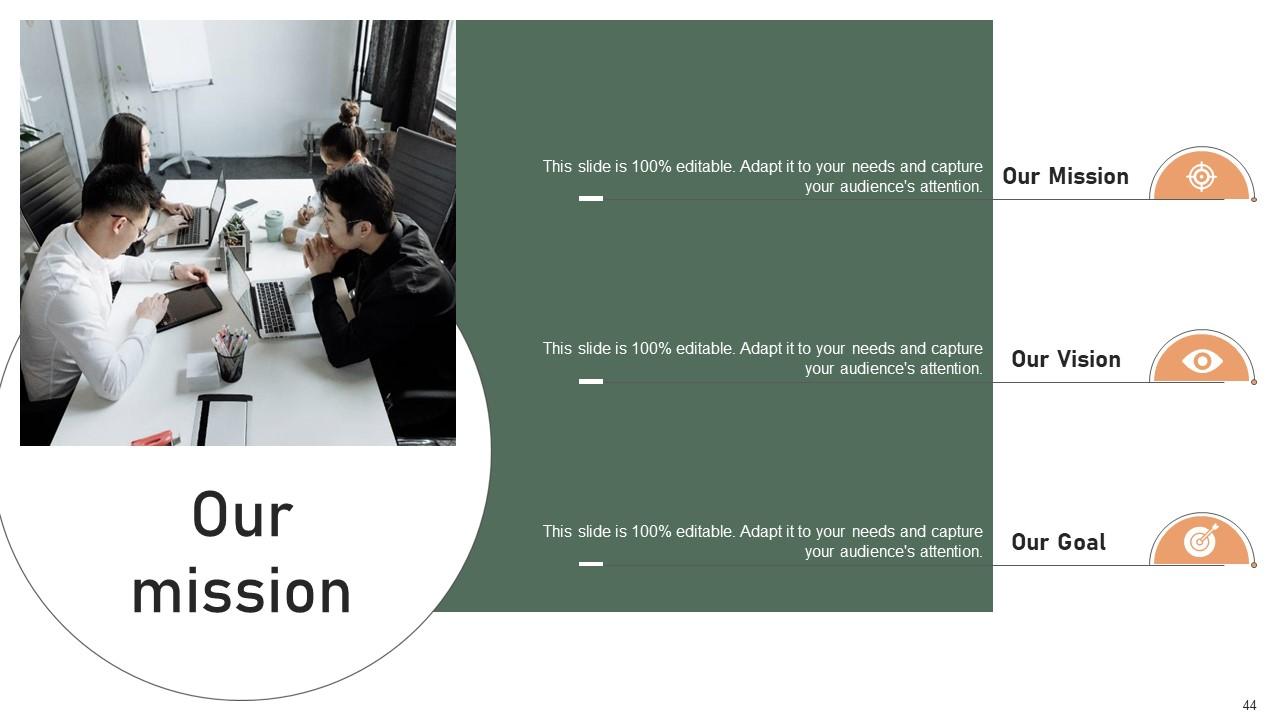
Slide 44: This is Our Mission slide for stating the Company's mission.
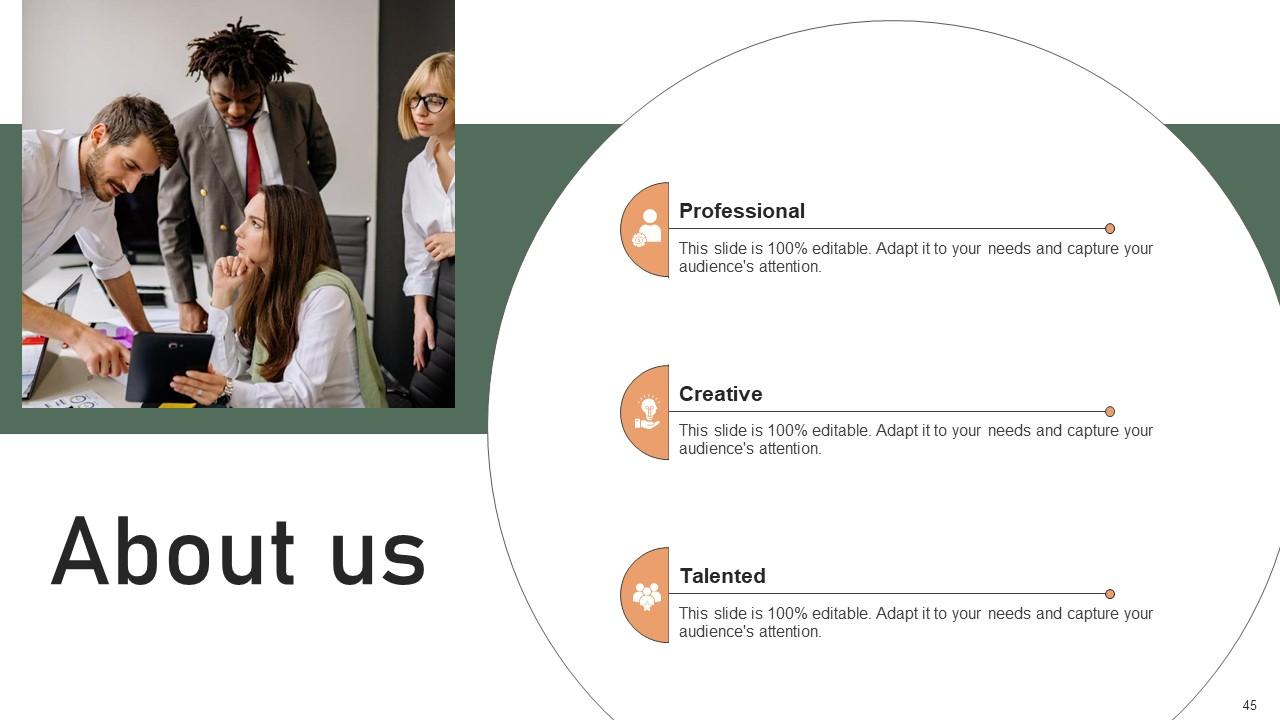
Slide 45: This is our About us slide for providing Company related information.
Slide 46: This slide is titled as Meet our team. Write your team details in this one.
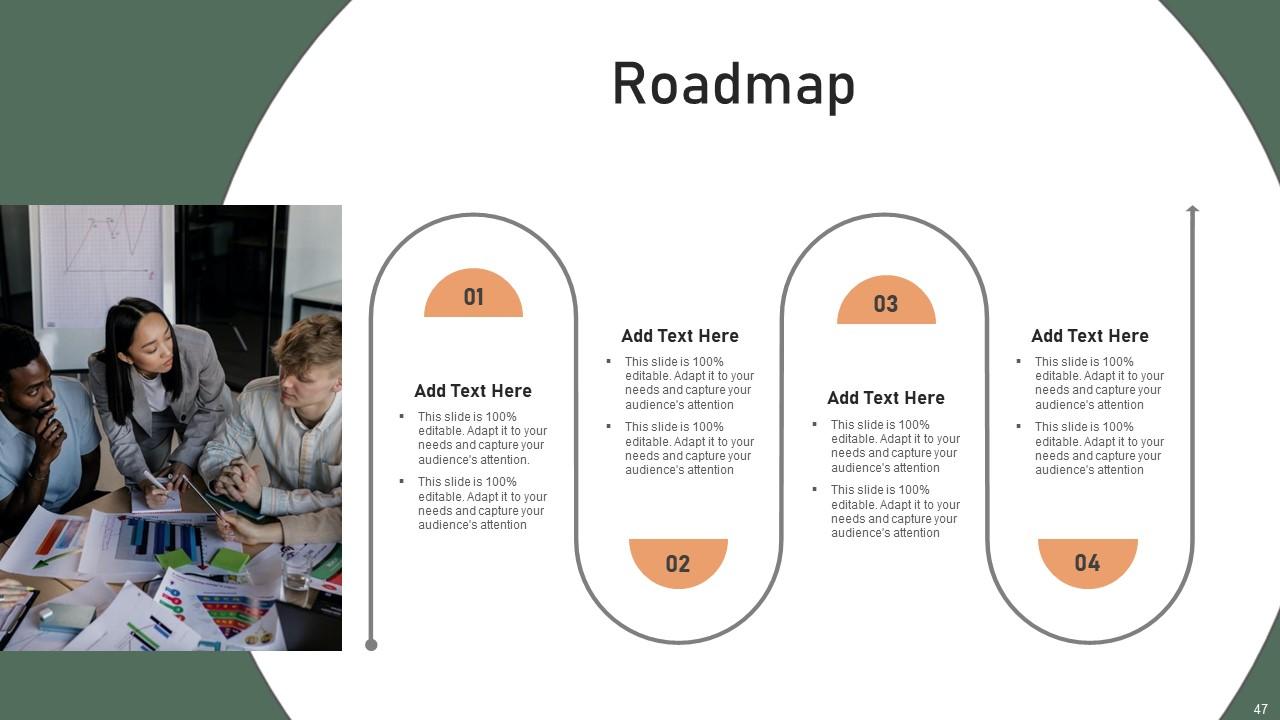
Slide 47: This slide elucidates the Roadmap depicting the journey of the Company.
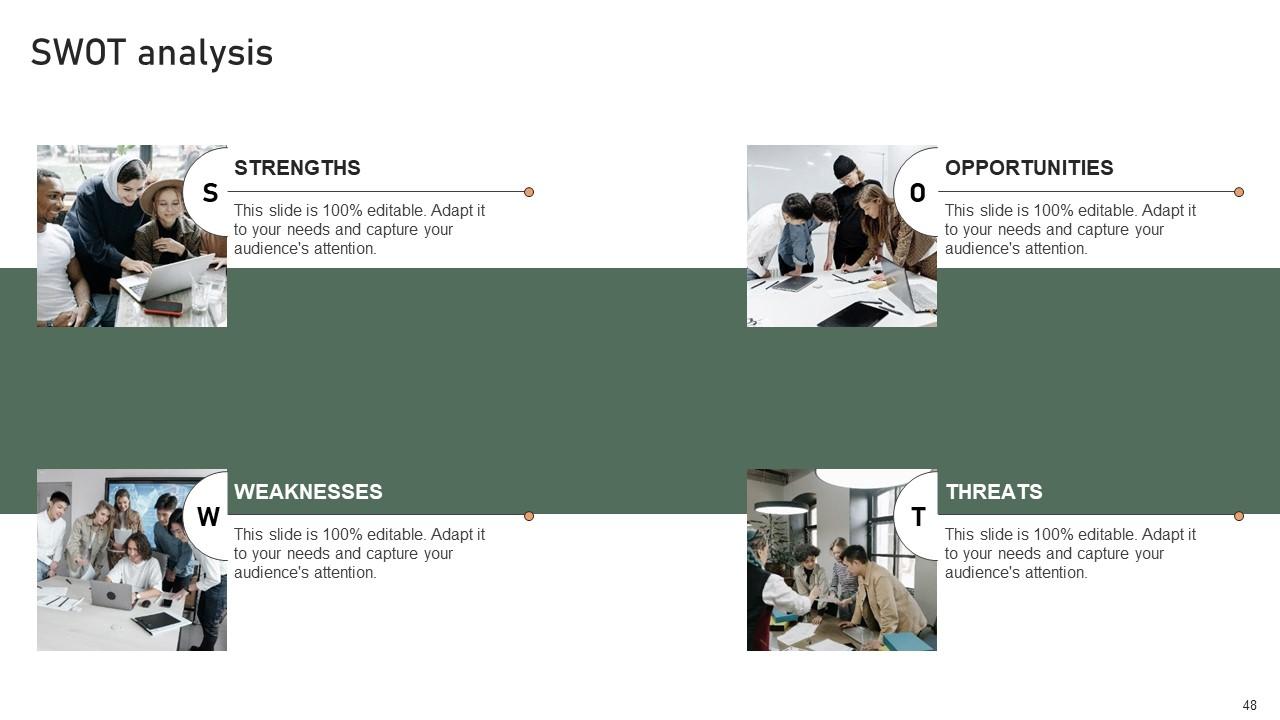
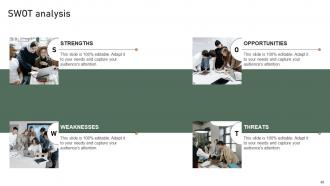
Slide 48: This slide shows the SWOT analysis of the Organization.
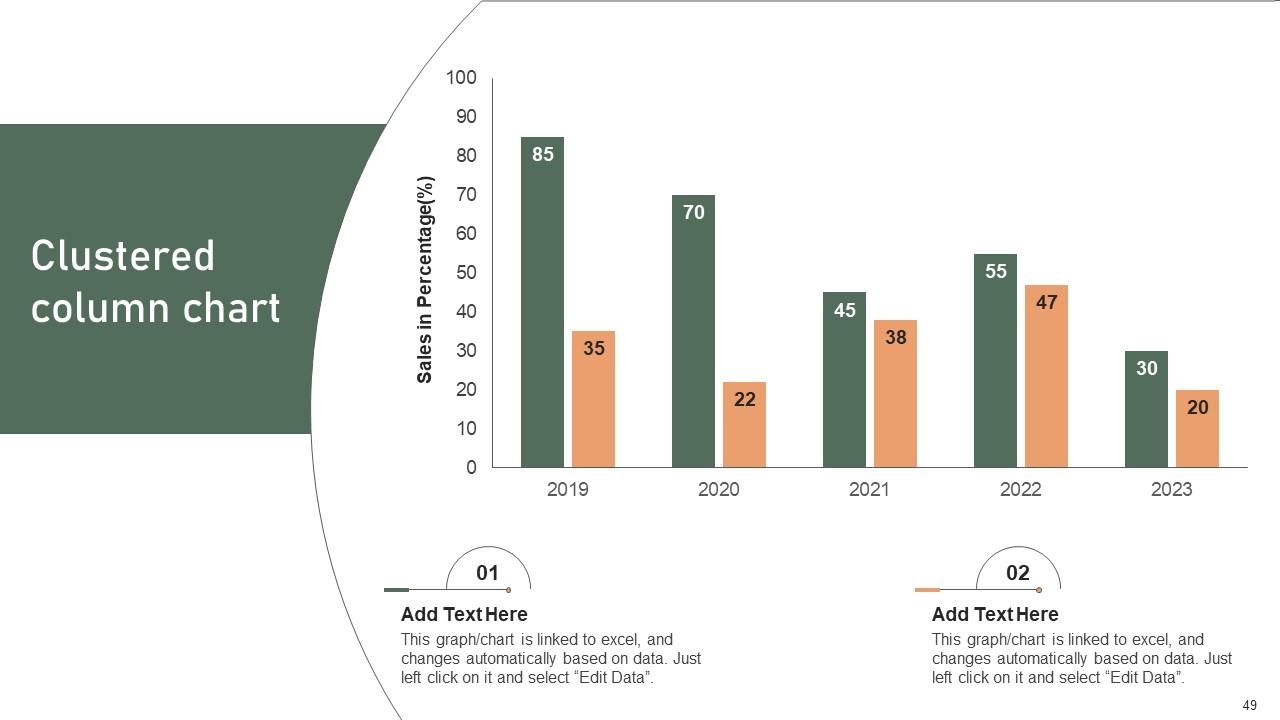
Slide 49: This slide reveals the Clustered column chart for comparison.
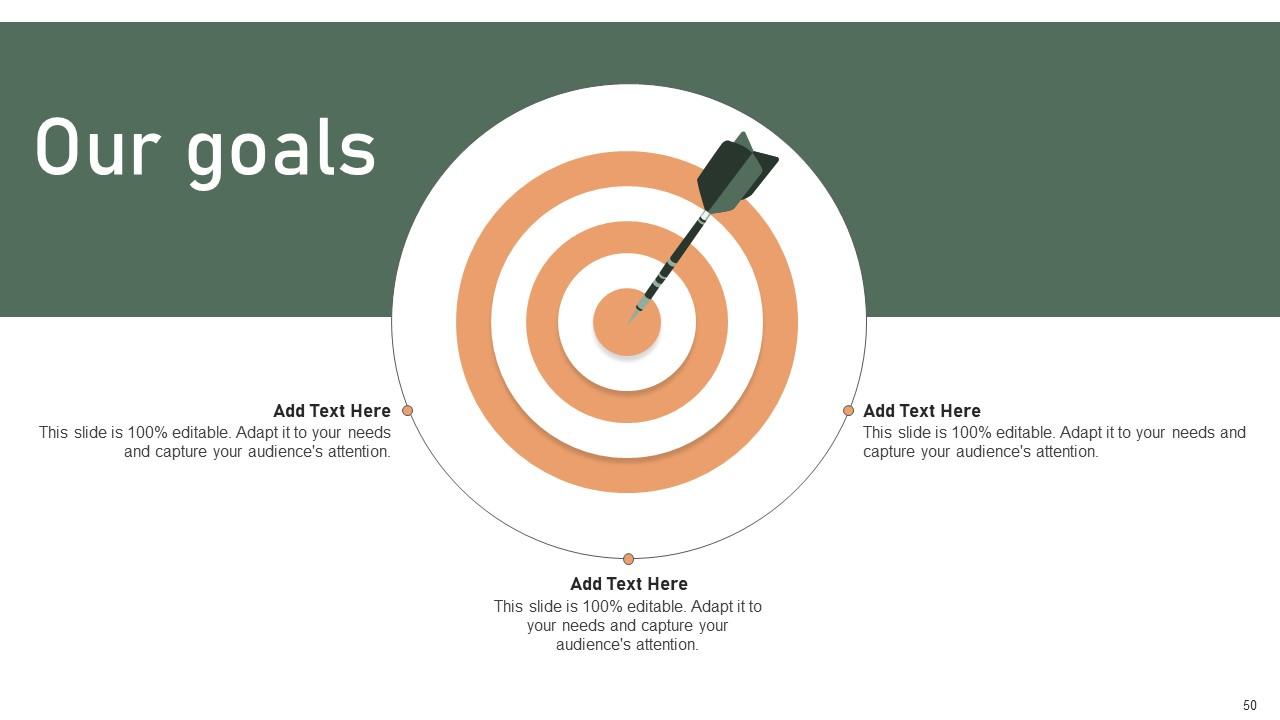
Slide 50: This slide is Our goals slide for listing the Institution's Goals.
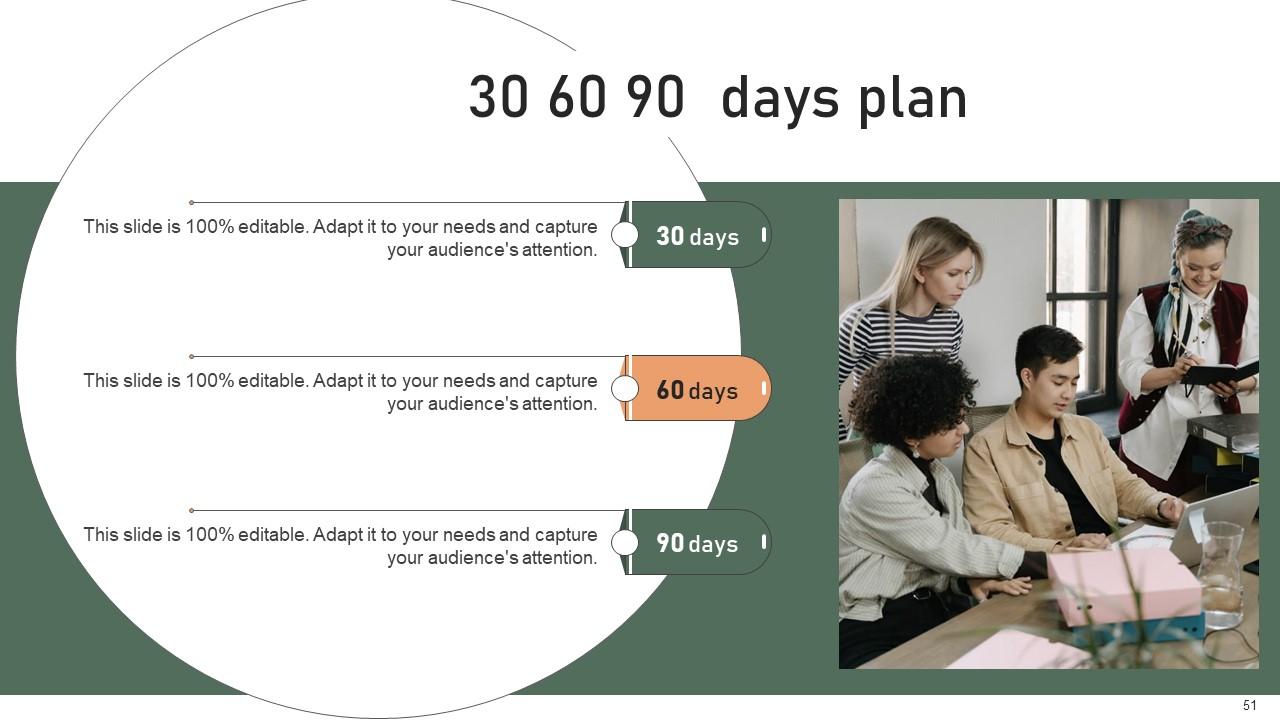
Slide 51: This slide showcases the 30 60 90 days plan for efficient planning.
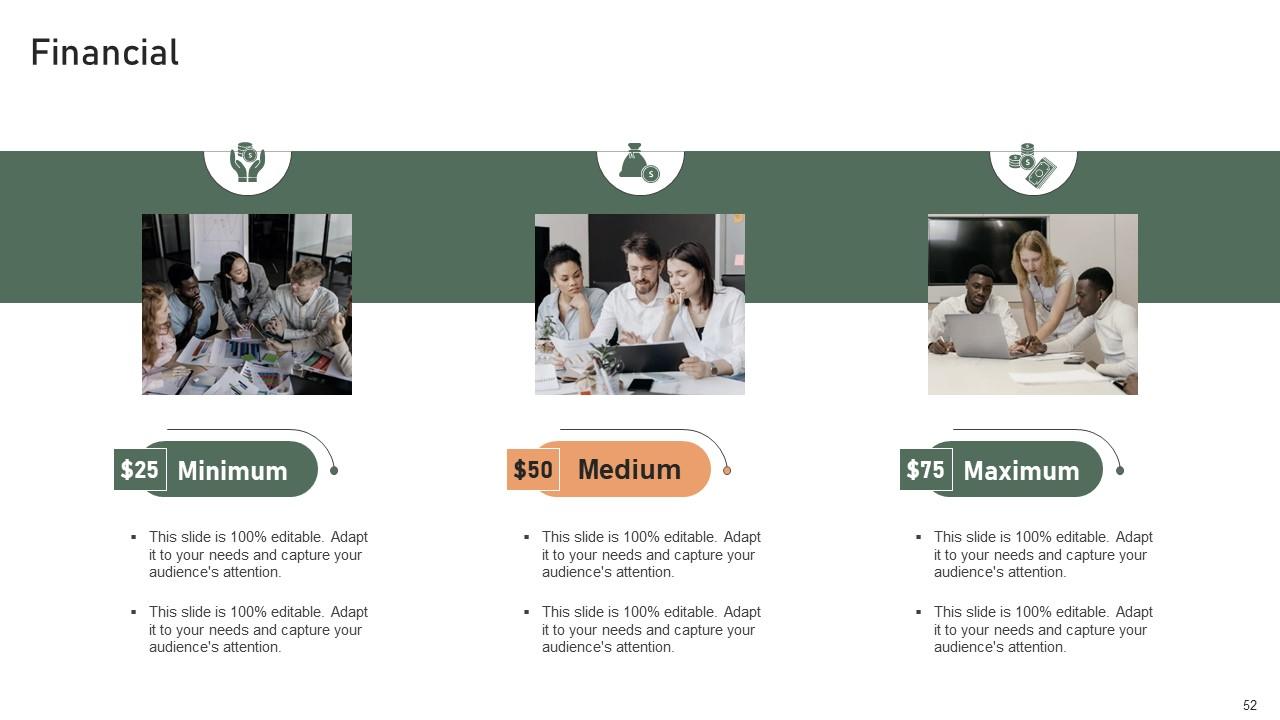
Slide 52: This slide represents the information related to Financial topic.
Slide 53: This is the Idea generation slide for encouraging fresh ideas.
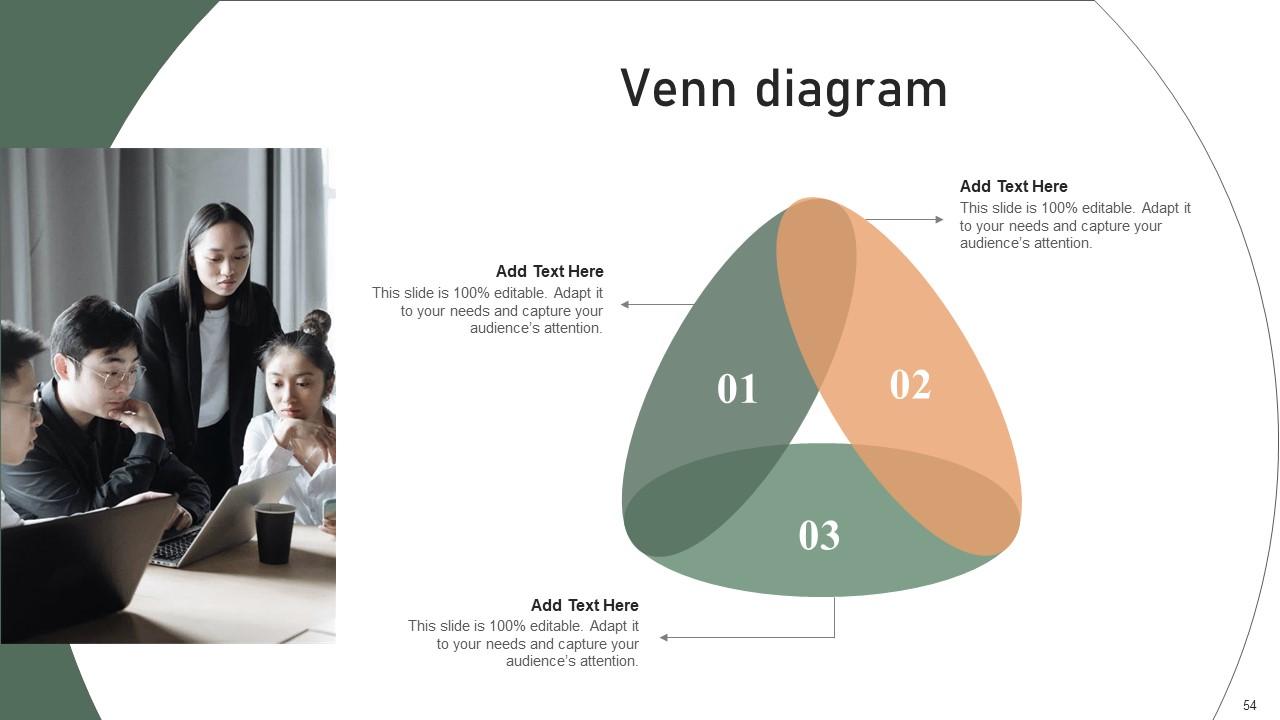
Slide 54: This is the slide including the Venn diagram for common information.
Slide 55: This is the Thank You slide for acknowledgement.
Effective Production Planning And Control Management System MKT CD with all 60 slides:
Use our Effective Production Planning And Control Management System MKT CD to effectively help you save your valuable time. They are readymade to fit into any presentation structure.
-
I downloaded some of the presentations for work. They were simple to modify and saved me a lot of time and effort.
-
Crisp and neat slides. Makes it fun and easier to curate presentations.
