Email marketing analytics report example of ppt

Rating:
100%
Email marketing analytics report example of ppt
Slide 1 of 5
Favourites Favourites

Try Before you Buy Download Free Sample Product

Audience Impress Your
Audience
Editable 100%
Editable
Time Save Hours
of Time
The Biggest Sale is ending soon in
0
0
:
0
0
:
0
0
Rating:
100%
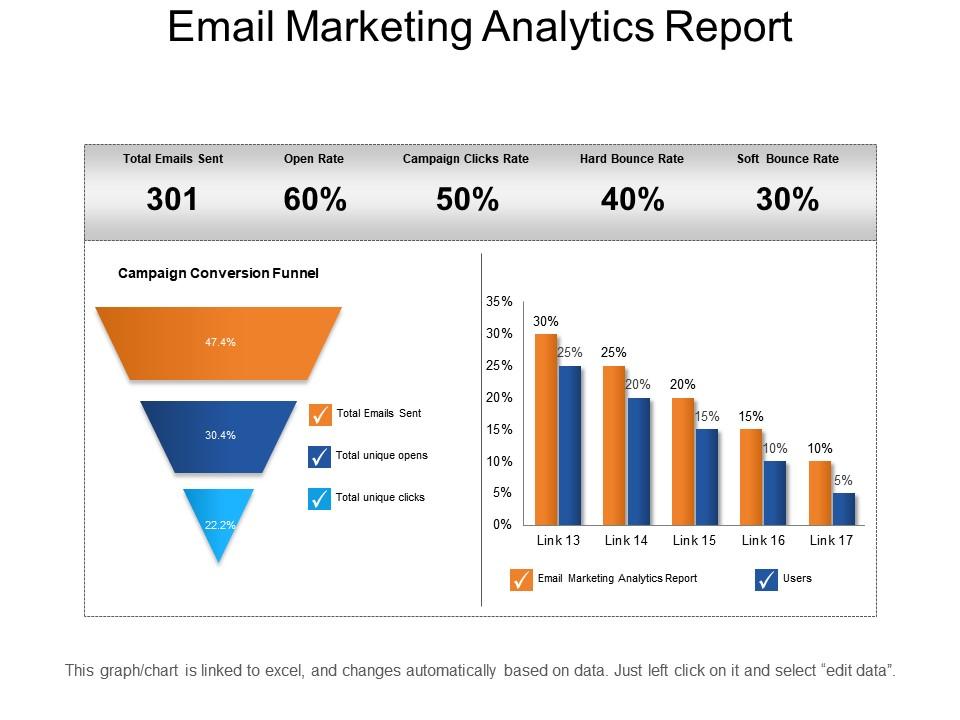
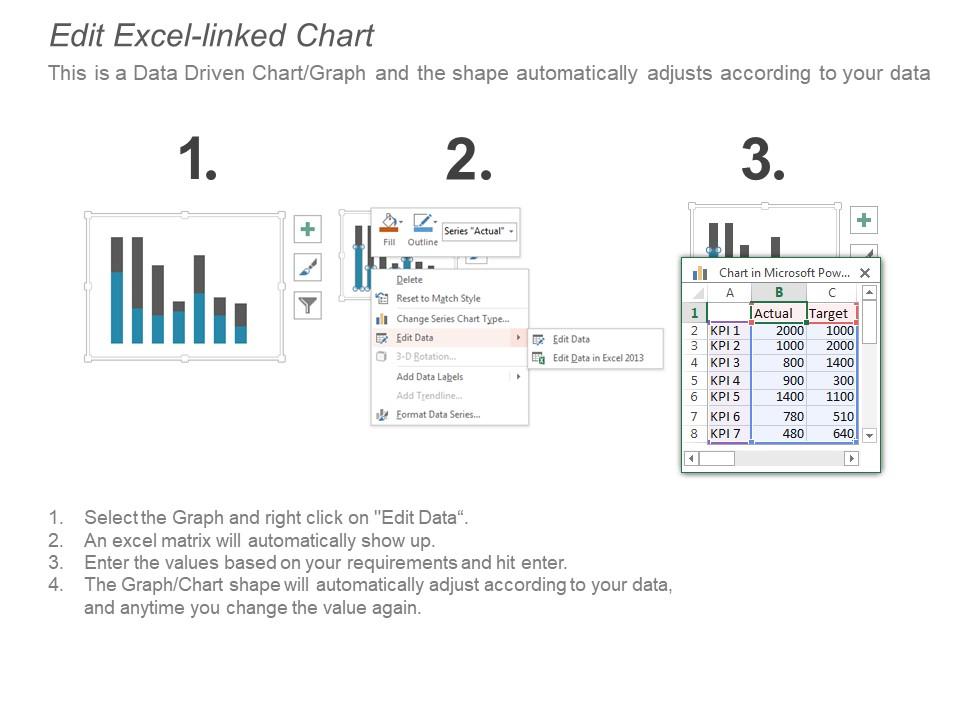
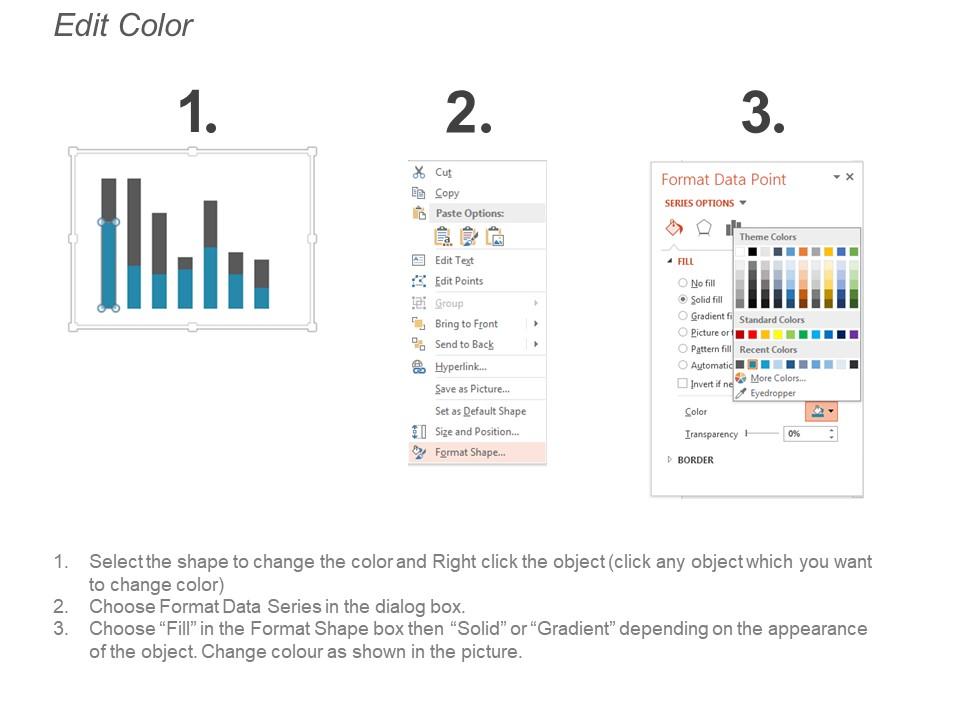
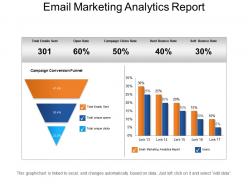
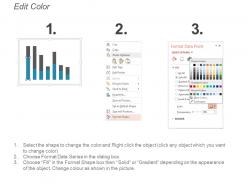
Presenting Marketing Analytics Report PowerPoint Slide Show. Modify the colors, font size and font type as per your needs. You just need to replace the sample text with your text and your presentation will be ready in minutes. This slide is linked to an Excel sheet and can be transformed into JPG and PDF formats. You may add or remove the number of fields according to your requirements. Get this template now in standard screen and widescreen.

FAQs for Email marketing analytics report

Key email marketing metrics include open rates, click-through rates, conversion rates, unsubscribe rates, and bounce rates, along with revenue per email and list growth rate. These metrics work together to reveal campaign effectiveness, with many marketers finding that tracking conversion rates and revenue attribution ultimately delivers the clearest picture of ROI and competitive advantage.

A/B testing enhances email marketing analytics by enabling systematic comparison of subject lines, content variations, and send times, providing concrete data on subscriber behavior and preferences. Through controlled testing of different elements, marketers can identify optimal approaches for engagement rates, conversion patterns, and revenue generation, ultimately delivering measurable improvements in campaign performance and strategic insights for future initiatives.

Leading email marketing analytics tools include Mailchimp, HubSpot, Constant Contact, Campaign Monitor, and SendGrid, each offering comprehensive tracking capabilities for opens, clicks, conversions, and subscriber behavior. These platforms enhance campaign optimization by providing real-time performance insights, A/B testing functionality, and automated reporting features, ultimately enabling marketers to increase engagement rates and ROI.

Open rates correlate moderately with campaign success, serving as an early engagement indicator, though click-through rates, conversions, and revenue metrics provide more definitive success measures. While higher open rates typically suggest effective subject lines and sender reputation, many marketers find that campaigns with modest open rates but strong calls-to-action ultimately deliver superior ROI and customer acquisition results.

Subject lines significantly impact email engagement metrics by influencing open rates, click-through rates, and overall campaign performance through personalization, urgency cues, and clear value propositions. Studies show personalized subject lines can increase open rates by 26%, while A/B testing different approaches enables marketers to optimize messaging, ultimately delivering higher engagement and improved ROI across campaigns.

Segmentation enhances email marketing analytics by enabling targeted measurement of open rates, click-through rates, and conversion metrics across distinct audience groups, demographics, and behavioral patterns. This granular approach allows marketers to identify high-performing segments, optimize content for specific customer preferences, and allocate resources more strategically, ultimately delivering improved ROI and personalized customer experiences.

Click-through rate (CTR) serves as a critical engagement metric, measuring how effectively email content motivates recipients to take desired actions, click links, and move through the conversion funnel. This metric enables marketers to assess content relevance, optimize subject lines and messaging, and identify high-performing segments, ultimately delivering improved campaign ROI and stronger customer relationships across industries.

High bounce rates indicate emails aren't reaching recipients due to invalid addresses, full inboxes, or server issues, directly impacting your sender reputation and future deliverability. Soft bounces suggest temporary problems while hard bounces require immediate list cleaning, with many organizations finding that maintaining bounce rates below 2% significantly enhances inbox placement and campaign effectiveness.

Email marketing ROI measurement best practices include tracking conversion rates, customer lifetime value, revenue attribution, cost per acquisition, and engagement metrics like open and click-through rates. These analytics enable marketers to optimize campaign performance, segment audiences more effectively, and allocate resources strategically, with many organizations finding that comprehensive tracking delivers 15-20% higher campaign effectiveness and significantly improved customer retention rates.

Conversion tracking in email marketing analytics can be implemented through UTM parameters, pixel tracking, dedicated landing pages, CRM integration, and goal configuration in analytics platforms. These methods enable marketers to monitor subscriber journeys from email click to purchase completion, measuring ROI across campaigns while identifying high-performing content, with many organizations finding significantly improved campaign optimization and resource allocation.

Key trends include personalization-driven segmentation, mobile-first optimization, interactive content engagement, predictive analytics integration, and privacy-compliant tracking methodologies. These approaches enhance campaign effectiveness by delivering targeted messaging, improving cross-device experiences, and leveraging behavioral data insights, with many organizations finding that strategic analytics integration ultimately drives higher conversion rates and customer lifetime value.

Predictive analytics enhances email campaigns by forecasting subscriber behavior, optimizing send times, and predicting engagement rates through machine learning algorithms. These insights enable marketers to personalize content delivery, reduce churn rates, and improve conversion outcomes, with many retail and e-commerce companies finding significantly higher ROI through data-driven campaign optimization.

Engagement scores reveal subscriber interaction patterns through email opens, clicks, forwards, and time spent reading, providing crucial insights into content effectiveness and audience preferences. This metric enables marketers to segment audiences strategically, personalize future campaigns, and identify high-value subscribers, with retail and financial services companies finding that engagement-based targeting significantly improves conversion rates and customer lifetime value.

Analytics enable content and design optimization through open rates, click-through rates, A/B testing results, heat maps, and engagement metrics across different segments. By analyzing which subject lines, content formats, and design elements perform best, marketers can refine their approach, with many organizations finding that data-driven iterations significantly improve conversion rates and subscriber engagement.

Common pitfalls include focusing solely on open rates while ignoring engagement metrics, comparing campaigns without considering audience segmentation, and overlooking unsubscribe patterns or deliverability issues. Many organizations find that tracking vanity metrics instead of conversion-focused data, failing to test subject lines systematically, and not analyzing optimal send times ultimately undermines campaign effectiveness and strategic decision-making.

Ratings and Reviews

100% of 100
Review Form
Write a review
Most Relevant Reviews
  1. 100%

    by Ed Lawrence

    Colors used are bright and distinctive.
  2. 100%

    by Darell Vargas

    Excellent Designs.

2 Item(s)

per page: