


Exit Strategy Strategic Plan For Investors Strategy CD
An exit strategy is a plan that helps essential stakeholders to reduce their business risk and exit the business after it has met predetermined criteria. Grab our insightfully designed Exit Strategy Strategic Plan for Investors template, which will help understand exit strategy as a business option for the organization to minimize risk for investors. The following presentation is helpful for business owners intending to implement various exit strategies and reduce the risk of losses for investors. This PPT initially provides an overview of exit strategy as it highlights essential elements such as types of exit strategy, the process of developing an exit strategy, and identifying which type of strategy is essential for an organization. Valuating a company is one of the essential steps. The deck also emphasizes multiple techniques for evaluation, such as market-based evaluation, discounted cash flow, etc. Once the valuation is complete, the following presentation highlights multiple presentations such as merger and acquisition, IPO initial public offering, management buyout, bankruptcy, and liquidation. After identifying all exit strategies, the following presentation measures their impact with the help of KPIs or key performance indicators. Get access to our 100 percent editable strategy template now.
An exit strategy is a plan that helps essential stakeholders to reduce their business risk and exit the business after it h..







































-

- Google Slides is a new FREE Presentation software from Google.
- All our content is 100% compatible with Google Slides.
- Just download our designs, and upload them to Google Slides and they will work automatically.
- Amaze your audience with SlideTeam and Google Slides.
-

Want Changes to This PPT Slide? Check out our Presentation Design Services
-

- WideScreen Aspect ratio is becoming a very popular format. When you download this product, the downloaded ZIP will contain this product in both standard and widescreen format.
-

- Some older products that we have may only be in standard format, but they can easily be converted to widescreen.
- To do this, please open the SlideTeam product in Powerpoint, and go to
- Design ( On the top bar) -> Page Setup -> and select "On-screen Show (16:9)” in the drop down for "Slides Sized for".
- The slide or theme will change to widescreen, and all graphics will adjust automatically. You can similarly convert our content to any other desired screen aspect ratio.
Compatible With Google Slides

Get This In WideScreen
You must be logged in to download this presentation.


Do you want to remove this product from your favourites?
PowerPoint presentation slides
Enthrall your audience with this Exit Strategy Strategic Plan For Investors Strategy CD. Increase your presentation threshold by deploying this well-crafted template. It acts as a great communication tool due to its well-researched content. It also contains stylized icons, graphics, visuals etc, which make it an immediate attention-grabber. Comprising seventy three slides, this complete deck is all you need to get noticed. All the slides and their content can be altered to suit your unique business setting. Not only that, other components and graphics can also be modified to add personal touches to this prefabricated set.

People who downloaded this PowerPoint presentation also viewed the following :
Content of this Powerpoint Presentation
Slide 1: This slide introduces Exit Strategy : Strategic Plan for Investors. State your company name and begin.
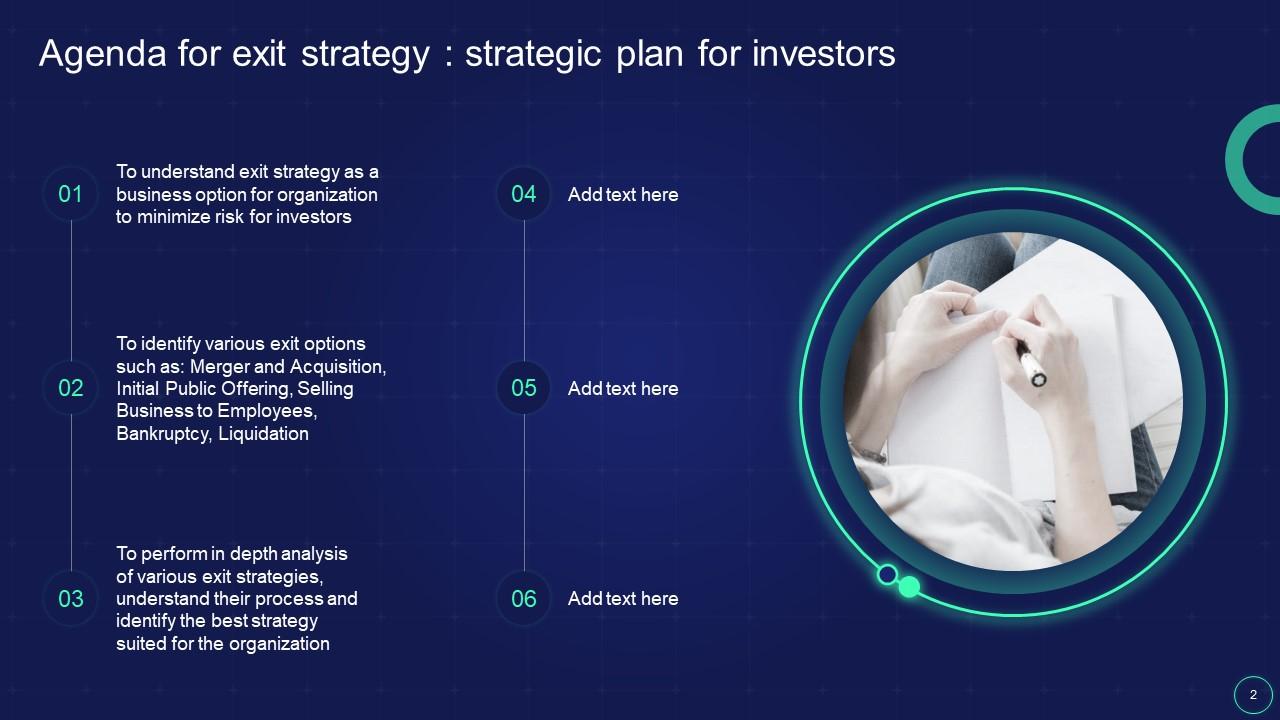
Slide 2: This slide states Agenda of the presentation.
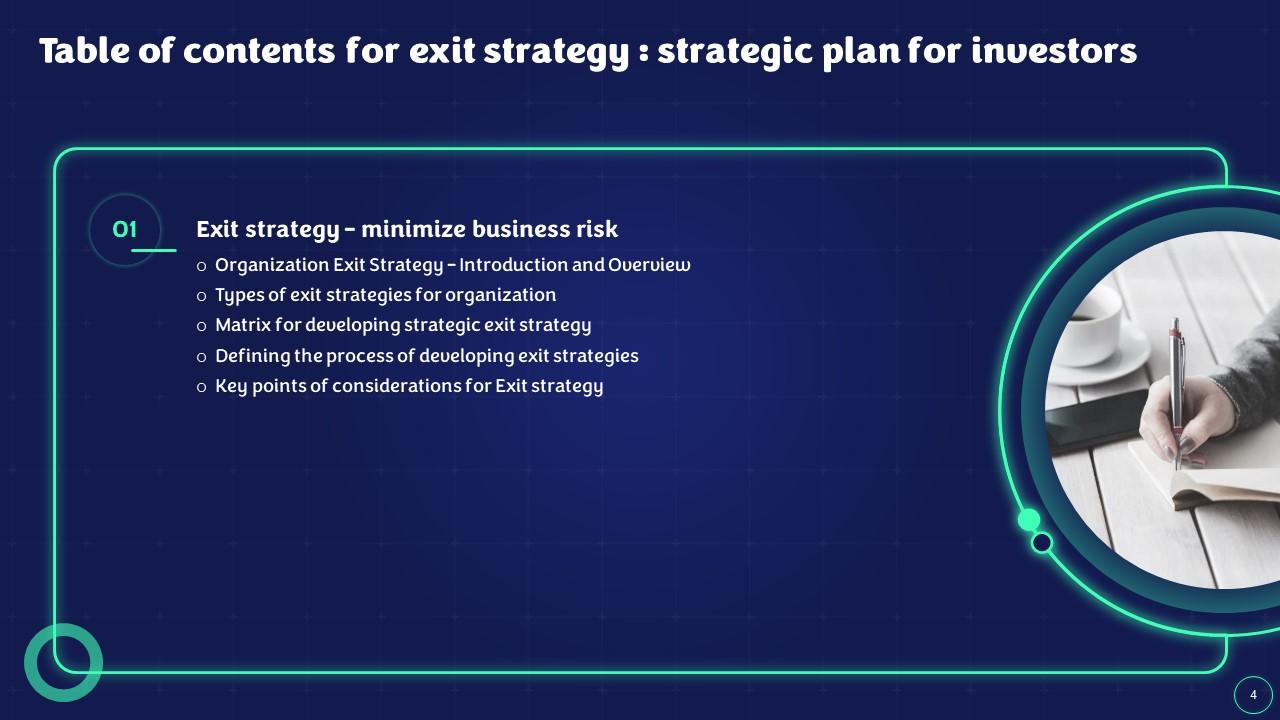
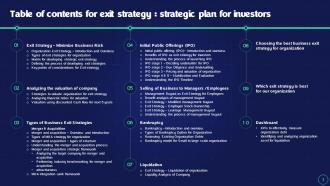
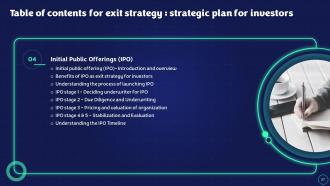
Slide 3: This slide presents Table of Content for the presentation.
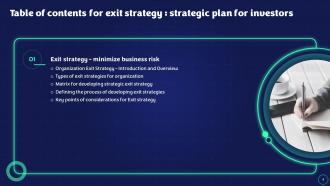
Slide 4: This slide highlights title for topics that are to be covered next in the template.
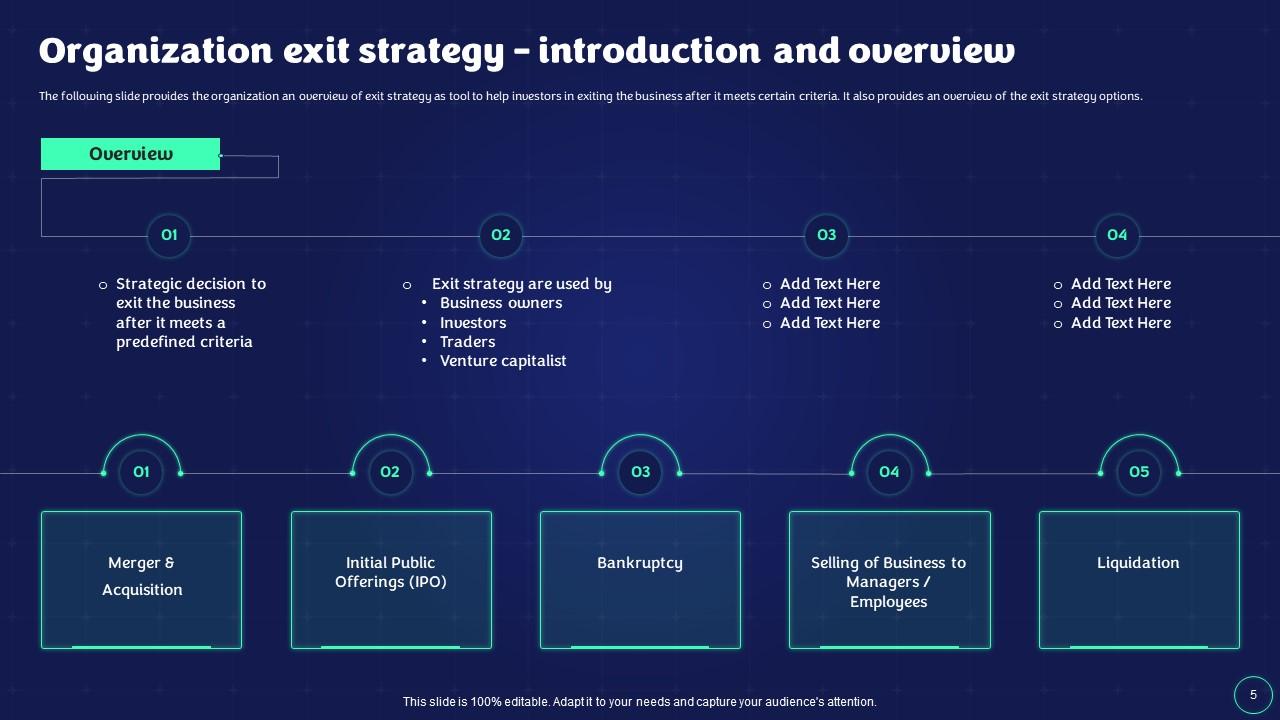
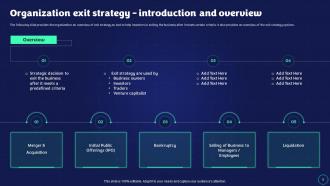
Slide 5: The following slide provides the organization an overview of exit strategy as tool to help investors.
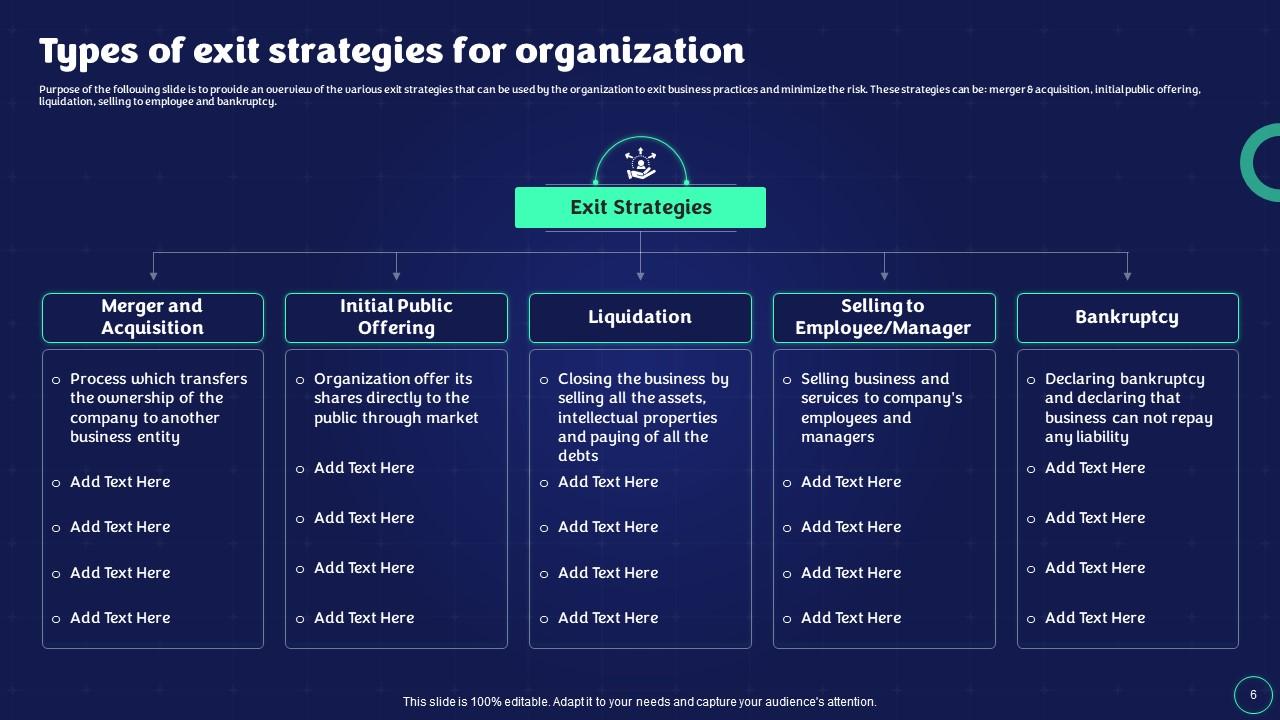
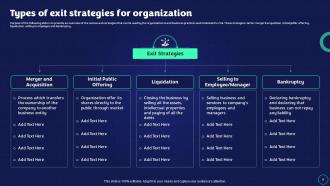
Slide 6: This slide displays Types of exit strategies for organization.
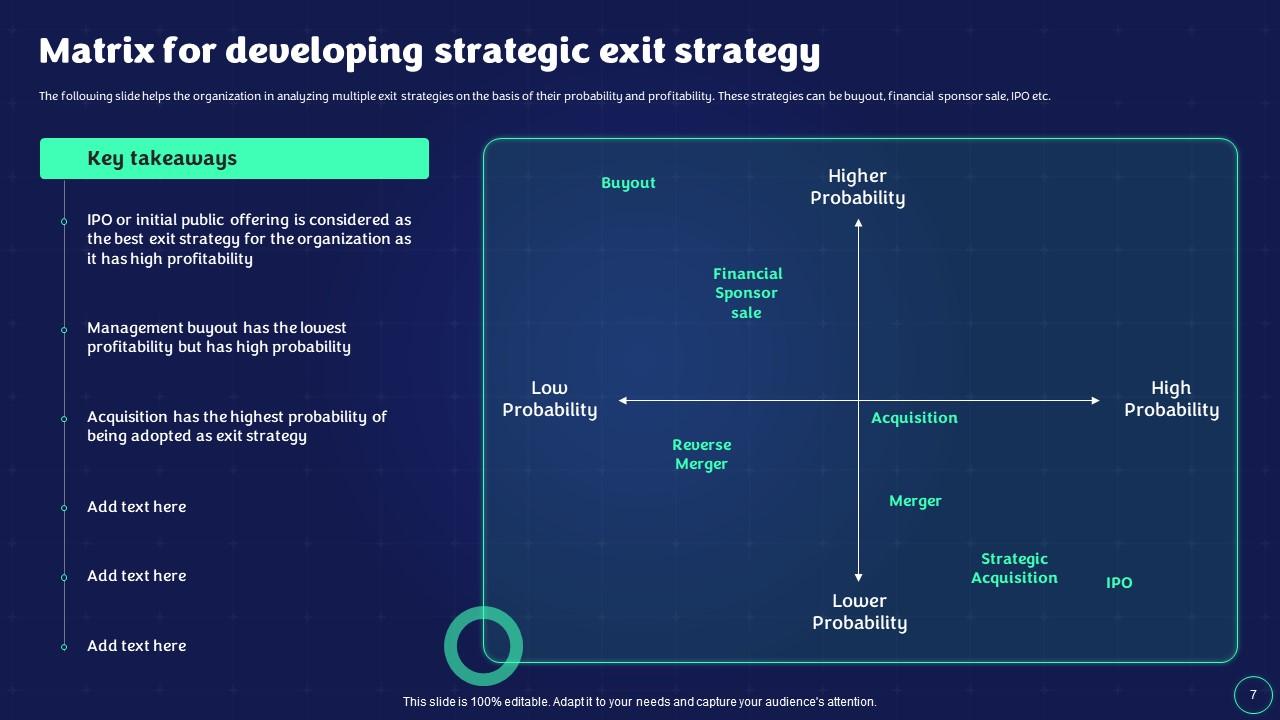
Slide 7: This slide represents Matrix for developing strategic exit strategy.
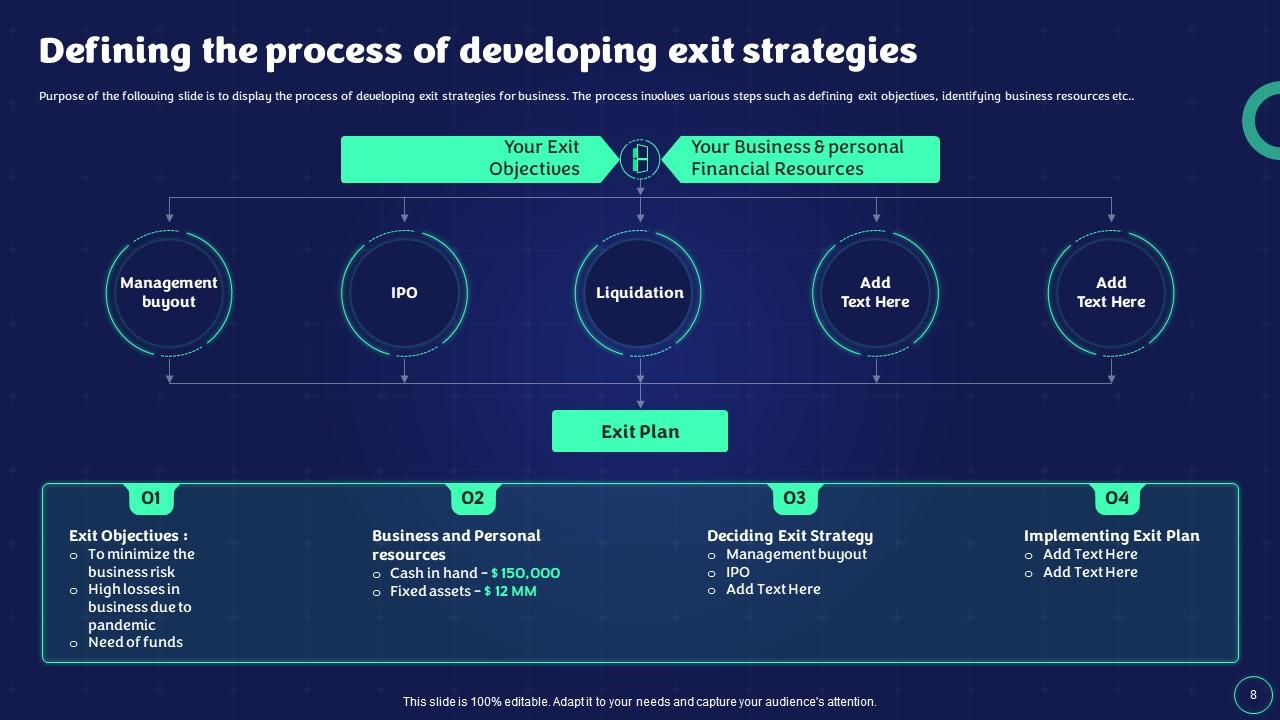
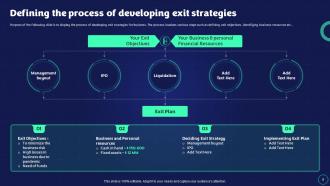
Slide 8: This slide showcases Defining the process of developing exit strategies.
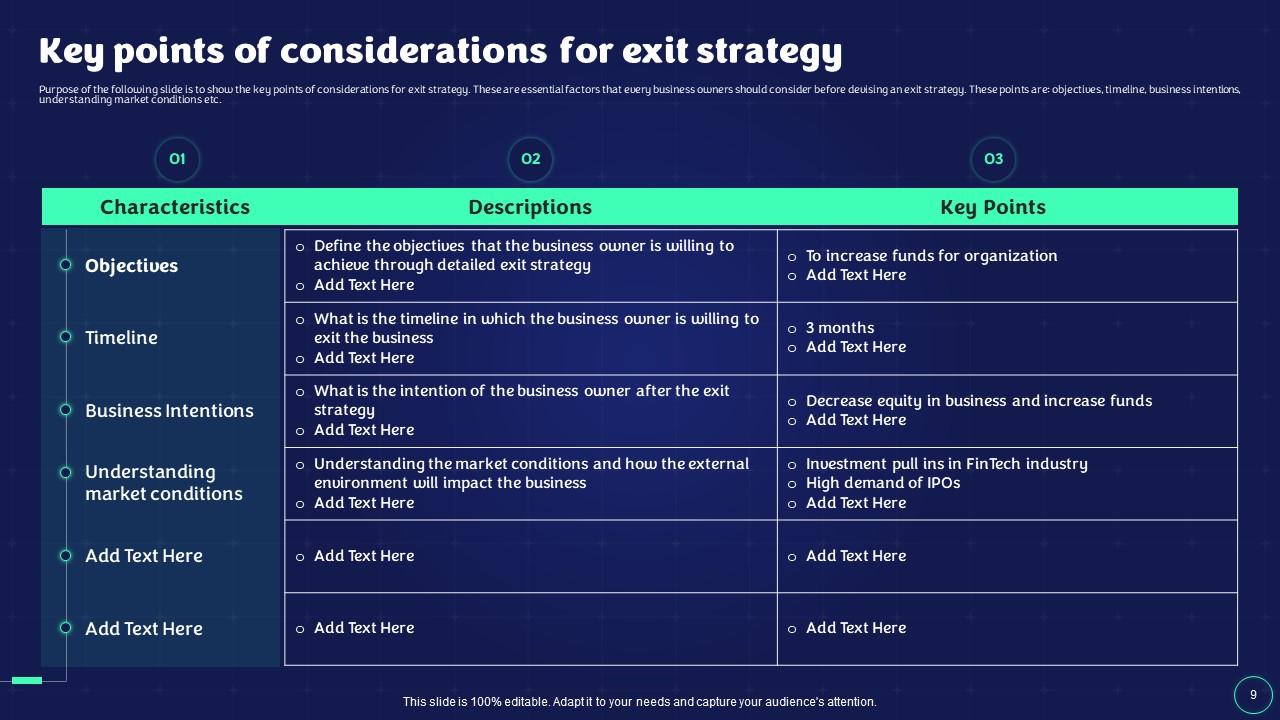
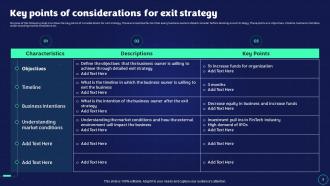
Slide 9: This slide shows Key points of considerations for exit strategy.
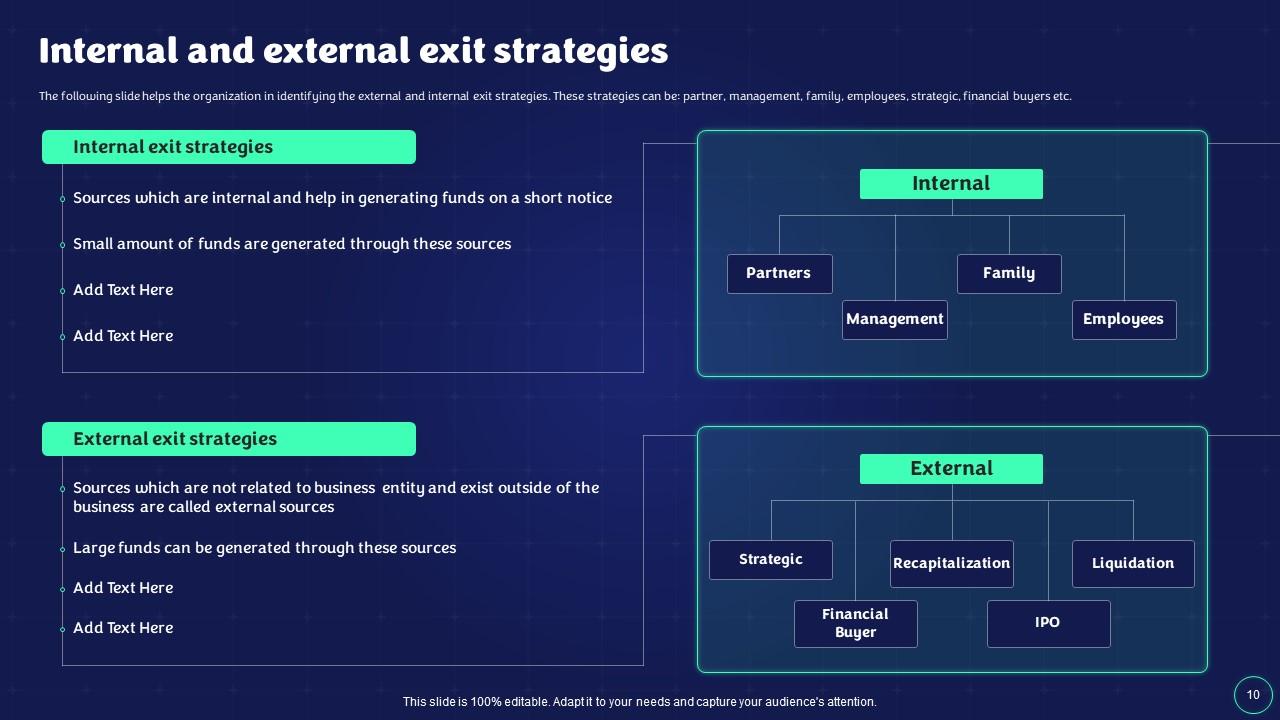
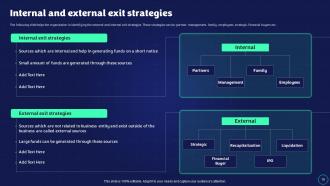
Slide 10: This slide presents Internal and external exit strategies.
Slide 11: This slide highlights title for topics that are to be covered next in the template.
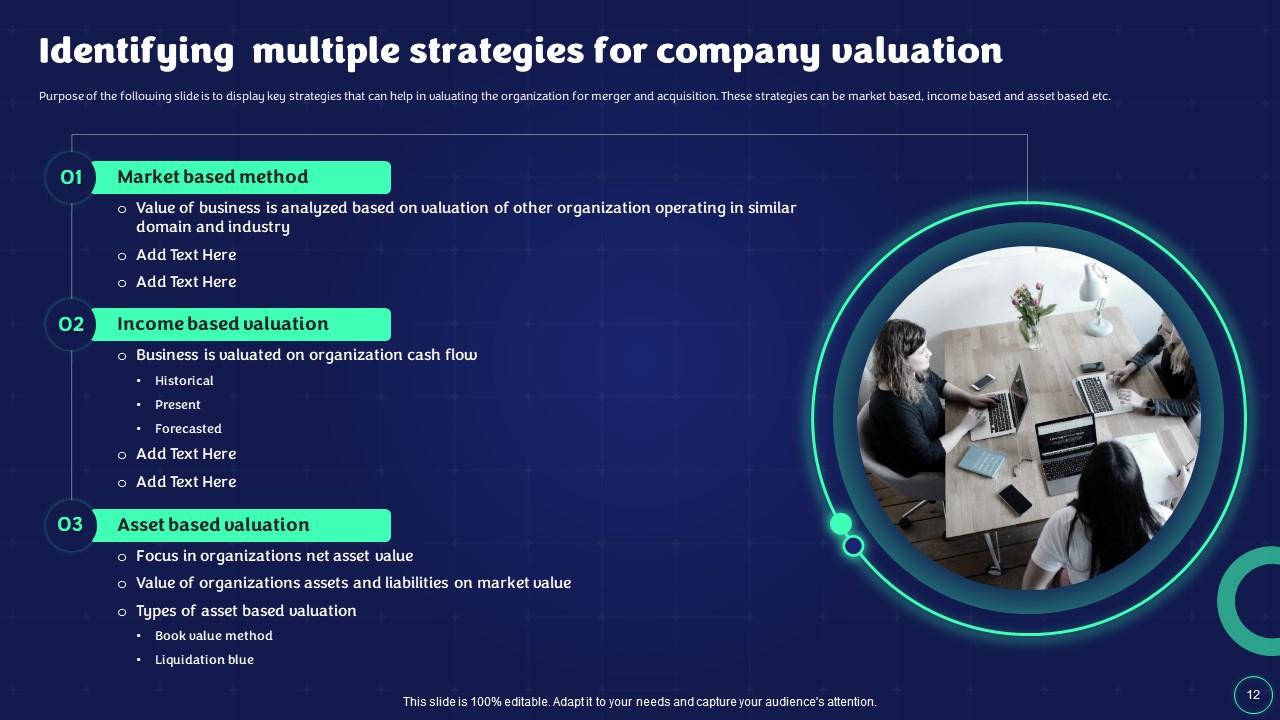
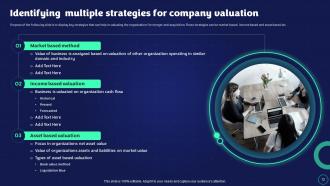
Slide 12: This slide displays Identifying multiple strategies for company valuation.
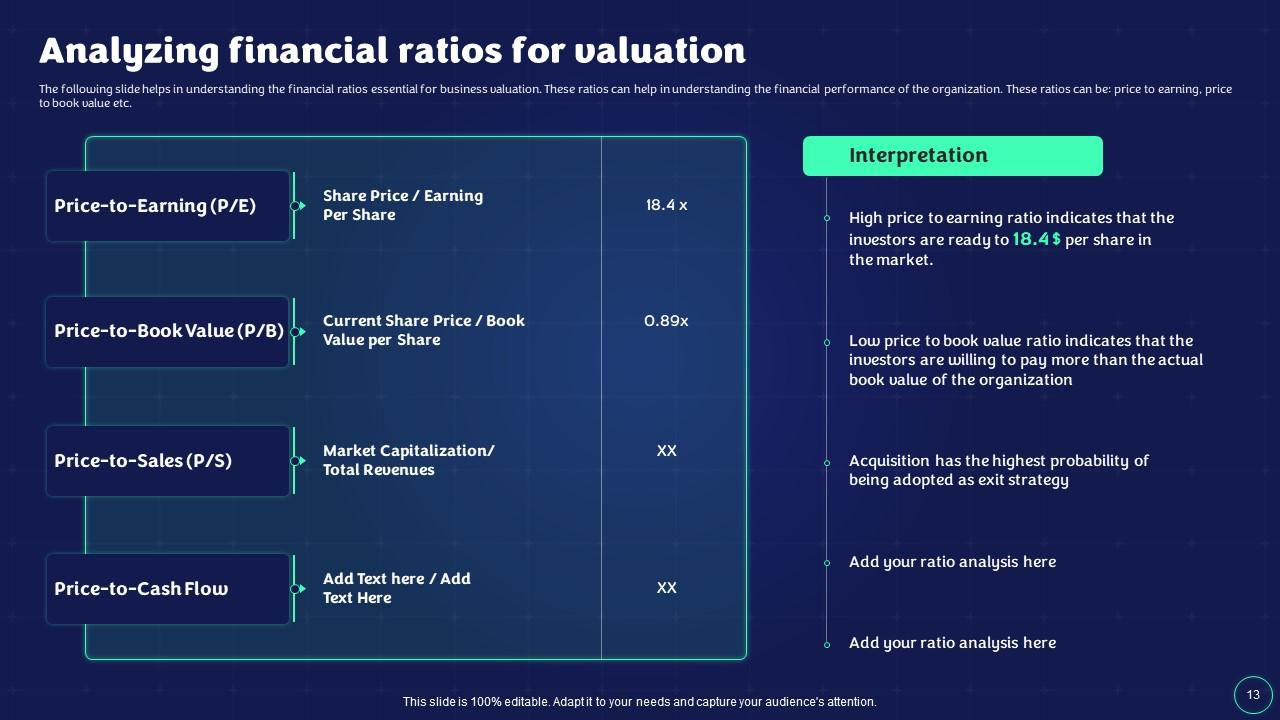
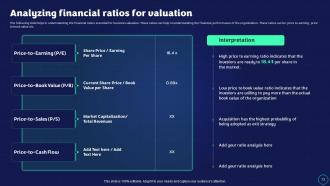
Slide 13: This slide represents Analyzing financial ratios for valuation.
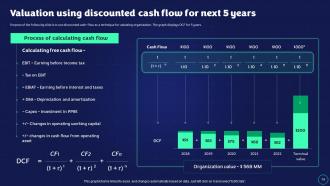
Slide 14: This slide showcases Valuation using discounted cash flow for next 5 years.
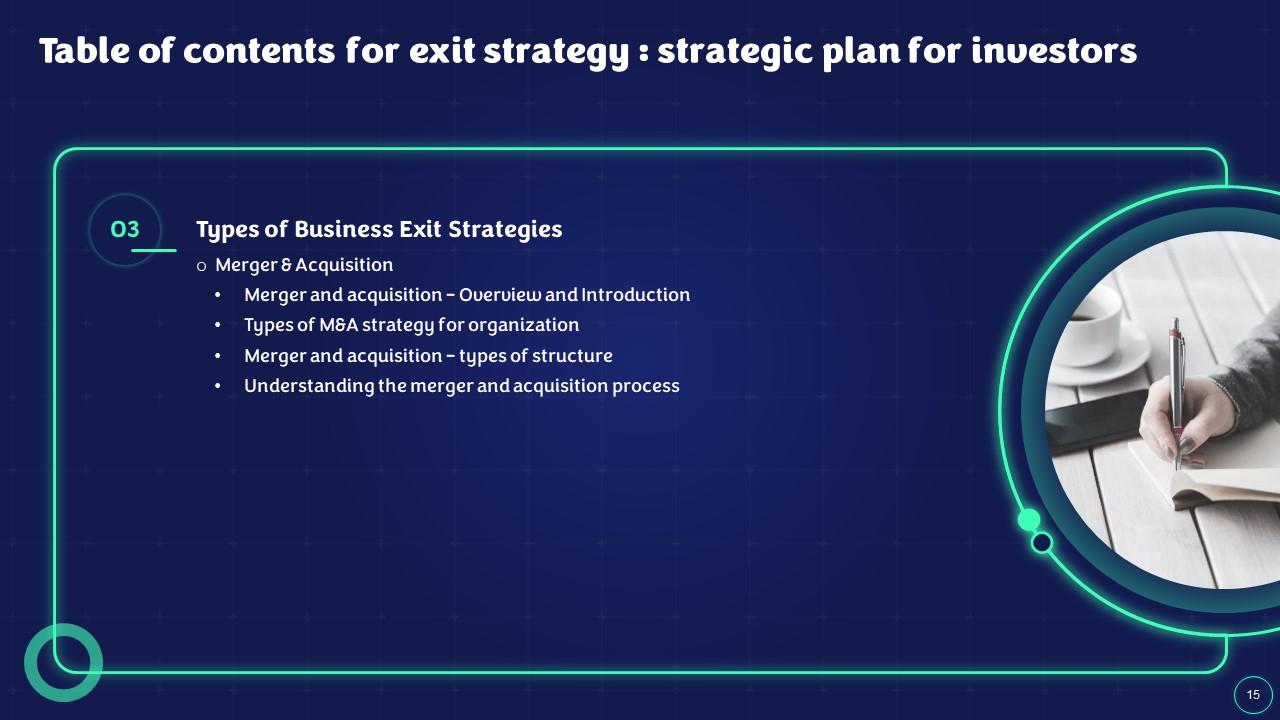
Slide 15: This slide highlights title for topics that are to be covered next in the template.
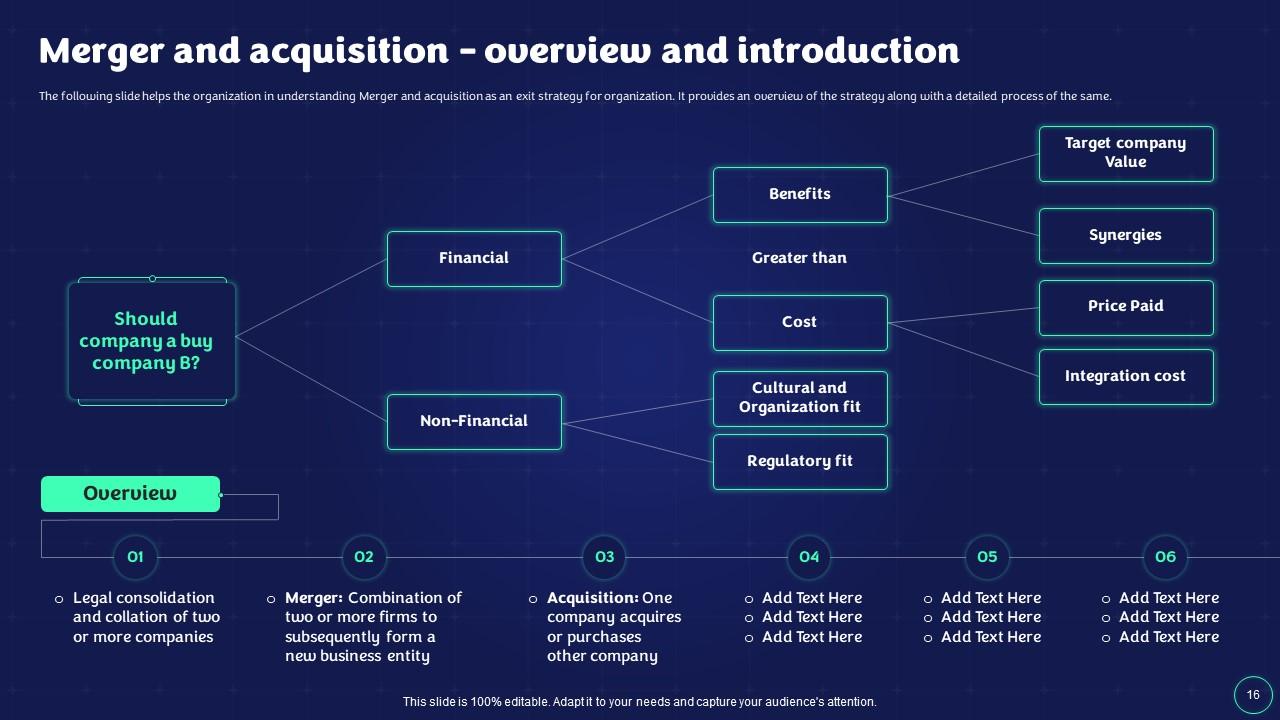
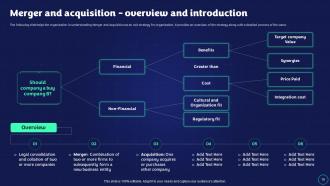
Slide 16: This slide helps the organization in understanding Merger and acquisition as an exit strategy.
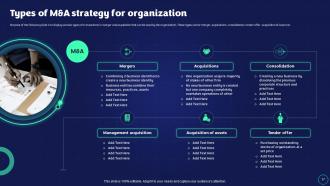
Slide 17: This slide shows Types of M&A strategy for organization.
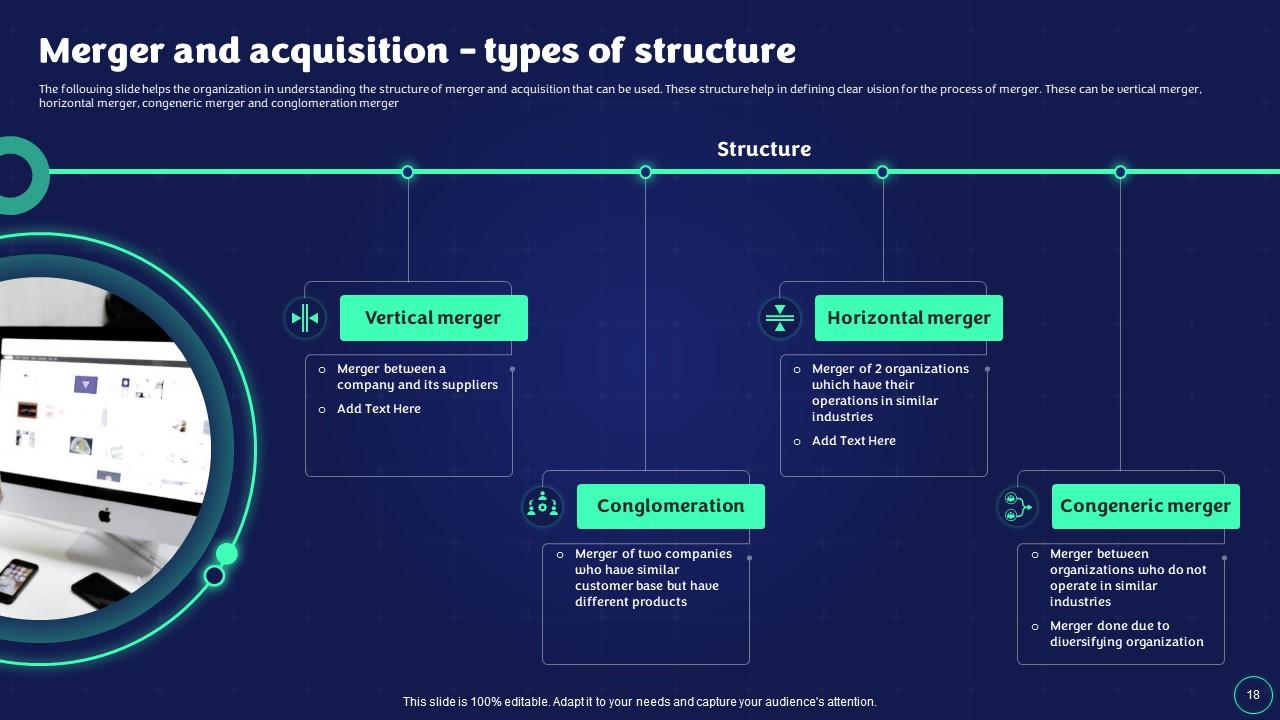
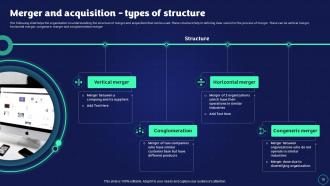
Slide 18: This slide presents Merger and acquisition – types of structure.
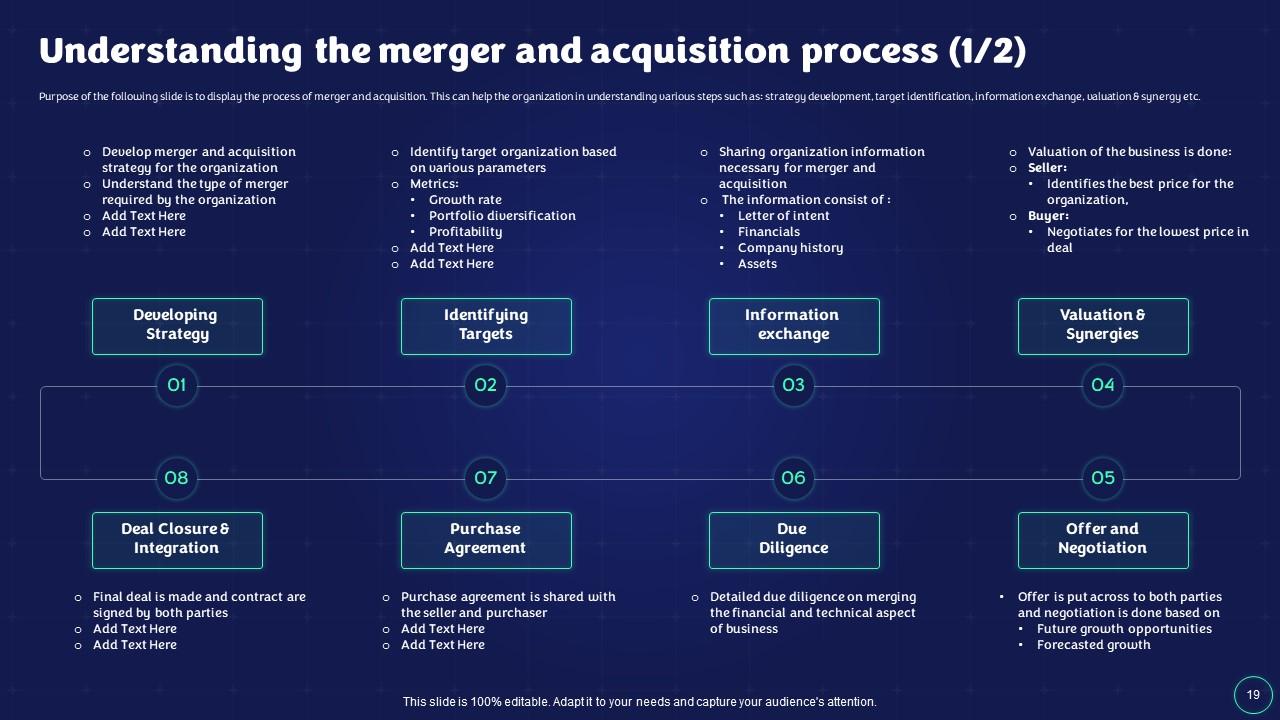
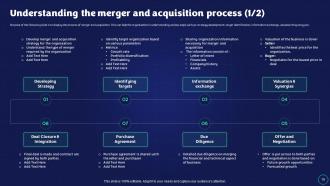
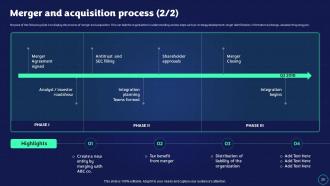
Slide 19: This slide displays Understanding the merger and acquisition process.
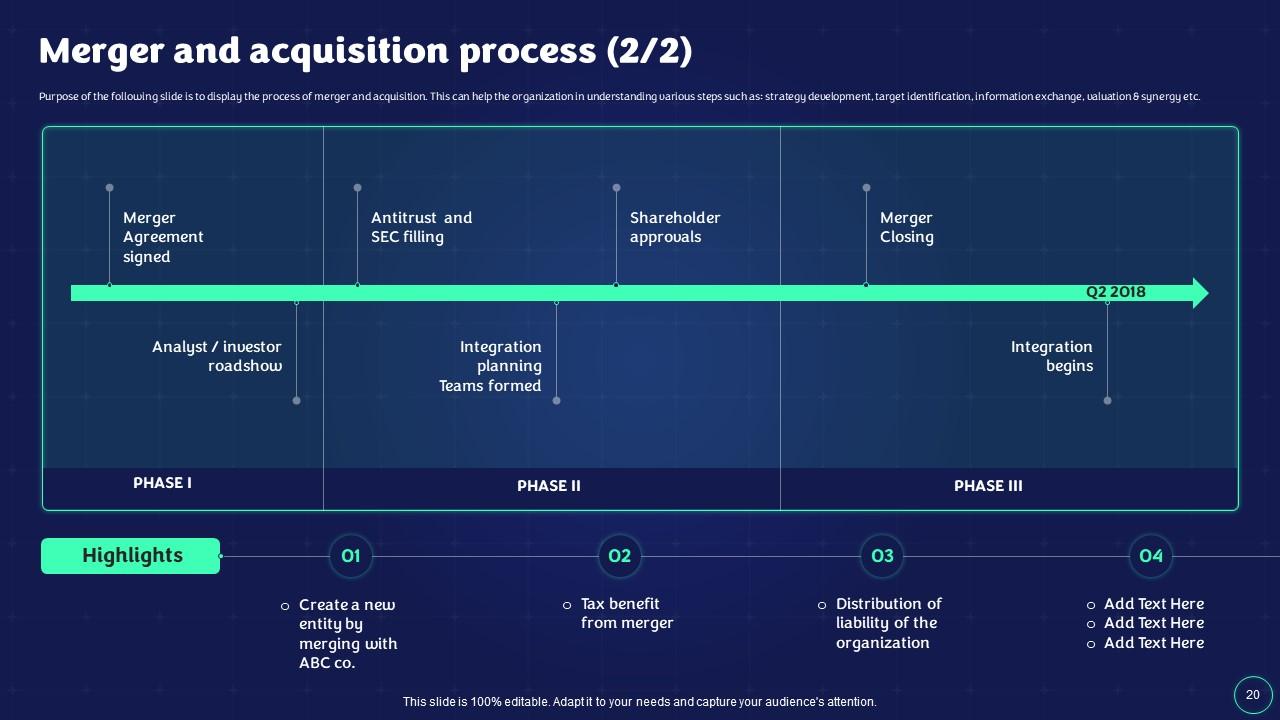
Slide 20: This is another slide continuing Merger and acquisition process.
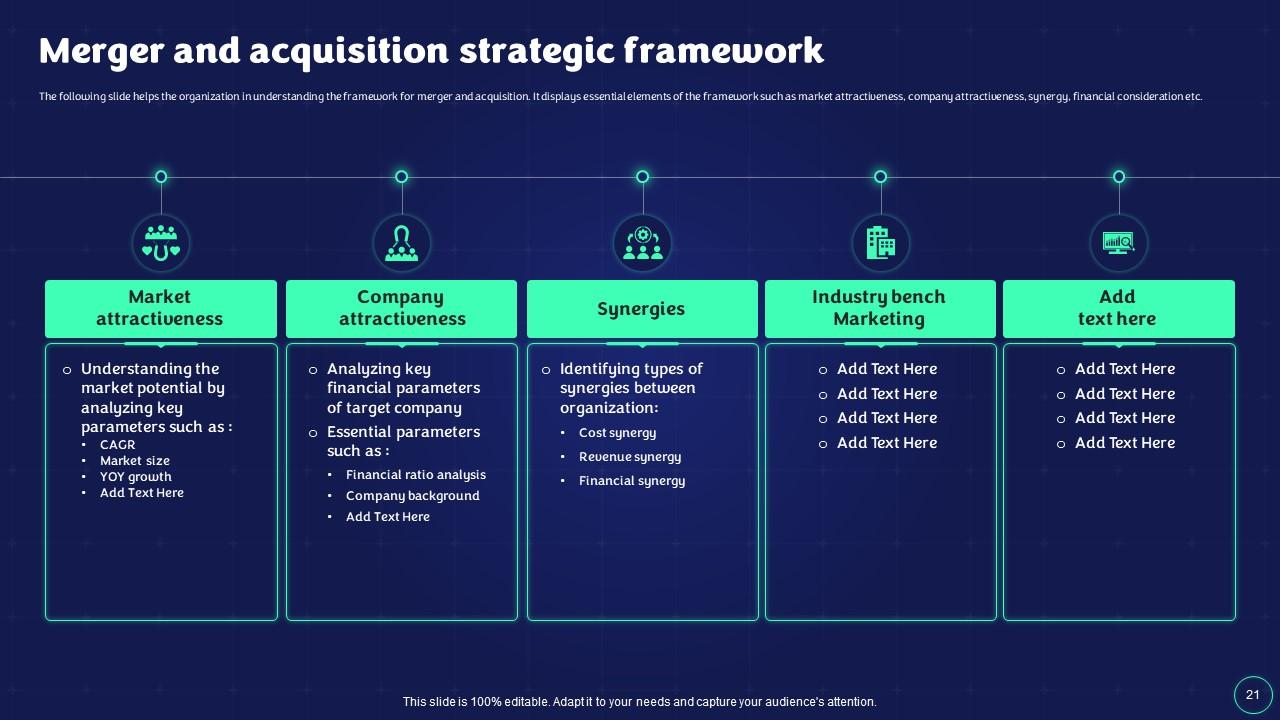
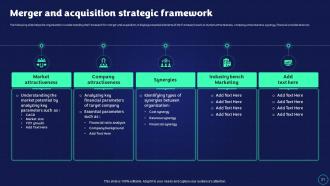
Slide 21: This slide represents Merger and acquisition strategic framework.
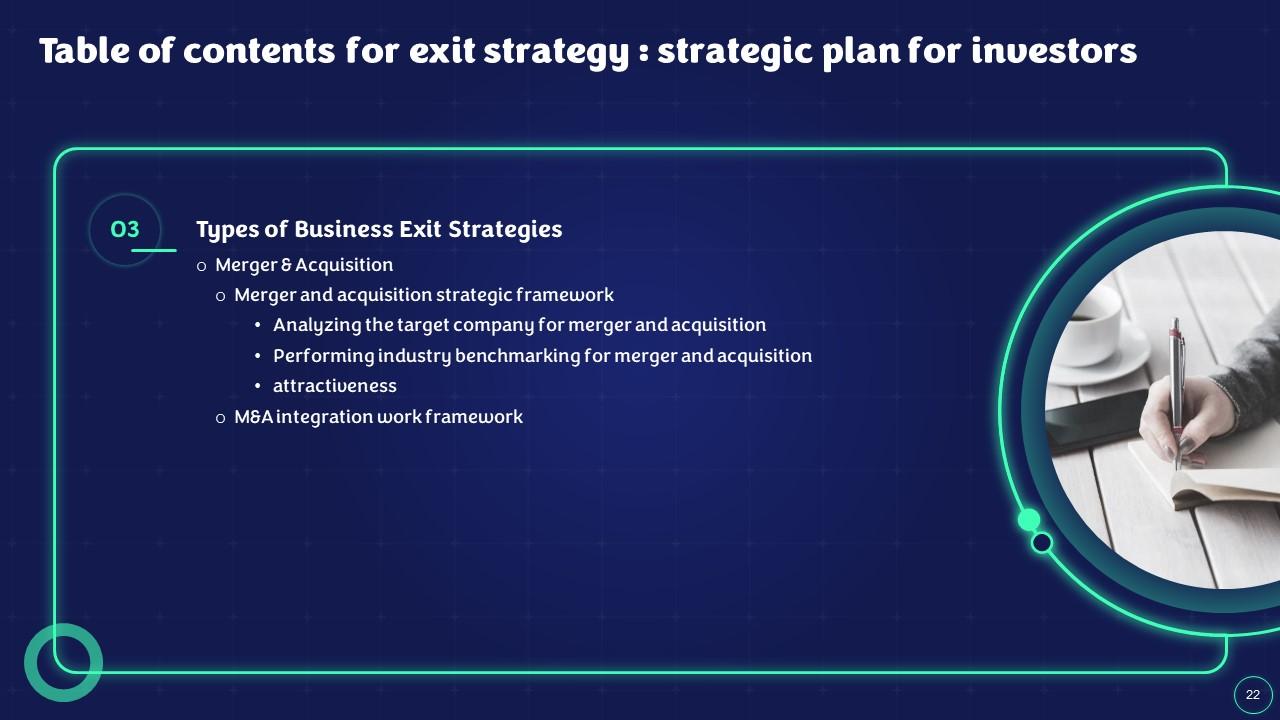
Slide 22: This slide highlights title for topics that are to be covered next in the template.
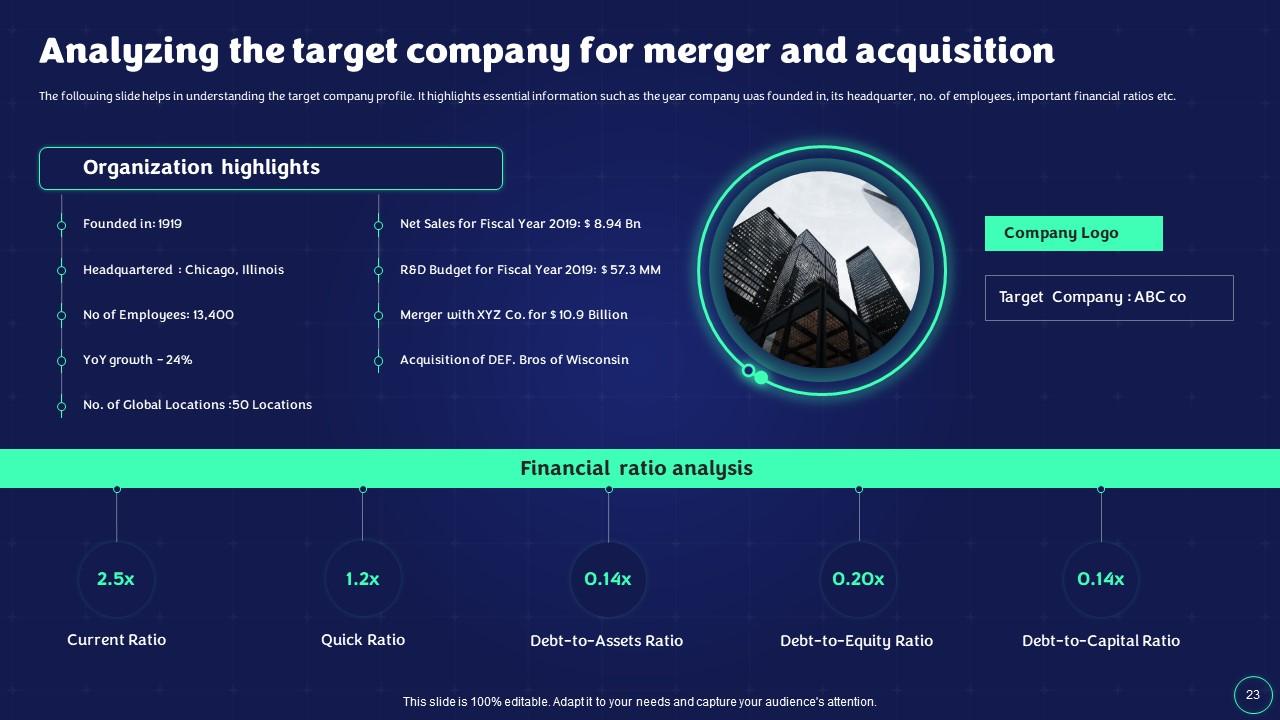
Slide 23: This slide showcases Financial ratio analysis.
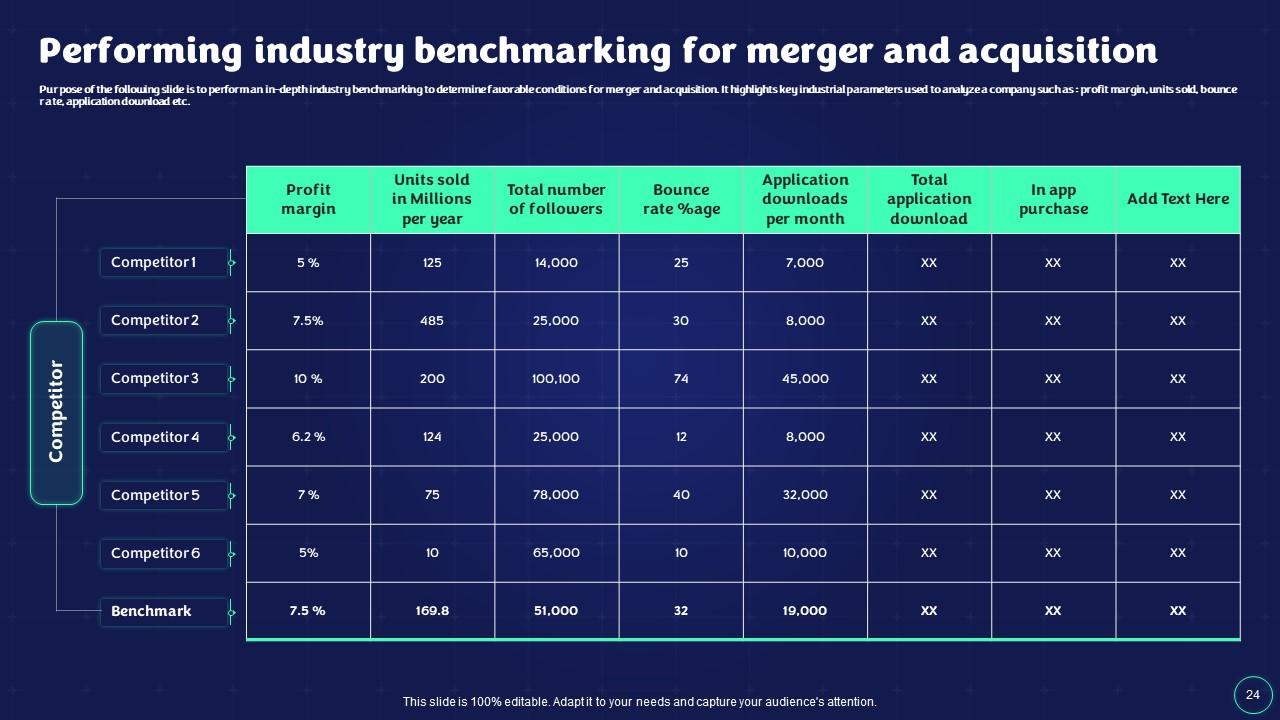
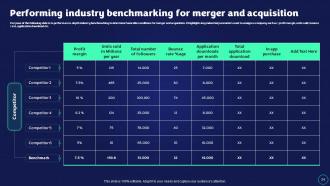
Slide 24: This slide shows Performing industry benchmarking for merger and acquisition.
Slide 25: This slide presents Market attractiveness analysis for merger and acquisition.
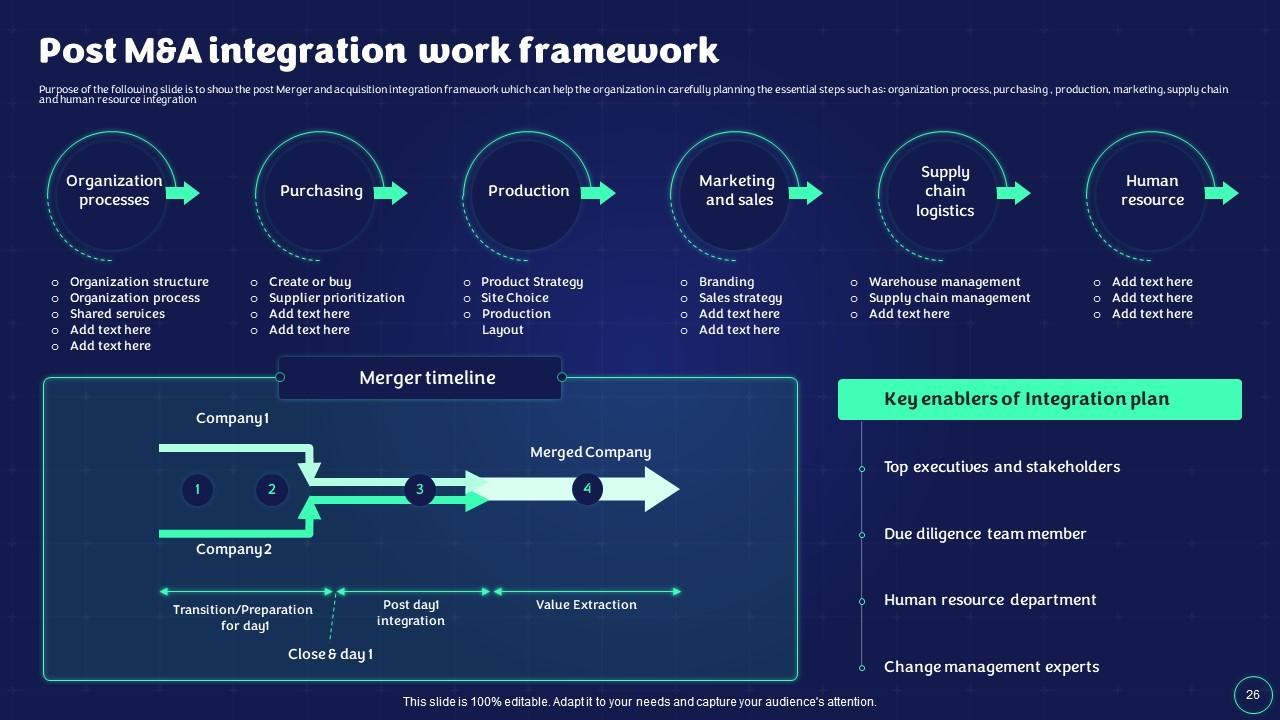
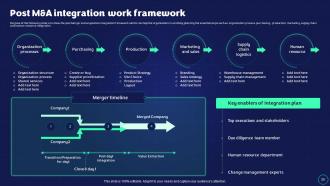
Slide 26: This slide displays Post M&A integration work framework.
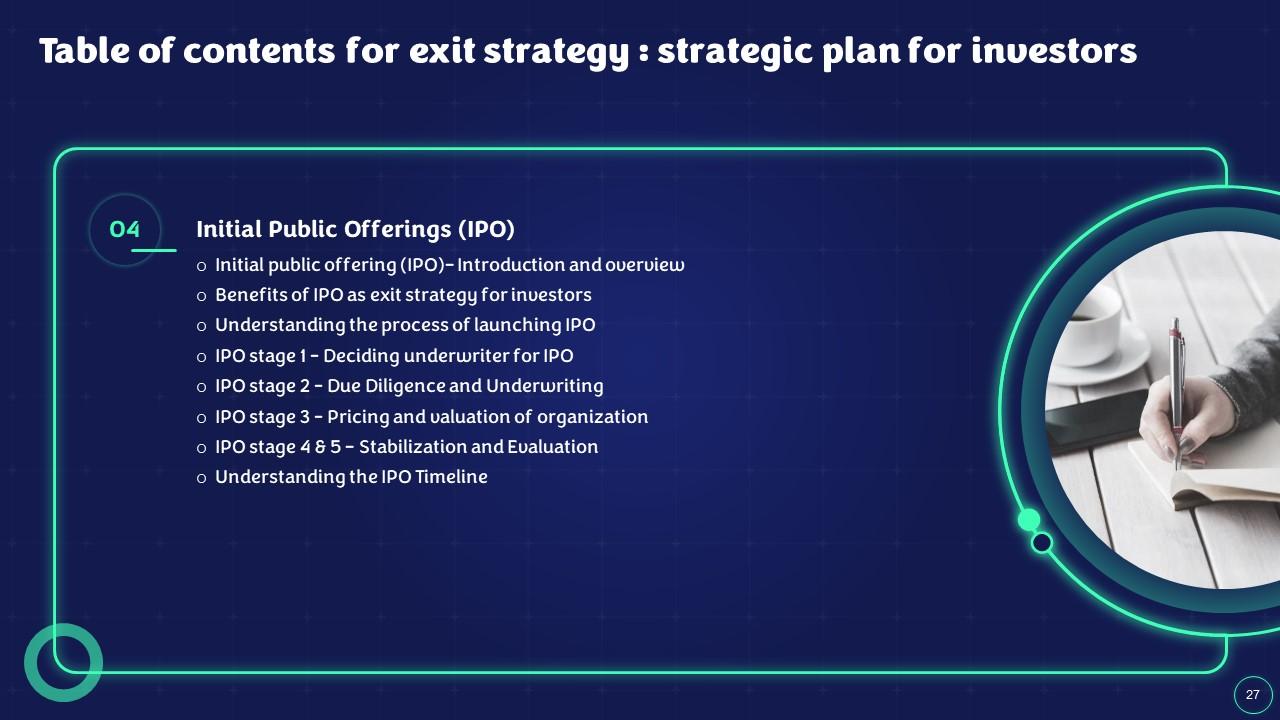
Slide 27: This slide highlights title for topics that are to be covered next in the template.
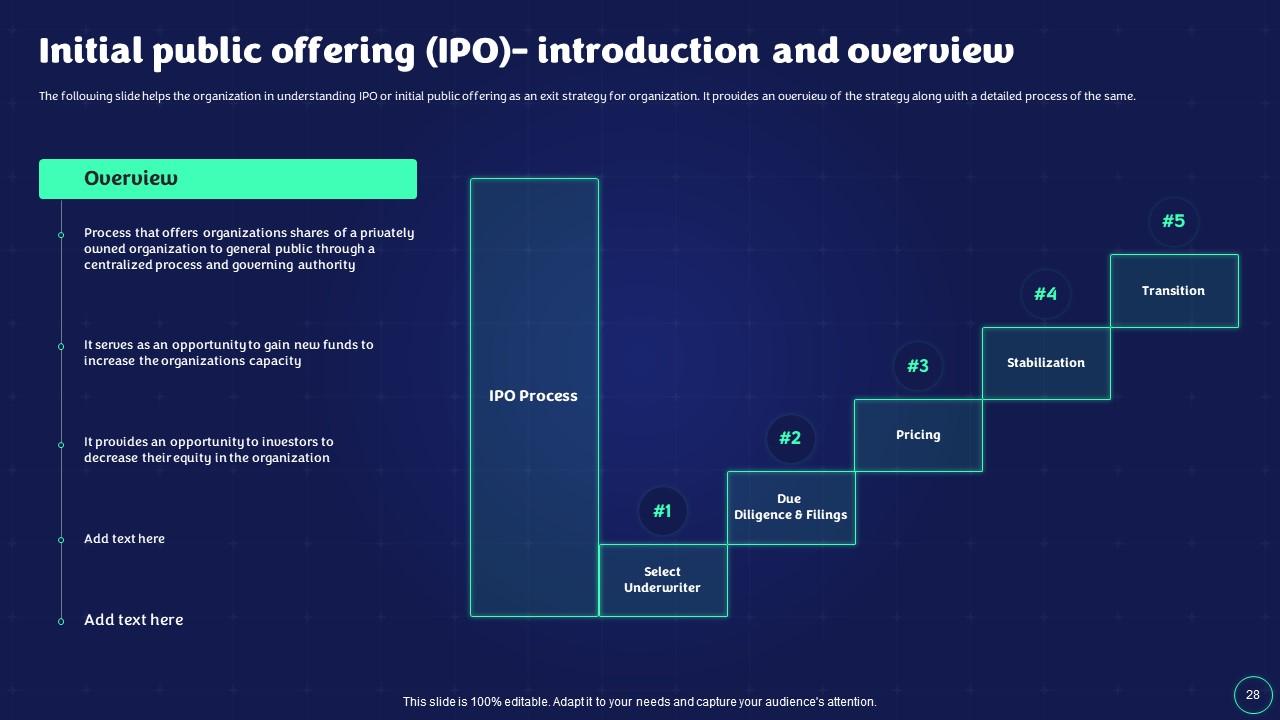
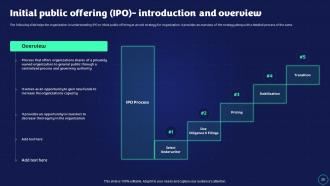
Slide 28: This slide represents Initial public offering (IPO)– introduction and overview.
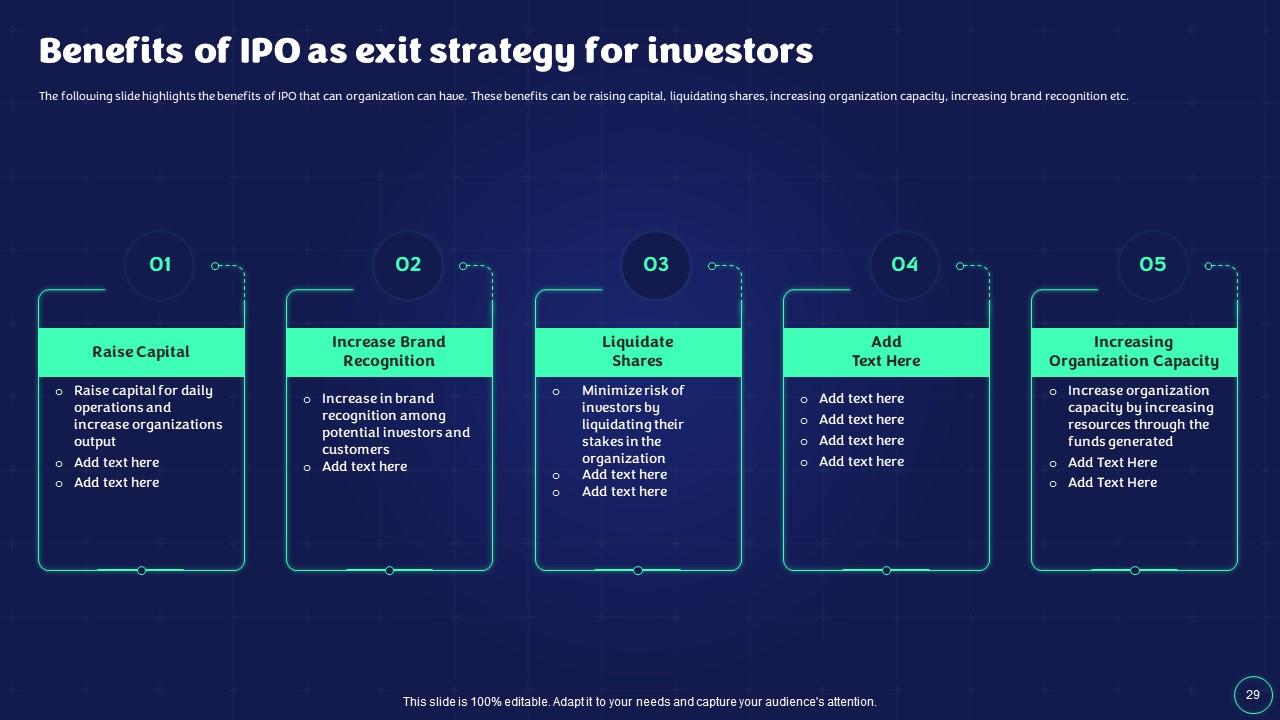
Slide 29: This slide showcases Benefits of IPO as exit strategy for investors.
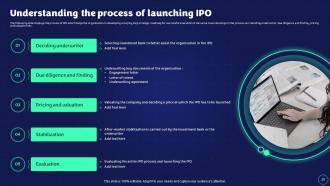
Slide 30: This slide shows Understanding the process of launching IPO.
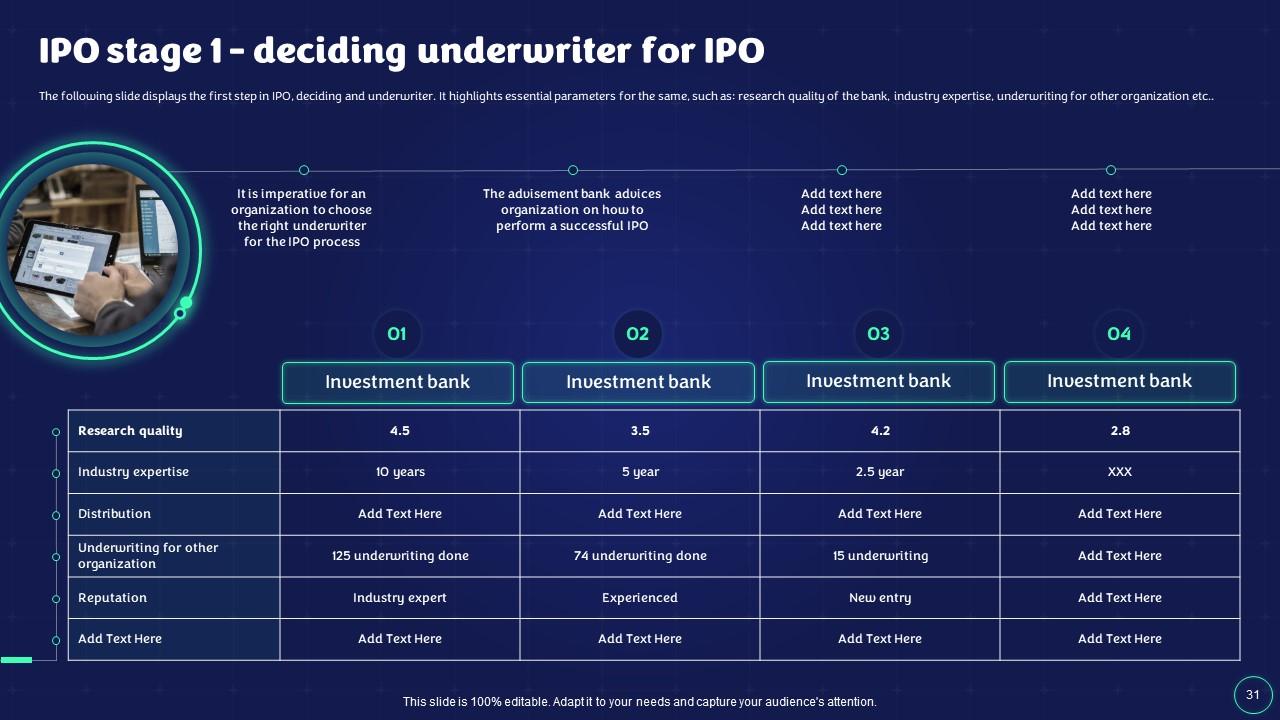
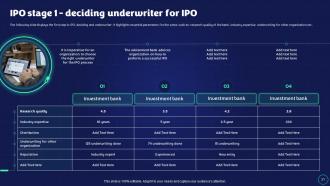
Slide 31: The following slide displays the first step in IPO, deciding and underwriter.
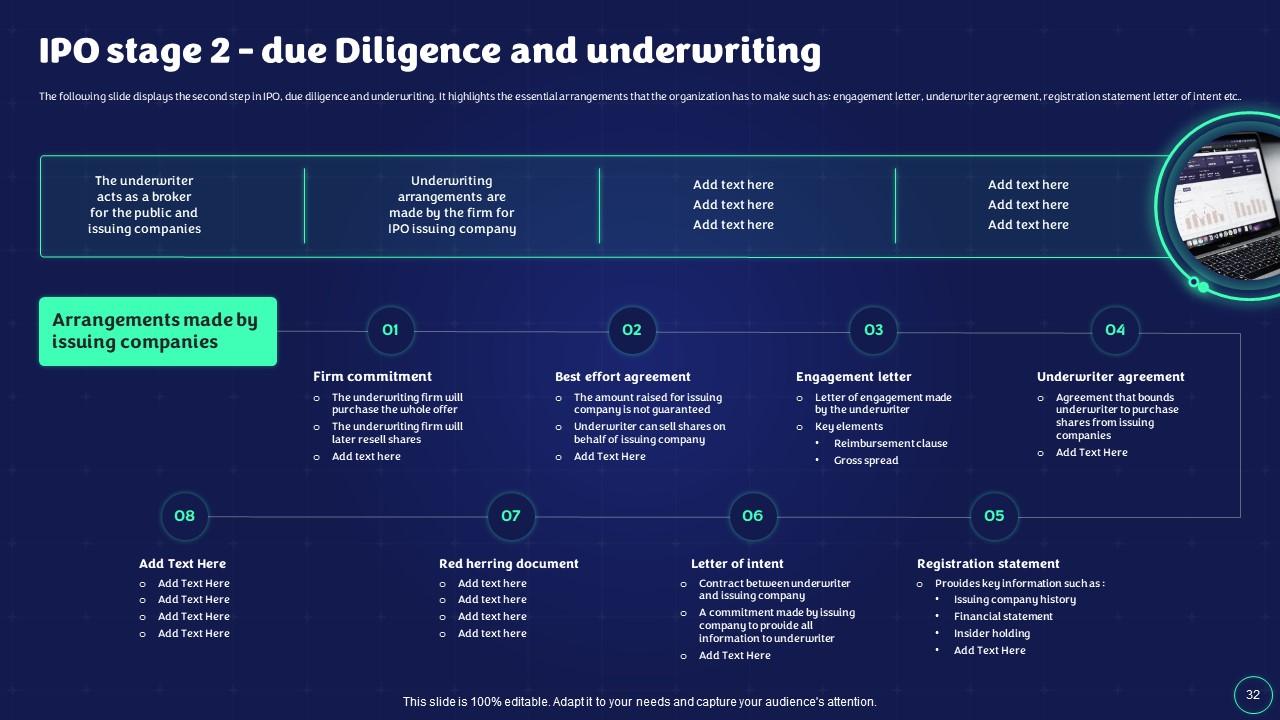
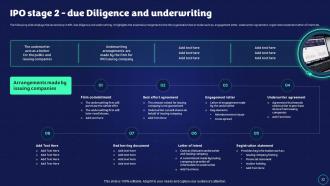
Slide 32: This slide represents second step in IPO, due diligence and underwriting.
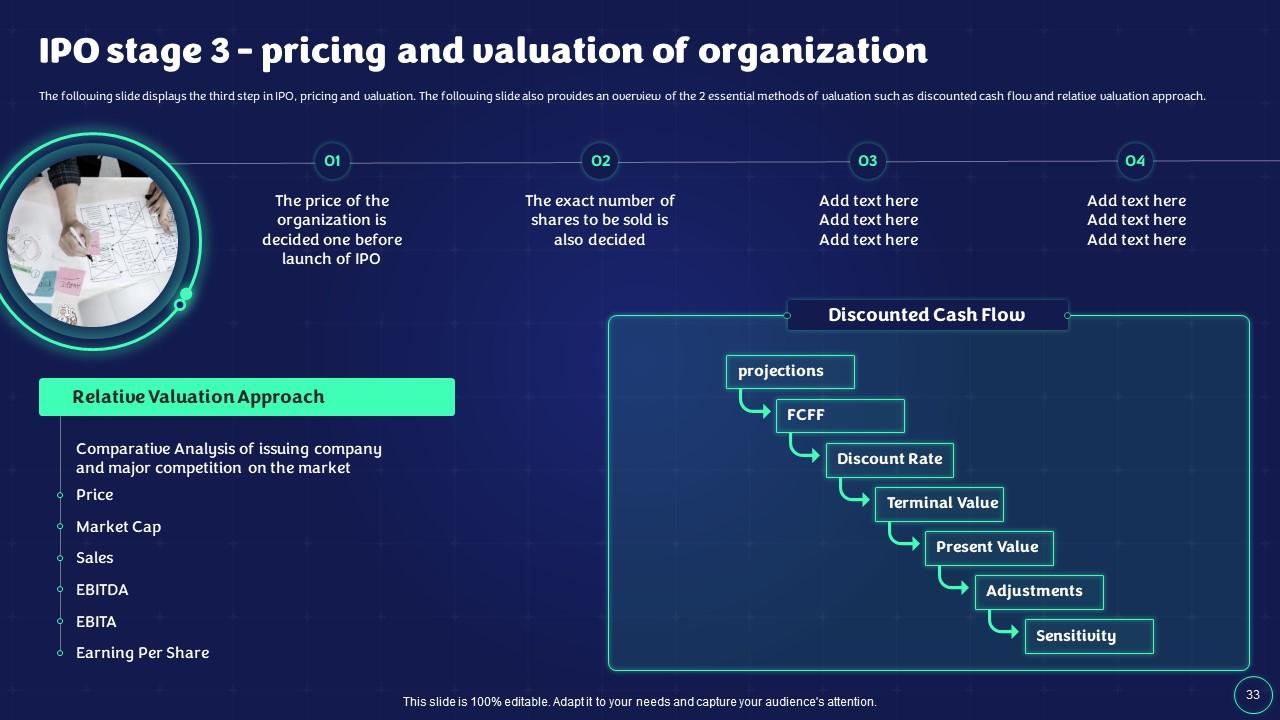
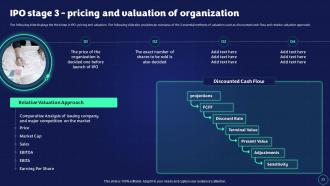
Slide 33: This slide showcases third step in IPO, pricing and valuation.
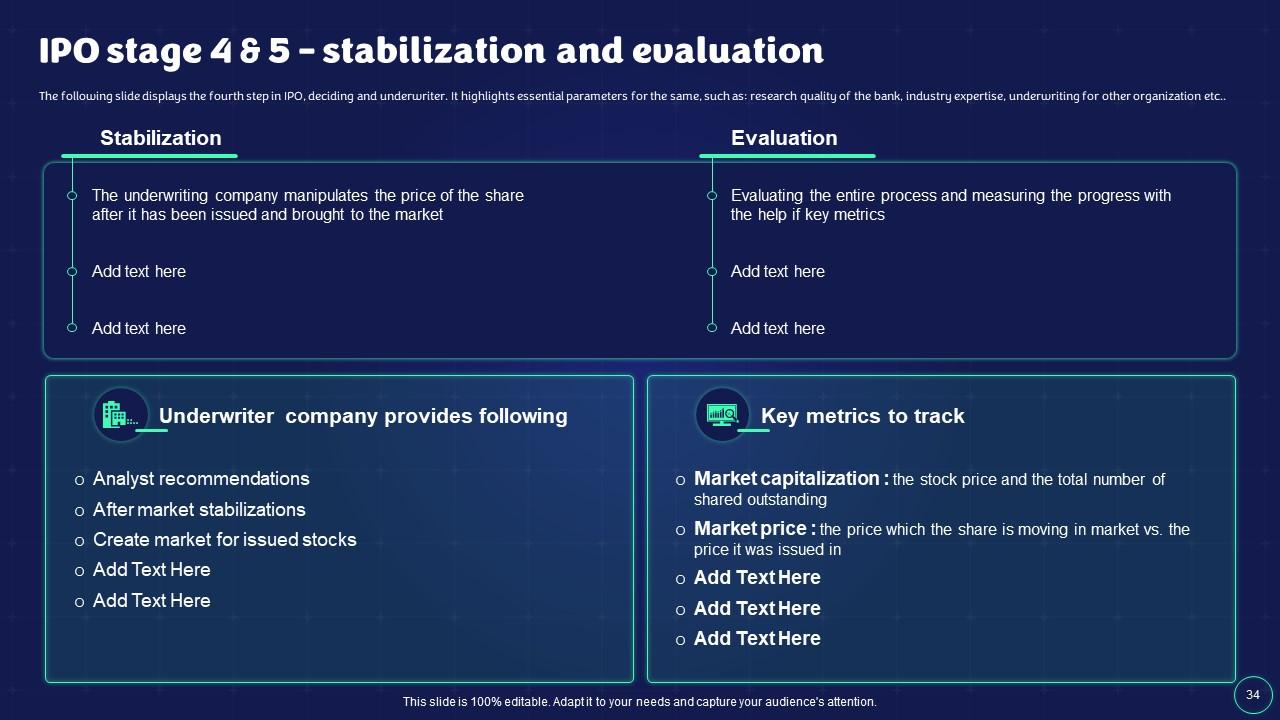
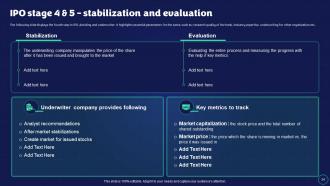
Slide 34: This slide shows IPO stage 4 & 5 – stabilization and evaluation.
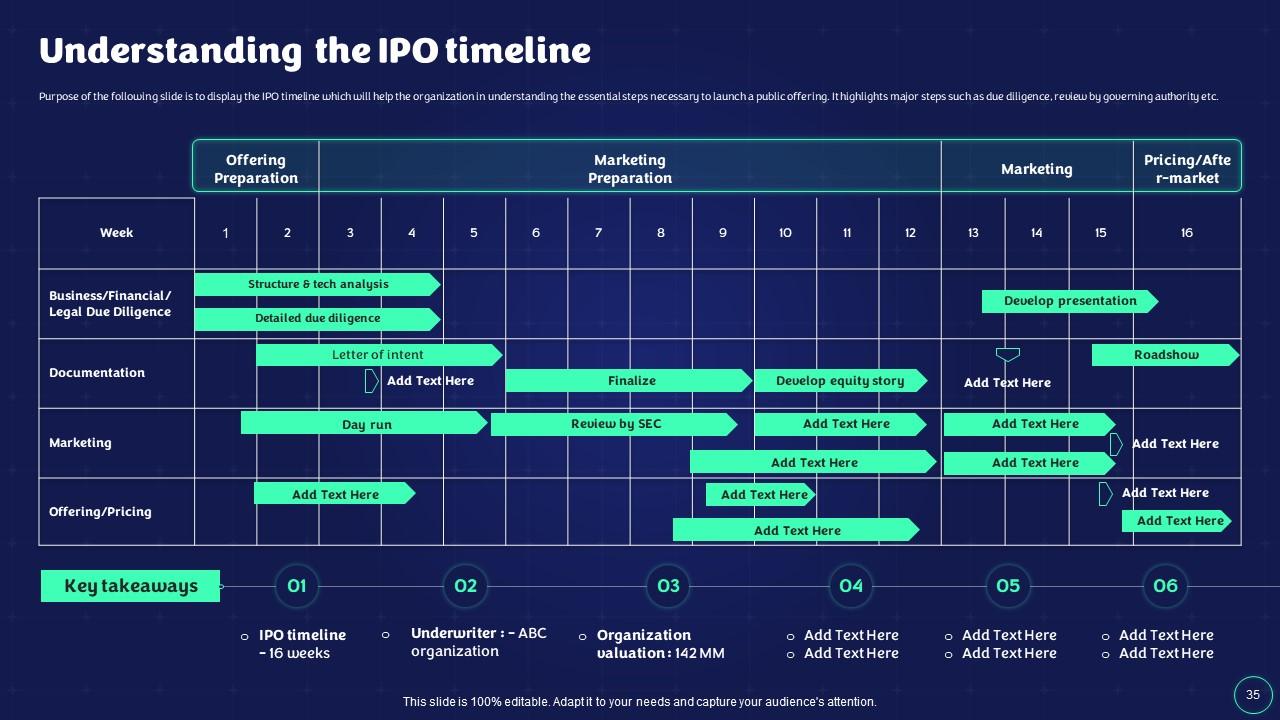
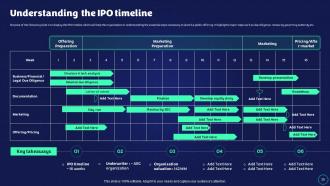
Slide 35: This slide presents Understanding the IPO timeline.
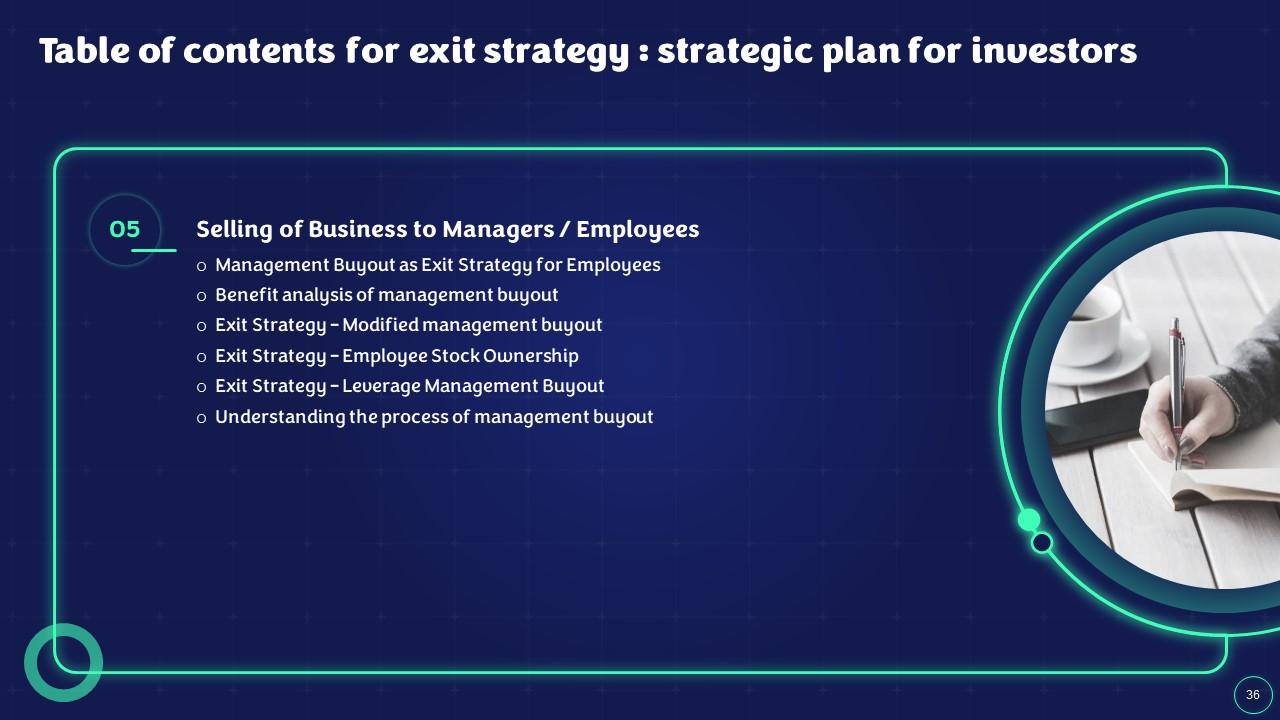
Slide 36: This slide highlights title for topics that are to be covered next in the template.
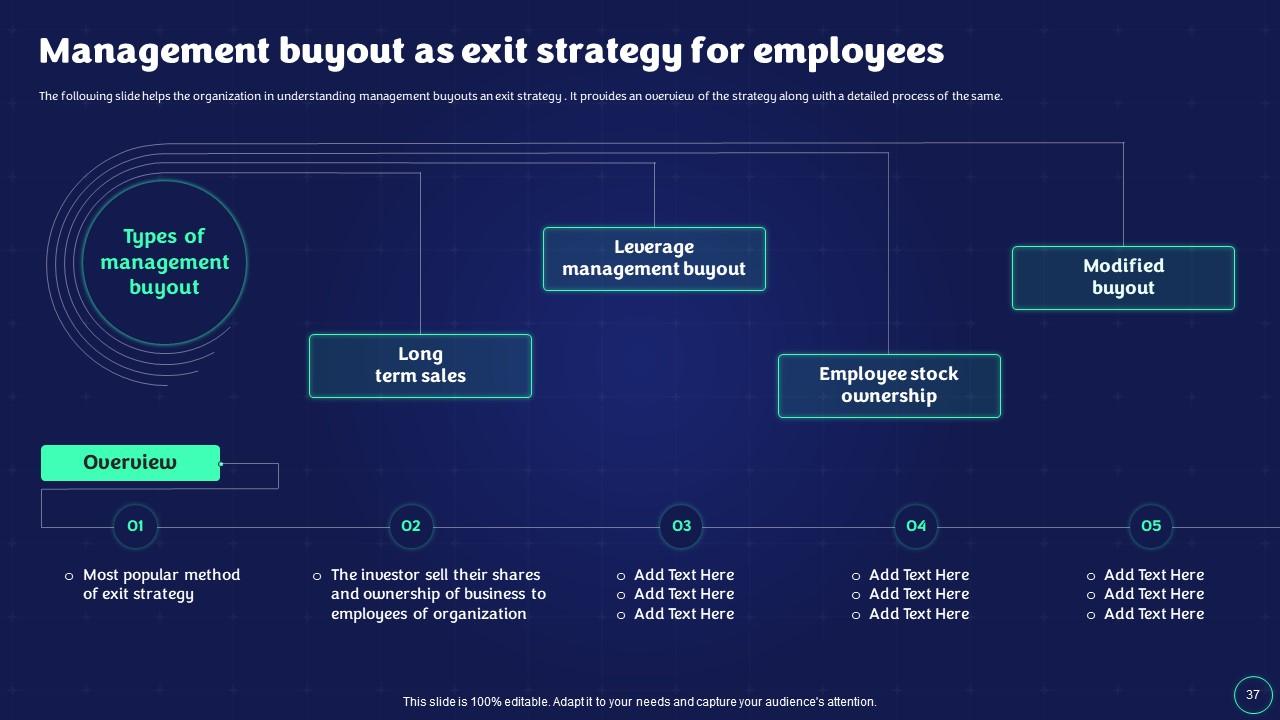
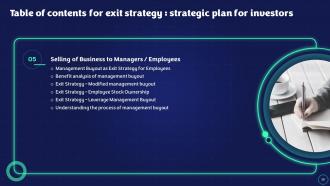
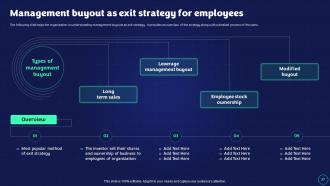
Slide 37: This slide displays Management buyout as exit strategy for employees.
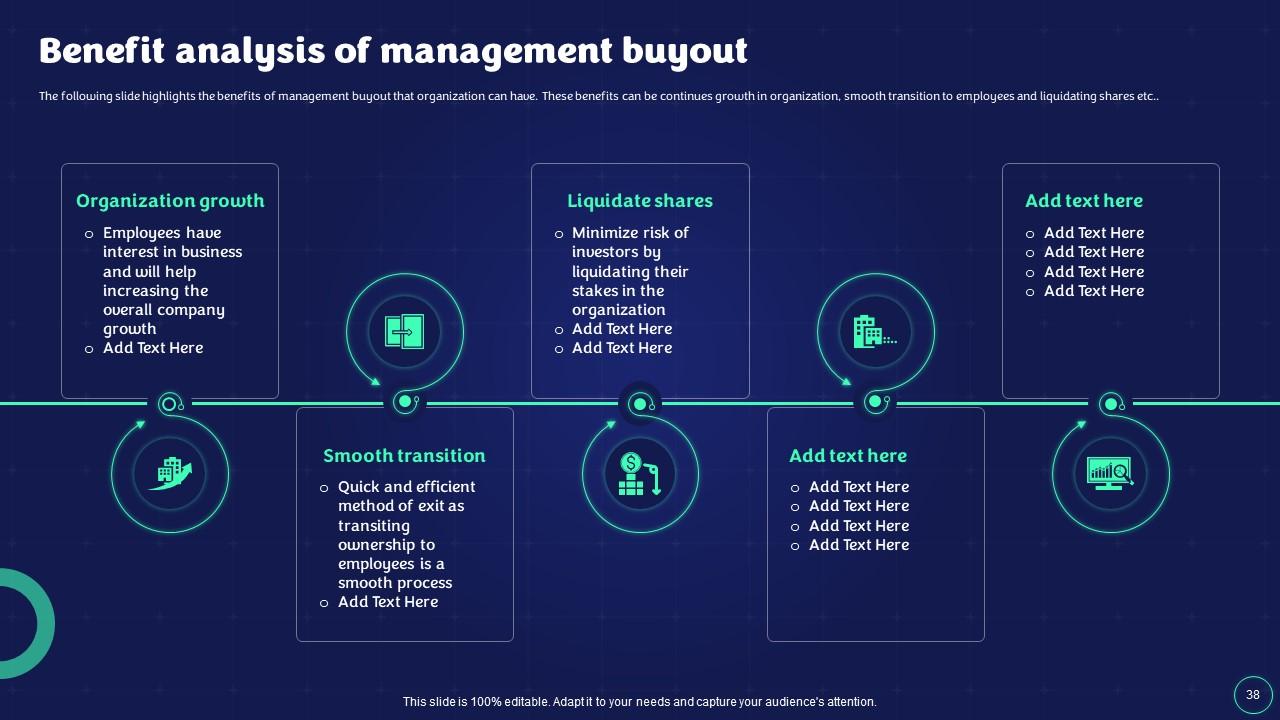
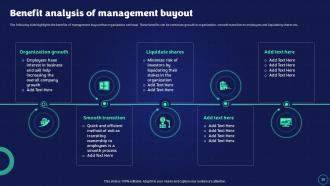
Slide 38: This slide represents Benefit analysis of management buyout.
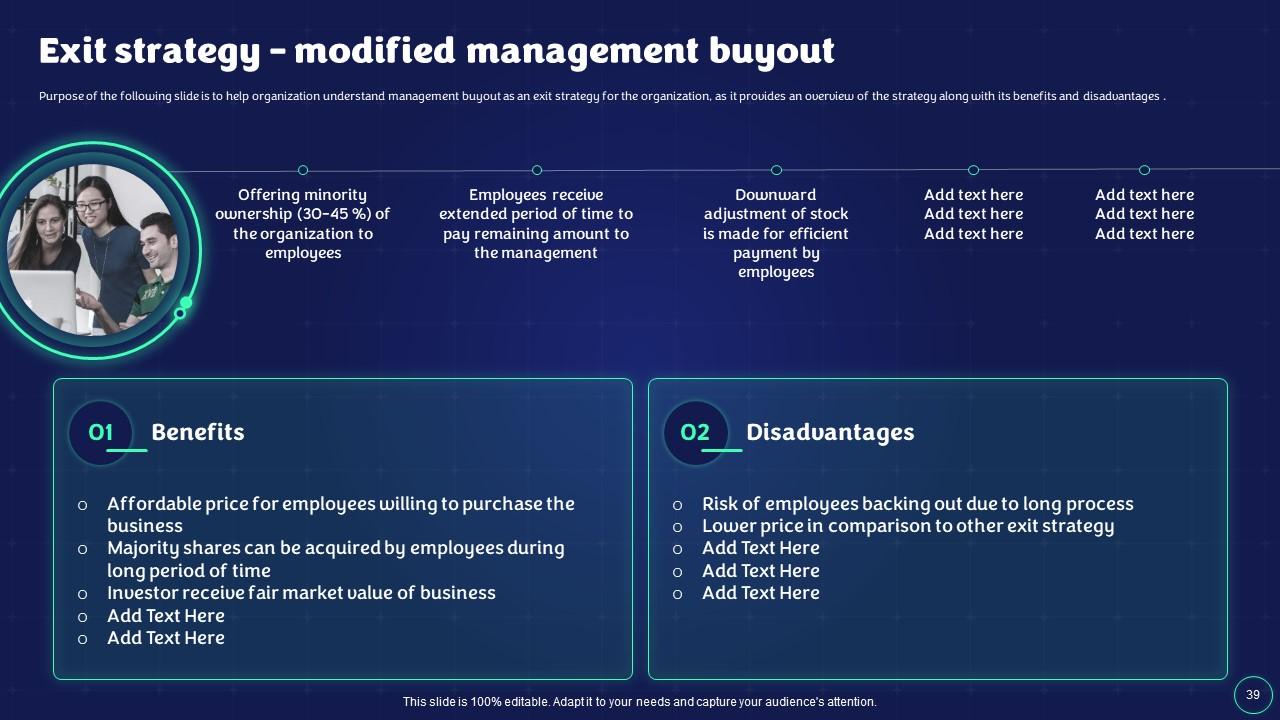
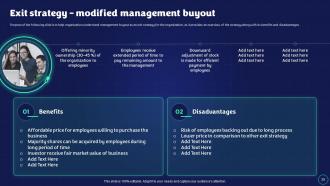
Slide 39: This slide help organization understand management buyout as an exit strategy.
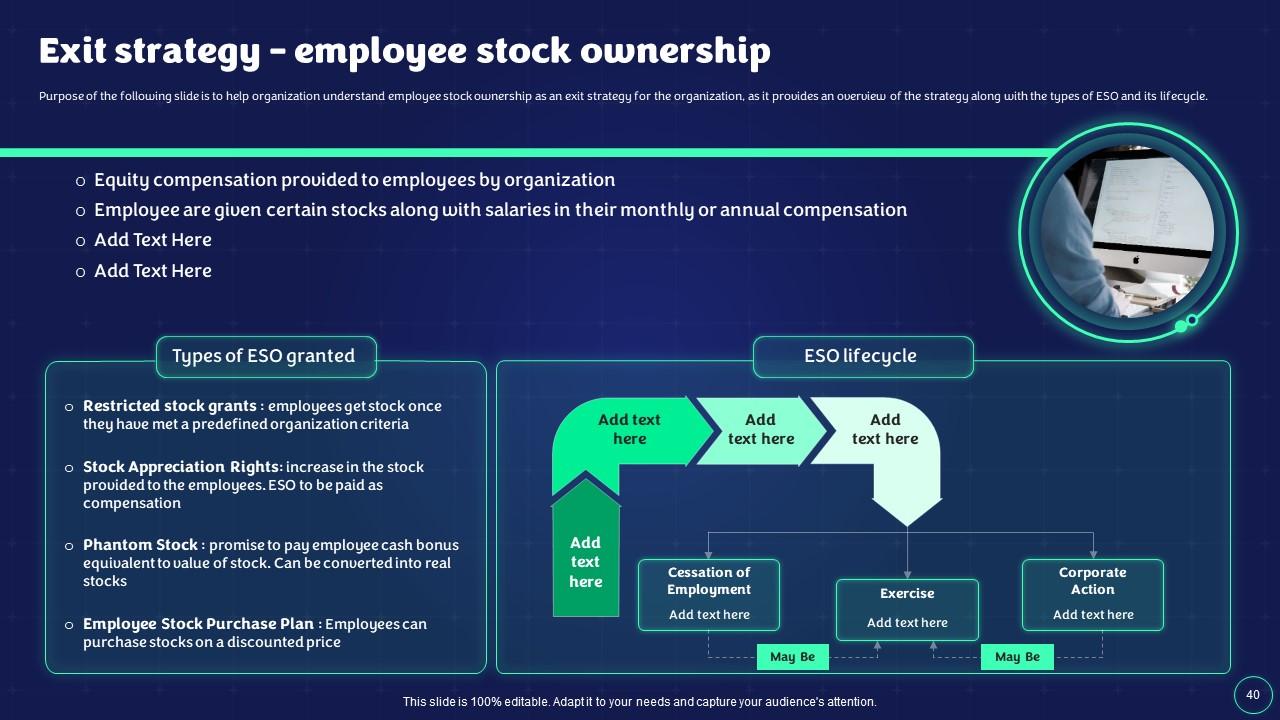
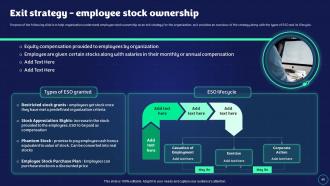
Slide 40: This slide help organization understand employee stock ownership as an exit strategy.
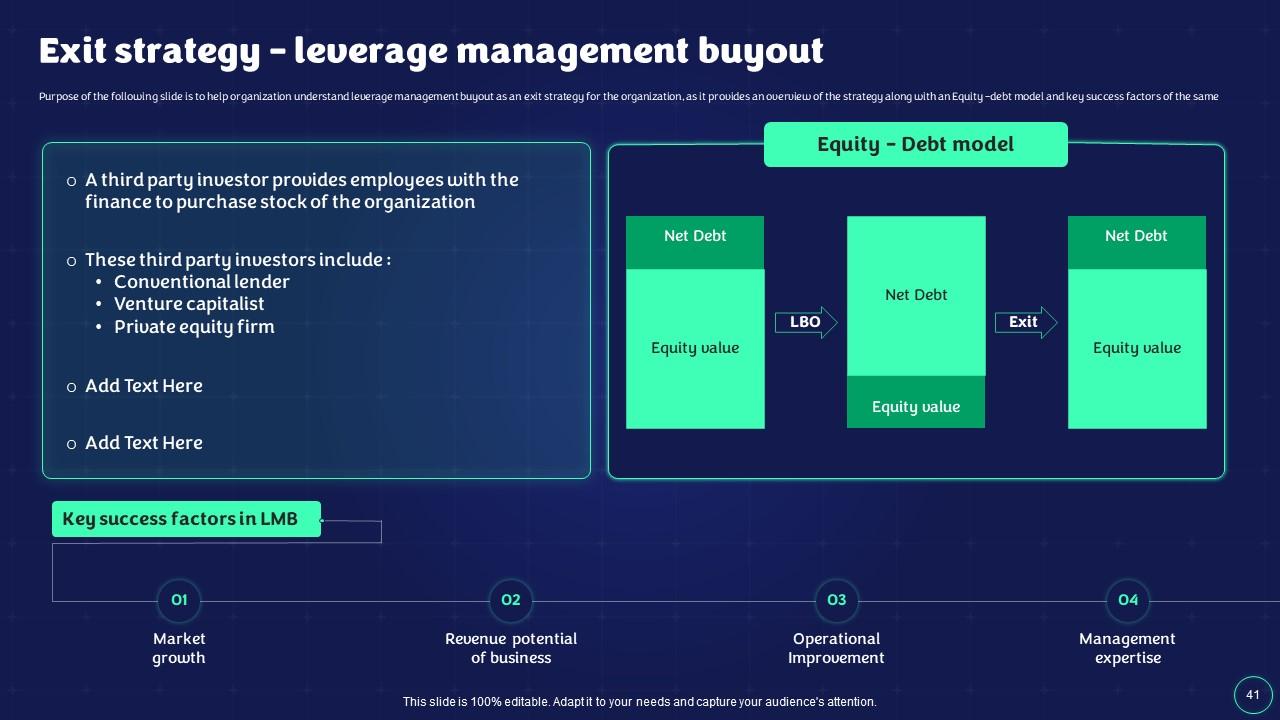
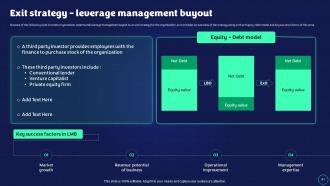
Slide 41: This slide help organization understand leverage management buyout as an exit strategy.
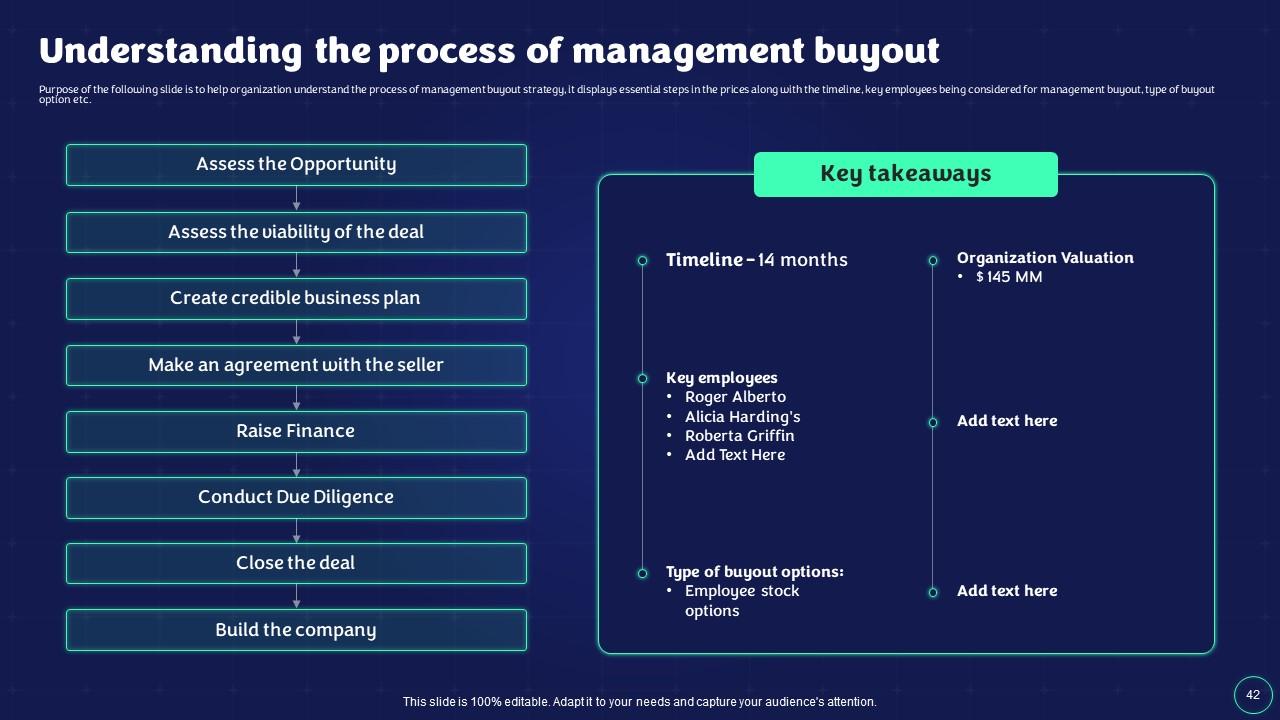
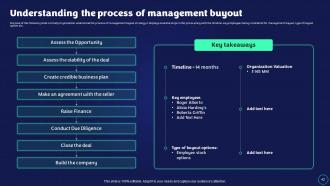
Slide 42: This slide presents Understanding the process of management buyout.
Slide 43: This slide highlights title for topics that are to be covered next in the template.
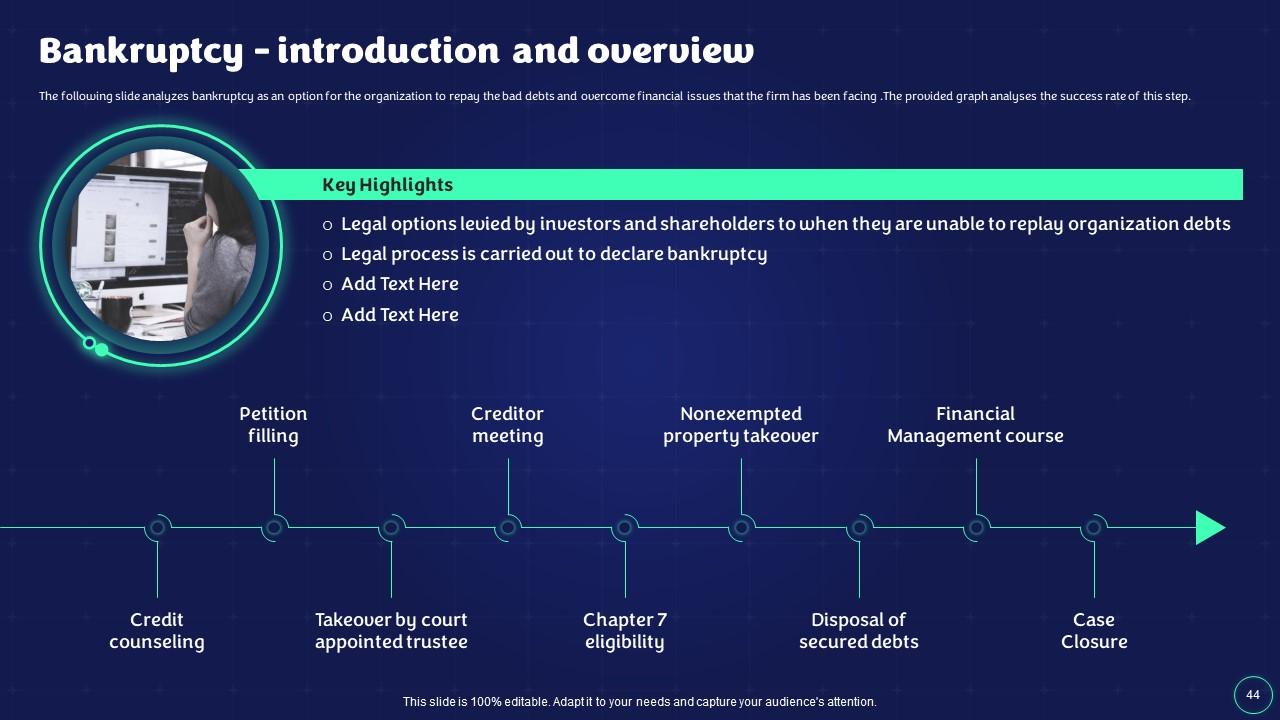
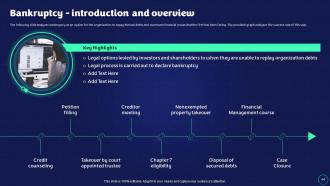
Slide 44: The following slide analyzes bankruptcy as an option for the organization to repay the bad debts.
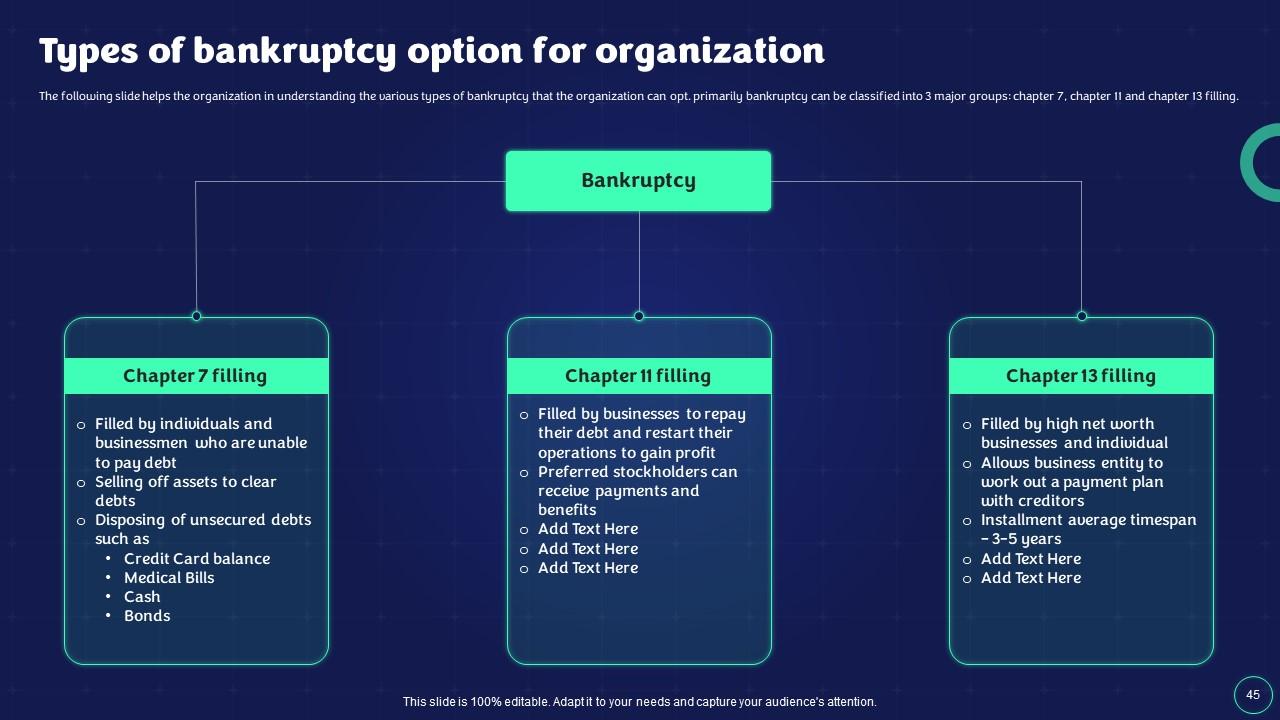
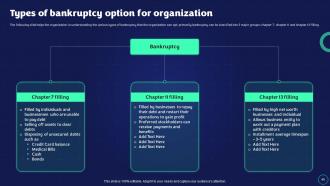
Slide 45: This slide displays Types of bankruptcy option for organization.
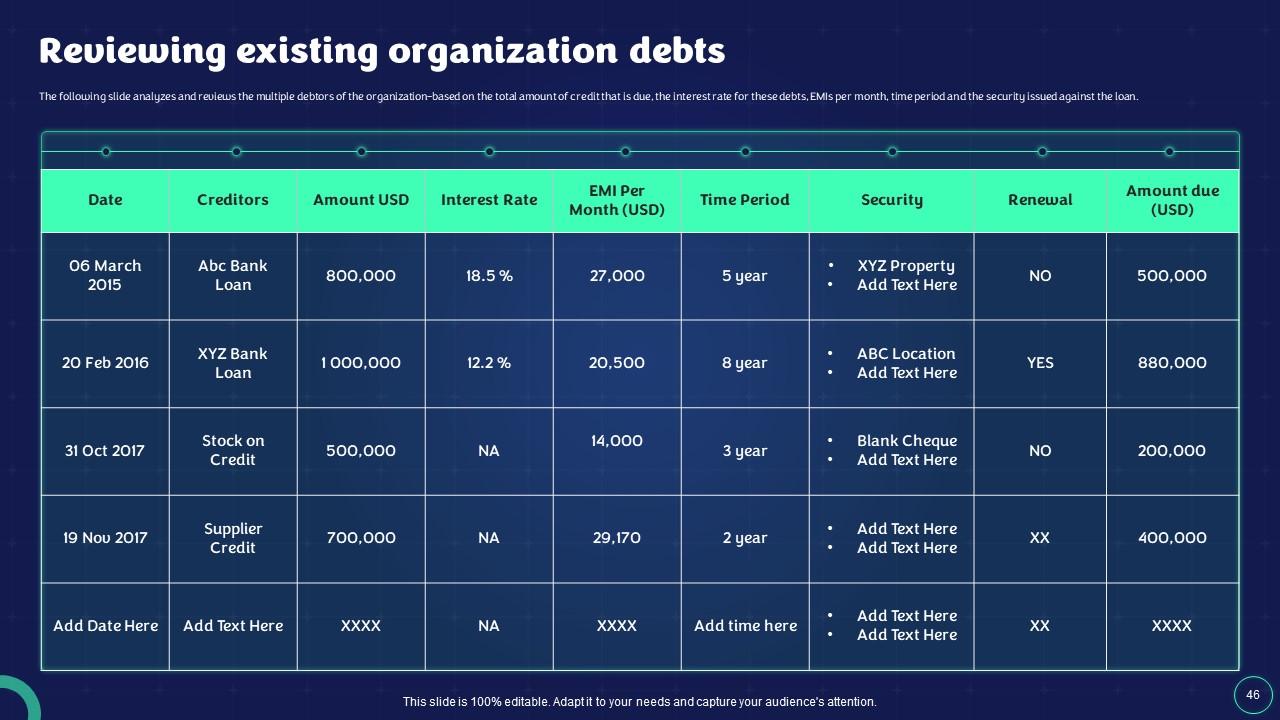
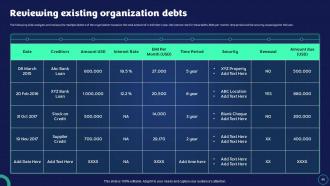
Slide 46: This slide represents Reviewing existing organization debts.
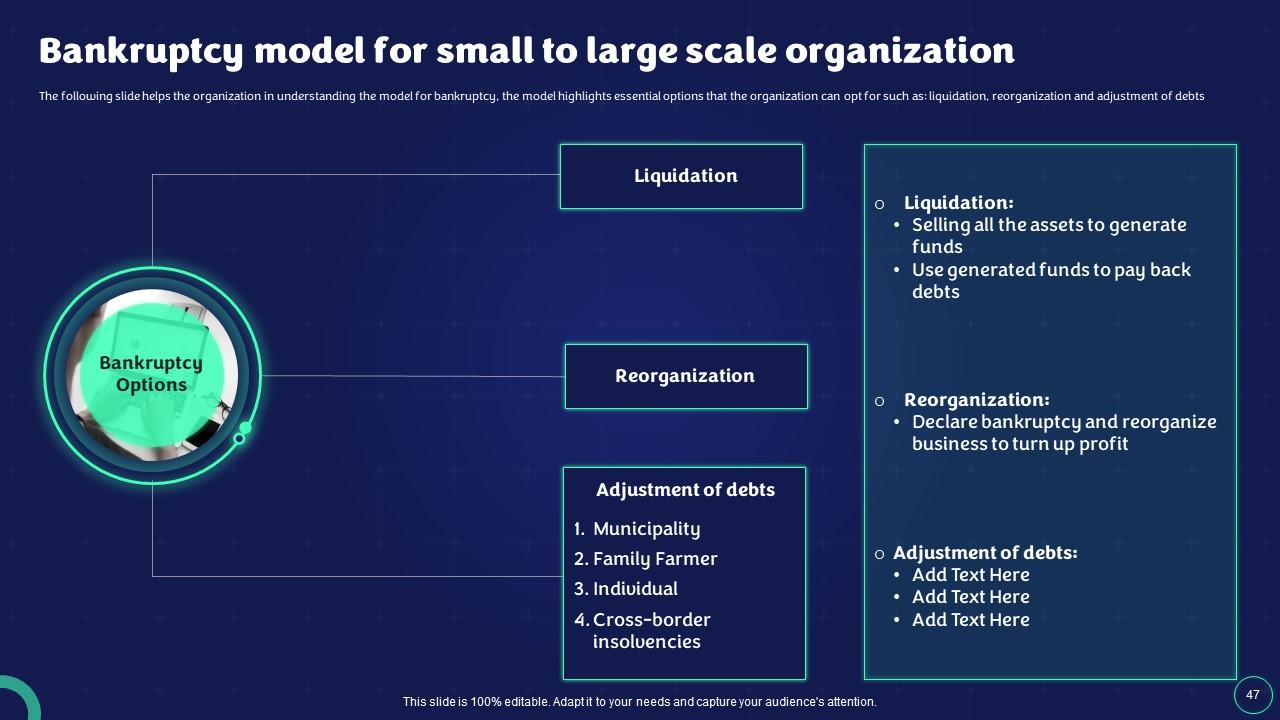
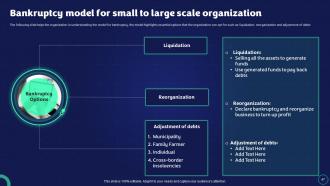
Slide 47: This slide showcases Bankruptcy model for small to large scale organization.
Slide 48: This slide highlights title for topics that are to be covered next in the template.
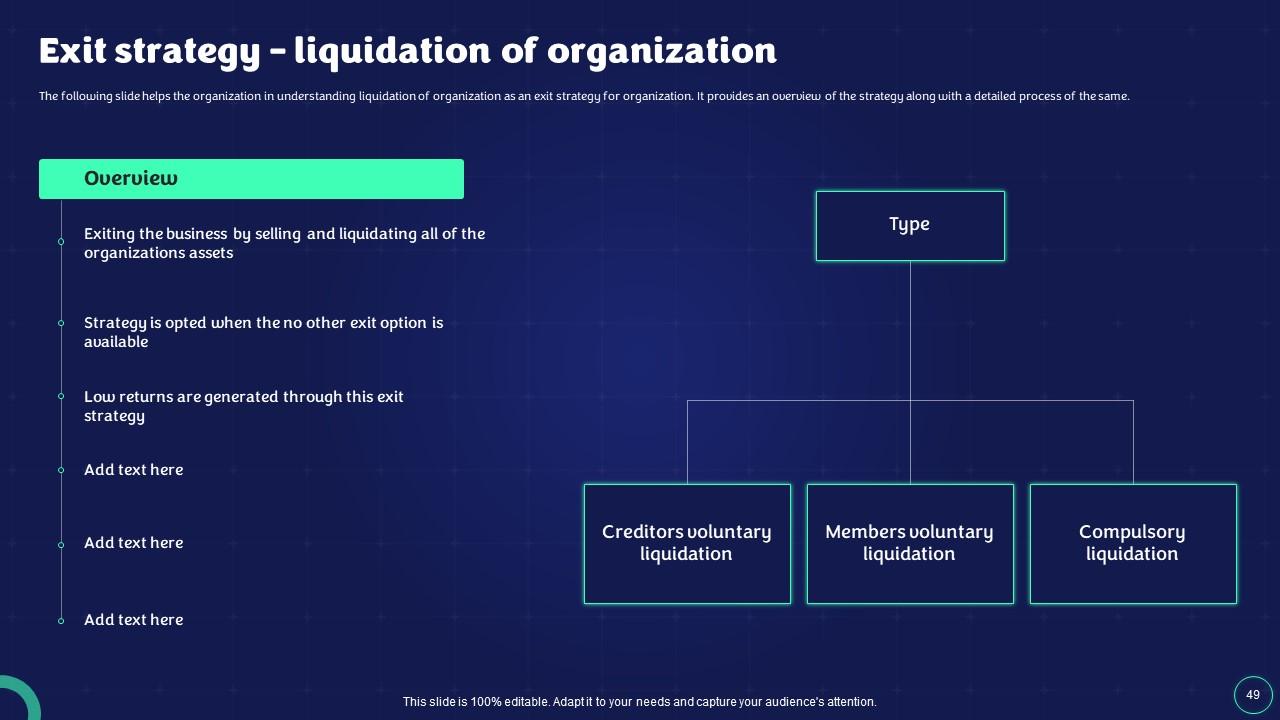
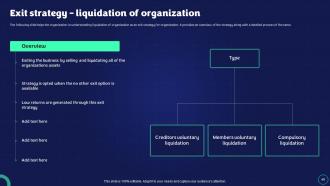
Slide 49: This slide helps the organization in understanding liquidation of organization as an exit strategy.
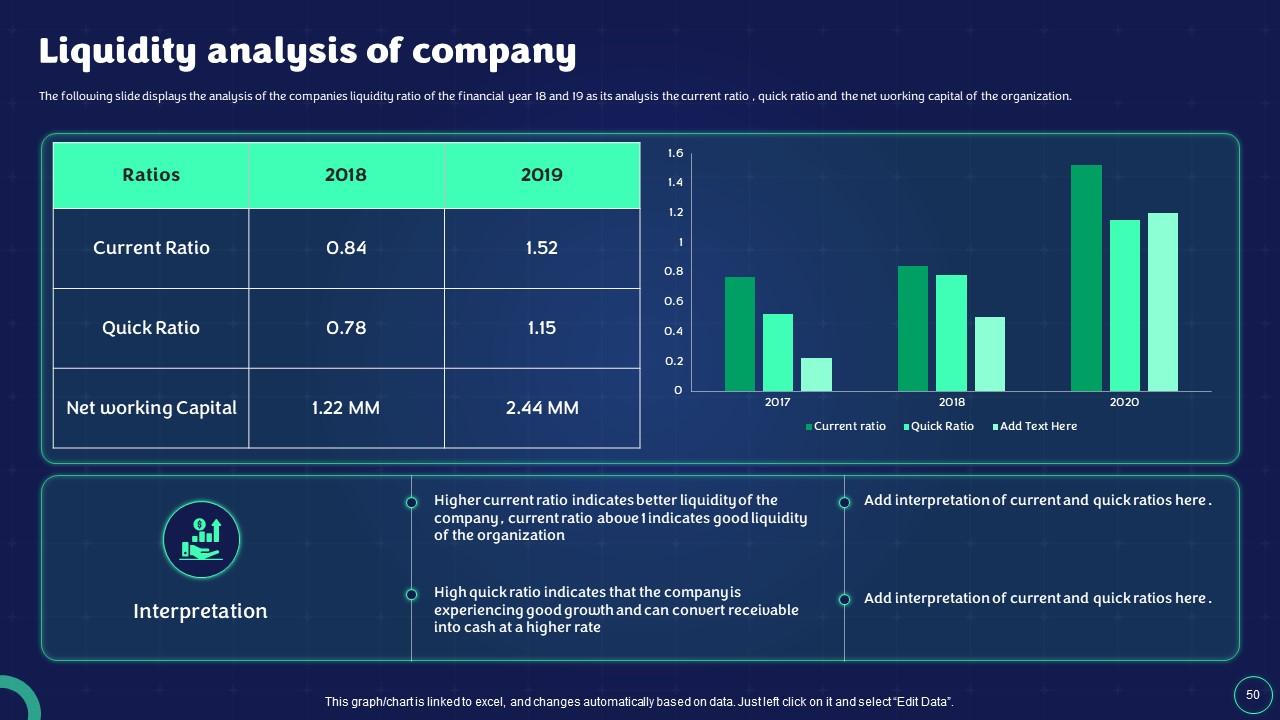
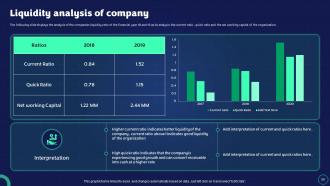
Slide 50: This slide displays analysis of the companies liquidity ratio of the financial year 18 and 19.
Slide 51: This slide highlights title for topics that are to be covered next in the template.
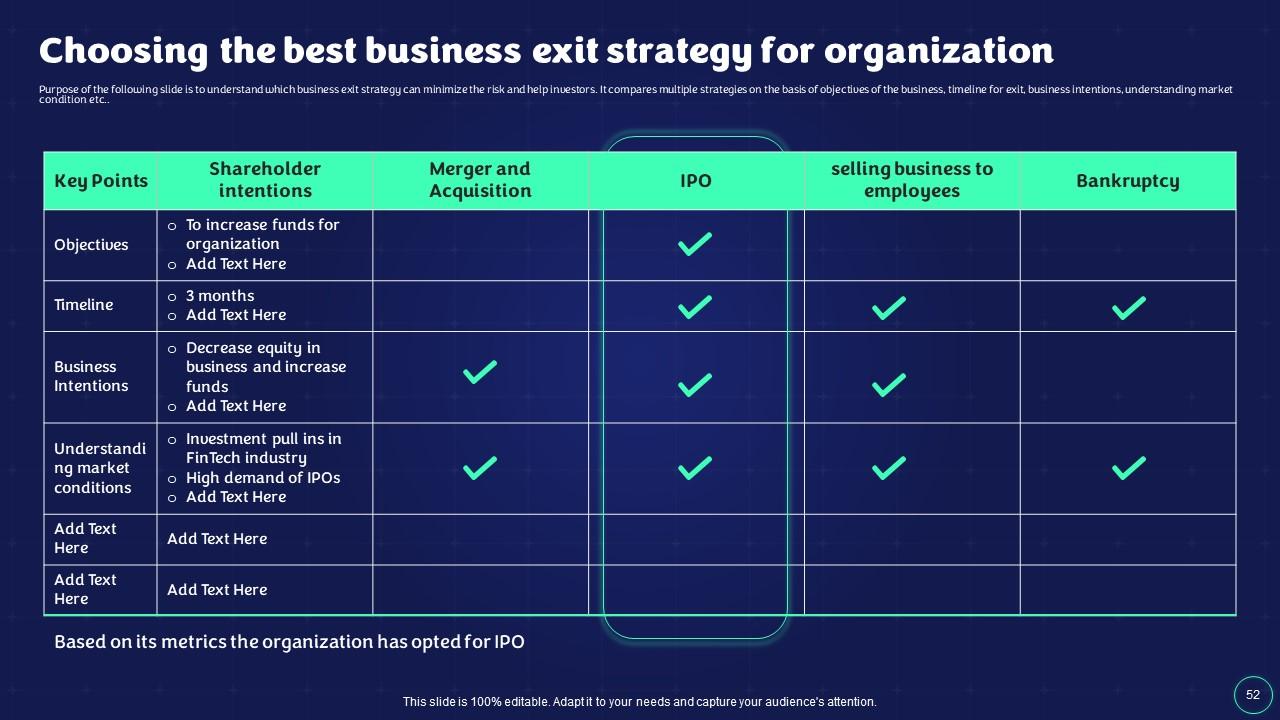
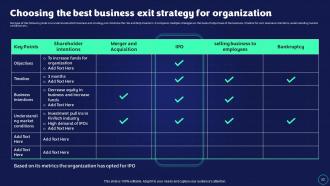
Slide 52: This slide represents Choosing the best business exit strategy for organization.
Slide 53: This slide highlights title for topics that are to be covered next in the template.
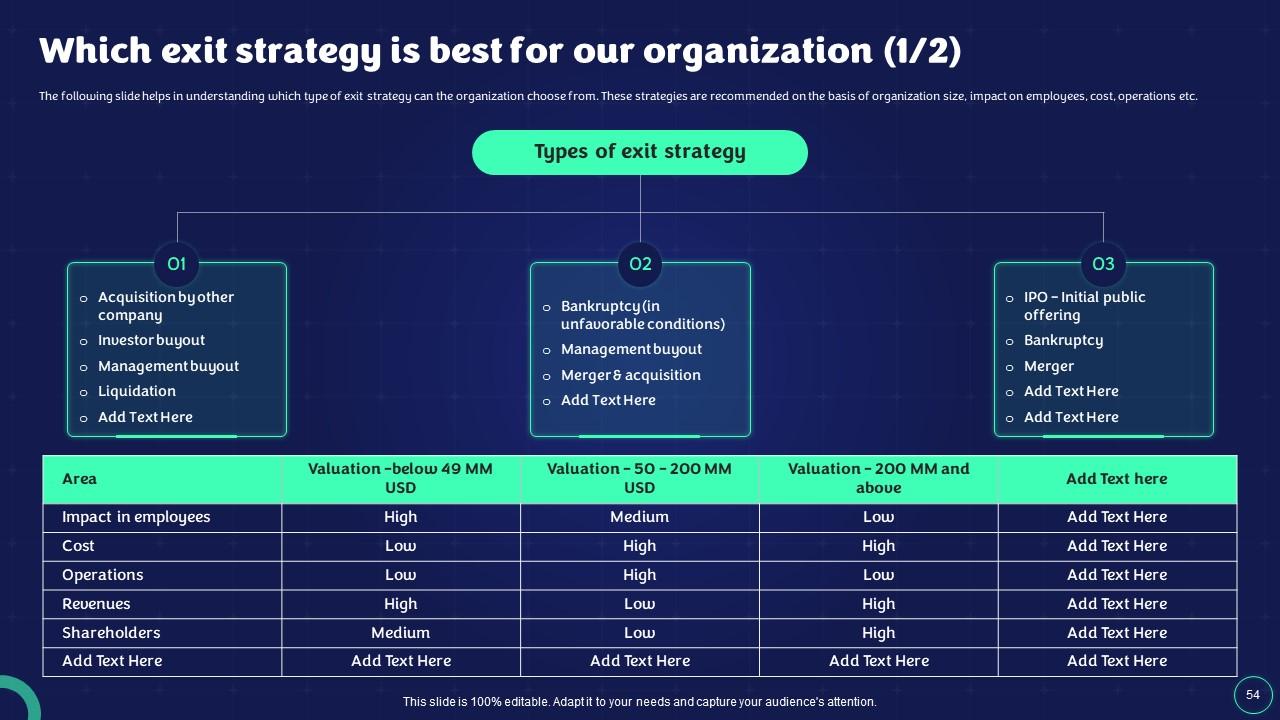
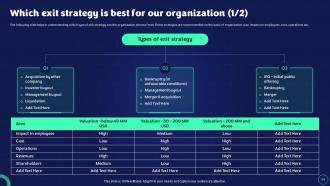
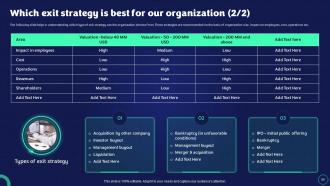
Slide 54: This slide showcases Which exit strategy is best for our organization.
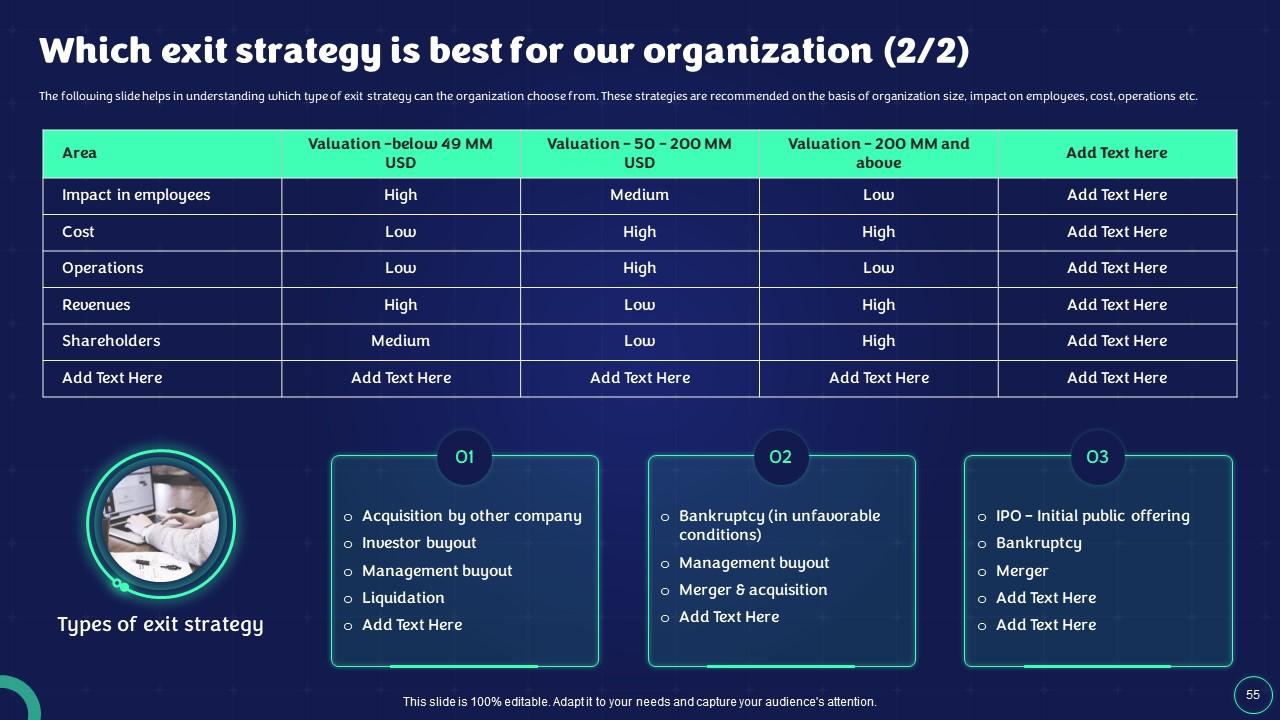
Slide 55: This slide shows Types of exit strategy.
Slide 56: This slide highlights title for topics that are to be covered next in the template.
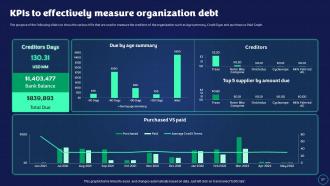
Slide 57: This slide shows KPIs to effectively measure organization debt.
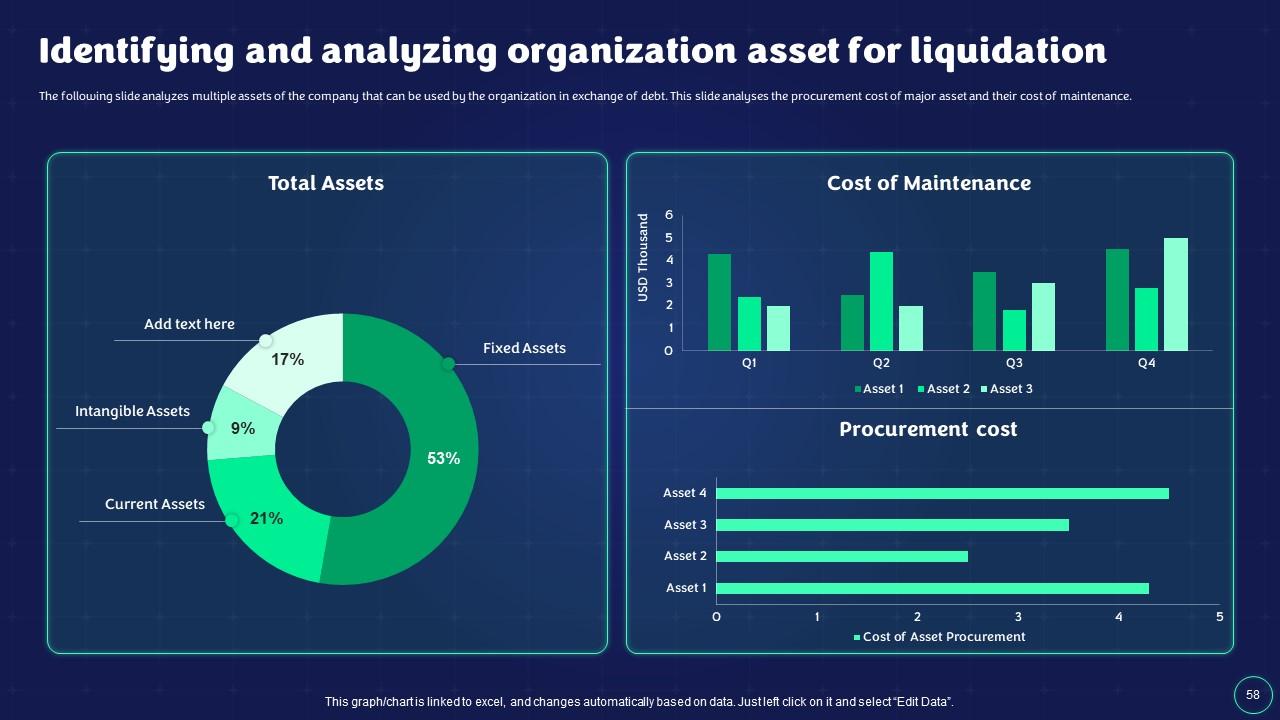
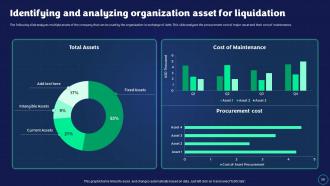
Slide 58: This slide presents Identifying and analyzing organization asset for liquidation.
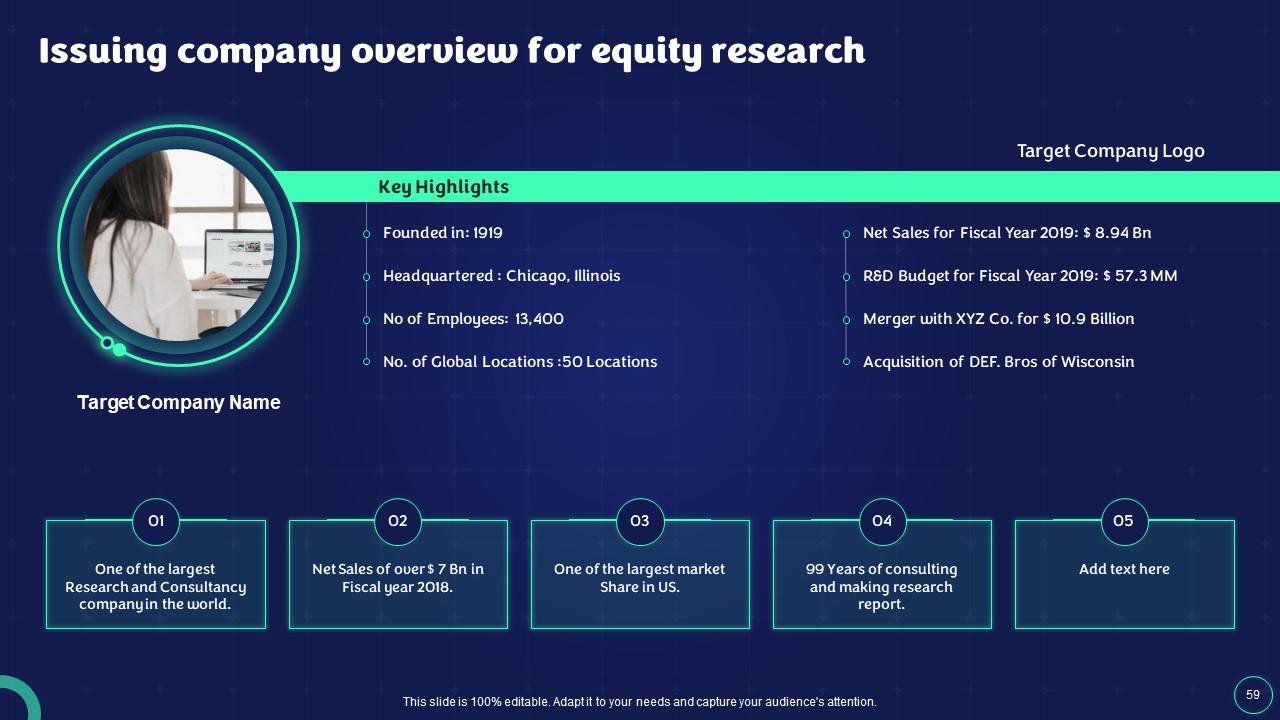
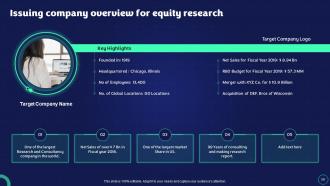
Slide 59: This slide displays Issuing company overview for equity research.
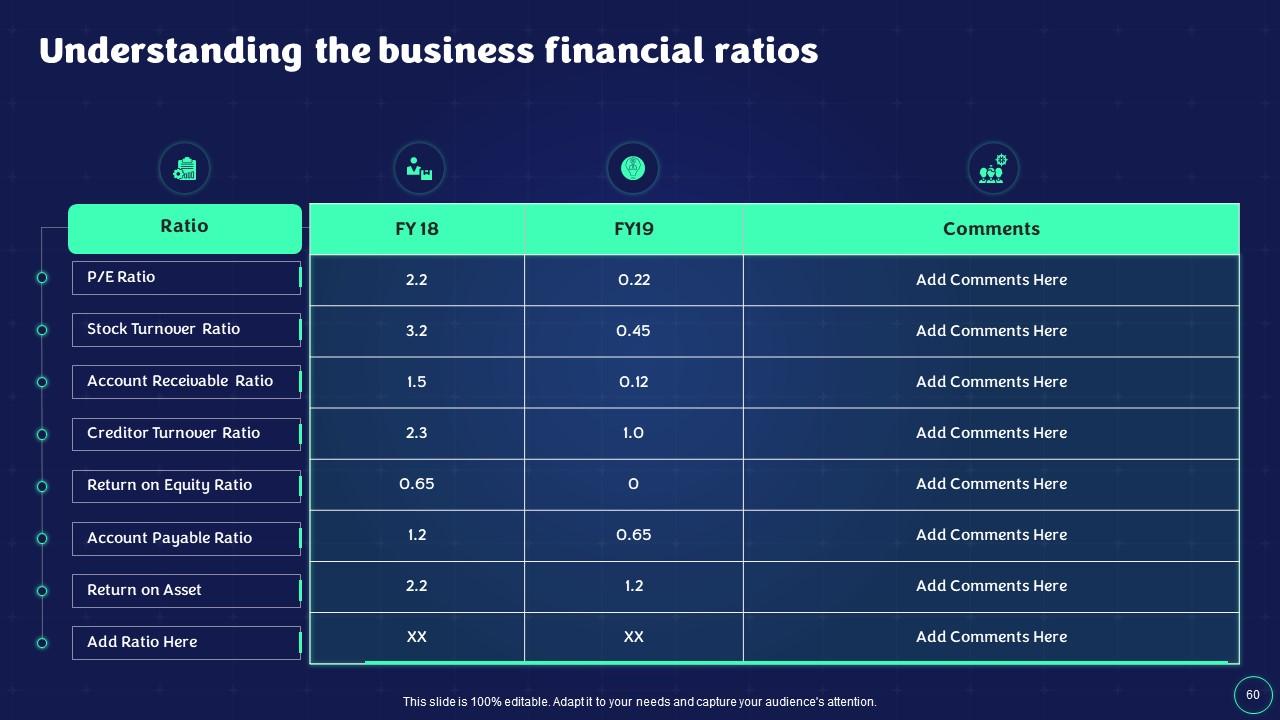
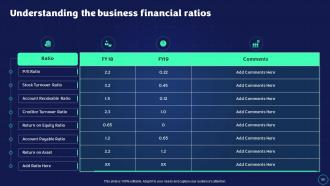
Slide 60: This slide shows Understanding the business financial ratios.
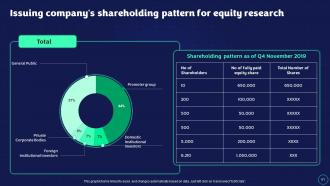
Slide 61: This slide presents Issuing company's shareholding pattern for equity research.
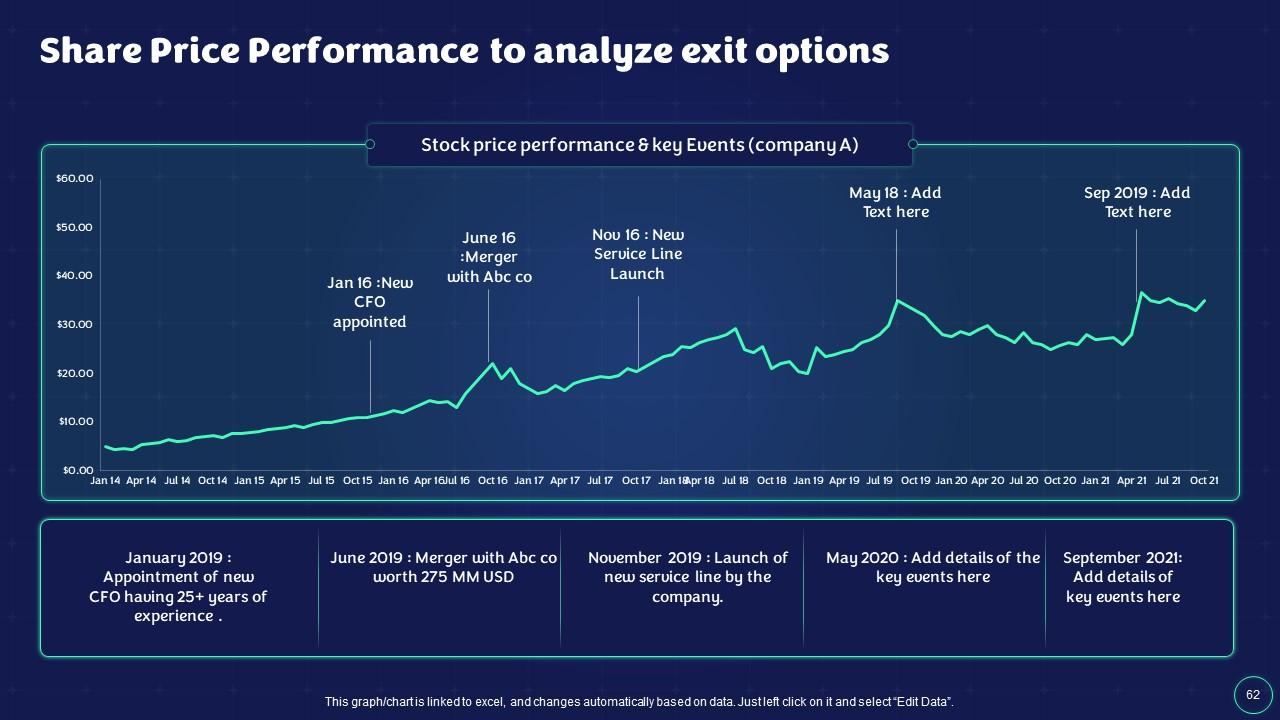
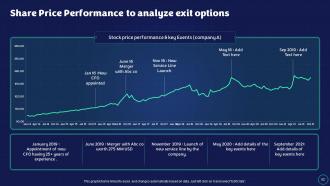
Slide 62: This slide displays Share Price Performance to analyze exit options.
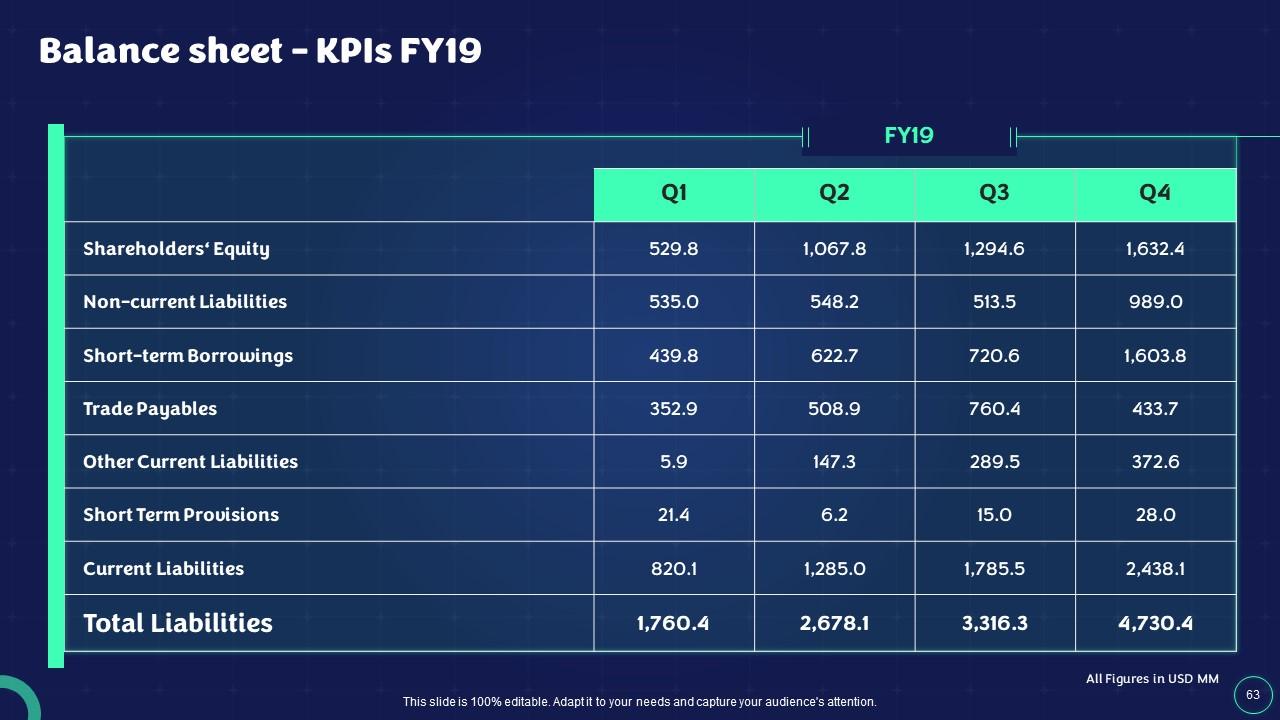
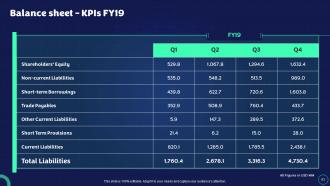
Slide 63: This slide showcases Balance sheet – KPIs FY19.
Slide 64: This slide contains all the icons used in this presentation.
Slide 65: This slide is titled as Additional Slides for moving forward.
Slide 66: This is Our Team slide with names and designation.
Slide 67: This is a Financial slide. Show your finance related stuff here.
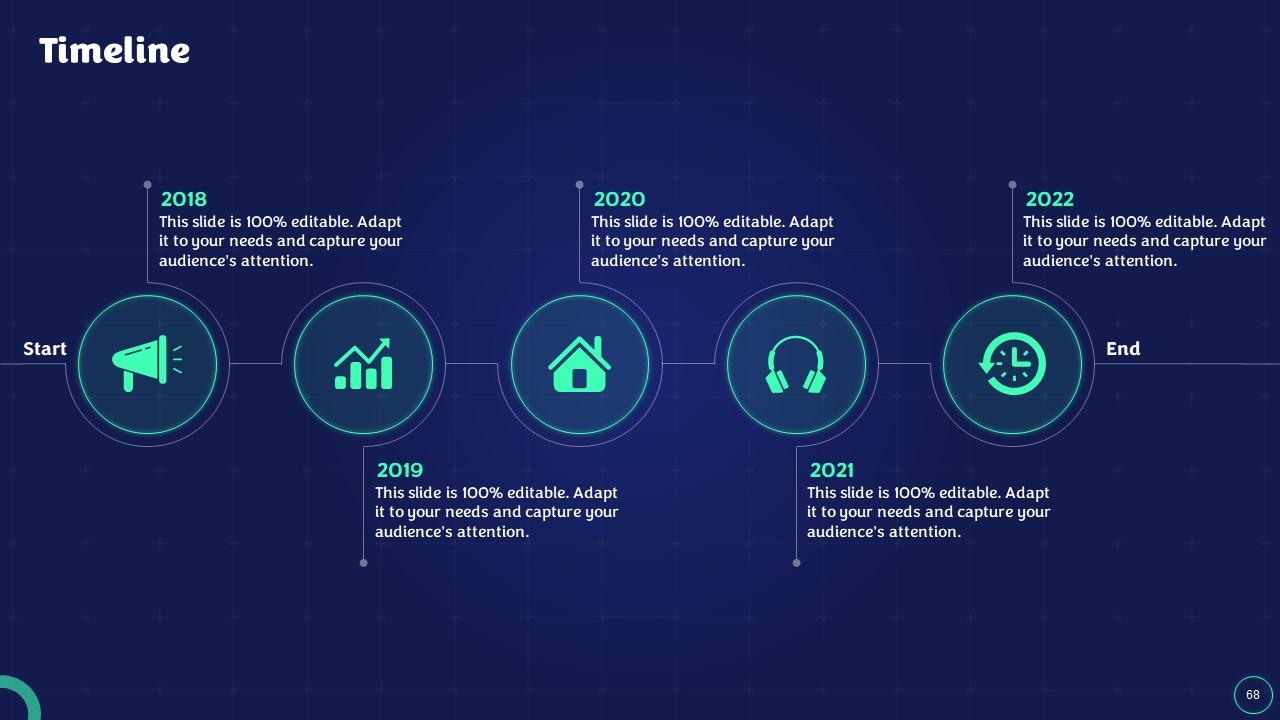
Slide 68: This is a Timeline slide. Show data related to time intervals here.
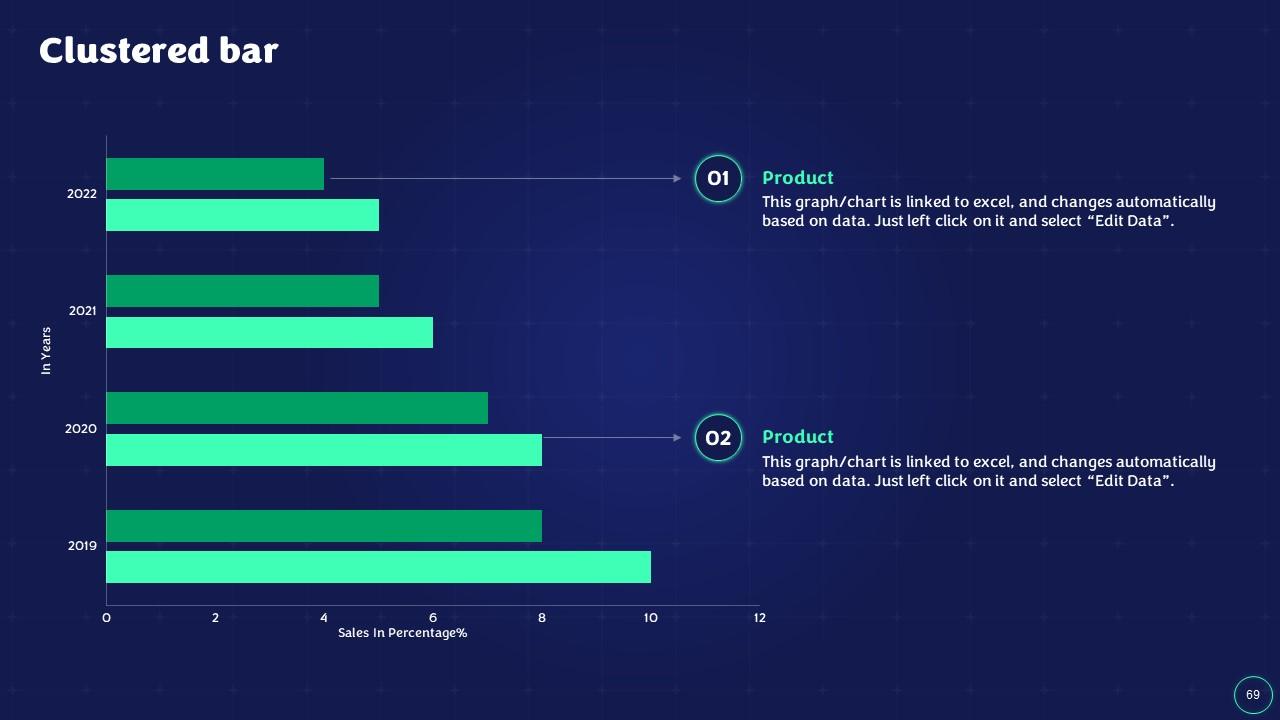
Slide 69: This slide provides Clustered bar chart with two products comparison.
Slide 70: This is Our Target slide. State your targets here.
Slide 71: This slide shows Post It Notes. Post your important notes here.
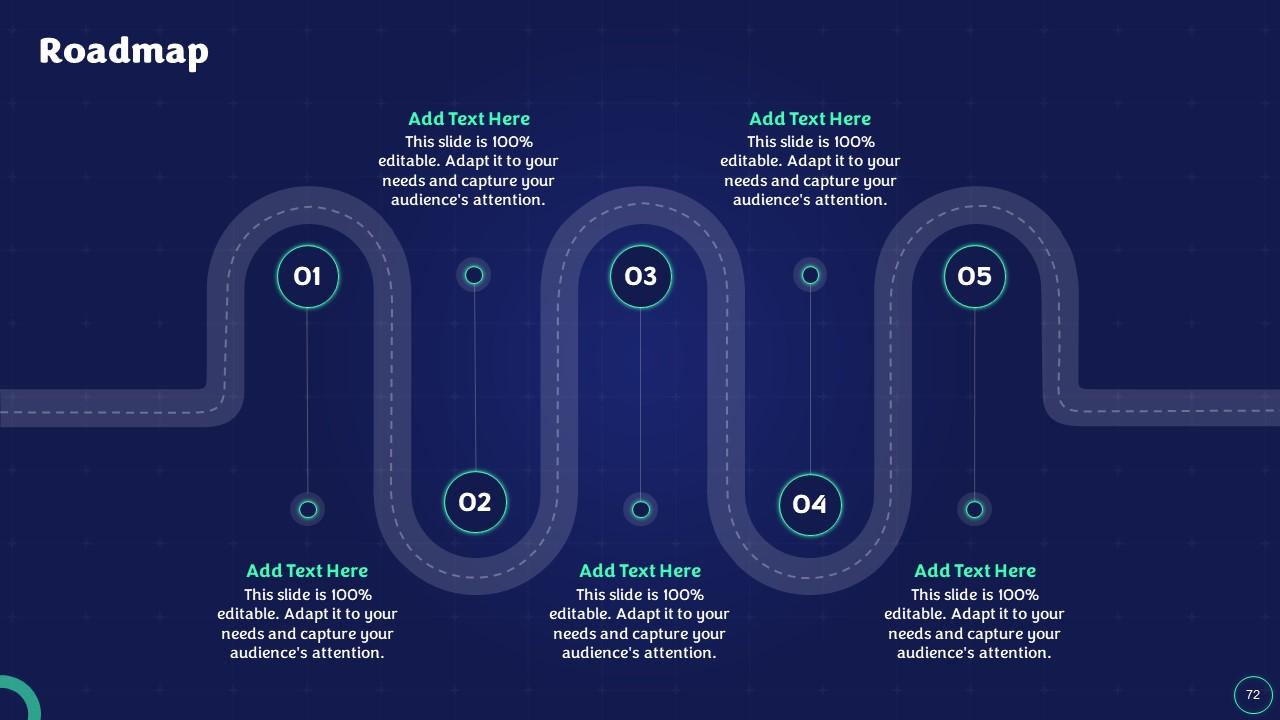
Slide 72: This slide presents Roadmap with additional textboxes.
Slide 73: This is a Thank You slide with address, contact numbers and email address.
Exit Strategy Strategic Plan For Investors Strategy CD with all 78 slides:
Use our Exit Strategy Strategic Plan For Investors Strategy CD to effectively help you save your valuable time. They are readymade to fit into any presentation structure.
-
“One of the best experiences with SlideTeam for my presentation.Everything on time, communication is efficient and price is reasonable. All good in one place.”
-
The information is visually stunning and easy to understand, making it perfect for any business person. So I would highly recommend you purchase this PPT design now!
