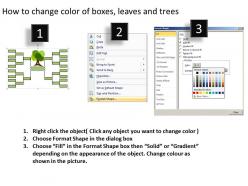
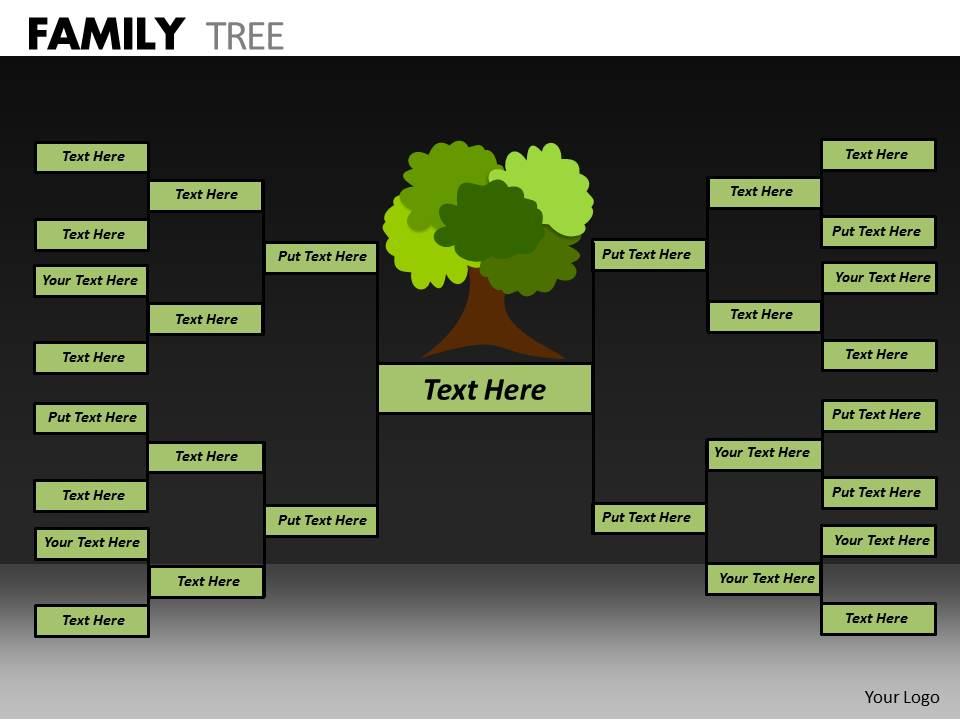
Family tree ppt 18
Try Before you Buy Download Free Sample Product
Audience
Editable
of Time
Cut the risks with our Family Tree ppt 18. Your thoughts will have a better chance to impress.
People who downloaded this PowerPoint presentation also viewed the following :
Family tree ppt 18 with all 3 slides:
You may be a good communicator but can what are your presentations saying? When you come to us we use our Family Tree ppt 18 to ensure you are giving a clear message in a structured manner.
FAQs for Family
A family tree presentation template should include clear hierarchical structures, photo placeholders, relationship indicators, generational levels, and customizable text fields for names and dates. These elements streamline genealogical documentation by organizing complex family relationships, enabling easy visualization across multiple generations, and facilitating seamless updates, with many families finding enhanced storytelling capabilities for reunions and historical preservation.
Visual storytelling enhances family tree depictions by incorporating photographs, symbols, timelines, color coding, and interactive elements that bring relationships to life beyond simple names and dates. Through visual narratives, genealogists and families can showcase cultural heritage, migration patterns, and generational achievements, ultimately creating compelling stories that engage viewers and preserve family legacies more meaningfully.
**INPUT**: What software tools are best suited for creating a digital family tree presentation? **OUTPUT**: Digital family tree presentation tools include PowerPoint, Canva, Lucidchart, Family Tree Maker, and specialized genealogy software like MyHeritage. These platforms streamline genealogical storytelling by offering customizable templates, interactive features, and multimedia integration, with many families and genealogists finding that visual presentations enhance heritage sharing and preserve ancestral narratives effectively.
Cultural differences significantly impact family tree design through varying kinship systems, inheritance patterns, naming conventions, and family structures across societies. While Western cultures typically emphasize bilateral descent, many Asian, African, and Indigenous cultures prioritize patrilineal or matrilineal lineages, with some societies incorporating extended clan networks, adoptive relationships, and spiritual ancestors, ultimately creating diverse genealogical frameworks that reflect unique cultural values and social organizations.
Family tree templates offer structured layouts, pre-designed formatting, consistent visual elements, time-saving convenience, and professional aesthetics that eliminate design guesswork. These templates streamline genealogy projects by providing organized frameworks, standardized symbols, and scalable formats, with many genealogists finding that templates enable faster documentation, clearer relationship visualization, and ultimately more comprehensive family history preservation.
Complex family relationships can be effectively presented through visual hierarchical charts, color-coded lineage systems, generational mapping with clear timelines, interactive digital platforms, and standardized genealogical symbols. These methods streamline understanding by organizing multi-generational data systematically, distinguishing between blood relations and marriages, and enabling families to navigate intricate connections while preserving historical accuracy and accessibility.
Family history and stories can be integrated through narrative text boxes, photo galleries, timeline markers, and dedicated story sections within each family member's profile. These elements transform static genealogical data into compelling presentations by incorporating personal anecdotes, historical context, and multimedia content, with many families finding that storytelling approaches significantly enhance audience engagement and create more meaningful connections to ancestral heritage.
Genealogy research provides the foundational documentation and verification methods essential for accurate family tree construction, including vital records analysis, DNA testing, historical document examination, and cross-referencing multiple sources. Through systematic genealogical approaches, families uncover verified lineages, resolve conflicting information, and establish authentic connections across generations, ultimately delivering comprehensive heritage understanding and historically accurate family narratives.
Family tree presentations can be tailored by adjusting visual complexity, content depth, and interactive elements to match audience comprehension levels and interests. For children, presentations emphasize colorful graphics, simple relationships, and engaging stories, while adult versions include detailed genealogical data, historical context, and comprehensive documentation, with many families finding that age-appropriate customization enhances understanding and emotional connection across generations.
Effective family tree design elements include clear hierarchical structure, consistent color coding, readable typography, balanced spacing, and intuitive connection lines. These visual components enhance comprehension by distinguishing generations through strategic use of shapes, colors, and layouts, with many genealogists finding that combining traditional tree formats with modern infographics delivers both aesthetic appeal and functional clarity.
Templates support collaborative family history projects by providing standardized formats for data collection, consistent documentation structures, and shared organizational frameworks that ensure all relatives contribute information uniformly. These tools streamline coordination between family members across different locations, minimize duplicate research efforts, and create comprehensive databases that preserve stories, photos, and genealogical records, ultimately delivering a cohesive family narrative while strengthening intergenerational connections.
Common family tree presentation mistakes include cluttered layouts, inconsistent formatting, poor photo quality, missing dates or relationships, and inadequate research verification. These errors undermine credibility and readability, with many genealogists finding that simplified designs, standardized naming conventions, and verified documentation create more engaging presentations, ultimately delivering clearer storytelling and enhanced family legacy preservation.
Multimedia elements transform family trees through embedded photos, video testimonials, audio recordings, interactive timelines, and clickable genealogy maps. These digital enhancements enable families to create compelling presentations for reunions, educational projects, and heritage documentation, with many finding that visual storytelling significantly increases engagement and emotional connection to ancestral history.
Creative family tree presentation themes include vintage genealogy charts, modern minimalist designs, nature-inspired botanical trees, timeline-based chronological layouts, and interactive digital formats with photo integration. These diverse styles enable families to showcase their heritage through personalized visual storytelling, with many finding that themed approaches enhance engagement and create meaningful keepsakes that celebrate generational connections.
Social media transforms genealogical sharing by enabling families to create interactive digital family trees, share historical photos and documents instantly, and connect with distant relatives across global networks. These platforms streamline collaboration through real-time updates and multimedia storytelling, while many families find that social sharing accelerates research discovery and strengthens intergenerational bonds through accessible, engaging formats.
-
Visually stunning presentation, love the content.
-
Awesome presentation, really professional and easy to edit.