Financial Startup Powerpoint Ppt Template Bundles

Rating:
90%
Financial Startup Powerpoint Ppt Template Bundles
Slide 1 of 17
Favourites Favourites

Try Before you Buy Download Free Sample Product

Audience Impress Your
Audience
Editable 100%
Editable
Time Save Hours
of Time
The Biggest Sale is ending soon in
0
0
:
0
0
:
0
0
Rating:
90%
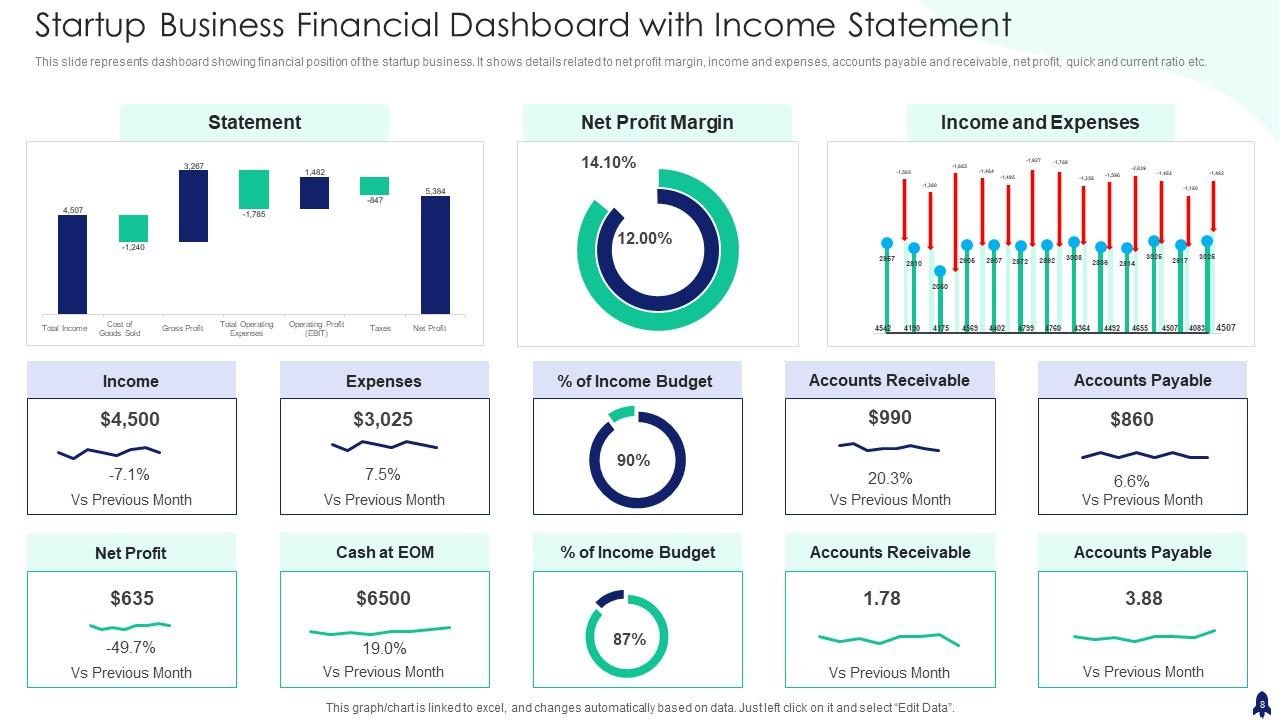
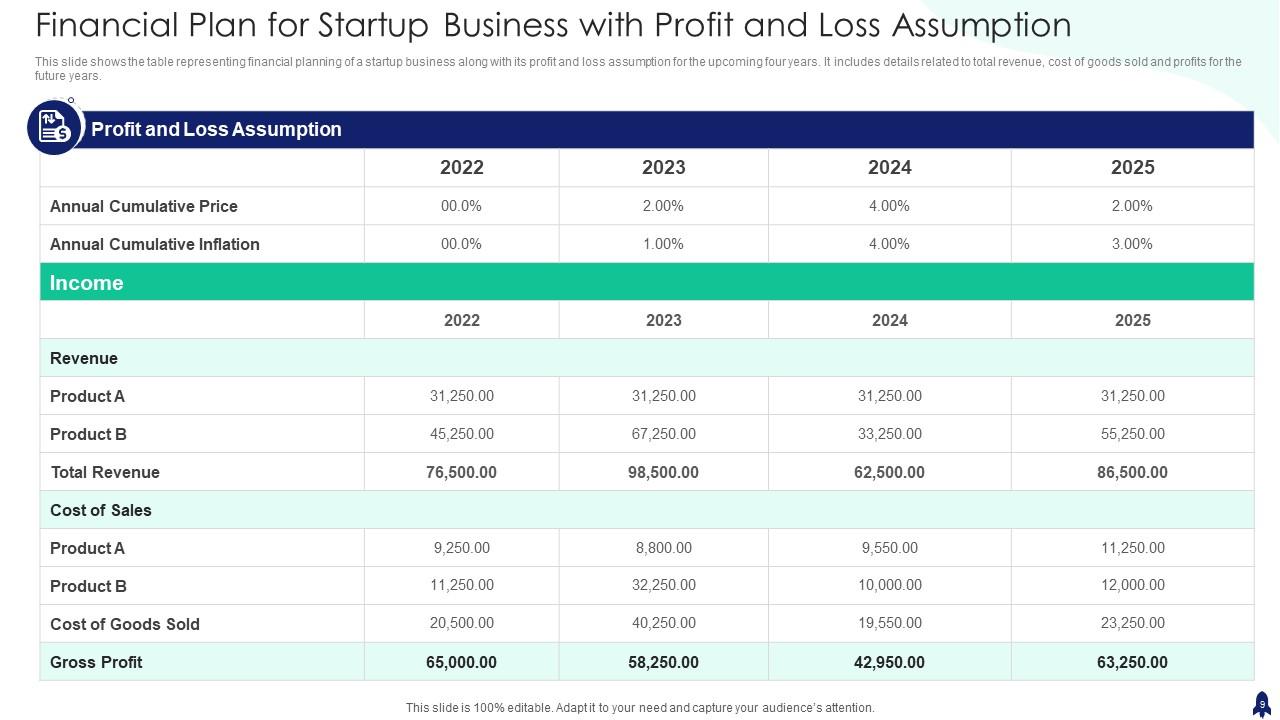
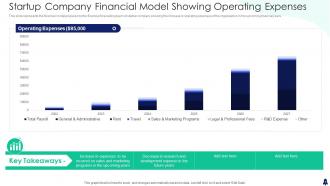
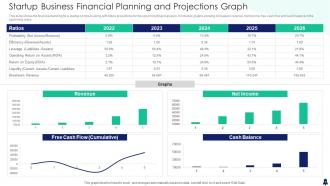
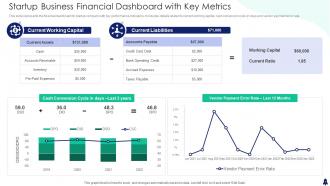
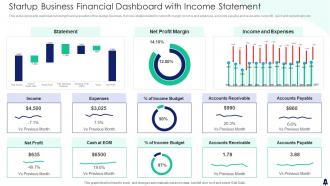
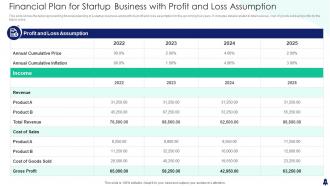
Deliver a credible and compelling presentation by deploying this Financial Startup Powerpoint Ppt Template Bundles. Intensify your message with the right graphics, images, icons, etc. presented in this complete deck. This PPT template is a great starting point to convey your messages and build a good collaboration. The twelve slides added to this PowerPoint slideshow helps you present a thorough explanation of the topic. You can use it to study and present various kinds of information in the form of stats, figures, data charts, and many more. This Financial Startup Powerpoint Ppt Template Bundles PPT slideshow is available for use in standard and widescreen aspects ratios. So, you can use it as per your convenience. Apart from this, it can be downloaded in PNG, JPG, and PDF formats, all completely editable and modifiable. The most profound feature of this PPT design is that it is fully compatible with Google Slides making it suitable for every industry and business domain.

FAQs for Financial Startup Powerpoint

Honestly, start with cash runway - that's just how many months you can survive before going broke. Track your monthly burn rate and any recurring revenue you've got coming in. Customer acquisition cost vs lifetime value matters too, but don't stress if those numbers are wonky at first since you barely have data anyway. Keep an eye on gross margins and conversion rates through your sales funnel. Here's the thing though - pick maybe 3-5 metrics tops and check them weekly. I've seen too many founders get lost in spreadsheet hell when they should be building product.

Look, investors need to see you're not just making stuff up as you go. Solid revenue and cash flow projections prove you actually get your market and have a real plan to make money. Yeah, nobody expects you to predict the future perfectly, but they want evidence you can think ahead financially. Your forecasts also justify exactly how much cash you need and the timing. Honestly, I've seen too many founders get burned by being overly optimistic here. Keep your numbers conservative and research-backed. You'll definitely get grilled on your assumptions, so know them inside out.

Dude, forecast weekly not monthly - cash moves way too fast otherwise. Always know your exact burn rate and runway left. Invoice the second you can and chase payments hard (I know it's awkward but whatever). Try to keep 3-6 months expenses saved if you can swing it. Oh and set up different accounts for operating costs, taxes, all that stuff. You want to see where every dollar's going and when money's actually hitting your account. Build some basic dashboard you can glance at daily. Trust me on this one.

Look, that 70-30-20 split has worked for most startups I know. Throw 70% at customer acquisition and sales - that's what actually grows your business. Product development and operations get 30% to keep the lights on. Save 20% for when shit hits the fan or you need to pivot quickly. But here's the thing - watch your customer acquisition cost like a hawk. If you're burning $100 to get customers only worth $50, you're basically lighting money on fire. Figure out your current CAC first, then work backwards from there. My buddy learned this the hard way last year.

You definitely need financial templates for your startup - they're like the foundation for everything. Investors expect to see proper revenue projections, cash flow, and burn rates laid out in a specific way. Building these from scratch? Don't even bother, it's such a waste of time. Templates let you just plug in your numbers and spot problems before they bite you. Plus they make it way easier to tell your financial story to potential investors. I'd start with a basic three-statement model and tweak it for whatever your business does. Trust me, it'll save you hours of headaches later.

Look, investors are basically asking three things: can you make money, when will you make money, and how long before you go broke? They'll tear apart your unit economics to see if customers actually bring in more than they cost to acquire. Your burn rate and runway are huge - nobody wants to fund a sinking ship. Don't show them those ridiculous hockey stick projections either (seriously, they've seen a million of those). Focus on realistic assumptions you can actually defend when they start grilling you. Bottom line: your numbers need to prove the business model works and scales without falling apart.

Ugh, the classic mistake is confusing profit with actual cash flow. You can look profitable on paper but still be broke when rent's due. Sales cycles always take forever too - like seriously, double whatever timeline you're thinking. I learned this the hard way, but track your cash weekly instead of monthly. You'll catch problems way earlier. Build at least 6 months of runway and don't blow money on stupid stuff like fancy offices right away. Oh, and test your revenue guesses with real customers, not just the numbers you hope will work out.

Look, pricing is basically educated guessing at first - don't stress about nailing it perfectly right away. Check what your competitors are doing, then figure out your costs and what margin you need. I'd start with some small test groups and try different price points, see what converts best. A/B testing helps too if you can swing it. Honestly, most people get it wrong initially and just adjust as they go. The real trick is actually listening to customer feedback instead of just going with your gut. I learned this the hard way with my side project last year. Start somewhere that feels reasonable and tweak from there.

Look, think of a financial model as your startup's GPS and gut-check combined. You'll need it to map out unit economics and cash flow - basically when you'll stop bleeding money. Every investor's gonna ask for one too, and honestly I've never seen anyone get funding without a decent model. It makes you work through all the messy stuff like customer acquisition costs and pricing assumptions. Trust me, way better to discover problems on a spreadsheet than in real life when you're broke. Just start with a simple 3-year forecast - don't overthink it at first.

Look, bootstrapping means you keep total control but grow way slower. Taking investor money? You'll scale faster and get smart people helping you, but kiss some equity goodbye and deal with people breathing down your neck. Honestly though, most founders I've met who actually made it big did both - started scrappy to prove their thing worked, then raised cash once they had real momentum. It really comes down to your timeline and how much risk keeps you up at night. I'd figure out your actual cash needs first, see what you can swing yourself, then decide if giving up control is worth it.

First thing - figure out your business structure because it totally changes your tax situation. LLC means everything flows to your personal return, but C-corp hits you twice (though the deductions are pretty sweet). Save every single receipt and track your mileage. Trust me on this one - I was scrambling through old credit card statements my first tax season and it was a nightmare. Put away like 25-30% of what you make for taxes since nobody's withholding for you anymore. Oh, and check if you qualify for that Section 199A thing - could knock 20% off your business income. Get a separate business account and maybe do quarterly payments so the IRS doesn't smack you with penalties.

So basically every time you raise money, you're giving away a chunk of your company. It's brutal but that's the game. You gotta be super smart about timing - raise enough to actually hit big milestones that'll bump your valuation next round. Otherwise you're just bleeding equity for no reason. I'd map out a few different funding scenarios first so you know what you're walking into. Some founders get shocked when they realize how much they've given up (happened to my buddy Jake). Short rounds might seem tempting but they usually backfire. The whole thing's a balancing act between runway and control.

Crowdfunding's solid for testing if people actually want your thing - plus you don't have to give away equity like with investors. Building buzz is nice too, sometimes you'll even get picked up by blogs or whatever. But dude, it's exhausting. You're basically doing full-time marketing while trying to build your product. And if you bomb publicly? That stings. Success rates are pretty brutal honestly. Oh, and copycats are definitely a risk once your idea's out there. If you're gonna do it, spend real money on a decent campaign video. Also start building an email list like months ahead of time - can't stress that enough.

Dude, you gotta tell a story that flows naturally - start with the actual problem you're fixing, then explain how you make money solving it. Honestly, investors have seen way too many BS decks, so keep your projections realistic but exciting. Don't just throw in random metrics either - focus on what actually matters in your space. Even if you're early stage, show real customer data that proves people want this thing. The whole pitch should connect: here's the problem → here's our fix → here's the market → here's how we profit → here's proof it works. Always back everything up with solid data and comparable companies.

Honestly, bootstrapping is ideal if you've got the cash lying around, but let's be real - most of us don't. Friends and family money is where most people start, usually like $10K-$50K to test things out. Angels are actually way cooler than I thought they'd be - they help out beyond just writing checks. Government grants are clutch because you don't give up any equity. Crowdfunding works if your thing has broad appeal, though that's a whole different beast. I'd figure out your burn rate first, then see what makes sense. Oh and accelerators sometimes throw in funding too.

Ratings and Reviews

90% of 100
Review Form
Write a review
Most Relevant Reviews
  1. 80%

    by Edwin Valdez

    Delighted to see unique and eye-catching PowerPoint designs that are so easy to customize.
  2. 100%

    by Chet Cox

    A big thanks to SlideTeam! An incredible and diverse library of templates helped me with my business project presentation.

2 Item(s)

per page: