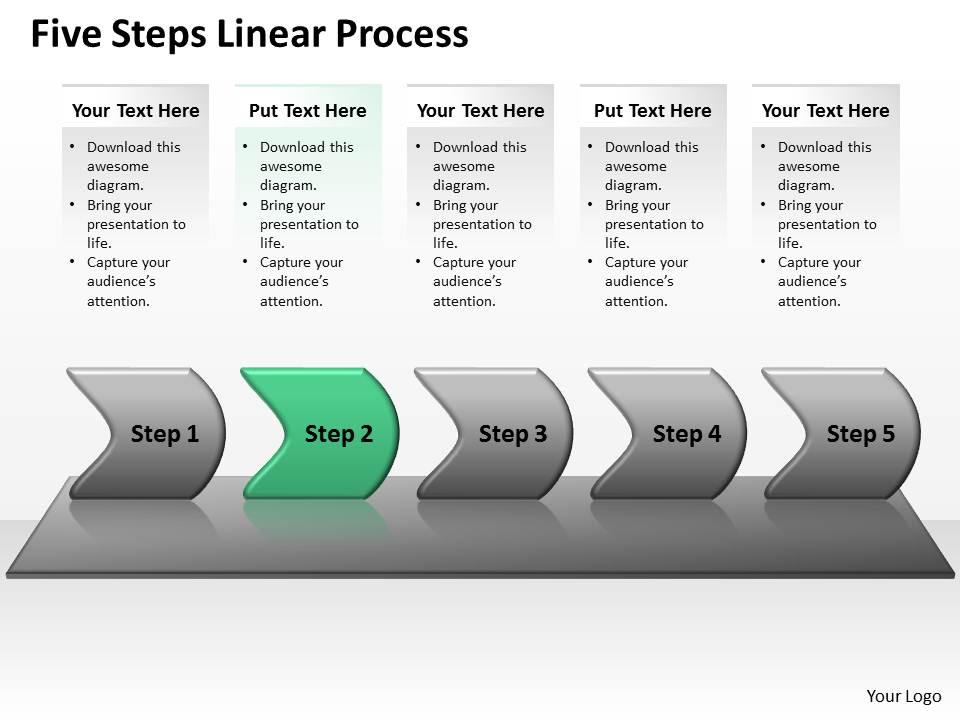
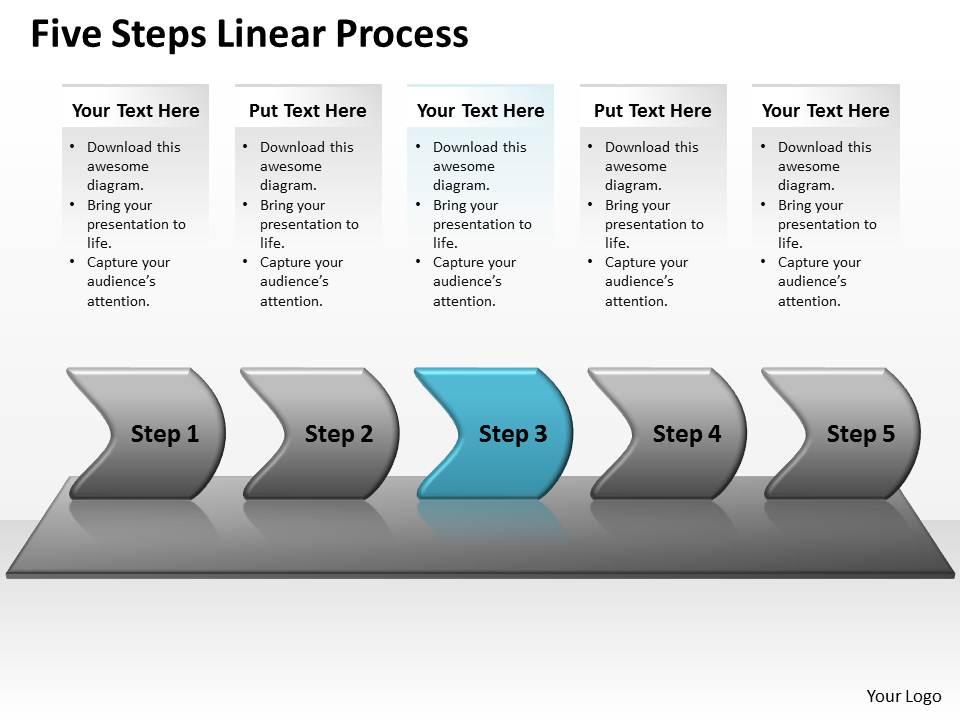
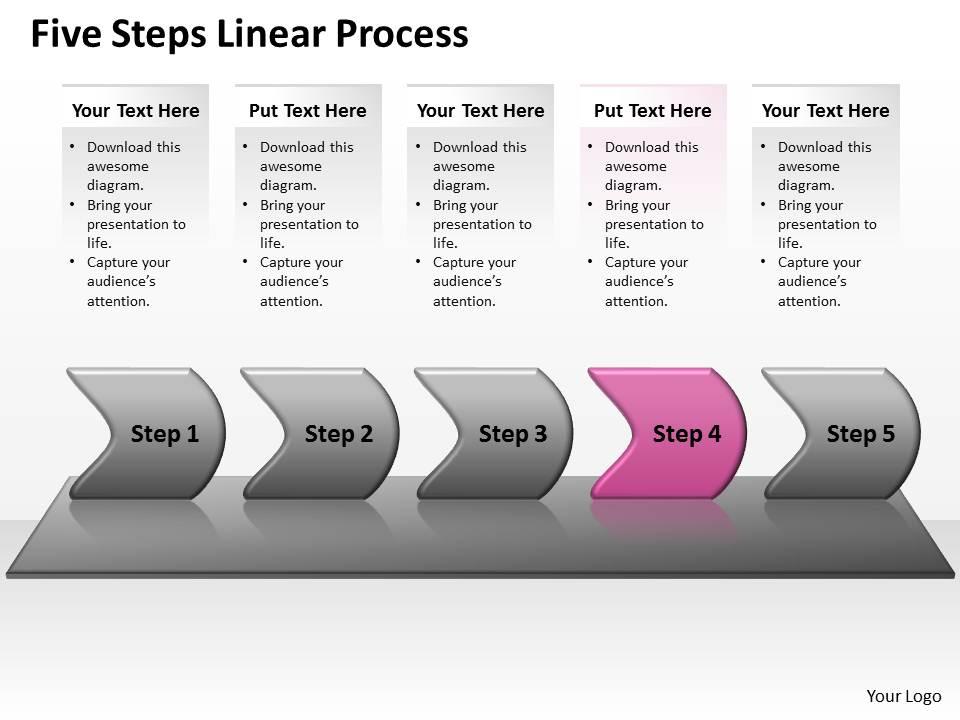
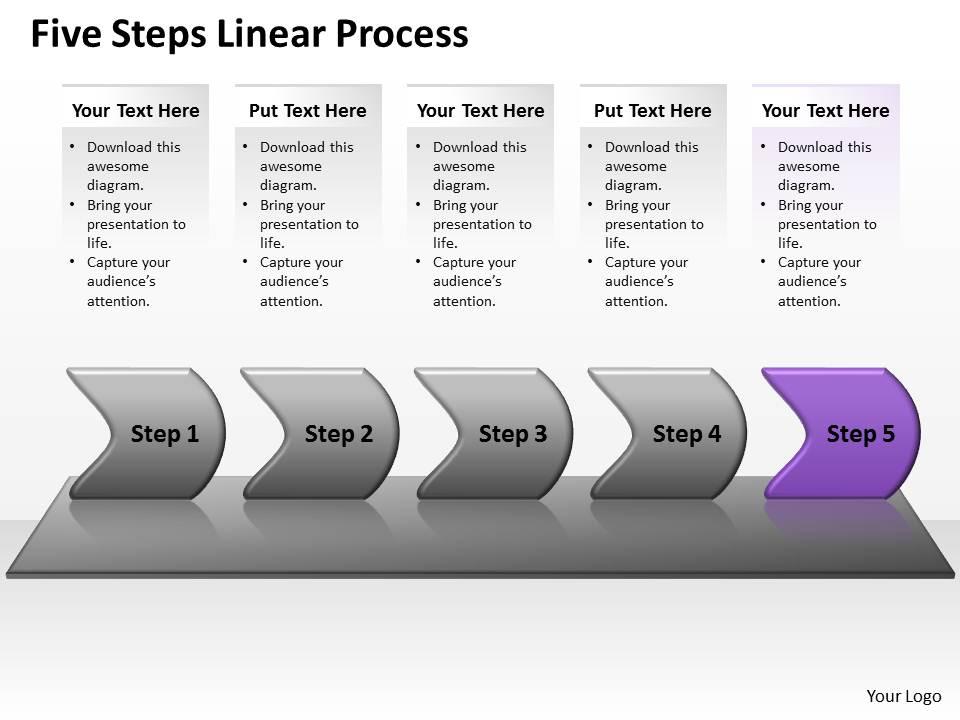
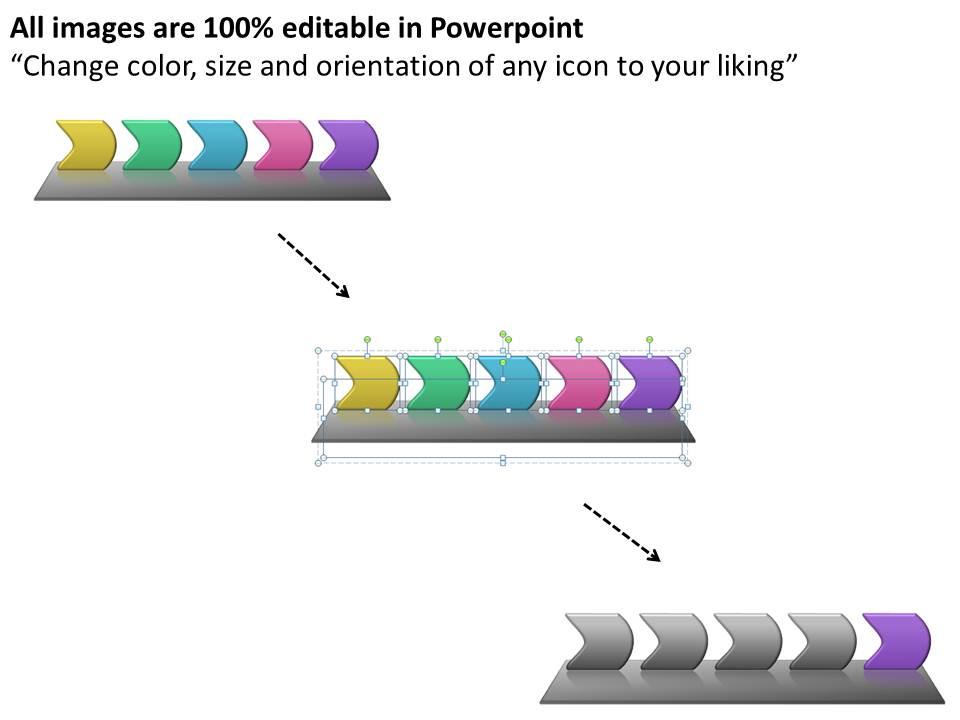
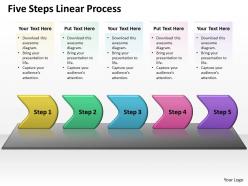
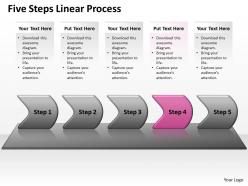
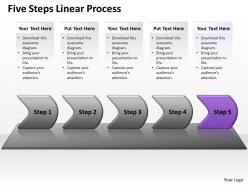
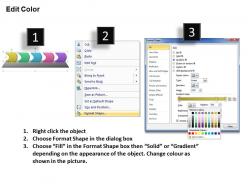
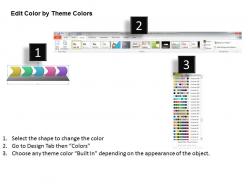
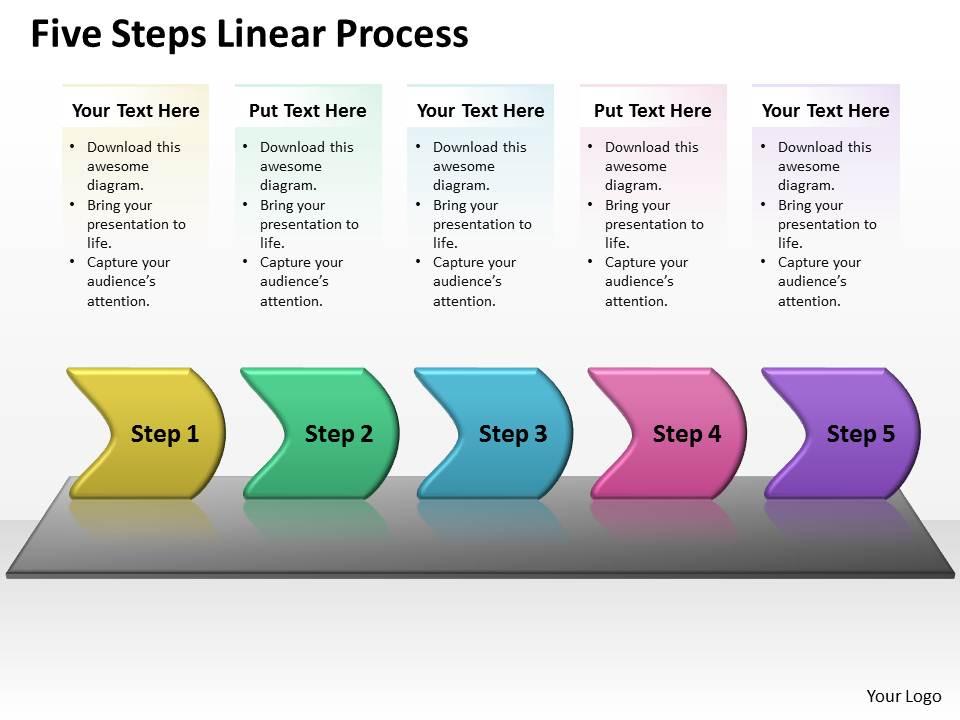
Five steps linear process 36
Try Before you Buy Download Free Sample Product
Audience
Editable
of Time
Take a vault with our Five Steps Linear Process 36. Land majestically on the mat of success.
People who downloaded this PowerPoint presentation also viewed the following :
Five steps linear process 36 with all 10 slides:
You are considered incomparable. Strengthen the perception with our Five Steps Linear Process 36.
FAQs for Five steps
A five steps linear process features sequential progression, defined entry and exit points, clear dependencies between stages, measurable milestones, and structured decision gates at each transition. These characteristics enable organizations to streamline complex workflows by establishing accountability, reducing bottlenecks, and maintaining quality control, with many manufacturing and service industries finding that this systematic approach ultimately delivers improved efficiency and predictable outcomes.
Organizations effectively map existing processes by conducting comprehensive audits to identify all current workflows, consolidating redundant or overlapping activities into streamlined stages, and categorizing tasks based on logical sequence and dependencies. Through systematic analysis, companies can redistribute complex operations across five distinct phases, with many finding that this approach enhances operational efficiency, improves team coordination, and delivers clearer accountability structures.
Common pitfalls include skipping planning phases, inadequate stakeholder communication, rigid adherence without flexibility for changes, insufficient resource allocation, and poor progress monitoring throughout execution. These challenges can derail projects by creating bottlenecks, missed deadlines, and scope creep, with many organizations finding that combining structured processes with adaptive feedback loops ultimately delivers better outcomes and competitive advantage.
The five steps linear process follows a sequential, predetermined path where each phase must complete before the next begins, while agile approaches emphasize flexibility, continuous feedback, and iterative cycles. Linear processes work well for projects with clear requirements and minimal expected changes, such as manufacturing or construction, whereas agile methodologies excel in dynamic environments like software development, ultimately delivering faster adaptation to market demands.
Manufacturing, healthcare, software development, financial services, and project management benefit significantly from five-step linear processes through standardized workflows, quality control, and reduced errors. These industries leverage structured approaches for assembly lines, patient care protocols, development cycles, loan approvals, and deliverable management, ultimately delivering operational efficiency and consistent outcomes across organizations.
Visual presentation templates enhance understanding of five-step linear processes by providing clear structure, consistent formatting, logical flow indicators, and professional aesthetics that reduce cognitive load. These templates streamline complex workflows for teams across manufacturing, project management, and training departments, with many organizations finding that standardized visual frameworks accelerate employee onboarding and process adoption significantly.
Stakeholder engagement ensures alignment, resource commitment, and smooth execution throughout each phase of a five-step linear process by facilitating clear communication, gathering essential input, and securing buy-in. With engaged stakeholders providing feedback, removing barriers, and championing initiatives, organizations streamline implementation timelines, minimize resistance, and ultimately deliver more successful outcomes with sustained organizational support.
Data analytics enhances each linear process step through predictive modeling, performance monitoring, resource optimization, quality assessment, and outcome measurement. By leveraging real-time data insights, organizations streamline decision-making, identify bottlenecks, allocate resources efficiently, and predict potential issues, with many companies finding that integrated analytics ultimately delivers faster execution, reduced costs, and improved strategic outcomes.
Organizations measure five steps linear process effectiveness through key performance indicators, milestone tracking, stakeholder feedback, timeline adherence, and outcome analysis against predefined objectives. These measurement approaches enable businesses to identify bottlenecks, optimize resource allocation, and enhance operational efficiency, with many companies finding that systematic evaluation ultimately delivers improved project success rates and competitive advantage.
Process documentation tools include Microsoft Visio, Lucidchart, Process Street, Bizagi, and Notion, each offering templates and collaborative features for linear workflows. These platforms streamline documentation by enabling visual mapping, automated task sequencing, and real-time collaboration, with many organizations finding that cloud-based solutions like Lucidchart and Process Street deliver enhanced accessibility and seamless team integration.
Team collaboration during the five steps linear process can be facilitated through clear role definitions, regular checkpoint meetings, shared digital workspaces, and structured communication protocols at each phase transition. These approaches streamline coordination by establishing accountability frameworks, enabling real-time progress tracking, and maintaining transparent information flow, with many organizations finding that systematic collaboration tools ultimately deliver faster project completion and enhanced team alignment.
Successful five-step linear processes include Toyota's production system, McDonald's food preparation workflow, hospital patient admission procedures, software development lifecycles, and pharmaceutical drug approval processes. These implementations streamline operations by eliminating redundancies, standardizing quality control, and reducing processing times, with organizations finding that structured linear approaches deliver measurable efficiency gains and competitive advantages across industries.
The five steps linear process aligns with lean management by eliminating waste through systematic progression, standardizing workflows for consistency, and enabling continuous improvement at each stage. This structured approach streamlines operations by reducing redundancies, minimizing delays, and optimizing resource allocation, with many manufacturing and service organizations finding that sequential process management ultimately delivers enhanced efficiency and measurable quality improvements.
When designing a five steps linear process for scalability, considerations include flexible resource allocation, automated bottleneck detection, modular step architecture, parallel processing capabilities, and performance monitoring systems. These design elements enable organizations to handle increased volumes seamlessly while maintaining quality, with many enterprises finding that scalable linear processes reduce operational costs and enhance customer response times as business demands grow.
Training and development enhance five steps linear processes by standardizing execution methods, clarifying role responsibilities, and improving communication protocols across team members. Through targeted skill-building programs, teams develop better process adherence, faster problem-solving capabilities, and stronger collaboration techniques, with many organizations finding that structured training ultimately delivers reduced errors, improved efficiency, and more consistent outcomes.
-
Use of different colors is good. It's simple and attractive.
-
Unique research projects to present in meeting.