Foot print analysis scale finger print ppt icons graphics

Rating:
100%
Foot print analysis scale finger print ppt icons graphics
Slide 1 of 4
Favourites Favourites

Try Before you Buy Download Free Sample Product

Audience Impress Your
Audience
Editable 100%
Editable
Time Save Hours
of Time
The Biggest Sale is ending soon in
0
0
:
0
0
:
0
0
Rating:
100%
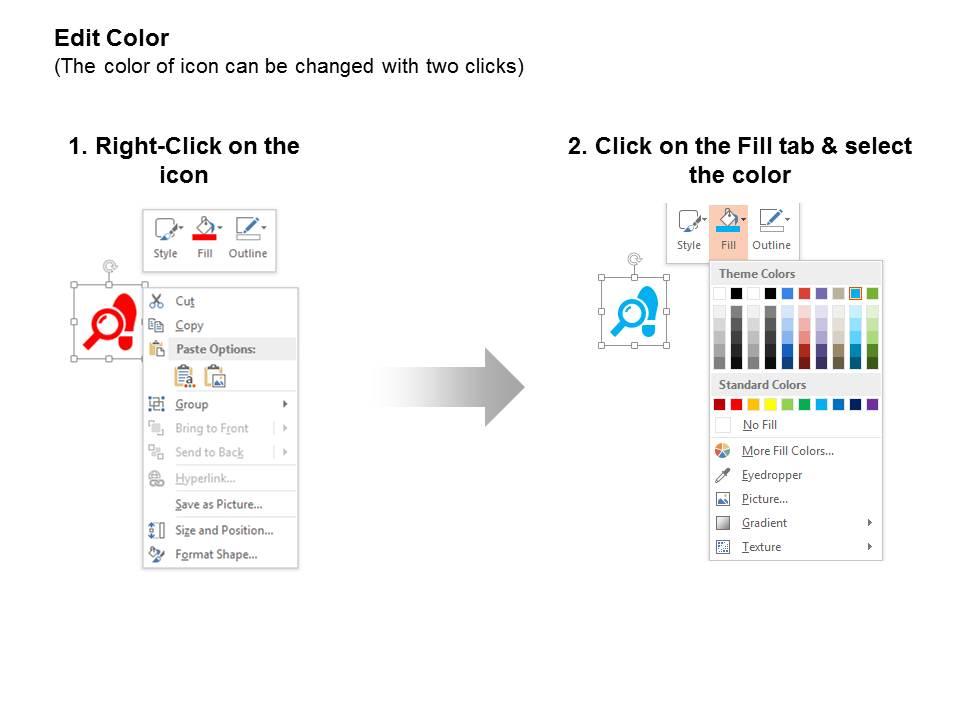
Presenting foot print analysis scale finger print ppt icons graphics. This Power Point icon template diagram has been crafted with graphic of foot prints ,scale with finger prints icons. This icon template contains the concept of balance in justice and print analysis for judgement . This icon PPT diagram can be used for law and justice related presentations.

People who downloaded this PowerPoint presentation also viewed the following :

FAQs for Foot print analysis scale finger print

Key components of footprint analysis in environmental studies include carbon footprint measurement, water usage assessment, land use evaluation, waste generation tracking, and biodiversity impact analysis. These methodologies enable organizations to quantify environmental impacts across operations, supply chains, and product lifecycles, with companies in manufacturing, retail, and energy sectors finding that comprehensive footprint analysis delivers regulatory compliance, cost reductions, and enhanced sustainability reporting.

Footprint analysis helps organizations measure their environmental impact across carbon emissions, water usage, waste generation, and resource consumption, providing comprehensive sustainability metrics. Through detailed tracking and assessment tools, companies can identify inefficiencies, set reduction targets, and demonstrate environmental responsibility to stakeholders, while many organizations find that systematic footprint analysis ultimately delivers cost savings and competitive advantages in increasingly sustainability-focused markets.

Footprint analysis provides comprehensive measurement of corporate environmental and social impacts, including carbon emissions, water usage, waste generation, and resource consumption across operations. Through systematic tracking and assessment, organizations can identify sustainability gaps, set measurable CSR targets, and demonstrate accountability to stakeholders, ultimately delivering enhanced brand reputation and competitive advantage in increasingly conscious markets.

Carbon footprints measure greenhouse gas emissions in CO2 equivalents, focusing specifically on climate change impact, while ecological footprints assess total resource consumption against Earth's regenerative capacity in global hectares. These complementary approaches enable organizations to address different sustainability challenges, with carbon footprints driving emissions reduction strategies and ecological footprints informing comprehensive resource management, ultimately delivering both climate action and broader environmental stewardship.

Common tools for footprint analysis include life cycle assessment (LCA) software like SimaPro and GaBi, carbon calculators such as EPA's Portfolio Manager, water footprint tools, and specialized databases like Ecoinvent. These methodologies streamline environmental impact measurement by automating data collection, standardizing calculations, and generating comprehensive reports, with many organizations finding that integrated platforms deliver faster assessments and more accurate sustainability insights.

Footprint analysis informs policy decisions by quantifying resource consumption, waste generation, and environmental impacts across sectors, enabling data-driven regulations and strategic planning. Through comprehensive assessments, local governments streamline urban planning and waste management policies, while national authorities develop sustainable agriculture, energy, and manufacturing standards, ultimately delivering evidence-based frameworks that balance economic growth with environmental stewardship.

Footprint analysis enhances supply chain sustainability by identifying carbon hotspots, optimizing transportation routes, reducing waste generation, and improving resource efficiency across operations. Through comprehensive environmental mapping, organizations streamline logistics, minimize emissions, and enhance supplier accountability, with many manufacturing and retail companies finding that data-driven sustainability strategies ultimately deliver cost reductions and stronger competitive positioning.

Common challenges include data integration complexities, inconsistent measurement standards, resource allocation constraints, stakeholder alignment difficulties, and technology infrastructure limitations. These obstacles often require significant upfront investment and organizational change management, yet many companies find that systematic implementation through phased approaches, standardized metrics, and cross-functional collaboration ultimately delivers enhanced operational visibility and strategic competitive advantage.

Individuals can apply footprint analysis by measuring their carbon, water, and ecological footprints through online calculators, tracking energy consumption, transportation choices, and consumption patterns. This data enables targeted changes like switching to renewable energy, reducing meat consumption, choosing sustainable transportation, and minimizing waste, with many households finding that systematic monitoring delivers measurable reductions and long-term cost savings.

Effective digital footprint metrics include website traffic analytics, social media engagement rates, search engine rankings, online mention volume, and conversion tracking across platforms. These measurements enable organizations to assess their digital presence comprehensively, optimize resource allocation, and enhance customer touchpoints, with many businesses finding that integrated analytics deliver competitive advantages through improved targeting and strategic positioning.

Footprint analysis integrates into corporate strategy by identifying resource inefficiencies, mapping environmental impacts across operations, and revealing cost-reduction opportunities that enhance competitive positioning. Through comprehensive data assessment, organizations streamline supply chains, optimize facility locations, and minimize waste streams, with many companies finding that strategic footprint integration delivers both sustainability goals and improved profit margins.

Manufacturing companies like Toyota use footprint analysis to optimize supply chain logistics and reduce emissions, while retailers such as Walmart leverage it to minimize packaging waste and energy consumption across stores. These applications streamline operations by identifying inefficiencies, reducing costs, and enhancing sustainability reporting, with many organizations finding that comprehensive footprint analysis ultimately delivers competitive advantage and improved stakeholder confidence.

**INPUT**: What future trends are emerging in footprint analysis and reporting? **OUTPUT**: Emerging trends include real-time monitoring systems, blockchain verification, AI-powered predictive analytics, integrated ESG reporting platforms, and scope 3 supply chain transparency tools. These technologies streamline data collection, enhance accuracy, and enable automated compliance reporting, with many organizations finding that advanced analytics deliver competitive advantages through faster decision-making and improved stakeholder trust.

Footprint analysis serves as a focused component within broader life cycle assessment frameworks, measuring specific environmental impacts like carbon, water, or land use across product lifecycles. While LCA provides comprehensive environmental evaluation from raw materials to disposal, footprint analysis enables manufacturers in sectors like automotive, electronics, and packaging to target specific sustainability metrics, streamline resource allocation, and deliver measurable improvements that enhance competitive positioning.

Footprint analysis can effectively drive consumer behavioral changes by providing clear, personalized data on environmental impacts across carbon, water, and ecological metrics. Through mobile apps, sustainability reports, and product labeling, retailers, food companies, and utility providers increasingly find that transparent footprint information encourages more sustainable purchasing decisions, ultimately delivering measurable consumption reductions and enhanced brand loyalty.

Ratings and Reviews

100% of 100
Write a review
Most Relevant Reviews
  1. 100%

    by Darin Chen

    Very unique and reliable designs.
  2. 100%

    by Chet Cox

    Innovative and attractive designs.

2 Item(s)

per page: