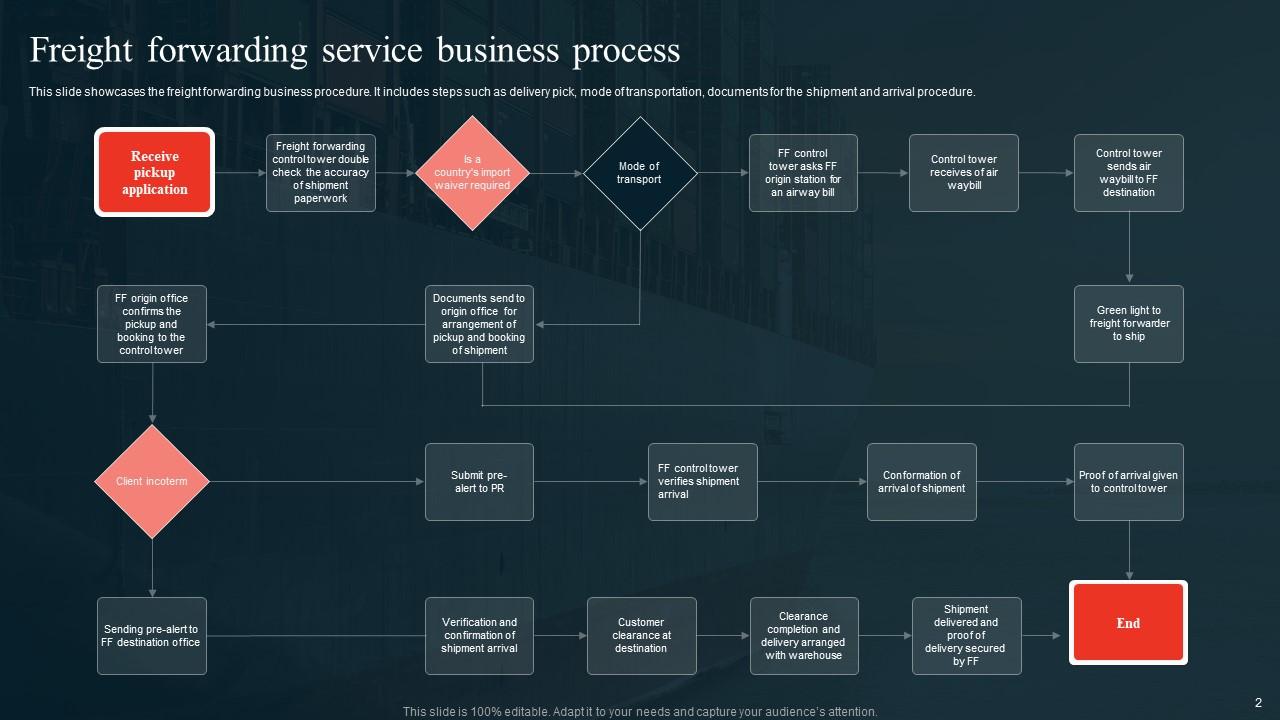
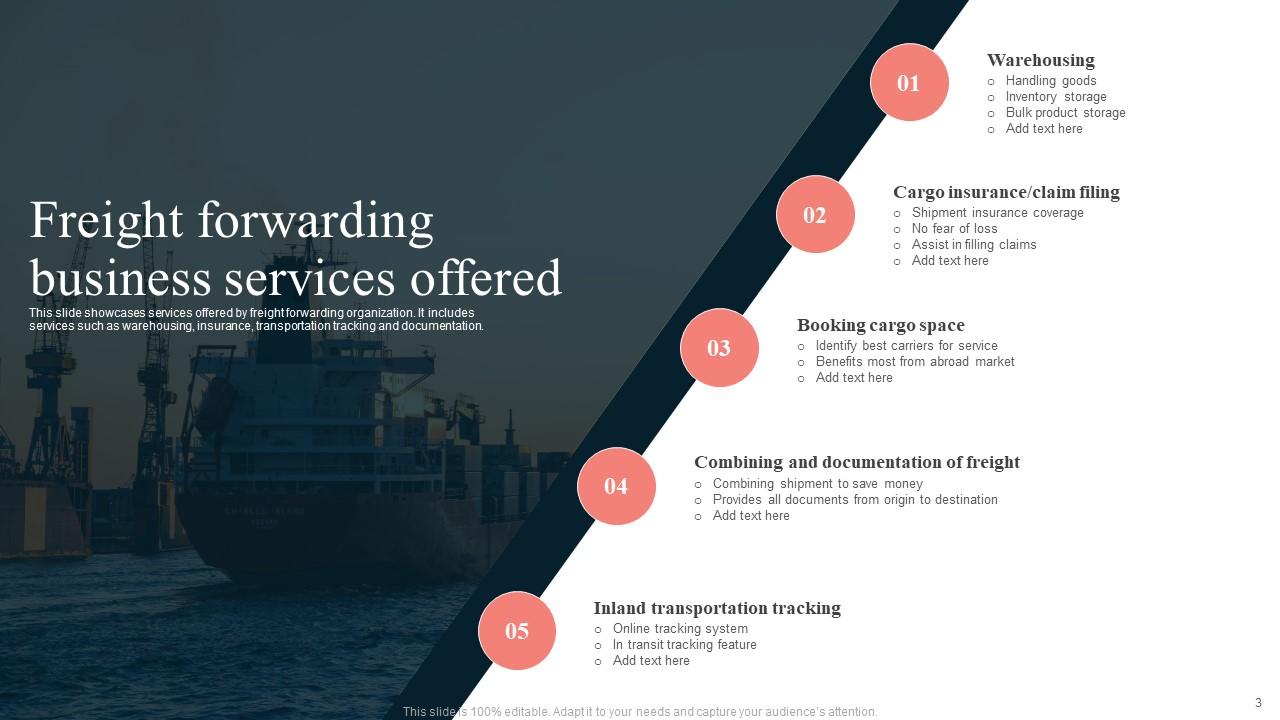
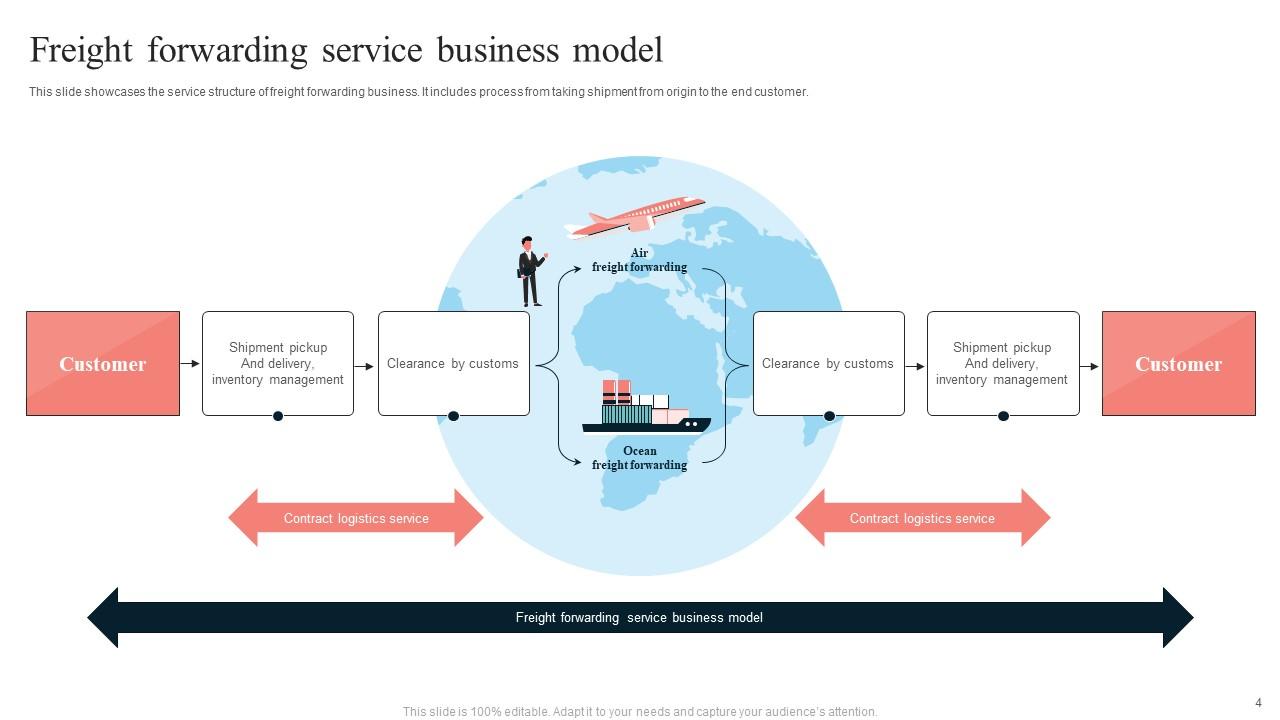
Freight Forwarding Business Powerpoint Ppt Template Bundles
Try Before you Buy Download Free Sample Product
Audience
Editable
of Time
Our Freight Forwarding Business Powerpoint Ppt Template Bundles are topically designed to provide an attractive backdrop to any subject. Use them to look like a presentation pro.
People who downloaded this PowerPoint presentation also viewed the following :
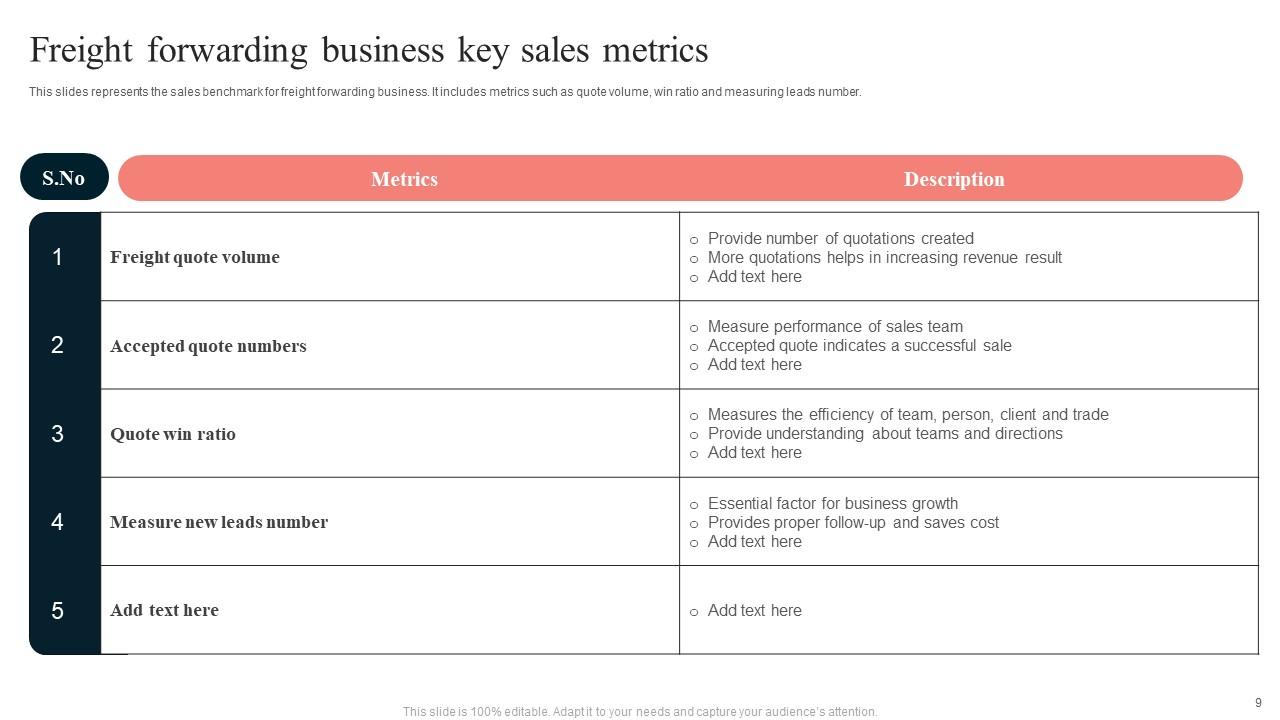
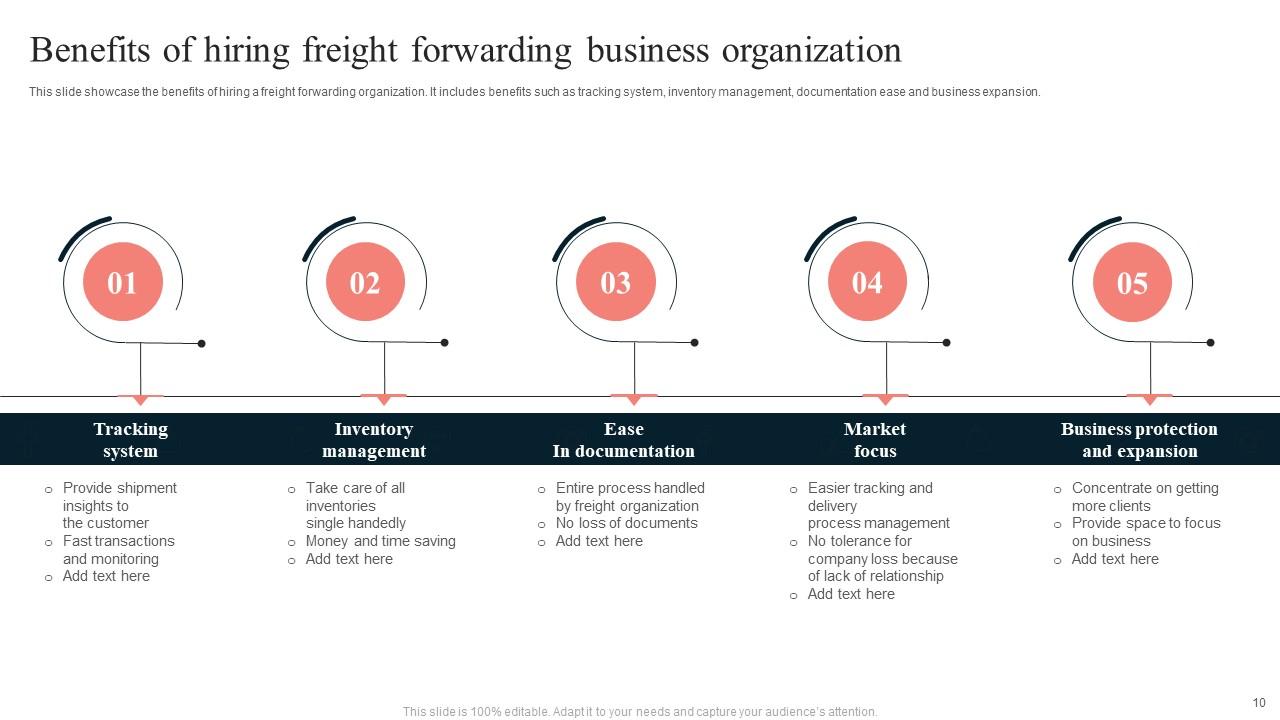
Freight Forwarding Business Powerpoint Ppt Template Bundles with all 18 slides:
Use our Freight Forwarding Business Powerpoint Ppt Template Bundles to effectively help you save your valuable time. They are readymade to fit into any presentation structure.
FAQs for Freight Forwarding Business Powerpoint
So a freight forwarder is basically your shipping middleman - they handle all the logistics stuff you don't want to deal with. They'll book your shipments, sort out customs paperwork, and negotiate rates with carriers. Plus they track everything from pickup to delivery. Honestly, the good ones are worth their weight in gold if you're doing regular international shipping. They've got all the carrier relationships already built up, handle insurance and warehousing too. Way less headache than trying to figure out all those documentation requirements yourself, and you'll probably save money in the long run.
Honestly, customs docs can totally make or break your shipping timeline. If you mess up the commercial invoices or packing lists, your stuff just sits there at the border for weeks. Super frustrating. You'll also need any certificates or permits that are specific to whatever you're shipping and where it's going. I learned this the hard way once - missed one stupid form and had to explain to my boss why everything was delayed. Get with your freight forwarder early to figure out exactly what paperwork you need. Then double-check it all before anything ships out.
So there are four main ways to ship stuff - ocean, air, road, and rail. Ocean's cheapest but takes forever, so it's perfect for heavy things you don't need right away. Air costs way more but it's super fast for urgent or expensive items. Trucking handles most local deliveries and getting stuff to your door. Rail works great for bulk cargo across long distances, though honestly I think people forget about it sometimes. Most shipments mix different modes - like boat to plane to truck. Just figure out your budget, timeline, and what you're shipping first. Those three things will basically tell you which way to go.
So basically, good freight forwarders have teams that are obsessed with keeping up on regulations - and honestly, they have to be because rules change constantly. They'll use software to flag restricted items and check if your documentation is right. The smart ones invest heavily in compliance training too. Your forwarder should handle export licenses, make sure your stuff meets the destination country's requirements, and catch problems before they cost you serious money. Oh, and having solid relationships with customs officials doesn't hurt either. It's all about finding someone who actually takes this seriously.
Dude, freight forwarders are total game-changers for small businesses. They've already got all the carrier connections, so you'll get way better shipping rates than trying to negotiate yourself. All that customs paperwork and international shipping rules? They handle it so you don't have to become some logistics wizard overnight. When stuff inevitably goes wrong with shipments, they deal with the mess instead of you panicking at 2am. Honestly, the time savings alone makes their fees worth it - you can actually focus on running your business. I'd grab quotes from maybe 2-3 different ones to start.
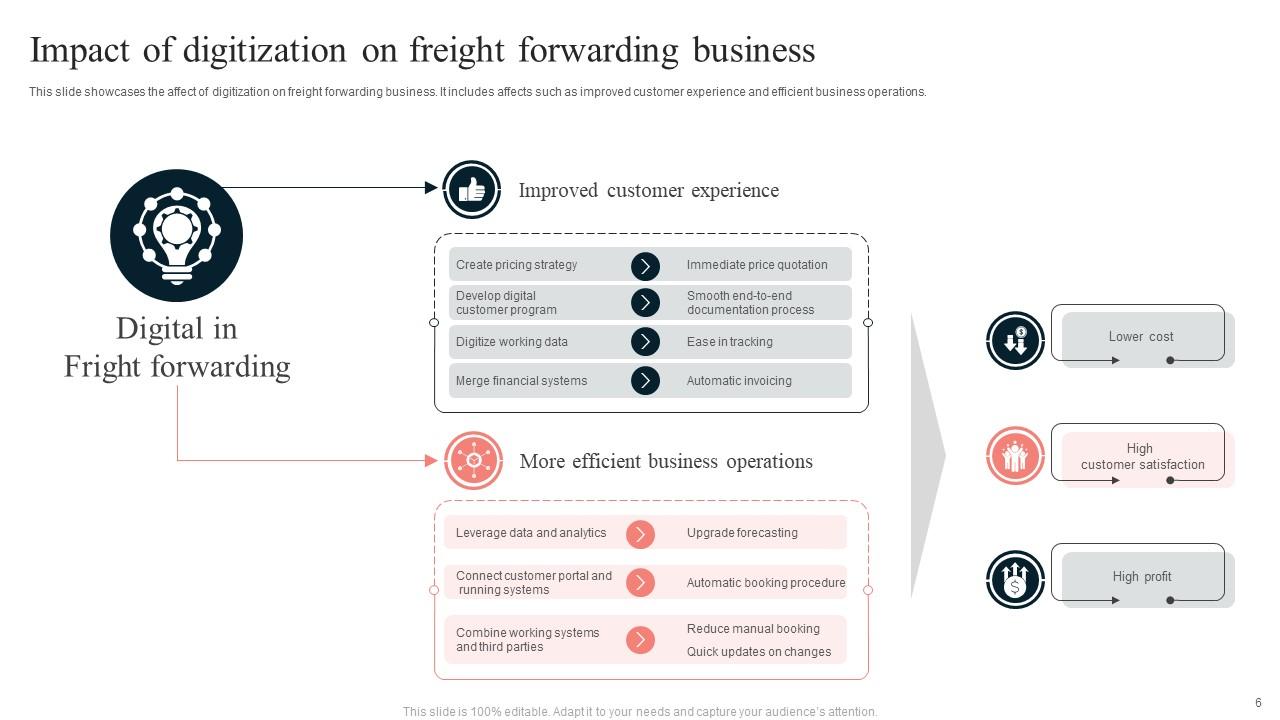
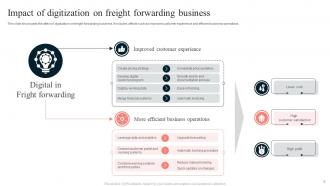
Honestly, tech is a game changer for freight forwarding. Start by digitizing whatever's eating up most of your time - trust me, you'll feel the difference right away. Real-time tracking becomes automatic, and all that paperwork nightmare? Gone. AI actually predicts delays before they mess up your day, which is pretty wild. Your customers can see exactly where their stuff is without calling you constantly. Cloud systems mean your team works from anywhere. The route optimization alone will save you headaches. Oh, and you'll connect straight to carriers and customs through digital platforms - cuts out so much back-and-forth.
Honestly, you're looking at cargo damage, delays, paperwork mess-ups, and liability headaches. Hidden fees love to surprise you too - learned that one the hard way. Get good insurance and work with carriers who actually have their act together. Track everything like you're stalking an ex on social media. Stay on top of your freight forwarder constantly. Double-check docs before shipping because one typo can derail everything. Build solid relationships with reliable partners - they'll save your butt when stuff goes wrong. I'd start by figuring out where your current process is most likely to fail.
So freight insurance basically covers your stuff if it gets damaged, lost, or stolen while shipping. You don't have to get it, but carriers only give you like $0.60 per pound coverage - which is garbage if you're shipping anything valuable. I learned this the hard way once. For expensive or fragile items, you definitely want it. Costs around 0.1-2% of whatever your cargo's worth, so pretty reasonable. Just make sure you declare the real replacement value when you buy it, not what you originally paid.
So freight costs depend on a bunch of stuff. Distance is huge, obviously. Air shipping costs way more but you'll get it fast - ocean's the opposite. Weight and size matter too, plus if you need special handling like keeping things cold or dealing with hazardous materials. Fuel surcharges are honestly a pain because they fluctuate constantly. Then customs fees, insurance, warehousing if you need it. Documentation costs add up too, which I always forget about. Best bet? Get multiple quotes and book early when you can. Saves you headaches later.
Dude, geopolitical stuff can totally wreck your shipping plans in like 24 hours. Trade restrictions pop up, ports get shut down, tariffs change - suddenly you're paying double to reroute everything. Wars and sanctions create huge bottlenecks too. Remember when that ship got stuck in the Suez Canal? Total nightmare. The Russia-Ukraine thing has been brutal for supply chains. Currency swings from political chaos also screw with your pricing models, which is super annoying when you're trying to budget. Build relationships with multiple carriers and map out backup routes now. Trust me, scrambling during a crisis costs way more than planning ahead.
Dude, freight forwarders are like having a really well-connected friend in logistics. When stuff hits the fan, they'll reroute your shipments around closed ports and find backup carriers when yours are swamped. They've got contacts everywhere that you just don't have access to. Plus they handle all the annoying phone calls - no more bouncing between carriers, customs, and warehouses yourself. Honestly, their networks are pretty insane. They can negotiate emergency rates too, which saves your butt when you're desperate. You're already paying them anyway, so might as well use their crisis management skills when things go wrong.
Ok so Incoterms are basically the rules that spell out who pays for what and handles which risks during shipping. FOB, CIF, DDP - yeah they sound boring but they'll make or break your margins. Like, if you quote someone thinking they're covering insurance but the Incoterm says you are? You're screwed. Always double-check which one you're working with upfront. They determine everything from customs clearance to transportation costs. Honestly, I've seen people lose their shirts because they assumed wrong about liability. Just confirm it before you give any rates - saves so much headache later.
Yeah, freight forwarders are actually getting pretty serious about going green now. Most are using route optimization software to burn less fuel. They're teaming up with carriers who have cleaner trucks and ships too. Carbon offset programs are becoming standard - honestly didn't expect that to catch on so fast. Electric vehicles are popping up for last-mile stuff, but it's still hit or miss depending where you are. The smart ones consolidate shipments to avoid those wasteful empty runs. Intermodal transport's huge right now. Ask your forwarder if they can give you carbon footprint reports and actual sustainability numbers for your shipments.
Honestly, demand forecasting is what makes or breaks your whole freight game. You'll nail your capacity planning and route stuff way better when you can see seasonal spikes coming. Plus carriers give you way better rates when you book ahead instead of scrambling last-minute - trust me on that one. Historical data plus keeping your ear to the ground about market shifts? That's your goldmine. Track your shipping patterns religiously so you can catch trends early. Also helps you figure out which trade lanes are actually worth focusing on. Your competitors are probably sleeping on this.
Honestly, freight forwarding has so many different directions you can go. Operations is a solid start - you'll be coordinating shipments and learning how everything works. Sales is big if you're into building relationships with clients. There's also customs brokerage, dangerous goods (which sounds way cooler than it actually is), and project management stuff. Pricing and documentation roles exist too. Everything's going digital now so tech skills help a lot. The whole industry runs on people who can handle chaos and solve problems fast. I'd say jump into an entry-level coordinator role first, then see what you actually like doing.
-
Requested a complete pitch deck. Delivered immediately and with high quality well researched content.
-
I faced no difficulty while searching for the slide I wanted. Honestly, the website’s interface is easy to use and can be navigated easily!