


Gap analysis methods and models powerpoint presentation slides
Making a good gap analysis presentation can be a challenge on its own. To help you out here we are showcasing our complete ready-made 57 slides Gap Analysis Methods And Models Powerpoint Presentation Slides. This Gap Analysis model presentation deck sample is well suited for all businesses as it acts as a potential tool to figure out the methods required for improvement. Best part is that all our slides are fully editable and can be edited as per your need. This deck will help you showcase slides like gap analysis overview, gap analysis procedure, gap analysis graph, current state analysis, financial comparison, revenue versus target, fit gap analysis, growth share matrix, servqual model and many more. Furthermore, a visual communication made with help of our presentation deck helps to put your point across easily and for quick solution of a problem. Additionally, to cover all the necessary aspects here we have included template designs like meet our team, mission and vision, about us, main goals, sales comparison, quotes, dashboard, location, post it notes, timeline, hierarchy and various charts. In short, you can add value to your business processes by thoroughly discussing a business gap analysis with help of our readymade PPT sample presentation deck. So, hurry download Gap Analysis Methods And Models Powerpoint Presentation Slides sample file and get started immediately. Display a cosmopolitan approach with our Gap Analysis Methods And Models Powerpoint Presentation Slides. Cater for the demands of diverse communities.

























-

- Google Slides is a new FREE Presentation software from Google.
- All our content is 100% compatible with Google Slides.
- Just download our designs, and upload them to Google Slides and they will work automatically.
- Amaze your audience with SlideTeam and Google Slides.
-

Want Changes to This PPT Slide? Check out our Presentation Design Services
-

- WideScreen Aspect ratio is becoming a very popular format. When you download this product, the downloaded ZIP will contain this product in both standard and widescreen format.
-

- Some older products that we have may only be in standard format, but they can easily be converted to widescreen.
- To do this, please open the SlideTeam product in Powerpoint, and go to
- Design ( On the top bar) -> Page Setup -> and select "On-screen Show (16:9)” in the drop down for "Slides Sized for".
- The slide or theme will change to widescreen, and all graphics will adjust automatically. You can similarly convert our content to any other desired screen aspect ratio.
Compatible With Google Slides

Get This In WideScreen
You must be logged in to download this presentation.


Do you want to remove this product from your favourites?
PowerPoint presentation slides
Presenting Gap Analysis Methods And Models PPT with a set of 57 slides to show your mastery of the subject. Use this ready-made PowerPoint presentation to present before your internal teams or the audience. All presentation designs in this deck have been crafted by our team of expert PowerPoint designers using the best of PPT templates, images, data-driven graphs and vector icons. The content has been well-researched by our team of business researchers. The biggest advantage of downloading this deck is that it is fully editable in PowerPoint. You can change the colors, font and text without any hassle to suit your business needs.

People who downloaded this PowerPoint presentation also viewed the following :
Content of this Powerpoint Presentation
Slide 1: This slide introduces Gap Analysis Methods and Models. State Your Company Name and get started.
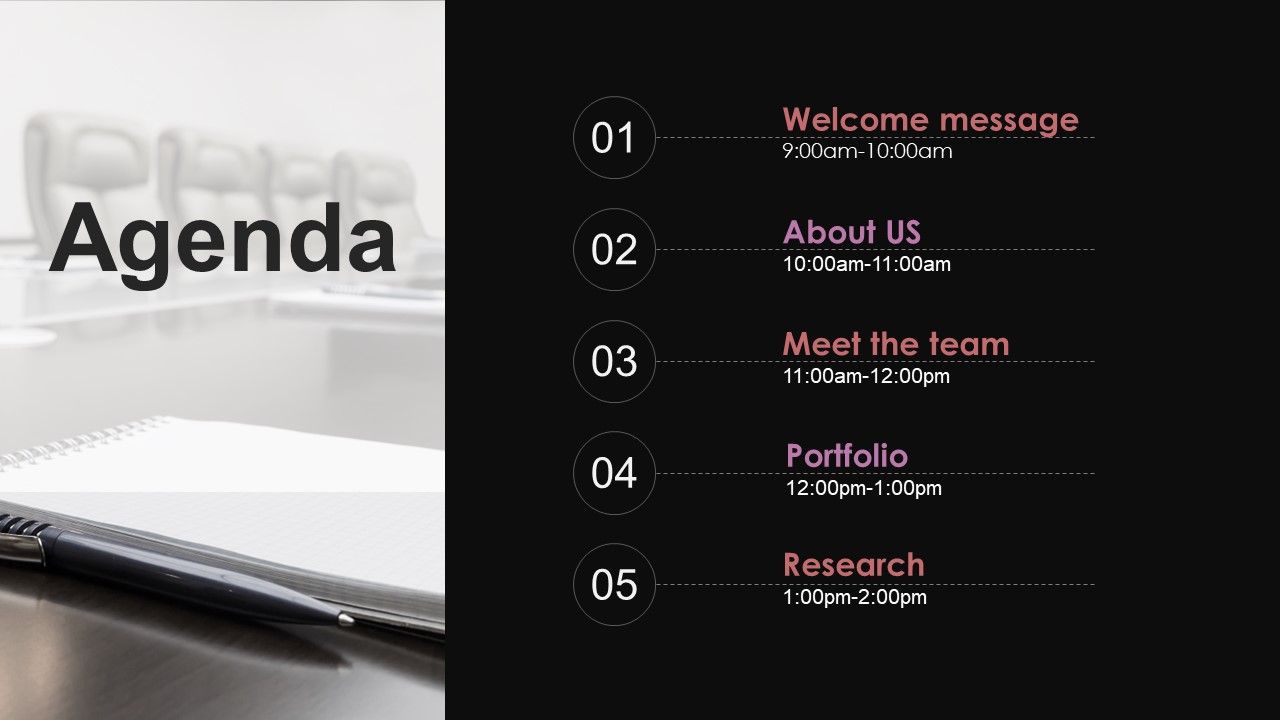
Slide 2: This is an Agenda slide. State your agendas here.
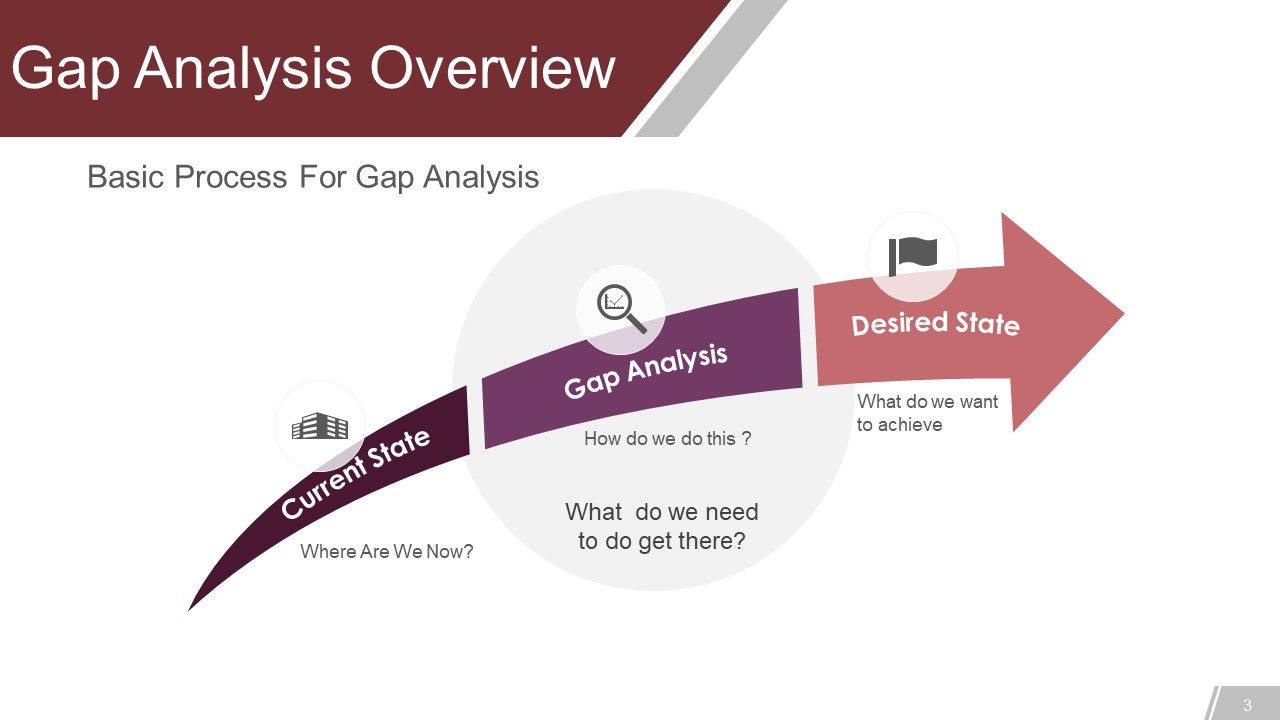
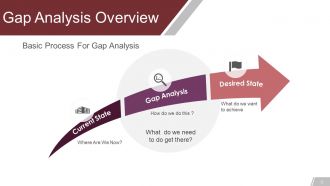
Slide 3: This slide presents Gap Analysis Overview with the following points- What do we need to do get there? Basic Process For Gap Analysis Where Are We Now? Current State How do we do this ? Gap Analysis What do we want to achieve Desired State.
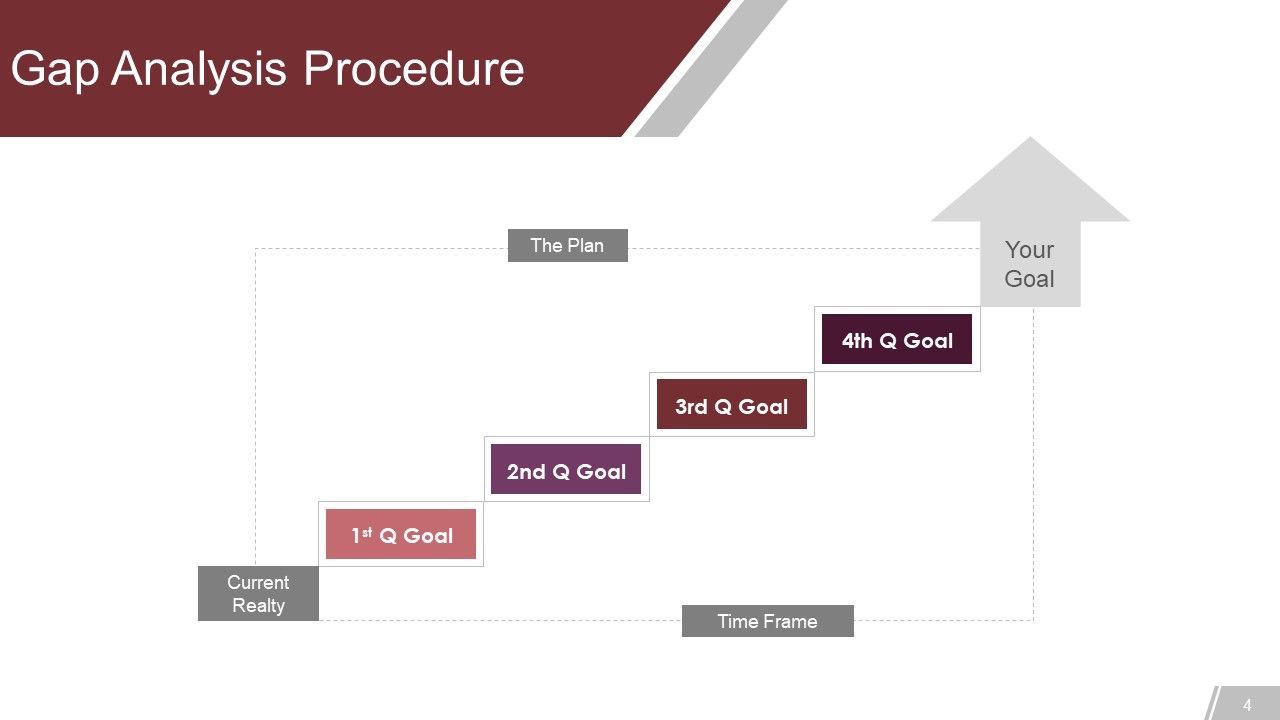
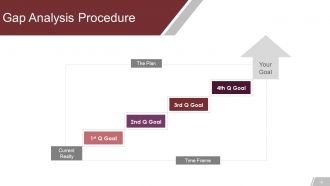
Slide 4: This slide shows a Gap Analysis Procedure with- Your Goal, The Plan, Time Frame, Current Realty.
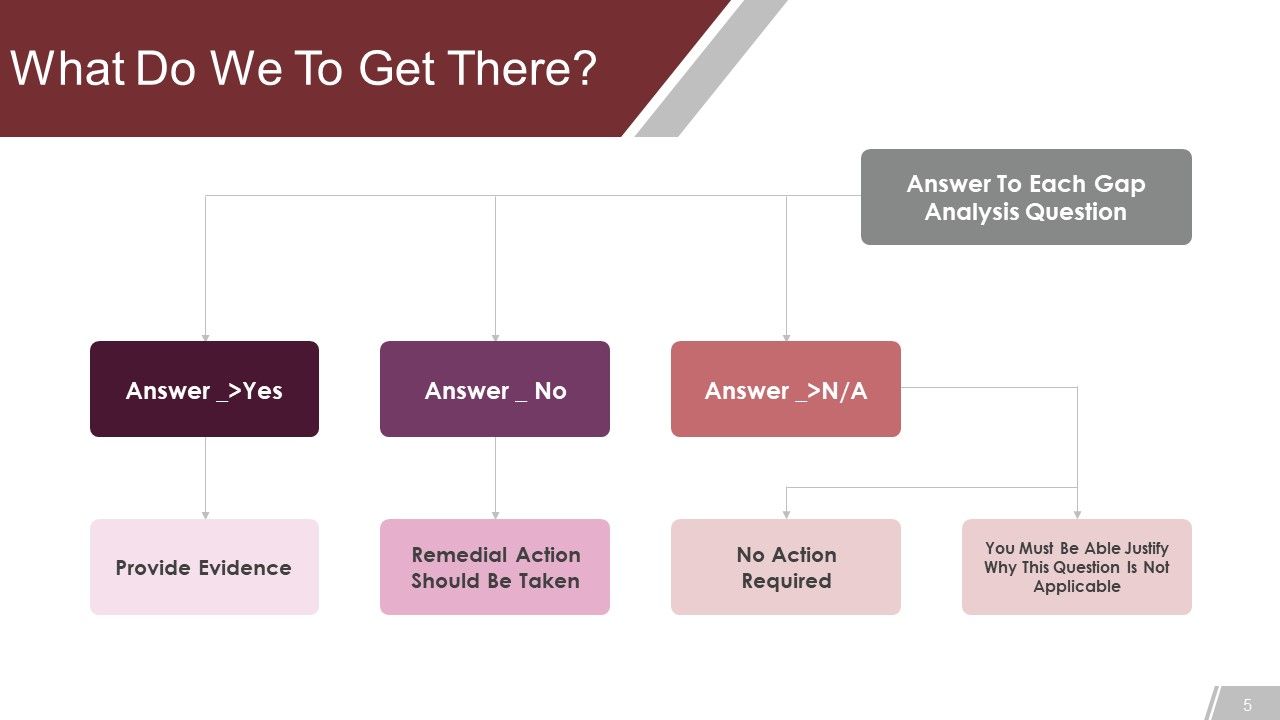
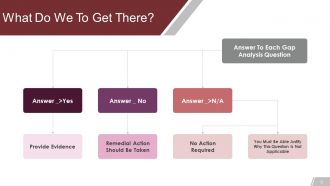
Slide 5: This slide showcases What Do We To Get There with- Answer To Each GAnswer _>Yes Provide Evidence Remedial Action Should Be Taken You Must Be Able Justify Why This Question Is Not Applicable.
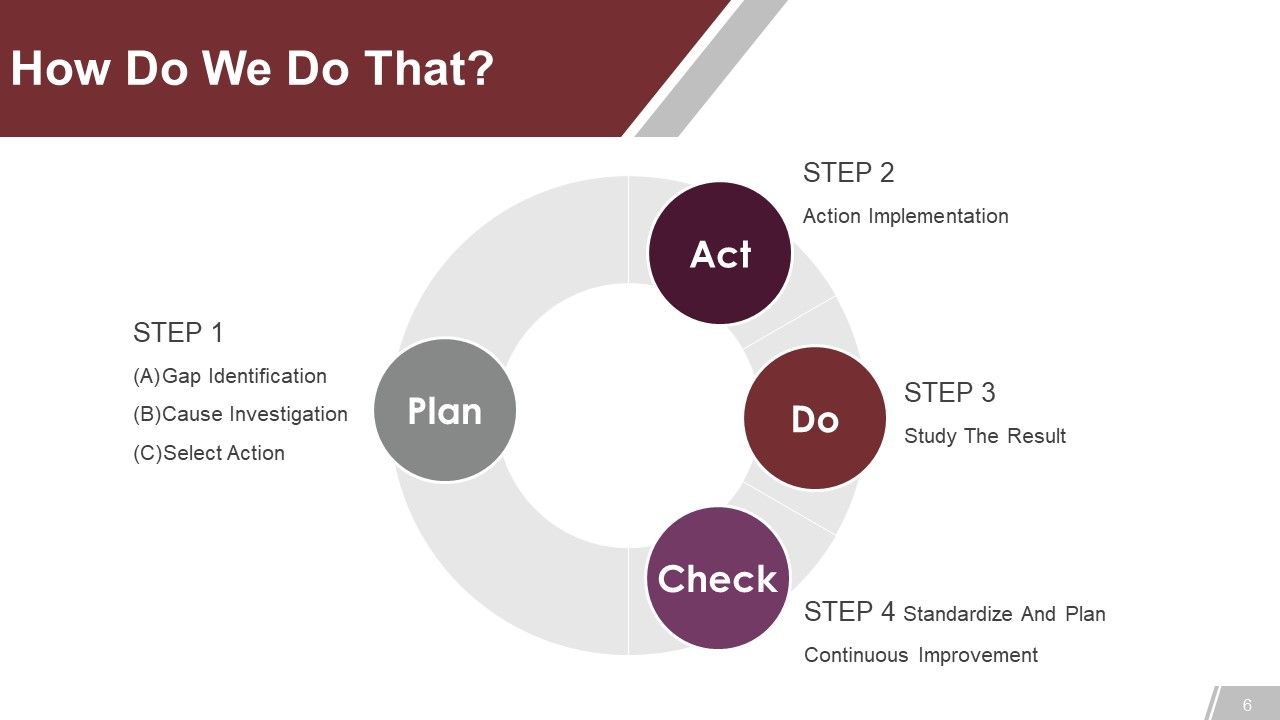
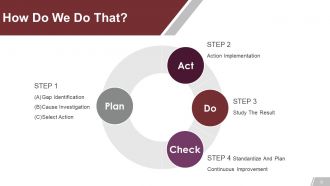
Slide 6: This slide shows How Do We Do That with- Do, Plan, Act, Check. STEP 2: Action Implementation. STEP 3: Study The Result. STEP 1: Gap Identification, Cause Investigation. Select Action STEP 4: Standardize And Plan Continuous Improvement.
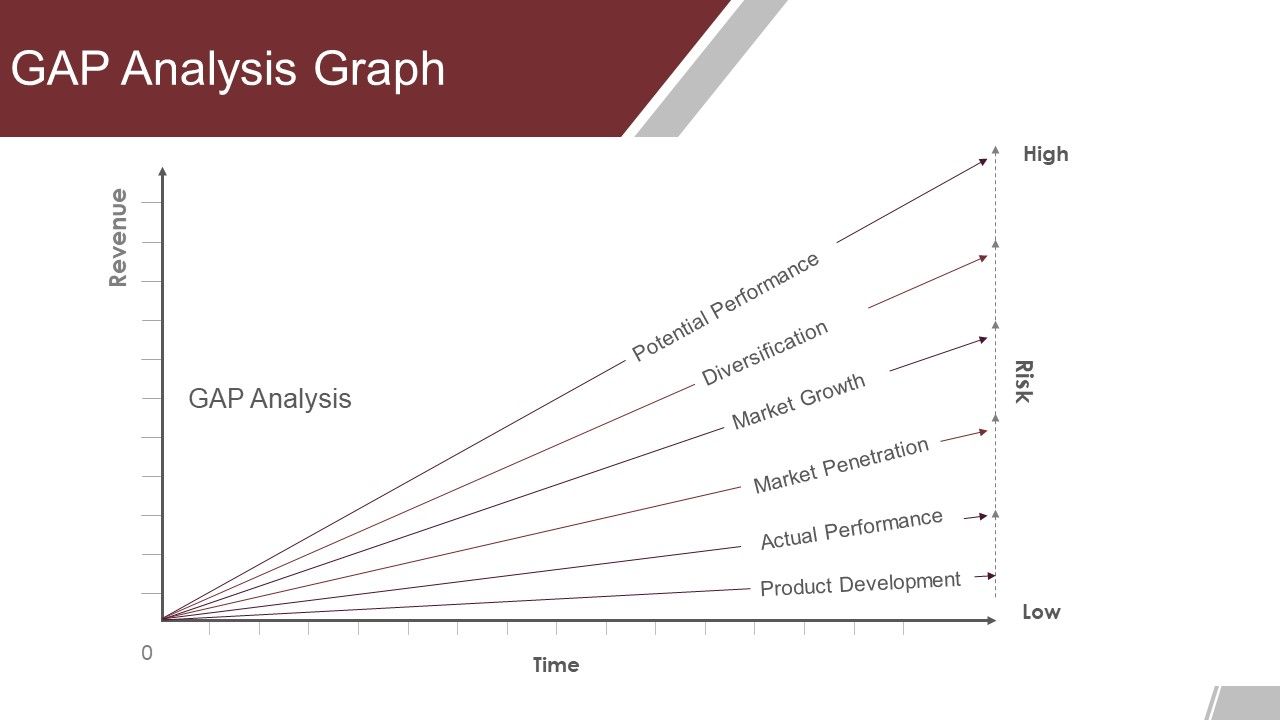
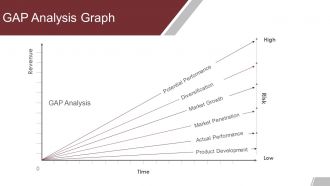
Slide 7: This slide shows a GAP Analysis Graph displaying- Potential Performance, Diversification, Product Development, Market Growth, Market Penetration, Actual Performance.
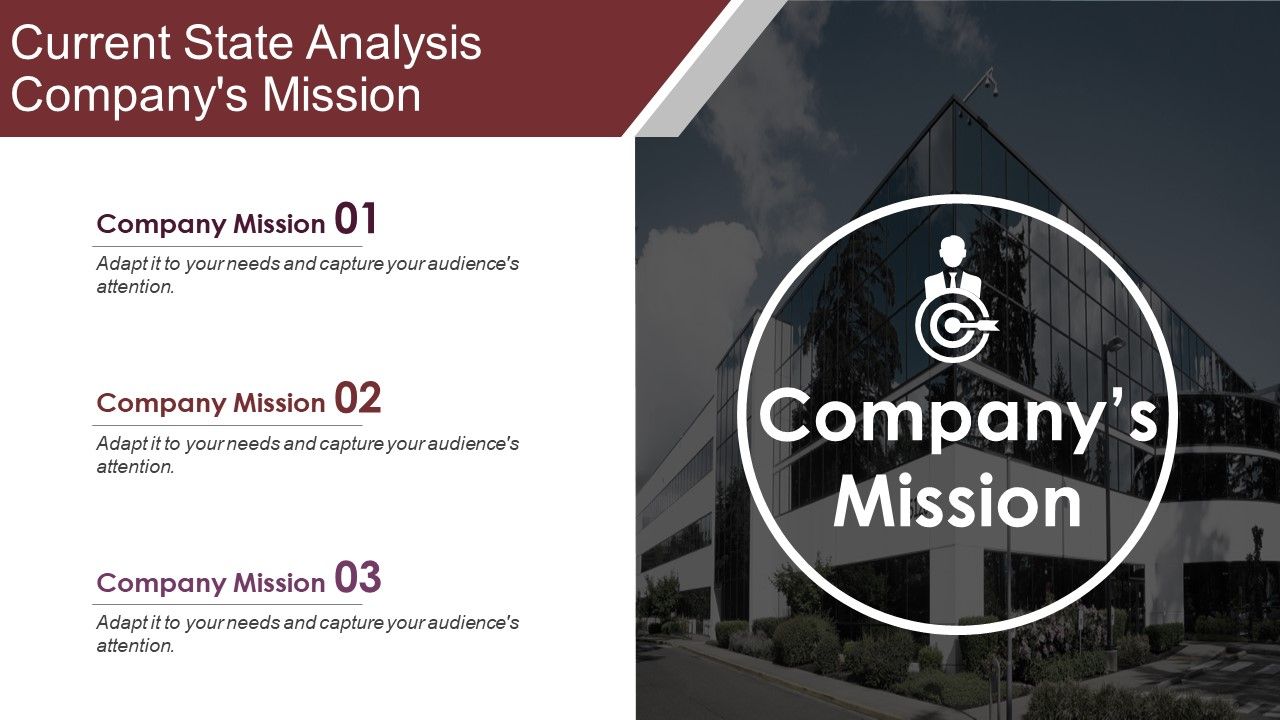
Slide 8: This slide showcases Current State Analysis Company's Mission. State company's mission here.
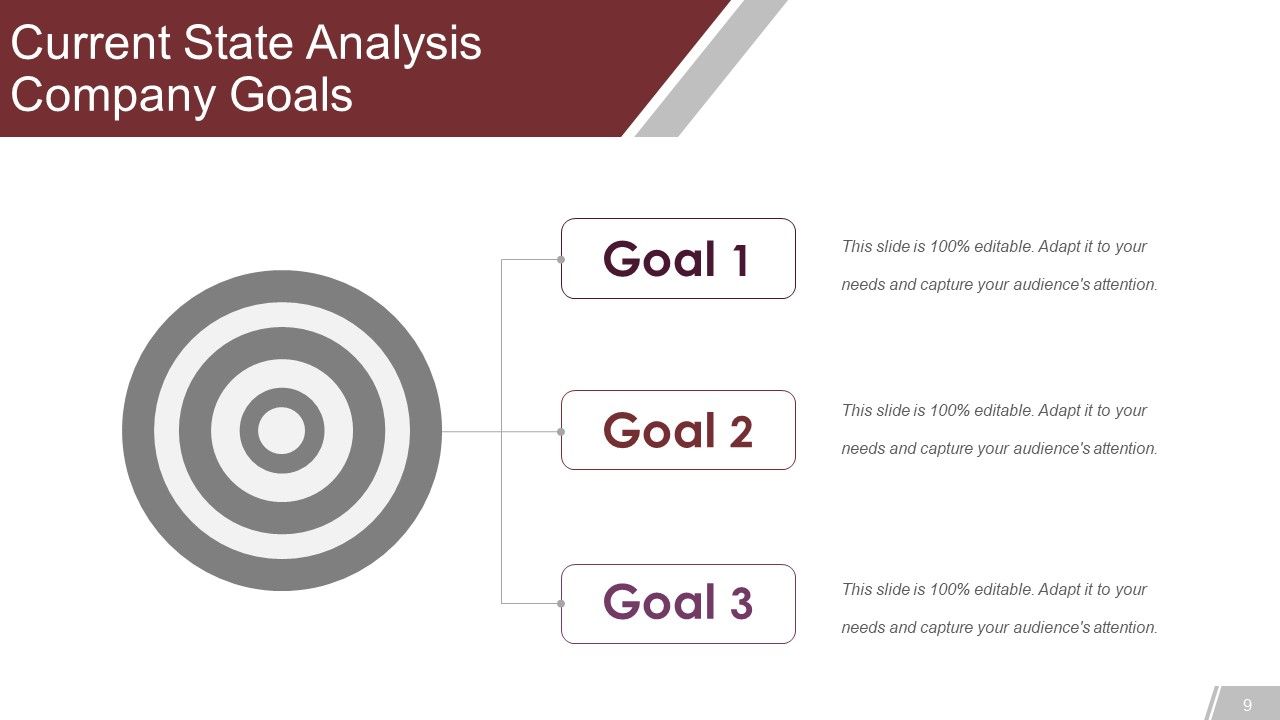
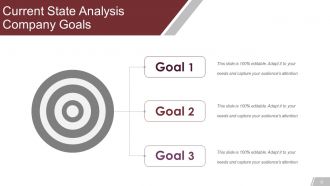
Slide 9: This slide shows Current State Analysis Company Goals. State company goals here.
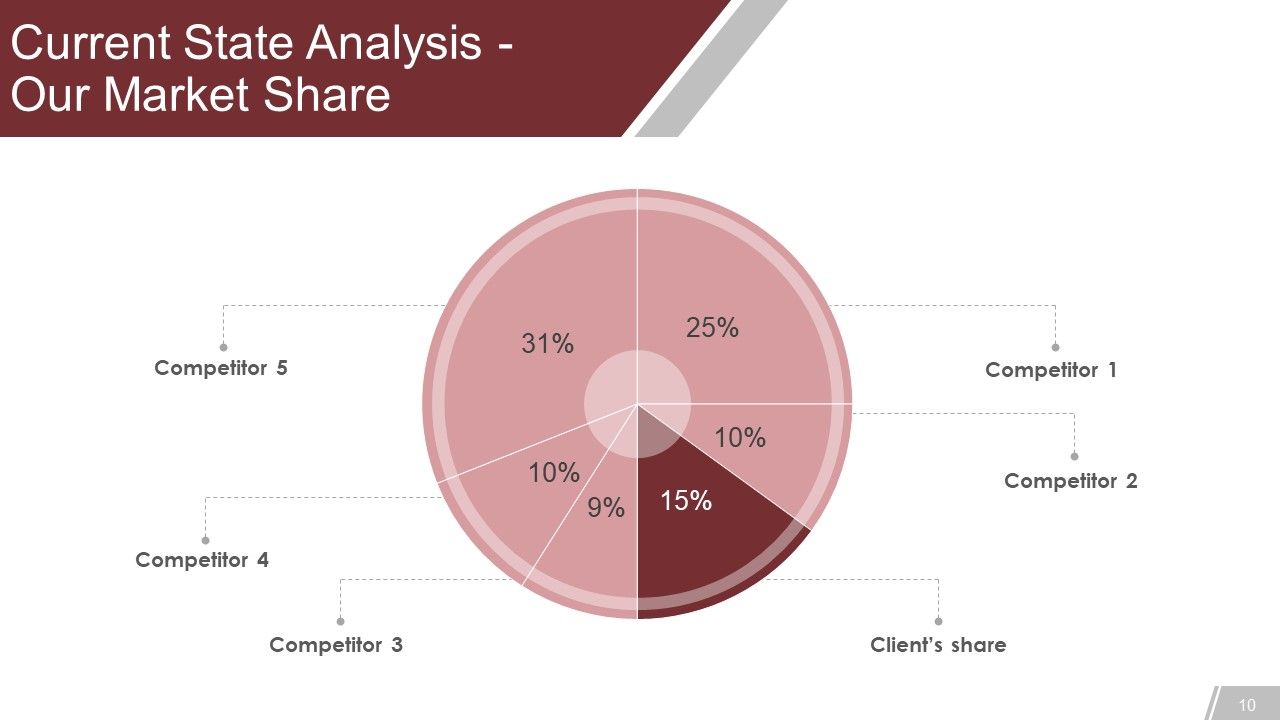
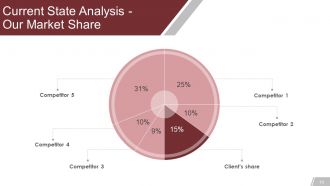
Slide 10: This slide showcases Current State Analysis - Our Market Share.
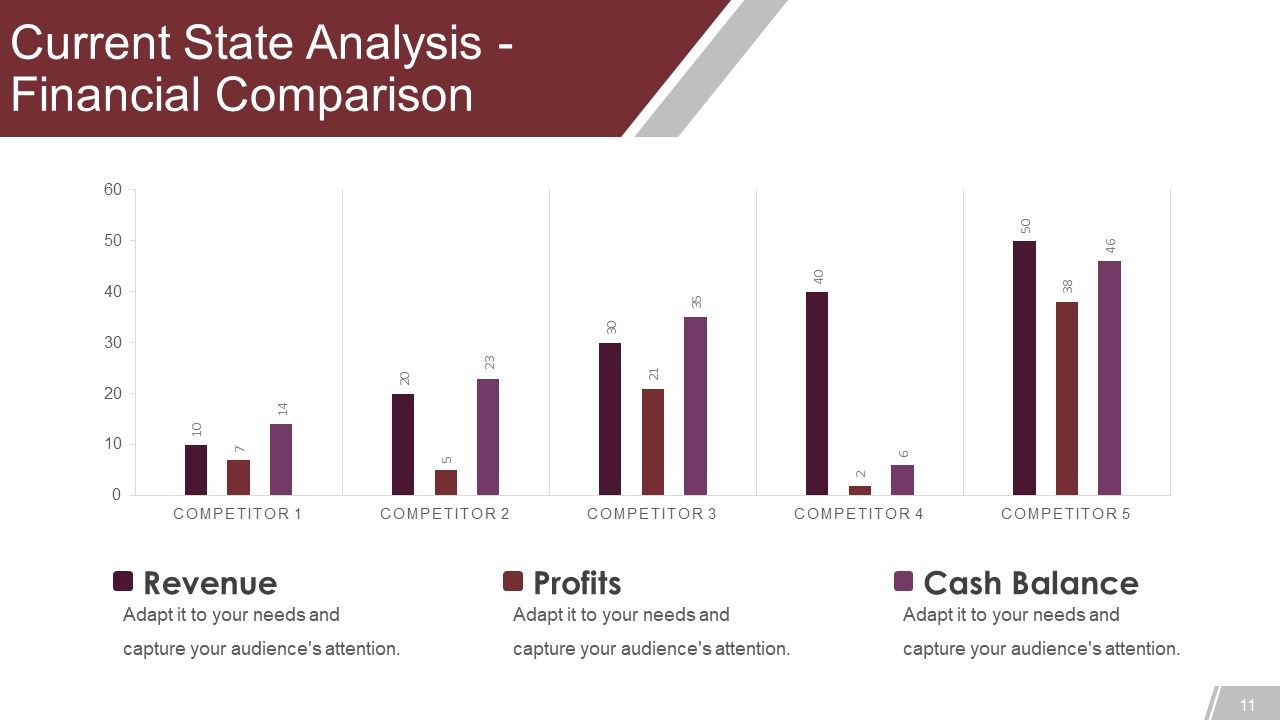
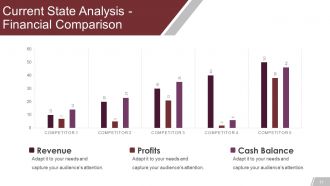
Slide 11: This slide shows Current State Analysis -Financial Comparison in graph form showing- Revenue, Profits, Cash Balance.
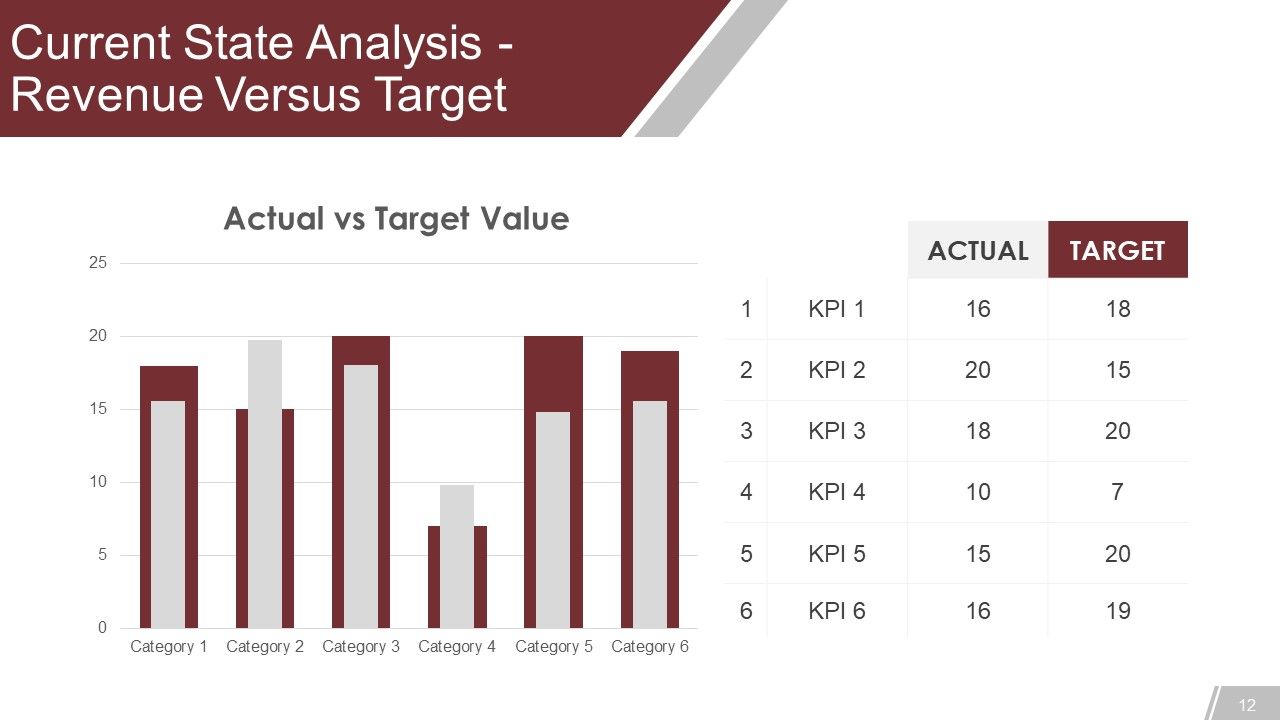
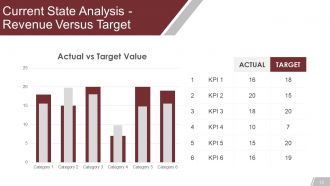
Slide 12: This slide shows Current State Analysis - Revenue Versus Target. Actual vs Target Value
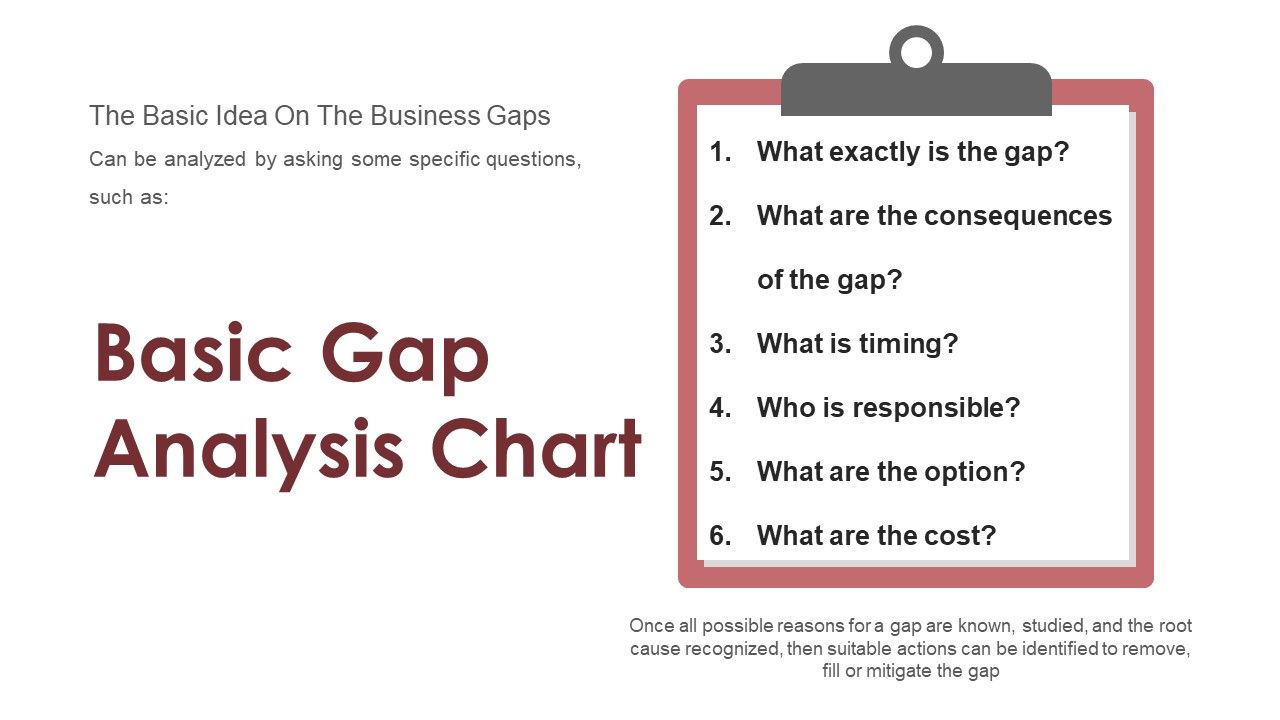
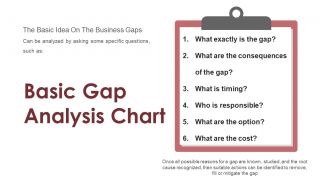
Slide 13: This slide shows Basic Gap Analysis Chart showcasing- What exactly is the gap? What are the consequences of the gap? What is timing? Who is responsible? What are the option? What are the cost? The Basic Idea On The Business Gaps can be analyzed by asking some specific questions as stated.
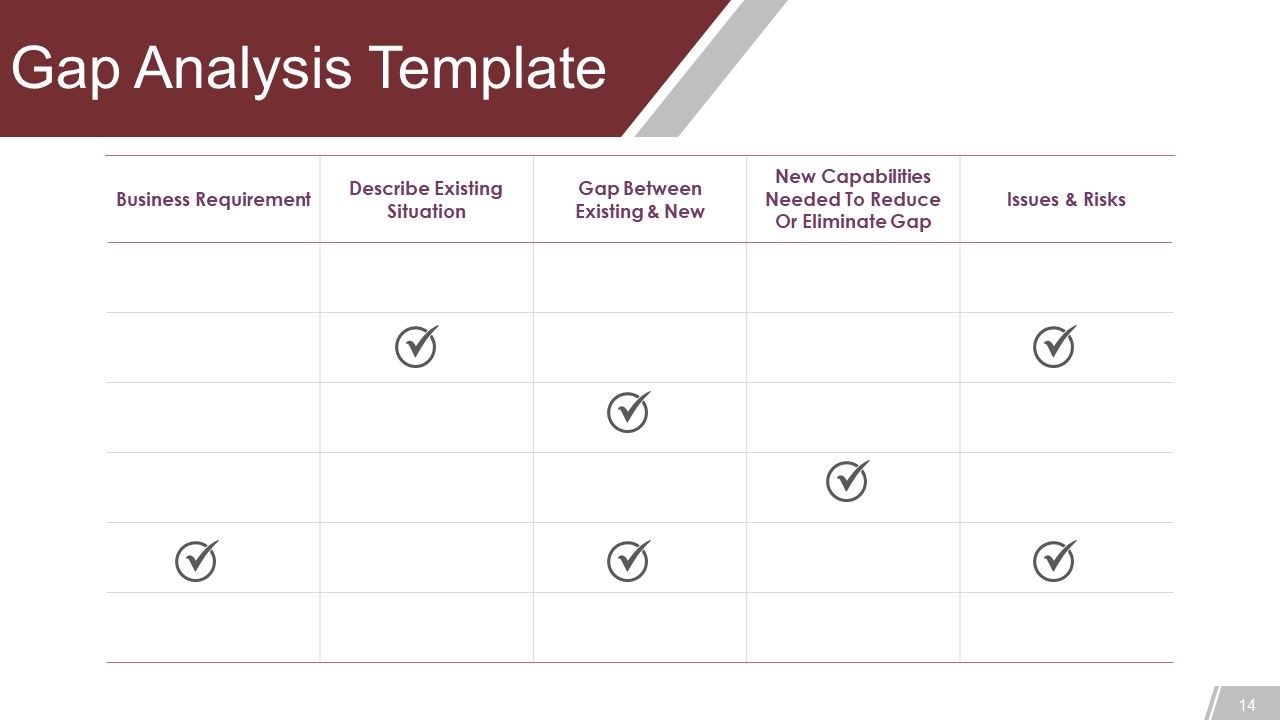
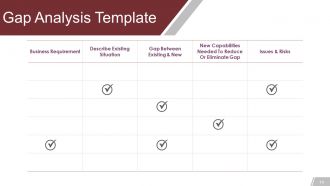
Slide 14: This is a Gap Analysis Template slide.
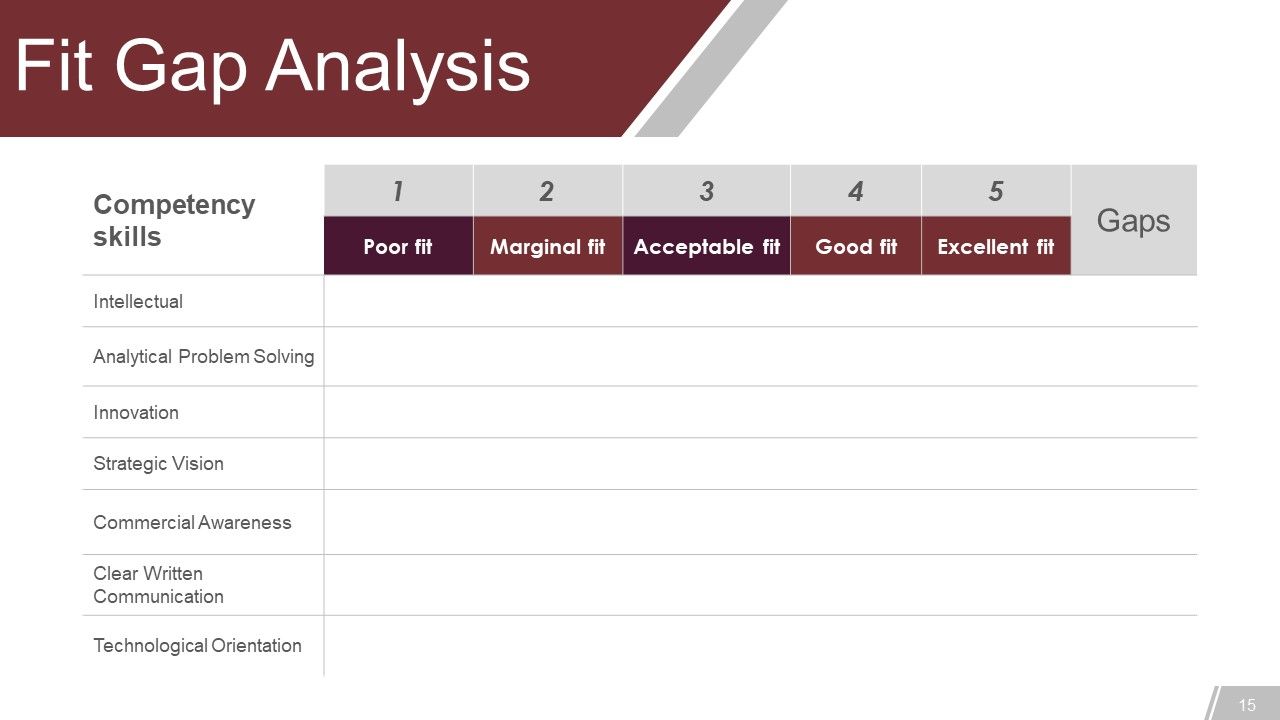
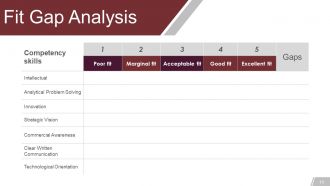
Slide 15: This slide shows Fit Gap Analysis in tabular form.
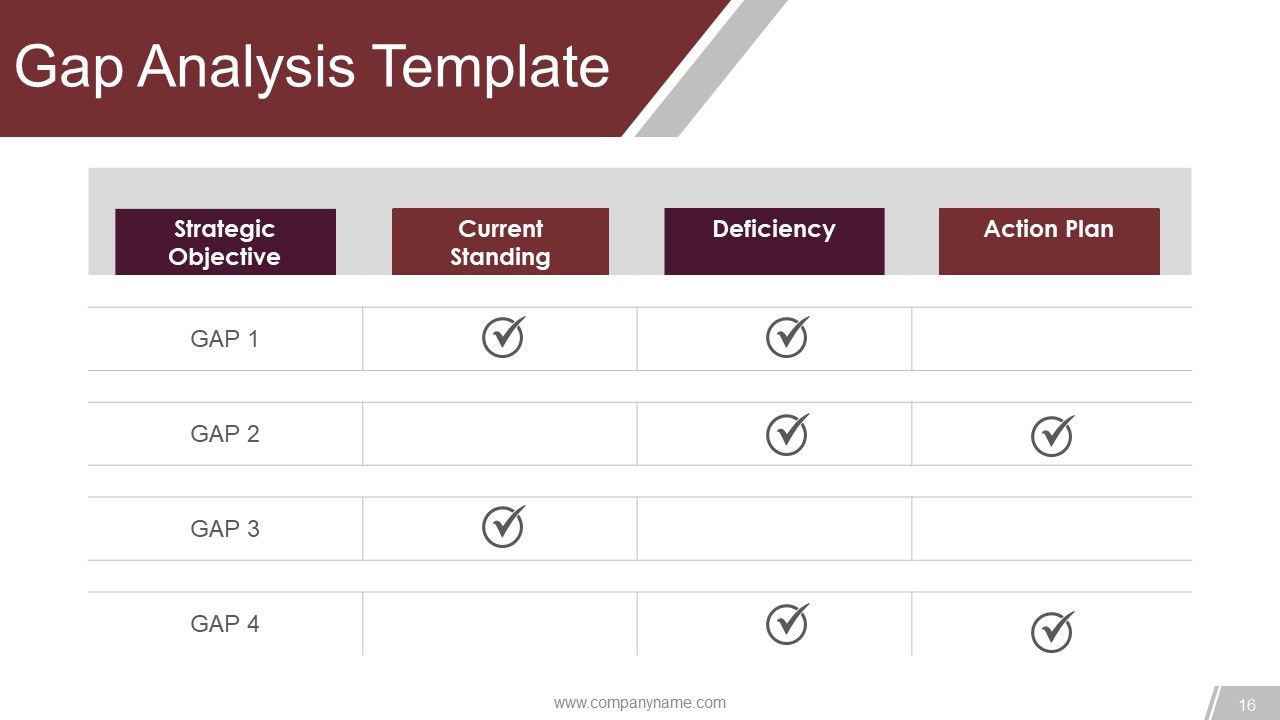
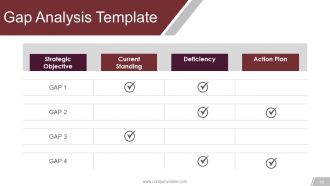
Slide 16: This slide shows a Gap Analysis Template.
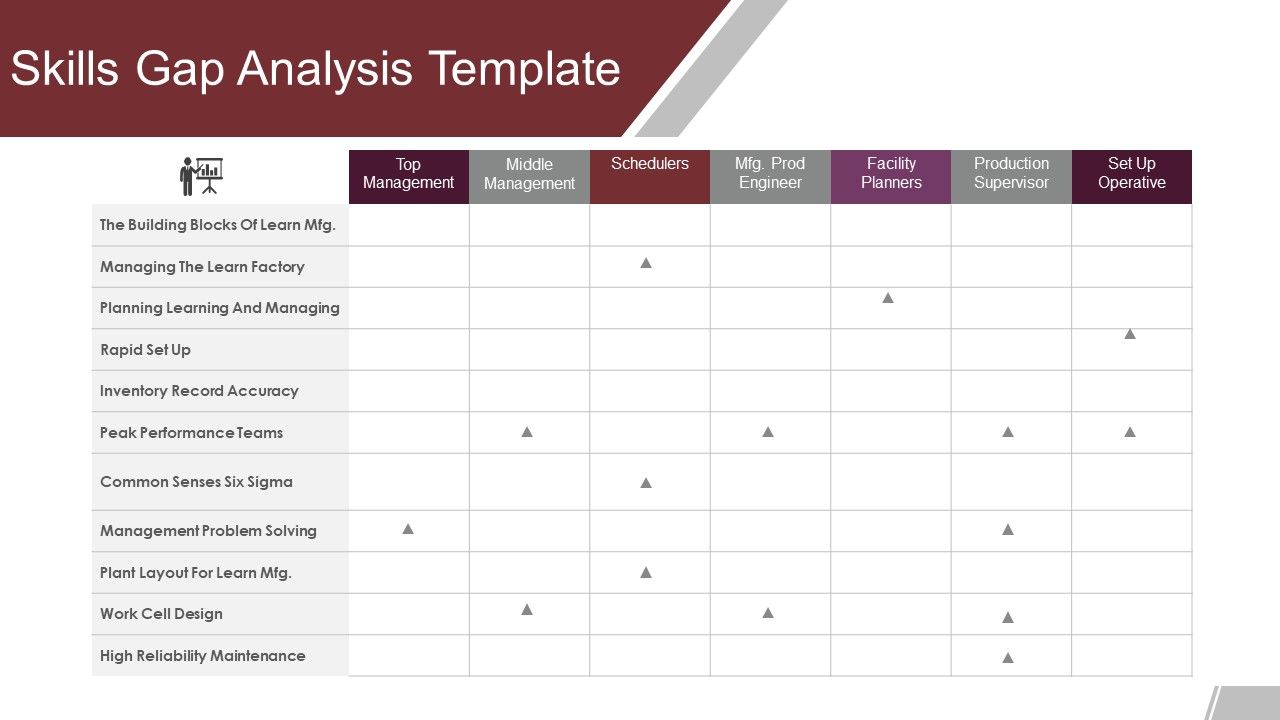
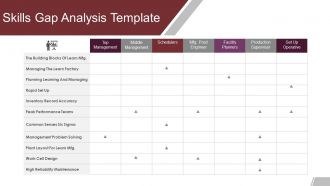
Slide 17: This slide showcases Skills Gap Analysis Template.
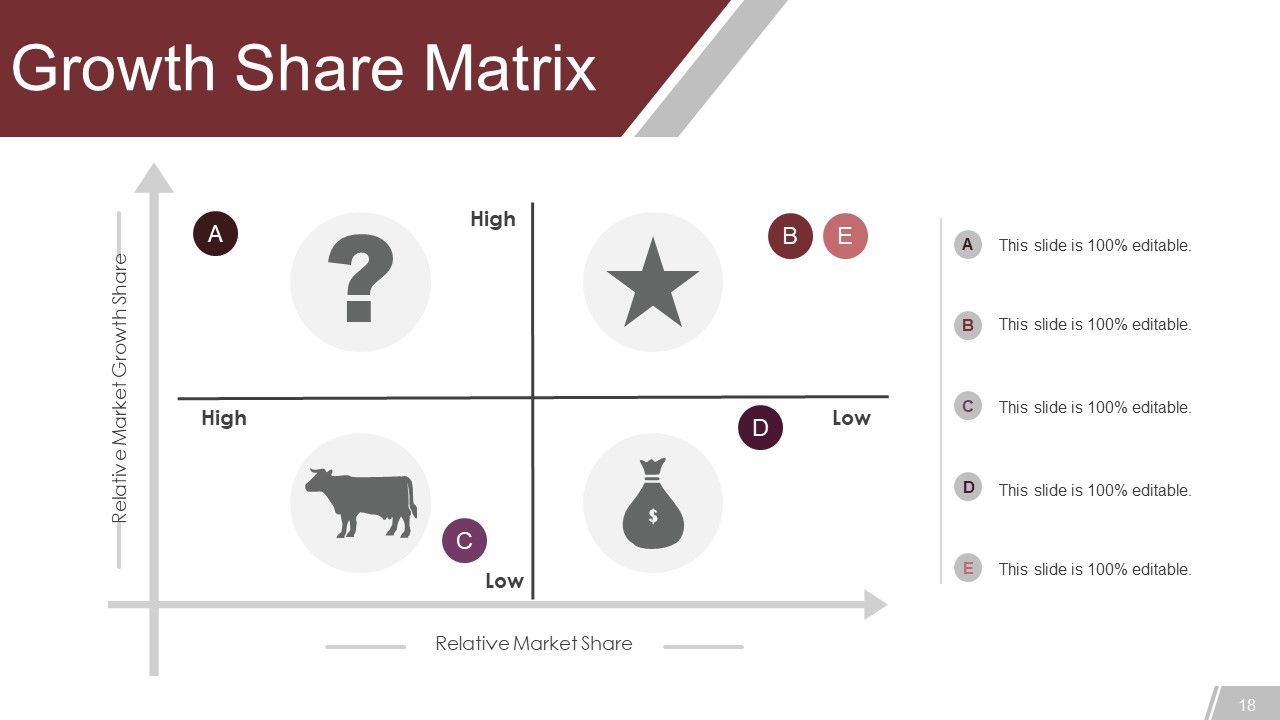
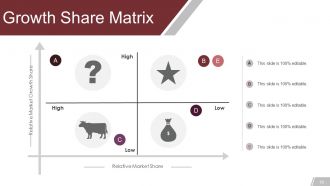
Slide 18: This slide shows Growth Share Matrix displaying- Relative Market Growth Share, Relative Market Share.
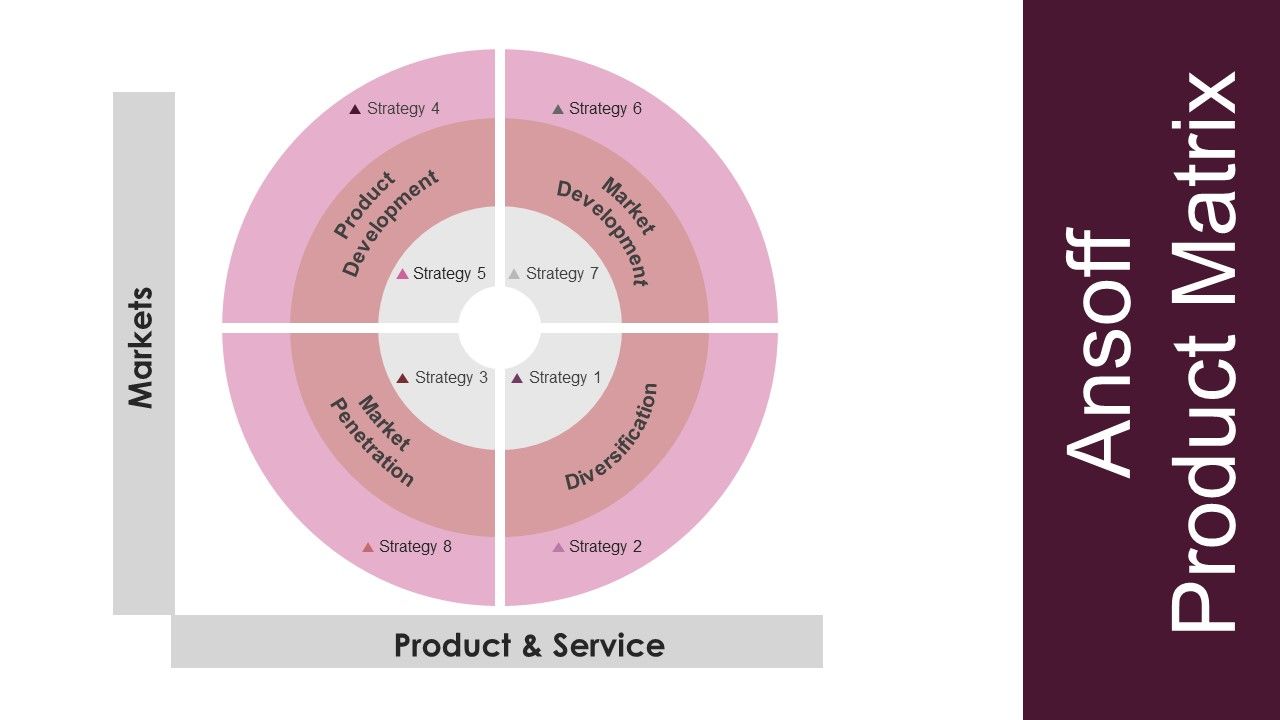
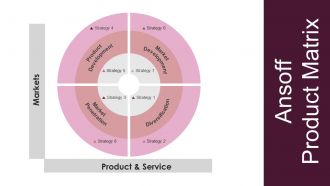
Slide 19: This slide shows an Ansoff Product Matrix displaying- Markets, Product & Service segregated as- Strategy, Product Development, Diversification, Market Development, Market Penetration.
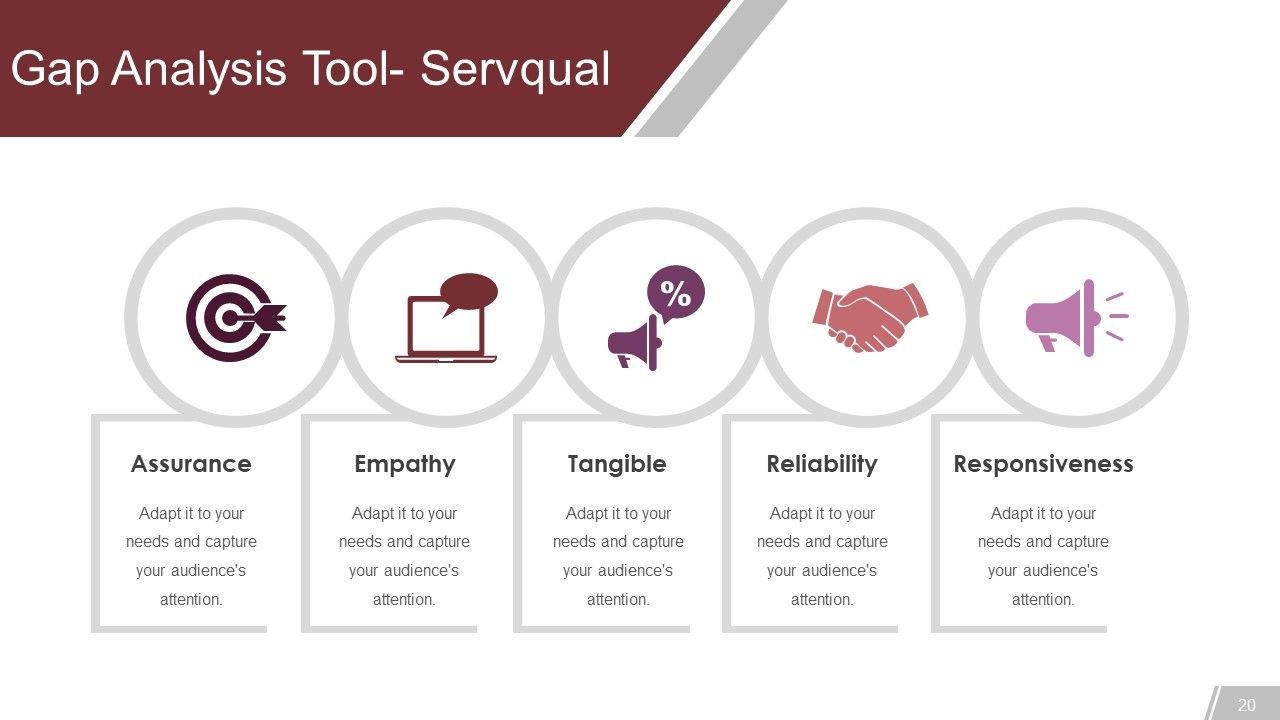
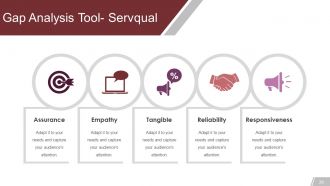
Slide 20: This slide shows Gap Analysis Tool- Servqual showcasing- Responsiveness, Reliability, Tangible, Empathy, Assurance.
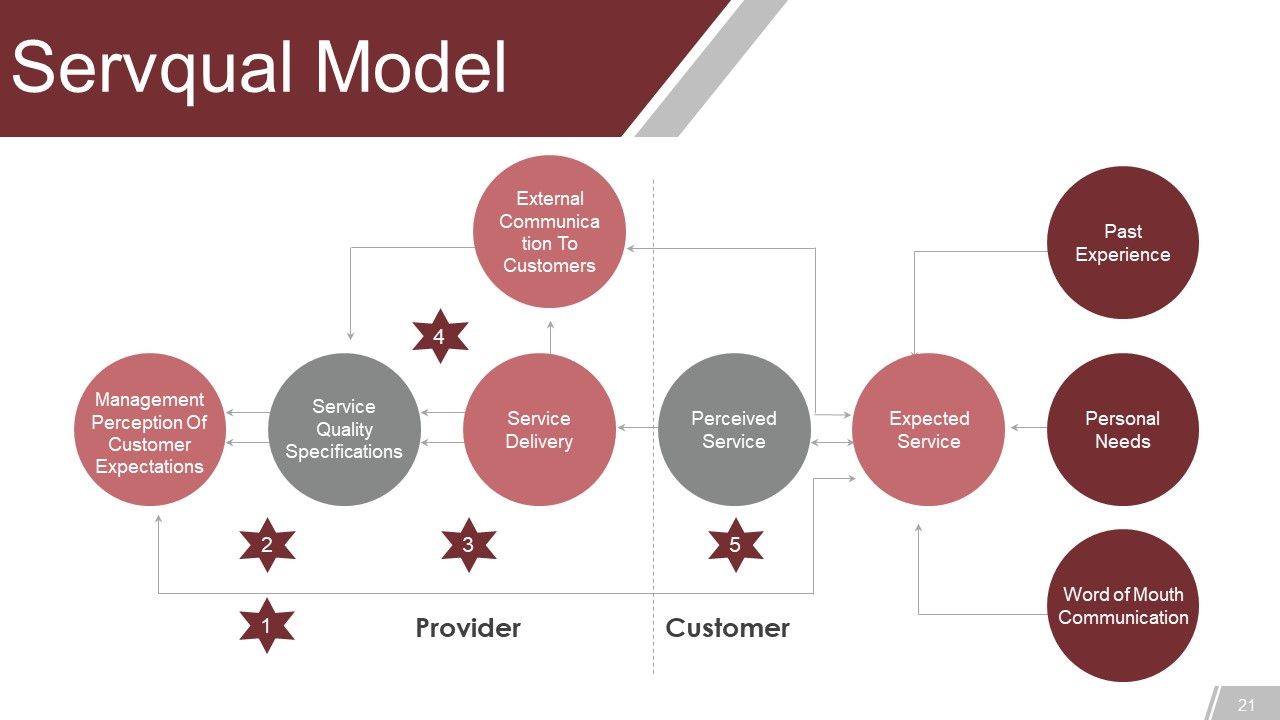
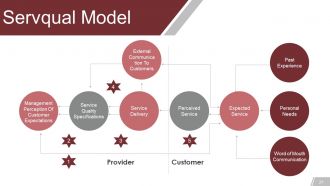
Slide 21: This slide shows a Servqual Model displaying- Customer, Provider, Word of Mouth Communication, Personal Needs, Past Experience, External Communication To Customers, Management Perception Of Customer Expectations, Service Delivery, Service Quality Specifications, Expected Service, Perceived Service.
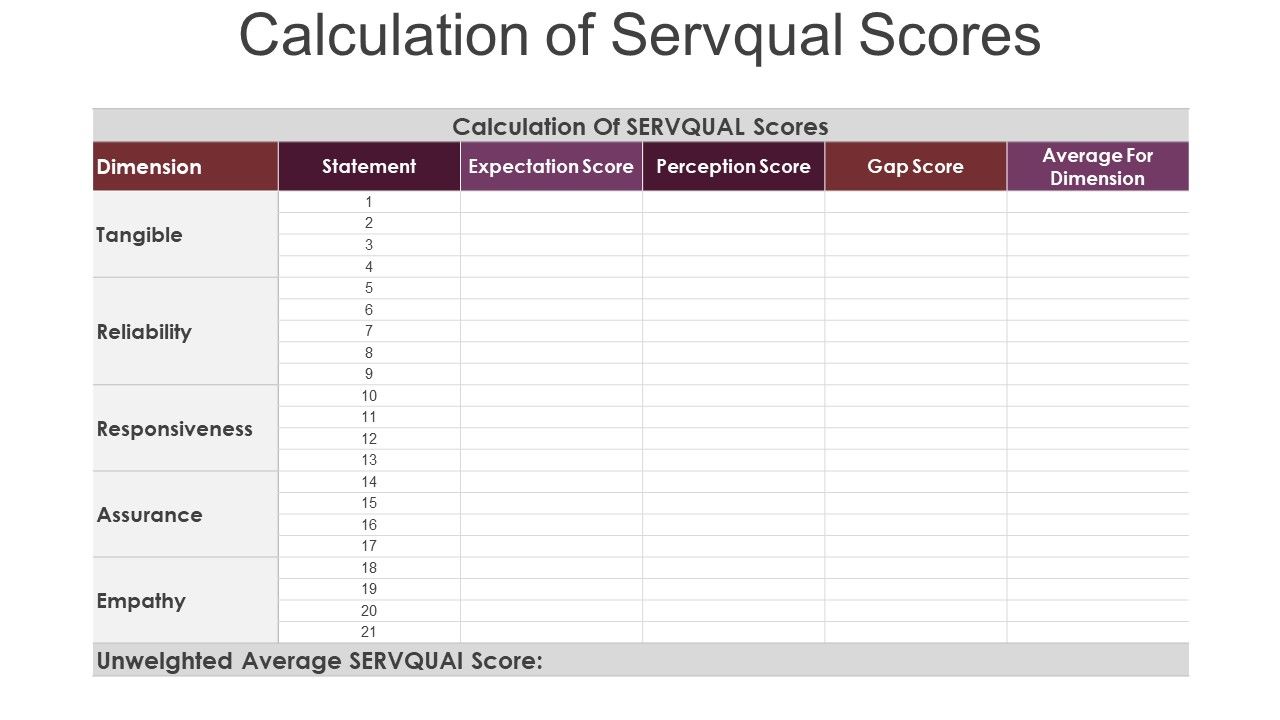
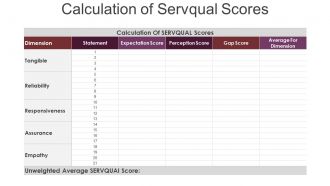
Slide 22: This slide presents Calculation of Servqual Scores in tabular form.
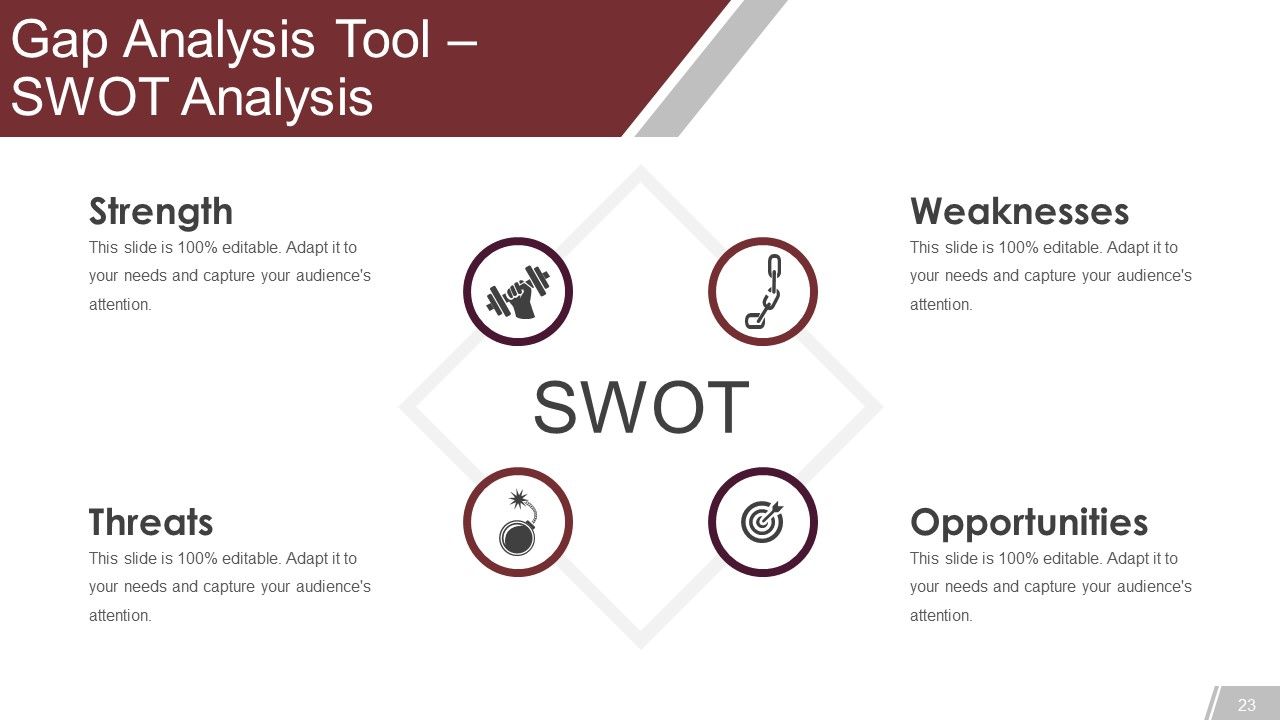
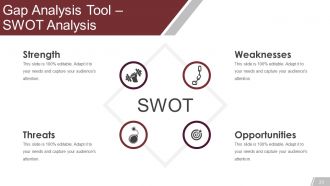
Slide 23: This slide shows Gap Analysis Tool –SWOT Analysis: Strength, Weaknesses, Threats, Opportunities. You can add these aspects here.
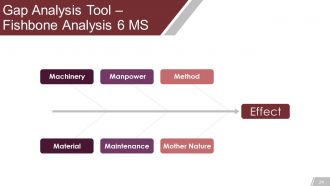
Slide 24: This slide showcases Gap Analysis Tool –Fishbone Analysis 6 MS Machinery, Manpower, Method, Material, Maintenance, Mother Nature.
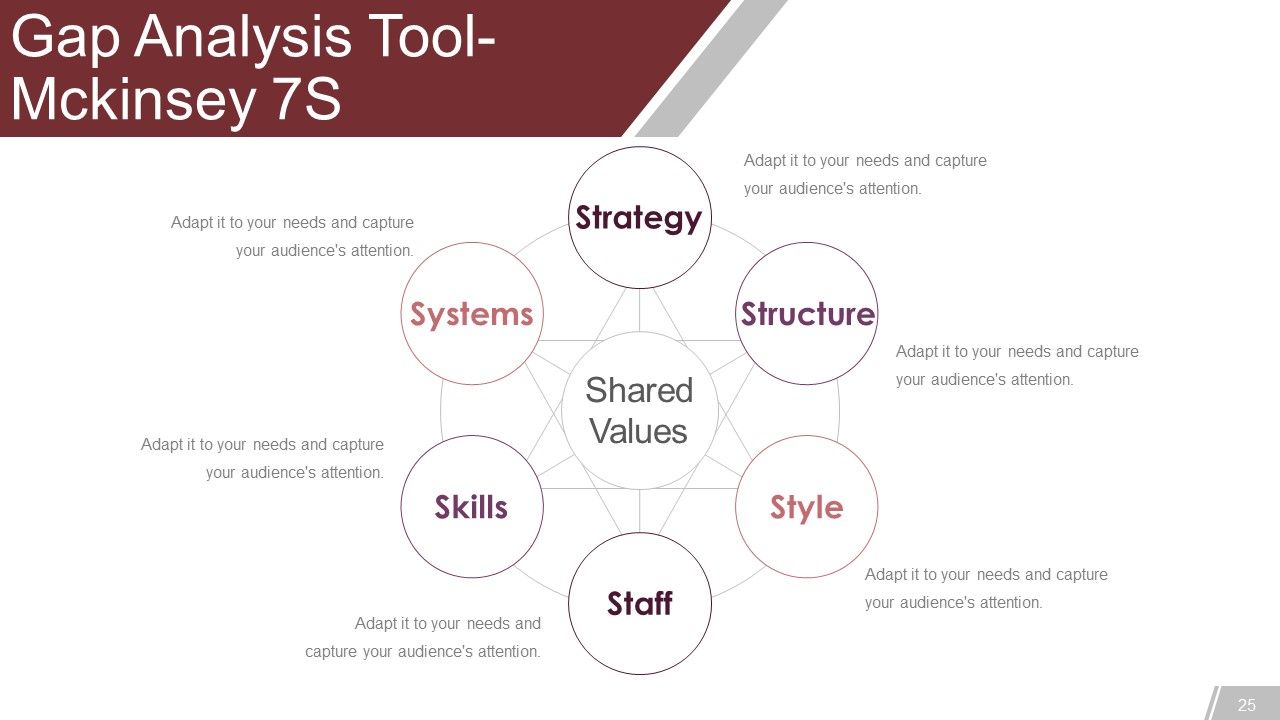
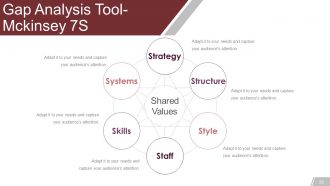
Slide 25: This slide presents Gap Analysis Tool- Mckinsey 7S Strategy, Structure, Style, Skills, Systems, Shared Values, Staff.
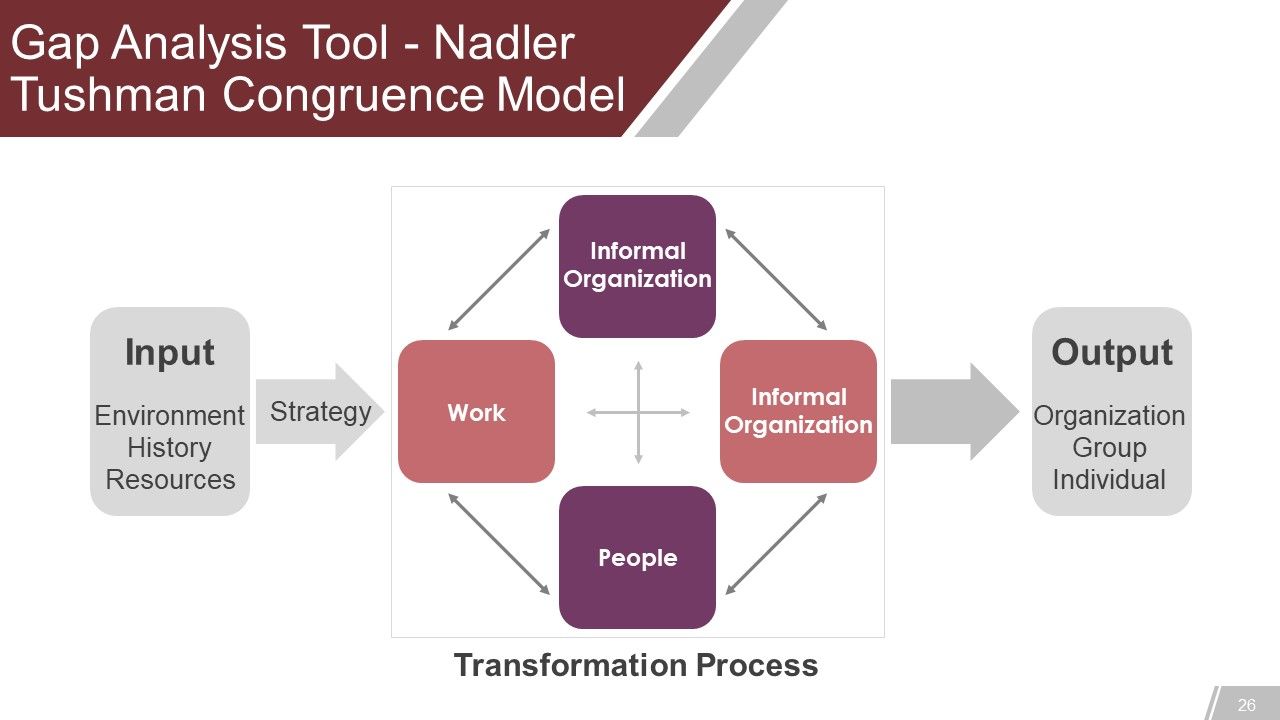
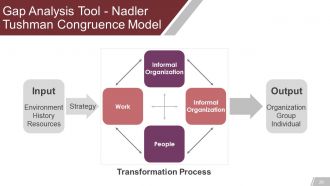
Slide 26: This slide showcases Gap Analysis Tool - Nadler Tushman Congruence Model displaying- Transformation Process, Work, People, Informal Organization, Informal Organization, Strategy, Output, Organization, Group, Individual, Input, Environment, History, Resources.
Slide 27: This slide shows Coffee Break image. You may change as per your need.
Slide 28: This slide is titled Additional Slides. You may change content as per your need
Slide 29: This slide shows Our Team with image boxes to fill information.
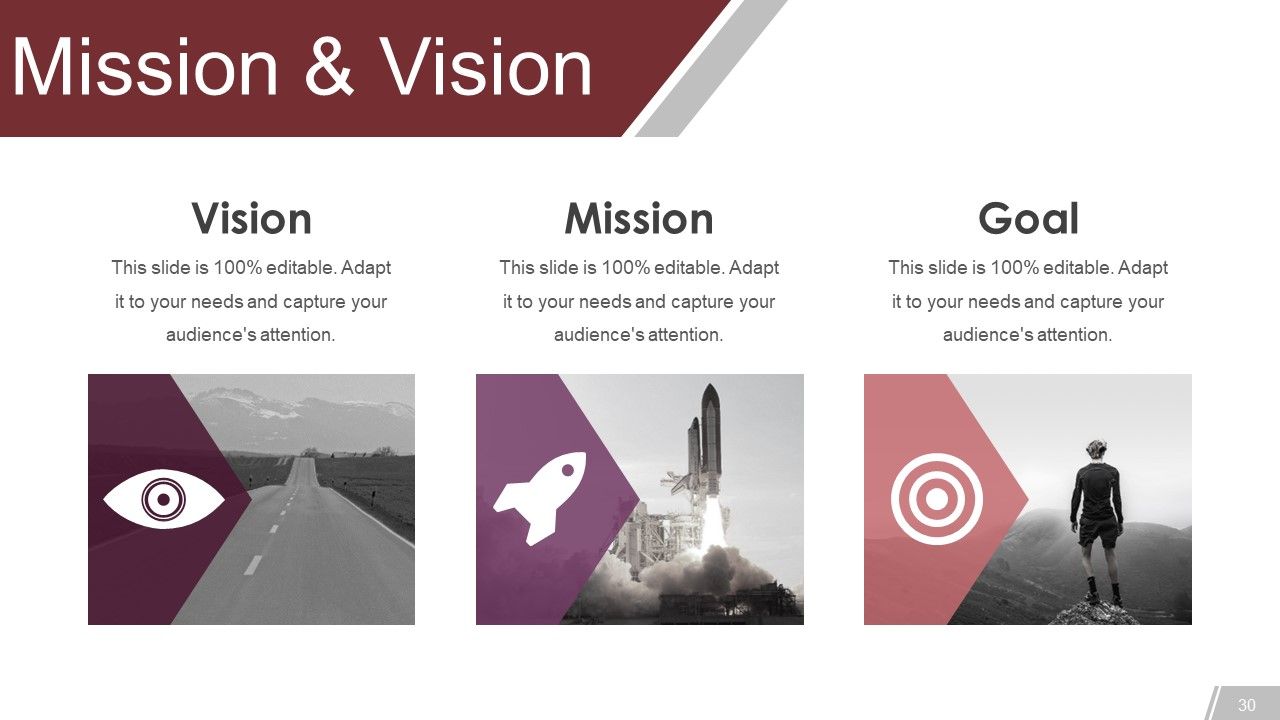
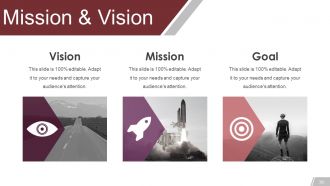
Slide 30: This slide contains Mission & Vision with text boxes and icon imagery. State them here.
Slide 31: This is an About Us slide. State your position, facts or anything business here.
Slide 32: This is an Our Main Goals slide. State your goals here such as- Focus on Quality, Satisfaction, Trust & Sincerity, Commitment & Dedication.
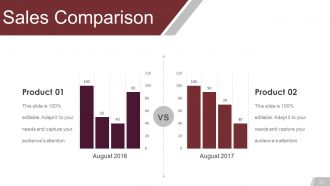
Slide 33: This is a Sales Comparison slide showing bar graphs for comparison, specifications etc.
Slide 34: This is a Quotes slide to convey company messages, beliefs etc. You can change the slide contents as per need.
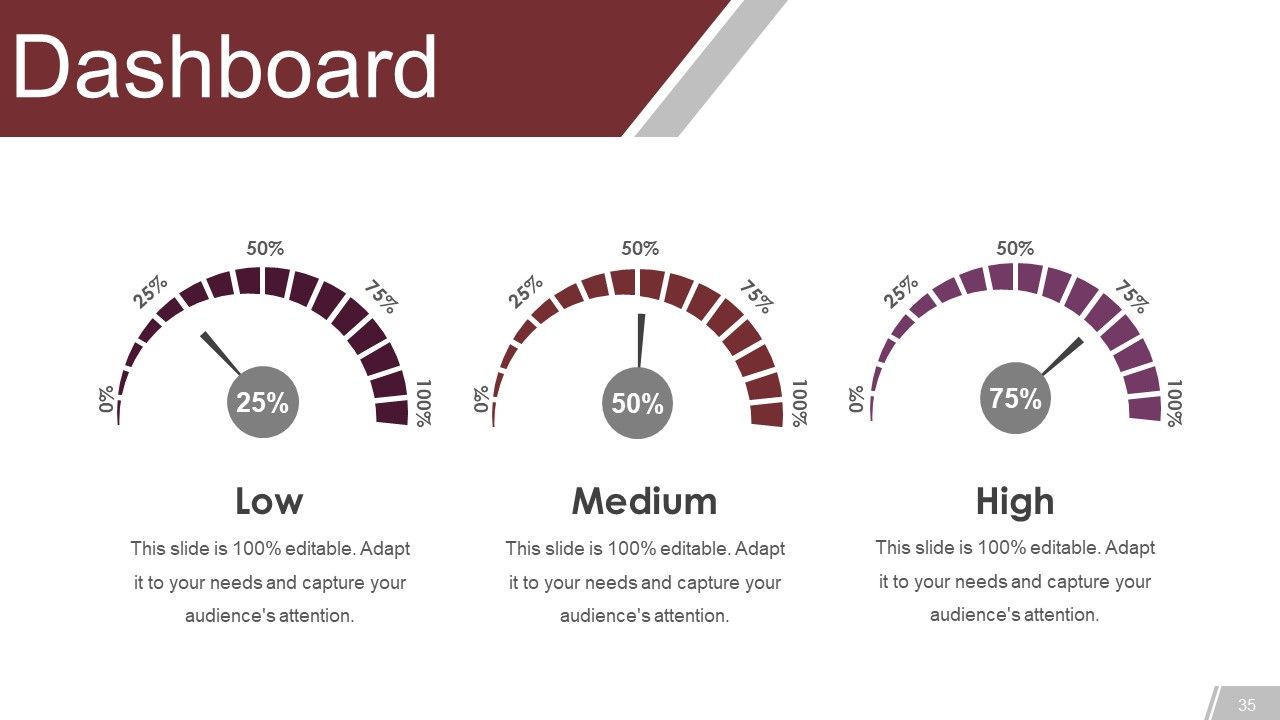
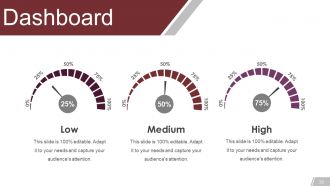
Slide 35: This is a Dashboard slide to state metrics, kpis etc.
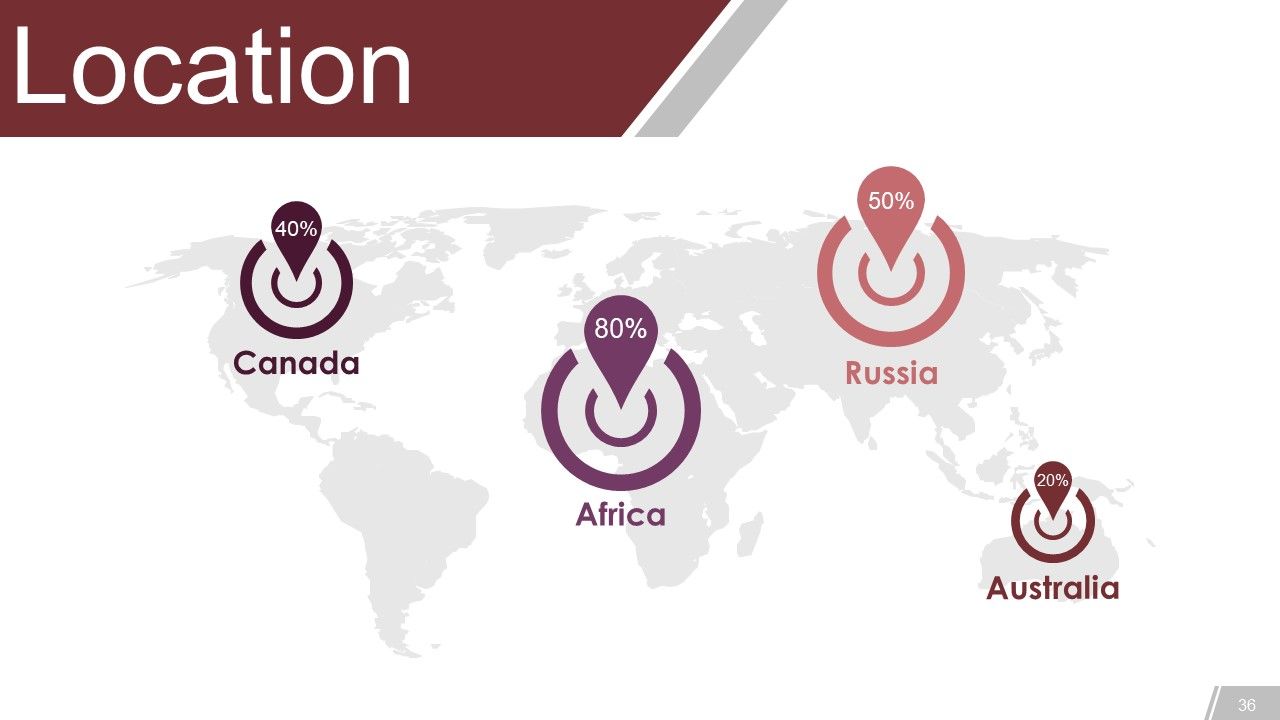
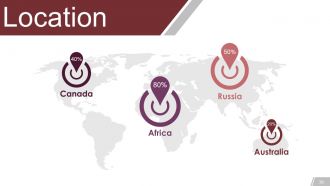
Slide 36: This is a Location slide of world map image to show global presence, growth etc.
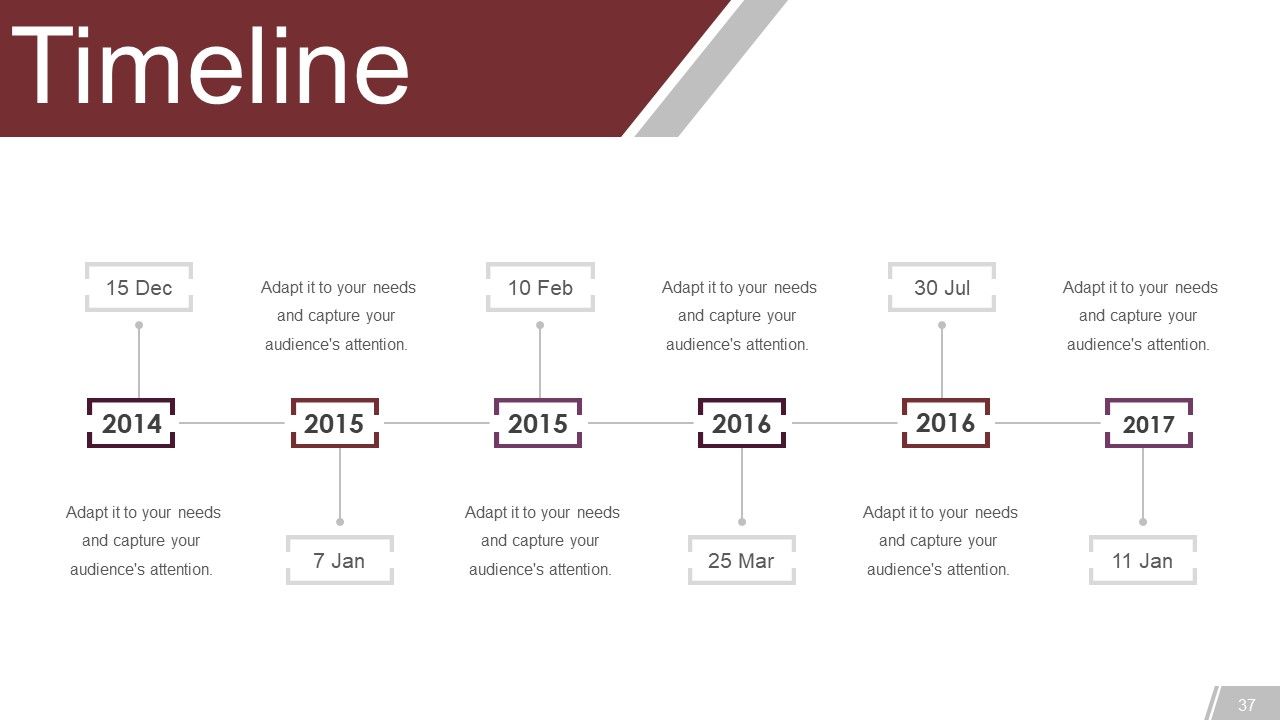
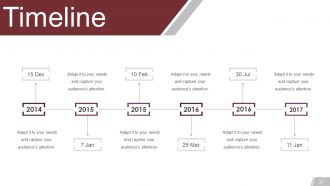
Slide 37: This is a Timeline slide to show evolution, growth, milestones etc.
Slide 38: This is a Post It slide to mark events, important information etc.
Slide 39: This is a Newspaper image slide to show information, specifications etc.
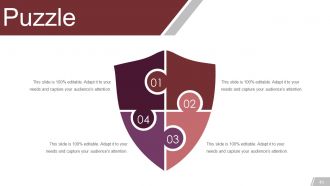
Slide 40: This is a Puzzle image slide to show information, specifications etc.
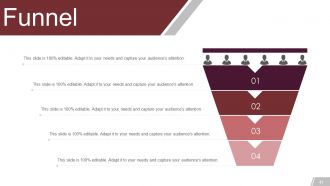
Slide 41: This is a Funnel image slide to show funneling aspects, information, specifications etc.
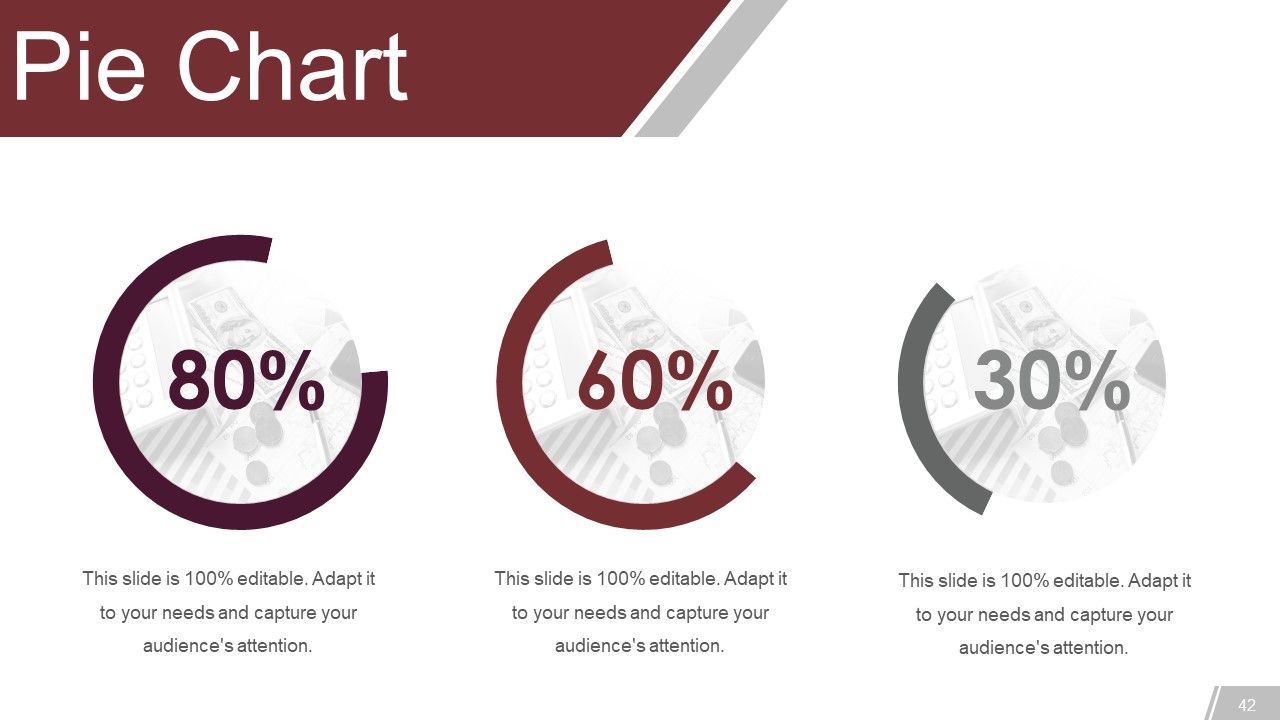
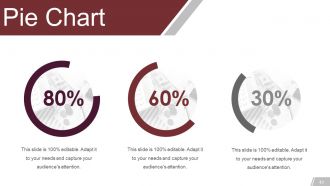
Slide 42: This slide shows a Pie Chart for two product/entity comparison, information, specifications etc.
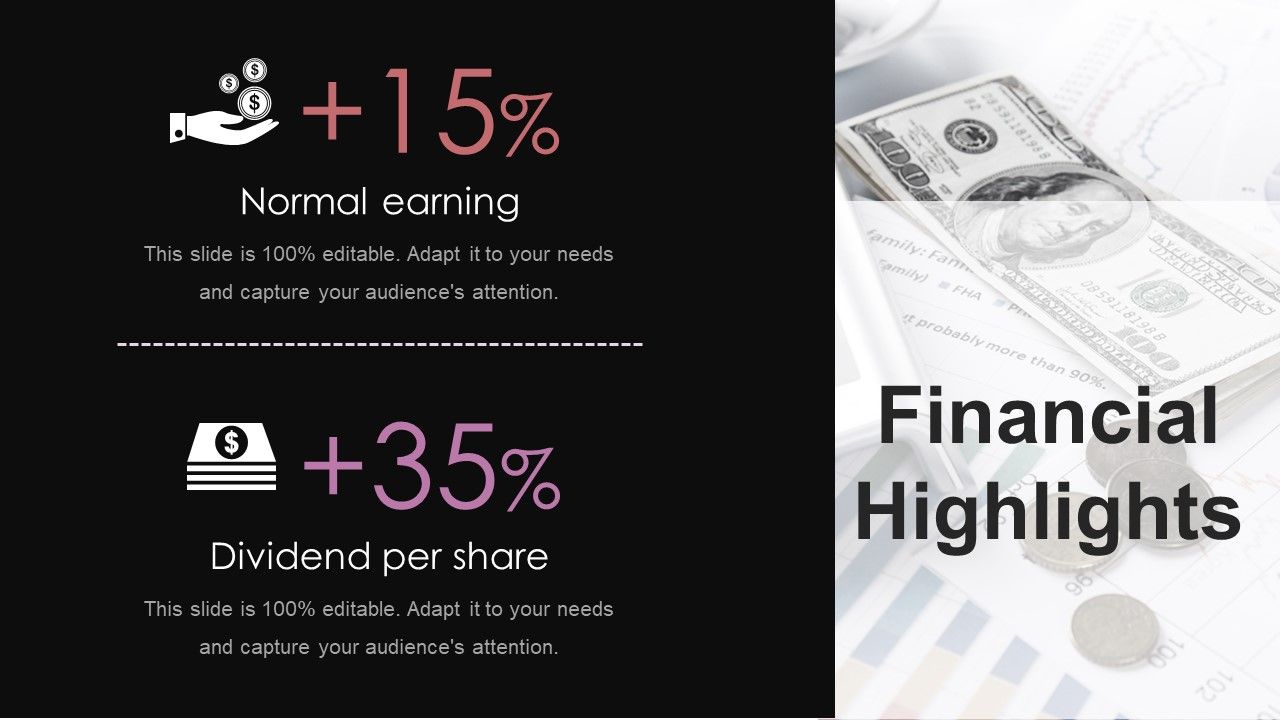
Slide 43: This is a Financial Highlights slide. State financial aspects etc. here.
Slide 44: This is a Magnifying glass image slide to show information, specifications etc.
Slide 45: This is a Target image slide. State targets, etc. here.
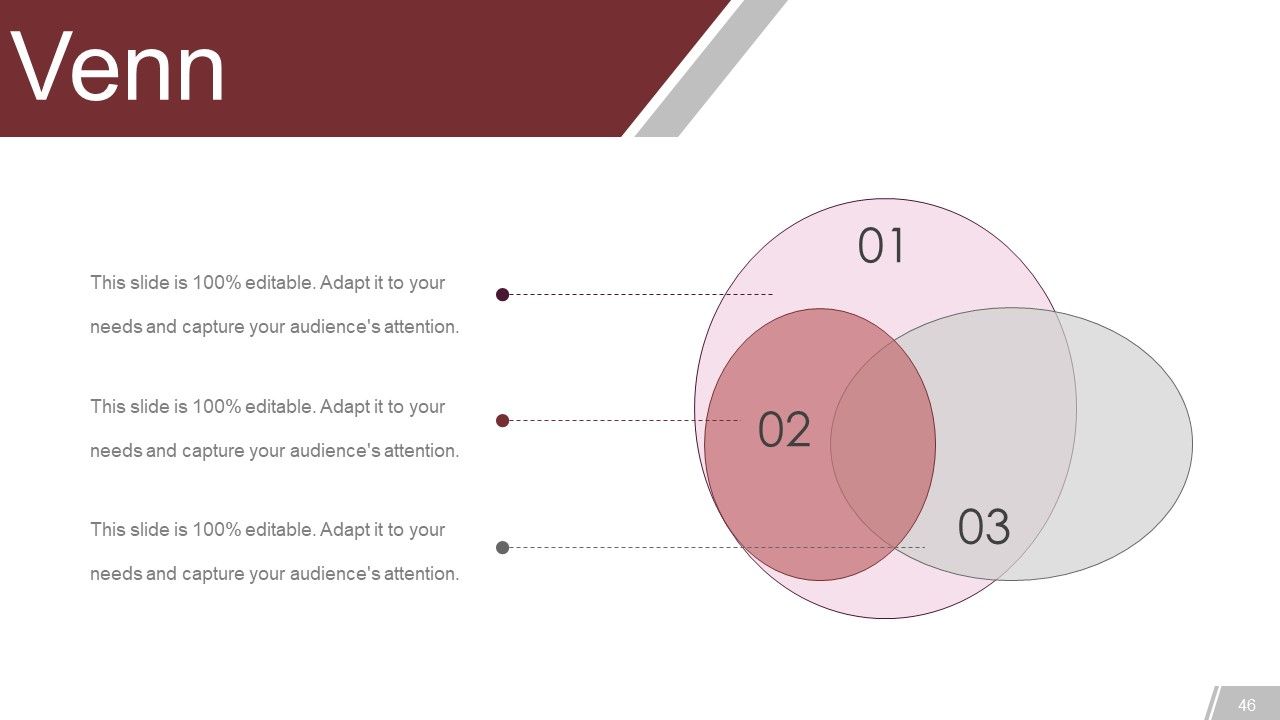
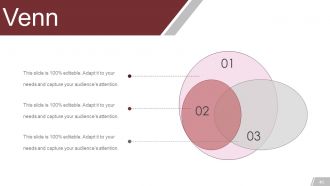
Slide 46: This is a Venn diagram image slide to show information, specifications etc.
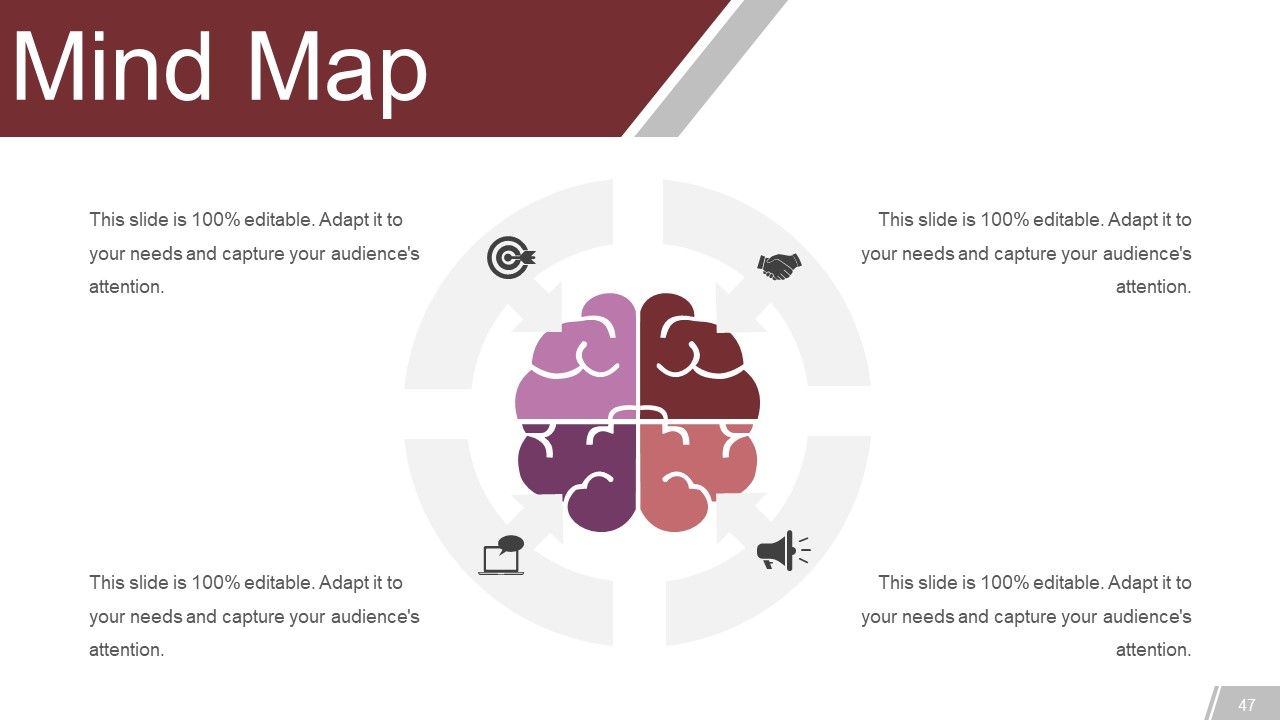
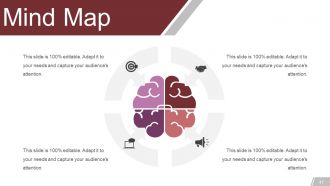
Slide 47: This is a Mind map image slide to show segregation, information, specifications etc.
Slide 48: This is a Lego image slide to show information, specifications etc.
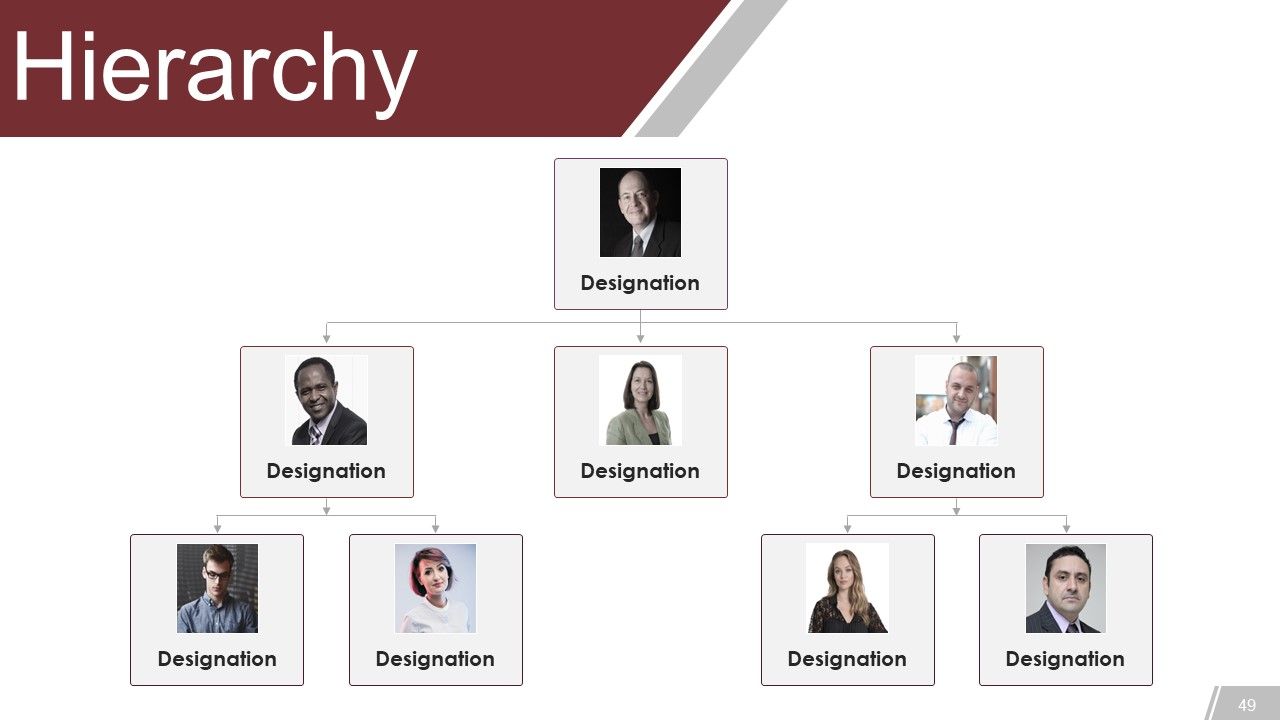
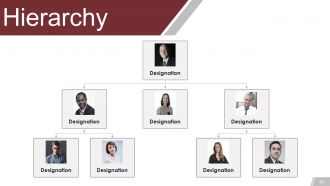
Slide 49: This is a Hierarchy image slide to show information, specifications etc.
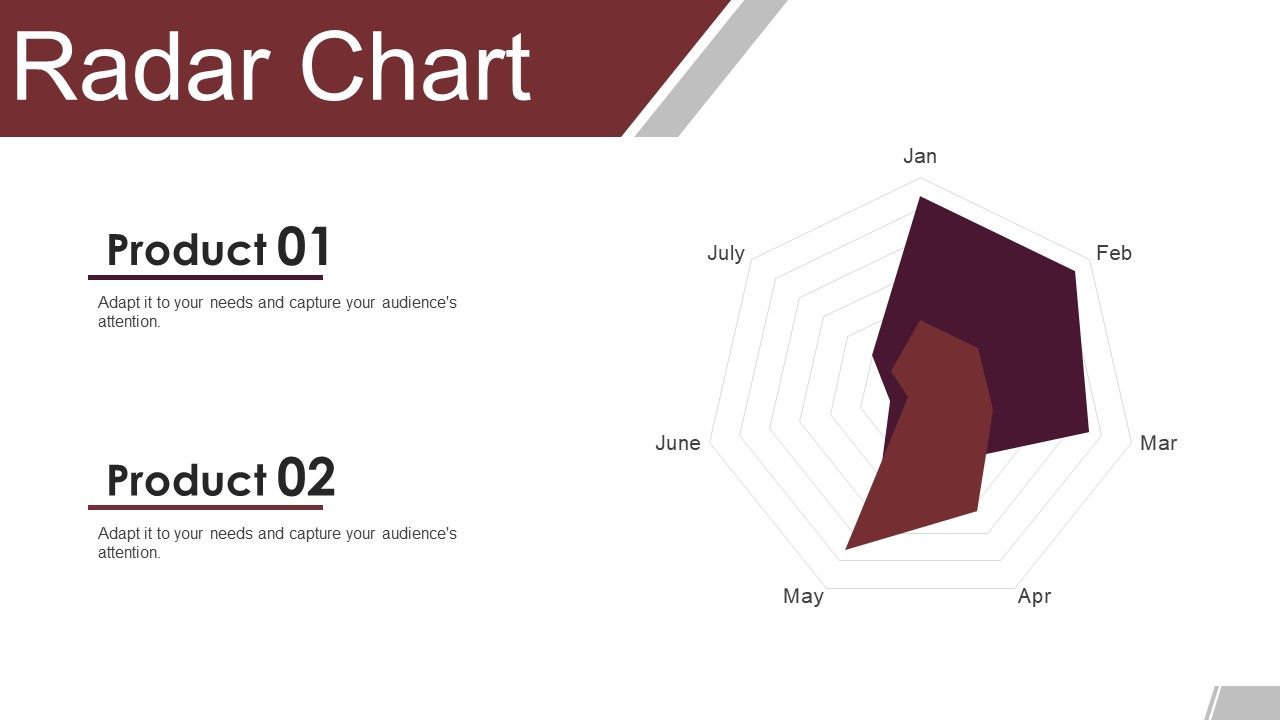
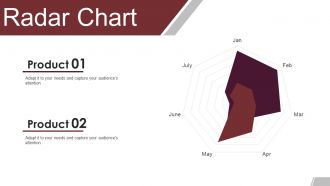
Slide 50: This slide shows a Radar Chart for two product/entity comparison, information, specifications etc.
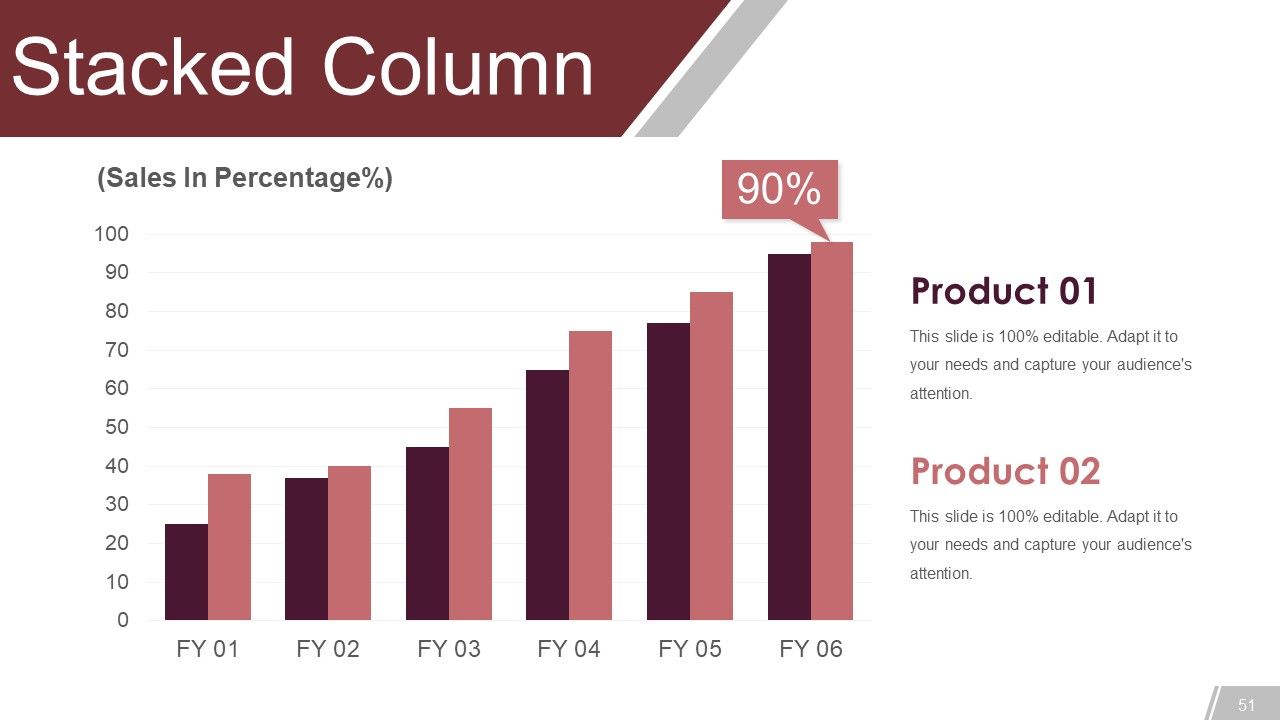
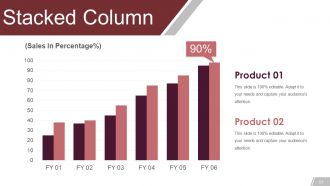
Slide 51: This slide shows a Stacked Column Graph for two product/entity comparison, information, specifications etc.
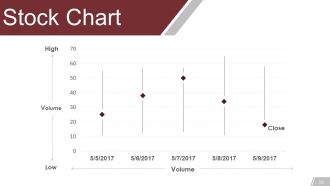
Slide 52: This slide shows a Stock Chart for two product/entity comparison, information, specifications etc.
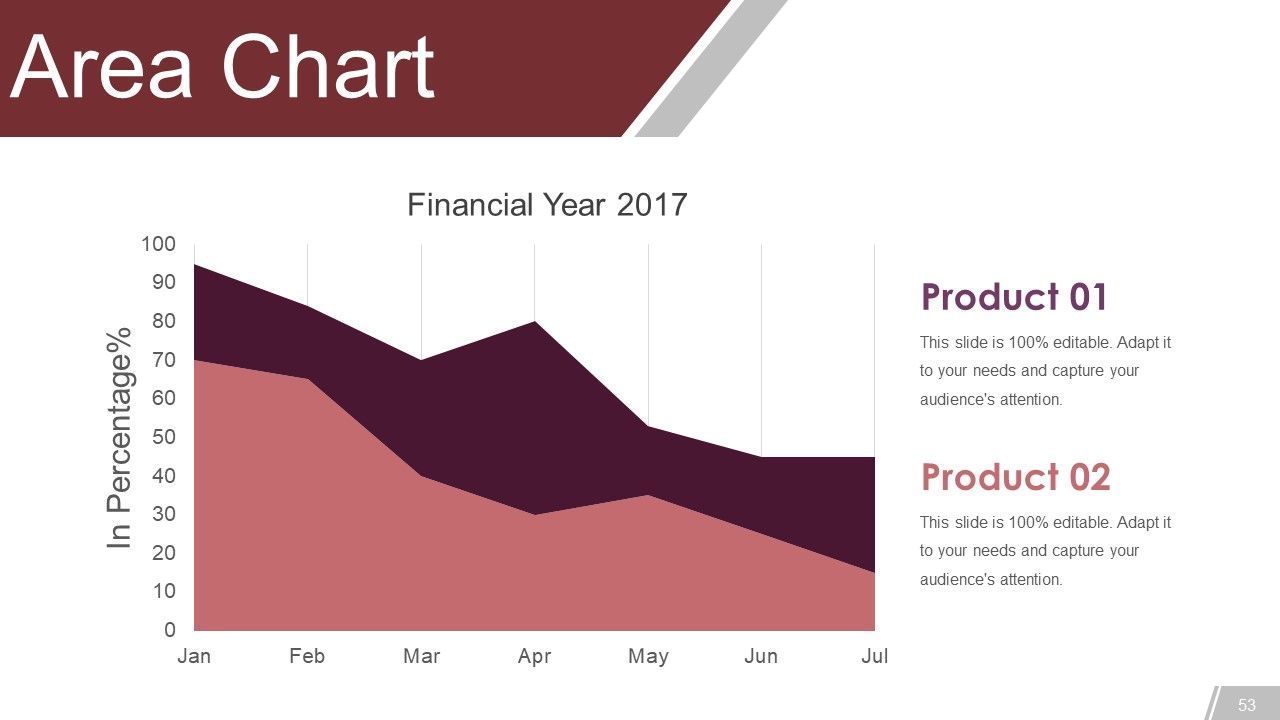
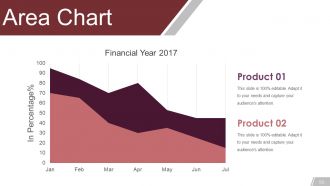
Slide 53: This is an Area Chart slide to show product/entity comparison, specifications etc.
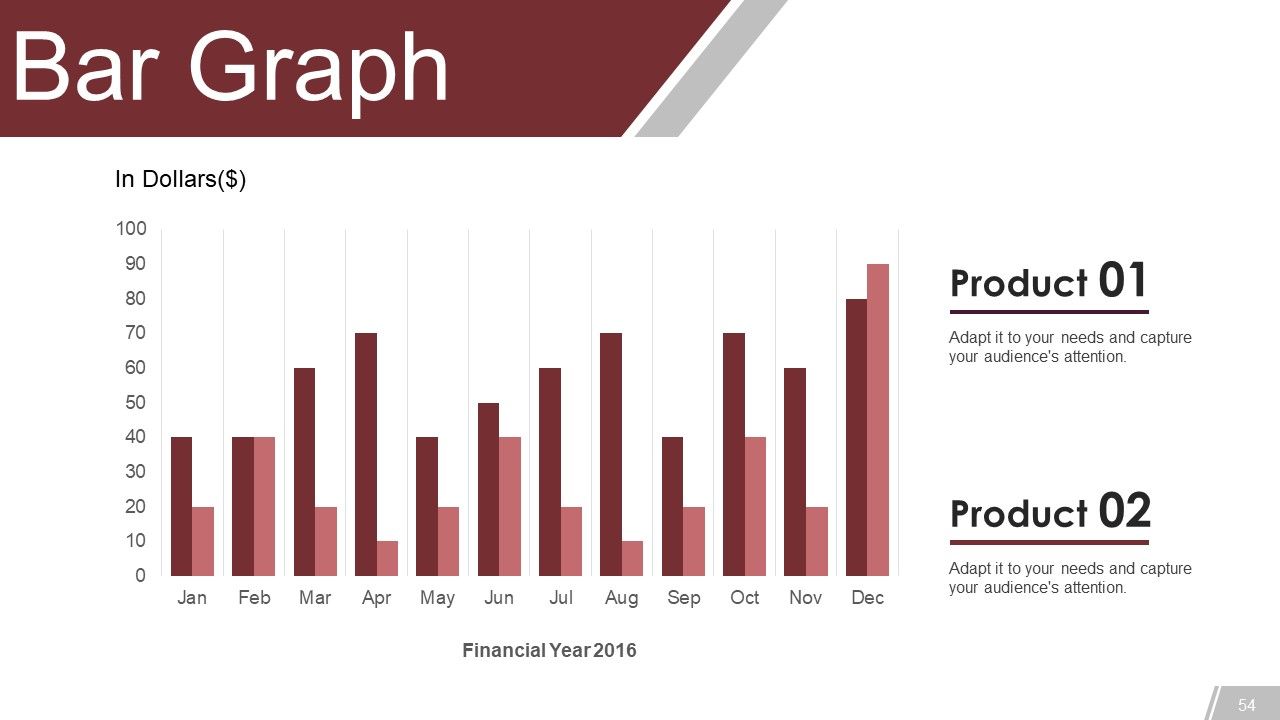
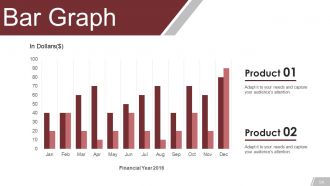
Slide 54: This is a Bar Graph slide to show product/entity comparison, specifications etc.
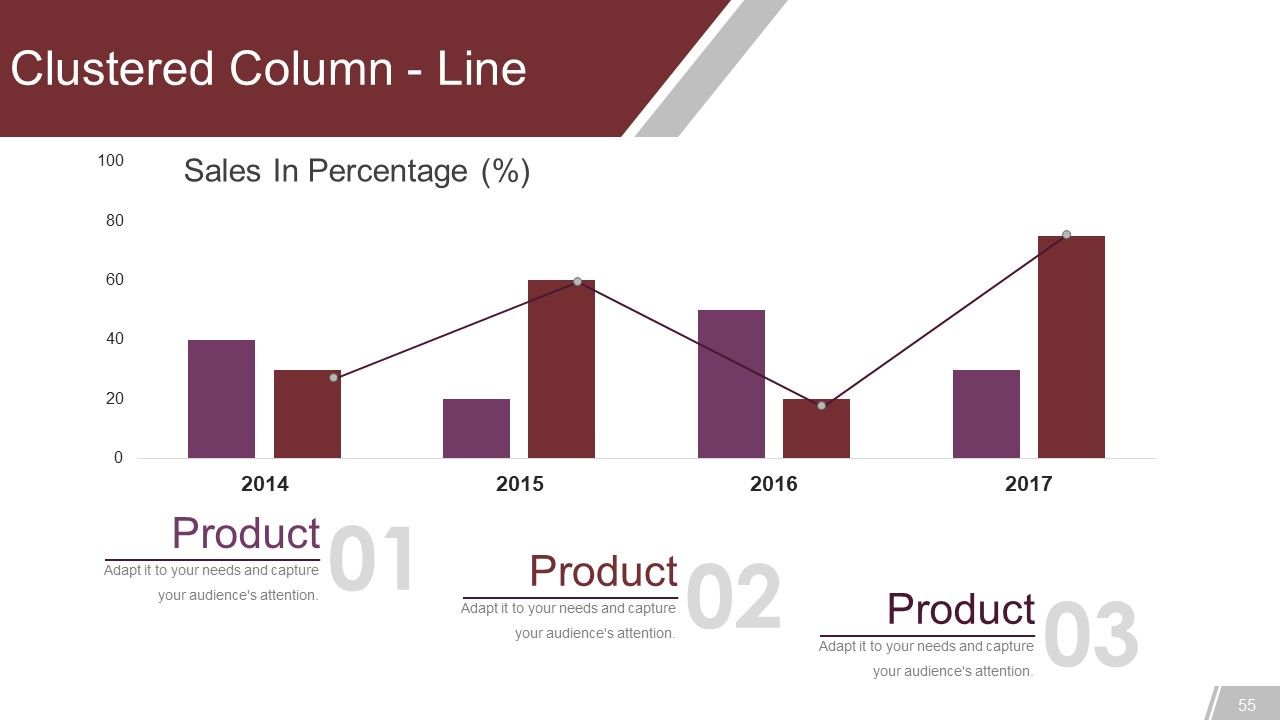
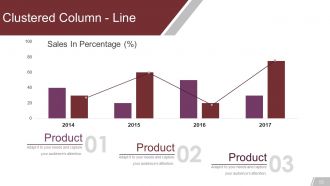
Slide 55: This is a Clustered Column Line Chart slide to show information, comparison specifications etc.
Slide 56: This is a Contact Us slide with Email, Address# street number, city, state, Contact Numbers.
Slide 57: This is a Thank You slide for acknowledgement.
Gap analysis methods and models powerpoint presentation slides with all 57 slides:
Introduce folks to innovative exercises with our Gap Analysis Methods And Models Powerpoint Presentation Slides. Facilitate career change.
-
Presentation Design is very nice, good work with the content as well.
-
Appreciate the research and its presentable format.
