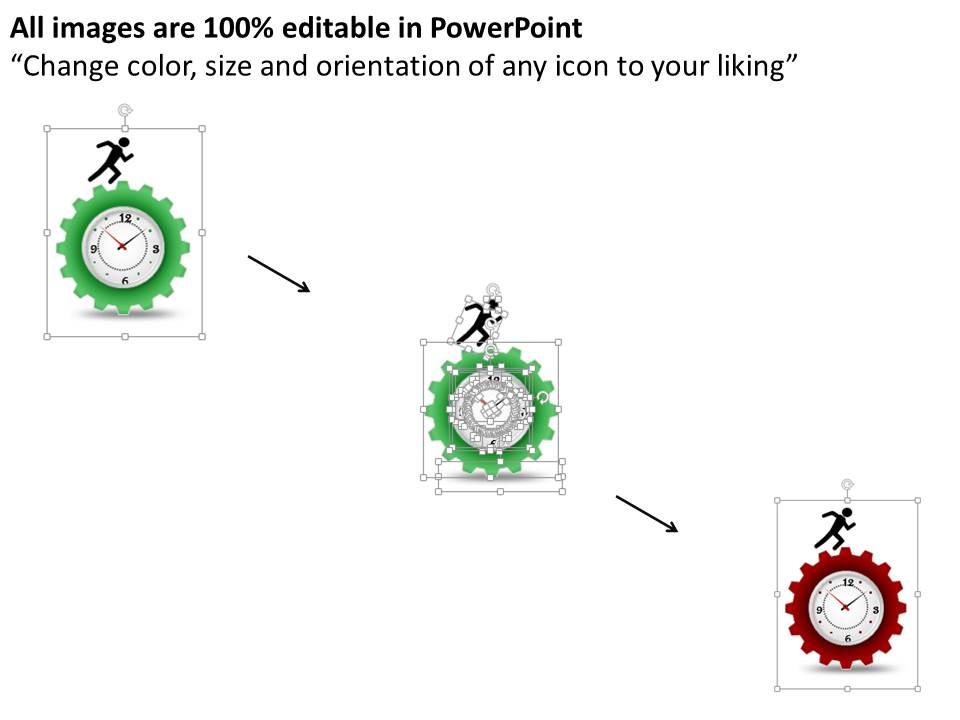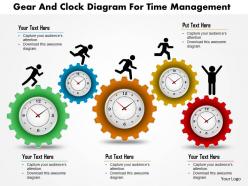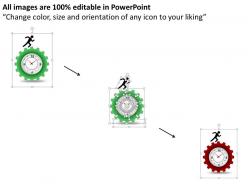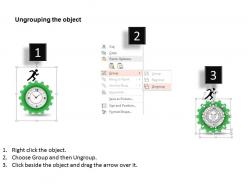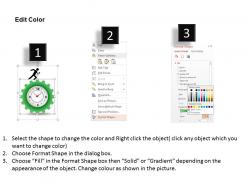
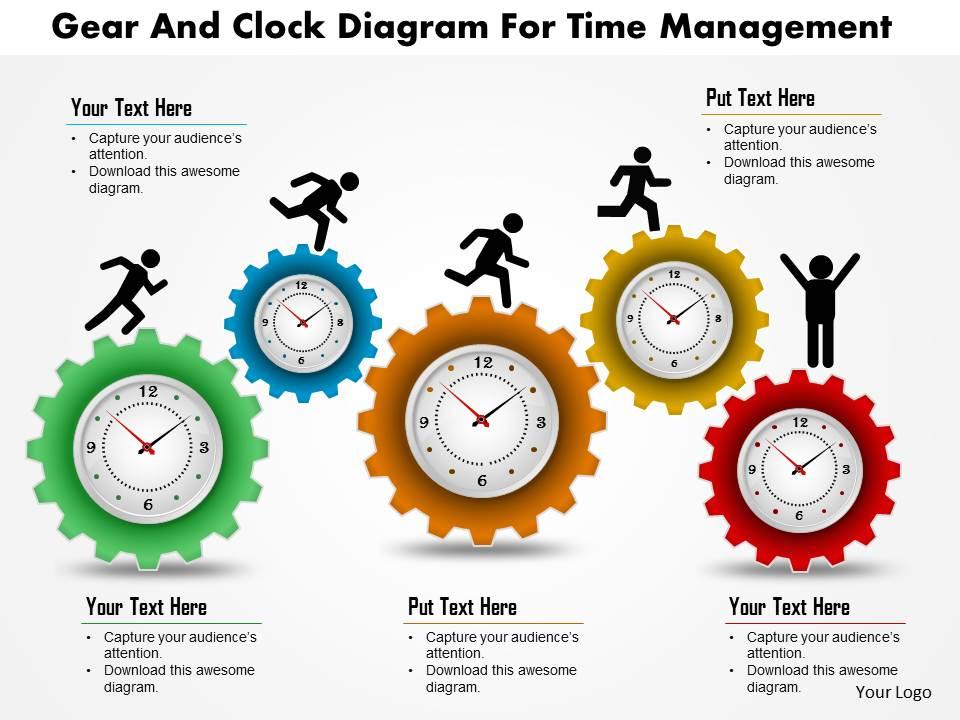
Gear and clock diagram for time management powerpoint template
Try Before you Buy Download Free Sample Product
Audience
Editable
of Time
Achievements get better by the day with our Gear And Clock Diagram For Time Management Powerpoint Template. You will evolve brilliantly.
People who downloaded this PowerPoint presentation also viewed the following :
Gear and clock diagram for time management powerpoint template with all 5 slides:
Our Gear And Clock Diagram For Time Management Powerpoint Template are actually awe inspiring. The audience are assured a dazzling experience.
FAQs for Gear and clock diagram for time
Effective time management principles include prioritization through methods like the Eisenhower Matrix, goal setting with clear deadlines, task batching to minimize context switching, delegation of appropriate responsibilities, and regular schedule reviews. These approaches streamline workflow by reducing decision fatigue, maximizing focus periods, and optimizing resource allocation, with many professionals finding that strategic time blocks ultimately deliver enhanced productivity and better work-life balance.
Presentation templates significantly enhance time management by eliminating design work, providing pre-built structures, ensuring consistent formatting, and reducing preparation time from hours to minutes. Professionals across consulting, sales, and corporate training find that quality templates streamline workflow processes, minimize revision cycles, and enable faster client deliverables, ultimately delivering competitive advantage through improved productivity.
Popular time tracking tools include Toggl, RescueTime, Clockify, Time Doctor, and Harvest, each offering features like automatic tracking, project categorization, and detailed reporting. These applications streamline productivity management by providing real-time insights, identifying time drains, and enabling better resource allocation, with many professionals finding that consistent tracking ultimately delivers improved focus and enhanced project efficiency.
Setting priorities enhances productivity by focusing energy on high-impact activities, reducing decision fatigue, and preventing time waste on less critical tasks. Through strategic prioritization frameworks, professionals streamline their workflow, complete important projects faster, and maintain better work-life balance, with many organizations finding that employees who prioritize effectively deliver significantly higher quality results.
Planning serves as the foundation of effective time management by providing structure, prioritization frameworks, and clear roadmaps for daily activities and long-term objectives. Through strategic planning, professionals streamline workflows, minimize decision fatigue, and allocate resources efficiently, with many organizations finding that structured planning approaches ultimately deliver enhanced productivity and reduced stress levels.
Avoiding procrastination under tight deadlines requires breaking large tasks into smaller, manageable segments, setting specific micro-deadlines, and eliminating distractions through focused work environments. Organizations increasingly find that implementing time-blocking techniques, prioritizing high-impact activities first, and using accountability systems enables teams to maintain momentum, reduce overwhelm, and consistently deliver quality results even under pressure.
Effective project breakdown techniques include work breakdown structures, milestone mapping, task dependency analysis, time-boxing, and priority matrices. These methods streamline complex initiatives by creating clear deliverables, establishing realistic timelines, and enabling better resource allocation, with many organizations finding that systematic decomposition ultimately delivers faster project completion and enhanced team productivity.
Time-blocking improves focus and efficiency by dedicating specific time periods to individual tasks, eliminating multitasking distractions, and creating structured workflows that minimize decision fatigue. This strategic approach enables professionals to maintain deeper concentration on priority activities, reduce context-switching overhead, and achieve measurable productivity gains, with many organizations finding that employees complete projects 25-40% faster while experiencing significantly less workplace stress.
Multitasking typically reduces time management effectiveness and productivity by creating cognitive switching costs, increasing error rates, and fragmenting attention across competing priorities. Research shows that alternating between tasks can decrease efficiency by up to 25%, with many organizations finding that focused, single-task approaches deliver faster completion times and higher-quality outcomes.
Delegating tasks contributes to better time management by freeing up valuable time for strategic priorities, reducing workload overwhelm, and enabling focus on high-impact activities that require specific expertise. Through effective delegation, managers and team leaders can streamline operations, enhance team productivity, and ultimately achieve greater organizational efficiency while developing their team's capabilities.
Time audits offer advantages including identifying time drains, revealing productivity patterns, highlighting inefficient processes, quantifying actual task durations, and exposing priority misalignments. Through detailed tracking, professionals streamline workflows, eliminate redundancies, and optimize resource allocation, with many organizations finding that systematic time analysis delivers enhanced focus, better project planning, and ultimately improved operational efficiency.
Different presentation styles significantly impact meeting efficiency, with structured approaches like executive summaries and visual storytelling reducing discussion time by 30-40% compared to lengthy narrative formats. Interactive presentations using dashboards and collaborative templates enable faster decision-making and clearer action items, while dense, text-heavy slides often extend meetings unnecessarily, with many organizations finding that visual-first approaches streamline complex discussions and improve overall time allocation.
Common time management pitfalls include overcommitting to tasks, failing to prioritize effectively, constant multitasking, poor delegation, and neglecting to set boundaries with interruptions. These challenges significantly impact productivity across industries, with many organizations finding that professionals who address these pitfalls through strategic planning and clear prioritization frameworks ultimately deliver enhanced performance and reduced workplace stress.
Setting SMART goals enhances time management by providing clear direction, measurable benchmarks, and realistic deadlines that prevent overcommitment and scope creep. These structured objectives enable professionals to prioritize tasks effectively, allocate resources strategically, and track progress systematically, with many organizations finding that employees accomplish 30-40% more while reducing stress and decision fatigue.
Effective work-life balance strategies include setting clear boundaries between work and personal time, prioritizing tasks using frameworks like the Eisenhower Matrix, scheduling dedicated family or personal activities, and leveraging technology for automation. These approaches streamline daily operations by reducing decision fatigue, minimizing overtime requirements, and creating predictable routines, with many professionals finding that structured time allocation ultimately delivers reduced stress levels and enhanced productivity across both professional and personal domains.
-
Excellent products for quick understanding.
-
Great experience, I would definitely use your services further.