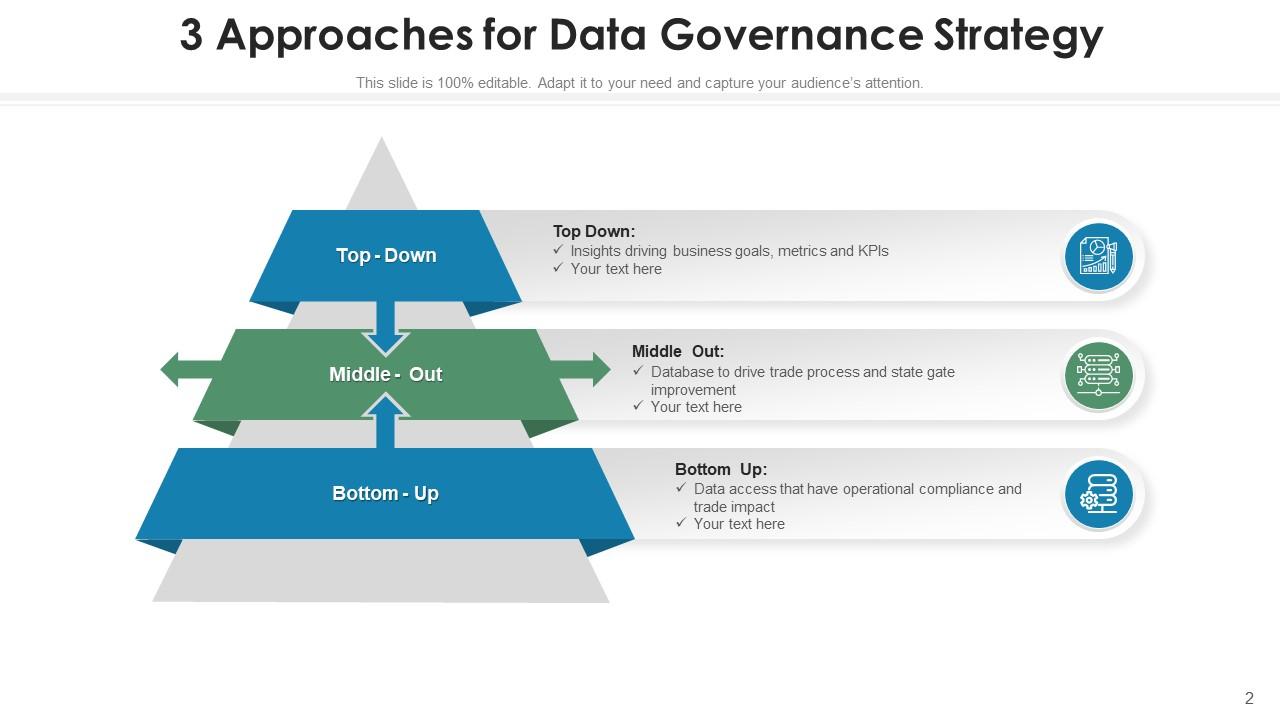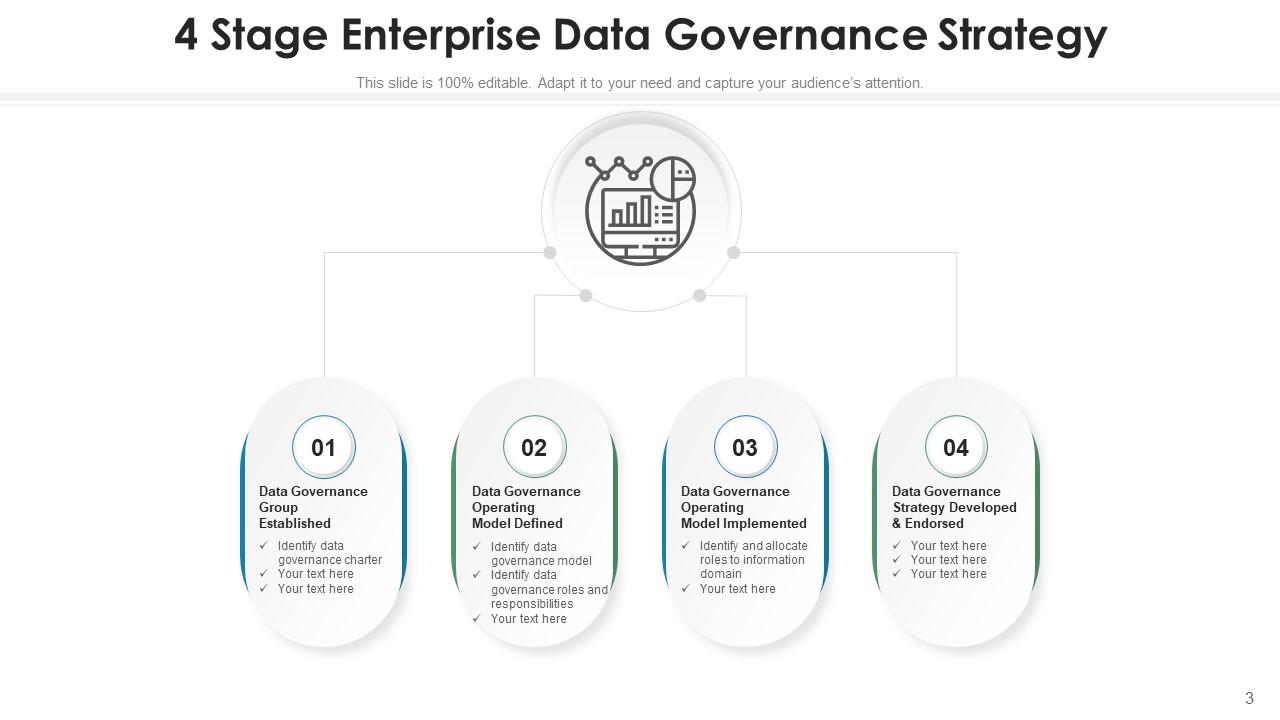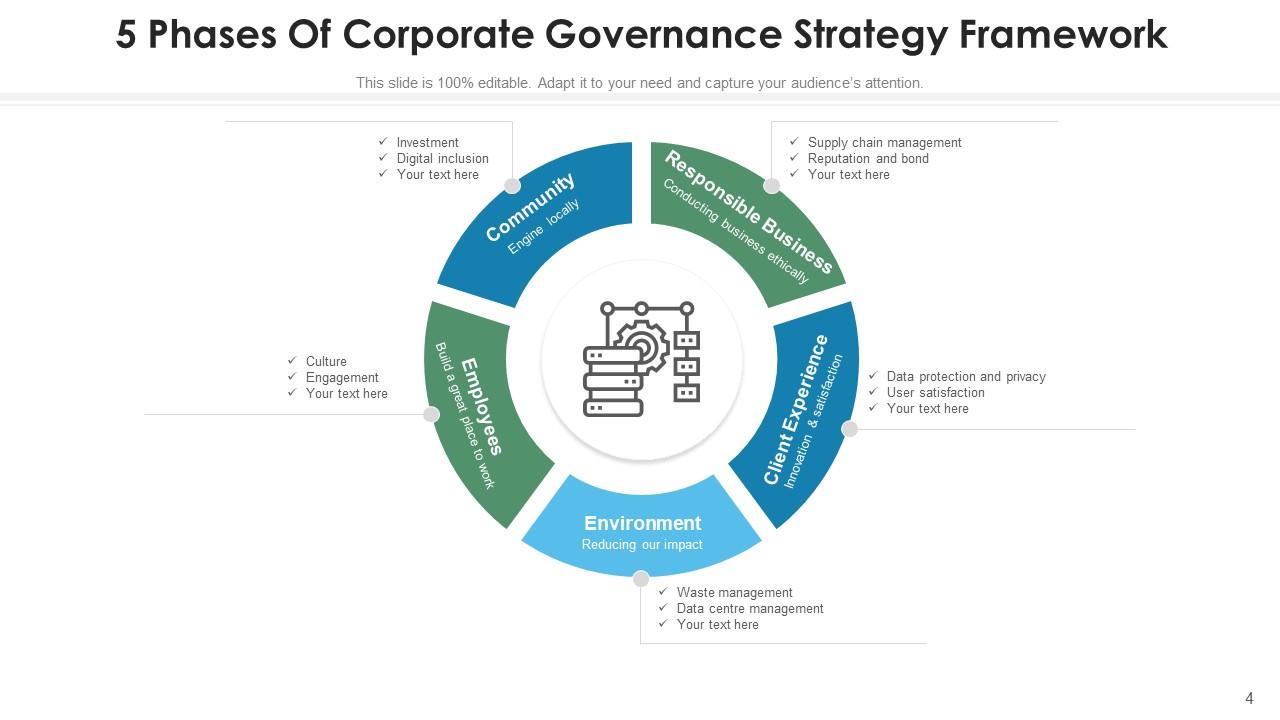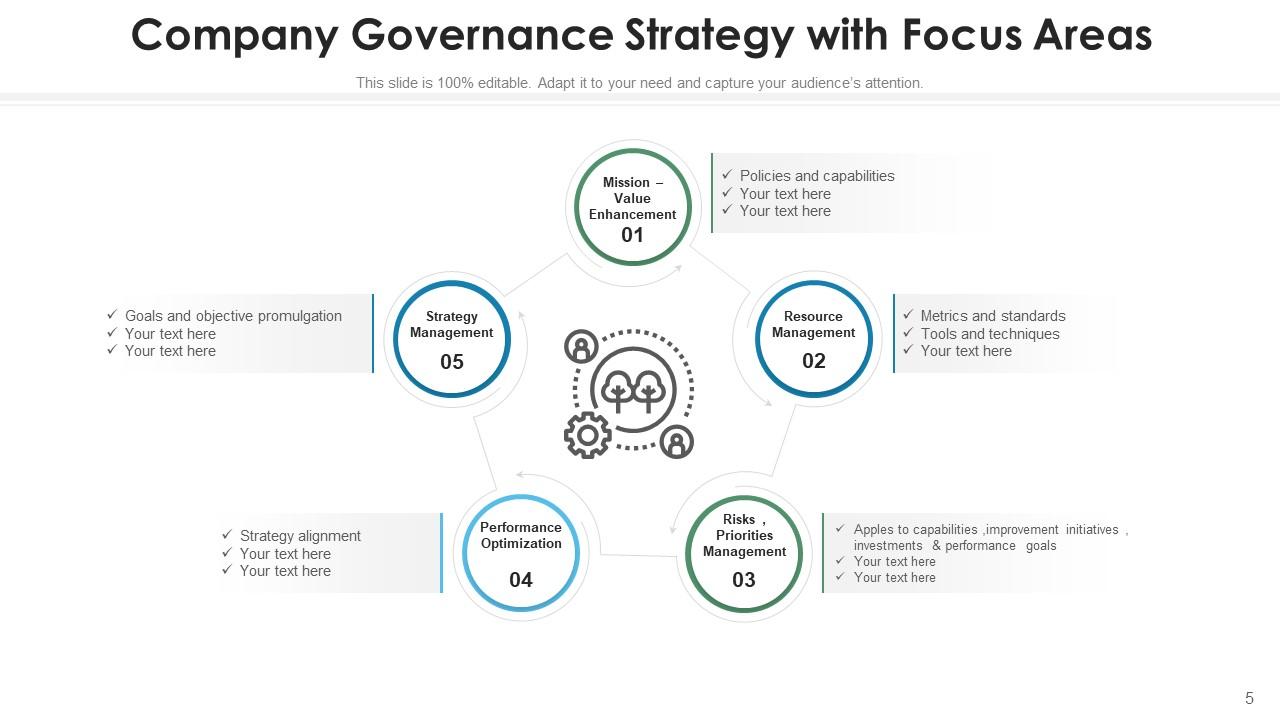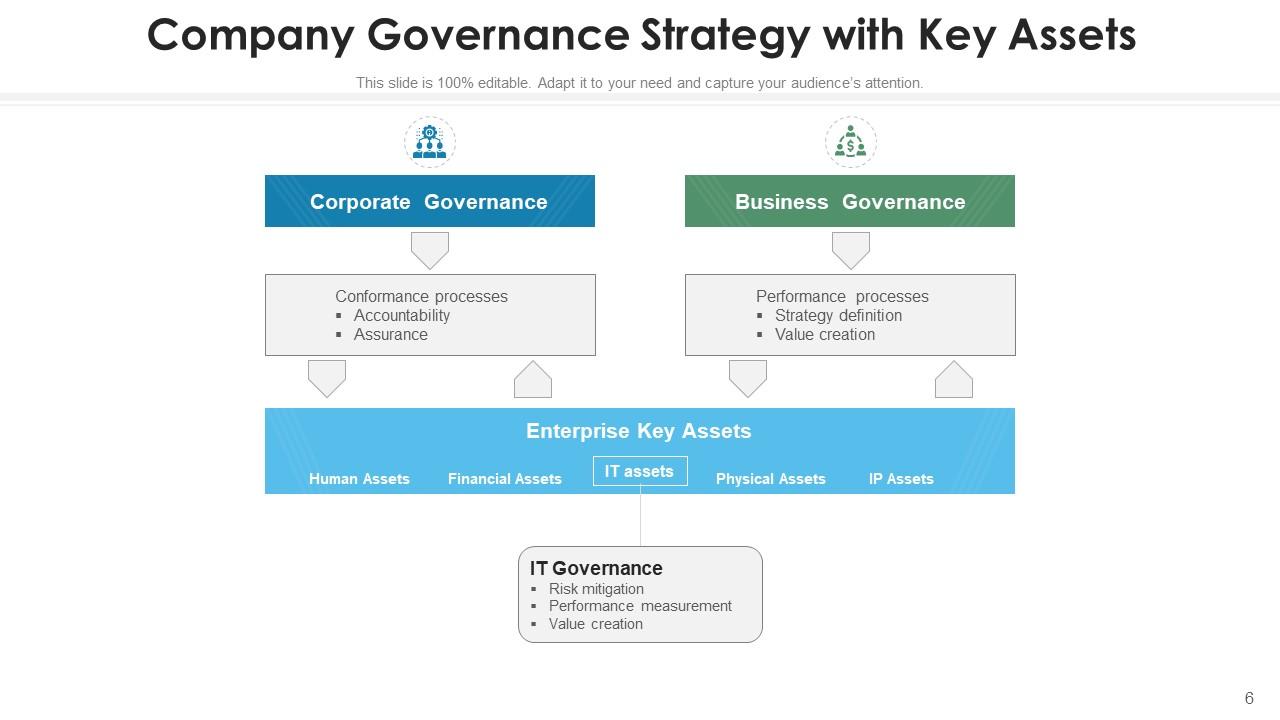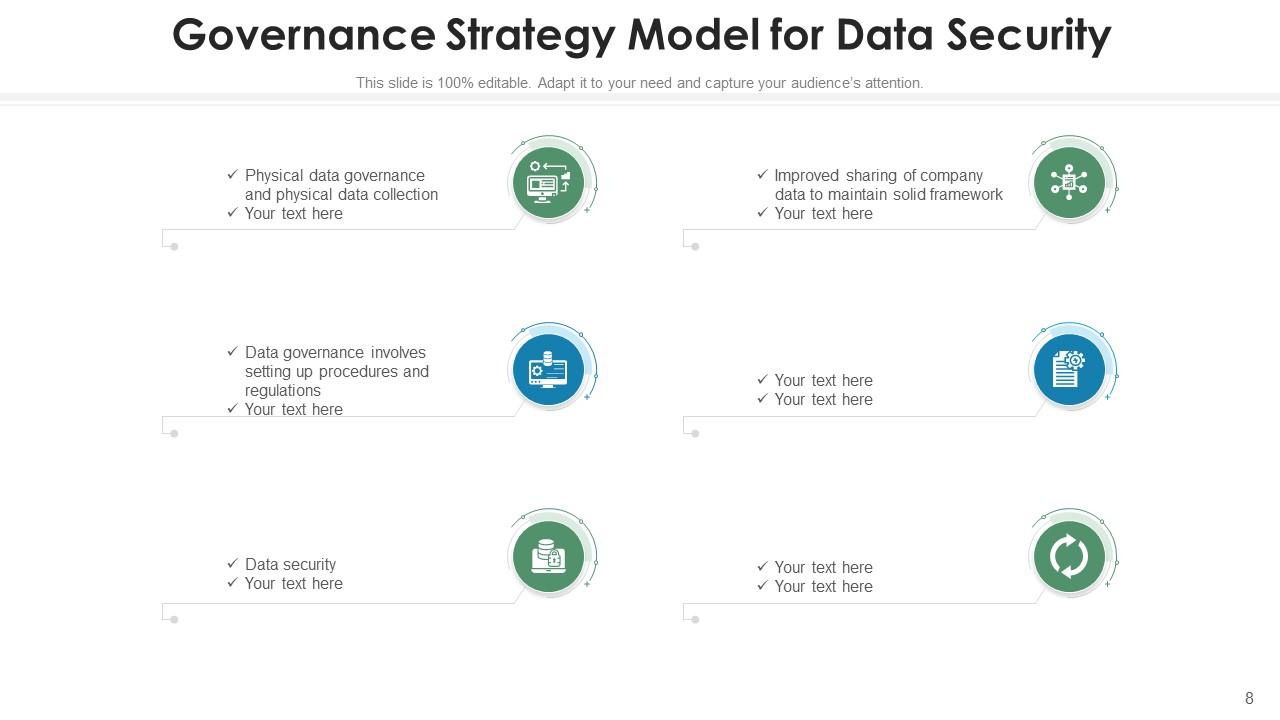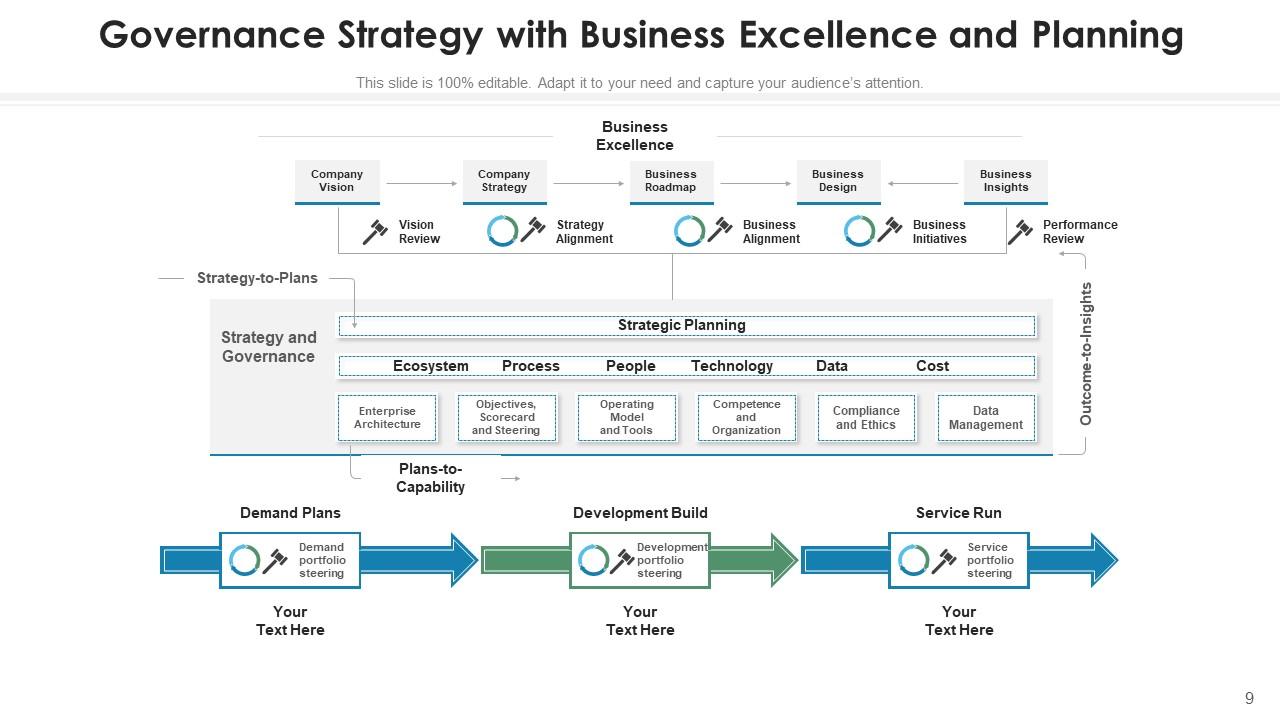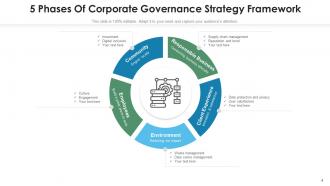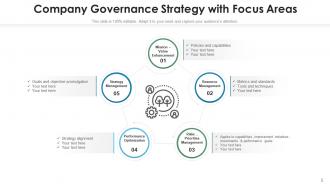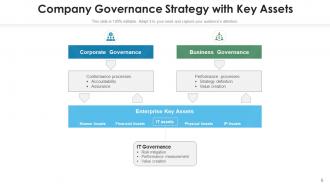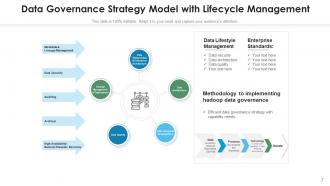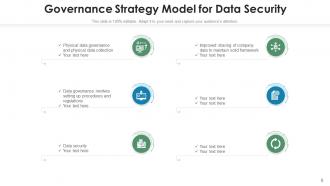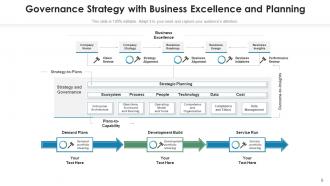
Governance Strategy Approaches Framework Corporate Management Engagement
Try Before you Buy Download Free Sample Product
Audience
Editable
of Time
Our Governance Strategy Approaches Framework Corporate Management Engagement are topically designed to provide an attractive backdrop to any subject. Use them to look like a presentation pro.
People who downloaded this PowerPoint presentation also viewed the following :
Governance Strategy Approaches Framework Corporate Management Engagement with all 12 slides:
Use our Governance Strategy Approaches Framework Corporate Management Engagement to effectively help you save your valuable time. They are readymade to fit into any presentation structure.
FAQs for Governance Strategy Approaches Framework
So for your governance presentation, start with your current structure and who makes what decisions. Cover all the key players and their roles, plus whatever compliance headaches you're dealing with. Risk management frameworks are boring but necessary - trust me, someone will ask about metrics anyway. Don't forget communication channels and escalation stuff since that's usually where everything falls apart. Throw in some org charts and process flows because people zone out reading policy paragraphs. Wrap it up with concrete next steps and timelines so you actually get somewhere.
Honestly, don't try to add engagement later - build it in from day one. Set up advisory committees that rotate different stakeholders through. Town halls work great if people can actually talk, not just listen to presentations. Those quarterly surveys? Pretty useless tbh. You want real conversations happening regularly. Different groups prefer different ways to connect - younger folks might love digital platforms while others want face-to-face meetings. Here's the key though: always circle back and show how their feedback changed something. People bail fast when they feel ignored. Oh, and set actual deadlines for responses or it'll drag forever.
Honestly, just draw it out first - make a visual chart connecting each governance process to your actual business goals. Put the right people in charge, ones who get what you're trying to achieve strategically. Yeah, you'll need quarterly check-ins (ugh, more meetings) but they're worth it to see if governance is actually moving the needle. Here's the thing though - every single governance decision should trace back to some business objective. Otherwise what's the point? Don't let it become bureaucratic BS that slows everyone down. Think of governance as your strategic wingman, not a roadblock.
Honestly, risk management is what keeps you from getting blindsided by stuff you should've seen coming. Don't make it some separate thing you check off - weave it right into how you actually make decisions. Map out what could blow up, figure out how bad it'd be, then build safeguards into your day-to-day operations. Board meetings should always include risk talk, not just when something's already gone wrong (learned that one the hard way). Start simple: pick your 5 biggest risks and connect them to specific processes. You'll immediately see where to focus your energy.
Honestly, tech and governance are joined at the hip these days. Data analytics speeds up decisions, compliance gets automated (thank god), and you get audit trails people actually trust. Digital platforms beat those awful email threads for stakeholder stuff - such a relief. Real-time risk monitoring is huge too, so you're not guessing what's happening between quarterly check-ins. My advice? Look at whatever manual processes are sucking up your team's time first. Those are perfect for automation. The ROI usually shows up pretty fast once you tackle the time-wasters.
Track both the numbers and what people actually say. Decision speed, compliance rates, risk incidents - that stuff matters. Audit results are boring but tell you a lot. Honestly though? Just ask around. Are decisions happening faster? Do people get their roles? Are you catching problems early instead of playing whack-a-mole later? I'd set up regular reviews to see what's really working vs. what just sounds good. Oh, and track trends over months, not just snapshots. Sometimes the vibe check is more valuable than any dashboard.
COBIT, COSO, and ISO 38500 are the main ones everyone talks about - COBIT for IT governance, COSO for internal controls, ISO 38500 for broader governance stuff. Most companies just grab one as their foundation and mix in whatever else works. Nobody really follows one framework to the letter anymore, which honestly makes sense. You might see ITIL pop up for service management or NIST if security's a big deal. Oh, and don't overthink it - just start with whatever your industry uses most, then tweak it for your actual situation instead of trying to be a perfect textbook case.
Honestly, don't overcomplicate things right off the bat - that's where most people mess up. You'll end up with a million committees that just talk in circles and never decide anything. Focus on your biggest risks first instead of trying to control everything at once. I've seen so many companies just steal another org's framework and wonder why it doesn't work... like, obviously their setup won't fit your needs perfectly. Getting your key people on board early is huge too, otherwise you're just creating fancy documents nobody will use. Keep it simple to start.
Look, governance has to fit how your company actually works - can't just copy-paste some template. Flat orgs need collaborative decision-making, maybe cross-functional boards. Hierarchical places? Clear approval chains work better. Matrix structures are honestly a nightmare but you need governance covering both the functional AND project sides. Here's what I'd do: map out who really decides stuff day-to-day (not the org chart BS). Then build around those actual patterns. Way easier than trying to force people into some framework that fights how they naturally operate. Start with the real decision flows first.
Mix quantitative stuff with qualitative to get the real picture. Track decision speed - how long from idea to actually doing it. Also compliance rates, stakeholder engagement, risk management wins. Meeting attendance matters too, but honestly dead boring meetings are usually a red flag for bad governance anyway. Softer stuff counts: transparency scores, satisfaction surveys, how well you adapt when things change. Pick maybe 3-5 metrics that actually fit your goals and stick with tracking them. Don't go overboard or you'll drown in data.
Your company culture totally drives how decisions get made and who actually has influence. Hierarchical places? You'll see more top-down control with rigid approval chains. Collaborative cultures love consensus-building, though honestly that can drag things out forever sometimes. Risk appetite changes everything too - some orgs will let you experiment freely while others want three committees to review your lunch order. The trick is building governance that fits your culture instead of fighting it. People will just find workarounds if your processes feel unnatural anyway.
Look, transparency and accountability are what make governance actually work. People need to understand why decisions get made - otherwise you'll get tons of pushback and confusion. Clear ownership matters too because nobody should be able to make big calls then vanish when stuff goes wrong (happens way too often honestly). Without these basics, governance becomes this mysterious black box that nobody trusts. Document your decision criteria and share regular updates on what's happening. It's really that simple, but most organizations still mess this up somehow.
Start with the problem, not your brilliant solution - people need to get why this matters first. Visuals are your best friend here because governance presentations usually put everyone to sleep. Show clear before/after scenarios and break down how each change hits different groups. Honestly, the abstract strategy stuff just doesn't land. Make it about their actual day-to-day work instead. I always wrap up each section with "here's what this means for you" - otherwise people leave confused about next steps. Oh, and real examples beat theoretical concepts every single time.
Look, you've gotta map out your legal requirements first - that's your foundation. Can't build good governance without knowing what you're legally bound to follow, kinda like designing a house without building codes. Compliance stuff changes constantly though (super annoying). Smart move is using those legal must-haves as your baseline, then adding controls that actually make sense for your business. Don't just tick boxes. Honestly, most companies get this backwards. They build governance first, then scramble to fit compliance in later. Start with what you legally can't ignore, then build around that.
Look, good governance is what makes sustainability actually work instead of just being corporate fluff. Build environmental and social stuff right into how your board makes decisions and tracks performance. Don't just write pretty policies that nobody follows - create real accountability. Tie executive pay to ESG targets, include sustainability in your risk planning, and set up proper reporting. Honestly, most companies mess this up by treating it like a side project. Start by figuring out which board committee should own this stuff, then work backwards from there.
-
Great
-
Innovative and attractive designs.
-
It saves your time and decrease your efforts in half.
-
Presentation Design is very nice, good work with the content as well.
-
Easily Editable.