


Healthcare management powerpoint presentation slides
Our Healthcare Management Powerpoint Presentation Slides are topically designed to provide an attractive backdrop to any subject. Use them to look like a presentation pro.

















































-

- Google Slides is a new FREE Presentation software from Google.
- All our content is 100% compatible with Google Slides.
- Just download our designs, and upload them to Google Slides and they will work automatically.
- Amaze your audience with SlideTeam and Google Slides.
-

Want Changes to This PPT Slide? Check out our Presentation Design Services
-

- WideScreen Aspect ratio is becoming a very popular format. When you download this product, the downloaded ZIP will contain this product in both standard and widescreen format.
-

- Some older products that we have may only be in standard format, but they can easily be converted to widescreen.
- To do this, please open the SlideTeam product in Powerpoint, and go to
- Design ( On the top bar) -> Page Setup -> and select "On-screen Show (16:9)” in the drop down for "Slides Sized for".
- The slide or theme will change to widescreen, and all graphics will adjust automatically. You can similarly convert our content to any other desired screen aspect ratio.
Compatible With Google Slides

Get This In WideScreen
You must be logged in to download this presentation.


Do you want to remove this product from your favourites?
PowerPoint presentation slides
SlideTeam offers Healthcare Management Powerpoint Presentation Slides. Our 100% custom complete deck contains 68 professionally created PowerPoint templates. Edit text, font, background, orientation, shapes, patterns, and colors however you like. Convert the file format from PPT to PDF, PNG, or JPG as and when required. This PowerPoint presentation is compatible with standard and widescreen resolutions. You can use Google Slides for quick access.

People who downloaded this PowerPoint presentation also viewed the following :
Content of this Powerpoint Presentation
Slide 1: This slide introduces Healthcare Management. State your Company name and begin.
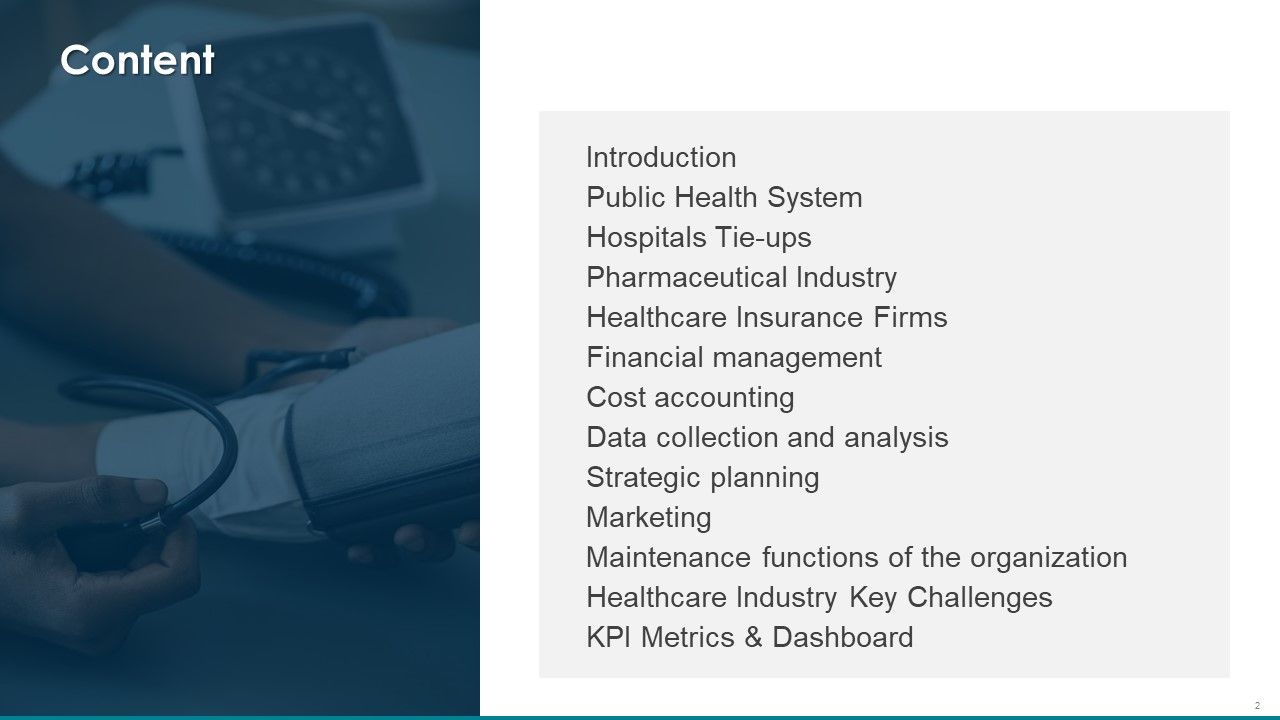
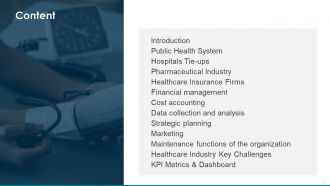
Slide 2: This slide displays Content of the presentation.
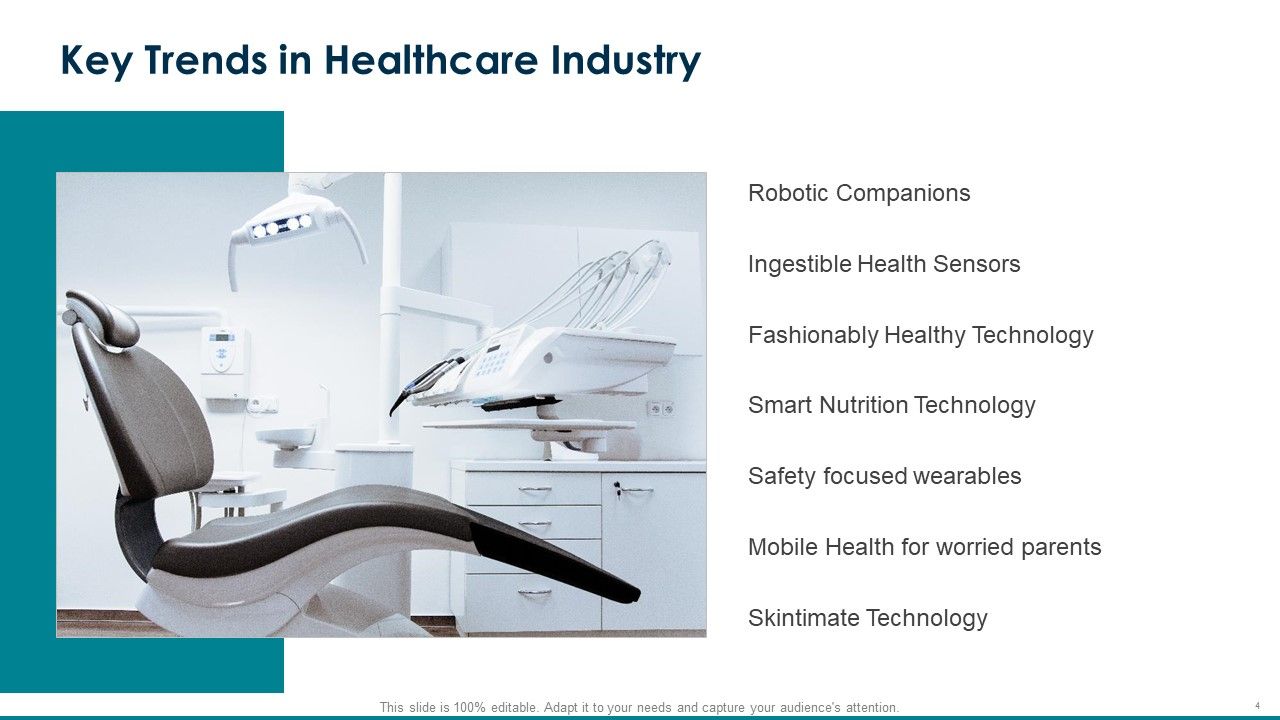
Slide 3: This slide displays Key Trends in Healthcare Industry
Slide 4: This slide showcases Key Trends in Healthcare Industry such as- Robotic Companions, Ingestible Health Sensors, Fashionably Healthy Technology, Smart Nutrition Technology, Safety focused wearables, Mobile Health for worried parents, Skintimate Technology.
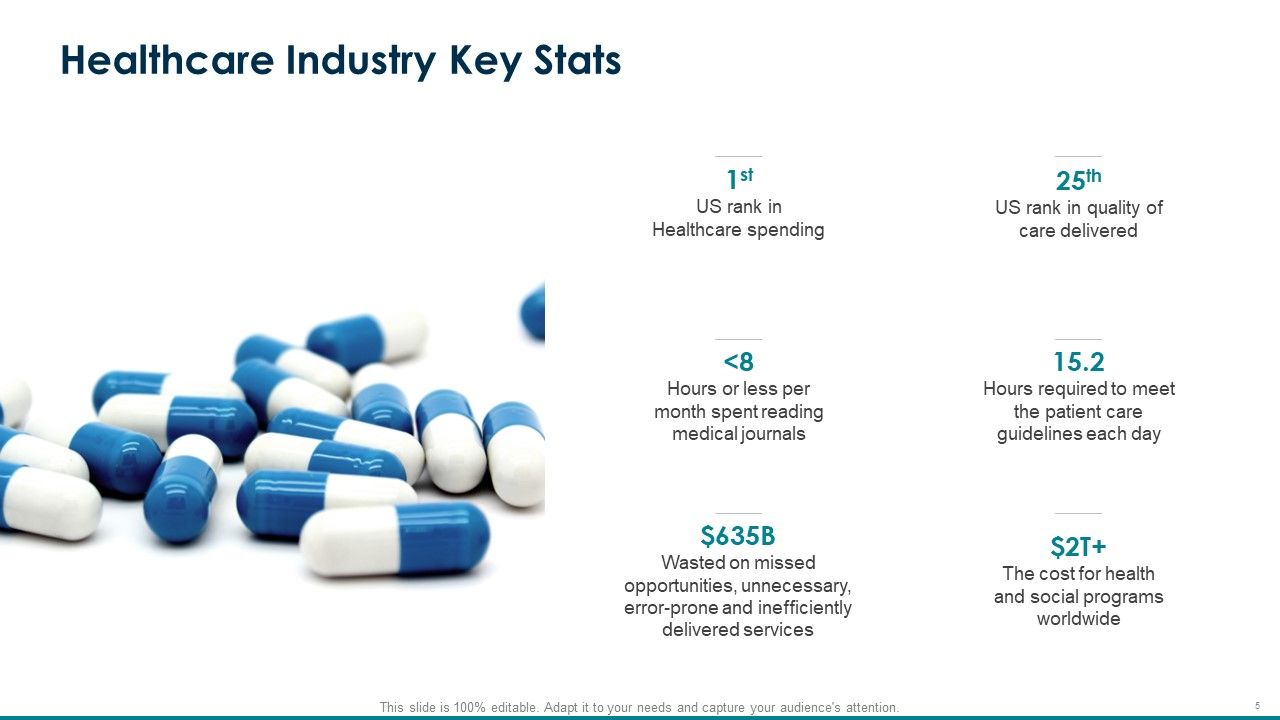
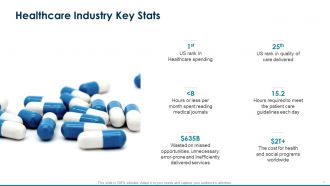
Slide 5: This slide presents Healthcare Industry Key Stats.
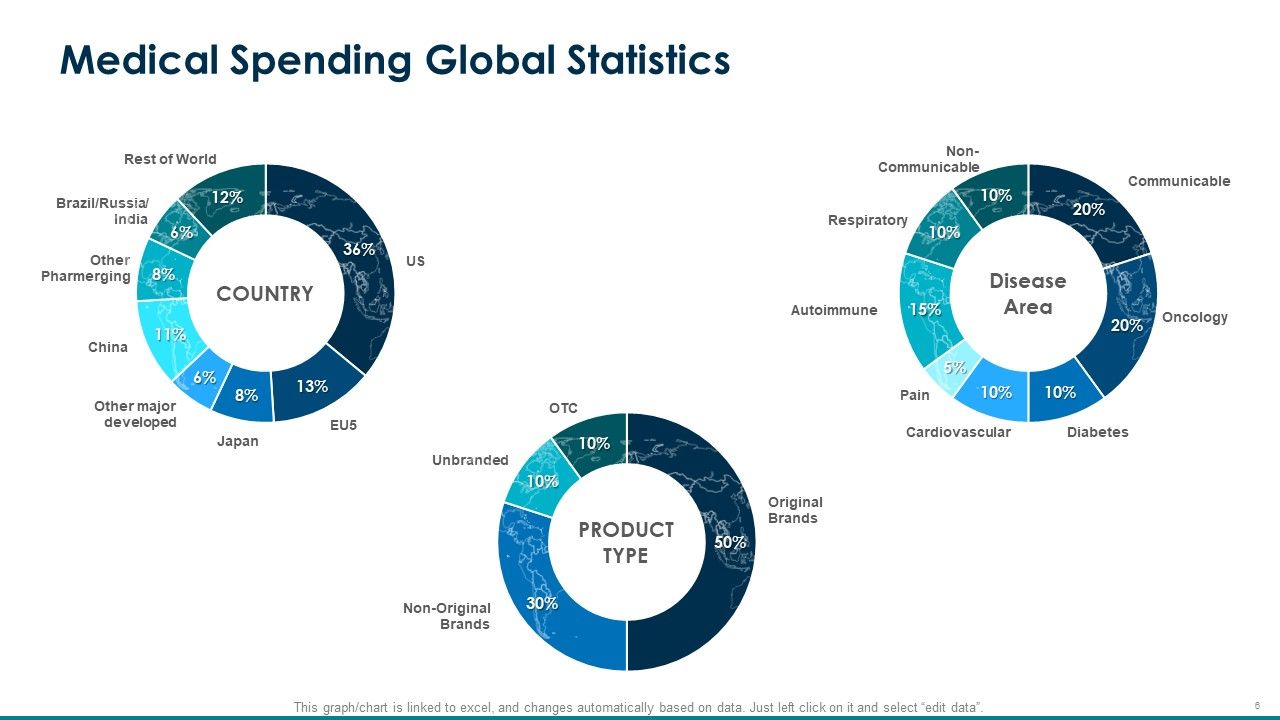
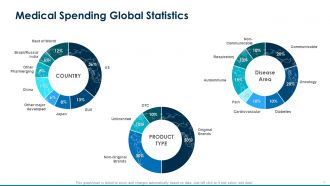
Slide 6: This slide shows Medical Spending Global Statistics.
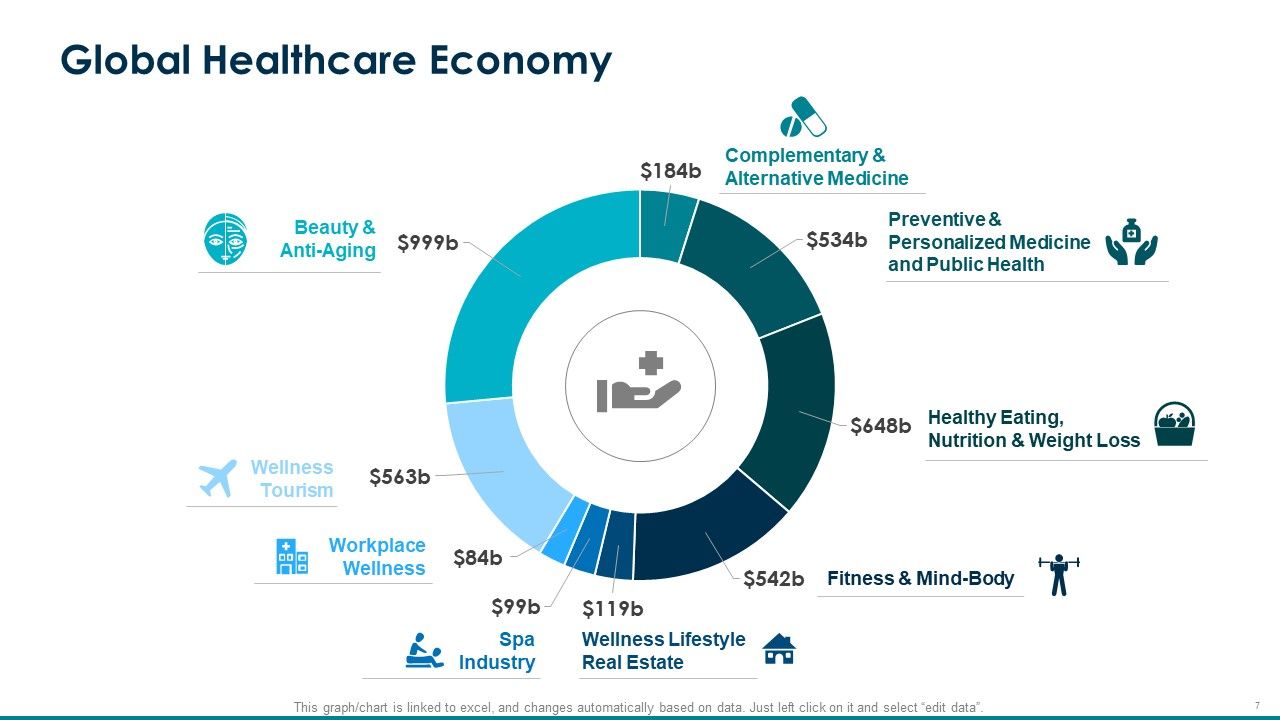
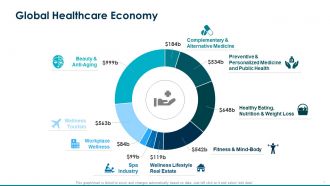
Slide 7: This slide showcases Global Healthcare Economy.
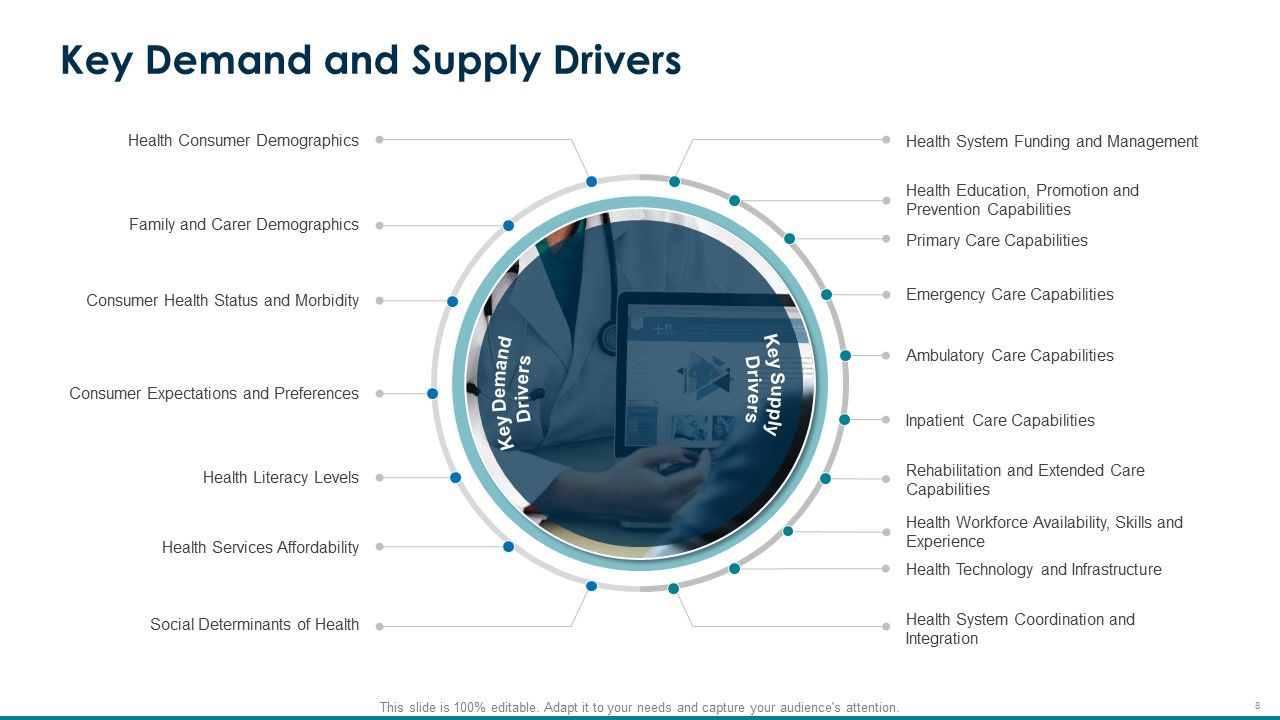
Slide 8: This slide showcases Health Consumer Demographics.
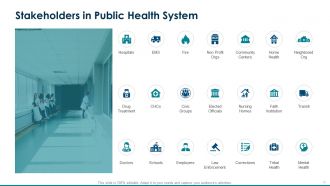
Slide 9: This slide showcases Stakeholders in Public Health System
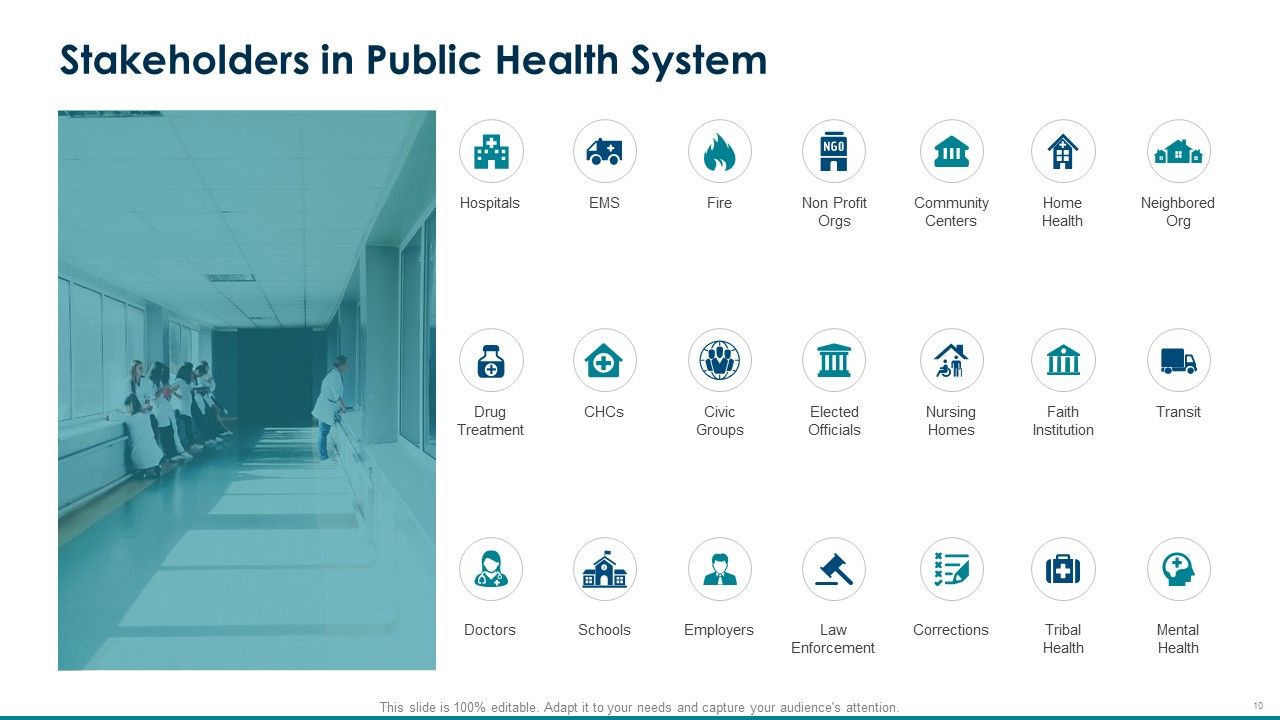
Slide 10: This slide displays Stakeholders in Public Health System
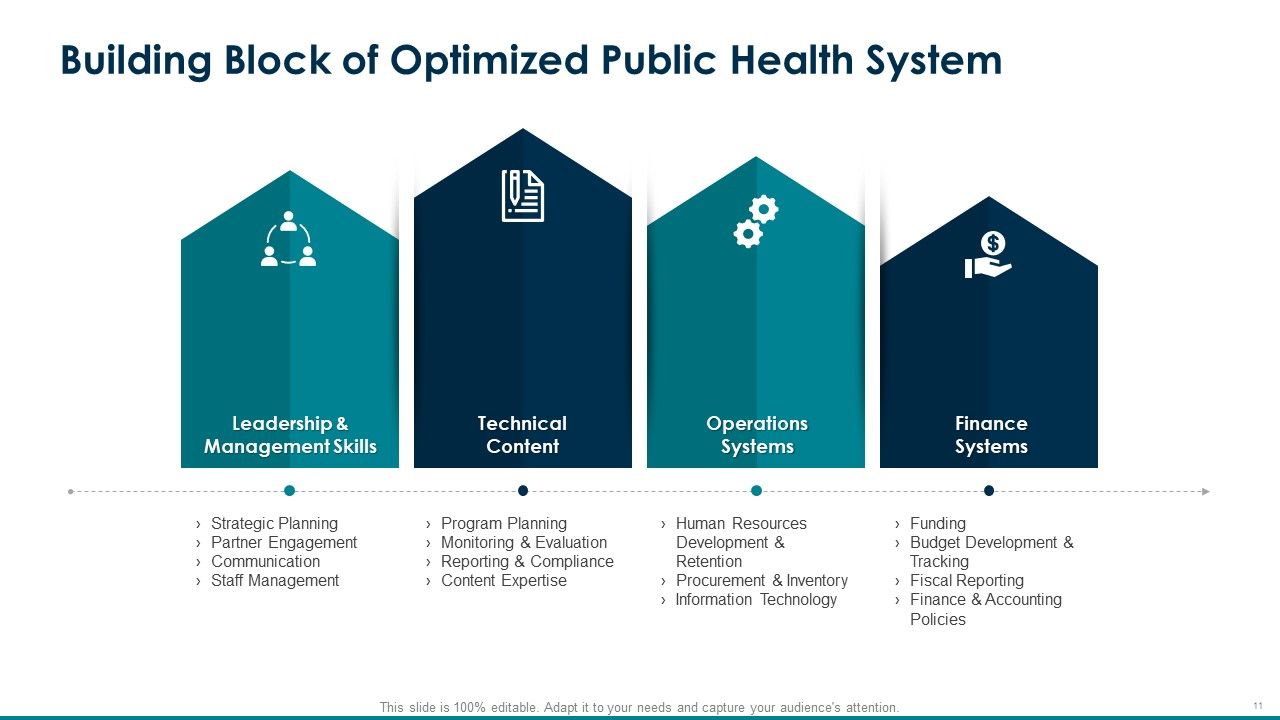
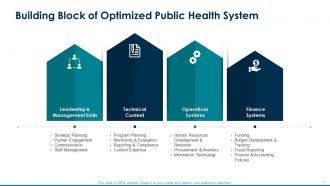
Slide 11: This slide provides information regarding Building Block of Optimized Public Health System
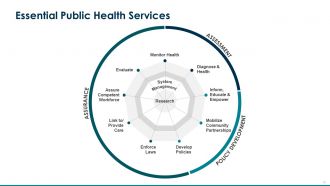
Slide 12: This slide showcases Essential Public Health Services.
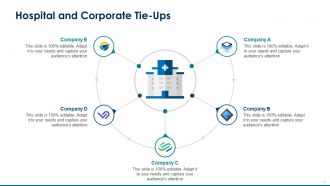
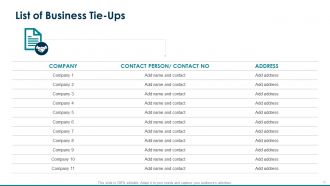
Slide 13: This slide showcases List of Business Tie-Ups with- Hospitals & Corporate Tie-Ups
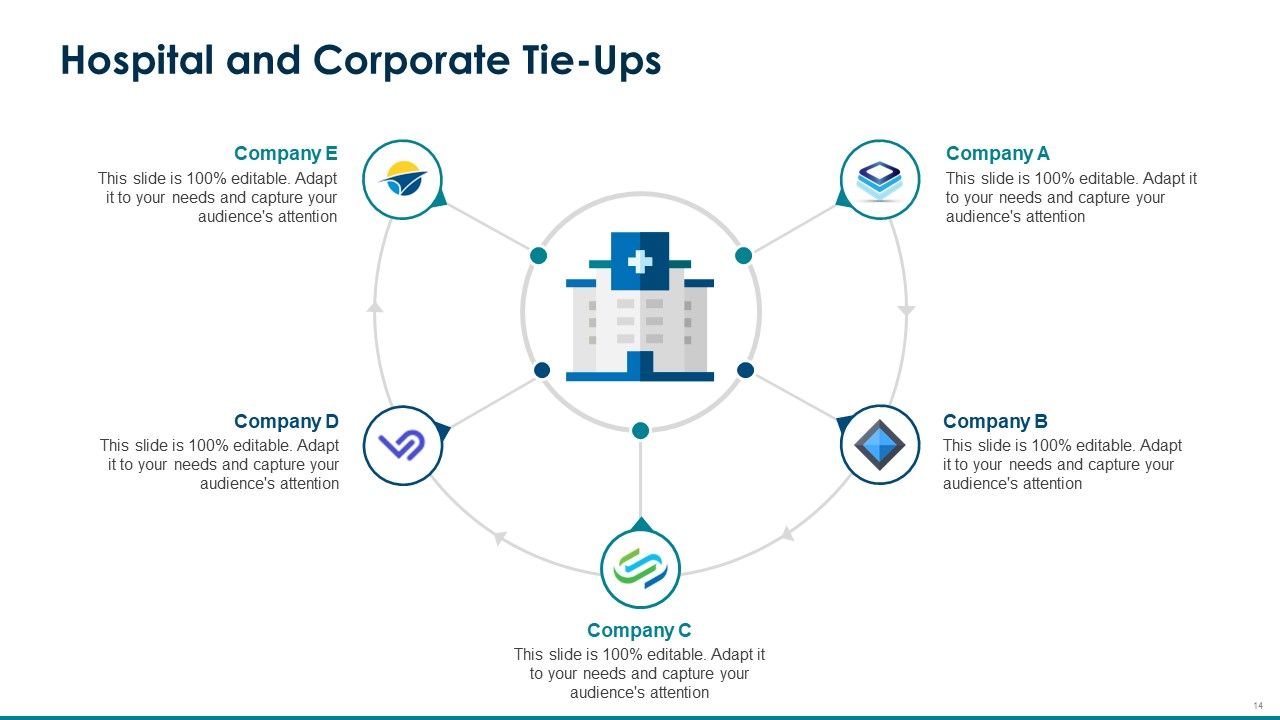
Slide 14: This slide showcases Hospital and Corporate Tie-Ups
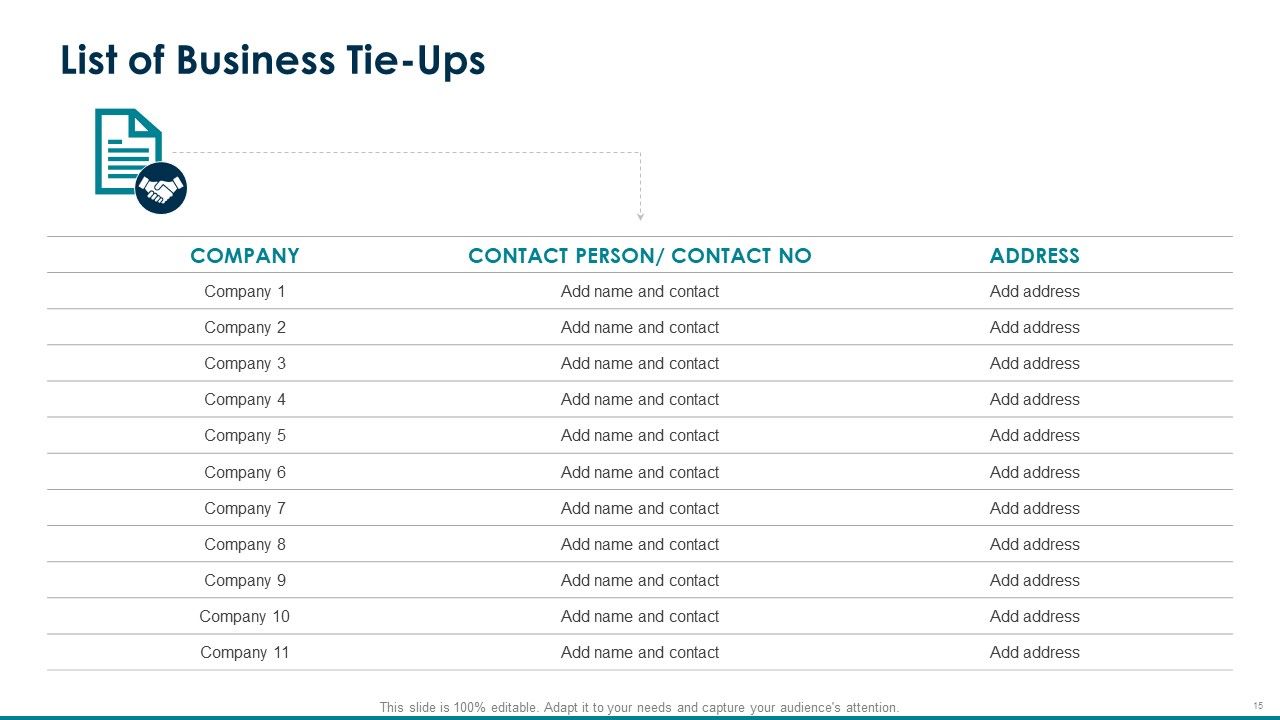
Slide 15: This slide shows List of Business Tie-Ups.
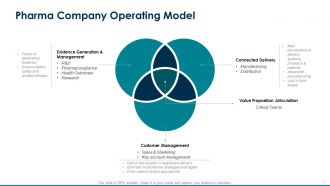
Slide 16: This slide showcases Pharma Company Operating Model.
Slide 17: This slide displays Pharma Company Operating Model.
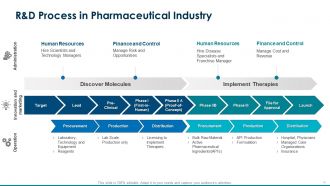
Slide 18: This slide represents R&D Process in Pharmaceutical Industry.
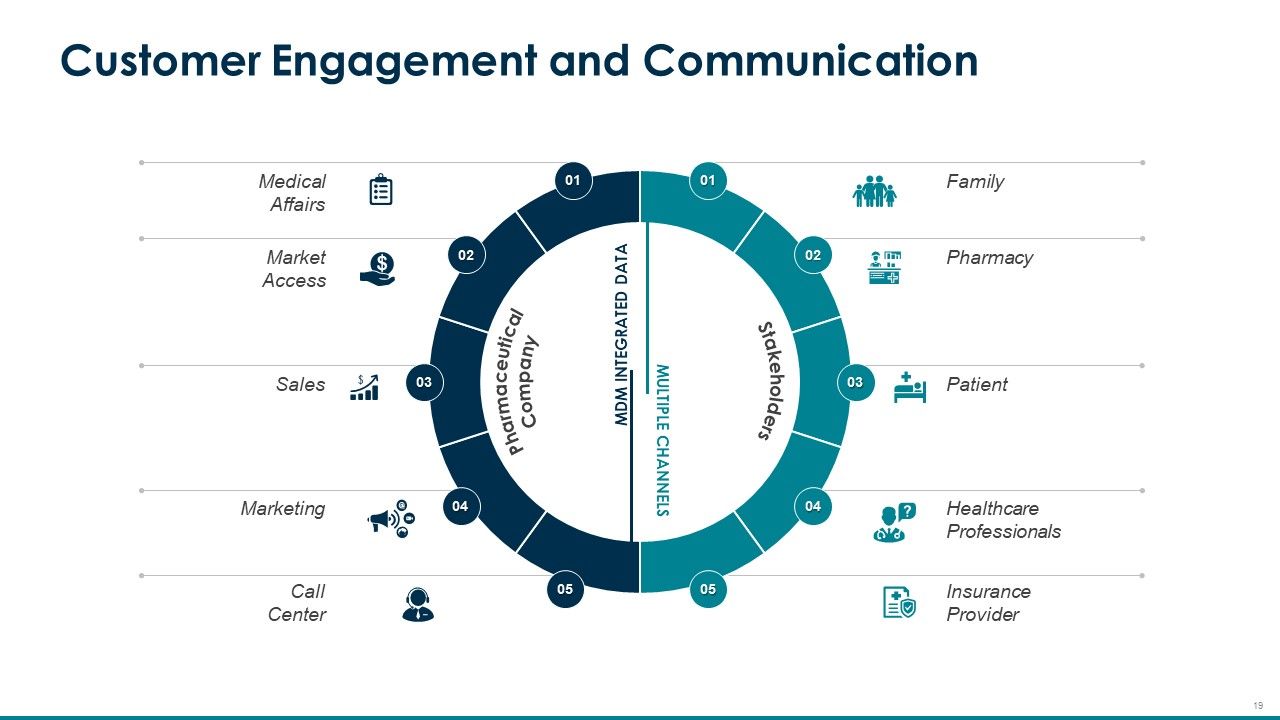
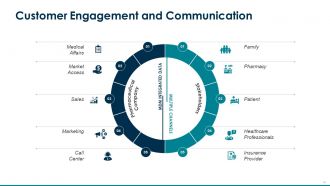
Slide 19: This slide shows Customer Engagement and Communication
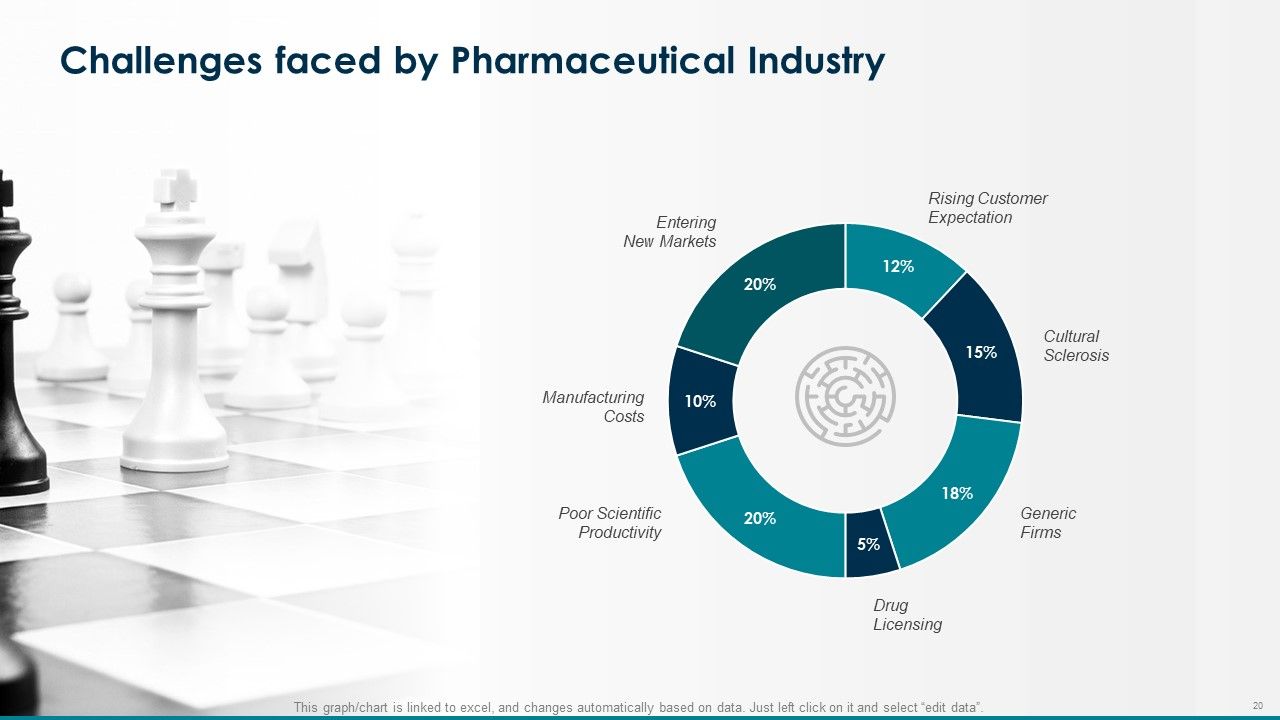
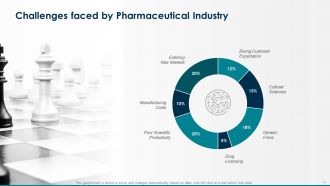
Slide 20: This slide showcases Challenges faced by Pharmaceutical Industry
Slide 21: This slide depicts Types of Healthcare Insurance Plans
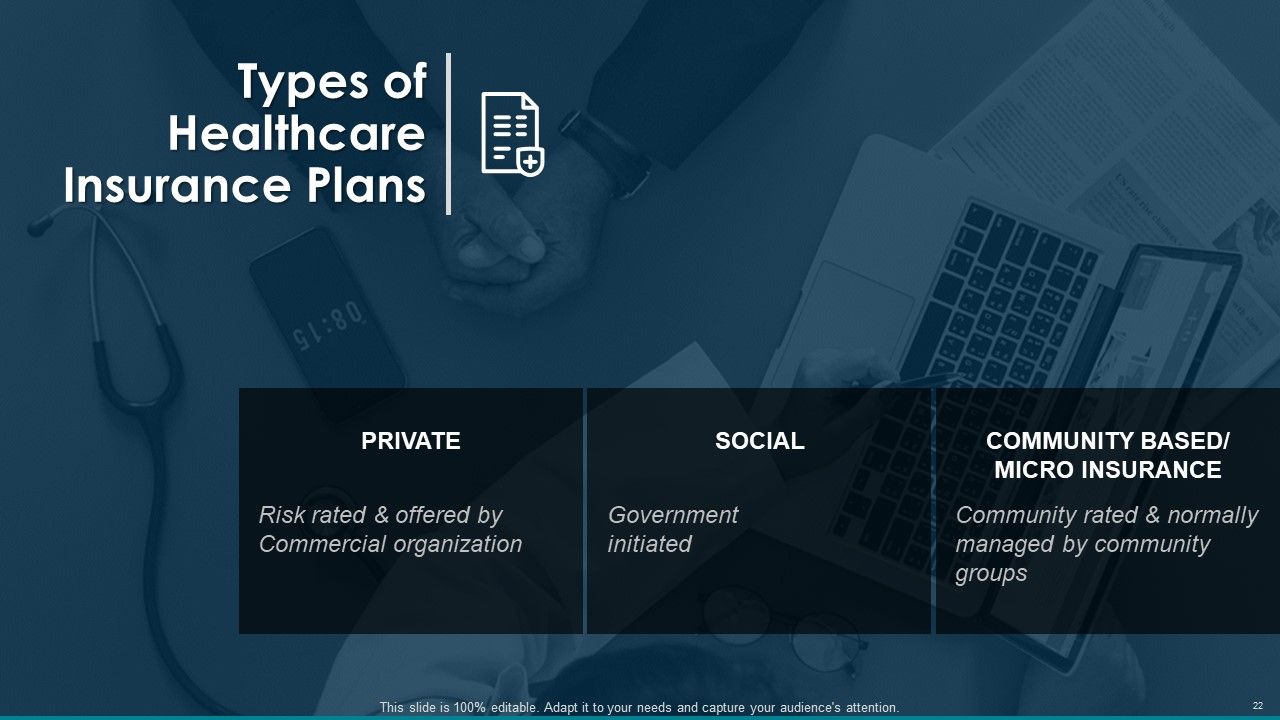
Slide 22: This slide shows Types of Healthcare Insurance Plans
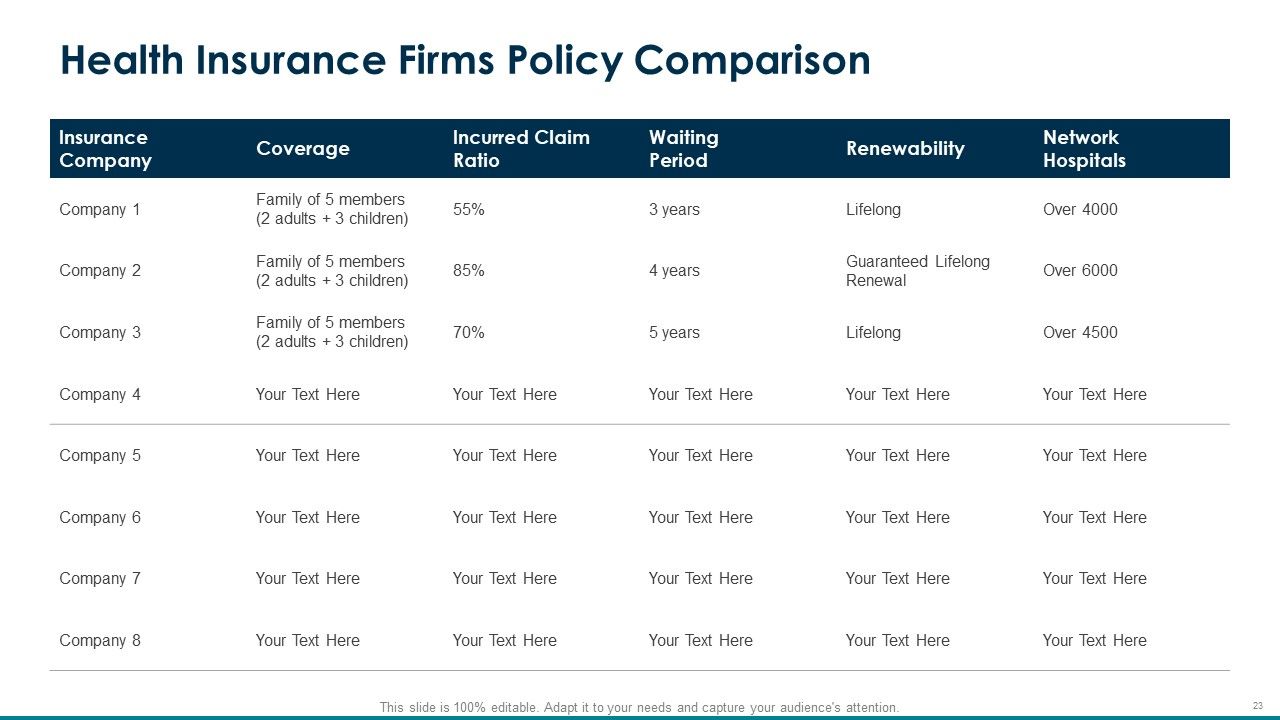
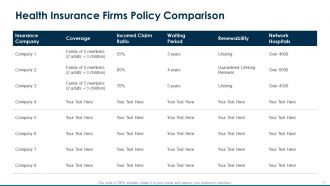
Slide 23: This slide displays Health Insurance Firms Policy Comparison.
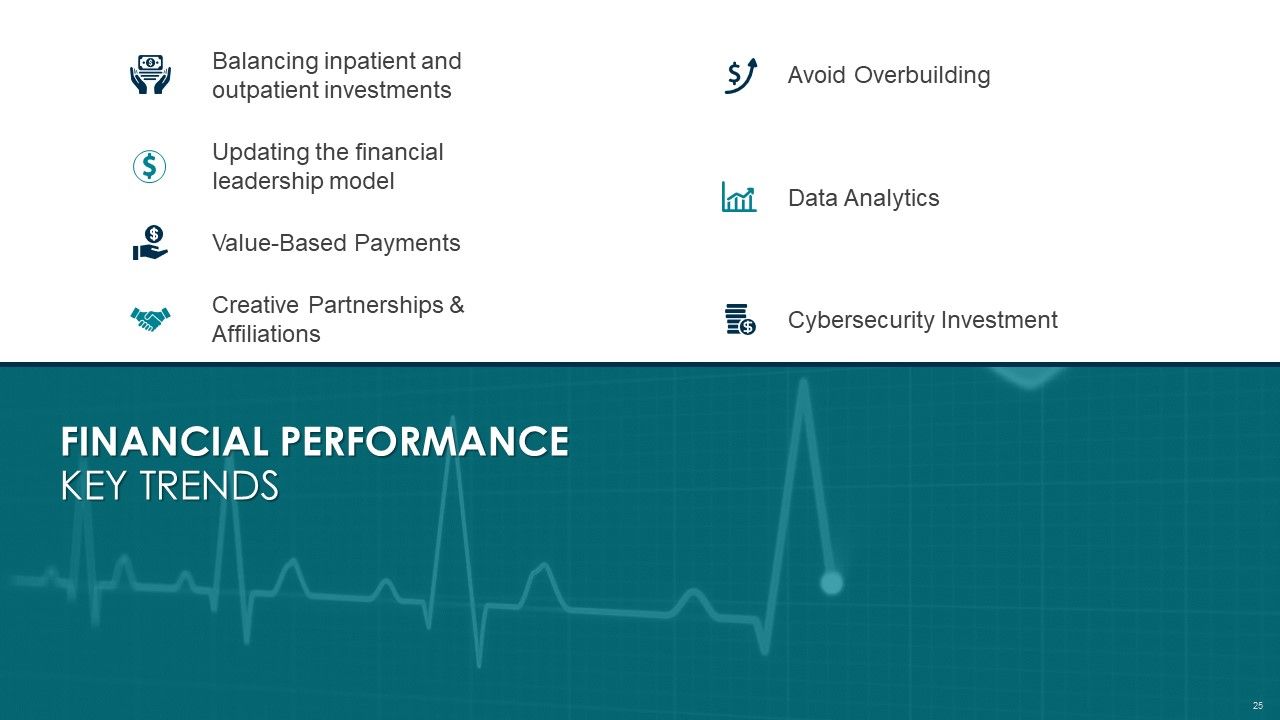
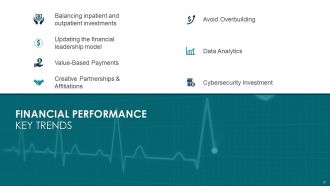
Slide 24: This slide shows Financial Performance Key Trends.
Slide 25: This slide describes about Balancing impatient and outpatient investments
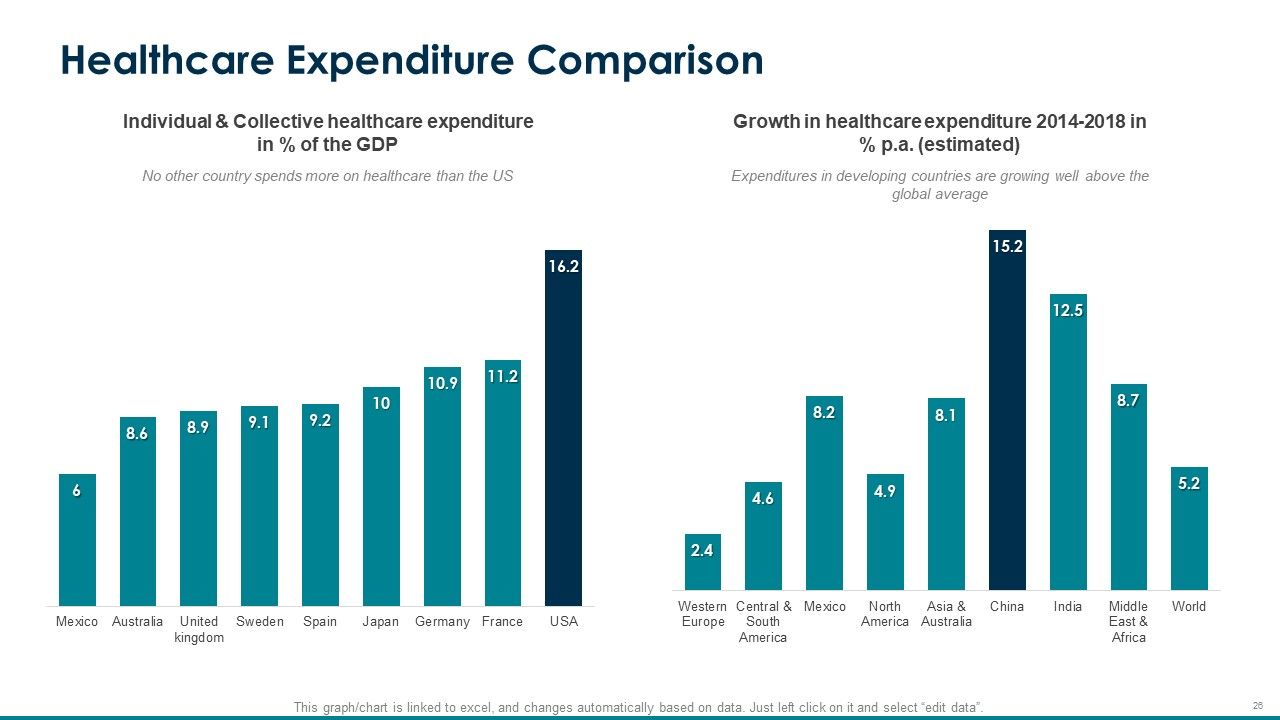
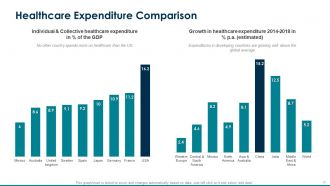
Slide 26: This slide displays Healthcare Expenditure Comparison
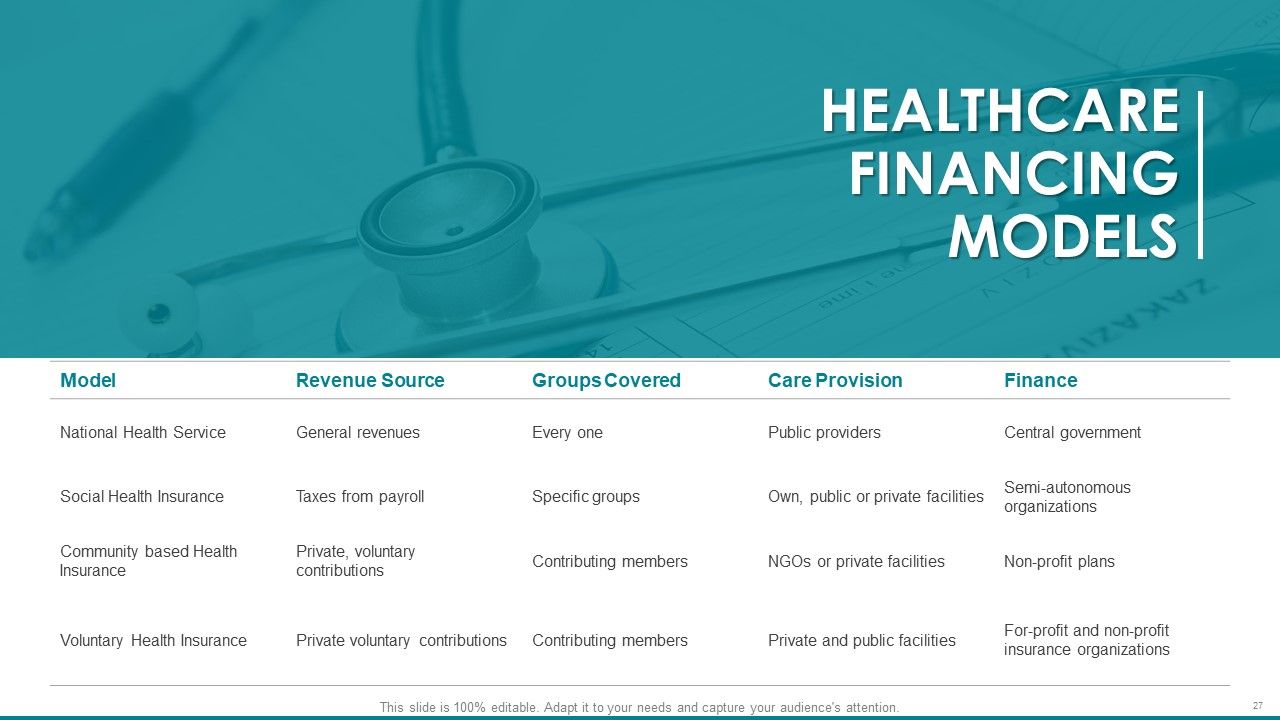
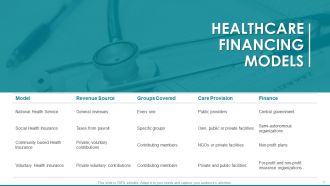
Slide 27: This slide displays Healthcare Financing Models.
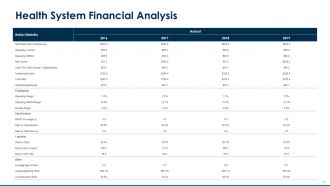
Slide 28: This slide showcases Health System Financial Analysis.
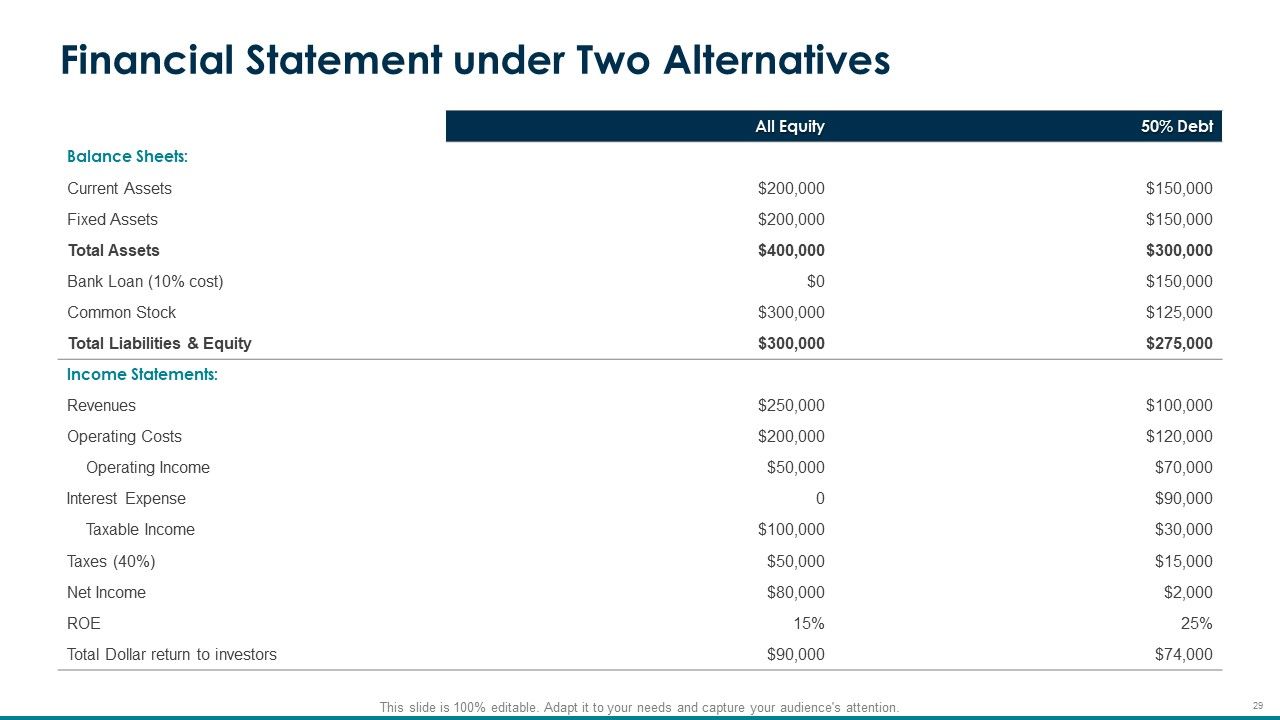
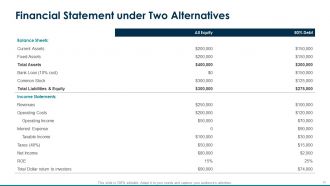
Slide 29: This slide displays Financial Statement under Two Alternatives
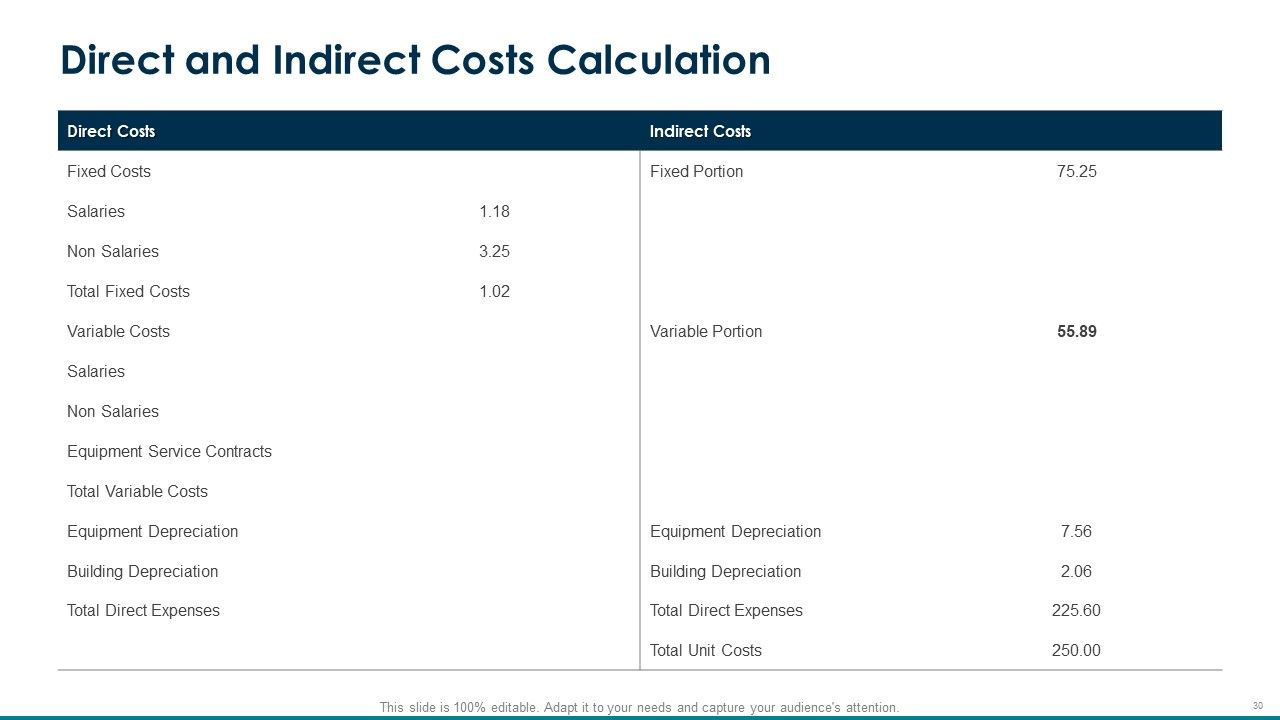
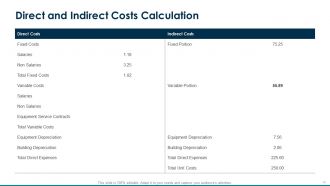
Slide 30: This slide shows Direct and Indirect Costs Calculation
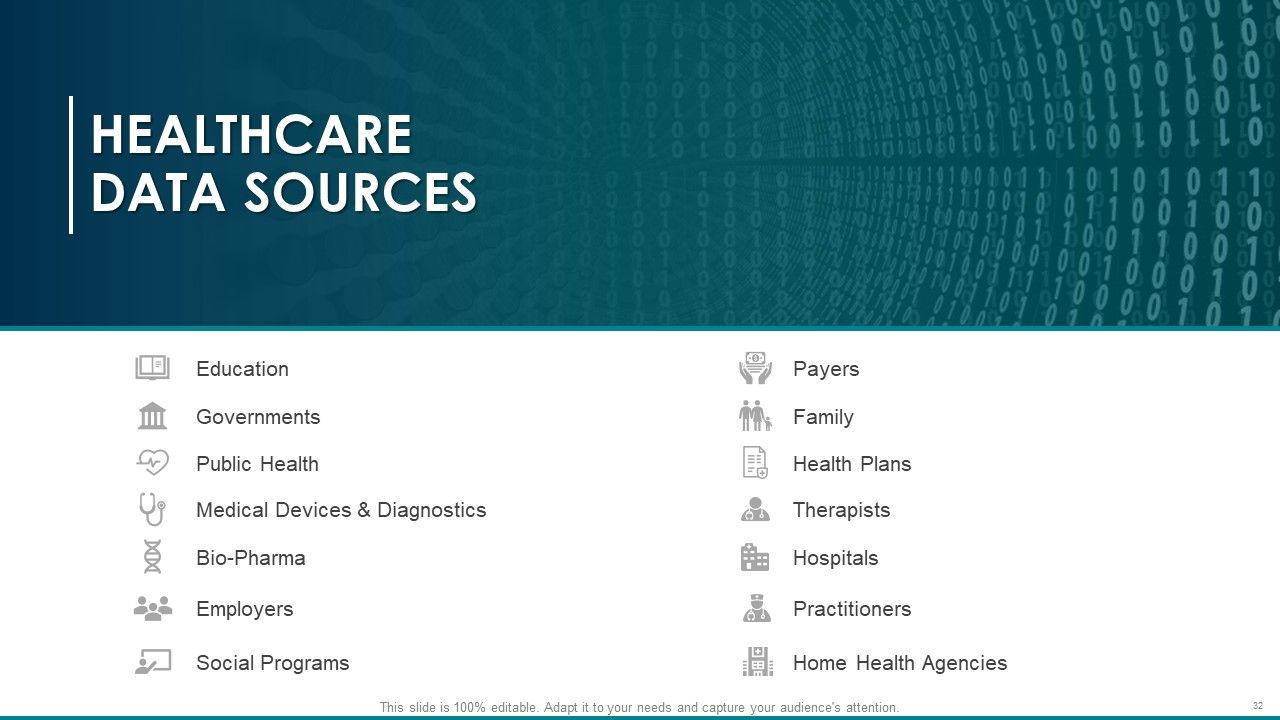
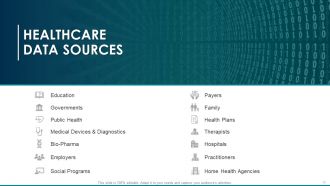
Slide 31: This slide displays Healthcare Data Sources
Slide 32: This slide displays Healthcare Data Sources Such as- Bio-Pharma, Education, Governments, Public Health, Medical Devices & Diagnostics, Employers, Social Programs, Hospitals, Payers, Family, and Health Plans.
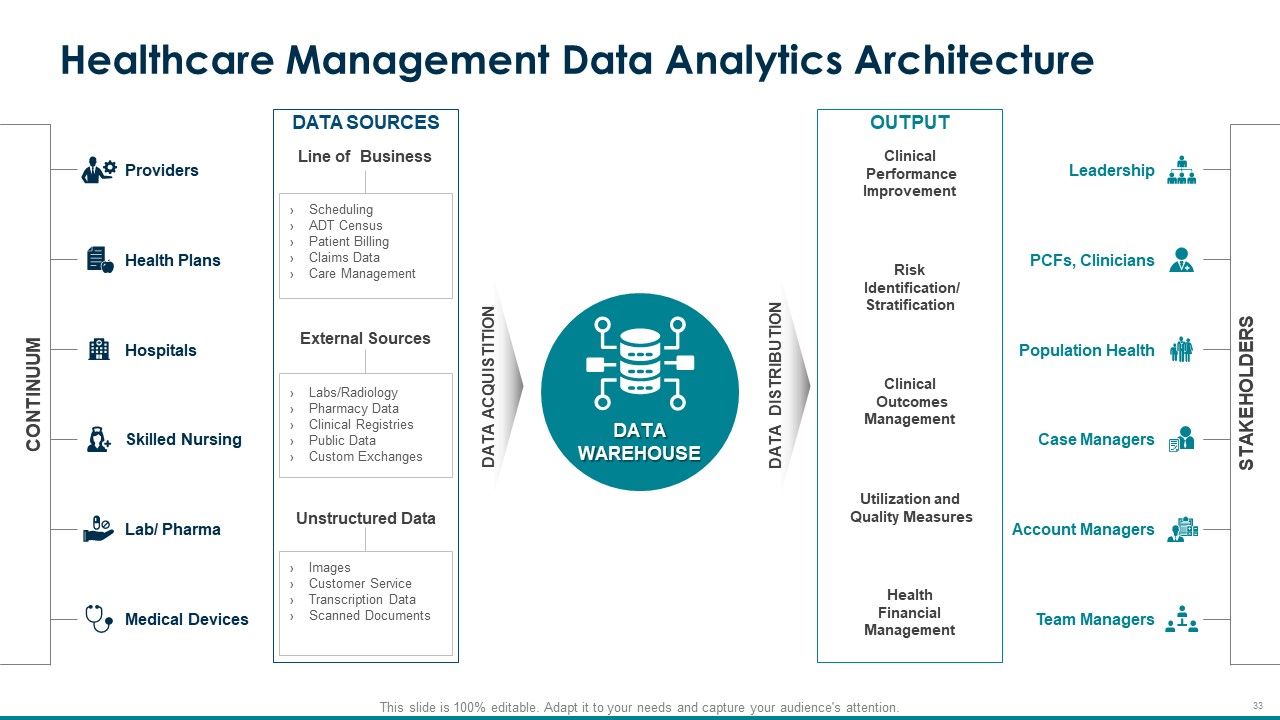
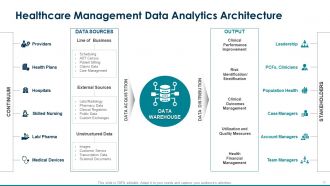
Slide 33: This slide shows Healthcare Management Data Analytics Architecture
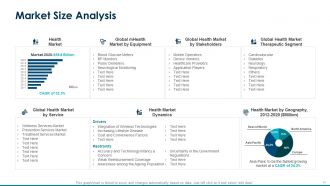
Slide 34: This slide displays Market Size Analysis.
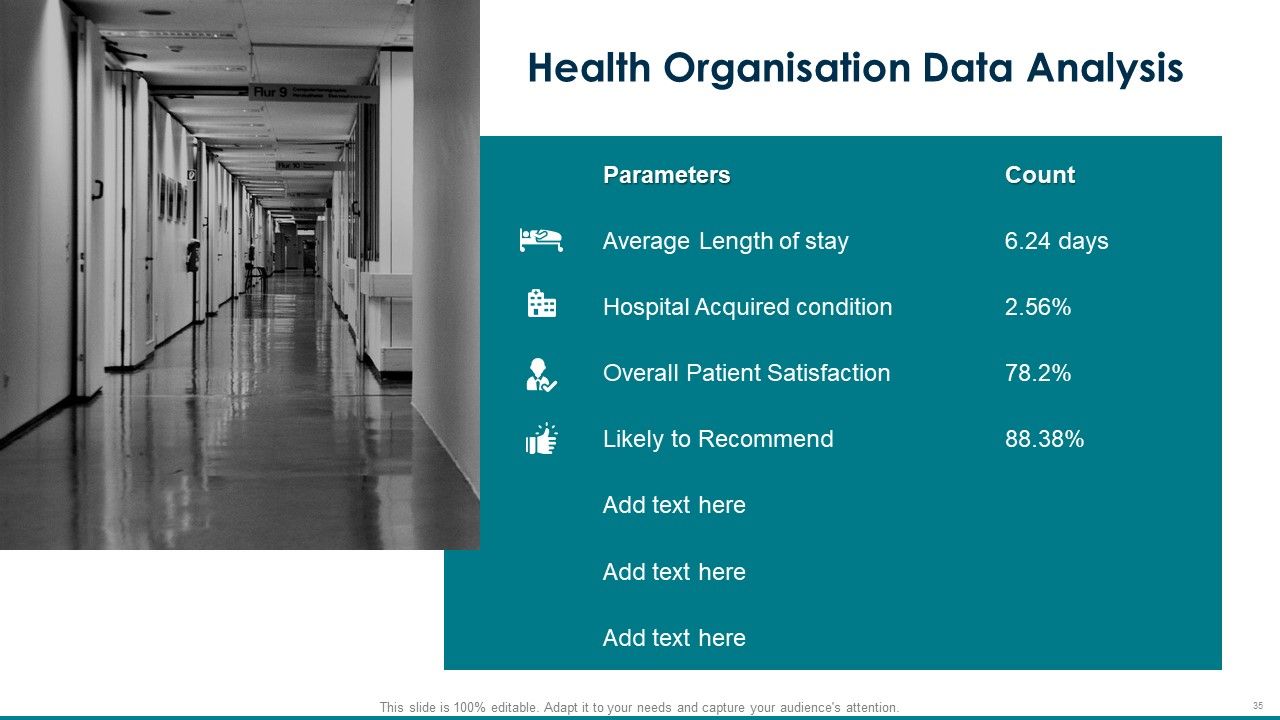
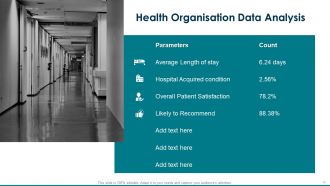
Slide 35: This slide displays Health Organisation Data Analysis.
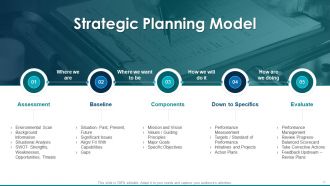
Slide 36: This slide showcases Strategic Planning Model.
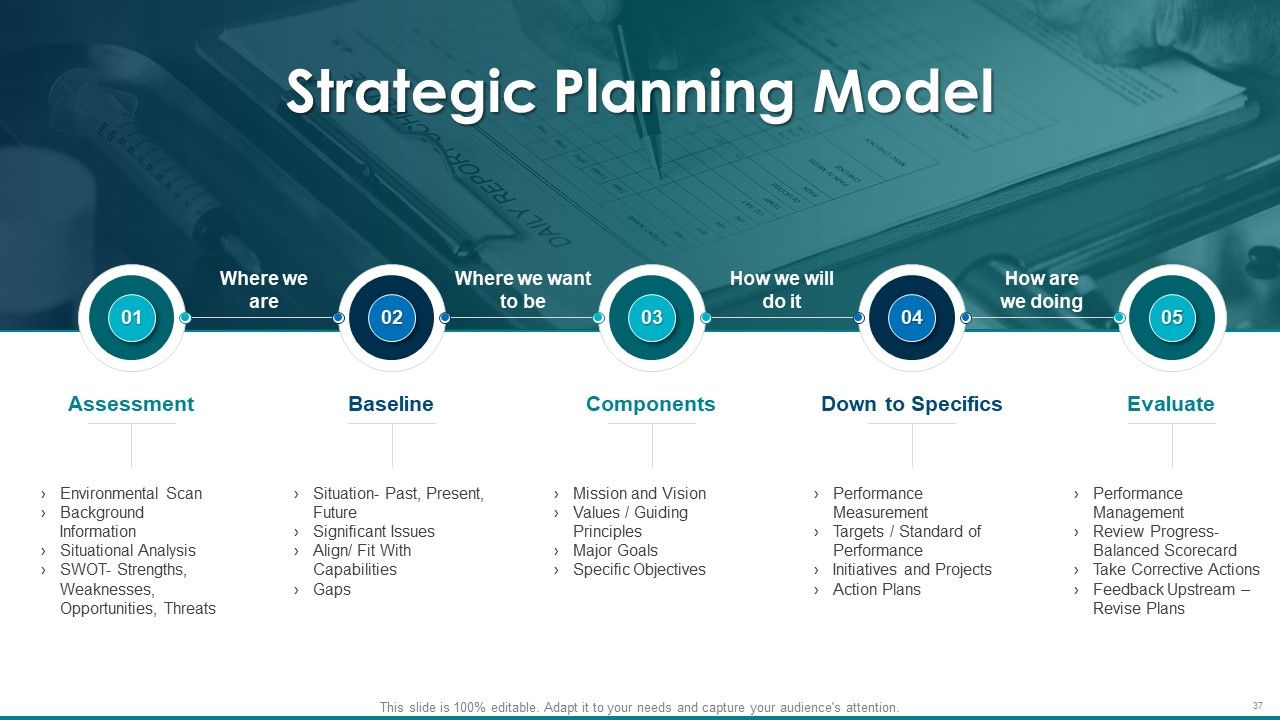
Slide 37: This slide displays Strategic Planning Model.
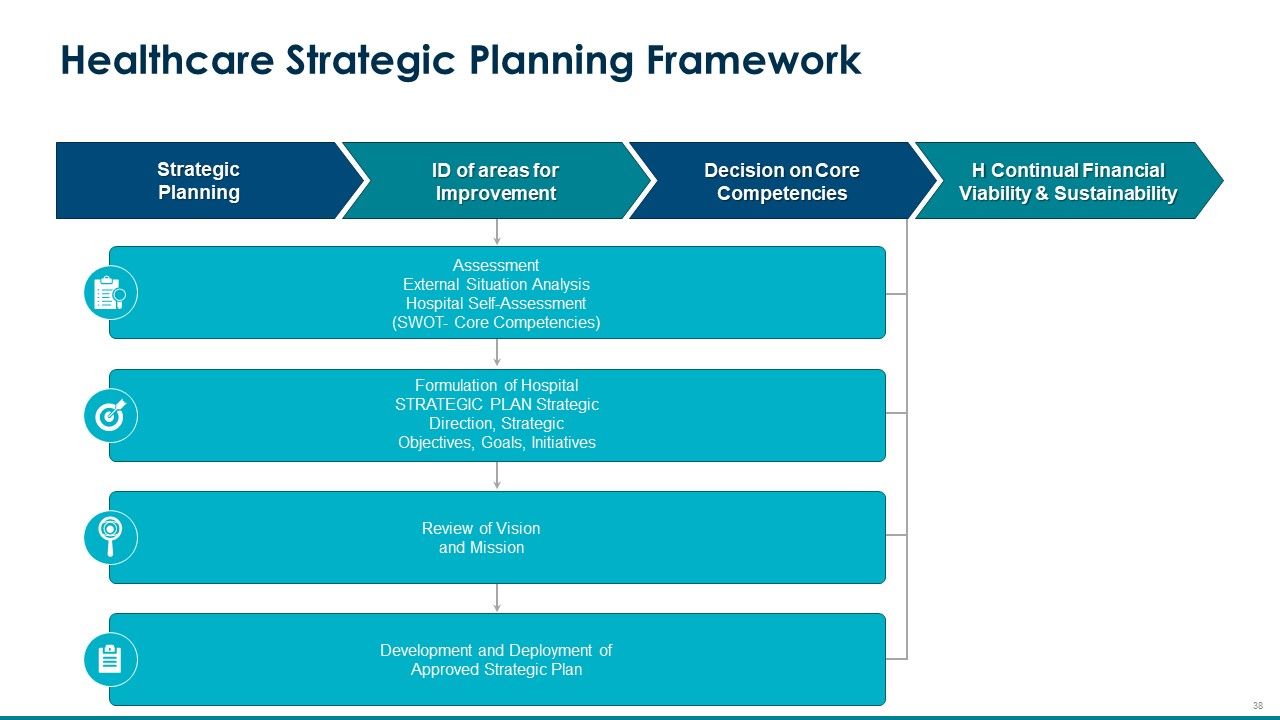
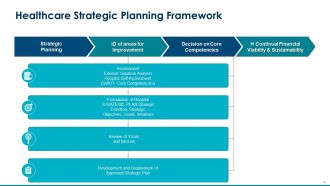
Slide 38: This slide shows Healthcare Strategic Planning Framework.
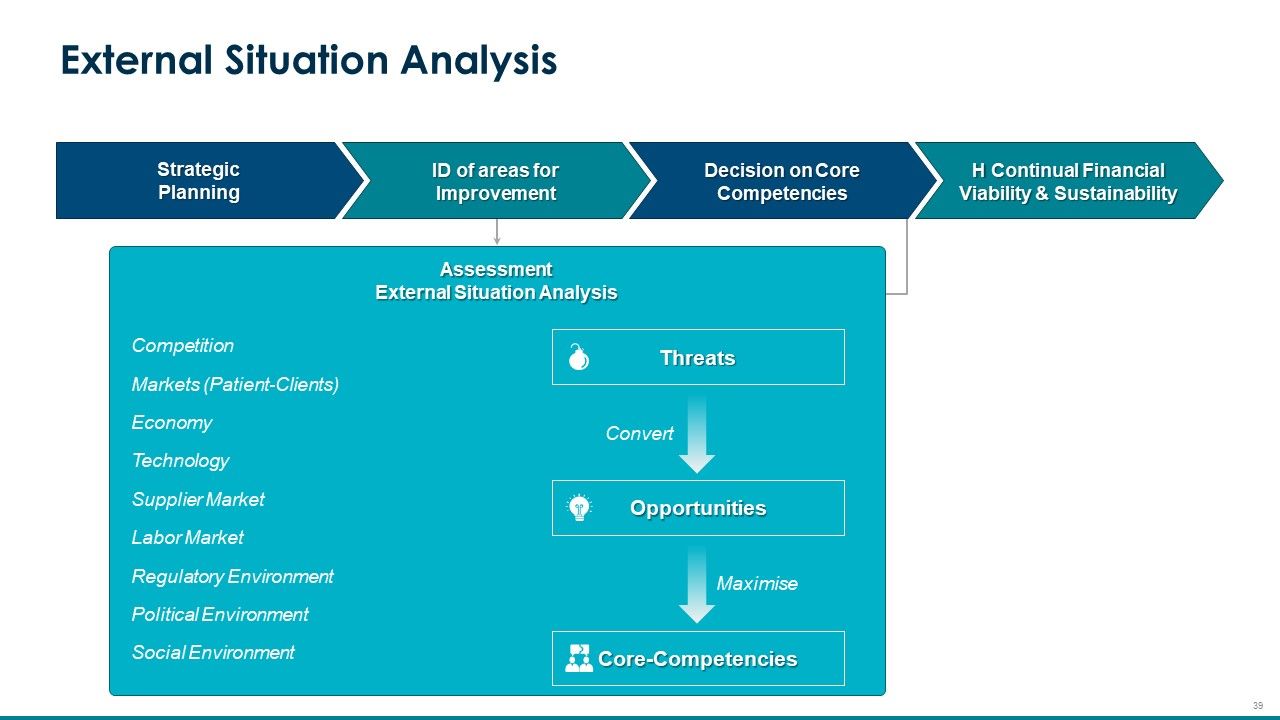
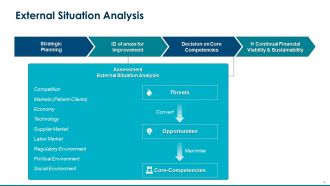
Slide 39: This slide depicts External Situation Analysis.
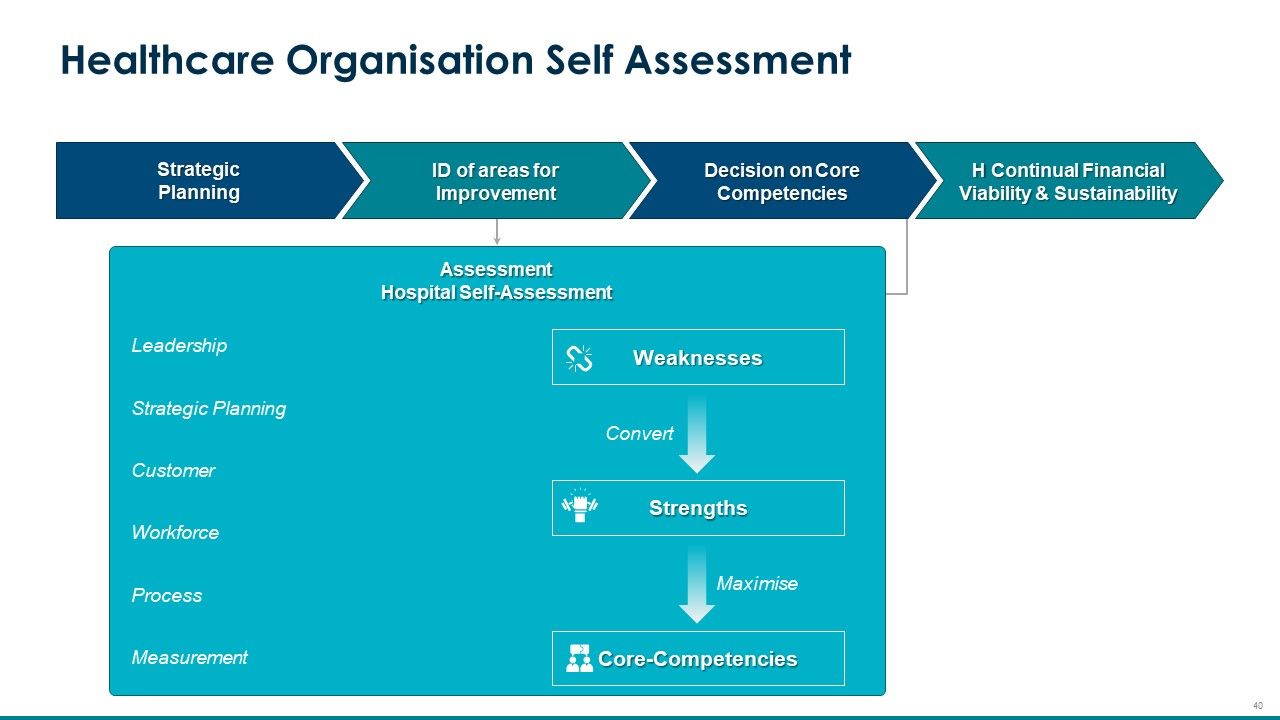
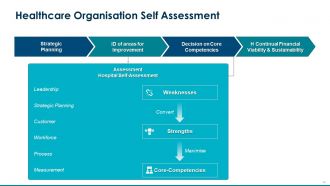
Slide 40: This slide displays Healthcare Organisation Self Assessment
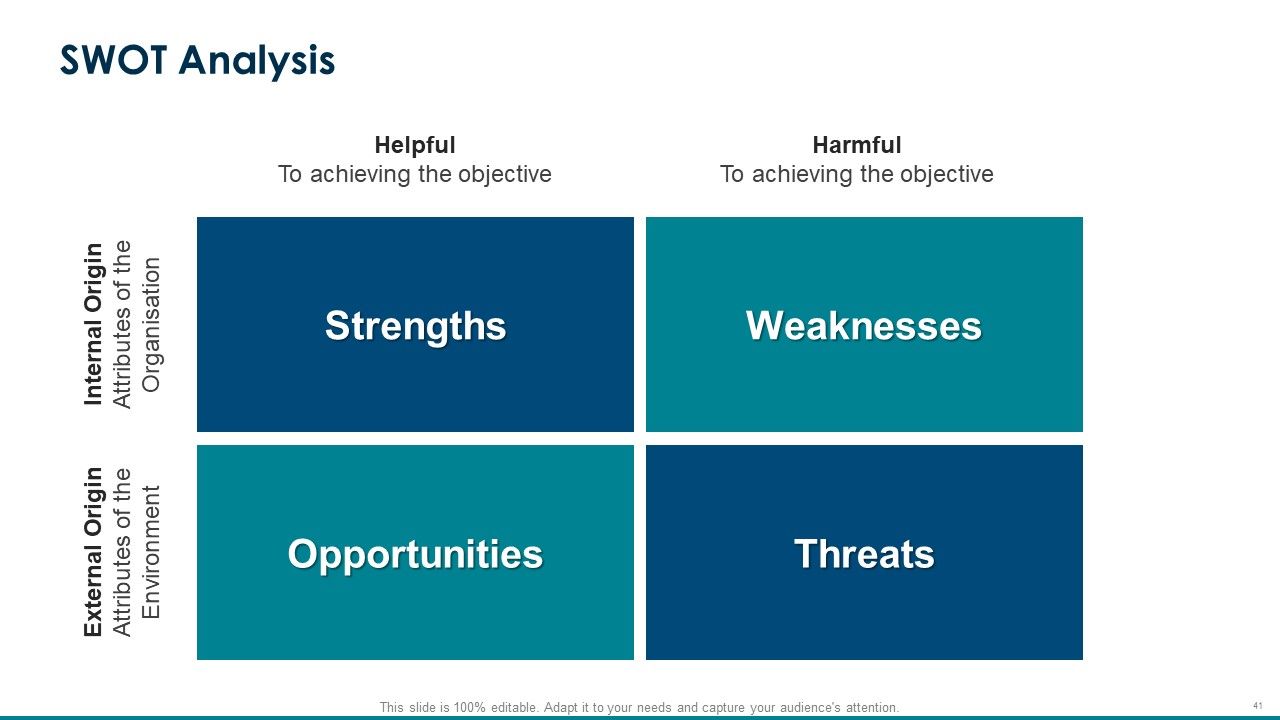
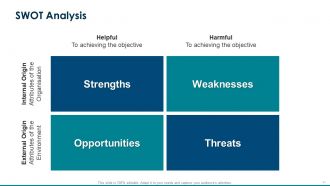
Slide 41: This slide displays SWOT Analysis.
Slide 42: This slide displays Healthcare Marketing Plan
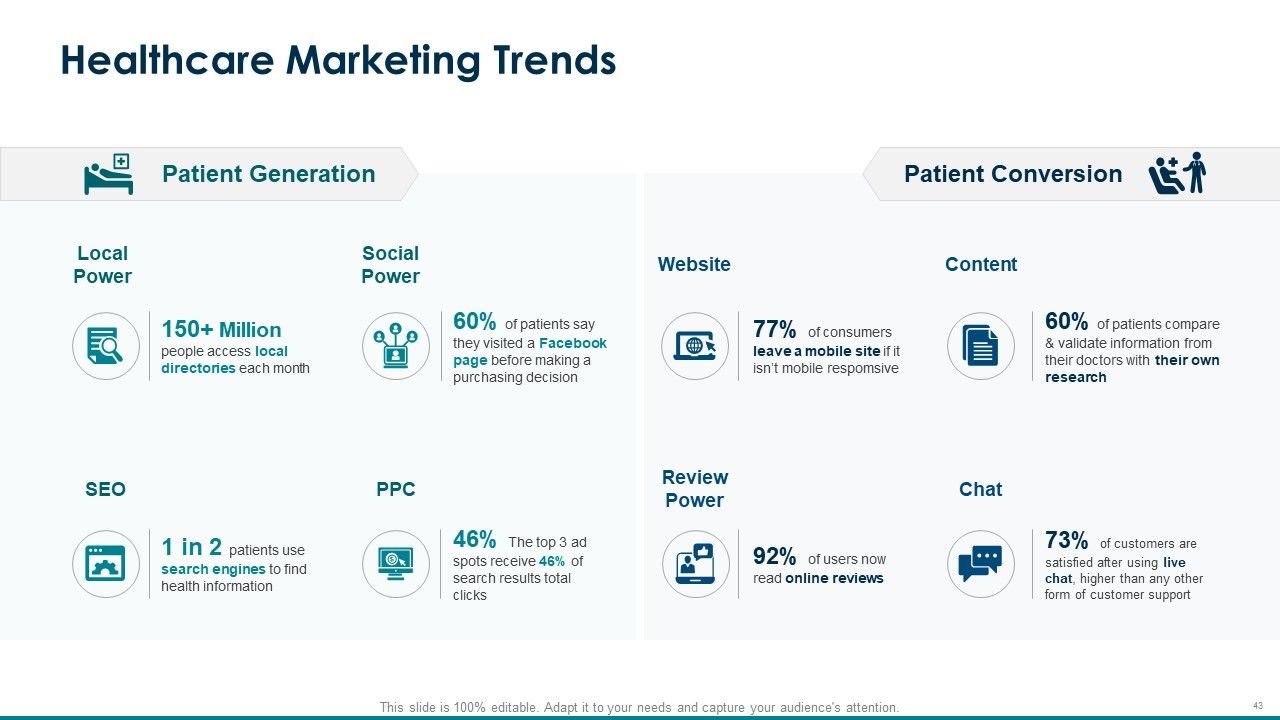
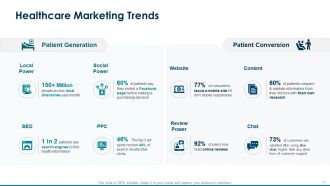
Slide 43: This slide highlights Healthcare Marketing Trends.
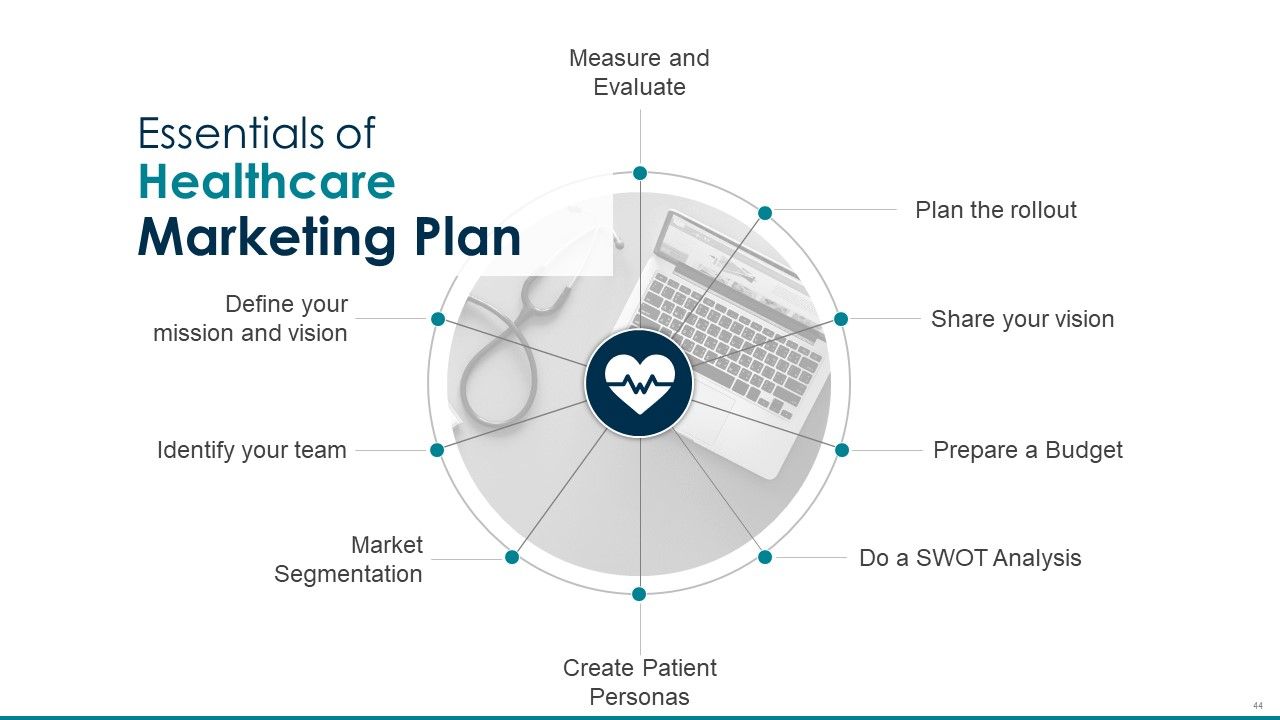
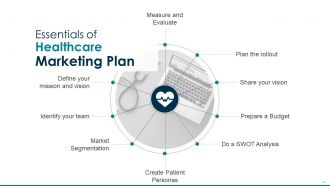
Slide 44: This slide shows Essentials of Healthcare Marketing Plan
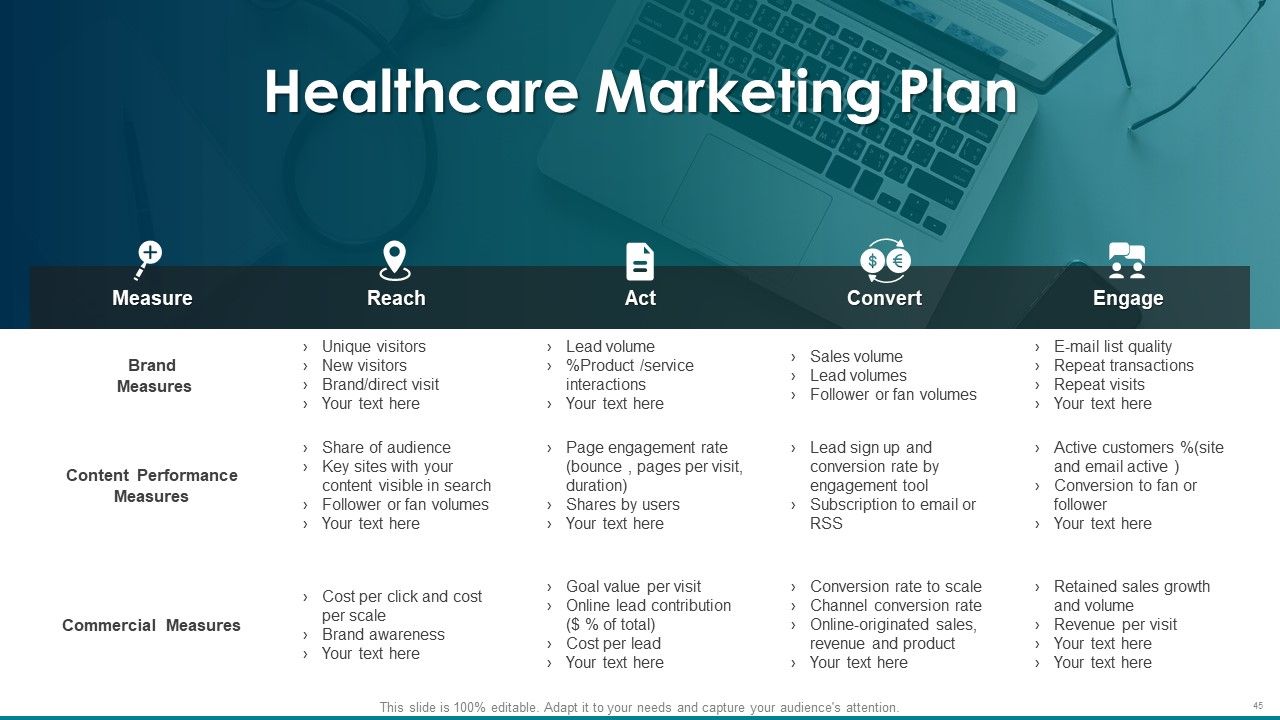
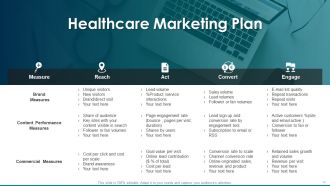
Slide 45: This slide shows Healthcare Marketing Plan.
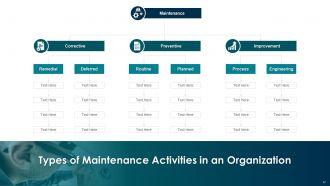
Slide 46: This slide highlights Types of Maintenance activities in an organization
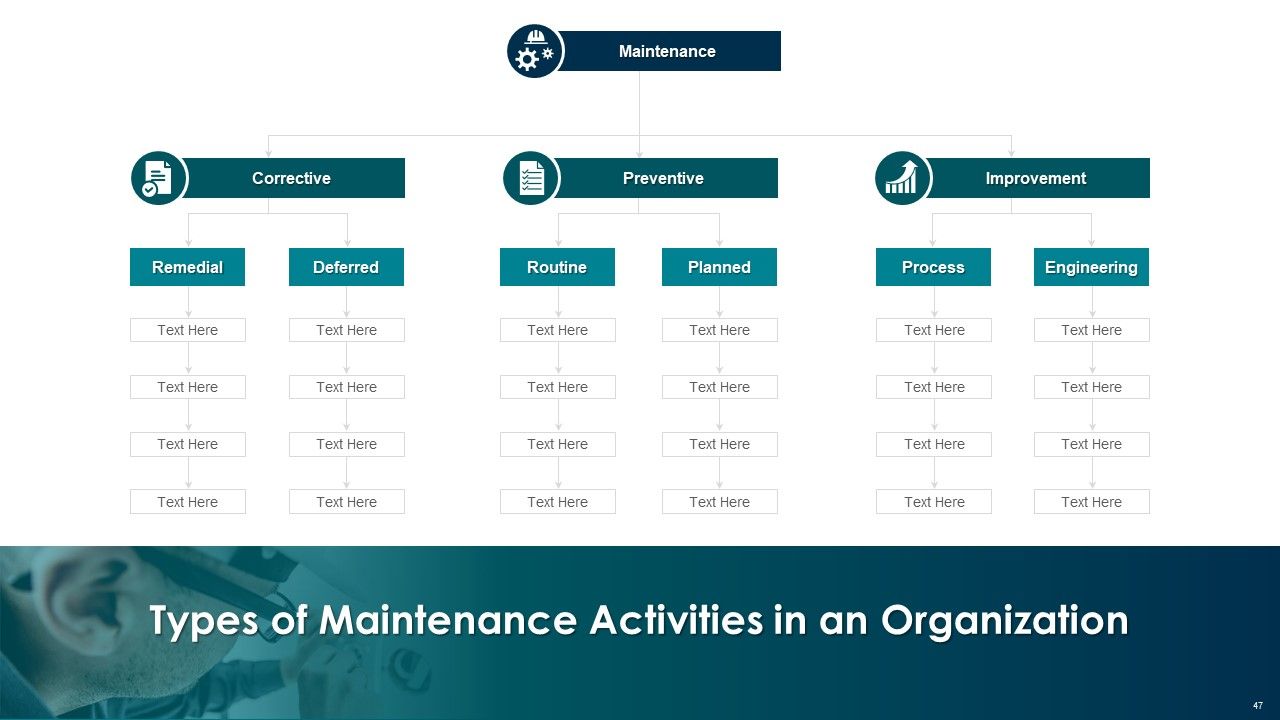
Slide 47: This slide displays Types of Maintenance Activities in an Organization.
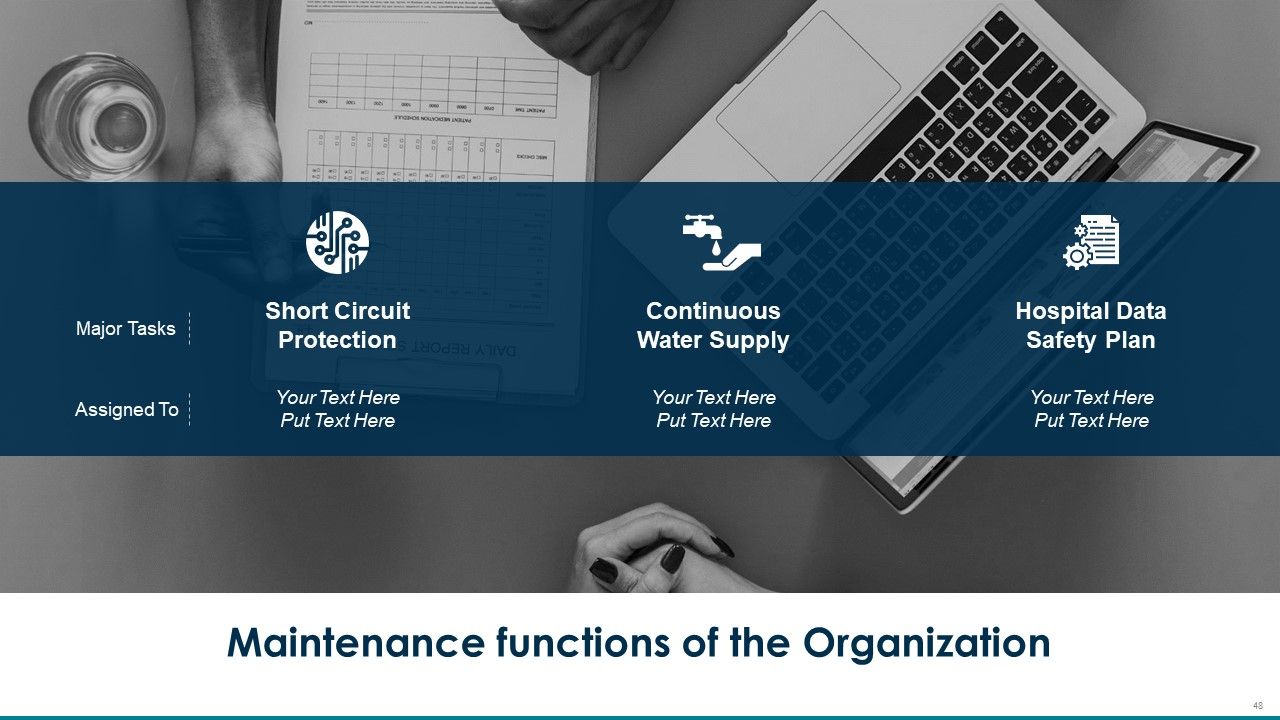
Slide 48: This slide displays Maintenance functions of the Organization
Slide 49: This slide showcases Healthcare Industry Key Challenges
Slide 50: This slide shows KPI Dashboards and KPI Metrics
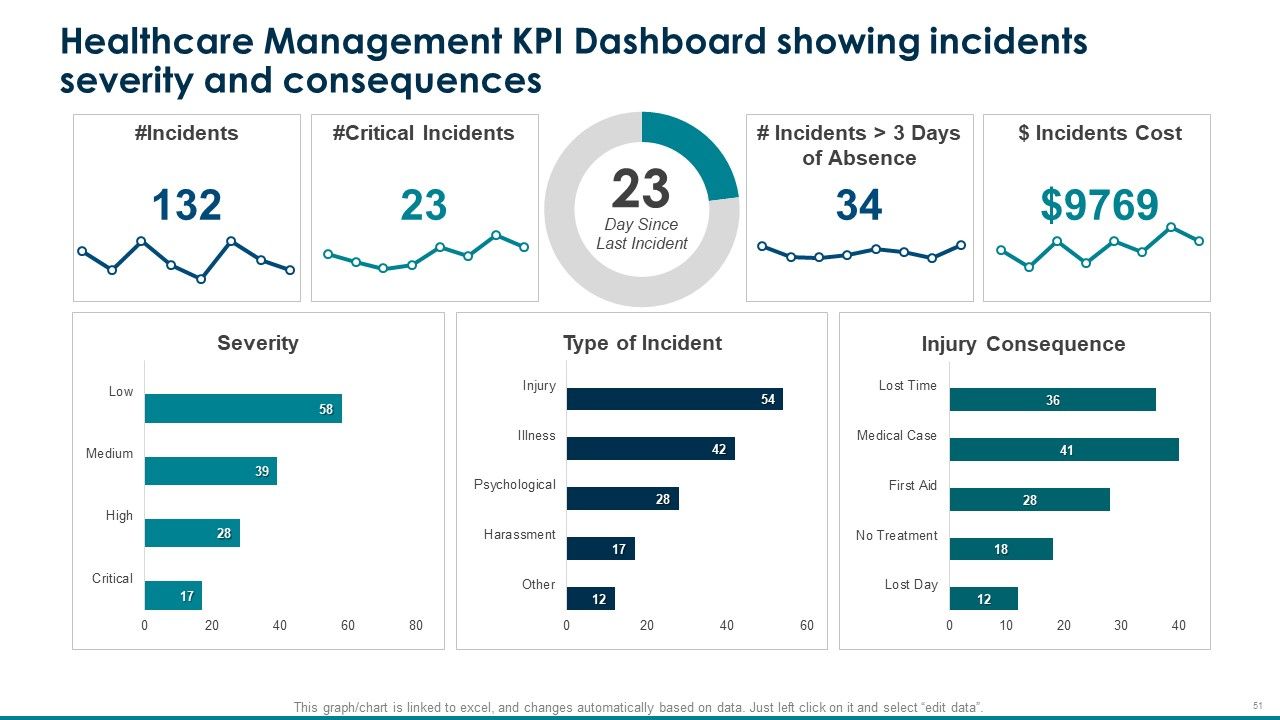
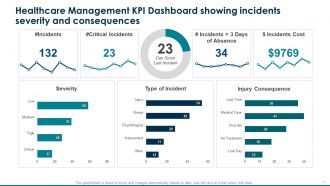
Slide 51: This slide displays Healthcare Management KPI Dashboard showing incidents severity and consequences
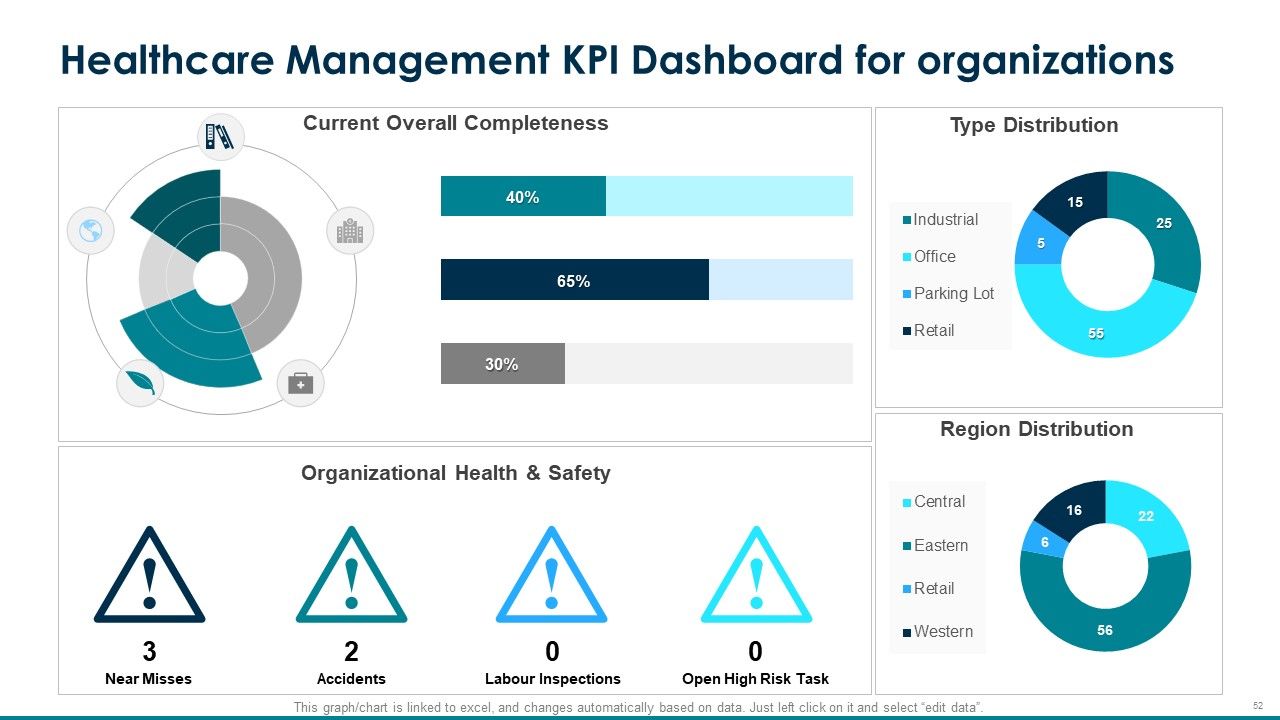
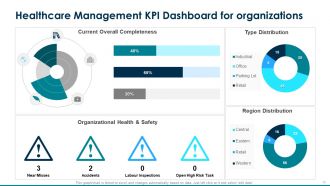
Slide 52: This slide shows Healthcare Management KPI Dashboard for organizations
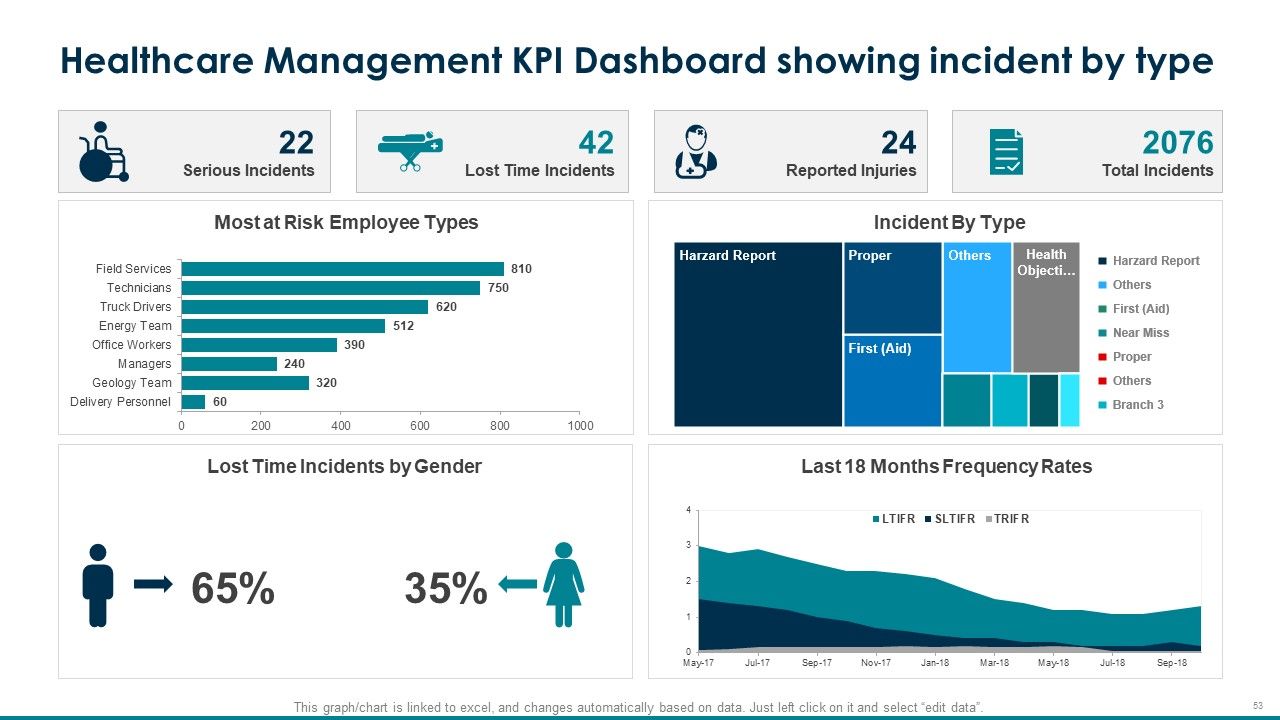
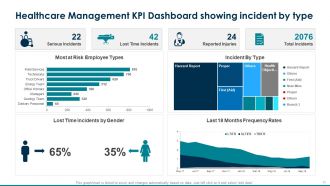
Slide 53: This slide showcases Healthcare Management KPI Dashboard showing incident by type.
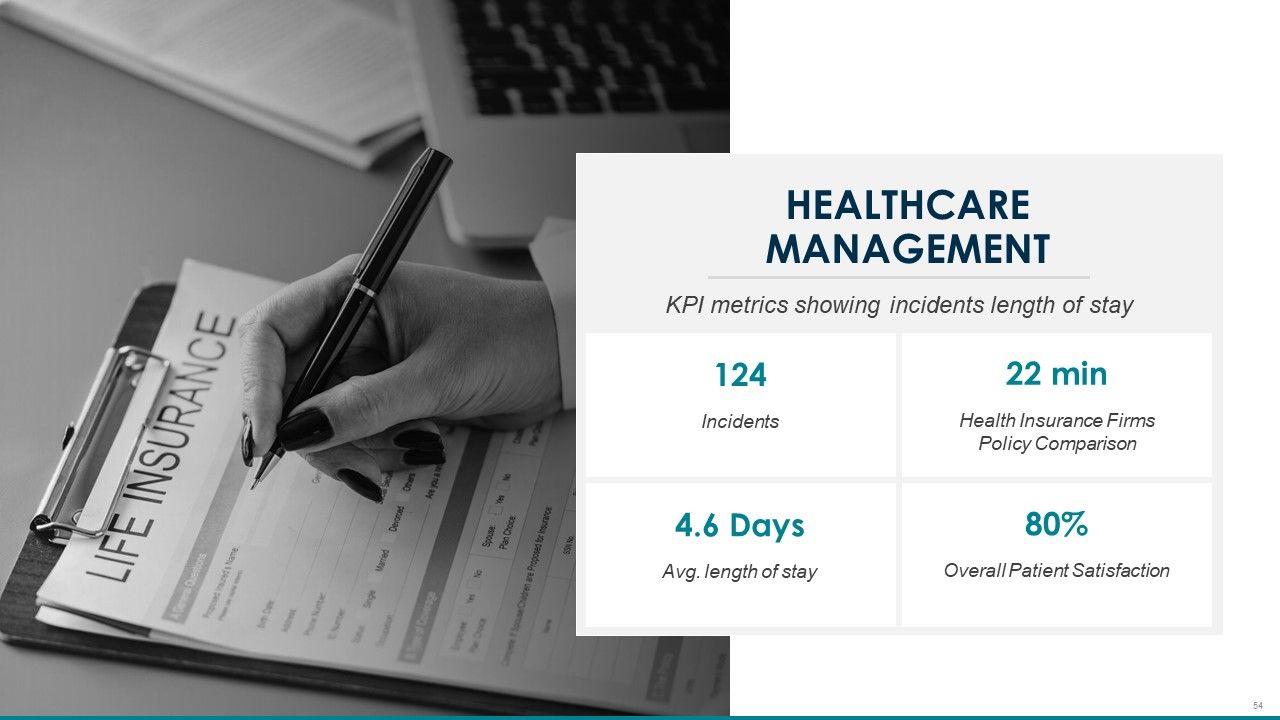
Slide 54: This slide displays KPI metrics showing incidents length of stay
Slide 55: This slide showcases KPI metrics showing treatment cost and waiting time
Slide 56: This slide reminds about Coffee break.
Slide 57: This is Healthcare Management Icons Slide.
Slide 58: This slide is titled as Additional Slides for moving forward.
Slide 59: This is Agenda Slide
Slide 60: This slide displays Company Introduction with Background, Capabilities, Accreditation.
Slide 61: This slide displays Mission, Vision and Values.
Slide 62: This is Our Team with Names and Designations.
Slide 63: This is Our Goals slide with Mission, Vision and Goal.
Slide 64: This is Post It Notes. Post your important notes here.
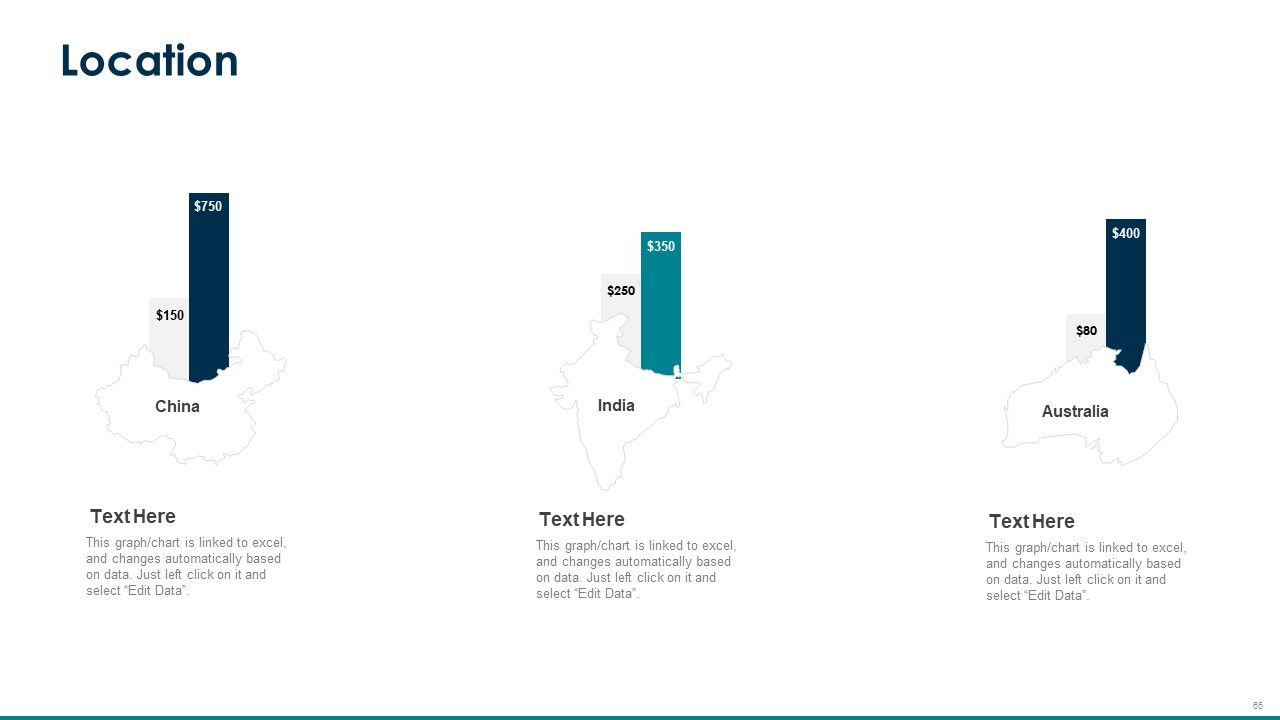
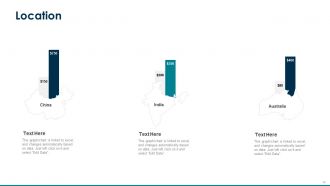
Slide 65: This slide depicts Location.
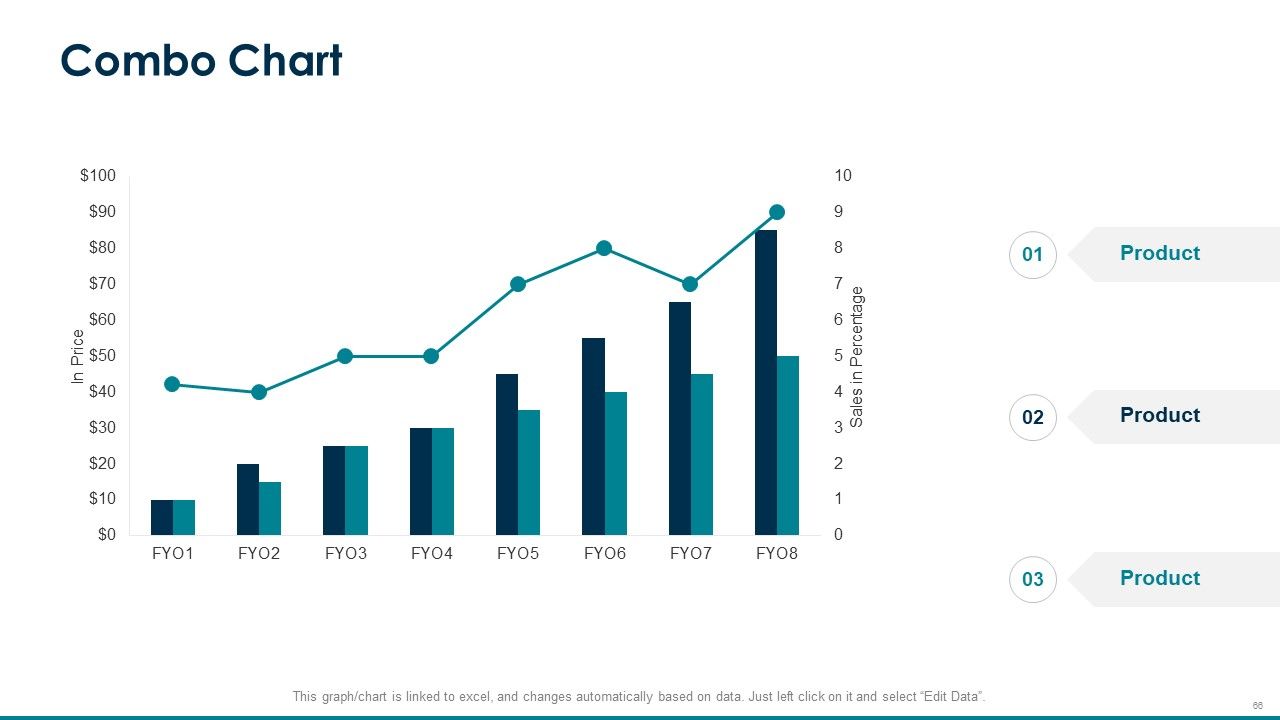
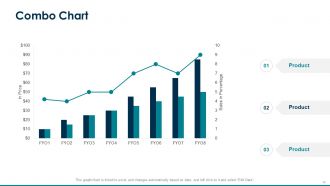
Slide 66: This slide displays Combo Chart for Comparison of Products.
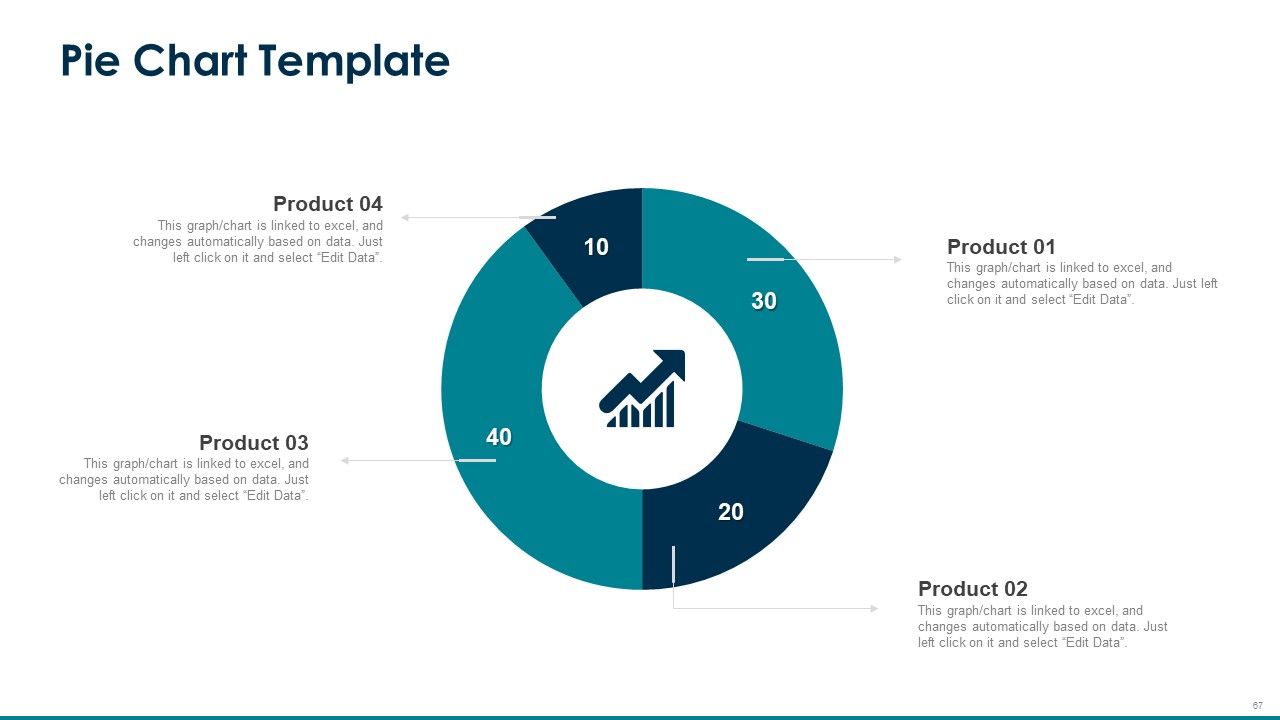
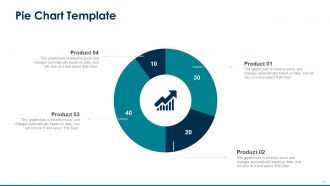
Slide 67: This slide displays Pie Chart for Comparison of products.
Slide 68: This is Thank You slide with Contact details.
Healthcare management powerpoint presentation slides with all 68 slides:
Use our Healthcare Management Powerpoint Presentation Slides to effectively help you save your valuable time. They are readymade to fit into any presentation structure.
-
Good quality
-
Qualitative and comprehensive slides.
-
Excellent template with unique design.
-
Use of different colors is good. It's simple and attractive.
-
Appreciate the research and its presentable format.
